 Rupeshsarkar, Wikimedia Commons, Modified
The Archaeological Survey of India recently cracked open the earth along Hampi's legendary Pan Supari Bazaar, unearthing secrets from what was once the flashiest commercial district in medieval South India. This wasn't just any shopping street. During the Vijayanagara Empire's golden age in the 14th to 16th centuries, this stretch buzzed with merchants hawking emeralds, rubies, pearls, and gold to traders who'd sailed from Persia, Portugal, and China. The excavation trenches reveal a sophisticated urban marketplace that rivaled anything in contemporary Europe or Asia, where transactions involved gemstones worth kingdoms and spices measured by the shipload. Archaeologists are now piecing together how this “Big Shop Street” essentially functioned as the empire's economic heartbeat, processing precious metals and luxury goods that fueled Vijayanagara's reputation as one of the wealthiest cities on Earth.
The Street That Glittered With Empire Wealth
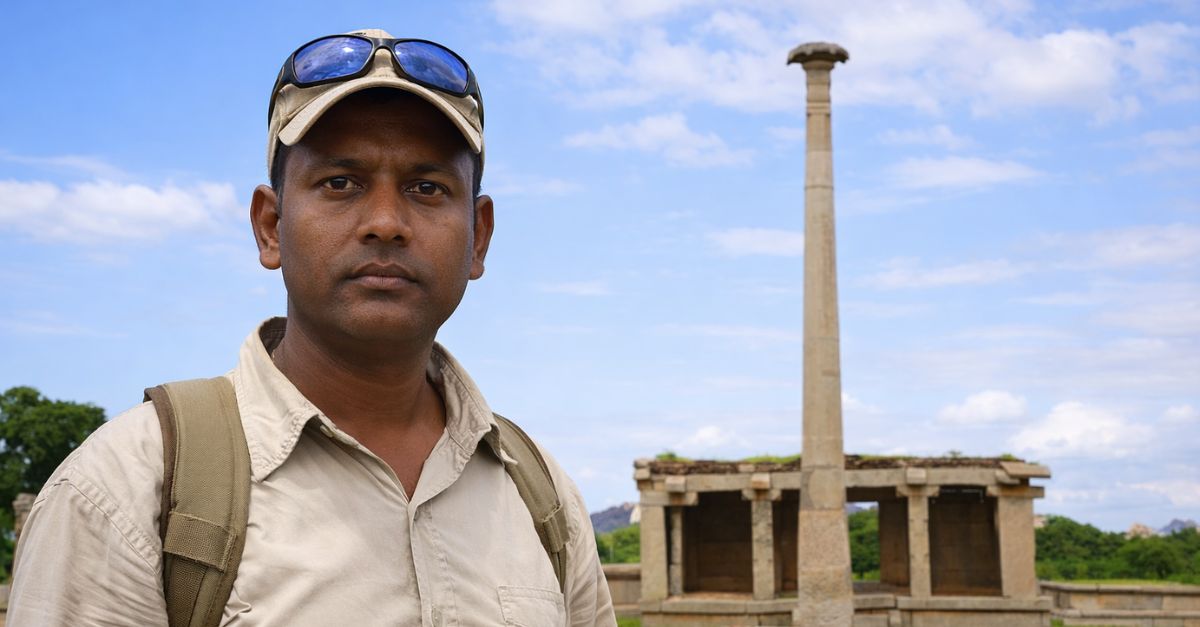
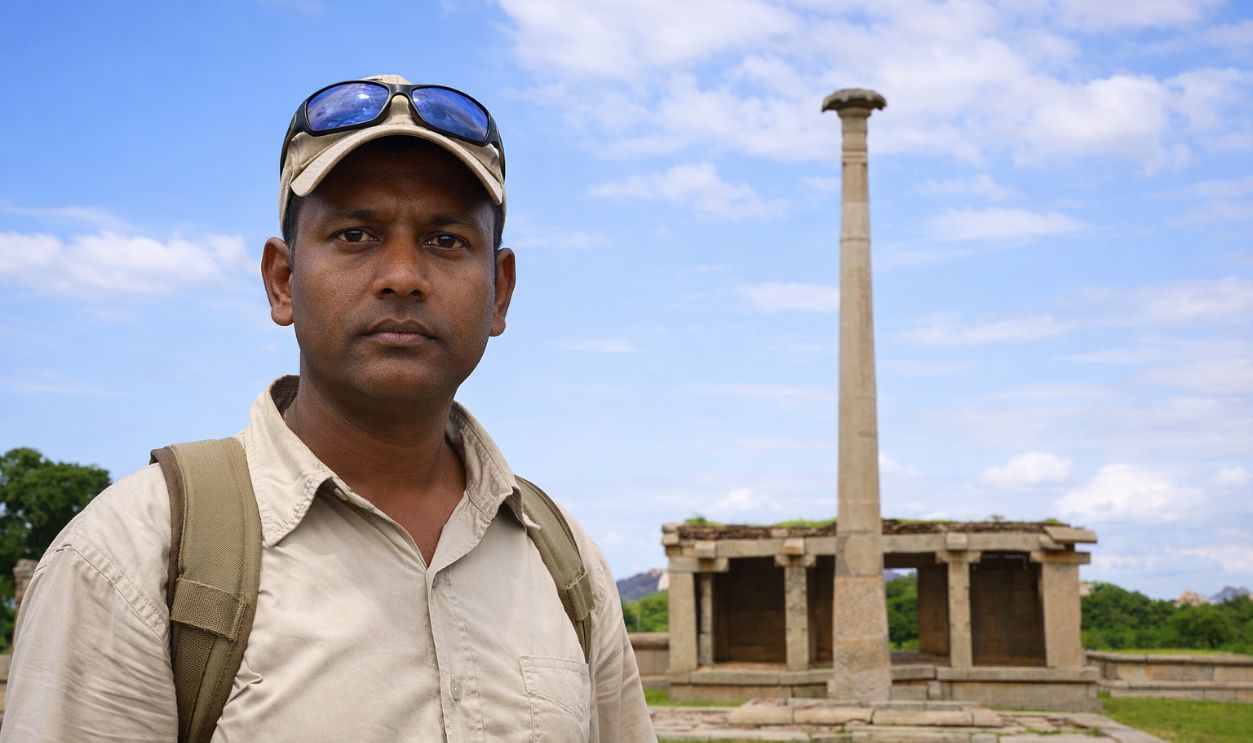
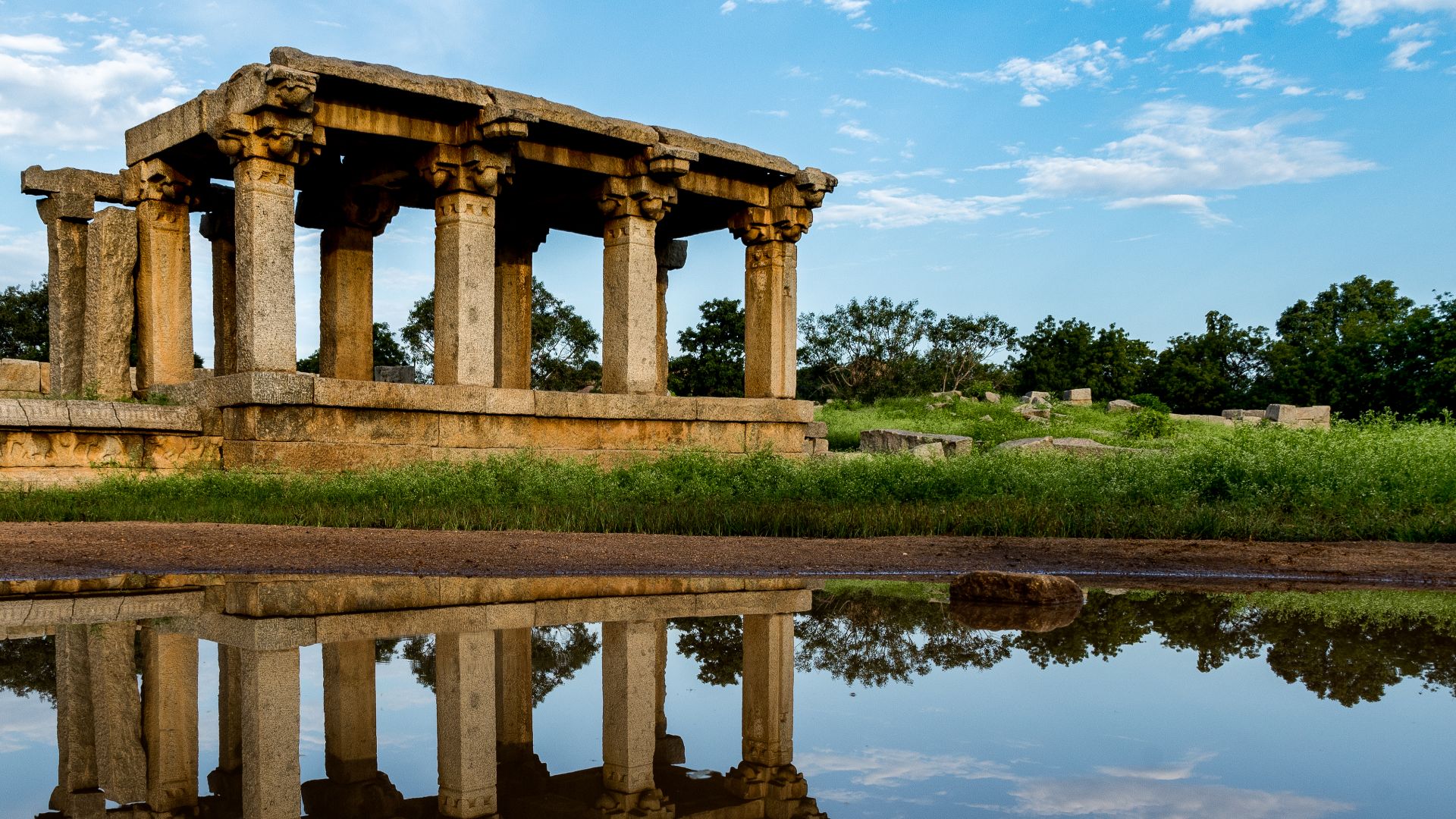
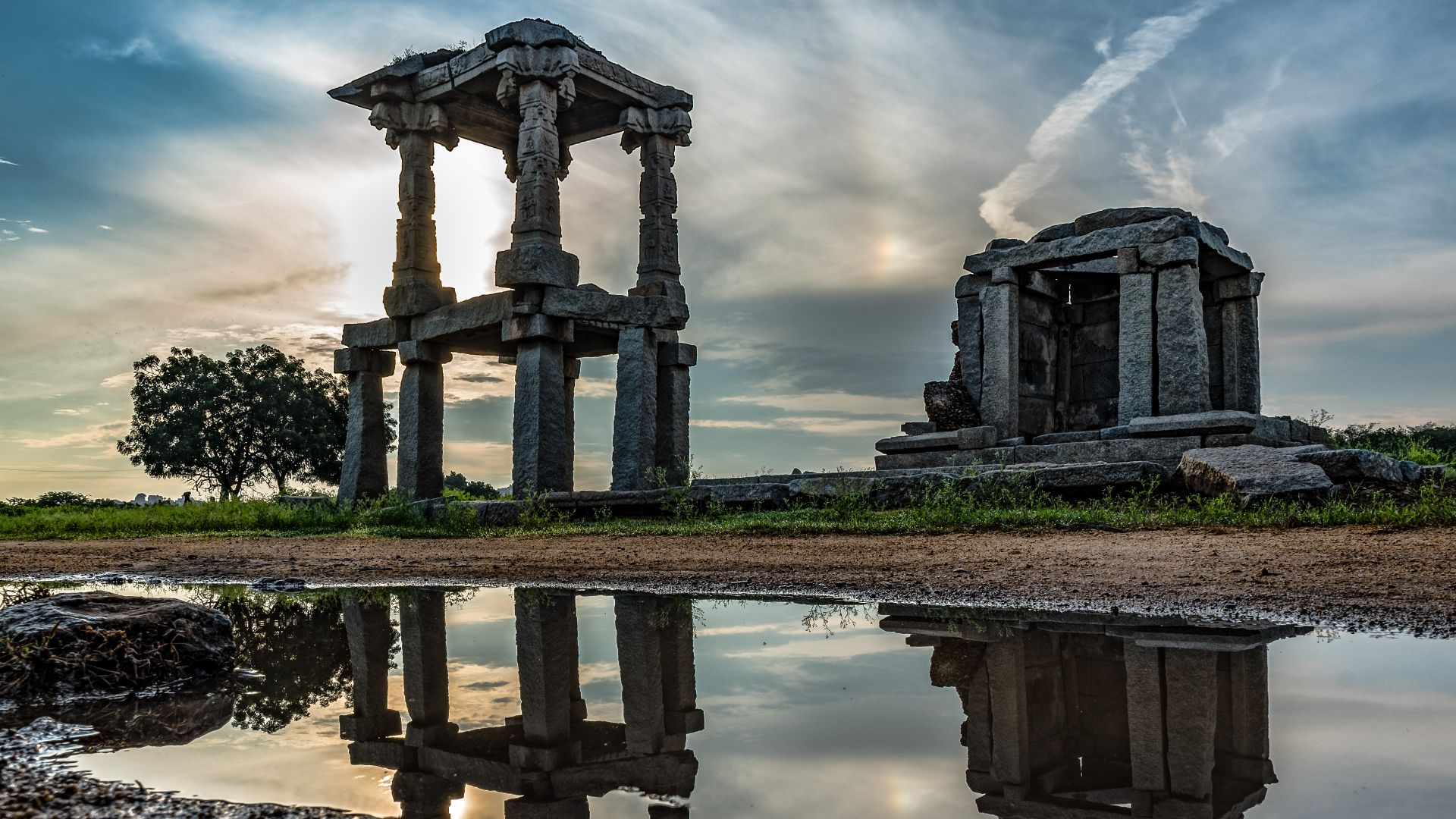
Pan Supari Bazaar stretched over approximately one kilometer through Hampi's urban core, flanked by columned pavilions where merchants displayed their wares on stone platforms that still stand today. The ASI's trench excavations exposed foundations of shops constructed with precisely cut granite blocks, many featuring built-in storage chambers beneath the main selling floors. No, these definitely weren't ramshackle market stalls but permanent stone structures with architectural sophistication that matched the empire's famous temples. Historical accounts from visiting Persian and Portuguese travelers describe this street as a dazzling spectacle where goldsmiths hammered intricate jewelry, diamond cutters evaluated stones under oil lamps, and pearl merchants sorted South Indian ocean harvests by size and luster. The excavated layers bring to light occupation debris rich with metal fragments, semi-precious stone chips, and ceramic vessels that once held valuable commodities. What makes these findings remarkable is the sheer scale of commercial activity they suggest. This wasn't small-scale local trade but an international bazaar where currencies from multiple kingdoms changed hands daily, and goods moved between the Indian Ocean trade network and the empire's vast interior territories.
 Basavarajmin21, Wikimedia Commons
What The Trenches Revealed About Medieval Commerce
The excavation layers tell a detailed story about how the precious metal trade actually worked in medieval Hampi. Archaeologists found evidence of specialized workshops clustered along specific sections of the street, with goldsmithing areas identifiable by crucible fragments, metal slag, and metal residues consistent with precious metal working. The trench stratigraphy shows multiple building phases, indicating the street evolved architecturally as the empire's wealth grew, with earlier modest structures replaced by grander pavilions during the empire's 15th-century peak. Particularly fascinating are the drainage systems uncovered beneath the street, sophisticated enough to prevent monsoon flooding from damaging valuable inventory stored in basement chambers. The artifacts recovered include bronze coins, glass beads from Egypt, Chinese porcelain sherds, and Iranian ceramic fragments, proving this marketplace connected continents. The spatial organization revealed by the trenches suggests strict zoning, with different commodity types traded in designated sections, possibly regulated by imperial guilds that controlled quality and taxation.
Why This Discovery Matters Beyond Hampi
These excavations fundamentally challenge assumptions about medieval Indian economic systems and urban planning capabilities. The archaeological profile of Big Shop Street demonstrates that Vijayanagara possessed commercial infrastructure as advanced as that of contemporary Venice or Cairo, with standardized shop dimensions, public sanitation, and fire-resistant construction that protected high-value inventory. The findings document a sophisticated mercantile culture in which written contracts, banking instruments, and regulated weights created trust among traders who might never meet again. For historians studying global medieval commerce, Hampi's bazaar represents a critical node where Asian, African, and European trade networks intersected in practice, not just in theory.
The trench data will help researchers understand pricing mechanisms, taxation systems, and commodity flow patterns that sustained one of history's most successful pre-colonial empires. Beyond academic interest, these discoveries attract global attention to India's architectural and economic heritage, demonstrating that Indian cities were designing complex commercial spaces centuries before European colonial powers arrived, claiming to civilize the subcontinent. The evidence permanently destroys outdated narratives about Asian technological backwardness during the medieval period. Well, apart from rewriting history, the Pan Supari Bazaar excavations also guide modern conservation efforts at Hampi.
 Basavaraj M, Wikimedia Commons