

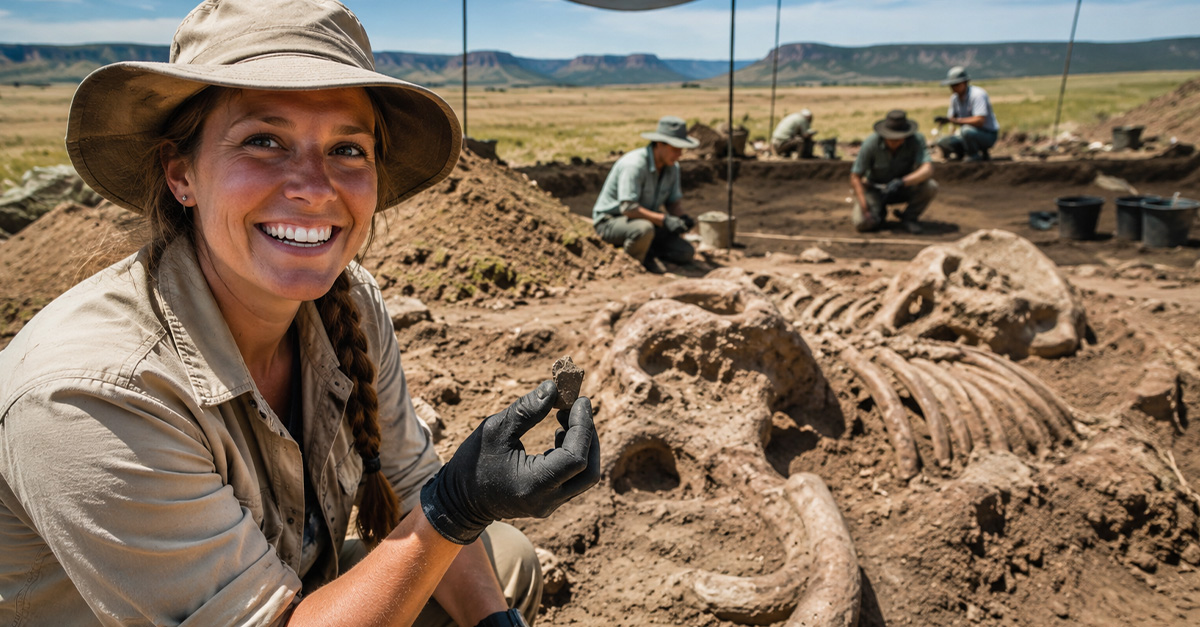
A Frozen Drama On The Wyoming Plains
Long before ranch roads, pickup trucks, and wind fences crossed eastern Wyoming, a very different kind of traffic moved through the valley of La Prele Creek. Around 13,000 years ago, Ice Age hunters camped near the remains of a Columbian mammoth. What they left behind—stone tools, bone fragments, hearths, ocher, needles, and even a tiny bead—has turned one Wyoming dig into a thrilling snapshot of Clovis-era life.
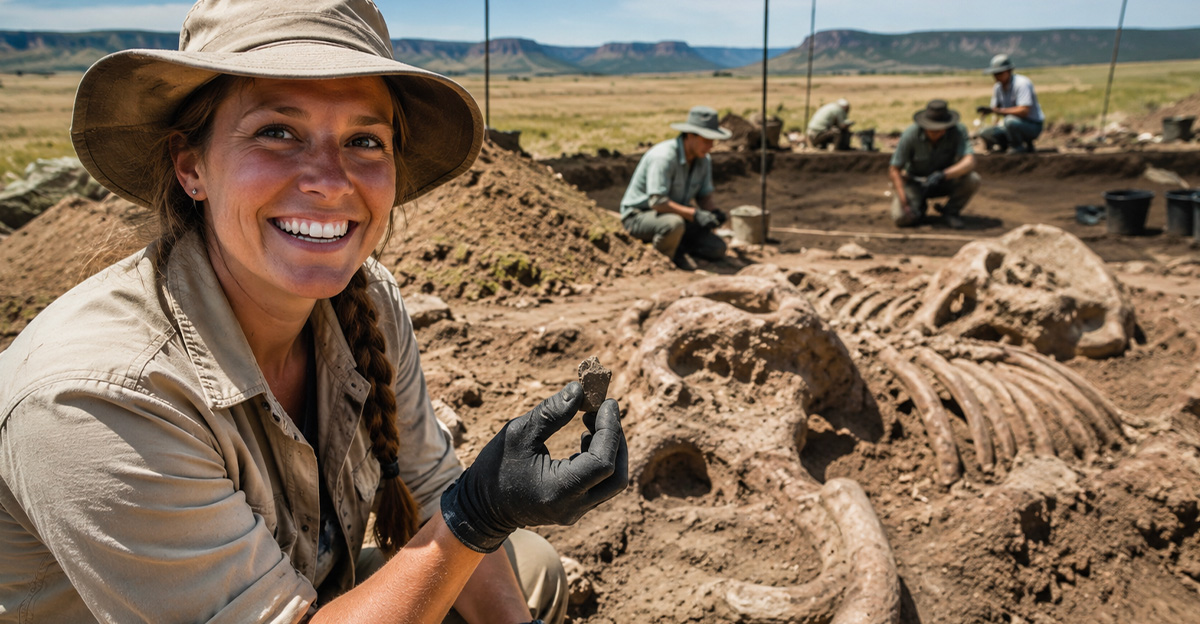
Meet The La Prele Mammoth Site
The discovery comes from the La Prele Mammoth site in Converse County, near Douglas, Wyoming. It is not just a “there was a mammoth here” kind of place. It is a layered archaeological scene, with mammoth remains and traces of human activity preserved in the same ancient landscape. For researchers, that combination is irresistible: bones, tools, camp areas, and clues to survival all packed into one buried time capsule.
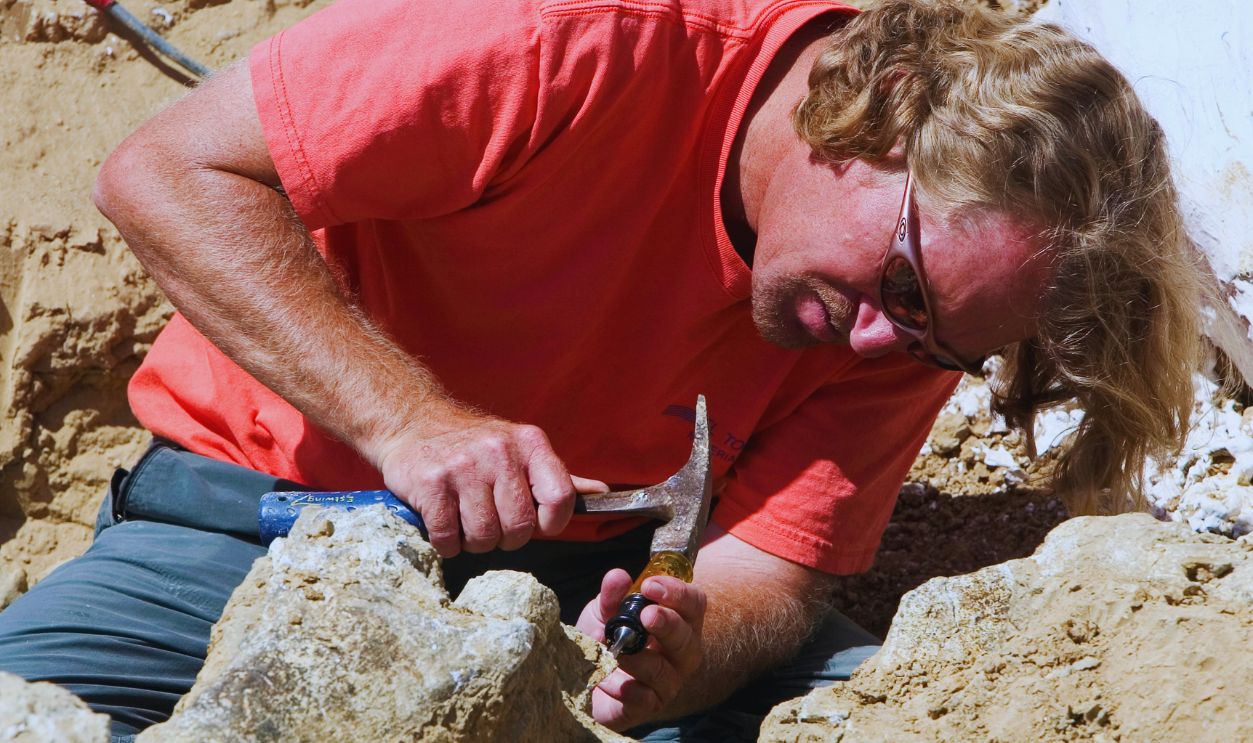
The Star Of The Site
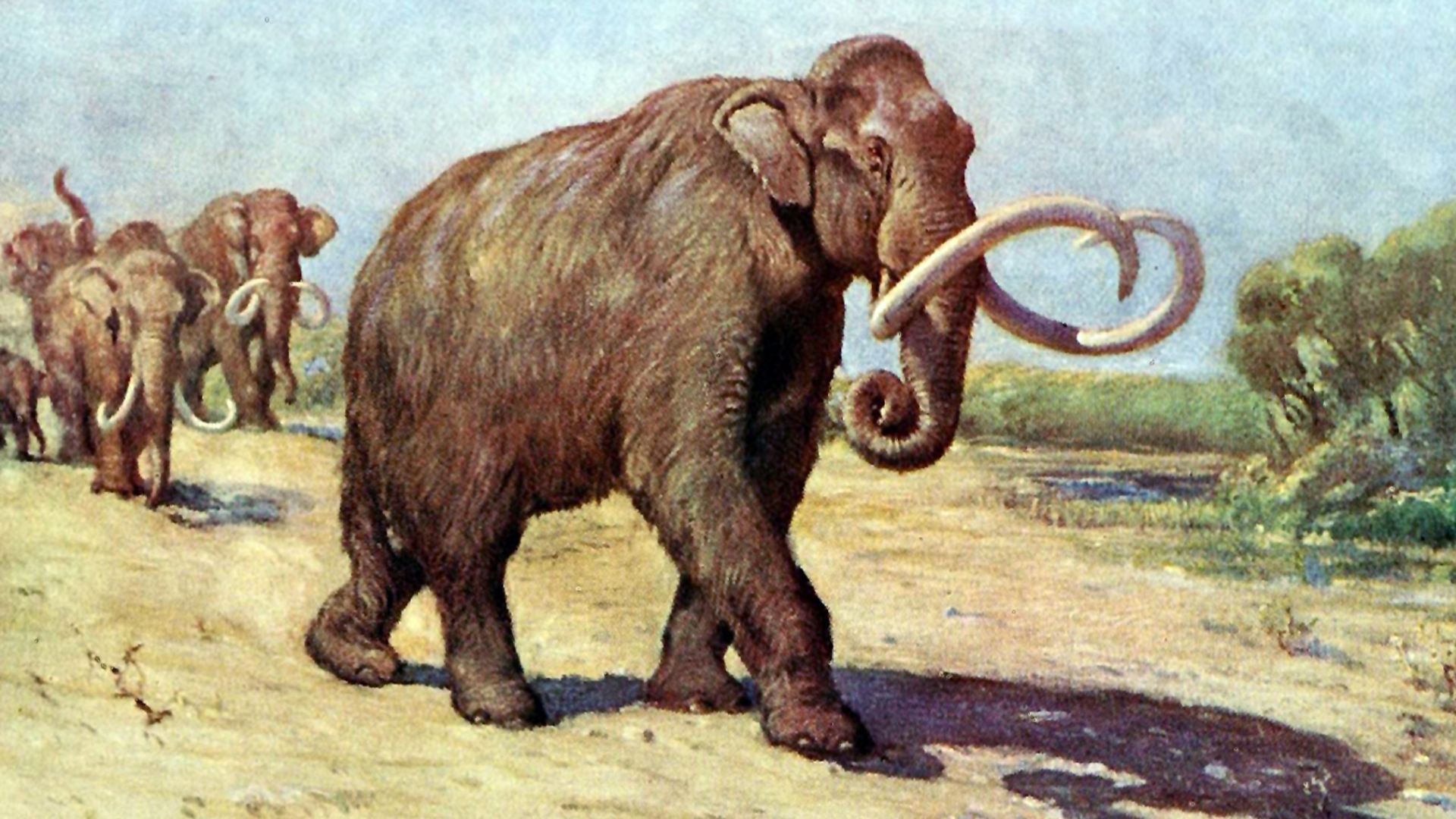
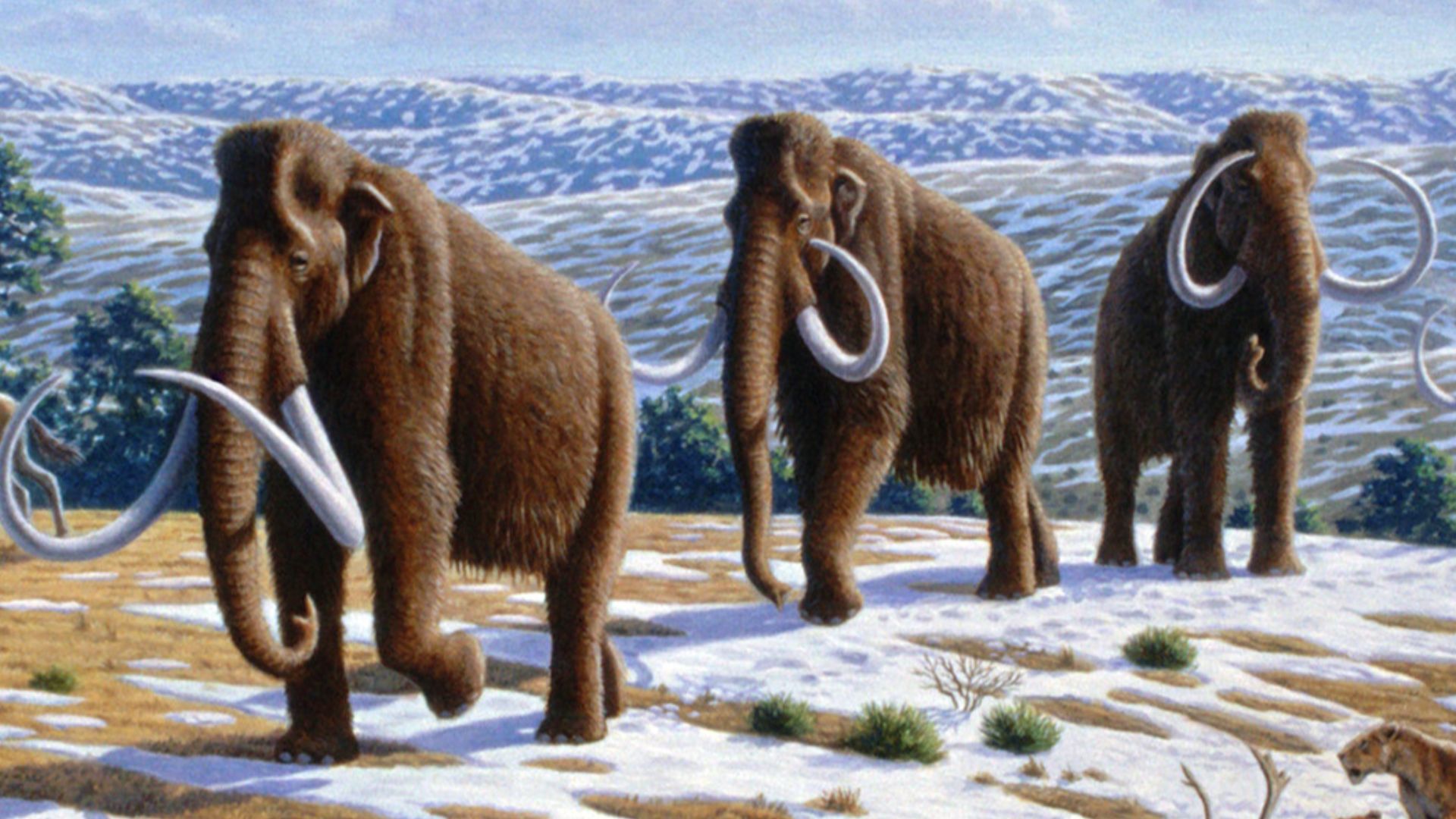
The mammoth at La Prele was a subadult Columbian mammoth, not yet a full-grown giant but still an enormous animal by any modern standard. Columbian mammoths could tower over people, carrying massive bodies and sweeping tusks across Ice Age North America. Finding one beside Clovis-era artifacts immediately raises the big question: were people hunting it, scavenging it, butchering it—or all of the above?
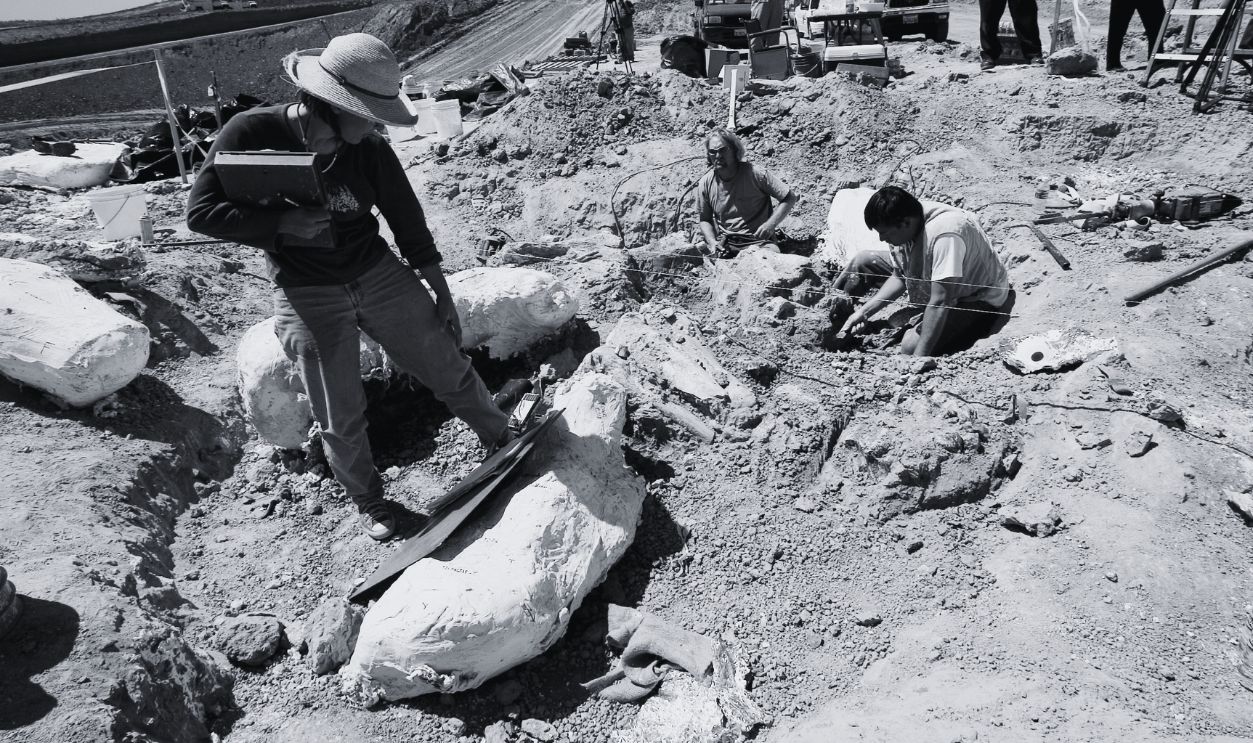
Why Clovis Matters
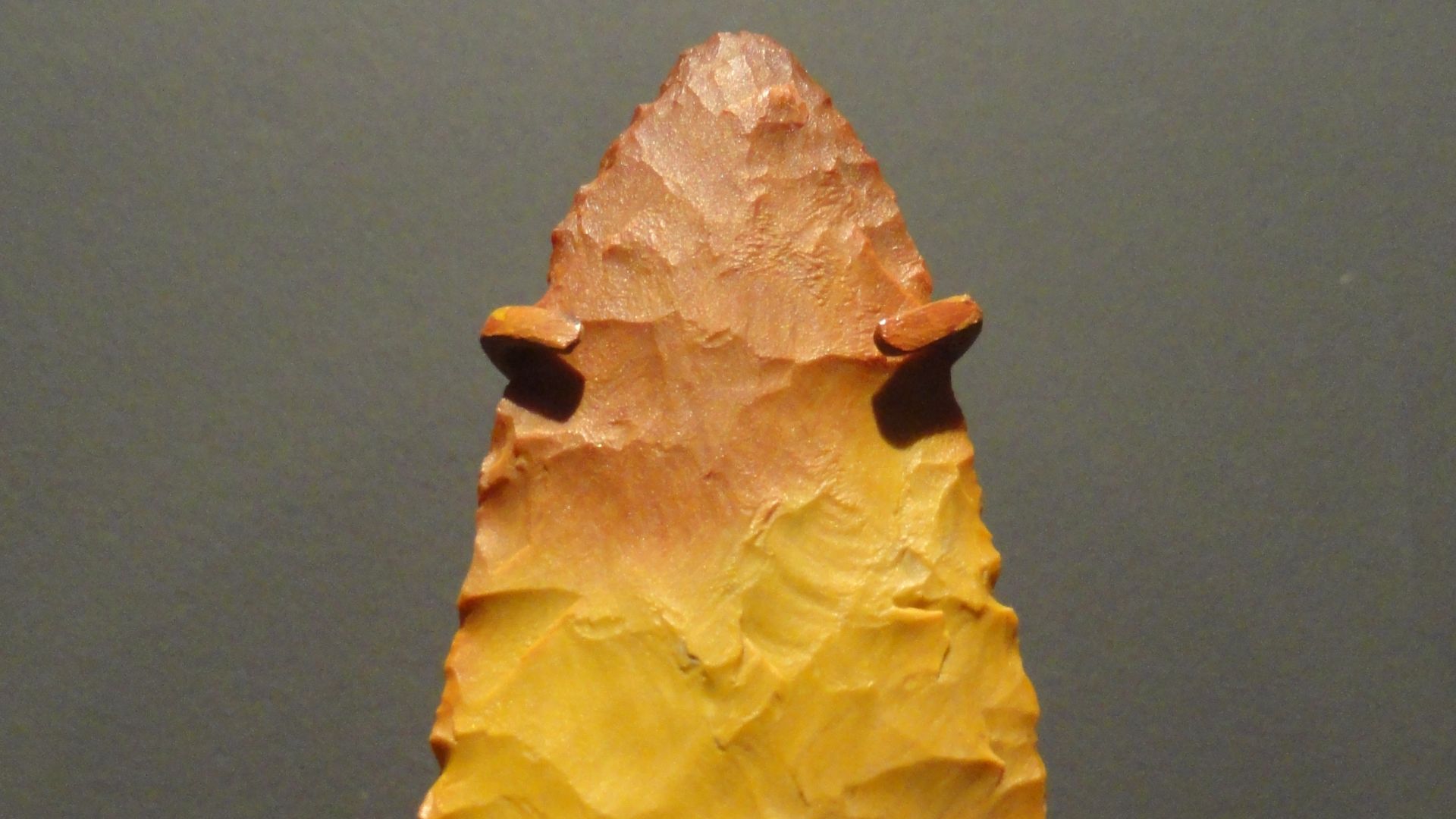
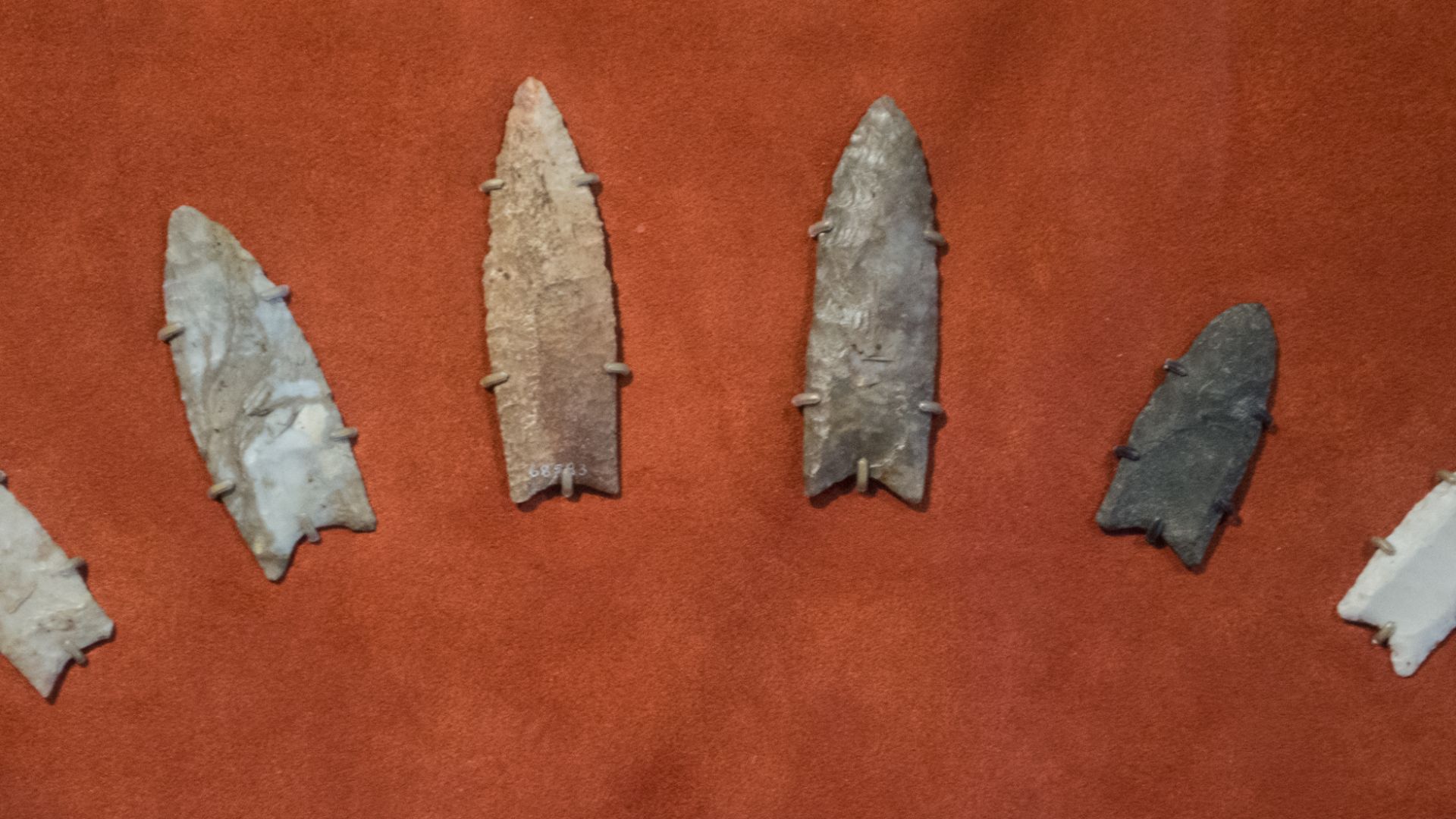
Clovis culture is famous for its beautifully made stone projectile points, often associated with some of the earliest widespread human activity in North America. These people lived at a time when mammoths, giant bison, camels, horses, and other Ice Age animals still roamed the continent. Their tools were not crude survival gadgets. They were expertly crafted, carefully maintained, and clearly part of a sophisticated hunting toolkit.
A Discovery With A Long Pause
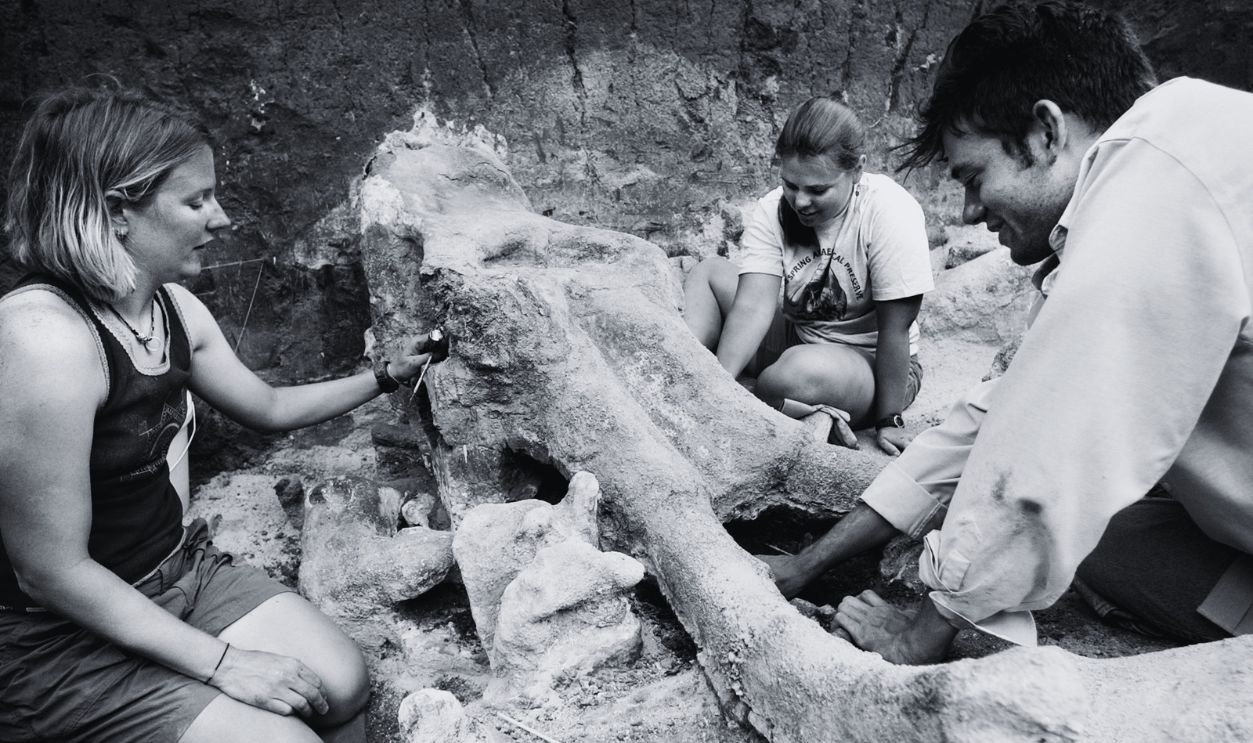
The La Prele site was first investigated in the 1980s, but the story did not unfold all at once. Early excavations revealed mammoth remains and stone artifacts, but archaeologists debated whether the tools and bones truly belonged to the same event. Then, after a long pause, researchers returned in the 2010s with fresh methods, bigger excavations, and sharper questions. The old mystery suddenly had new teeth.
Digging Back Into The Evidence
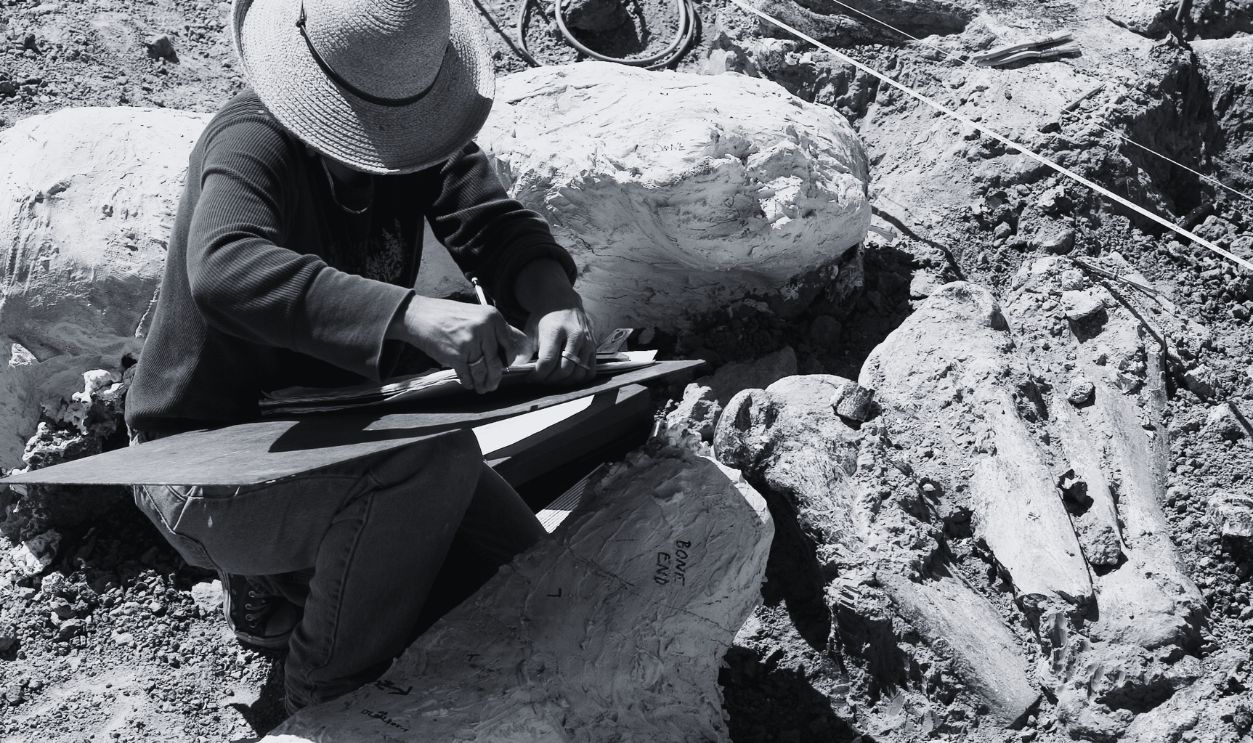
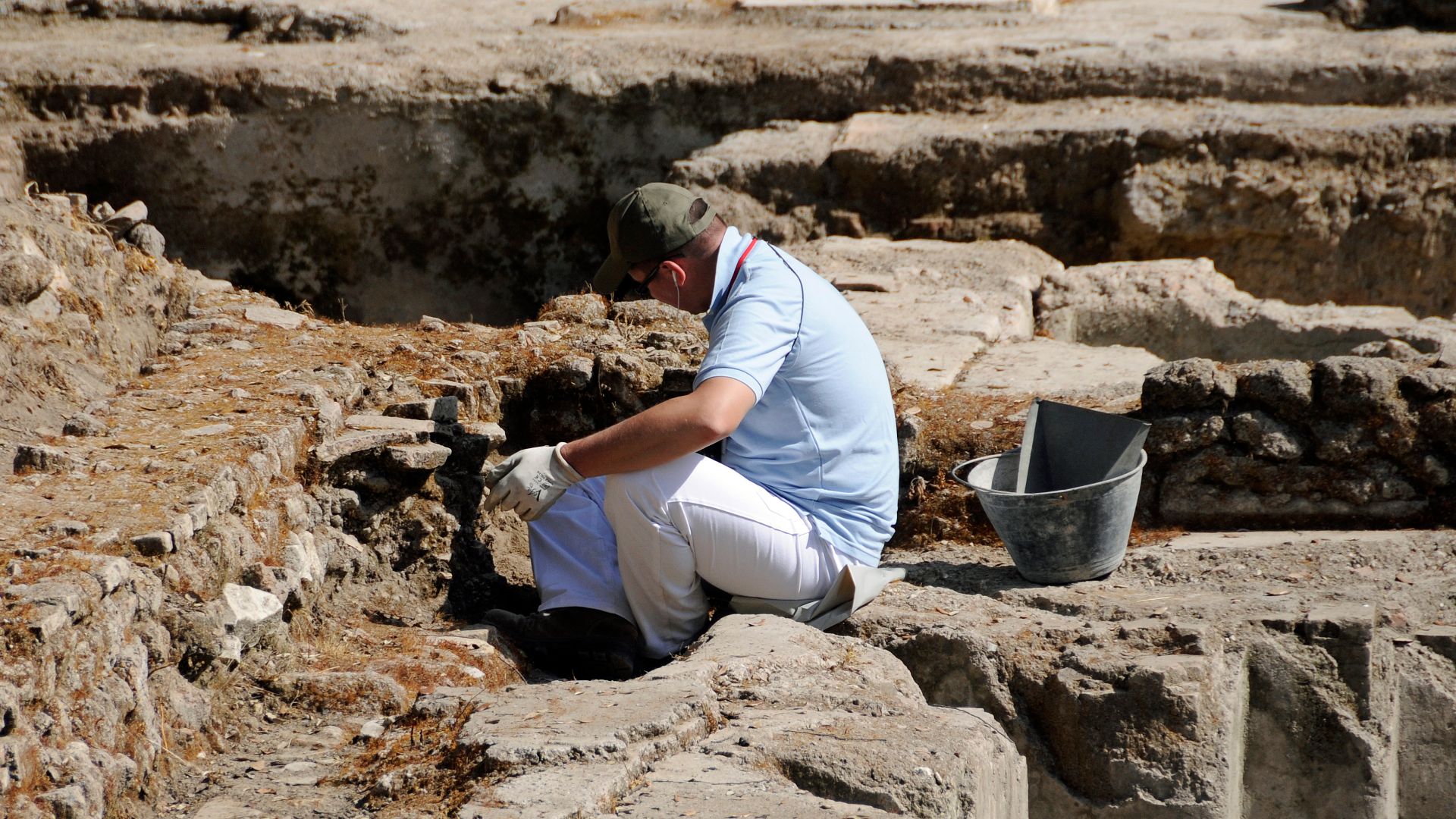
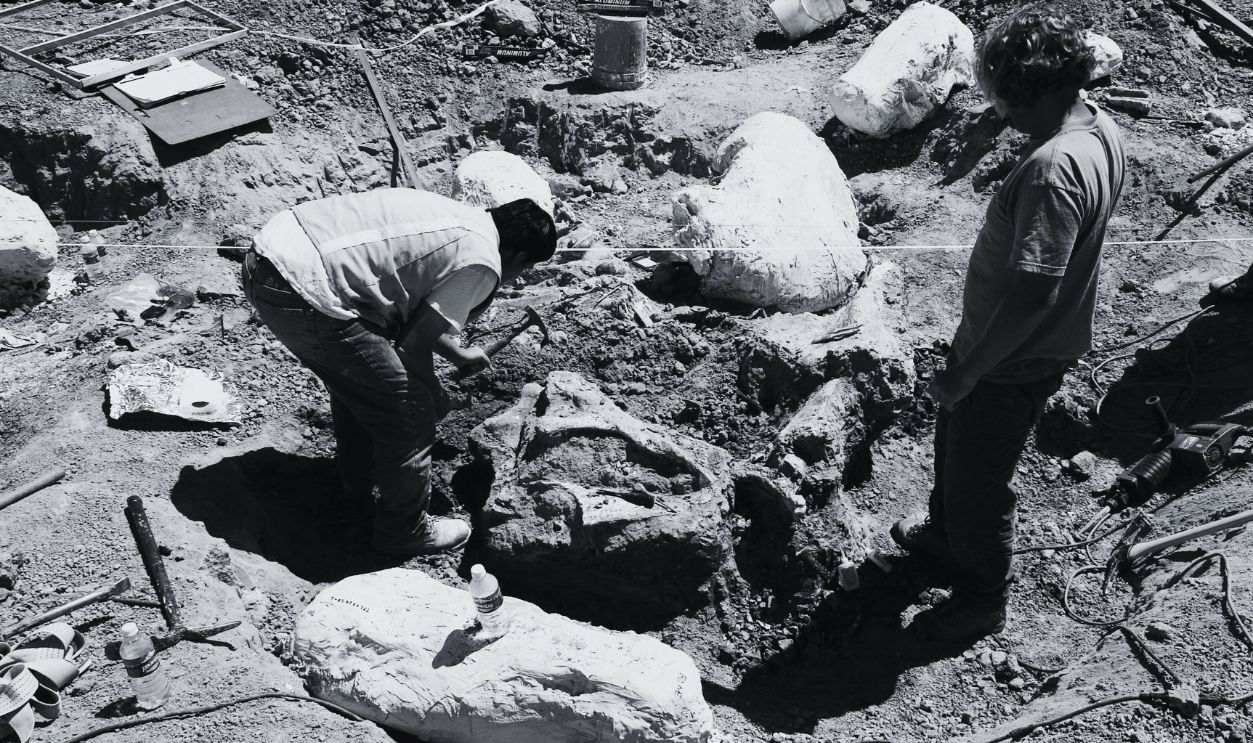
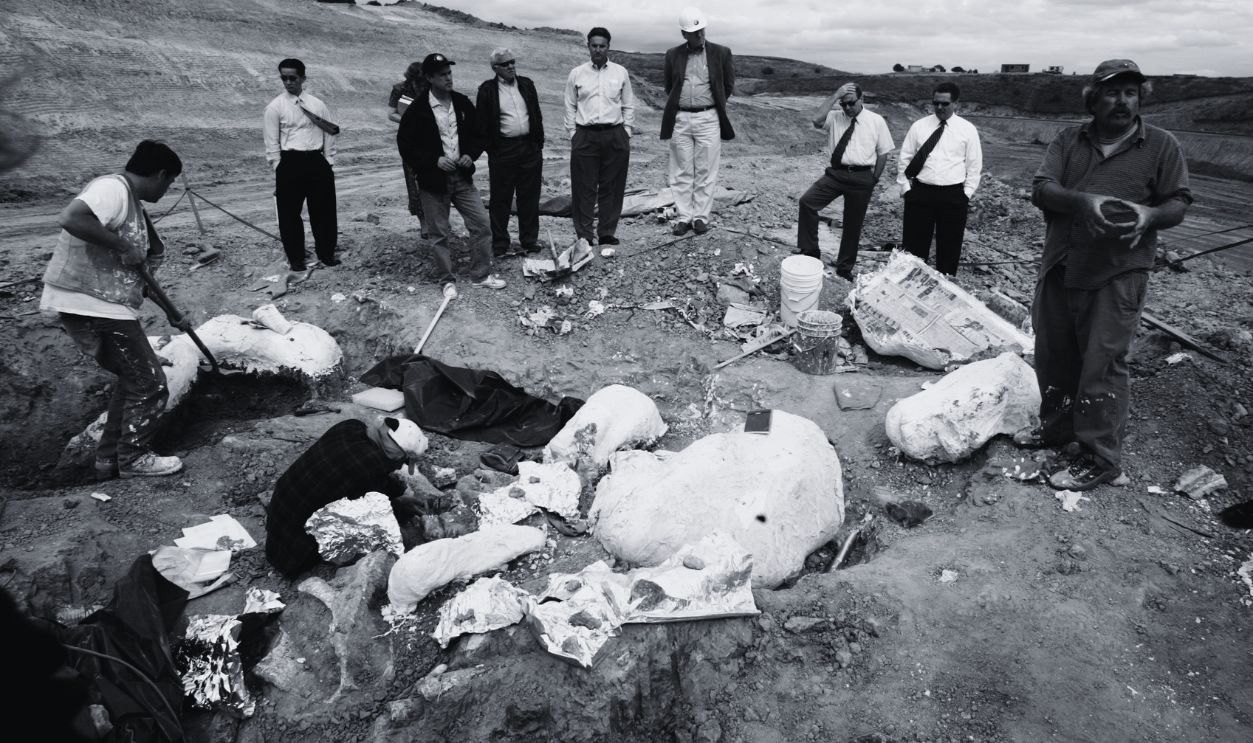
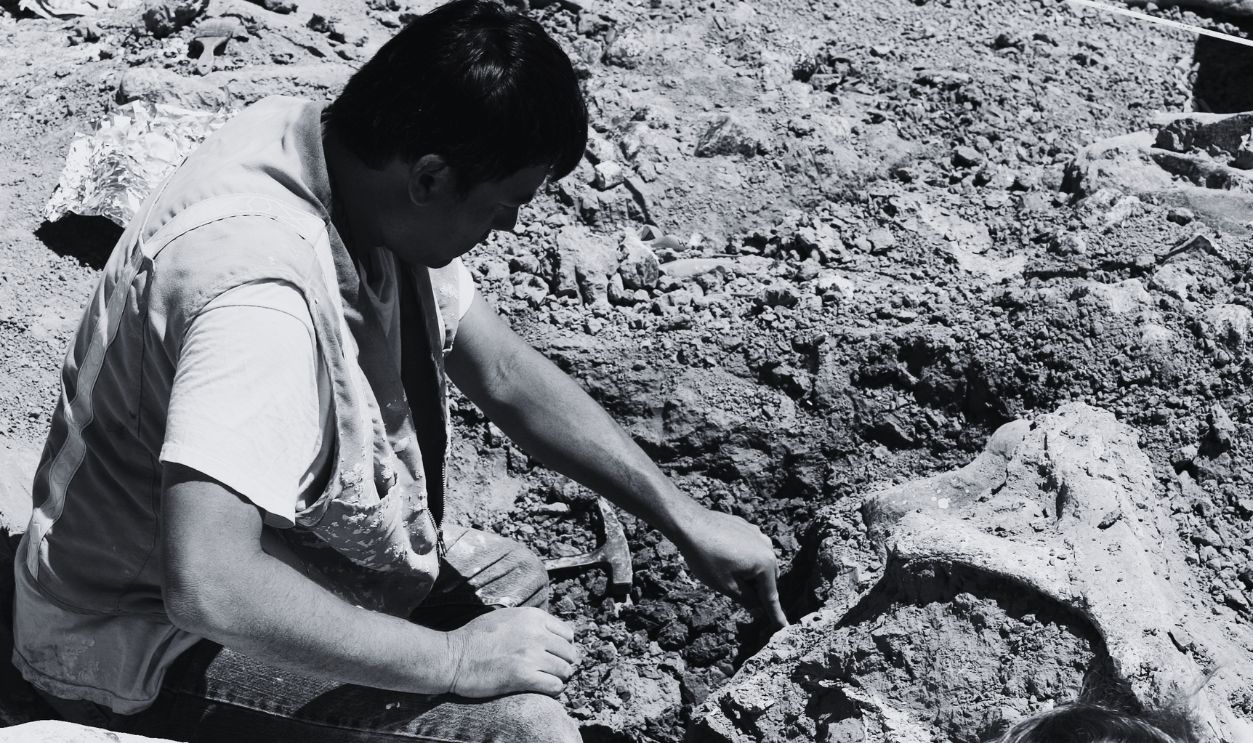
Modern excavations changed the picture dramatically. Archaeologists found more artifacts, more activity areas, and stronger evidence that people were present around the mammoth remains. Instead of one isolated find, the site began to look like a busy place where Clovis people gathered, worked, cooked, repaired tools, processed animal parts, and possibly stayed for more than a quick afternoon snack break.
 Son of Groucho from Scotland, Wikimedia Commons
Tools In The Dirt
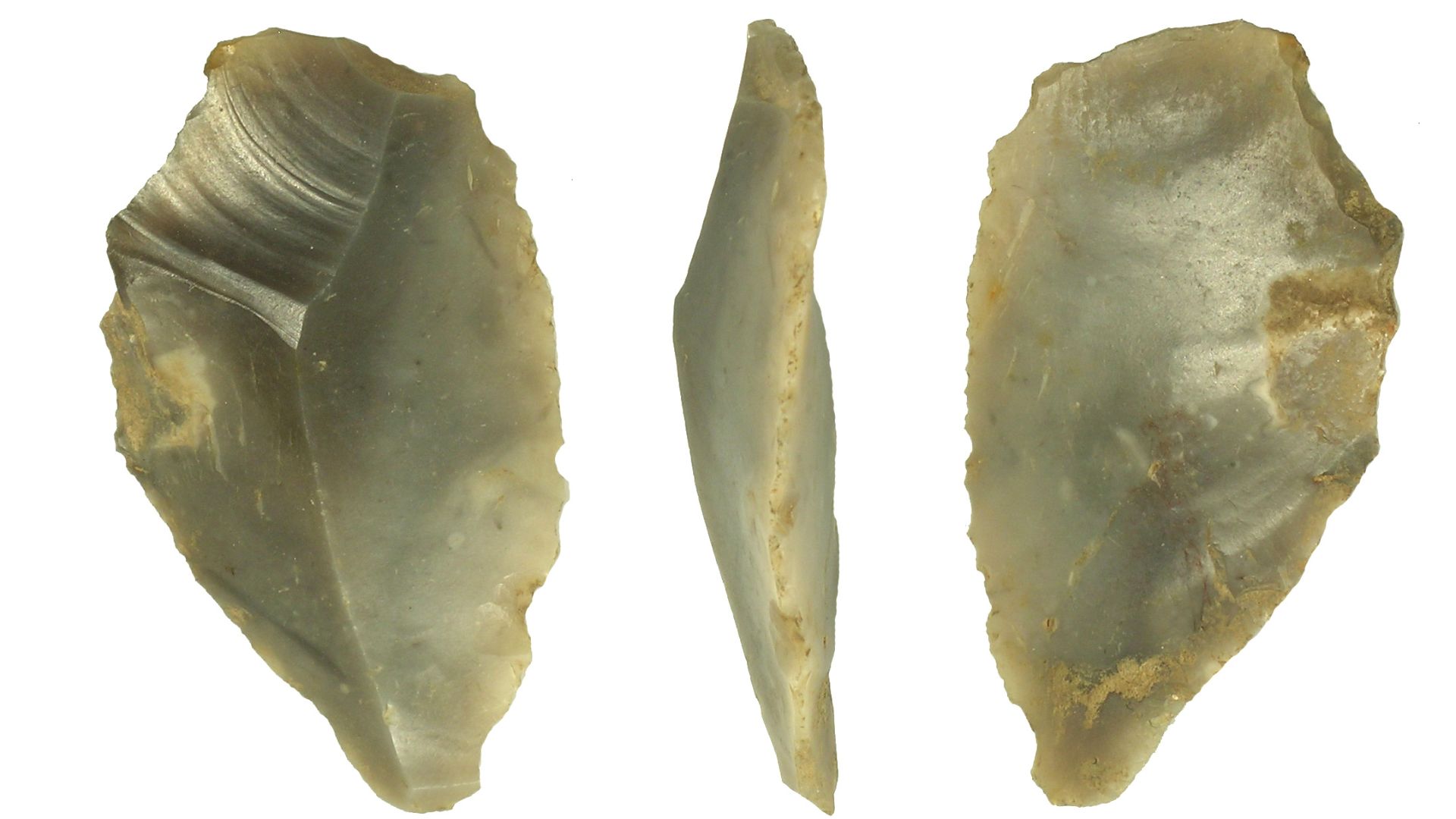
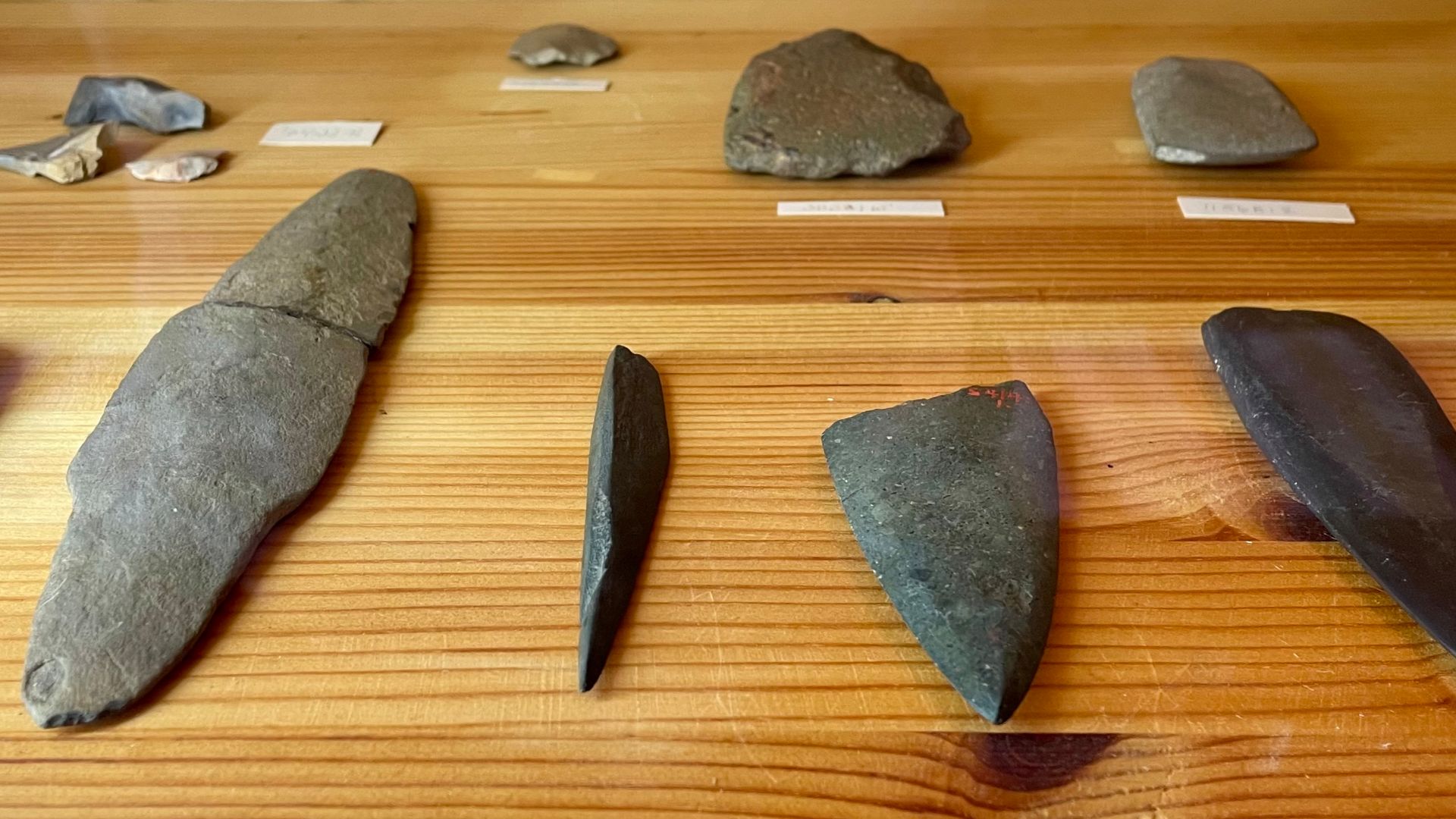
The stone tools at La Prele include flakes, cutting implements, and Clovis-related technology. To the untrained eye, a flake may look like a random chip of rock. To an archaeologist, it can be a fingerprint of human work. The shape, edges, wear patterns, and location of these pieces help reveal whether people were cutting meat, scraping hides, sharpening tools, or making new ones on the spot.
 None, Julian Watters, 2008-07-10 12:00:02, Wikimedia Commons
Reading The Edges
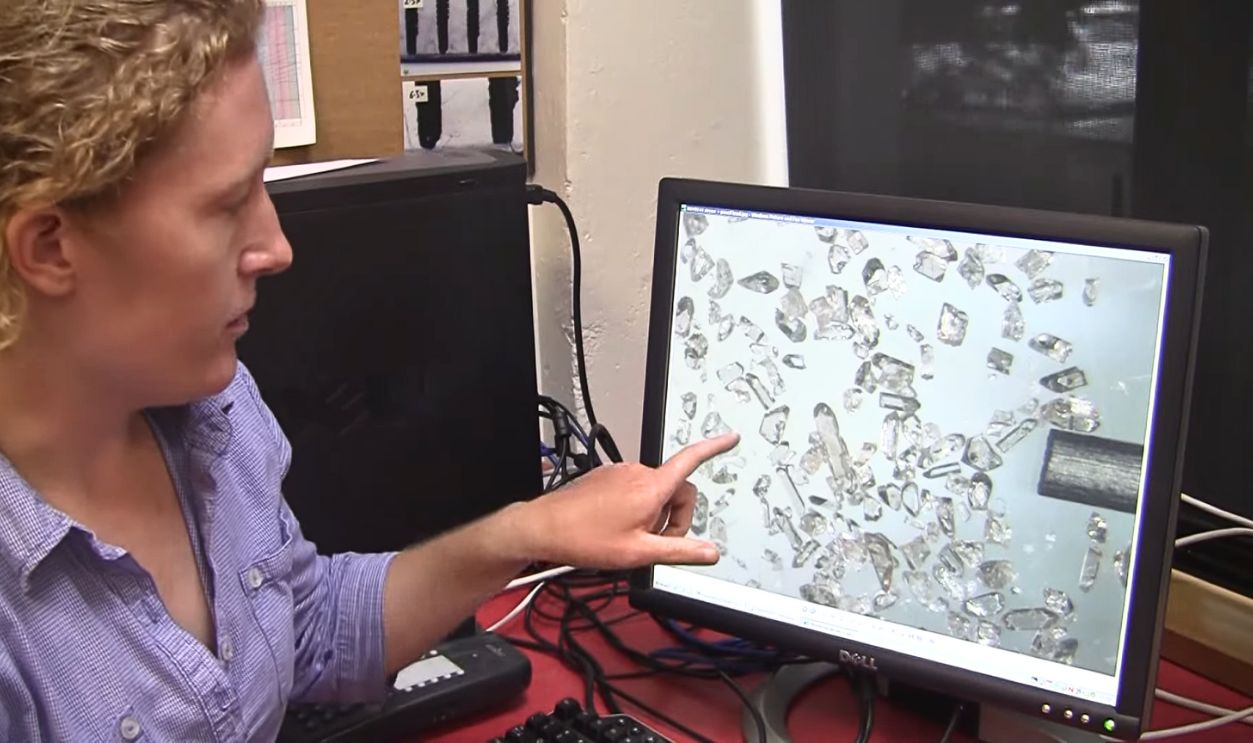
Microwear analysis lets researchers examine tiny traces left on tool edges. Those little scratches and polish marks can show how a tool was used. At La Prele, studies suggest activities such as butchery, hide cutting, and hide scraping. In other words, these were not decorative rocks. They were part of the messy, practical business of turning a huge Ice Age animal into food, material, and survival gear.
 Tim Evanson, Wikimedia Commons
A Mammoth-Sized Meal Plan
A mammoth was not just dinner. It was a mountain of resources. Meat could feed a group, fat could provide precious calories, bones could become tools, hide could become coverings, and sinew could become cordage. Processing such an animal would have required organization, teamwork, and knowledge passed down through generations. Imagine a family reunion, a workshop, and a barbecue—except with tusks.
 Charles Robert Knight, Wikimedia Commons
Hunters Or Scavengers?
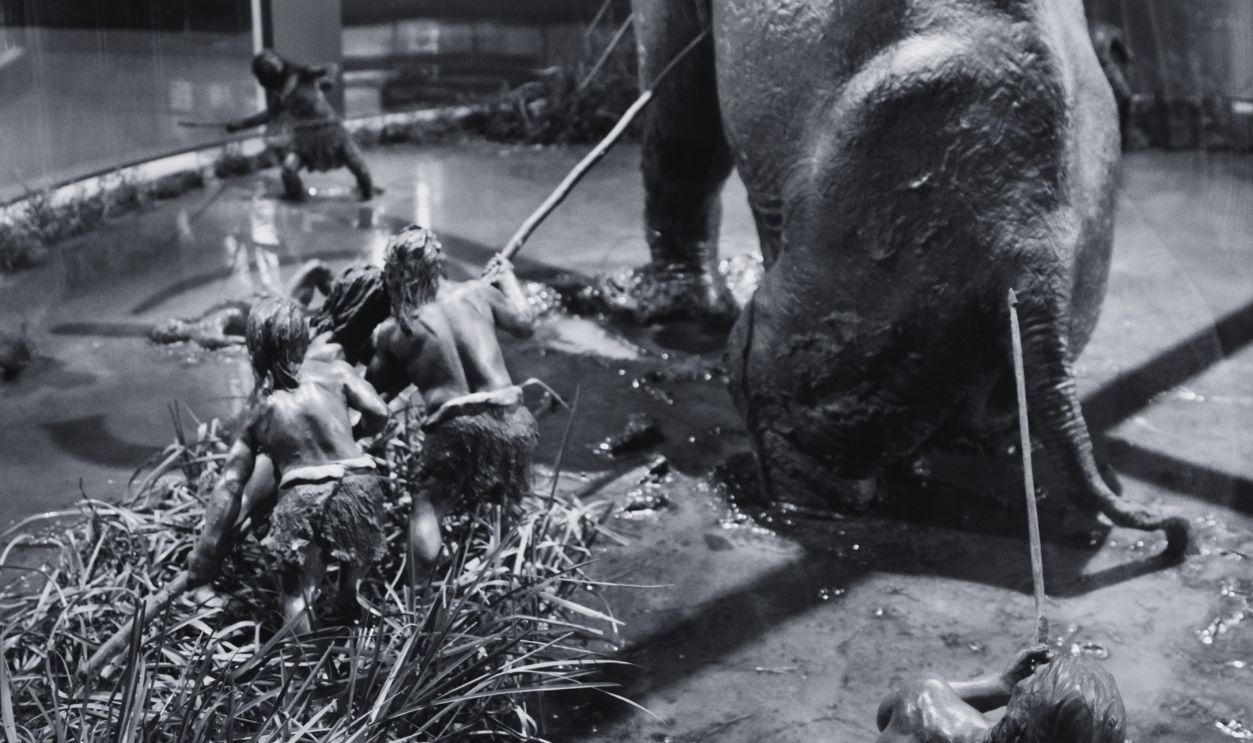
Archaeologists are careful with words. La Prele is often described as a mammoth kill or scavenging site because the exact moment of the animal’s death is hard to reconstruct. The important point is that Clovis people clearly knew how to take advantage of mammoth remains. Whether they brought it down, found it soon after death, or returned repeatedly to process it, the site shows skillful use of a massive animal.
 Gary Todd from Xinzheng, China, Wikimedia Commons
The Campsite Clues
One of the most exciting things about La Prele is that it is not only about the mammoth. Researchers identified activity areas that look like campsite spaces, including hearth-centered zones. That means we are not just watching hunters at the dramatic moment of a kill. We are seeing people living: making tools, tending fires, working hides, handling bones, and organizing daily life around an Ice Age landscape.
Hearths Bring The Scene To Life
Hearths are archaeological gold. A hearth says warmth, cooking, light, repair work, and conversation. Around a fire, people could roast meat, dry hides, shape tools, and plan what came next. At La Prele, hearth-centered activity areas make the site feel startlingly human. The mammoth is spectacular, but the fires remind us that this was also a home base, however temporary.

The Red Ocher Mystery
La Prele also produced red ocher, a mineral pigment used by many ancient peoples. Ocher could have practical uses, but it often carries symbolic possibilities too. It may have been used in hide processing, decoration, ritual, or identity-making. However it was used here, its presence adds color—literally and culturally—to the picture of Clovis life.
 Unknown artistUnknown artist (Australian), Wikimedia Commons
A Tiny Bead With A Big Personality
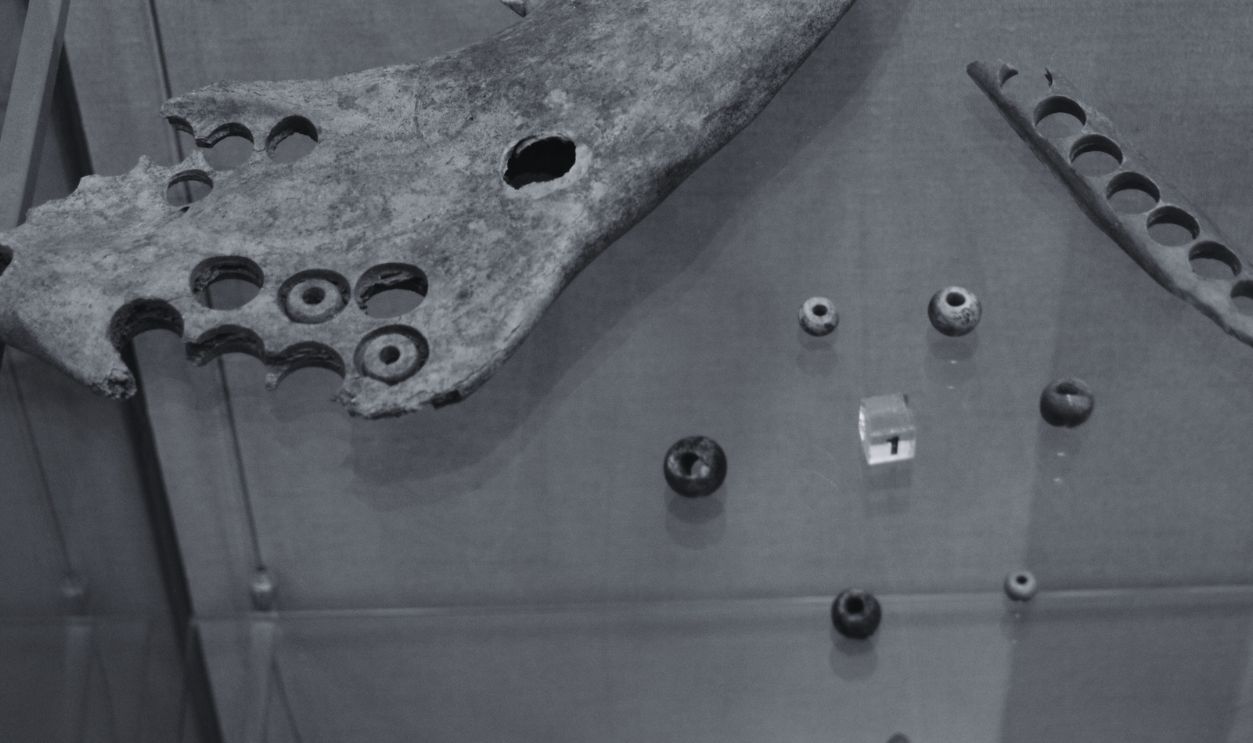
Among the most charming finds from La Prele is a tiny tubular bead made from hare bone. It is small enough to seem almost shy, but its significance is enormous. Researchers have described it as one of the oldest, possibly the oldest, known ornaments in the Americas. That means someone at La Prele was not only surviving. They were also expressing identity, style, or belonging.
Fashion In The Ice Age
The bead is a reminder that Ice Age people were people. They made choices about appearance. They carried objects that meant something. They may have marked social ties, personal identity, achievement, or group membership. Archaeology often begins with stone and bone, but sometimes a tiny ornament suddenly opens a window into personality.
 Gilbert, Frank, Wikimedia Commons
Needles From Fur-Bearers
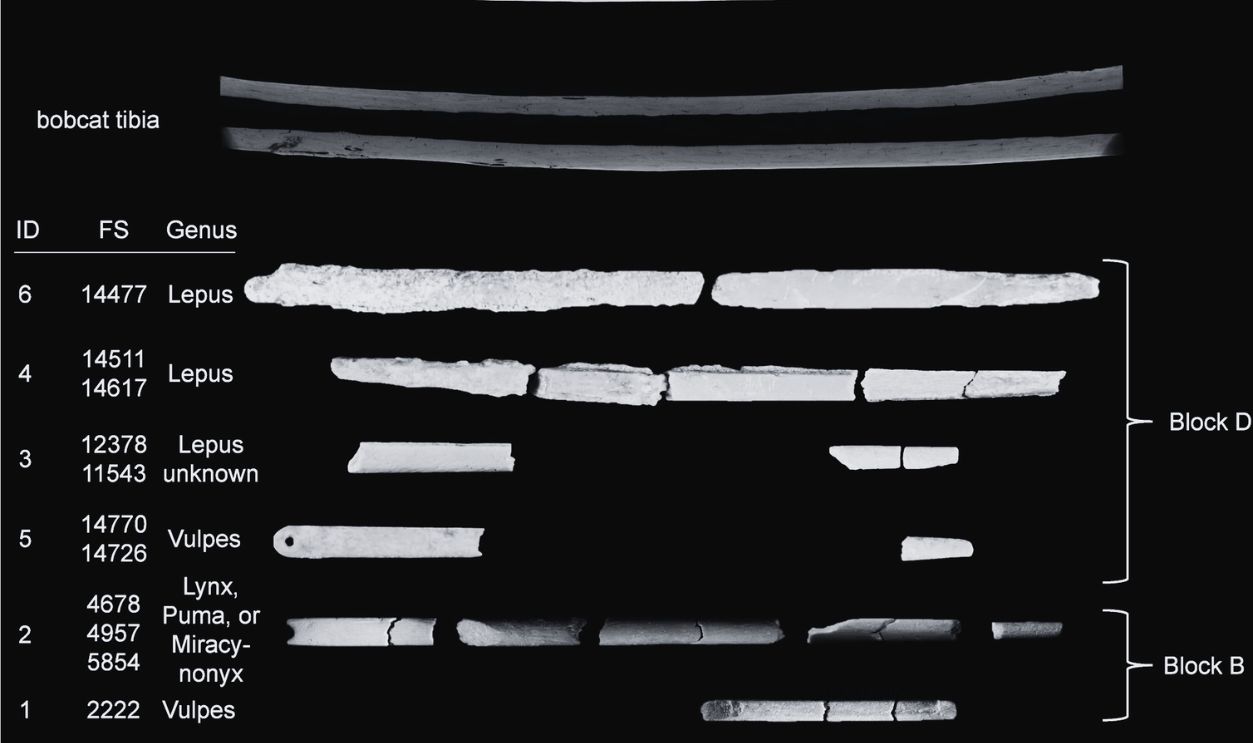
La Prele has also yielded bone needle fragments, and recent research suggests some were made from the bones of animals such as hares, canids, and felids. That is a fascinating detail. These were not random scraps. They were carefully selected small bones, well-suited for making slender tools. The needles hint at sewing, tailored clothing, and the clever use of animals beyond just meat.
 Spencer Pelton, et al., Wikimedia Commons
Sewing For Survival
In Ice Age Wyoming, clothing was not a luxury. It was technology. Tailored garments made from hides and furs could help people survive cold, wind, and long-distance movement. Bone needles suggest that Clovis communities had the skills to make fitted clothing, repair gear, and adapt to harsh conditions. The wardrobe may not survive, but the tools that made it do.
More Than Mammoth Hunters
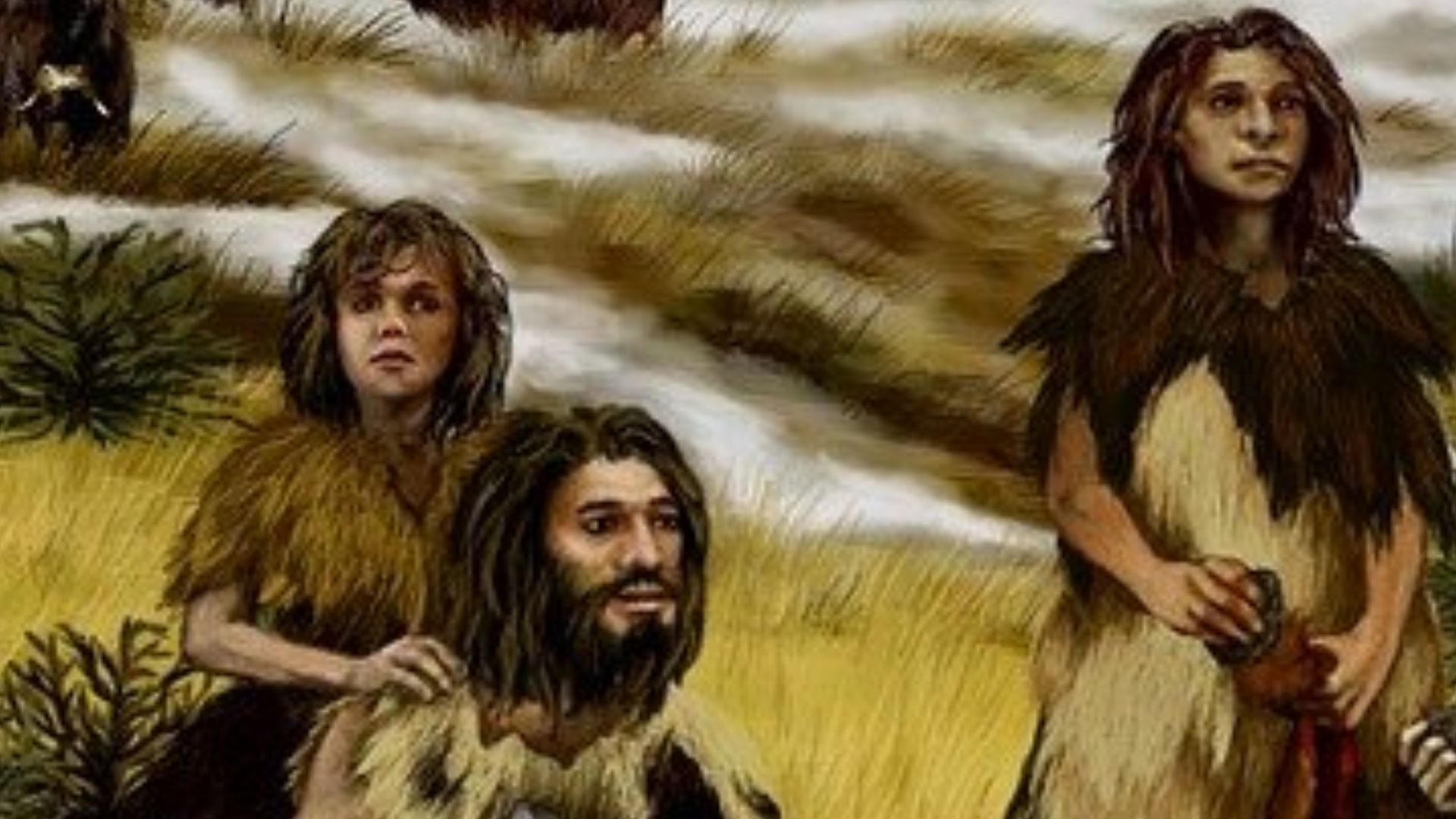
The old stereotype of Clovis people as mammoth-obsessed big-game hunters is too simple. La Prele shows a broader world. Yes, mammoth remains are central, but the site also includes evidence connected to bison, small animals, pigments, ornaments, sewing, and domestic activity. These people were flexible foragers, not one-note spear throwers chasing giants from sunrise to sunset.
 John Steeple Davis, Wikimedia Commons
Teamwork On The Ancient Plains
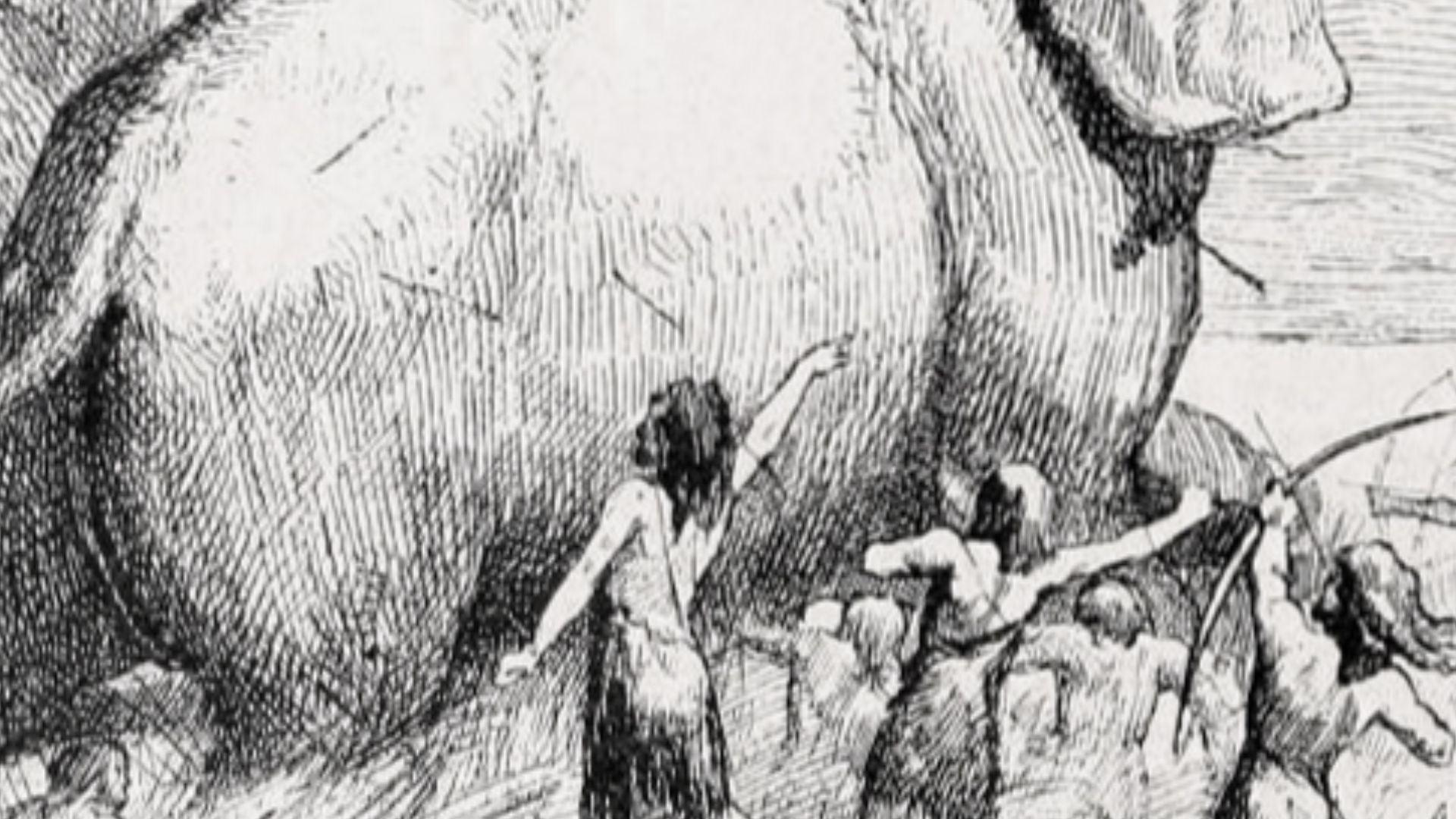
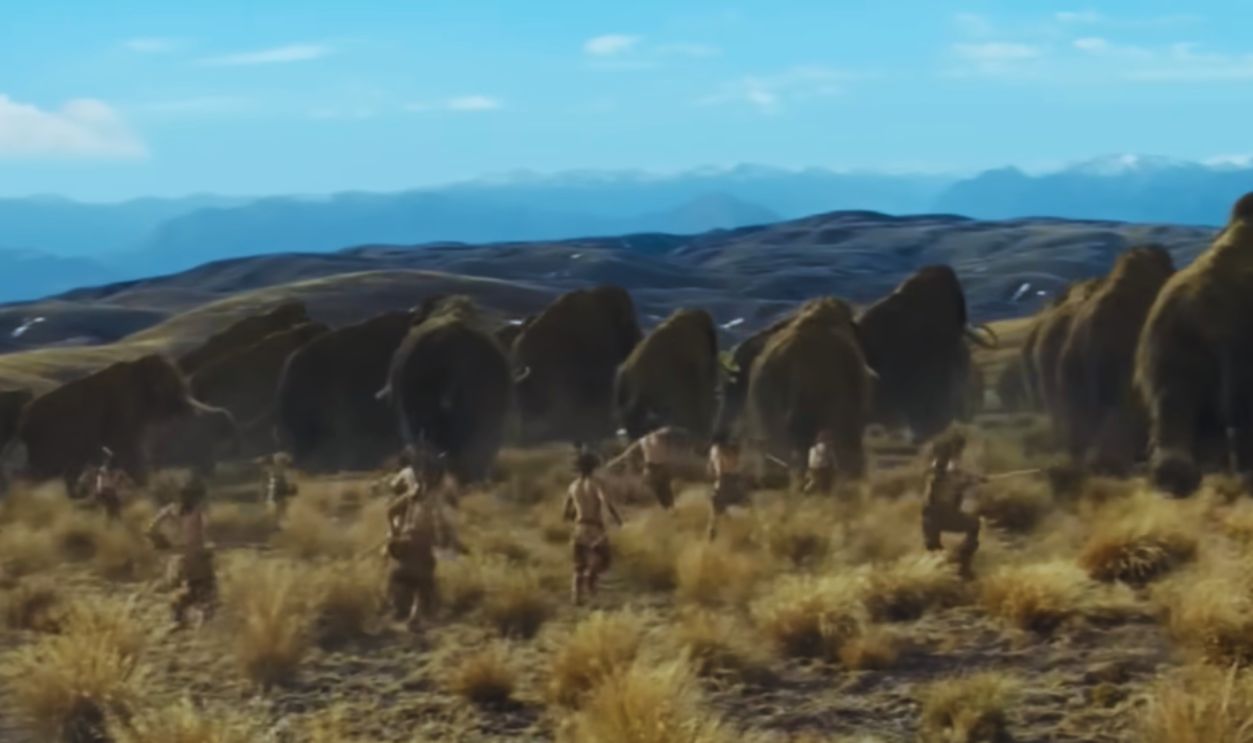
Processing a mammoth required planning. Someone had to cut. Someone had to haul. Someone had to maintain tools, manage fires, prepare hides, and protect supplies. Children may have watched and learned. Elders may have directed tasks. La Prele gives us a glimpse of cooperation, where survival depended not on one heroic hunter but on a group working together.
 Screenshot from 10,000 BC, Legendary Pictures / Warner Bros. Pictures (2008)
The Landscape Was Part Of The Story
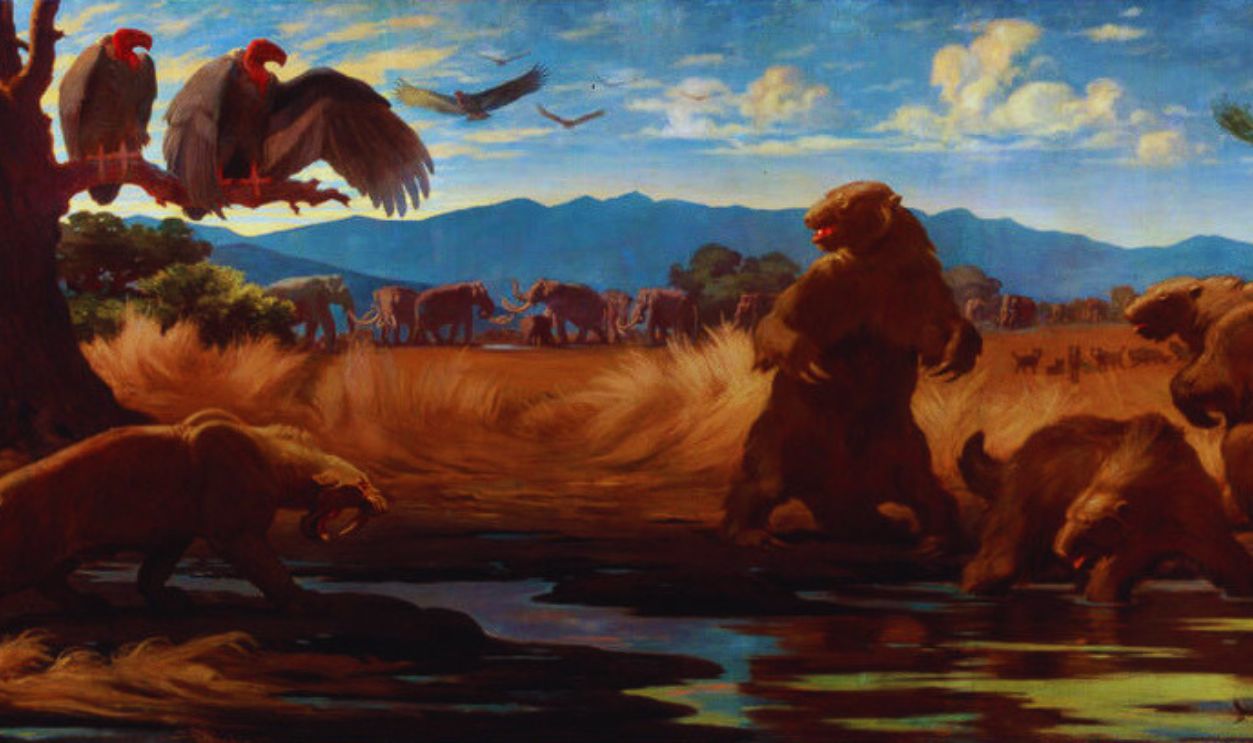
La Prele Creek sits within a natural corridor connected to the North Platte River system. For Ice Age people and animals, waterways mattered. They offered water, vegetation, travel routes, and predictable places where animals might pass. The site’s location was not random. It was part of a living map that Clovis people understood deeply.
 Charles Robert Knight, Wikimedia Commons
Science Sharpens The Picture
Modern archaeology brings an impressive toolbox to sites like La Prele. Researchers use radiocarbon dating, soil studies, spatial analysis, microwear analysis, protein residue testing, ZooMS, and micro-CT scanning. That may sound like a lab-coat parade, but each method adds a new angle. Together, they help transform scattered dirt-covered objects into a story about real human behavior.
Why Context Is Everything
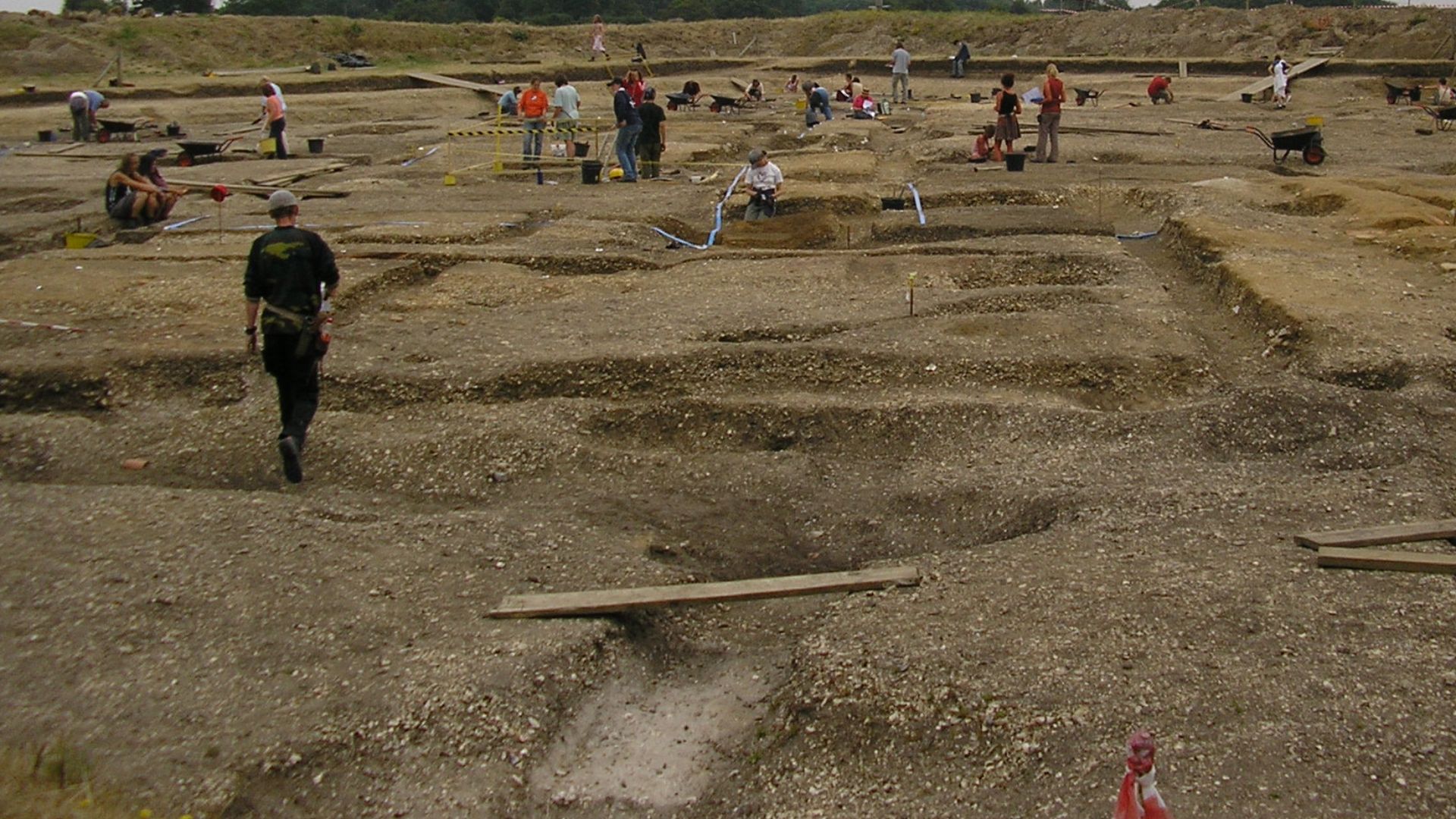
A stone flake alone can tell us only so much. A mammoth bone alone can do the same. But when tools, bones, hearths, pigments, and activity areas appear together in a buried landscape, the story becomes richer. Archaeologists care deeply about where each object was found because location is the difference between a pile of artifacts and a human scene.
 Limelightangel, Wikimedia Commons
The Debate Makes It Better
La Prele has not always been accepted without question. Earlier doubts about the connection between the mammoth and human activity pushed researchers to gather stronger evidence. That is how archaeology should work. Skepticism is not the villain; it is the sharpening stone. The result is a better-supported interpretation and a more careful understanding of the site.
 Mauricio Antón, Wikimedia Commons
A Day At La Prele
Picture the camp: smoke twisting into the Wyoming sky, stone tools flashing in the light, hides stretched or scraped, meat being processed, children hovering near adults, and a mammoth carcass changing from animal into food, clothing, tools, and memory. Somewhere nearby, a tiny bead may have been worn or lost. It is a small human detail in a very large Ice Age drama.
 MediaNews Group/Boulder Daily Camera, Getty Images
What The Mammoth Reveals
The mammoth remains show that Clovis people could handle enormous animals and the opportunities they provided. The tools show skilled butchery and hide work. The hearths show domestic activity. The needles show clothing technology. The bead shows adornment and identity. Together, they reveal hunting practices as part of a wider survival system, not an isolated act of violence.
Why This Wyoming Site Matters
La Prele matters because it brings the Clovis world down to earth. Instead of imagining anonymous hunters with spears, we can see a community making choices: where to camp, how to cut, what to wear, what to keep, what to decorate, and how to thrive. The site captures a moment when humans were becoming deeply familiar with North America’s Ice Age environments.
The Lasting Echo Of La Prele
Excavations in Wyoming have revealed far more than mammoth bones and sharp stones. They have uncovered a vivid glimpse of early human ingenuity: hunting or scavenging, butchering, sewing, gathering, cooking, crafting, and perhaps even showing off a little personal style. At La Prele, the Ice Age does not feel silent. It crackles like a campfire.
 Hut 8.5 at English Wikipedia, Wikimedia Commons
You May Also Like:
The world's most misunderstood tourist attractions—how many have you visited?





.jpg%20)

