

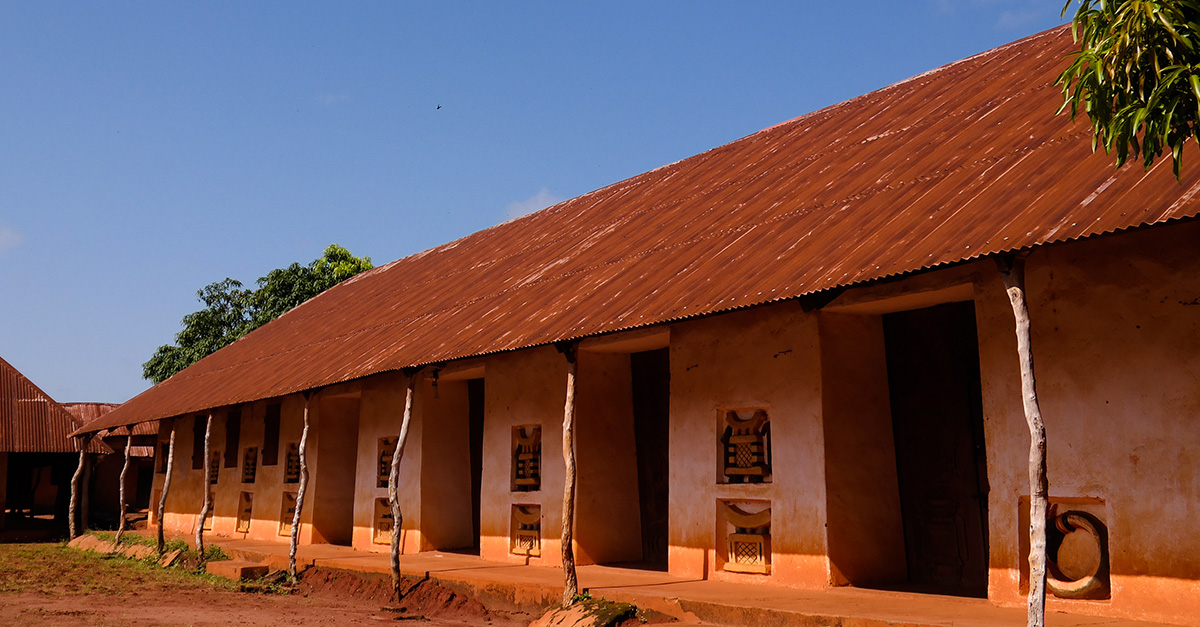
Secrets Beneath The Royal Palaces Of Abomey
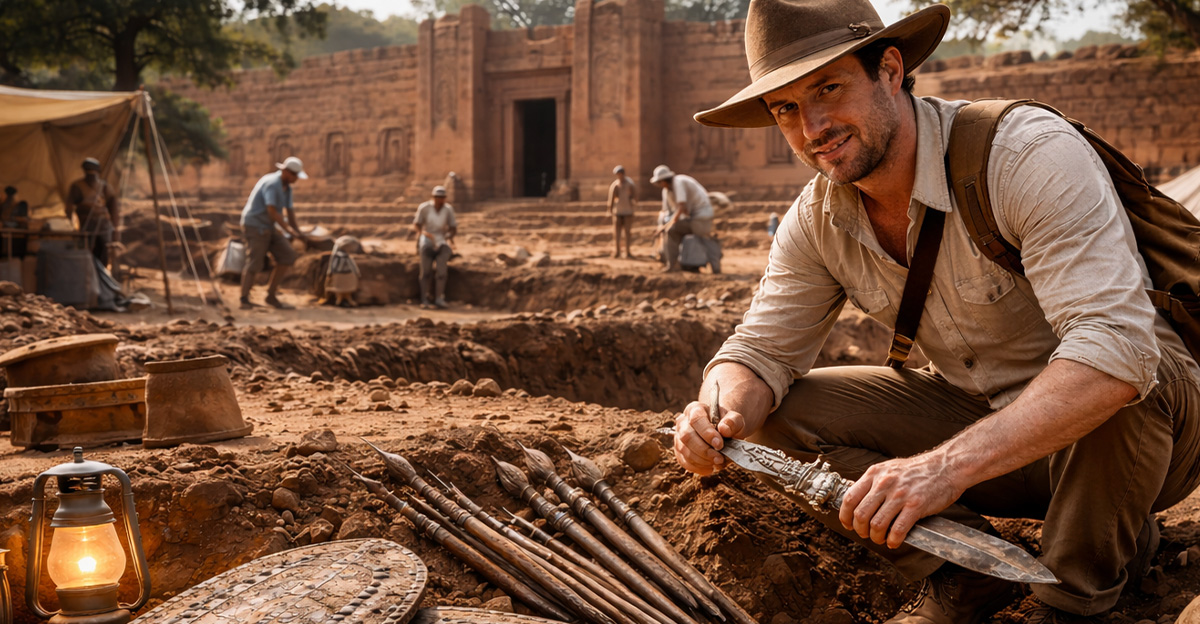
Sometimes history hides in plain sight. At the Royal Palaces of Abomey in Benin, archaeologists recently uncovered a hidden underground chamber filled with 18th-century war relics and ceremonial weapons. The room had been sealed for centuries. What they found inside offers a powerful and personal glimpse into the world of the Kingdom of Dahomey.
A Royal Home Of Kings
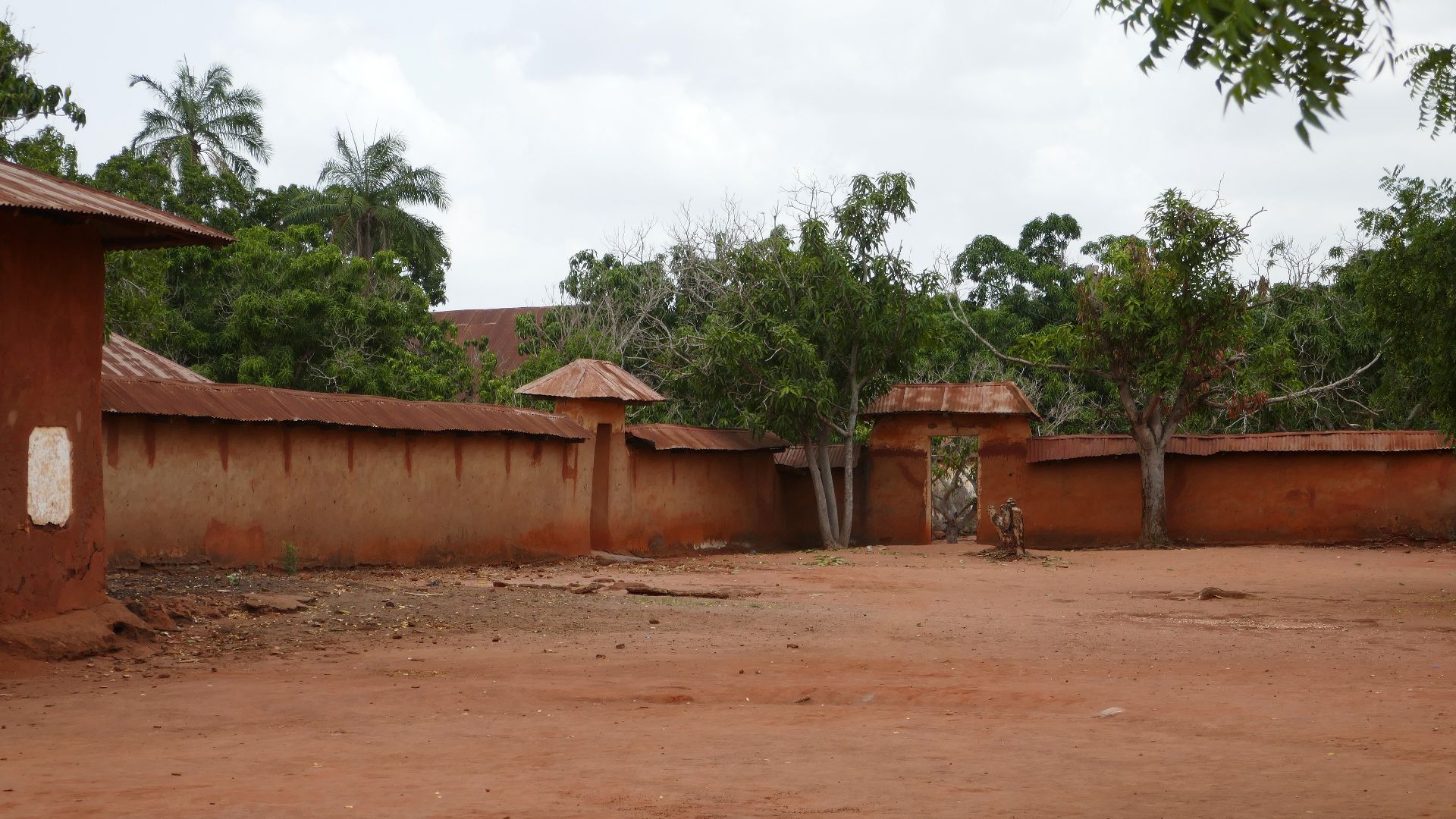
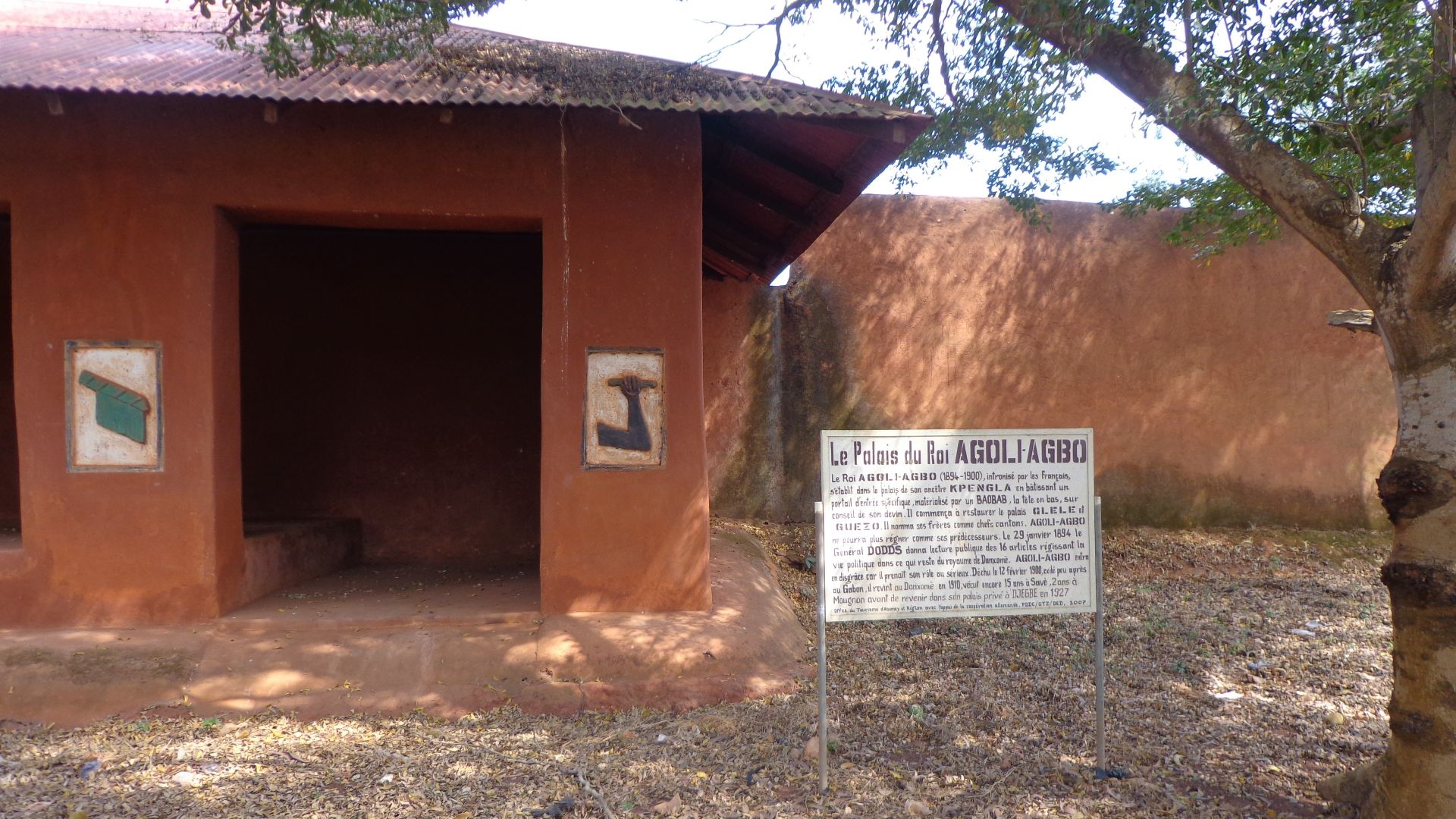
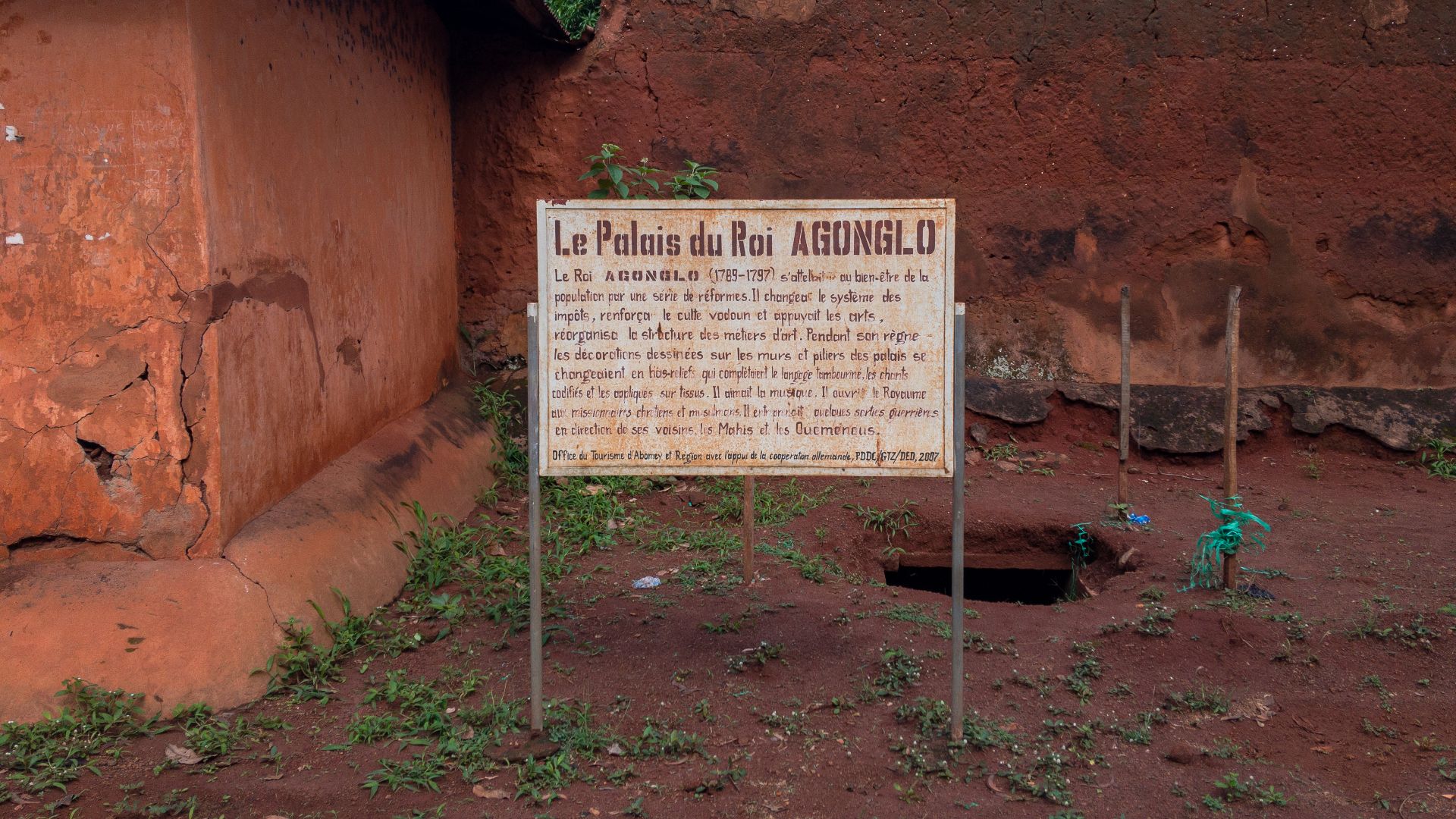
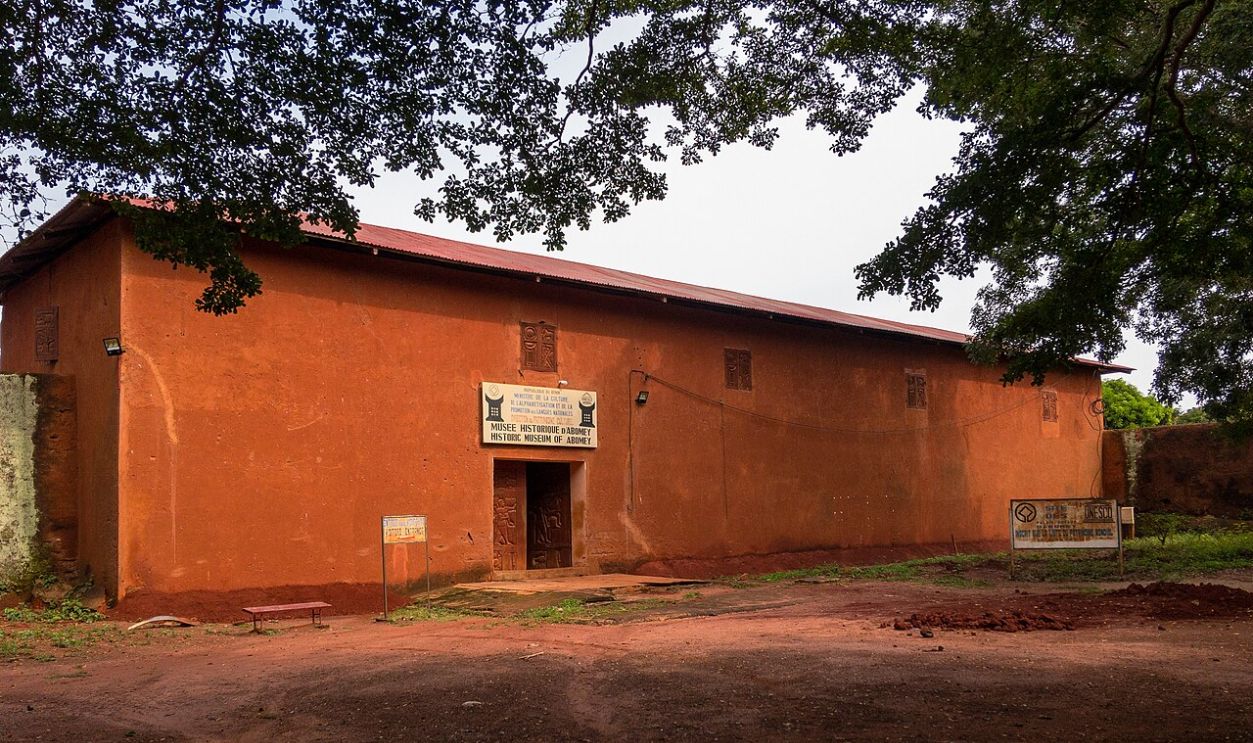
The Royal Palaces of Abomey were once the center of a strong and proud kingdom. Built from earth and wood, the palace complex grew over generations as each king added his own buildings and courtyards. It was more than a home—it was the heart of political power.
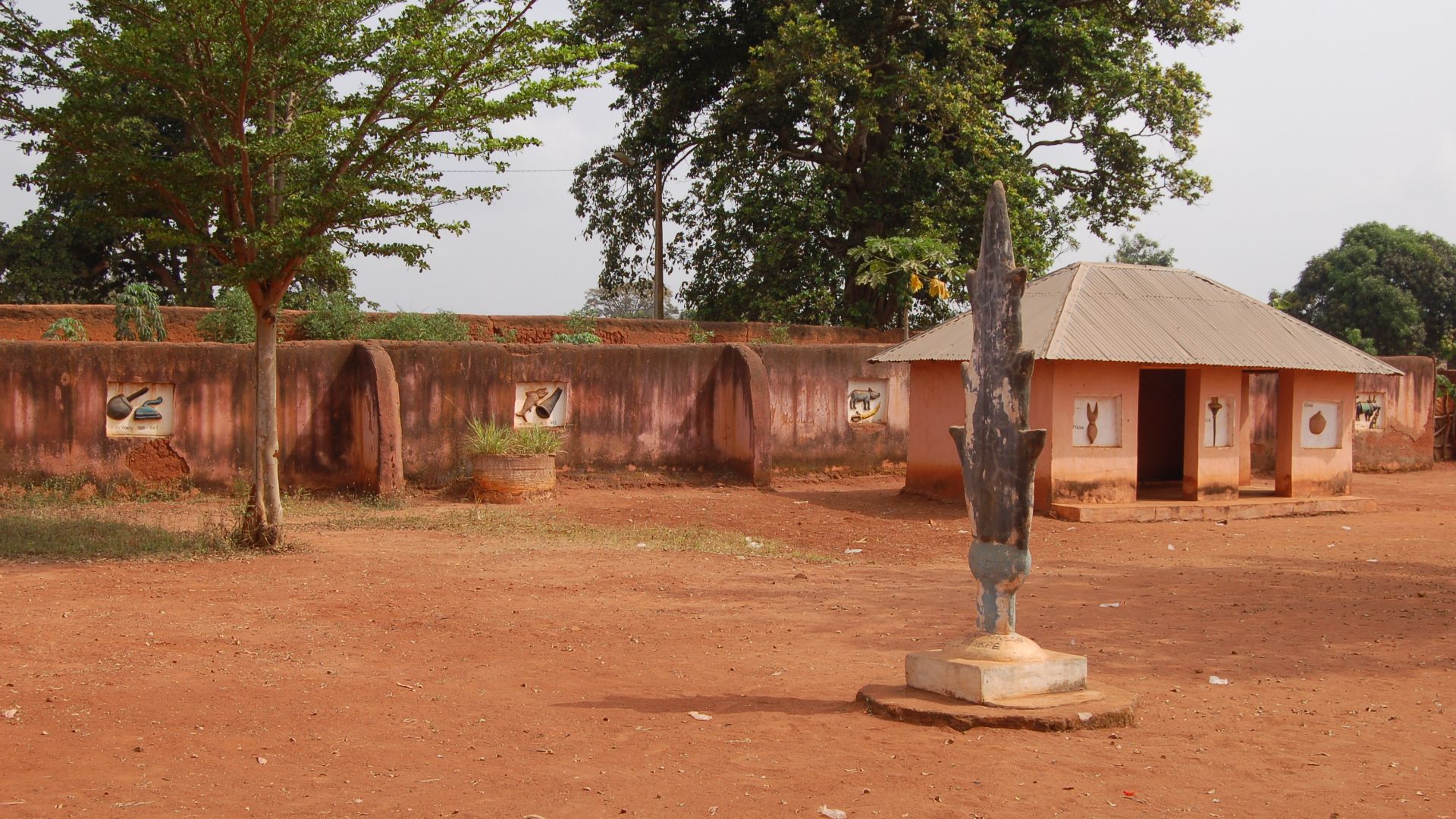 Joachim Huber, Wikimedia Commons
The Strength Of Dahomey
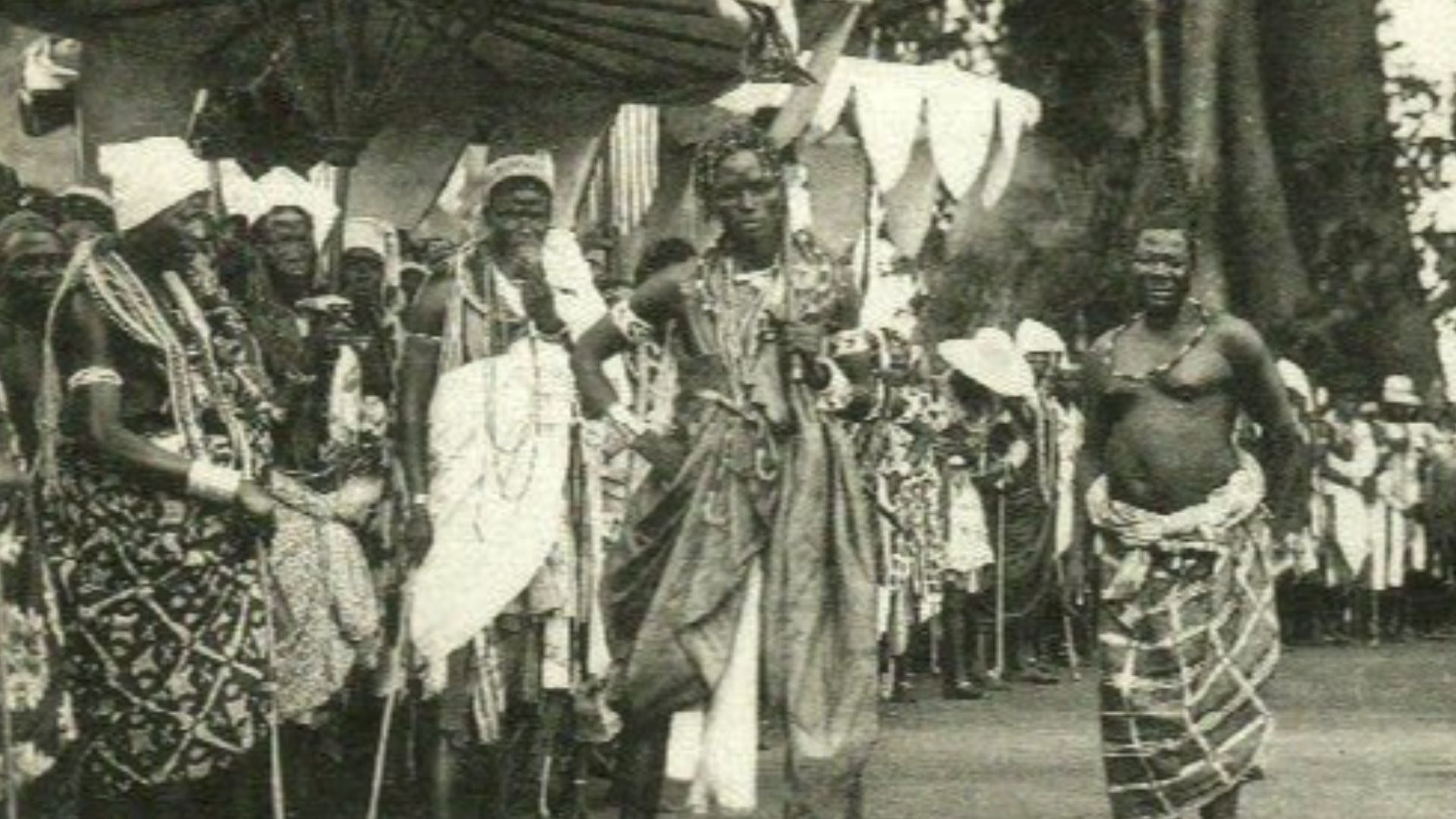
During the 1700s, the Kingdom of Dahomey was one of the most powerful states in West Africa. It had a well-trained army and a clear system of leadership. The kingdom became especially famous for its skilled warriors, including its elite women soldiers.
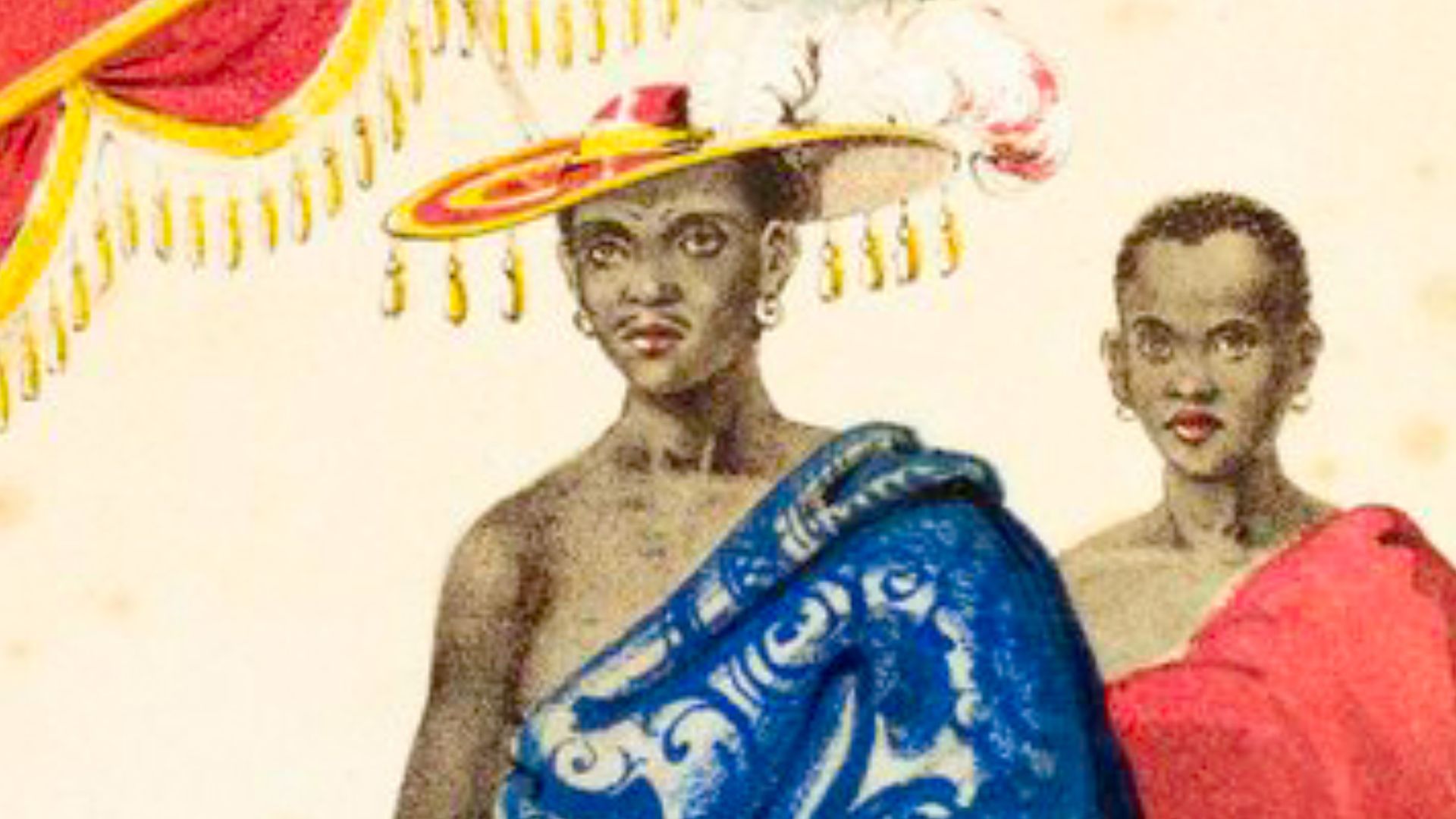 Forbes, Frederick E., Wikimedia Commons
A Careful Excavation
The discovery happened during a project meant to protect and study the palace grounds. Archaeologists were slowly digging and mapping the area when they noticed something unusual in the soil beneath one section of the site.
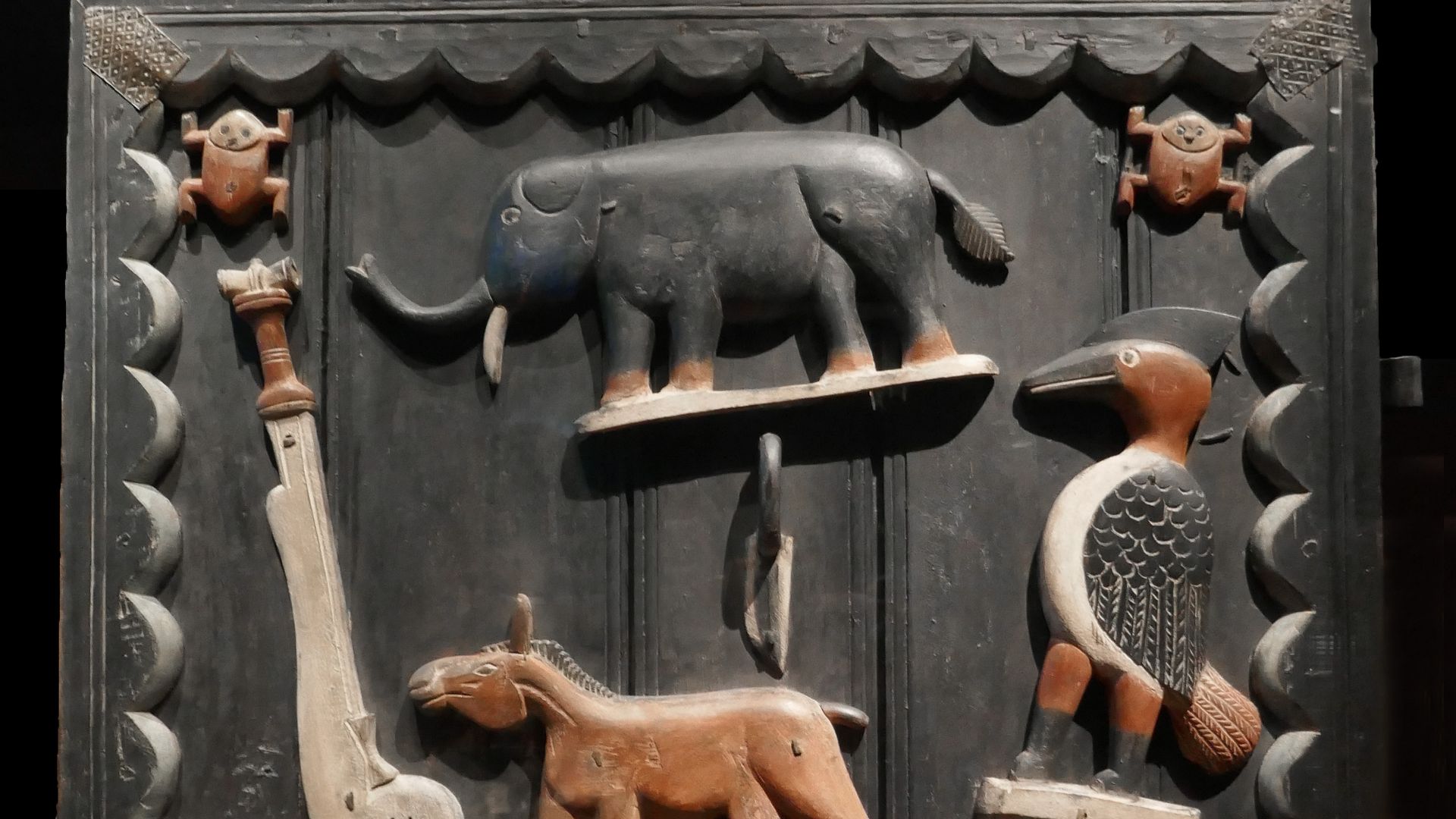 Atelier Sossa Dede/ phot. Ji-Elle, Wikimedia Commons
A Strange Signal Underground
Special scanning tools showed an empty space below the surface. The shape looked too neat to be natural. The team realized they might be standing above a hidden room that had not been opened in hundreds of years.
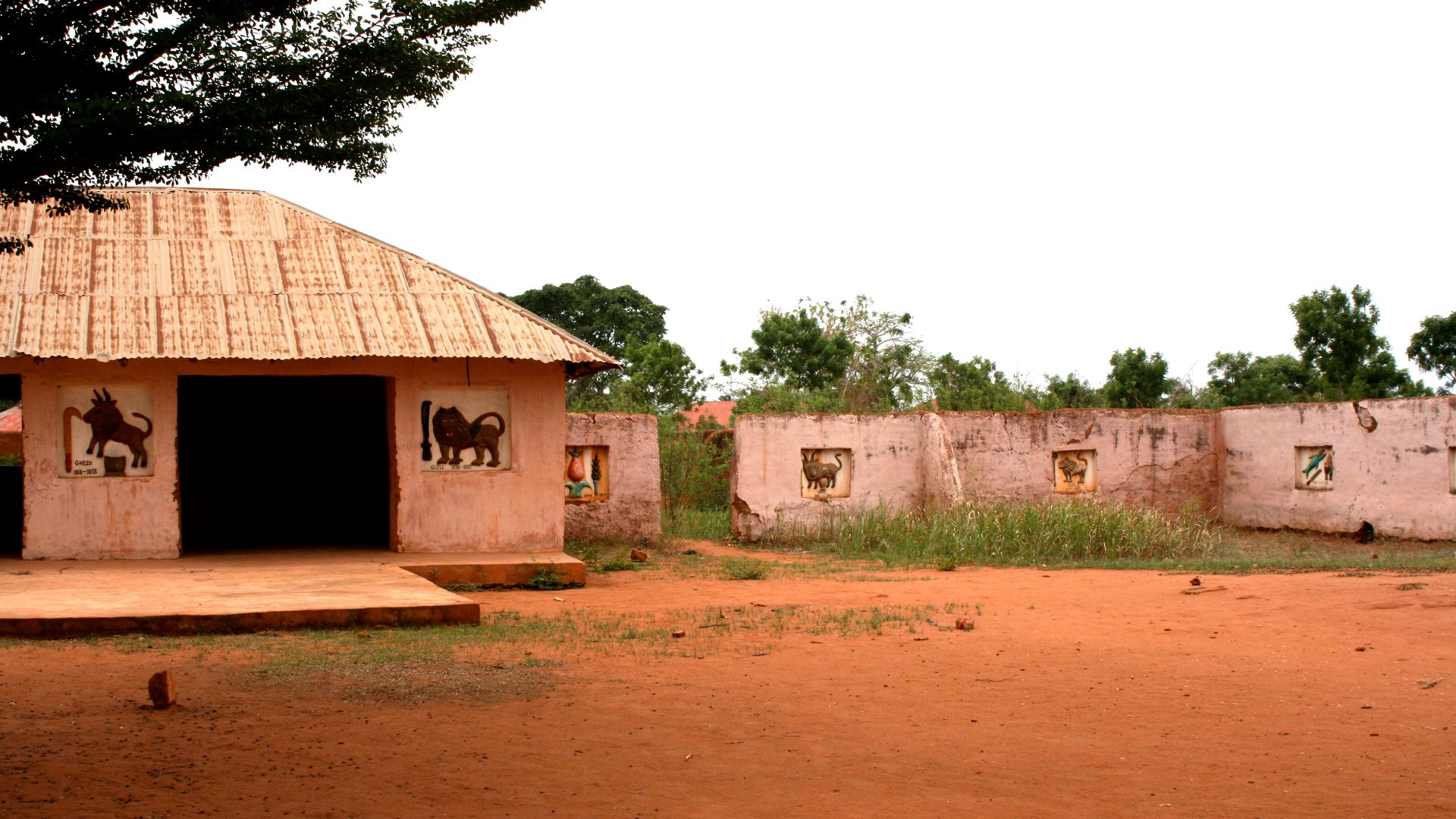 Dominik Schwarz, Wikimedia Commons
Opening A Long-Sealed Room
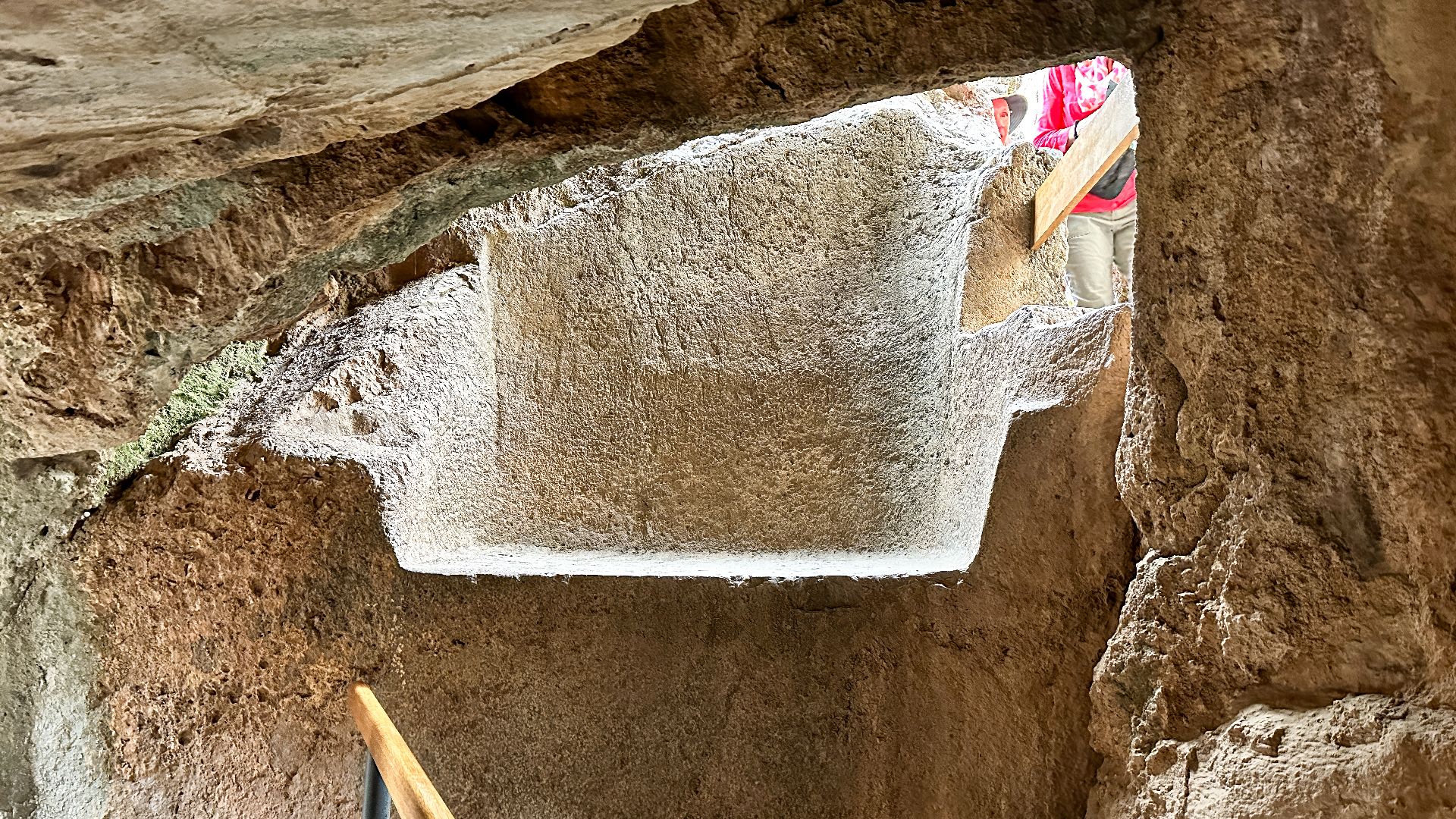
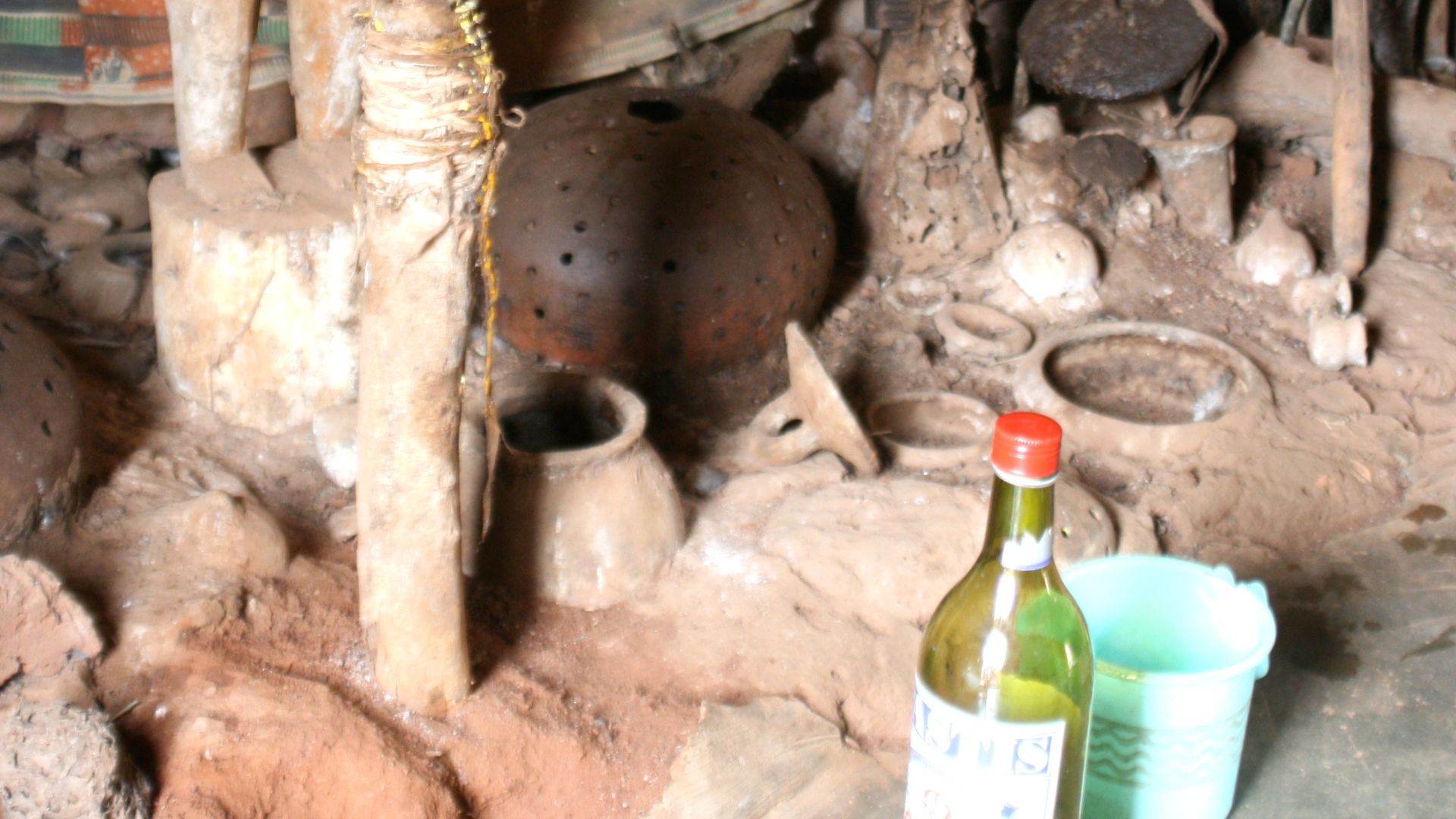
When they carefully broke through the packed earth, the archaeologists found a small underground chamber. It had been tightly sealed. The air was still and heavy. And then they saw metal and wood shapes emerging from the dust.
Weapons Left Behind
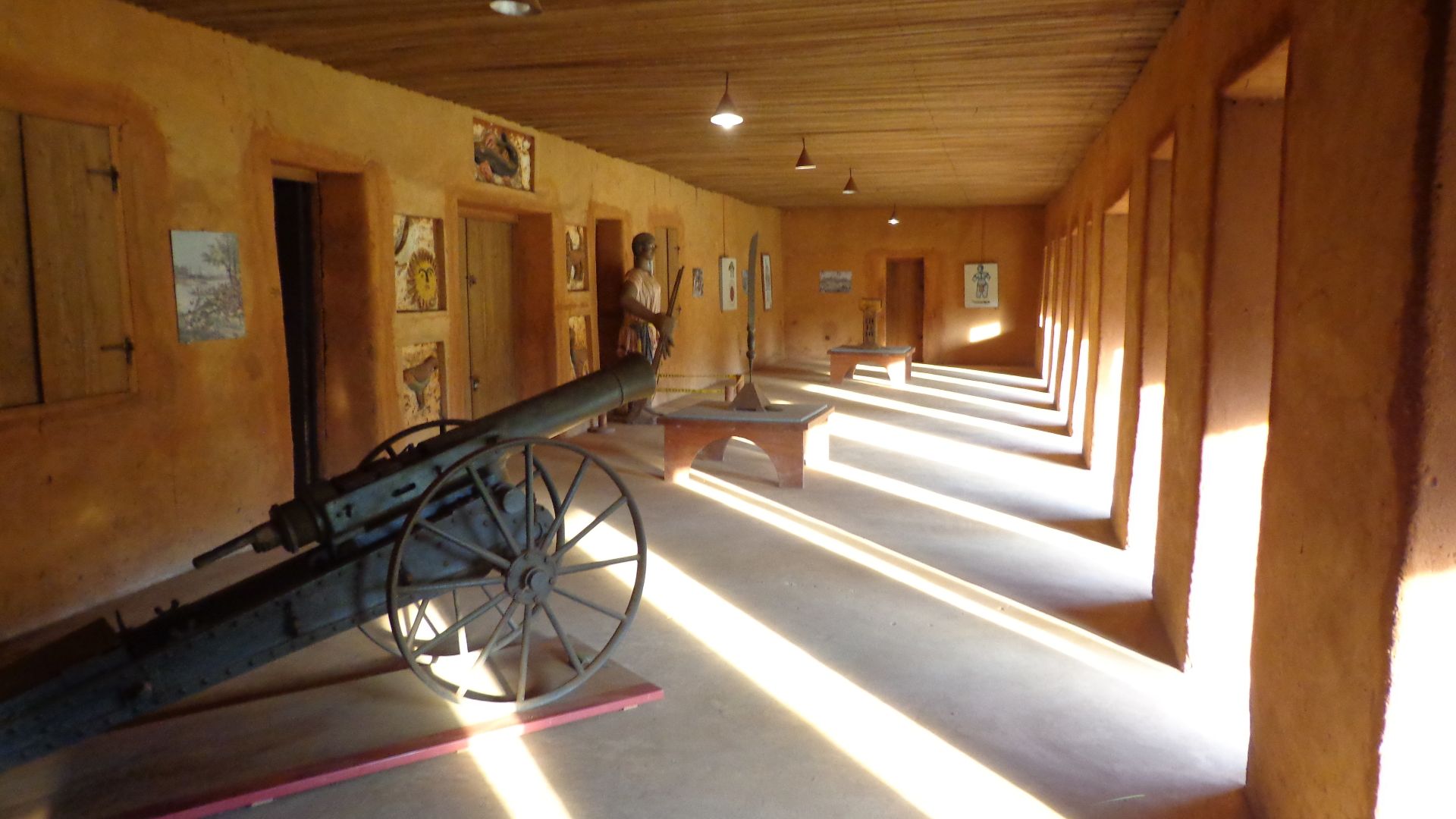
Inside the chamber were spears, swords, shields, and arrows. Many were still in surprisingly good shape. The dry space had protected them from rain and rot. It felt as though someone had stored them away on purpose.
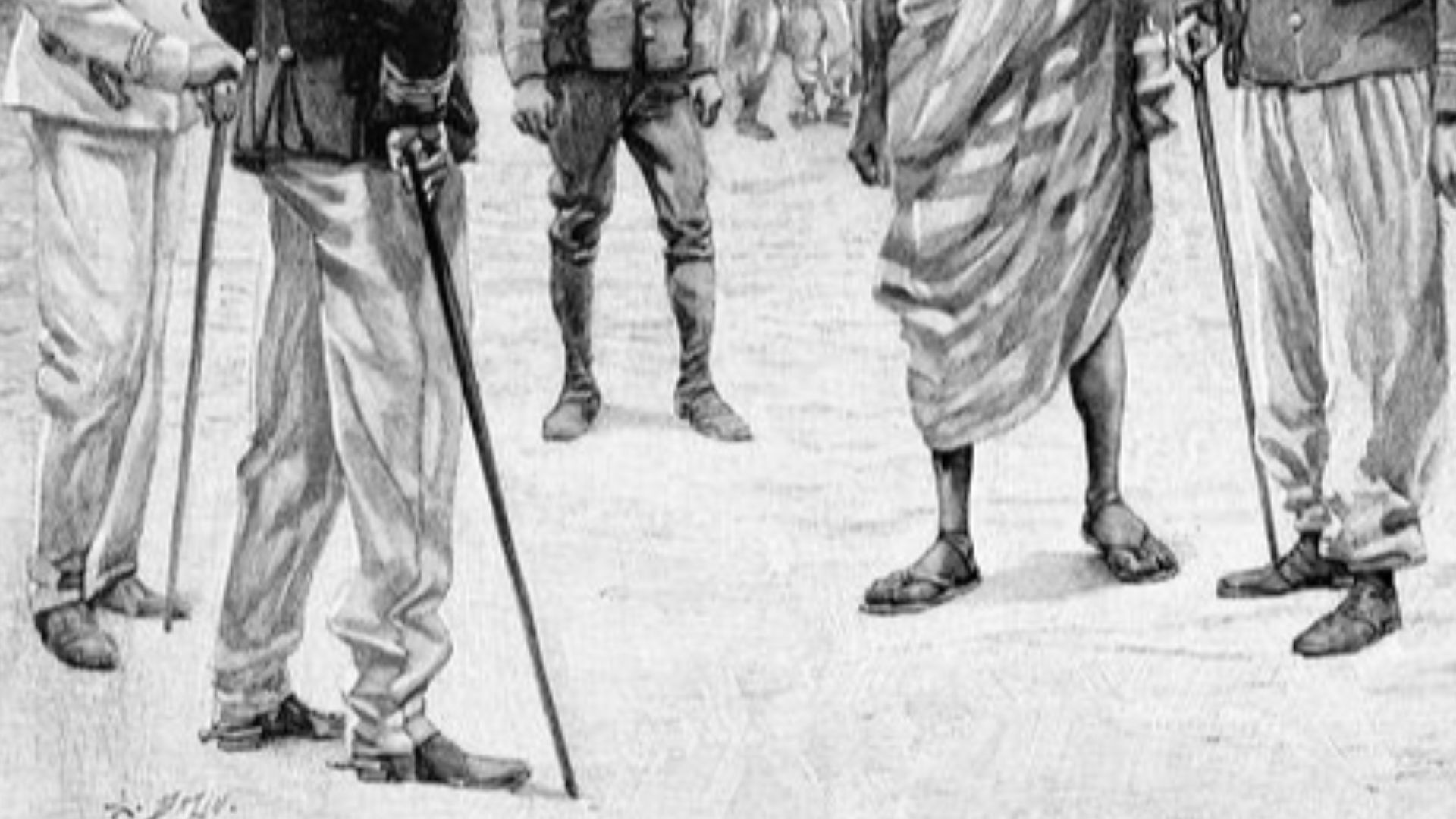 Alexandre d'Albéca, Wikimedia Commons
Blades That Meant More Than Battle
Some of the swords were decorated with carved handles and detailed metal designs. These were likely ceremonial pieces, carried during important events or given as gifts by the king. In Dahomey, a weapon could show power and honor.
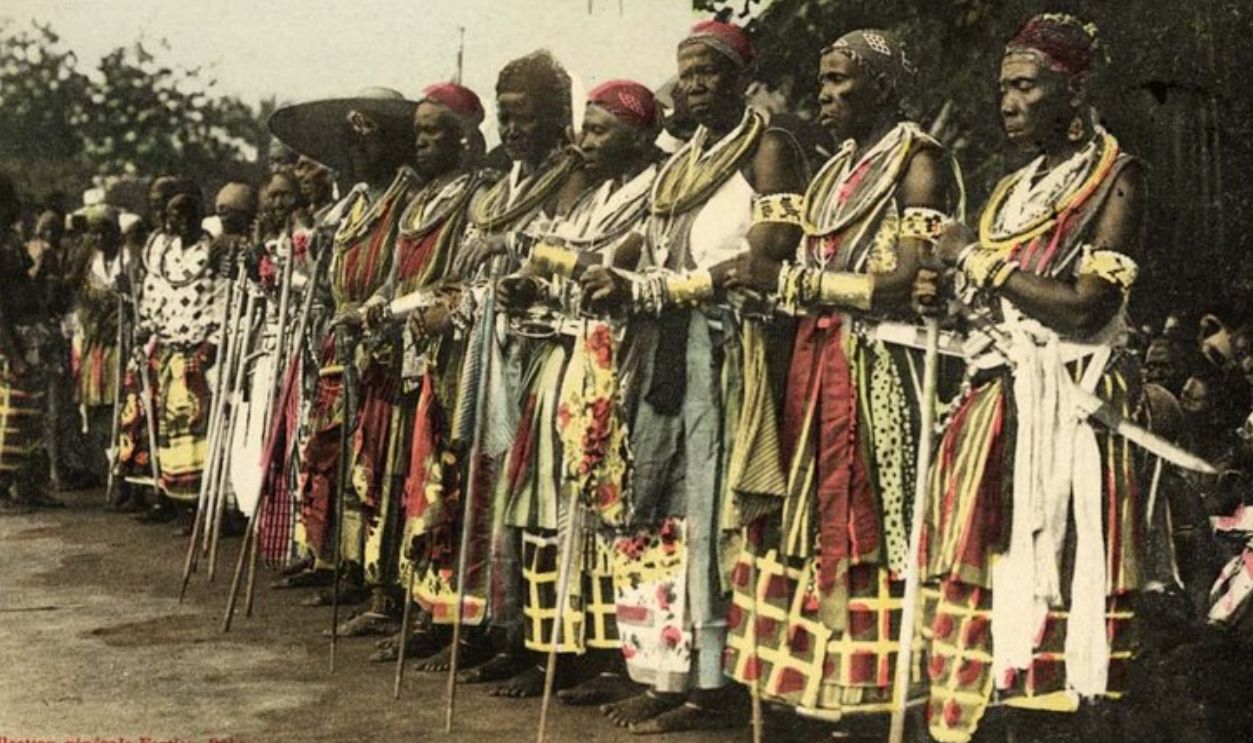 Edmond Fortier (1862-1918), Wikimedia Commons
Spears With Stories To Tell
Other weapons looked worn and used. Spearheads showed chips, and wooden shafts had been repaired. These were not just symbols—they were tools that may have seen real fighting.
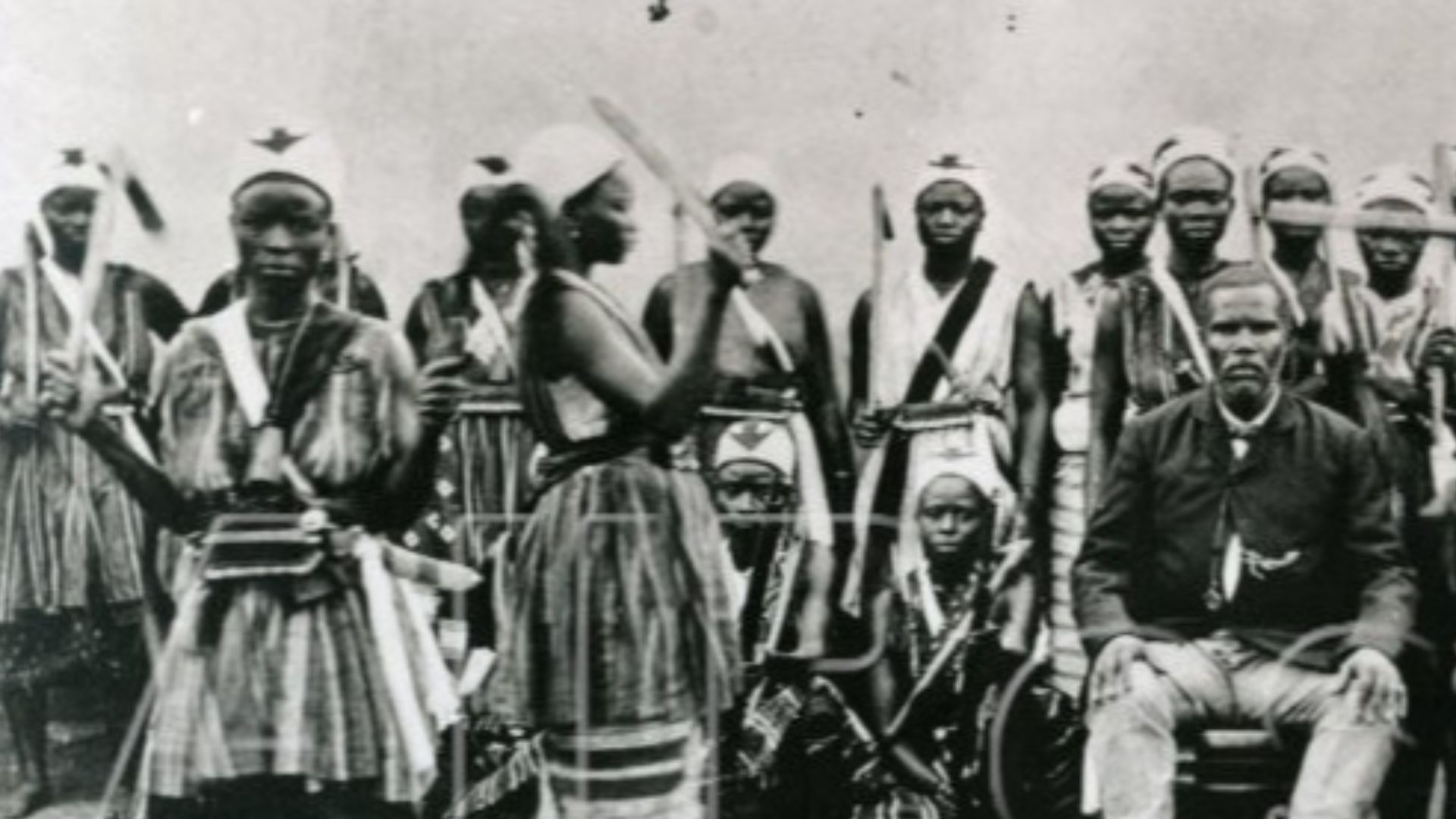 Unknown authorUnknown author, Wikimedia Commons
Skilled Craftsmanship
The quality of the work impressed researchers. The iron was carefully shaped, and the carvings were detailed. These objects were made by skilled craftspeople who understood both function and beauty.
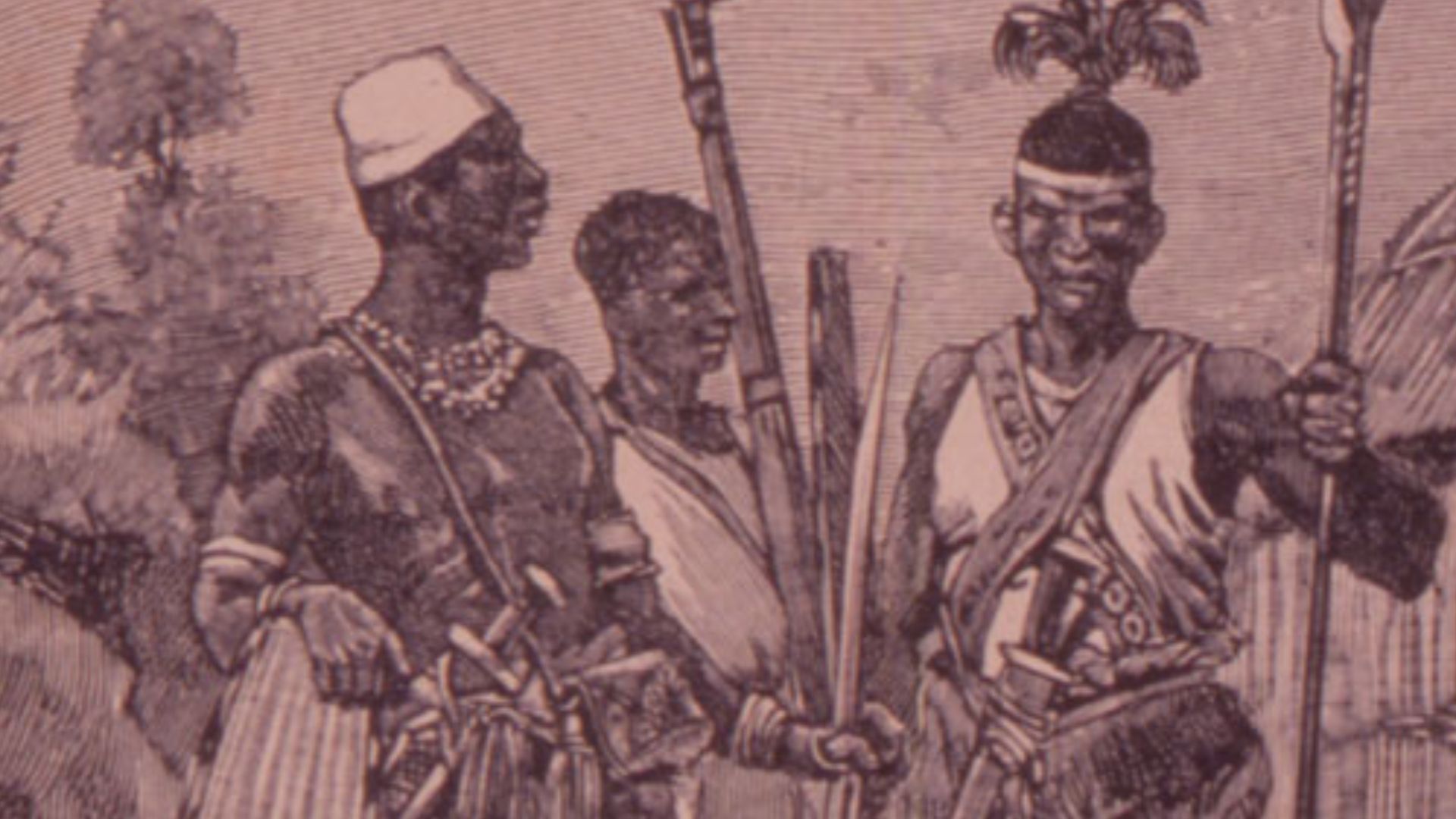 Unknown authorUnknown author, Wikimedia Commons
Ceremony And Symbolism
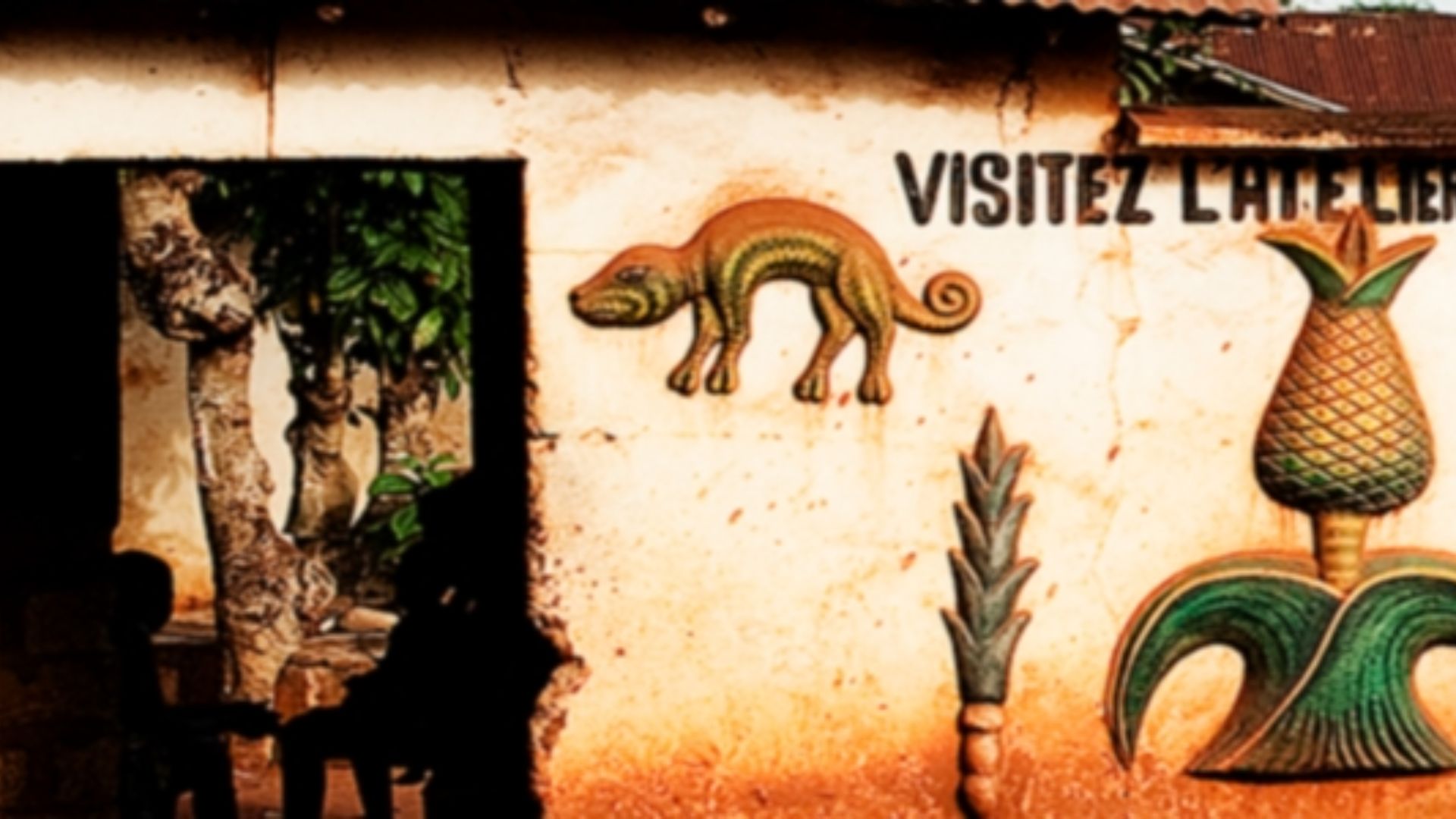
Alongside battle gear were ceremonial staffs and symbolic blades. Some featured animals and royal signs. These objects were likely used during rituals or public ceremonies that connected the king to spiritual beliefs.
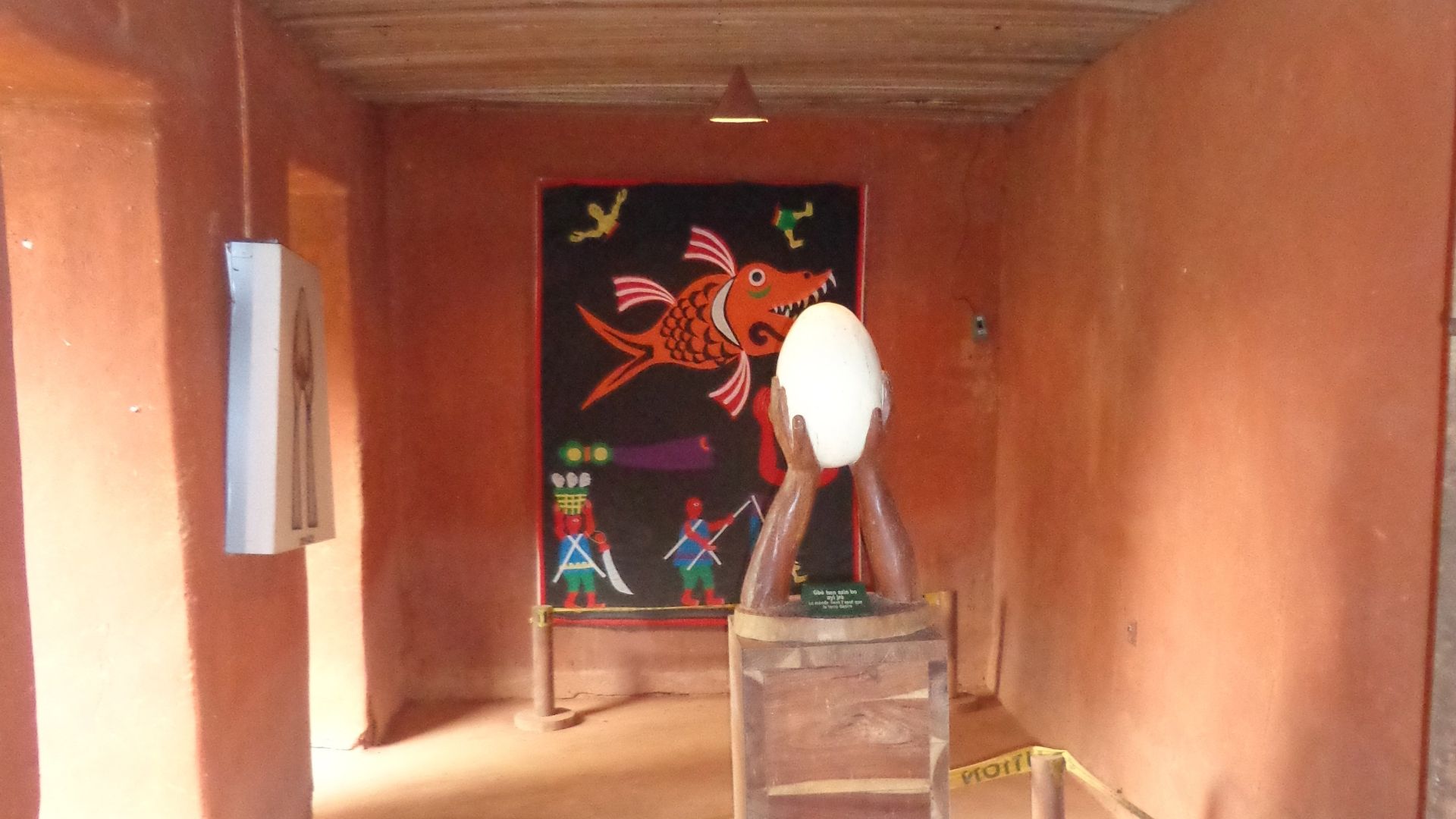 Karalyn Monteil, Wikimedia Commons
War And Belief Side By Side
In Dahomey, warfare and religion were closely linked. Before battles, rituals were often performed. Weapons could be blessed. The items in the chamber remind us that fighting was not only physical—it also had spiritual meaning.
 Willem Heerbaart, Wikimedia Commons
Why Hide Them?
One big question remains: why were these objects hidden? Archaeologists believe the chamber may have been sealed during a dangerous time. Hiding important items could have protected them from enemies or unrest.
 Karalyn Monteil, Wikimedia Commons
A Time Of Uncertainty
The 18th century was a time of change and tension in the region. Trade networks were shifting, and rivalries were strong. Leaders may have chosen to hide sacred or valuable objects to keep them safe.
Remembering The Women Warriors
The discovery also brings attention to Dahomey’s famous women warriors. While we cannot say which weapons belonged to whom, the range of items shows how organized and serious the kingdom’s army was.
 Dominik Schwarz, Wikimedia Commons
A Palace Built In Layers
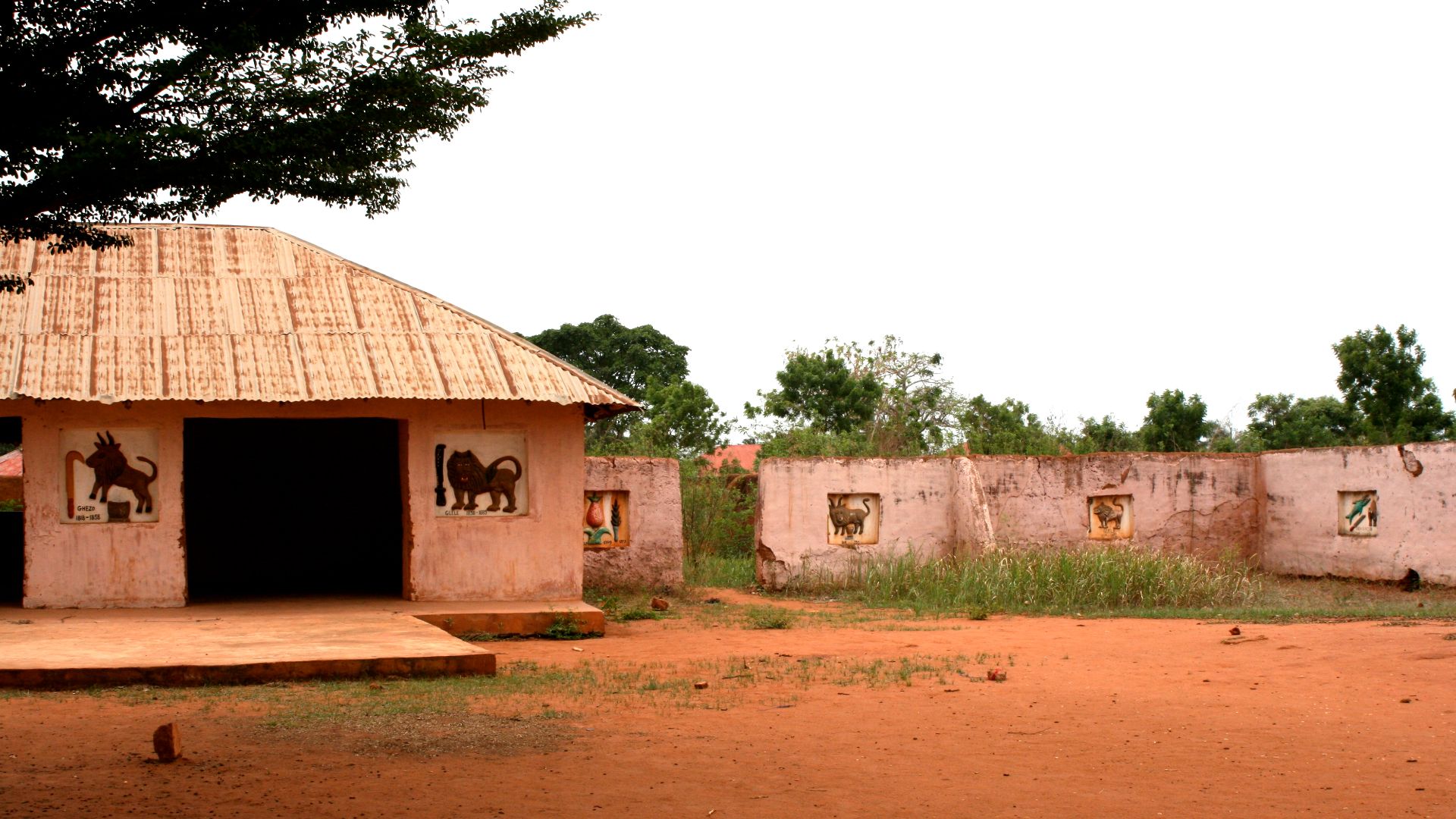
The palaces were built and rebuilt over many years. New rulers often added structures on top of older ones. The hidden chamber is another reminder that history at Abomey is layered beneath the ground.
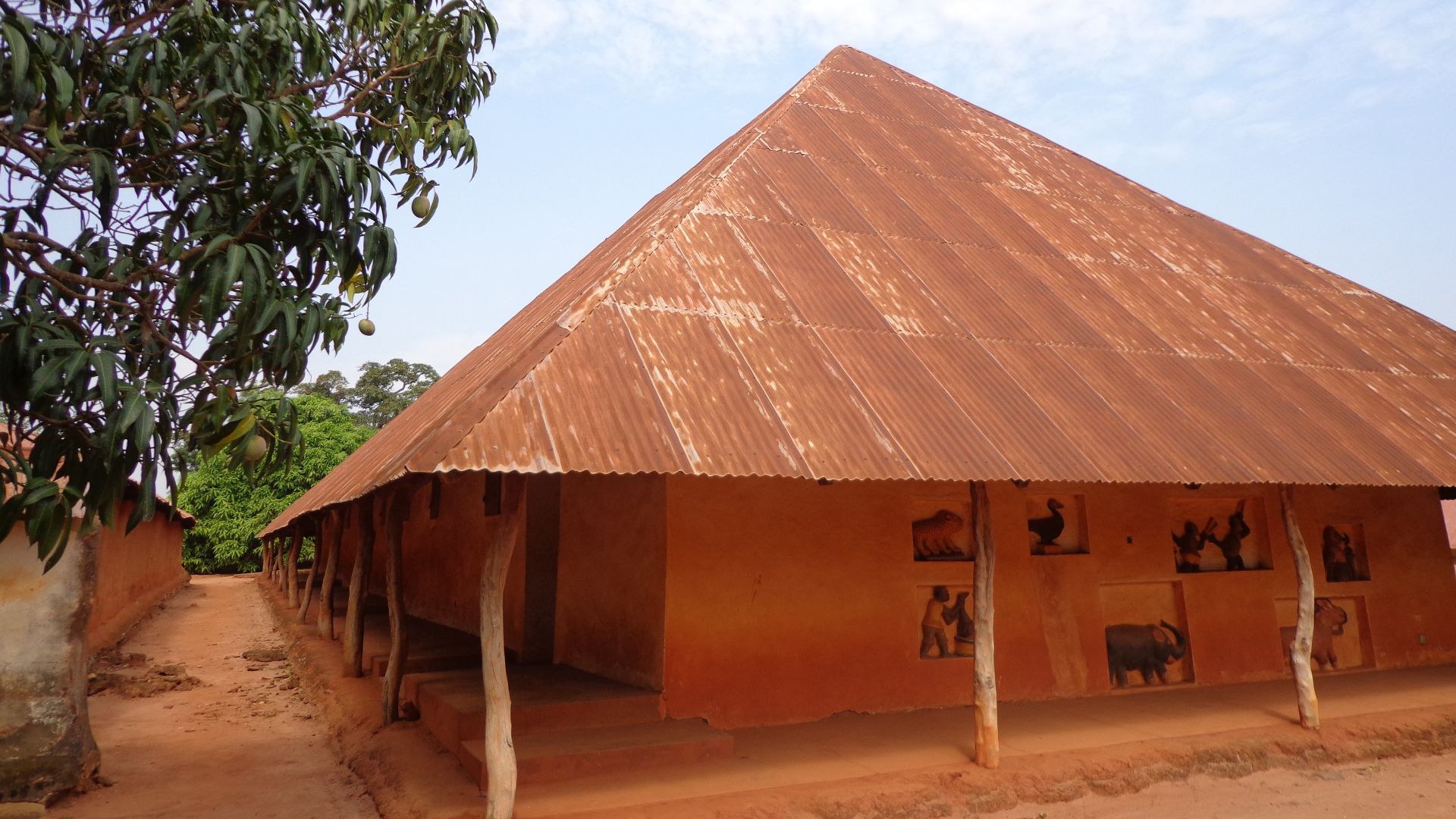 Karalyn Monteil, Wikimedia Commons
Protecting The Past
Once ancient objects are exposed to air, they can quickly begin to decay. Conservation experts are now carefully treating the iron and wood to keep them stable for study and display.
 Karalyn Monteil, Wikimedia Commons
Modern Tools, Ancient Objects
Researchers are using 3D scans and lab tests to learn more about the artifacts. These tools can show how the weapons were made and sometimes how they were used.
 Atelier Sossa Dede/ phot. Ji-Elle, Wikimedia Commons
The Role Of Local Voices
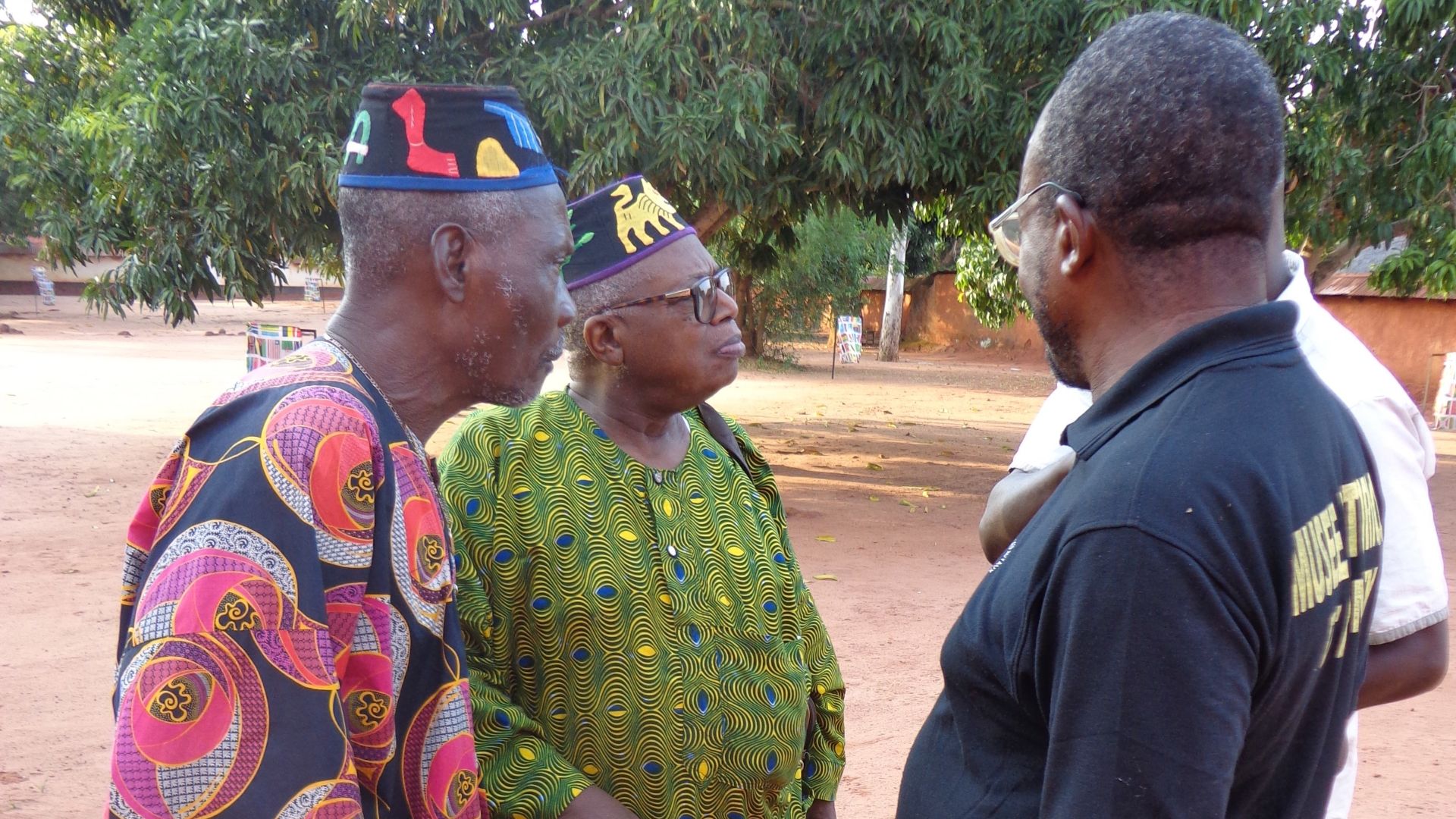
Local historians and community members are helping interpret the find. Oral traditions and shared stories add meaning that objects alone cannot provide. This discovery is part of living heritage.
 Fawaz.tairou, Wikimedia Commons
Changing Old Views
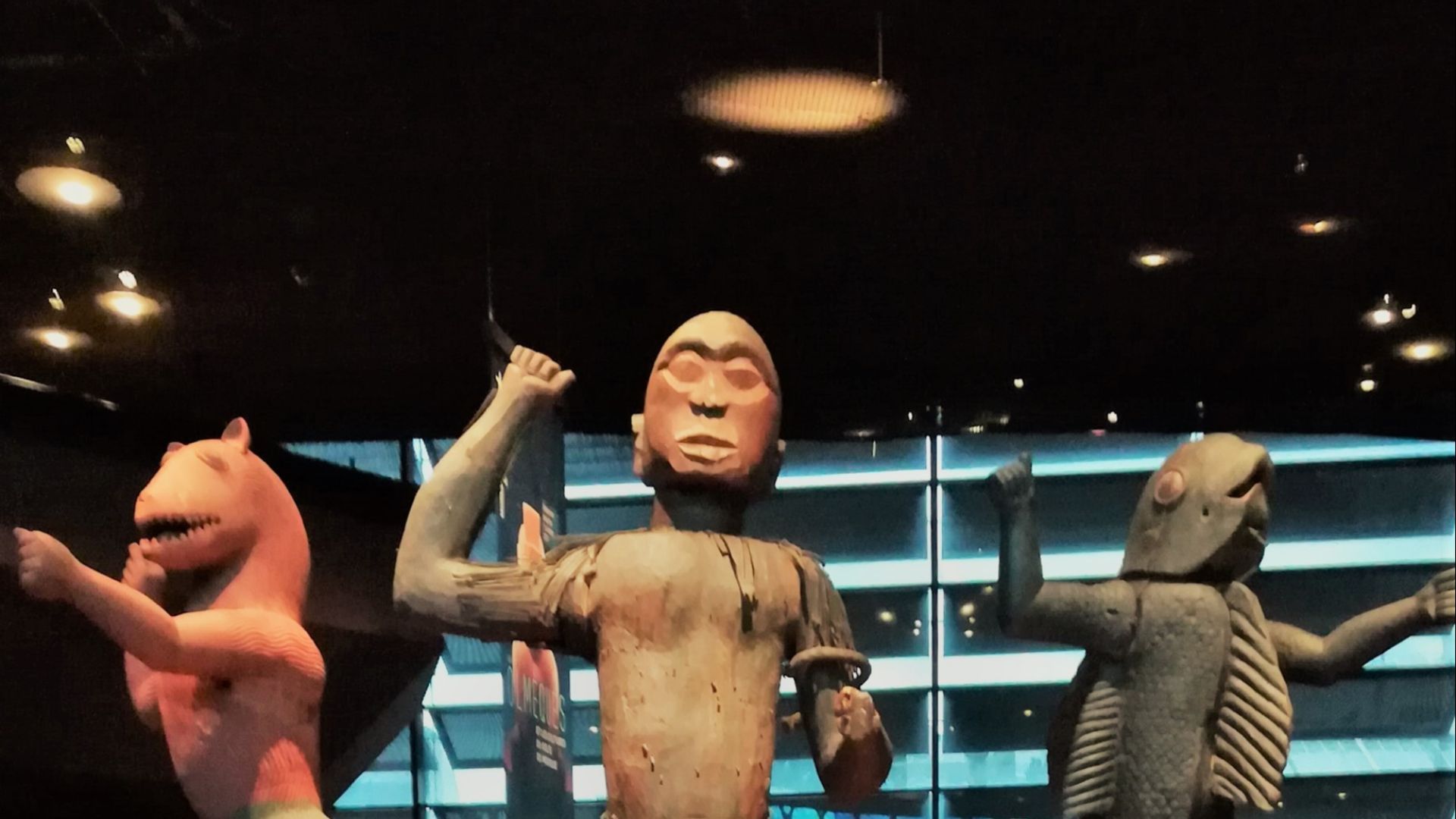
For a long time, some histories underestimated African kingdoms. Discoveries like this show how organized and skilled Dahomey truly was. The chamber reveals planning, artistry, and strength.
Connected To A Wider World
Dahomey was not isolated. It was connected to regional and global trade networks. The weapons reflect a kingdom that understood its place in a changing world.
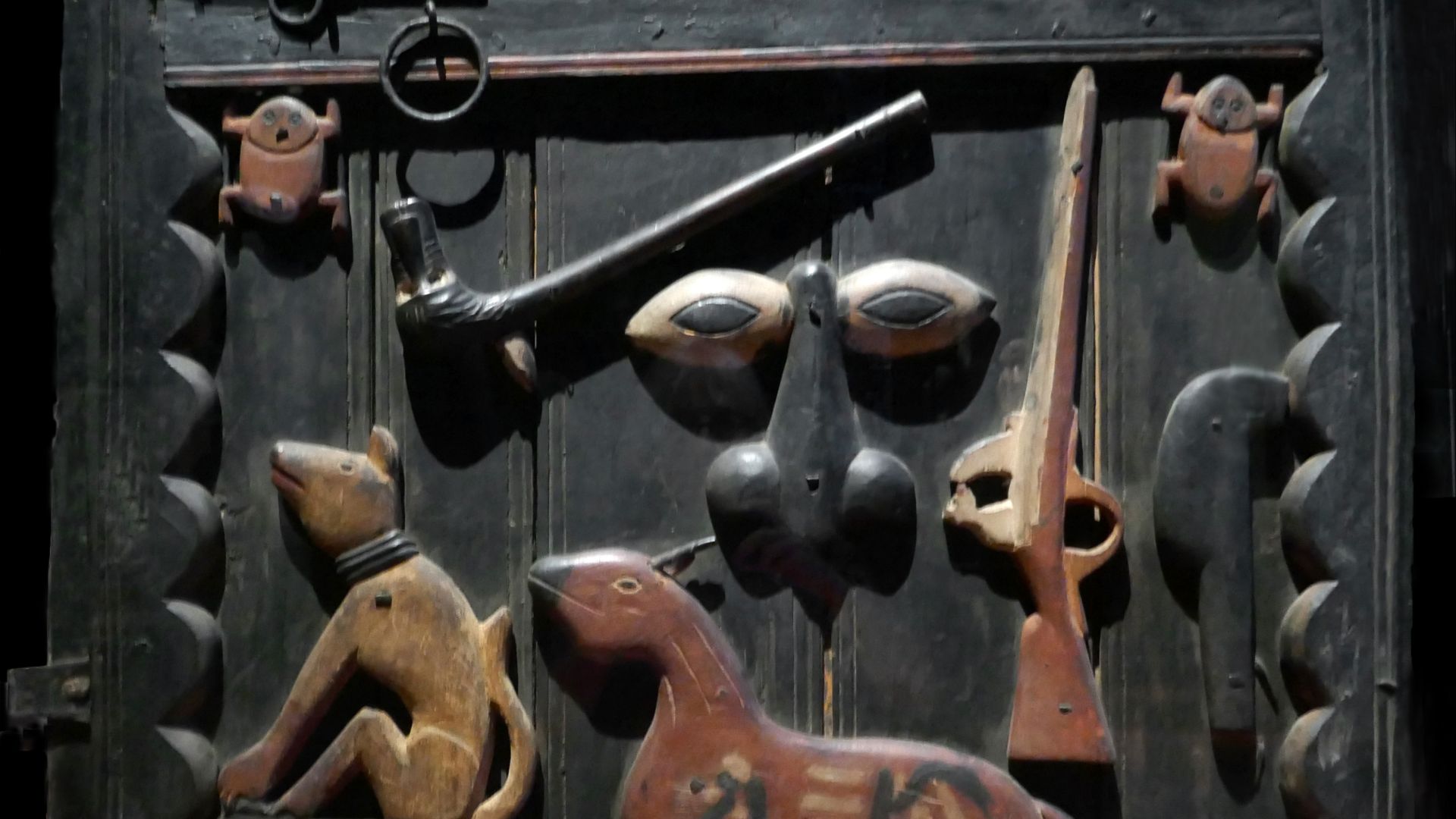
Symbols Of Leadership
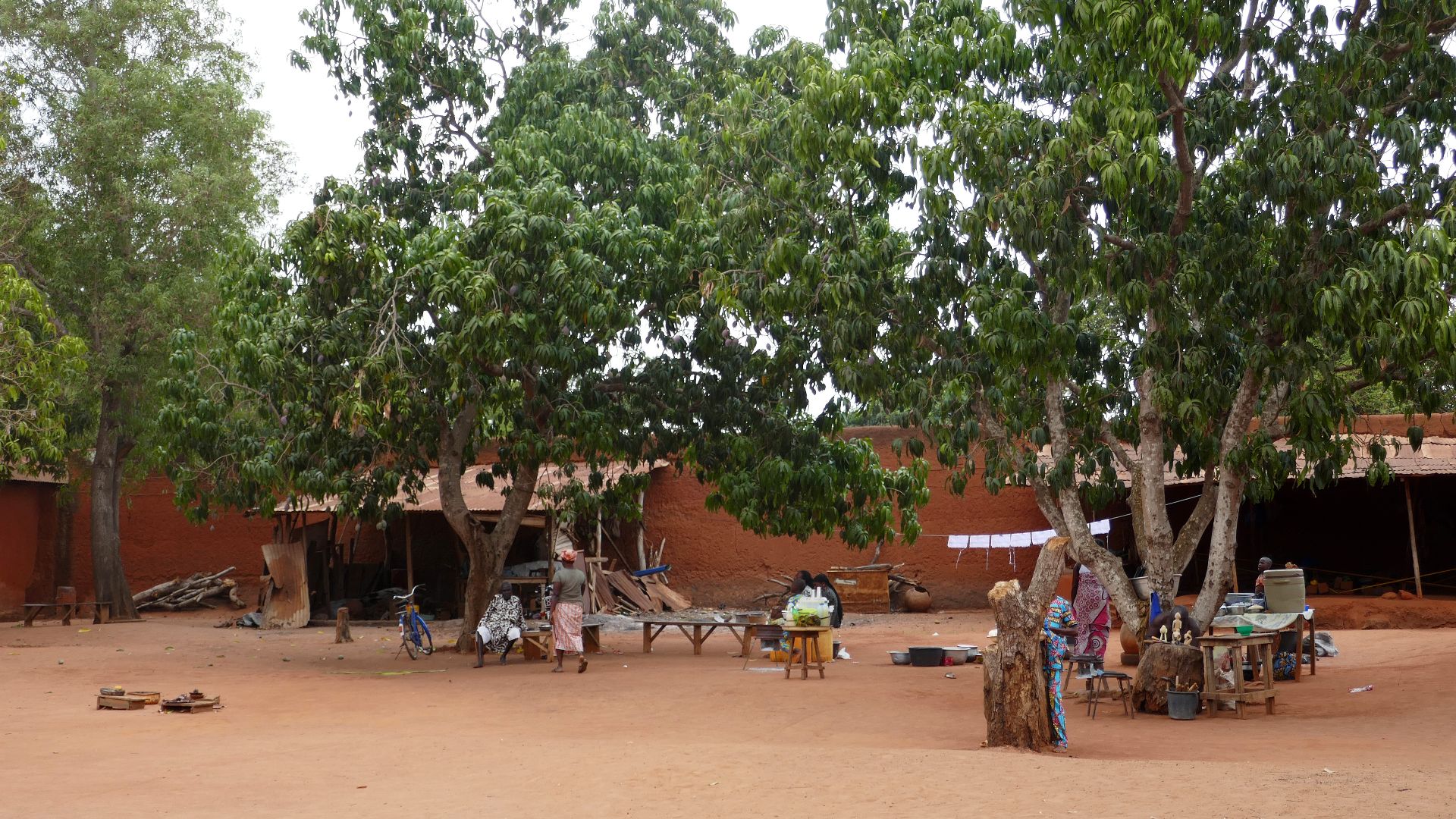
Many objects feature animals and royal signs linked to specific kings. These symbols helped show authority. Even a carved design on a handle could send a strong message.
 Atelier Sossa Dede/ phot. Ji-Elle, Wikimedia Commons
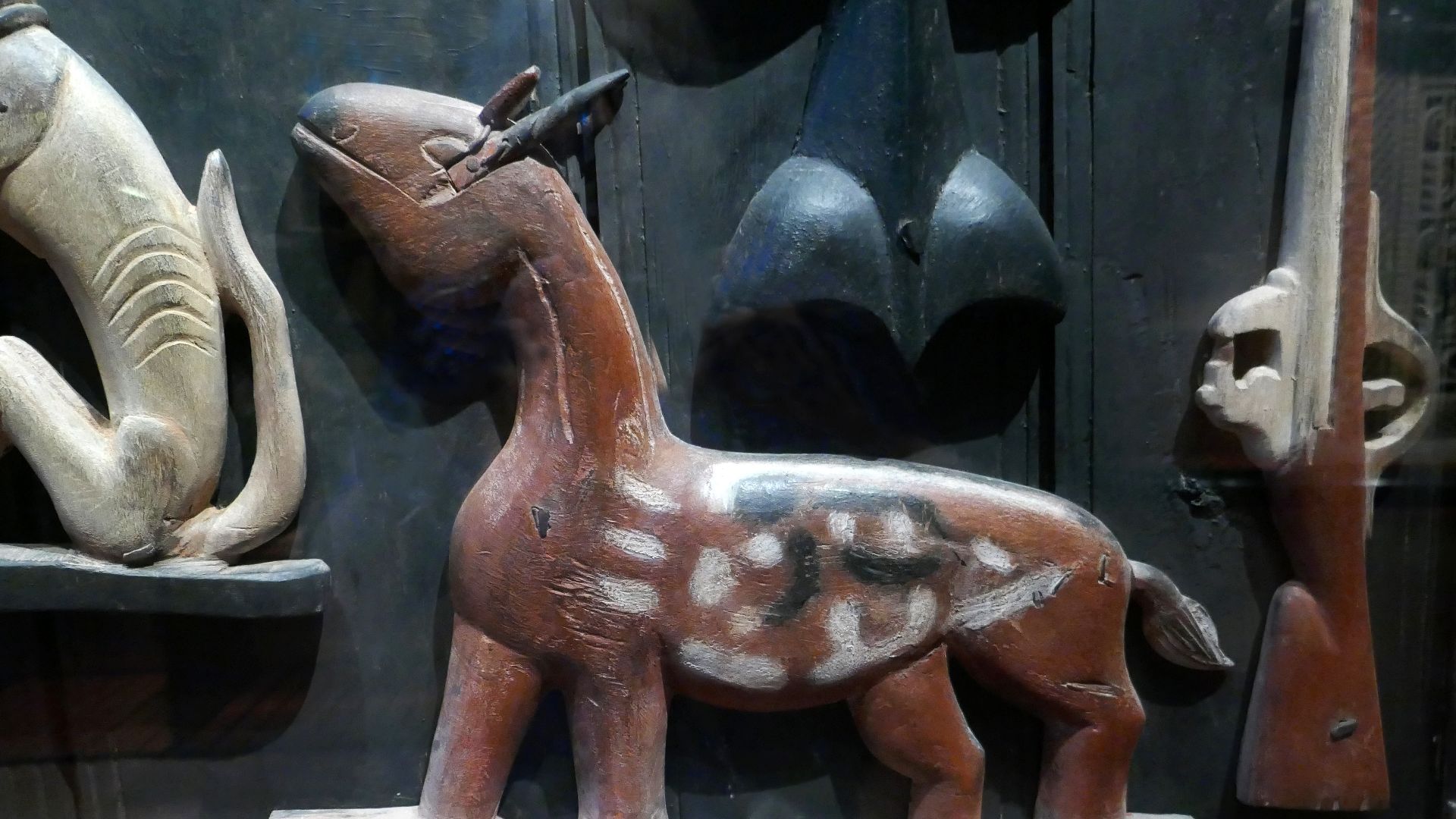
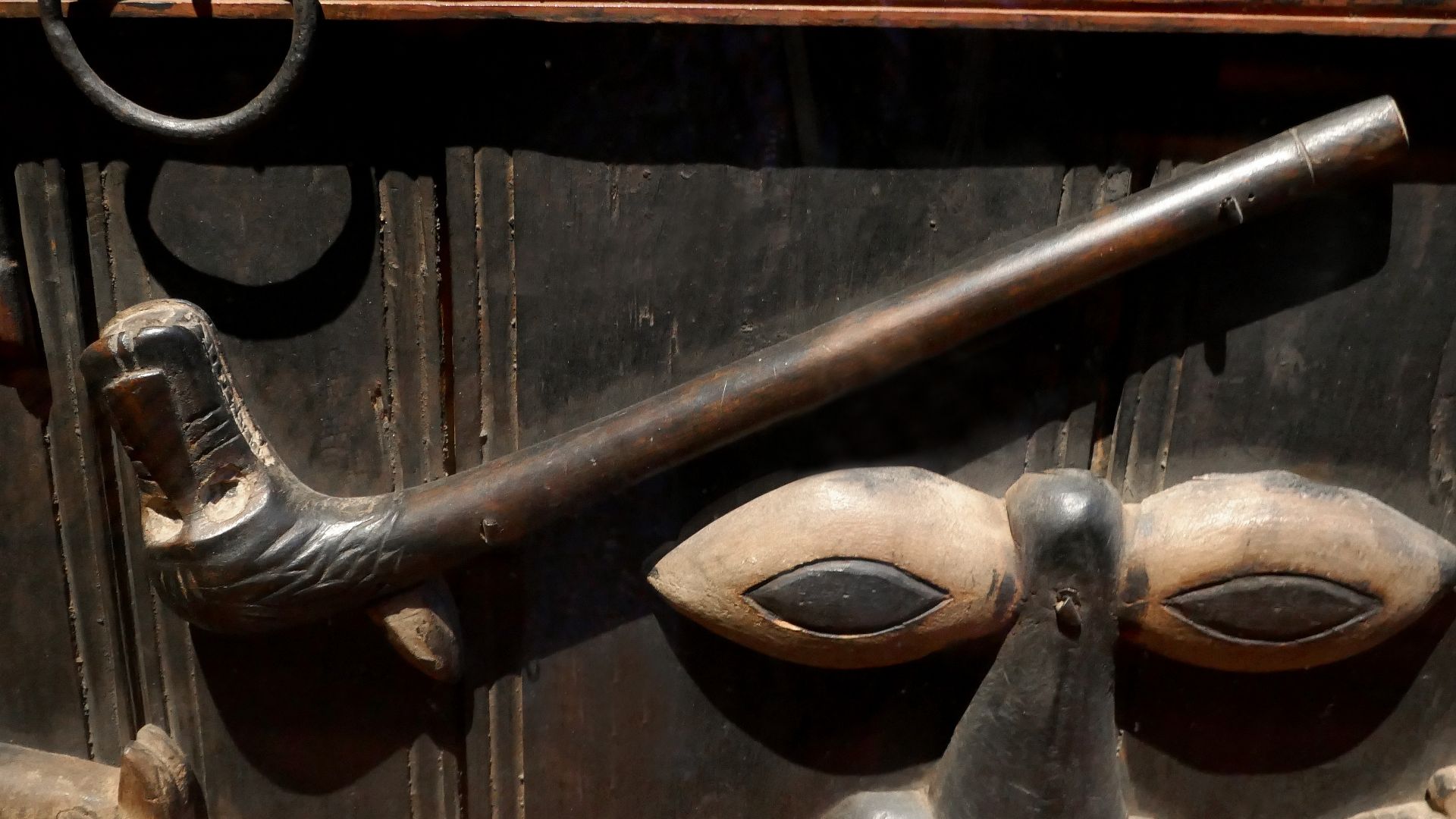
A Carefully Chosen Collection
The items in the chamber do not seem random. Researchers believe they may have been selected for a reason, perhaps tied to a certain king or important moment.
 Atelier Sossa Dede/ phot. Ji-Elle, Wikimedia Commons
Questions Still Unanswered
The discovery raises new questions. Are there more hidden rooms? What events led to the chamber being sealed? Future work at the site may bring more answers.
 Fawaz.tairou, CC BY-SA 4.0, Wikimedia Commons
Pride In The Discovery
The news has sparked pride in Benin and excitement around the world. The Royal Palaces of Abomey continue to show why they are such an important historical site.
 Karalyn Monteil, Wikimedia Commons
Bringing The Past Closer
Holding these objects, even carefully with gloves, connects researchers directly to the past. These were real weapons, used and valued by real people.
 Dominik Schwarz, Wikimedia Commons
Stories Waiting Underground
The hidden chamber beneath the Royal Palaces of Abomey reminds us that history is never truly silent. Its 18th-century war relics and ceremonial weapons tell a story of strength, belief, and leadership. And beneath the soil of Abomey, there may still be more stories waiting to be found.
 Petrusbarbygere, Wikimedia Commons
You May Also Like:
My Airbnb Host Accused Me Of "Stealing Towels" And Charged Me $200. How Do I Fight That?
The Nicest People In America Live In These States, According To The Data




._-_The_veteran_amazones(_AHOSI_)_of_the_Fon_king_B%C3%A9hanzin,_Son_of_Roi_G%C3%A9l%C3%A9.jpg#file)
