A Tudor Treasure Unearthed
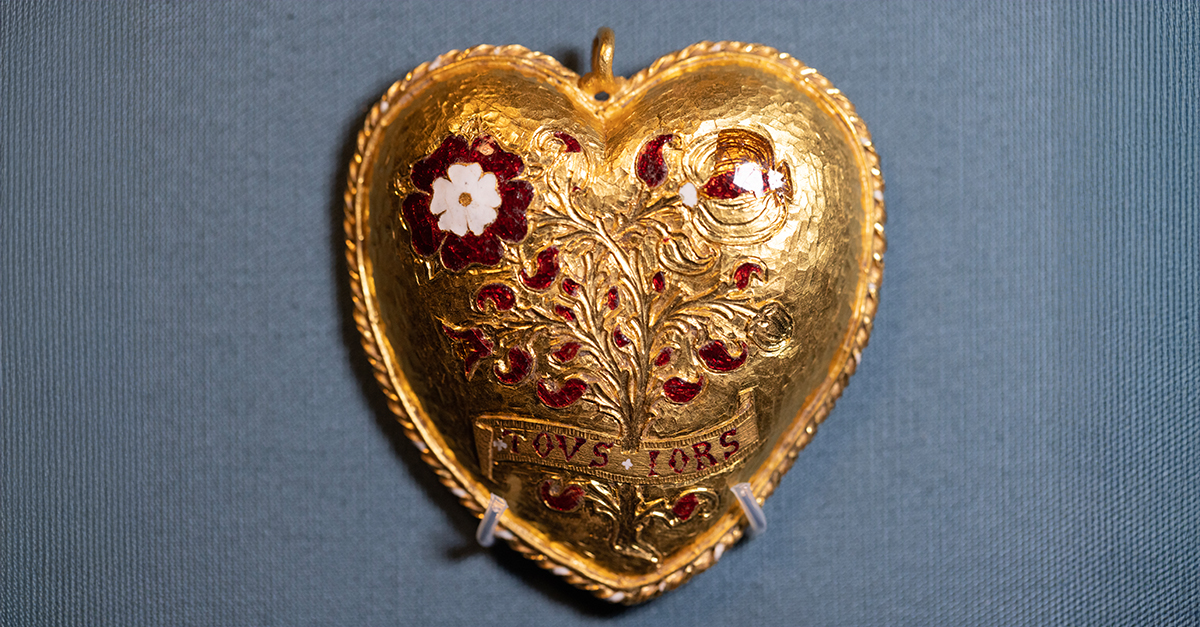
In a tranquil English field, a chance pass of a metal detector uncovered an amazing relic left over from Tudor England: a gold pendant linked to the wedding of Henry VIII and Catherine of Aragon. The discovery is a triumph of modern hobbyist curiosity tying the people of England to their turbulent royal past.
Where They Found It
The pendant was discovered in Warwickshire, a county steeped in medieval and early modern history. The rural location implies that the object was more than likely lost during travel or ceremony rather than deliberately buried, adding to speculation on the journey it took from royal court to farmland.
 David Stowell, Wikimedia Commons
The Man Behind The Discovery
The find was made by a Birmingham café owner and experienced metal detectorist named Charlie Clarke. Searching with permission and operating within the Portable Antiquities Scheme, he followed the established procedures that allow significant archaeological finds to be studied and preserved for the public.
 Walter Baxter , Wikimedia Commons
The Moment Of Discovery
At first, Clarke said he assumed he had uncovered yet another depressing hunk of scrap metal. Only after cleaning the piece did its gold composition and detailed decoration become clear. What started out as a routine search quickly became a remarkable face-to-face encounter with Tudor history.
A Closer Look At The Pendant
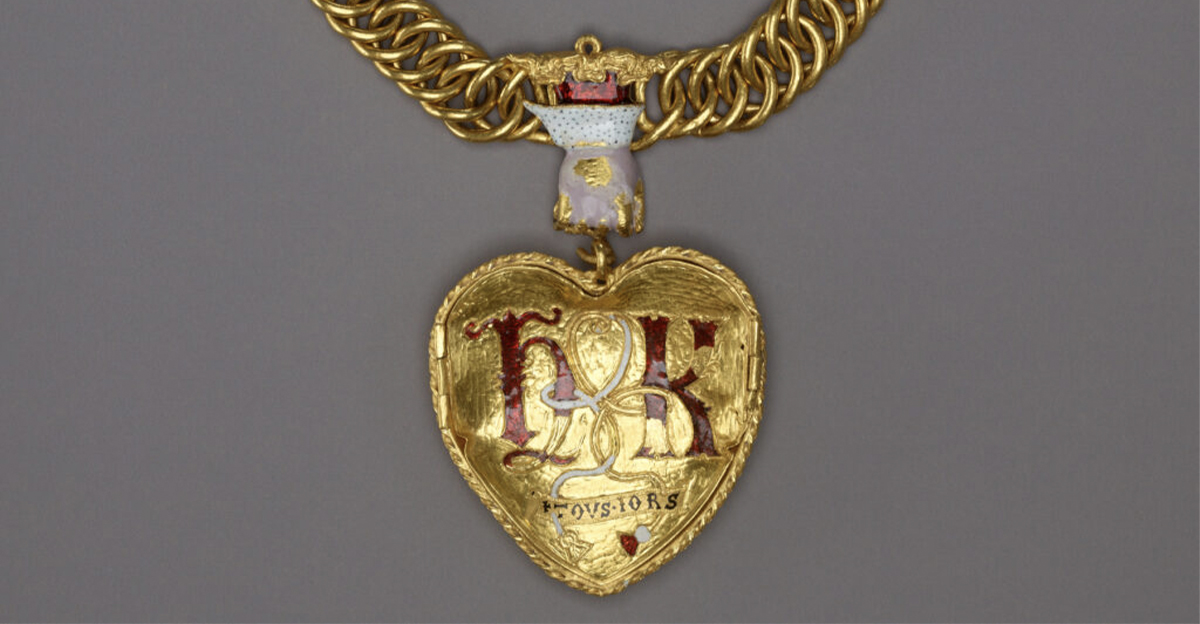
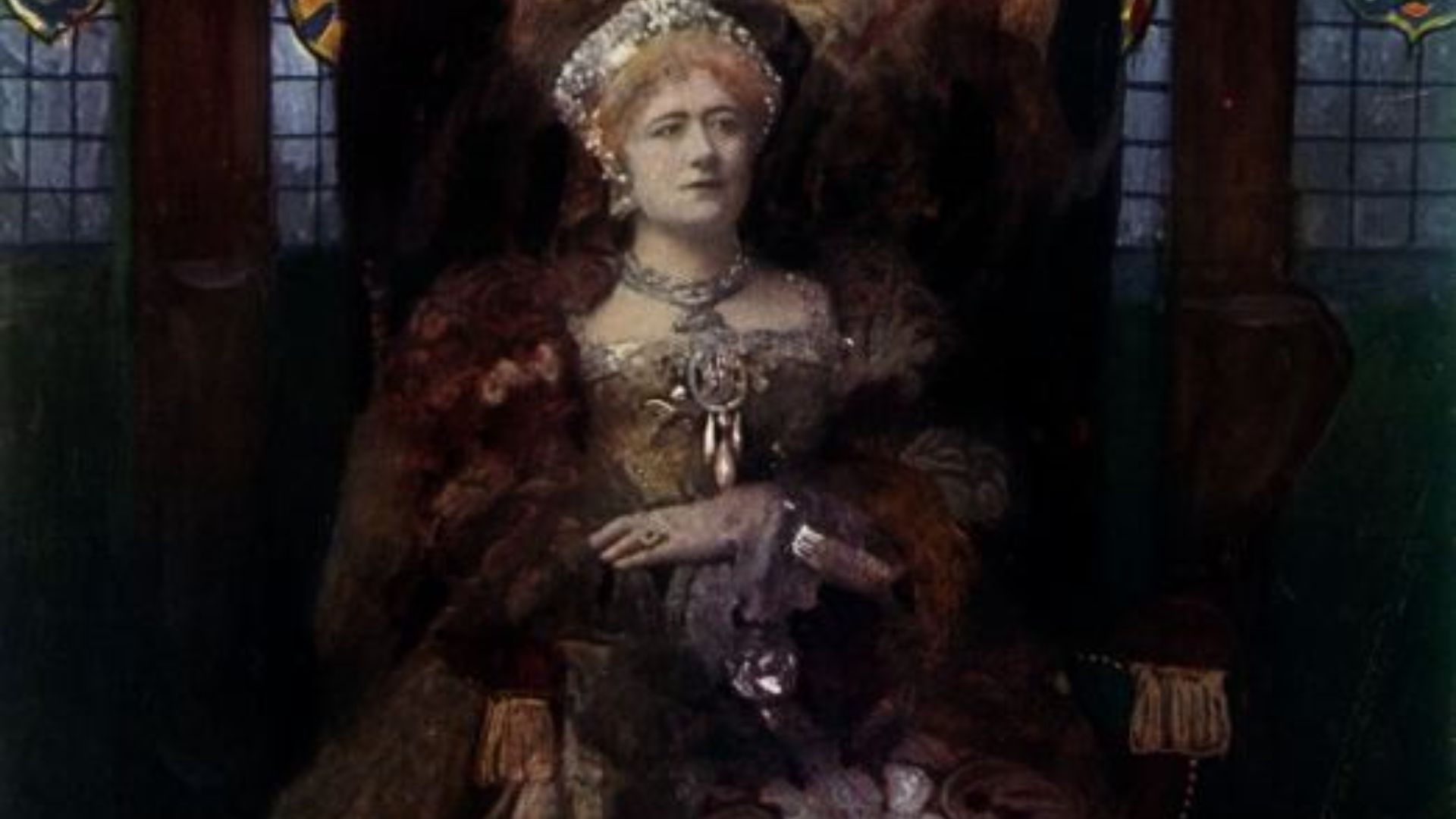
The pendant is crafted from gold and richly decorated with Tudor symbolism. It features interlaced initials for Henry and Katherine alongside symbols such as the Tudor rose, executed with all the precision of a skilled early-sixteenth-century goldsmith.
 Unidentified painter / After Window & Grove, Wikimedia Commons
Dating The Object
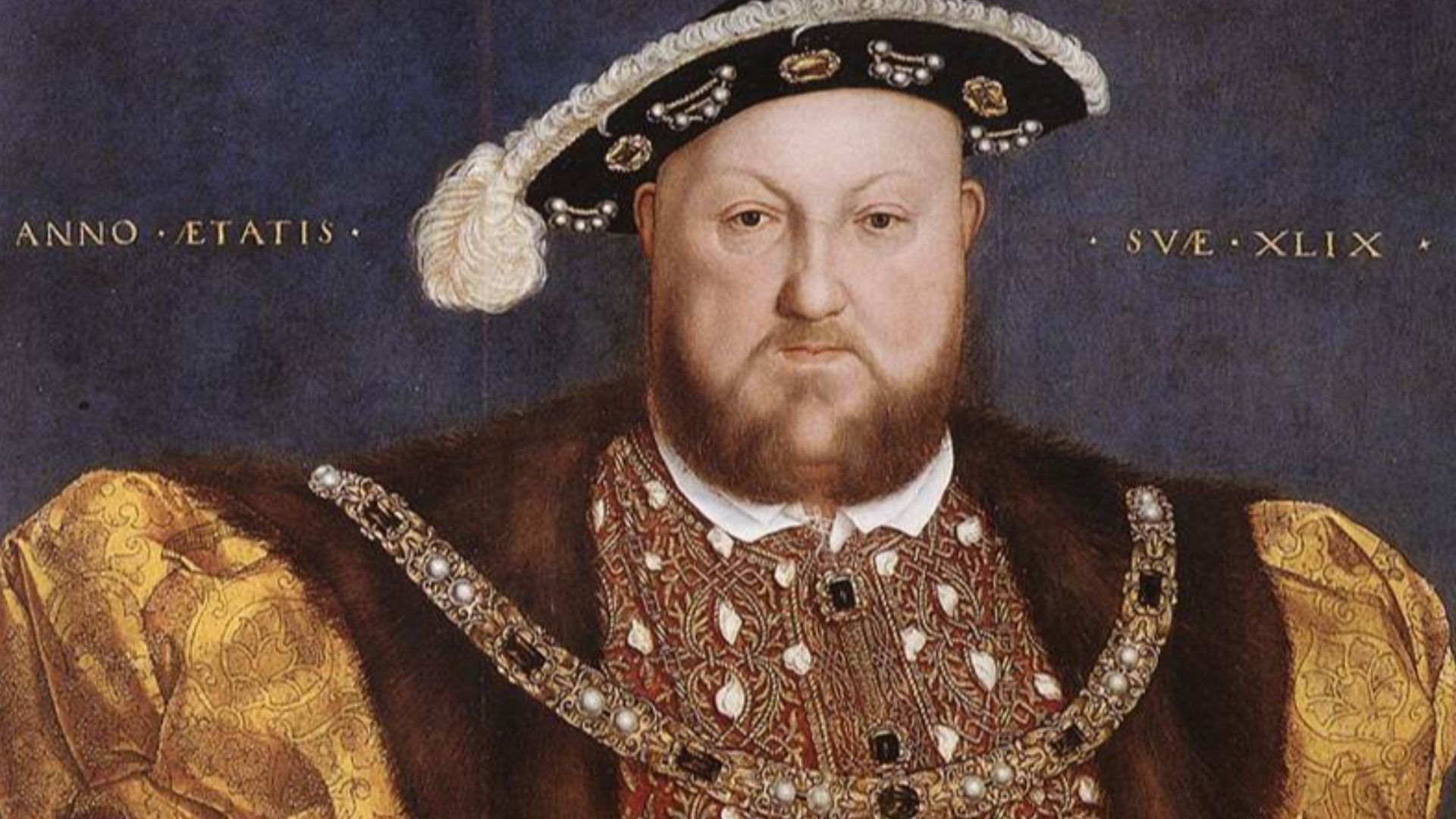
Scholars date the pendant to around 1509, the year Henry VIII married Catherine of Aragon. This timing aligns closely with the lettering, reflecting early Tudor style conventions before Henry’s later marriages overturned England’s religious and political landscape.
 Hans Holbein the Younger, Wikimedia Commons
Henry VIII And Catherine Of Aragon
Henry VIII’s marriage to Catherine of Aragon was a pivotal political event, uniting England and Spain. At the time, Catherine was roundly celebrated as queen, and the marriage was symbolic of stability and continuity for the Tudor dynasty long before the shocking annulment that reshaped English history.
 Joannes Corvus, Wikimedia Commons
Why The Pendant Matters Historically
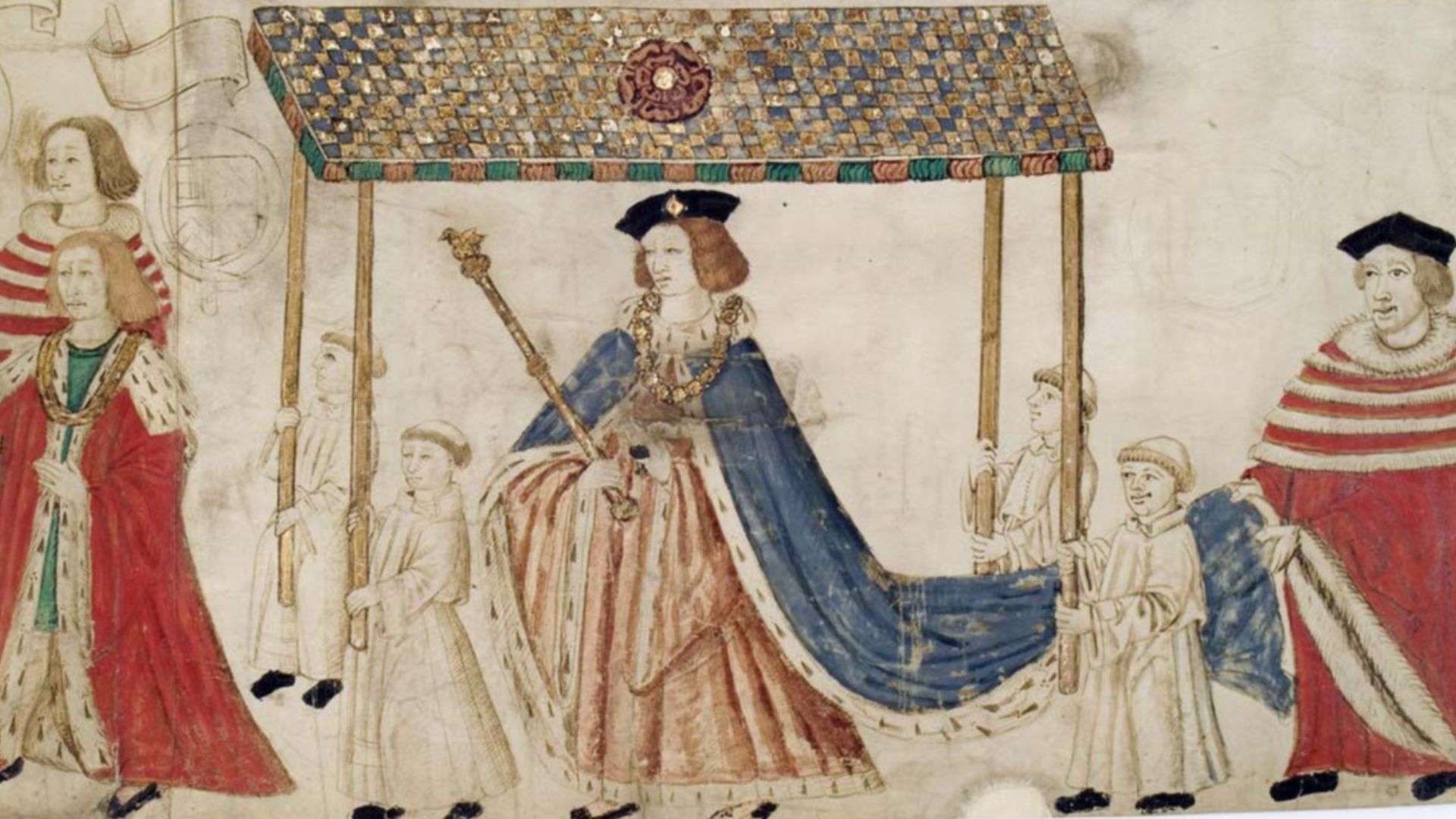
Few objects survive that can be directly linked to a specific royal wedding, especially one that was so historically important. The pendant is tangible evidence of Tudor pageantry and personal symbolism, illuminating how royal marriages were celebrated and commemorated through luxury items worn or given as gifts during ceremonial occasions.
 Unknown author, Wikimedia Commons
A Ceremonial Object
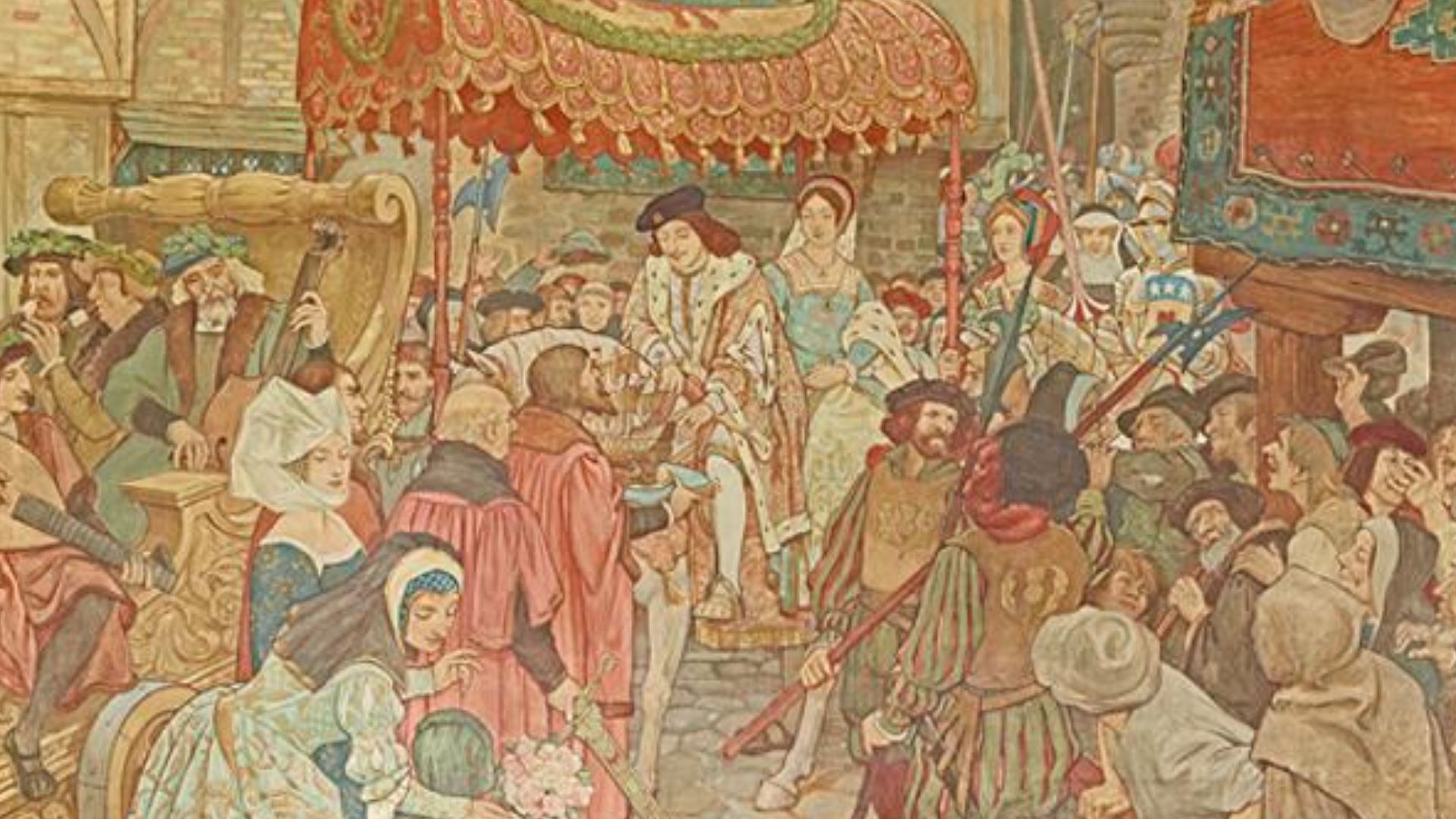
Experts think the pendant was probably worn by a courtier or participant in wedding celebrations. These kinds of items acted as visual statements of loyalty and participation in royal ceremonies and probably weren’t personal jewelry for the monarchs themselves.
 William Hole, Wikimedia Commons
How The Pendant Was Lost
The exact circumstances of its loss will probably never be known. It was probably carelessly dropped during travel, procession, or celebration. Centuries of agricultural activity gradually buried the pendant, preserving it underground until today’s technology and careful searching brought it back to the light of day.
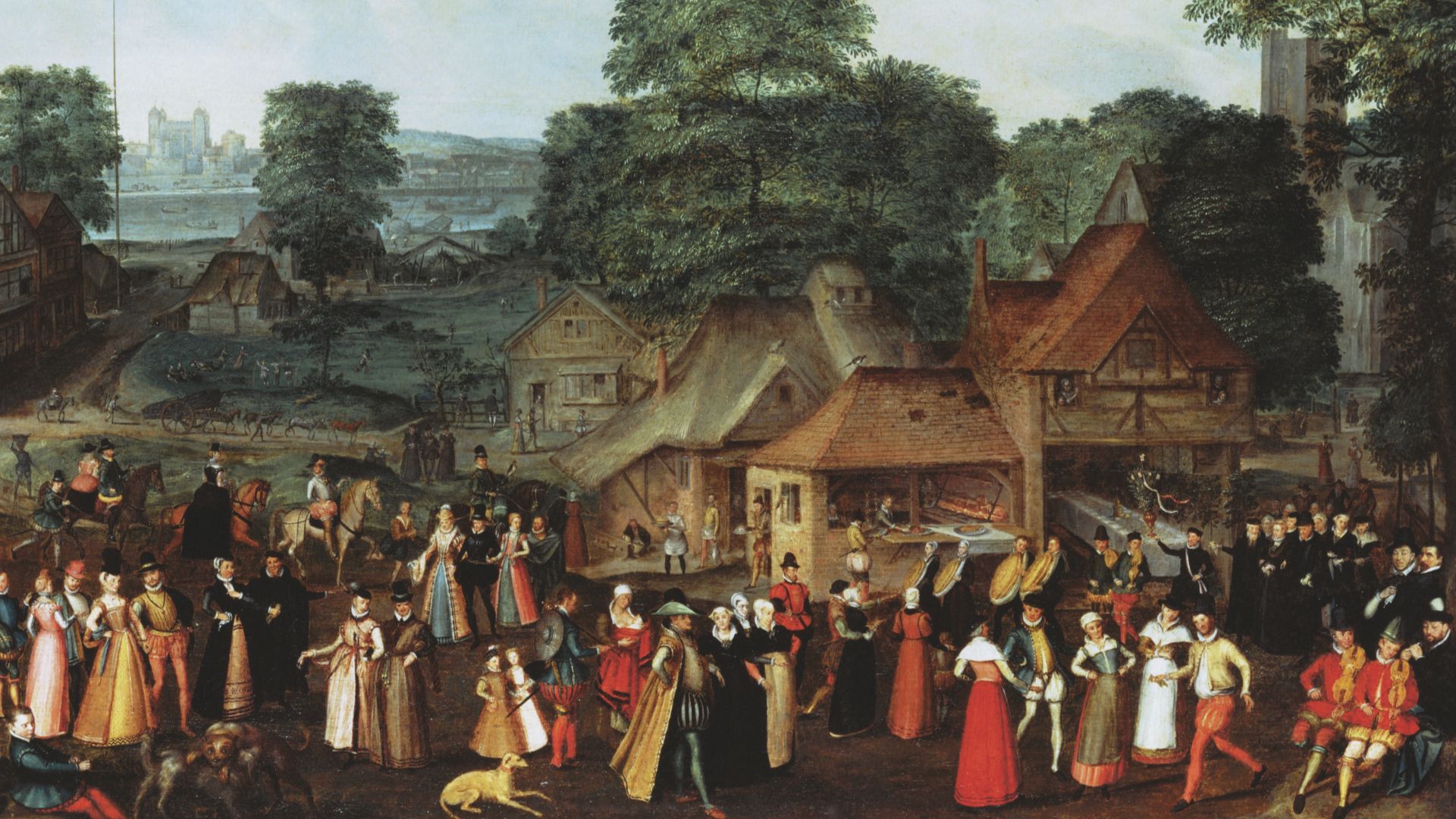
Reporting The Find
Following British law, the detectorist reported the discovery as buried treasure. This set in motion an official valuation process and scholarly assessment, assuring transparency and stopping the artifact from disappearing into private hands without public record or academic study.

The Treasure Valuation Process
An independent Treasure Valuation Committee assessed the pendant’s importance and market value. Due to its rarity, royal associations, and condition, the pendant’s value was set in the millions of pounds, reflecting its exceptional importance to British heritage.
 Eric Pouhier, Wikimedia Commons
The British Museum’s Interest
The British Museum quickly latched onto the pendant as a priority acquisition. Housing the object in a national collection would ensure public access, professional conservation, and long-term research use. The pendant would also help put on a dazzling public spectacle as part of a suite alongside other important artifacts from Tudor England.

Raising Funds For Acquisition
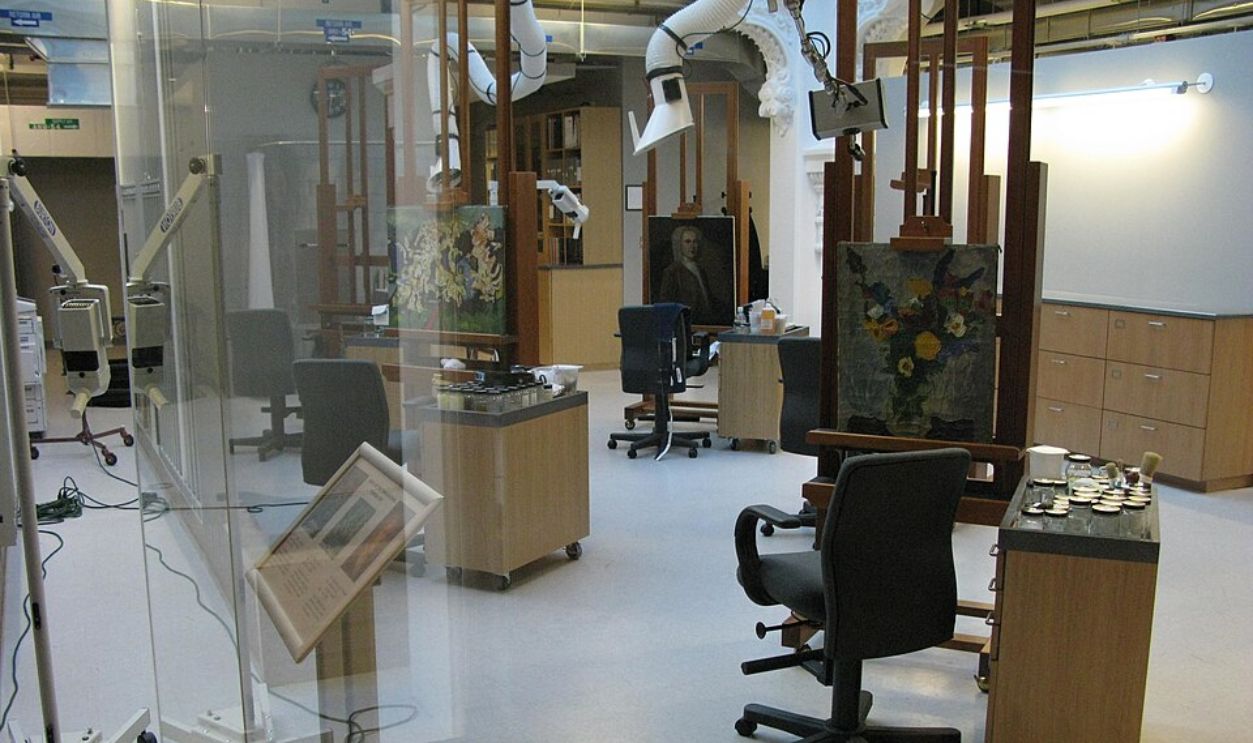
Because the pendant’s value goes far beyond normal acquisition budgets, the British Museum launched efforts to raise funds through grants, donors, and public appeals. The process is a prime example of the financial challenges museums face when extraordinary discoveries spring up out of nowhere.
 davidgalestudios, Wikimedia Commons
Public Support And Heritage
The case triggered widespread public interest, with many people seeing the pendant as a talisman of Britain’s shared heritage rather than a private collectible. Fundraising efforts cast into focus the role of public engagement in safeguarding nationally significant archaeological finds.
 Marek Ślusarczyk (Tupungato) Photo portfolio, Wikimedia Commons
Metal Detecting And Archaeology
This discovery shows the important contribution that responsible metal detectorists can make in modern archaeology. When operating within clearly defined legal frameworks, hobbyists can dig up items that professional excavations alone might never uncover, expanding our historical knowledge in the process.
 Jeremy Bolwell , Wikimedia Commons
What The Pendant Reveals About Tudor England
The pendant reflects the opulence, symbolism, and political messaging of the early Tudor court. The material culture reinforced the dynastic identity and royal legitimacy, a clear insight into the way that royal power and celebration were expressed through wearable art.
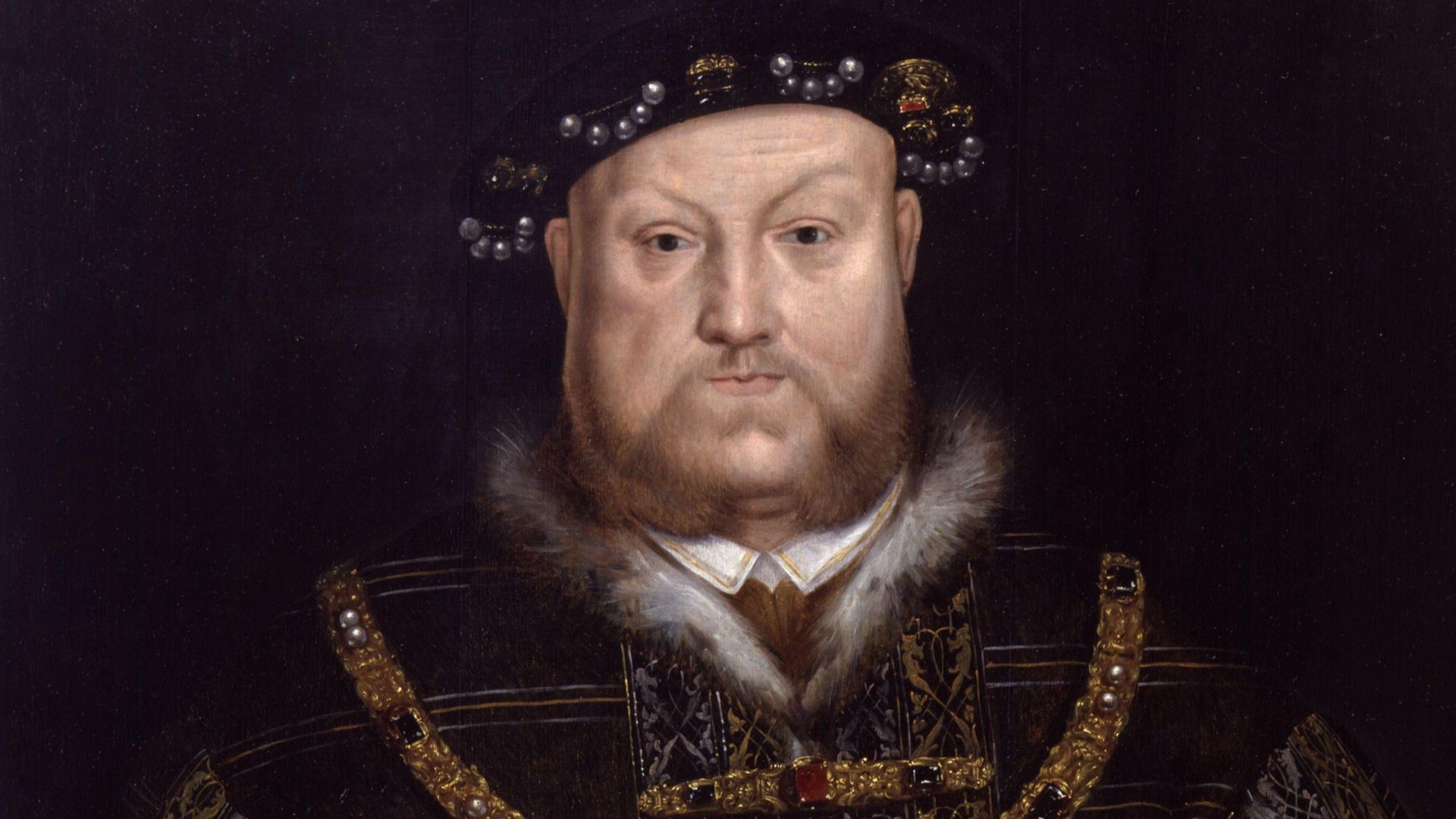
Connecting Modern Britain To Its Past
This discovery closes the centuries of distance between present and past. A single object lost in a field now is now a link from modern Britain to a defining moment in its royal and religious past, even by the most fragile and improbable chance.
 Jonathan Billinger , Wikimedia Commons
Preserving A Royal Legacy
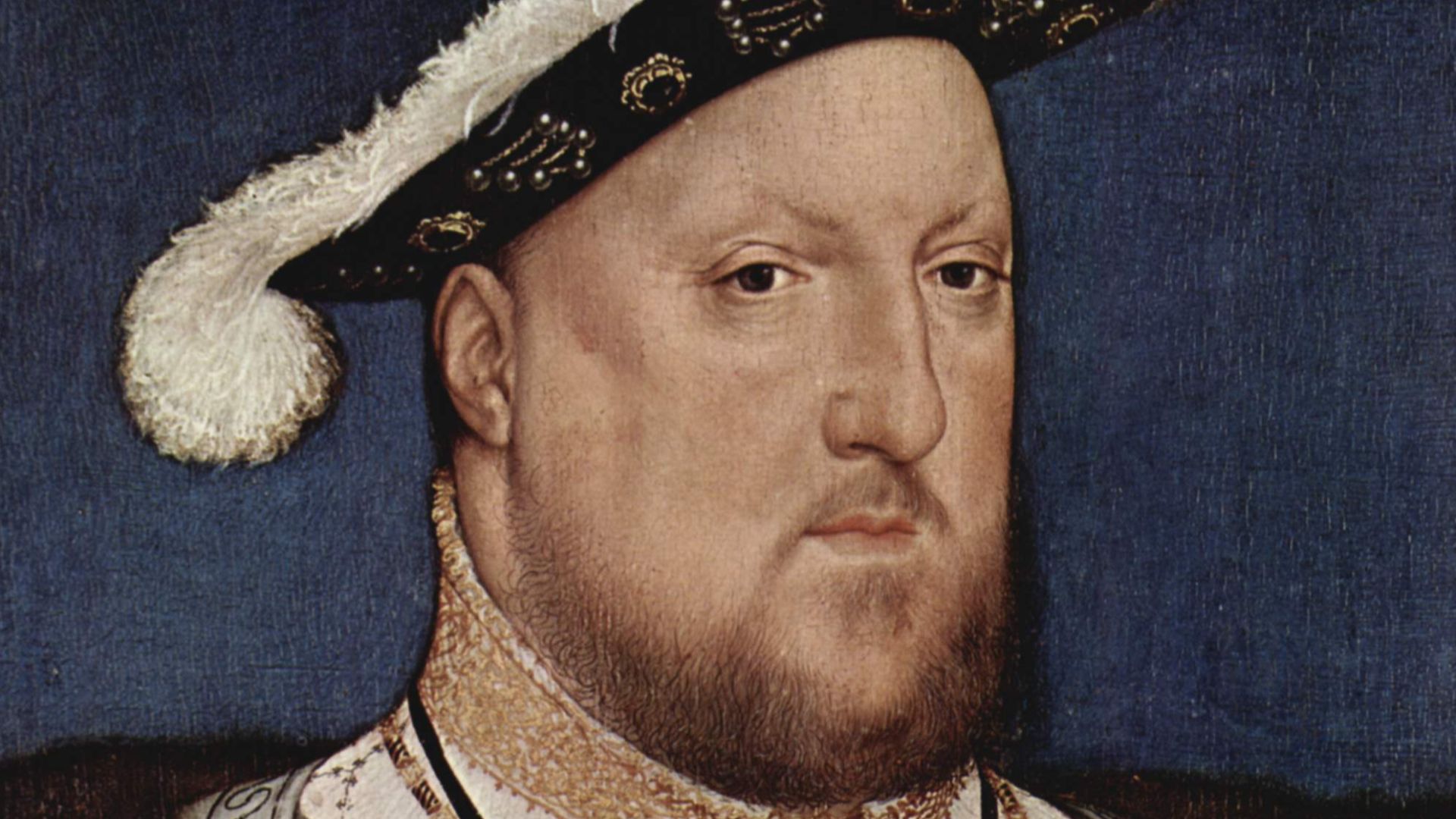
If the British Museum does end up acquiring the pendant, it will become a centerpiece for interpreting Henry VIII’s early reign. As part of a public display, it will should help us further put together the story of a marriage that began with optimism and ended in upheaval, offering a more complex view of Tudor history beyond its famous scandals.
 Hans Holbein the Younger, Wikimedia Commons
From Field To Museum
The Tudor pendant’s 500-year journey from royal celebration to rural soil to potential museum display is a customary example of the unpredictable paths that historical objects can travel. Its final destiny can only be fulfilled by historical stewardship, scholarship, and public support in safeguarding the past for future generations.
 MrsEllacott, Wikimedia Commons
You May Also Like:
The Last Tribe To Resist Roman Rule In Britain
A British Man Discovered A Roman Villa Fit For A King In His Backyard