

A British Man Discovered A Roman Villa Fit For A King In His Backyard
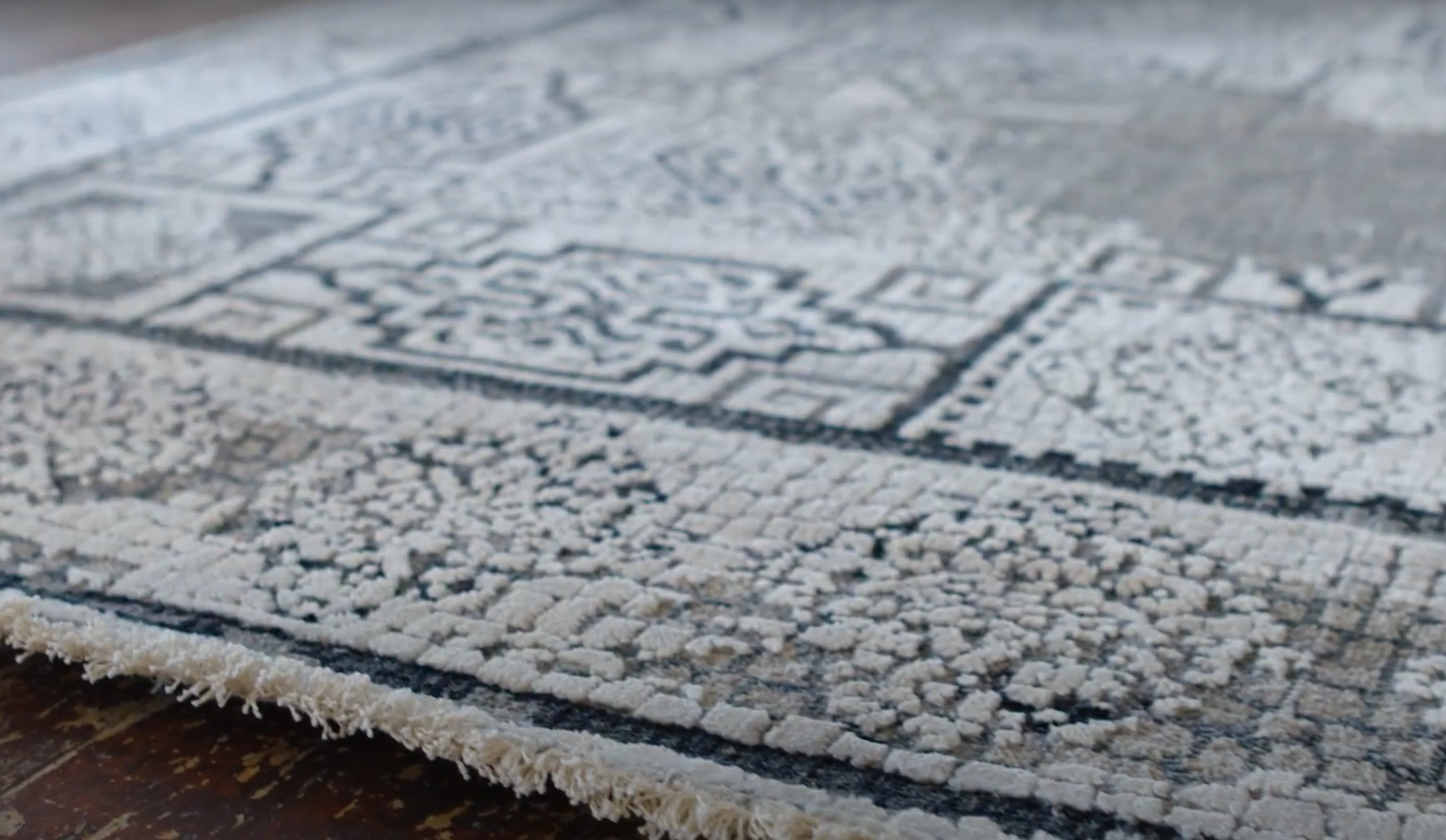
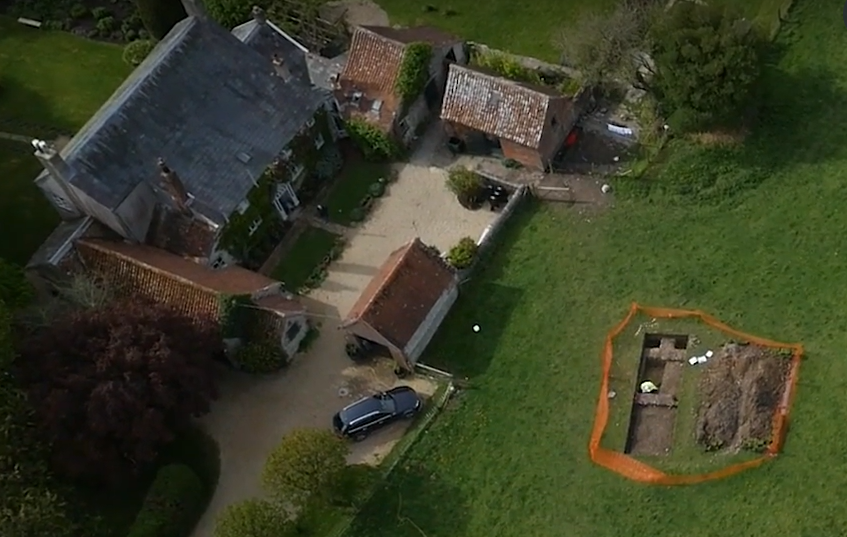
Rug designer Luke Irwin was readying his workshop at his home in Wiltshire, England, never once imagining that he'd find a 1,400-year-old Roman ruin in his backyard. Workers were digging trenches to install electrical cables when they stumbled across a gorgeous mosaic floor that indicated the presence of a larger building. Let's explore the remains of an elaborate villa buried for over 1,000 years in the Wiltshire countryside.
Laying The Groundwork
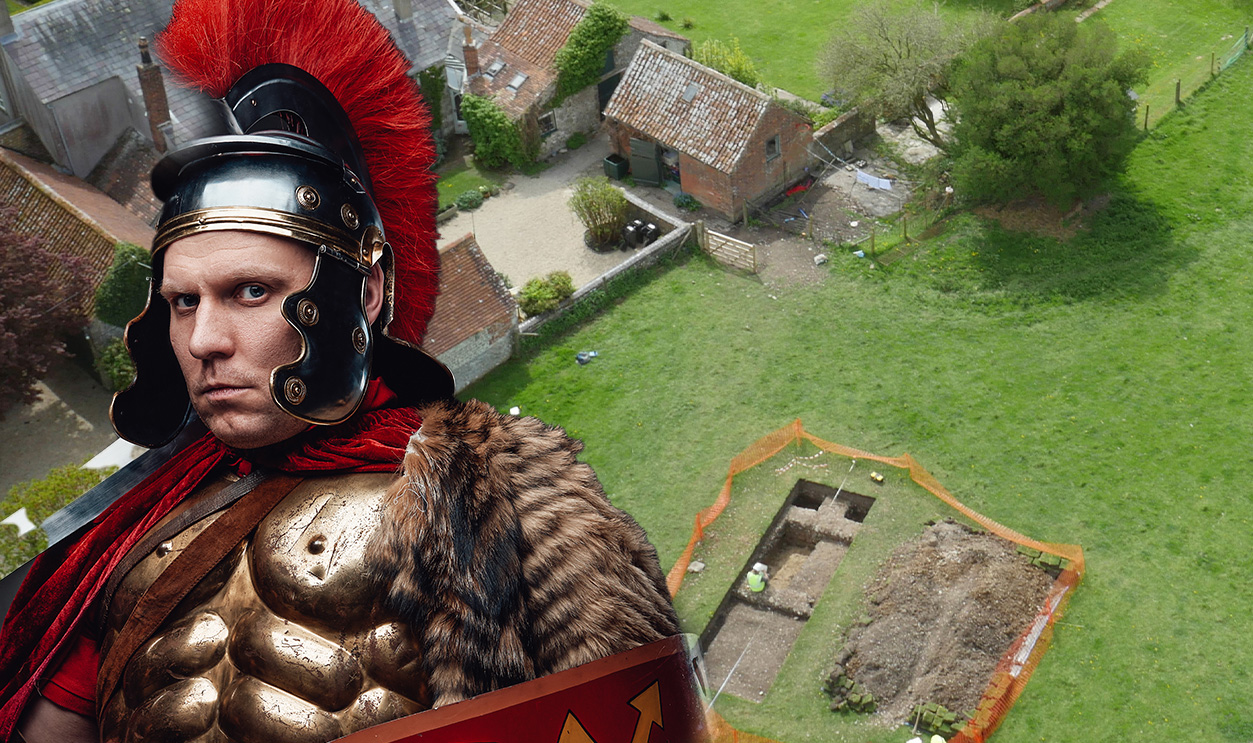
In 2015, Luke Irwin was preparing to open a rug design workshop in his backyard but needed to build a shed first as a workspace. Among the (many) requirements was electricity, which Luke intended to run underground through his home's electrical system. He contracted an electrical company to dig up the ground and lay the wiring.
 Luke Irwin and the Tale of The Deverill Villa, Luke Irwin Rugs
The Discovery
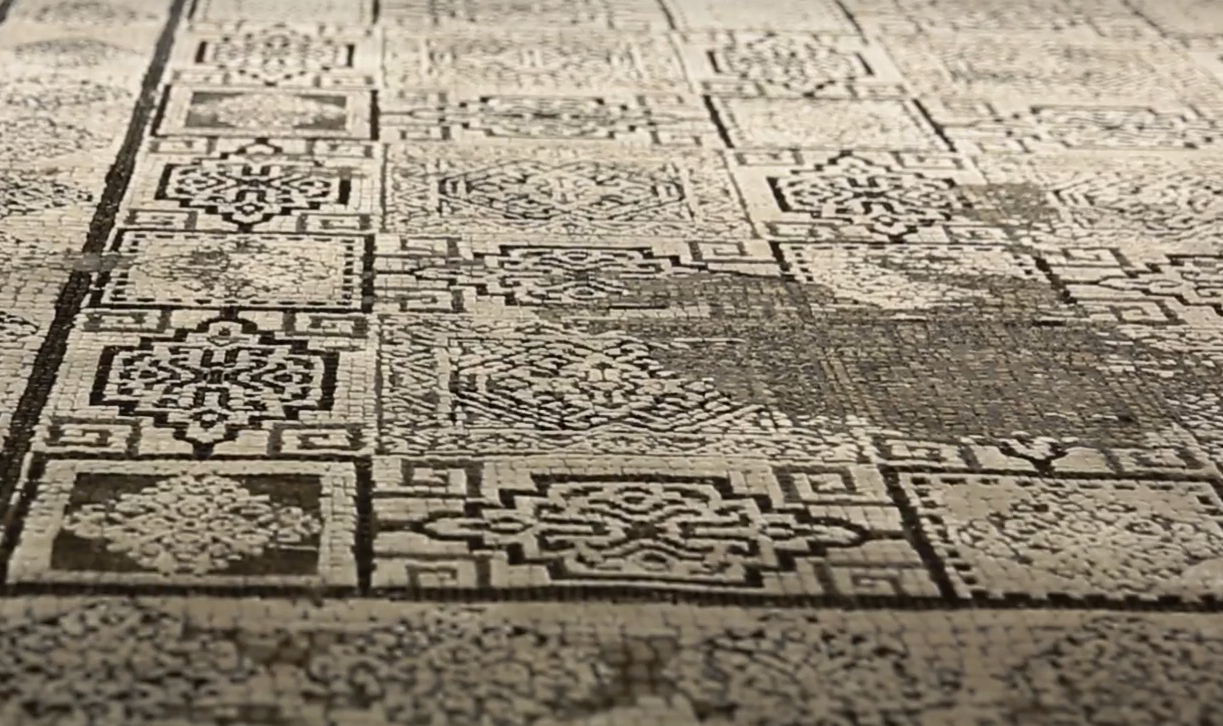
One day, the contractor's digger struck something so hard, they couldn't break through it. After bringing the digger back up and taking a closer look, the contractors called Luke over—they'd stumbled upon something very old. What they'd hit was a stone floor covered in mosaic tiles.
 Luke Irwin and the Tale of The Deverill Villa, Luke Irwin Rugs
Archaeologists Descend On Wiltshire
After realizing this was very special, Luke sent a photograph of the mosaic tiles to archaeological experts from the Wiltshire Archaeological Service and Historic England. They confirmed that he needed to leave it untouched and that they would be there as soon as possible.
 Luke Irwin and the Tale of The Deverill Villa, Luke Irwin Rugs
Excavations Begin
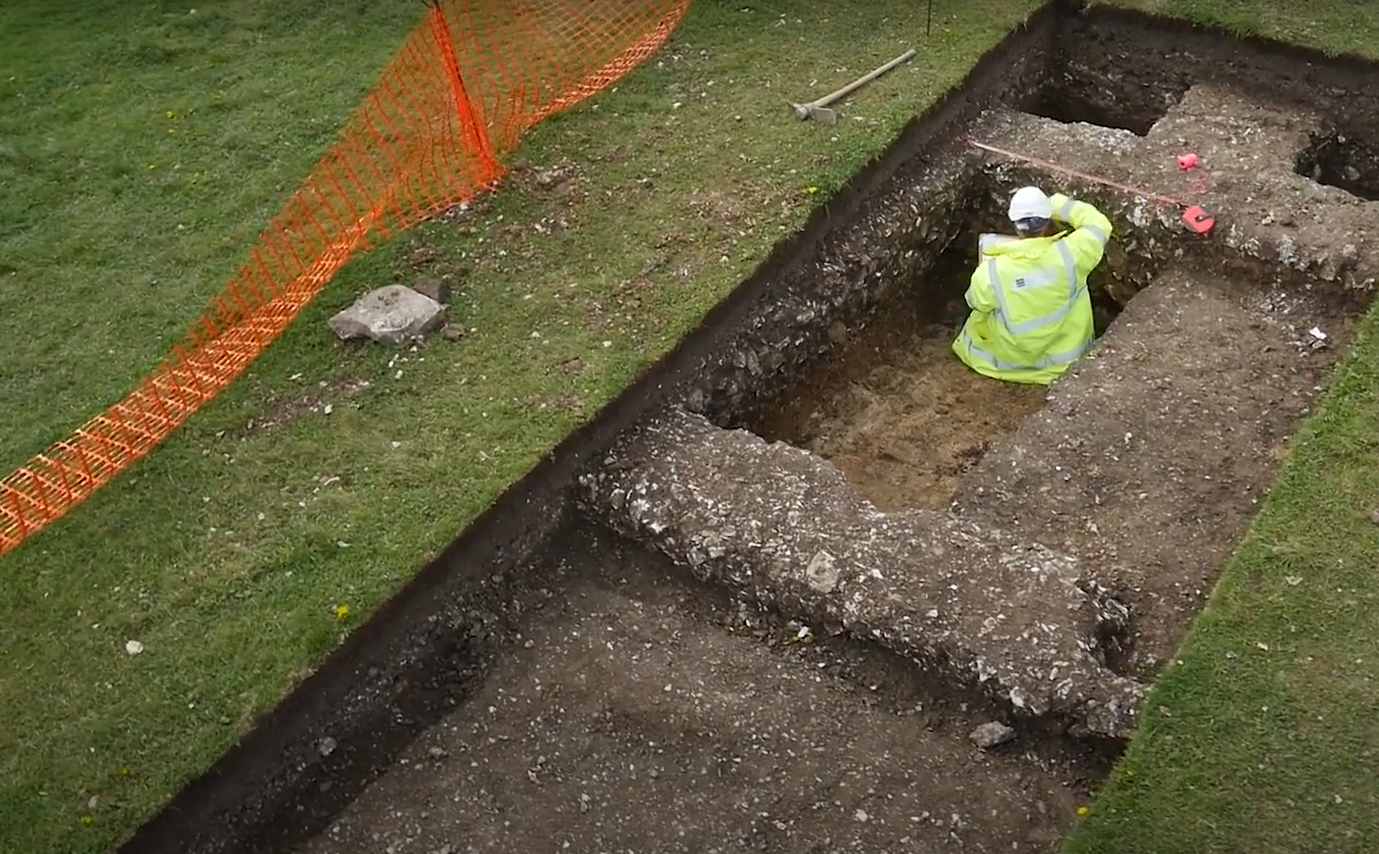
Once the area was under archaeological supervision, excavations could begin. These excavations used hand tools and heavy equipment to unearth the rest of the mosaic. Over eight days, this process uncovered a huge villa measuring over 1,000 square meters.
 Luke Irwin and the Tale of The Deverill Villa, Luke Irwin Rugs
It Had To Be Roman
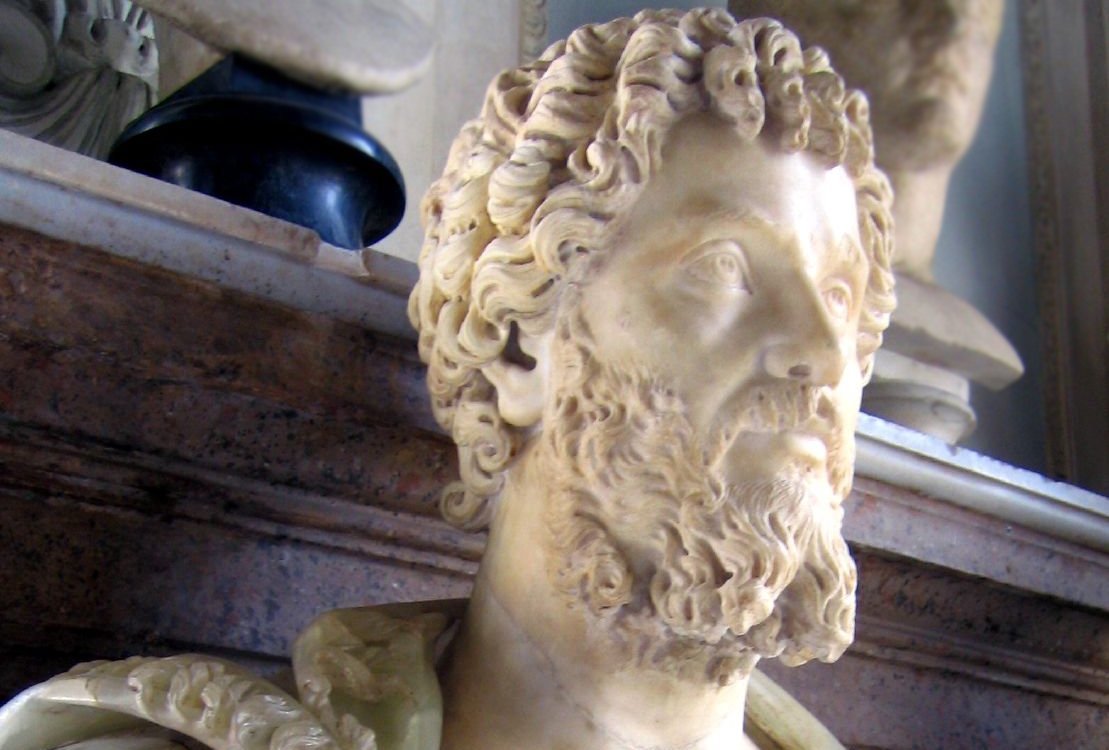
Archaeologists claim that they knew immediately that the villa had to be Roman, as no one since the Romans had laid mosaic floors in Britain. Archaeologists also confirmed that the structure was originally built from 175 to 220 AD, during the time of Emperor Septimius Severus.
 Capitoline Museums, CC BY 2.0, Wikimedia Commons
Used For 250 Years
Interestingly, despite falling into great disrepair and ruin, archaeologists discovered that the villa had been used for 250 years and was used right up until the end of the 4th century. While the identity of who used the villa is (for now) unknown, due to the overall size of the structure, archaeologists theorized that it had to be someone of extreme wealth.
 Luke Irwin and the Tale of The Deverill Villa, Luke Irwin Rugs
The Overall Size Of The Structure
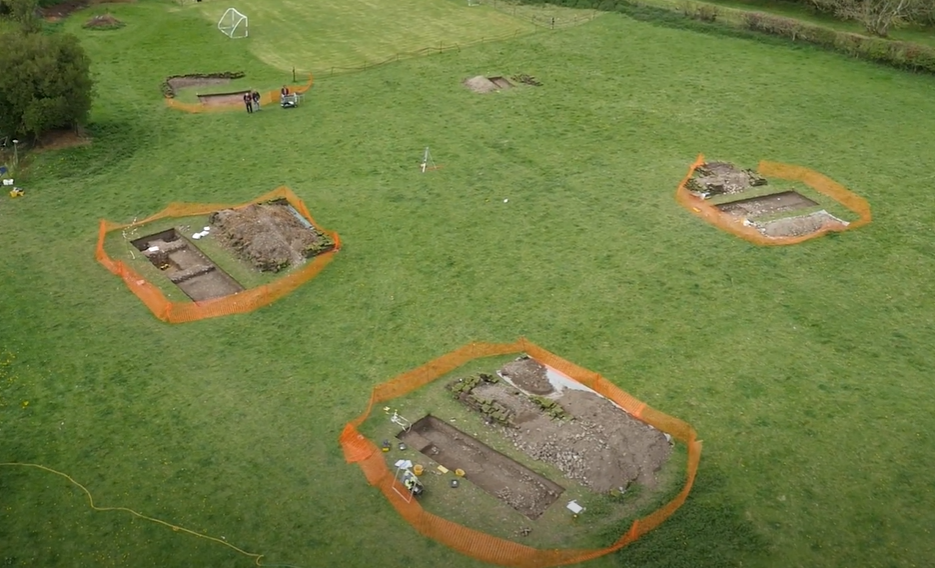
After the dig was complete, archaeologists determined that the structure had once been three stories high and over 1,000 square meters in size. It had 20 to 25 rooms, two courtyards, and multiple pieces of high-status pottery.
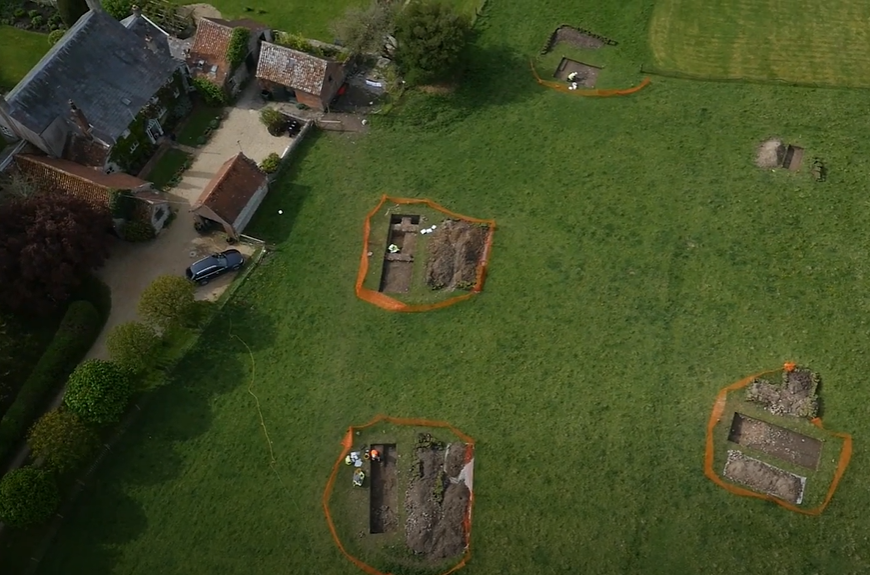 Luke Irwin and the Tale of The Deverill Villa, Luke Irwin Rugs
Indicators Of A Lavish Lifestyle
If the villa's overall size wasn't enough indication, further archaeological digs at the site uncovered other indicators that the owners had been wealthy: the presence of hundreds of oysters, which would have had to have been transported on foot from 45 miles away. Other prized artifacts were Roman coins and golden brooches, indicating massive wealth.
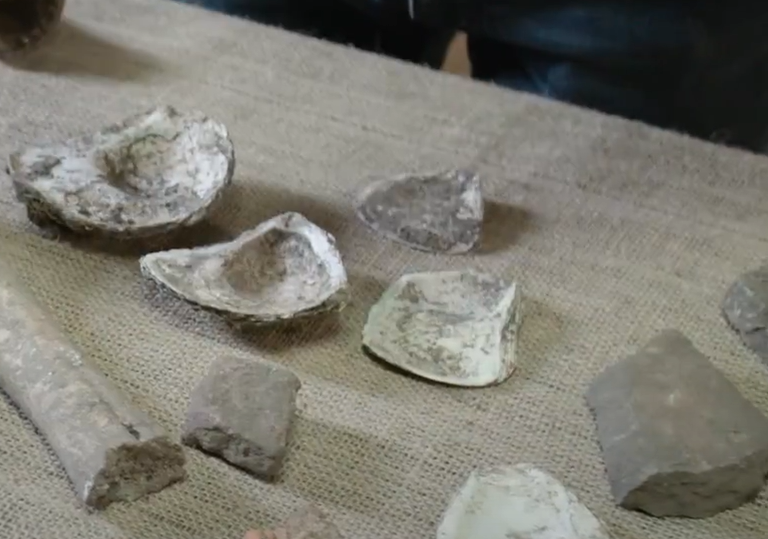 Luke Irwin and the Tale of The Deverill Villa, Luke Irwin Rugs
Even In-Floor Heating Was Discovered!
Nowadays, you have to be wealthy to have in-floor heating; the same was true in Roman times. Also uncovered at the dig site were pipes that were used to heat floors, as heated water was run through them. Did you know the Romans were among the first civilizations to use in-floor heating? They used a technology known as a hypocaust.
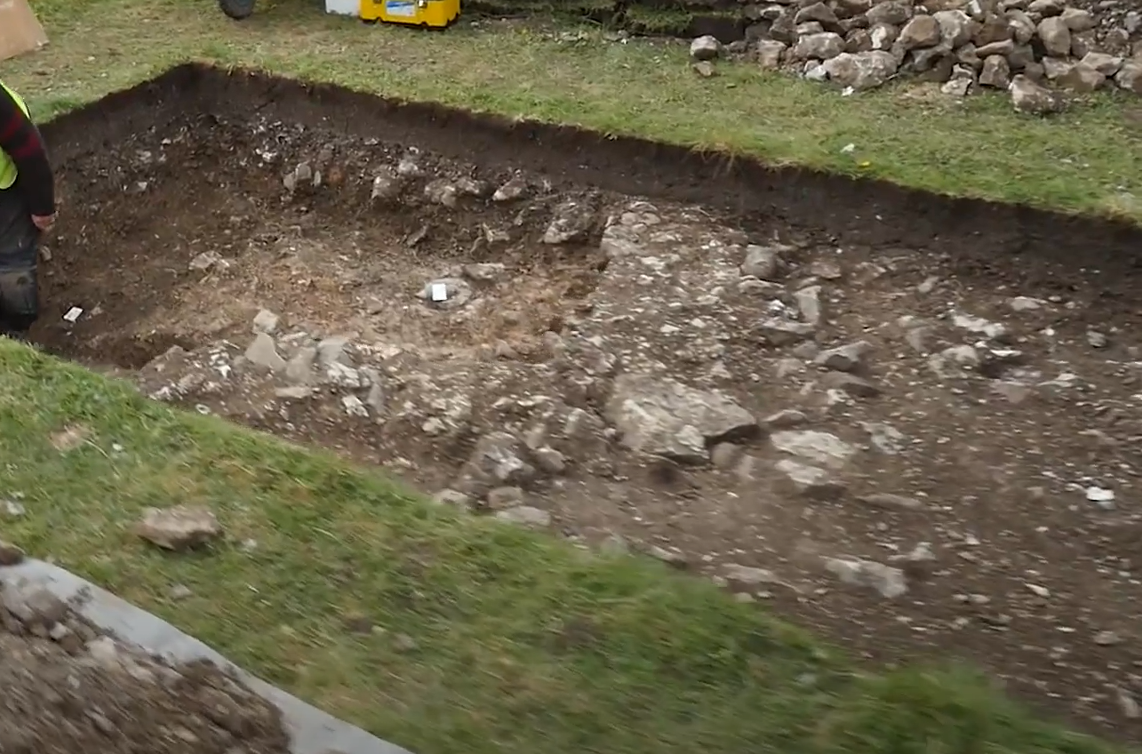 Luke Irwin and the Tale of The Deverill Villa, Luke Irwin Rugs
The Hypocaust Technology
Hypocausts were often built into the "basement" of a Roman villa or home, particularly among the wealthier classes. Hypocausts used the heating principle of hot air rising, which would be generated by a wood-burning furnace, before being sent upward throughout the home (and subsequent piping) through a series of chambers. In 1984-85, a European archaeology team uncovered a well-preserved hypocaust underneath a Roman castle complex in Georgia.
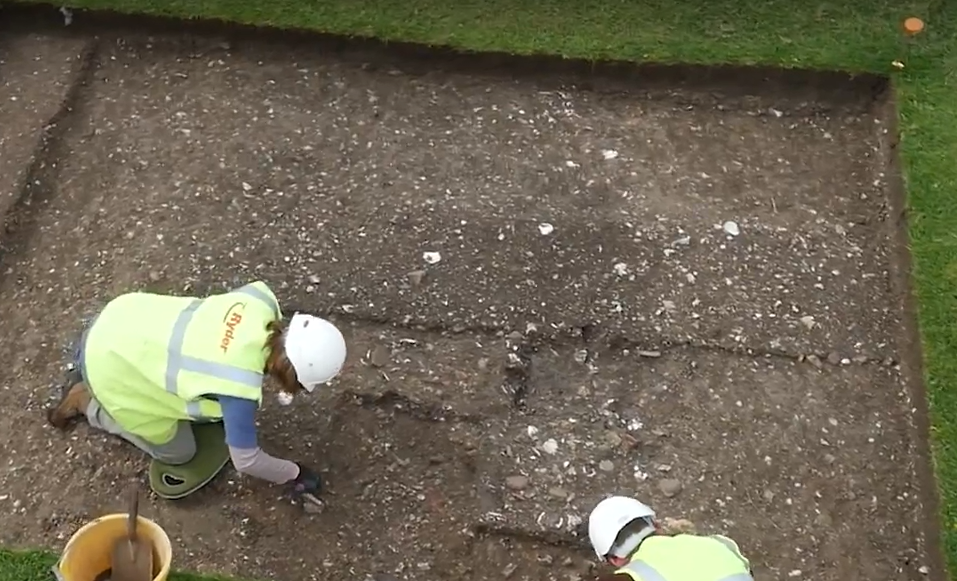 Luke Irwin and the Tale of The Deverill Villa, Luke Irwin Rugs
Animal Remains Also Located
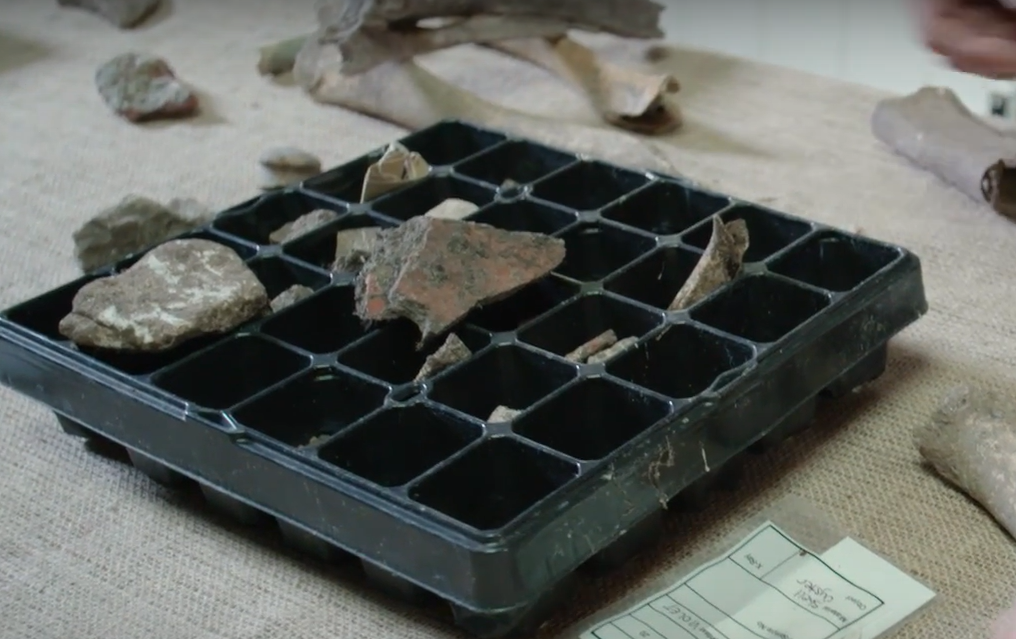
The site also contained the remains of animals that household members hunted, including pigs, boars, and other English livestock that the Romans would have eaten.
 Luke Irwin and the Tale of The Deverill Villa, Luke Irwin Rugs
Tragedy Within The Dig
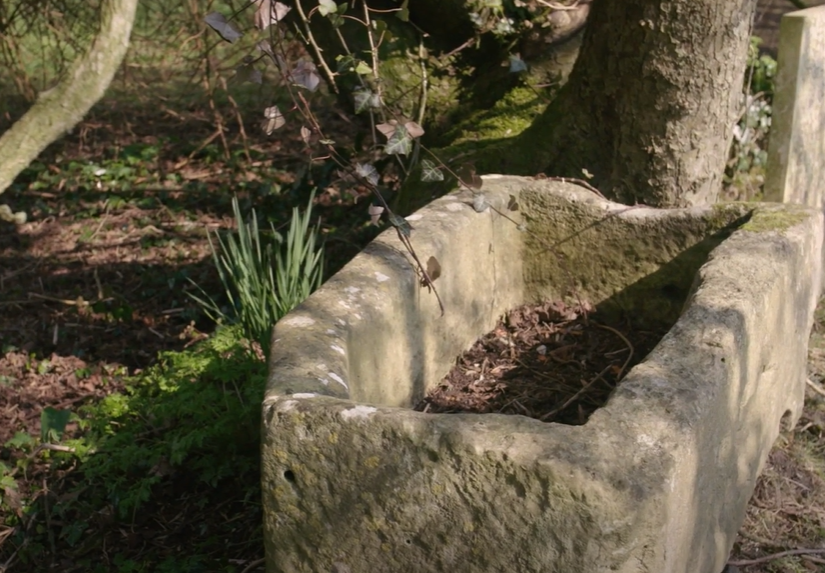
Despite uncovering an enormous amount of wealth and a lifestyle filled with luxury, archaeologists also uncovered an unfortunate tragedy: a small child's coffin. While there were no bones discovered to give investigators a clue as to what may have happened or whether the coffin had indeed been used, its very presence was a chilling reminder of the morbidity rate of children in Roman Britain.
 Luke Irwin and the Tale of The Deverill Villa, Luke Irwin Rugs
Remaining Untouched
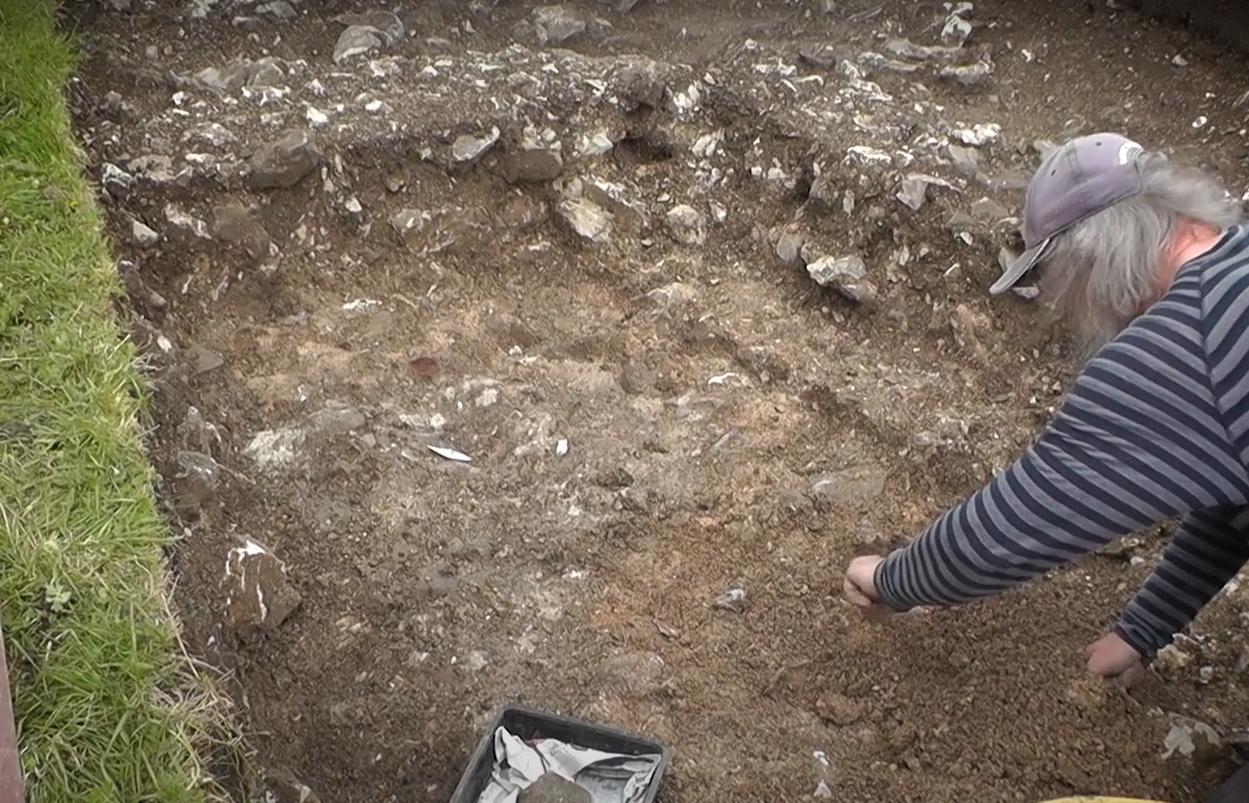
Dr David Roberts, an archaeologist from Historic England assigned to the dig, speculated that the villa had "not been touched since its collapse, some 1,400 years ago". The remains were near-pristine because they had gone undisturbed for so long.
 Luke Irwin and the Tale of The Deverill Villa, Luke Irwin Rugs
Other Archaeological Discoveries Made On Site
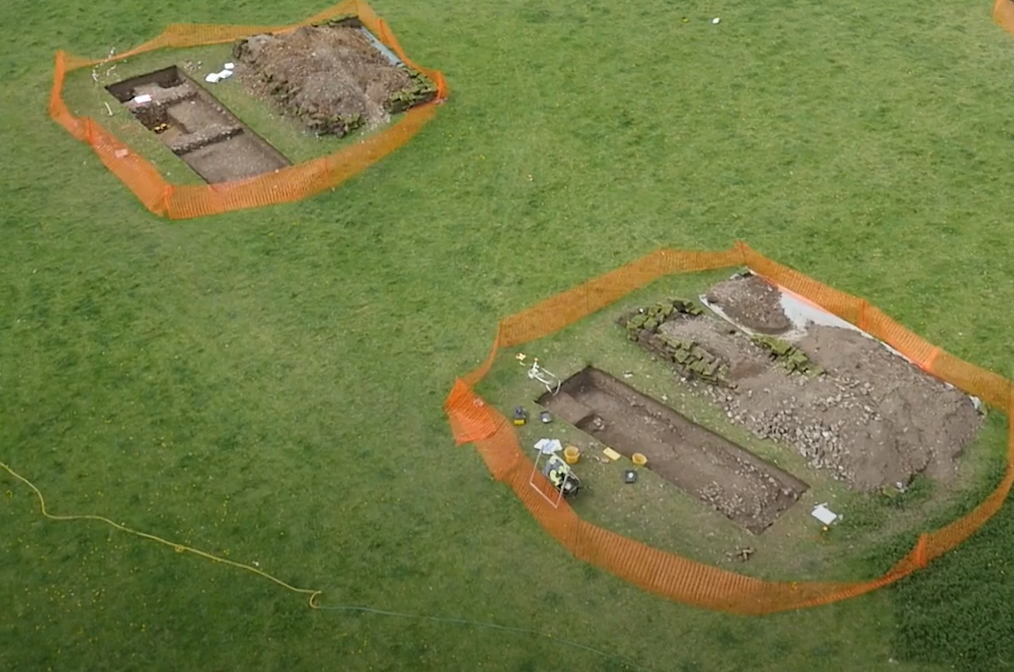
One of the major discoveries archaeologists made was the presence of timber structures that appear to have been built after the Roman era. These structures provide key insight into post-Roman Britain after the Saxons took over.
 Luke Irwin and the Tale of The Deverill Villa, Luke Irwin Rugs
Similar Archaeological Sites In The UK
Several similar archaeological sites exist in the UK, and archaeologists compare this find to the one found in 1864 in Chedworth, Gloucestershire. The National Trust now owns Chedworth Villa, one of Britain's largest archaeological sites.
 Rodw, CC BY-SA 4.0, Wikimedia Commons
Skara Brae, Scotland
Skara Brae, located in the Orkney Islands off the north coast of Scotland, is home to Neolithic settlements older than the Pyramids of Giza and Stonehenge. Dating back 5,000 years, the settlement was first discovered in 1850 after a windstorm ripped grass from around the mound, revealing an untouched stone settlement complete with beds, dressers, and seats.
 Skara Brae, CC BY-SA 2.0, Wikimedia Commons
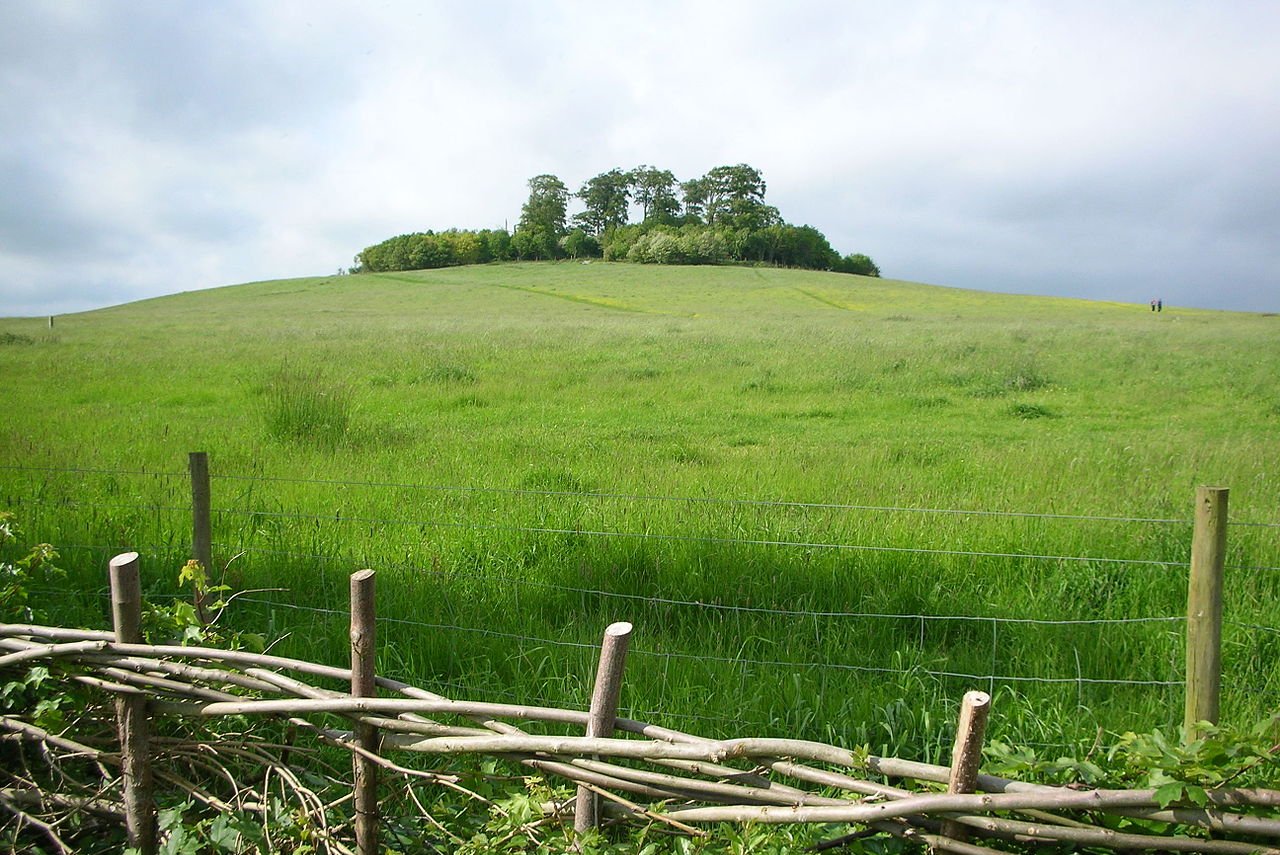
Wittenham Clumps, Oxford
Although the Wittenham Clumps are famous for being the site of a Bronze Age settlement dating back to 1000 BC, another find in the area is a Roman villa built between the third and fourth century AD. This villa was about 98 feet long and constructed with seven columns that probably made up a hallway.
 Jonathan Bowen, CC BY-SA 3.0, Wikimedia Commons
Roman Graves & Household Items At Wittenham Clumps
The Roman villa site also contained 42 graves and evidence of Roman-era household items such as pots, knives, tableware, and other artifacts.
 Steve Daniels, CC BY-SA 2.0, Wikimedia Commons
The Roman Baths In Bath
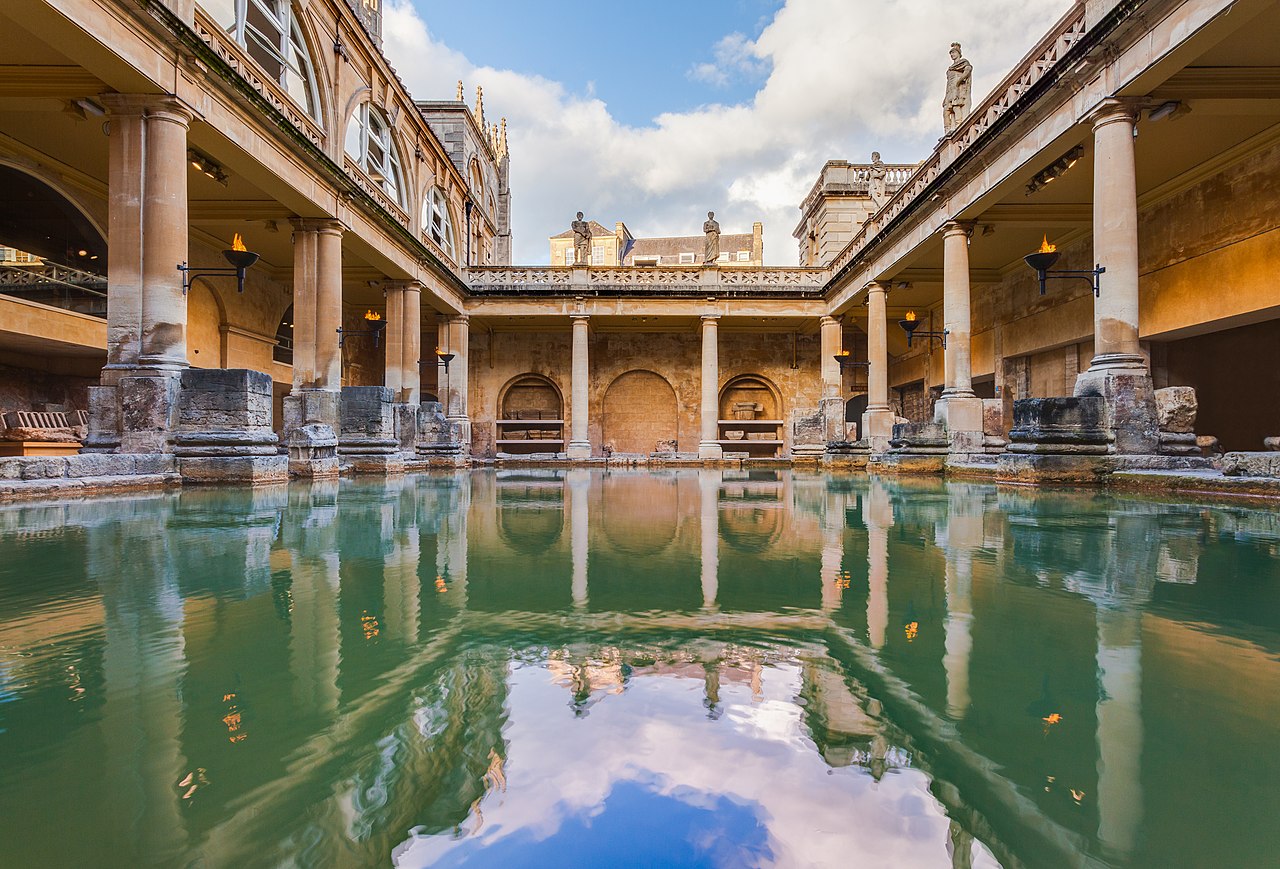
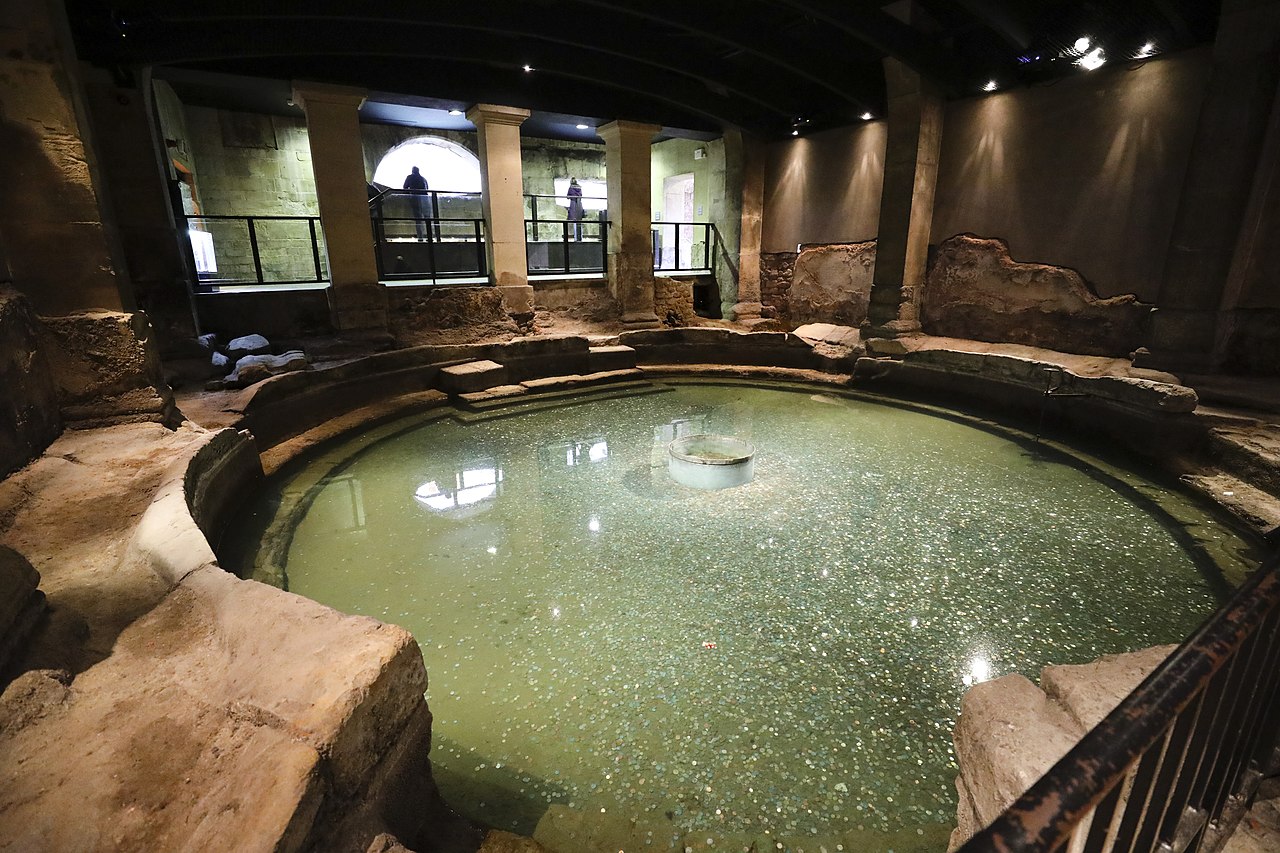
One of Britain's best-preserved pieces of Roman history is the baths in Bath, Somerset. Constructed between 60 and 70 AD during the first few decades of Roman rule in Britain, the baths were used for public bathing until the fifth century when Roman rule ended.
 Diego Delso, CC BY-SA 4.0, Wikimedia Commons
Brilliantly Preserved
While other sites around Britain house Roman baths, none are so brilliantly preserved as Bath, which houses a pump room, now a restaurant called The Grand Pump Room. The Baths receive more than 1.3 million visitors annually.
 bryan..., CC BY-SA 2.0, Wikimedia Commons
The Chedworth Villa
Archaeologists delved deeper into the Chedworth Villa and discovered it was built in stages from the second to the fifth century. Its stunning size of over 20,000 square feet suggests extraordinary wealth for the owners.

Features Of The Chedworth Villa
Several features of the Chedworth Villa indicate a wealthy person owned it, including several Roman baths, steam rooms, cold rooms, a large dining area, and a kitchen. The estate on which Chedworth was discovered was owned by the Earl Of Eldon.
 Edratzer, CC BY-SA 4.0, Wikimedia Commons
A Home Of Marcus Aurelius?
Due to the extraordinary size of the home and the features of Chedworth, archaeologists and researchers have speculated that the home might have belonged to Emperor Marcus Aurelius.
 Joseph-Marie Vien, Wikimedia Commons
Back To The Wiltshire Villa
Back to where the story began in Wiltshire, the Wiltshire villa has now been excavated, and the rest of the Roman villa has been uncovered. Dr Roberts of Historic England says, "It's one of the best sites I have ever had the chance to work on". Meanwhile, Luke Irwin is excited to get his workshop up and running but fondly remembers Pompeii, which he visited as a child. He says, "But to find something like that 20 yards from your own front door. It's mind-blowing".
You May Also Like:
The Dark Truth About Guantanamo Bay
How Ancient Legal Documents Made Modern Law We Know Today
The 50 Best Countries In The World—Ranked According To Data
 Luke Irwin and the Tale of The Deverill Villa, Luke Irwin Rugs
Sources:







.jpg)


