 Mario modesto, Wikimedia Commons, Modified
Around 5,700 years ago, a chilling episode unfolded inside El Mirador cave in northern Spain. Late Neolithic human remains often show evidence of violence, be it from man or beast, but the archaeologists here uncovered bones marked by systematic tool cuts and deliberate fractures. The evidence suggests butchery, not violence. This discovery challenges the familiar image of early farming communities as stable and uniformly peaceful. Instead, it reveals that humans visited some dark places as they adapted to agricultural life. By examining bones altered with clear human intention, researchers reconstruct a troubling chapter of prehistory. The site also provides insight into social stress, shifting alliances, and the pressures that accompany population growth. El Mirador ultimately shows us that the story of humanity is never simple, and it's rarely pretty.
The El Mirador Cave Discovery
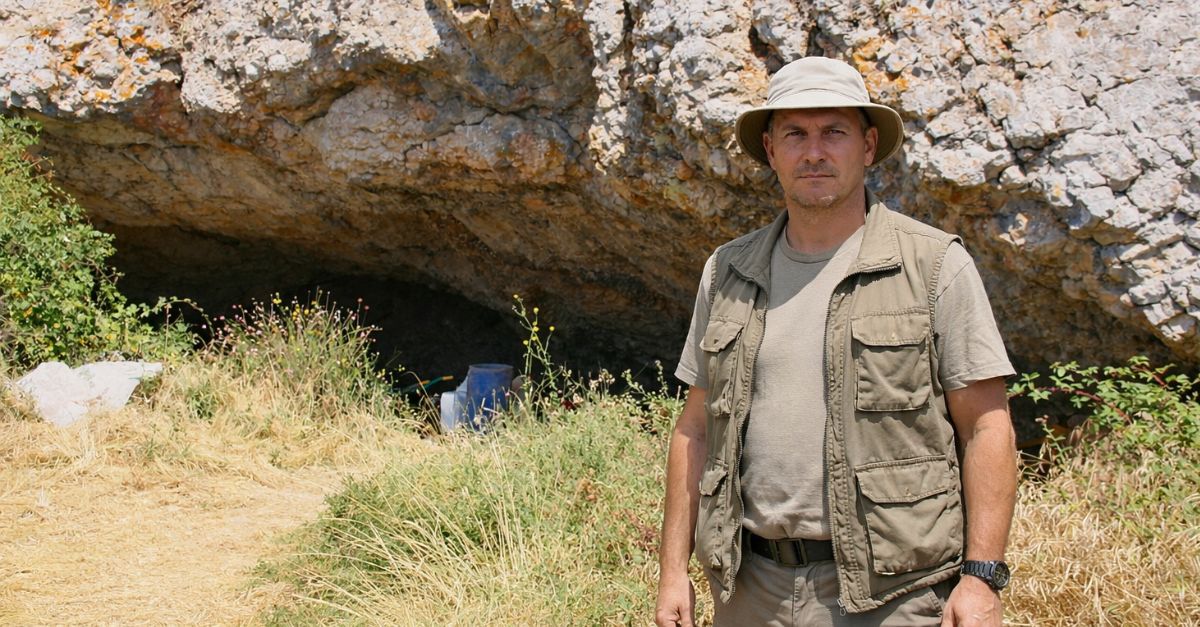
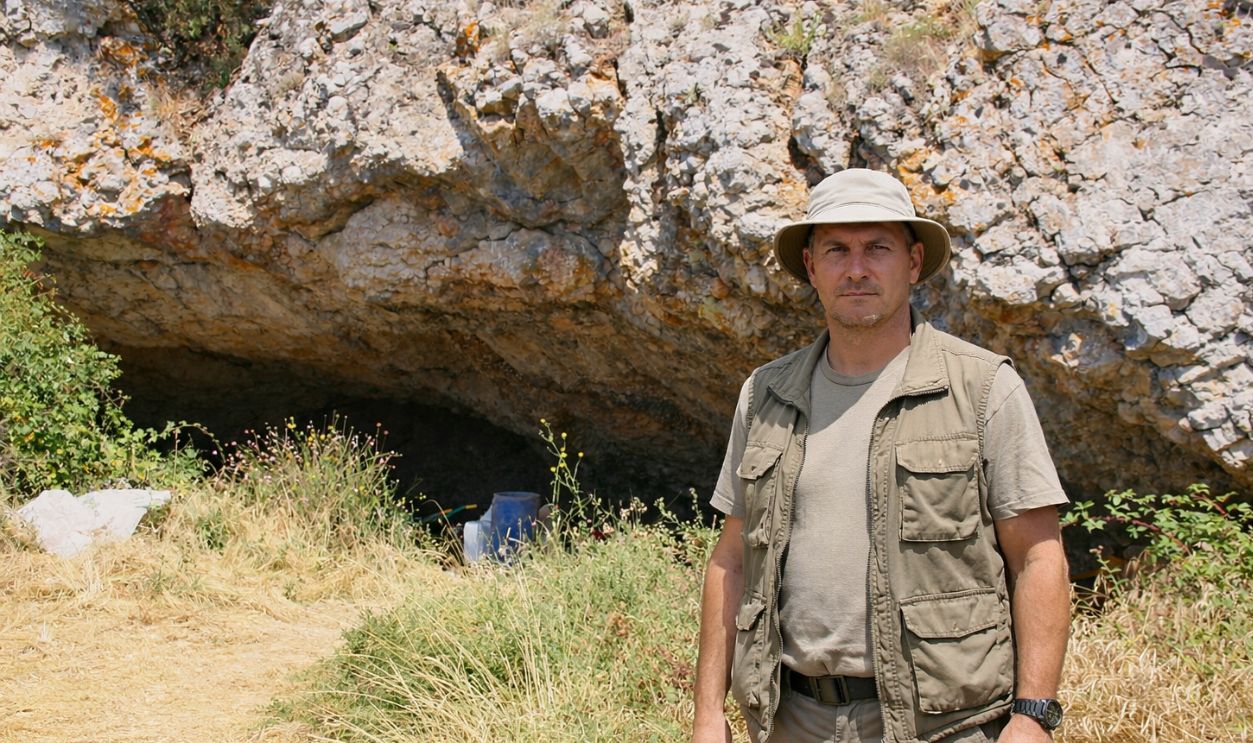
El Mirador cave lies in the Atapuerca Mountains of Burgos, Spain, a region widely recognized for its exceptional prehistoric record. Excavation teams approached the site with precision, documenting sediment layers and mapping each fragment in its exact position. Radiocarbon dating placed the remains at roughly 5,700 years ago, firmly within the Late Neolithic. The bones appeared in clustered arrangements rather than random scatter, which indicates deliberate placement within the cave interior. Researchers also combined stratigraphic study, soil sampling, and microscopic surface analysis to determine how the remains were modified. Laboratory comparisons with other archaeological collections strengthened their conclusions. Through careful documentation and interdisciplinary methods, the team reconstructed a sequence of events preserved in remarkable detail.
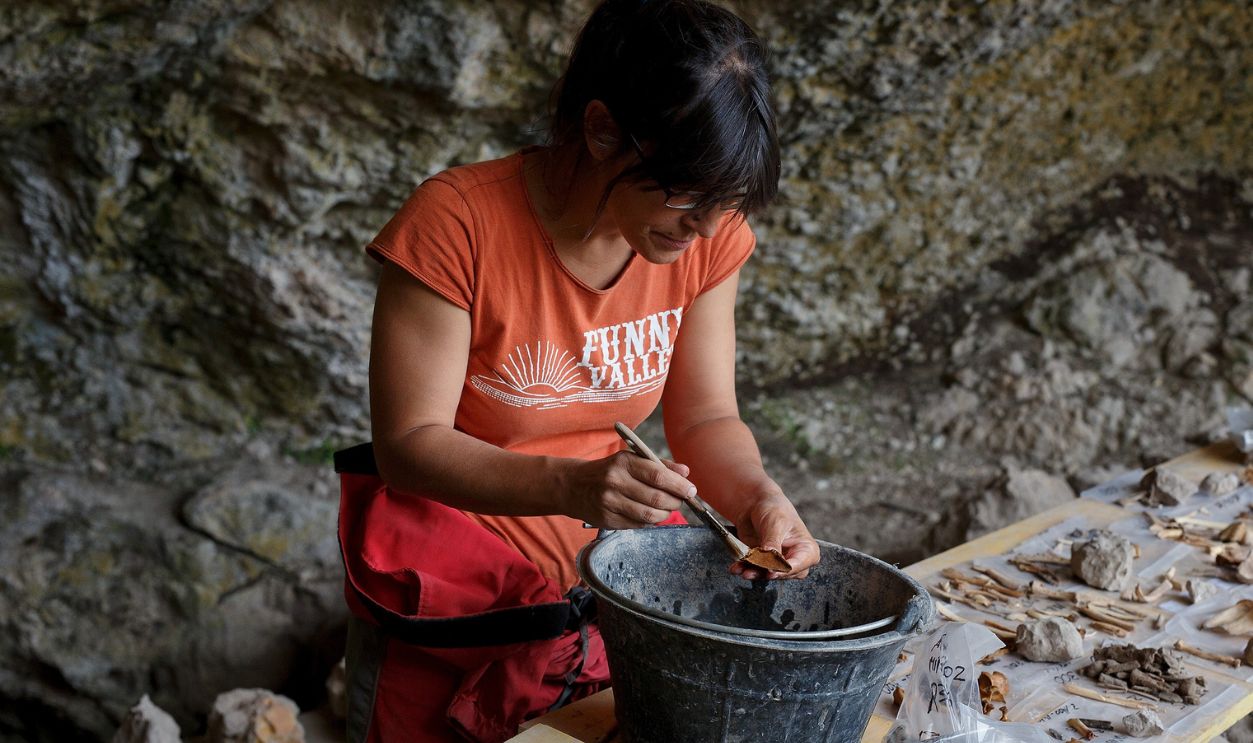
Detailed examination revealed fine tool marks along areas once connected to muscle and patterned fractures consistent with intentional processing. These traces differed clearly from natural decay, geological pressure, or animal activity. Similar marks appeared repeatedly across several individuals, indicating coordinated action rather than a single impulsive incident. Comparisons with animal remains from the same layers showed parallel preparation techniques by reinforcing the interpretation of deliberate handling. The arrangement of fragments suggested purposeful deposition after the event. Together, these findings point to structured collective behavior shaped by shared knowledge and technical skill. The evidence also reflects social practices that extended beyond the conflict itself into how communities managed their aftermath.
 Pablo Blazquez Dominguez, Getty Images
Cannibalism in Neolithic Context
In prehistoric contexts, the consumption of human remains carried varied meanings shaped by ritual belief, social signaling, or extreme necessity. Scholars avoid simple conclusions because motives likely shifted across cultures and circumstances. During the Neolithic era, agricultural expansion increased competition for arable land and water access. As populations grew and settlements stabilized, territorial disputes may have intensified between neighboring groups. The El Mirador episode could reflect such tensions reaching a critical threshold. Ritual dimensions also remain possible, since communal acts often reinforced identity and hierarchy. Even survival pressures and political authority frequently intersected in shaping collective decisions during moments of crisis.
Broader Neolithic challenges provide essential context for interpreting the site. Climate variability influenced harvest stability, while demographic growth placed strain on local ecosystems. Expanding trade networks reshaped alliances and introduced new rivalries. Under these conditions, conflicts could escalate beyond mediation. The structured nature of the bone modifications suggests coordinated behavior guided by cultural expectations rather than chaotic reaction. Collective involvement also implies shared understanding of the act’s meaning within that society. Violence may have communicated power, enforced boundaries, or strengthened internal solidarity. So, by situating El Mirador within regional patterns, historians gain perspective on how early agricultural communities responded to uncertainty during a transformative period.
Historical and Cultural Implications
The El Mirador discovery reshapes interpretations of Neolithic Iberia by revealing cooperation alongside conflict within early farming communities. Villages cultivated crops, built shared spaces, and maintained social ties, yet insecurity and rivalry persisted. Evidence of organized violence found elsewhere in the western Mediterranean connects this cave to broader regional patterns. The find also challenges idealized images of peaceful village life. Archaeology reveals both innovation and hardship, reminding us that societies have long balanced creativity with fear and authority. Continued research at El Mirador further strengthens the understanding of human resilience and adaptability under pressure.
 Jose-Manuel Benito, Wikimedia Commons