That Can't Be Right. Can It?
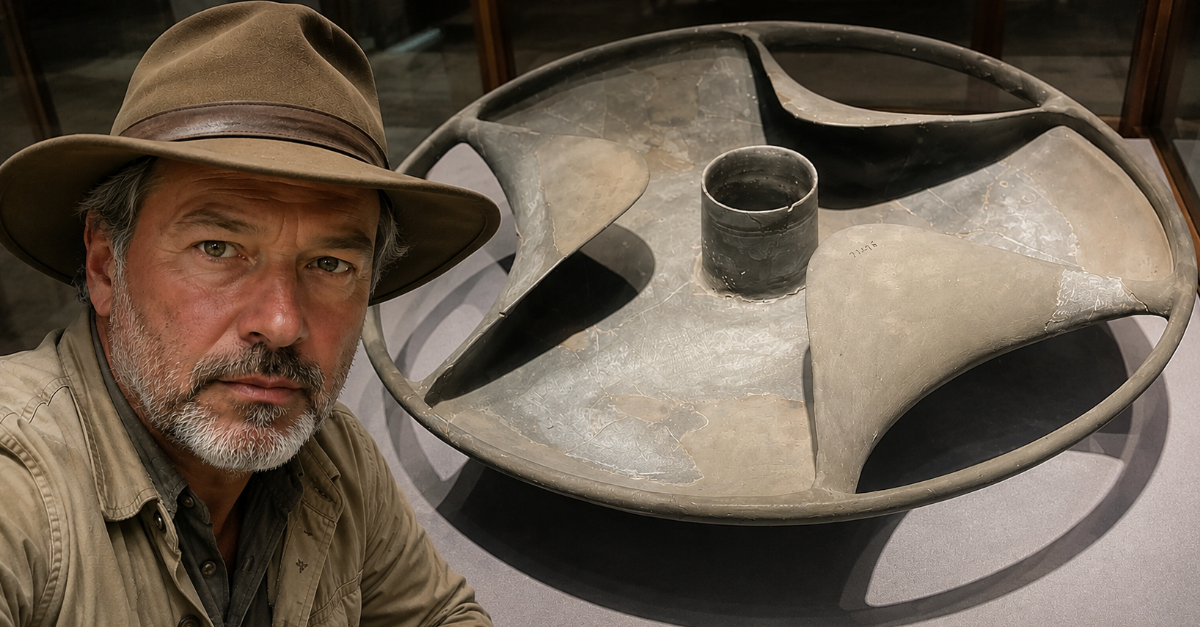
Imagine opening a 5,000-year-old Egyptian tomb and finding something that looks like it belongs on the wheel of a classic car?
Some people think it's proof history is missing something. Others aren’t so sure. Either way, it's one of the strangest discoveries ever made in ancient Egypt.
It Doesn't Look Ancient
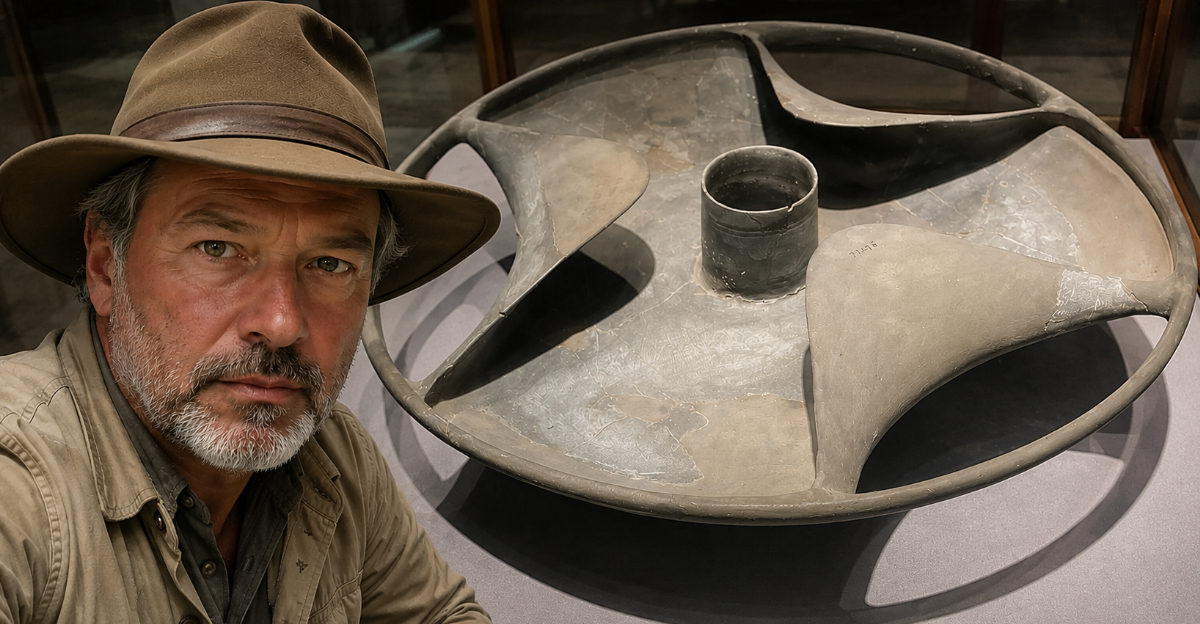
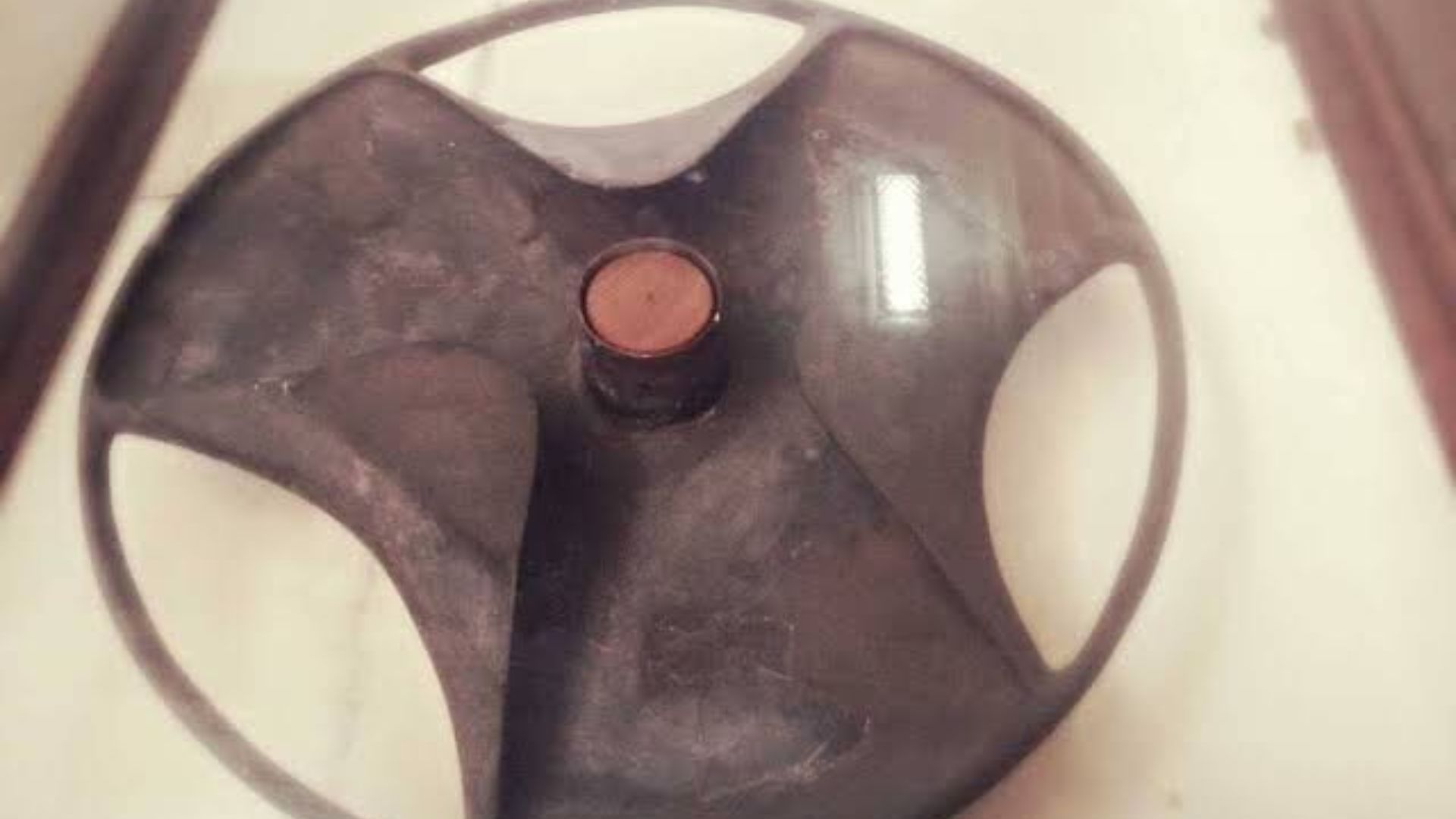
Most Egyptian artifacts are instantly recognizable. Statues, jewelry, pottery, and hieroglyphics don't usually leave much room for confusion. This object is different. At first glance, it looks oddly mechanical. Depending on who's looking at it, it resembles a hubcap, a steering wheel, a turbine, or even part of a modern engine. Once you see the resemblance, it's almost impossible to ignore.
 Ahmed bin Tariq, Wikimedia Commons
It Came From Exactly Where It Shouldn't Exist
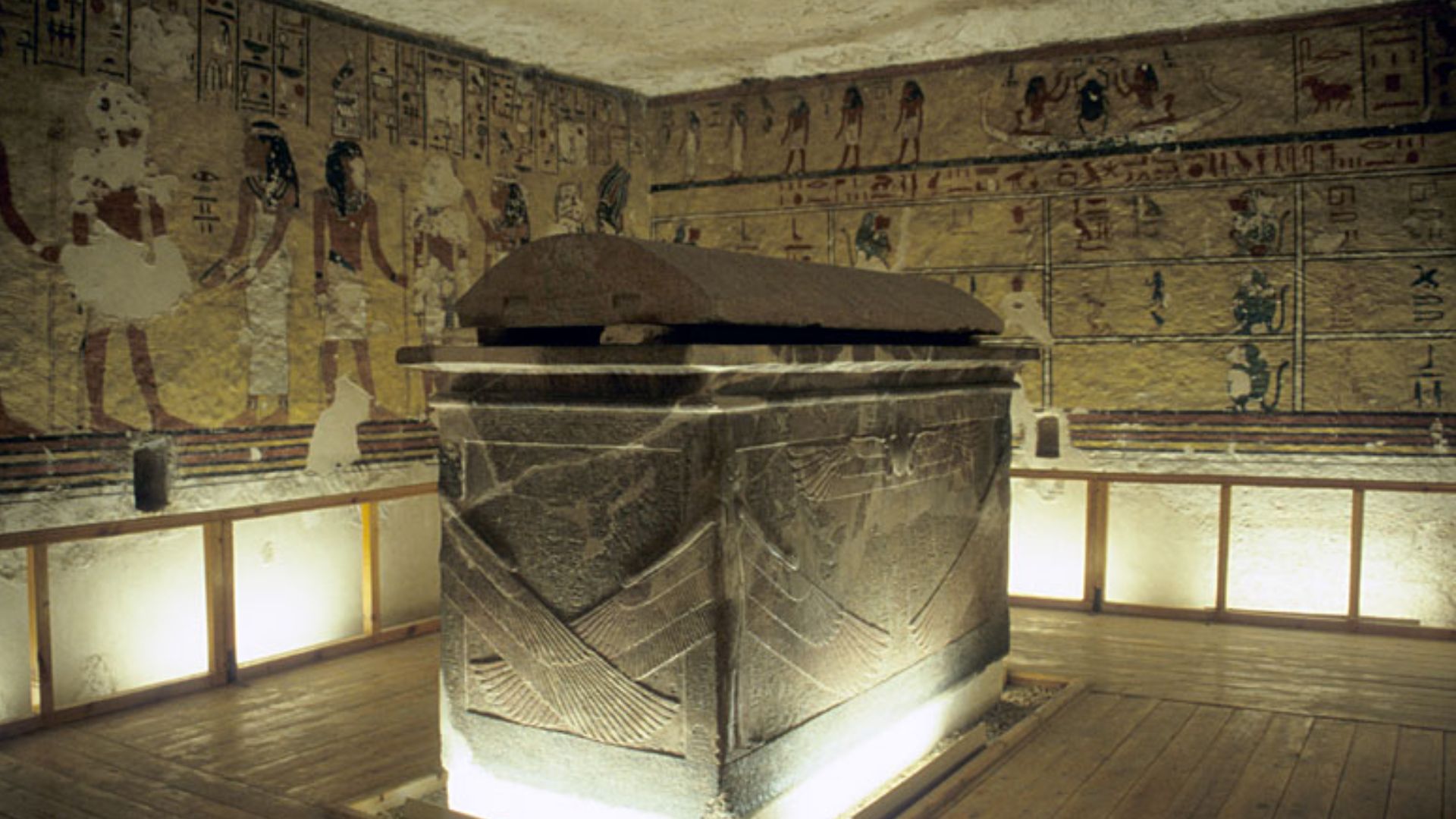
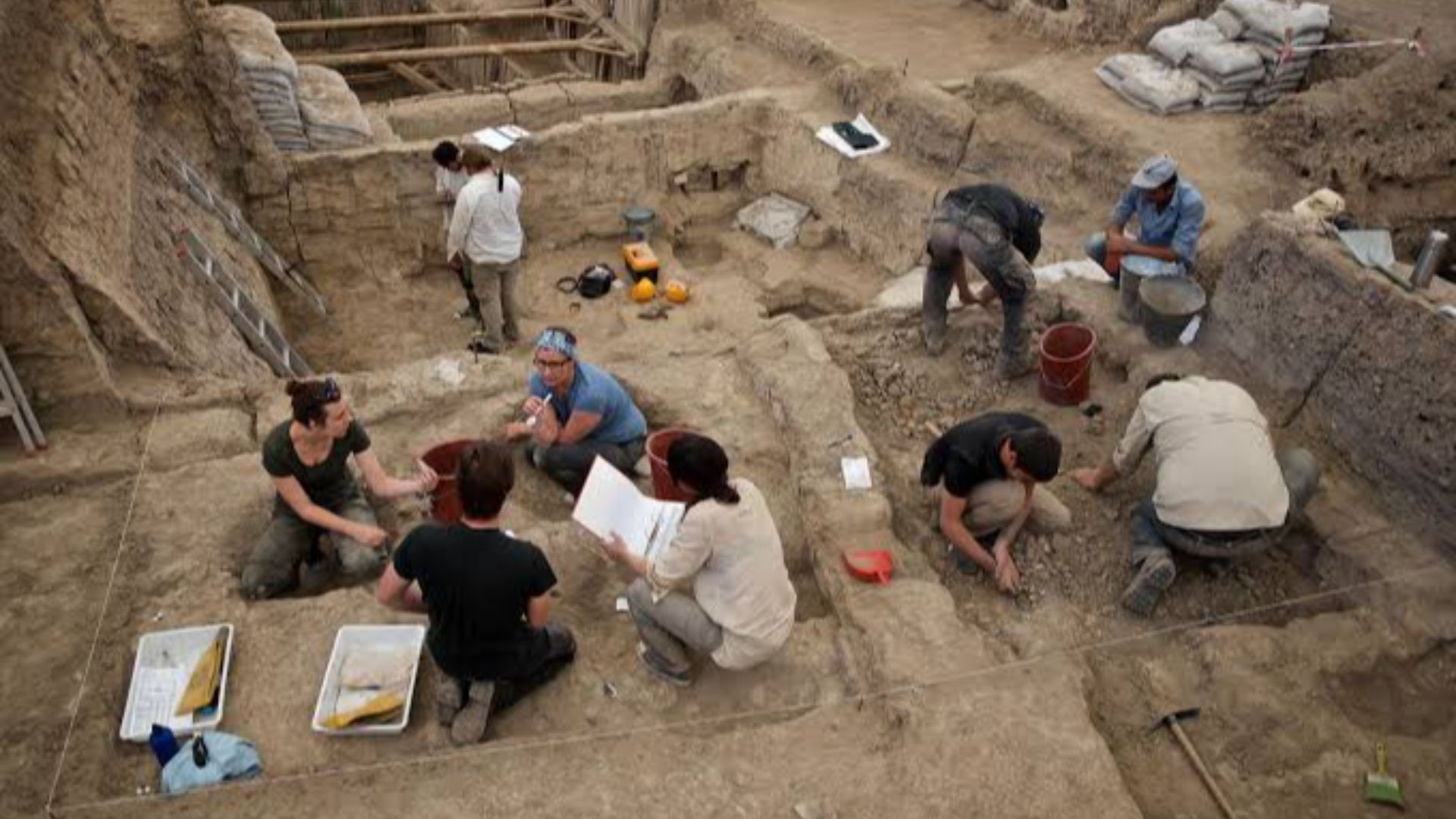
This wasn't an odd object that turned up in a private collection or at an antique market. It was recovered during a professional archaeological excavation from a sealed Egyptian tomb dating back roughly 5,000 years. Archaeologists never questioned whether it was ancient. The real mystery was why anyone would create something shaped like this.
 Roland Unger, Wikimedia Commons
The Discovery Happened Nearly 90 Years Ago
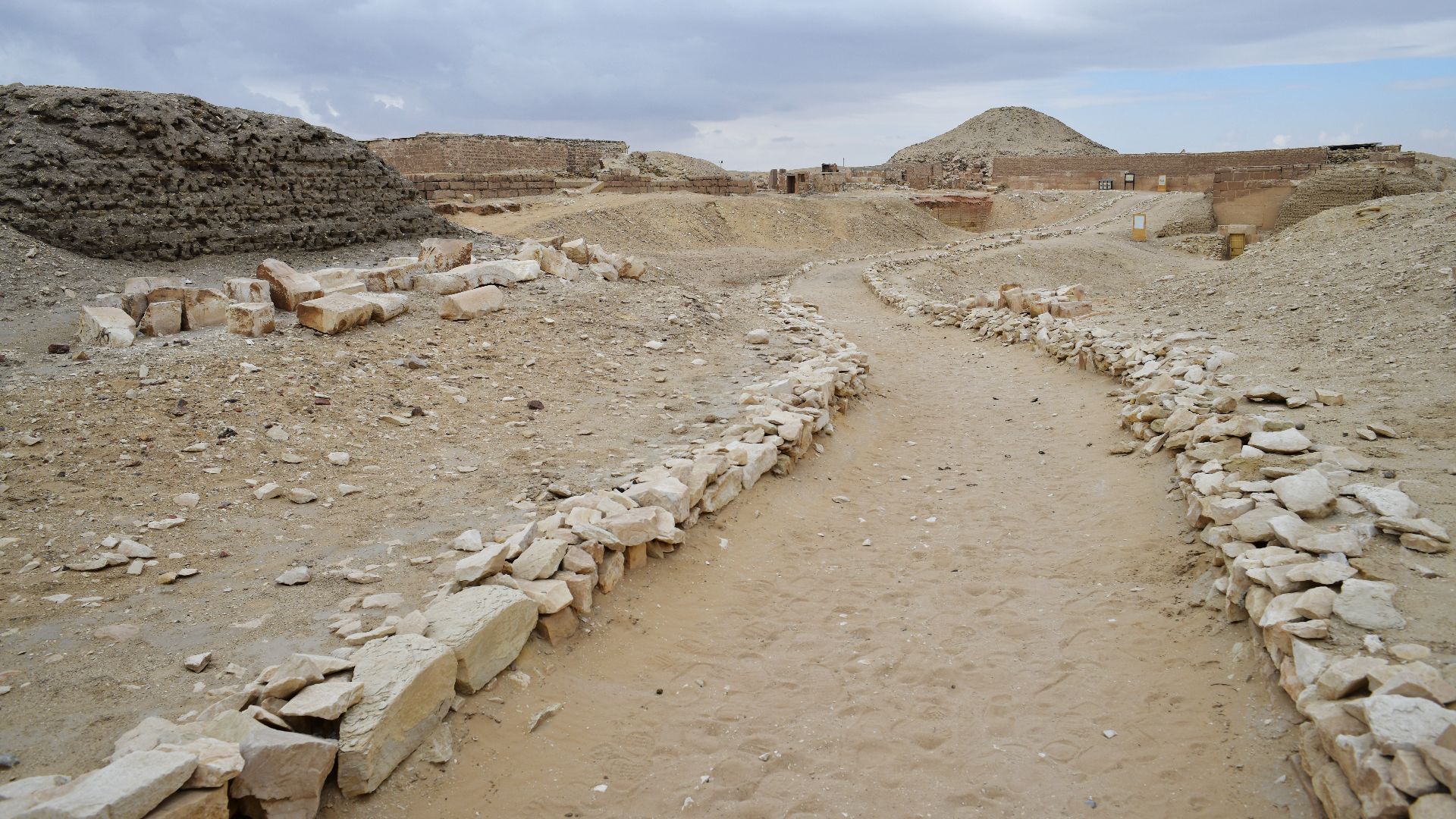
The artifact was discovered in 1936 by British archaeologist Walter Bryan Emery while excavating a First Dynasty tomb at Saqqara, one of Egypt's most important archaeological sites. The burial belonged to an important official named Sabu, and among the expected grave goods was one unusually shaped stone vessel that would become one of Egypt's most famous archaeological mysteries.
![Lantern Slide Collection: Views, Objects: Egypt. Sakkara [selected images]. View 14: Egyptian - Old Kingdom. Step Pyramid of Zoser, Sakkara, 3rd Dyn., n.d., Property of the Brooklyn Museum. Brooklyn Museum Archives (S10|08 Sakkara, image 9640).](https://www.factinate.com/storage/app/media/splashtravels/2026/7/8/17835353284744fde6adc9beeb07a8ae75137142e2a989d40a.jpg) AnonymousUnknown authorBrooklyn Museum, Wikimedia Commons
AnonymousUnknown authorBrooklyn Museum, Wikimedia Commons
A Tomb From Egypt's Earliest Dynasty
Sabu lived during Egypt's First Dynasty, around 3000 BC, only a few centuries after Upper and Lower Egypt were united into one kingdom. This was the dawn of pharaonic civilization, long before the Great Pyramid of Giza was built. Because the tomb was carefully excavated, archaeologists are confident about the artifact's age and origin.
 http://puzzles-games.eu, Wikimedia Commons
Meet The Sabu Disk
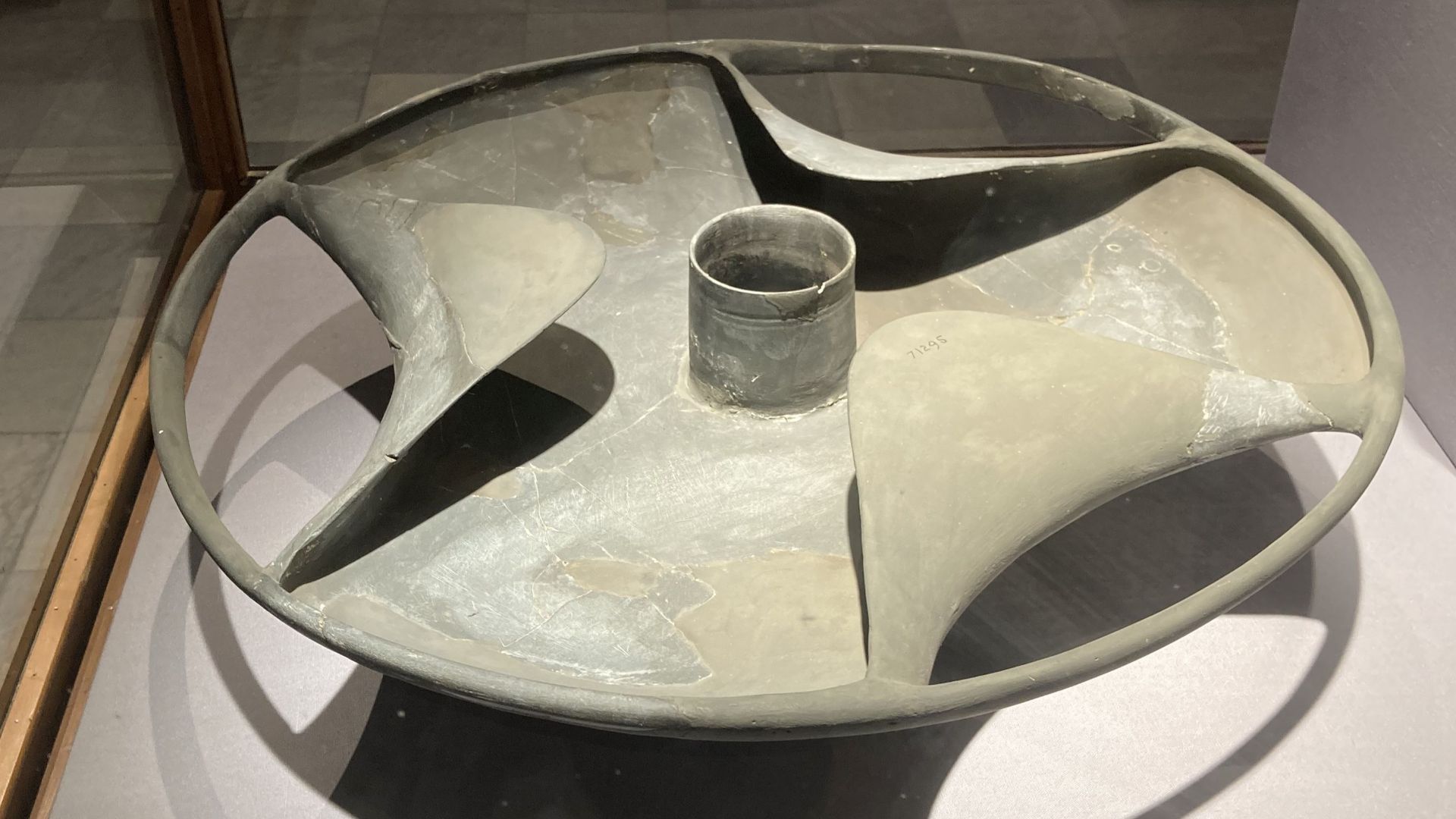
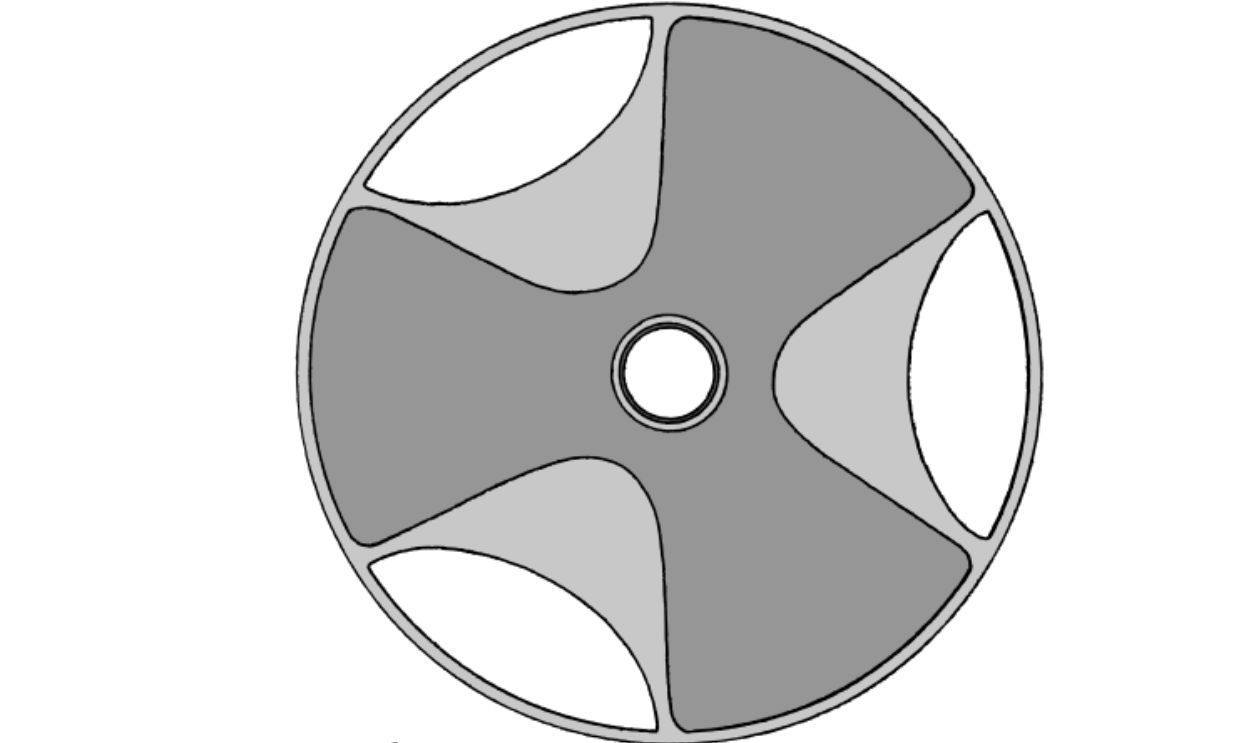
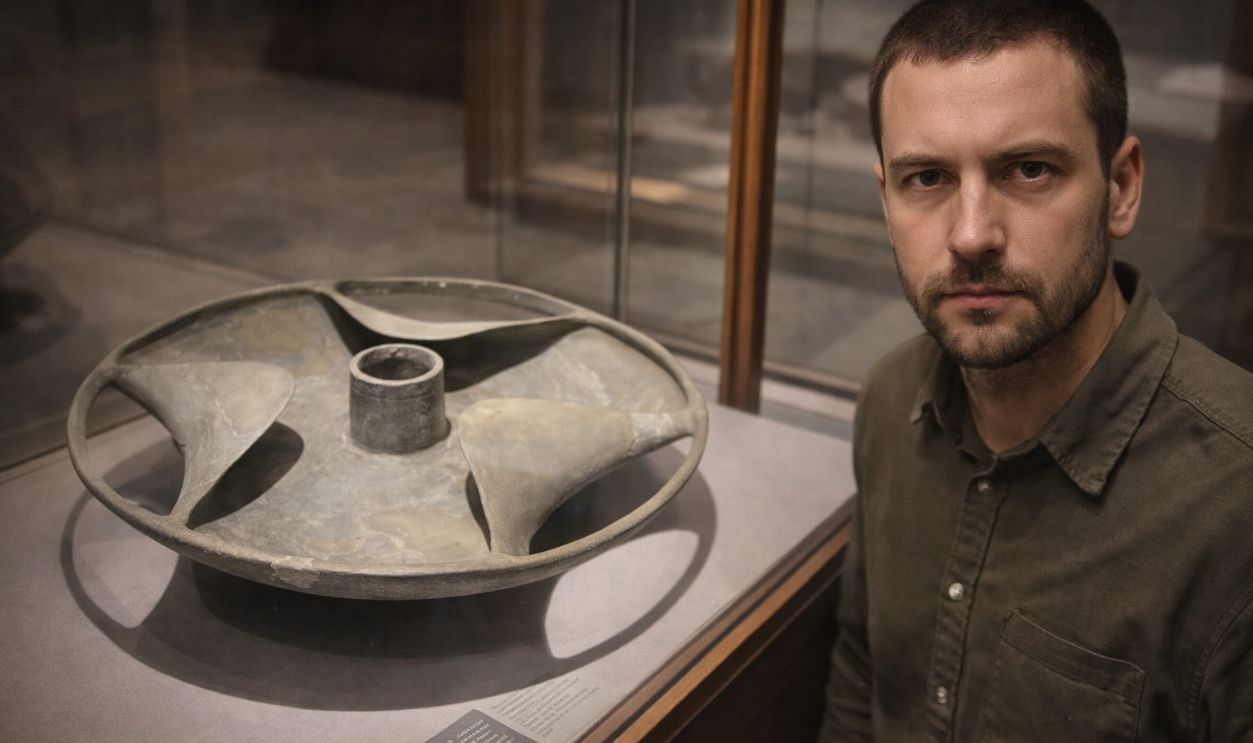
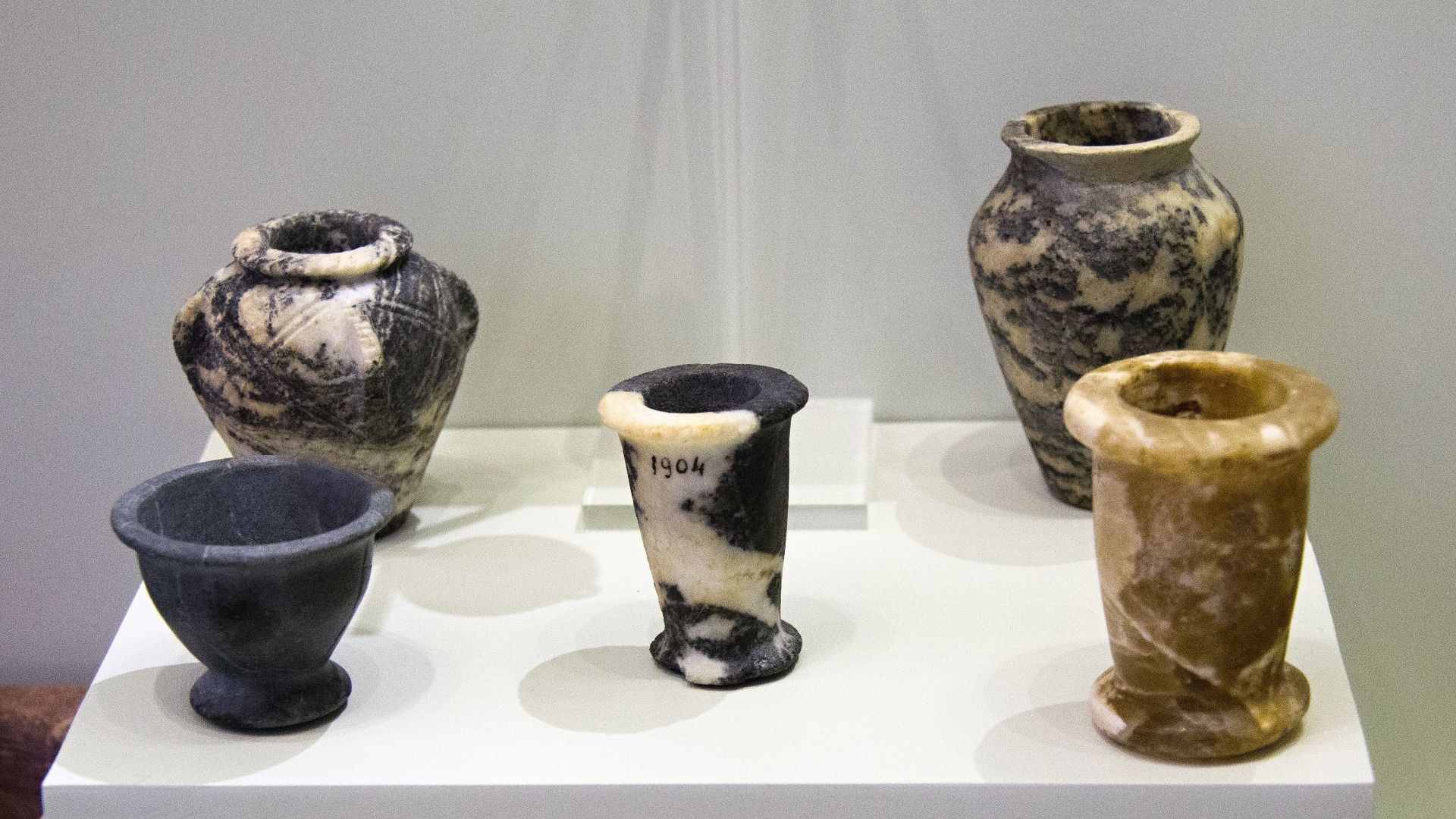
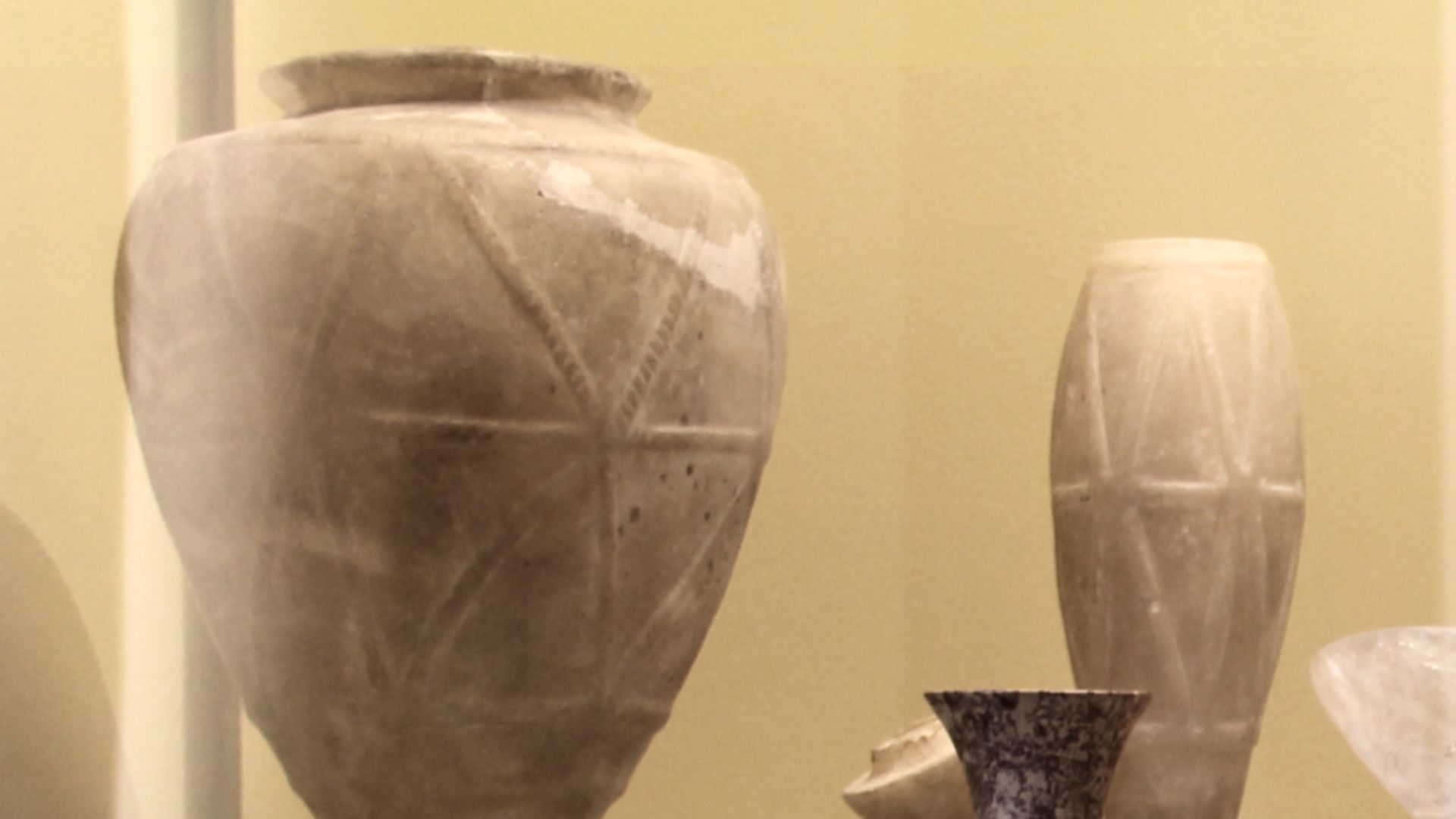
Today it's known as the Sabu Disk. Carved from metasiltstone—often described in older publications as schist—it measures about 24 inches (61 centimeters) across and features a raised central hub with three exceptionally thin, wing-like lobes that curve gracefully toward the rim. Its unusual three-lobed design is unique among known Egyptian stone vessels.
That's Why People Call It A Hubcap
The comparison isn't official, but it's easy to understand. Depending on the angle, the Sabu Disk looks remarkably similar to a vintage hubcap or a piece of machinery. Others compare it to a propeller, an impeller, or even part of a jet engine. It's one of those rare ancient objects that seems completely out of place.
There Was Just One Problem...
The comparison falls apart for one simple reason. When the Sabu Disk was buried around 3000 BC, Egypt almost certainly wasn't using wheeled vehicles yet. The wheel had recently appeared in Mesopotamia, but carts wouldn't become common in Egypt until centuries later, and horse-drawn chariots wouldn't arrive for roughly another 1,500 years.

Who Was Sabu?
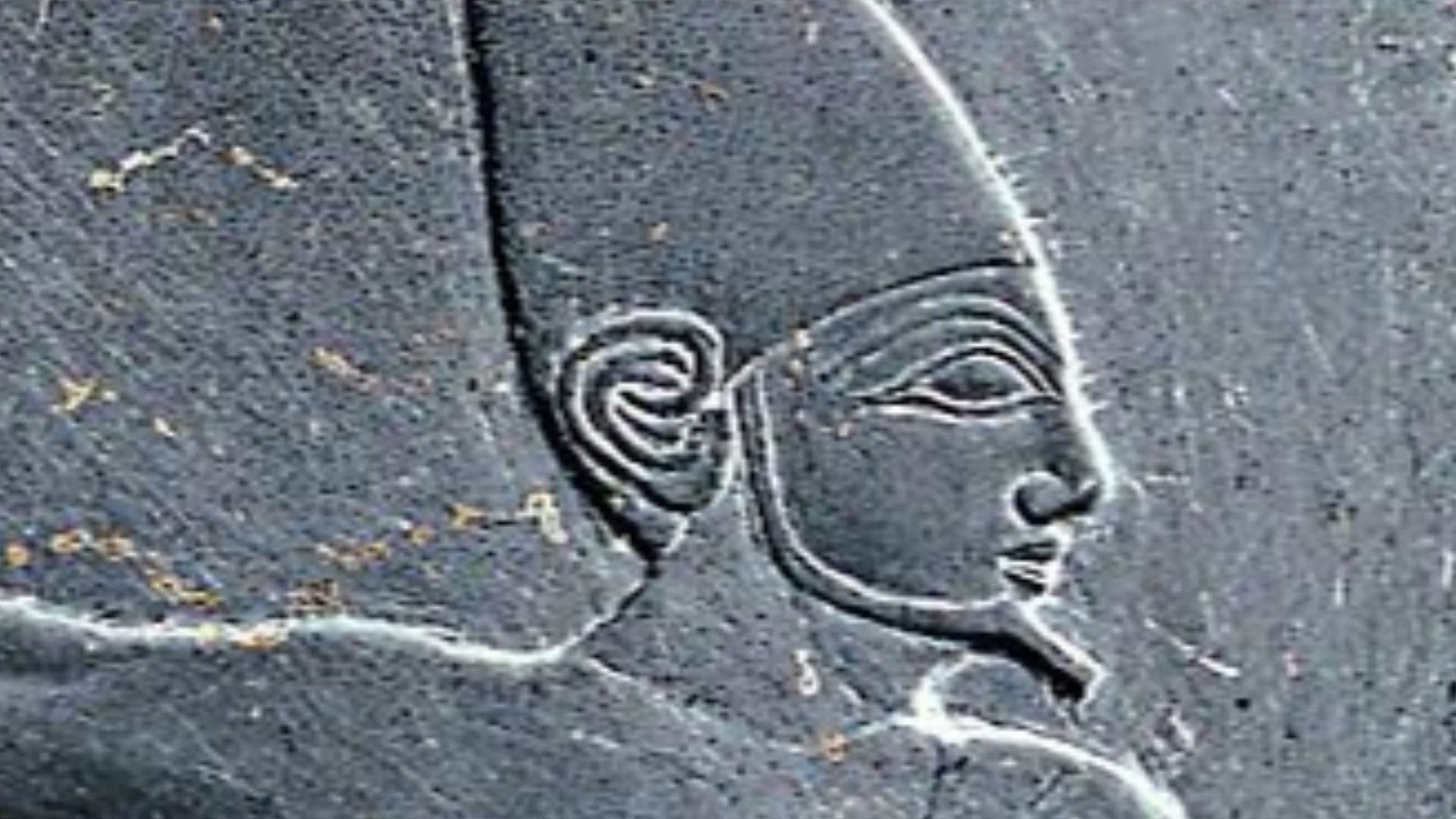
Despite what you might read online, Sabu wasn't a pharaoh. He was an important First Dynasty official who held senior administrative titles within Egypt's royal court. His status explains why his tomb contained valuable burial goods—but not why one of them continues puzzling researchers nearly a century after its discovery.
It Was Found In Pieces
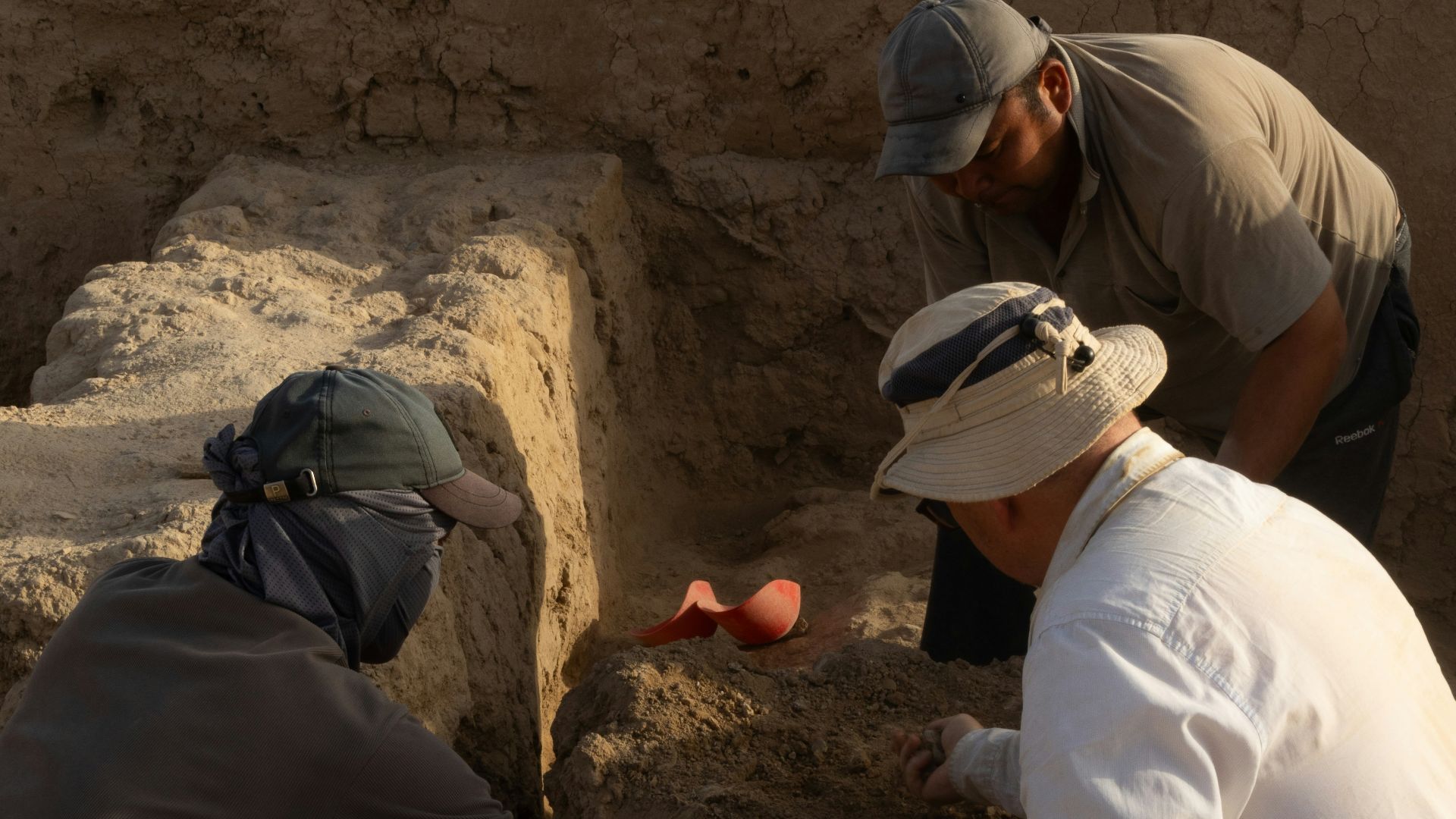
The Sabu Disk wasn't lifted from the tomb in perfect condition. Archaeologists recovered it in several broken fragments, then carefully reconstructed it after excavation. The restored artifact on display today is the original object, not a modern reproduction, giving researchers their best opportunity to study its unusual design.
 Aleksander Stypczynski, Unsplash
The Stone Makes It Even More Impressive
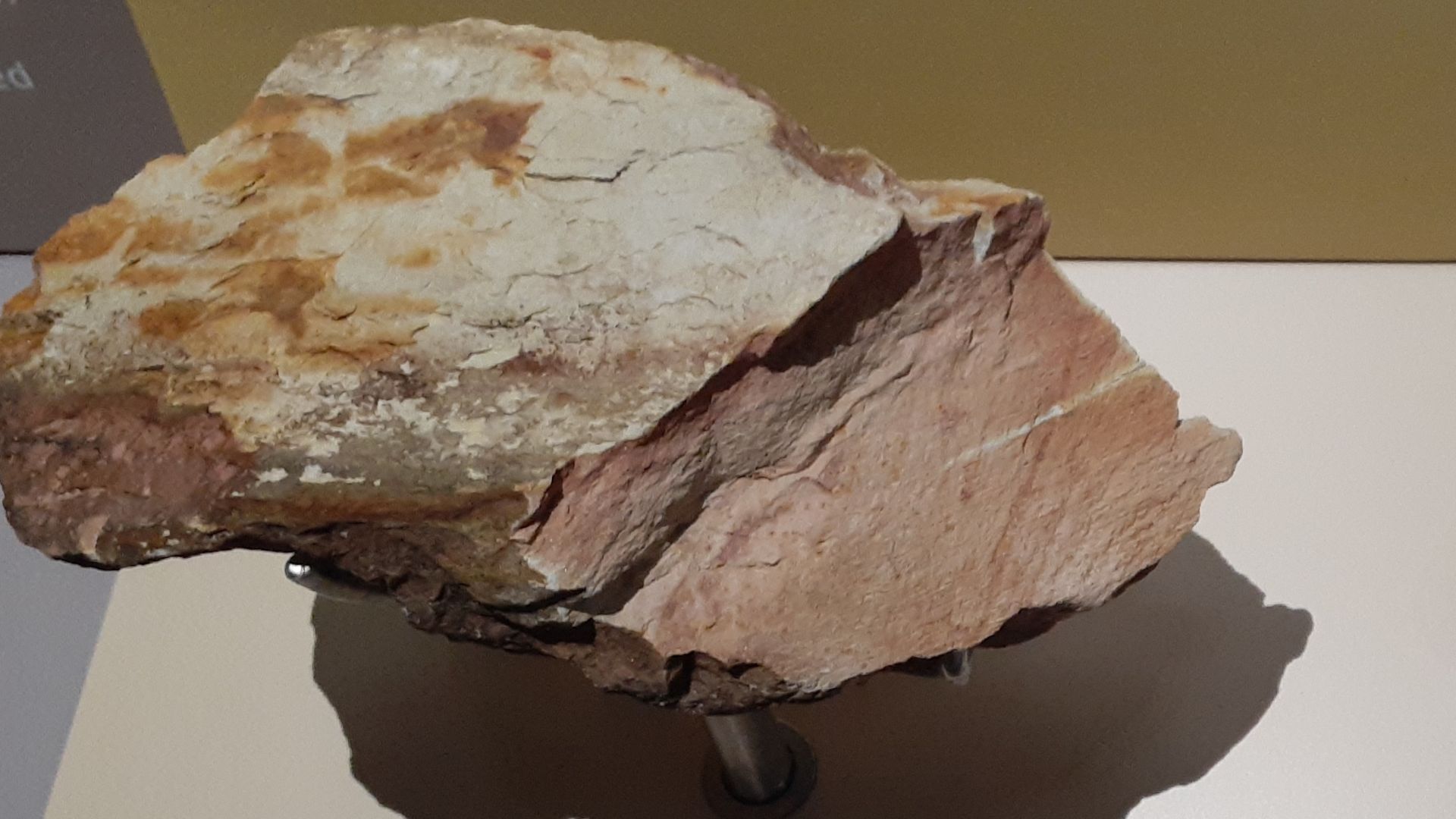
The shape alone is remarkable, but the material may be even more surprising. Metasiltstone is relatively brittle and can fracture if worked too aggressively. Creating three thin, symmetrical lobes from a single piece without breaking them would have required extraordinary craftsmanship using the tools available more than 5,000 years ago.
 M28MOA STMOOD, Wikimedia Commons
Archaeologists Didn't Discover A Machine
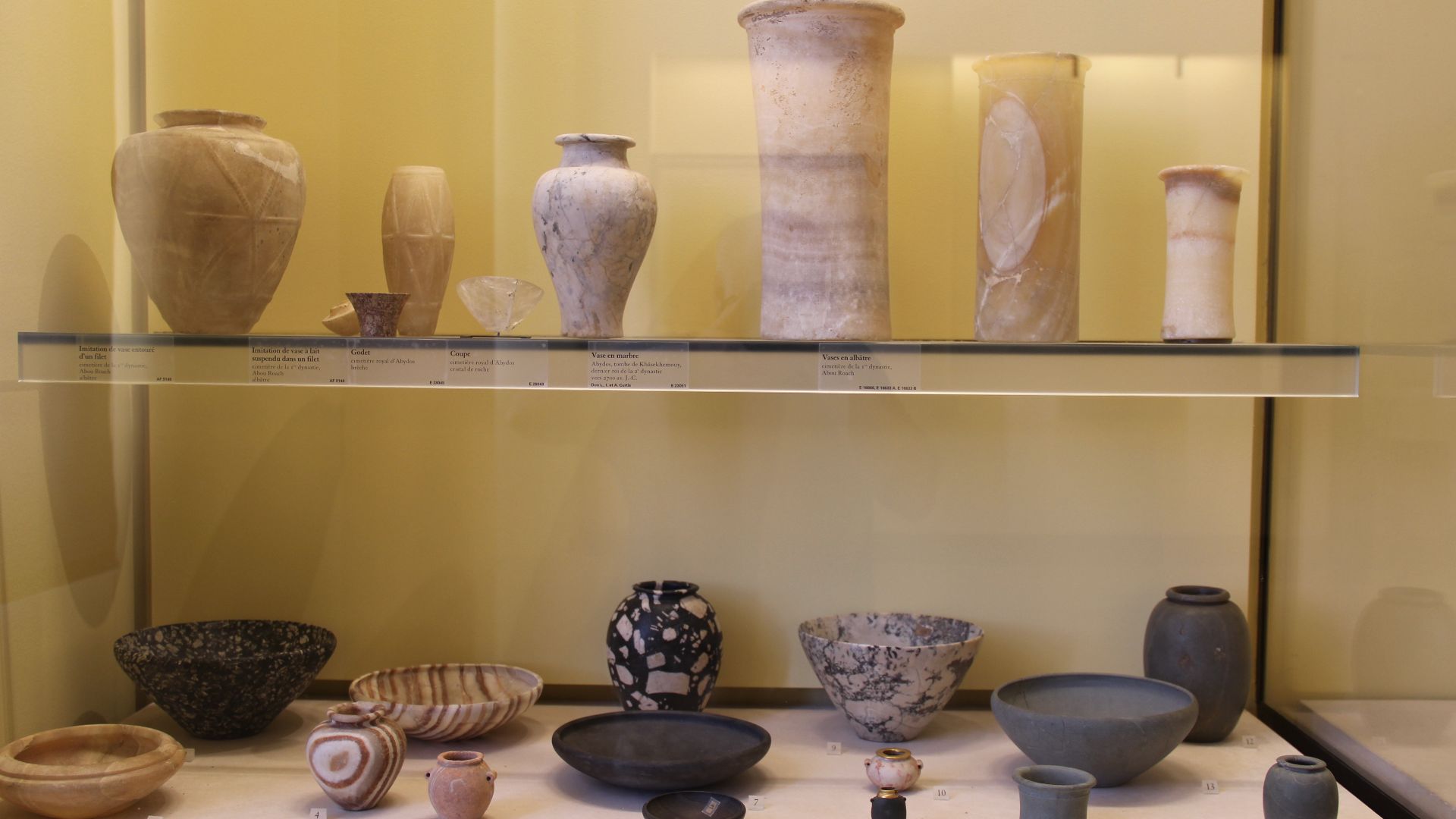
When Walter Bryan Emery documented the find, he classified it as a stone vessel rather than evidence of lost technology. He even suggested it may once have rested on a separate stand, although no matching stand was ever found. The artifact itself isn't controversial—only its original purpose is.
 Gary Todd from Xinzheng, China, Wikimedia Commons
Nobody Knows Exactly What It Was For
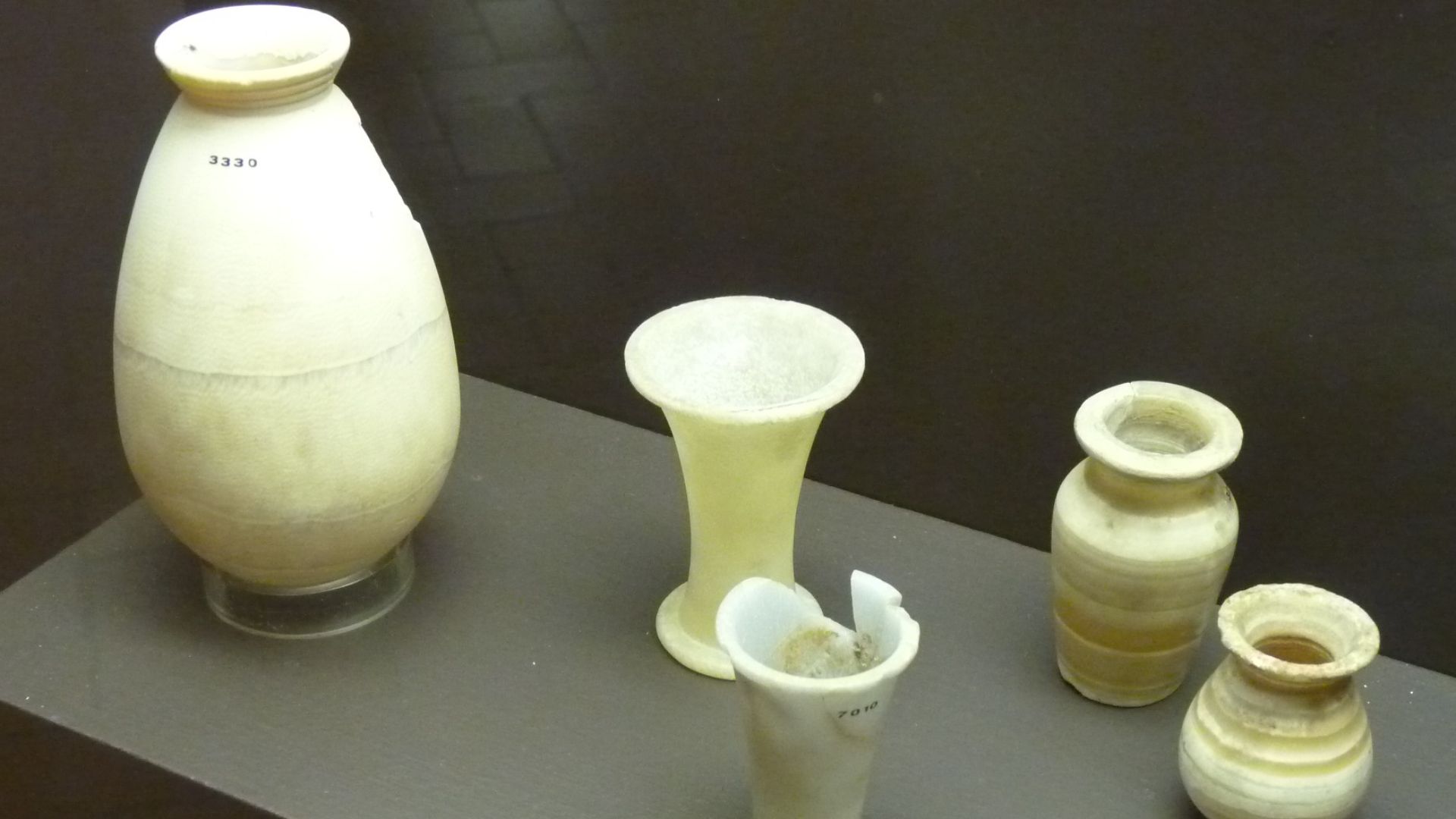
Unlike many Egyptian artifacts, the Sabu Disk has never received a universally accepted explanation. Some archaeologists believe it was a ceremonial vessel. Others think it may have been symbolic or represented a luxury stone version of an object normally made from metal or wood. No theory has yet won broad agreement.
Why Do Some Experts Think It Copied Something Else?
One of the leading ideas is that the disk wasn't the original design at all. Instead, it may have been an elaborate stone copy of an object usually made from metal or wood, materials that would have been far easier to shape into such thin curves but rarely survive for thousands of years.
 Gary Todd from Xinzheng, China, Wikimedia Commons
One Of A Kind
Normally, archaeologists solve mysteries by comparing similar discoveries. The problem here is that there isn't another complete artifact with the same distinctive three-lobed design. Without comparable examples, it's much harder to determine exactly how the Sabu Disk was meant to be used.
Experts Agree On More Than You Might Think
Contrary to what some internet posts suggest, archaeologists aren't debating whether the Sabu Disk is authentic or ancient. Those questions were settled long ago. The real debate concerns only its function. Its age, excavation history, and archaeological context are all firmly established.
 Martin1833, Wikimedia Commons, Modified
Could It Have Had A Practical Purpose?
Some researchers have wondered whether the unusual shape served a practical purpose rather than being purely decorative. Others think it may have supported another object or played a role in religious ceremonies. Without inscriptions or matching examples, however, every explanation remains a carefully reasoned hypothesis rather than a proven fact.
 Gary Todd from Xinzheng, China, Wikimedia Commons
Even Modern Testing Hasn't Solved It
The Sabu Disk has attracted attention well beyond archaeology. Engineers and researchers have created replicas and computer models to better understand its shape. Some studies found interesting aerodynamic characteristics, but none demonstrated that it functioned as a propeller, turbine, or other advanced mechanical device.
Then The Internet Got Involved
Whenever photos of the Sabu Disk resurface online, the theories become much more dramatic. Some claim it's evidence of forgotten technology. Others point to lost civilizations or even extraterrestrials. Those ideas spread quickly because the artifact genuinely looks unusual—but they aren't supported by credible archaeological evidence.
The Real Story Is Better Than The Myth
The truth doesn't need embellishment. An Egyptian craftsman working around 3000 BC carved an extraordinarily delicate object from brittle stone using simple copper tools, stone tools, abrasives such as sand, and remarkable skill. Whether it served a ceremonial, symbolic, or practical purpose, the craftsmanship alone is enough to make it one of Egypt's most fascinating artifacts.
Could We Ever Learn The Answer?
Archaeology has a habit of solving mysteries when least expected. Another discovery at Saqqara—or somewhere else in Egypt—could one day reveal a similar object or an inscription explaining exactly how the Sabu Disk was used. Until then, researchers can only continue studying the evidence already in hand.
 Panegyrics of Granovetter, Wikimedia Commons
You Can Still See It Today
The original Sabu Disk has long been housed in the Egyptian Museum in Cairo. As Egypt continues transferring many of its most important artifacts to the new Grand Egyptian Museum near Giza, the long-term display location of individual objects may change. Wherever it's exhibited, the disk continues attracting both researchers and curious visitors alike.
 Diego Delso, Wikimedia Commons
A "Hubcap" That Isn't A Hubcap
No, archaeologists didn't discover a 5,000-year-old hubcap. In fact, the people who buried the Sabu Disk probably had never even seen a wheeled vehicle in Egypt.
What they left behind was something far more intriguing: a one-of-a-kind stone artifact whose purpose remains uncertain after decades of study. Sometimes history's greatest mysteries aren't about impossible technology—they're about extraordinary craftsmanship that still leaves us asking questions 5,000 years later.
 Gary Todd from Xinzheng, China, Wikimedia Commons
You Might Also Like: