This lost archive emerges from Qumran’s silent cliffs
A stray goat led a young shepherd toward caves hiding manuscripts untouched for nearly two millennia. Scholars soon realized these fragile scraps shed light on lost history and traditions that could have been lost under the sand.

A Shepherd’s Stone That Changed History
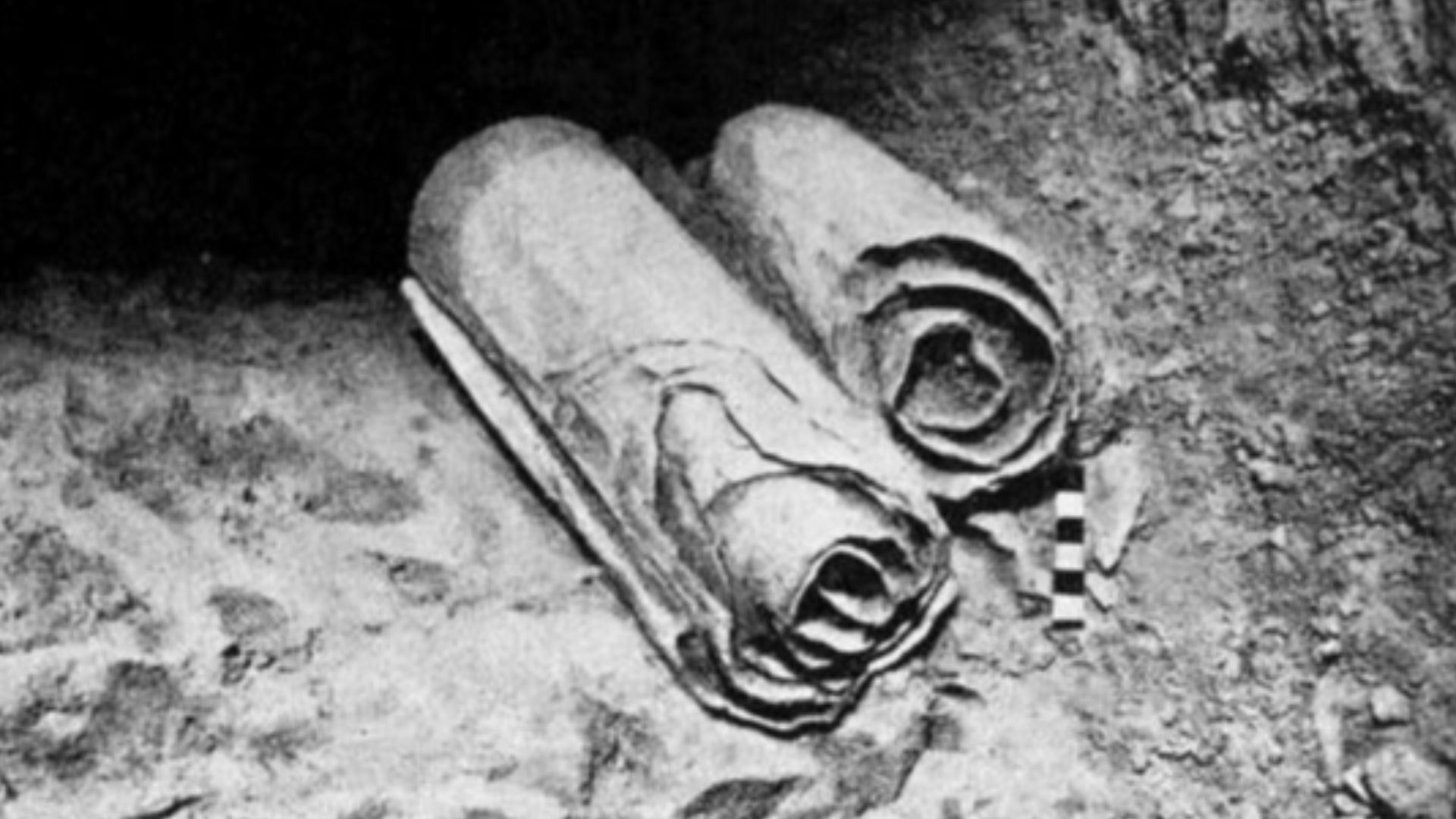
A wandering shepherd searched for a stray goat near Qumran in 1947 and tossed a stone into a cave, expecting echoes. Instead, he heard pottery shatter. That sound led him inside, revealing ancient jars holding scrolls that would become one of archaeology’s most transformative discoveries.
 Abraham Meir Habermann, 1901–1980, Wikimedia Commons
In A Hidden Cave Above The Dead Sea
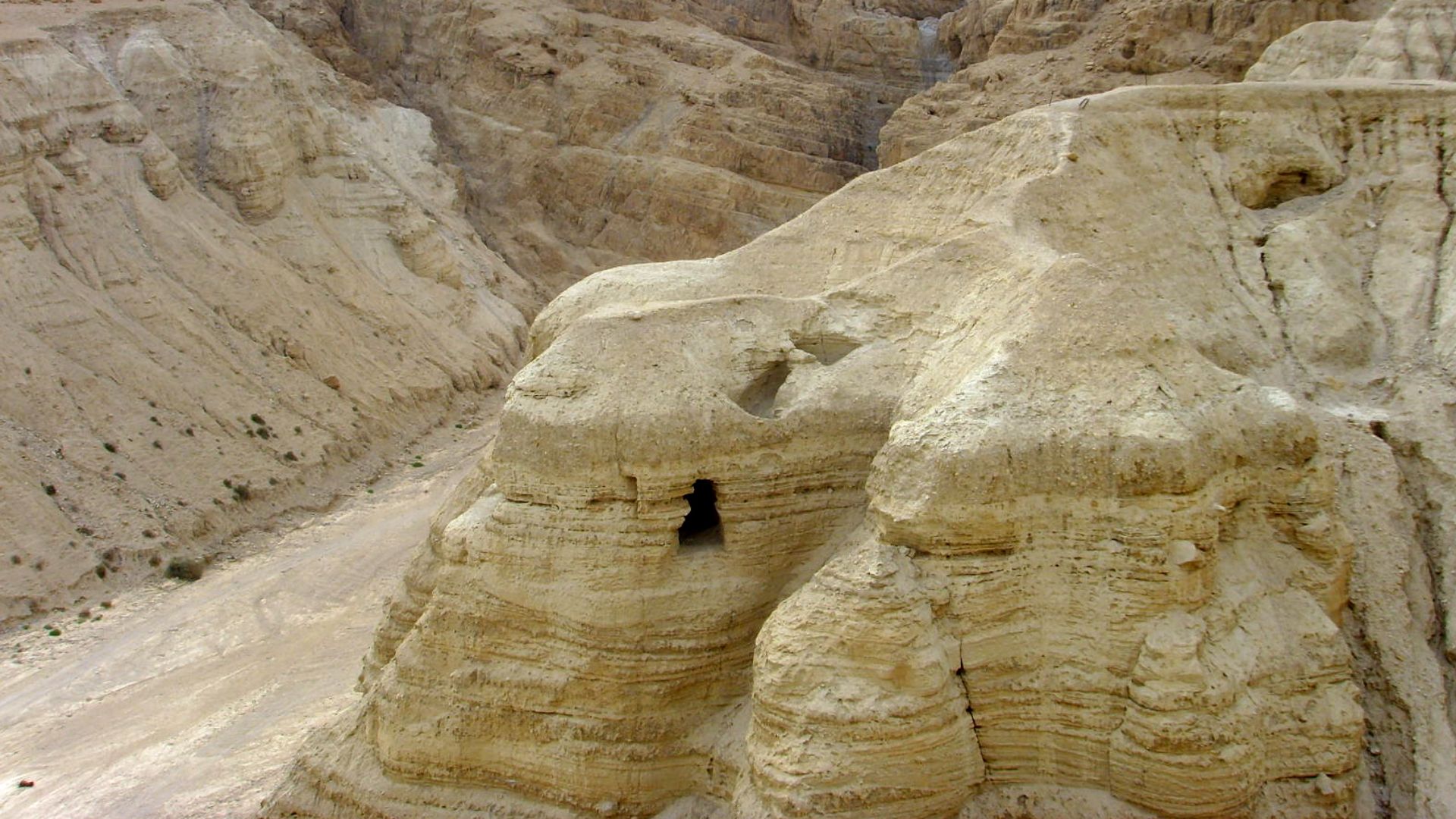
The cave sat high in the rugged cliffs overlooking the Dead Sea, a region long known for isolation and natural preservation. Its difficult access helped protect the scrolls for nearly two thousand years, sealing away manuscripts that preserved voices from Judaism’s Second Temple period.
 Effi Schweizer, Wikimedia Commons
That Hid Unexpected Treasures Inside Clay Jars
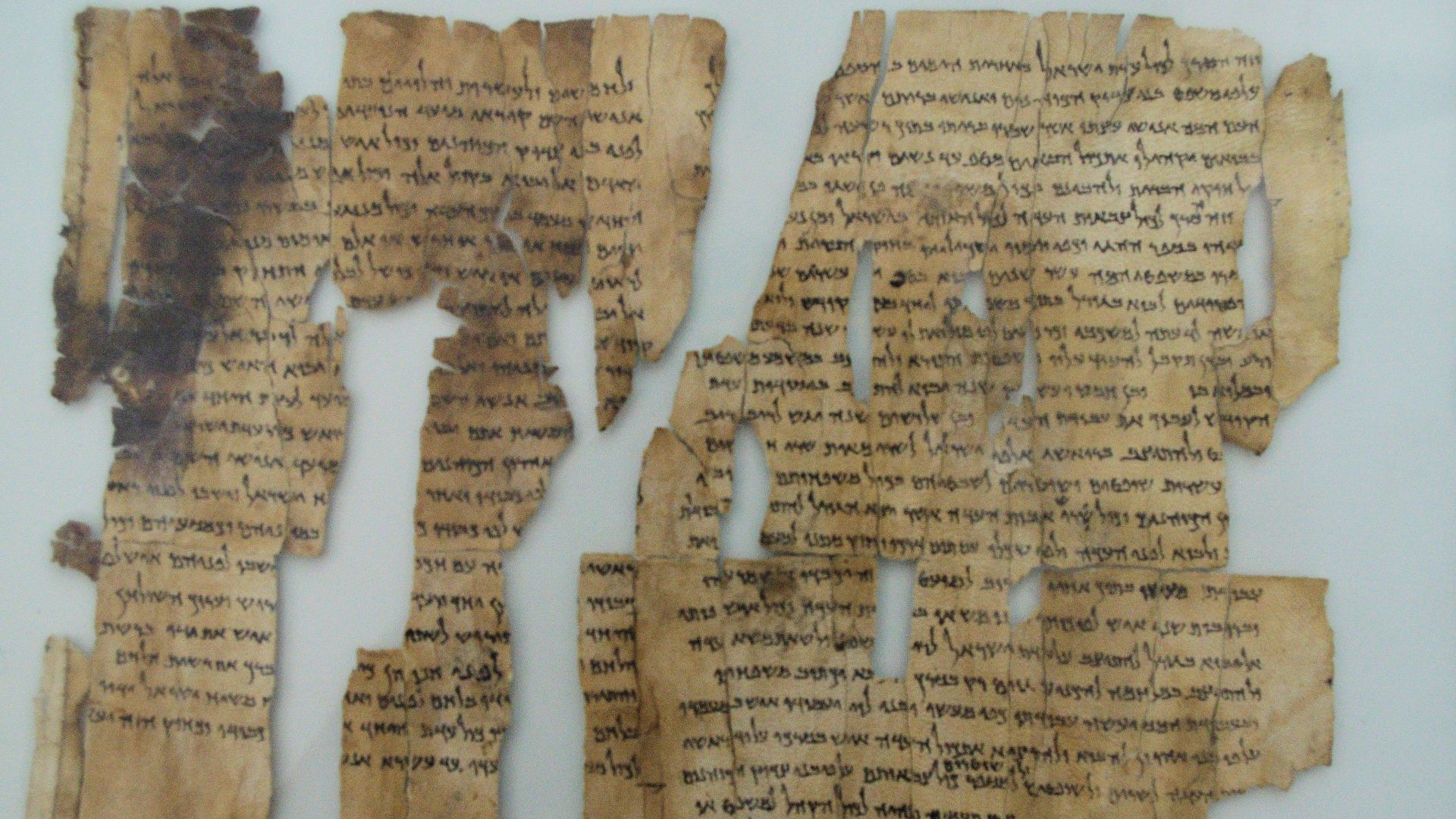
Inside the jars, the shepherds found carefully wrapped leather scrolls darkened with age. These manuscripts included biblical writings, community rules, and poetic hymns. Their condition, surprisingly intact for their age, signaled that the desert’s arid environment functioned like a natural archive for ancient texts.
 Ken and Nyetta, Wikimedia Commons
How The Desert Discovery Reached The Wider World
The Bedouin initially brought the scrolls to local traders, unsure of their purpose. Word spread slowly, eventually reaching scholars in Jerusalem. Once academics examined the material, excitement escalated, as early assessments suggested the manuscripts were far older than any previously known Hebrew biblical texts.
 Jan Steen (1625/26-1679), Wikimedia Commons
The Moment Scholars Realized The Scrolls’ True Age
Hebrew University scholar Eleazar Sukenik recognized the scrolls’ antiquity by comparing handwriting styles, linguistic patterns, and material composition with known ancient examples. His evaluation placed them in the centuries surrounding the Second Temple era, confirming that these fragile pieces preserved rare evidence of early Jewish thought.
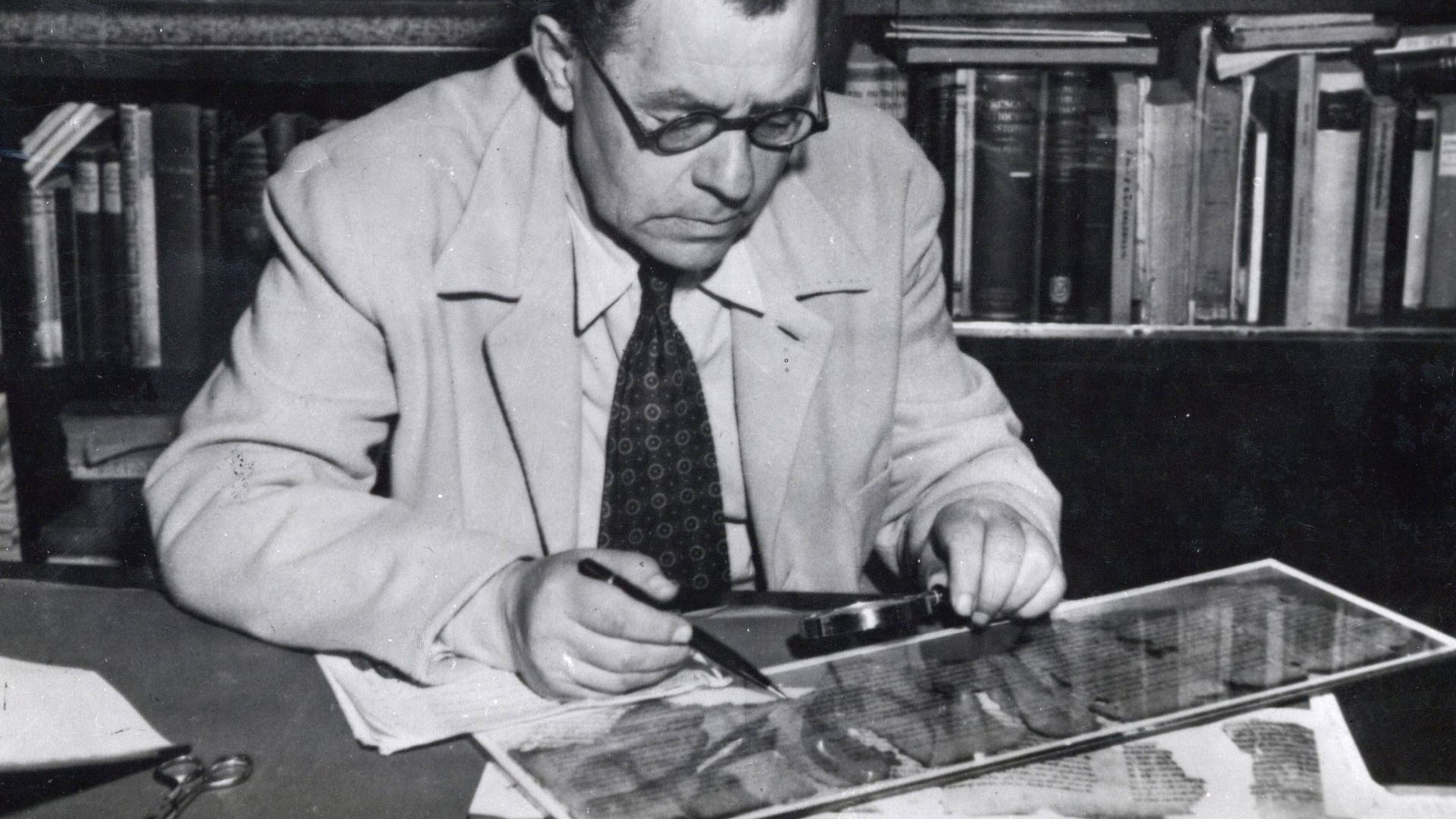 Department of Archaeology, the Hebrew University, Jerusalem, Wikimedia Commons
Why Early Investigations Raised More Questions Than Answers
Early examinations revealed extraordinary age but unclear origins. Scholars debated who wrote the manuscripts and how they related to known Jewish groups. Fragmentation complicated interpretation, and limited access to newly found caves meant experts confronted more uncertainty than clarity in the discovery’s first years.
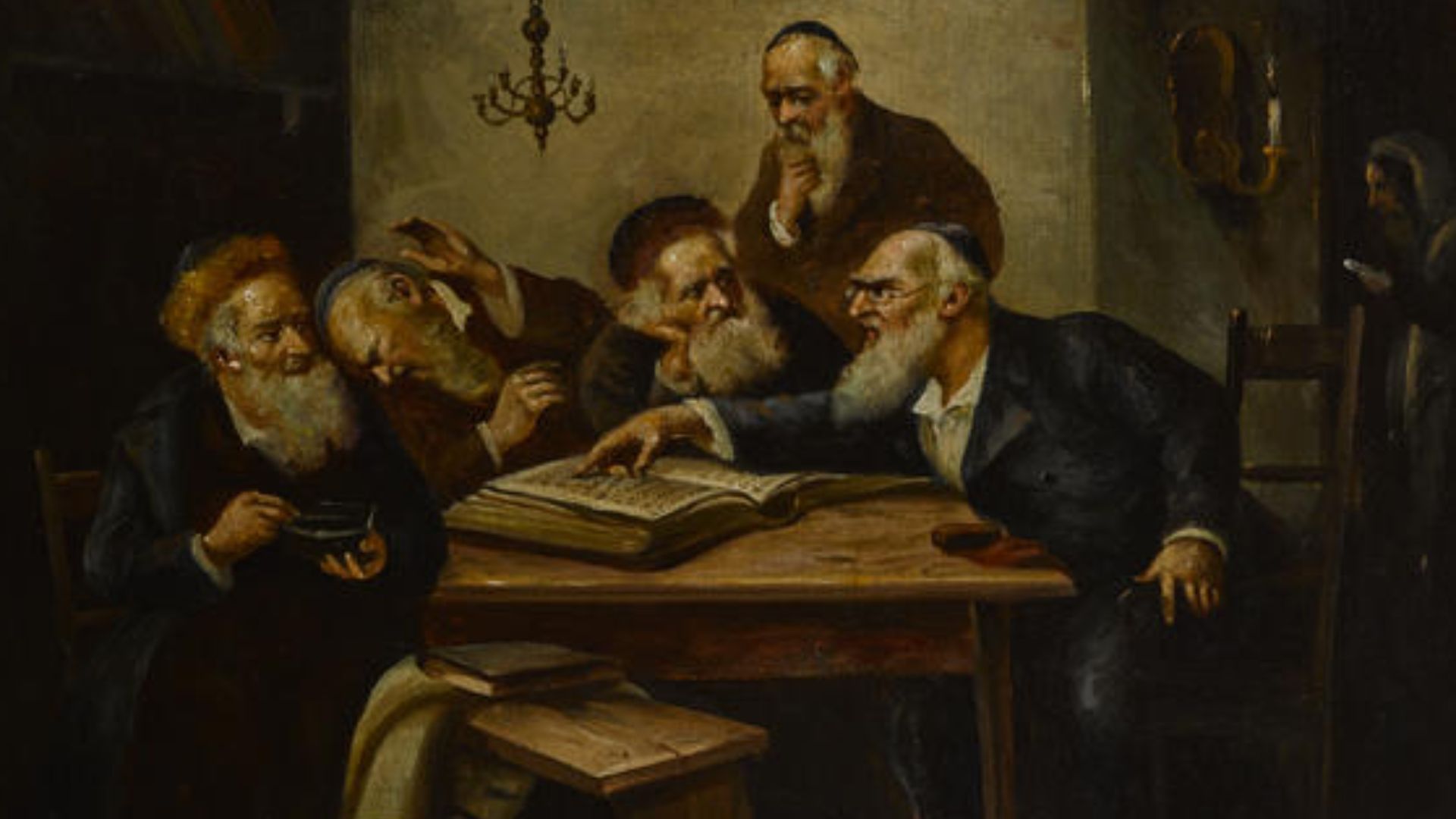 Bernard Trebacz (1869-1941), Wikimedia Commons
The Urgent Race To Search Every Cave In Qumran
Once the significance became clear, archaeologists and Bedouin searchers rushed through the Qumran cliffs seeking additional caches. Between 1947 and 1956, eleven caves were identified, each containing manuscripts or fragments. The urgency stemmed from rising looting and the need to secure fragile materials quickly.
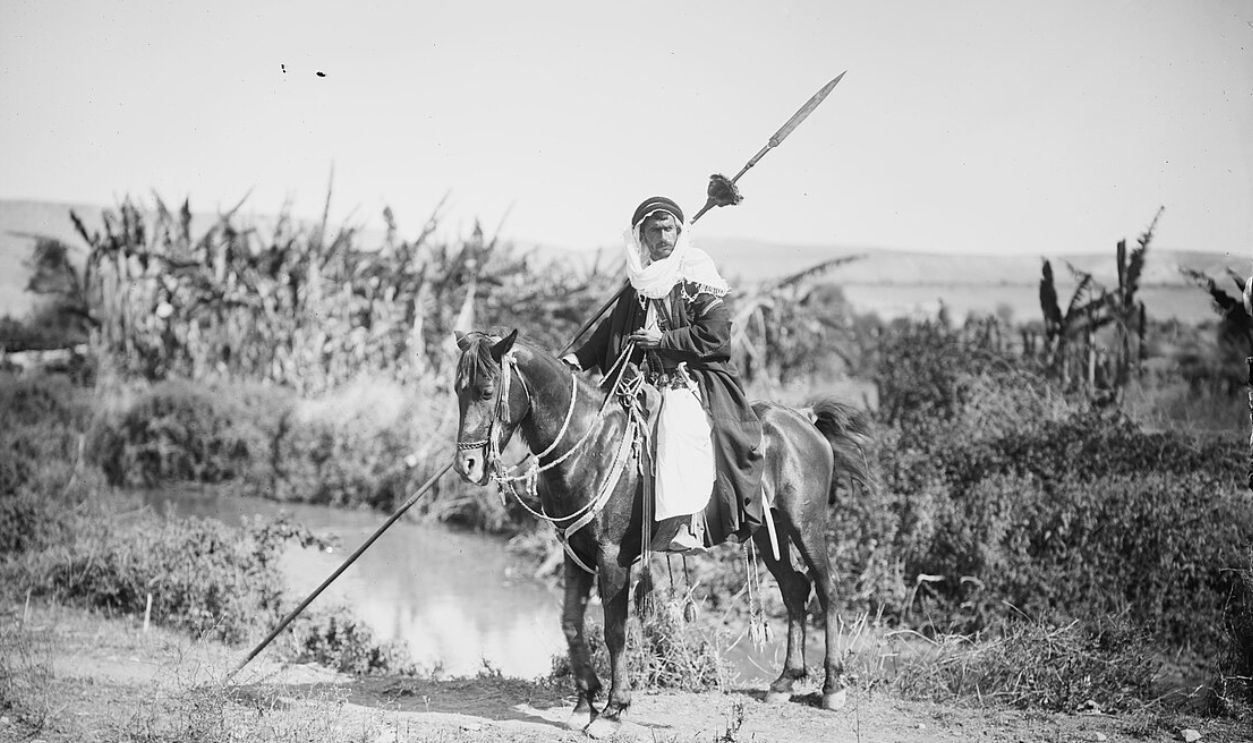 American Colony (Jerusalem). Photo Dept., photographer, Wikimedia Commons
Cave 1 And The First Glimpse Of A Lost Library
Cave 1 held remarkably preserved scrolls, including the Great Isaiah Scroll, the Community Rule, and the Habakkuk Commentary. These complete or near-complete texts offered a cohesive look at old scriptural interpretation and theological reflection. They represented a library unlike anything previously recovered from the ancient world.
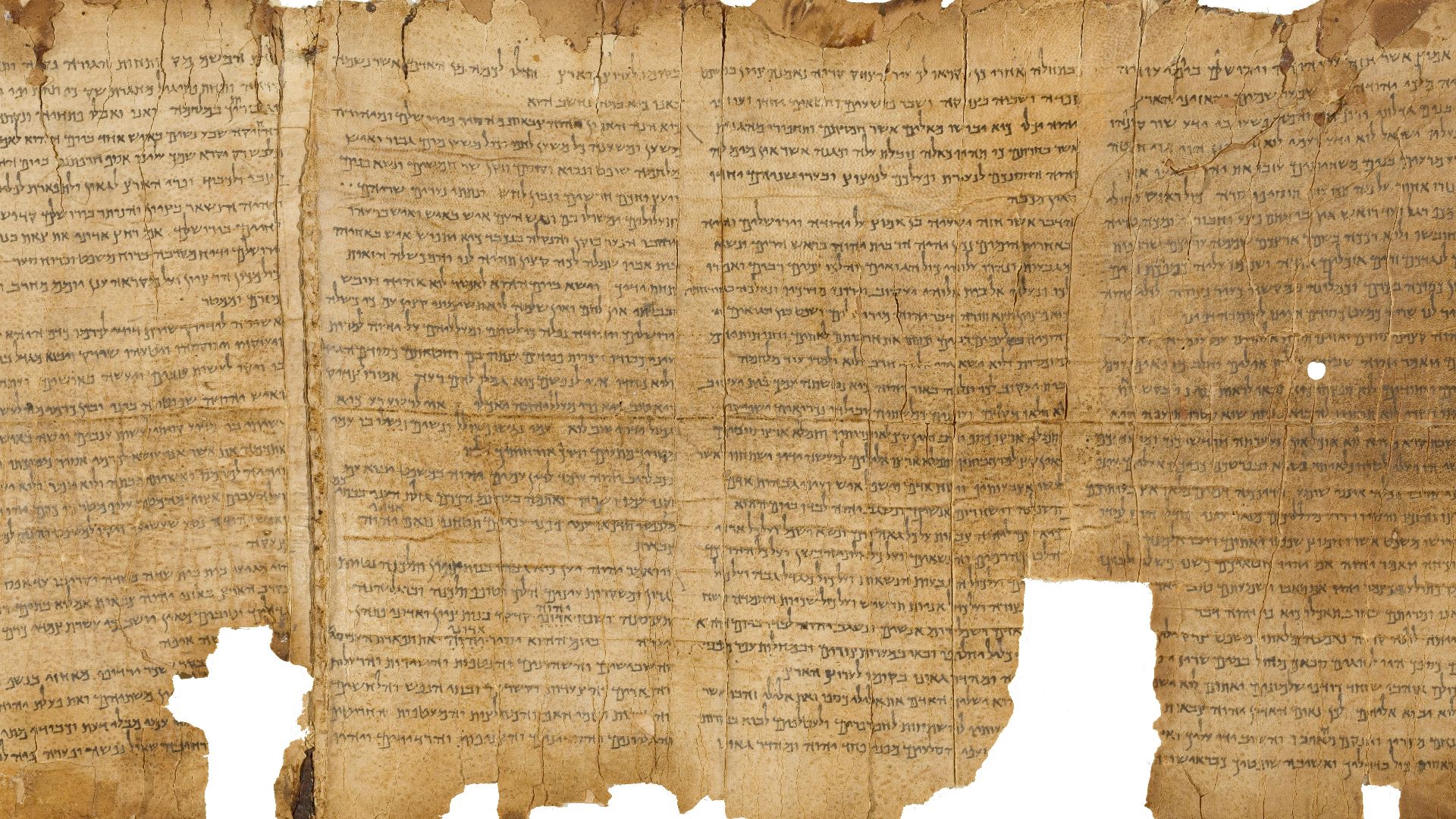 Unknown artistUnknown artist, Wikimedia Commons
Cave 4 And The Stolen Hoard Of Fragmented Manuscripts
Cave 4 astonished archaeologists with its volume of material, yet Bedouin searchers reached it first. They removed countless fragments in haste, leaving the cave floor nearly stripped before experts arrived. The sheer quantity suggested an extensive library, but its original arrangement was lost before documentation began.
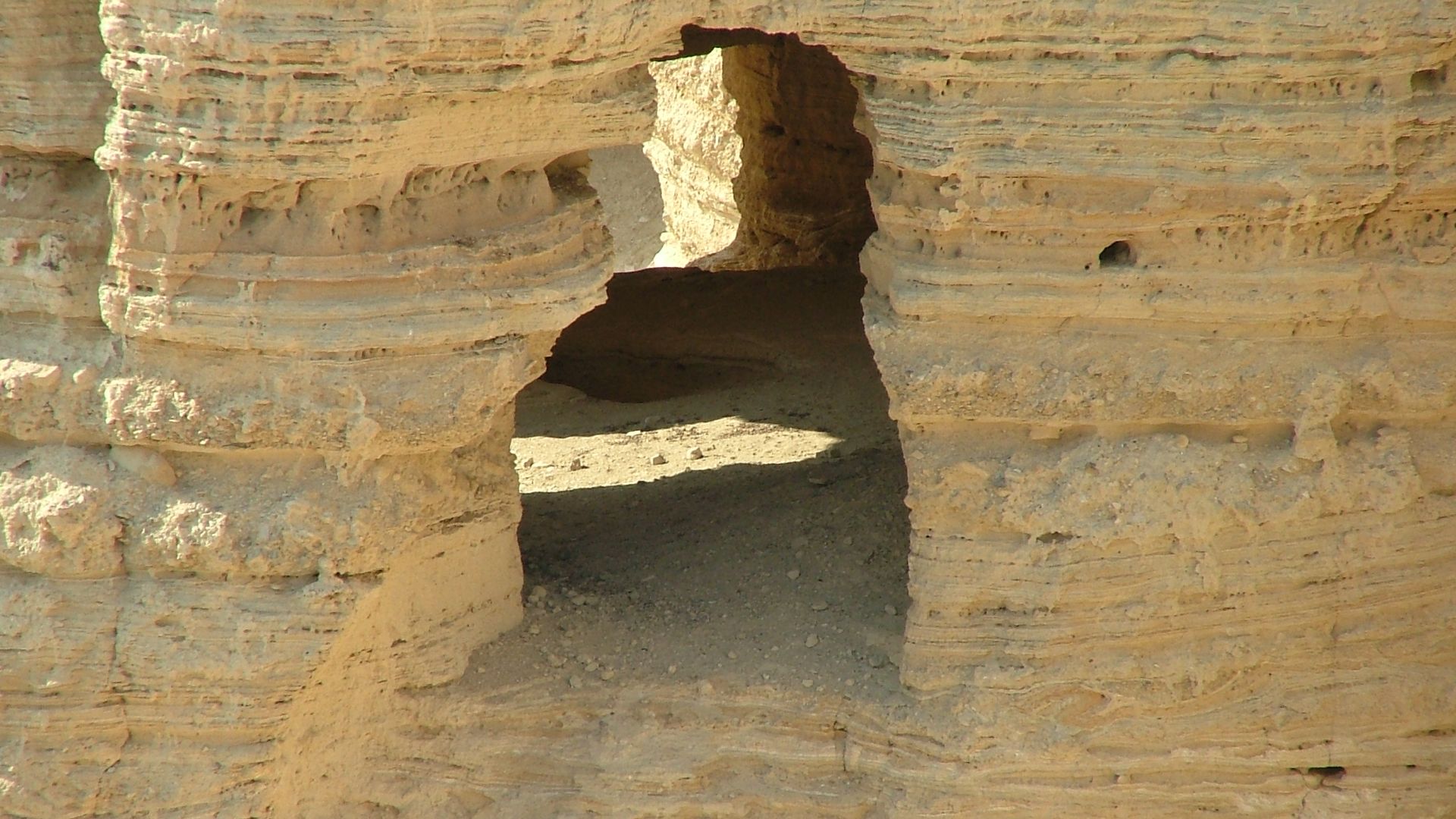
Looters Scattered A Priceless Archive Across The Market
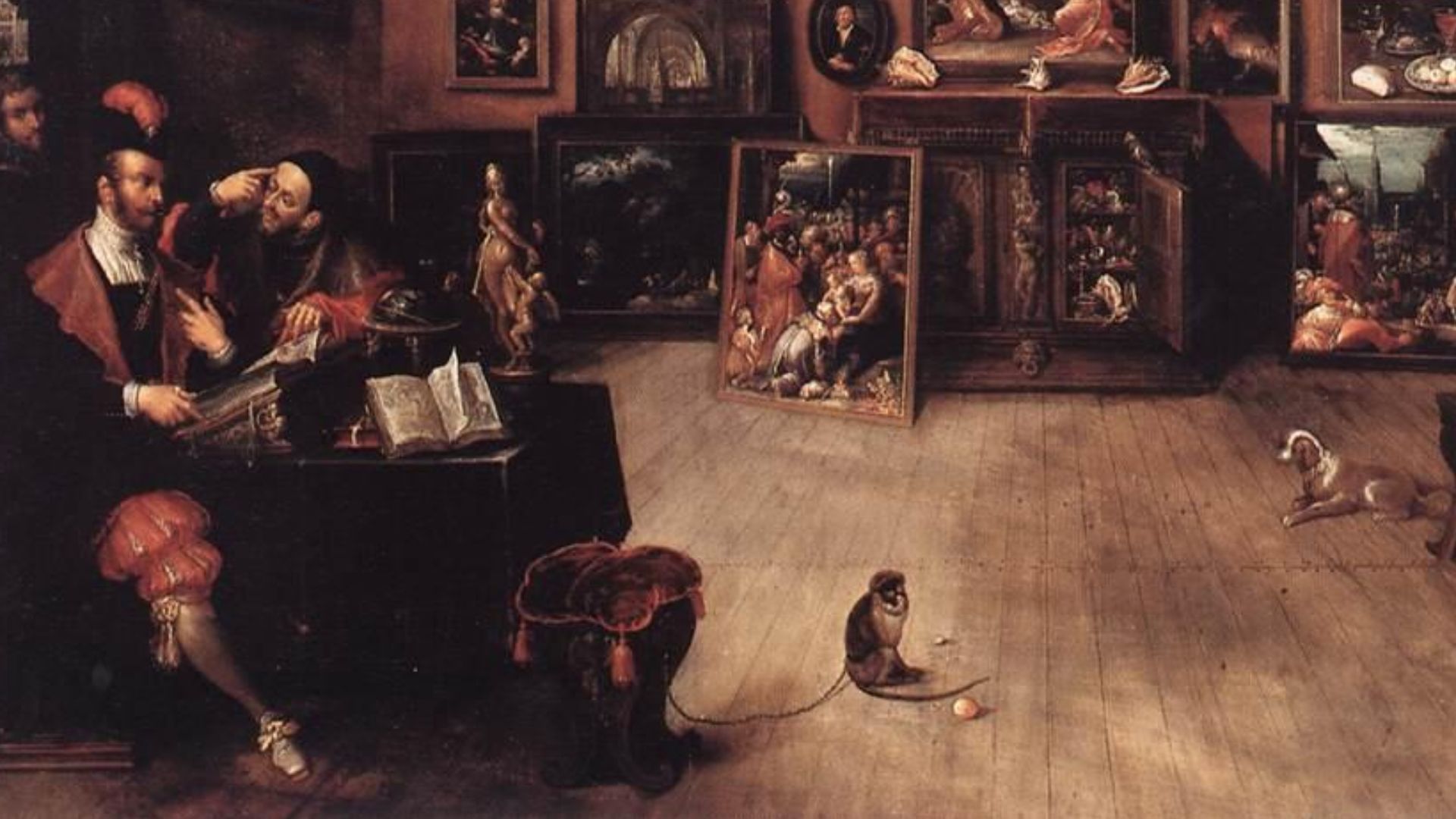
Antiquities dealers acquired fragments from Bedouin groups and resold them regionally and internationally. Some pieces reached museums, others private collections. This dispersal hindered early scholarship, as fragments essential to understanding specific manuscripts were separated geographically.
 Frans Francken the Younger, Wikimedia Commons
Archaeologists Fought To Reassemble Thousands Of Fragments
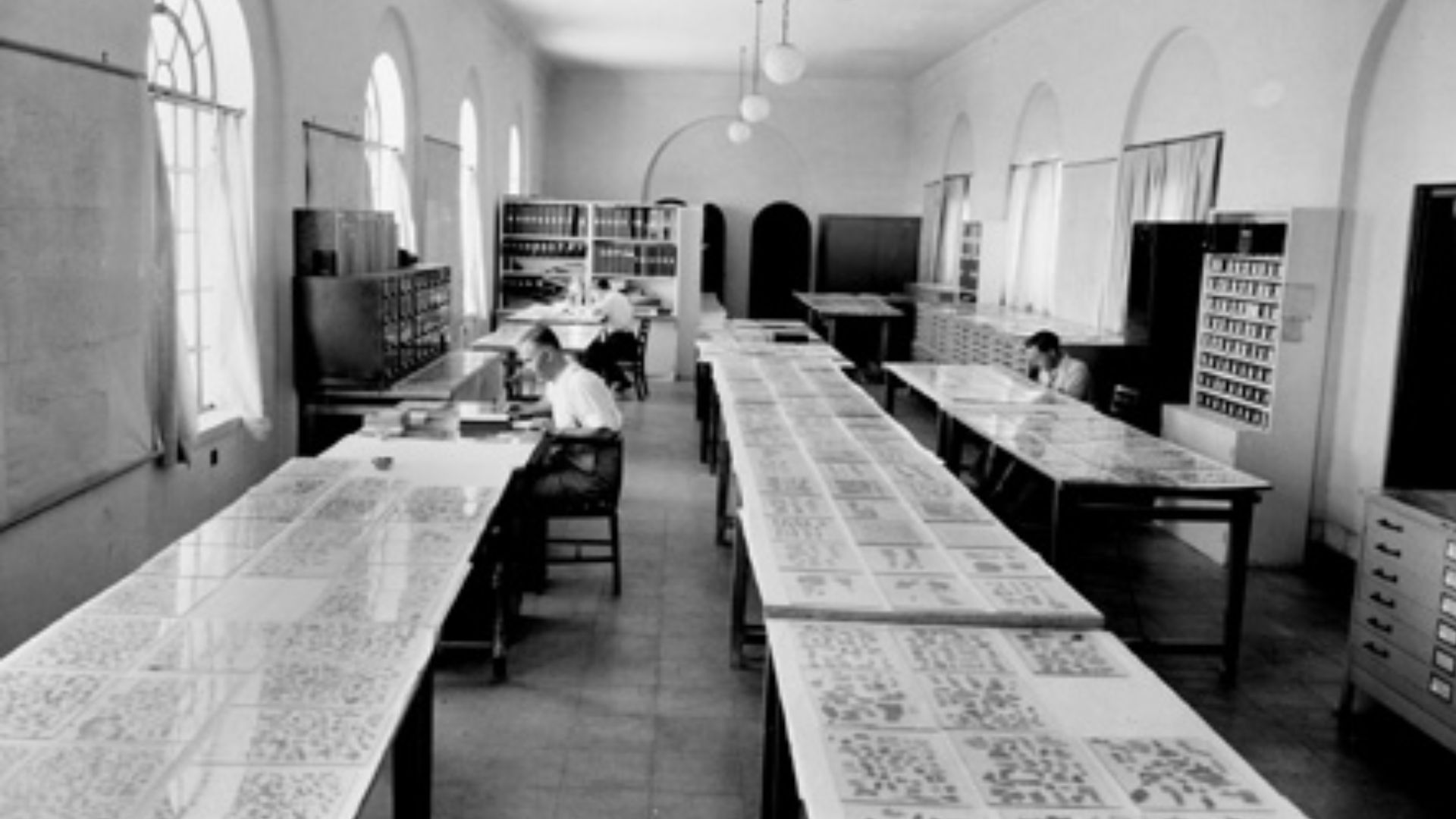
Scholars worked patiently inside the Rockefeller Museum, sorting fragments by script style, material texture, and ink patterns. Infrared photography revealed faded text, which enabled better matches. Reconstructing damaged manuscripts resembled assembling hundreds of intricate puzzles, each offering insight into ancient writing practices and evolving scriptural traditions.
 Carole Raddato from FRANKFURT, Germany, Wikimedia Commons
What The Complete Scroll Collection Reveals
Across all eleven caves, scholars identified nearly a thousand manuscripts, ranging from biblical works to hymns and commentaries. This diverse archive shows how many streams of thought shaped Judaism during the Second Temple period, offering rare evidence of competing interpretations, community practices, and evolving literary traditions.
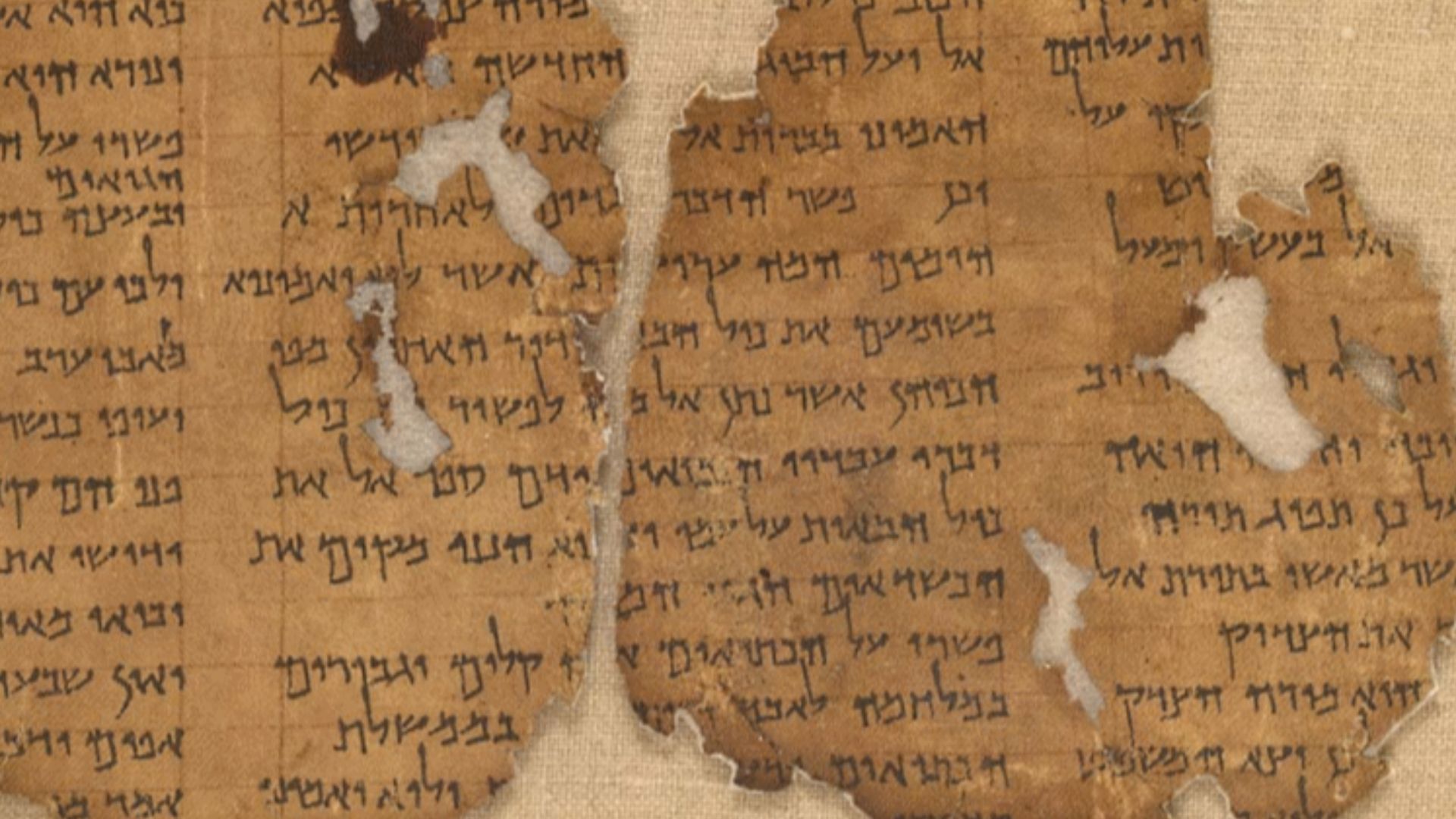 Unknown authorUnknown author, Wikimedia Commons
Biblical Manuscripts Older Than Any Previously Known
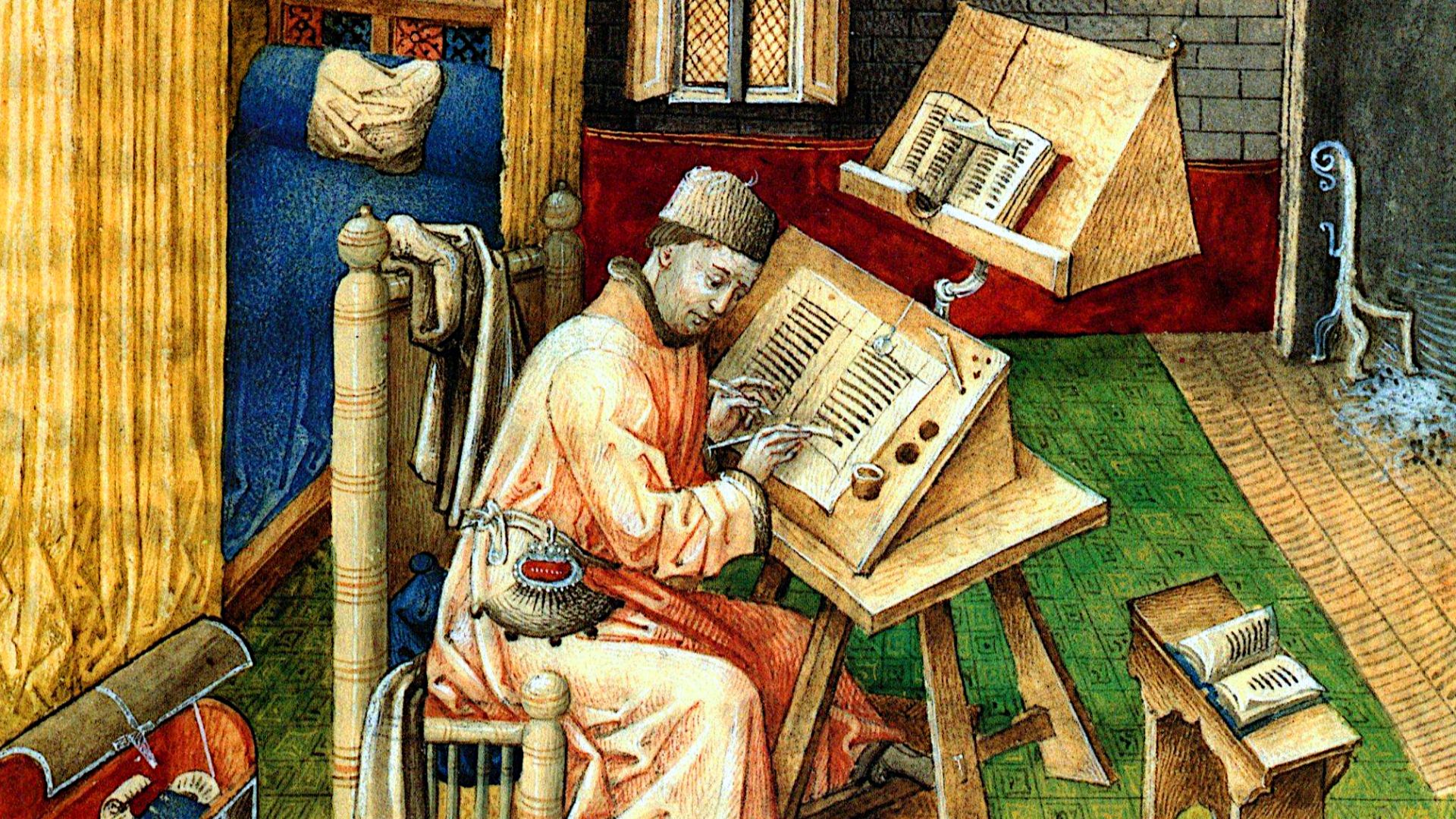
The scrolls include the earliest surviving copies of many Hebrew biblical books, dramatically extending the textual record. Comparing these manuscripts with later versions demonstrated both continuity and variation and showed how scribes preserved familiar passages while allowing certain linguistic shifts and structural differences to survive across centuries.
 Unknown miniaturist, Brussels Royal Library, MS 9278, fol. 10r, Wikimedia Commons
Extra-Biblical Works That Shaped Early Jewish Thought
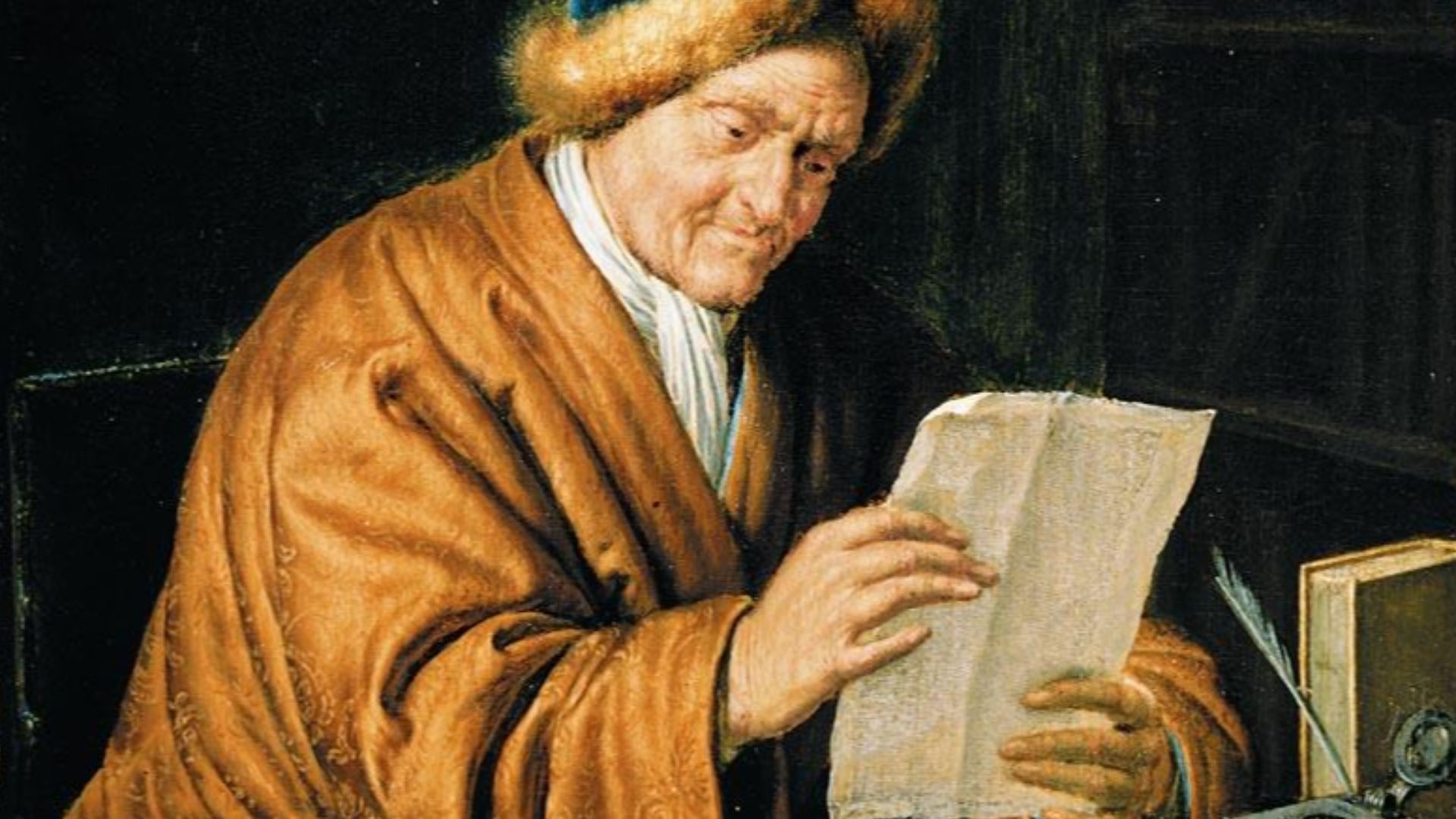
Many recovered texts never entered the later biblical canon but were widely read in antiquity. Works such as Jubilees, Enoch, and various prayers and wisdom writings illuminate beliefs circulating among Jewish groups. These manuscripts highlight conversations about prophecy and identity that influenced broader religious development in the region.
 Willem van Mieris, Wikimedia Commons
Sectarian Writings Describing A Community Set Apart
Several documents outline the rules and worldview of the group associated with Qumran. These writings emphasize discipline, ritual purity, shared property, and strict interpretation of scripture. They also present a community anticipating divine intervention, and this showed a worldview shaped by expectation and the desire for spiritual renewal.
 Matson Photo Service, photographer, Wikimedia Commons
Evidence Pointing Toward The Qumran Sect As The Authors
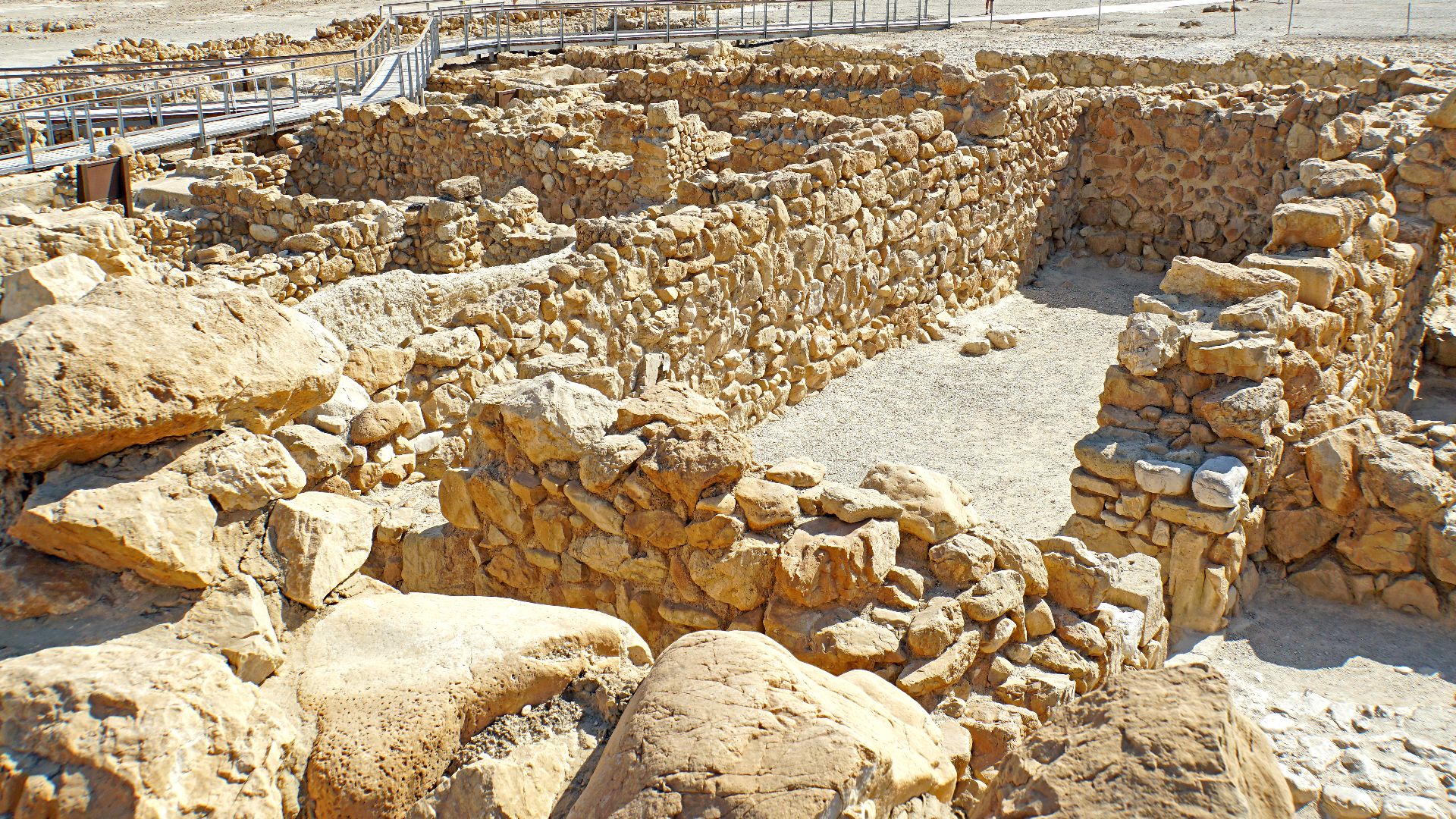
Archaeological remains at Qumran—including communal spaces and writing benches—align with the scrolls’ themes. Parallels between the texts and descriptions of the Essenes in ancient sources strengthened the association. Although not universally accepted, most scholars view Qumran as the center of a disciplined, manuscript-producing community.
 Dennis G. Jarvis, Wikimedia Commons
A Window Into Judaism Before Rabbinic Traditions Formed
These scrolls capture a period when Jewish practice had not yet coalesced into later rabbinic frameworks. Different calendars, purity standards, interpretive methods, and expectations for a future leader appear across the manuscripts. These variations show a vibrant religious environment engaged in debates over communal identity.
 Sergei Prokudin-Gorskii, Wikimedia Commons
Echoes Of Ideas That Later Shaped Early Christianity
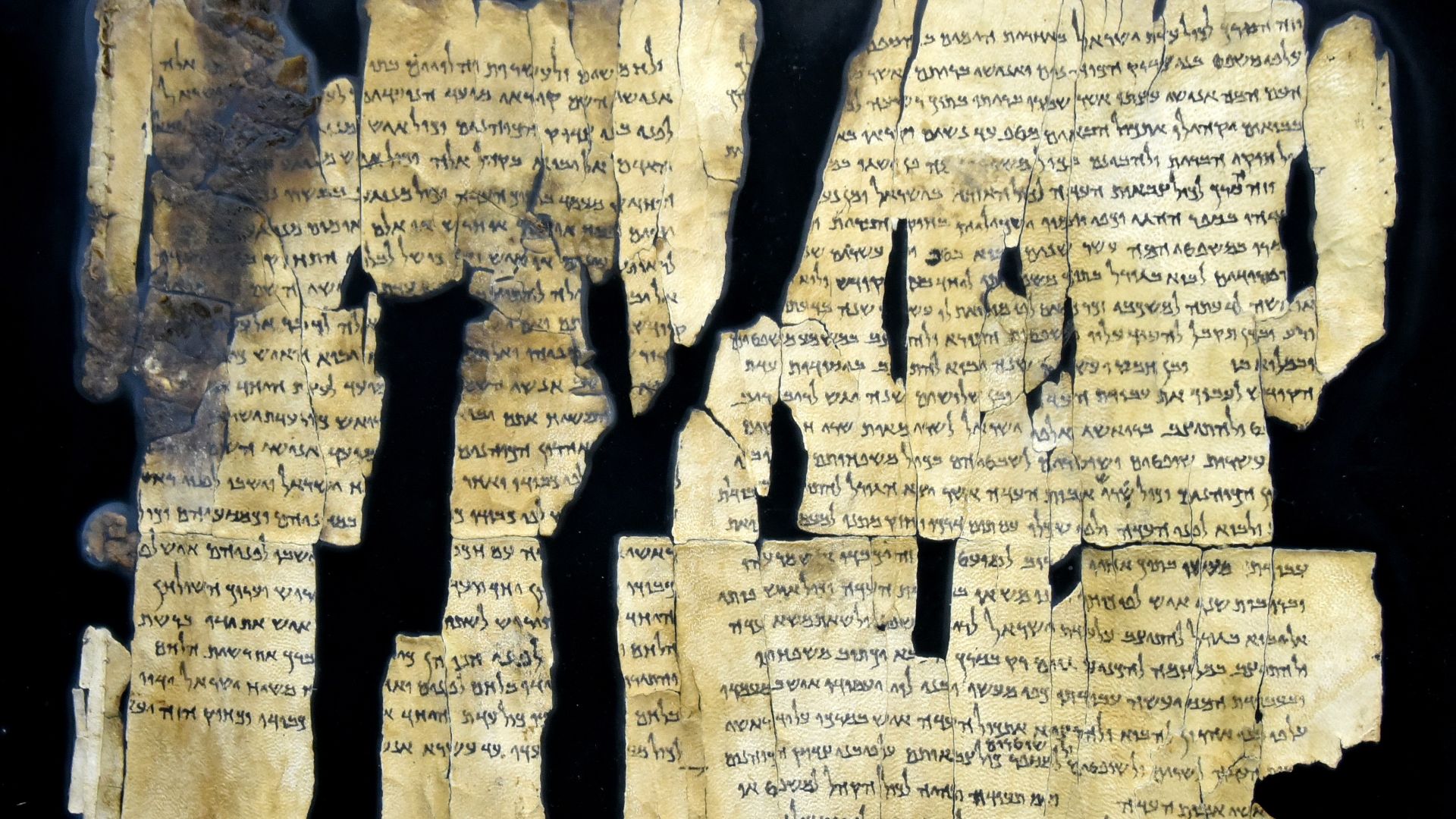
Themes found in the scrolls—renewal, covenant identity, messianic hope, and scriptural reinterpretation—parallel concepts that later surfaced in early Christian writings. These similarities do not indicate direct dependence and show movements that emerged from a shared cultural world marked by anticipation and reformist ideas.
 Osama Shukir Muhammed Amin FRCP(Glasg), Wikimedia Commons
Why The Scrolls Reshaped Modern Biblical Scholarship
The scrolls expanded the timeline for biblical texts by a millennium, allowing scholars to study scripture closer to its origins. They clarified how traditions developed, how interpretations shifted, and how communities preserved their writings. This broader evidence base transformed research on ancient Judaism and the history of biblical literature.
 Abraham Meir Habermann, 1901-1980, Wikimedia Commons
A Journey From Desert Caves To Global Custody
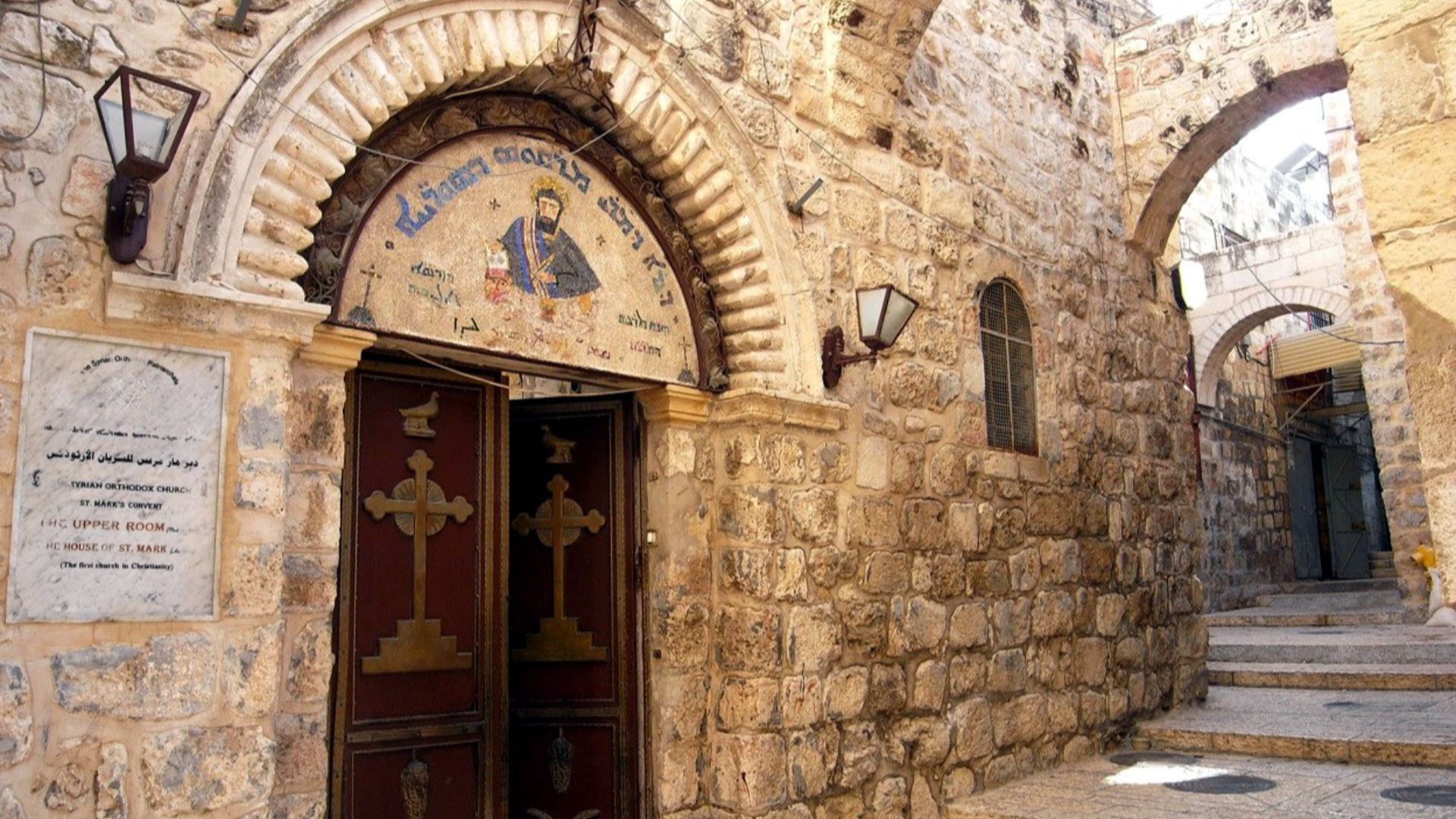
After their discovery, the scrolls passed through dealers, monasteries, and scholars before institutions secured them. Israel obtained major manuscripts through purchase and excavation, while Jordan retained others found earlier. As political control shifted, custody changed, yet the goal of preservation remained central.
Where The Most Significant Scrolls Are Preserved Today
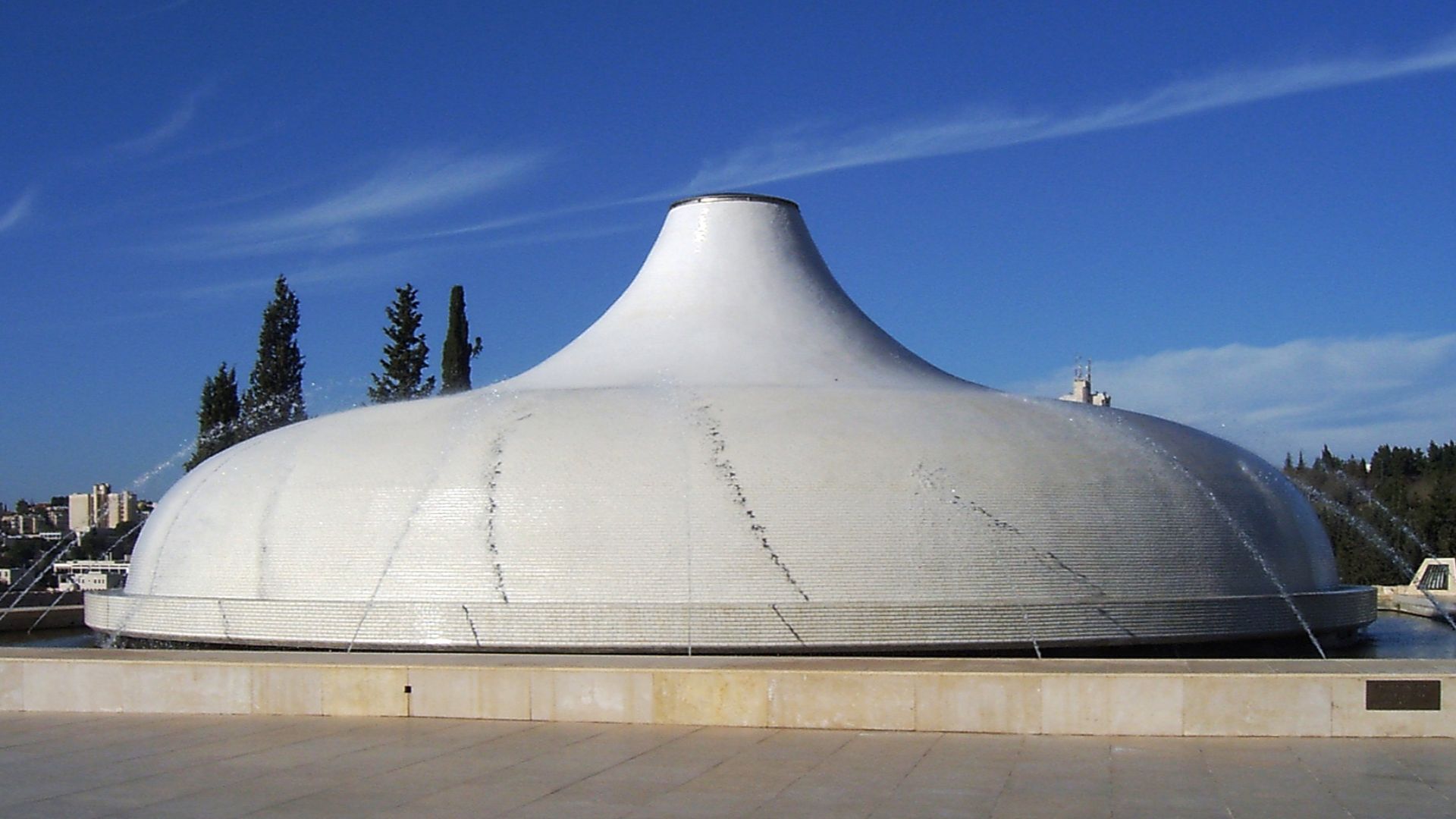
Many of the best-known manuscripts—including the Great Isaiah Scroll—are housed at the Israel Museum’s Shrine of the Book. Additional fragments remain under the care of the Israel Antiquities Authority and the Rockefeller Museum. Jordan’s national collections hold important pieces, which ensure the material legacy spans multiple custodial institutions.
The Copper Scroll And Jordan’s Distinct Collection
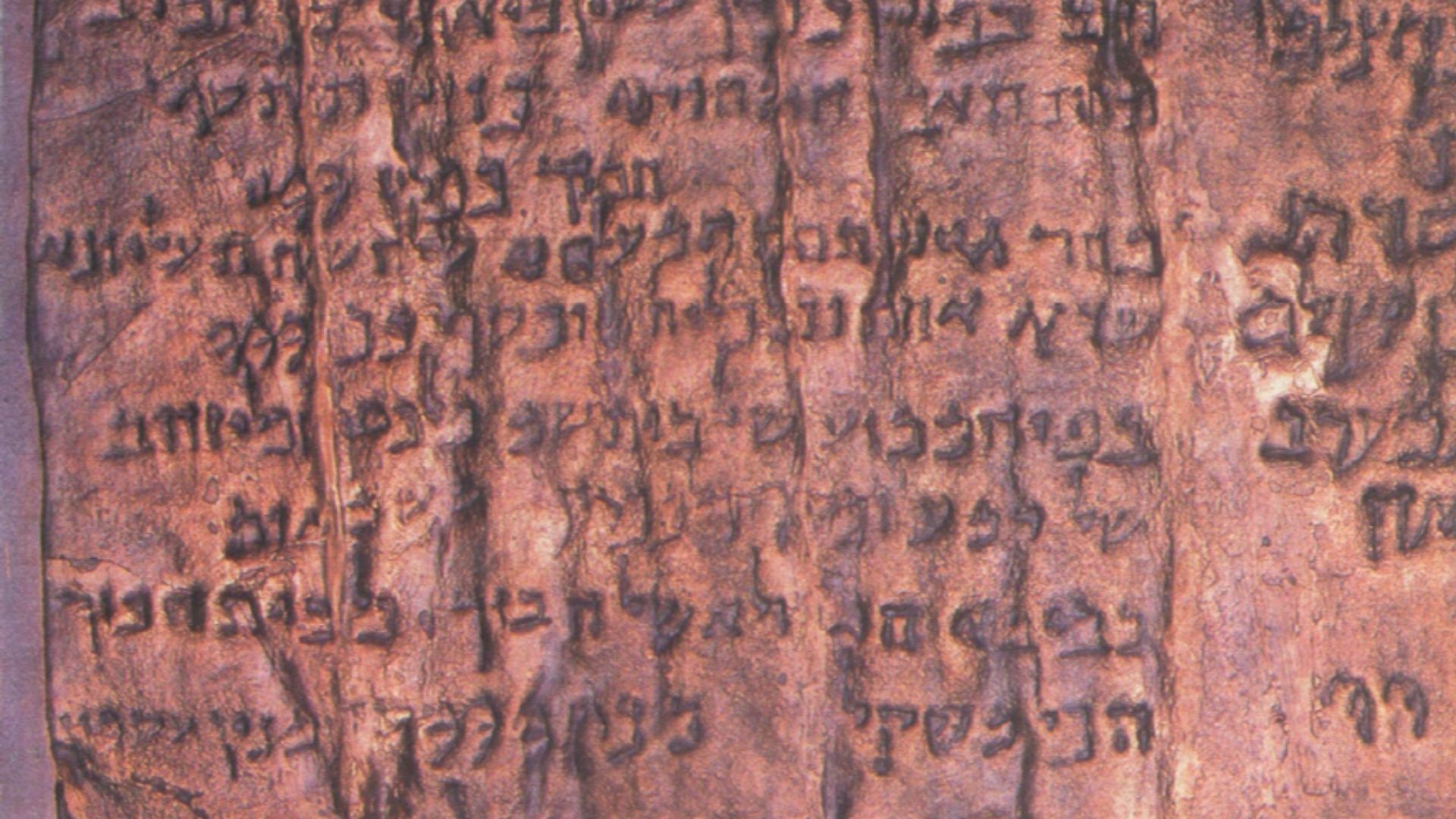
Jordan preserves the unique Copper Scroll, a text engraved on metal rather than parchment. Its list of hidden treasures differs sharply from other manuscripts to offer an unusual glimpse into ancient recordkeeping. Other Jordanian holdings include varied fragments that reflect excavation history before shifting regional control in the mid-twentieth century.
How Modern Technology Revealed Details Lost For Millennia
Multispectral imaging and high-resolution scanning exposed letters that are almost invisible. These tools clarified damaged passages and supported the digital reconstruction of dispersed fragments. Technology expanded access for researchers worldwide, which allows careful study without jeopardizing the fragile originals housed in controlled environments.

Where Can Anyone Explore The Scrolls Online Today?
Digital archives from the Israel Museum and the Israel Antiquities Authority present thousands of scroll images with translations and scholarly notes. These platforms make rare manuscripts accessible to a global audience, allowing readers to zoom in to compare versions and experience material once restricted to specialized researchers.