The Queen’s Missing Tomb
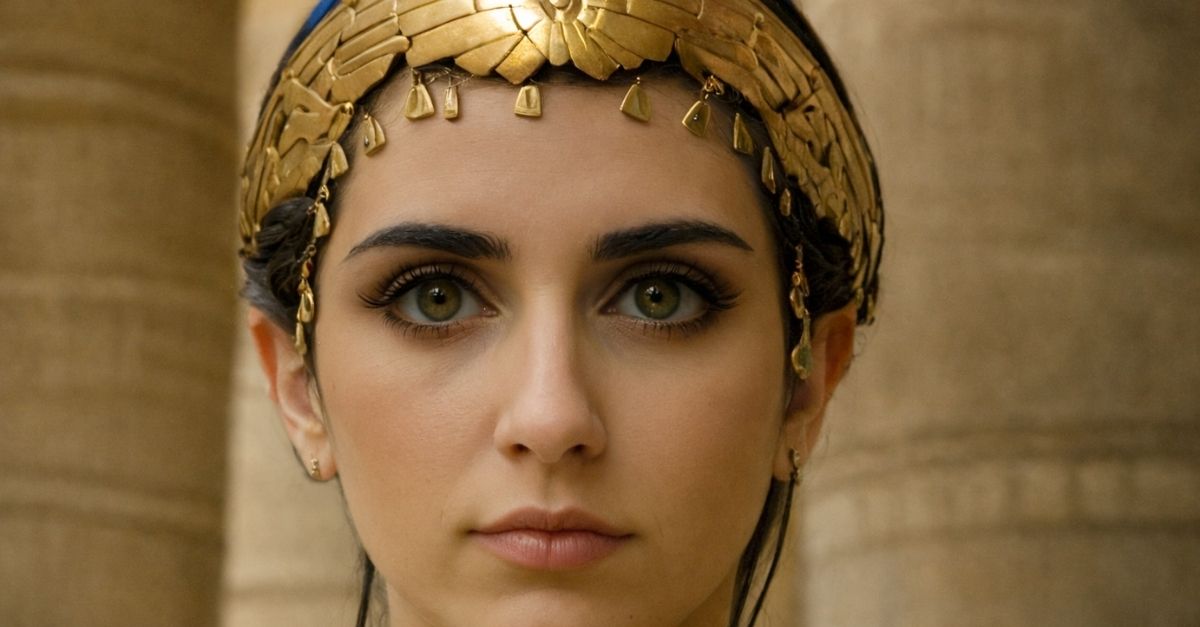
Cleopatra VII remains one of history’s most powerful and misunderstood rulers. While her life has been endlessly debated, her death left behind a mystery that still endures. Somewhere beneath Egypt, her tomb remains hidden, defying centuries of explorers.

The Queen Who Defied Time
Cleopatra VII ruled Egypt with an intelligence that impressed even her enemies. She spoke multiple languages and understood the science of her era. Her charisma drew the most powerful men in Rome to her side. Centuries have passed since her death, yet her legend refuses to fade into history.

Cleopatra's Political Genius
She managed to keep Egypt independent during an era when Rome conquered nearly every rival power. Her strategic alliance with Julius Caesar bought crucial years of autonomy for her kingdom. Later, she partnered with Mark Antony in continued resistance against Roman expansion.
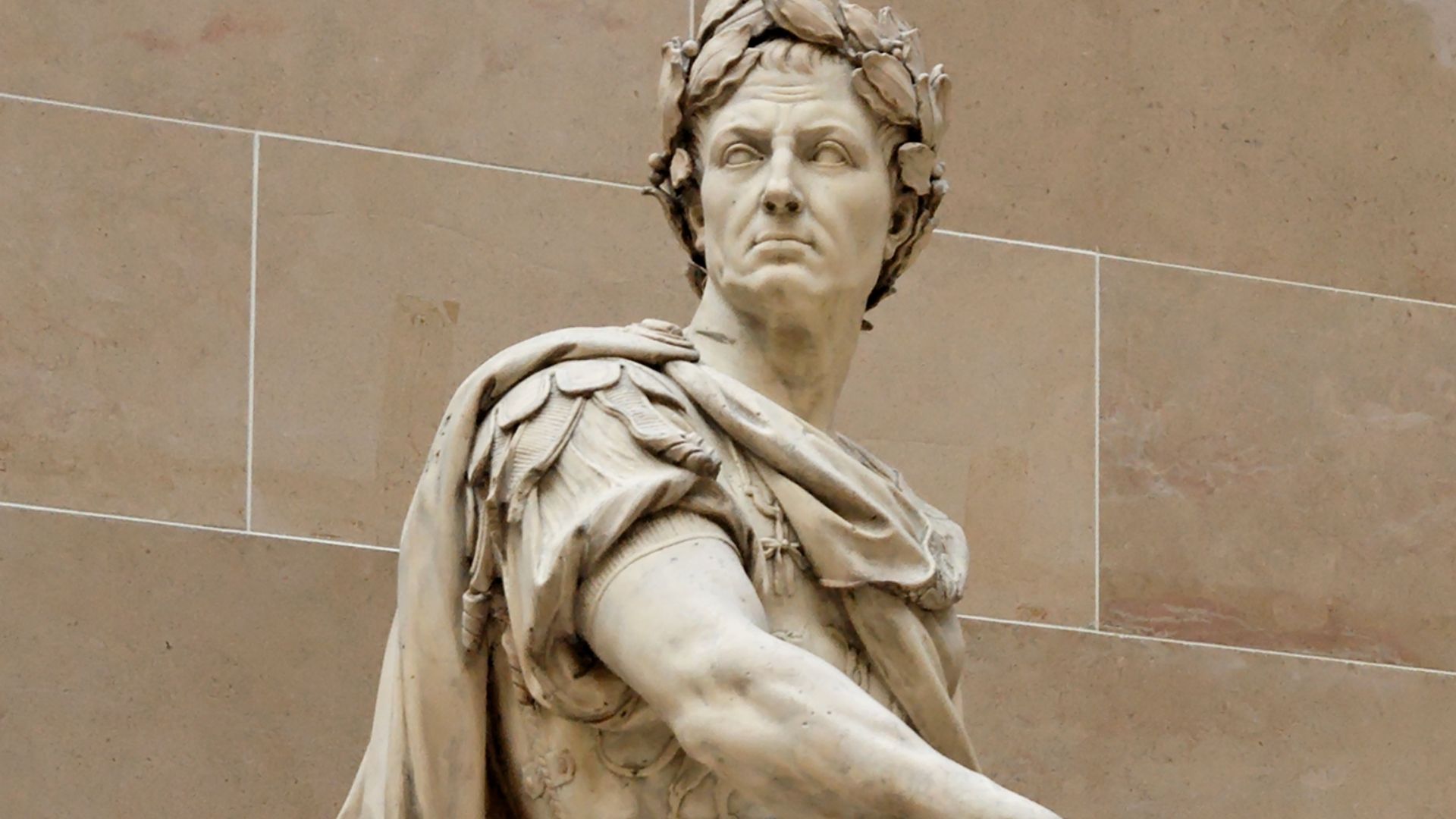 Nicolas Coustou, Wikimedia Commons
The Fall Of Egypt’s Last Dynasty
Cleopatra VII’s suicide in 30 BC marked the end of the Ptolemaic Dynasty and Egypt’s final era of independent rule. Soon after her passing, Egypt was absorbed into the Roman Empire, fundamentally altering its political future.
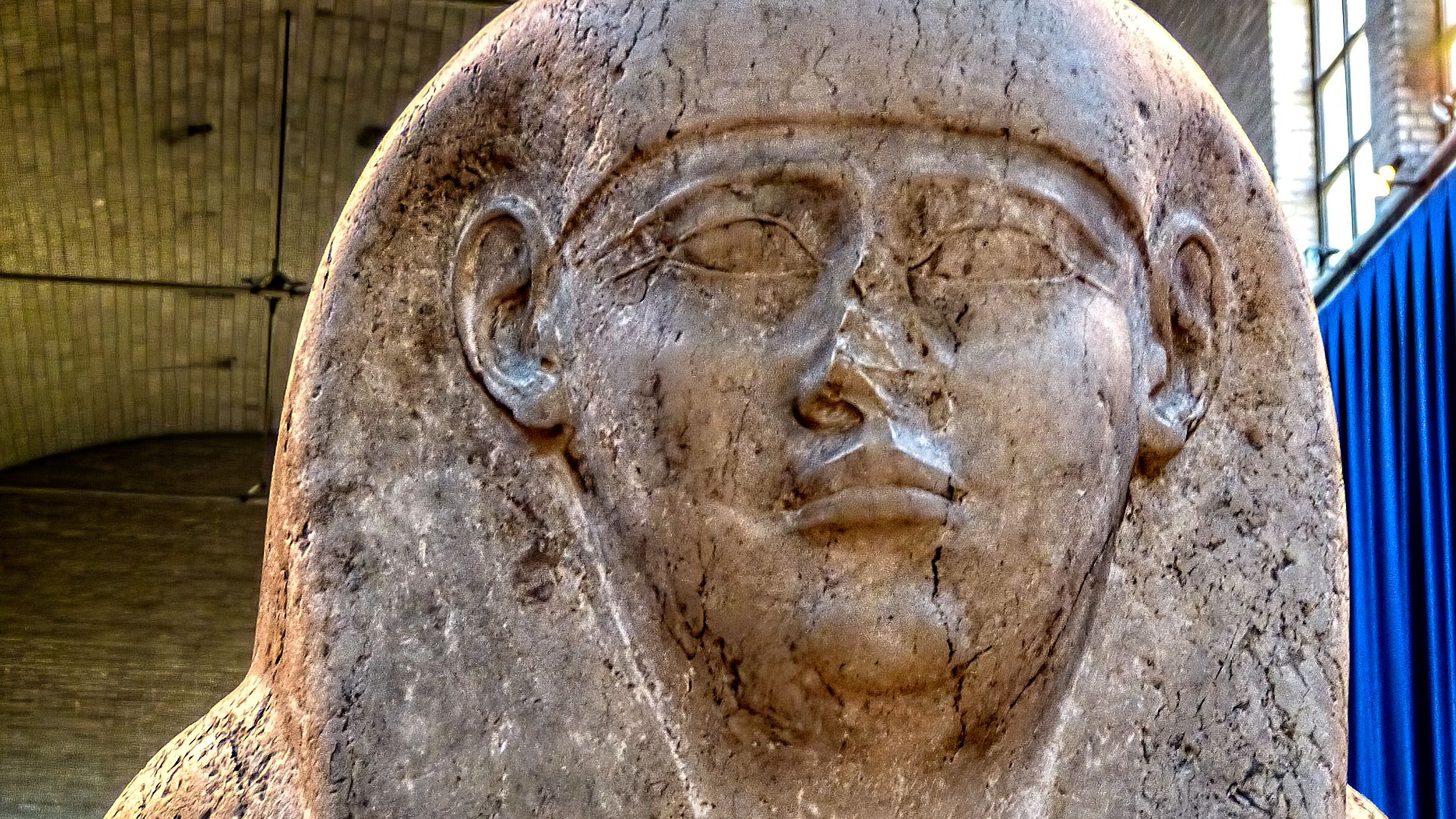 Mary Harrsch, Wikimedia Commons
Rome’s Transformation Of Egypt
Under Roman control, Egypt’s governance, architecture, and infrastructure shifted dramatically. The age of pyramids and ancient gods gave way to aqueducts and Roman temples, signaling the transfer of power from ancient pharaohs to imperial administrators.
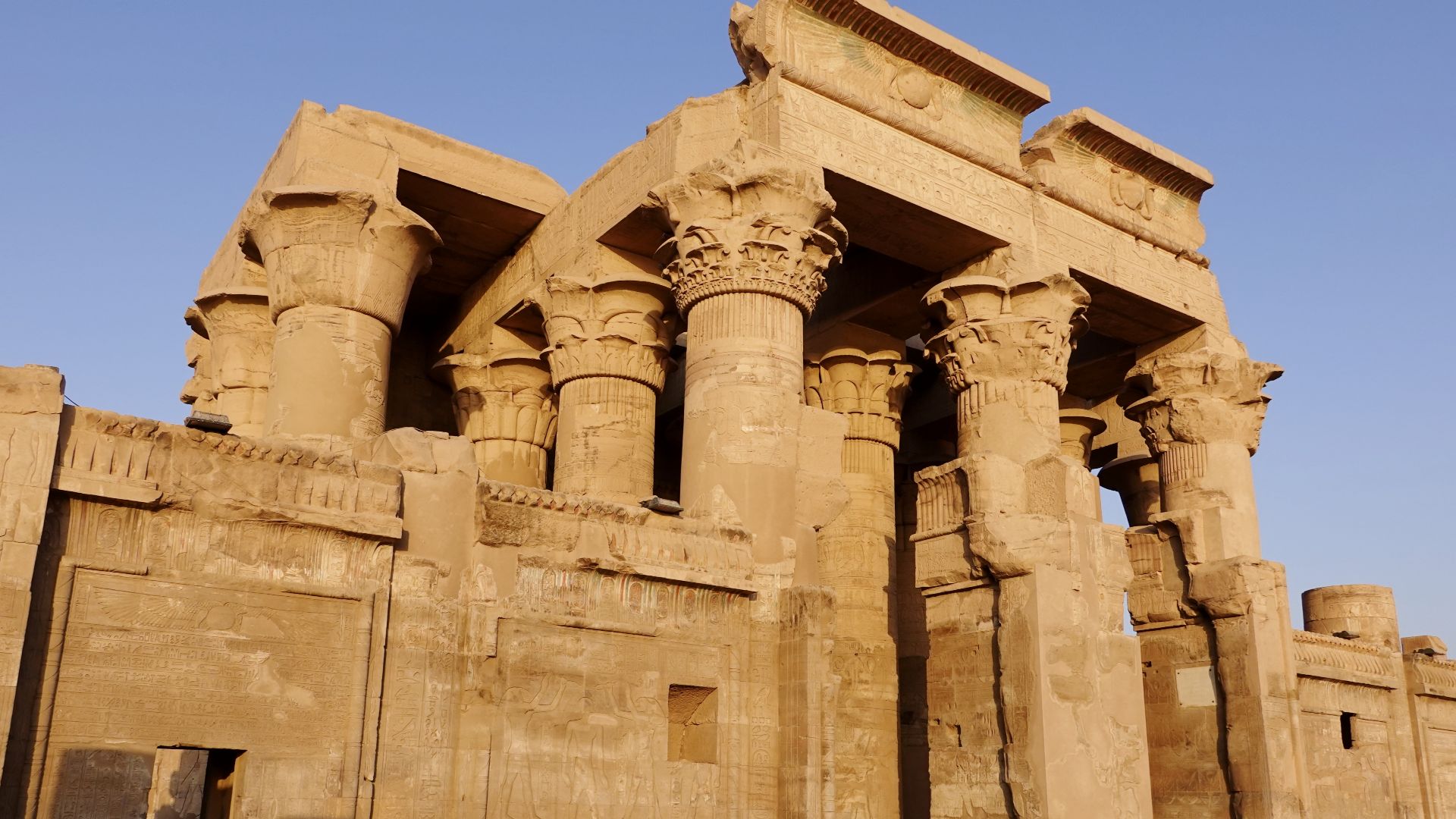 Olaf Tausch, Wikimedia Commons
A Tomb Shrouded In Mystery
Most pharaohs rest in locations we've mapped and studied for generations. Cleopatra's burial site, however, vanished completely from historical records. Archaeologists have searched for decades without success. Each failed expedition only adds to the theories about where she might be.
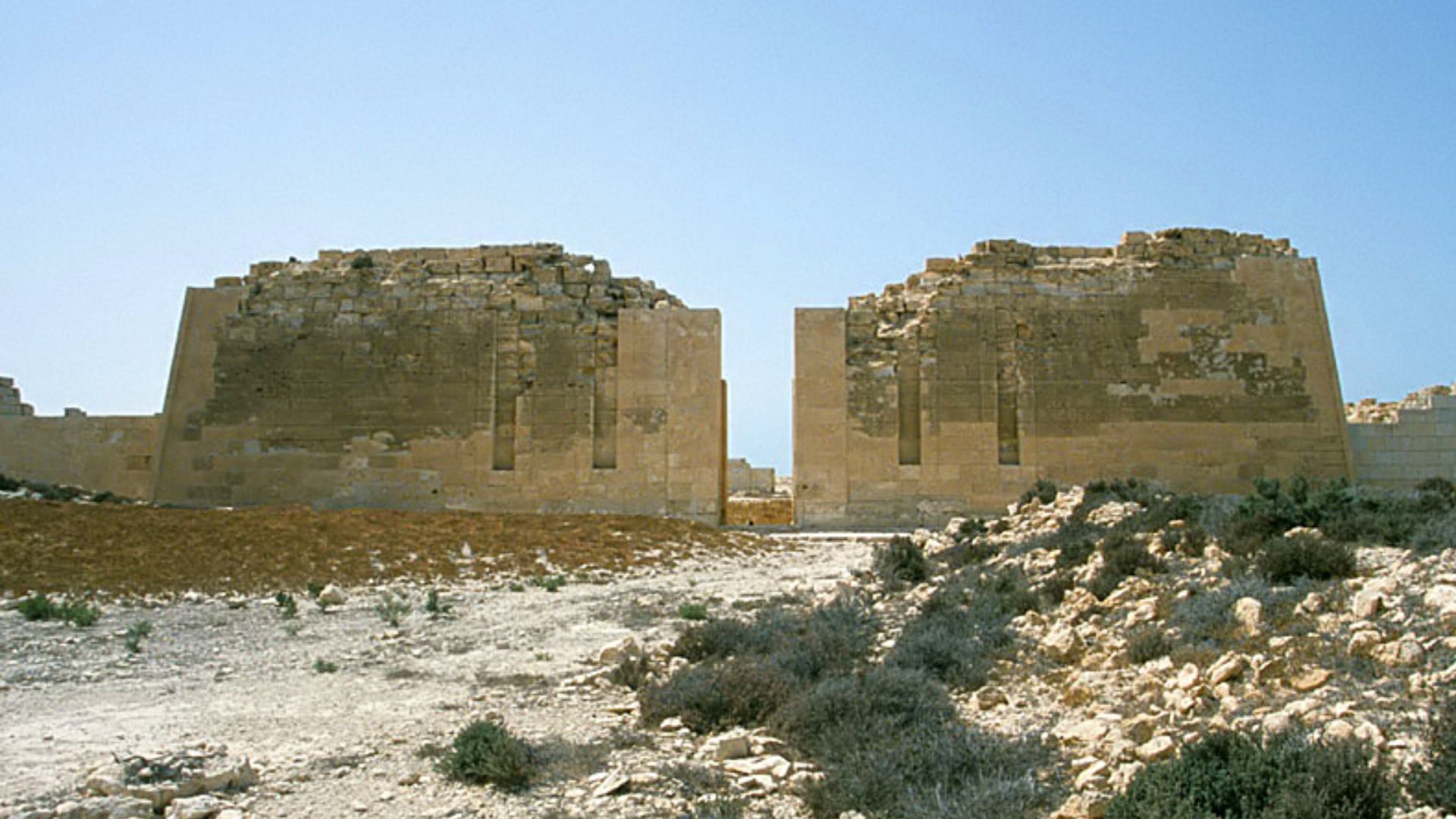 Roland Unger, Wikimedia Commons
The Roman Threat
After Octavian’s victory, Cleopatra remained a political liability. Though Roman rule embraced Egyptian culture, her tomb risked desecration or exploitation. Loyal followers likely hid it to protect her body, legacy, and royal dignity. Secrecy became her final shield against the enemies who outlived her.
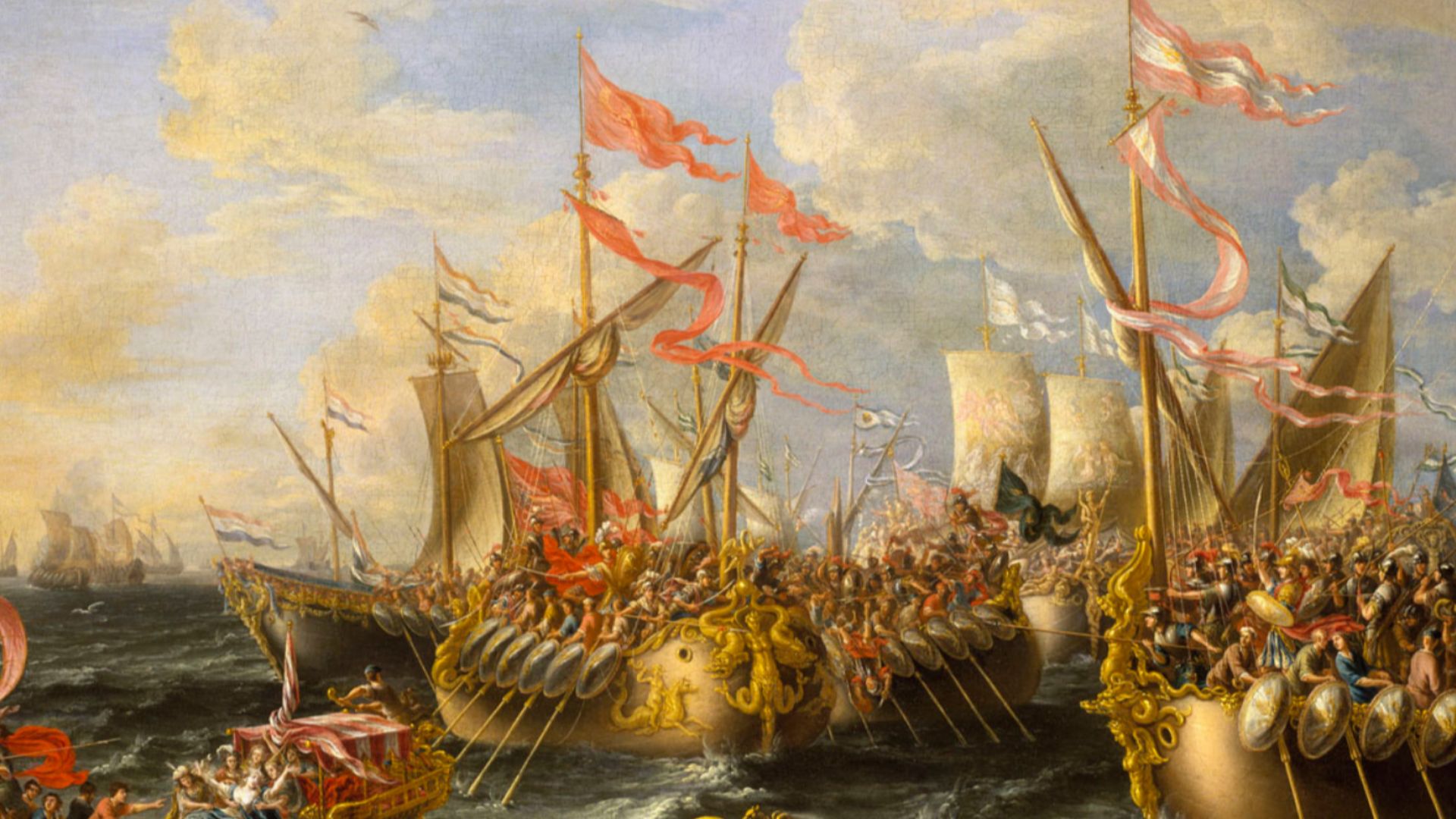 Laureys a Castro, Wikimedia Commons
Kathleen Martinez's Mission
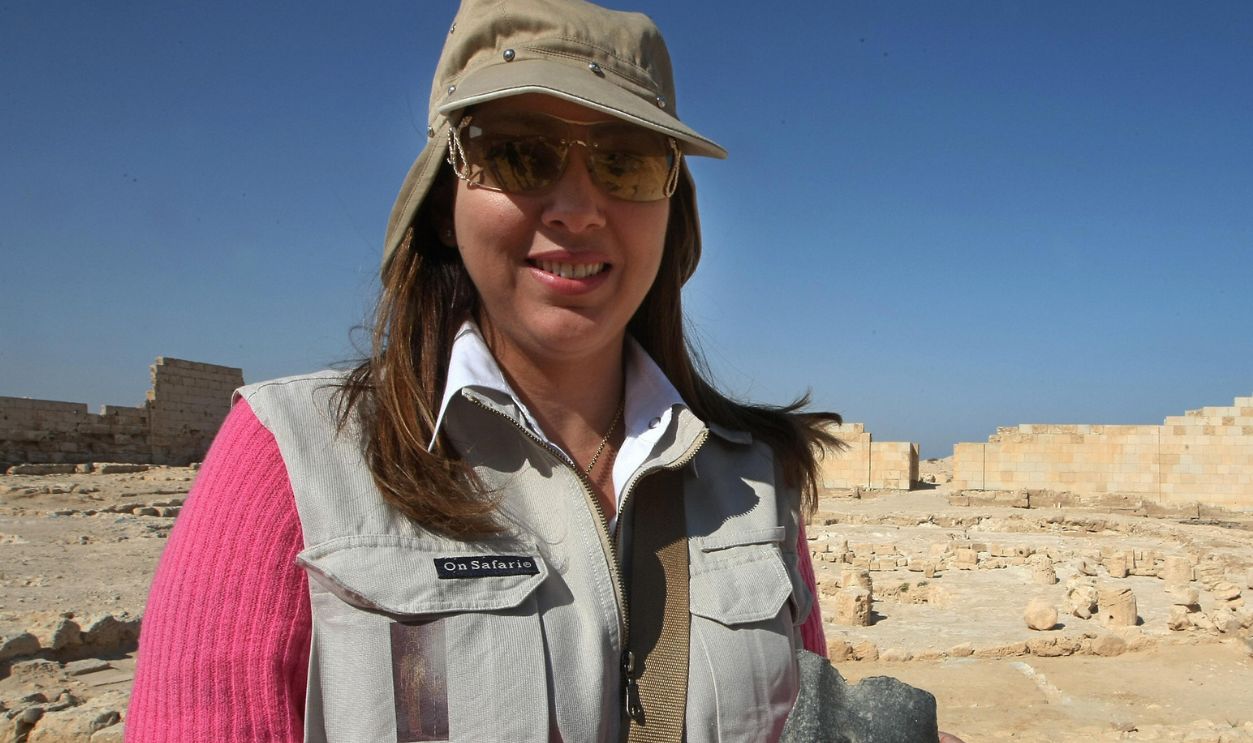
Archaeologist Kathleen Martinez has spent more than twenty years searching for Cleopatra’s tomb. Unlike others, she approached the mystery through religious symbolism, believing Cleopatra chose meaning and protection over traditional royal burial customs.
Why Taposiris Magna
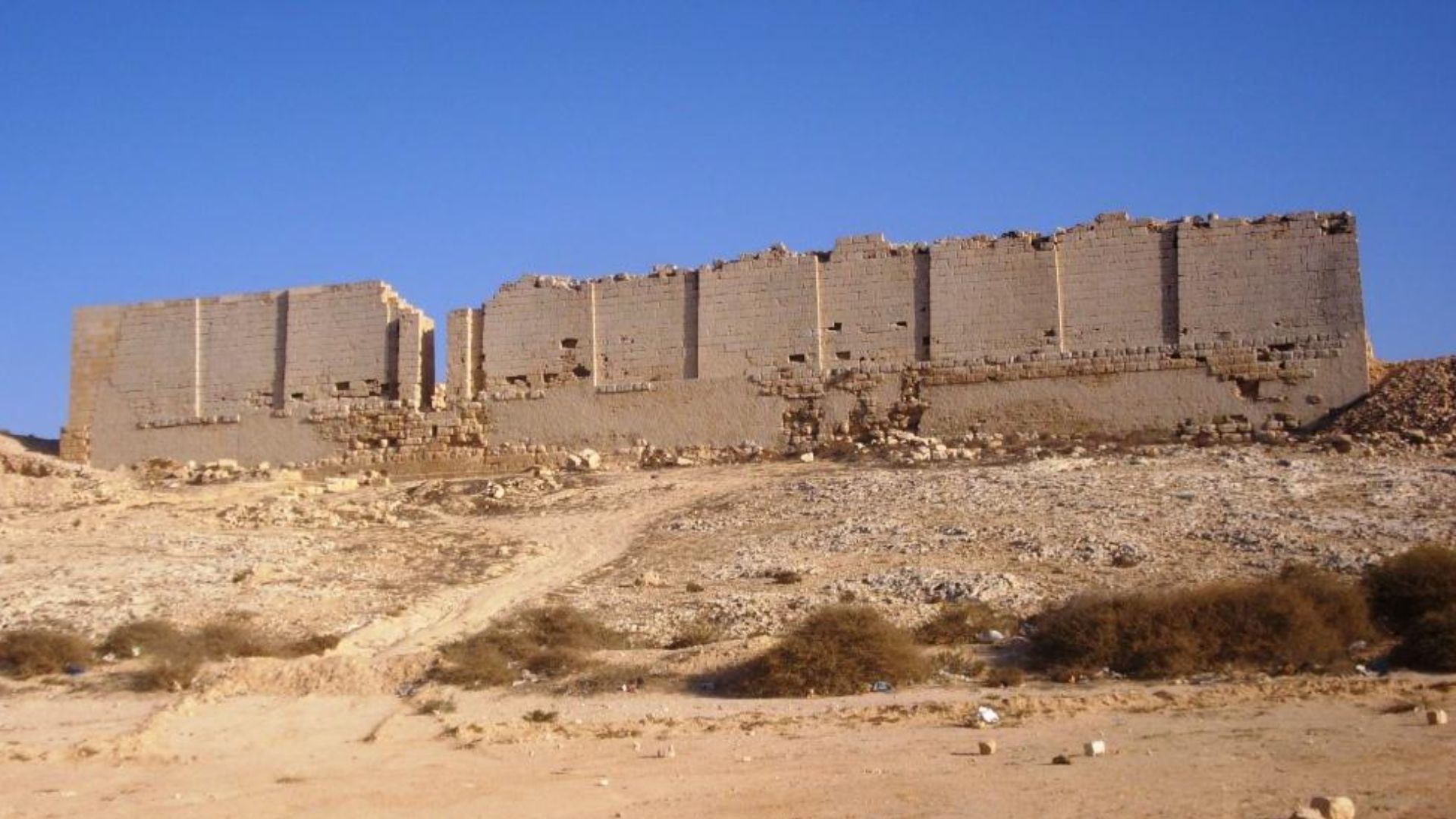
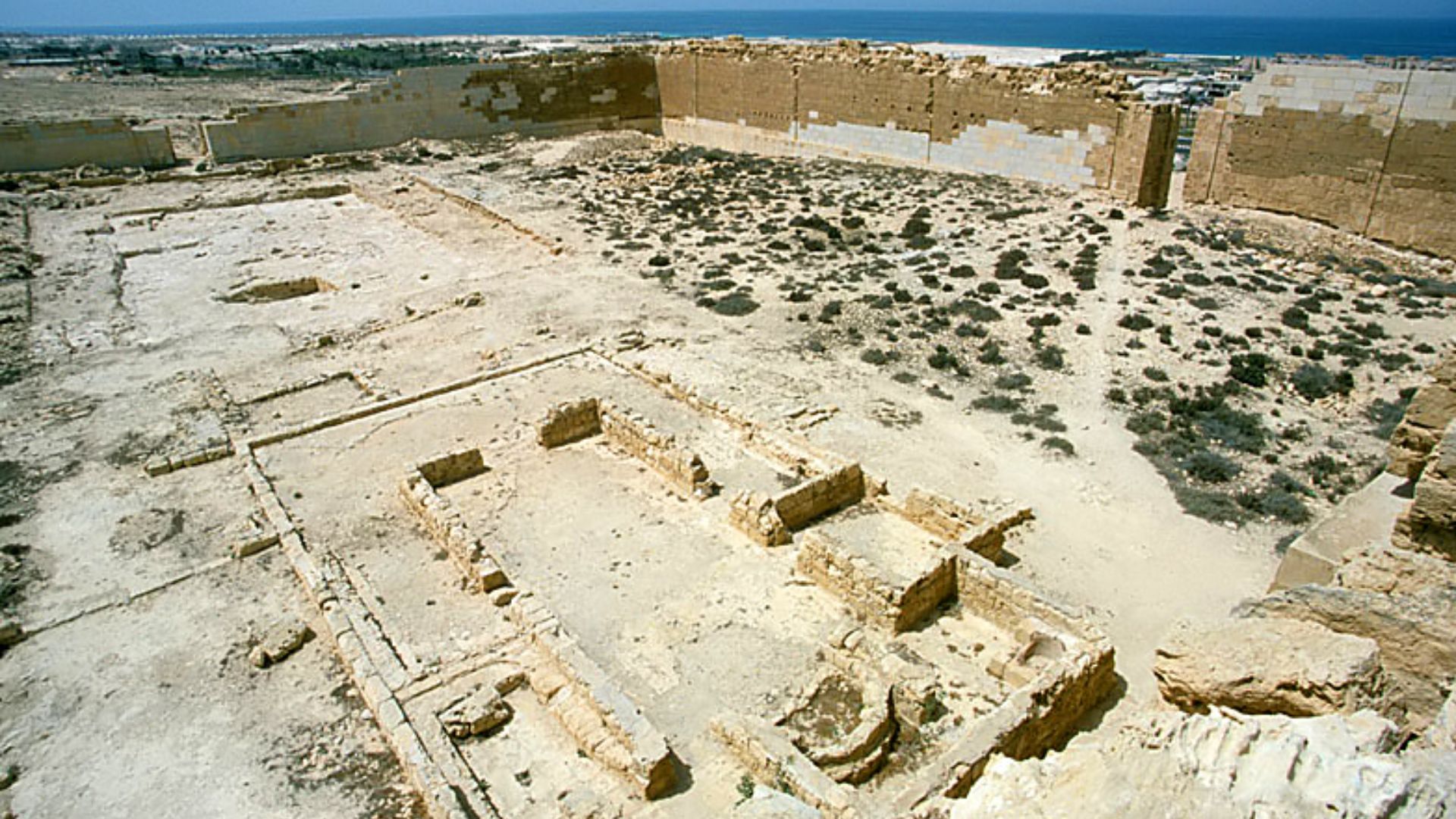
Martinez focused her entire search on a temple located west of Alexandria along the coast. Taposiris Magna was built to honor Osiris, the god who ruled over the afterlife and rebirth. Cleopatra would have wanted divine protection in the afterlife, which made this temple perfect.
The Queen As Isis
Cleopatra often associated herself with Isis, goddess of rebirth and magic. Burial near Osiris reinforced this divine identity. In her final chapter, she unified political authority, religion, and symbolism into one final expression of power.
 Deiadameian, Wikimedia Commons
Religious Evidence At The Site
Statues of Isis and Osiris discovered within the temple confirm strong religious practice during Cleopatra’s reign. These findings align with her public image and strengthen the theory that Taposiris Magna held personal significance.
 Roland Unger, Wikimedia Commons
Finds Of Ceremonial Objects
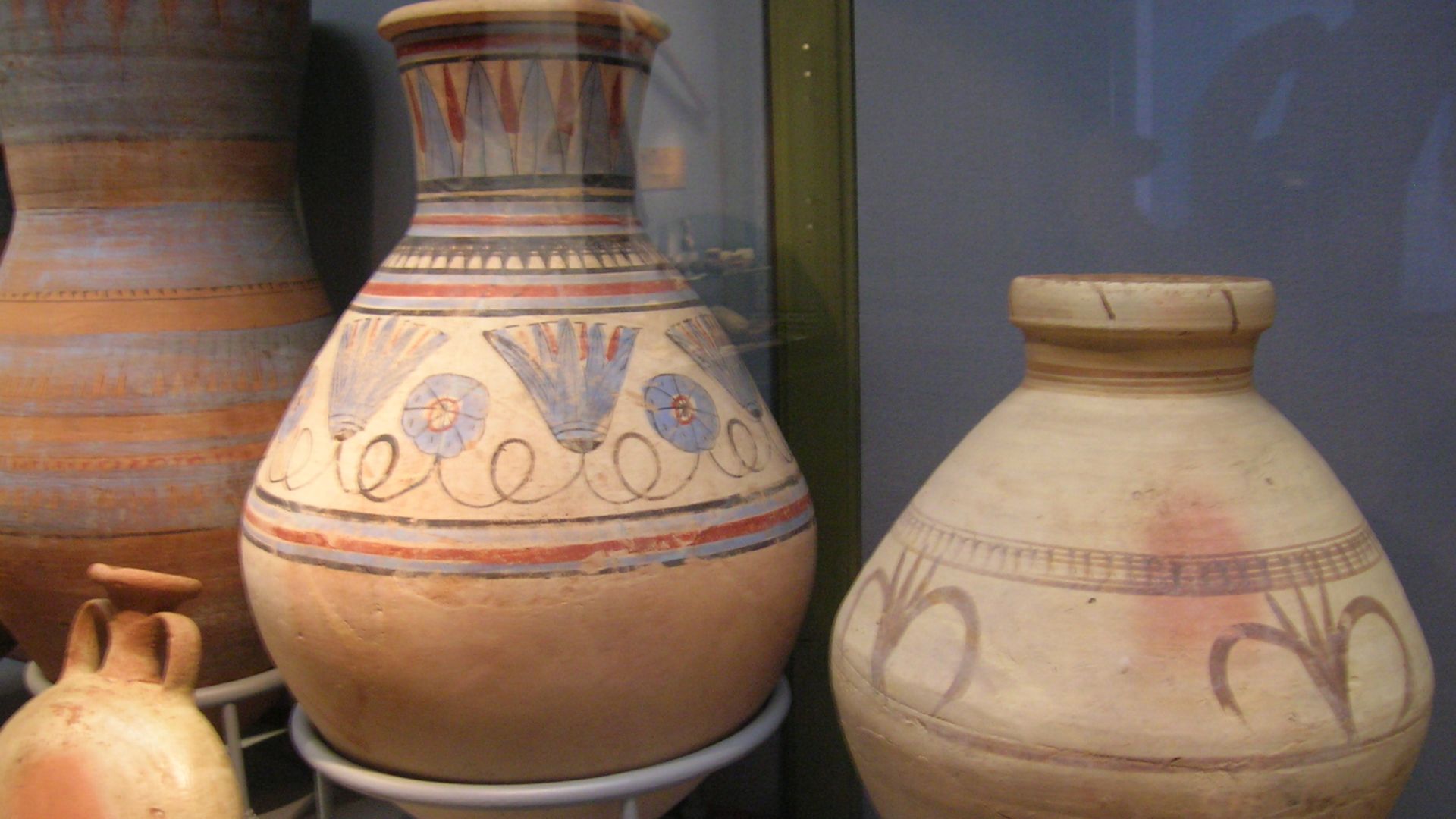
Excavations revealed pottery, alabaster busts, and ritual artifacts inside the temple. Such items point to active religious ceremonies during Cleopatra’s reign. Their presence strengthens the theory that Taposiris Magna was not only symbolic but also a site of funerary importance.
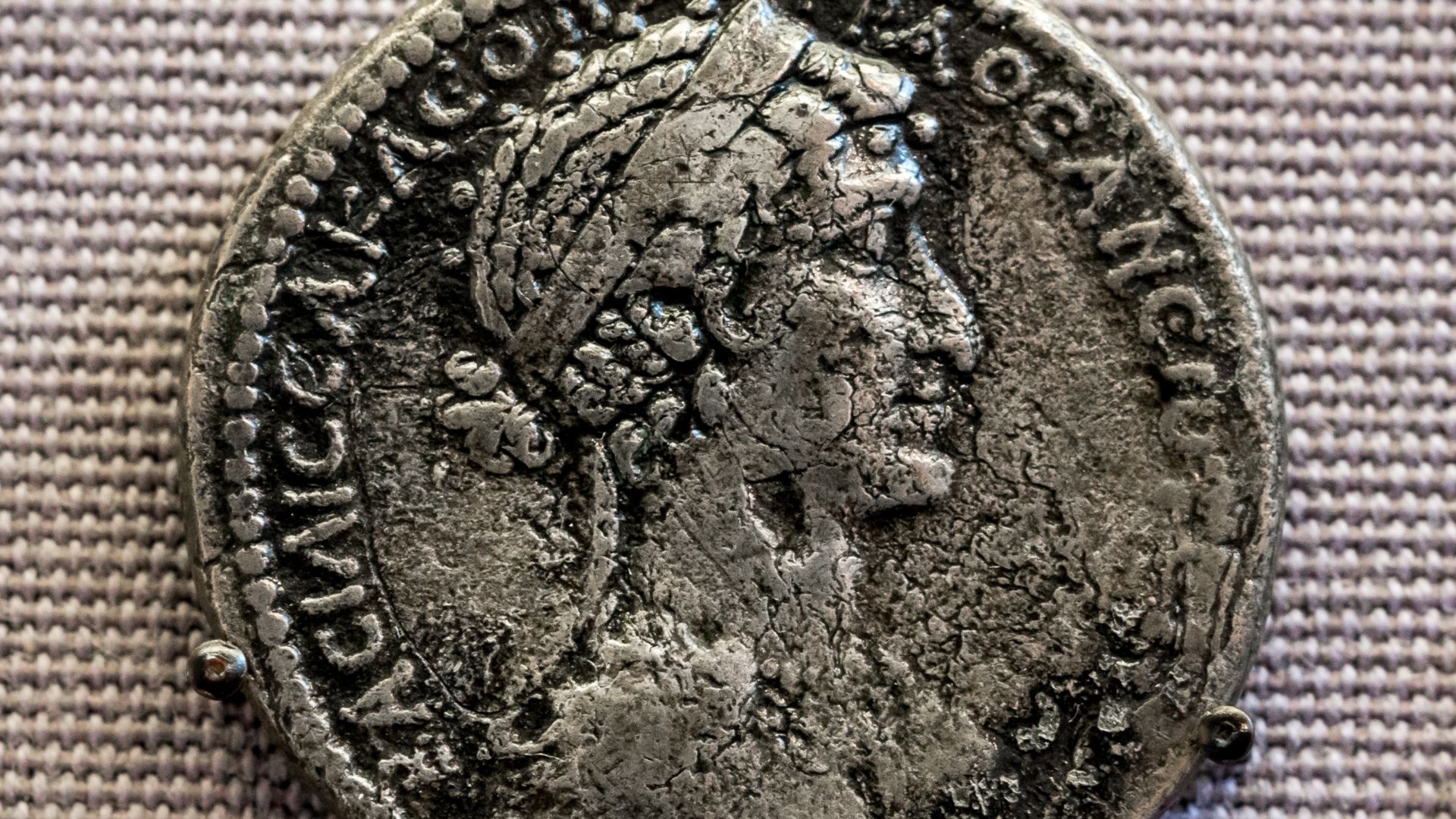
Coins Bearing Cleopatra's Face
The excavation team discovered over 300 bronze coins scattered throughout the temple complex. Each coin bore Cleopatra's profile stamped into the metal. This proved she maintained strong financial ties to Taposiris Magna during her reign.
 ArchaiOptix, Wikimedia Commons
Discovery Of A Submerged Harbor
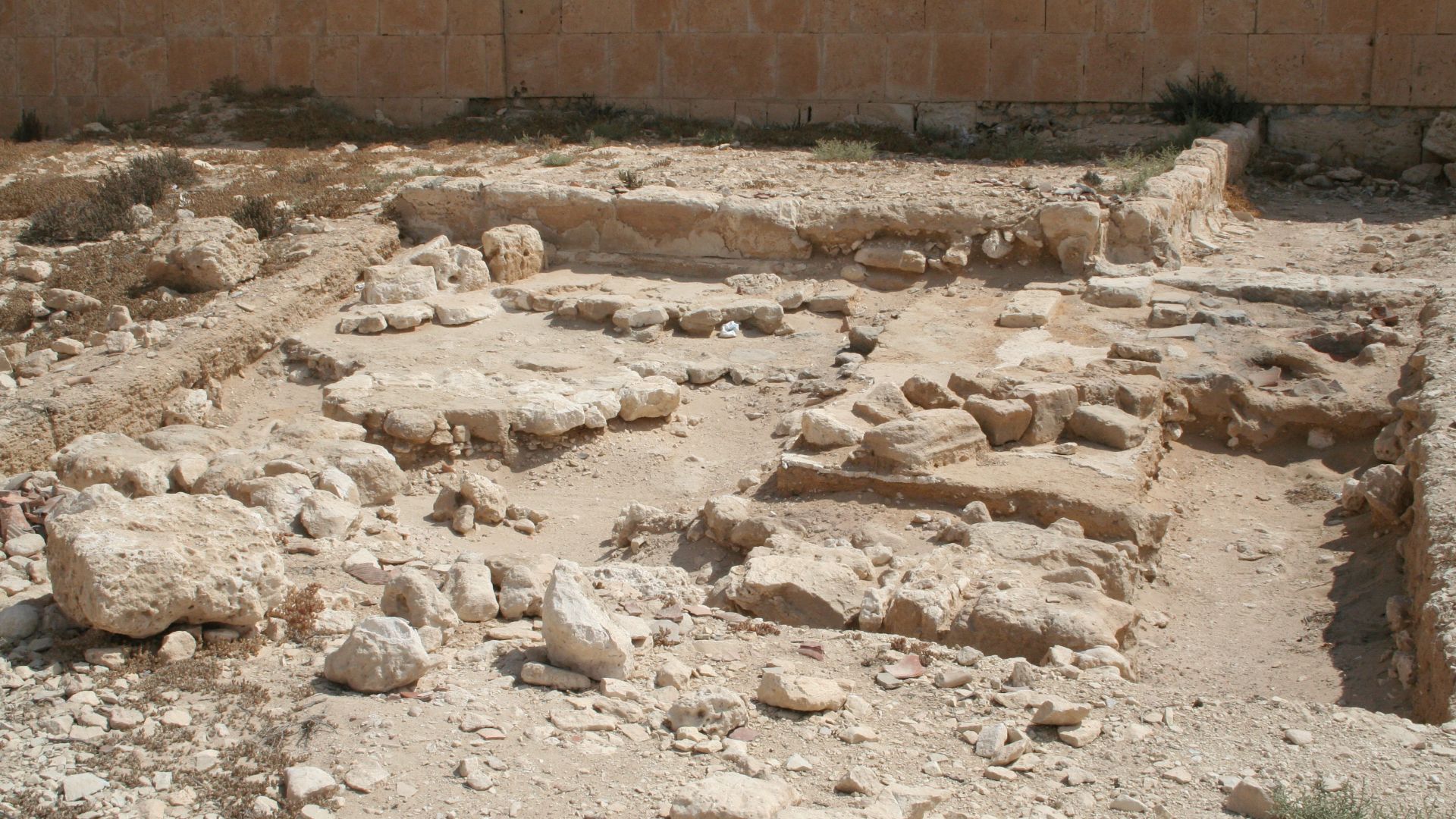
Underwater surveys revealed the remains of ancient docks lying just offshore from the temple. The harbor clearly supported major trade routes that connected Egypt to the wider Mediterranean world. This wasn't some forgotten outpost but rather a thriving center that would have deserved royal attention.

Tunnels Beneath The Temple
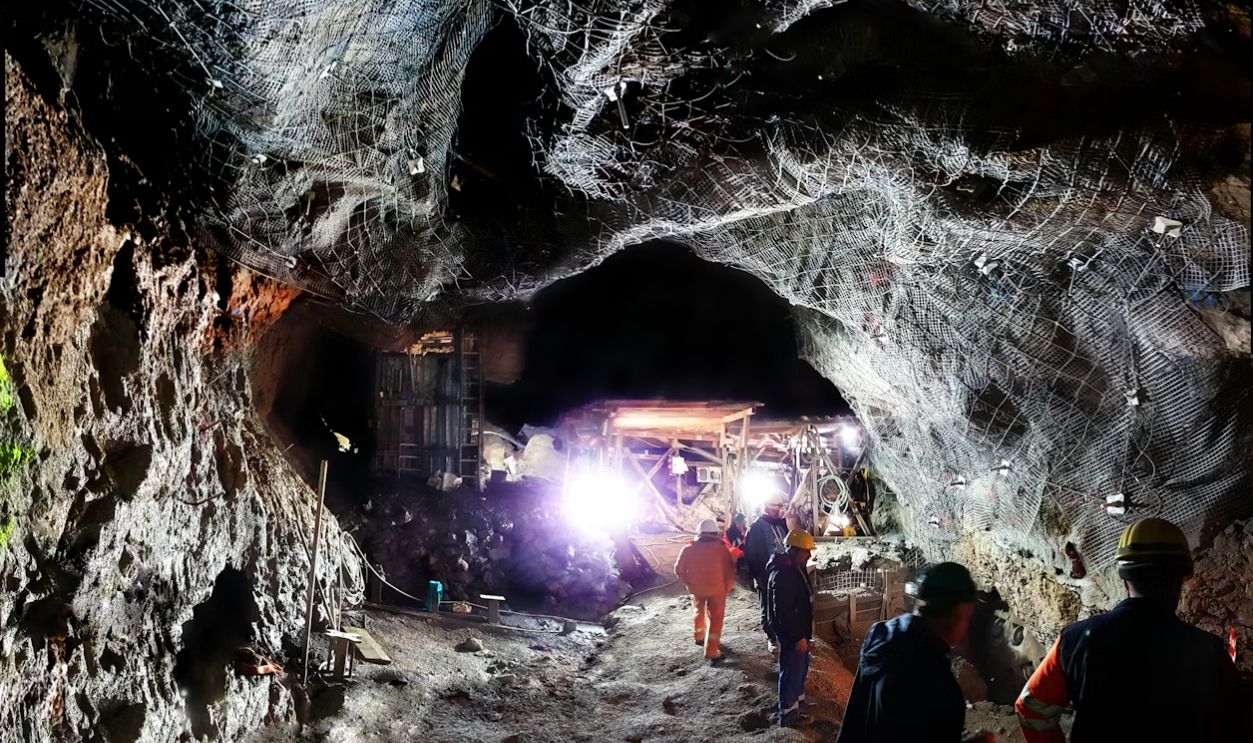
Workers discovered elaborate passageways stretching for miles underneath the temple foundation. These tunnels connect multiple chambers that branch off in different directions. Many passages remain completely unexplored because flooding has made them too dangerous to enter.
 Einsamer Schutze, Wikimedia Commons
Engineering Beyond Utility
The tunnel featured careful stonework and advanced drainage systems. Such engineering required resources and planning. Archaeologists believe it was built to guard something valuable, possibly shielding a burial from floods, collapse, or intruders.
The Double Burial Theory
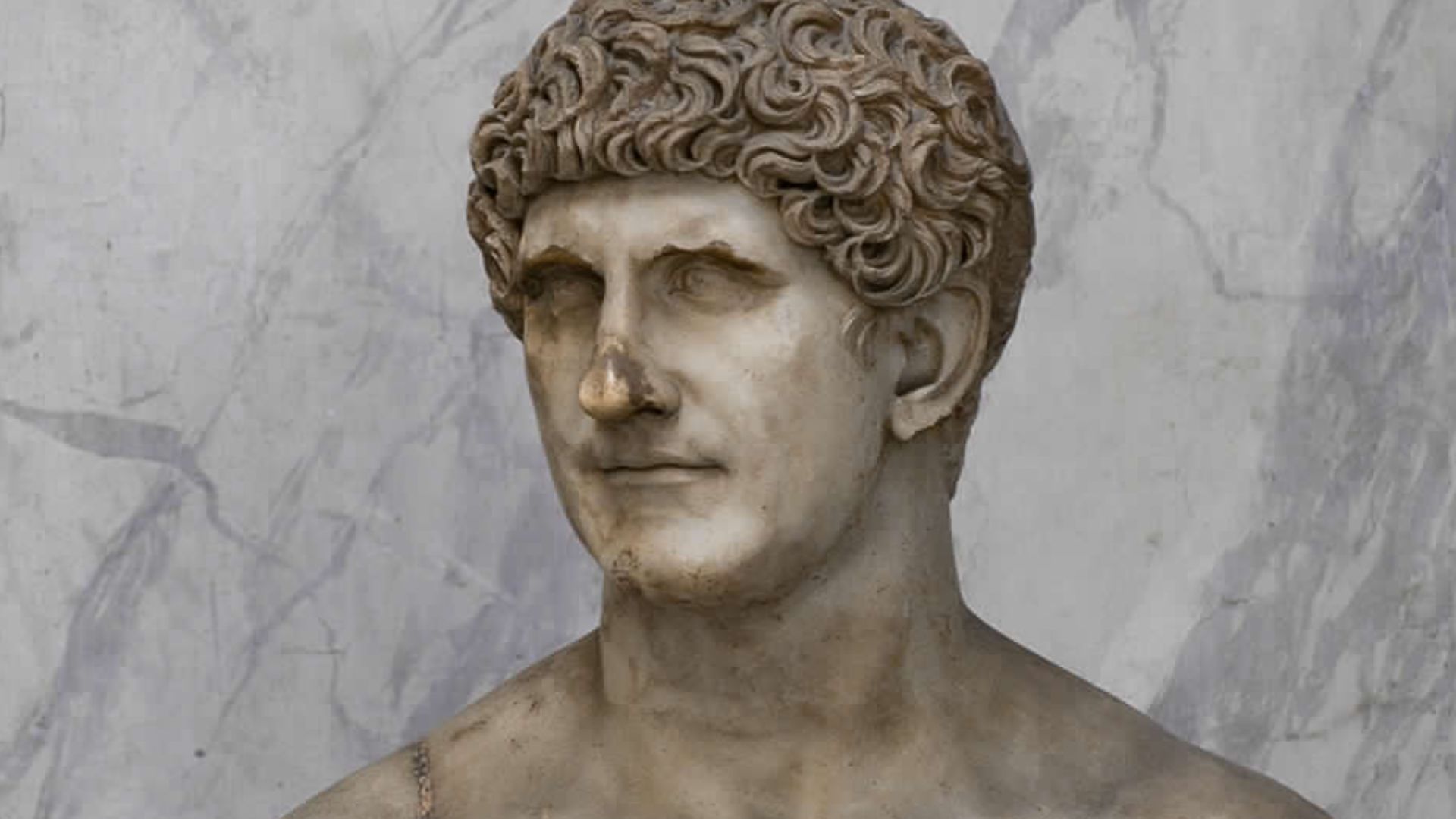
Martinez believes Mark Antony's body rests beside Cleopatra's in a shared tomb. The couple died together shortly after their military defeat at Actium. Egyptian custom would have honored their romantic bond even in death. A joint burial chamber would have symbolized their political alliance while defying Rome one final time.
 Ancient Roman artist of the 1st century AD (photo taken by Sergey Sosnovskiy), Wikimedia Commons
A Mission Of Love
Martinez describes this search as something deeply personal rather than purely academic. She sees Cleopatra as a brilliant woman misunderstood by patriarchal historians. History reduced a capable queen to nothing but scandalous rumors about her love life. Finding her tomb means giving back the dignity that centuries of propaganda stole from her memory.
Why The Tomb Matters
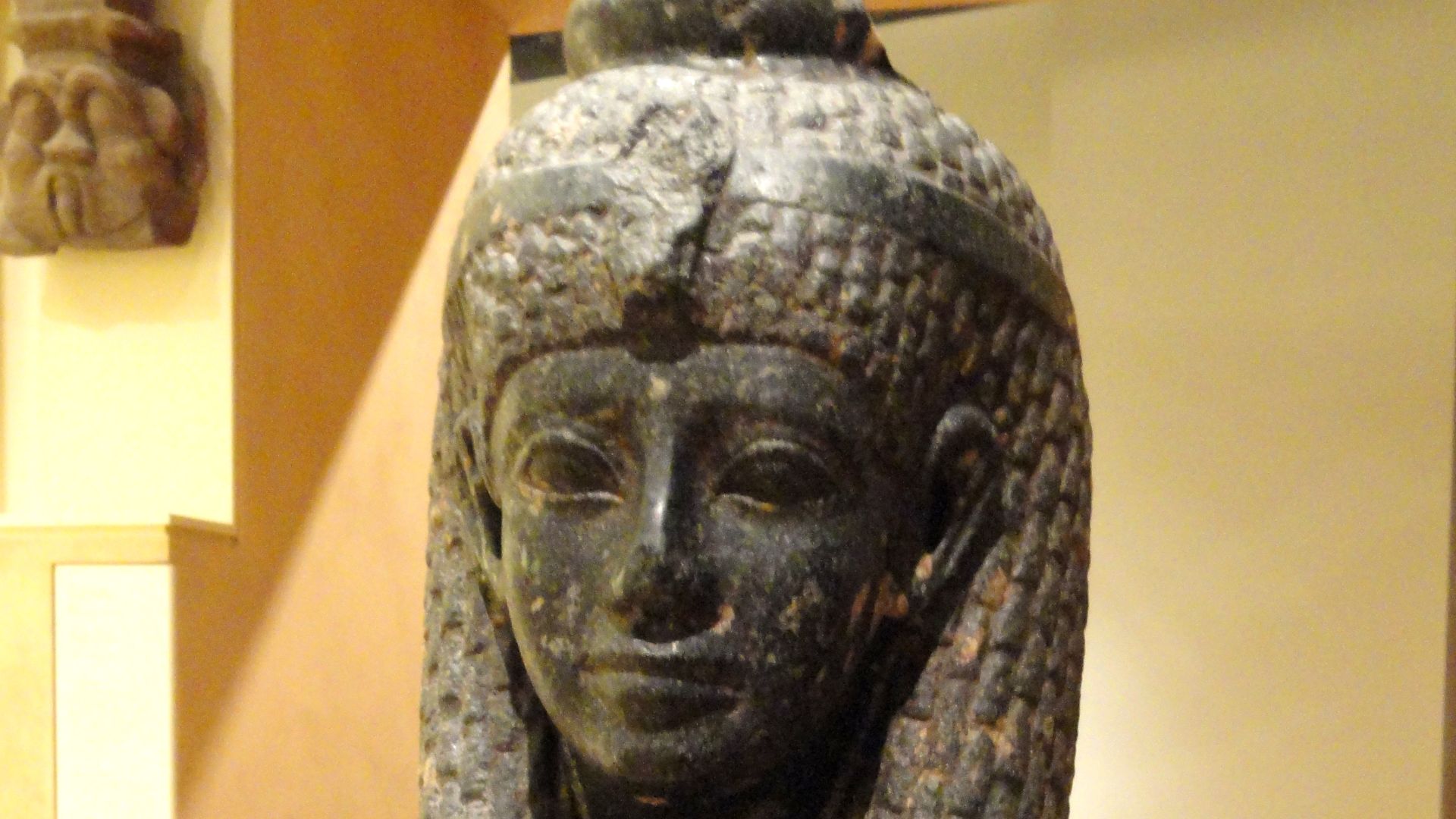
This search goes far beyond simply finding the bones of a famous queen. Her tomb holds concrete answers to questions historians have asked for over two millennia. The burial chamber contains artifacts that could explain Egyptian religious beliefs we barely understand. Discovery would prove that women successfully ruled vast empires.
 Jean-Pierre Dalbera from Paris, France, Wikimedia Commons
Flooded Underground Networks
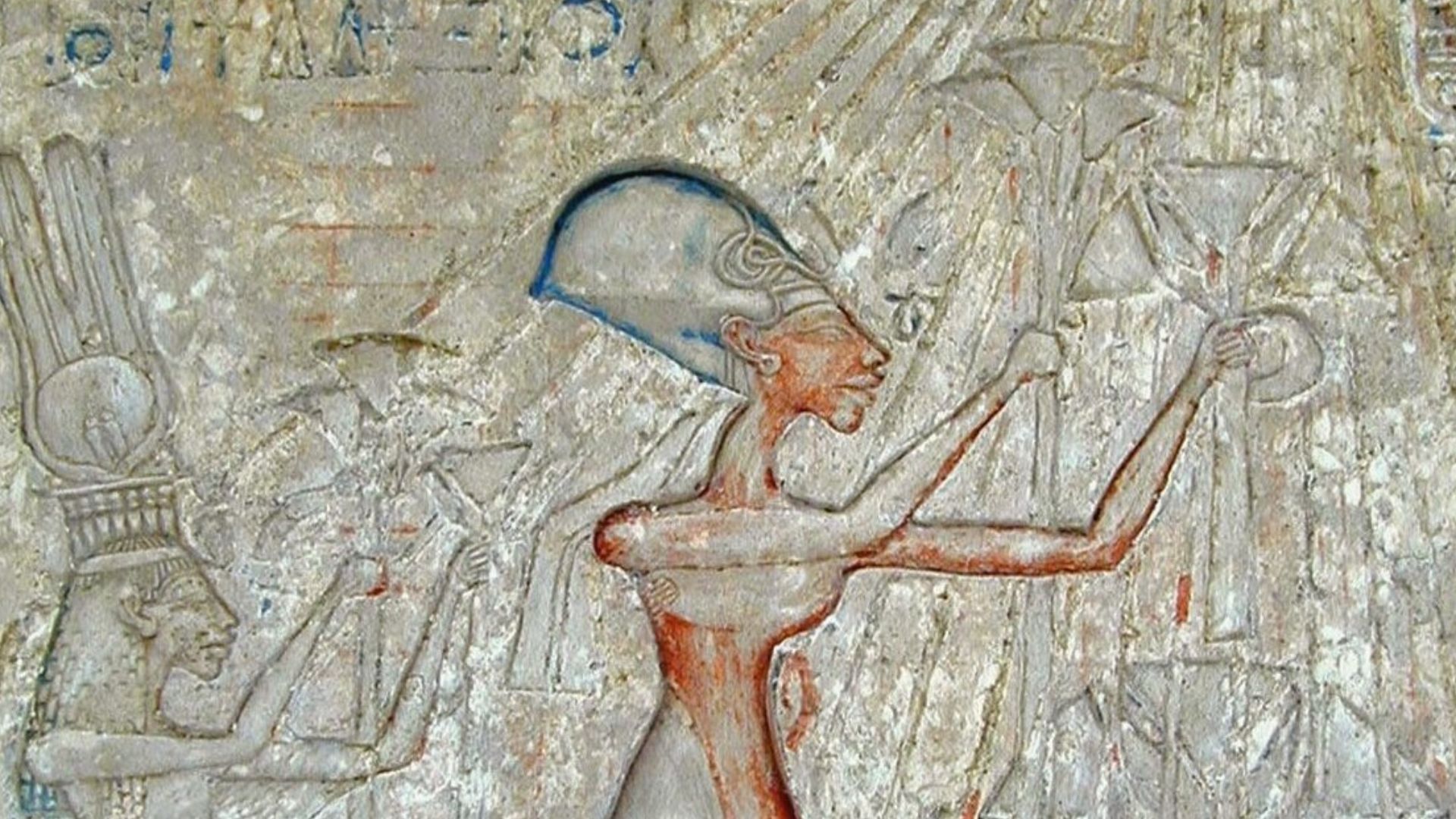
Rising groundwater over centuries has submerged major sections of the tunnel system. Continuous pumping remains necessary for access. Water damage restricts movement and forces excavation to progress at a painfully slow and controlled pace.
Structural Dangers Below
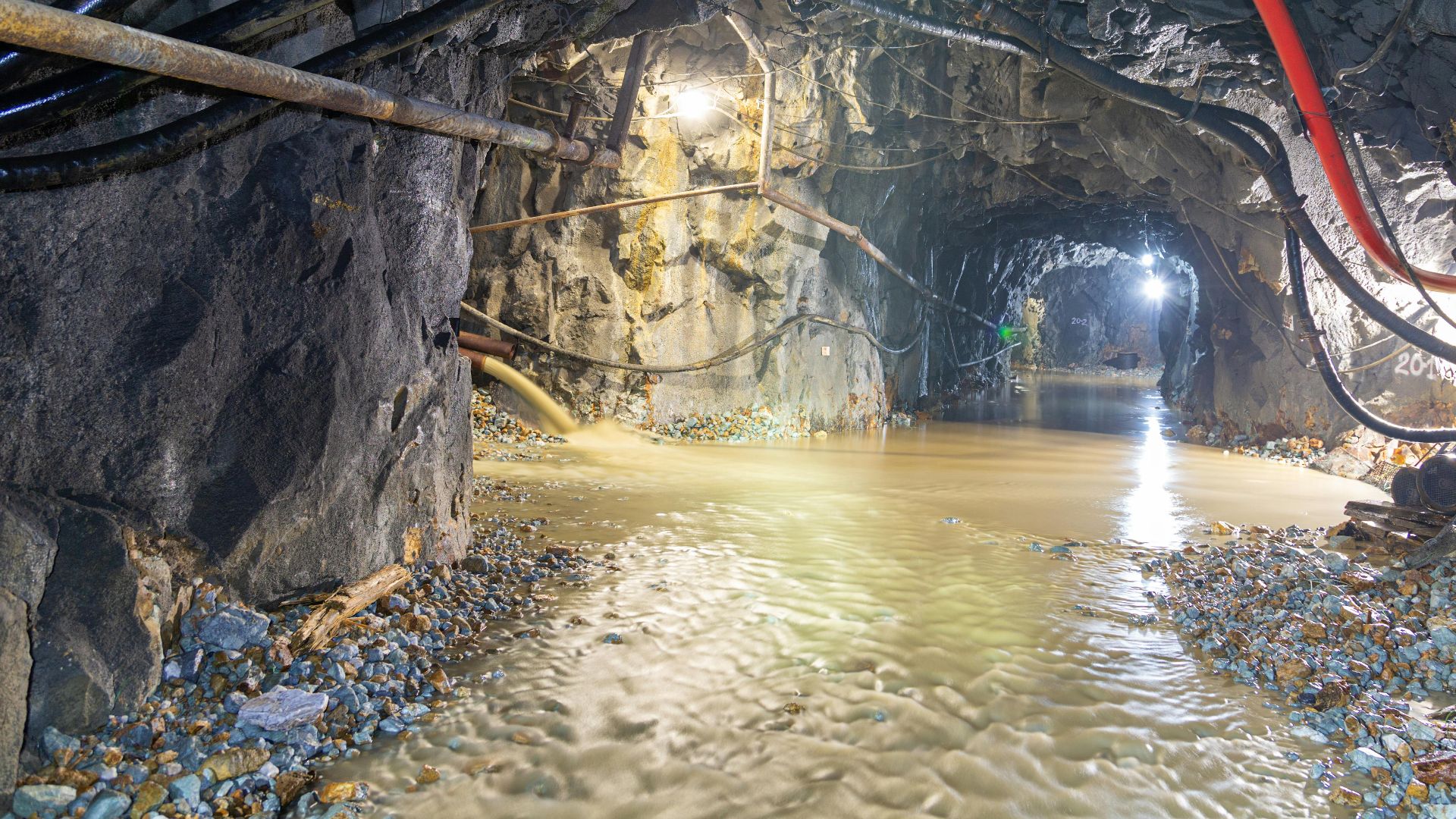
Ancient stone ceilings have collapsed across the underground complex. Unstable passages require careful reinforcement before safe entry. Safety concerns significantly limit exploration depth and prevent continuous work within many dangerous areas of the tunnel network.
Human And Logistical Hardships
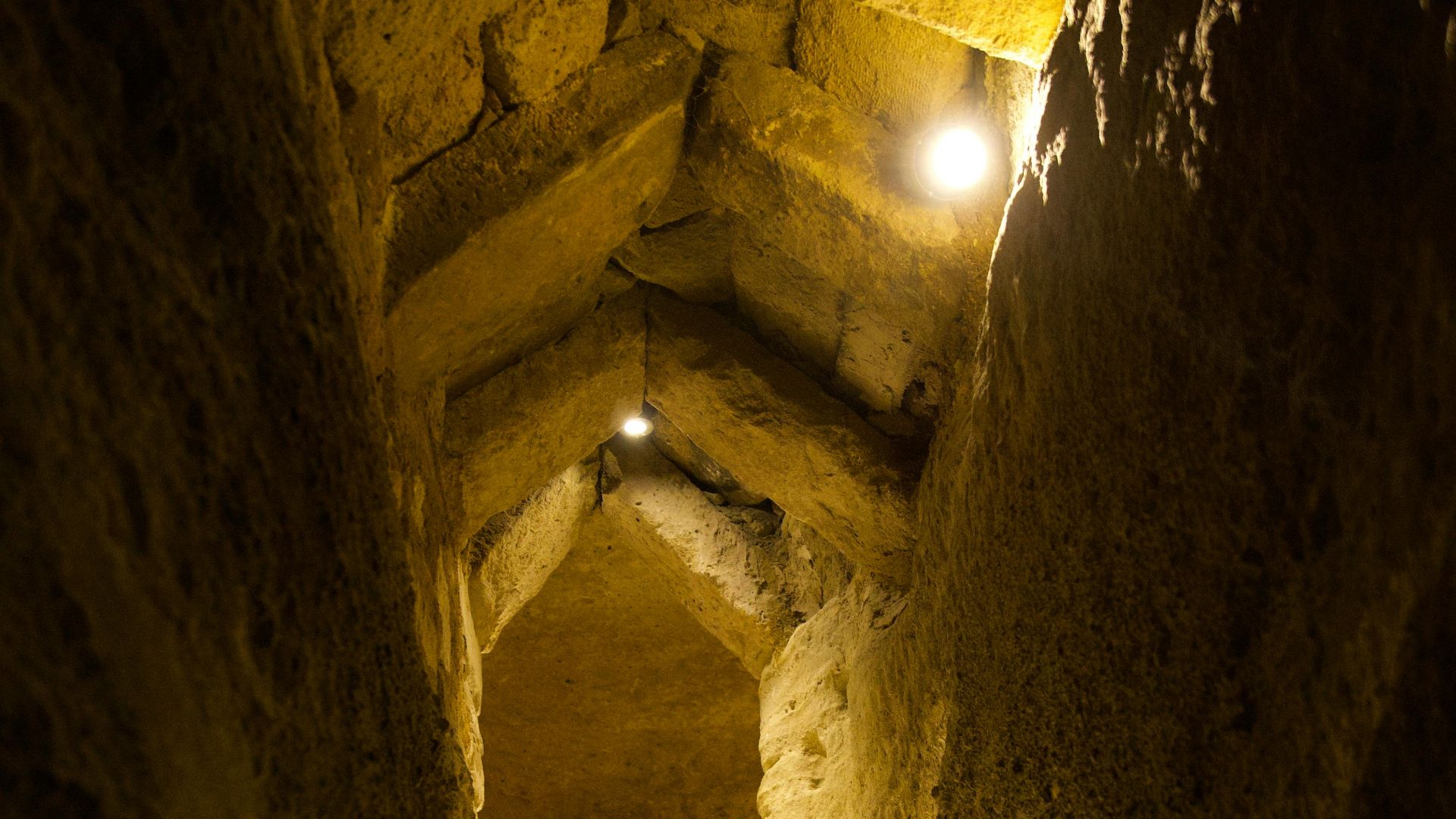
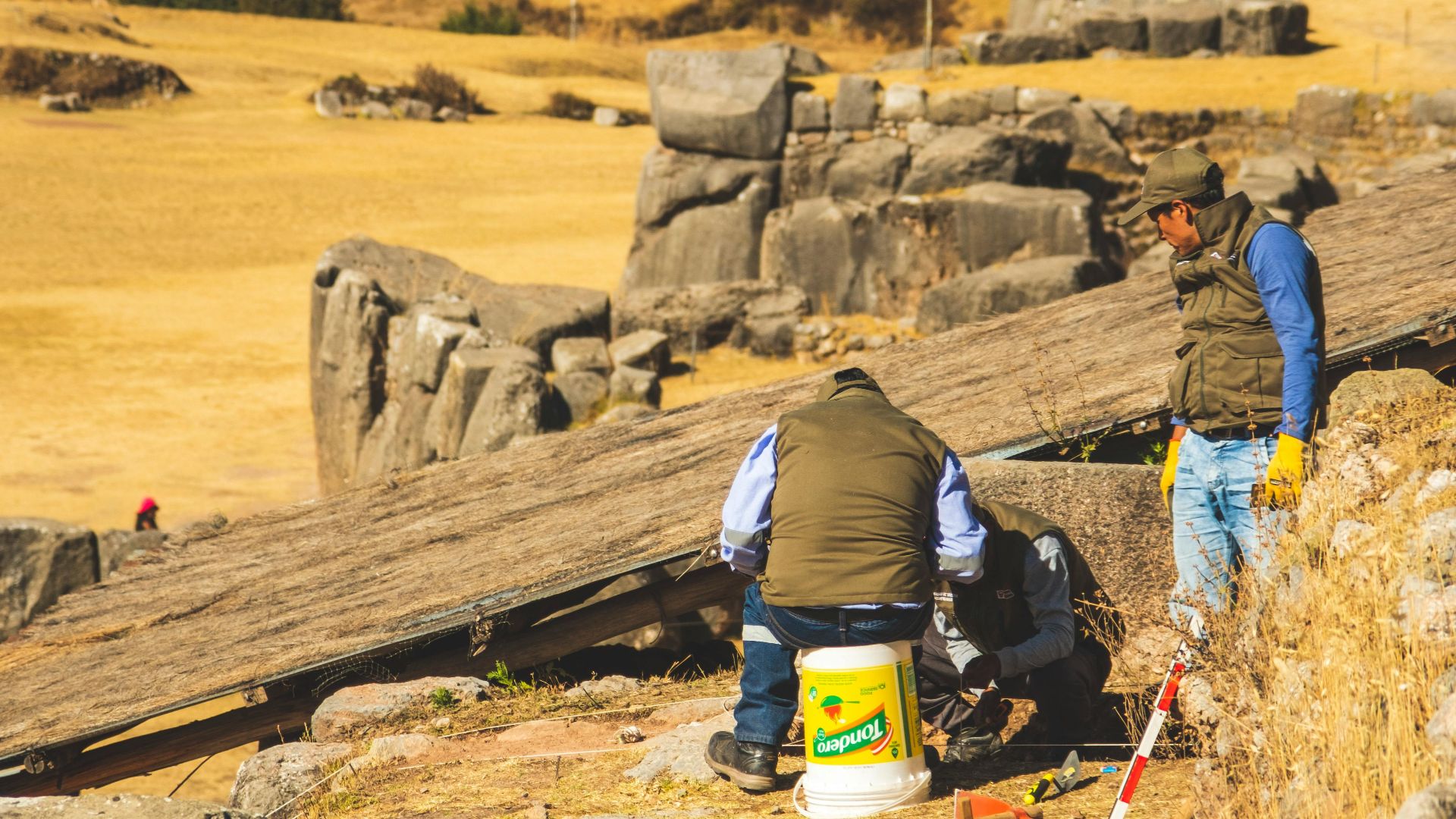
Teams endure extreme summer heat, unpredictable funding shortages, and extended political disruptions. Progress halts frequently during excavation seasons. Motivation continues through small discoveries that confirm archaeological value and justify ongoing effort despite exhausting, challenging conditions.
Technology Joins The Hunt
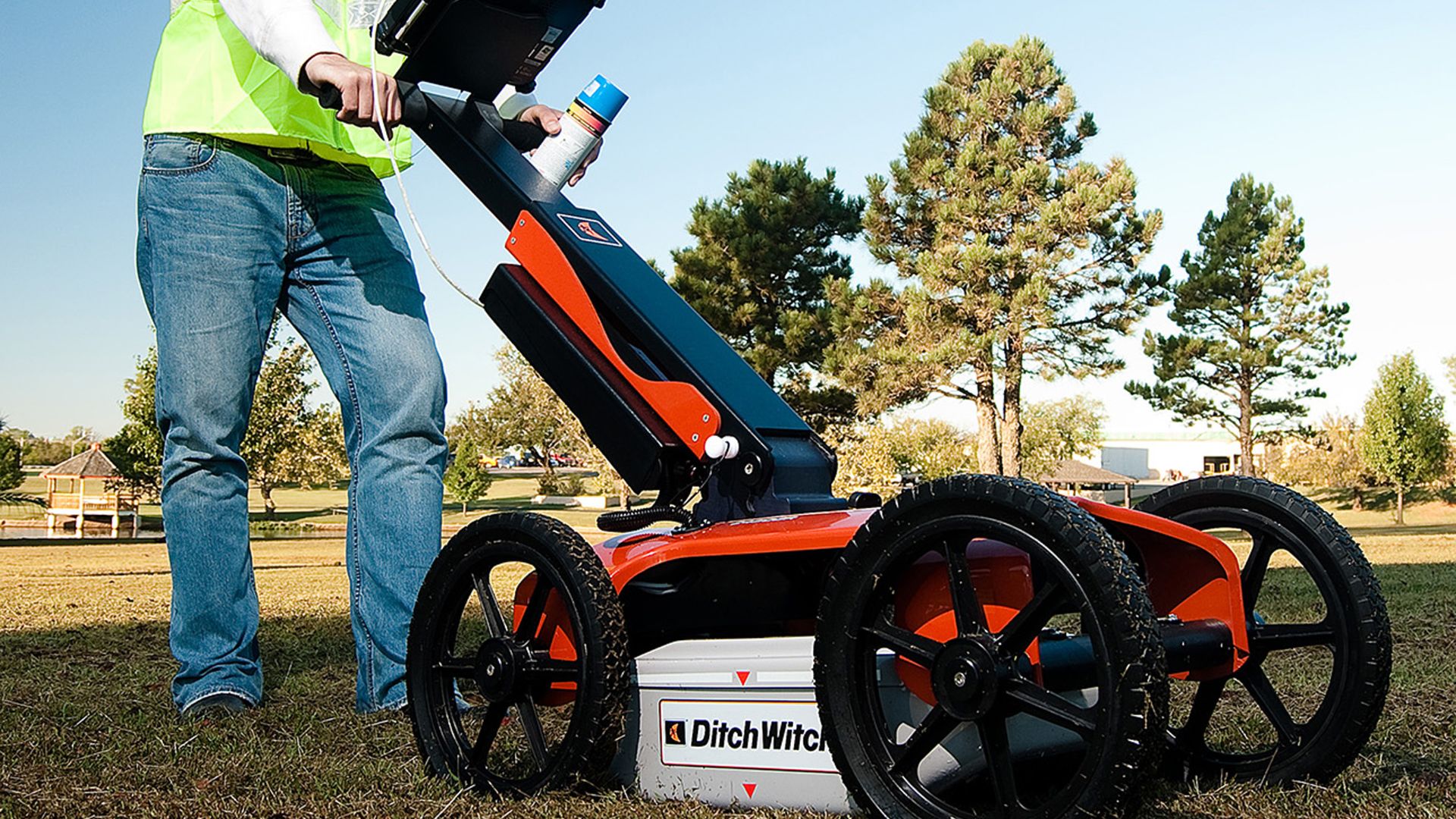
Modern ground-penetrating radar can now map subsurface structures without requiring destructive excavation. Specialized underwater robots explore the flooded tunnel sections that divers cannot safely reach. Satellite imagery reveals ancient architectural foundations invisible from ground level. Martinez strategically combines traditional archaeological methods with innovations that earlier explorers never had available to them.
 The Charles Machine Works, Wikimedia Commons
Help From Underwater Experts
Explorer Bob Ballard joined the project to investigate submerged areas. His expertise in locating deep‑sea structures added a vital dimension. Maritime science combined with traditional archaeology created new possibilities for uncovering evidence near Taposiris Magna.
 Titanic Belfast, Wikimedia Commons
Official Support And Recognition
Egypt’s Ministry of Tourism and Antiqxuities supports the excavation. Officials described the tunnel discovery as extraordinary. Their statements highlight its historical importance and reinforce the legitimacy of the ongoing search for Cleopatra’s final resting place.