Florida’s Ancient Sacred Landscapes
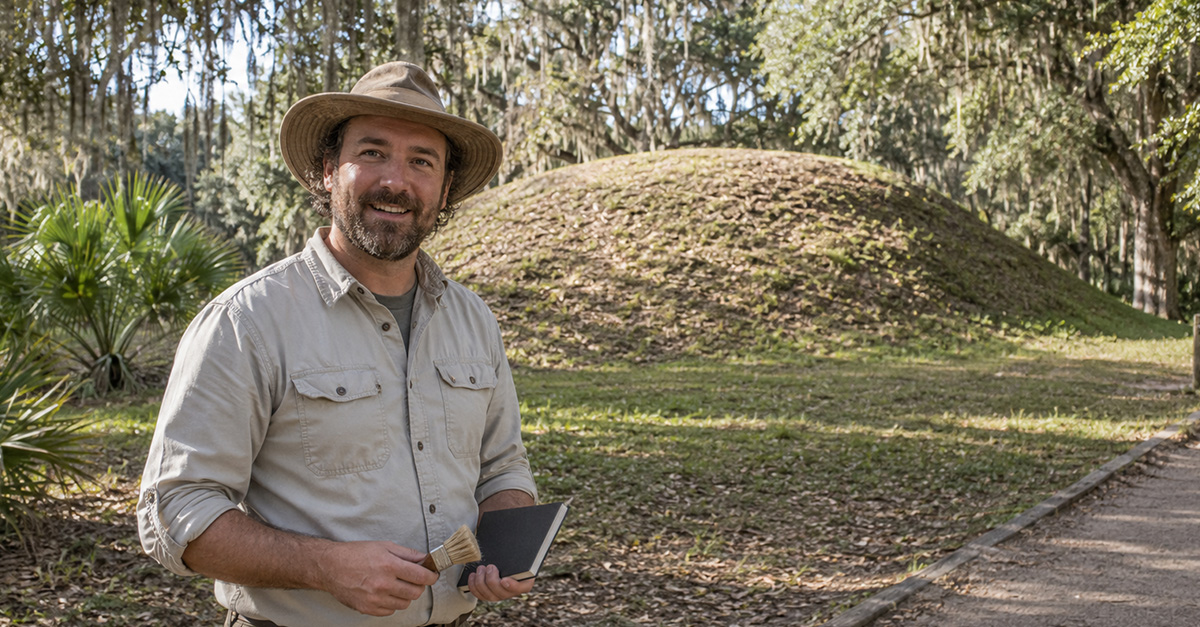
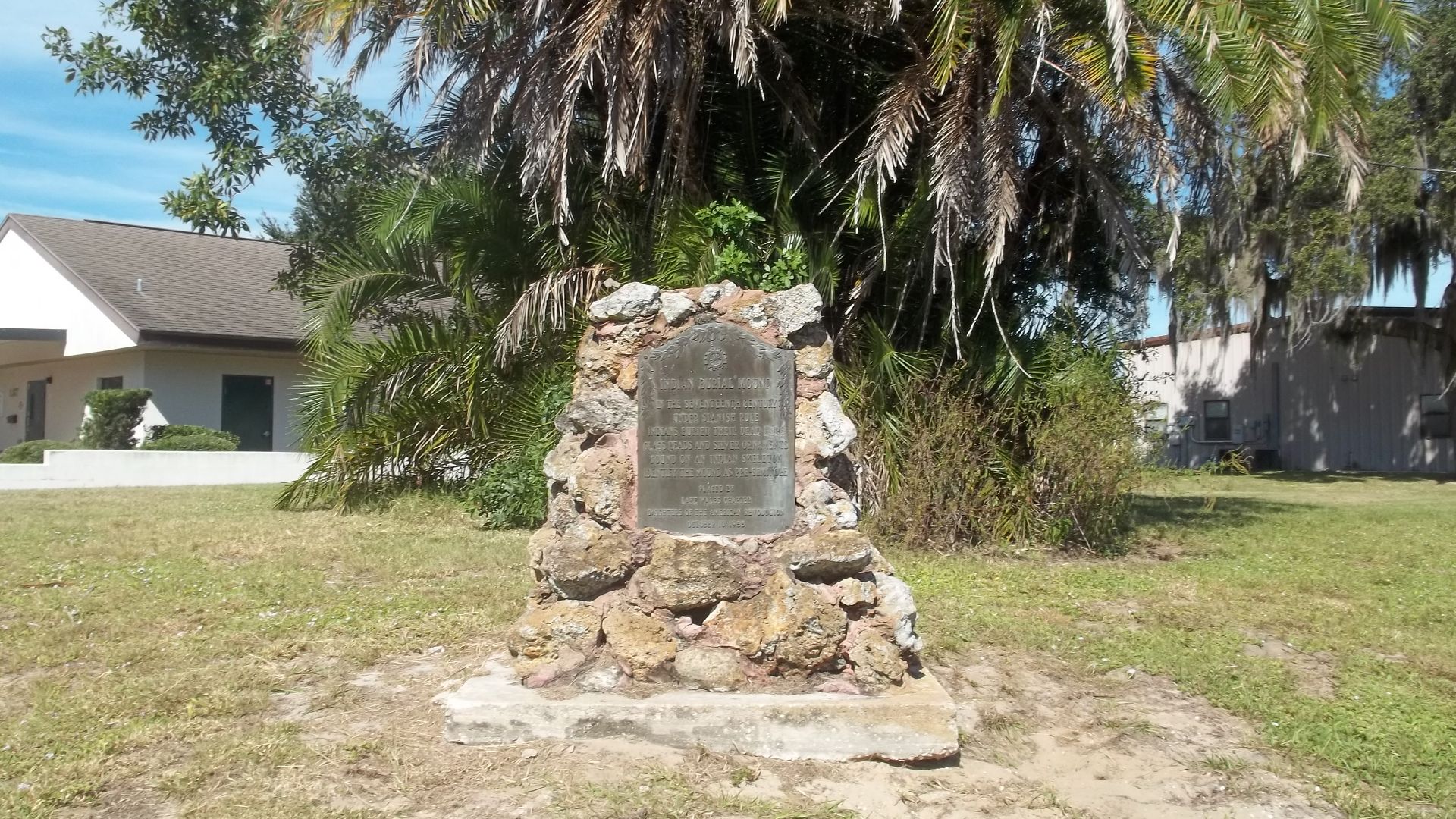
Florida is known for beaches, palm trees, and crowded theme parks. But hidden beneath its forests and neighbourhoods are reminders of a much older world. Thousands of years ago, Indigenous communities built large burial mounds where they honoured their ancestors, gathered for ceremonies, and passed important traditions from one generation to the next.
They Were More Than Dirt Piles
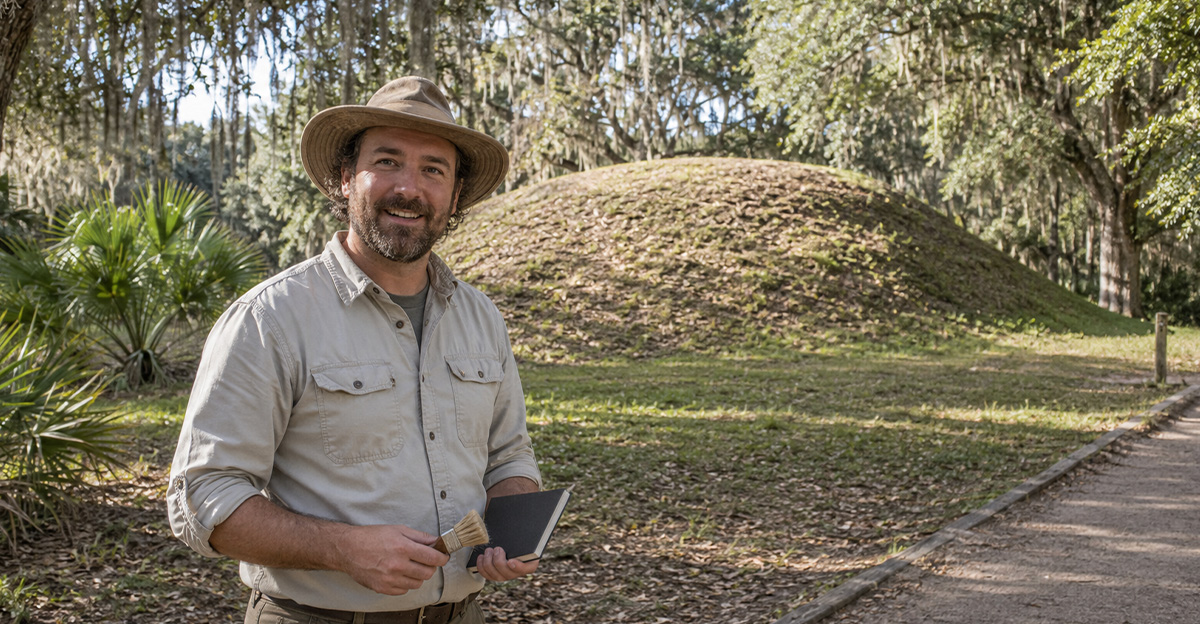
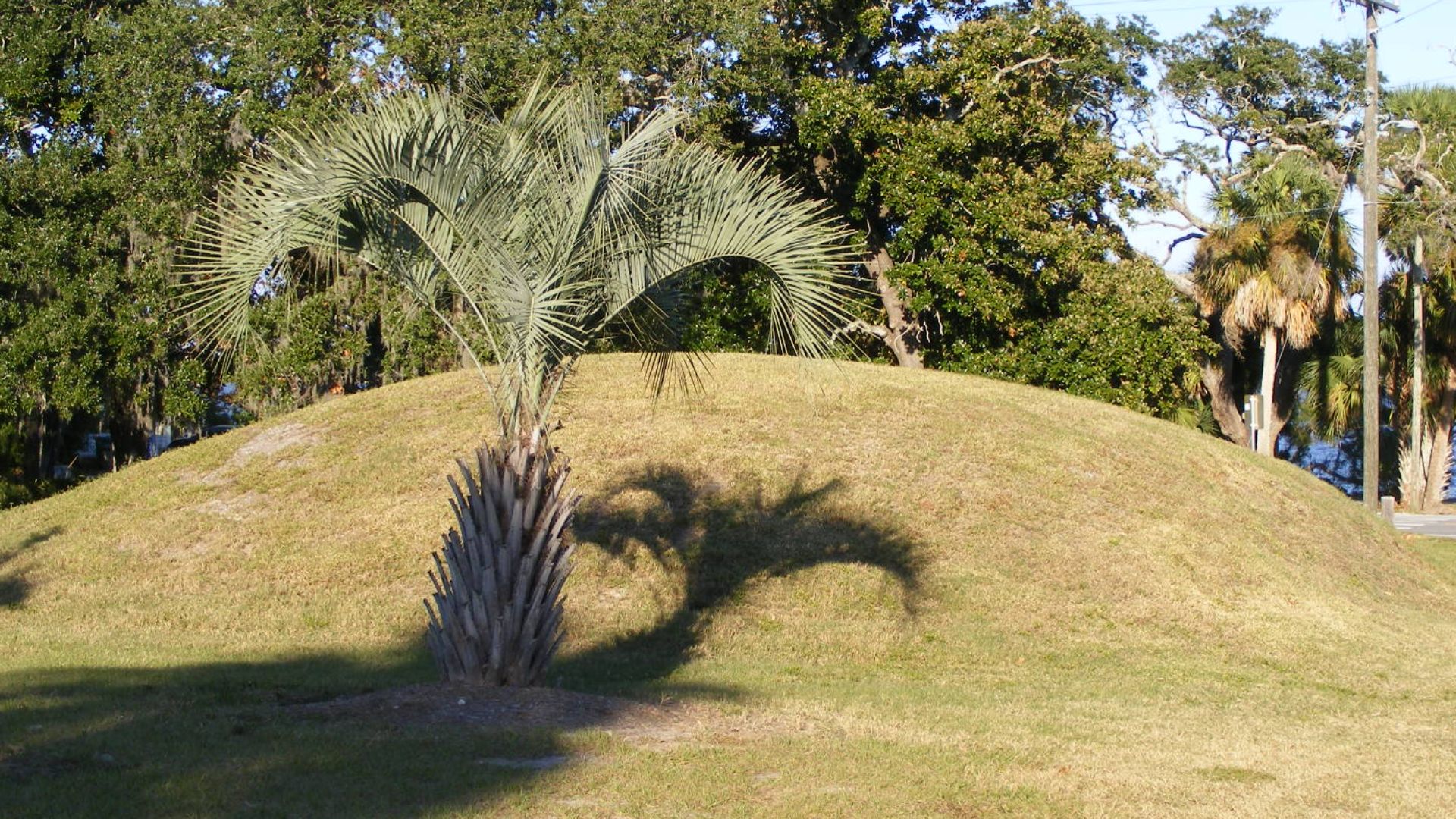
At first glance, an ancient mound might look like an ordinary hill covered in grass and trees. Look closer, though, and it becomes clear that these places were carefully planned. Some held burials, while others supported buildings or stood beside open plazas used for ceremonies, feasts, and community gatherings.
 Paul R. Burley, Wikimedia Commons
A Tradition That Lasted Thousands Of Years
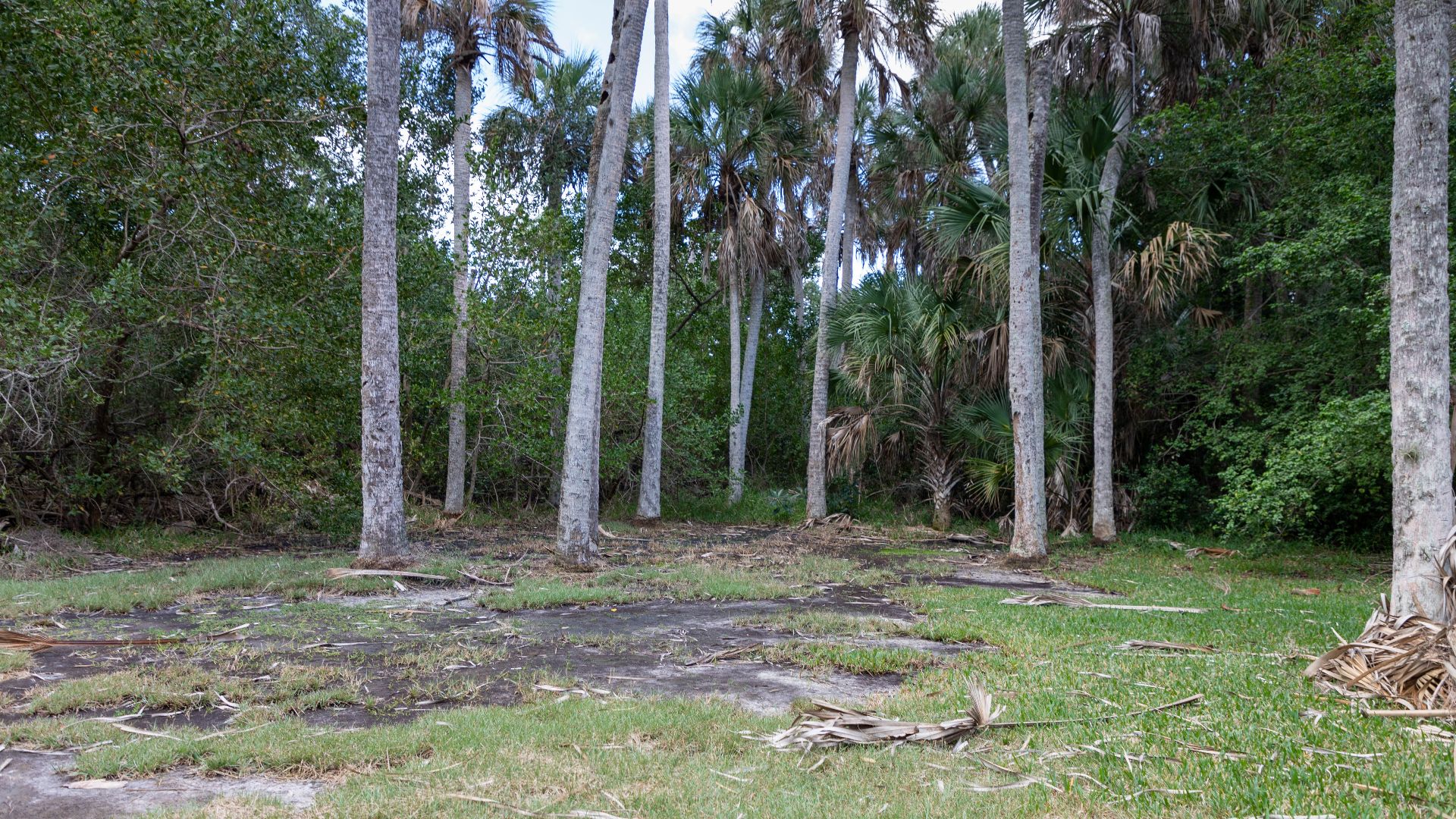
Florida’s mounds were not all built by the same people or during the same period. Indigenous communities created them across thousands of years. Some date back more than 5,000 years, while others were still being used much later. Each site tells its own story about the people who lived nearby.
Water Was Never Far Away
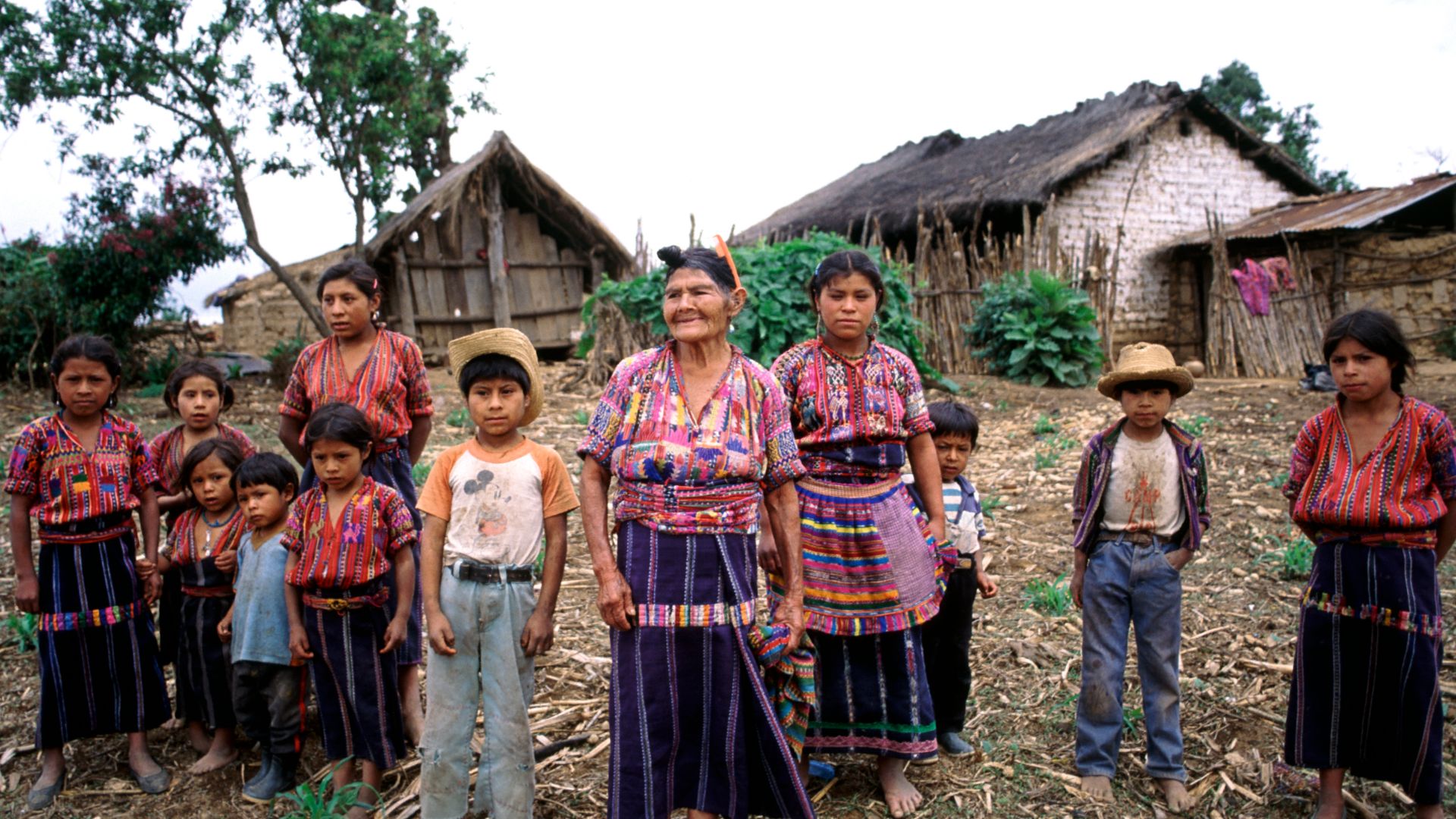
Many mound sites were built near rivers, springs, lakes, and coastlines. That made practical sense because water provided food and easy travel. But it may also have carried spiritual meaning. Places where land and water met could have felt especially powerful, making them natural settings for ceremonies honouring the dead.
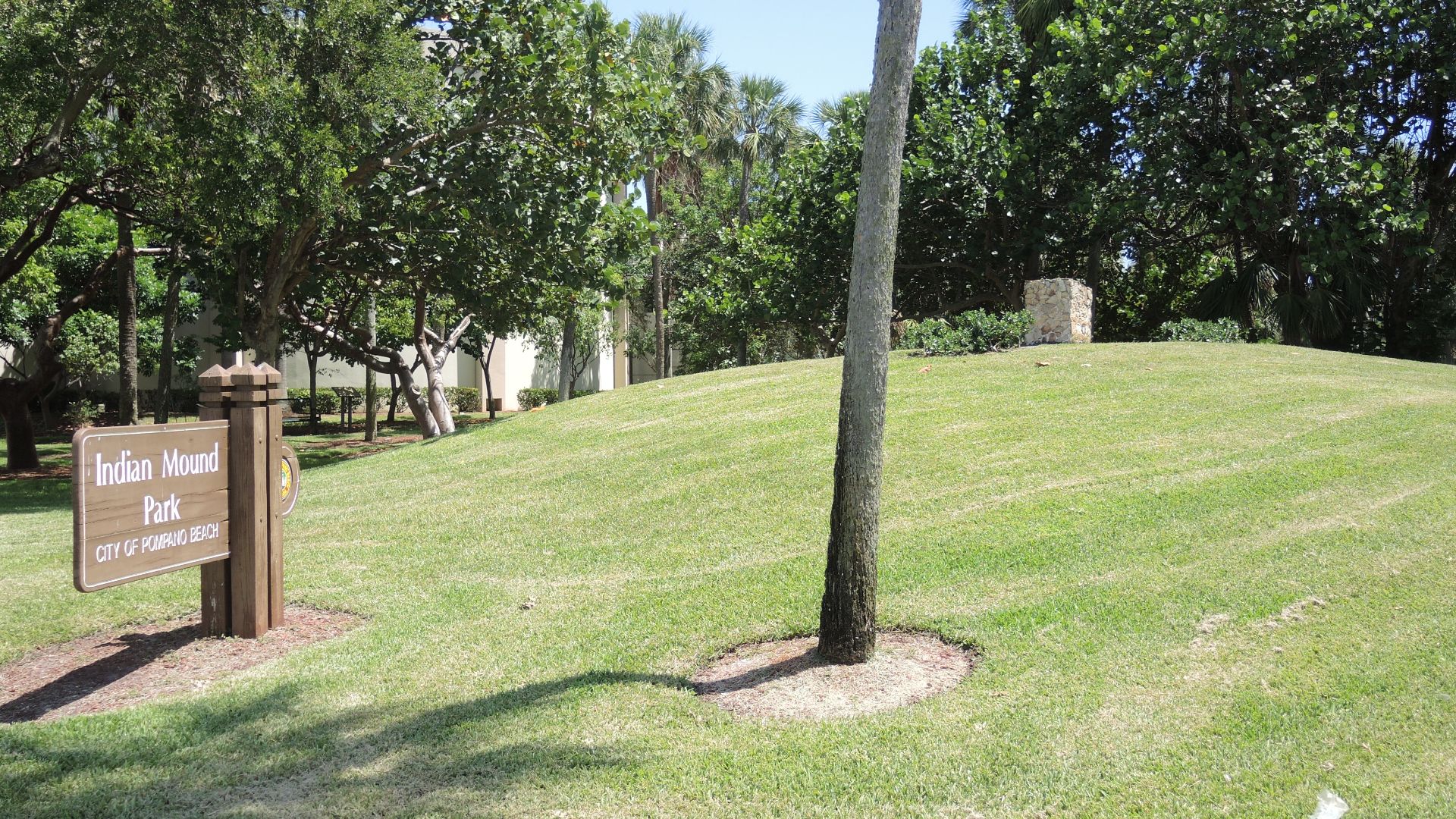
Built By Hand, Basket By Basket
There were no machines to help build these enormous structures. Workers carried sand, soil, and shells by hand, probably using baskets. Raising even a small mound required planning and cooperation. Larger ones may have taken generations to complete, with each new layer becoming part of a shared community project.
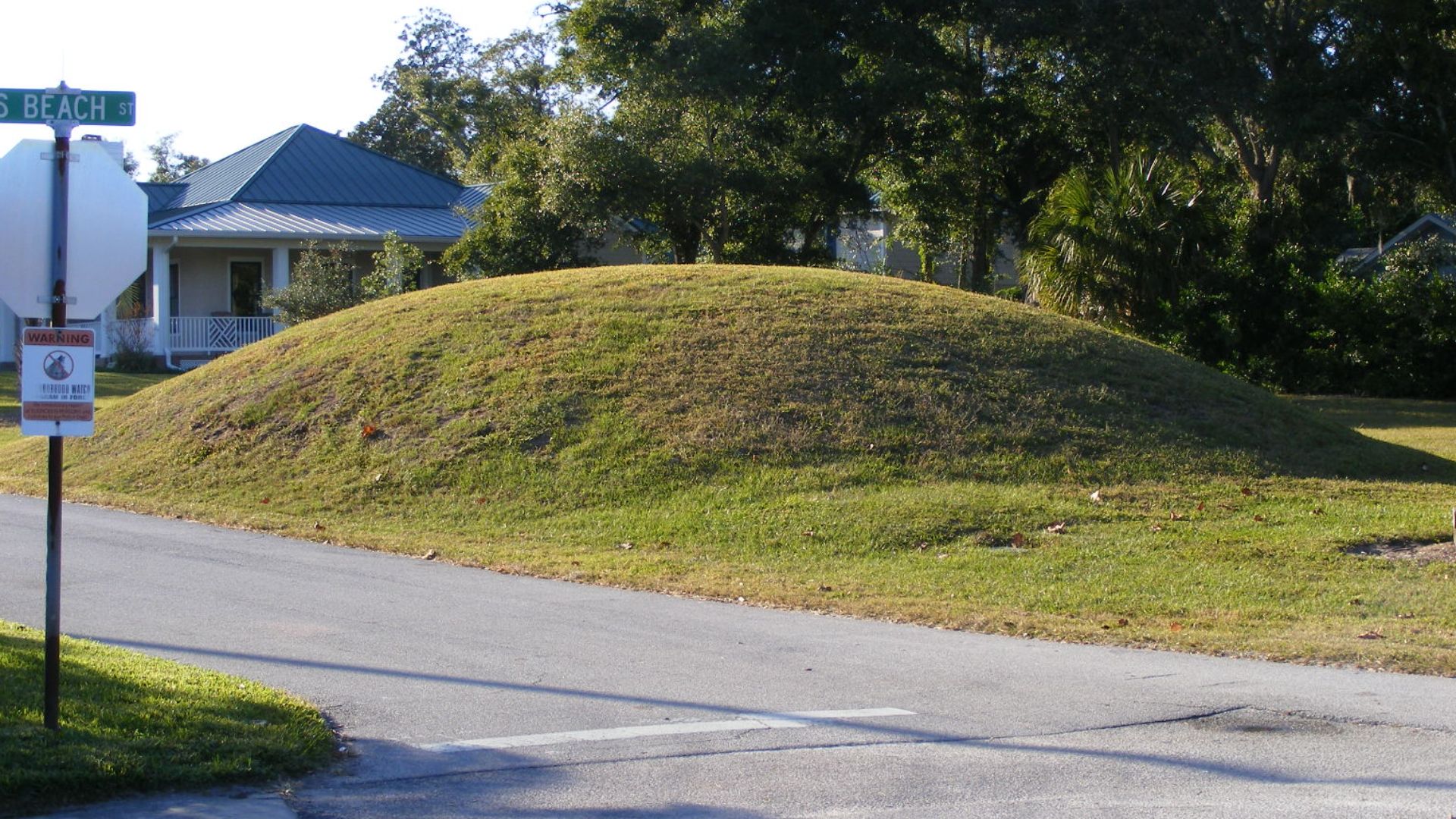
Crystal River Stands Out
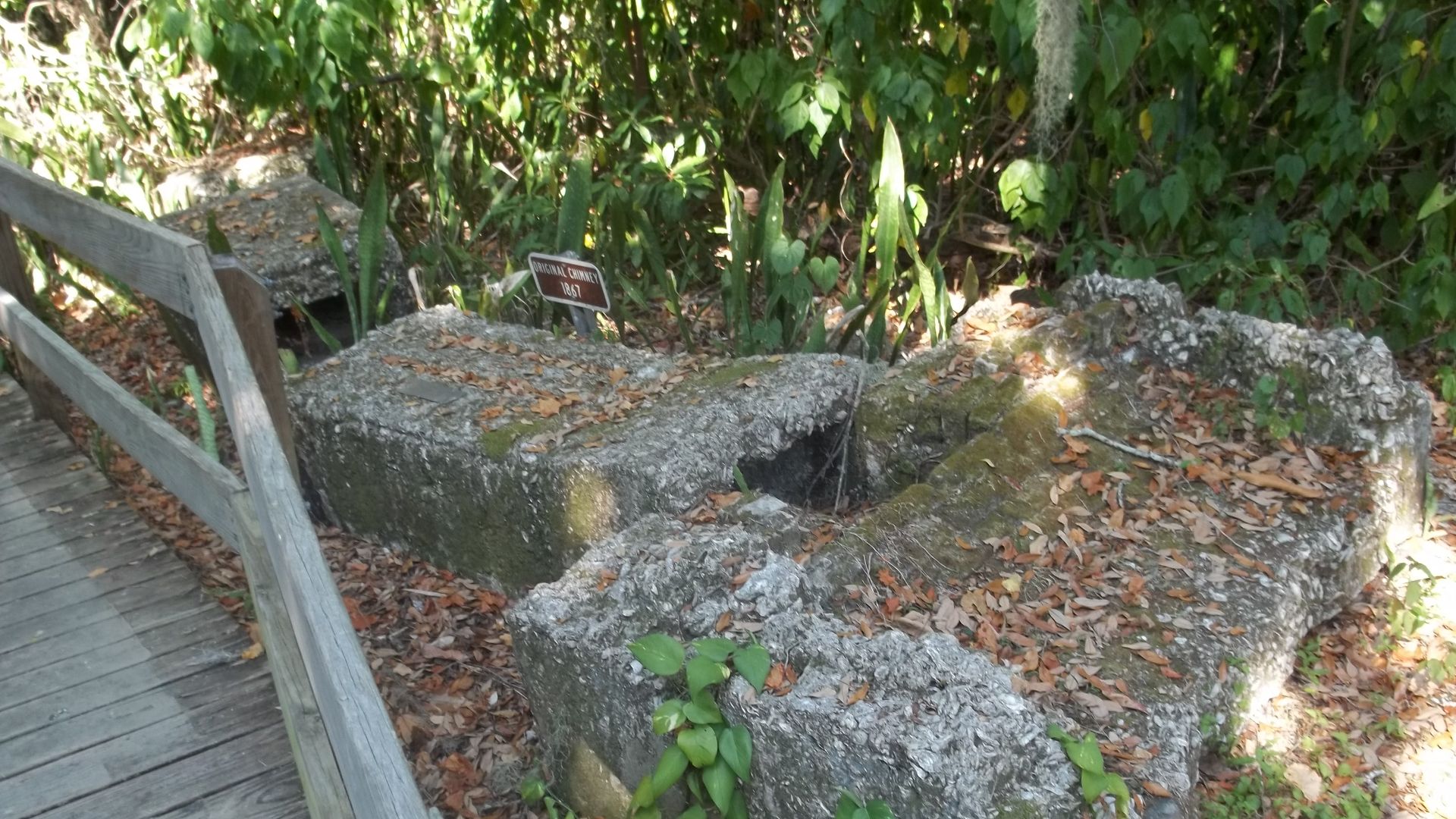
One of Florida’s most impressive mound sites is the Crystal River Archaeological State Park. The complex contains burial mounds, platform mounds, a plaza, and huge piles of shells left behind by generations of visitors. People used the site for roughly 1,600 years, making it an unusually long-lasting ceremonial centre.
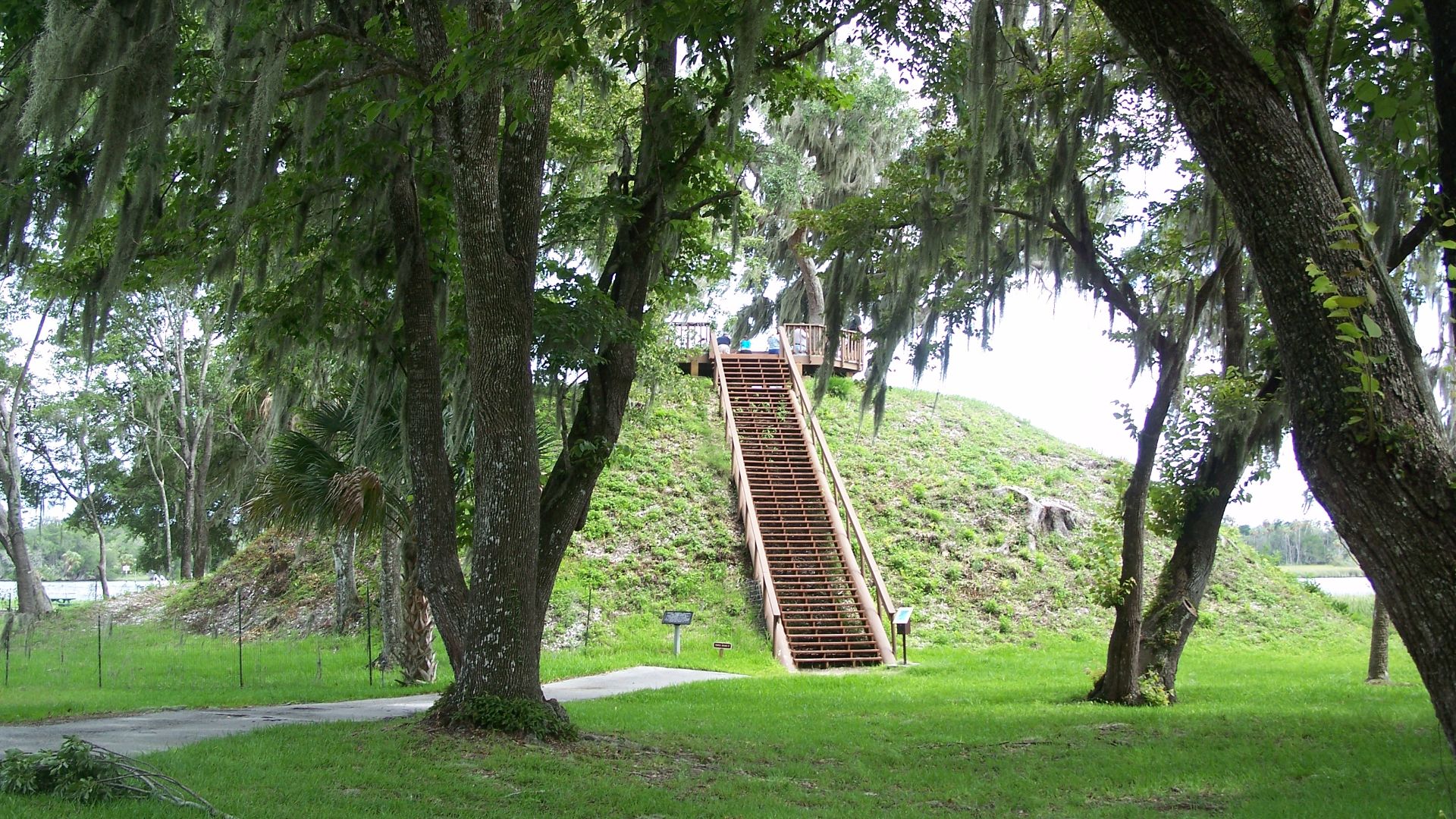
Visitors Came From Far Away
Crystal River was probably much more than a local burial ground. Archaeologists believe people travelled there for funerals, ceremonies, trading, and large social gatherings. Its long history suggests the place remained important even as local communities changed and new customs appeared over the centuries.
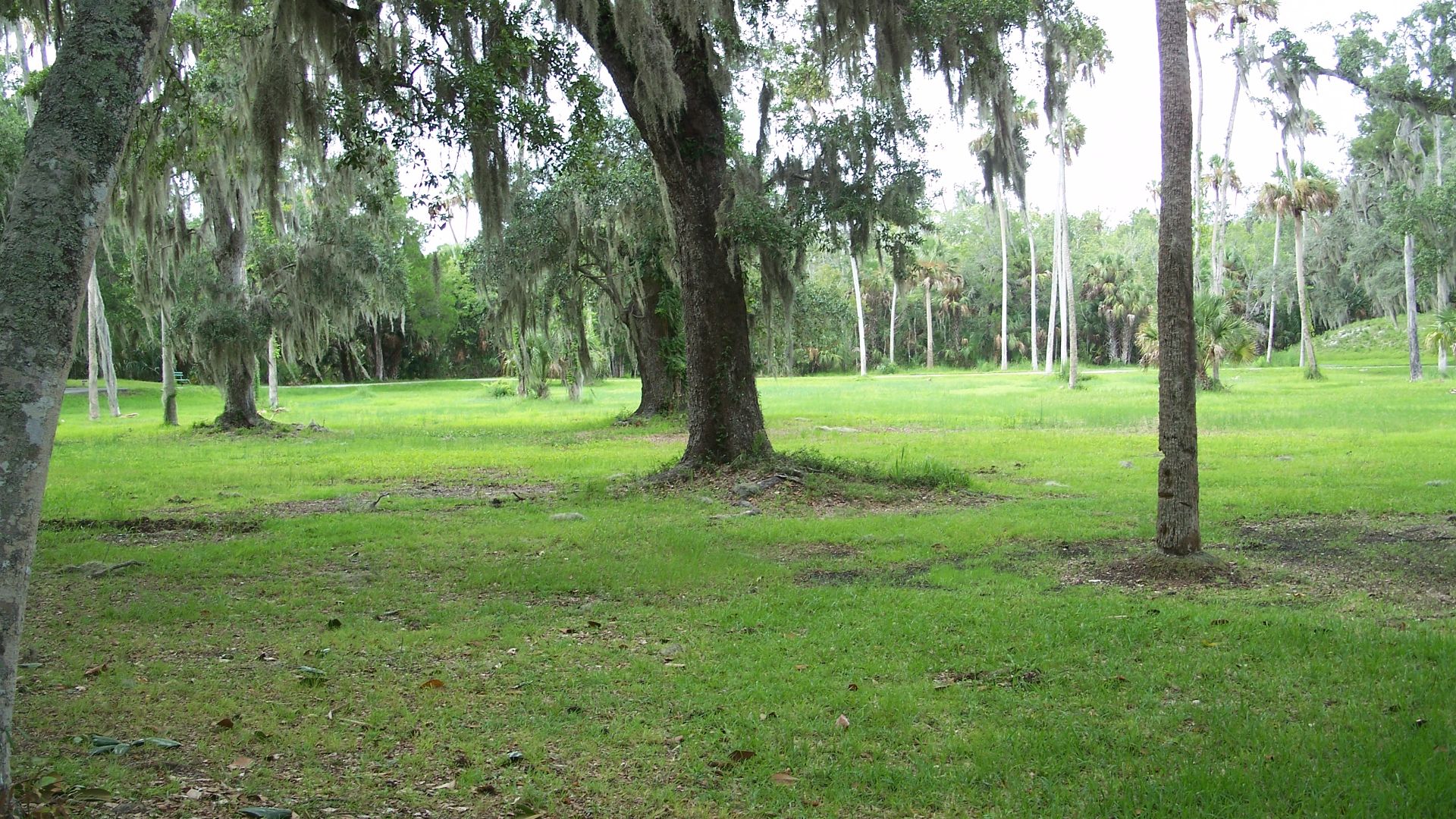
Burial Was A Community Event
The dead were sometimes placed inside mounds along with carefully chosen objects. The arrangement of the burials suggests these were not quick or private occasions. Funerals likely brought families and neighbours together. Building the mound gave those moments a permanent place in the landscape that people could return to later.
Gifts Went Into The Ground
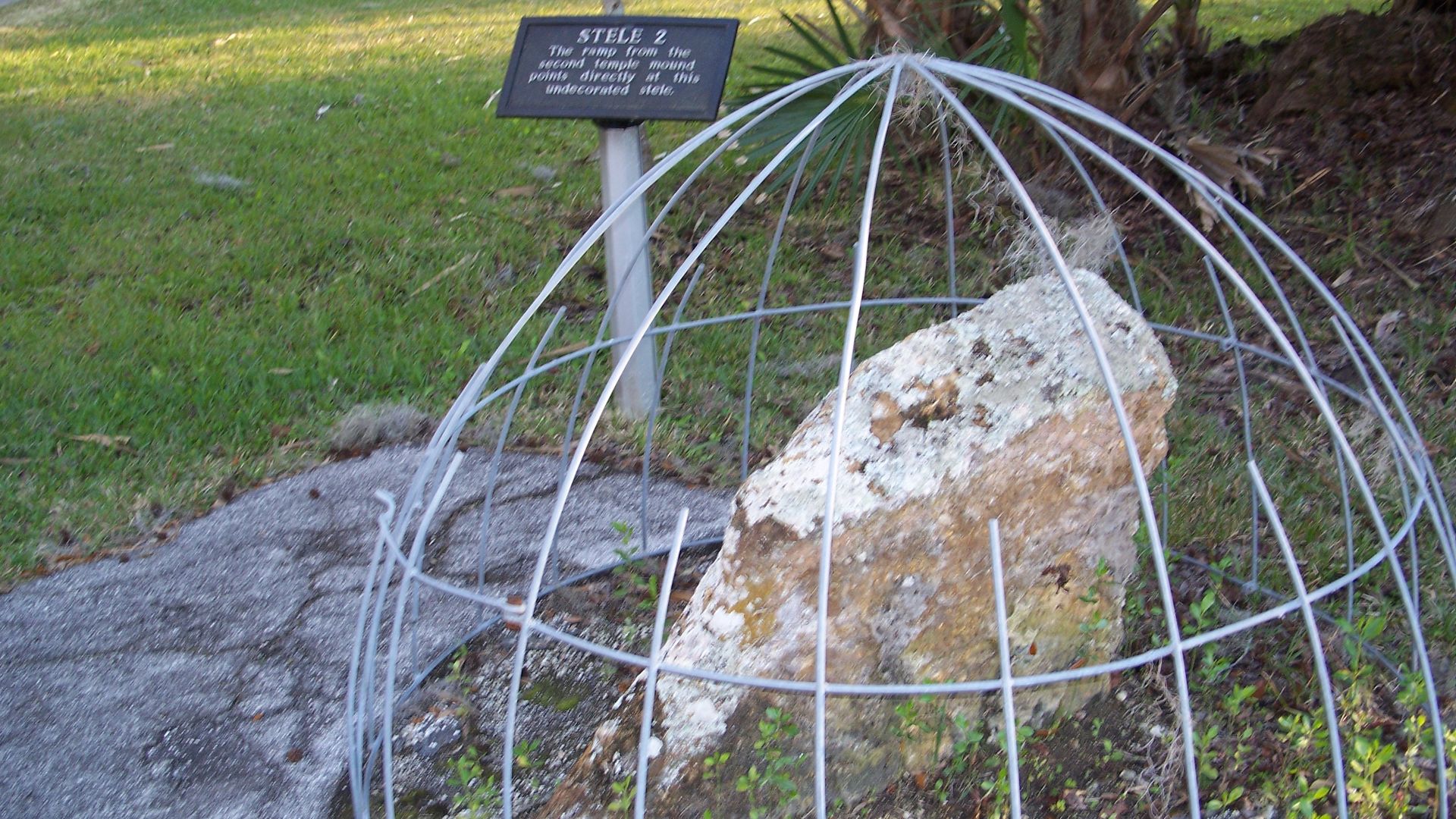
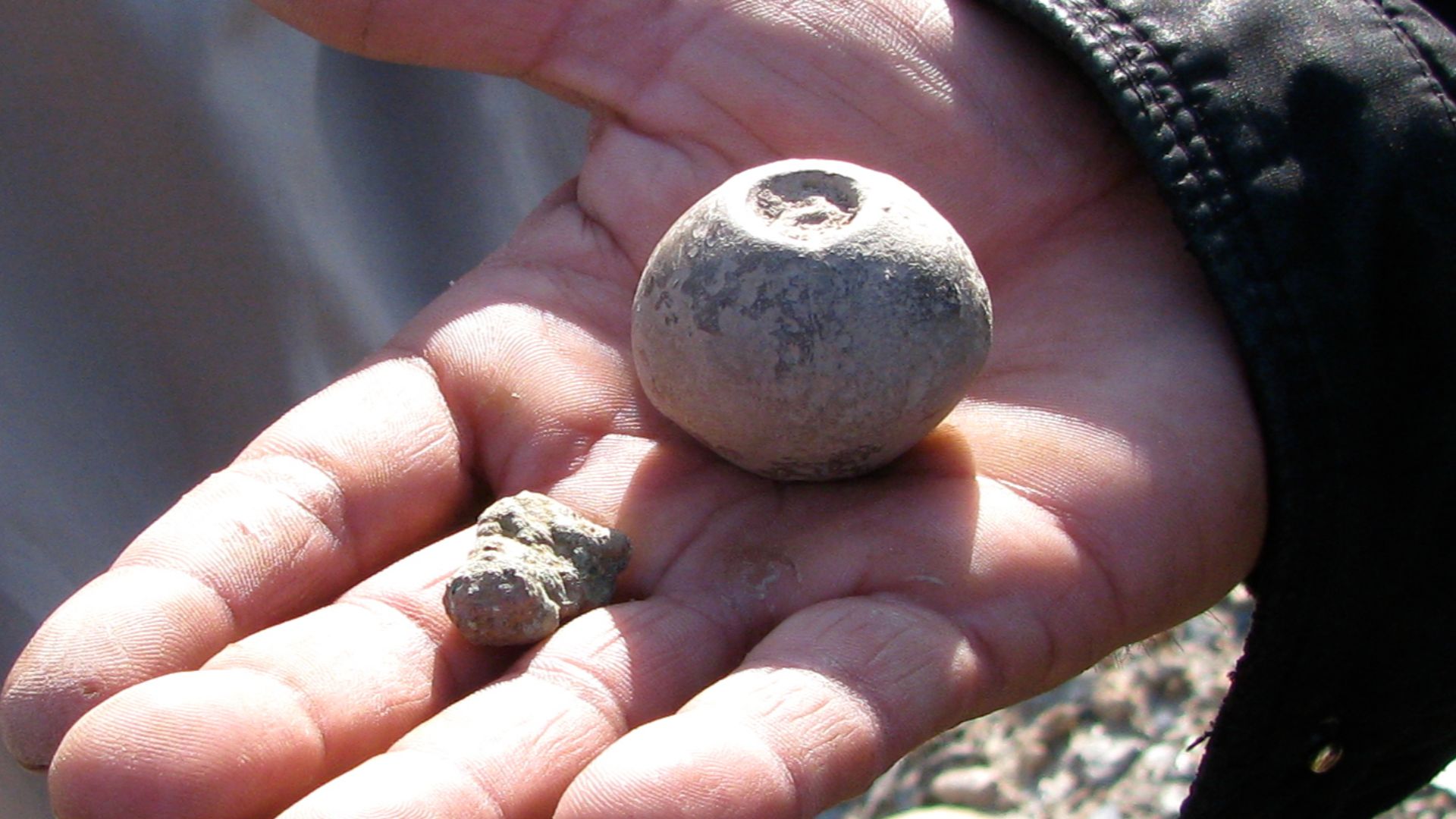
Archaeologists have found pottery, ornaments, tools, and other valuable objects inside burial mounds. We cannot always know exactly what those items meant. They may have reflected a person’s family, social role, achievements, or spiritual journey. Whatever their purpose, they were clearly chosen with care.
 Todd Huffman from Phoenix, AZ, Wikimedia Commons
Copper Travelled A Long Way
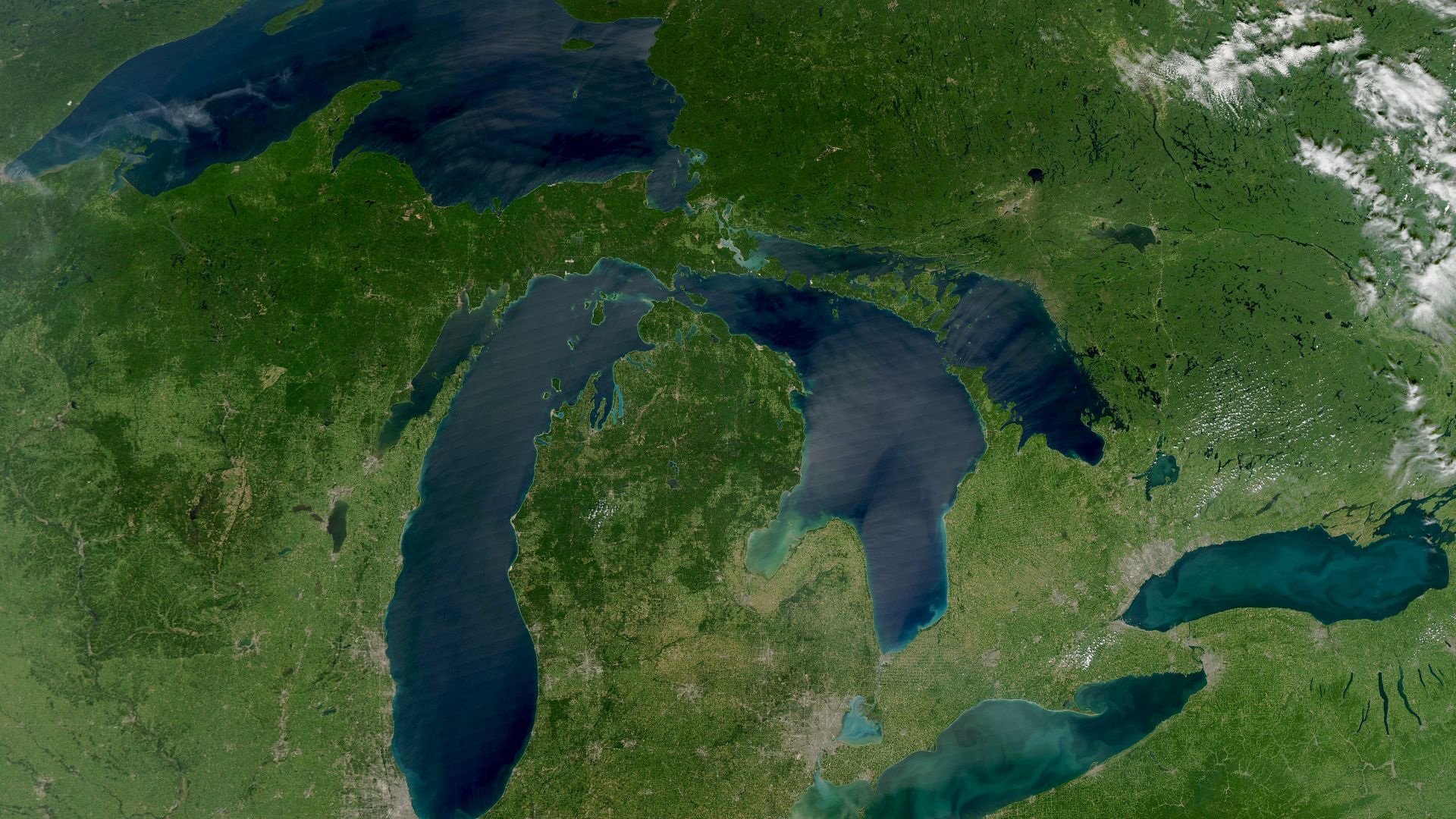
Some copper objects found at Crystal River came from material linked to the Great Lakes region. That is a remarkable distance from Florida’s Gulf Coast. These finds show that ancient communities were connected through enormous trade networks. Ideas, materials, and ceremonial objects travelled hundreds of miles long before modern roads existed.
Pottery Could Carry A Message
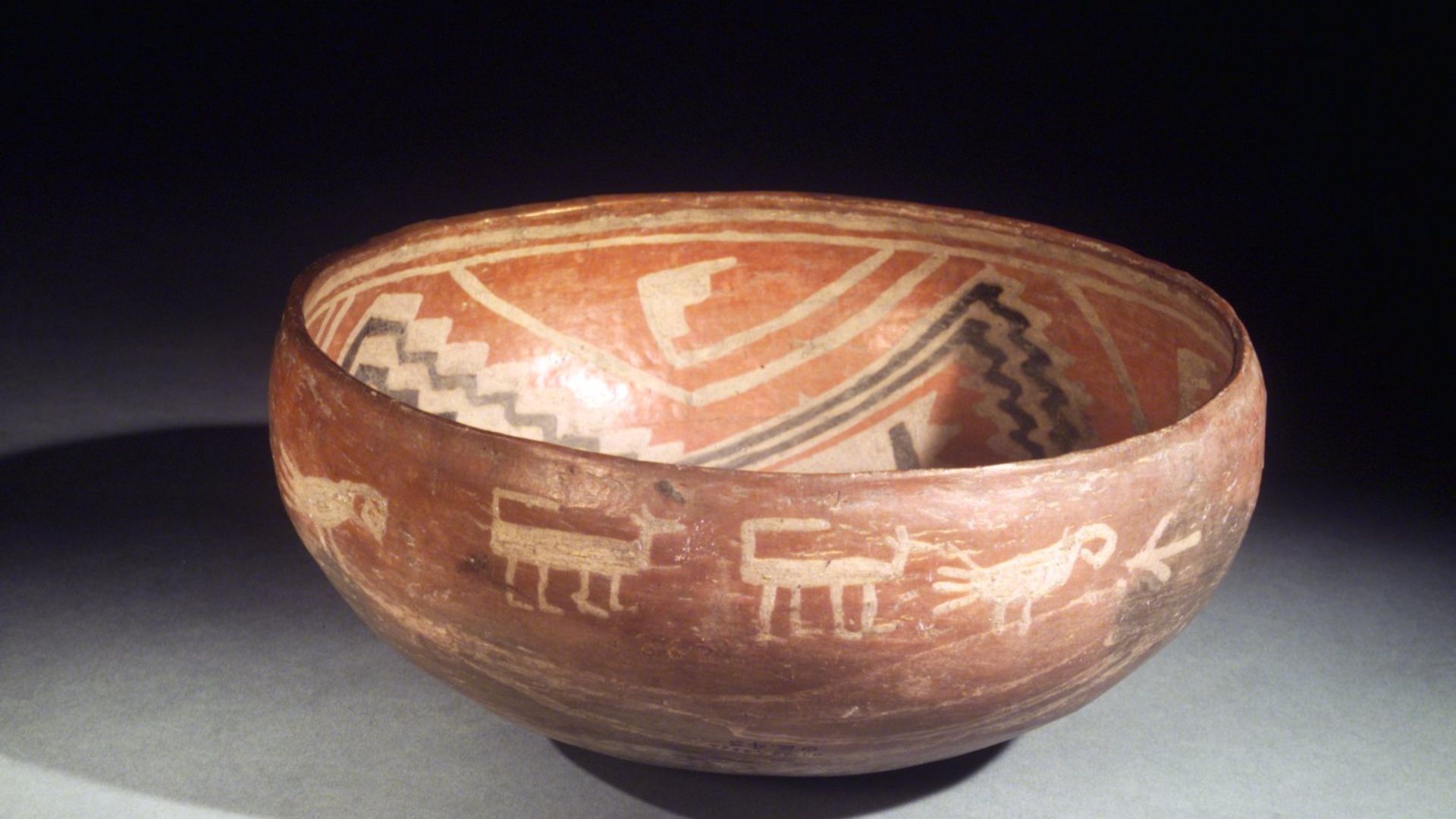
Decorated pottery was not always used for everyday cooking. Some vessels may have been saved for special events, displayed during ceremonies, or deliberately broken and placed in sacred areas. Their shapes and designs may have helped people show where they came from and which cultural traditions they shared.
 Riggs Pueblo Pottery Fund, Wikimedia Commons
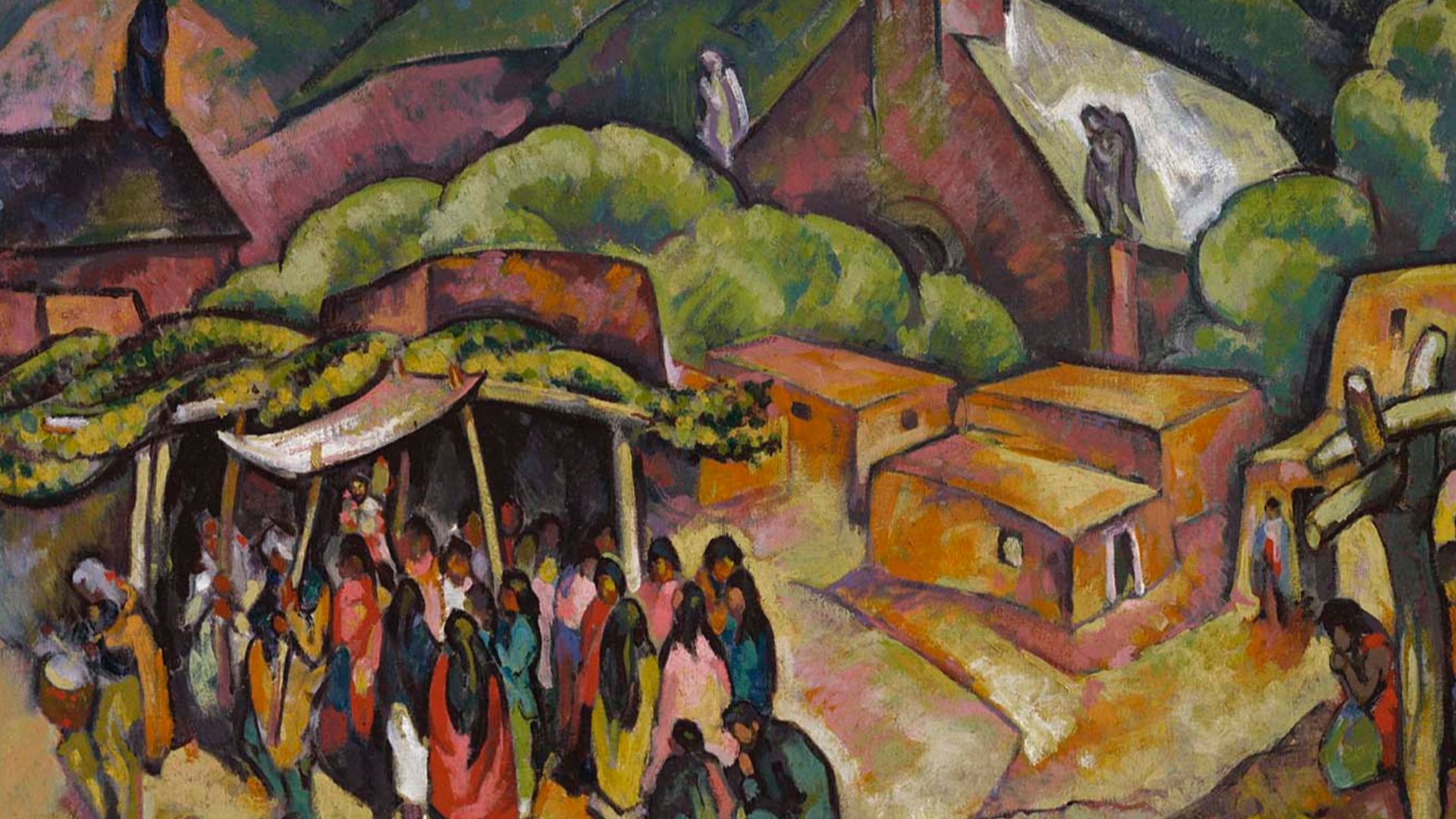
Feasts Were Part Of The Ritual
Ceremonies were serious occasions, but they could also involve plenty of food. At Crystal River, researchers have found evidence of large oyster feasts. Sharing a meal gave visitors time to talk, trade, mourn, celebrate, and reconnect. Food helped turn spiritual gatherings into memorable community events.
 William Penhallow Henderson, Wikimedia Commons
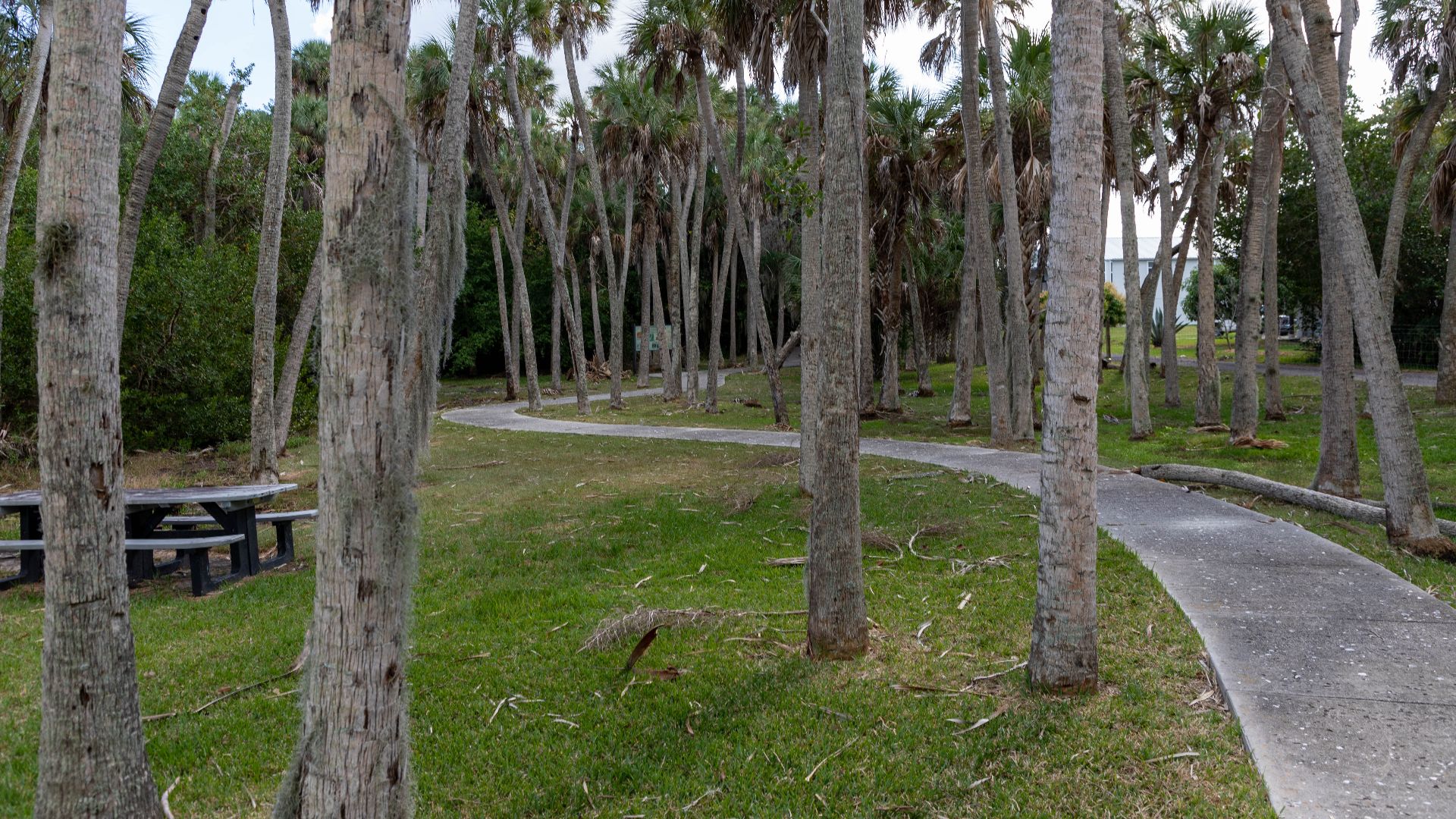
The Plaza Brought Everyone Together
Large open plazas beside the mounds offered space for crowds. People may have watched dances, processions, speeches, or ceremonies there. Those activities rarely leave clear traces in the soil, but the shape of the site gives archaeologists clues. The plazas were designed so many people could gather and take part.
 Paul R. Burley, Wikimedia Commons
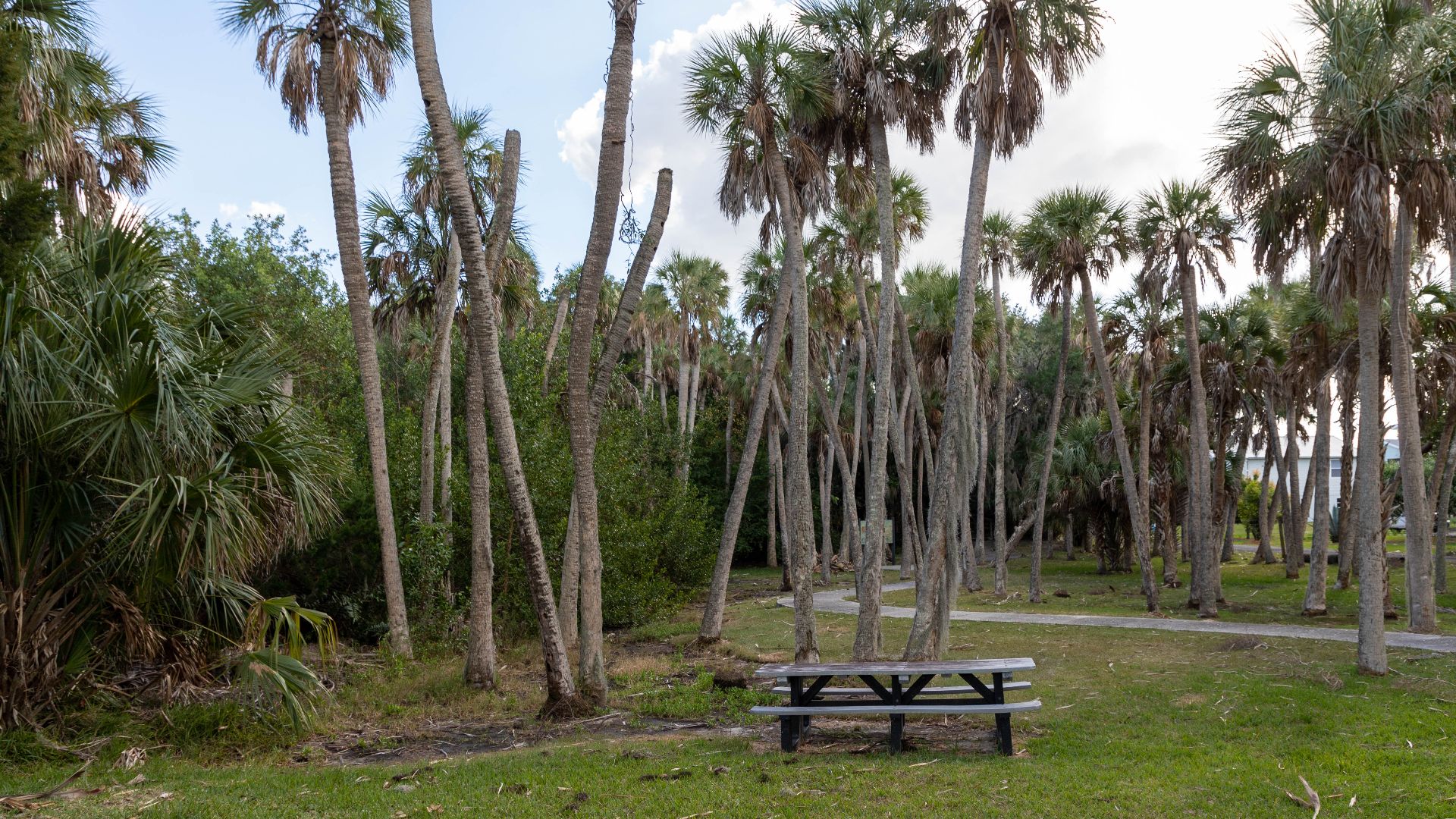
The Mounds Kept Memories Alive
A funeral might last only a short time, but a burial mound remained for generations. Children grew up seeing it and hearing stories about the people buried there. Families could return during later ceremonies. The mound became a physical reminder that the ancestors were still part of the community.
 Paul R. Burley, Wikimedia Commons
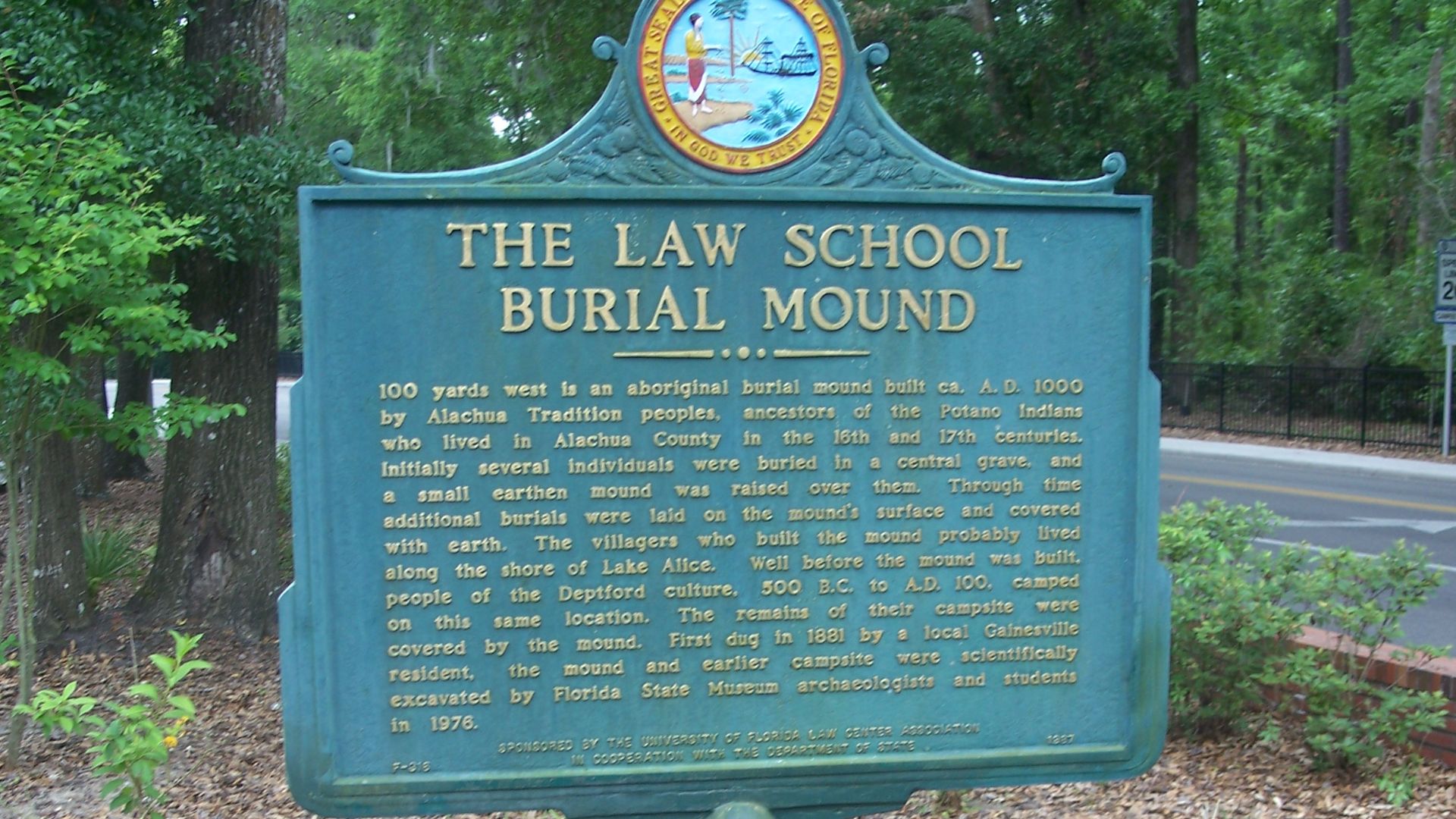
Not Every Mound Held Burials
It is easy to assume that every mound was a grave, but that was not the case. Some supported homes or ceremonial buildings. Others slowly grew from discarded shells and food remains. Archaeologists must study the soil, objects, and shape of each site before deciding how it was originally used.
Tick Island Changed The Timeline
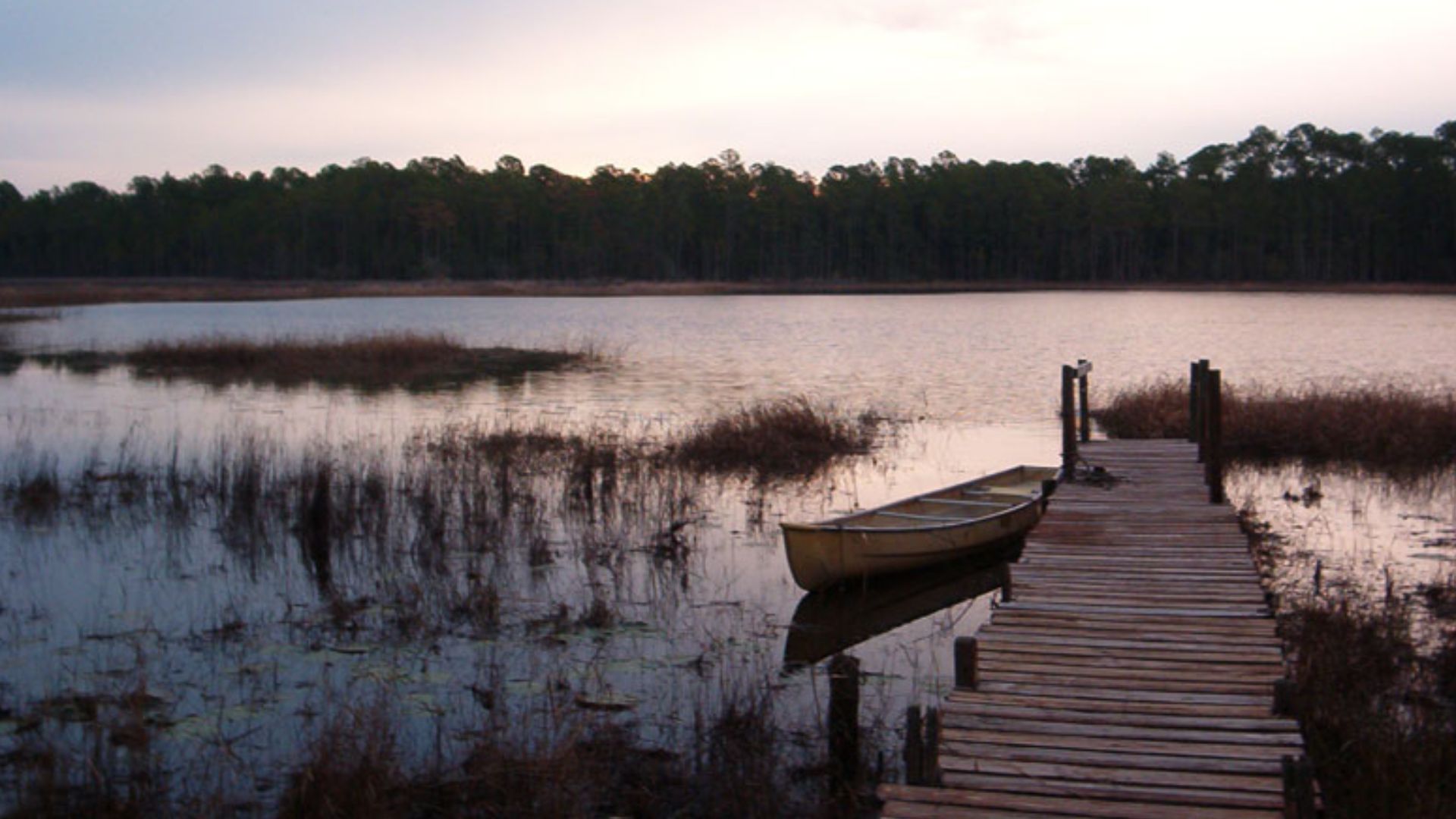
Tick Island, along the St. Johns River, once contained enormous shell mounds linked to ancient burial traditions. Much of the site was later destroyed for building material. Even so, what survived helped prove that organised mound building in Florida began far earlier than many researchers once believed.
 Kim Pardi from Carbondale, USA, Wikimedia Commons
Palmetto Mound Saw Ritual Renewal
At Palmetto Mound on Florida’s Gulf Coast, archaeologists found signs that ceremonial activity increased during a period of wider social change. Instead of abandoning old traditions when life became uncertain, local communities may have turned toward them more strongly. Ritual offered a way to maintain stability and connection.
Lake Jackson Showed Sacred Power
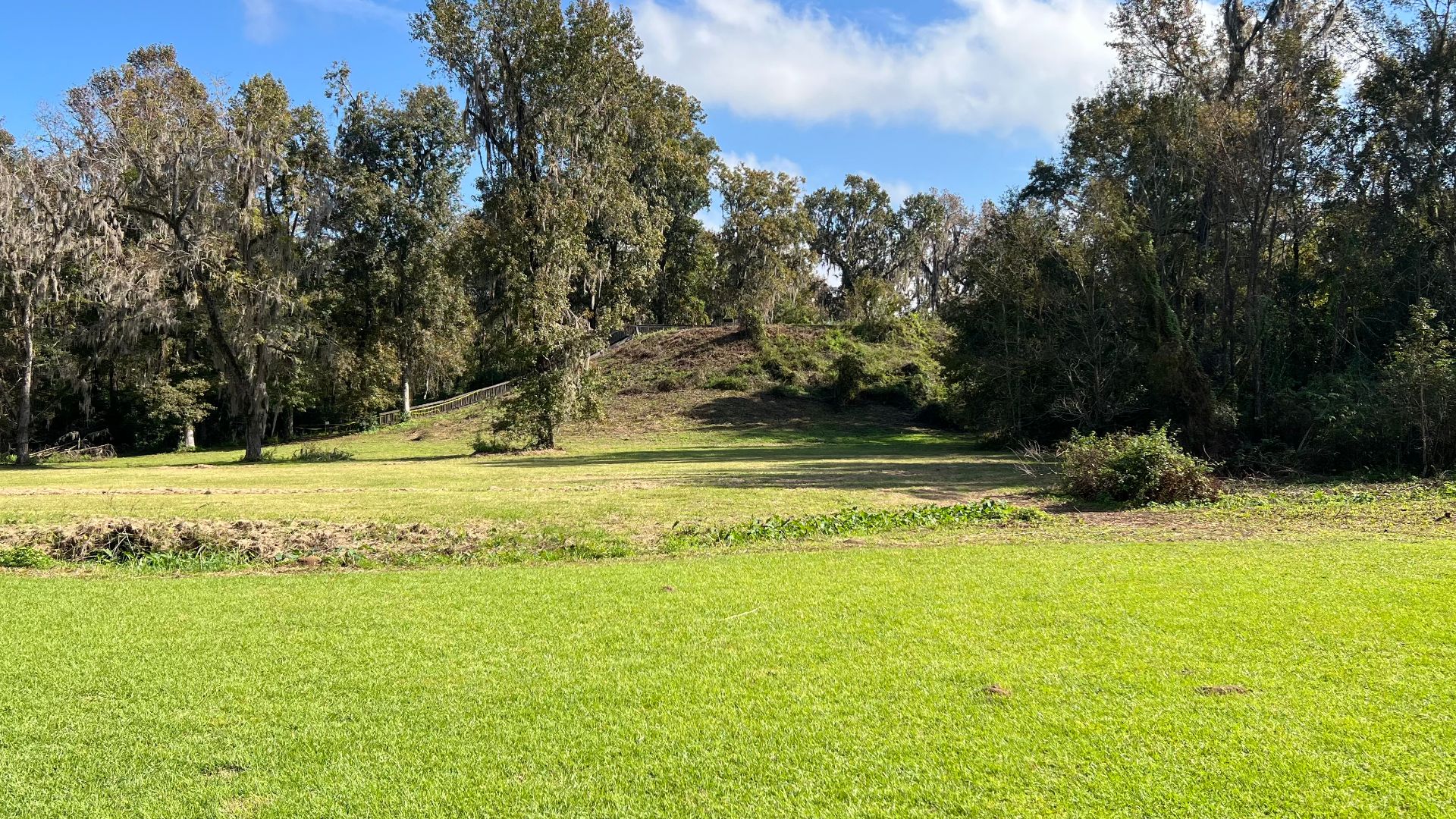
The Lake Jackson mounds near Tallahassee contained beautifully decorated copper and shell objects. Many featured artistic styles found across the Mississippian world. These items were probably not just expensive decorations. They may have connected powerful leaders and spiritual ceremonies to a much larger network stretching across the Southeast.
 Operator 16, Wikimedia Commons
A Cemetery Beneath The Sea
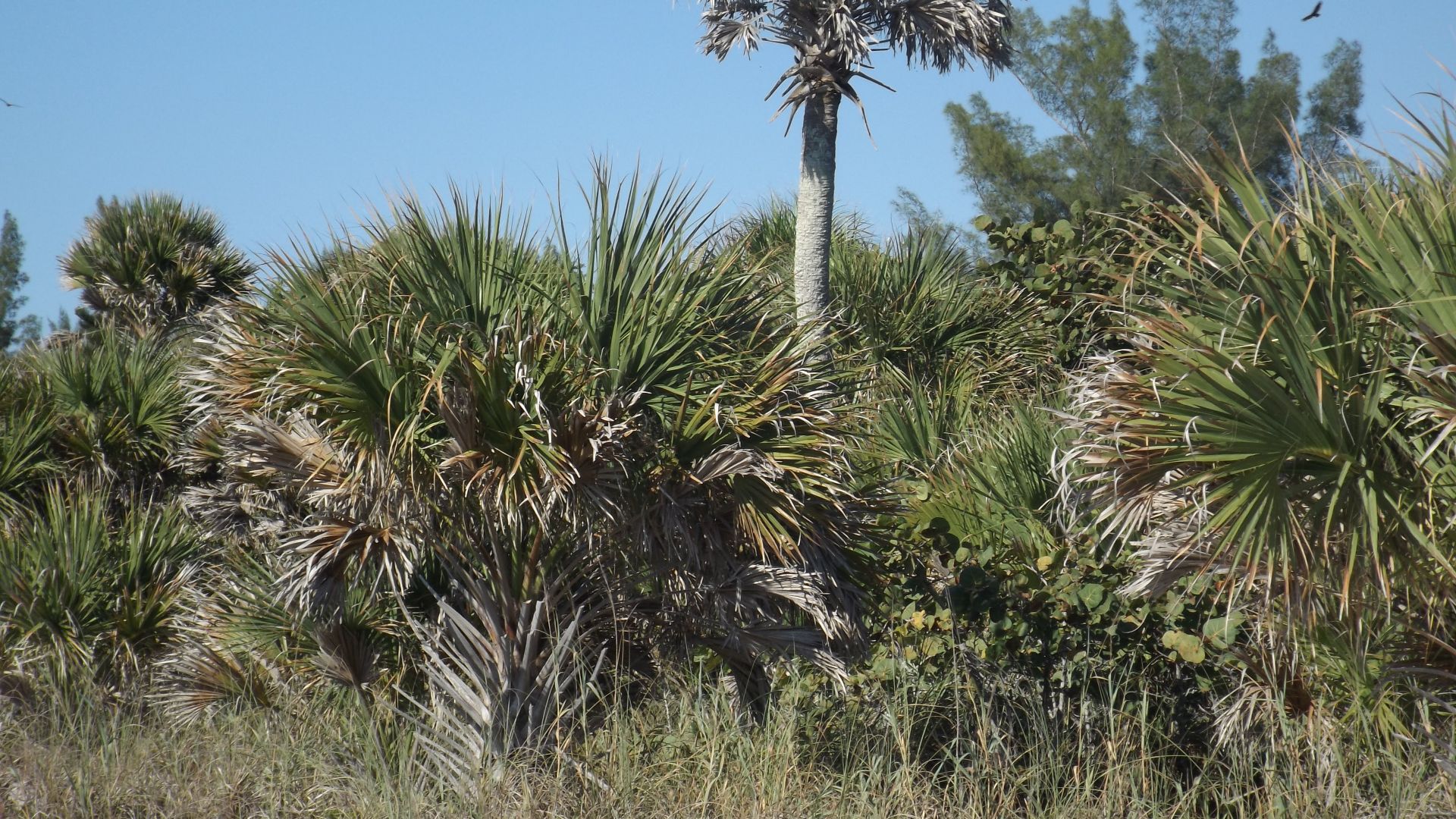
Near Manasota Key, archaeologists discovered an ancient burial site beneath the Gulf of Mexico. Around 7,000 years ago, the area was dry land beside a freshwater pond. Rising sea levels eventually covered it. The discovery revealed both an ancient burial tradition and just how dramatically Florida’s coastline has changed.
 CoolGuySlate, Wikimedia Commons
Traditions Never Stood Still
The burial customs found across Florida were not identical. The way people positioned the dead, selected offerings, built mounds, and organised gatherings changed over time. Indigenous Florida was made up of many communities, each adapting its traditions while still maintaining important connections to ancestors and sacred places.
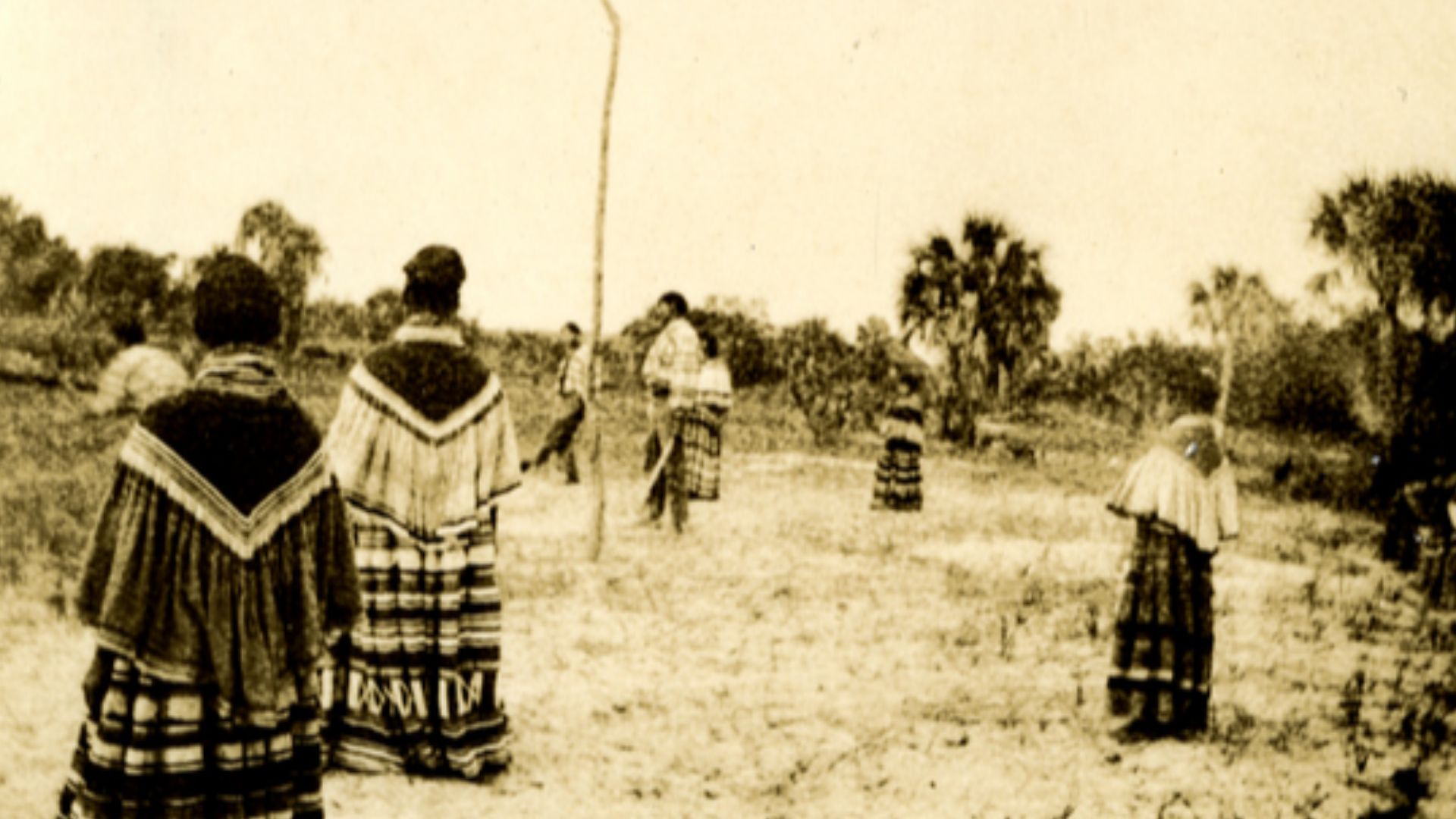 Florida Memory, Wikimedia Commons
Some Mysteries May Remain
Archaeologists can identify where copper came from or estimate when a mound was built. Understanding exactly what a ceremony meant is much harder. Researchers can study patterns and work with Indigenous communities, but they must also accept that some spiritual meanings cannot be fully recovered from objects alone.
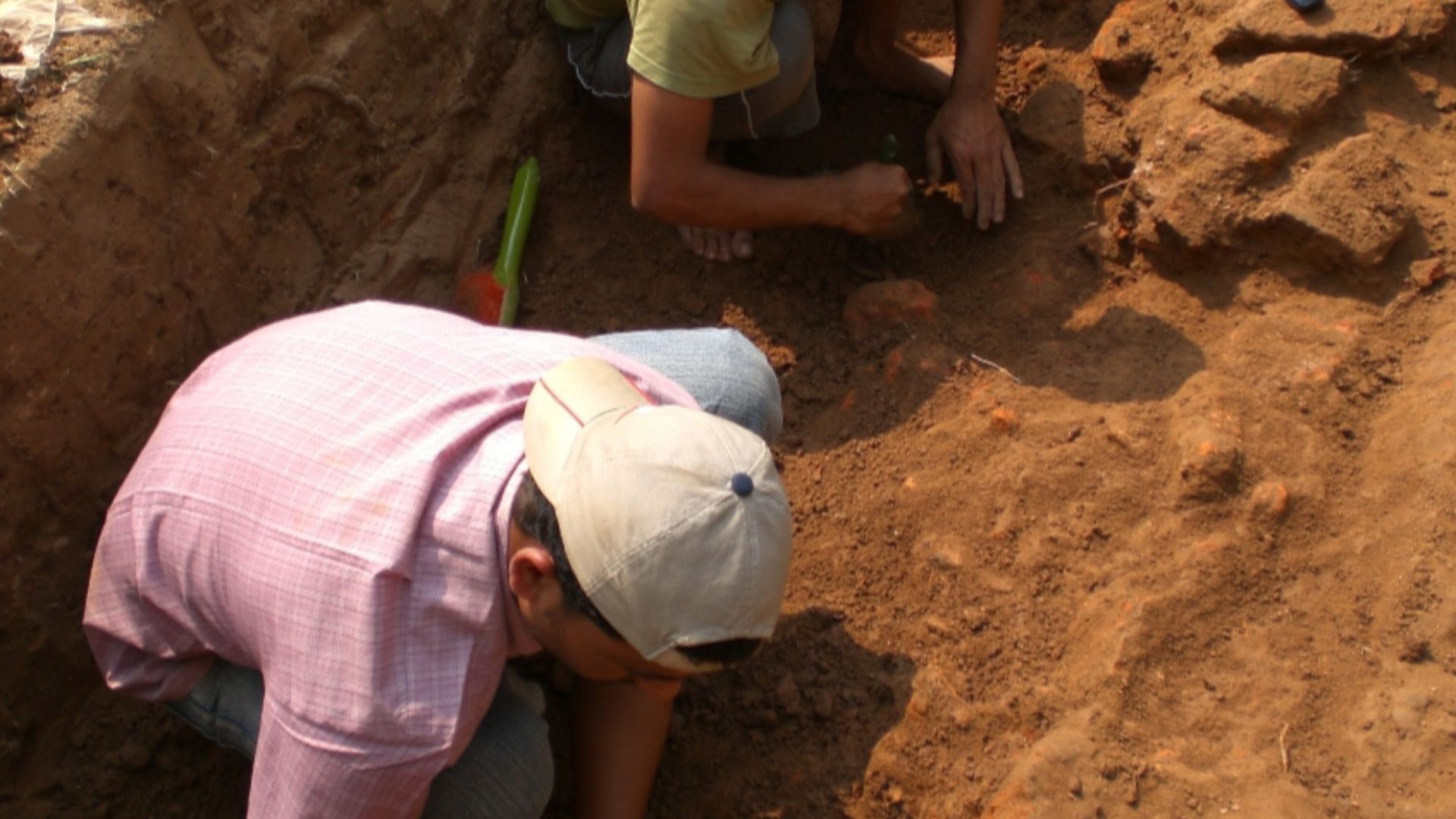 user:omarshehab, Wikimedia Commons
Digging Is Not Always The Answer
Early archaeologists often excavated burial mounds quickly, removing human remains and sacred objects with little thought for the people connected to them. Today, researchers increasingly use tools such as ground-penetrating radar and soil scanning. These methods can reveal what lies underground without disturbing the site.
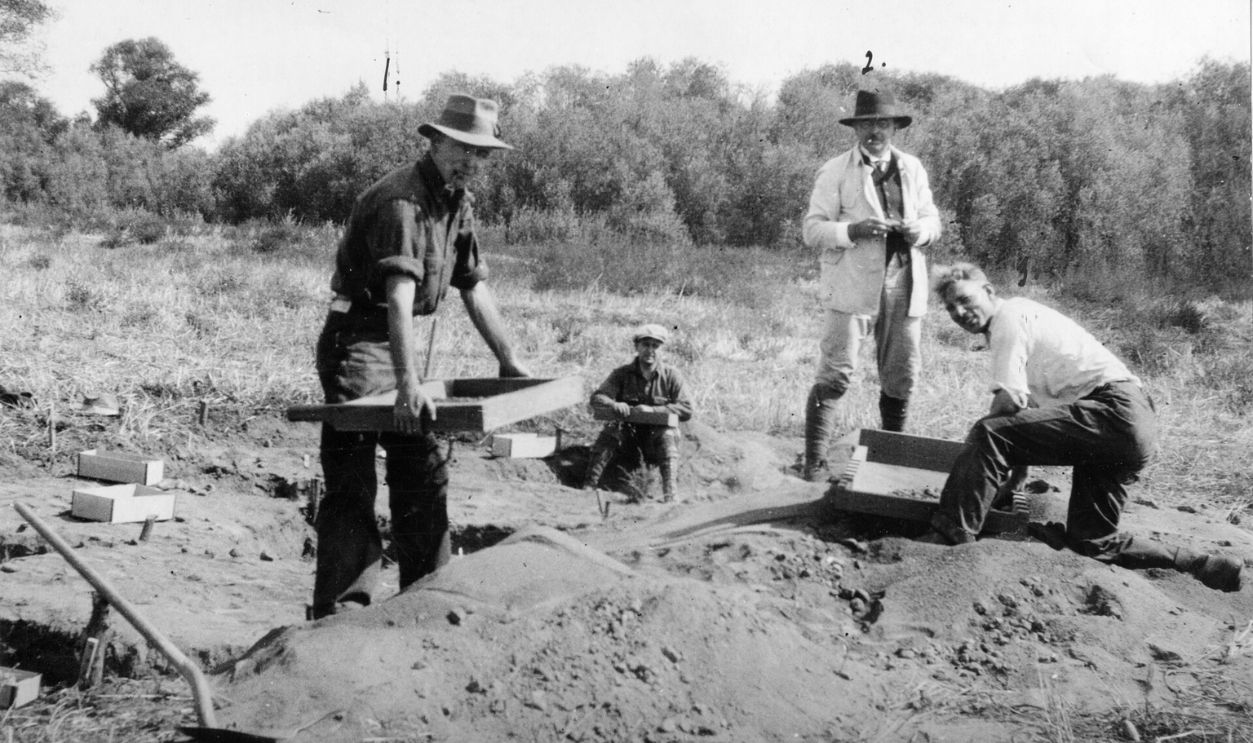 The National Museums of World Culture, CC0, Wikimedia Commons
Indigenous Voices Matter
Burial mounds are not simply abandoned ruins from a vanished world. They are ancestral places that remain meaningful to living Indigenous communities. Tribal representatives can help decide how sites are studied, protected, and explained. In some cases, the most respectful decision may be to leave a sacred place untouched.
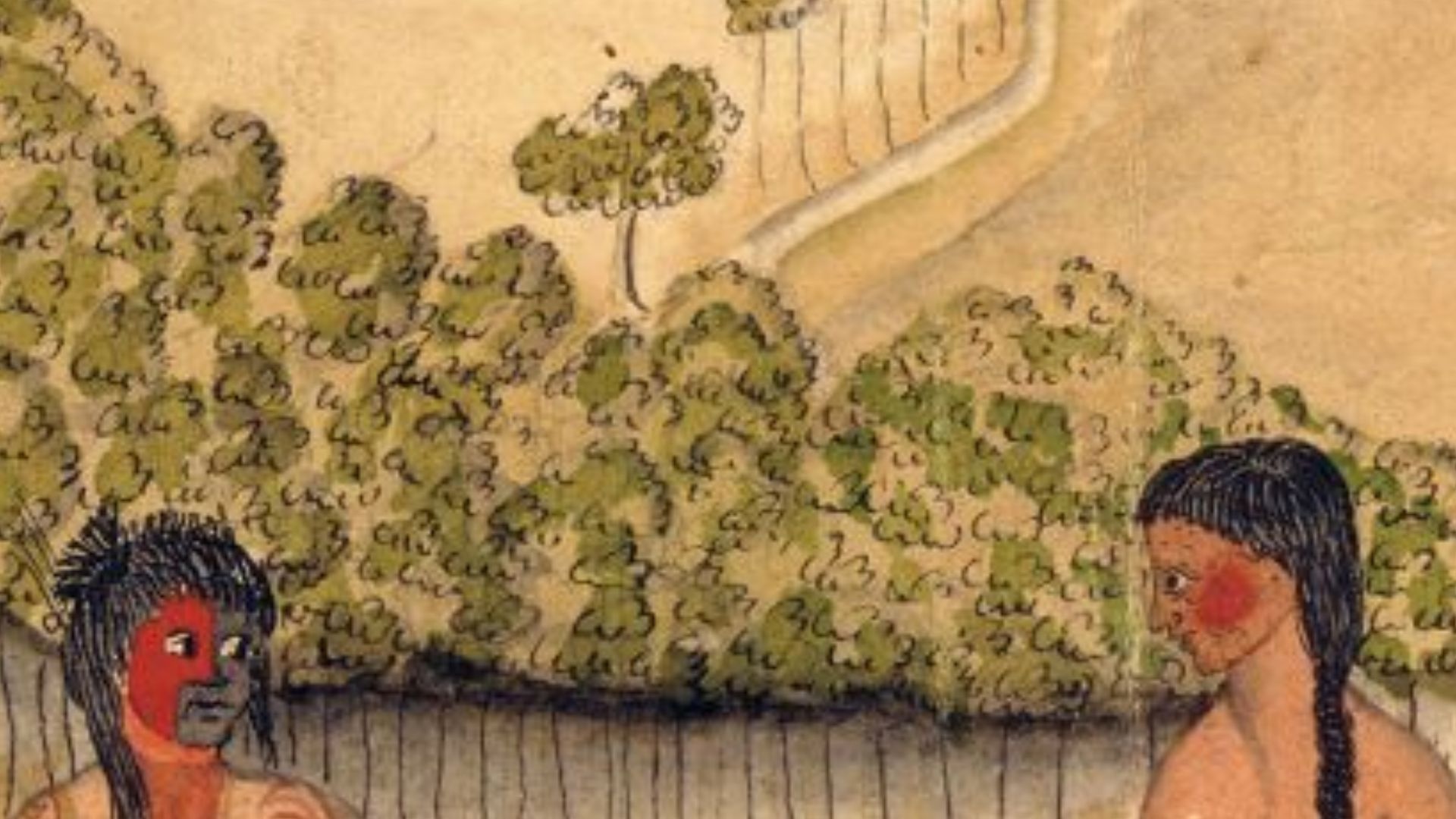 Alexandre de Batz, Wikimedia Commons
Returning Ancestors Home
For many years, museums stored Indigenous human remains and burial objects as research collections. Repatriation laws have helped tribes reclaim ancestors and culturally important items. This has changed the way archaeologists approach burial sites, reminding everyone that human remains are not objects. They deserve dignity and care.
Modern Florida Threatens Ancient Places
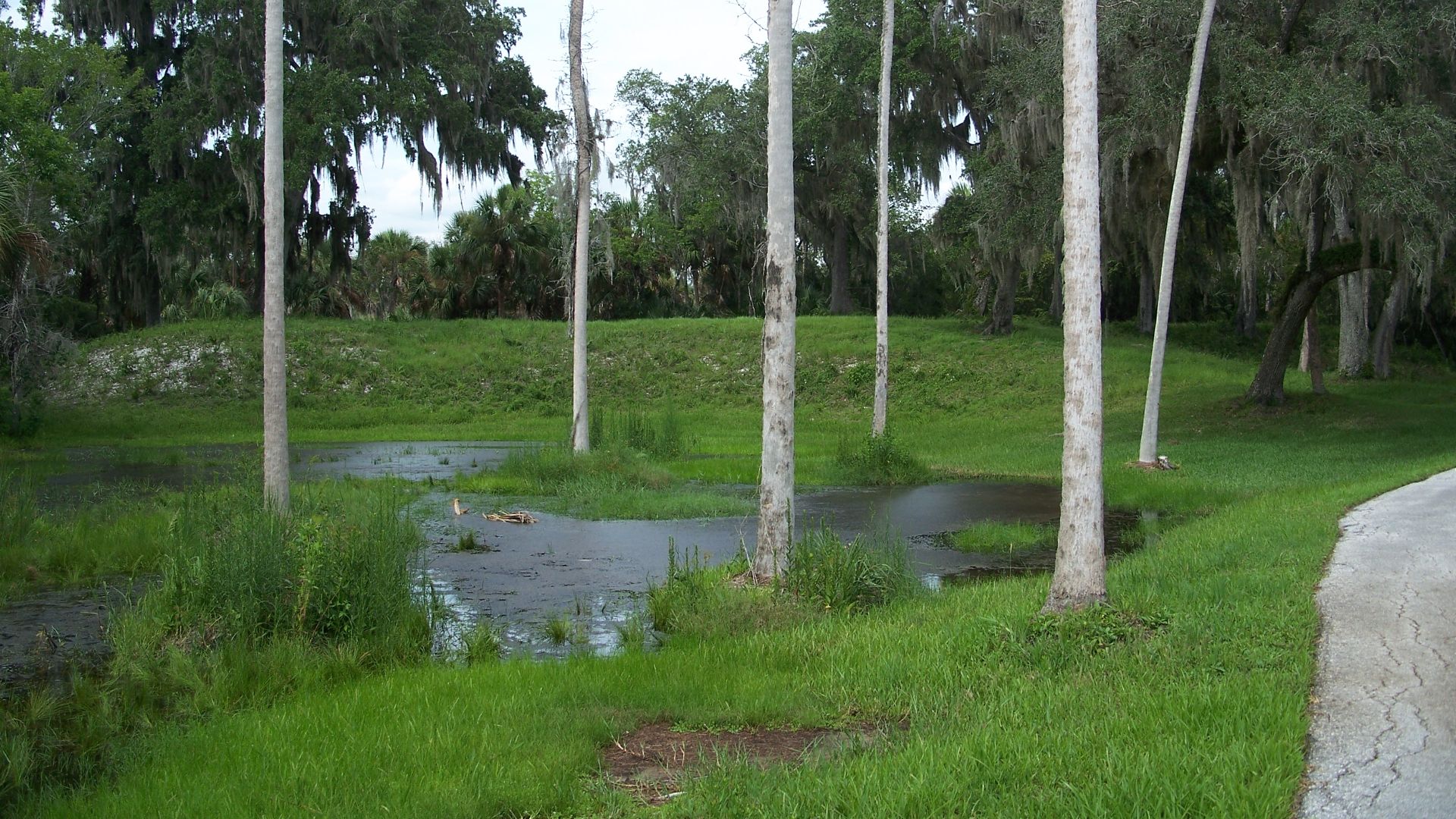
Many mounds have been damaged by construction, looting, erosion, storms, and rising seas. Some were even dug up for their shells and soil. Once a mound is destroyed, the arrangement of its layers is gone forever. Protecting these sites means recognising their cultural and spiritual importance before it is too late.
What The Mounds Tell Us
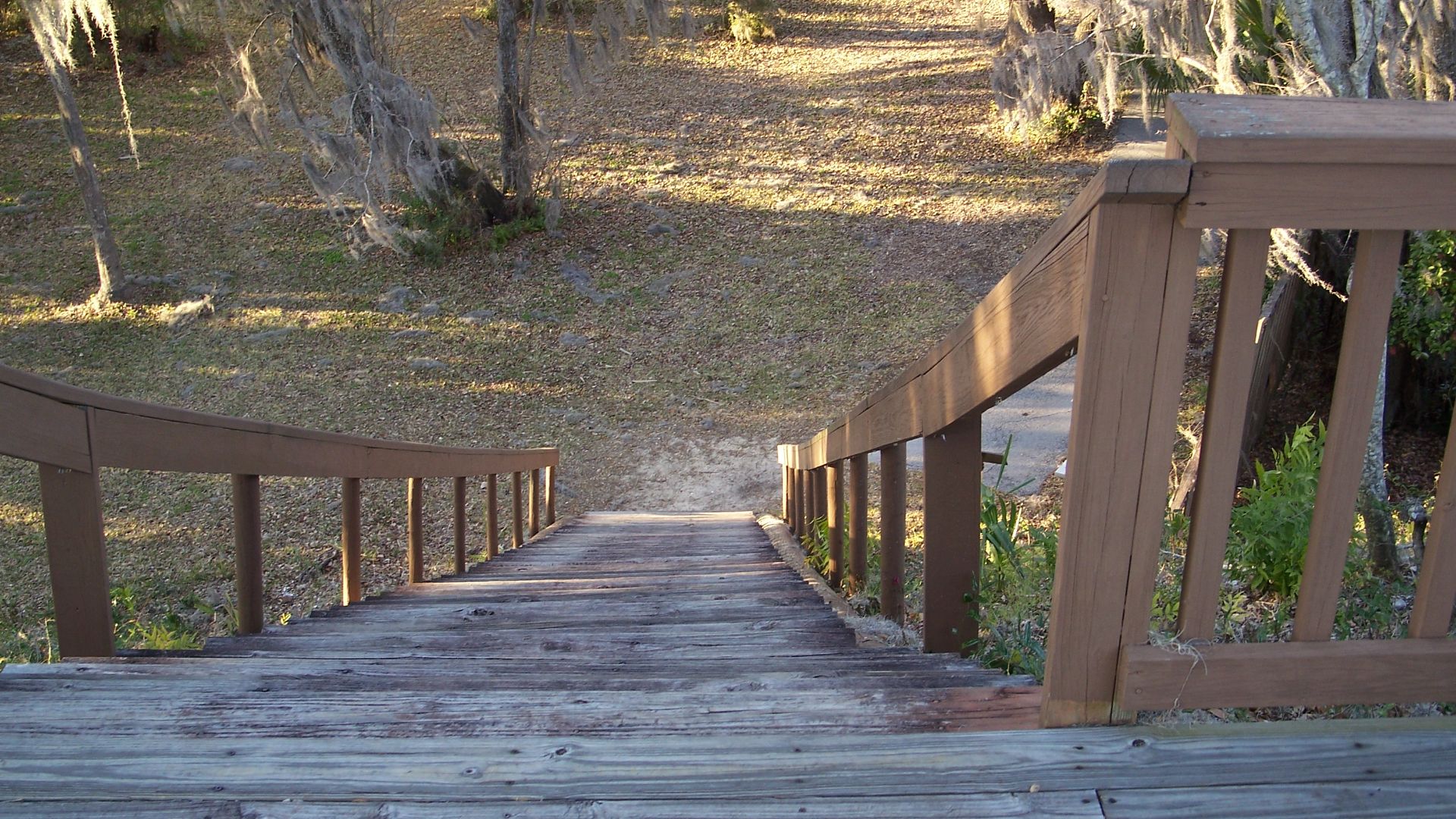
Florida’s mounds reveal communities that invested huge amounts of time and effort in honouring the dead. People travelled, shared meals, exchanged valuable objects, and gathered for ceremonies. Religion, family, trade, leadership, and everyday life were not separate subjects. They were all woven together.
The Past Is Still Present
Florida’s burial mounds may appear quiet today, but they are filled with human stories. Their layers preserve grief, faith, hard work, and a deep sense of belonging. Archaeology can help us understand part of that story, but protecting these sacred places requires respect, patience, and a little humility.
You May Also Like:
The Most Peaceful Countries In The World—Ranked According To Data