A Lost Paper Trail In Clay
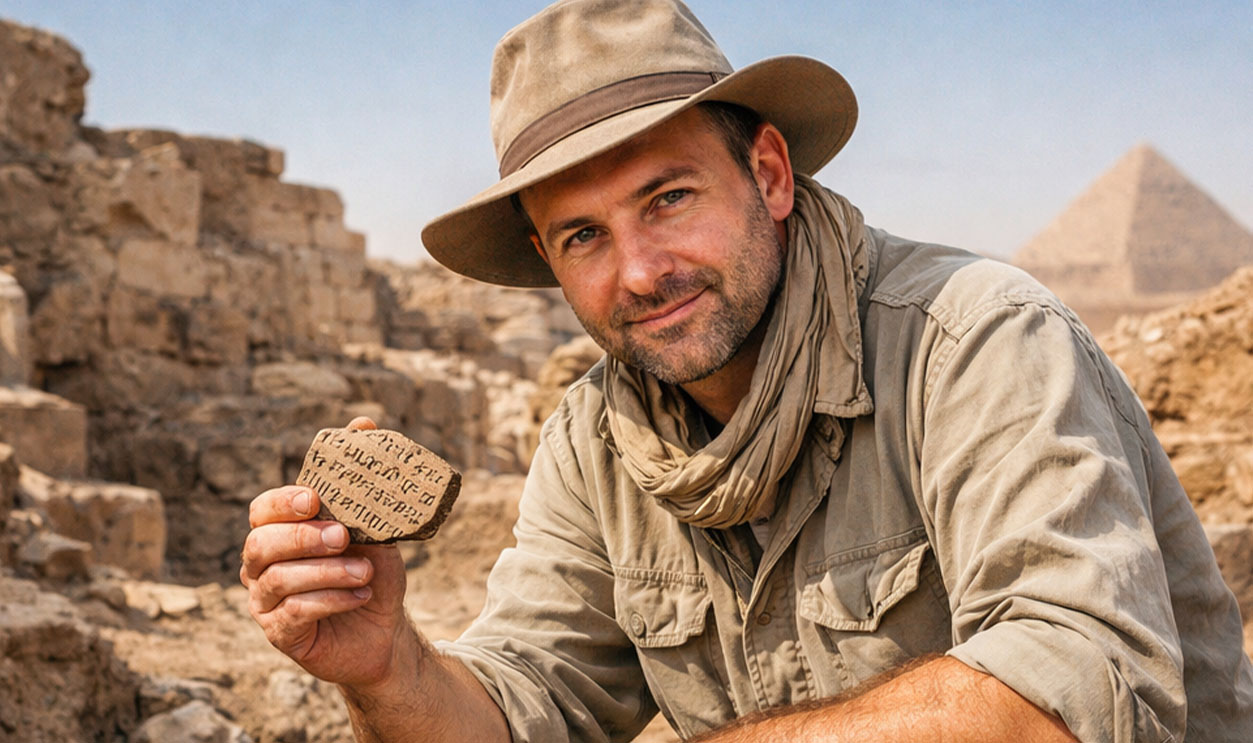
When people picture ancient Egypt, they usually think of pyramids, pharaohs, and gold-filled tombs. What rarely comes to mind are grocery lists, school exercises, tax receipts, or quick reminders scribbled down in a hurry. But that’s exactly what archaeologists have uncovered at the ancient site of Athribis, where more than 43,000 ostraca, essentially clay Post-it notes, have been found over the past two decades. These small fragments of pottery, covered in ink and everyday writing, are transforming how historians understand daily life in ancient Egypt, shifting the focus away from kings and monuments toward ordinary people and their routines.
The Discovery Of 43,000 Ancient Notes
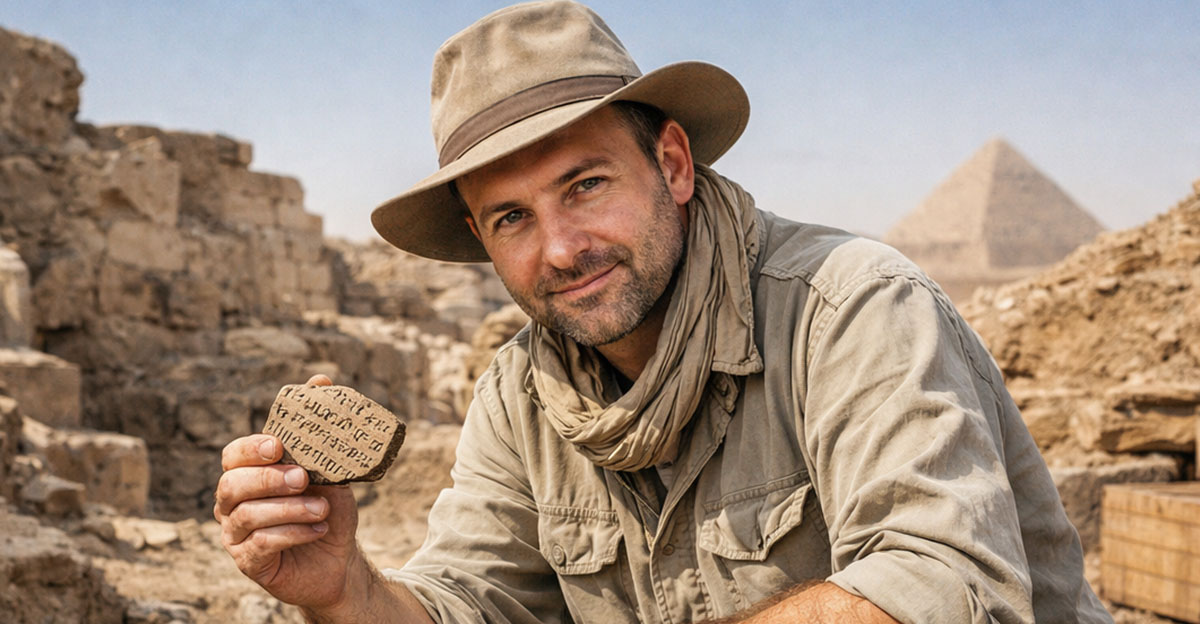
The discovery didn’t happen all at once. Since around 2005, a joint Egyptian-German archaeological mission has been excavating the site of Athribis in Upper Egypt. Over time, they uncovered tens of thousands of pottery fragments inscribed with text, with recent excavations pushing the total to more than 43,000 ostraca. This sheer volume is what makes the discovery so groundbreaking, since it represents not just a handful of texts but a massive archive of everyday communication.
 Roland Unger, Wikimedia Commons
What Exactly Is An Ostracon?
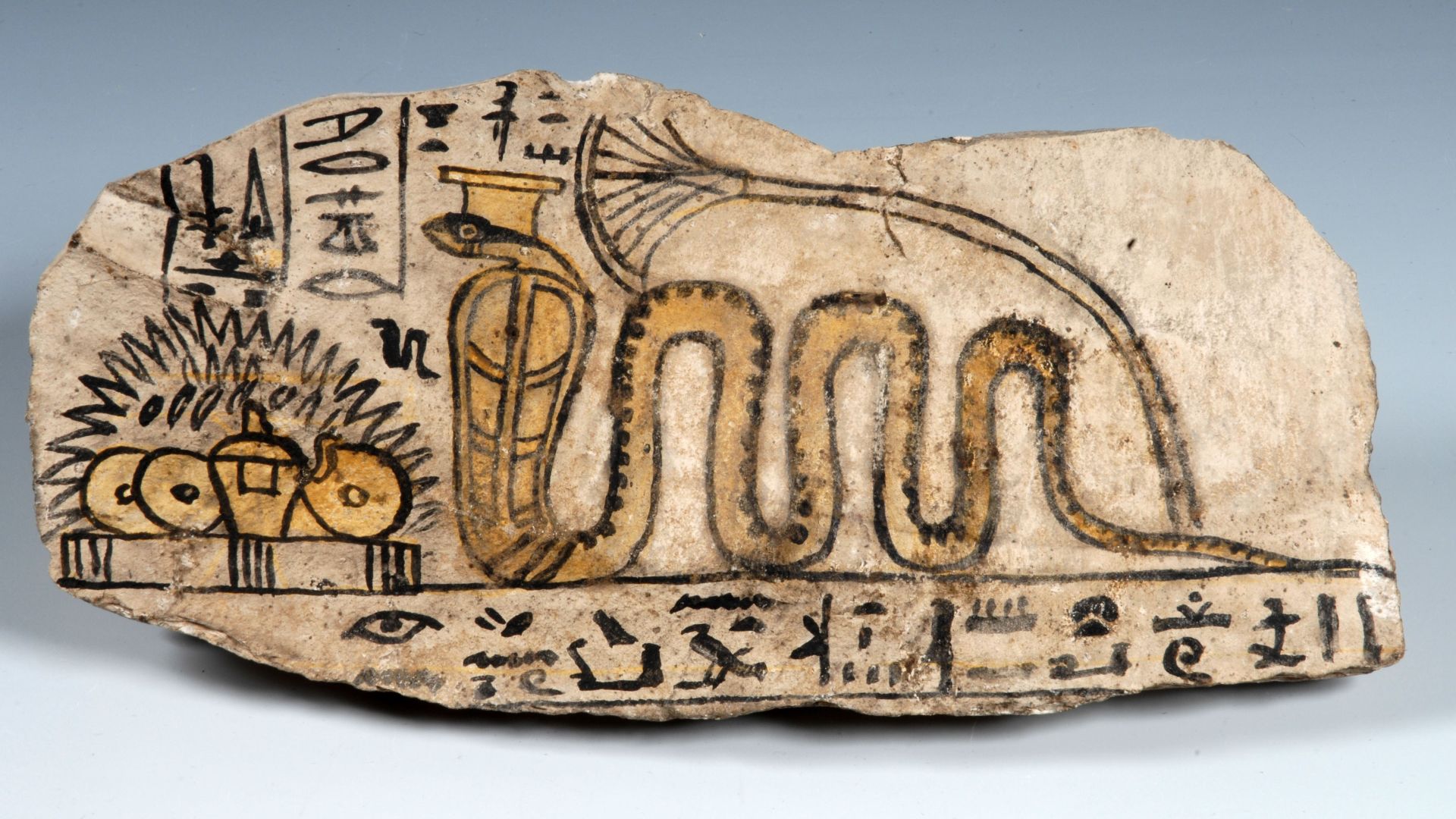
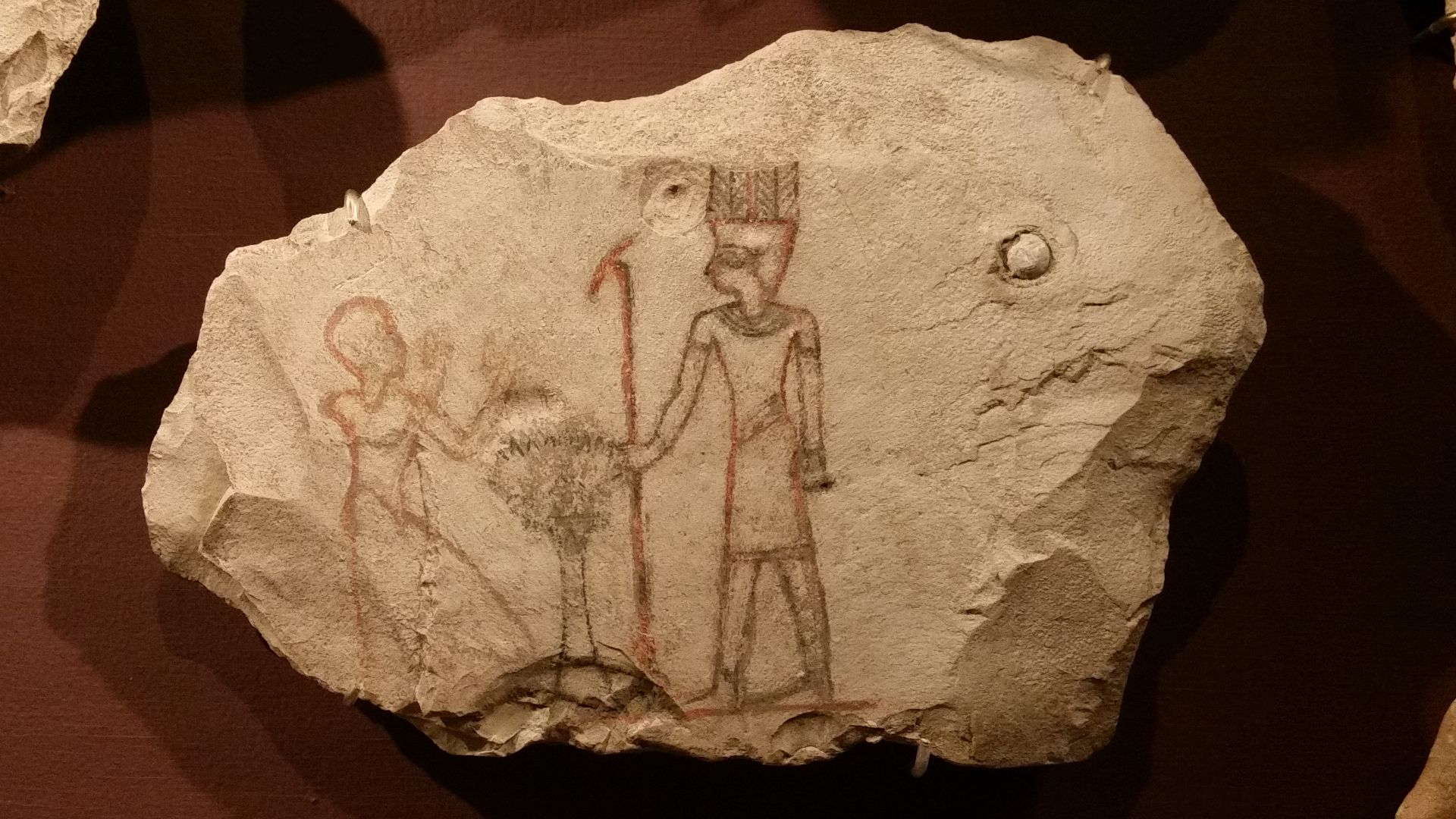
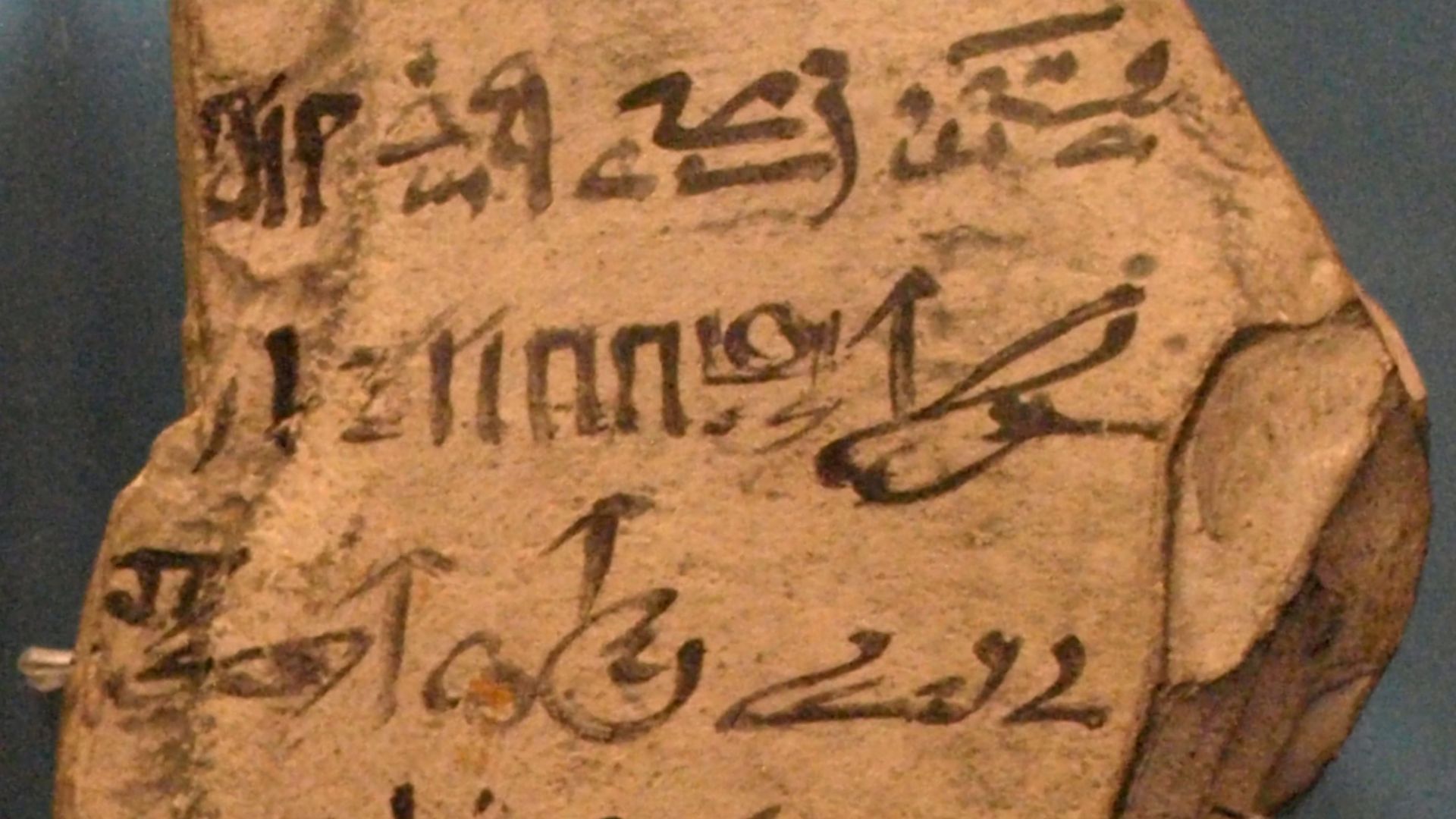
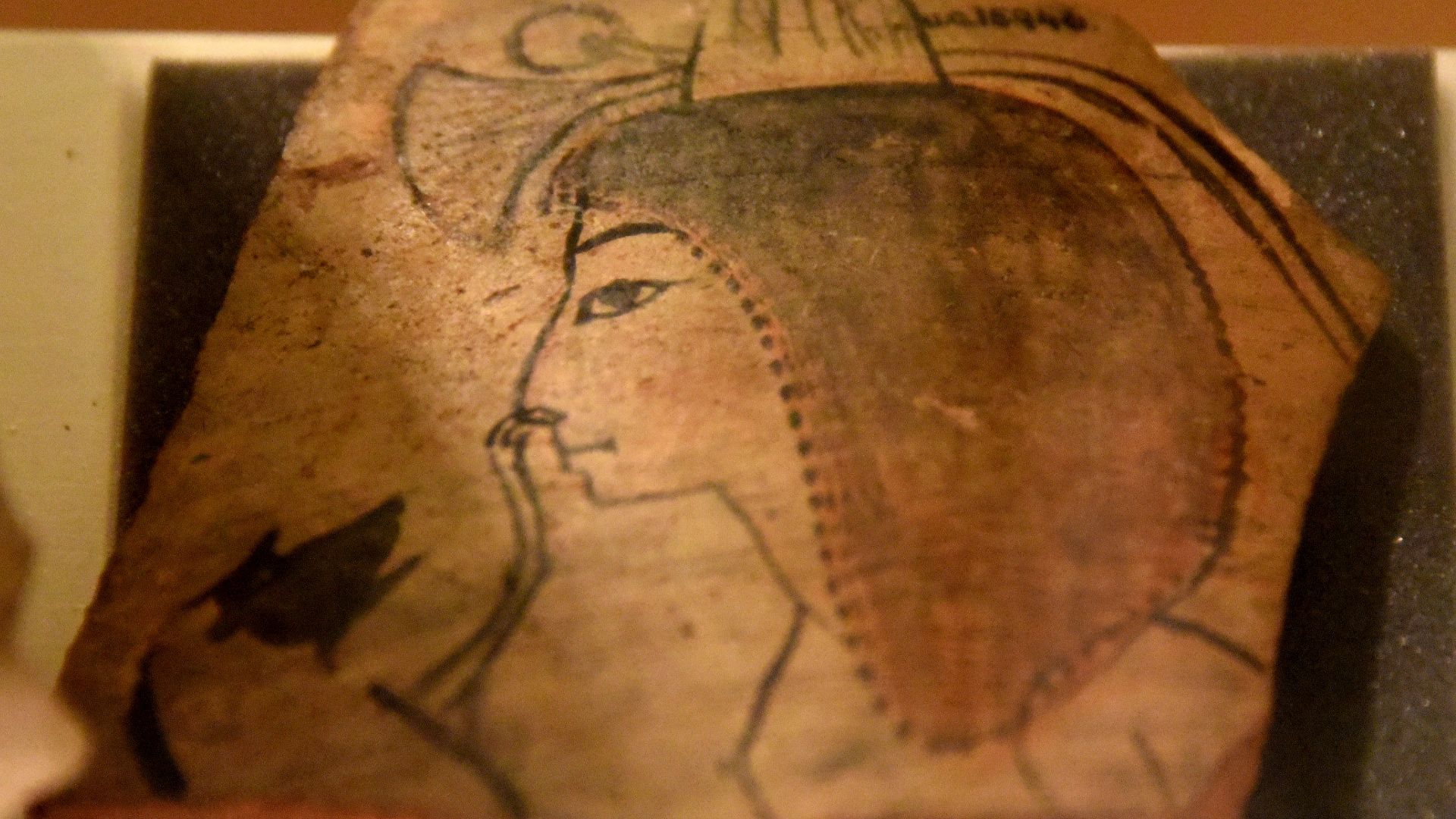
An ostracon, or ostraca in plural form, is simply a piece of broken pottery or limestone reused as a writing surface. In a world where papyrus could be expensive and not always practical, these fragments served as a cheap and convenient alternative. People used them the way we might use scrap paper today, jotting down quick notes, lists, and messages that didn’t need to be preserved long-term.
 Museo Egizio, Wikimedia Commons
Why Athribis Is So Important
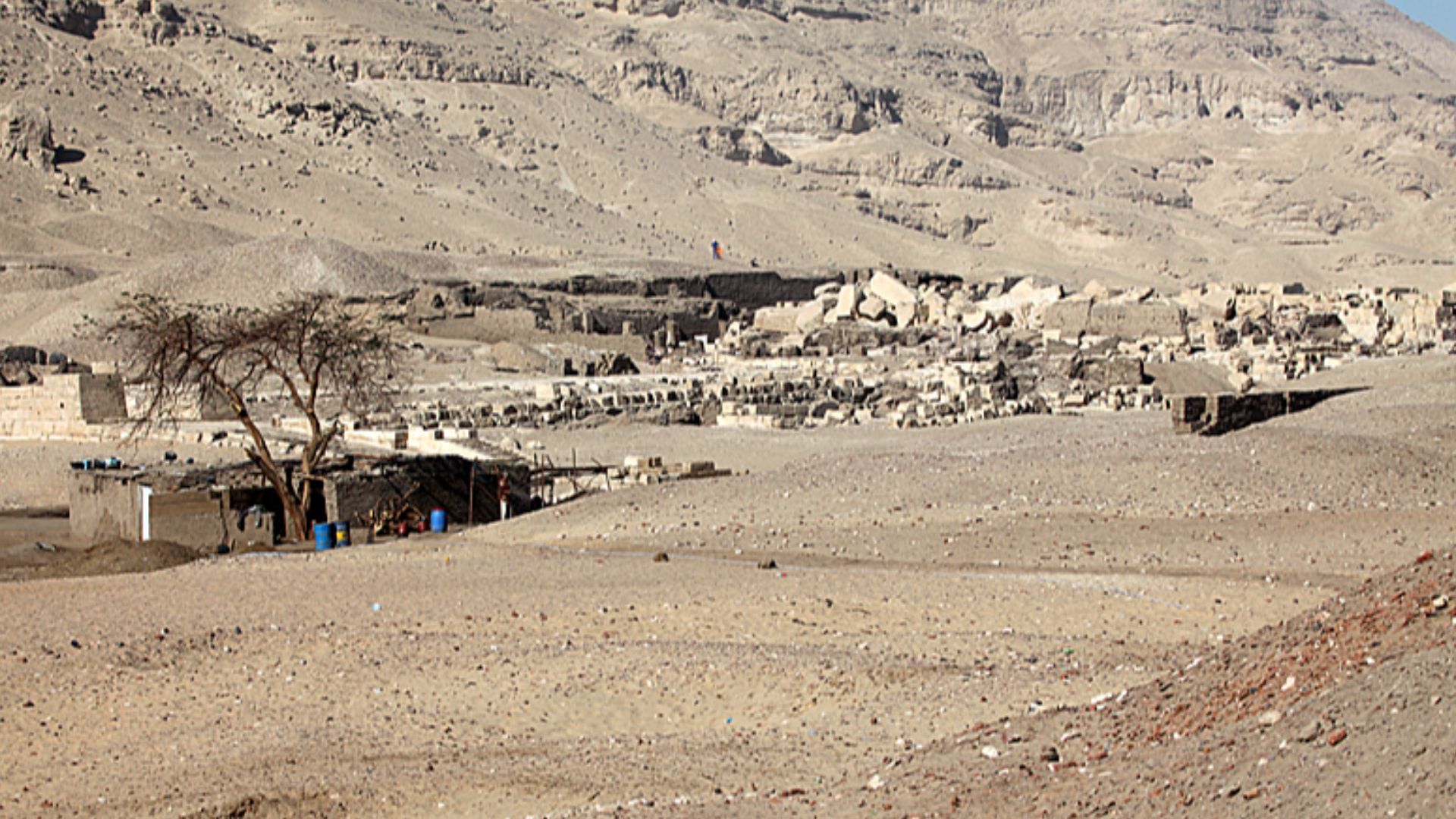
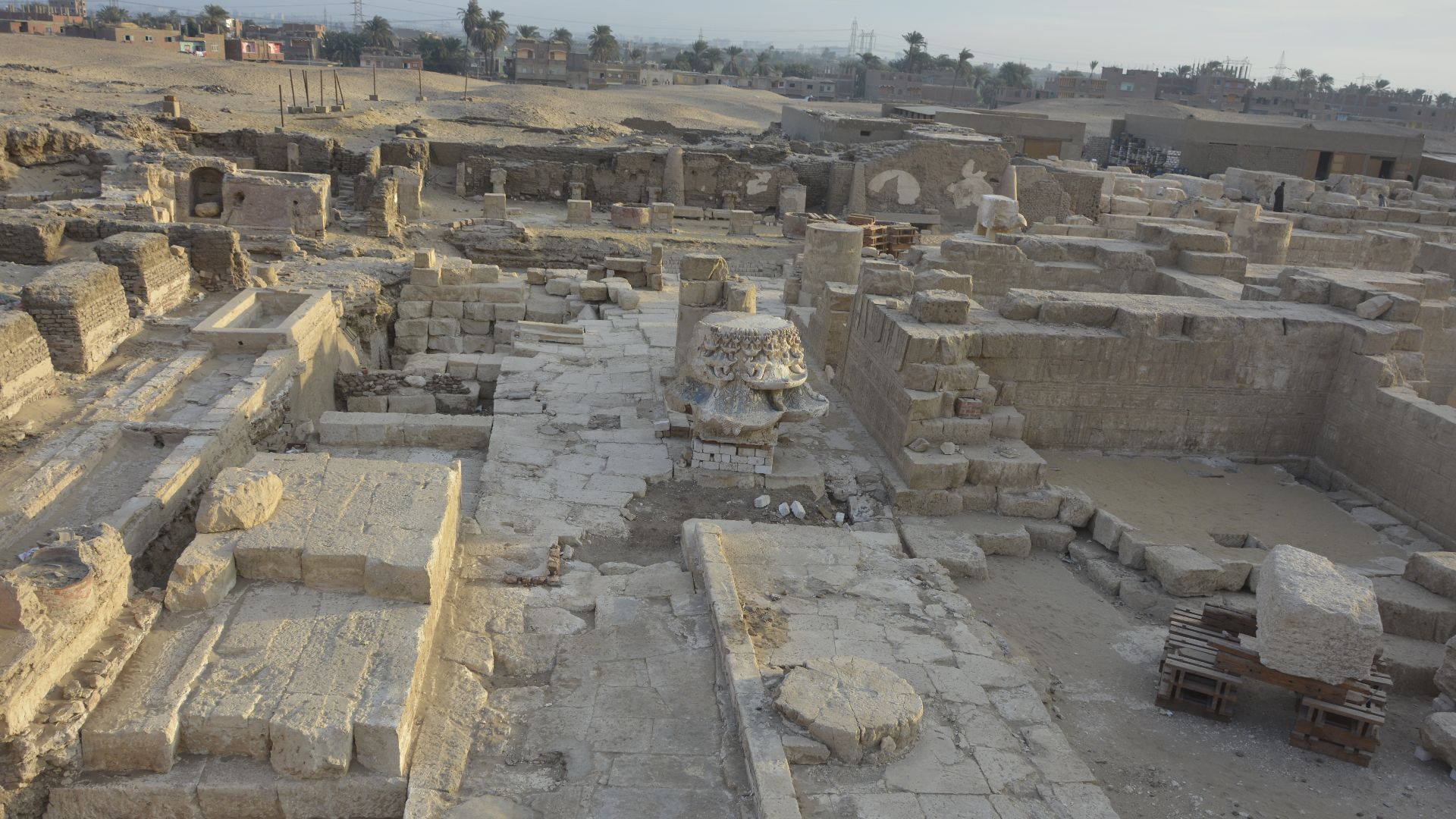
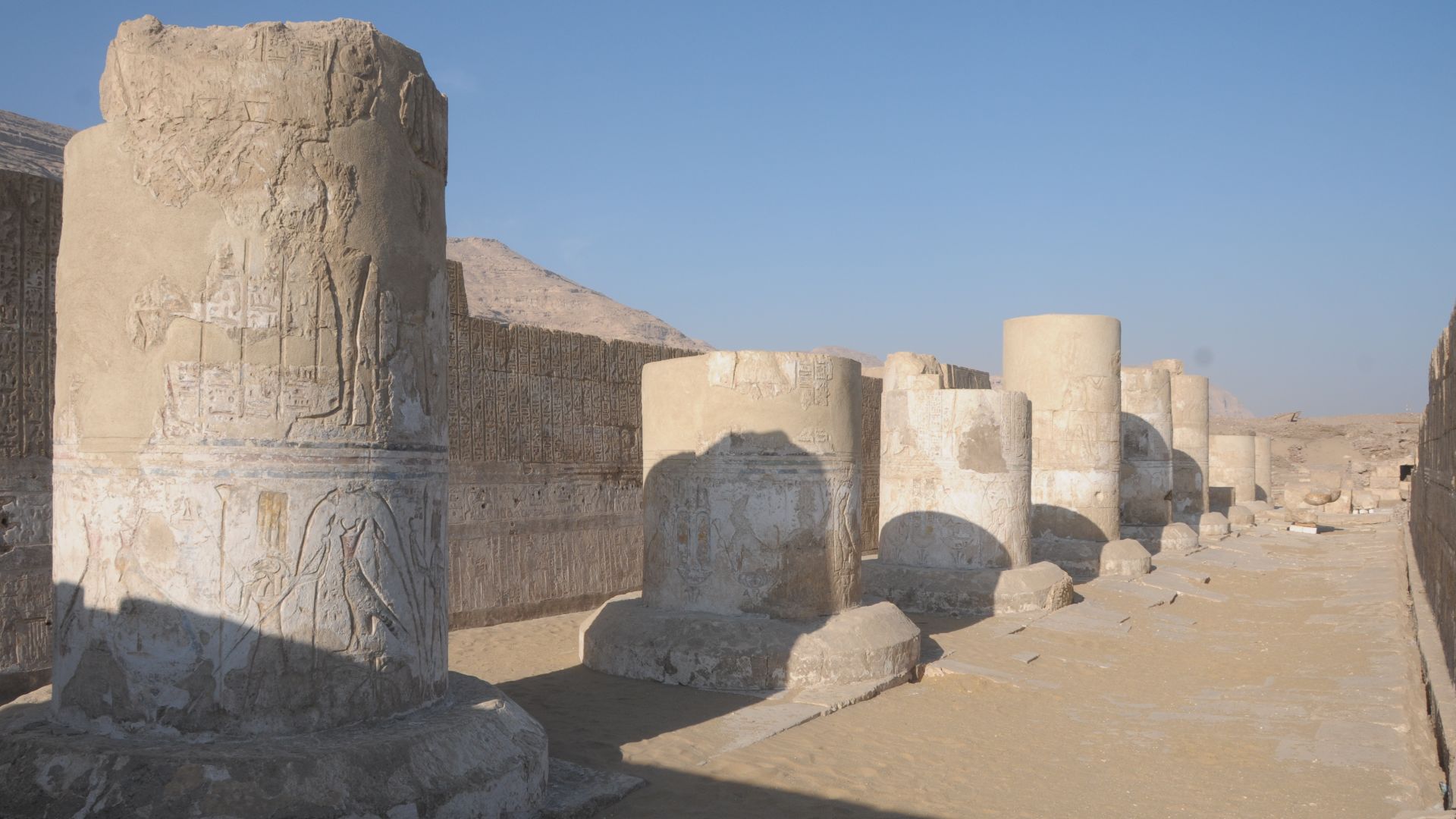
Athribis, located near modern Sohag along the Nile, was a major settlement during the Ptolemaic, Roman, and Byzantine periods. It was not just a quiet town but a busy center with temples, workshops, and residential areas, meaning there was constant activity and a steady need for written communication. Because of its long occupation and active population, the site produced a wide range of written material spanning centuries.
 Christian Leitz, Wikimedia Commons
Excavating A Paper Trail
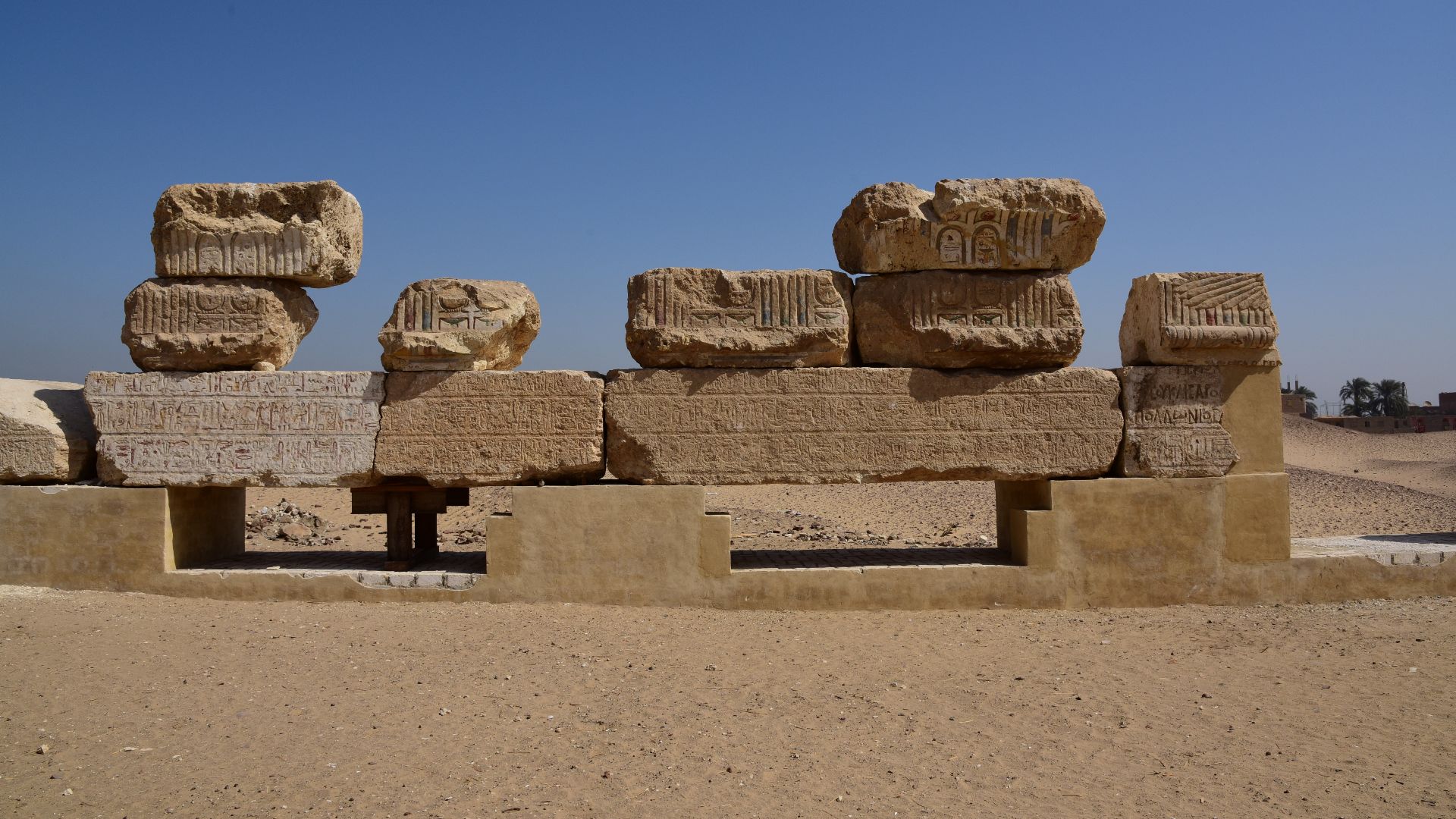
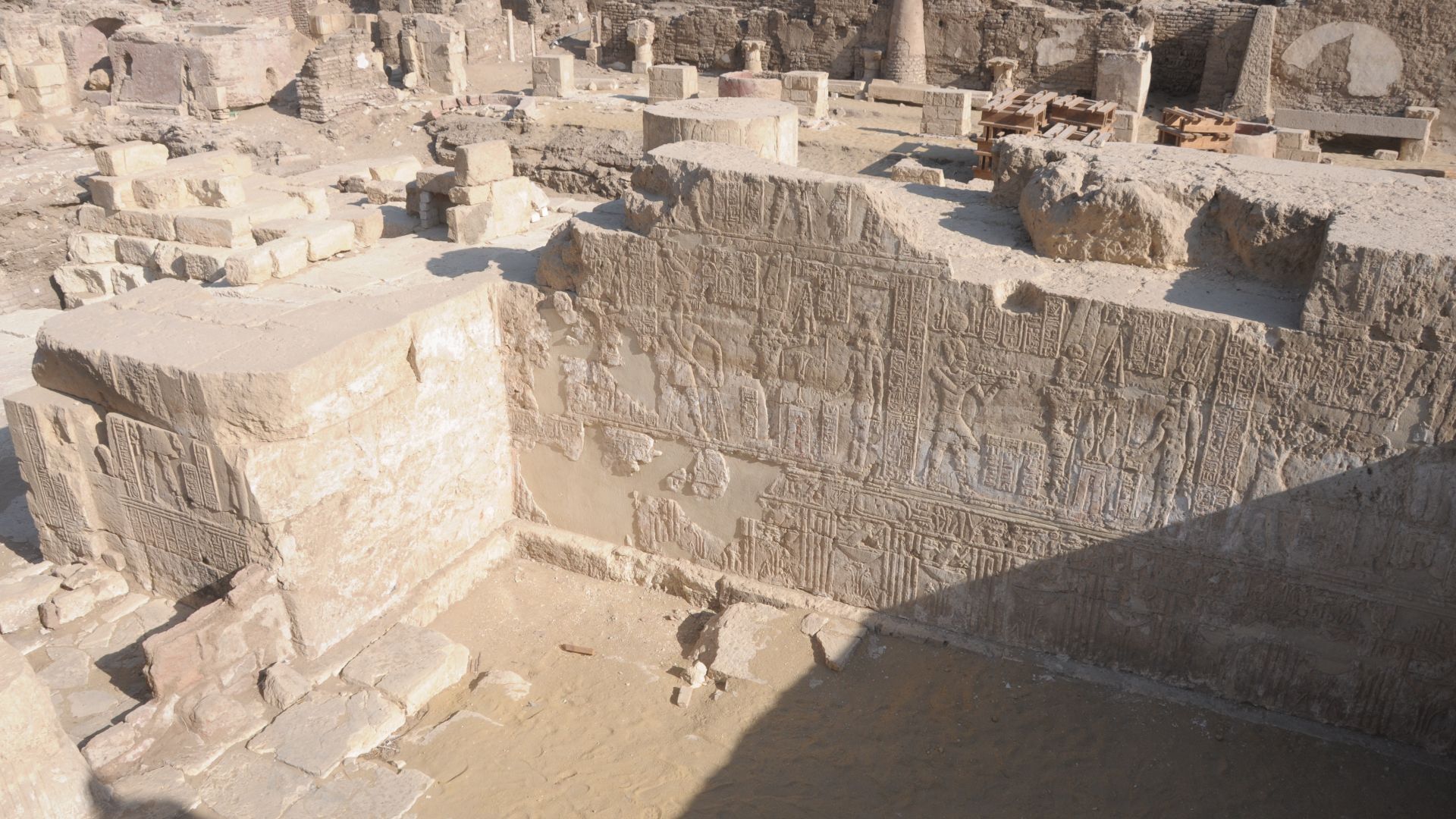
The ostraca were not neatly stored in a single archive. Instead, they were scattered across different excavation areas, often found in debris layers near temples, workshops, and living quarters. In some areas, archaeologists reported finding 50 to 100 inscribed fragments per day, which gives you a sense of just how densely packed the site is with written material. Each piece had to be carefully examined, cleaned, and catalogued, turning the excavation into a slow but incredibly rewarding process.
 Christian Leitz, Wikimedia Commons
Languages From Across The Centuries
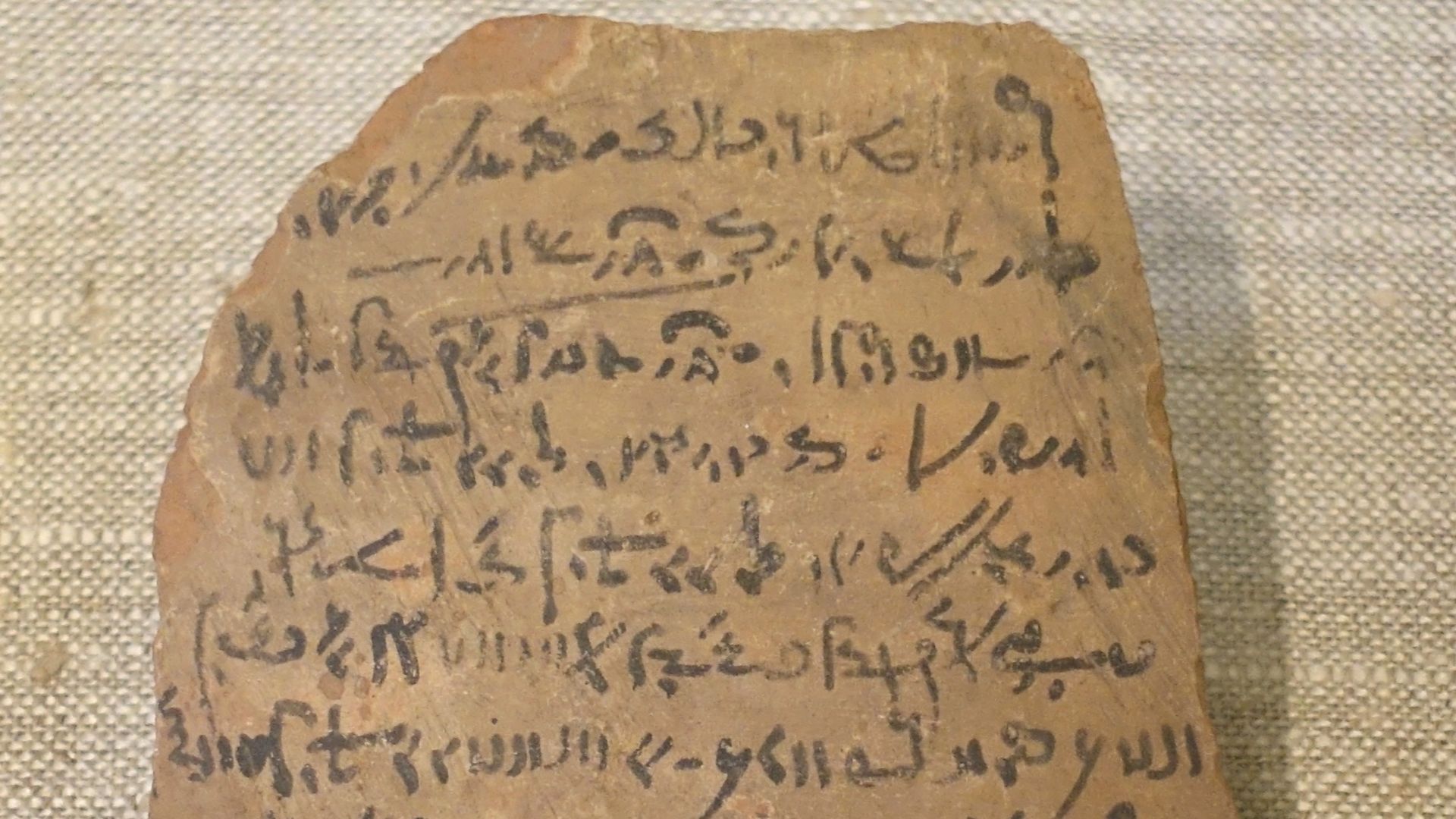
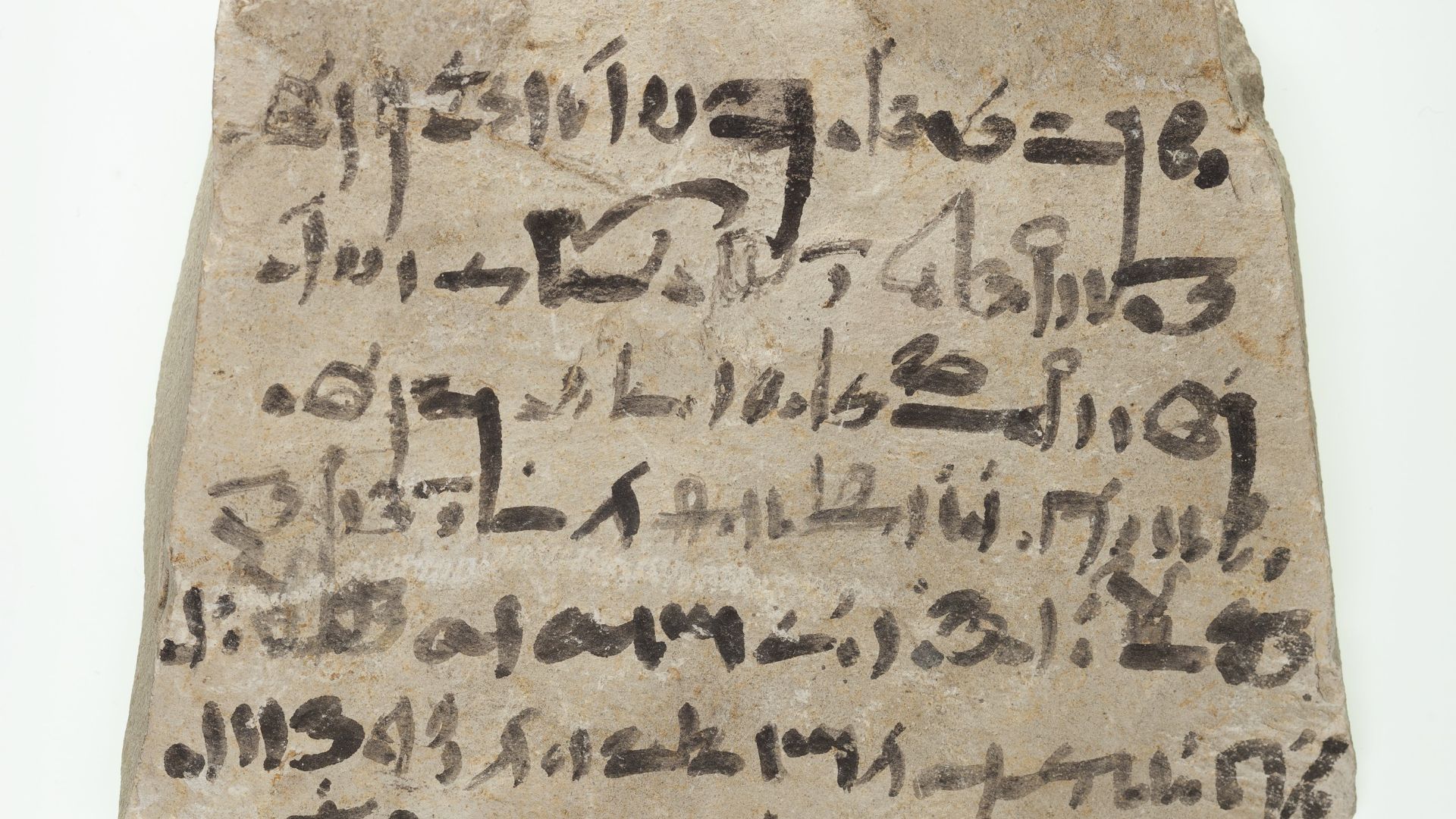
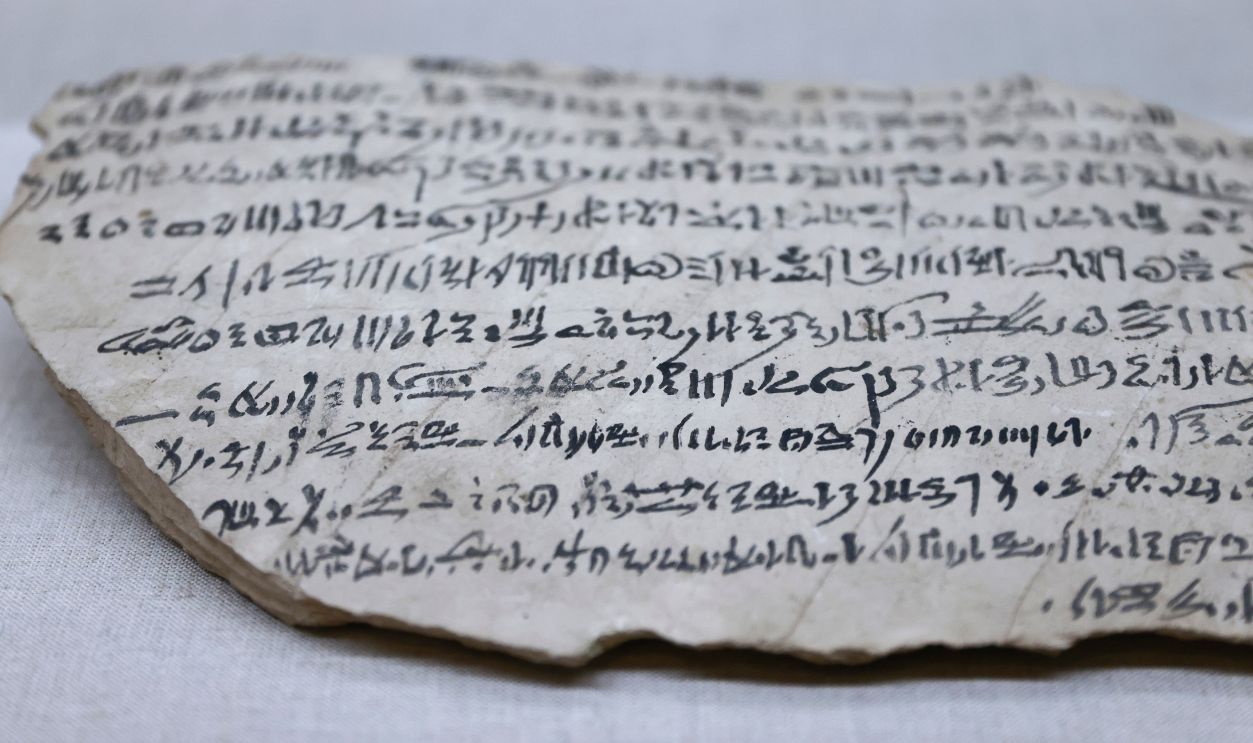
One of the most fascinating aspects of the Athribis ostraca is the variety of languages and scripts used. The texts include Demotic Egyptian, Greek, Coptic, and even Arabic, reflecting the site’s long and diverse history. This linguistic mix shows how Athribis evolved over time, transitioning through different political and cultural phases while remaining a lived-in, active place.
Everyday Life Written Down
Unlike royal inscriptions or monumental carvings, these ostraca capture the small details of daily life. Many include tax receipts, delivery notes, administrative records, and simple lists that document routine transactions and responsibilities. These are the kinds of documents that rarely survive in the archaeological record, which is why this discovery is so valuable.
 Keith Schengili-Roberts, Wikimedia Commons
Ancient “To-Do Lists” And Notes
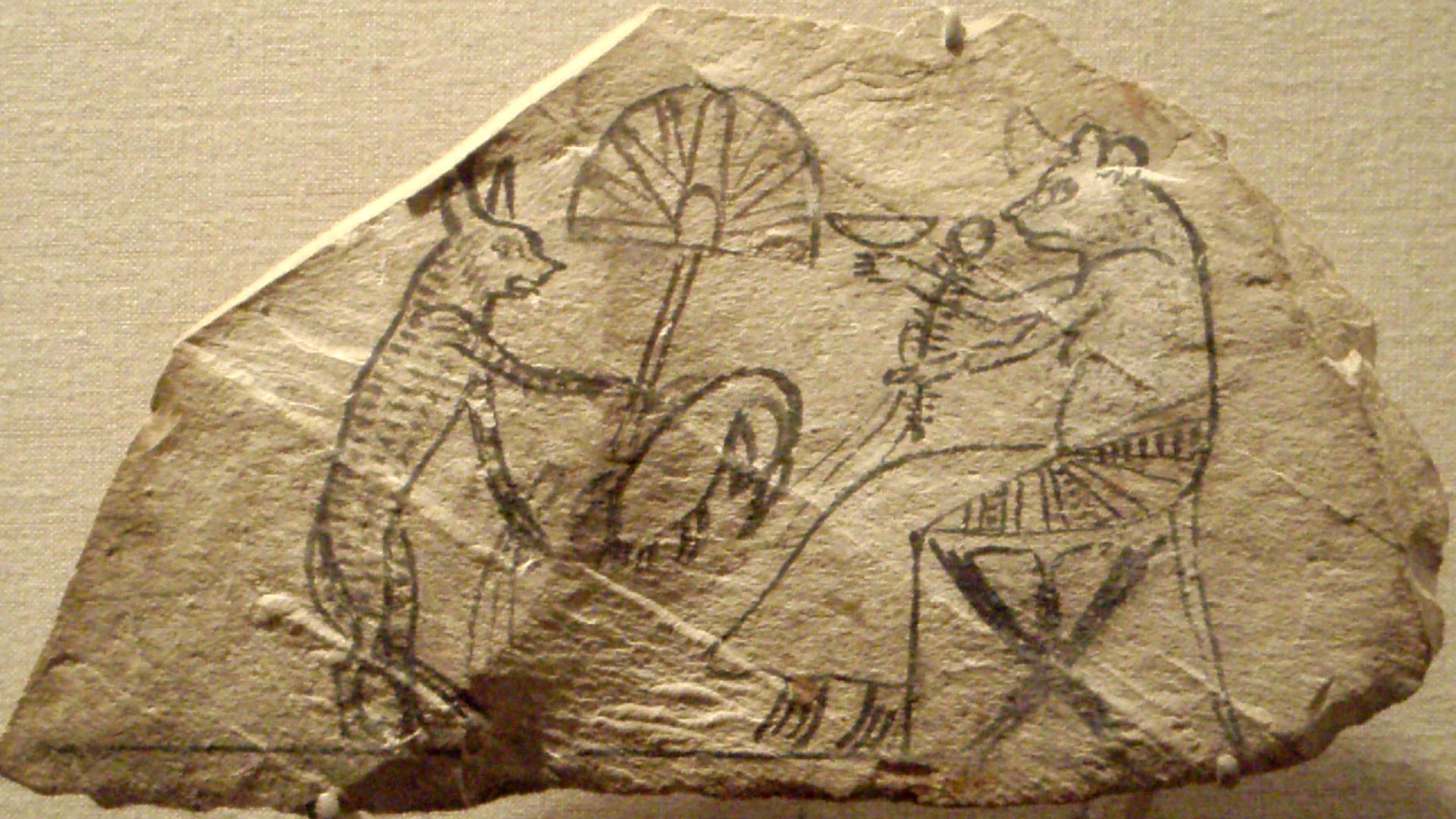
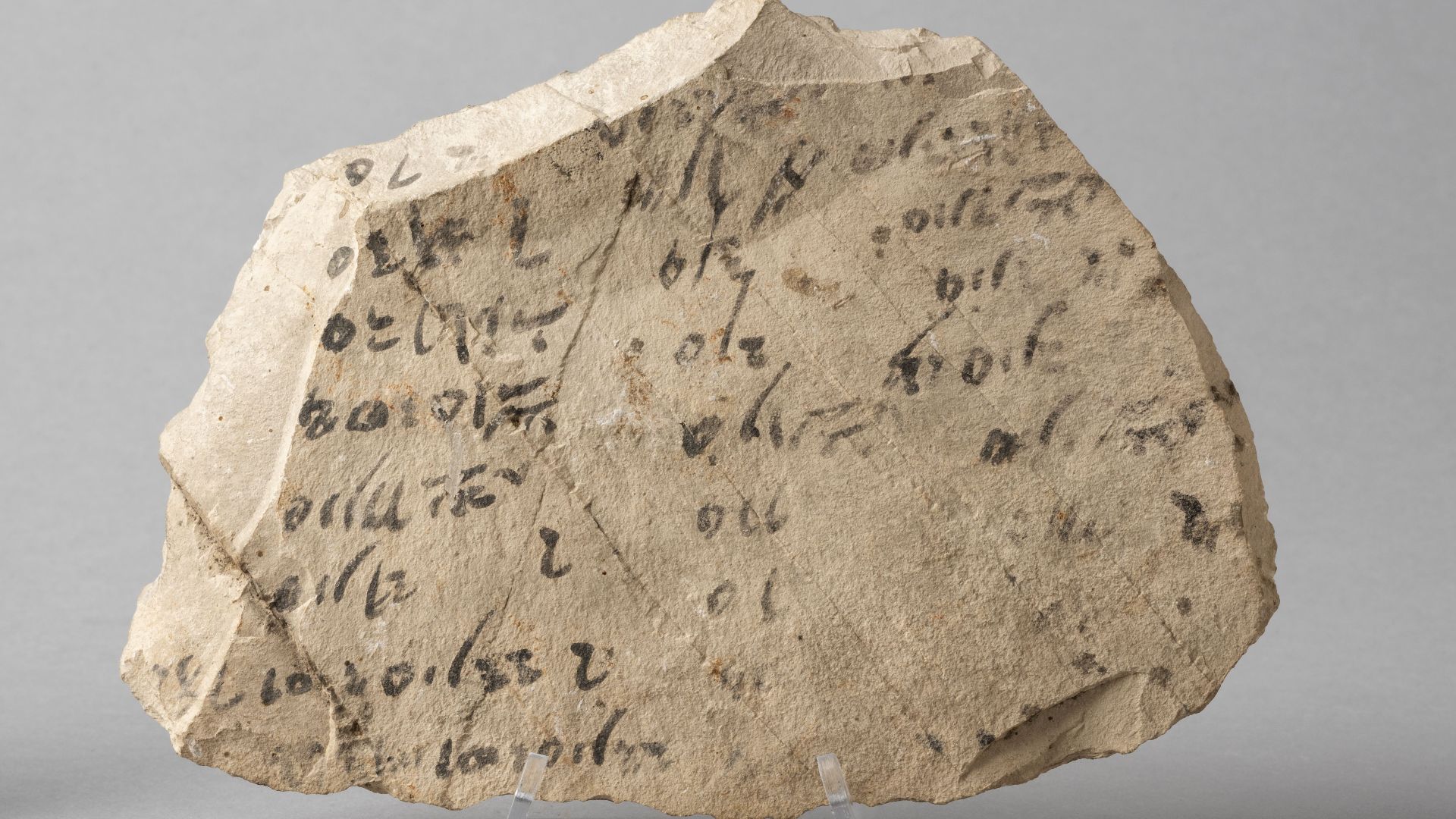
Some ostraca read like quick reminders or personal notes, with archaeologists identifying fragments that resemble to-do lists, name lists, and short messages. It is easy to imagine someone jotting something down before heading to the market or making a note about goods that needed to be delivered later.
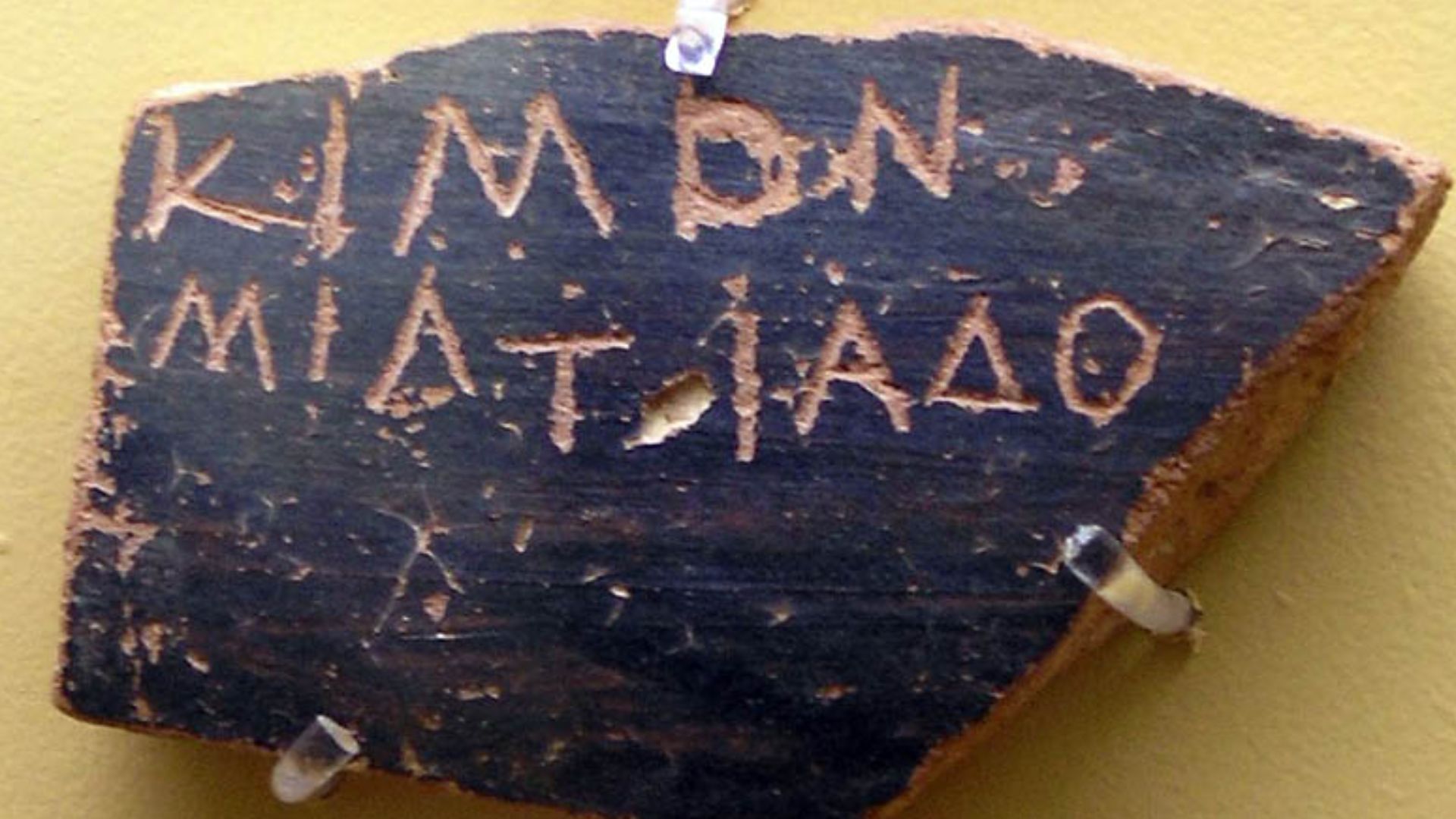
School Exercises And Learning
Not all the ostraca were practical notes. Many appear to be writing exercises used by students, showing repeated words, copied texts, or practice scripts. These fragments give us a rare look inside ancient education, revealing how people learned to read and write and how common literacy may have been in certain parts of society.
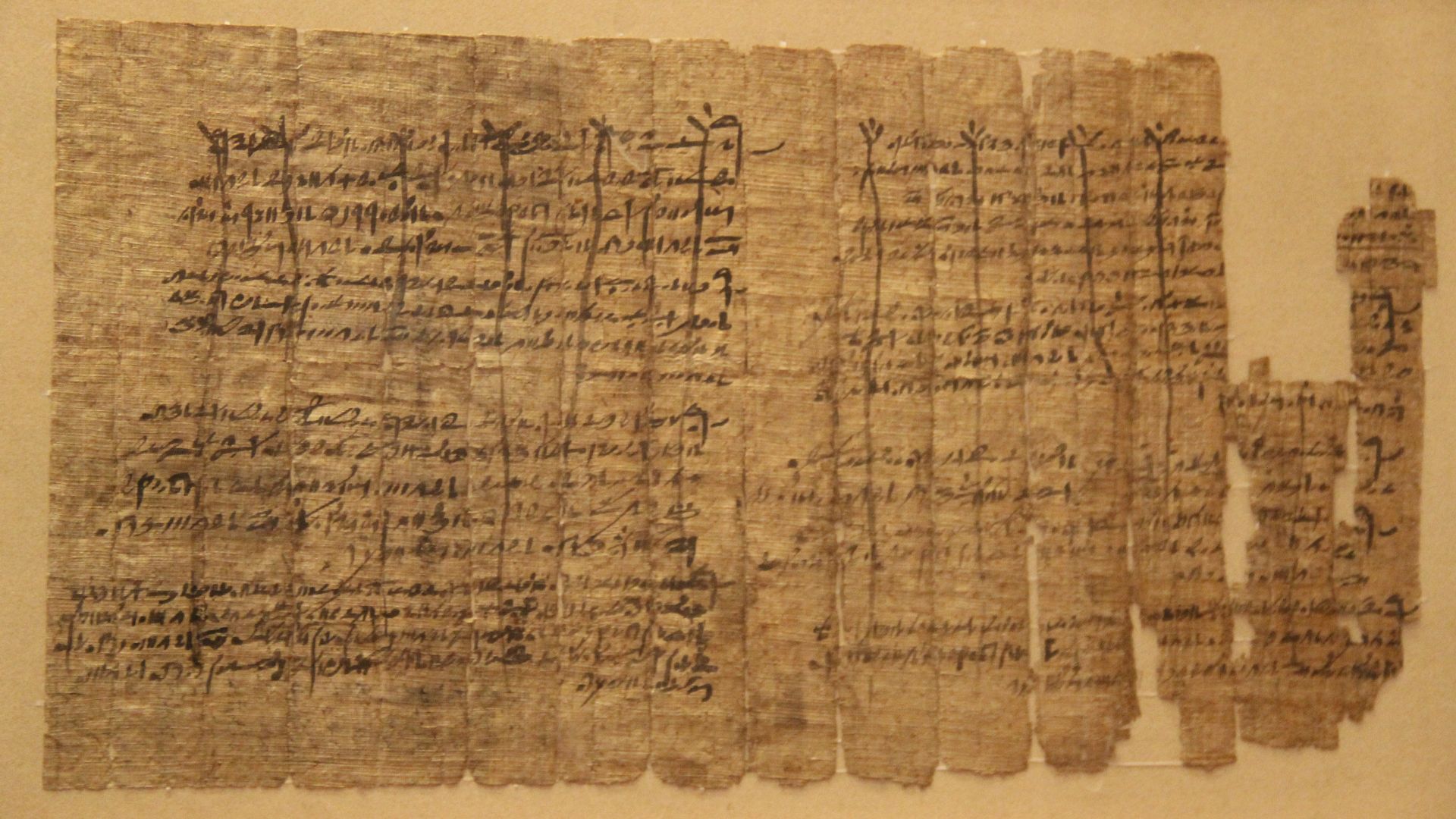 Gary Todd from Xinzheng, China, Wikimedia Commons
Financial Records And Taxes
Some of the oldest texts found at Athribis are tax receipts written in Demotic script, dating back to around the third century BCE. These records provide insight into the economic systems of ancient Egypt, showing how taxes were tracked, recorded, and managed at a local level.
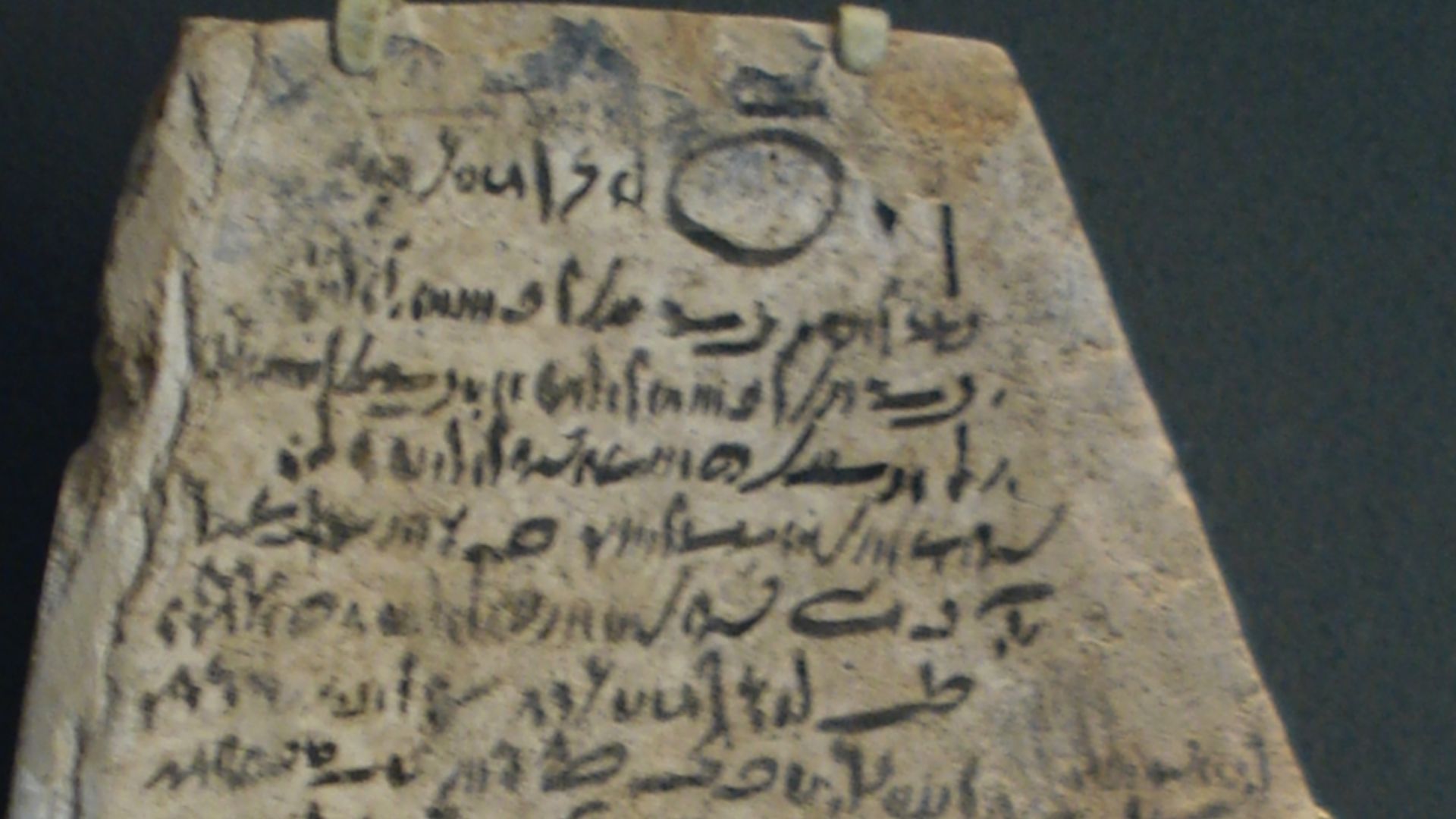 One dead president, David Liam Moran, Wikimedia Commons
A Window Into Administration
The ostraca also include official lists and administrative documents, suggesting that Athribis had a well-organized bureaucratic system. Instead of relying only on monumental inscriptions, we now get to see how governance worked in everyday practice, including how goods were recorded, people were tracked, and transactions were handled.
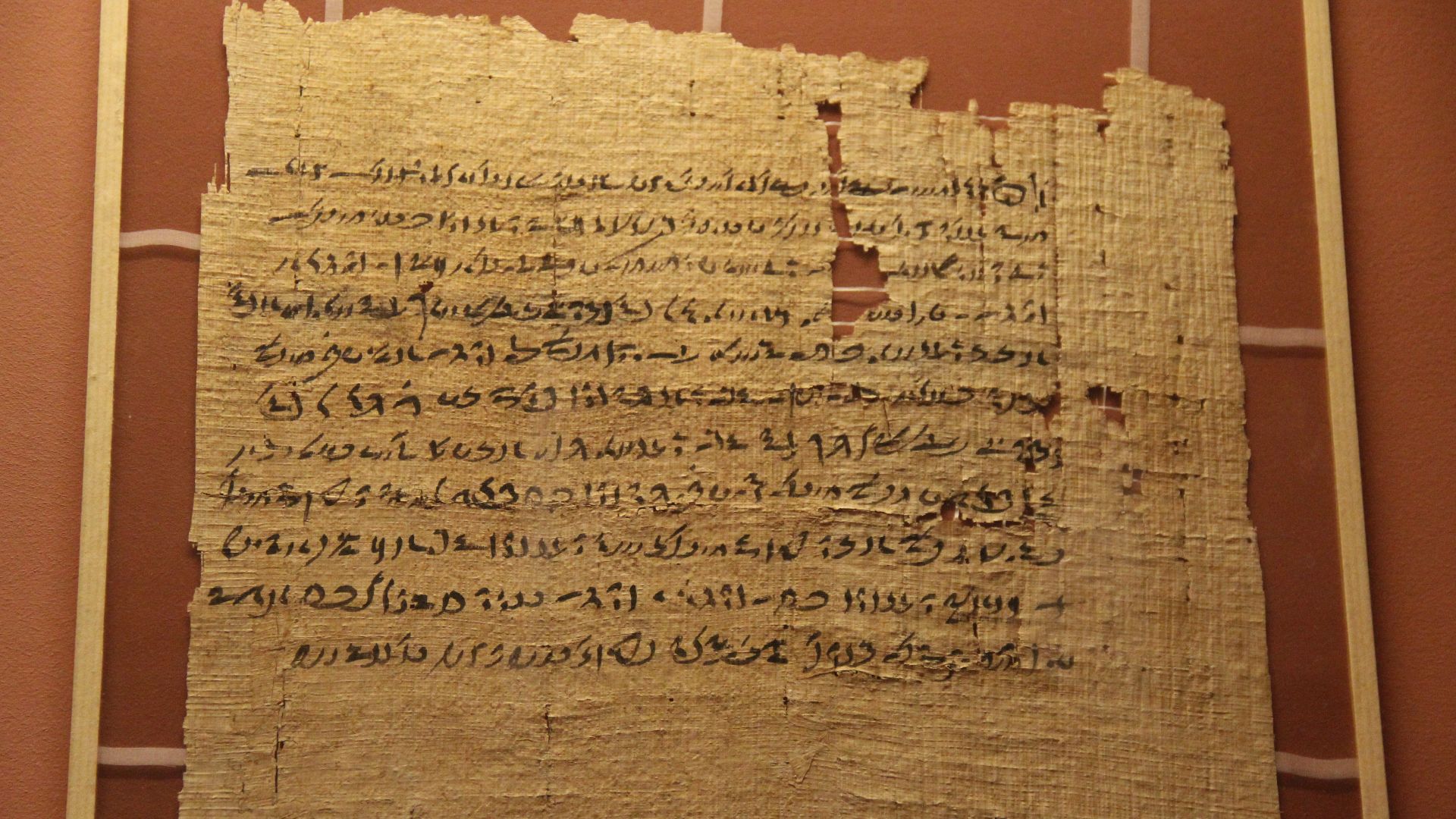 Gary Todd from Xinzheng, China, Wikimedia Commons
Religion In The Details
Some ostraca hint at religious life as well. While they are not as elaborate as temple inscriptions, they include references to offerings, rituals, and religious names. These small details help fill in the gap between formal religious practice and how ordinary people experienced belief in their daily routines.
A Site With A Long History
Athribis itself has a deep history, with occupation stretching back to earlier periods and continuing through the Greco-Roman and Byzantine eras. This long timeline explains why the ostraca cover such a wide range of topics, languages, and writing styles.
 Christian Leitz, Wikimedia Commons
Why Ostraca Matter More Than You Think
At first glance, broken pottery with scribbles might not seem particularly exciting. However, ostraca are incredibly valuable because they capture unfiltered, everyday communication. Unlike official texts, they were not meant to impress or last forever, which makes them more honest and often more revealing.
Comparing Athribis To Other Sites
Before this discovery, the most famous collection of ostraca came from Deir el-Medina, a workers’ village near the Valley of the Kings. Now, Athribis has surpassed it in scale, becoming the largest known collection of inscribed ostraca in Egypt and shifting attention toward this site as a key source of everyday historical evidence.
 Christian Leitz, Wikimedia Commons
What We Can Learn From 43,000 Notes
With such a massive dataset, researchers can begin to track patterns in behavior, language, and economy over time. They can study how people communicated, what they prioritized, and how systems like taxation and education functioned in real life.
A More Human Picture Of Ancient Egypt
These ostraca bring us closer to ordinary individuals than most archaeological finds ever could. Instead of focusing on kings and elites, they highlight the voices of workers, students, scribes, and traders, giving us a more grounded and relatable view of the past.
 Osama Shukir Muhammed Amin FRCP(Glasg), Wikimedia Commons
Technology Meets Ancient Ink
Modern analysis techniques, including digital imaging and database cataloguing, are helping researchers process the enormous number of ostraca. Without these tools, making sense of tens of thousands of fragments would be incredibly difficult.
 Rhoda Baer (Photographer), Wikimedia Commons
The Work Is Far From Finished
Even with thousands of ostraca already studied, many more remain untranslated or only partially understood. Researchers expect that new discoveries and interpretations will continue to emerge as the material is studied in greater detail. For now, this find forces historians to rethink what we know about ancient Egypt. It shows that writing was not limited to temples and elites but was part of everyday life, used by ordinary people to manage tasks, record transactions, and communicate.
Final Thoughts
The discovery of more than 43,000 ostraca at Athribis reveals a side of ancient Egypt that rarely gets attention. Beneath the grandeur of pyramids and temples was a world of notes, lists, receipts, and reminders written by people going about their daily lives. These clay sticky notes may not look impressive at first glance, but together they form one of the richest archives of everyday history ever uncovered, reminding us that behind every great civilization are countless ordinary moments.
 Marco Chemello (WMIT), Wikimedia Commons
You May Also Like: