 A. Ruiz et al., Complutum (2025). CC BY 4.0, Modified
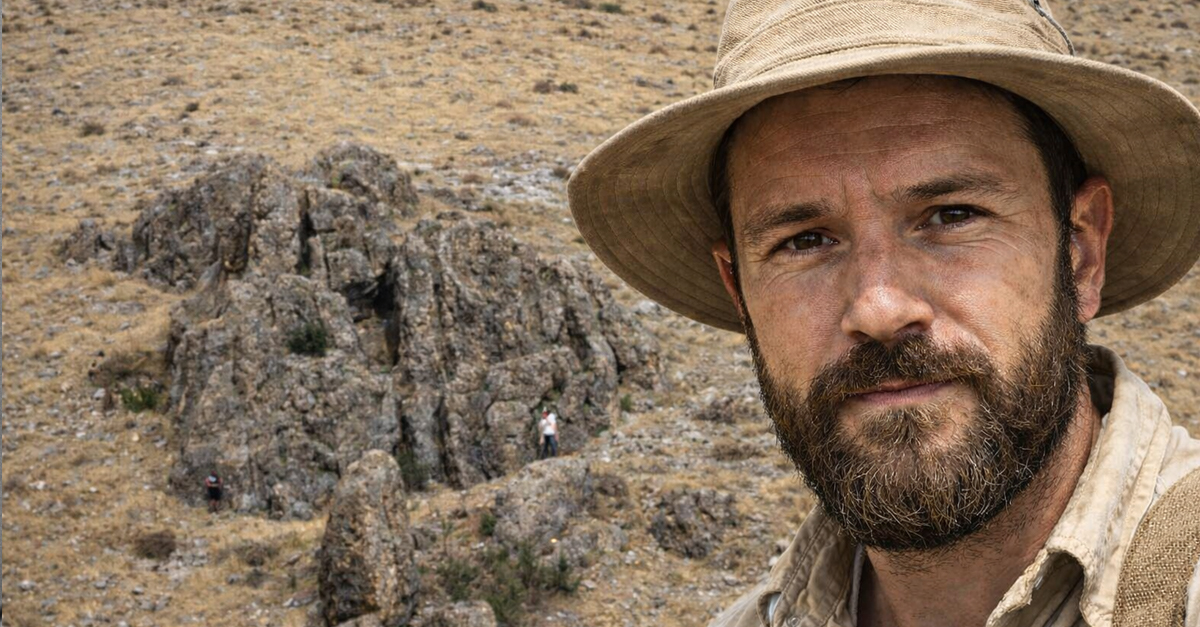
The discovery in Jaen did not arrive with the drama of gold or treasure, but with something far rarer: clarity of intention. Archaeologists working near Jodar uncovered a 2,500-year-old sanctuary that speaks through stone and time. From the first trench, it became clear this was not a random arrangement of rocks. Every line and orientation point toward the winter sunrise, which suggests a carefully planned ritual landscape built to be activated by a specific moment in the solar year. What makes the site exceptional is not only its age but how openly it reveals the beliefs of the Iberian people who shaped it to embed meaning directly into the terrain itself.
Where Stone Meets The Sun
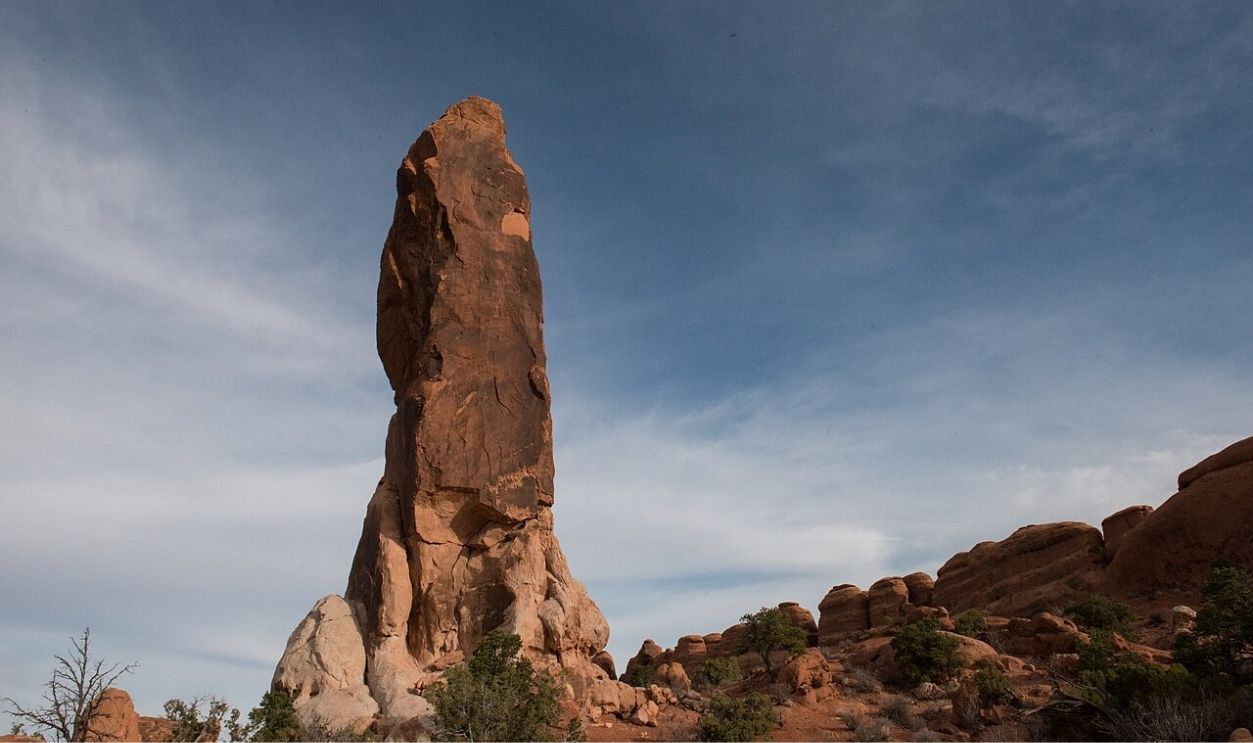
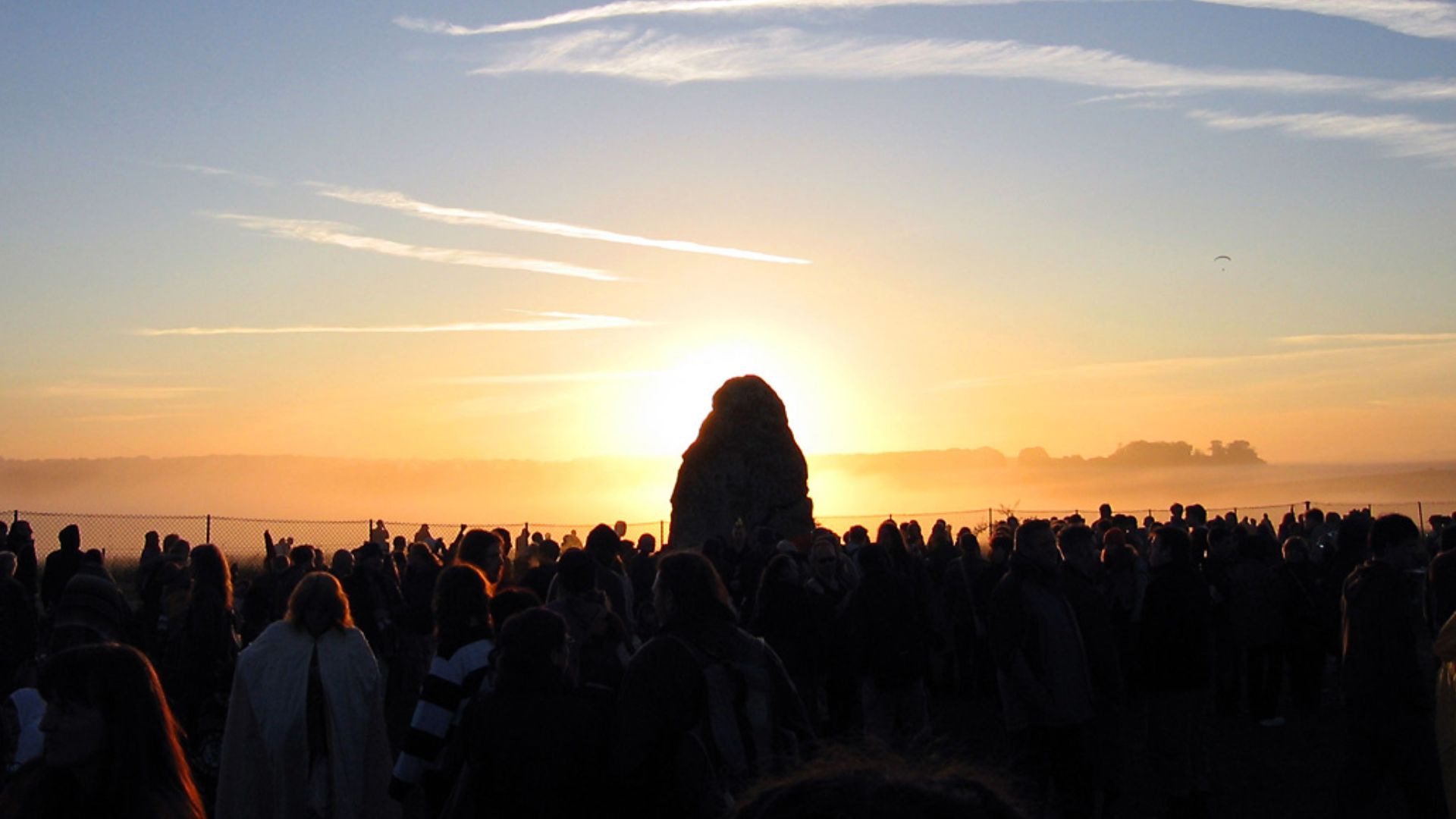
At the heart of the sanctuary stands a tall monolith, which rises more than five meters from the ground and is positioned with deliberate precision. Its orientation ensures that on the morning of the winter solstice, the first rays of the sun strike its upper edge before anywhere else nearby. This alignment is astronomically exact. The winter solstice marked a turning point for ancient agricultural societies to signal the gradual return of longer days after the year’s darkest stretch. By anchoring the monument to this moment, the builders transformed the sunrise into a recurring ceremonial event, one that returned every year without fail. It reinforced cosmic order through repetition and visibility.
When the sun climbs, the monolith casts a long and narrow shadow that travels across the ground toward a nearby rock shelter. This shelter, which is naturally shaped and subtly modified, features a wide, V-shaped opening and internal forms that archaeologists interpret as deliberately evocative. The interaction between shadow and shelter is brief but unmistakable. It creates a visual union that only occurs on that single morning each year. The sanctuary does not merely face the sun; it performs with it, and turns light into an active participant that marks the change in the agricultural practices.
 Unknown author, Wikimedia Commons
A Sacred Union Written Into The Area
The relationship between the two stone elements has led researchers to interpret the site as a symbolic union of male and female principles, enacted through solar movement. The upright monolith is widely understood as a masculine marker for its role as the initiating element. The rock shelter, by contrast, receives the shadow and encloses it, which creates a moment of contact that mirrors fertility symbolism found across ancient Mediterranean cultures. This is not sensual symbolism in a modern sense, but cosmological storytelling. It expresses renewal and balance using forms that could be understood instantly by anyone present, regardless of status or literacy. The annual solstice event likely reinforced communal identity, which reminded those gathered that survival depended on harmony between human cycles and cosmic ones. Moreover, the fact that the sanctuary predates nearby urban development suggests that spiritual geography came first to shape how later settlements understood their land and their place within it.
When The Past Still Aligns
Even after 25 centuries, the solstice alignment still works, the shadow still reaches its destination, and the narrative still unfolds without explanation. This continuity challenges modern assumptions that ancient belief systems were vague or primitive. On the contrary, the site demonstrates technical knowledge with long-term planning, and a calibrated understanding of time that rivals later civilizations. People back then understood the movement of the sun and the change in seasons without any high-end technology-driven machinery, and could simply build something with their bare hands that stands the test of time.
Ongoing analysis has focused on measurable features rather than symbolic interpretation alone. Excavations confirmed the monolith’s alignment matches the azimuth of the winter solstice sunrise with a minimal margin of error to rule out coincidence. Tool marks on surrounding stone surfaces indicate intentional shaping rather than natural erosion. No domestic remains were found nearby, which reinforces that the area was reserved for ritual use. Radiocarbon dating of associated materials places construction firmly in the 5th–4th centuries BCE. It makes this one of the earliest known Iberian sanctuaries designed around precise solar observation rather than later monumental architecture.
 Andrew Dunn, Wikimedia Commons