A Hoard Of Coins Fit For A King
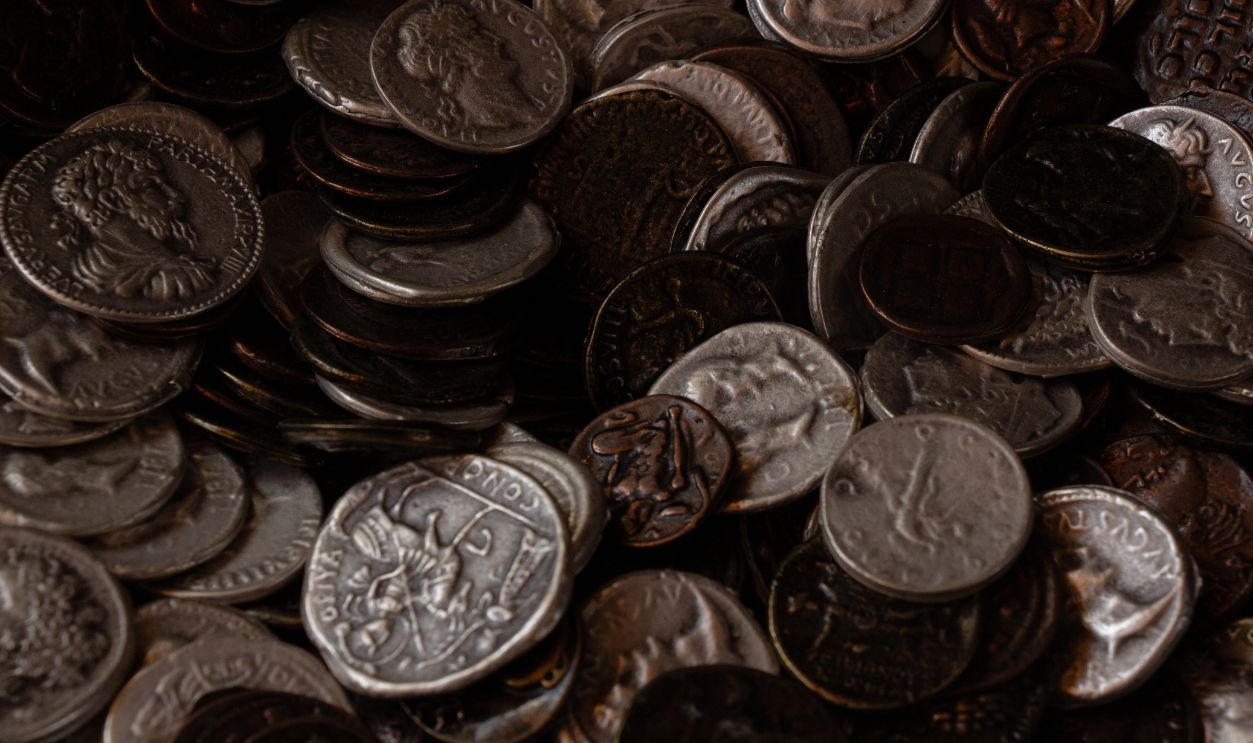
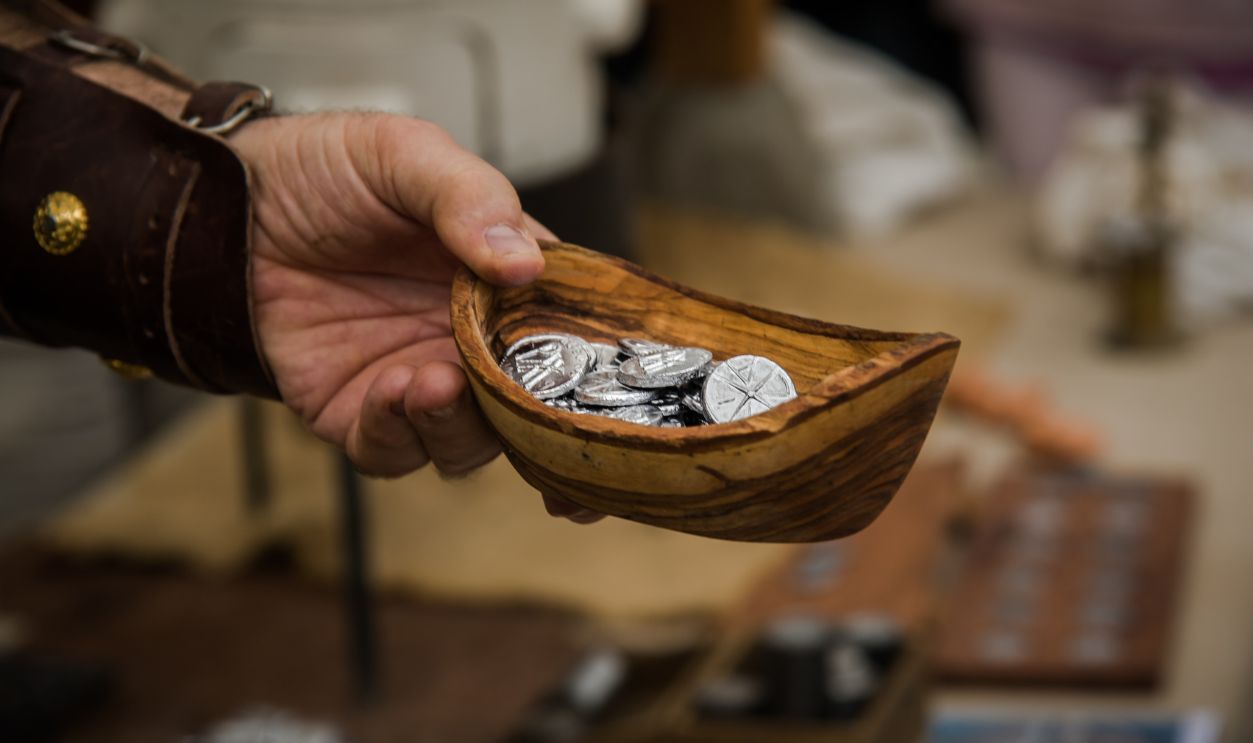
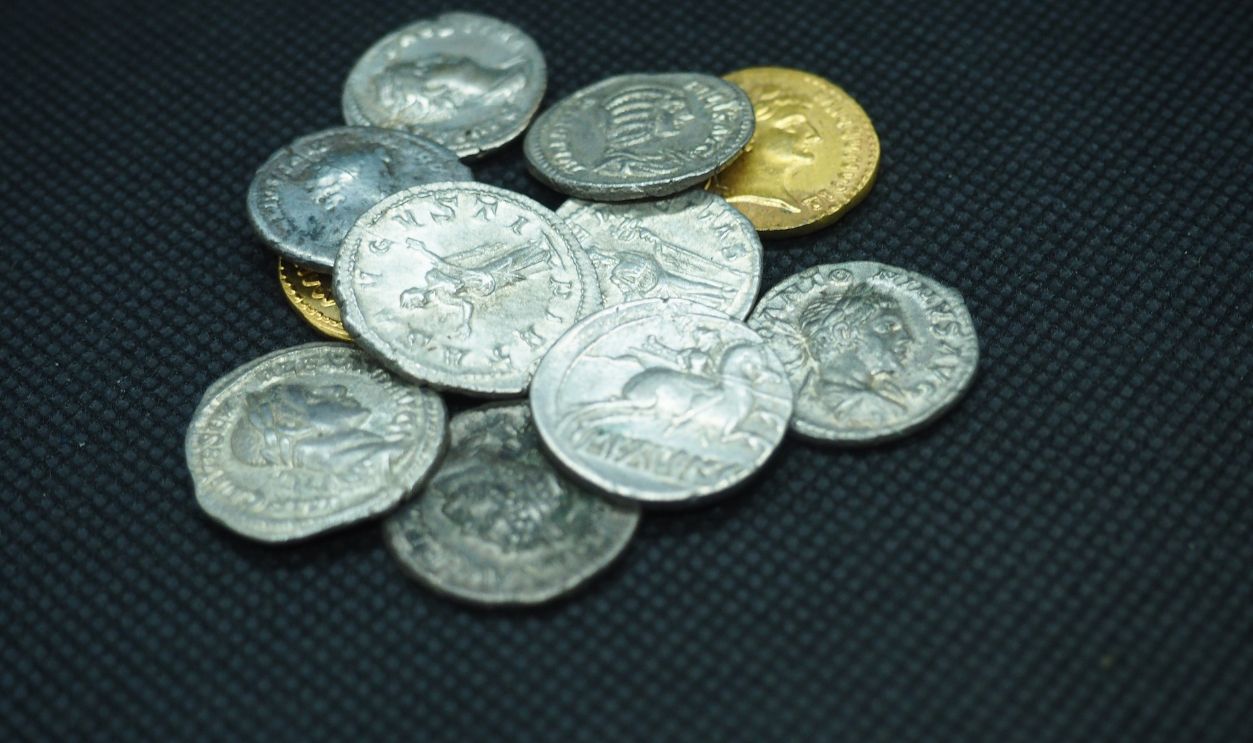
In northern Israel, archaeologists have dug up a rare hoard of 22 copper coins from the final stages of Jewish resistance against Roman rule. Buried for more than 16 centuries, the discovery is a remnant of upheaval, defiance, and brutal survival in the ancient Holy Land. These coins are the last forlorn fragments of a people’s doomed last stand.

Discovery Beneath The Galilee
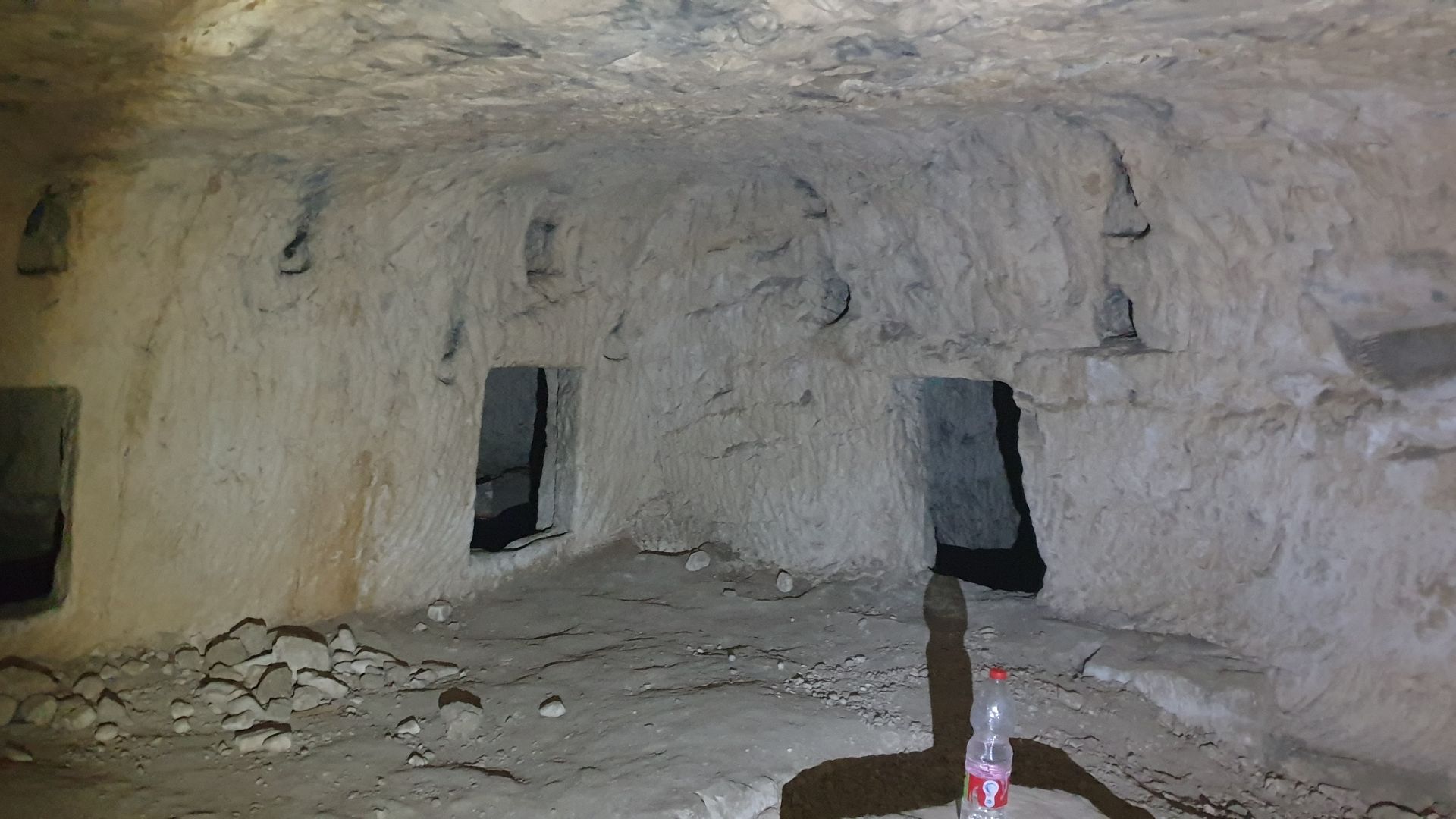
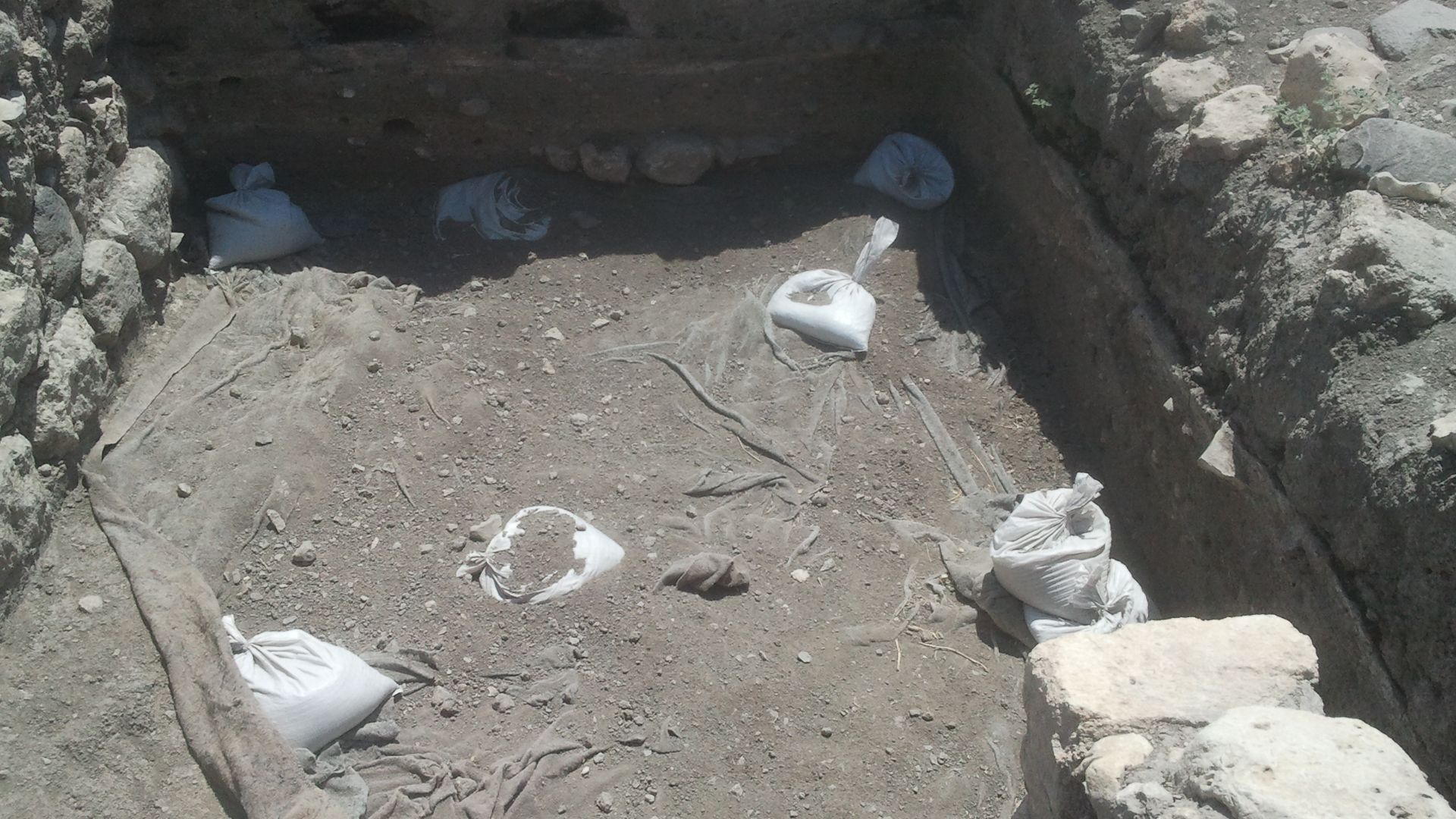
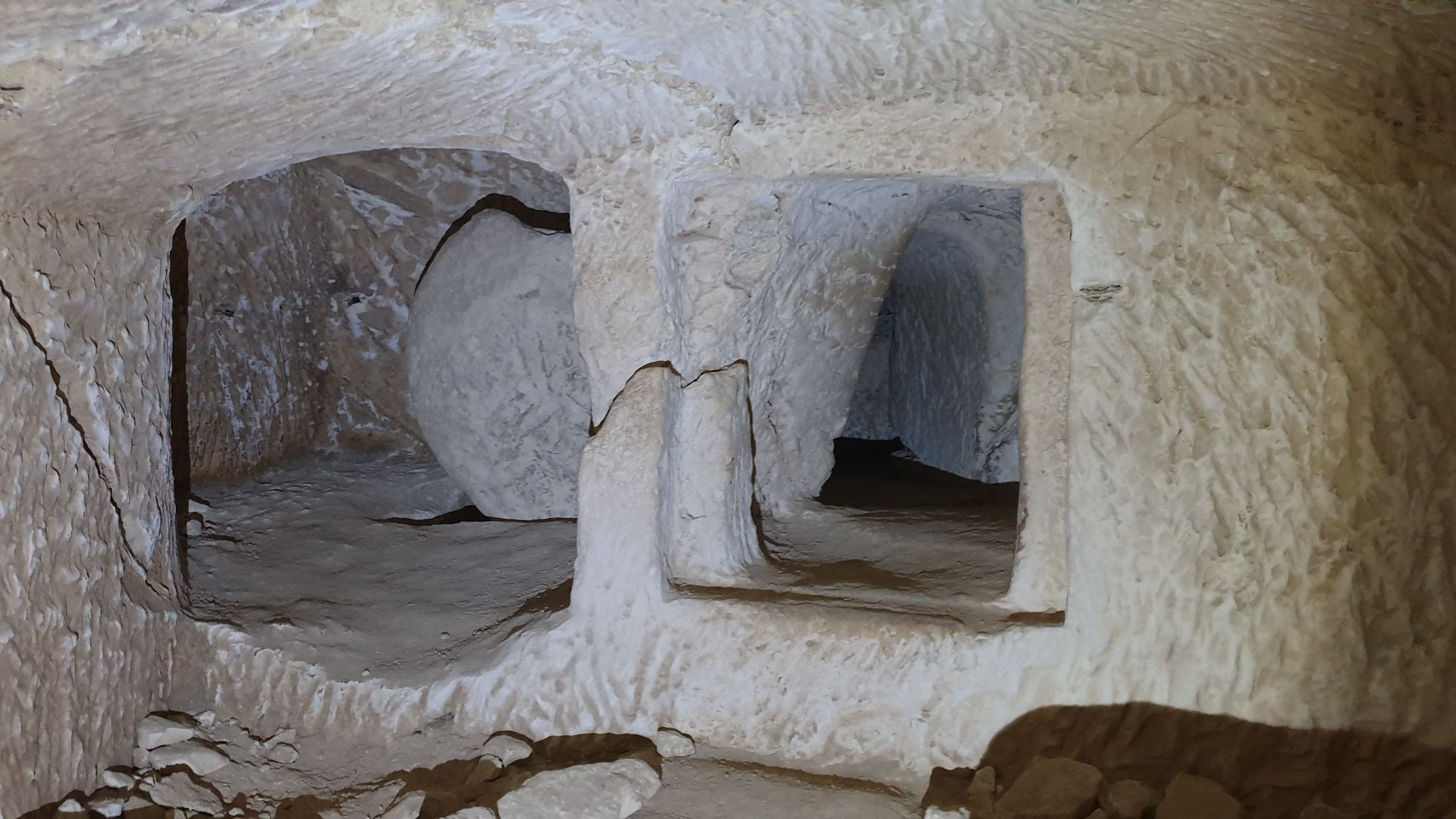
This hoard of coins was first discovered within a rabbit warren of underground tunnels in the Galilee region, one of the Holy Land’s historical hotbeds of rebellion and resistance against Roman supremacy. Archaeologists from the Israel Antiquities Authority in collaboration with Zefat Academic College oversaw the excavation. What at first looked like a mundane find quickly proved to be extraordinary.
 Owenglyndur, Wikimedia Commons
A Hidden Hoard Of Copper
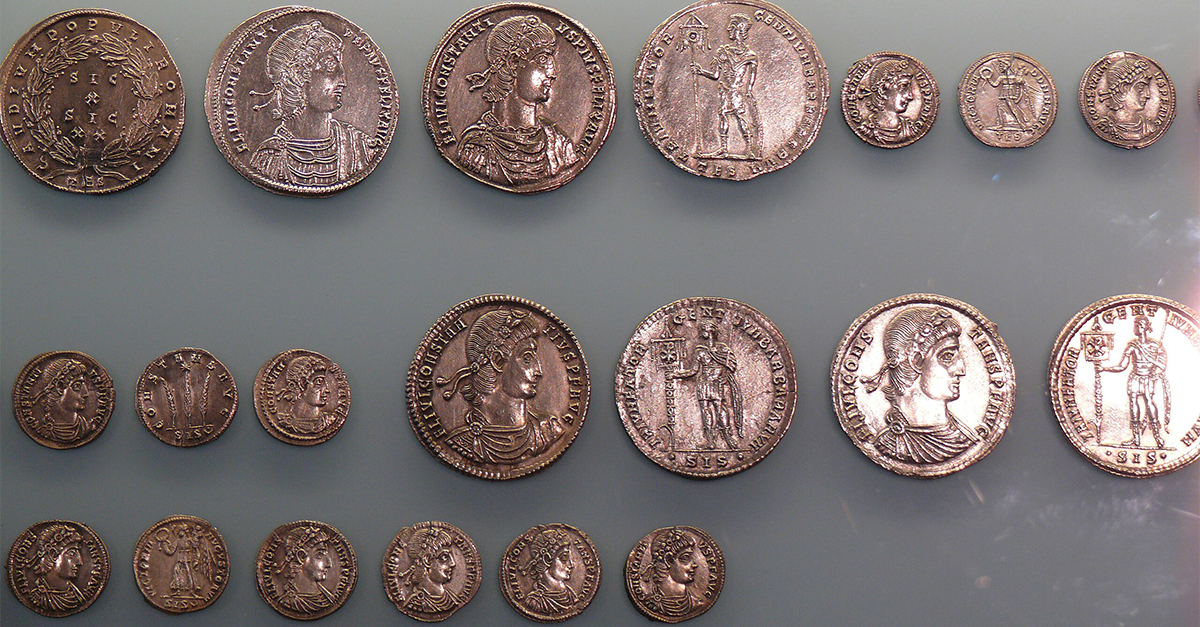
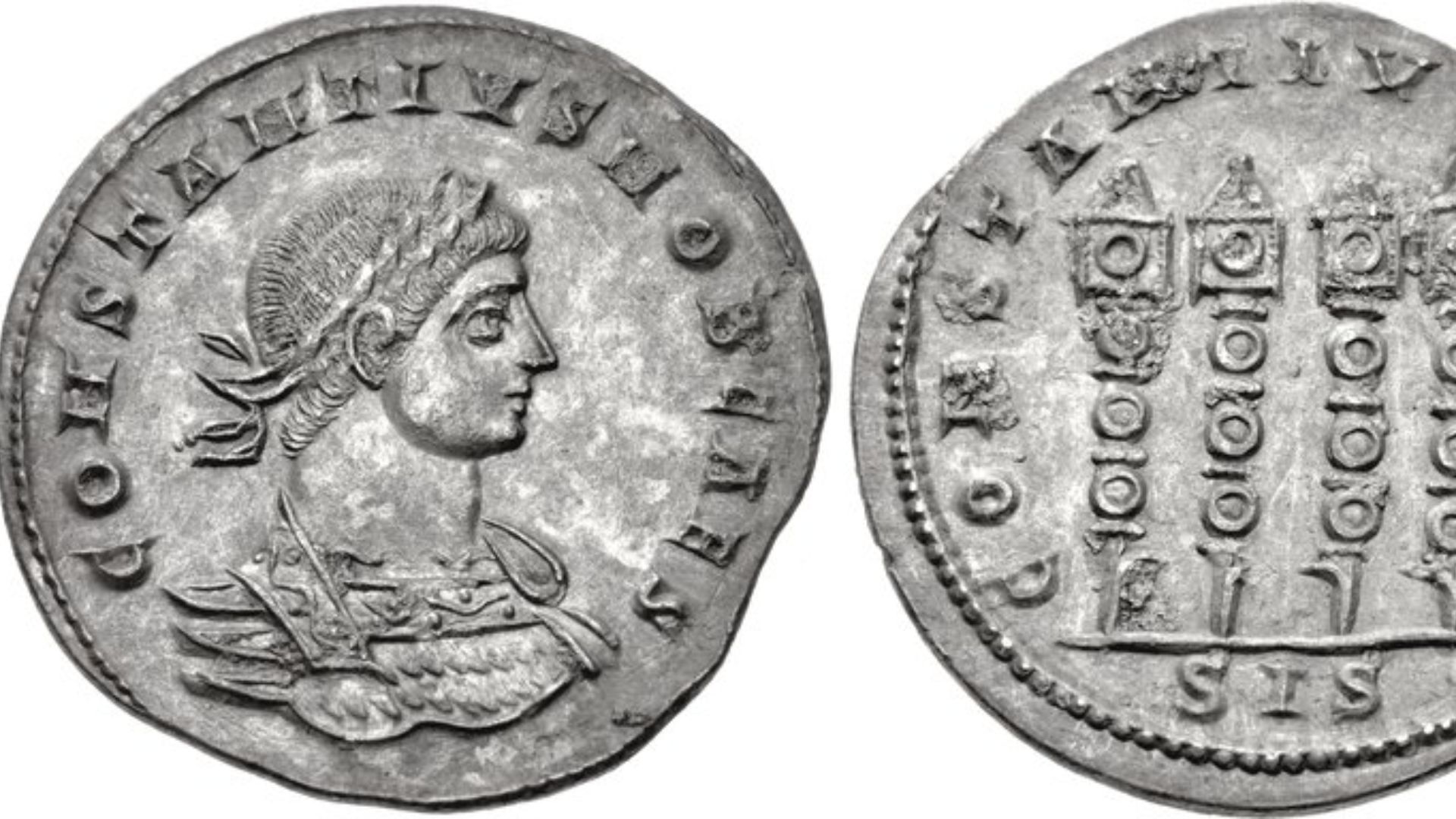
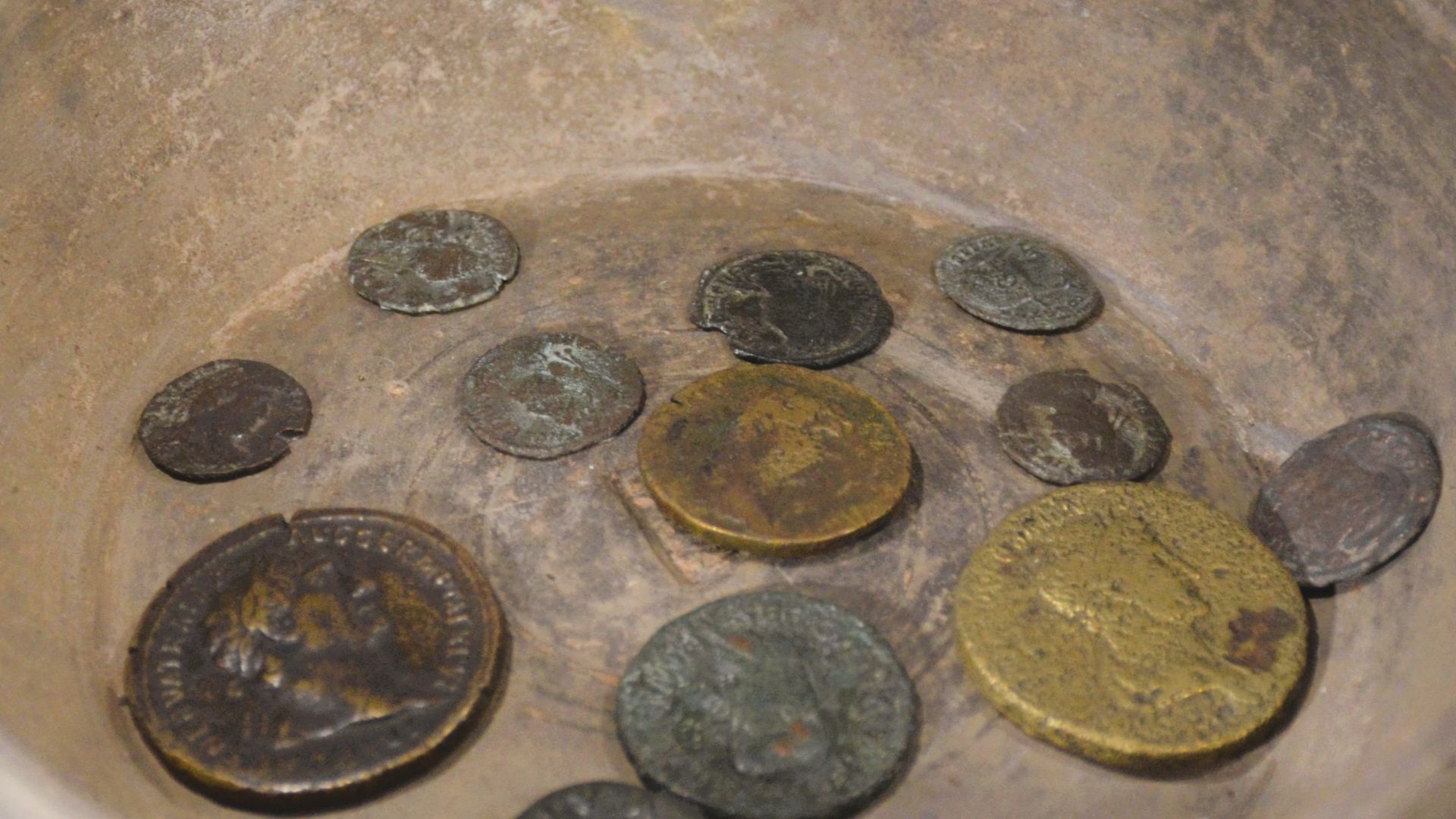
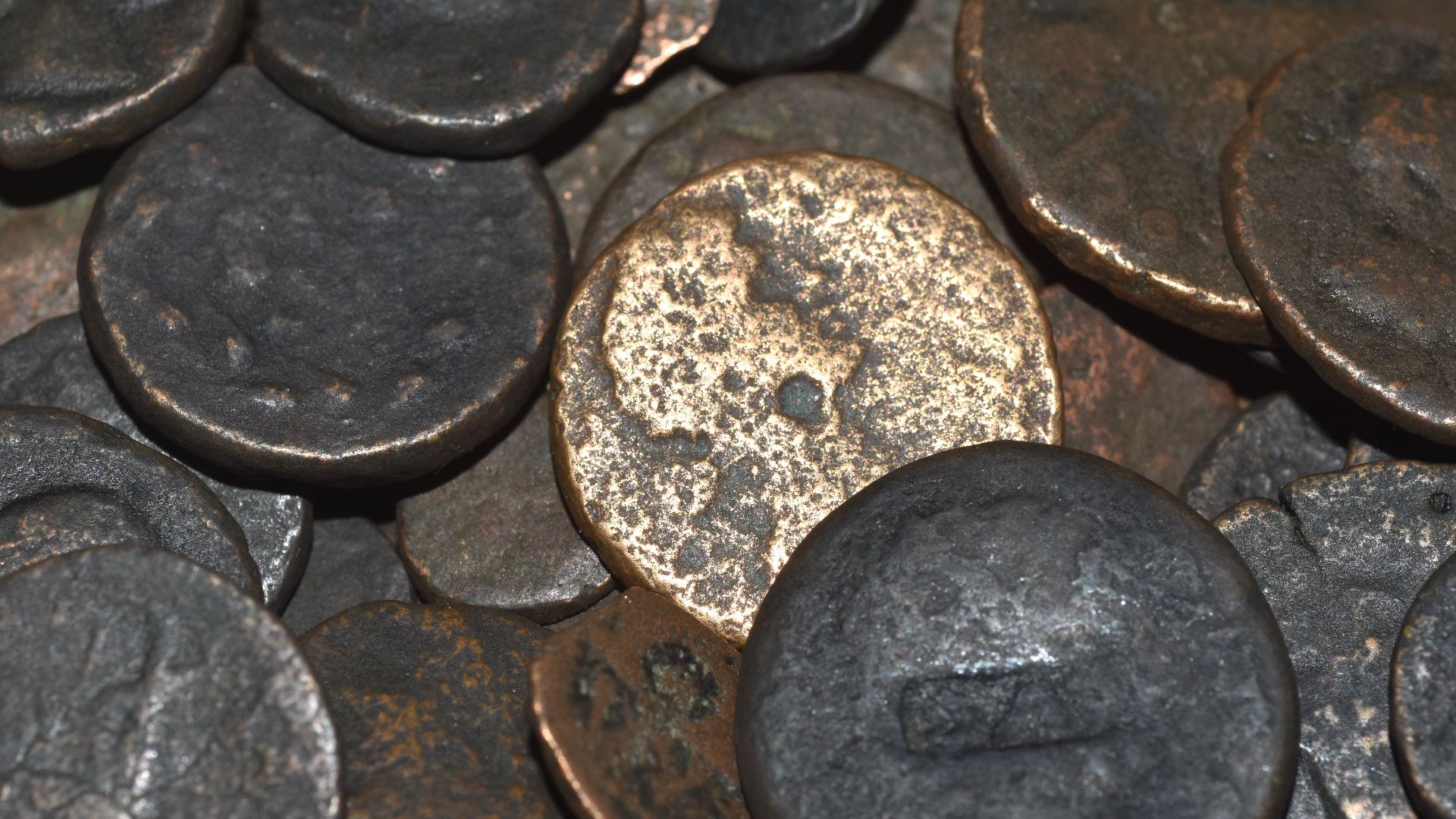
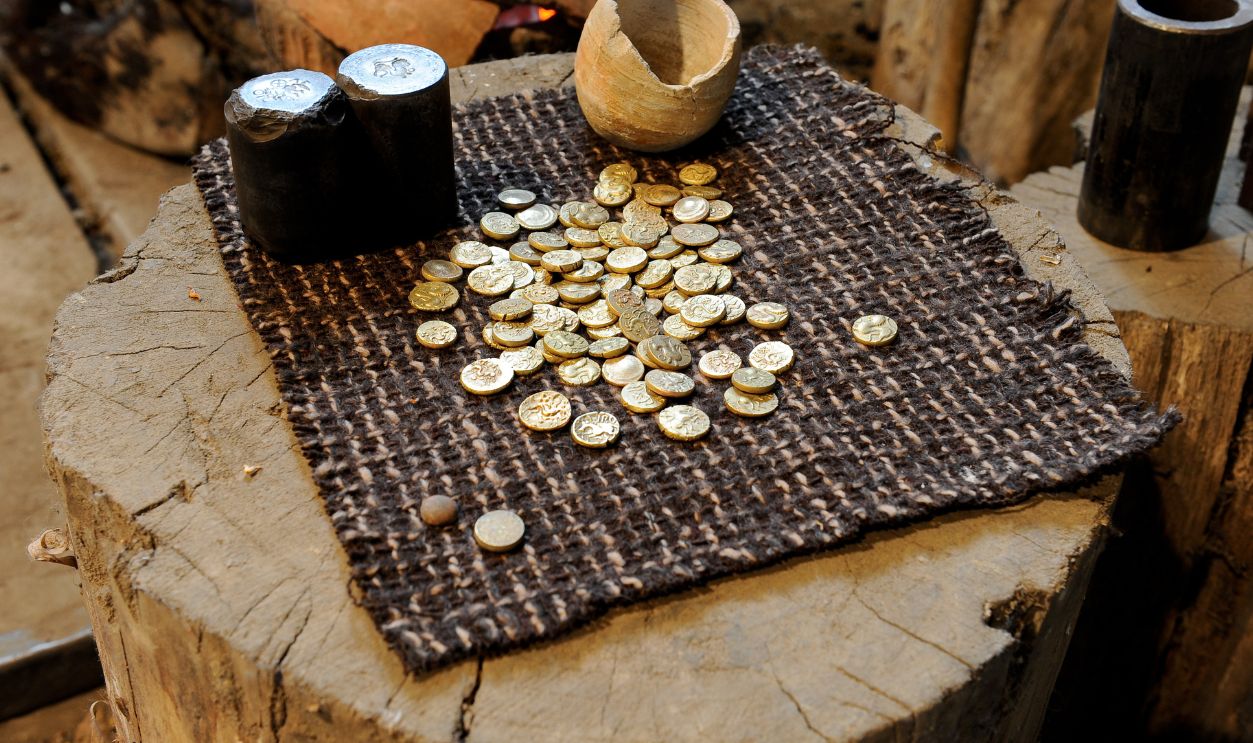
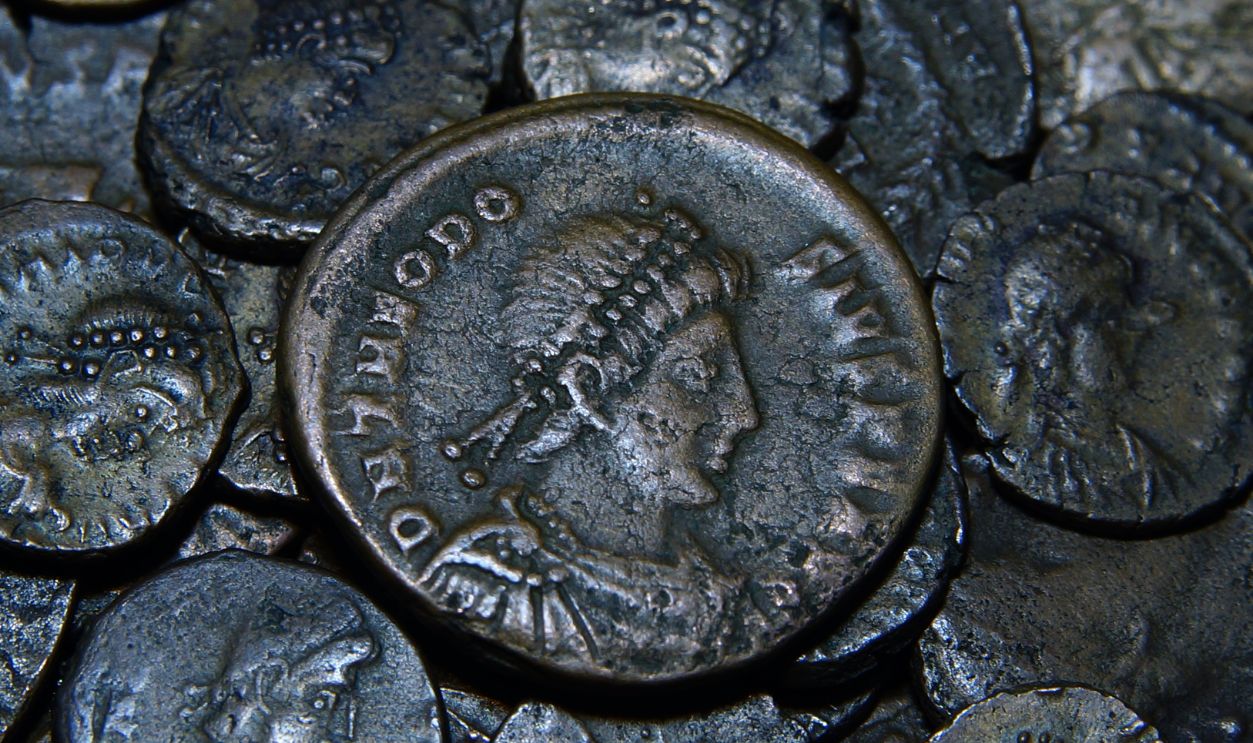
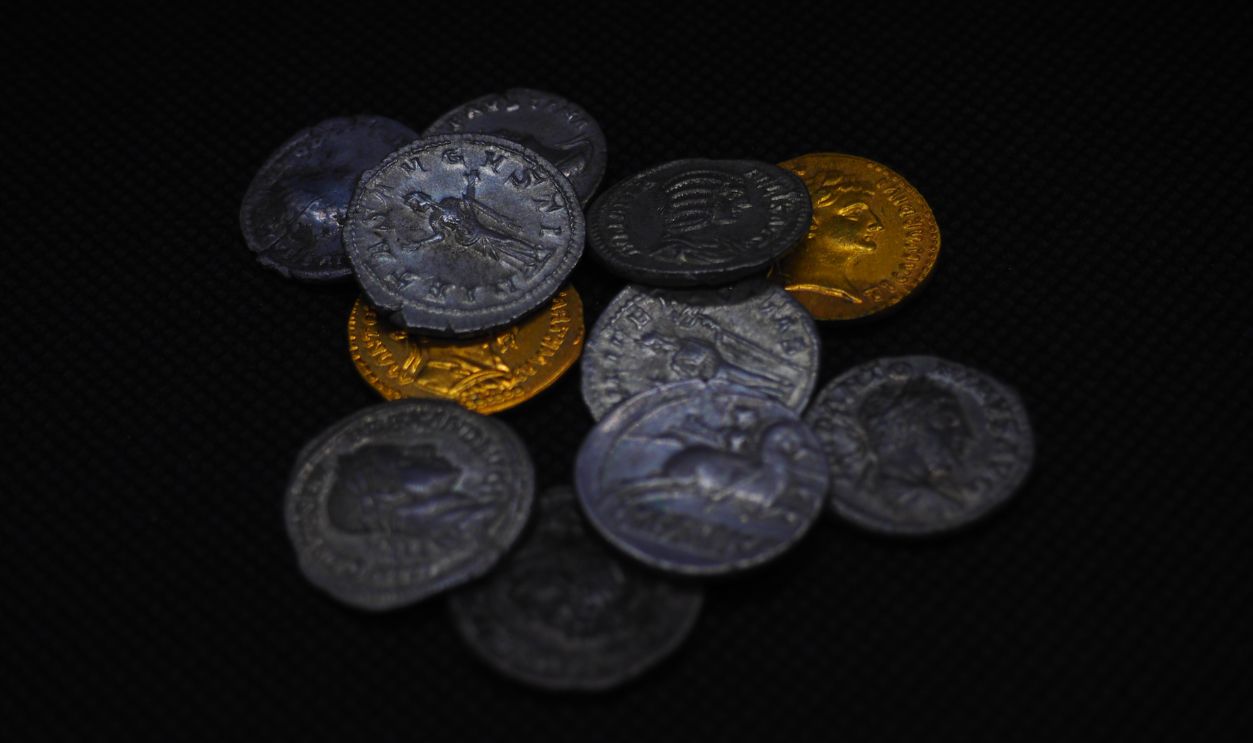
The hoard included numerous copper coins, each stamped with symbols and inscriptions dating to the time of the last Jewish resistance to Rome. Many bear the images of Roman emperors Constans I and Constantius II, who occupied the throne in the 4th century AD. These weren’t everyday pieces of loose change, but highly symbolic artifacts. Their presence here is proof of an organized effort to hide valuables as the conquerors closed in.
Buried In A Rebel Tunnel System
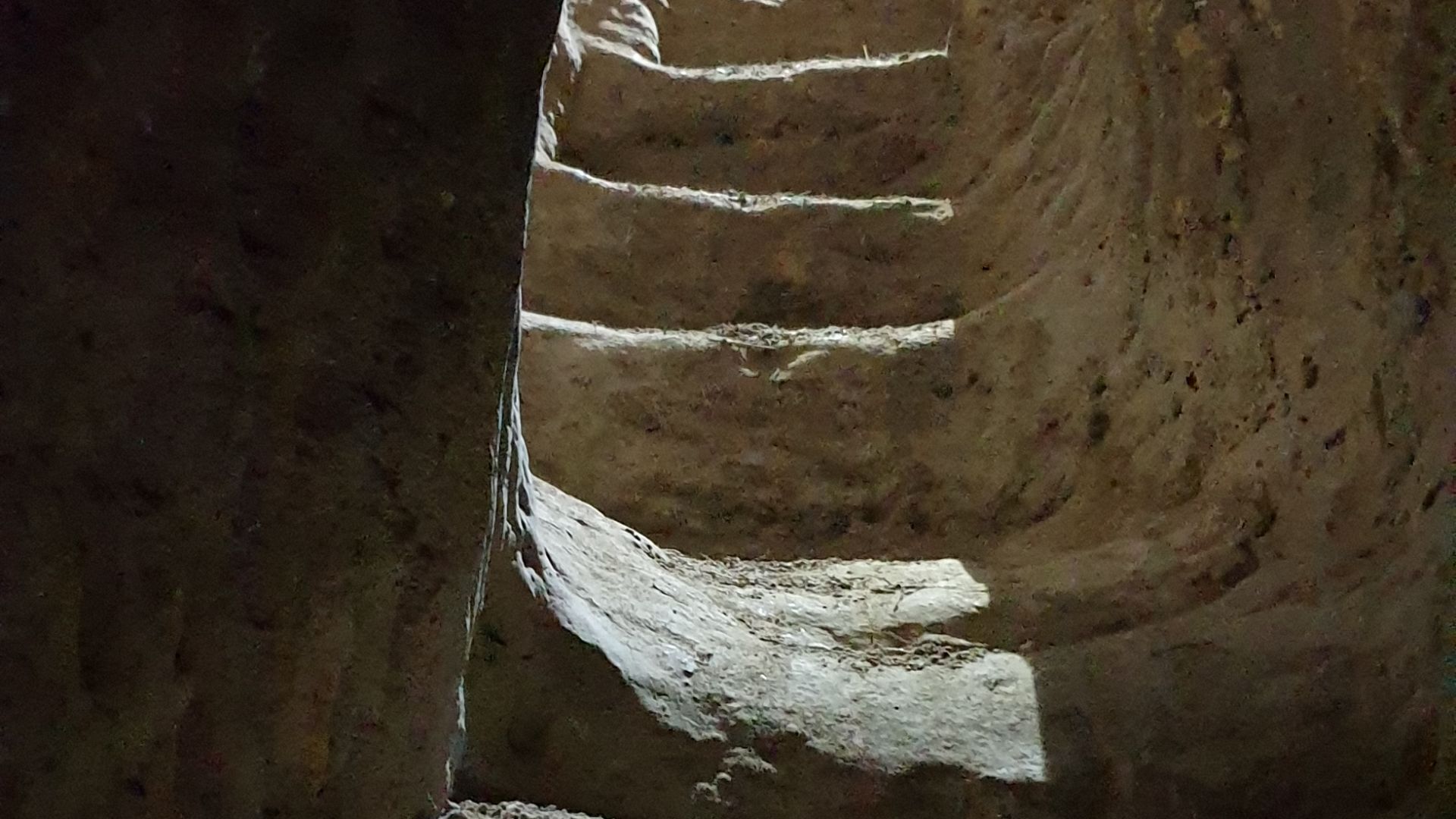
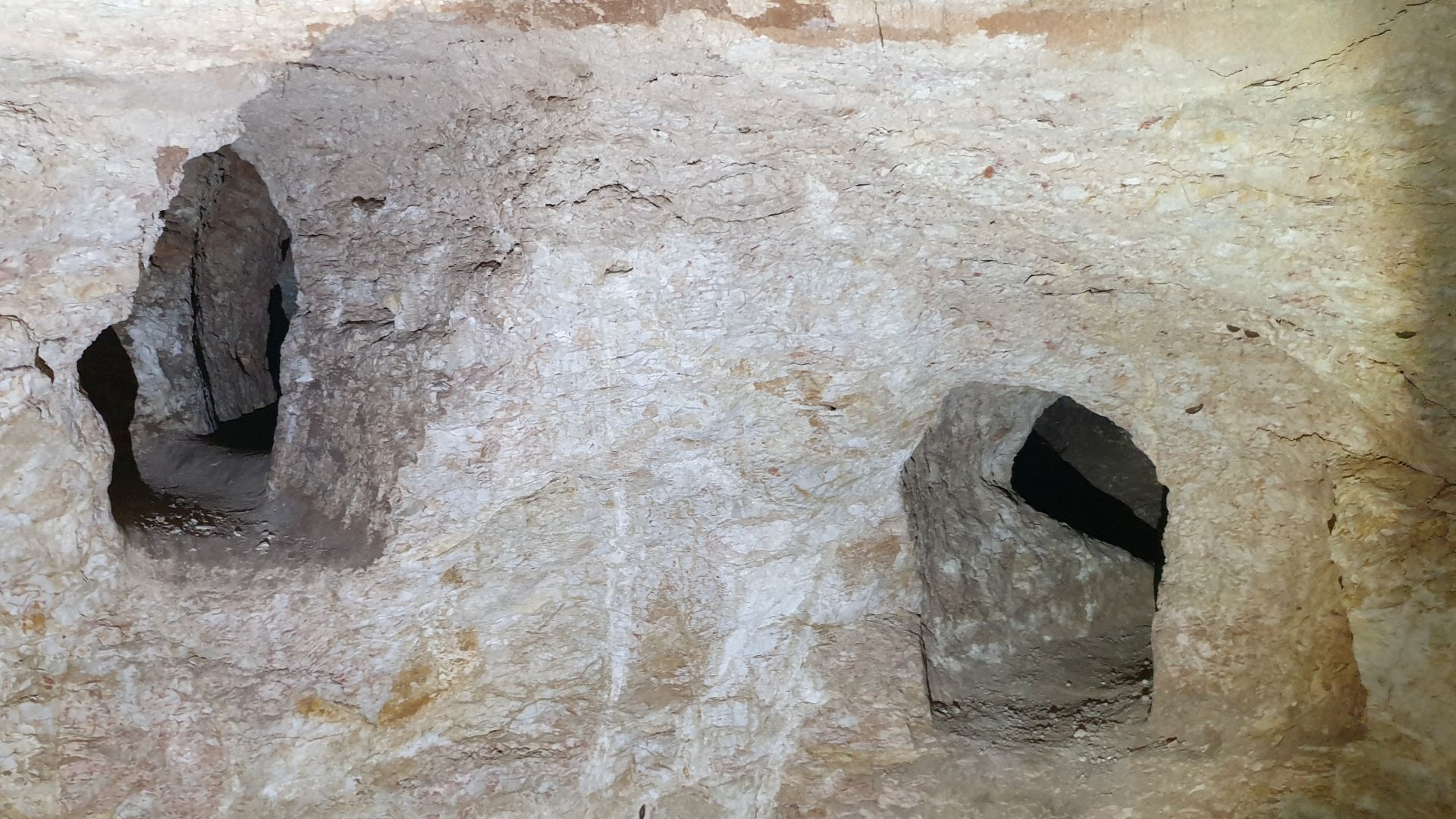
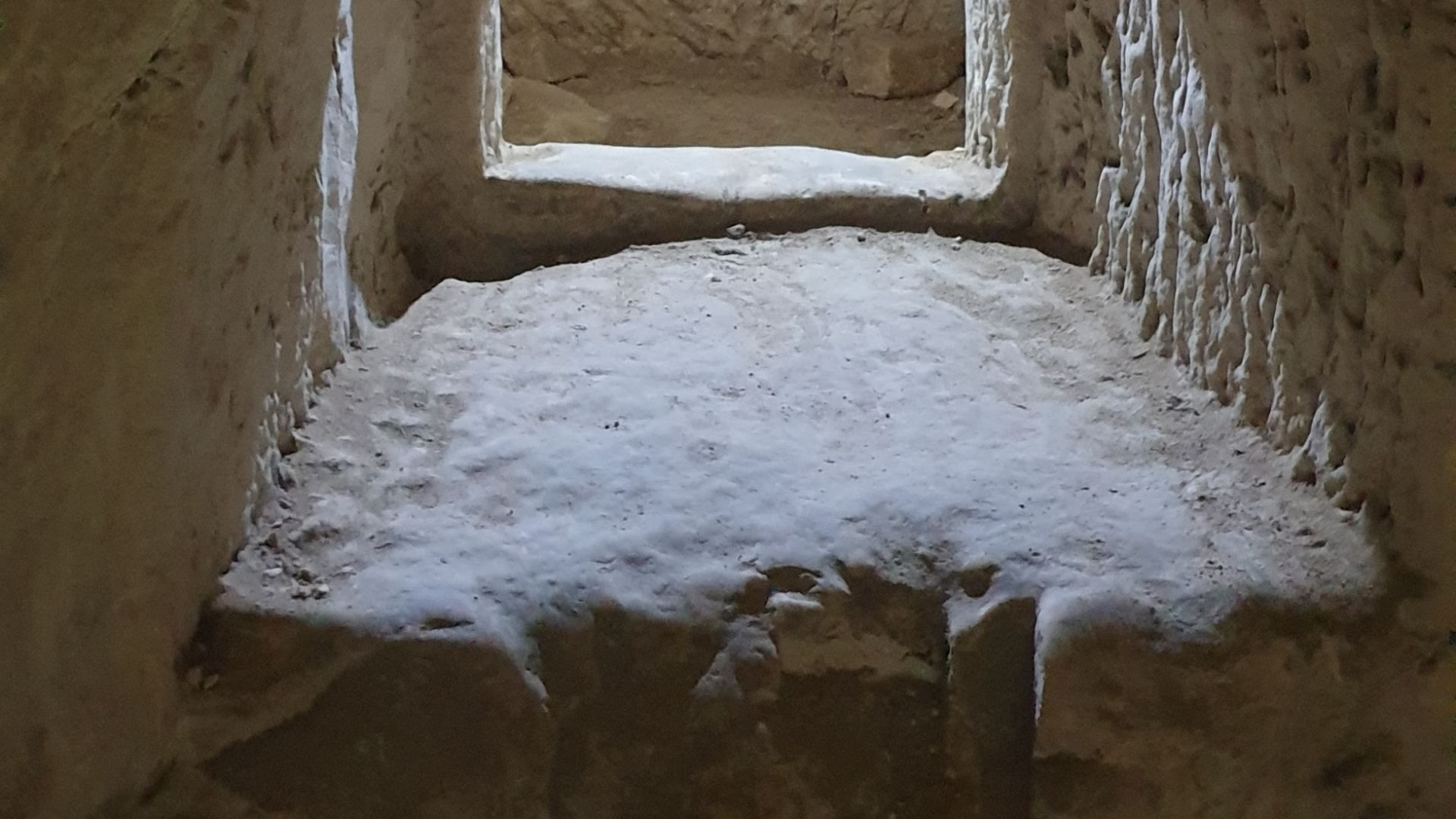
The complex tunnel structure where the coins were found was dug beneath ancient settlements. These tunnels were great to use as hiding places, escape routes, and storage locations during periods of Roman occupation. Their construction shows a detailed understanding of defense and survival. People were not only struggling against foreign occupiers; they were also preparing for the long haul.
 Owenglyndur, Wikimedia Commons
A Moment From The Final Revolt
The hoard dates to the time of the Gallus Revolt, the last major Jewish revolt against Roman rule, centuries after the Great Revolt and the Bar Kokhba uprising. This was only the final fizzling flashpoint of resistance in the long timeline of late antiquity. The coins are directly embedded in that historical last gasp effort; material evidence of those who chose to openly defy one of the most powerful empires on the face of the earth.

Evidence Of Jewish Autonomy
The placement of the coins indicated that the people still held out hopes of recovering them later, even as Roman soldiers moved through the tunnels removing obstacles to their supremacy. These were physical acts of defiance that made a bold declaration: “We are still here.” The coins show that Jewish resistance continued even after Rome thought the rebellions had been permanently crushed.
Underground Life And Resistance
The tunnels themselves tell an additional valuable story. Families and entire communities used them to stock up on food, supplies, and valuables to help them survive in uncertain times. The Galilee system was a lot more advanced than archaeologists expected. It shows a civilian population deeply prepared to endure hardship, Roman raids, and long-term survival in a hardscrabble subterranean existence.
 Owenglyndur, Wikimedia Commons
A Secret Cache Hidden For Safety
Archaeologists have concluded that the coins were hidden in a moment of haste. The hoard may have belonged to a single family or a small group of rebels that hoped to one day retrieve the treasure after the dust had settled from the fighting. But history had other plans and the coins ended up lost for centuries before they were rediscovered.
Why They Were Hidden
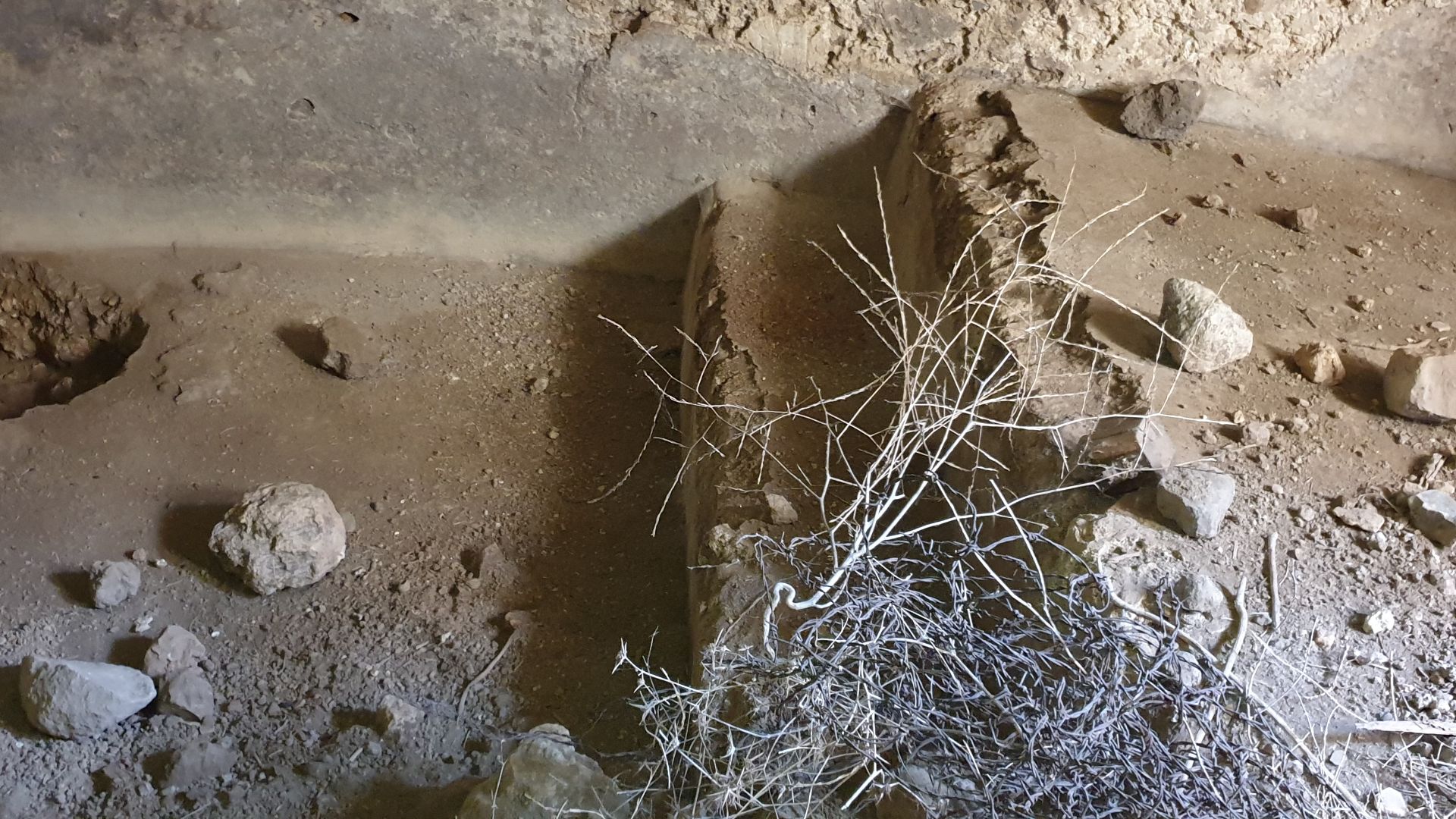
The hoard likely represents a last-ditch attempt to preserve a family’s wealth as Roman troops mercilessly closed in. These weren’t goods dropped, thrown together, or lost randomly. They were intentionally stashed inside a long-term refuge, suggesting panic, urgency, and determination. The moment of burial is frozen deep in time.
 Owenglyndur, Wikimedia Commons
A Rare Glimpse Into Daily Life
Most written sources focus on the attitudes and activities of elites, including emperors, generals, and governors. These coins offer a view from the ground up. They belonged to ordinary Jews caught in a vise between empire and survival. Their material culture shows not just the rebellious impulse, but a personal financial investment in the struggle.
A Message About Identity
The coins are all Roman in origin and the images on them carry major significance as symbols of imperial authority. On the other hand, the people’s attempt to hoard the coins in a secret hidey-hole reflects their determination to survive war, lockdowns, forced cultural assimilation, and all the other consequences of defeat at the hands of Rome’s indomitable legions. Each coin is a gleaming miniature declaration of independence.
 Fred Cherrygarden, Wikimedia Commons
Archaeologists Use Modern Methods
Researchers are now using chemical analysis, metal origin studies, and inscription comparisons to trace where the silver was originally mined and minted. This may reveal how rebels accessed precious metals under conditions of military occupation. Science is linking this small hoard to the big picture of ancient trade and movement.
 John Atherton, Wikimedia Commons
Importance Of Galilee
In those days Galilee was a refuge and a stronghold of Jewish culture and that status held throughout antiquity. These coins reinforce its strategic value during conflict. Resistance didn’t come to an end after the earlier revolts, but shifted north. Galilee evolved into a symbol of resilience and survival under imperial pressure.
 Owenglyndur, Wikimedia Commons
The Roman Footprint
Roman presence can be seen and felt everywhere around the site. The tunnels and hidden coins exist because Roman imperialism was nearby. The hoard is a sobering reminder that life under Roman rule wasn’t always about peaceful assimilation, but also violent conquest. For many communities, it was an occupation they resisted every day.
Timeline Reconsidered
This discovery shows that the rebellion in the Holy Land went on for far longer than we ever previously thought. Historians now see the fourth century AD not as a quiet period, but one marked by continued unrest. The coins give us a better understanding of Jewish resistance beyond the better-known revolts.
Cultural And Religious Significance
The hoard also holds a meaning beyond archaeology. Each coin symbolizes the endurance of Jewish identity, showing how faith and community values were preserved during the crisis of Roman times. Even when forced underground, people never stopped expressing who they were.
Snapshot Of Collapse
The abandonment of the tunnel system suggests that resistance came to a sudden and catastrophic end. Maybe Roman forces moved in, or the rebel community dispersed on their own to move on to better pastures. Either way, the coins have now become relics of a moment when resistance was crushed. Their recovery turns loss into historical insight.
 Owenglyndur, Wikimedia Commons
Connecting Artifacts To People
These coins belonged to living, breathing individuals who bought goods, paid soldiers, and passed the coins on to their descendants as heirlooms. Archaeology reconnects these objects to the people who touched them all those centuries ago. That personal dimension is what gives this discovery such power.
Window Into A Difficult Past
The hoard reveals a world shaped by war, fear, faith, and courage. It’s a great piece of evidence of the different things people did for their everyday survival. The people who hid these coins are part of a living, breathing story still unfolding.
History Minted In Silver
The rare coins from Galilee cast a brilliant light on the final heroic but doomed Jewish revolt against Rome and the resistance of a community against auxiliary police forces and imperial armies. Buried in tunnels and sealed for centuries, the coins capture a moment of determination, ingenuity, rebellion, and a survival to fight another day.
You May Also Like: