Human Adaptability May Be Our Oldest Superpower
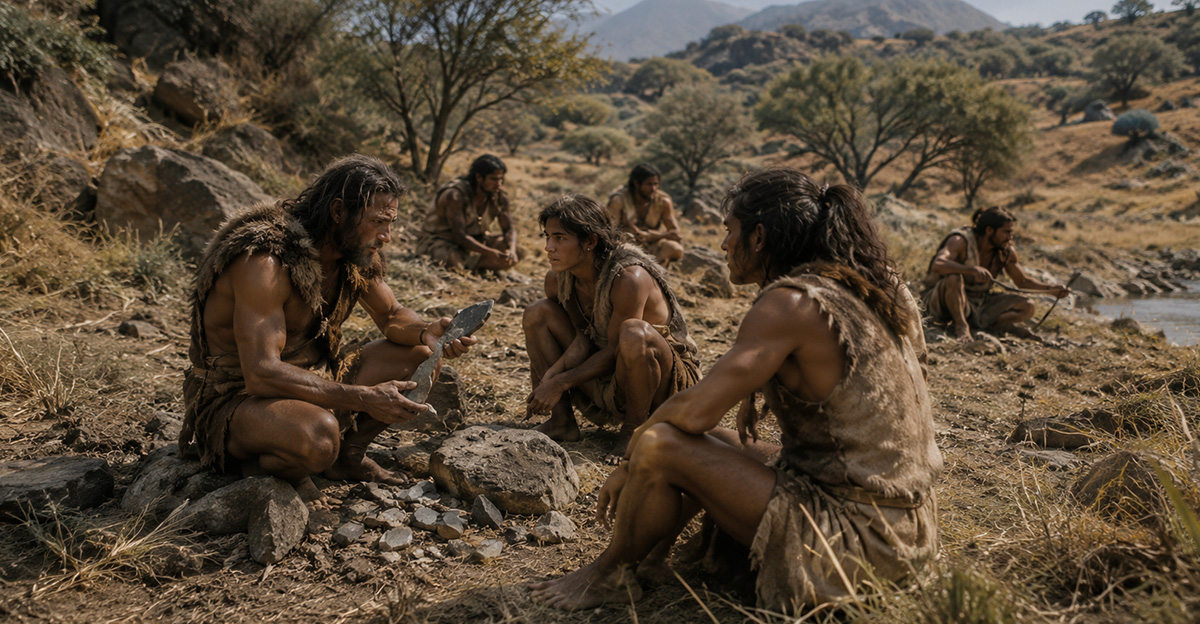
Humans today can live almost anywhere, from scorching deserts to frozen northern landscapes. New archaeological research suggests that this extraordinary flexibility has very deep roots. Long before cities, farming, or written language, Homo sapiens was already becoming unusually skilled at surviving environments that challenged other members of the human family.
A Different Kind Of Archaeological Discovery
This discovery did not begin with a spectacular skull or a perfectly preserved tool. Instead, researchers combined hundreds of archaeological sites with reconstructions of ancient climate. The result was something bigger: a changing map of where early humans could actually survive as Africa's environments shifted through time.
 Kari Janne Stenersen, Wikimedia Commons
The Question Behind The Research
Our species evolved in Africa roughly 300,000 years ago, yet the ancestors of most people living outside Africa today descend largely from expansions beginning around 50,000 years ago. Humans had ventured beyond Africa earlier, so researchers wanted to know an obvious question: Why did the later expansion succeed?

Africa Was The Testing Ground
One possibility is that humans did not suddenly become better travelers. They first became better survivors. Africa contains forests, grasslands, deserts, mountains, coasts, and enormous climatic variation. Learning to handle this environmental obstacle course may have prepared humans for what they would eventually encounter elsewhere.
 Vincent Mourre / Inrap, Wikimedia Commons
Hundreds Of Clues Made The Difference
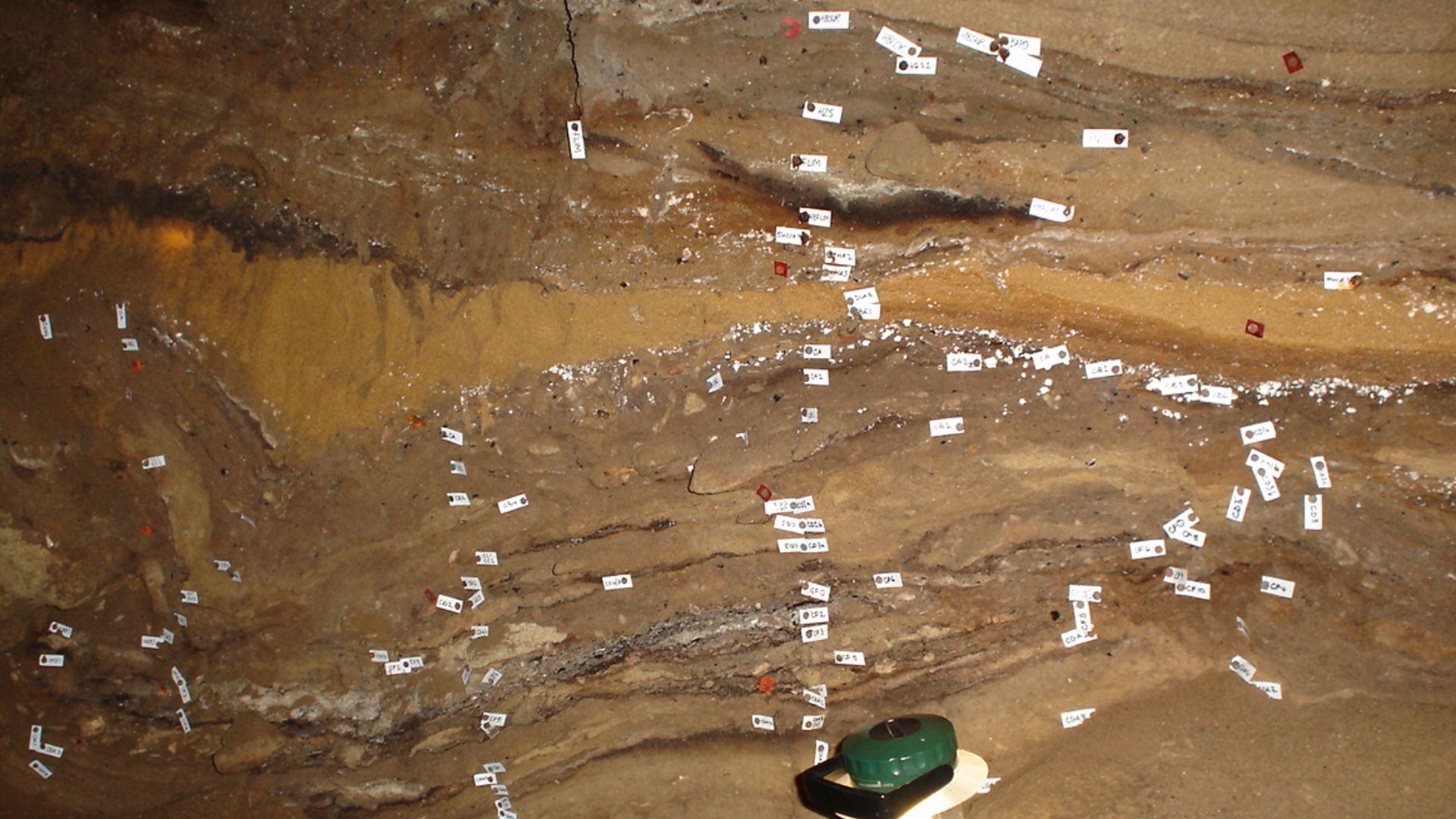
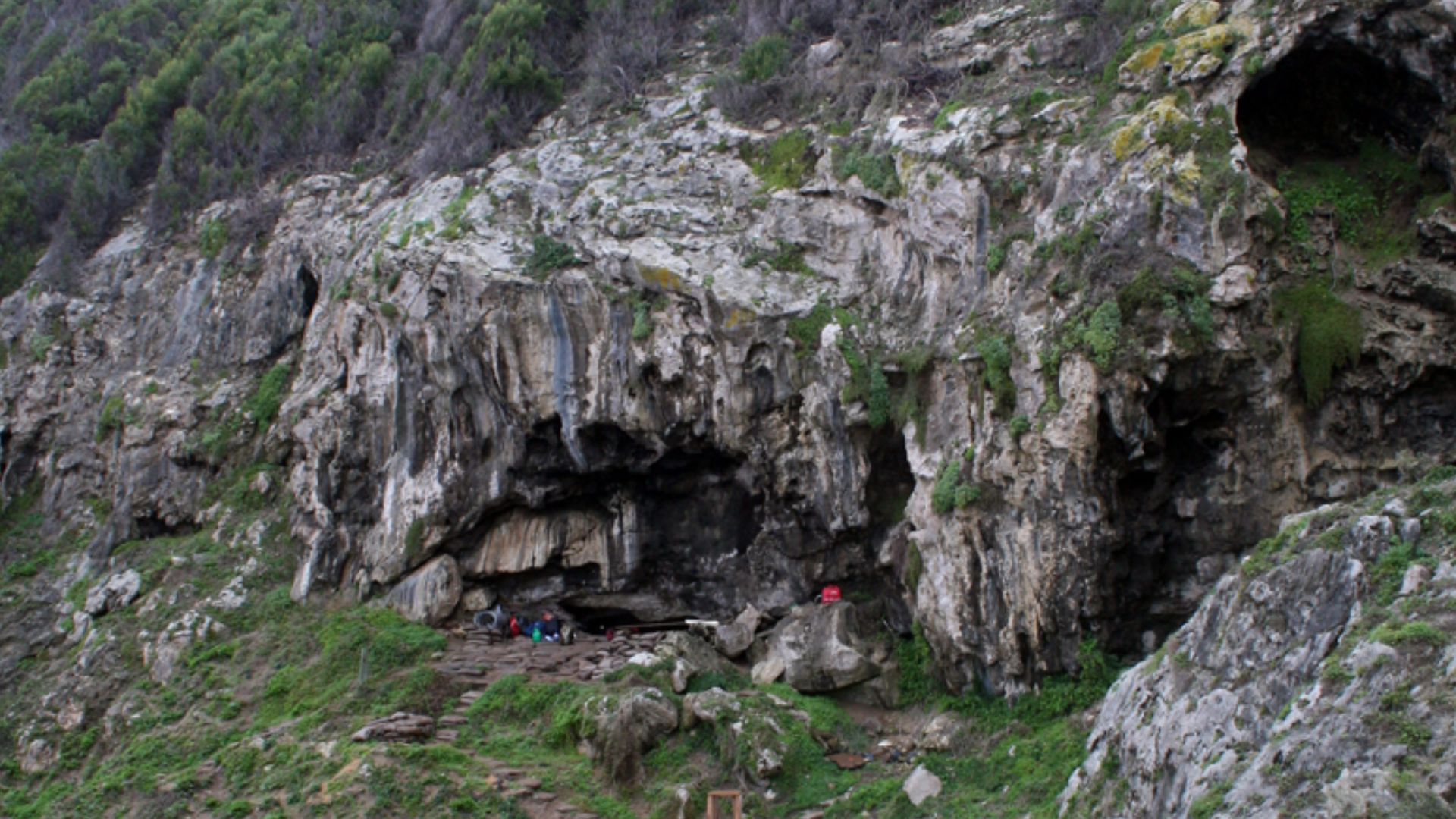
Researchers assembled 479 radiometrically dated human occupation records from archaeological sites across Africa. These stretched from about 120,000 to 14,000 years ago. Each location provided evidence that people had successfully occupied a particular place at a particular time, creating a continent-wide picture of changing human settlement.
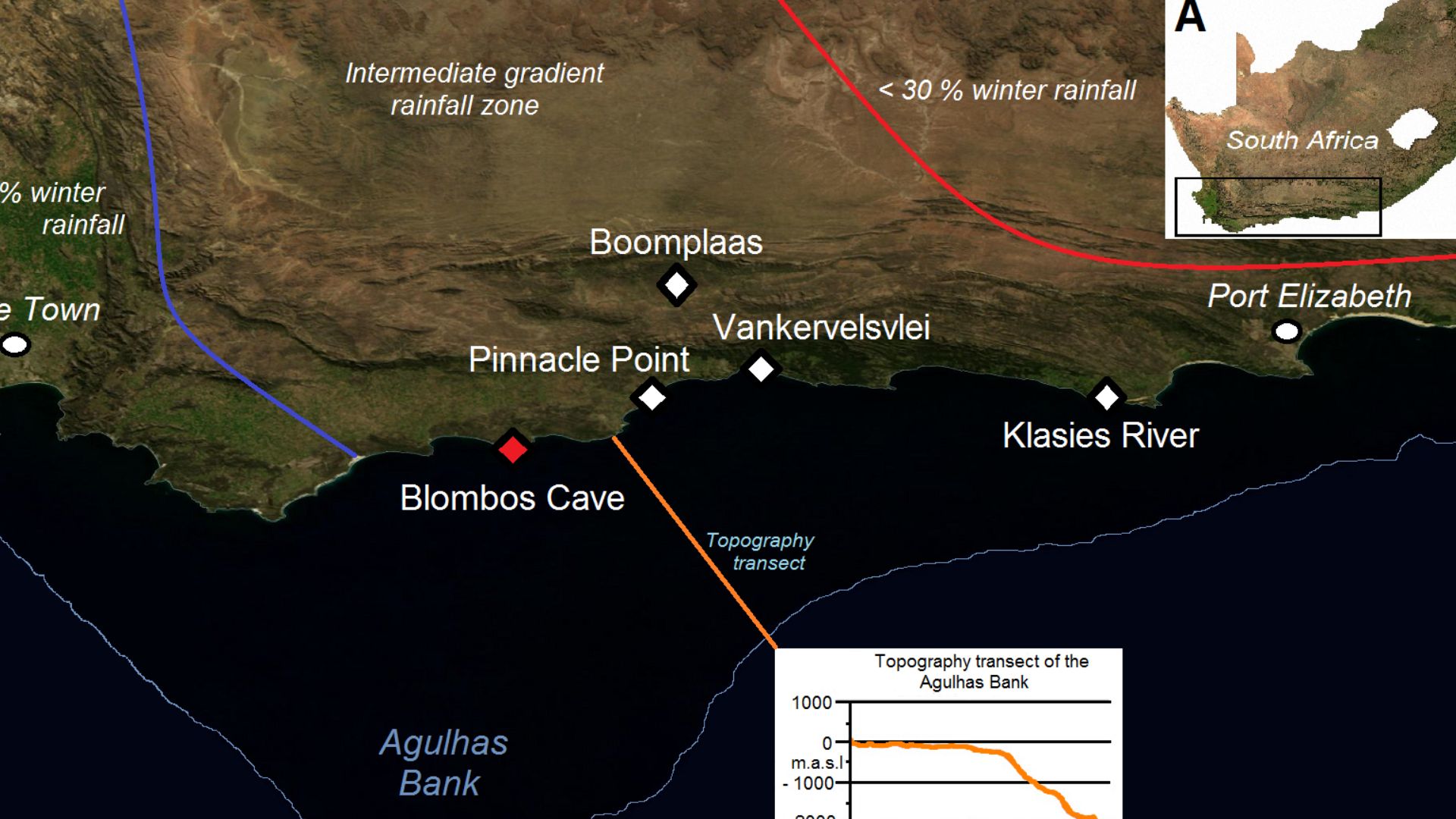 Turid Hillestad Nel , Christopher Stuart Henshilwood, Wikimedia Commons
Archaeology Met Climate Science
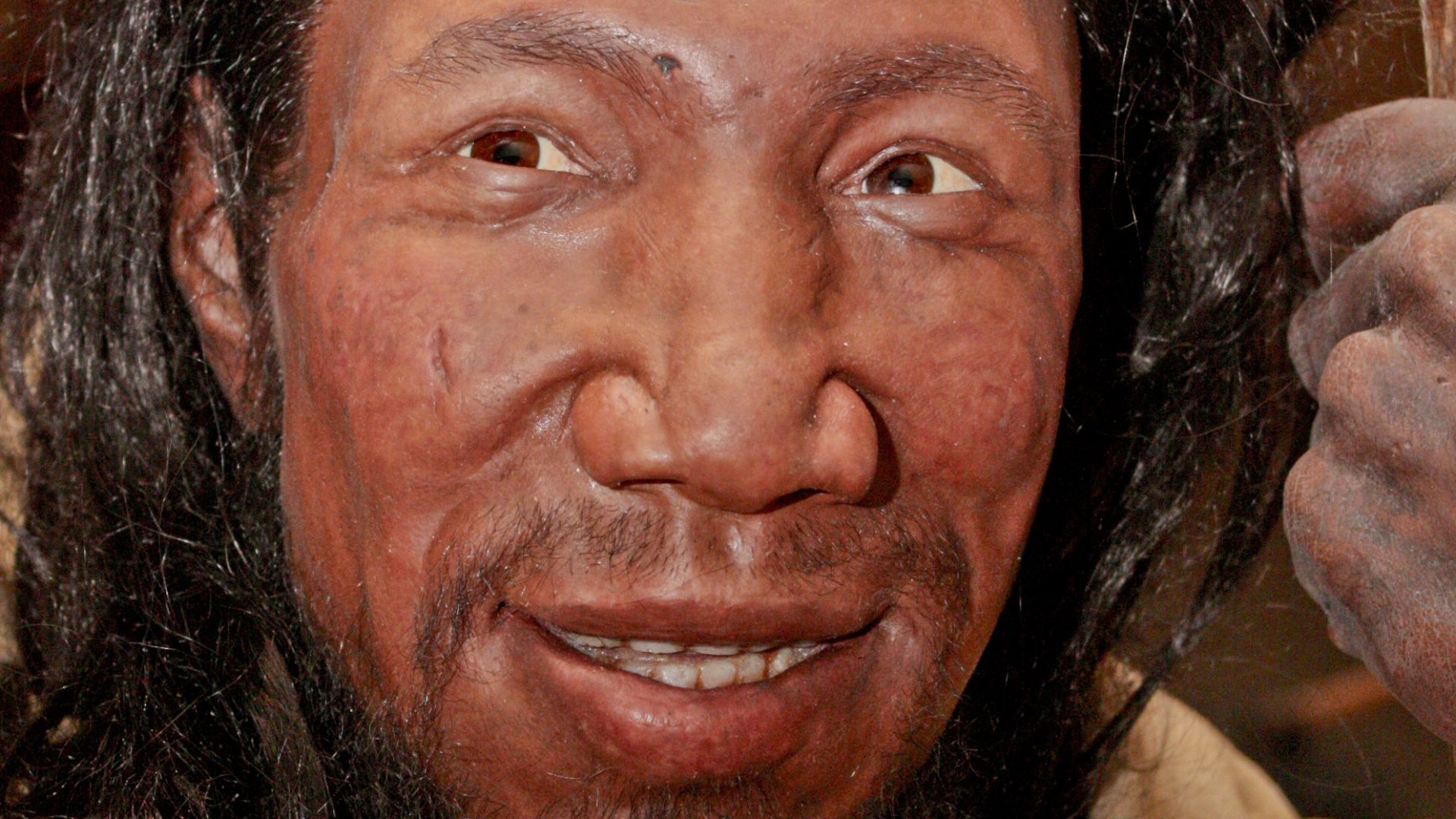
Knowing where people lived was only half the job. Scientists also reconstructed ancient temperature, rainfall, vegetation, and other environmental conditions. They then compared human occupations with those changing landscapes, essentially asking what kinds of places people could tolerate—and whether that range changed through time.
 Daniela Hitzemann (photograph), Wikimedia Commons
The Models Spotted Something Big
The researchers tested whether humans simply followed familiar habitats as climate moved them around, or whether people actually became capable of occupying a wider range of conditions. The statistical evidence strongly favored the second explanation. The human ecological niche itself appeared to be changing.
Seventy Thousand Years Ago, Something Shifted
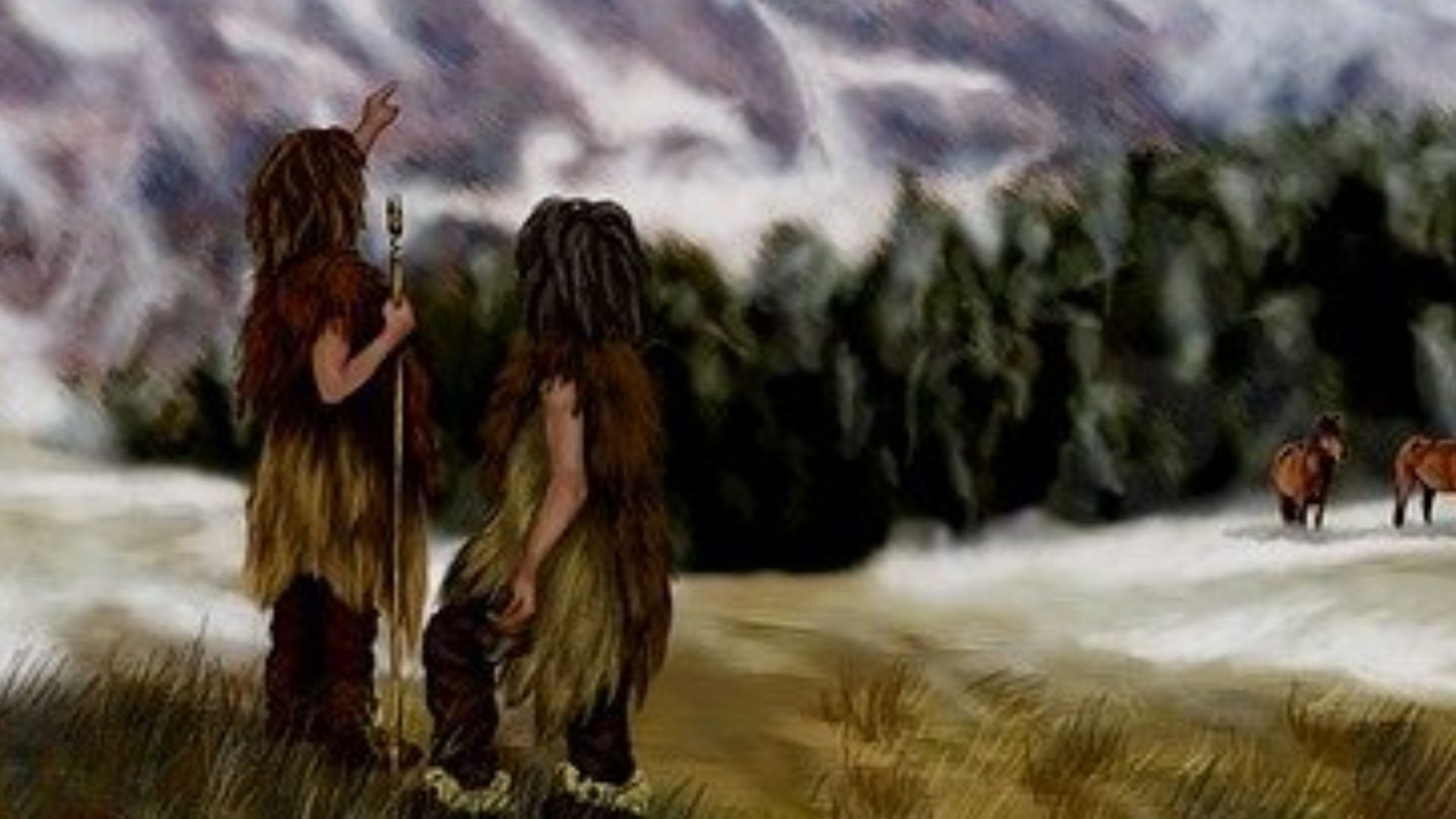
Beginning roughly 70,000 years ago, the amount of Africa suitable for human occupation expanded dramatically. The clearest changes appeared in West, Central, and North Africa. This was not simply people spreading across more territory. They were increasingly entering environments that earlier populations had used less frequently.
 Jakub Hałun, Wikimedia Commons
Humans Moved Beyond Familiar Country
Savannas had long been important human environments, but later populations increasingly pushed into very different ecological settings. Instead of waiting for comfortable landscapes to appear, people seem to have become better at dealing with whatever the landscape offered. That is a much more useful ability when exploring unknown territory.
Forests Became Less Intimidating
Dense tropical forests can be surprisingly difficult places for hunter-gatherers. Visibility is poor, large game can be harder to locate, and familiar grassland resources disappear. Yet evidence indicates growing human use of forests in West and Central Africa as our species' ecological range expanded.
![Man standing in dense jungle forest near Mayan ruins [verify]. 1899.
Name of Expedition: Allison V. Armour Expedition
Participants: Charles F. Millspaugh, Edward P. Allen, Edward S. Isham Jr.,Jordan L. Mott Jr.
Expedition Start Date: December 21, 1898](https://www.factinate.com/storage/app/media/splashtravels/2026/9/3/1788429919a077ed06b663e6ad2cca49a77d4b7a46cb320c32.jpg) The Field Museum Library, Wikimedia Commons
The Field Museum Library, Wikimedia Commons
Deserts Also Became Home
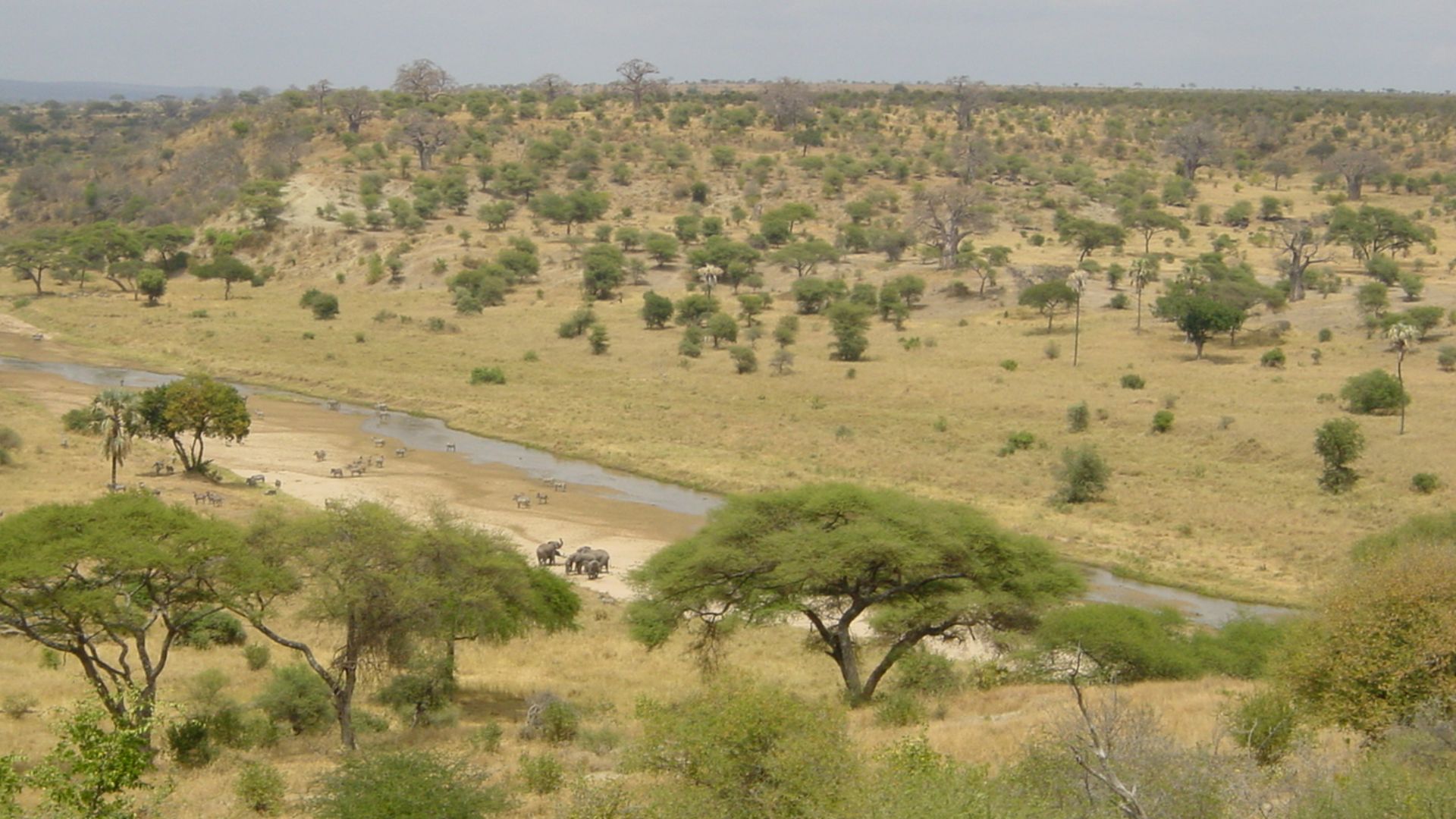
At the opposite extreme were increasingly arid regions. Humans expanded into Saharan and Sahelian environments where water and food could be scattered and unpredictable. Successful desert living requires planning, detailed landscape knowledge, and the ability to exploit resources that might be available only seasonally.

The Human Niche Was Getting Bigger
Ecologists use the word "niche" to describe the environmental conditions in which an organism can survive and reproduce. Early Homo sapiens increasingly occupied a remarkably broad one. Forest, savanna, and desert environments all became part of the human playbook rather than separate worlds beyond our limits.
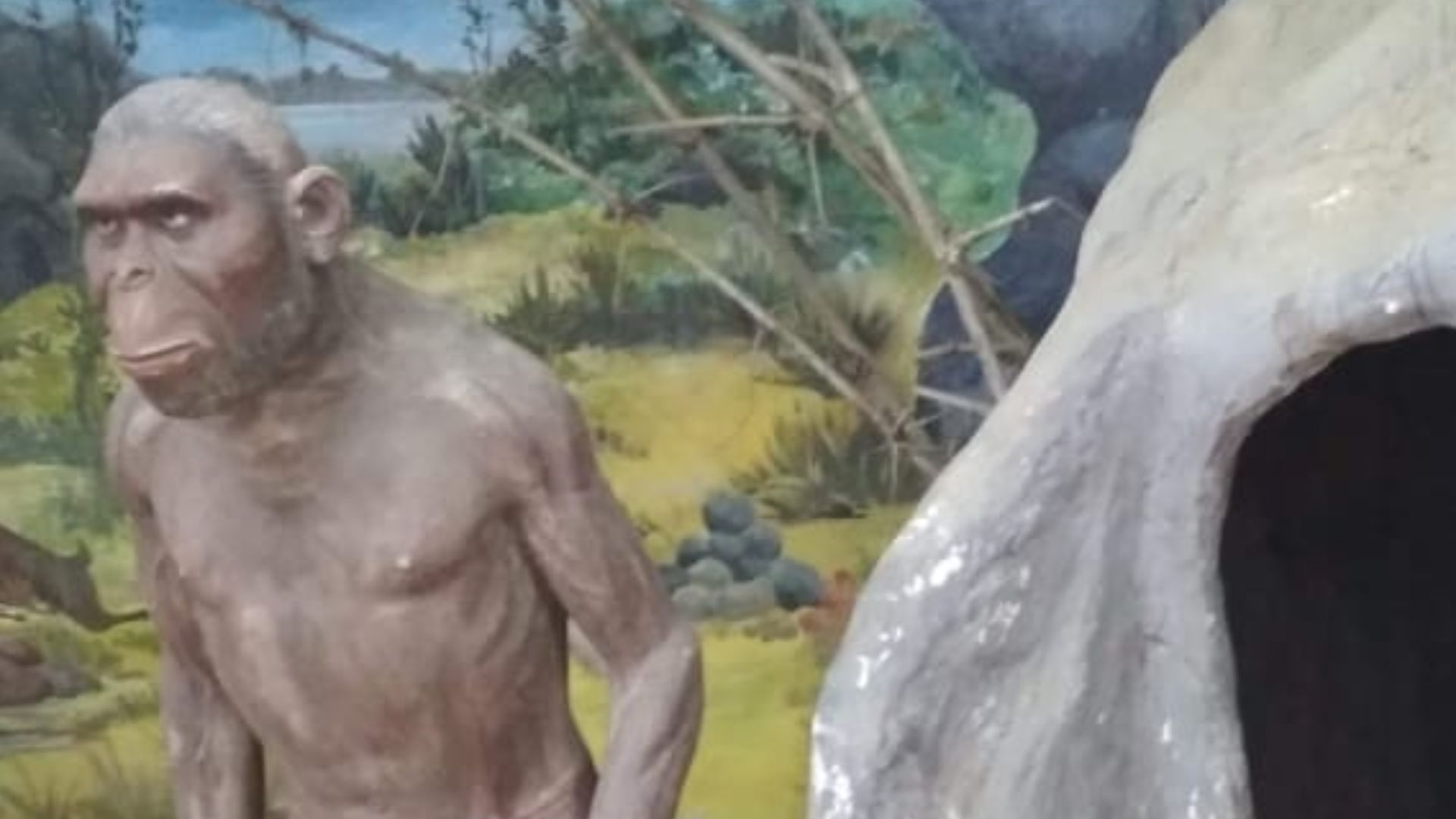
Humans Weren't Just Following Good Weather
Researchers specifically tested whether climate change alone could explain the expansion. It could not. Models in which human environmental preferences remained fixed produced different results. The archaeological pattern instead suggests that people themselves became more flexible in the environments they were capable of exploiting.
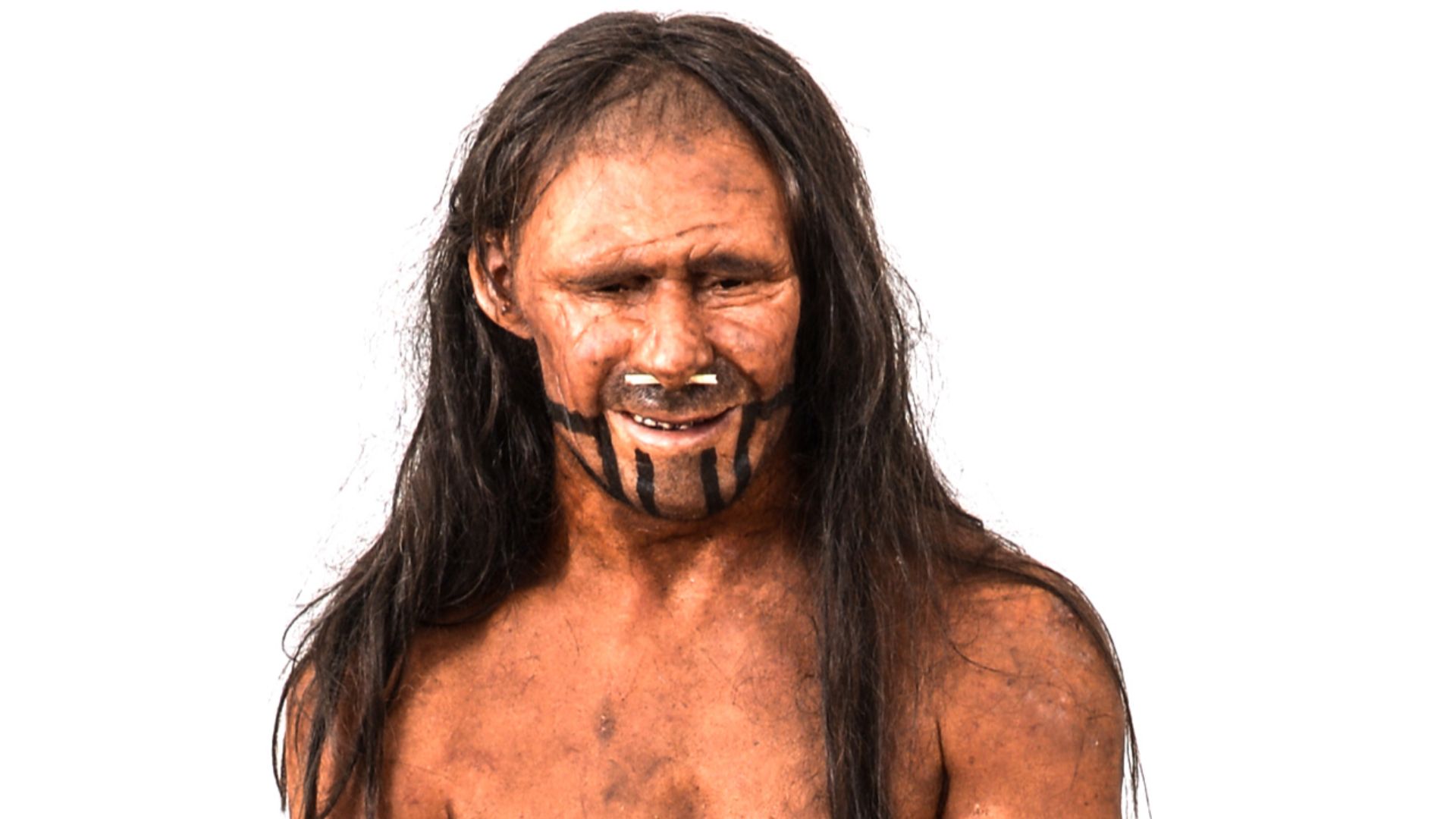
Generalists Could Still Become Specialists
Being adaptable did not mean treating every environment the same way. Quite the opposite. Humans could develop highly specific knowledge about local plants, animals, water sources, and seasons while maintaining the ability to switch strategies elsewhere. Researchers have described this unusual combination as a "generalist-specialist" way of life.
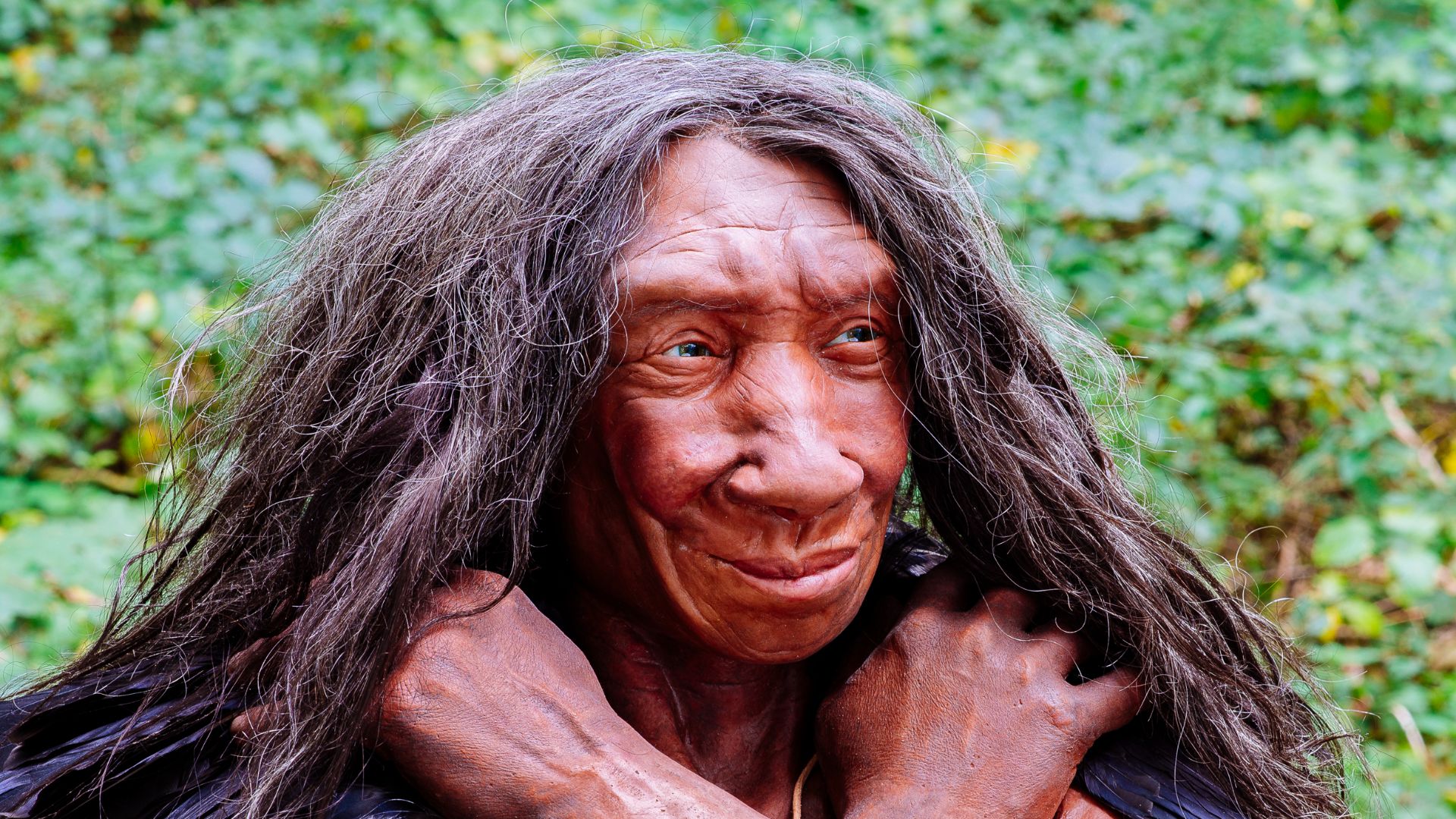 Neanderthal-Museum, Mettmann, Wikimedia Commons
There Was Probably No Magic Invention
It is tempting to imagine one revolutionary invention suddenly transforming humanity. The archaeological record does not cooperate. Projectile weapons, symbolic behavior, pigments, and other sophisticated practices appeared at different times and places, sometimes tens of thousands of years before the great expansion from Africa.
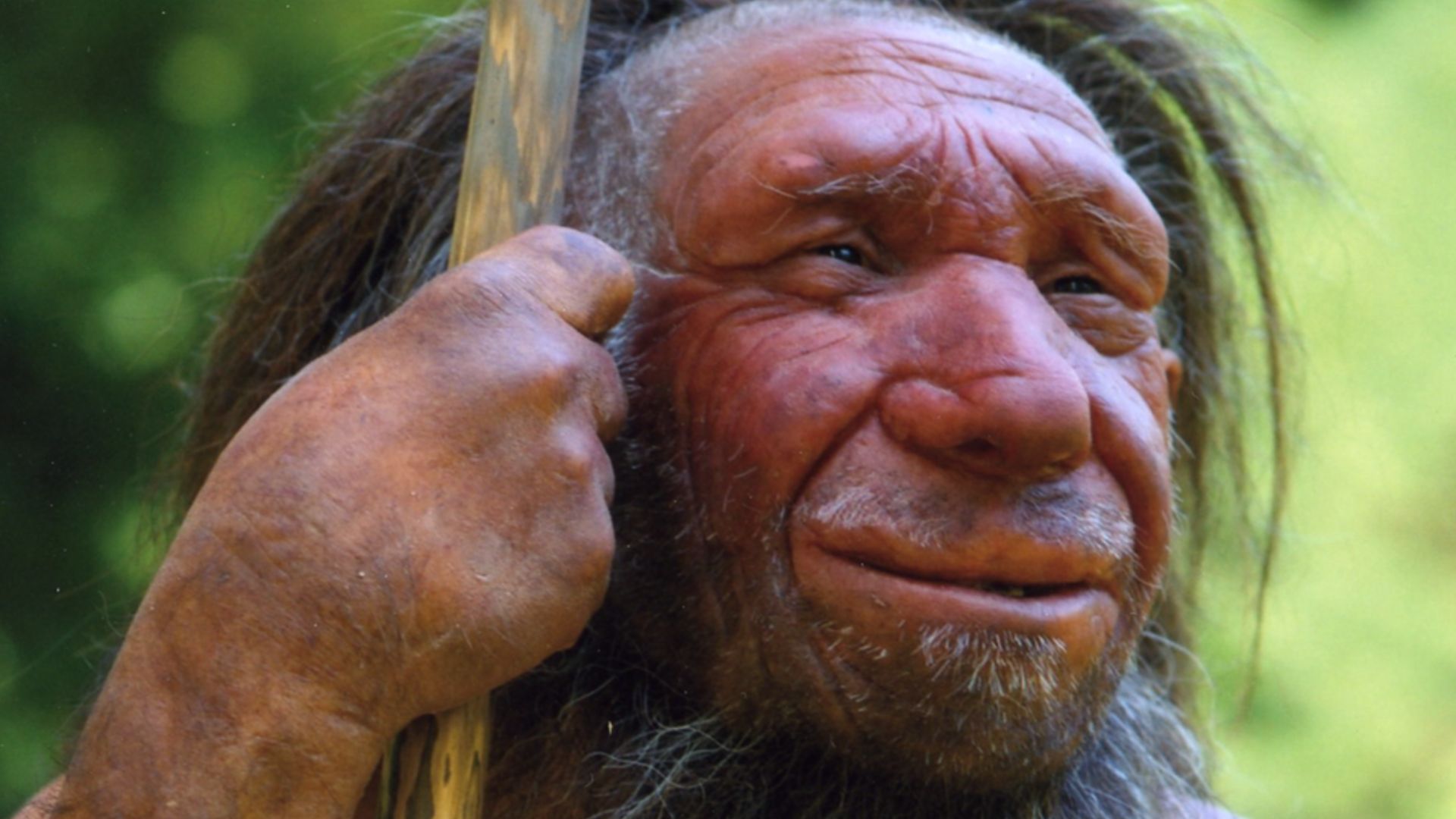 Neanderthal-Museum, Mettmann, Wikimedia Commons
Human Technology Was Already Complicated
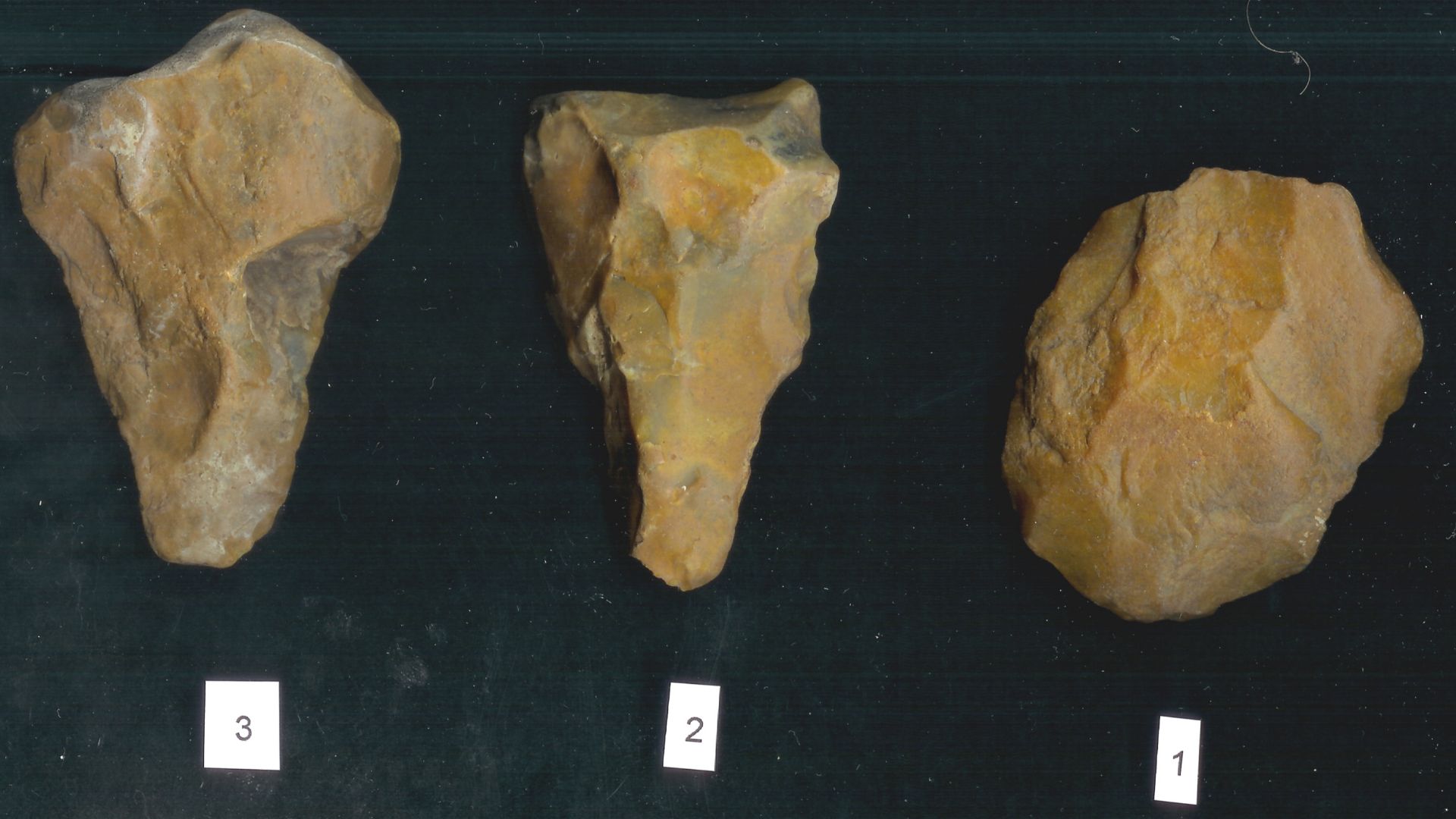
Instead of one prehistoric lightbulb moment, African archaeology reveals overlapping bursts of experimentation. Tool traditions changed, disappeared, and reappeared. Different populations developed their own solutions. Humanity's later success may therefore have depended less on possessing one extraordinary gadget and more on becoming extremely good at changing strategies.
 Bristol City Council, Kurt Adams, 2005-07-12 13:59:59, Wikimedia Commons
Water Storage Could Open New Country
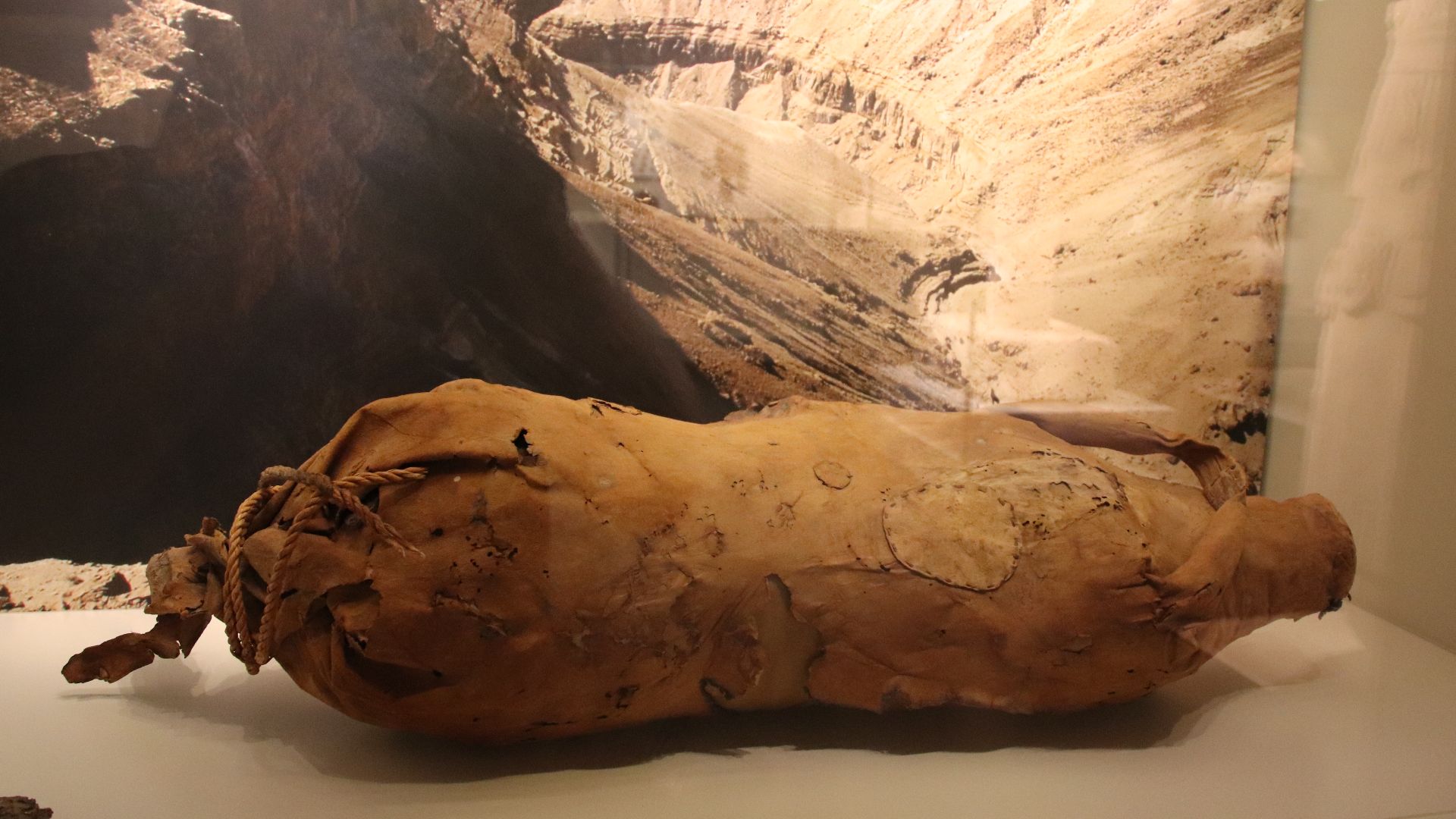
Some archaeological evidence from the broader period points toward technologies that helped humans handle difficult landscapes, including containers capable of storing water. Carrying or preserving water would dramatically alter how far people could travel through dry country and how long they could remain away from dependable rivers or springs.
 Gary Todd from Xinzheng, China, Wikimedia Commons
People Were Changing Landscapes Too
Humans were not simply adapting themselves to environments. Evidence from Africa suggests people were also manipulating ecosystems, including through deliberate or repeated burning. Such behavior could encourage certain plants, improve visibility, or change animal movements, turning environmental adaptation into something much more active.
 https://www.weights.com/create prompted by me, Wikimedia Commons
The Menu Was Getting Bigger
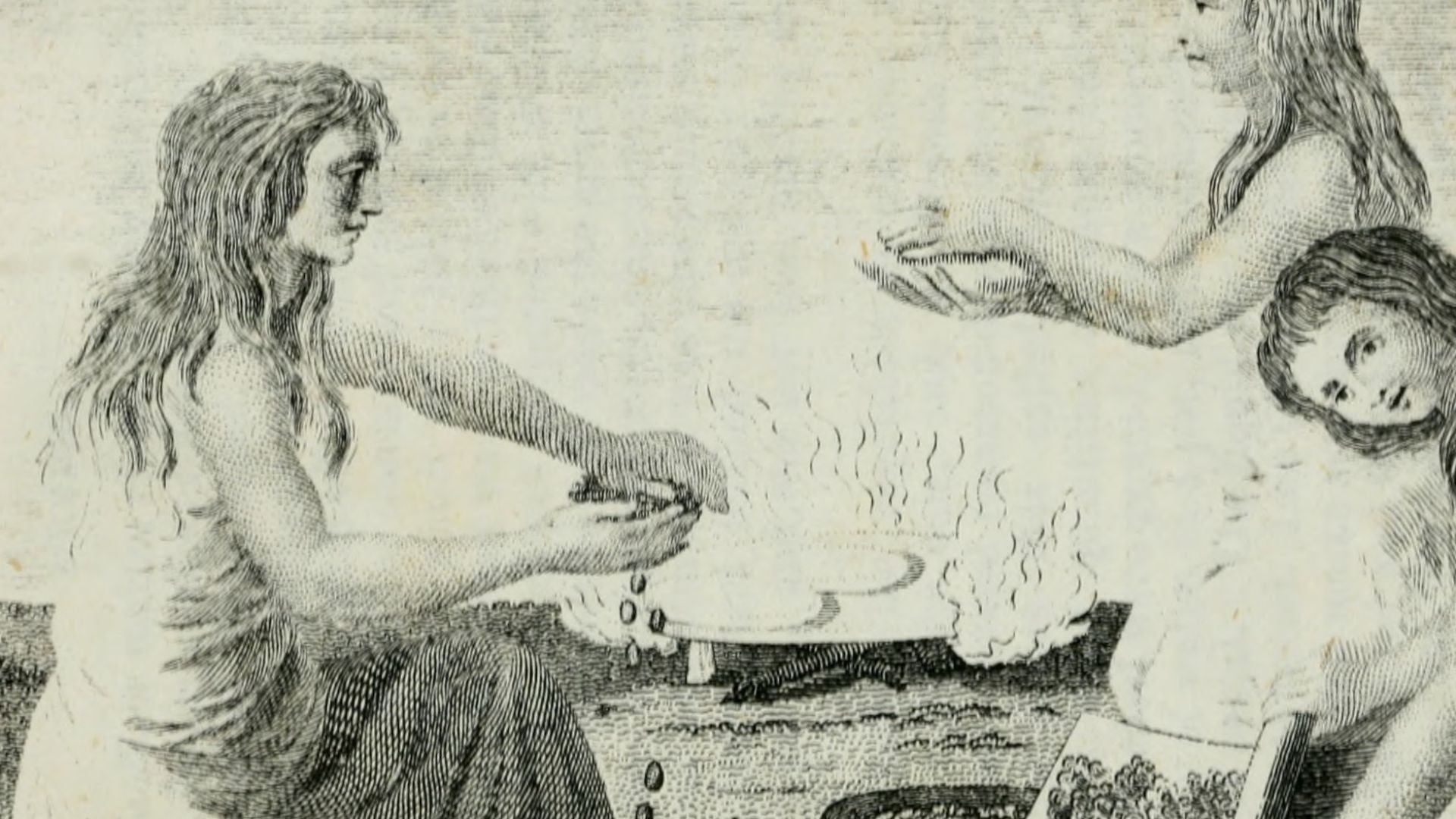
Another advantage was dietary flexibility. Populations able to switch among animals, plants, aquatic resources, and other foods were less vulnerable when one favorite resource disappeared. Archaeological evidence indicates broader subsistence strategies during the period surrounding the major niche expansion, giving people more options when environments became unpredictable.
 Internet Archive Book Images, Wikimedia Commons
Bigger Networks May Have Helped
Adaptability was probably social as well as technological. Expanding populations and longer-distance connections could move information between groups: where water remained during droughts, which plants were edible, or how unfamiliar materials behaved. Knowledge shared across communities may have been every bit as useful as a sharper stone tool.
 Jakub Hałun, Wikimedia Commons
Earlier Journeys Apparently Fell Short
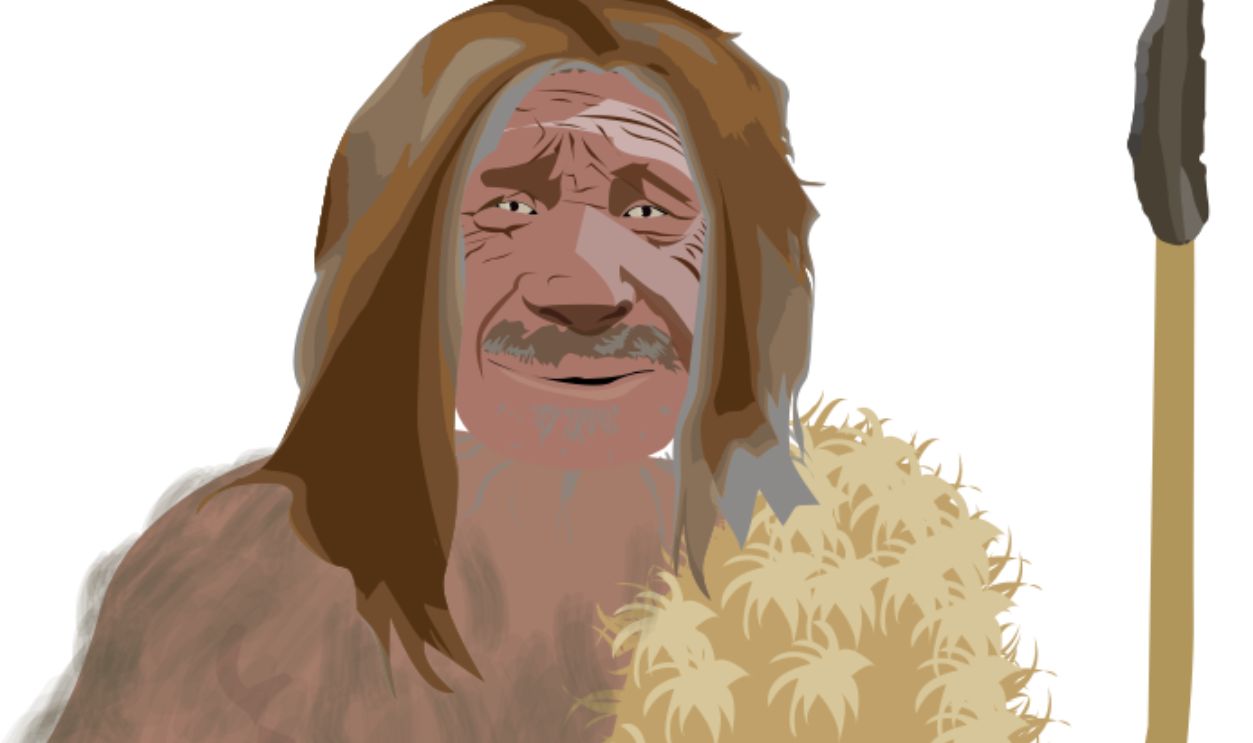
Homo sapiens had already reached areas beyond Africa before the famous later expansion. Fossils and archaeological sites document these earlier movements, including into Southwest Asia. Yet those populations apparently did not establish the ancestry that dominates modern non-African populations, suggesting that leaving Africa and successfully colonizing Eurasia were different achievements.
 Wakana Sasaki, CC-BY-4.0, Wikimedia Commons
Then The Global Expansion Worked
By roughly 50,000 years ago, the great ecological expansion inside Africa had reached its peak just as successful dispersals beyond the continent accelerated. The researchers argue that this timing is important. Populations entering Eurasia were already experienced at coping with unfamiliar and difficult habitats.
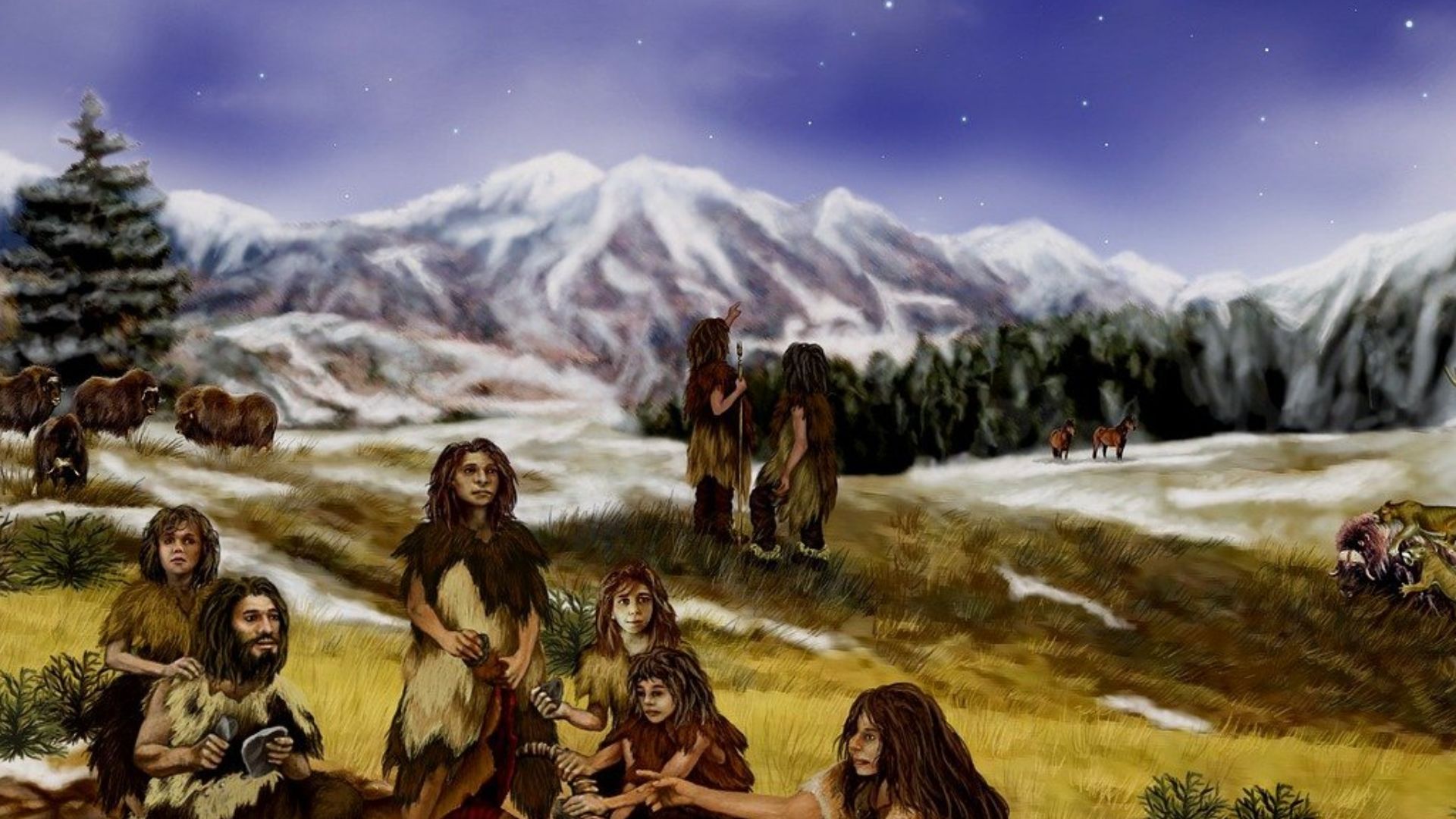
Neanderthals Were Adaptable Too
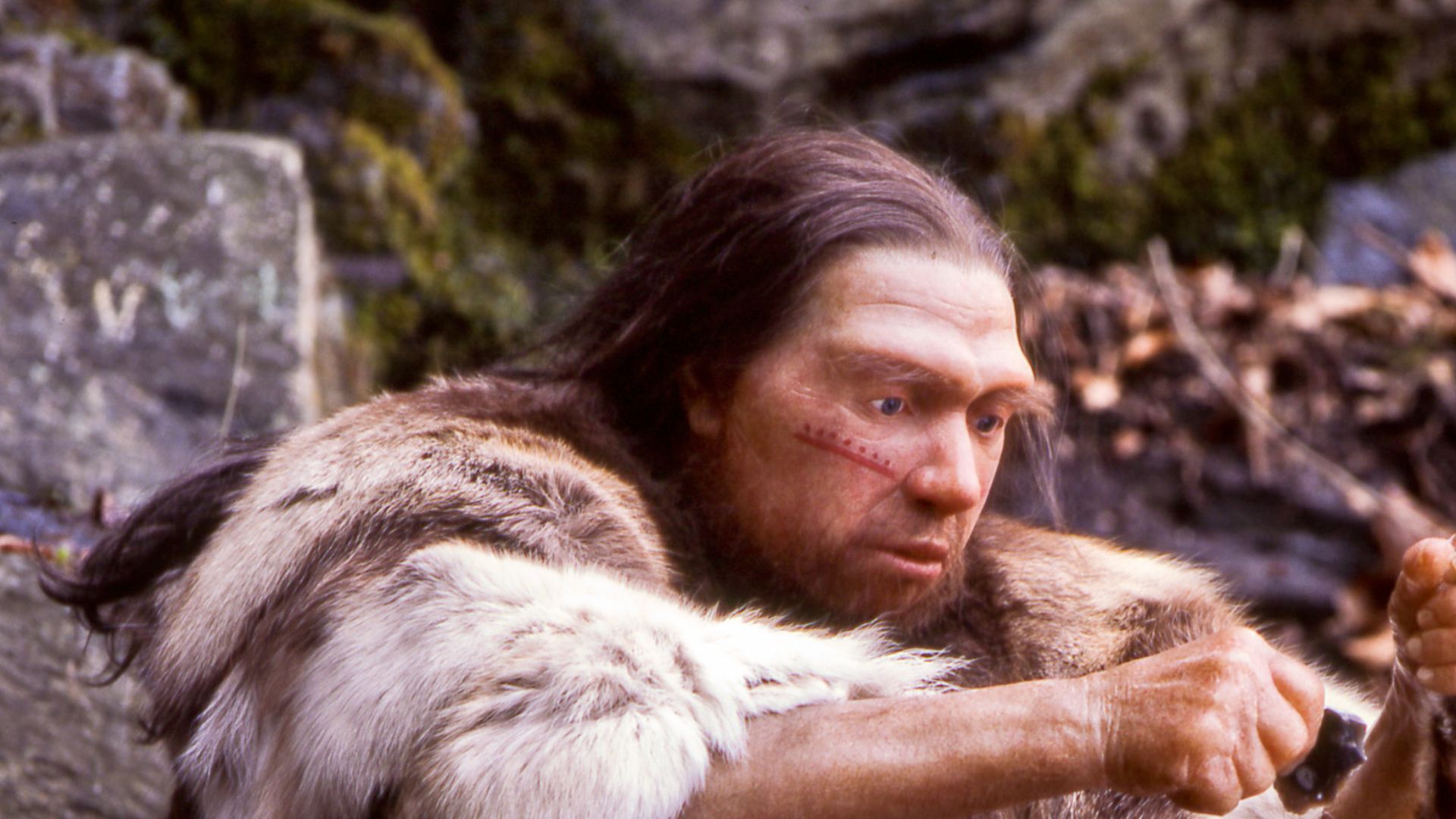
None of this means Neanderthals were helpless specialists waiting to disappear. They survived across huge parts of Eurasia for hundreds of thousands of years and occupied environments ranging from forests to cold steppe. Recent archaeological work increasingly shows that Neanderthals were sophisticated and surprisingly flexible themselves.
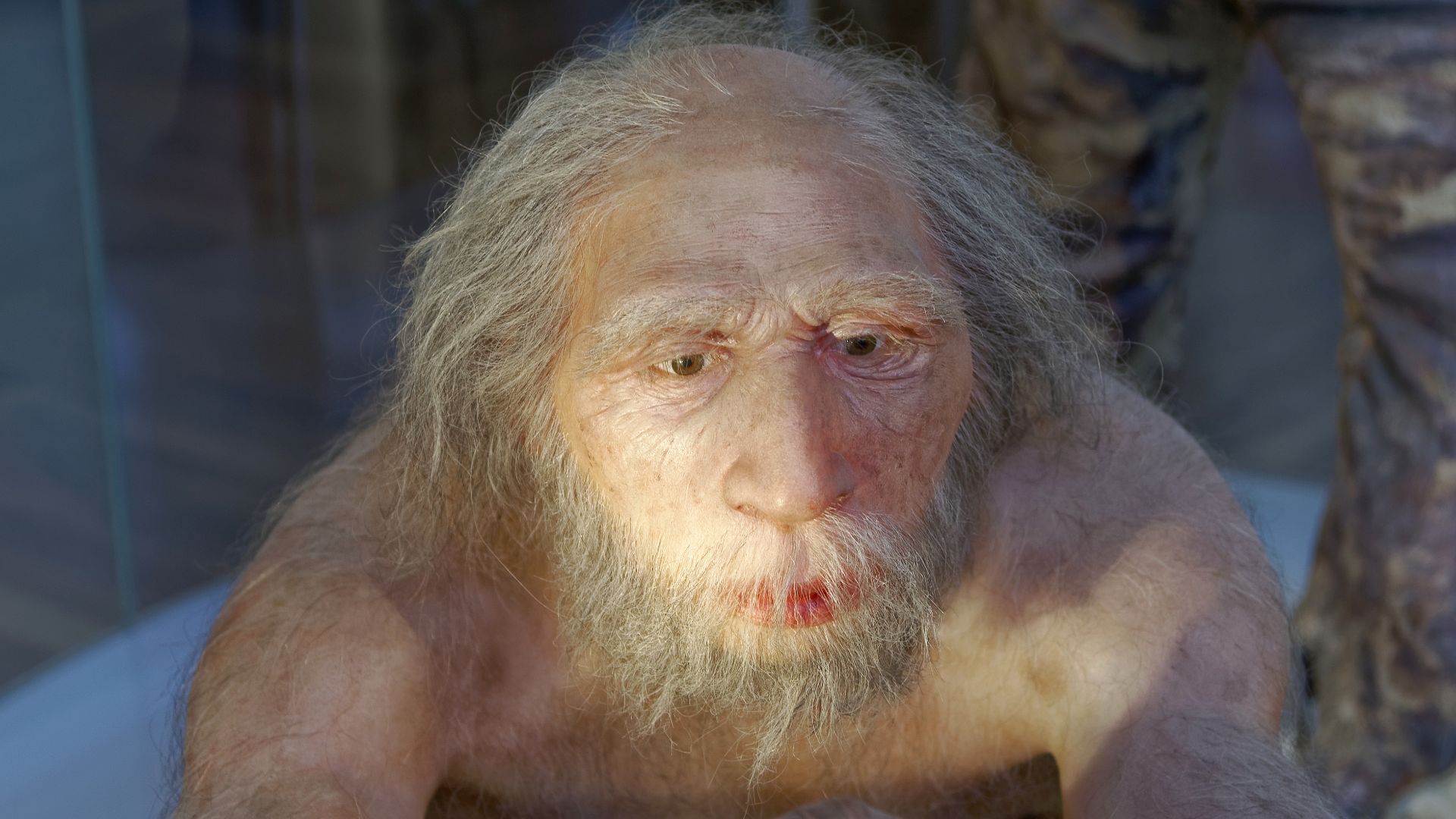 Jakub Hałun, Wikimedia Commons
Homo Erectus Was No Lightweight Either
Even Homo erectus could handle environmental extremes. Research at Engaji Nanyori in Tanzania shows that these humans repeatedly occupied a harsh semidesert landscape around one million years ago, concentrating around reliable water and using stone tools to process animals. Adaptability clearly existed long before Homo sapiens.
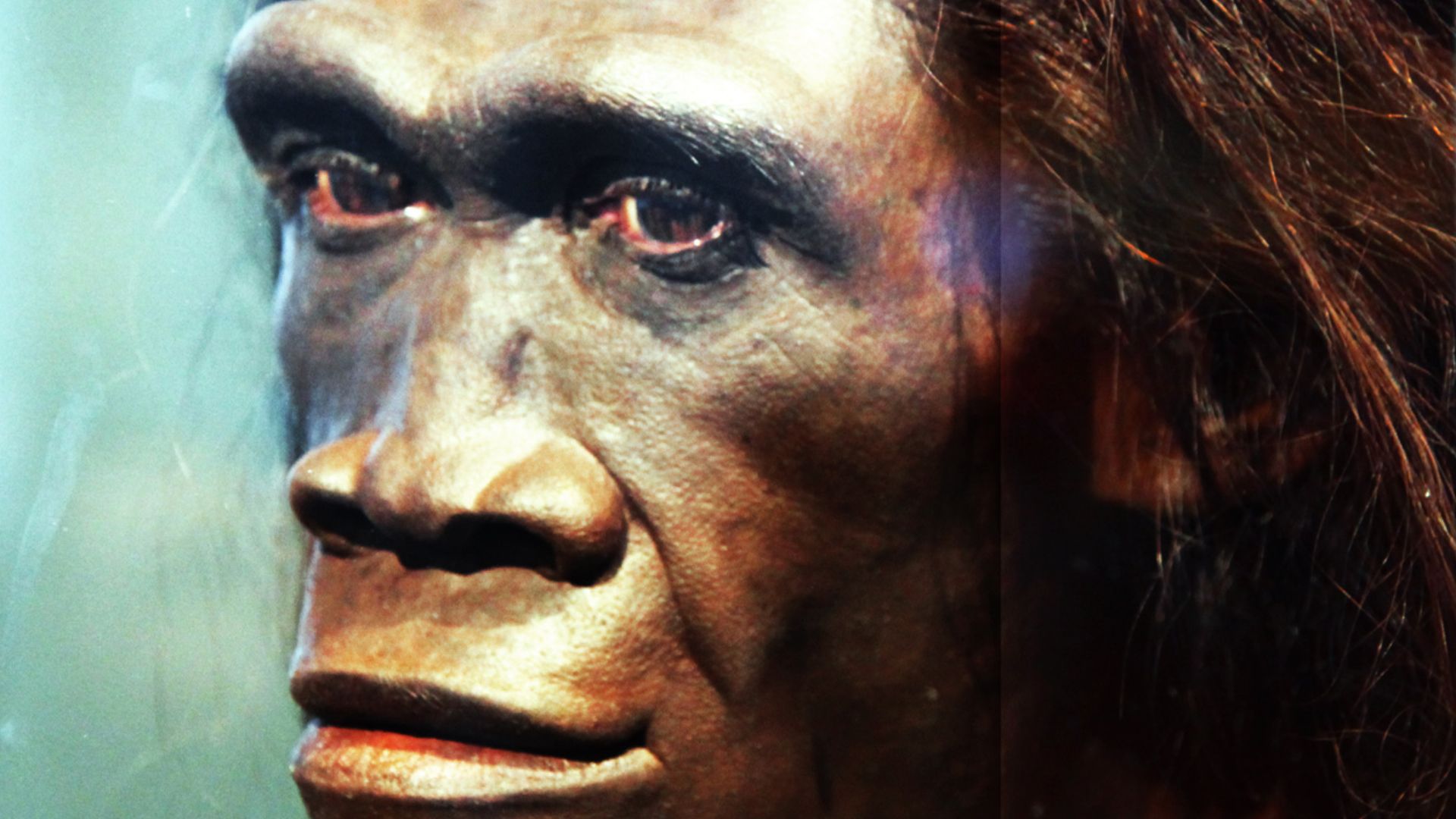 Tim Evanson, Wikimedia Commons
Adaptability Came In Degrees
That makes the new discovery more interesting, not less. Homo sapiens did not invent flexibility from nothing. Earlier humans possessed it too. What appears distinctive is the extraordinary breadth eventually achieved by our species: the ability to repeatedly move between sharply different ecosystems rather than mastering only one challenging setting.
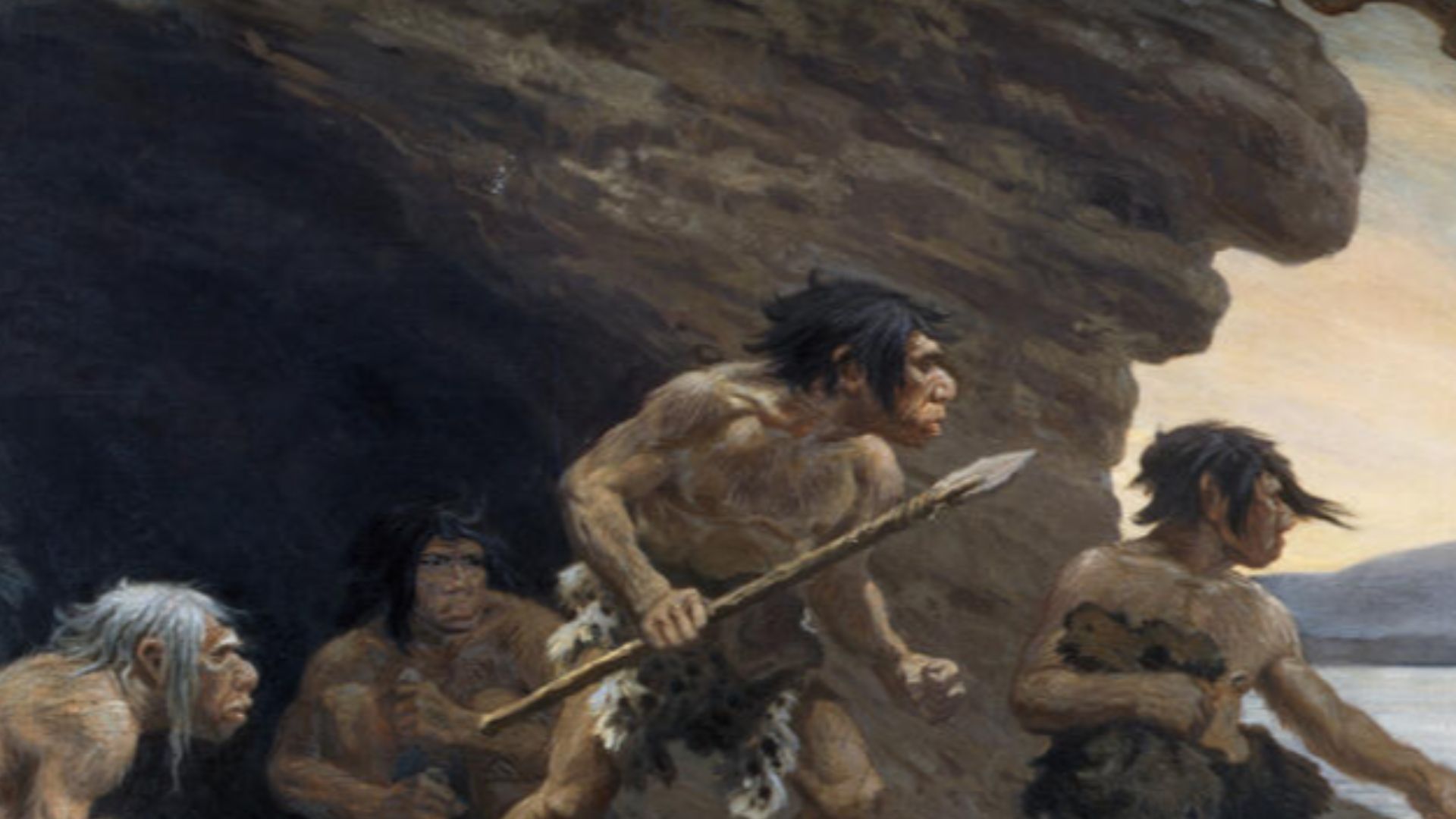 Charles Robert Knight, Wikimedia Commons
Another Expansion Came Later
The story continued after humans left Africa. Researchers detected another major ecological expansion beginning around 29,000 years ago. By the later Pleistocene, people occupied virtually every African region and ecosystem, accompanied by increasingly complex social networks and changing settlement behavior. Adaptability kept expanding rather than reaching a prehistoric finish line.
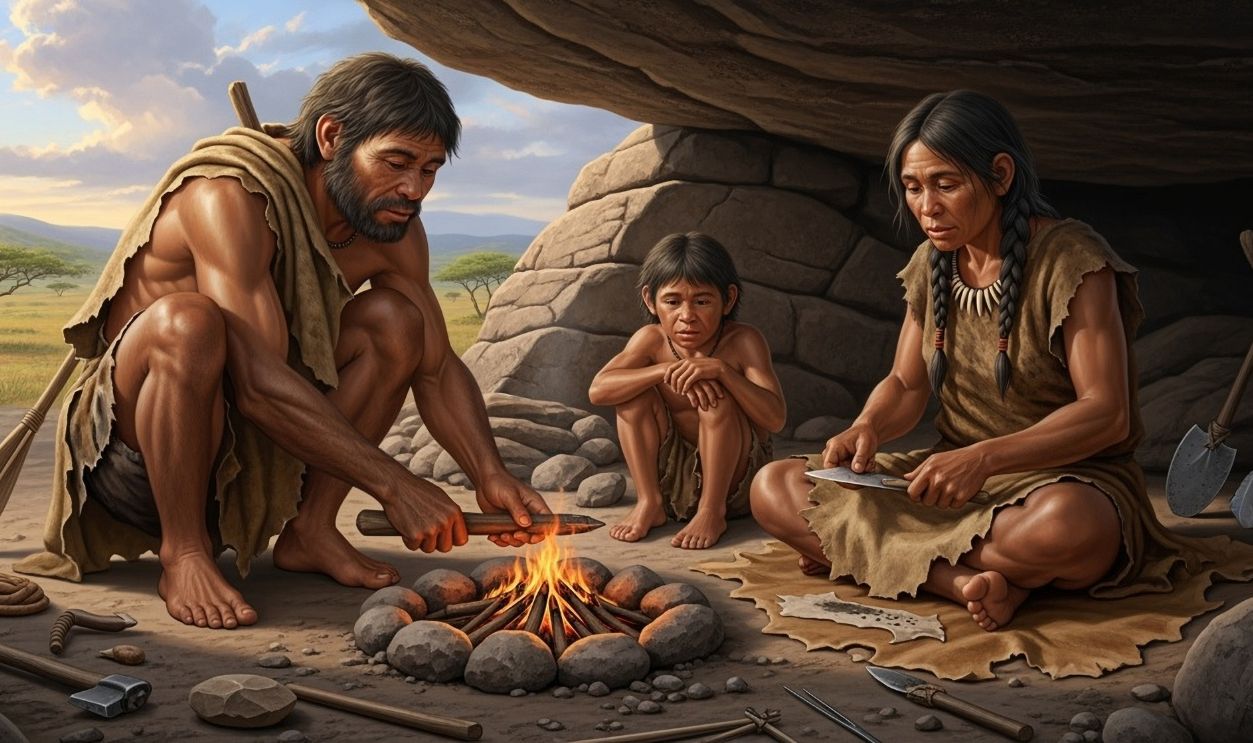
Survival Favored Flexibility
Why did this matter so much? Climate rarely stays convenient. Rainfall shifts, forests retreat, lakes disappear, and animals move. A species dependent on one narrow environment can suffer badly when conditions change. A species capable of changing food, technology, movement, and social strategies has considerably more room to improvise.
 Neanderthal-Museum, Mettmann, Wikimedia Commons
Humanity's Specialty Was Reinvention
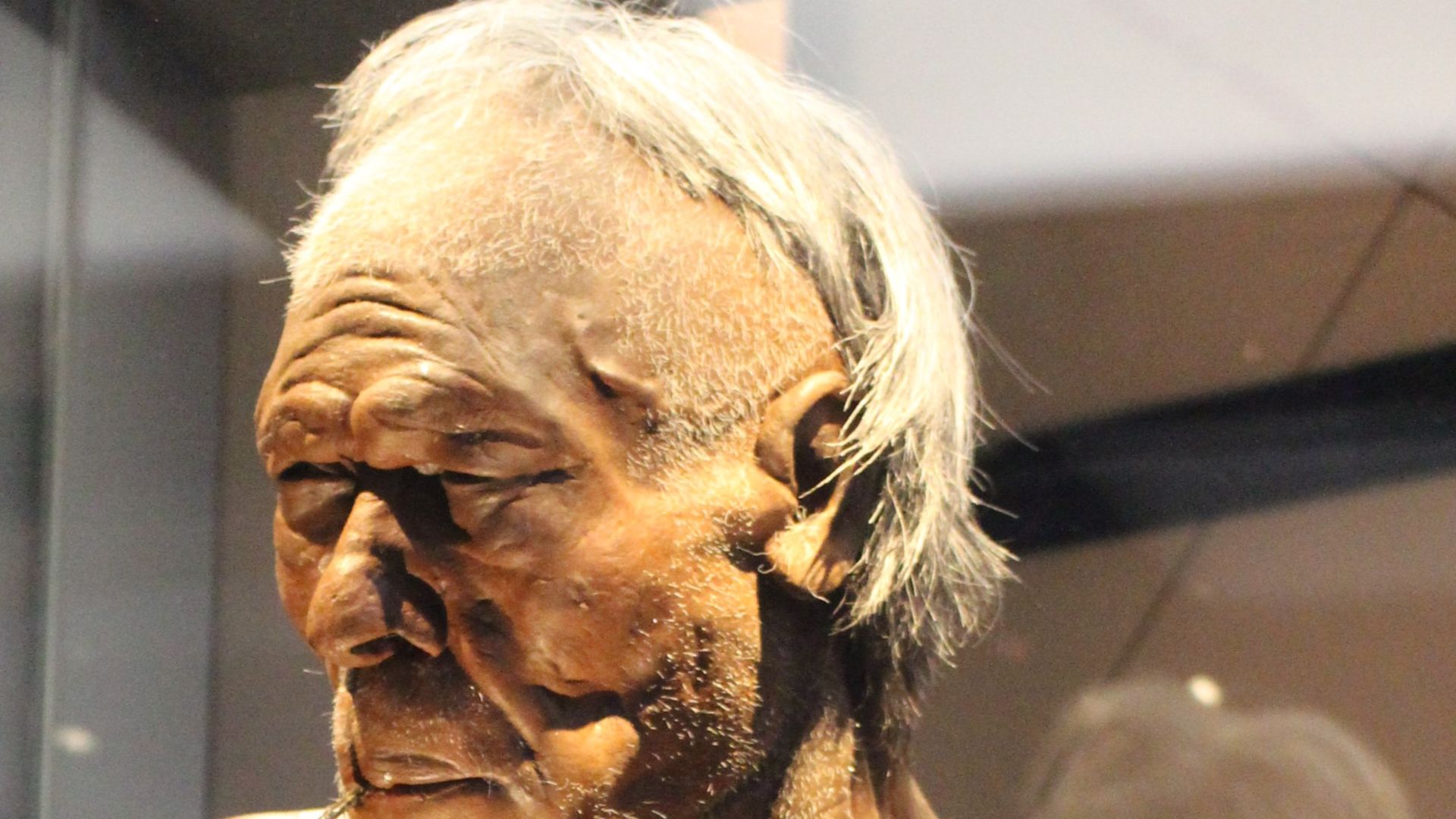
The archaeological evidence does not give us a simple story in which clever Homo sapiens defeated incapable relatives. Instead, it reveals something subtler. Many hominins were adaptable, but our species eventually pushed ecological flexibility unusually far. The human superpower may never have been strength or one brilliant invention. It was learning how to live differently
 Emőke Dénes, Wikimedia Commons
You May Also Like: