Abu Qir Bay’s Underwater Archaeological Boom
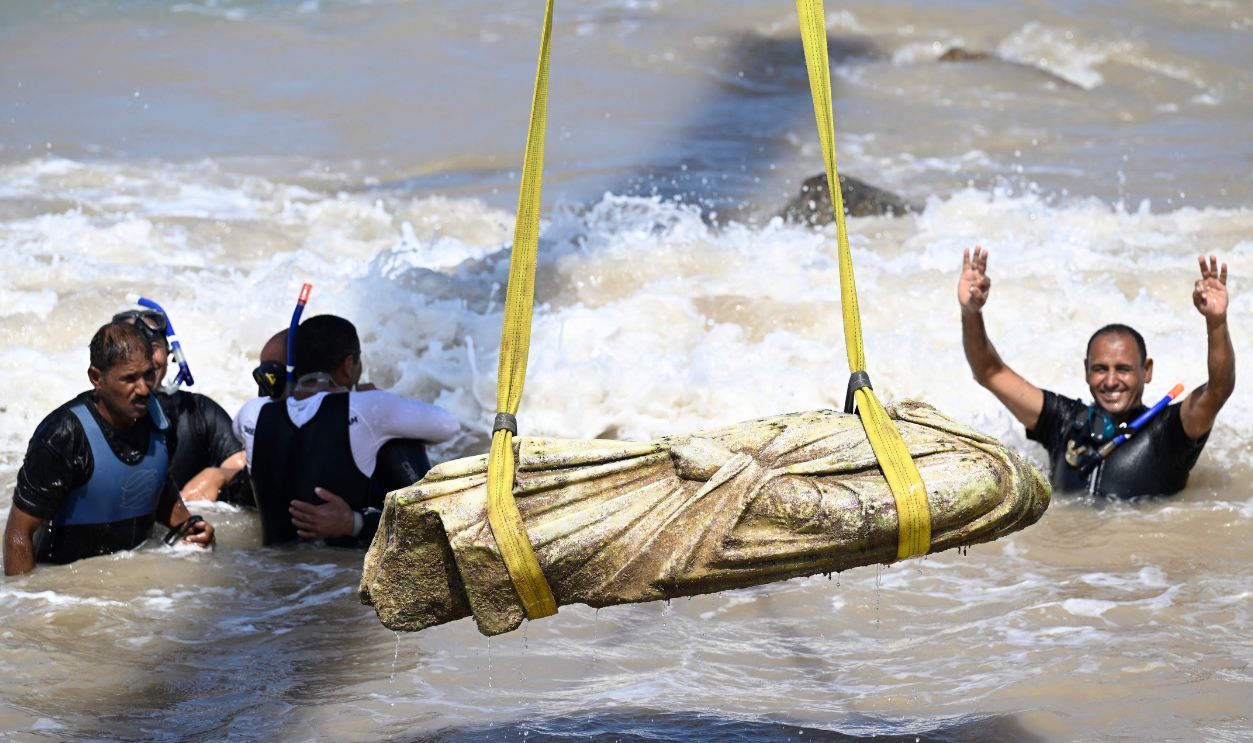
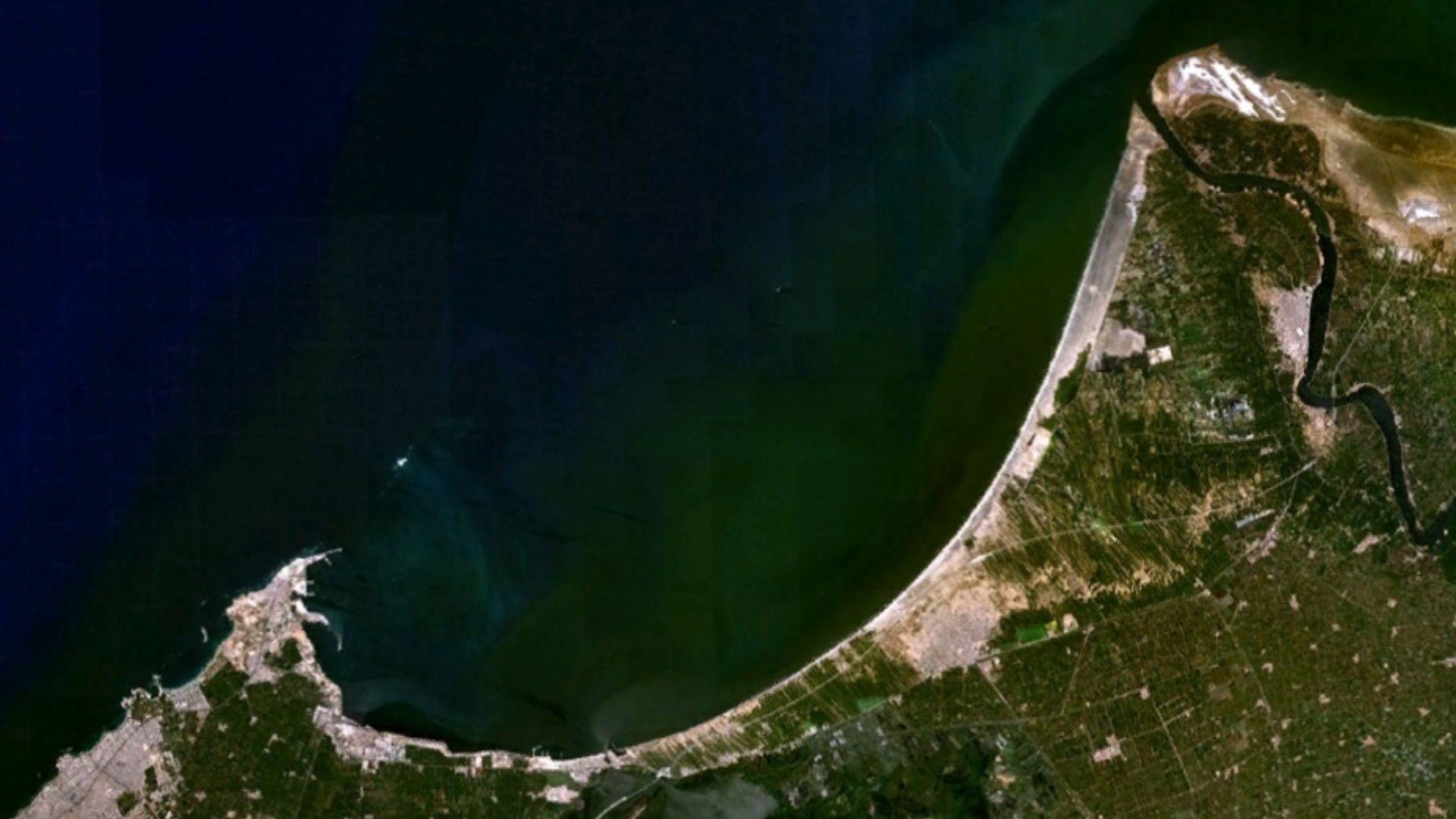
Off the coast of Alexandria, beneath the calm surface of the Mediterranean, lies a landscape that once buzzed with ships, merchants, priests, and pilgrims. Abu Qir Bay is now known as one of the richest underwater archaeological zones in the world, hiding the remains of entire ancient cities. Recent underwater excavations have brought statues, coins, pottery, and ship timbers back into the light, reinforcing long-held theories that major Ptolemaic ports once thrived here before being swallowed by the sea.
Waking The Past Beneath Mediterranean Waters
For centuries, ancient authors described prosperous port cities east of Alexandria, but much of their physical evidence seemed lost. Abu Qir Bay has changed that. Over the past few decades, underwater research has revealed submerged temples, docks, streets, and harbors. The most recent discoveries add yet another layer, showing that this coastline was not just active but intensely connected to Egypt’s political, religious, and commercial life.
 NASA World Wind (v1.4), Wikimedia Commons
How The Finds Came To Light
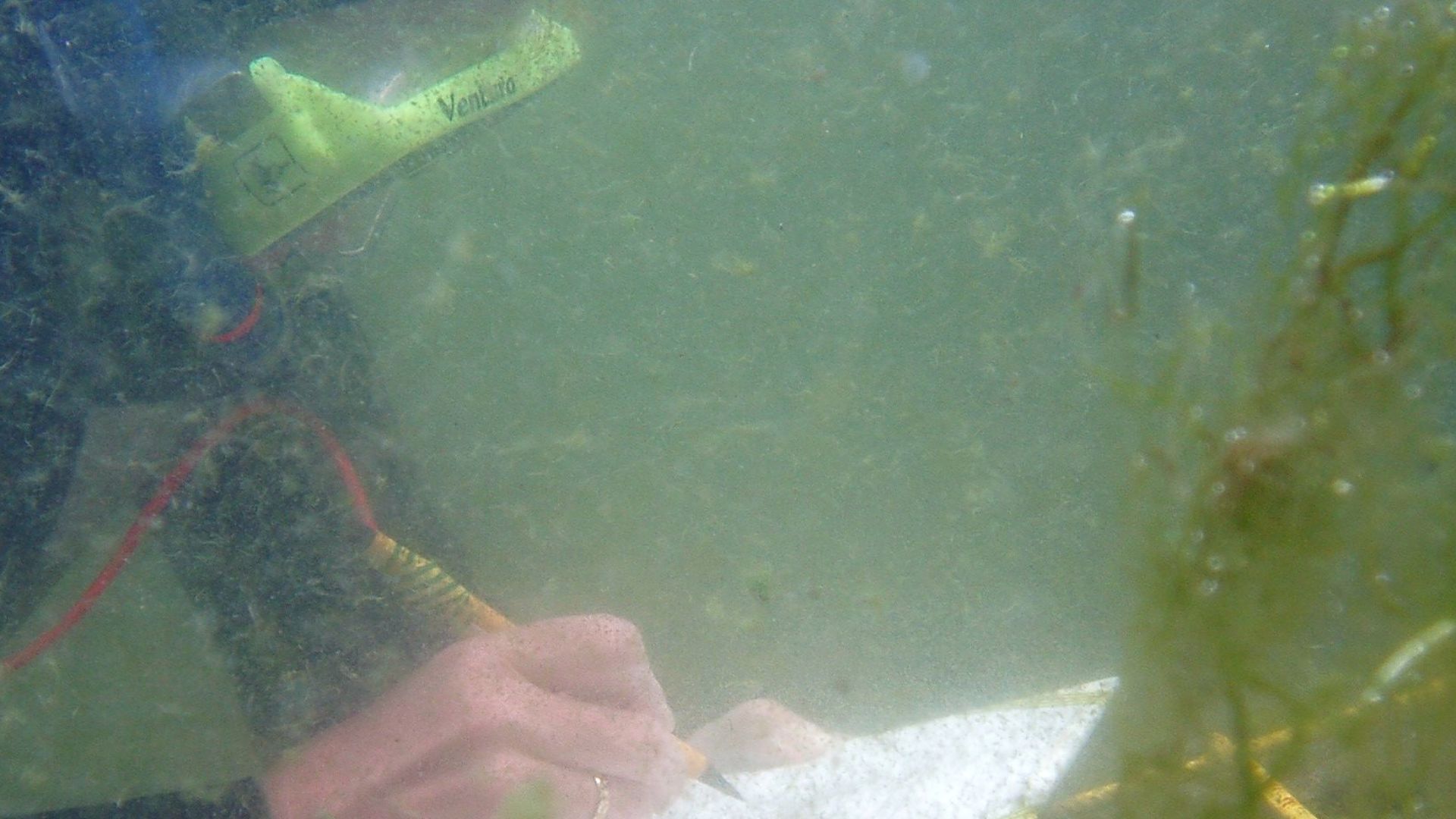
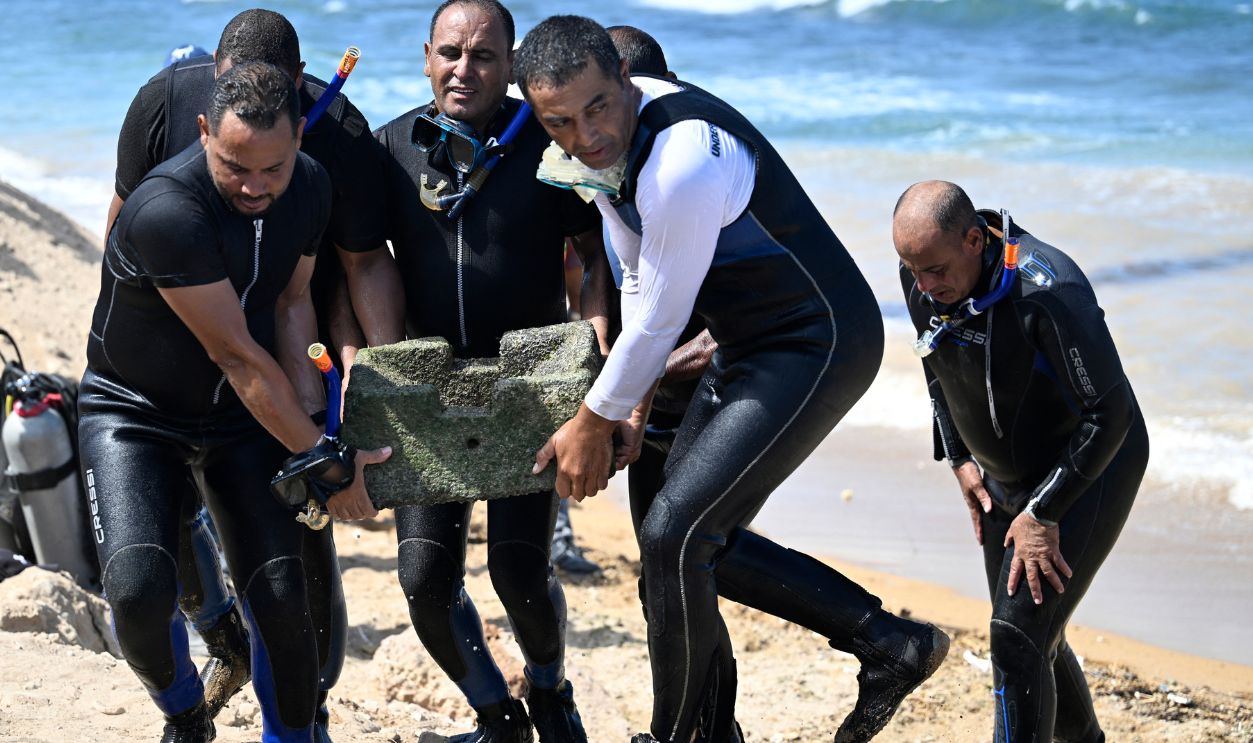
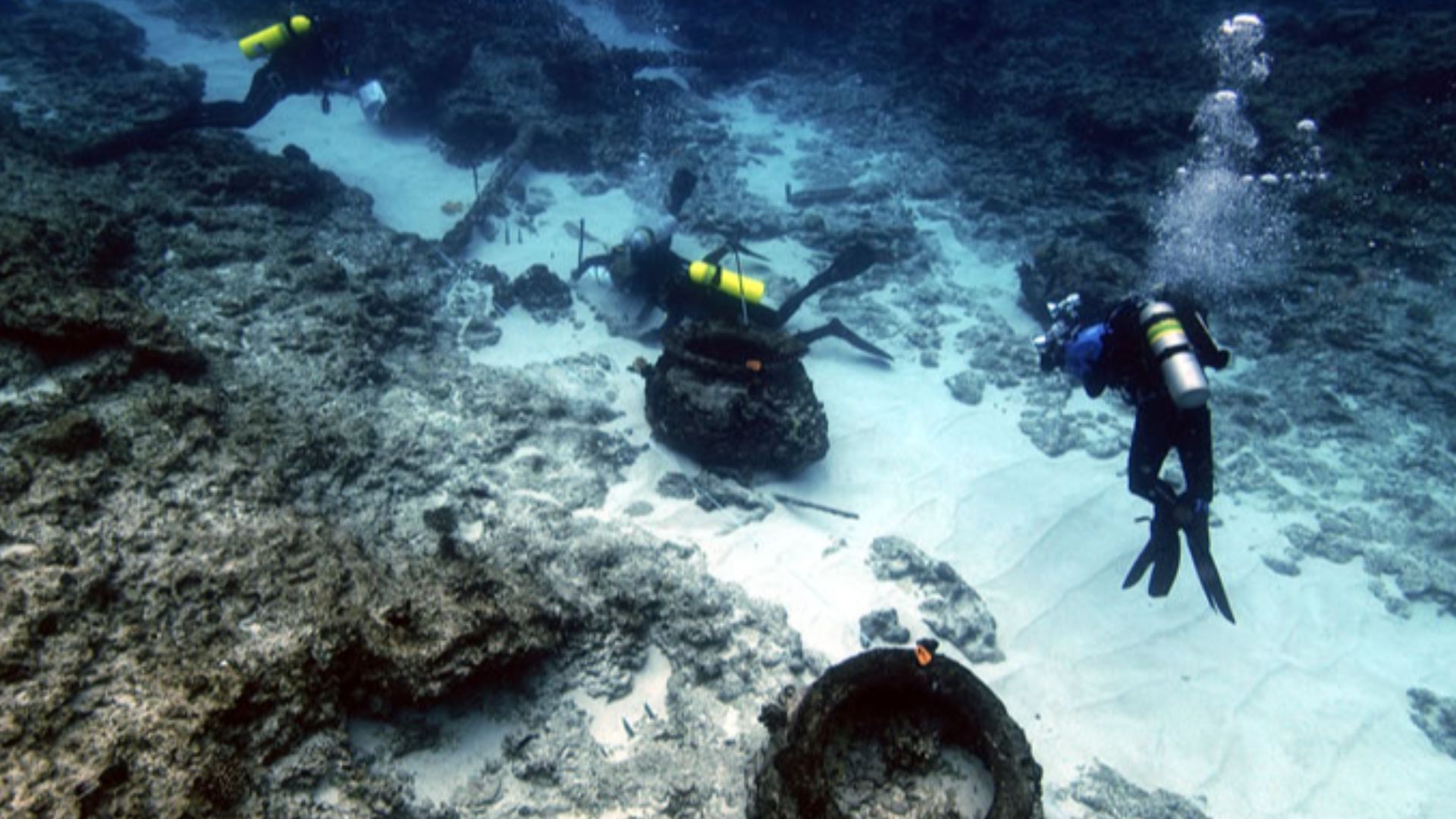
The latest recovery operations were carried out by teams of Egyptian underwater archaeologists working in shallow but sediment-heavy waters. Using cranes, divers, and careful mapping techniques, the team selected specific artifacts to be raised while leaving most of the site undisturbed. These controlled recoveries focused on objects already exposed by shifting sands and currents, minimizing damage to the fragile underwater environment.
 Viv Hamilton, Wikimedia Commons
Port Canopus: A City Lost To The Sea
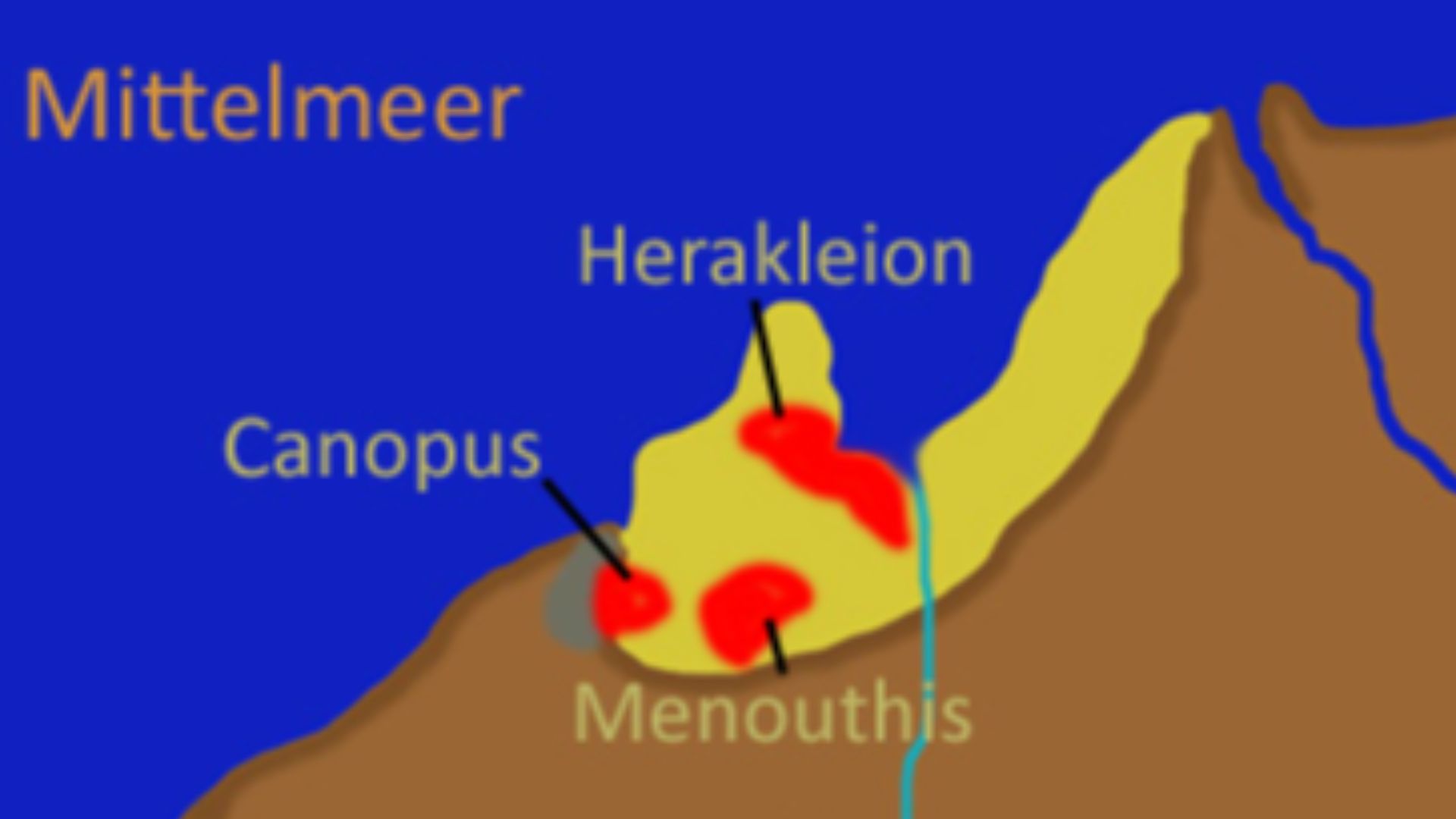
Many of the artifacts come from the submerged ruins of Canopus, one of Egypt’s most important coastal cities during the Ptolemaic and Roman periods. Canopus was once famous for its temples, festivals, and bustling harbor. Over time, earthquakes, rising sea levels, and land subsidence caused large portions of the city to sink, preserving buildings and objects beneath layers of silt and seawater.
 ChrisOsenbrück, Wikimedia Commons
Statues From The Deep
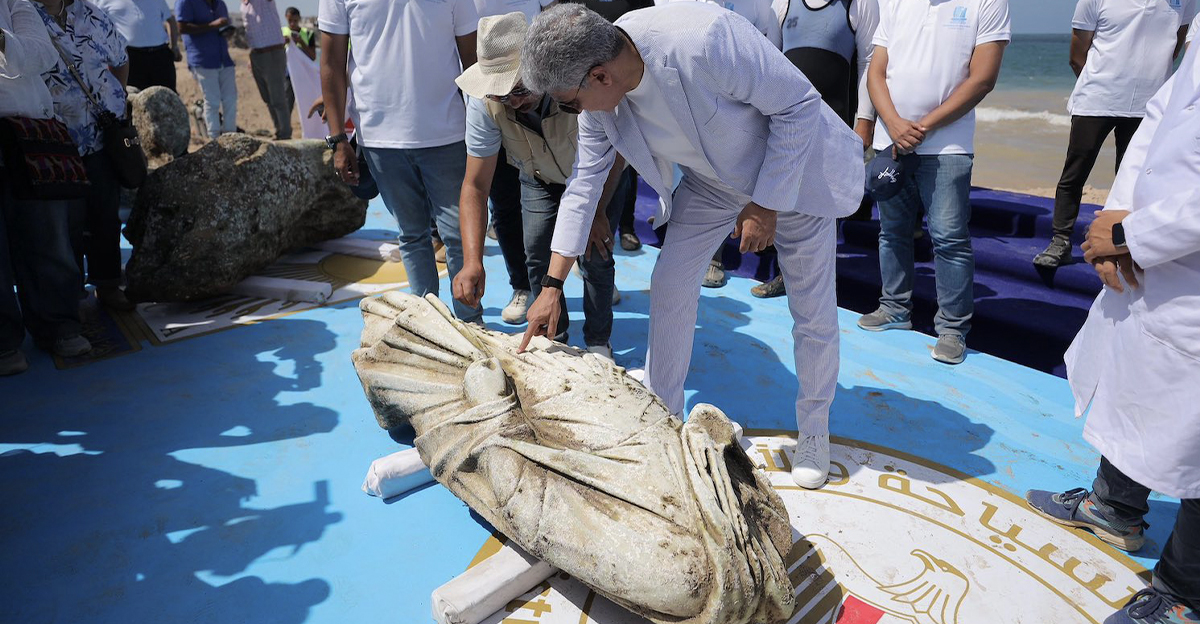
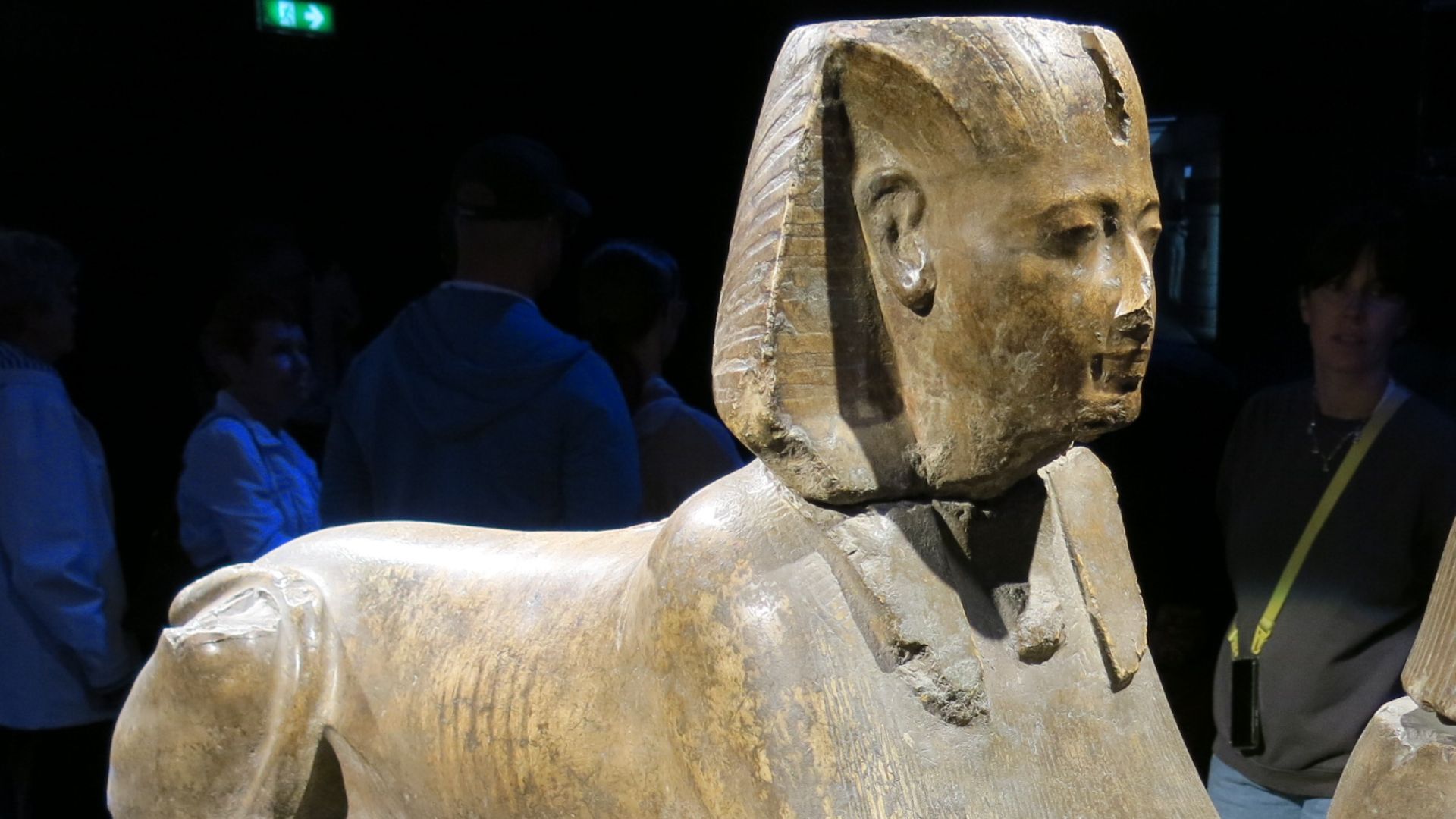
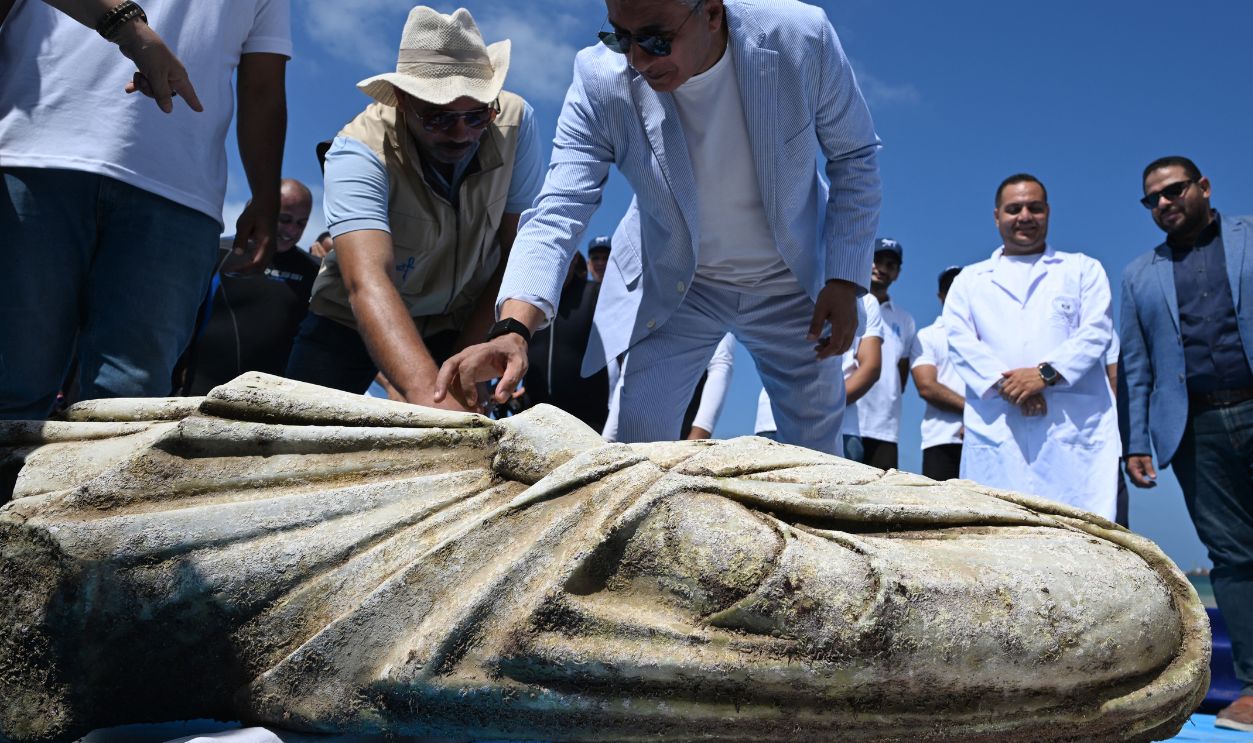
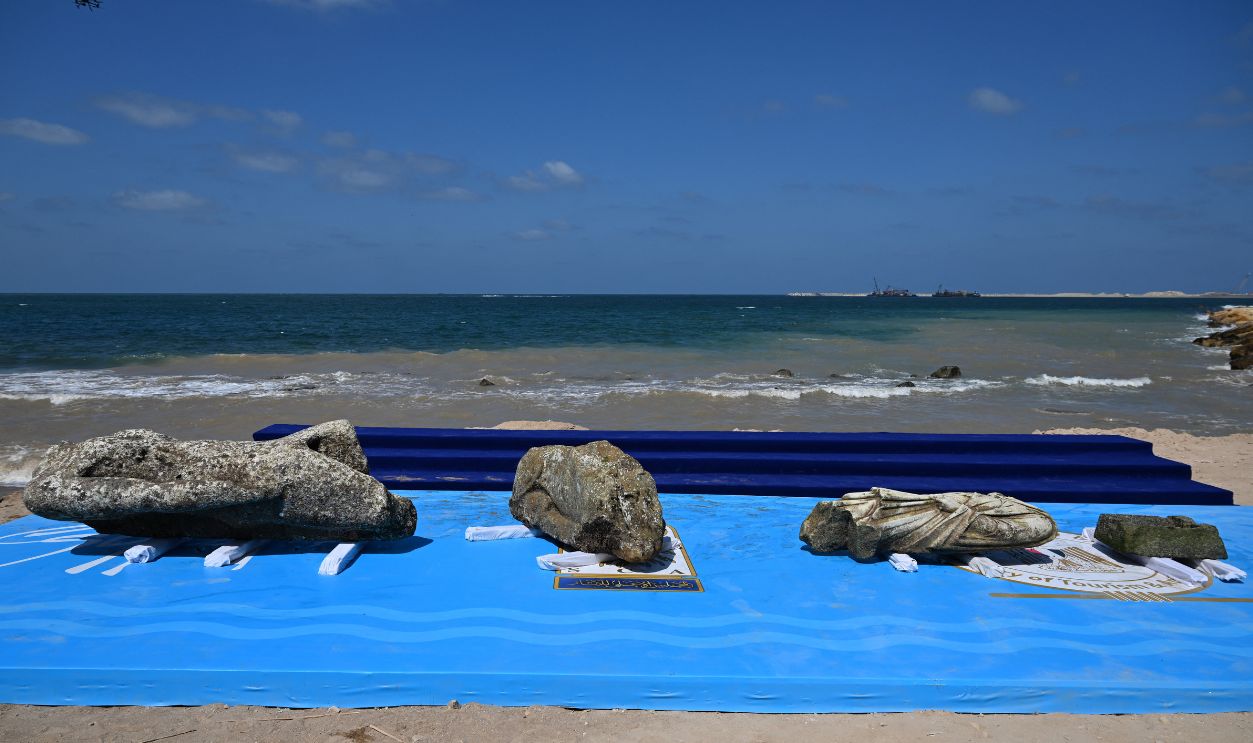
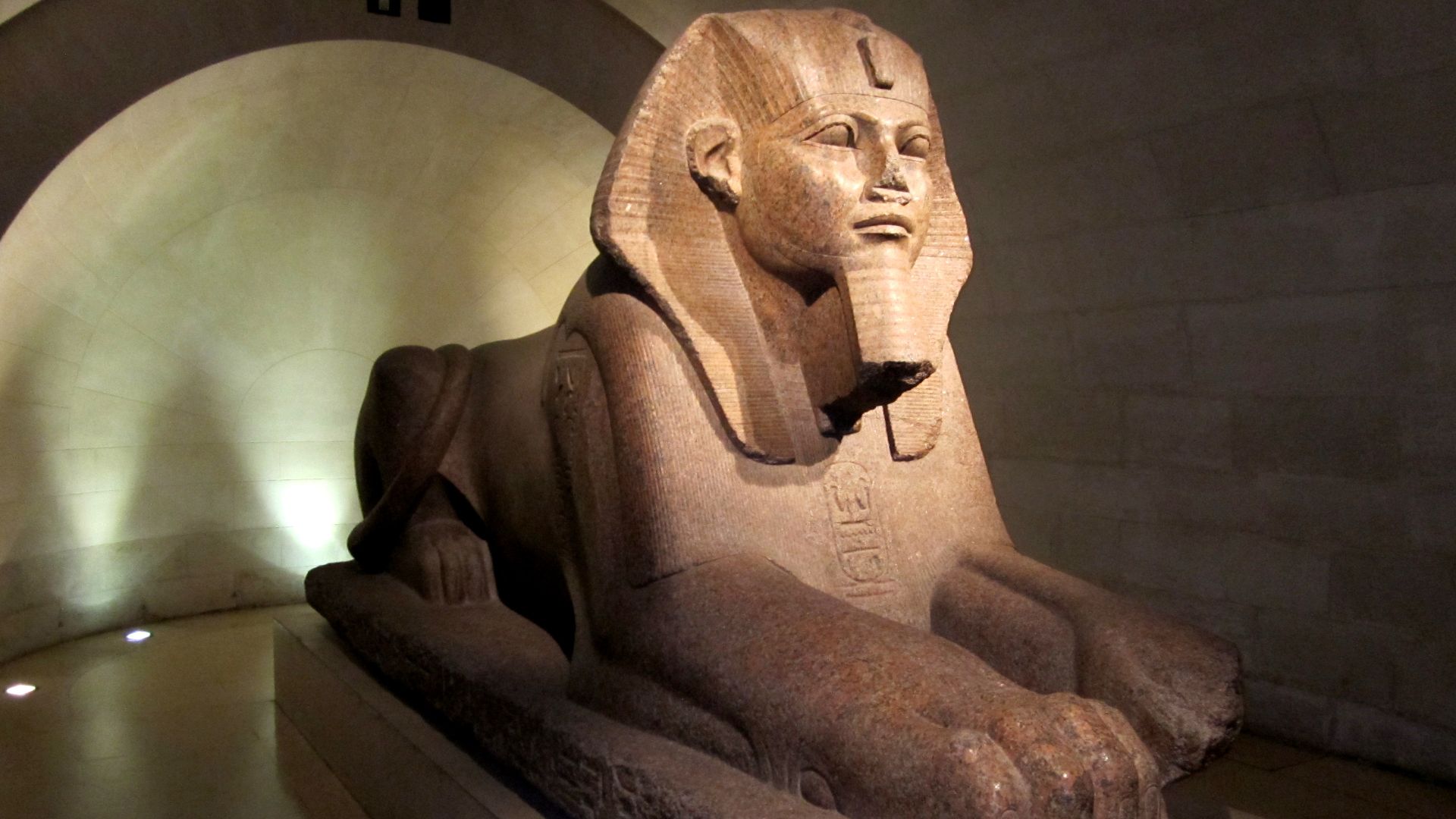
Among the most striking discoveries are monumental statues lifted from the seabed after lying underwater for nearly two millennia. These include a quartzite sphinx bearing the cartouche of Ramesses II, linking the site to much earlier pharaonic traditions. Archaeologists also recovered a massive granite statue of a man dating to the late Ptolemaic period, along with a marble statue of a Roman-era nobleman. Together, these sculptures illustrate how Canopus remained culturally relevant across multiple eras, blending Egyptian, Greek, and Roman influences.
Layers Of History Carved In Stone
The statues show visible wear from centuries underwater, but their details remain remarkably clear. Their presence suggests that Canopus contained major religious or civic spaces decorated with monumental art. The reuse and relocation of older royal statues also hint at how later rulers connected themselves to Egypt’s ancient past to legitimize their authority.
Coins, Pottery, And Everyday Items
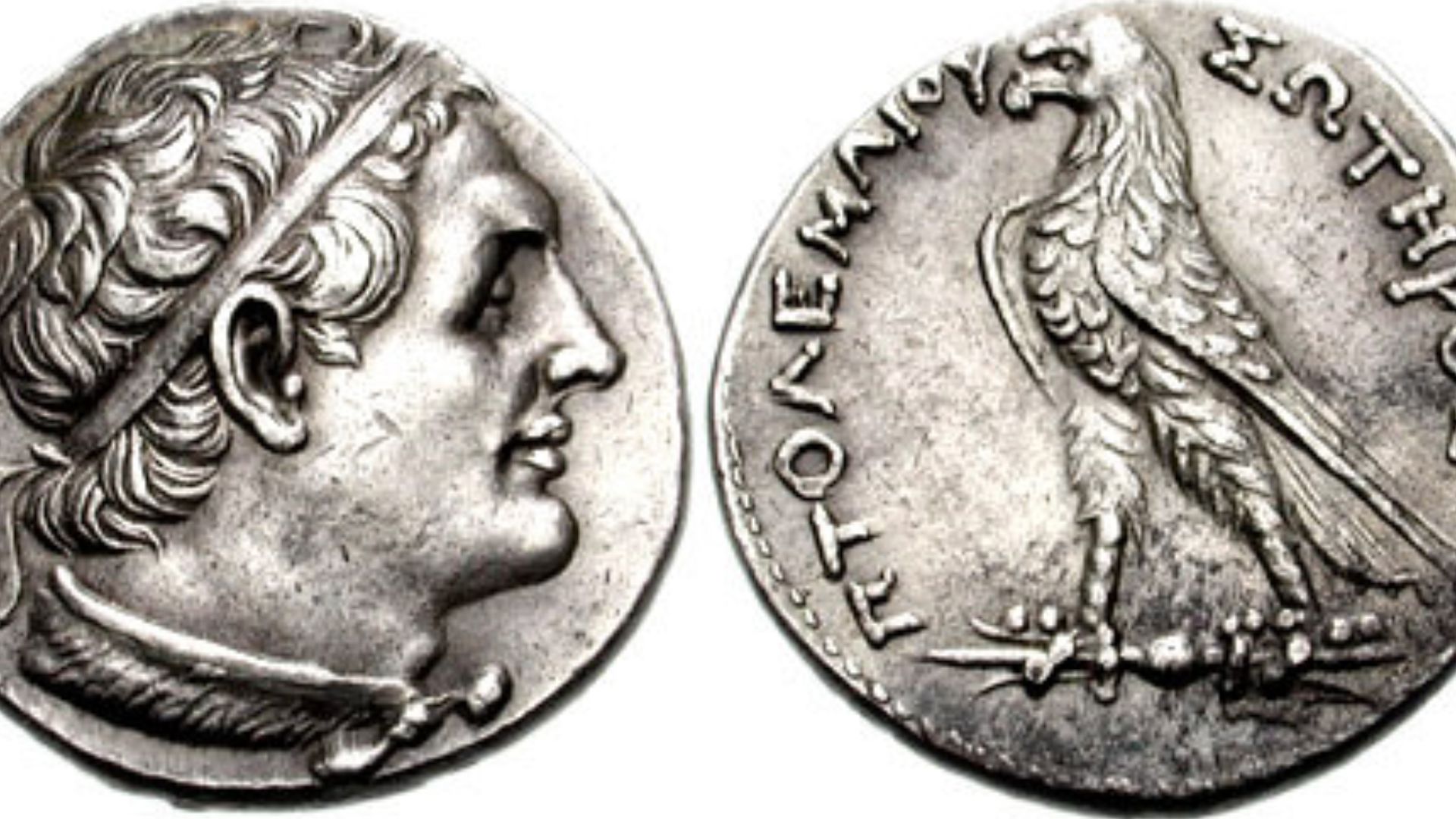
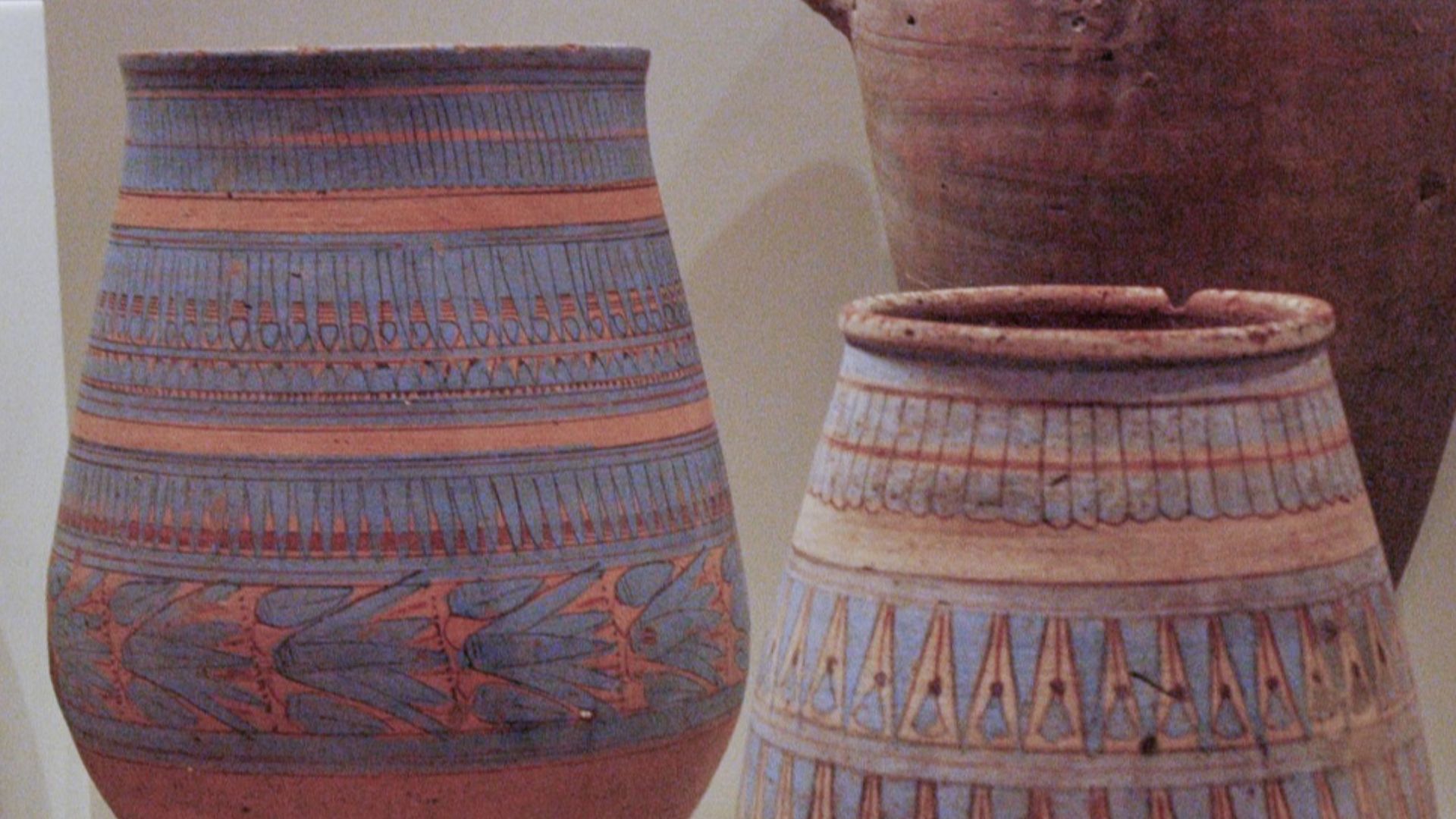
Smaller finds help balance out the grand imagery of statues. Coins recovered from the seabed provide precise dating clues, showing when different parts of the port were active. Pottery fragments, storage jars, and everyday vessels point to daily commercial life: goods being traded, stored, and consumed by residents and travelers passing through the harbor.
Ship Timbers And Maritime Clues
Perhaps the most telling evidence of port activity comes from the discovery of ship timbers and harbor infrastructure. Archaeologists identified remains of a merchant ship near an ancient dock that stretched more than 100 meters in length. These wooden elements, combined with stone anchors and loading areas, reveal how ships were built, repaired, and unloaded in the heart of the harbor.
Why Abu Qir Bay Is So Rich In Relics
Abu Qir Bay sits atop a cluster of ancient settlements that once relied on the Nile’s Canopic branch. This made the area a natural hub linking inland Egypt with Mediterranean trade routes. When geological instability struck, entire districts slid beneath the sea, effectively sealing the archaeological record in a watery time capsule.
Sunken Cities And Submerged Ports
The discoveries confirm that these were not isolated structures but parts of integrated urban systems. Harbors, temples, warehouses, and residential zones all coexisted, forming dense coastal cities. Underwater mapping continues to reveal how these spaces connected to one another, reshaping our understanding of ancient Egyptian coastal planning.
Canopus And Maritime Trade
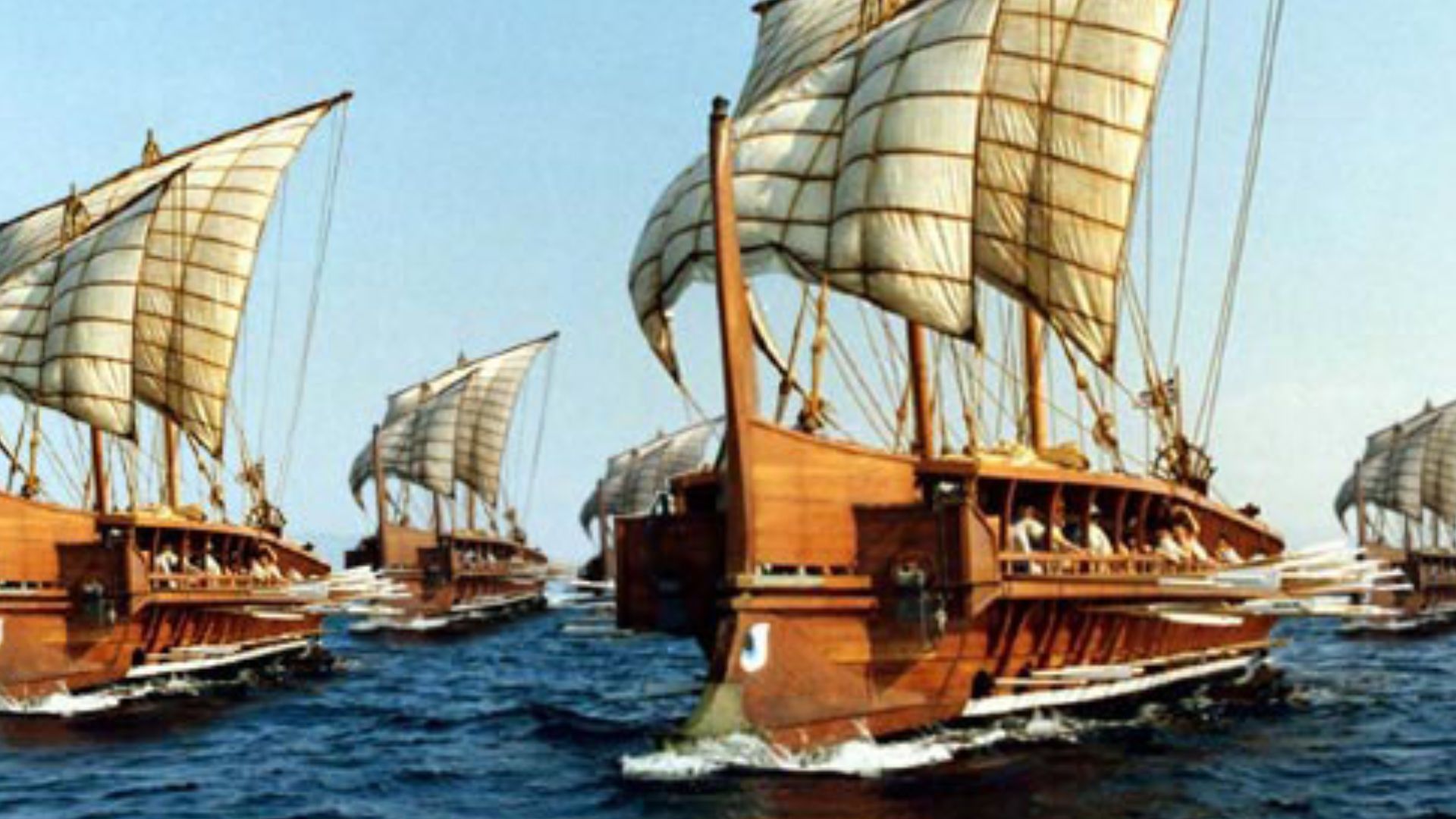
In its prime, Canopus was a gateway between Egypt and the wider Mediterranean world. Merchants moved food, metals, luxury goods, and religious offerings through its docks. The ship remains and imported objects found underwater support the idea that this port played a central role in international trade networks.
Ptolemaic And Roman Presence
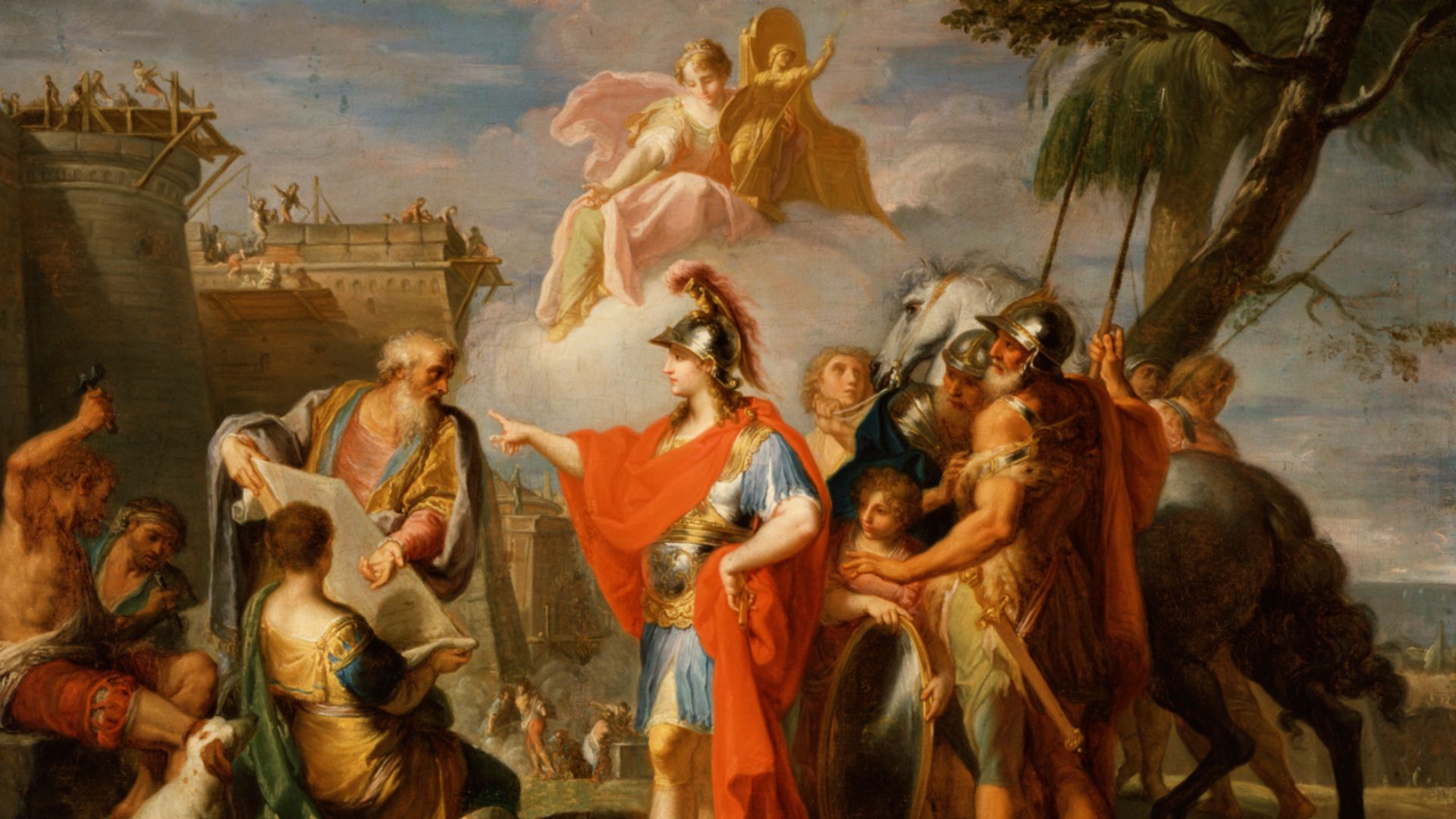
Artifacts recovered from Abu Qir Bay span several centuries. Ptolemaic-era items reflect the Greek-influenced rule that followed Alexander the Great, while Roman statues and coins show continued use and adaptation of the port well into the imperial period. This continuity highlights the long-term importance of the region.
 Placido Costanzi, Wikimedia Commons
The Sphinx With A Pharaoh’s Name
The sphinx inscribed with the name of Ramesses II stands out as a symbol of continuity. Although created more than a thousand years before the Ptolemaic era, it was still displayed prominently centuries later. Its presence suggests that ancient rulers deliberately incorporated older royal imagery into newer religious and civic settings.
Coins As Timekeepers
Coins are among the most valuable archaeological tools at underwater sites. Their inscriptions, imagery, and metal composition help establish timelines for construction, trade, and destruction. In Abu Qir Bay, coins confirm that the ports remained active until shortly before their final submersion.
 UnknownUnknown / Photography: CNG coins, Wikimedia Commons
Everyday Lives Beneath The Waves
Pottery fragments may not look impressive at first glance, but they tell intimate stories. Storage jars point to bulk trade, while cups and plates hint at communal meals, taverns, and domestic life. These items remind us that behind every port were people living ordinary lives.
Preserving A Fragile Heritage
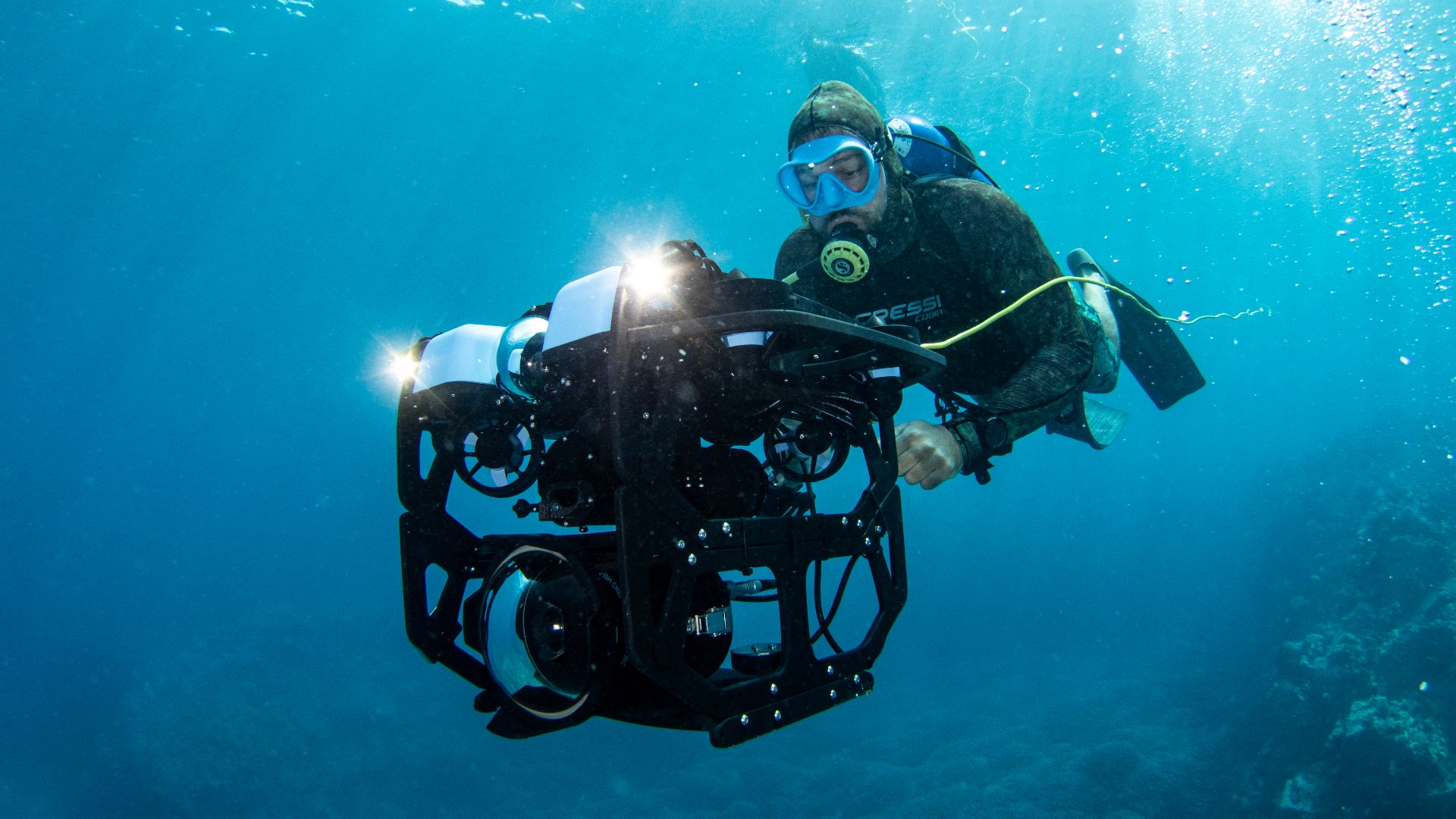
Only a fraction of the underwater material has been raised. Egyptian authorities emphasize preservation, leaving most artifacts in situ for future study. Advances in underwater imaging allow archaeologists to document sites in detail without disturbing them, ensuring long-term protection.
Exhibiting The Sunken City’s Secrets
Recovered artifacts are being conserved and prepared for public display, allowing visitors to engage directly with Egypt’s submerged past. Exhibitions centered on Abu Qir Bay aim to show how much history remains hidden beneath the sea and how modern technology is bringing it back.
Understanding Ancient Maritime Infrastructure
The docks, ships, and anchors uncovered in the bay offer rare insight into how ancient harbors actually functioned. These finds help researchers reconstruct shipping routes, cargo handling techniques, and the engineering solutions used to manage busy maritime traffic.
Sunken But Not Forgotten
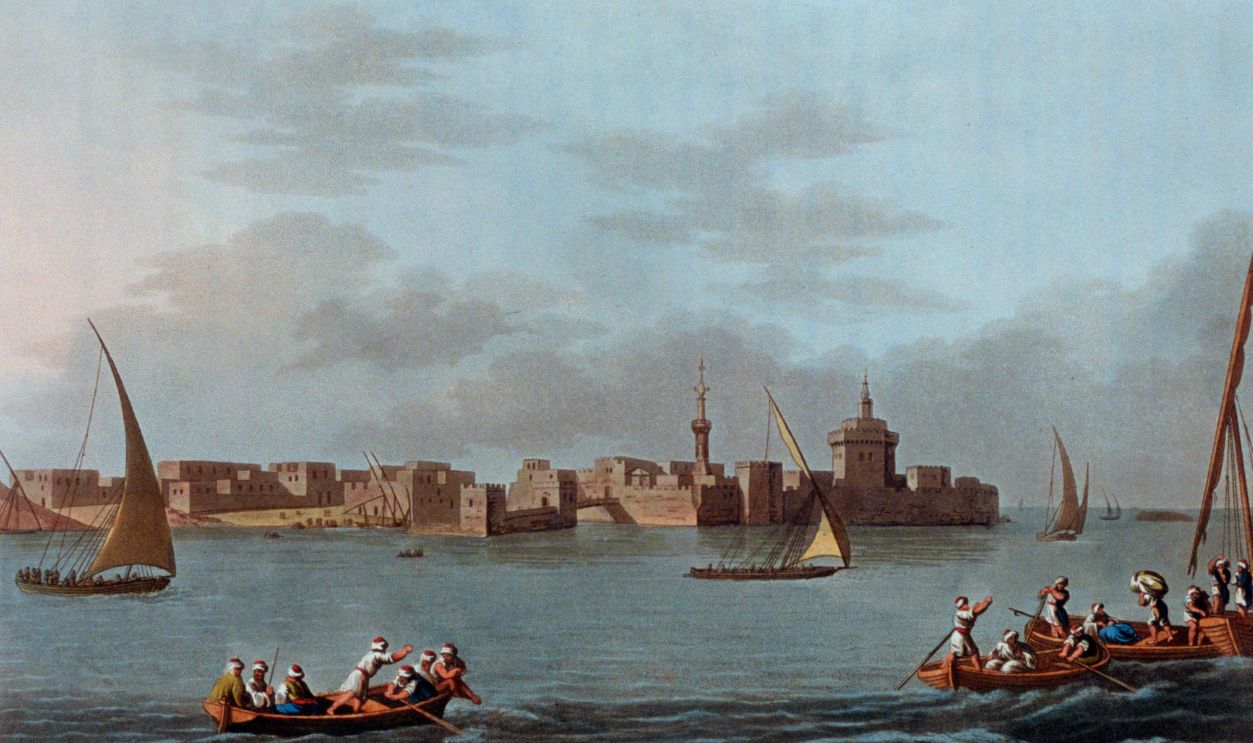
Environmental change reshaped Egypt’s coastline over centuries, turning thriving cities into underwater ruins. What once seemed like permanent centers of power vanished quietly beneath the waves. Archaeology is now reversing that process, piece by piece.
What Researchers Are Excited About Next
Future research will focus on mapping additional structures, analyzing organic remains from ships, and studying inscriptions that may reveal names of officials, merchants, or religious institutions tied to the ports. Each new season promises to refine the story further.
 NOAA/Schwemmer, Wikimedia Commons
Final Thoughts
Abu Qir Bay proves that the sea is not a barrier to history but a vault. Statues, coins, and ship timbers preserved underwater offer a rare, undisturbed glimpse into the ancient world. As archaeologists continue to explore these submerged landscapes, they are rewriting the story of Ptolemaic Egypt—not from dry land, but from the depths.
 Roland Unger, Wikimedia Commons
You May Also Like: