When Shipwrecks Refuse To Stay Quiet
The latest discovery from the 1715 Treasure Fleet isn’t just glittering proof of Spain’s lost wealth. It’s a reminder that the ocean never forgets what we drop into it. Over 1,000 coins, centuries of mystery, and a story still unfolding beneath Florida’s waves.
A Storm That Rewrote an Empire
In 1715, a fleet heavy with silver, gold, and royal jewels set sail from Havana—and promptly sailed into disaster. A hurricane shredded 11 of 12 ships, leaving roughly $400 million in treasure scattered along Florida’s coast. Historians still cringe.
 William Elliot Griffis, Wikimedia Commons
The Fleet That Became a Legend
Those wrecks became the backbone of Florida’s Treasure Coast, where divers have spent decades pulling history out of the sand. Even with centuries of storms, tides, and shifting seabeds, the ocean kept plenty of secrets tucked just out of sight.
 JonathanPuello, Wikimedia Commons
This Summer’s Big Discovery
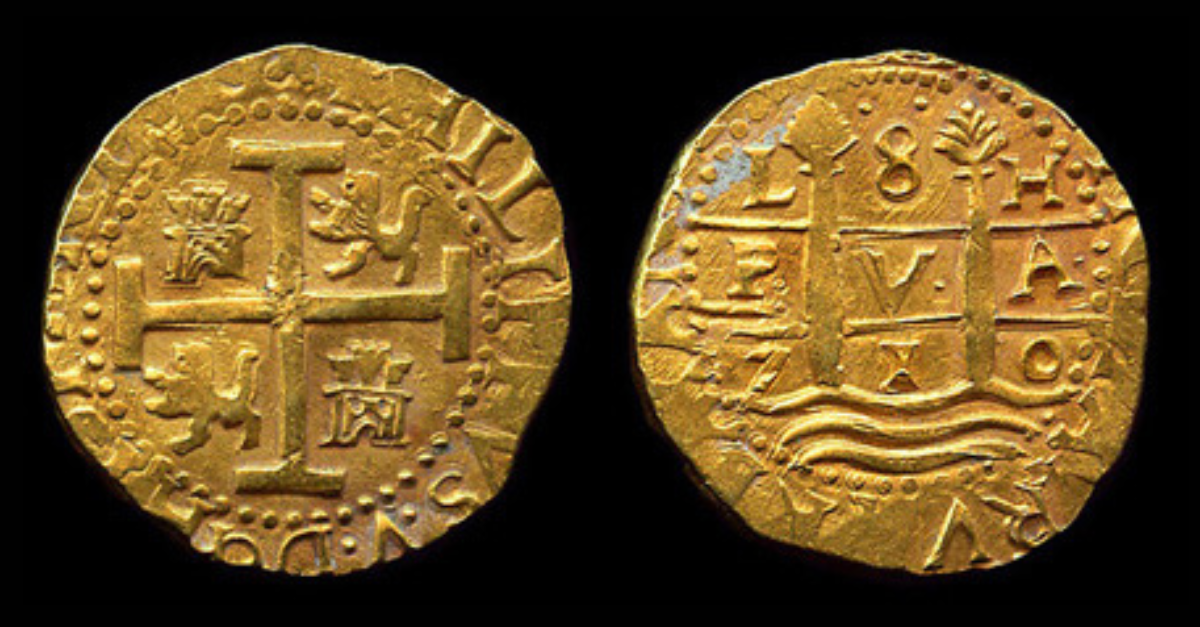
Enter Captain Levin Shavers and the crew of the M/V Just Right, who scored one of the most concentrated finds in years. More than 1,000 silver reales—and a handful of gold escudos—surfaced in a single season. The kind of haul divers dream about when they pretend not to care about luck.
 Leonard J. DeFrancisci, Wikimedia Commons
Following the Clues Hidden in Mint Marks
Many coins still carry crisp mint marks, pointing back to Spanish colonial mints in Mexico, Peru, and Bolivia. That level of preservation suggests these coins didn’t tumble around for long. Instead, they probably spilled from one chest as the ship broke up.
 National Park Service, Wikimedia Commons
Why Concentrated Finds Matter
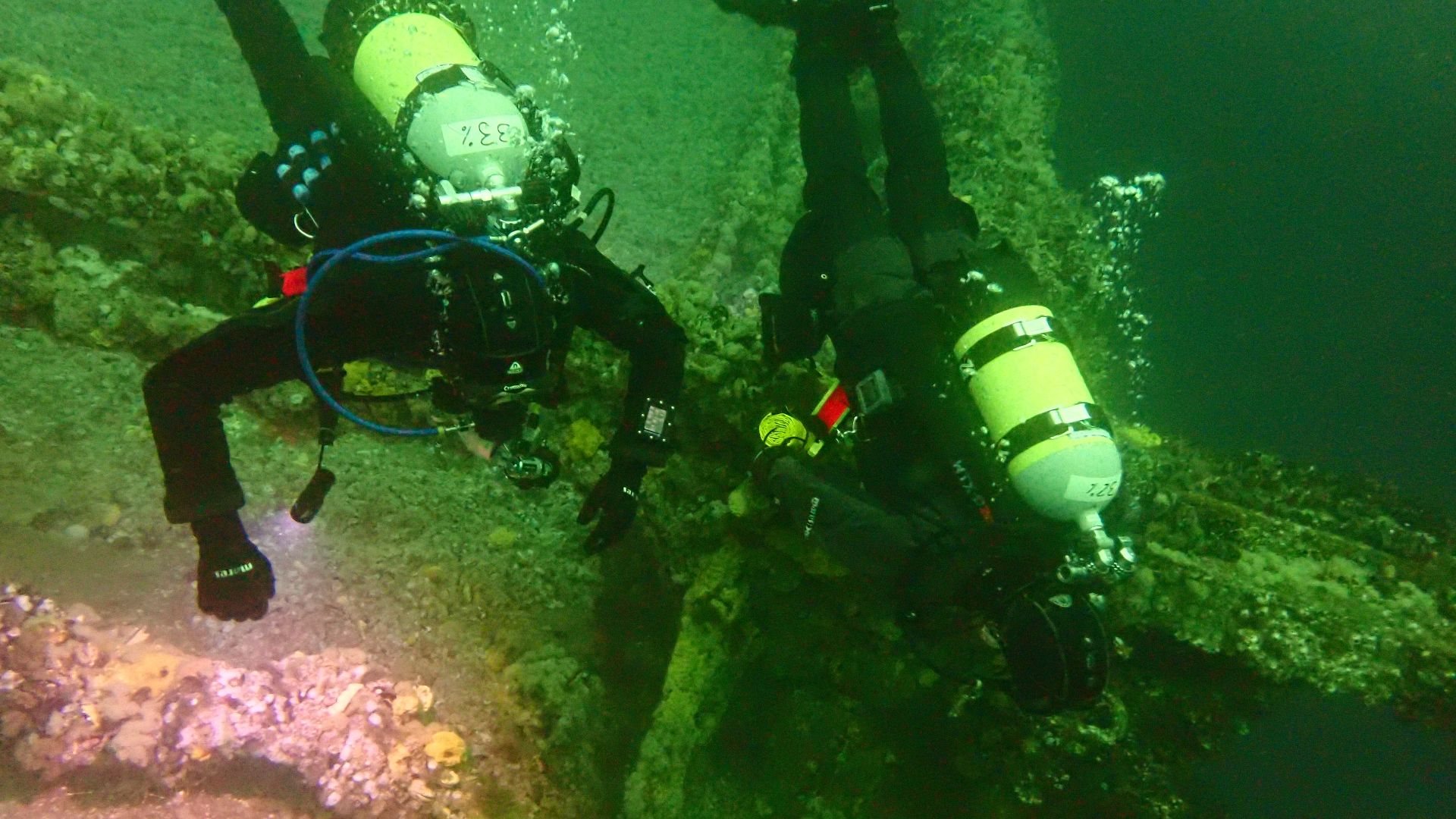
Shipwreck experts know the ocean rarely keeps artifacts together. Currents scatter everything like cosmic confetti. So when 1,000 coins show up in one place, it’s a clue—a breadcrumb trail—to the ship’s final moments.
 Peter Southwood, Wikimedia Commons
The Treasure Coast Earns Its Name
Florida’s east coast isn’t nicknamed by accident. For generations, relic hunters, researchers, and professional salvors have combed its waters, hoping for a glint of silver or gold. The region still turns up discoveries that reshape our understanding of the past.

Pieces of Eight and the World They Built
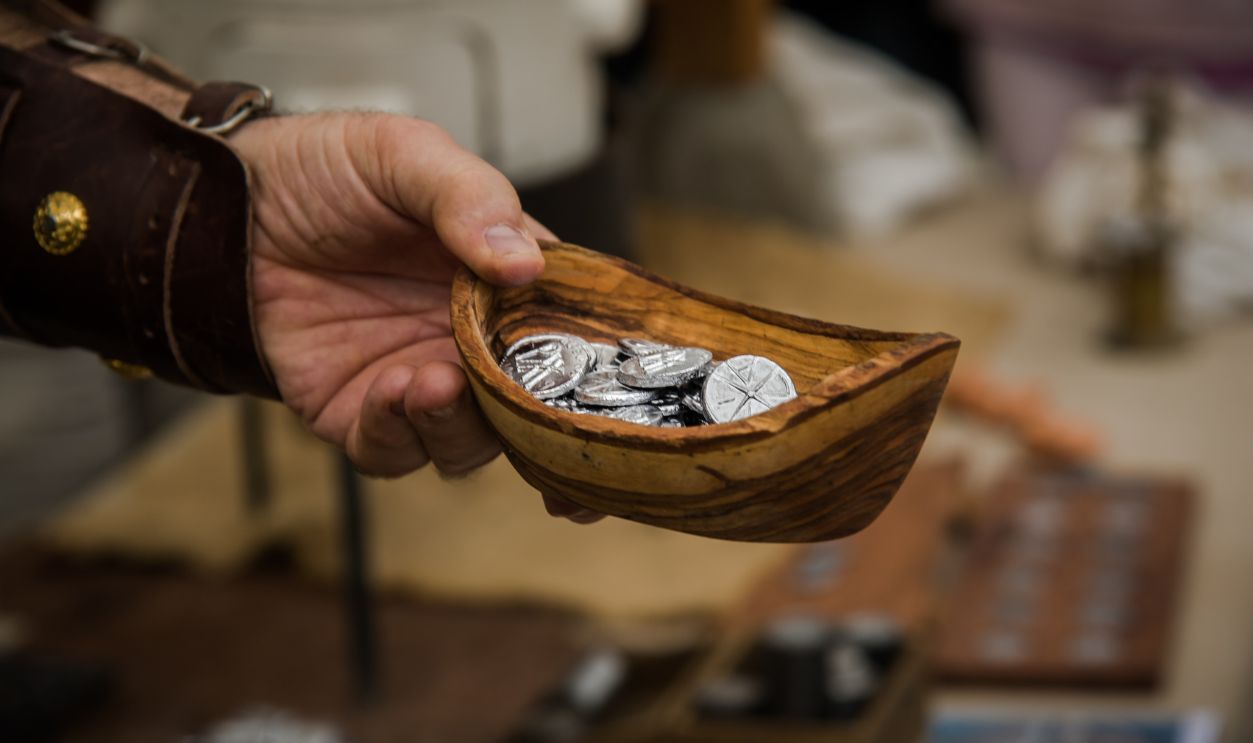
These silver reales—the famous pieces of eight—once powered global trade. They traveled across continents, bought spices and silk, paid soldiers, funded wars, and became the unofficial currency of half the world. Finding them today is like shaking hands with history.
 Coinman62 at English Wikipedia, Wikimedia Commons
Gold Escudos and Their Global Journey
Gold escudos didn’t circulate as widely as silver, but they carried enormous value. Their survival in seawater for centuries feels like a minor miracle. Their reappearance makes historians almost giddy.
 Luis Miguel Bugallo Sánchez (lmbuga), Wikimedia Commons
“Each Coin Is a Piece of History”
Sal Guttuso of 1715 Fleet–Queens Jewels put it perfectly. The discovery isn’t just about profit—it’s about story. Every coin belonged to someone, traveled somewhere, and witnessed a chapter of the Spanish Empire. That survival alone is astonishing.
 Augi Garcia, Wikimedia Commons
The Company Behind the Recovery
Only one company—1715 Fleet–Queens Jewels—holds legal rights to these wrecks. They operate under strict state oversight. No wild-west treasure hunting allowed. Florida takes its underwater heritage seriously.
 Leonard J. DeFrancisci, Wikimedia Commons
Legends of Royal Jewels Still Missing
Historical whispers say Queen Elisabeth Farnese’s jewels were aboard one of the doomed ships. We’re talking emerald rings and pearl earrings fit for a queen. None have surfaced. That kind of rumor keeps divers awake at night.
 Willem van de Velde the Younger, Wikimedia Commons
A Closer Look at Colonial Wealth
The fleet wasn’t just carrying coins. Silver bars, royal gifts, jewels, and personal belongings were all smashed together in the chaos of the storm. To study these items is to study the machinery of empire—and the people who bore its weight.
 Billjones94, Wikimedia Commons
The Line Between Adventure and Archaeology
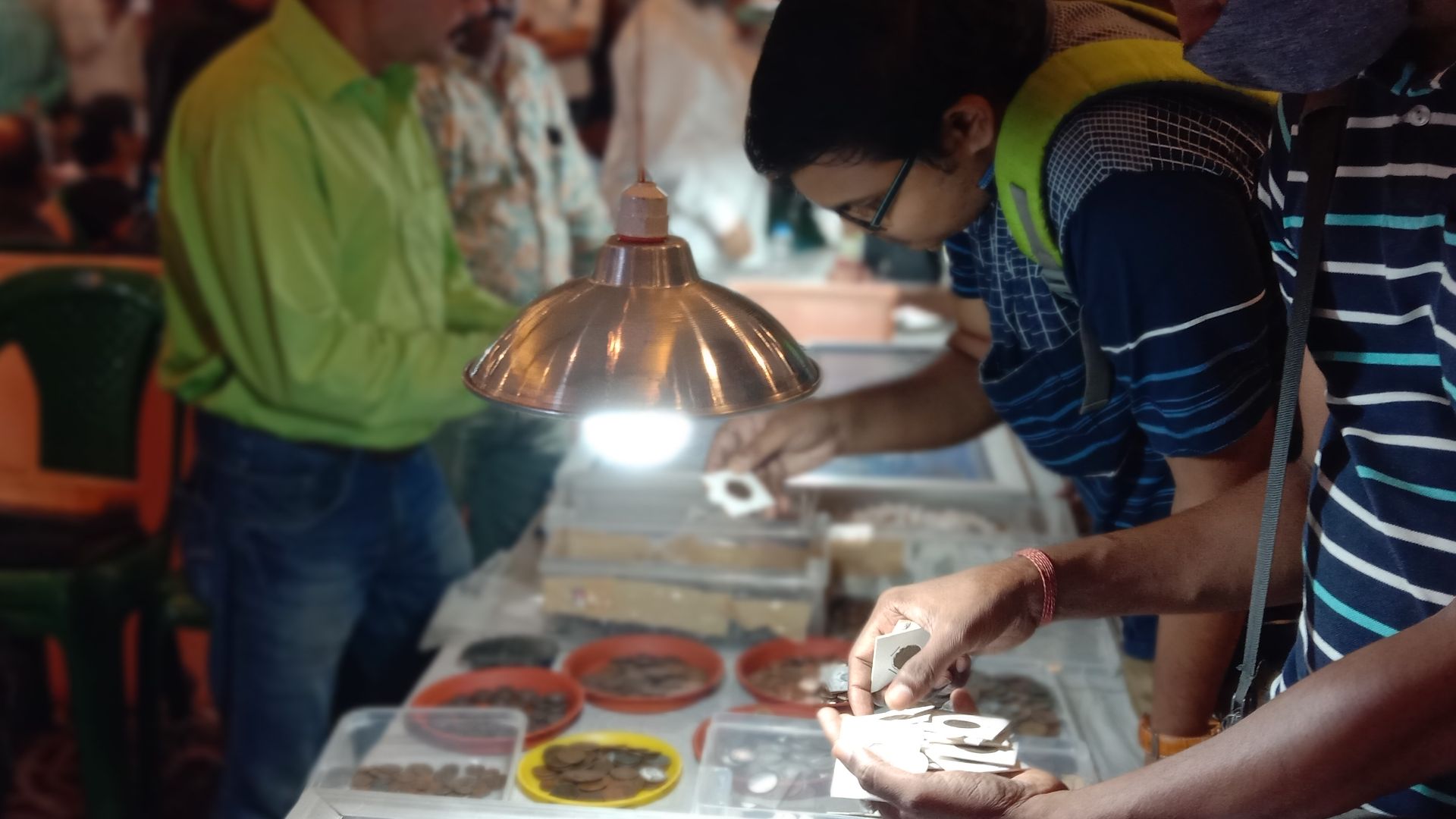
Modern salvors walk a careful line. Every artifact requires documentation, conservation, and respect. It’s not about grabbing glittering objects—it’s about preserving a chapter of history before the sea erases it again.
 IT Photography, Wikimedia Commons
Conserving the Coins for the Public
Once lifted from the seabed, each coin undergoes slow, meticulous treatment. Salt, corrosion, and centuries of mineral buildup need to be removed gently, or the coin can disintegrate. Patience is the real treasure tool here.

Where the Coins Will End Up
Plans are already underway for Florida museums to display portions of the find. Tourists will get to stare into cases filled with silver once touched by sailors who never made it home.
 Michael Rivera, Wikimedia Commons
The Human Story Beneath the Waves
Ships don’t sink quietly. Behind every coin lies a crew, their families, their ambitions, and their final terrifying hours. The treasure is dazzling, but the tragedy is sobering.

Why These Discoveries Still Matter
Each new find helps historians rebuild the puzzle of the fleet’s final journey. How the ships broke apart, where the cargo drifted, and how far debris spread—every detail adds clarity to an event once clouded by chaos.

A Cautionary Tale in Every Coin
Spain’s global empire thrived on resources extracted from the Americas. These coins represent both the prosperity of the Crown and the heavy cost borne by colonized regions. History glitters, but it also casts shadows.
The Ocean Still Holds Its Secrets
Despite centuries of searching, experts insist that vast portions of the 1715 treasure remain buried under shifting sands. Nature is a careful archivist—but it’s not always generous.
 U.S. Navy photo by Mass Communication Specialist 2nd Class Christopher Perez, Wikimedia Commons
This Is Only the Beginning
Every salvage season brings new storms, new sands, and new surprises. Today’s 1,000 coins may be tomorrow’s warm-up act.
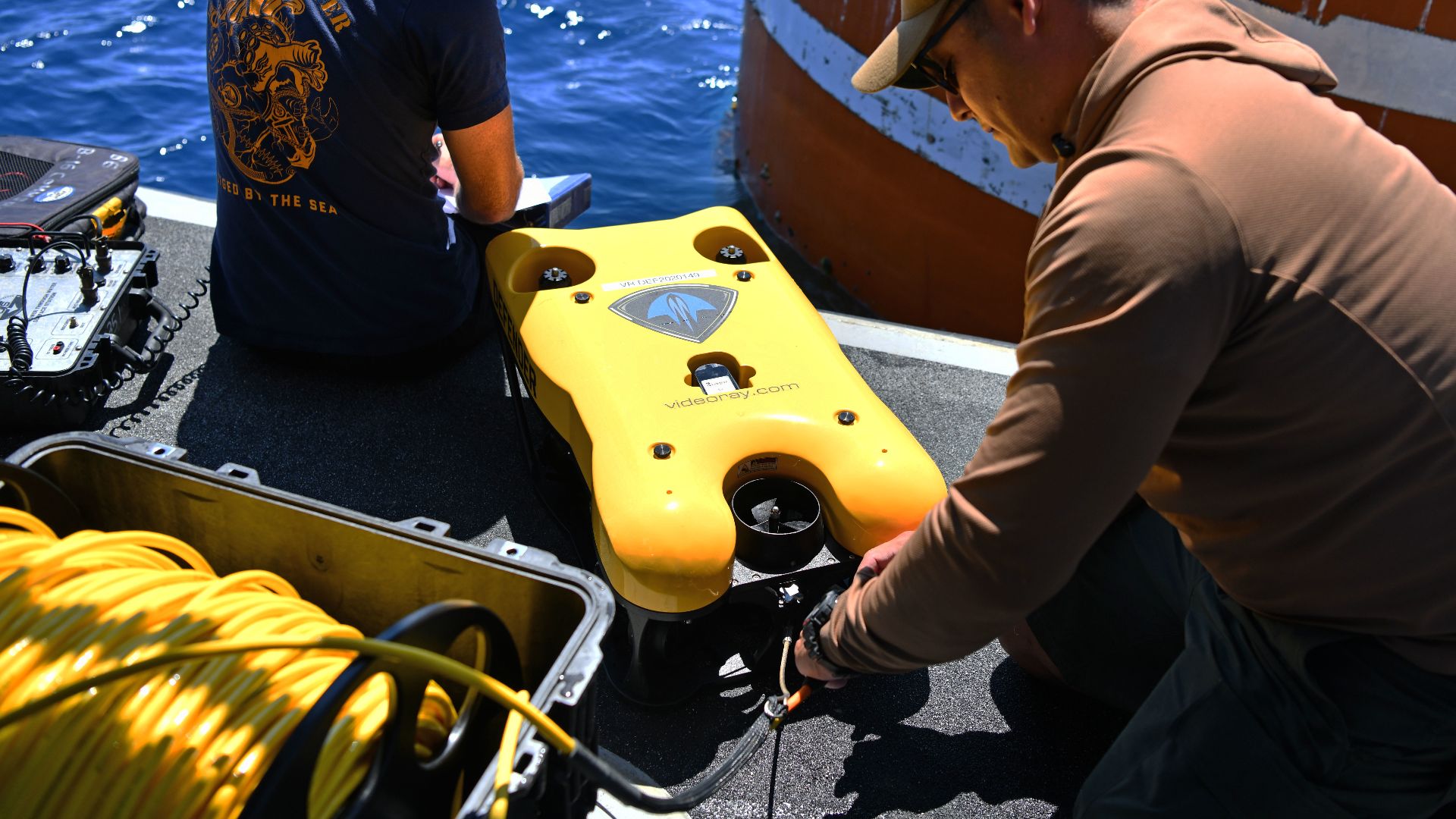 Seaman Caroline Lui, Wikimedia Commons
A Story Still Rising From the Deep
As long as the Atlantic keeps whispering and divers keep listening, the saga of the 1715 Treasure Fleet will continue to grow. Shipwrecks rarely stay silent forever—especially when history insists on shining.
 Seaman Caroline Lui, Wikimedia Commons
You May Also Like:
The Twisted Secret We Know About The Hindenburg Disaster
Source: 1