An Amazing Discovery
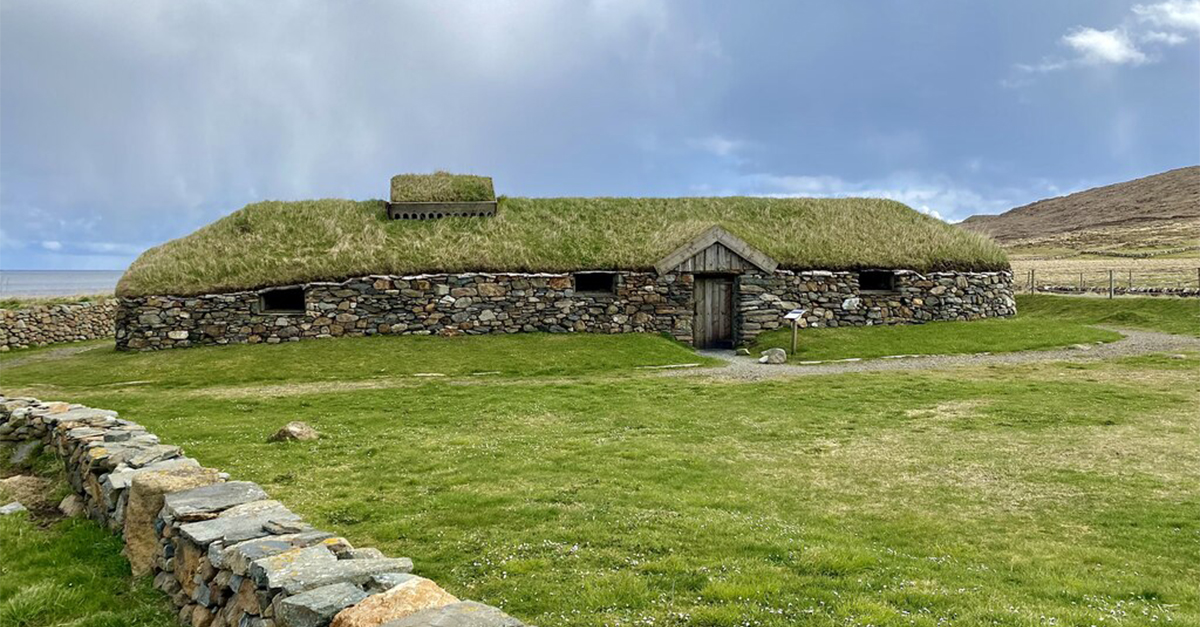
In northern Iceland, archaeologists have uncovered the oldest Viking longhouses ever discovered in the country. The site, known as Stöð, could dramatically alter our understanding of the timeline of Iceland’s earliest settlement. The findings show us not only the presence of Vikings in the land far earlier than we ever thought, but they also show how people adapted to a rugged new landscape.
Discovery By Skilled Archaeologists
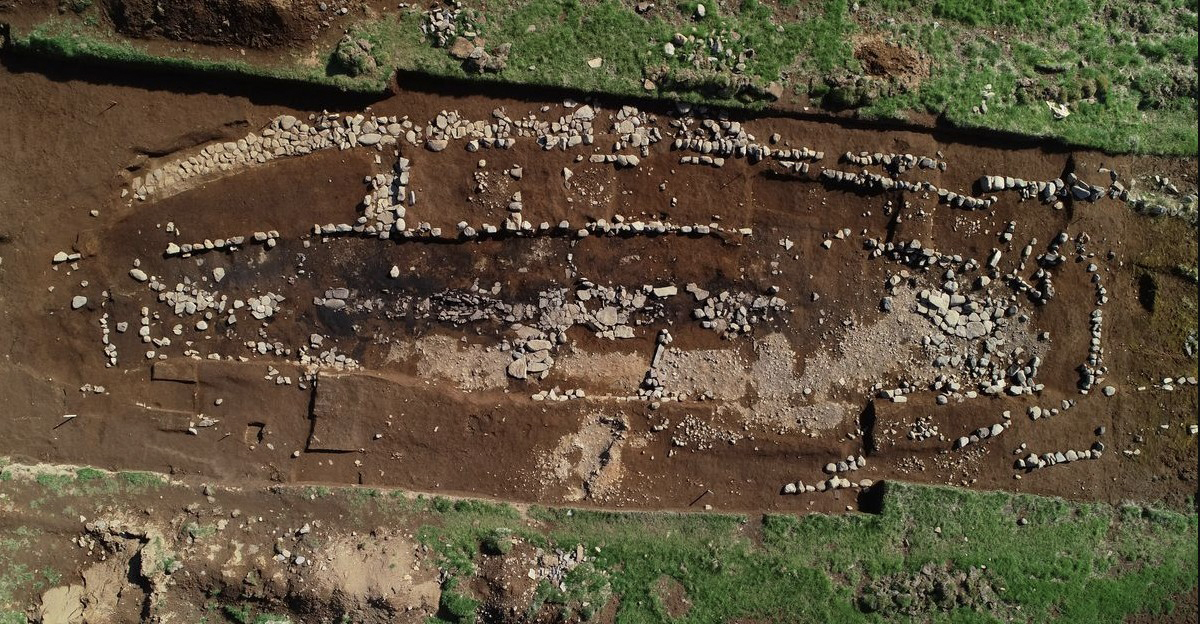
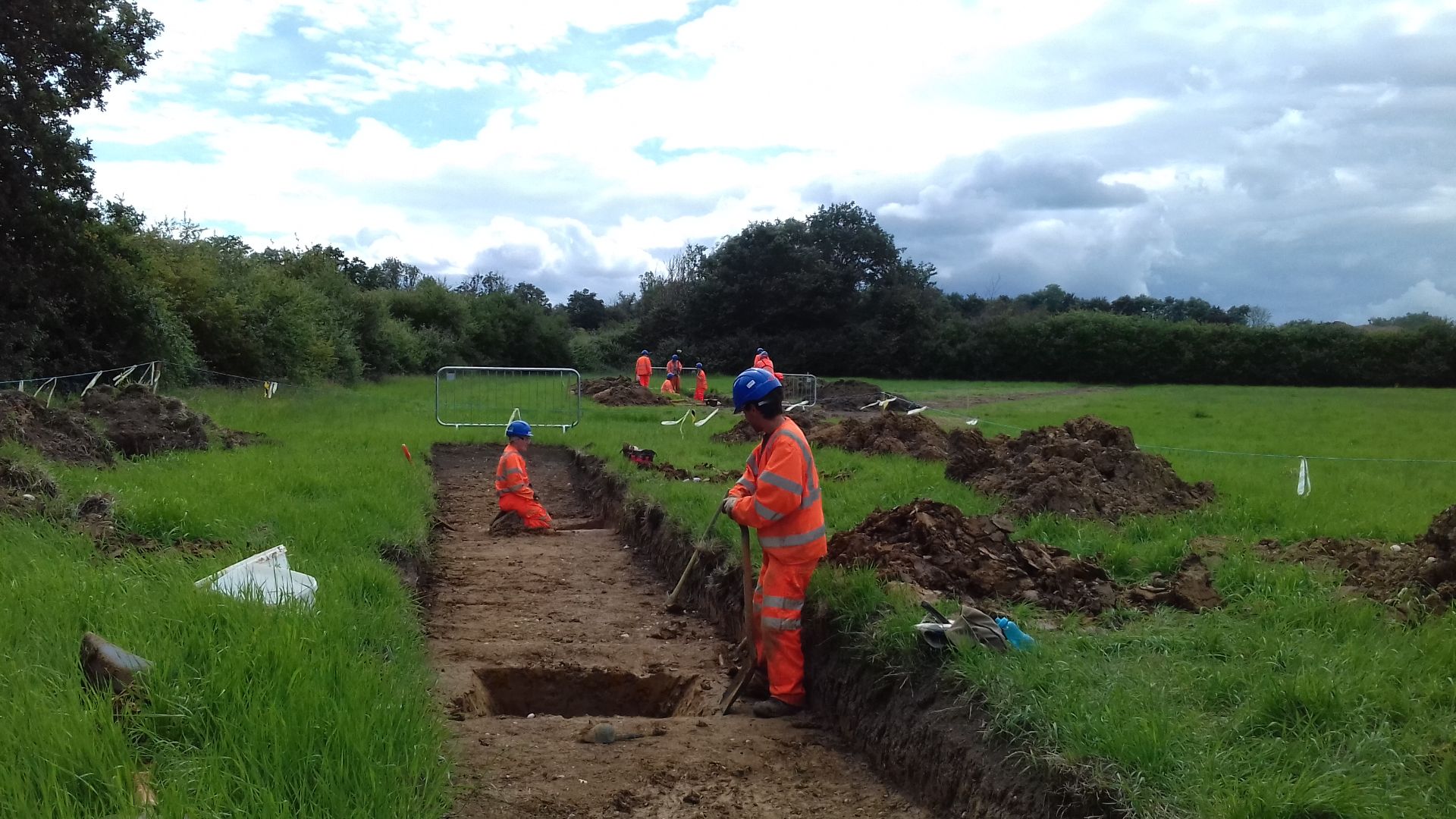
A dedicated archaeological team uncovered the remains using a combination of modern scanning tools and traditional excavation methods. They identified foundations consistent with Viking longhouse building techniques. The discovery shows that the Vikings may have established a foothold in Iceland long before traditional written historical claims, forcing a total re-think of the timeline of Nordic expansion.
 Susan Stratton, Archaeology Wales, Wikimedia Commons
The Site: Stöð In Northeast Iceland
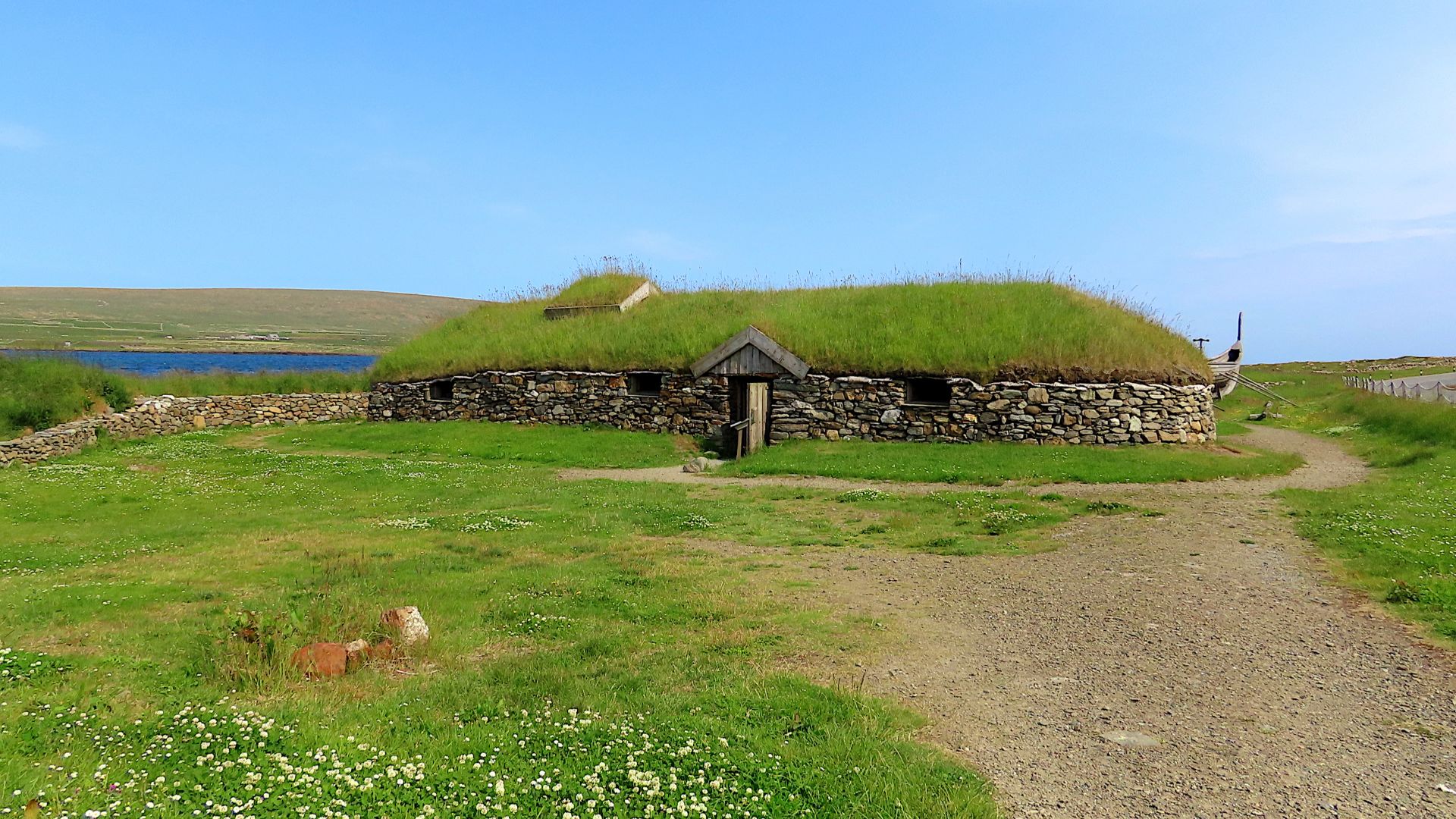
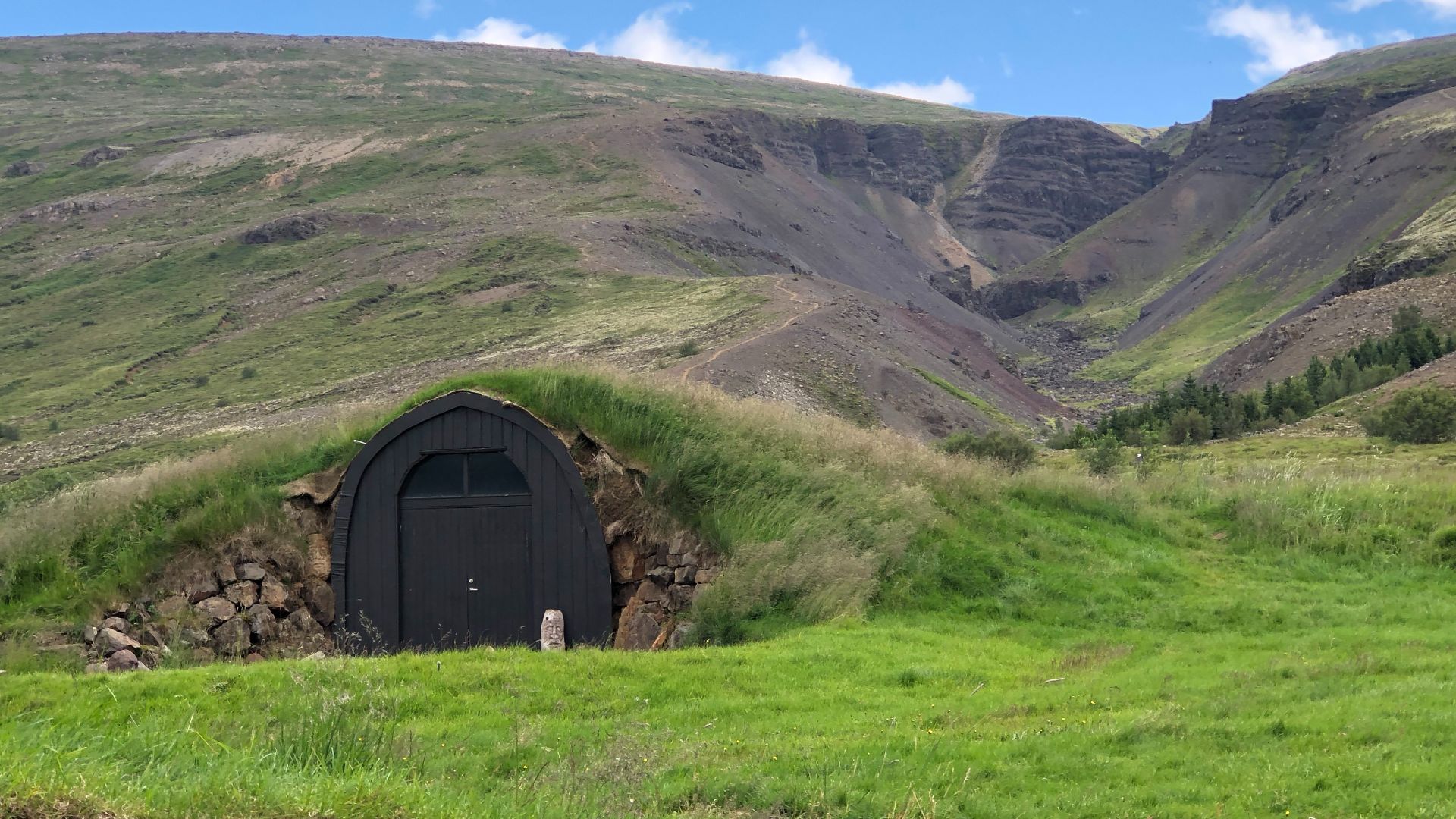
Located in a remote coastal region of northeast Iceland, Stöð lies between mountains and the sea, an ideal spot for early settlers dependent on farming and fishing for survival. The strategic location indicates the skill the Vikings had in selecting land that took care of multiple important needs, including food access and maritime travel routes.
 Carroll Pierce , Wikimedia Commons
Longhouse Foundations Unearthed
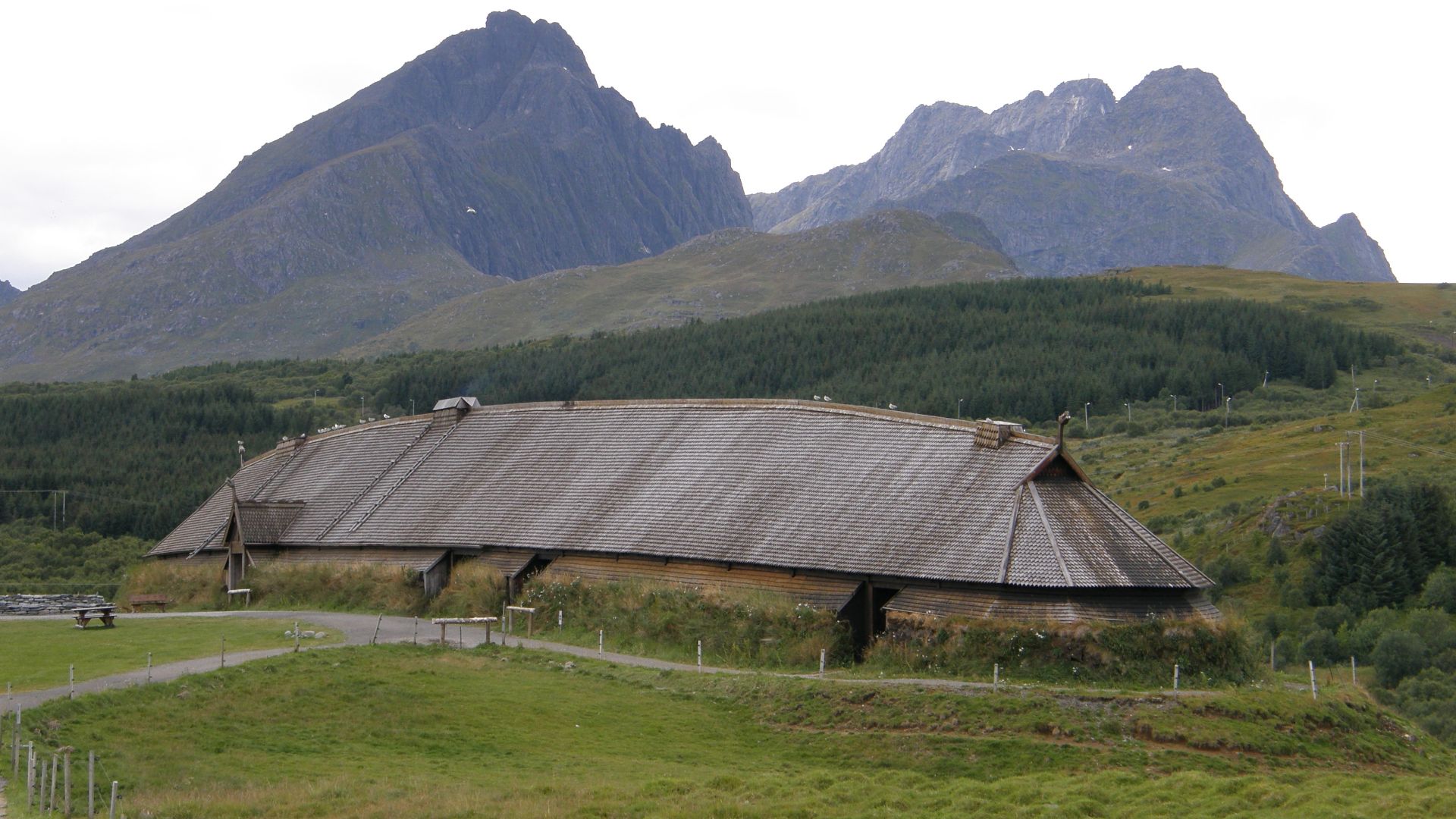
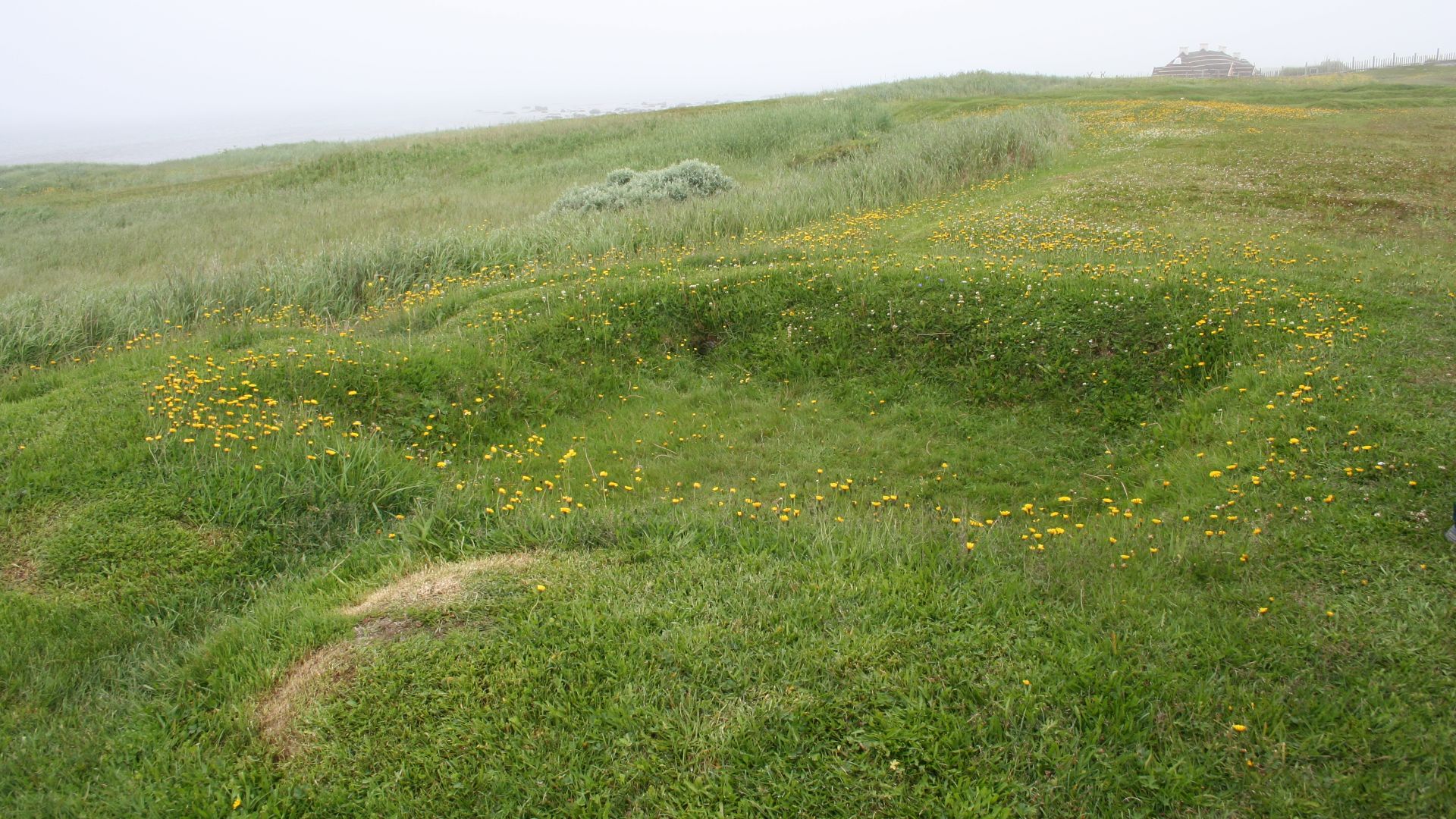
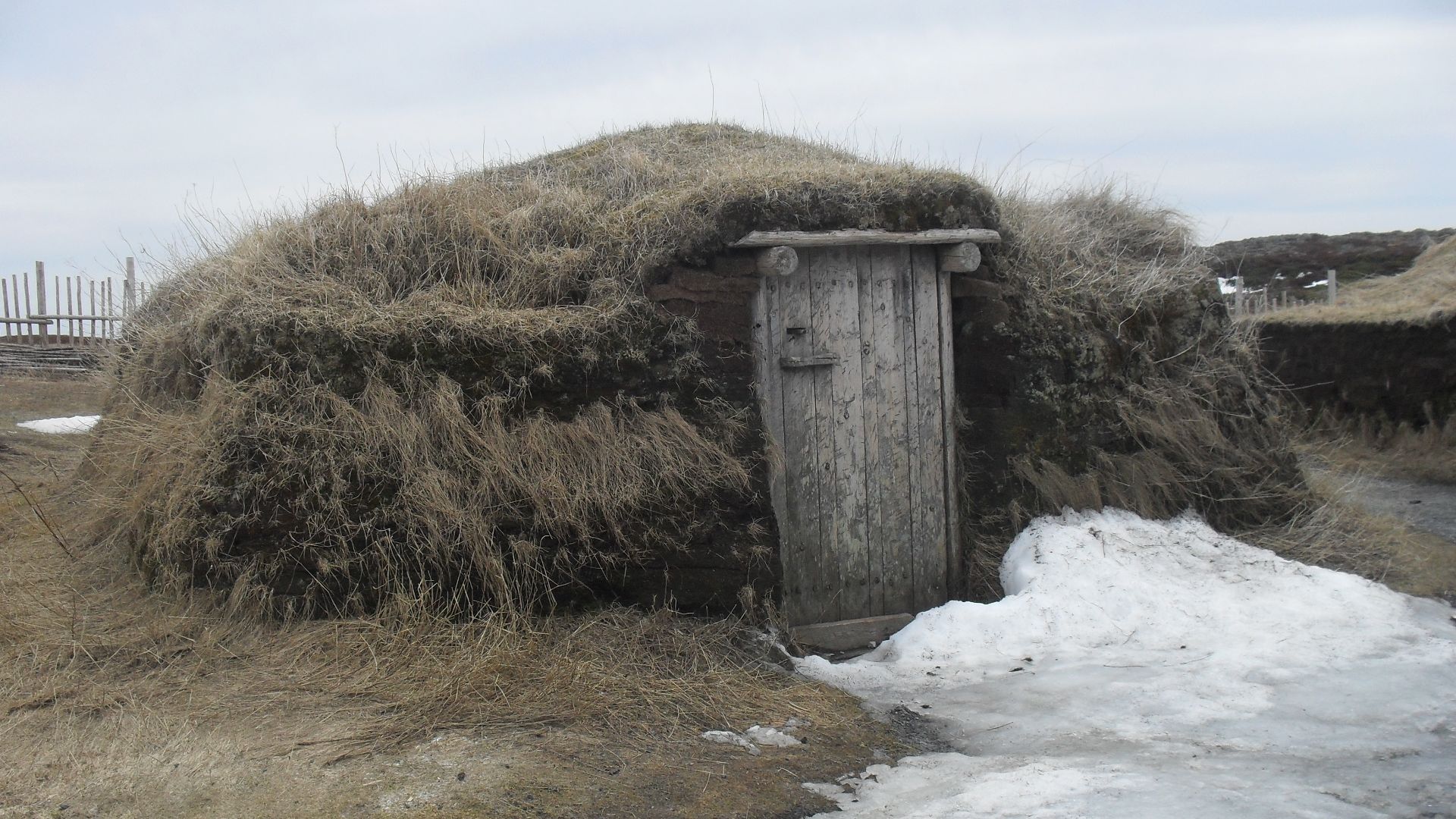
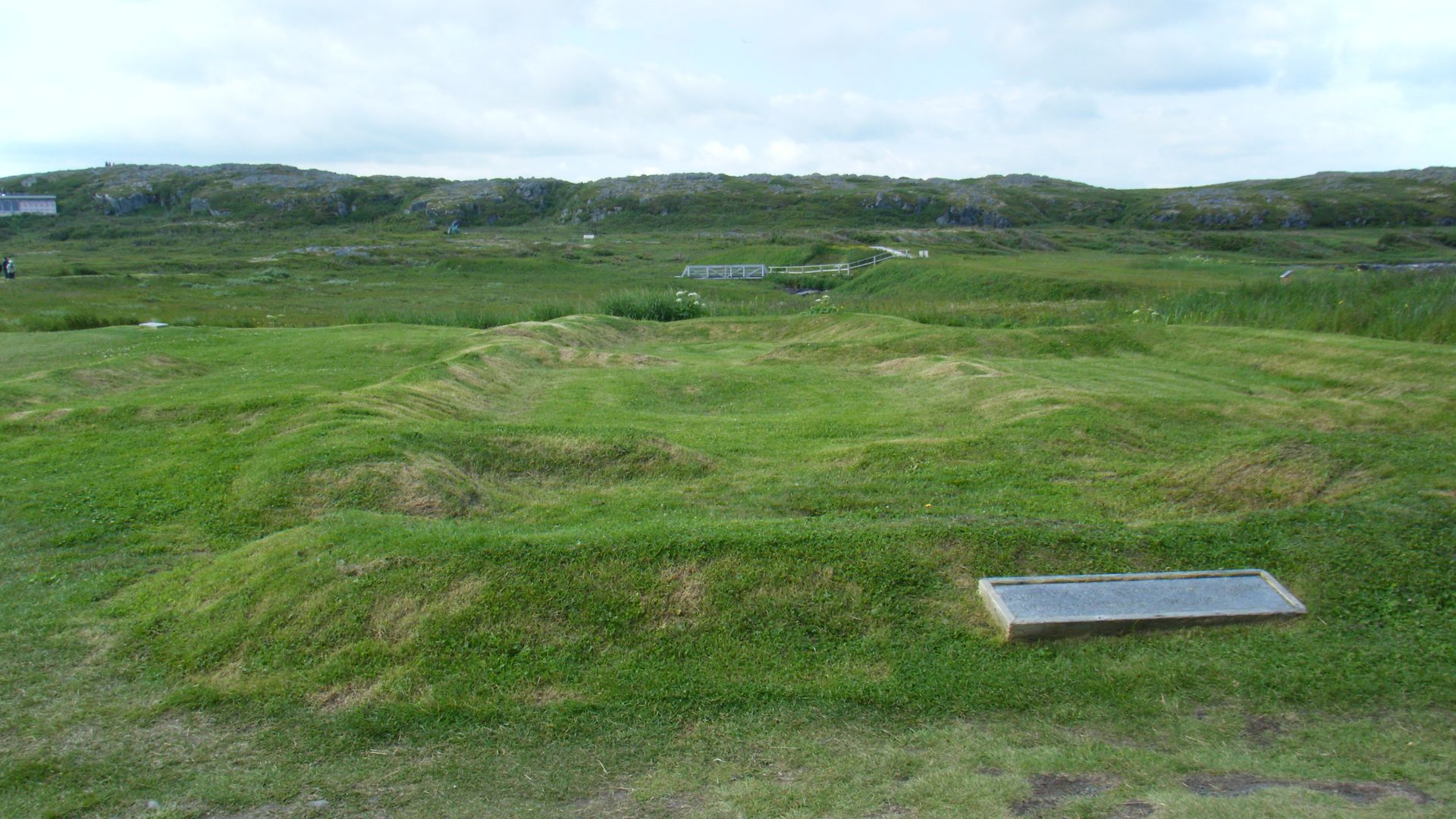
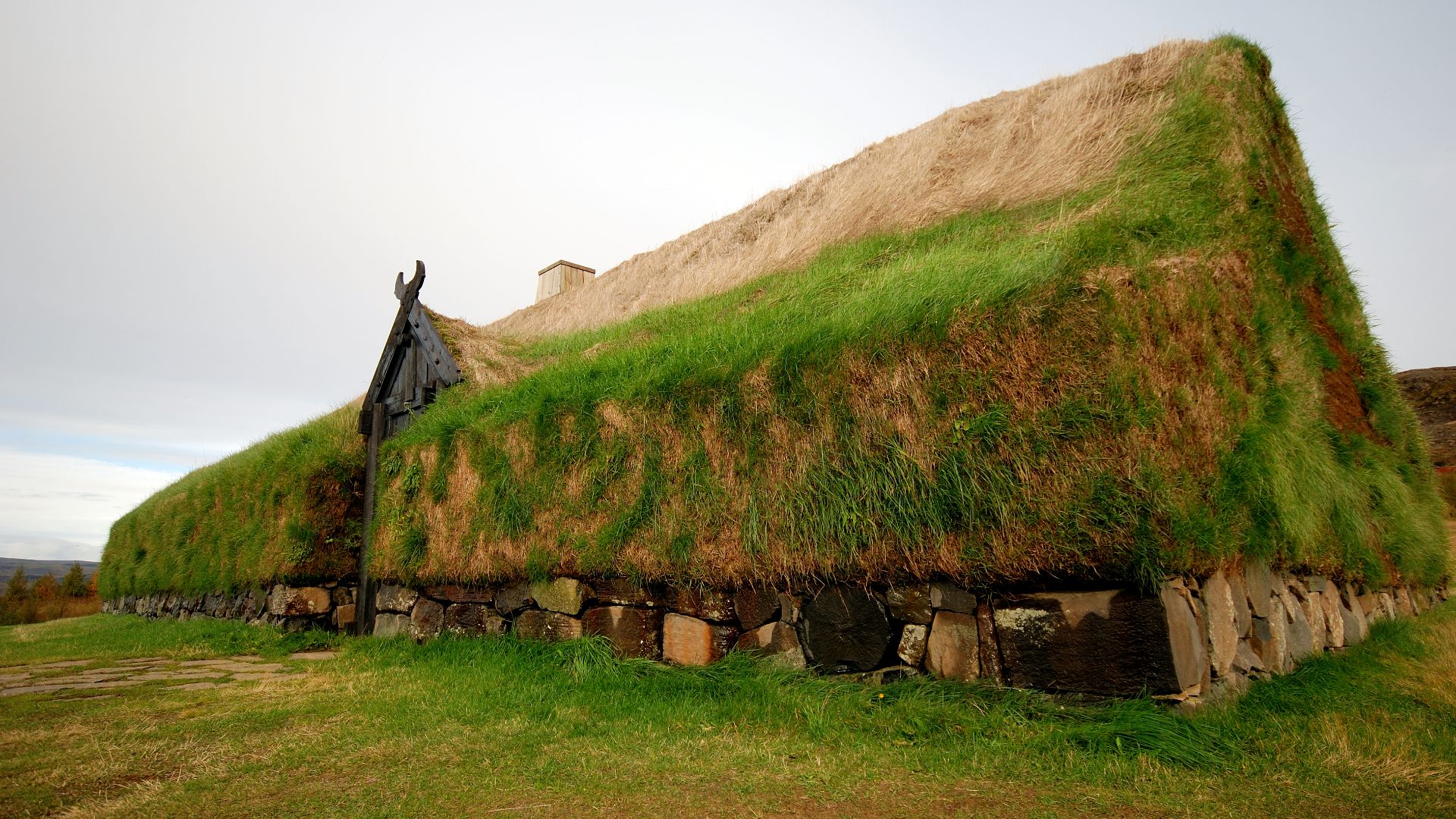
Excavations uncovered elongated stone foundations with central hearths, a structure widely recognized as classic Viking architecture. These longhouses show the clear signs of Scandinavian handiwork, with construction techniques emulating the traditional design used across the Viking world. The size of the structures hints at a significant gathering place or chief’s residence.
 Paul Berzinn, Wikimedia Commons
Oldest In Iceland?
Experts believe the buildings could predate Iceland’s officially recognized settlement era, which starts at around 874 AD. If it turns out to be true, Stöð could push the arrival of Vikings back several decades, or even as much as a century. This challenges the long-held beliefs about when Iceland really entered the Viking Age as a permanent settlement.
 Evelyn Simak, Wikimedia Commons
Meaning For Settlement History
Historical sources like the Icelandic sagas of the Middle Ages suggest that settlement began when explorers intentionally colonized Iceland. But Stöð suggests an earlier phase of exploration, temporary settlement, or even seasonal residence. The discovery brings forth the possibility that Vikings used Iceland as a testing ground long before formal colonization.
Everyday Life Of The Vikings Revealed
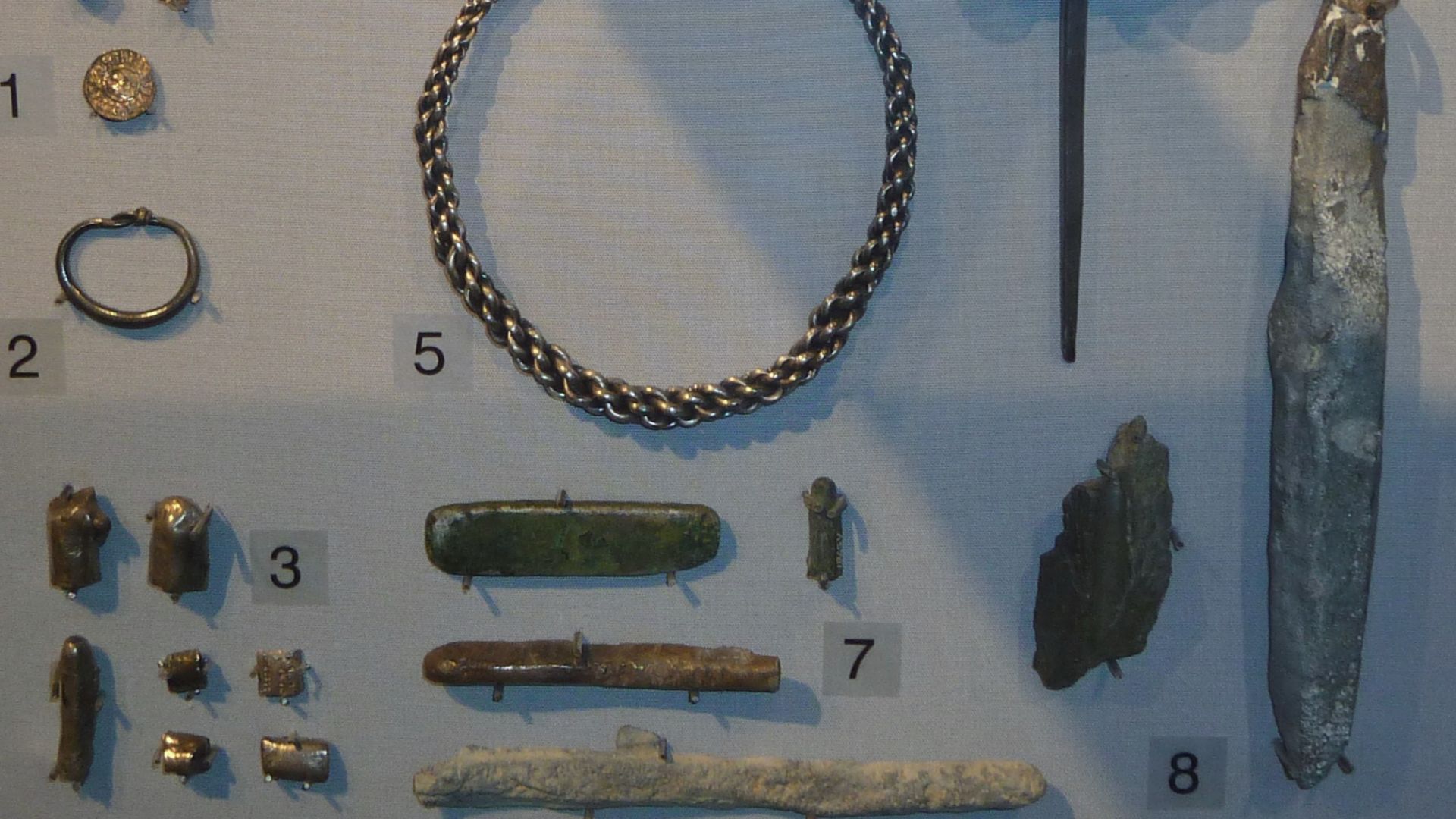
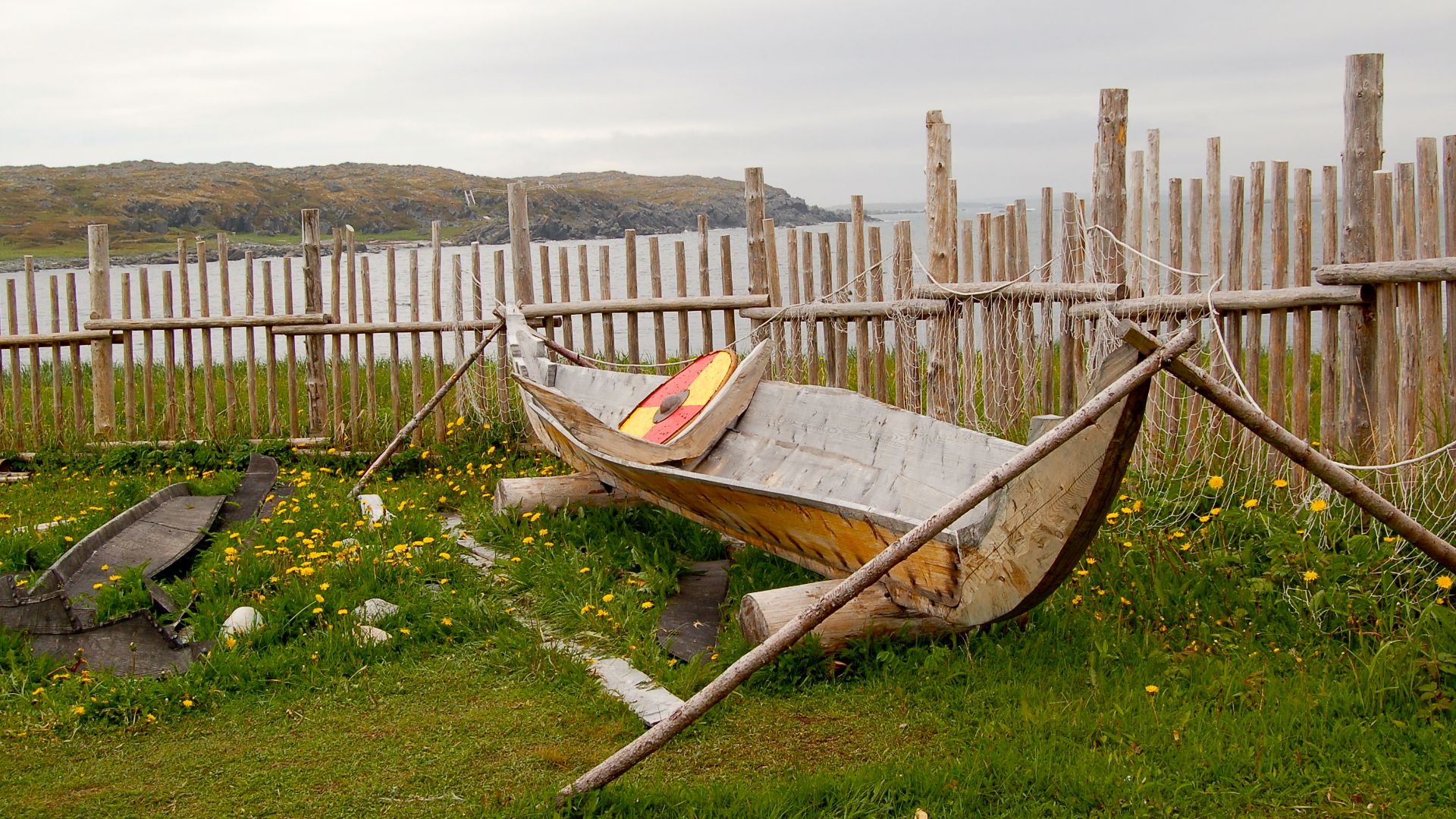
Artifacts found lying around the longhouses included tools, worked bones, and domestic objects. All of these items are tangible evidence of early daily life activities. The findings prove that people here weren’t explorers passing through but settlers living, working, and building sustainable communities on new ground a long way from Norway.
Maritime And Land-Based Economy
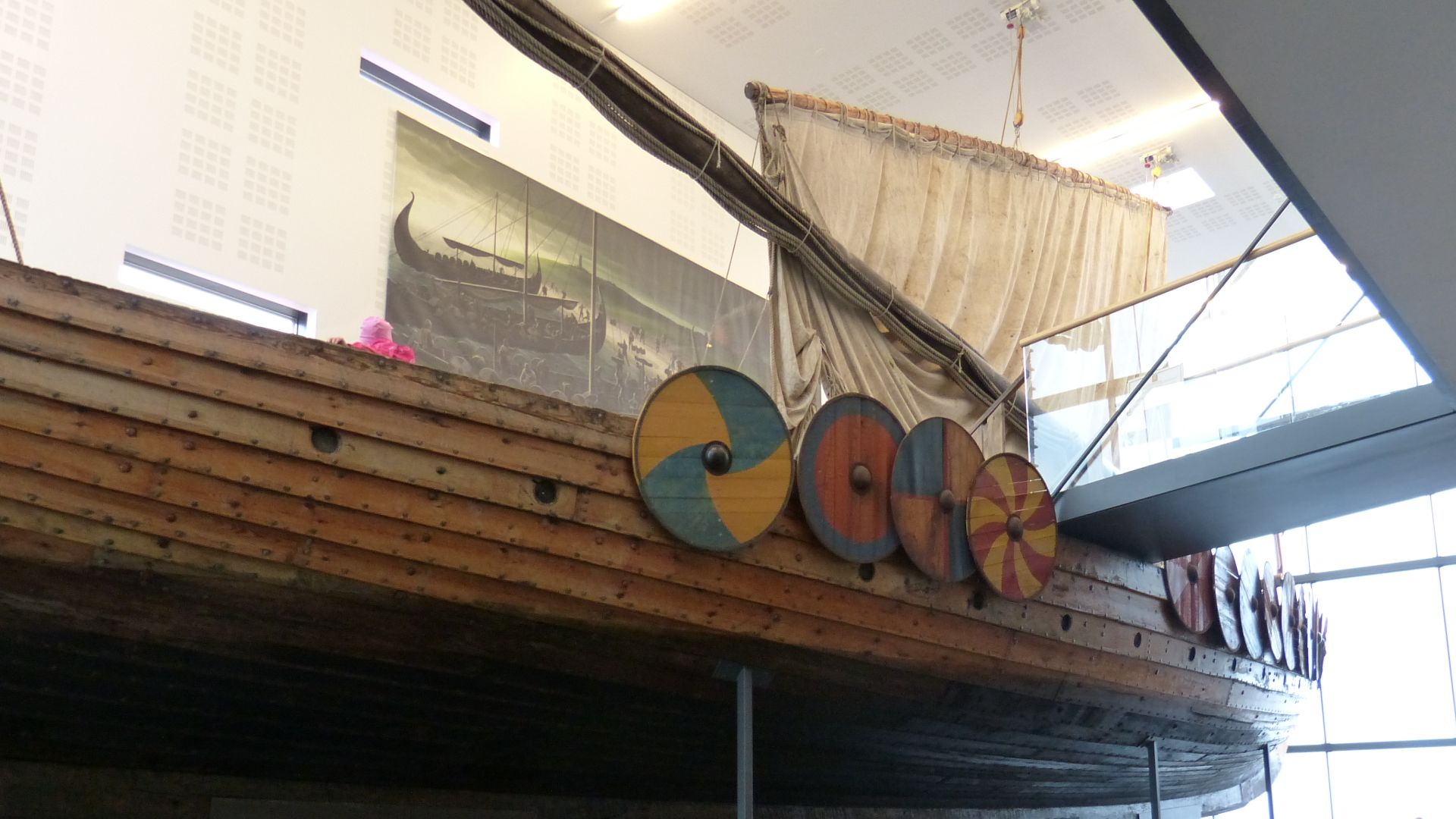
The site’s proximity to the sea meant that fishing played a crucial role in survival, adding to the sheep herding, farming, and foraging. Early Vikings at Stöð probably subsisted off a balanced economic mix. Their early success adapting to Iceland’s environment set the stage for the later growth of large settlements.
Rethinking Viking Settlement Patterns
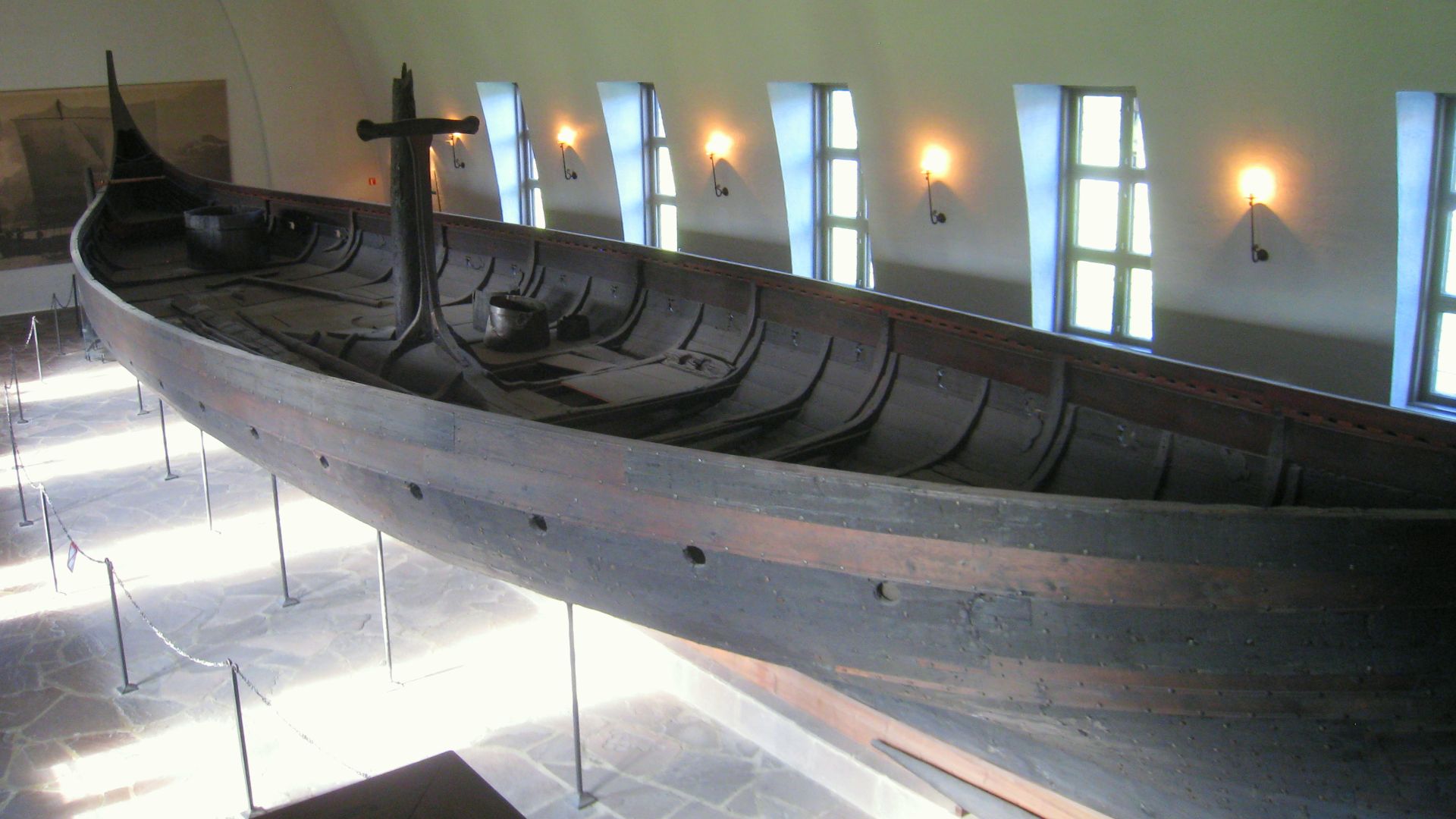
Stöð’s location flies in the face of the longtime belief that first settlements were restricted to Iceland’s southwest. Instead, it looks like early exploration was widespread. Vikings likely explored multiple coastal regions at the same time, searching for the best lands instead of depending on one lone entry point.
Cultural Connections To Scandinavia
The longhouses’ design and artifacts show strong ties to Norway and other parts of Scandinavia. Rather than representing an isolated group, these settlers were part of a vast interconnected cultural network. The find helps archaeologists track how Northern European traditions spread into the North Atlantic.
Importance Of Preservation
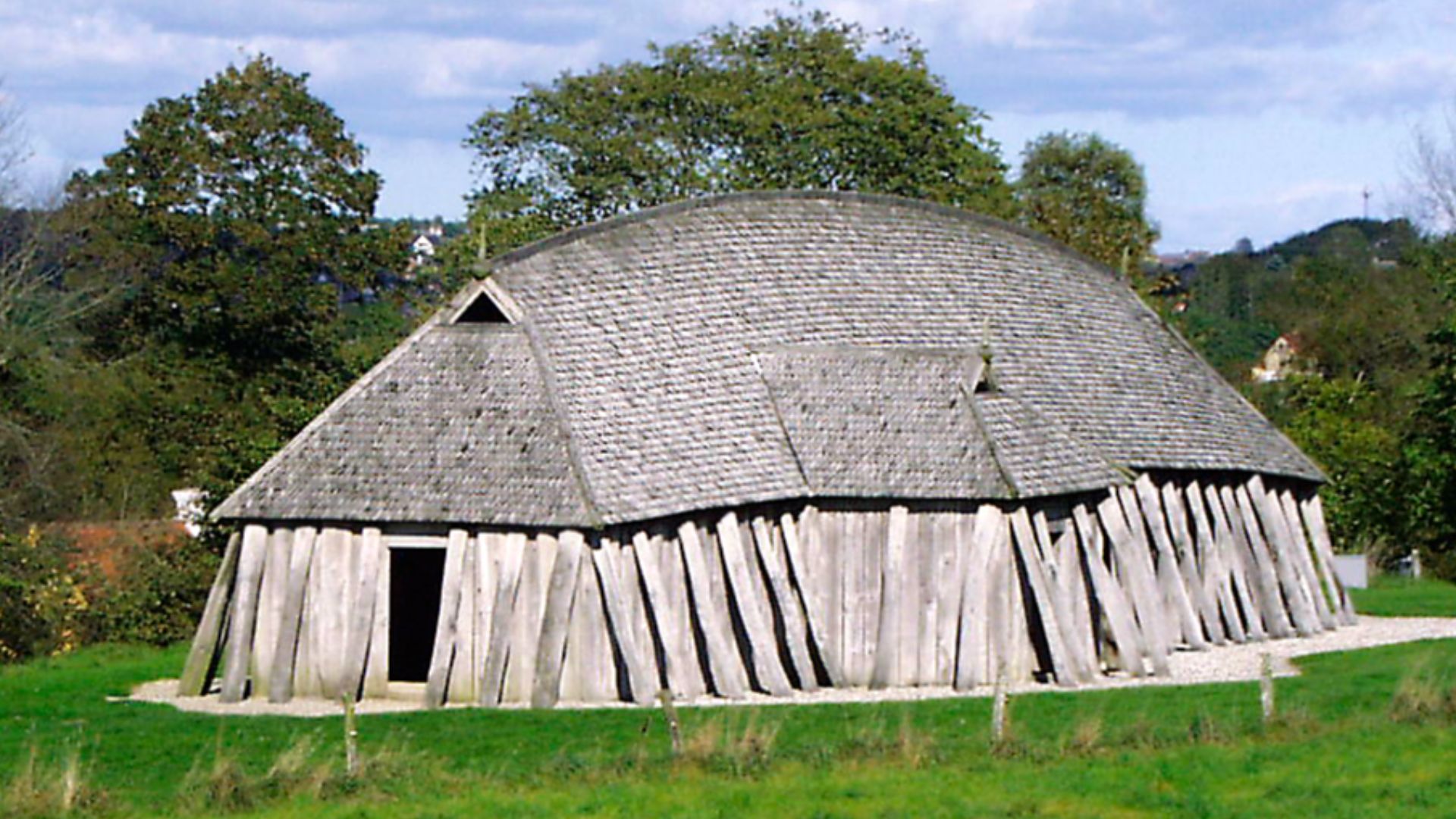
The durability of the site is amazing. Iceland’s harsh climate breaks down organic materials quickly, but these foundations remained identifiable after more than a millennium. Their preservation suggests well thought-out construction and long-term care, helping future researchers piece together how Vikings lived and organized their communities.
 Liz Duchovni, Wikimedia Commons
Archaeological Techniques: Old & New
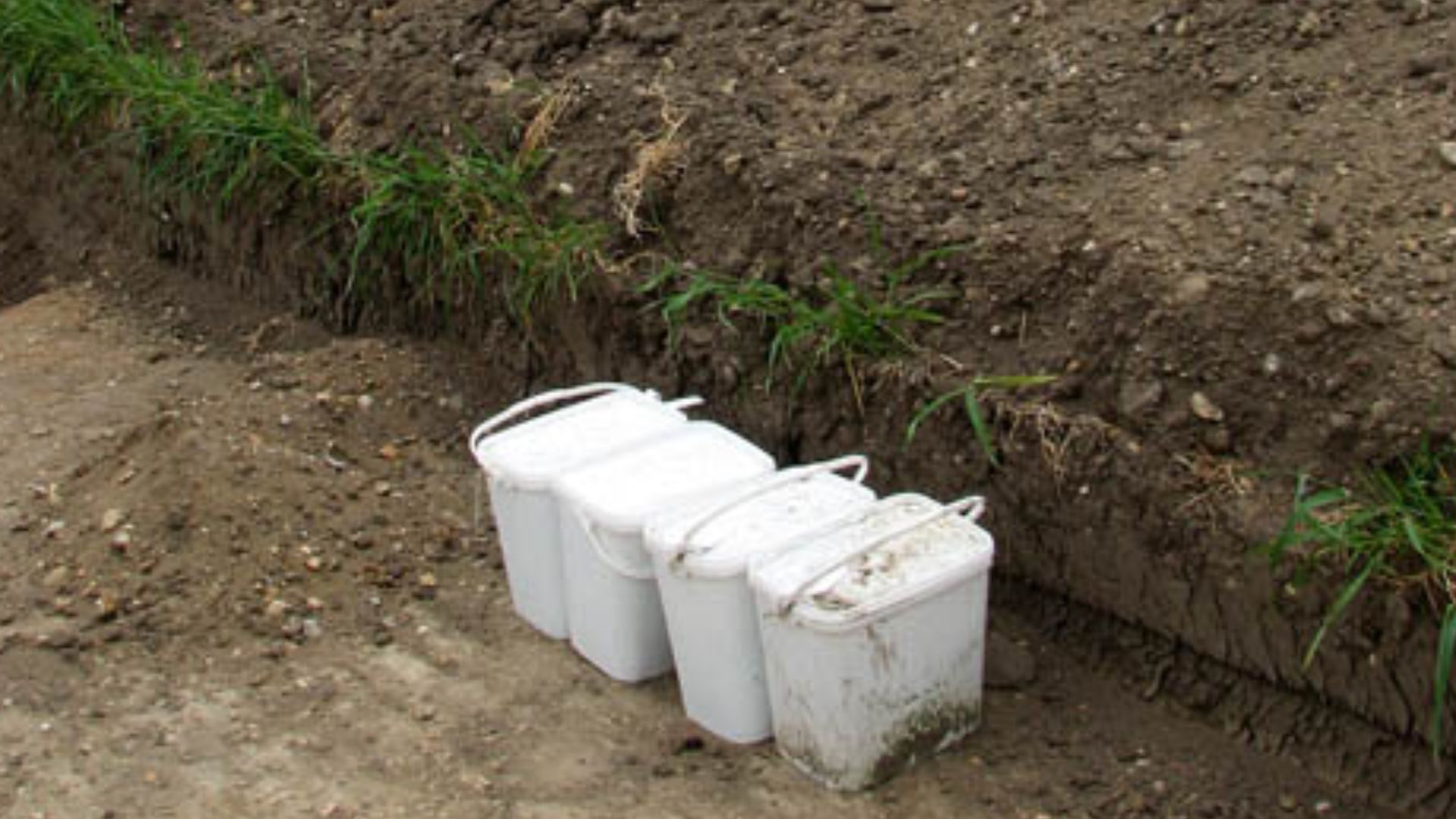
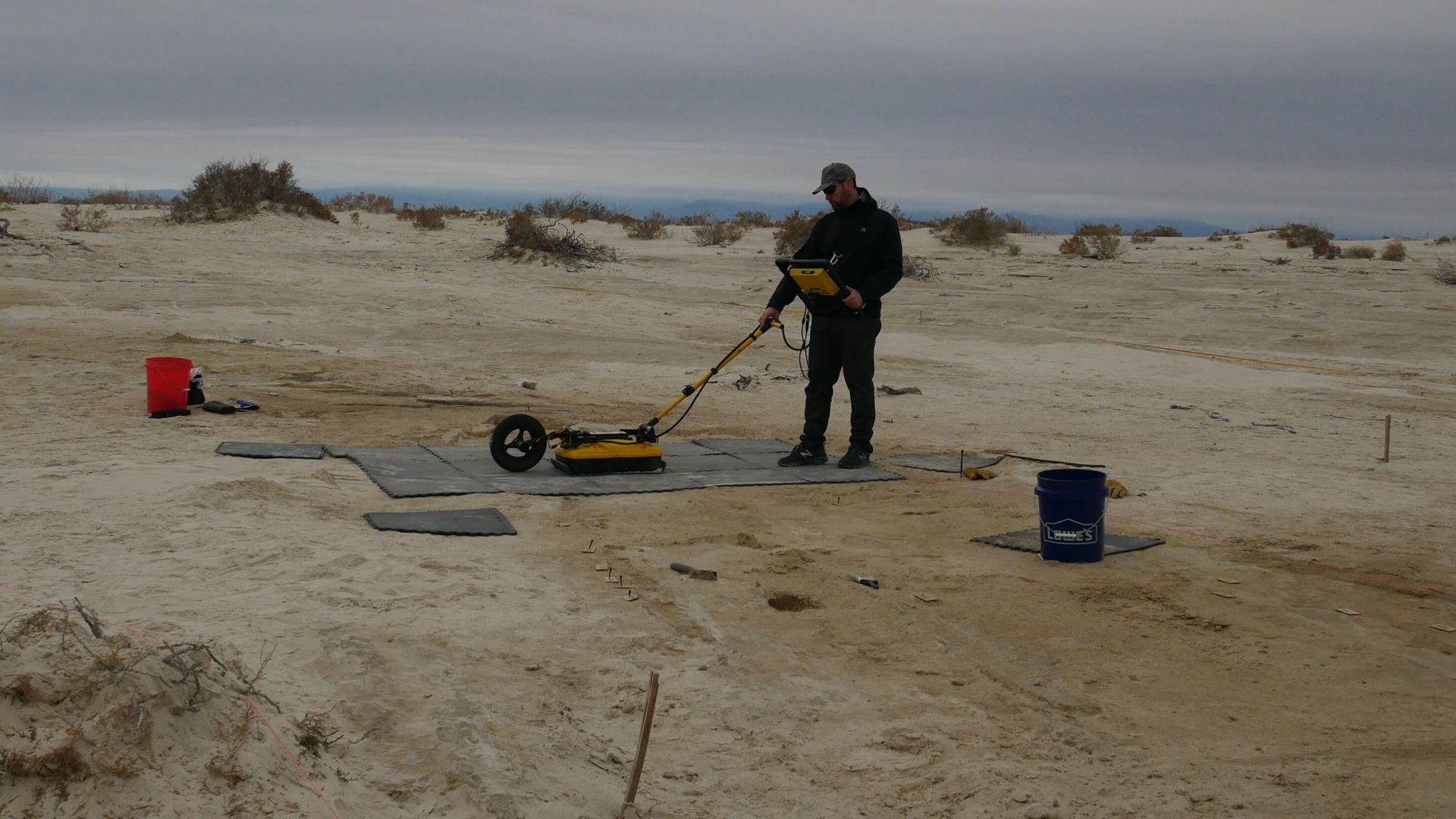
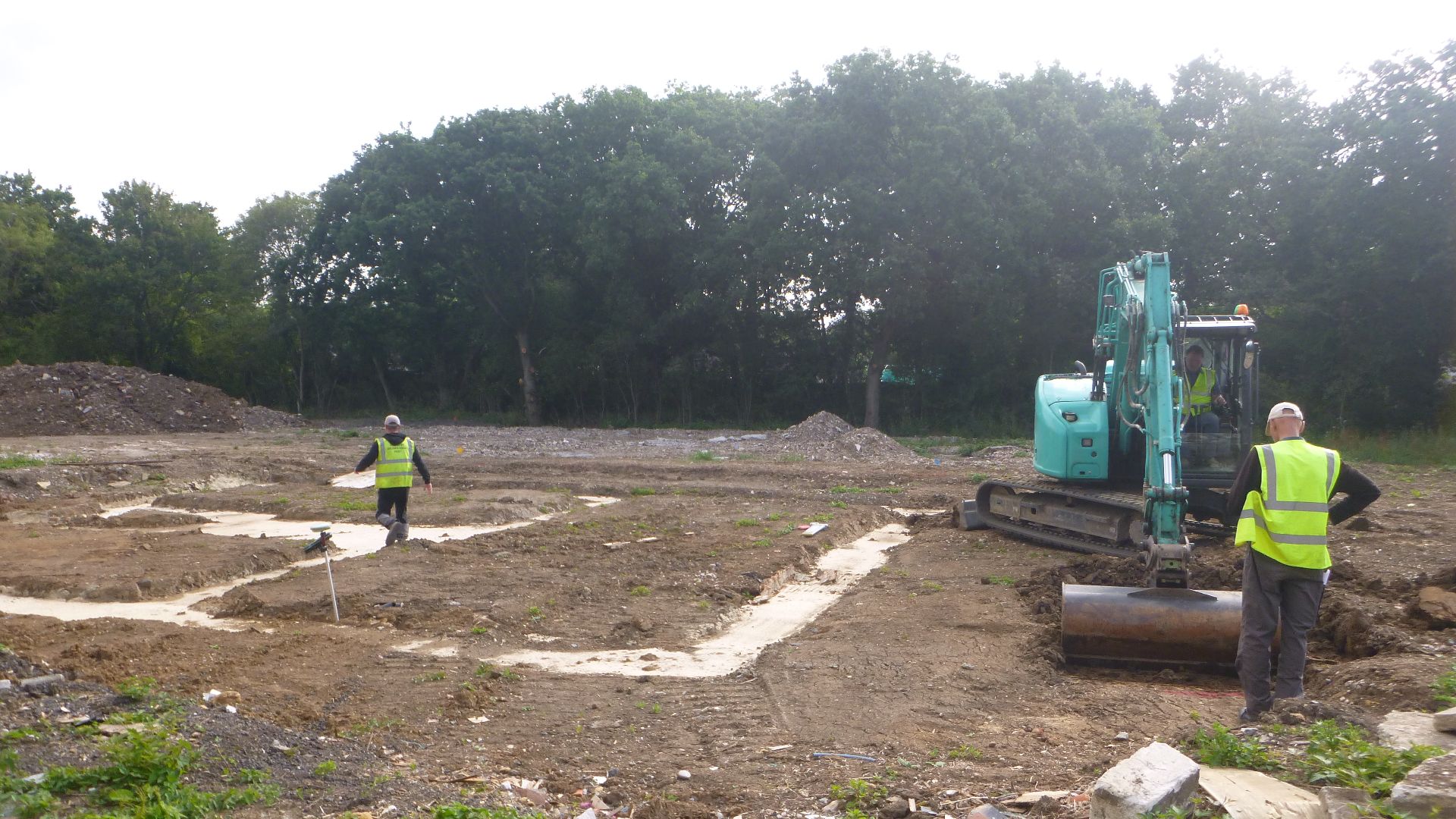
Ground-penetrating radar first showed the anomalies beneath the soil, guiding excavators inexorably toward the longhouses. Soil samples, radiocarbon dating, and artifact analysis aid in confirming how old the structures are. The blend of science and hands-on “meat and potatoes” archaeology strengthens the timeline and importance of the discovery.
Challenges In Dating And Interpretation
Dating Viking sites is rife with complications. Harsh weather and soil conditions wreck organic remains, leaving only fragmentary evidence in its wake. Researchers are hesitant to draw sweeping conclusions until further testing can confirm some precise dates. More excavation is needed to reveal additional structures and clarify the settlement timeline as a whole.
 Nigel Rayner, Colchester Archaeological Trust, Wikimedia Commons
Meaning For Viking Studies Worldwide
The discovery shows Vikings did a lot more than raid and pillage. They established long-term viable communities as outposts, and they did it a lot earlier than anyone expected. Stöð suggests they expanded deliberately, not through random aggressive wanderings. The more evidence archaeologists dig up, the more Vikings look like skilled planners as opposed to roaming indiscriminate marauders.
 SemanticsDavid, Wikimedia Commons
The Human Story Behind The Stones
Each longhouse represents families of farmers, children, and explorers building new lives on the frontier of a new world. These relic structures are evidence of courage and adaptability. Life would have been rough, but these settlers forged a community in one of Earth's most remote environments.
 Clinton Pierce, Wikimedia Commons
Future Exploration In Iceland
Stöð could be just the starting point in discovering even more lost settlements. If longhouses existed earlier than we thought, then large, undiscovered settlements may still lie beneath Icelandic soil waiting to be discovered. This discovery fuels revamped archaeological priorities and could expand exploration beyond well-studied regions.
 Thomas Ormston (Ormstont), Wikimedia Commons
Oral Traditions And Archaeology
The Icelandic sagas describe early explorers but often lack precise dates or confirmation. Stöð is the hard physical evidence that backs the stories of Vikings arriving far sooner than recorded. Archaeology and legend are combining to create a richer and more accurate understanding of Iceland’s long lost origins.
Why The Discovery Matters Today
Icelanders take pride in their Viking heritage. Stöð deepens their cultural identity by revealing a more complex settlement story. It reminds modern communities that their roots go farther back and that their ancestors were pioneers pushing the limits of the known world.
 Guðmundur D. Haraldsson, Wikimedia Commons
Rewriting The Official Narrative
History books may soon need to be revised. Instead of a single founding moment, Iceland’s settlement may have occurred in phases, including early advanced scouting parties and smaller communities like Stöð. These changes rippled outward, influencing how we comprehend Viking expansion across the entire North Atlantic region.
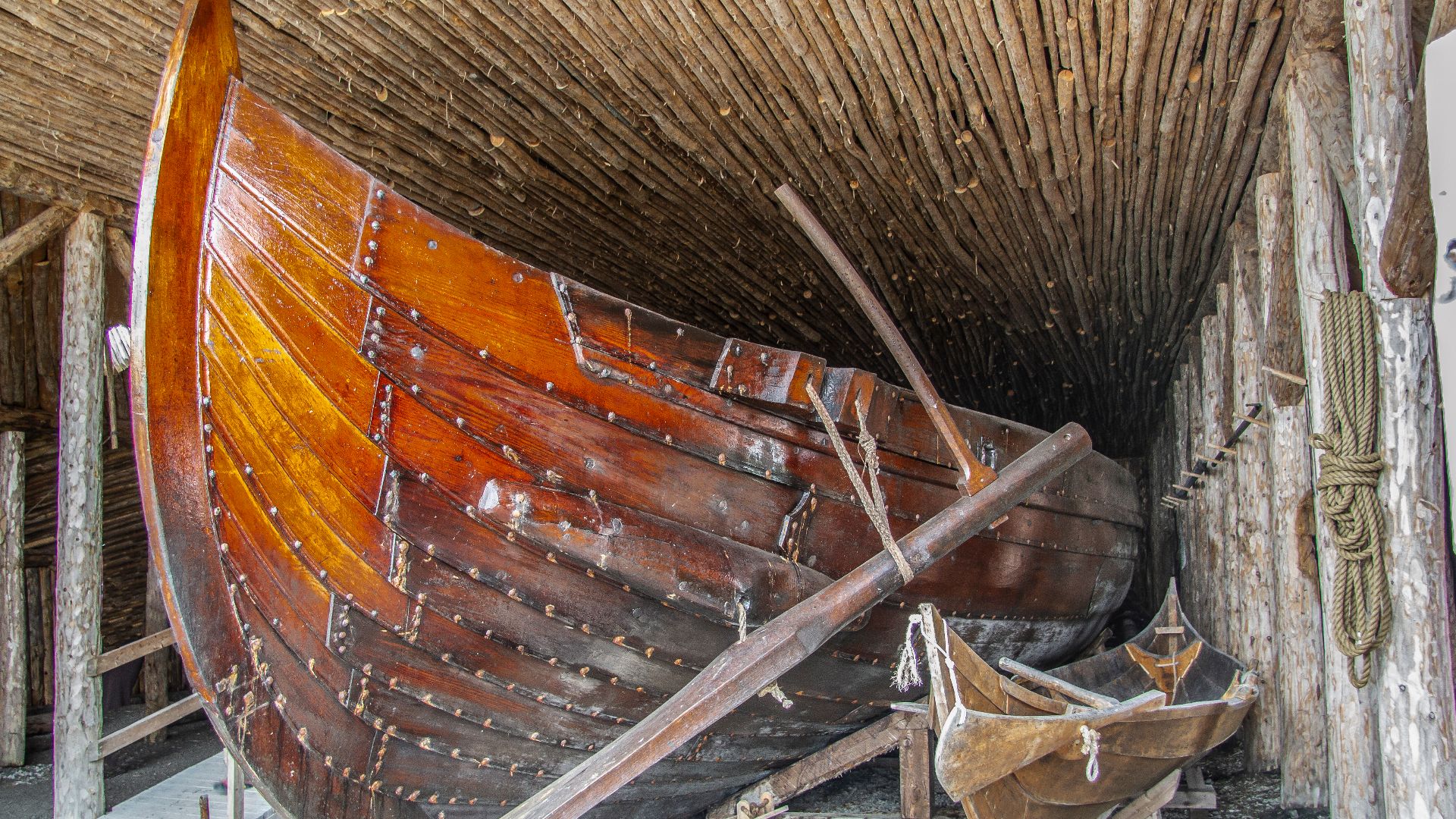 Pierre Gingras, Wikimedia Commons
New Foundations For Viking Iceland
Stöð gives us one of the most exciting breakthroughs in Icelandic archaeology. The site’s early longhouses show organized settlement and strategic planning long before official narratives acknowledge colonization. With more discoveries waiting to be made, Stöð could permanently reshape the Viking story in Iceland and beyond.
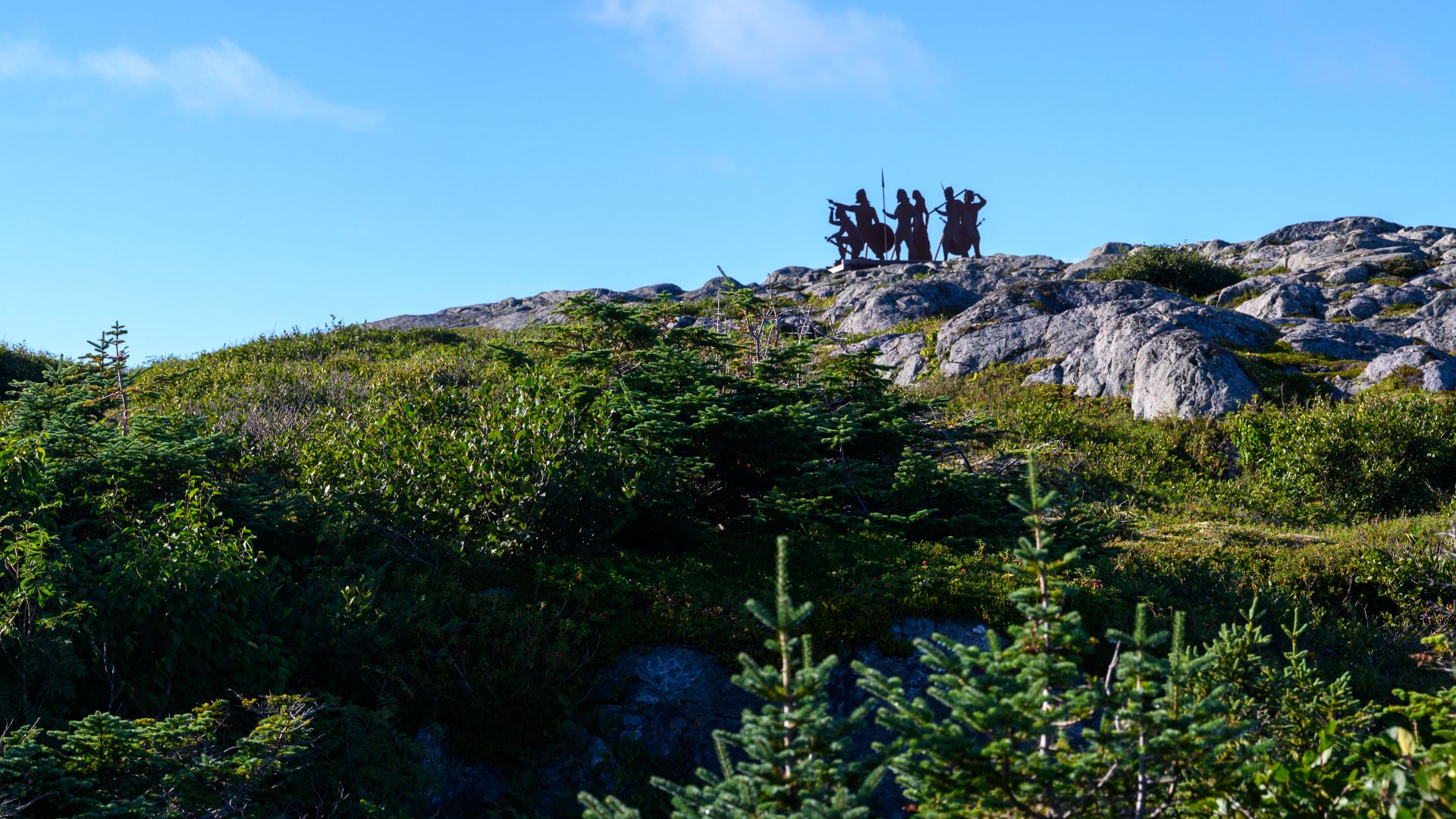 Gordon Leggett, Wikimedia Commons
You May Also Like: