When The Seafloor Decides To Speak Up
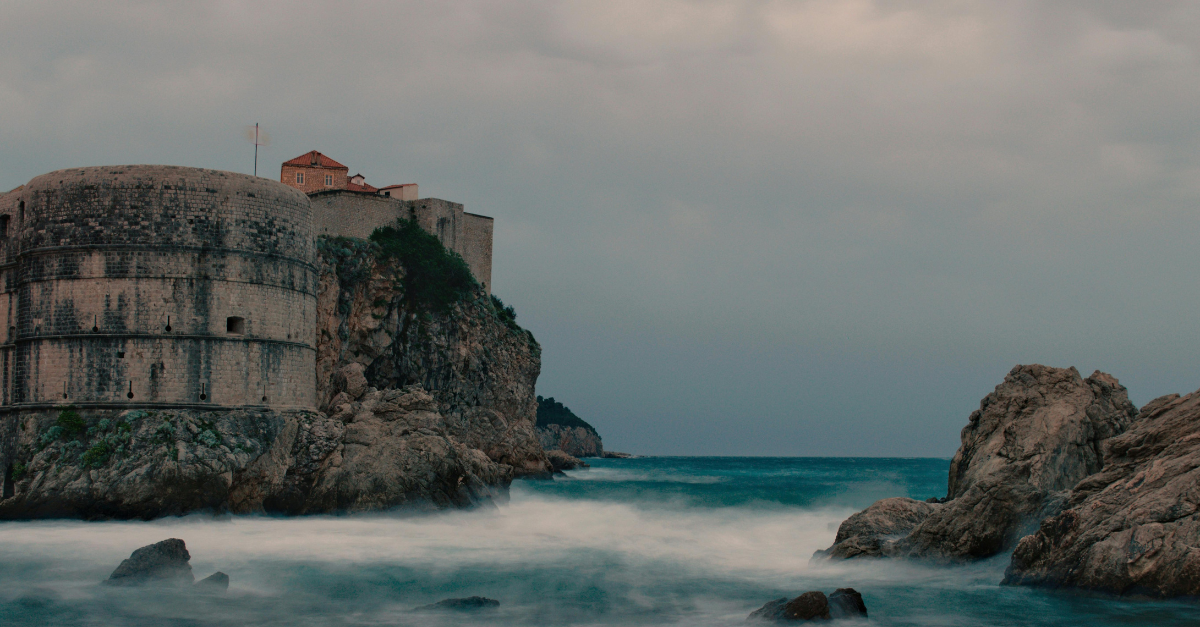
Perinthos has been quietly revealing its past for years—stone by stone, shard by shard. Archaeologists have uncovered theaters, temples, and fortifications on land, each discovery adding another layer to the city’s long story. But recently, the most surprising evidence didn’t come from the dirt. It came from beneath the water.
Just offshore, researchers identified the remains of an ancient harbor, a find that reshapes how this coastal city functioned and raises new questions about who lived here long before history books start paying attention.
A City With A Very Long Memory
Archaeological evidence suggests Perinthos has been inhabited for nearly 5,000 years. That kind of longevity means the city didn’t just experience history—it accumulated it. Each civilization left traces behind, stacking one era on top of the next.
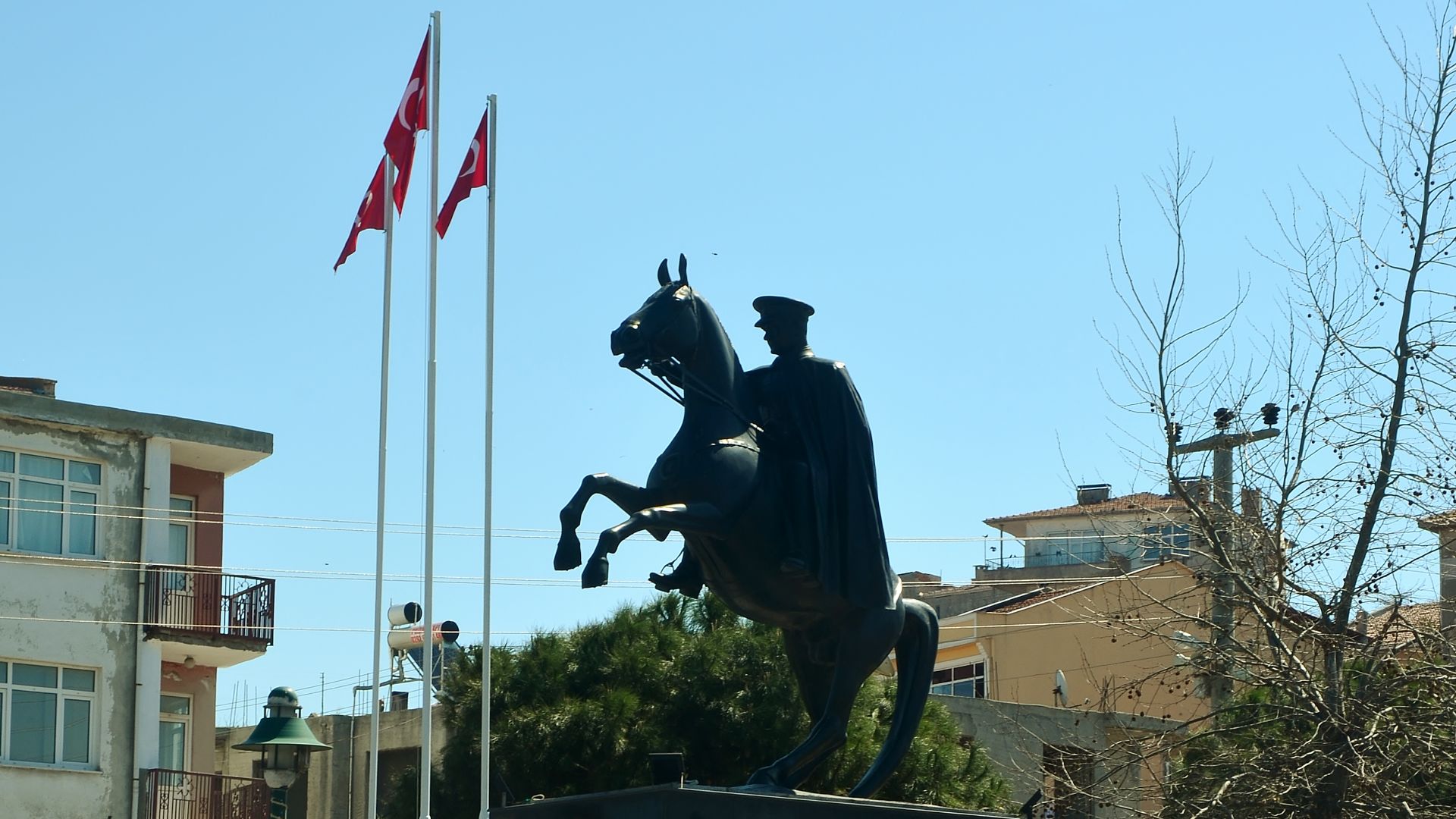
Where Perinthos Actually Sits
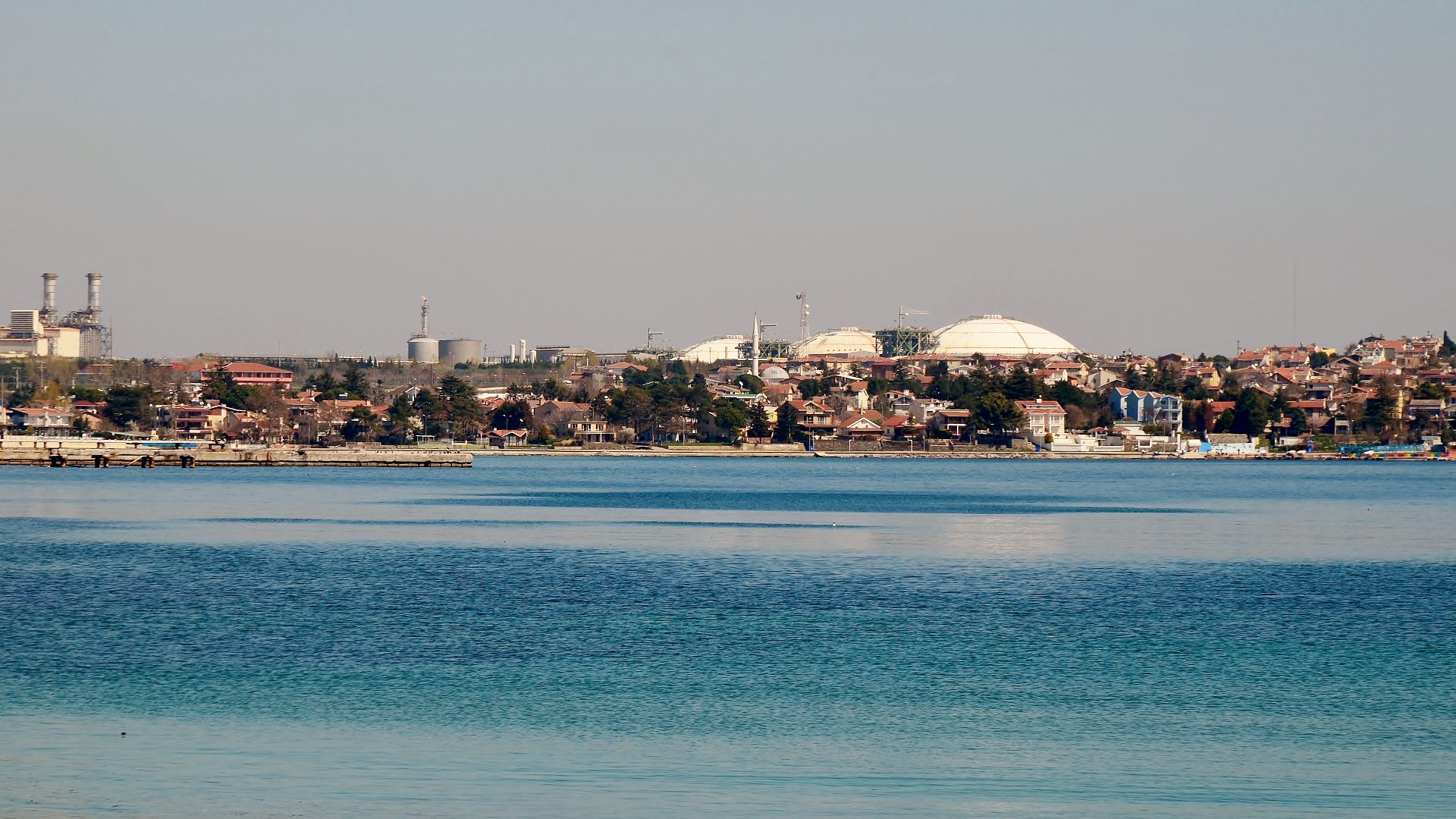
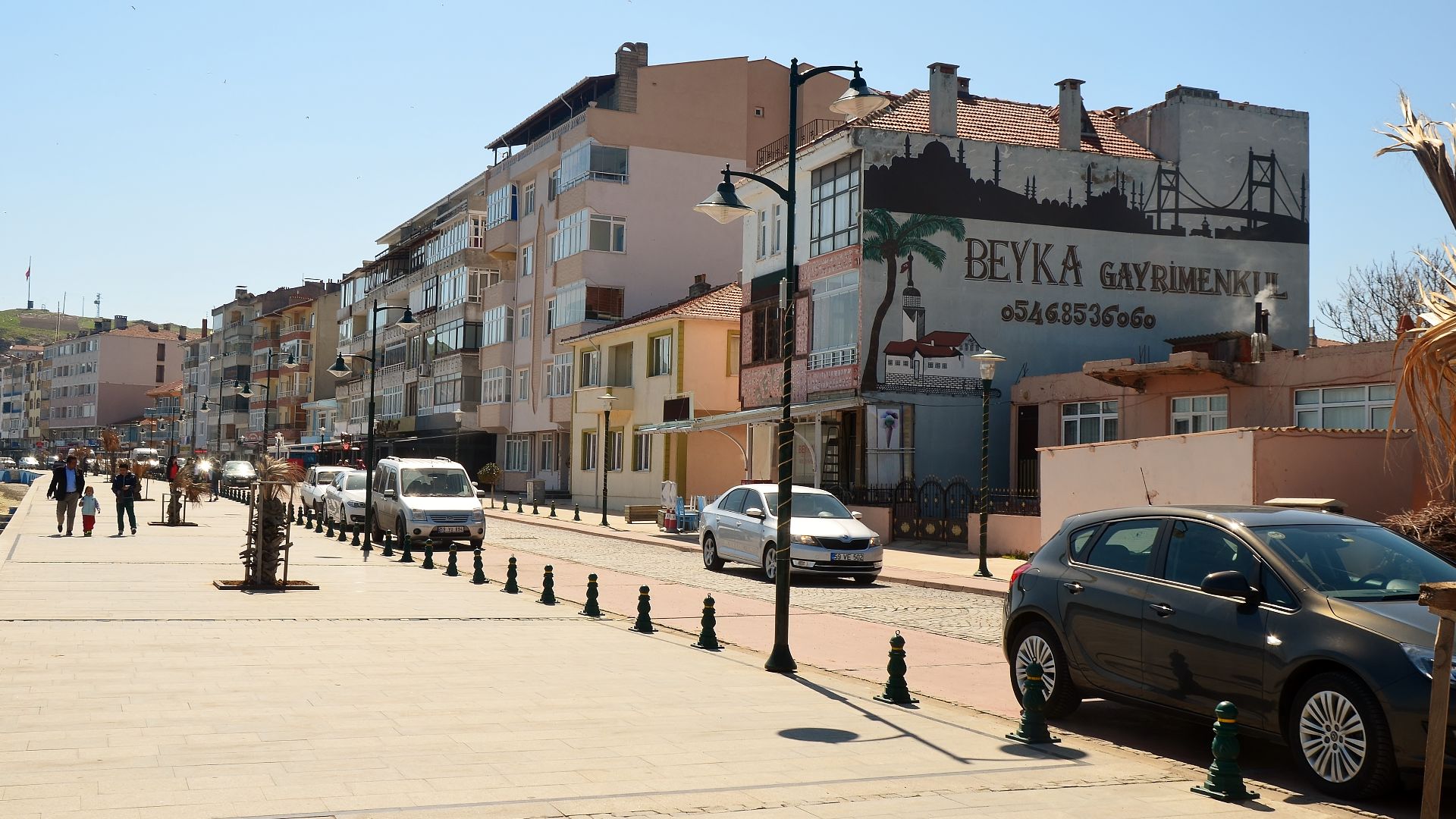
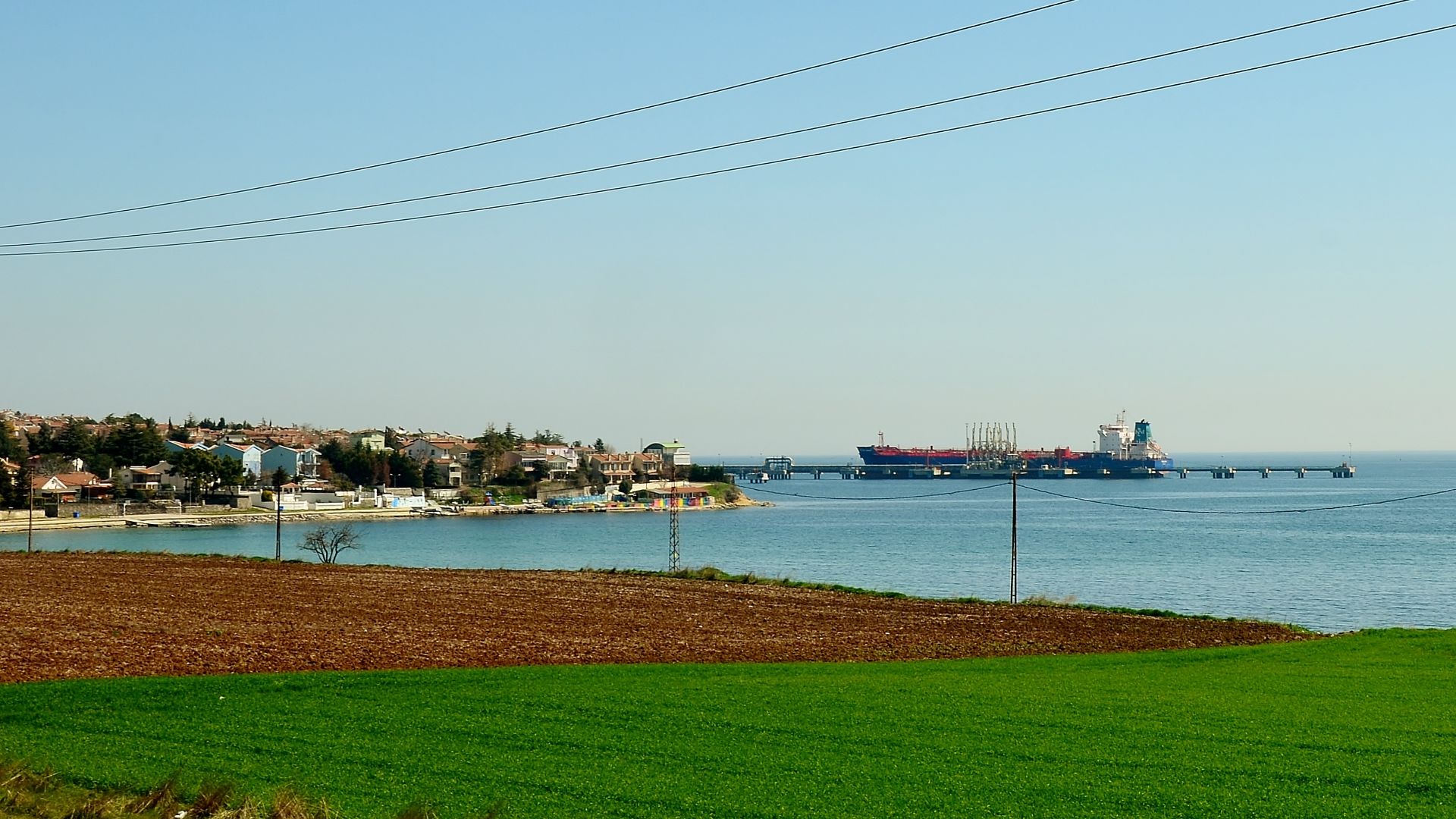
Perinthos is located near today’s Marmara Ereğlisi in modern-day Turkey, along the Sea of Marmara. Its position placed it directly between major ancient sea routes, making maritime activity not just likely, but essential.
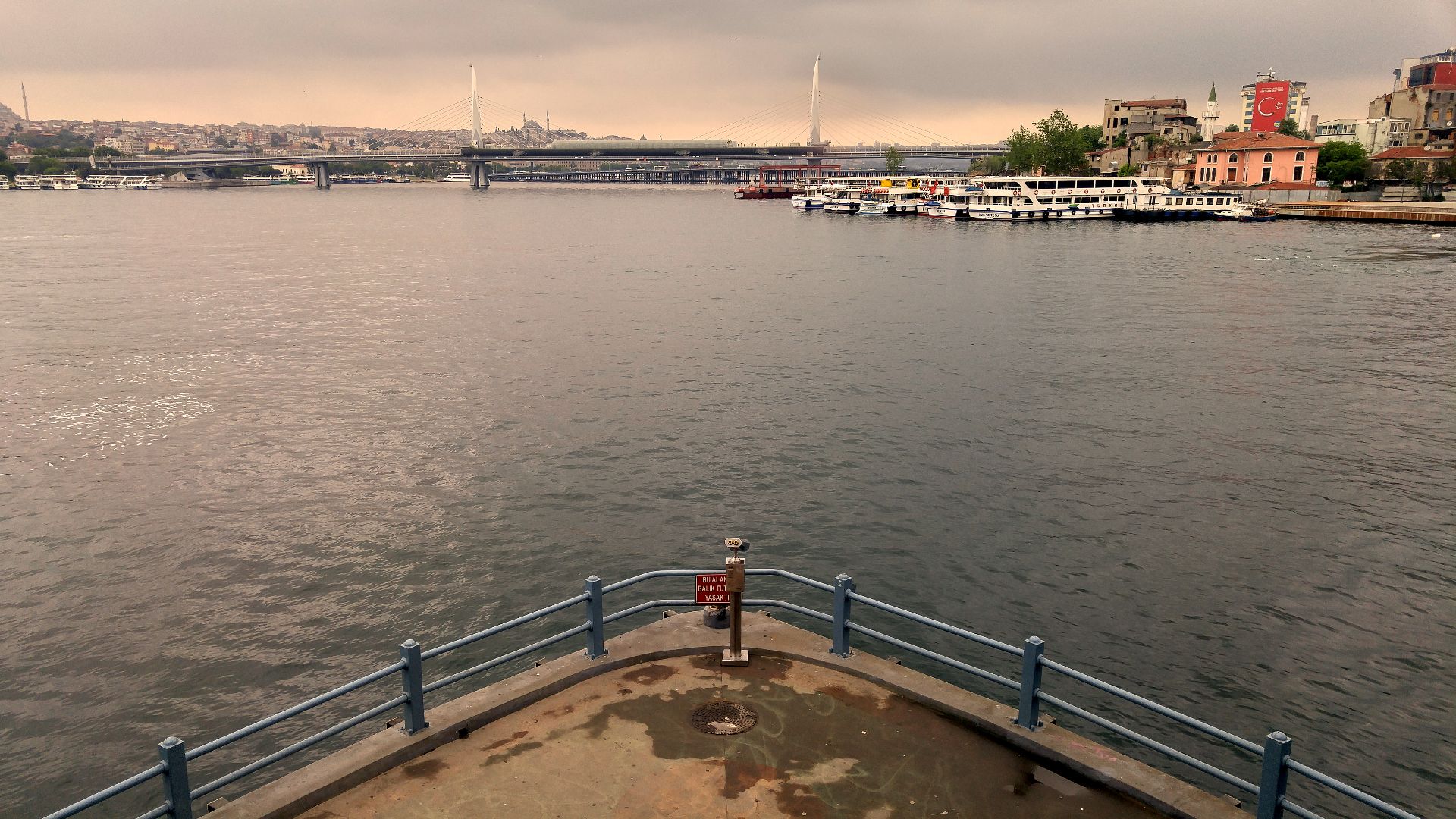 Mostafameraji, Wikimedia Commons
The Harbor Beneath The Surface
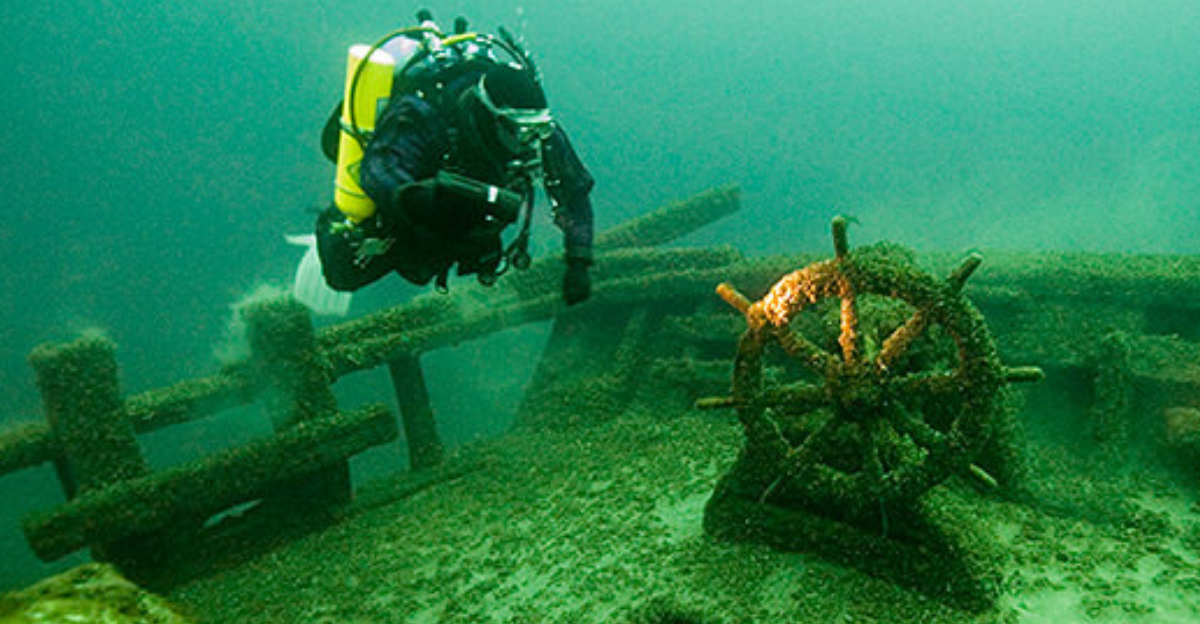
During underwater surveys, archaeologists documented structural remains believed to be part of a harbor complex. These weren’t random stones scattered by the sea—they were positioned in ways that suggest intentional construction.
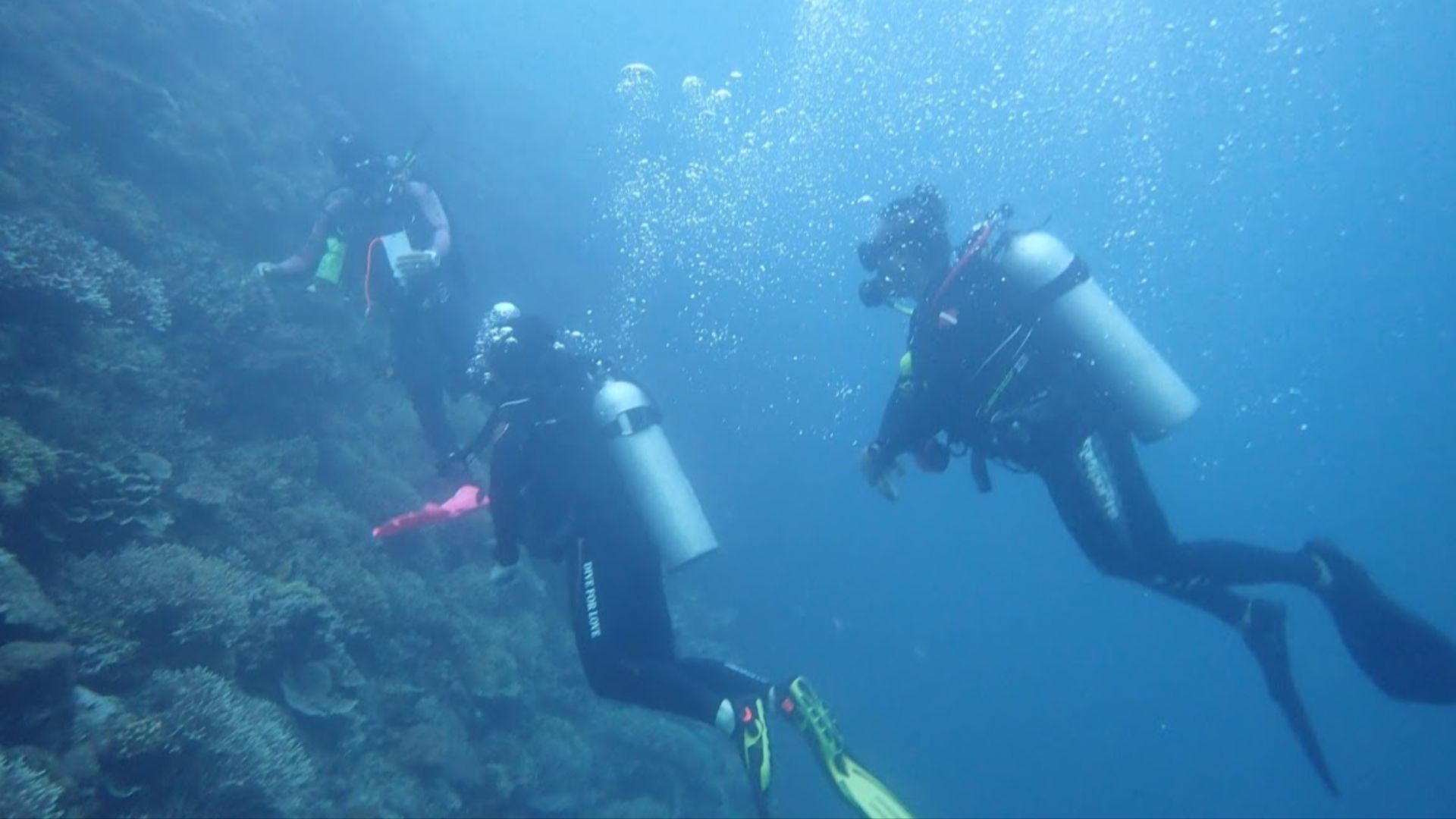 Leila Izachi, Wikimedia Commons
Why Harbors Change Everything
A harbor isn’t decorative. It’s infrastructure. Finding one implies trade, transport, and steady movement of people and goods. It instantly elevates Perinthos from a coastal settlement to an active maritime player.
How The Discovery Came Together
The underwater work followed years of land excavations. Once researchers realized the ancient shoreline likely extended farther out than today’s coast, diving became the logical next step—and a revealing one.
 Ryan Lackey, Wikimedia Commons
The Team Doing The Diving
The excavation is led by Professor Zeynep Koçel Erdem with support from a large team that includes underwater archaeology specialists. This kind of work is slow and deliberate, requiring patience and precision rather than dramatic treasure-hunting moments.
 Peter Southwood, Wikimedia Commons
What Turned Up Before The Harbor
Before identifying the harbor structure itself, divers encountered sarcophagi, stone blocks, and architectural fragments. These finds hinted that parts of the ancient city had slipped beneath the waves over time.
A Submerged Commercial Zone
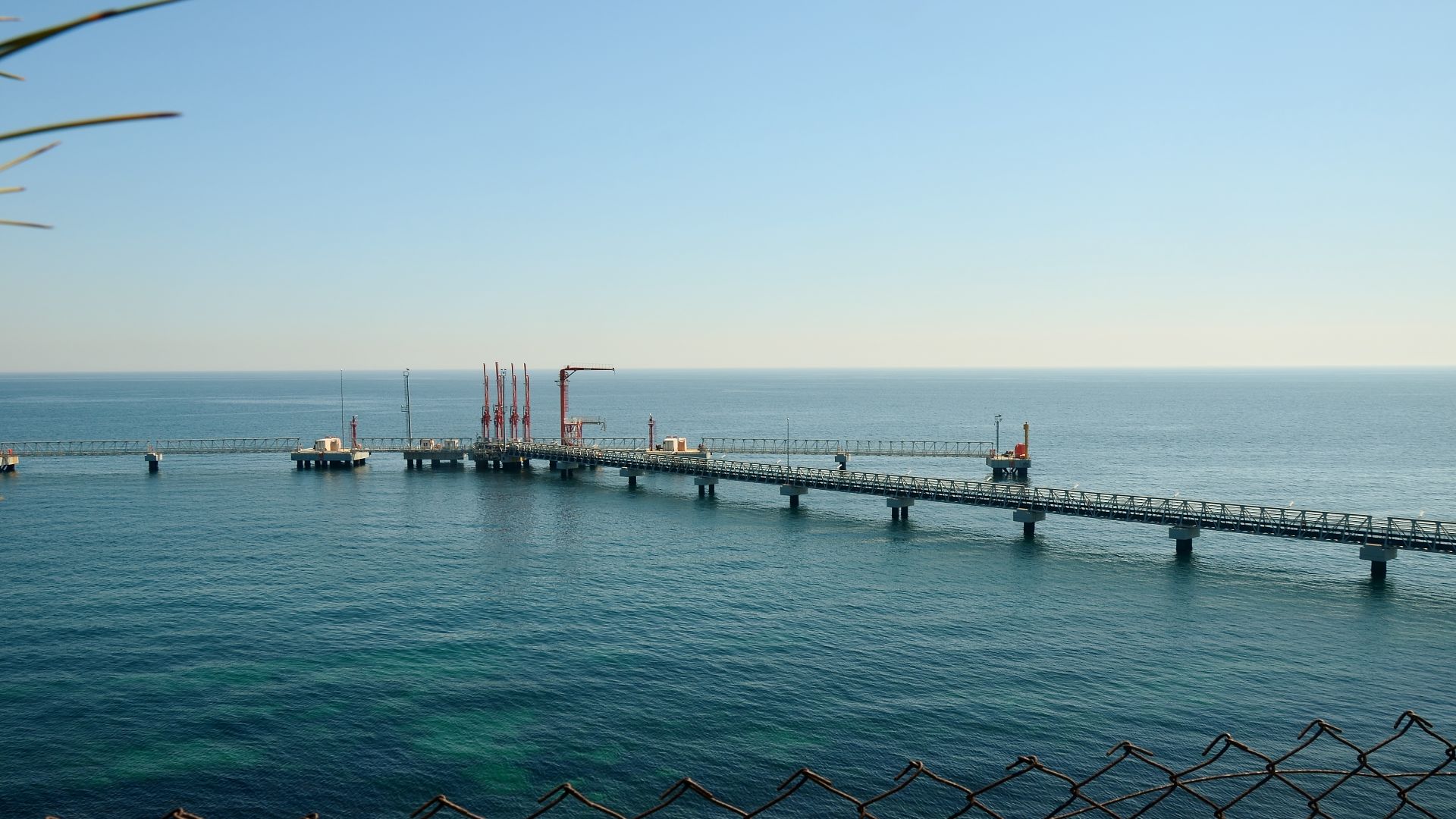
The location of the harbor aligns with what would have been Perinthos’ eastern commercial area. That placement suggests the port was woven directly into the city’s economic life, not tacked on as an afterthought.
Rethinking The City’s Origins
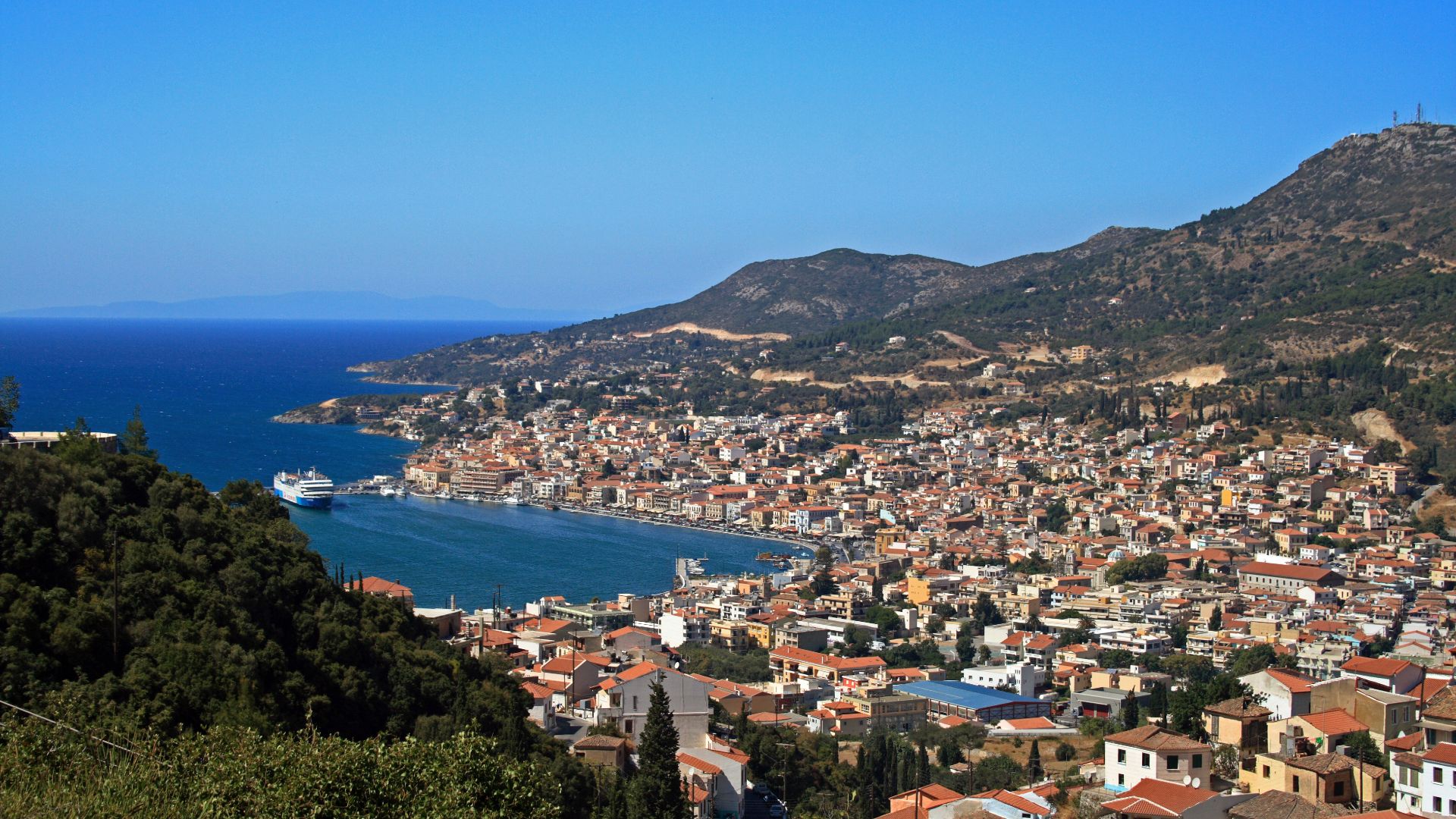
Ancient sources credited Greek settlers from Samos with founding Perinthos in the 6th century BC. But prehistoric tools and ceramics complicate that tidy story. People were clearly living here long before official founding dates say they should have been.
Before Greeks Took Center Stage
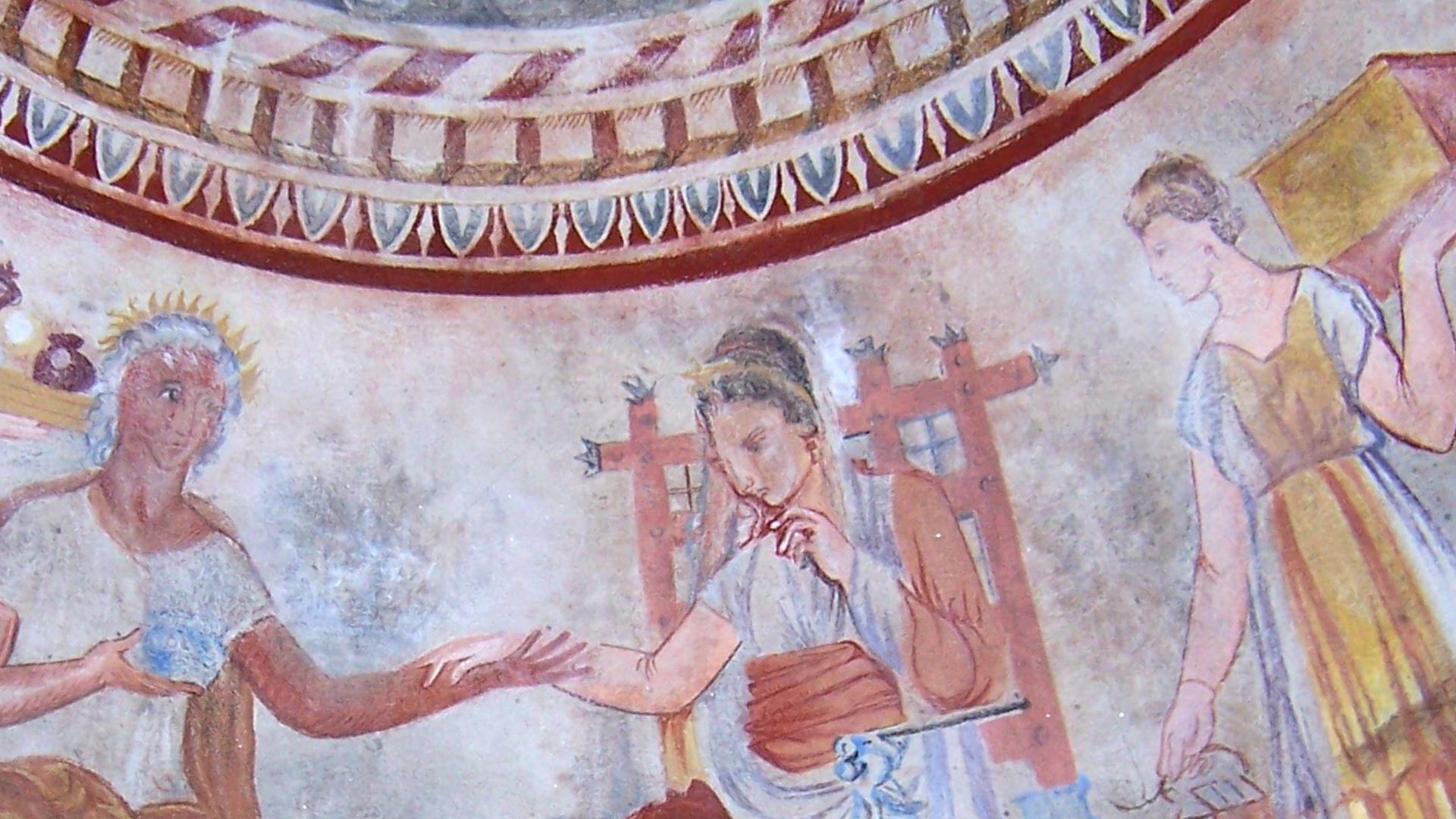
The area was associated with Thracian communities prior to Greek colonization. While it’s still unclear who built the earliest harbor structures, the discovery opens the door to rethinking how involved these earlier groups were with the sea.
Roman Perinthos Was Thriving
Under Roman rule, Perinthos flourished and became one of the region’s prominent cities. It even earned the title Neokoros, a sign of religious and political prestige that required strong economic foundations.
The Theater That Says A Lot
On land, archaeologists uncovered the largest ancient theater ever found in Thrace. Cities capable of building on that scale typically had strong trade networks—and harbors help explain how they sustained them.
Everyday Life Left Behind
Ceramics, architectural fragments, and public structures show that Perinthos wasn’t static. The city adapted, rebuilt, and expanded as centuries passed, responding to both opportunity and challenge.
How The Harbor Ended Up Underwater
Changes in sea level, coastal erosion, and geological activity likely caused parts of the shoreline to sink or retreat. Over time, structures that once sat at the water’s edge slipped below it.
Why The Sea Preserved It
Ironically, submersion can protect ancient remains. Covered by sediment and shielded from modern construction, underwater structures often survive in better condition than those left exposed on land.
What Archaeologists Hope To Learn
Construction techniques, layout, and materials could reveal how ancient engineers adapted to local conditions. Even small details can help map trade routes and technological knowledge.

This Is Just The Beginning
The harbor hasn’t been fully mapped or studied yet. Future excavation seasons are expected to focus more heavily on underwater research, gradually filling in missing pieces.
 Project Seahorse, Wikimedia Commons
Why This Matters Beyond Perinthos
The discovery reshapes how historians understand settlement patterns around the Sea of Marmara. It suggests maritime activity may have played a role much earlier than previously believed.
 Mostafameraji, Wikimedia Commons
When The Sea Gives Something Back
The underwater harbor doesn’t just add to Perinthos’ story—it complicates it in the best way. As research continues, the sea may reveal even more about the people who built cities where waves now roll, reminding us that history rarely stays where we expect it.
 Mostafameraji, Wikimedia Commons
You May Also Like:
Source: 1