

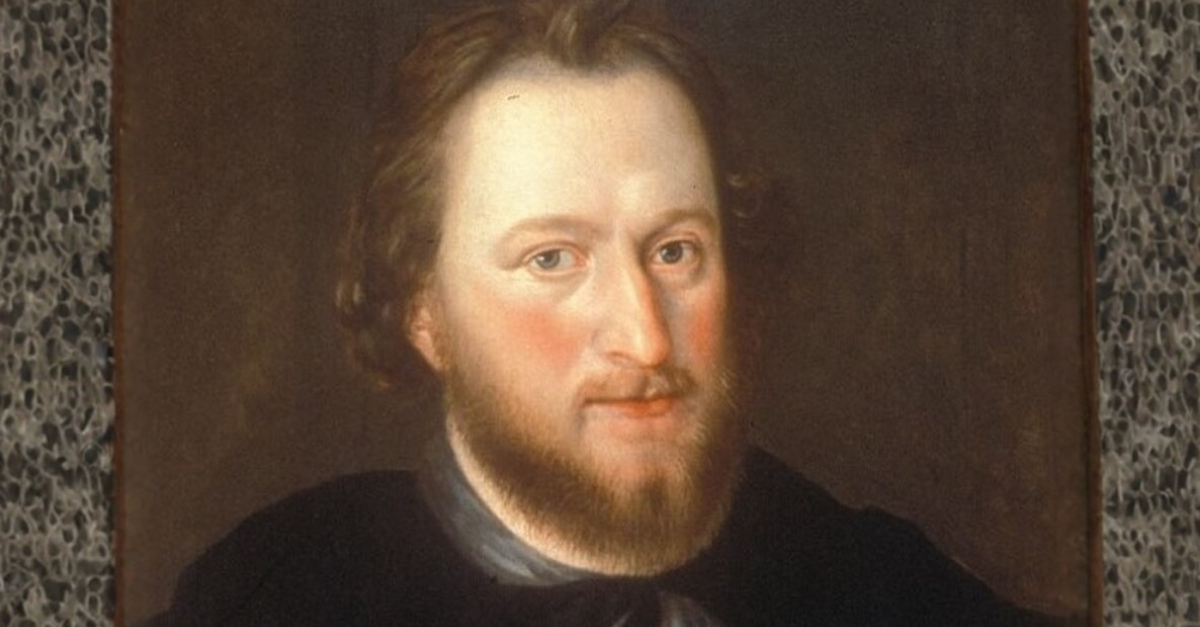
The Beginning Of Jamestown Rediscovery
For centuries, historians believed much of Jamestown, the first permanent English settlement in North America founded in 1607, had disappeared beneath the James River. Then, in 1994, the Jamestown Rediscovery project, led by archaeologist William Kelso and Preservation Virginia, set out to test that assumption. What the team uncovered transformed our understanding of America's earliest English colony.
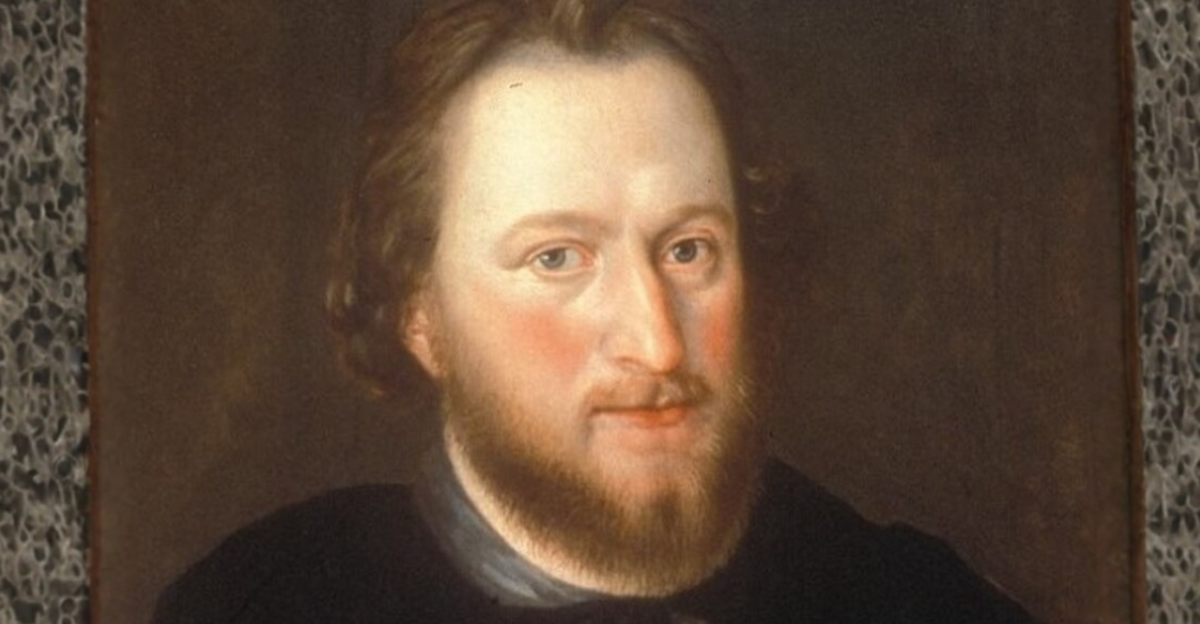 Library of Virginia, Wikimedia Commons
Unearthing The 1607 James Fort
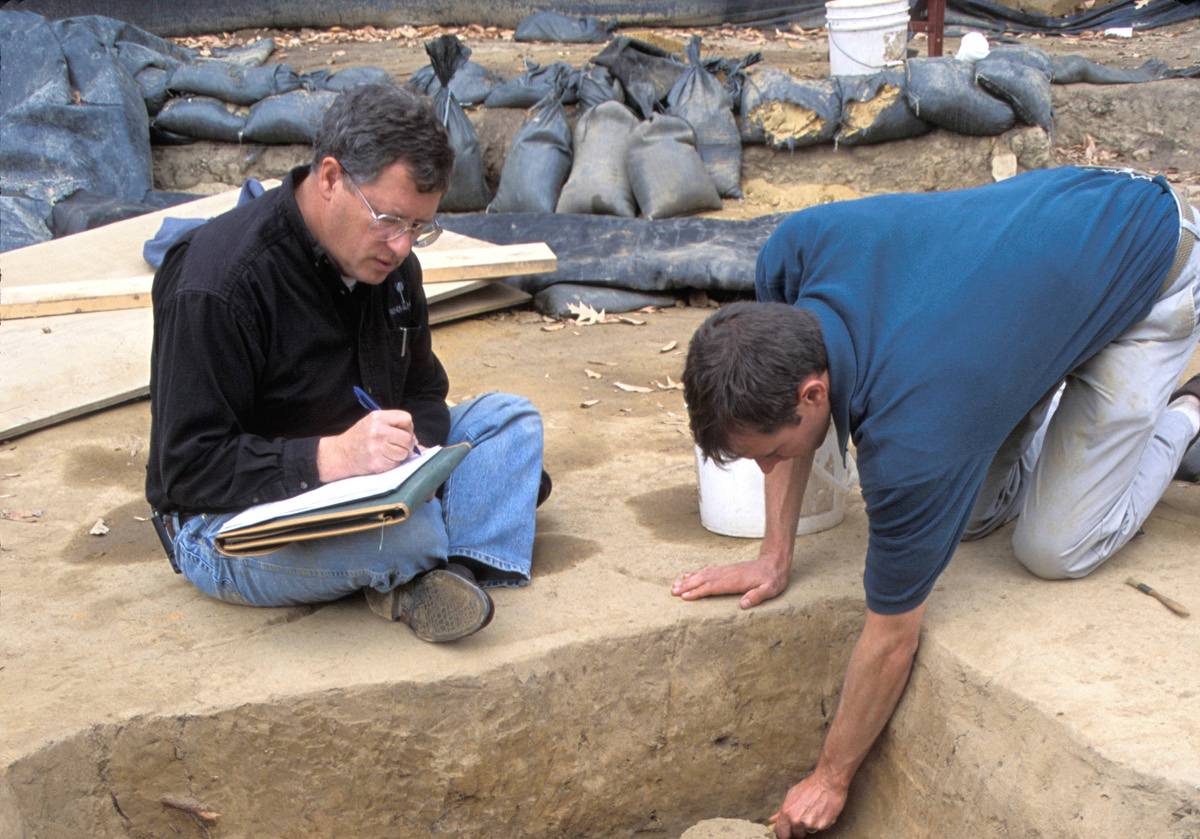
One of the project’s most significant early discoveries was the foundation of the original James Fort, which had been thought lost. By 1996, archaeologists had found evidence of the fort’s palisade walls, structures, and early colonial artifacts, proving that large portions of the site were still intact.
 Smithsonian Institution, CC BY-SA 3.0, Wikimedia Commons
The Role Of Trade In Jamestown’s Survival
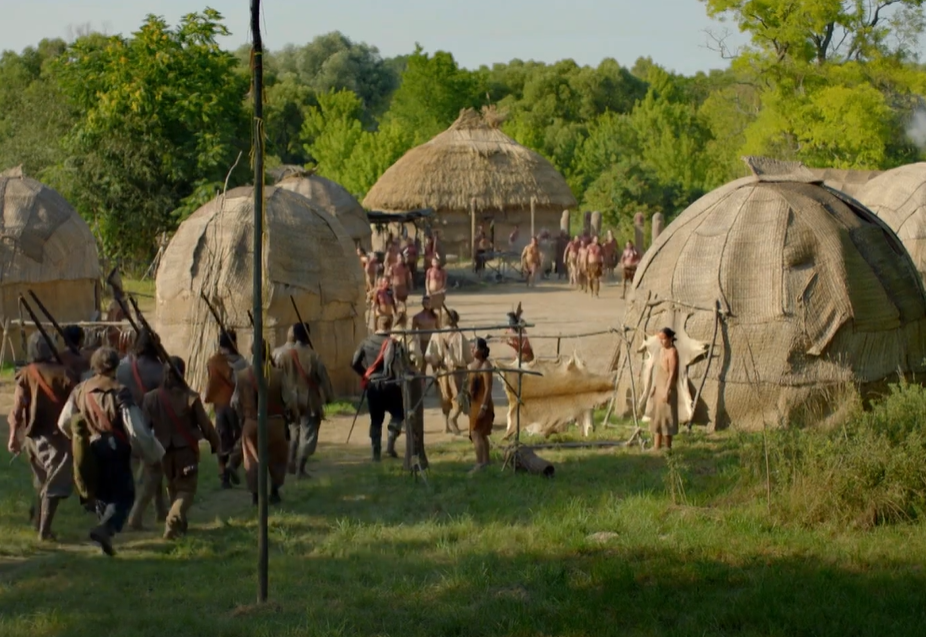
Trade with Indigenous tribes was crucial for the early settlers. Items such as copper, beads, and tools were exchanged for food, helping the colony survive its first few years.
 Carnival Films, Jamestown (2017–2019)
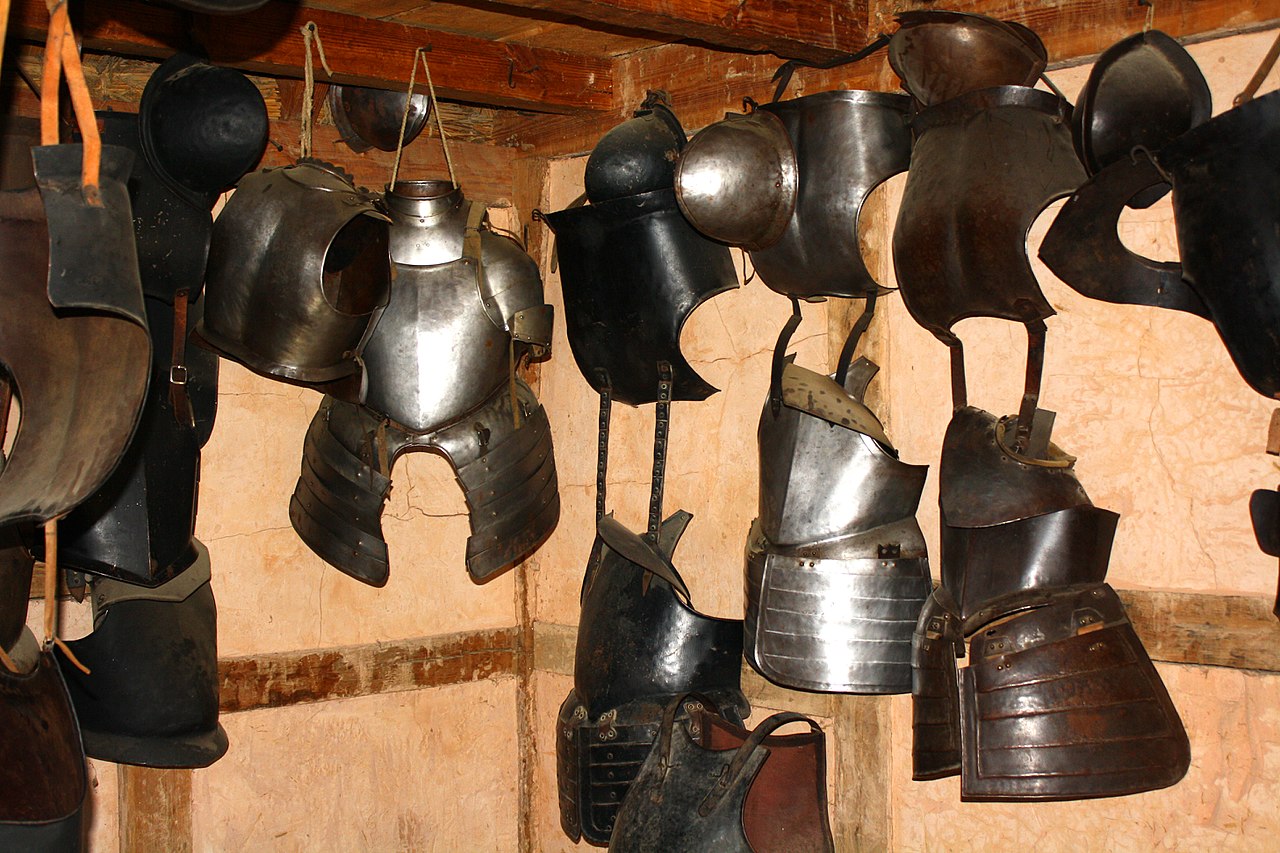
Armor And Battles At Jamestown
The settlers relied on European equipment, swords, and armor to defend themselves. Archaeological discoveries have unearthed musket balls, swords, and protective gear used in conflicts with the Powhatan Confederacy.
 MissCara, CC BY-SA 4.0, Wikimedia Commons
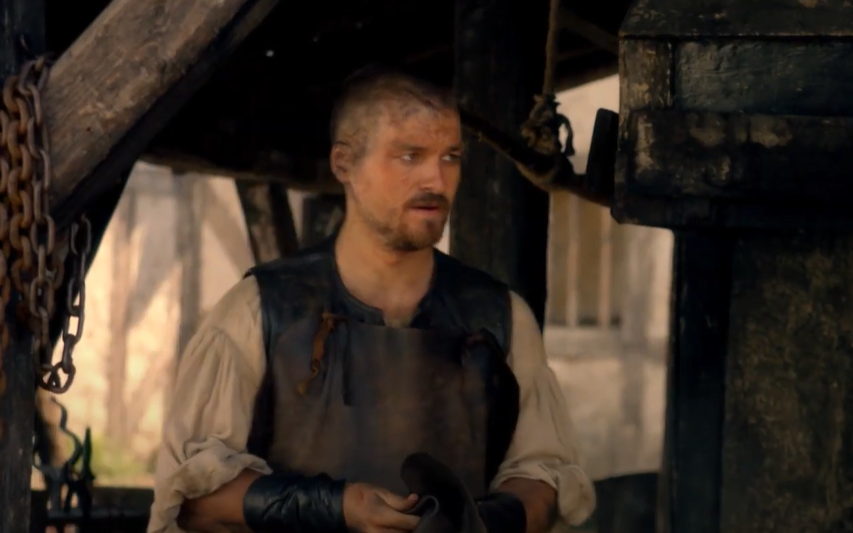
The Importance Of Blacksmithing In The Colony
Blacksmiths played a critical role in Jamestown by repairing tools and weapons. Evidence of early forges shows that metalworking was a necessary trade for survival.
 Carnival Films, Jamestown (2017–2019)
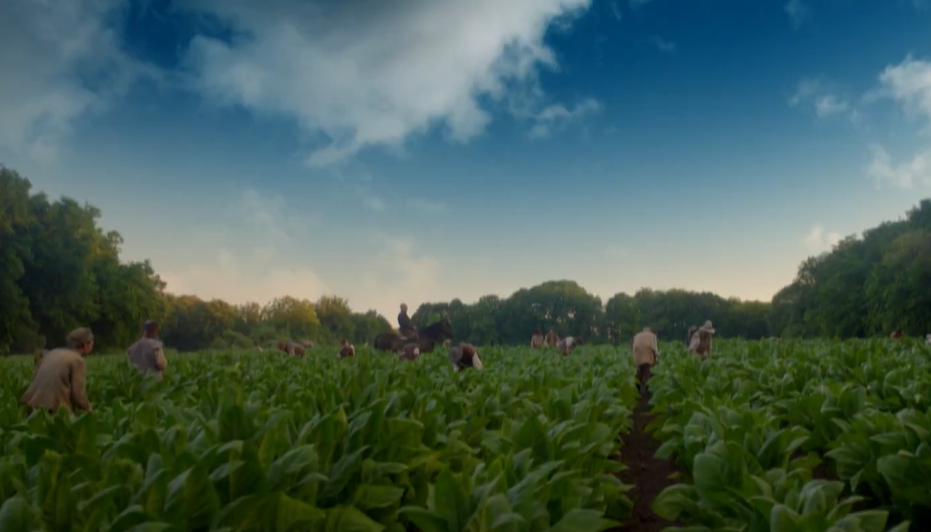
The Role Of Farming In Early Jamestown
Early settlers struggled to cultivate crops due to unfamiliar soil and climate. Over time, they learned new agricultural techniques, including growing maize introduced by Indigenous peoples.
 Carnival Films, Jamestown (2017–2019)
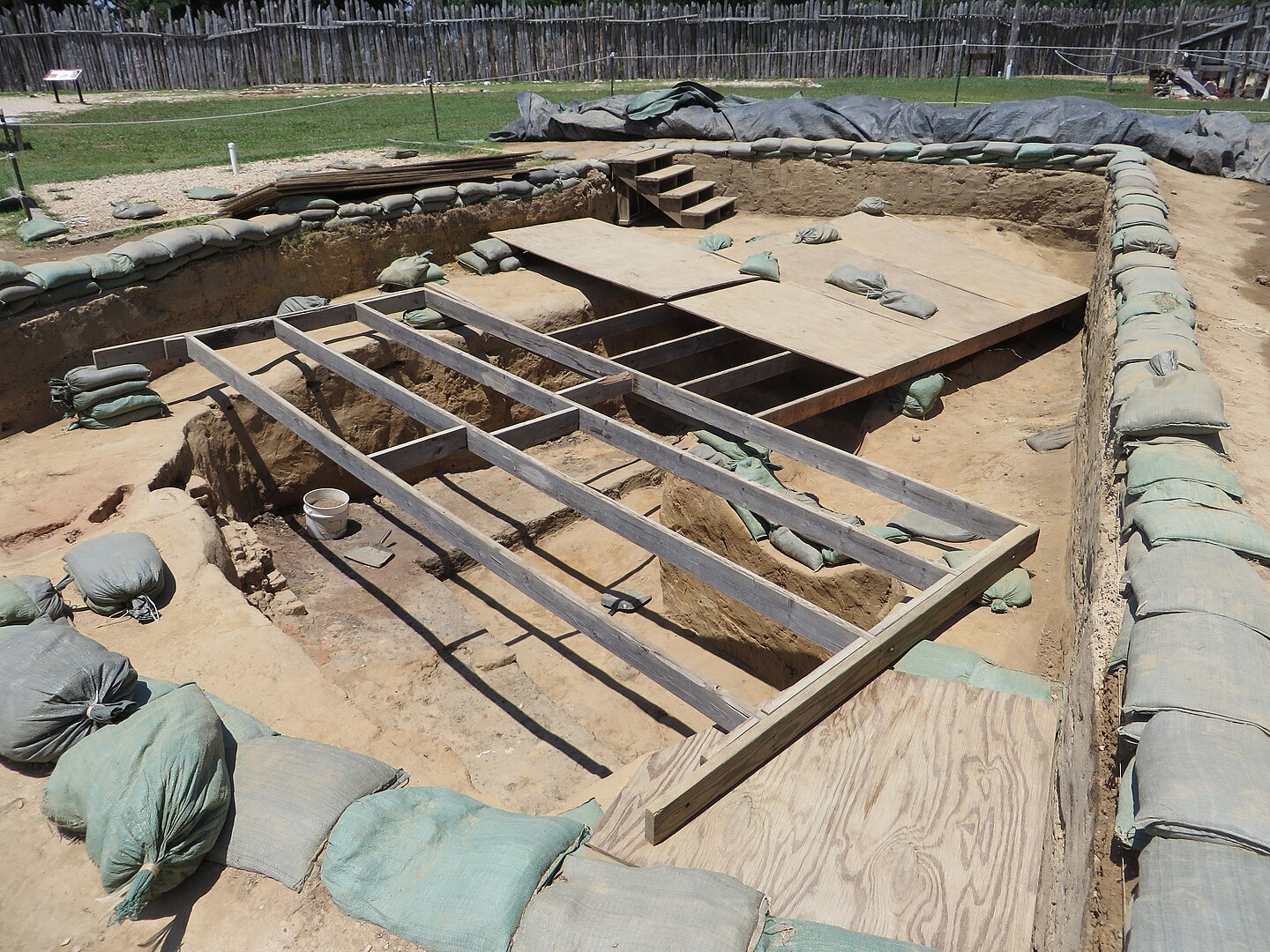
The Mystery Of The First Well
The first well at Jamestown provided much-needed drinking water but was eventually contaminated. Archaeologists have found discarded artifacts in its depths, offering clues about daily life in the settlement.
 Ken Lund, CC BY-SA 2.0, Wikimedia Commons
The Construction Of The First Church
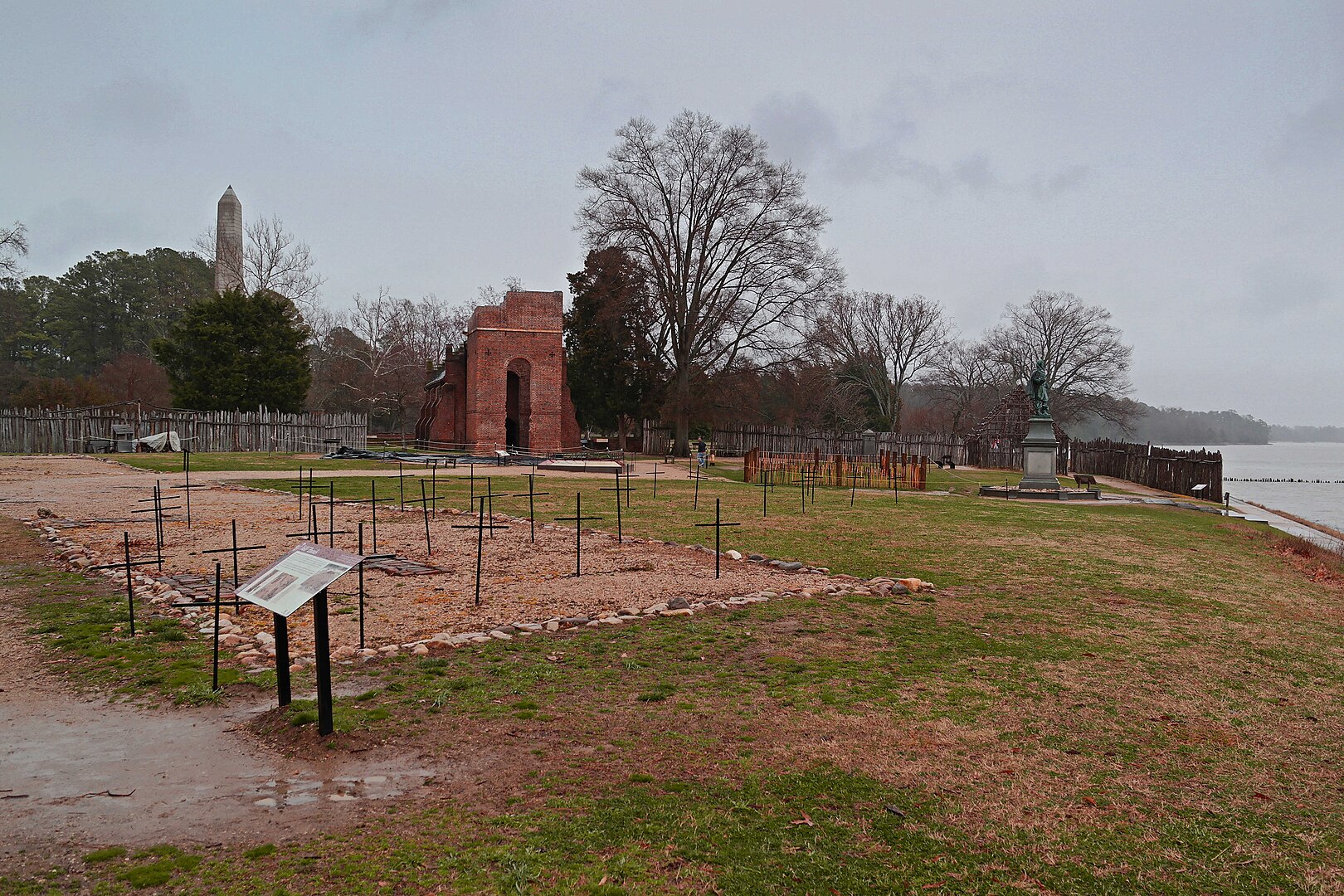
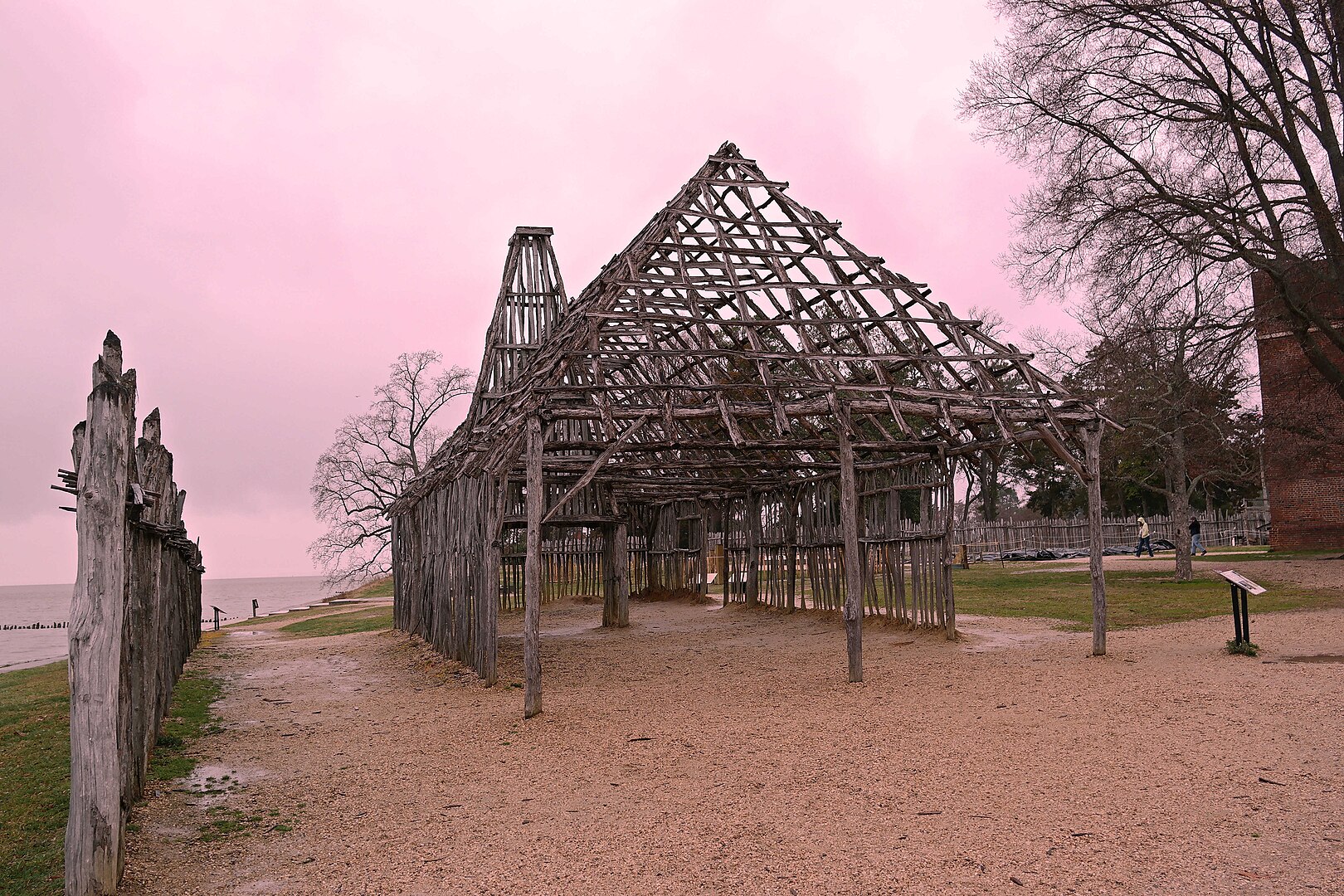
Religion was at the heart of daily life in Jamestown, and the colony's church served as both a place of worship and an important meeting space for its leaders. Archaeologists uncovered the remains of the 1608 church in 2010, revealing one of the settlement's most significant discoveries and offering new insight into the spiritual and political life of the early colony.
 Smash the Iron Cage, CC BY-SA 4.0, Wikimedia Commons
How The Climate Affected The Settlement
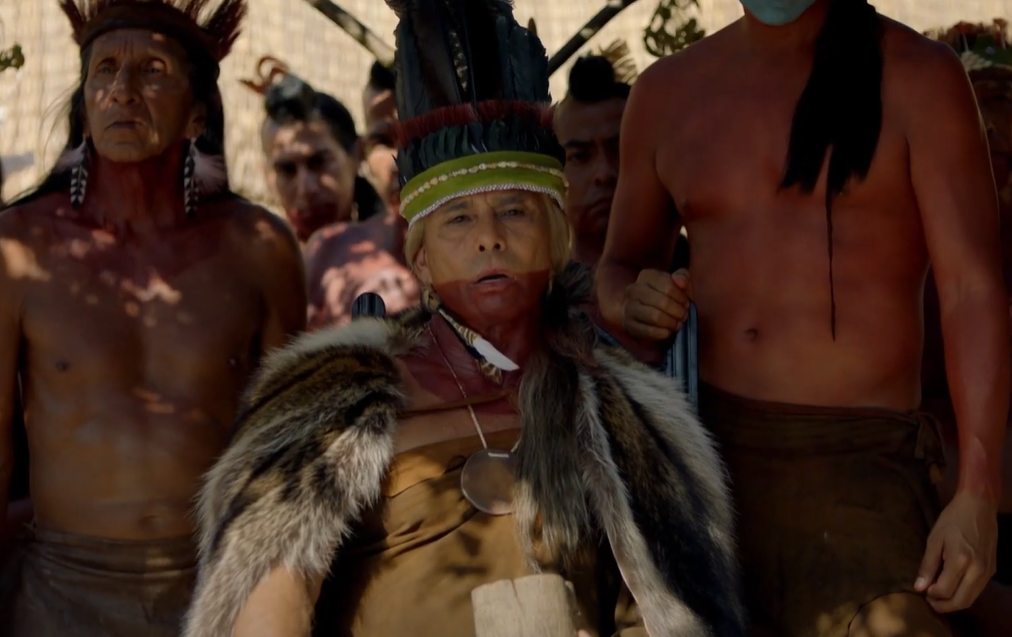
Jamestown was founded during a period of severe drought, which limited food and water supplies. This extreme weather contributed to starvation and conflict with Indigenous tribes.
 Carnival Films, Jamestown (2017–2019)
The Role Of John Rolfe In The Colony’s Success
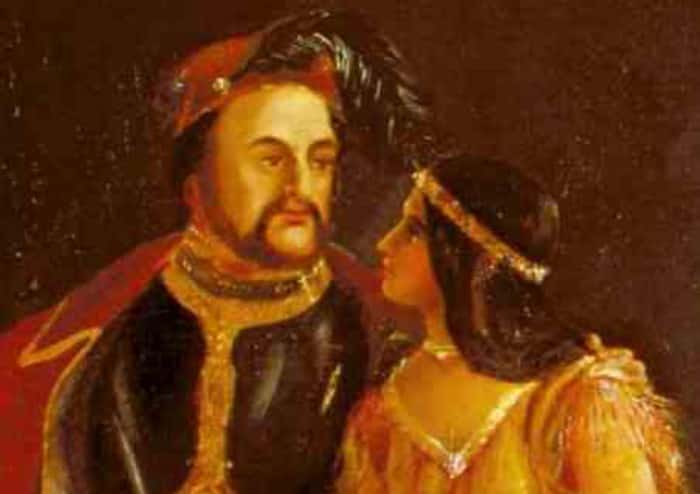
John Rolfe introduced a profitable strain of tobacco to the colony, ensuring its economic survival. His marriage to Pocahontas also helped ease tensions between settlers and Indigenous tribes.
 J. W. Glass, Wikimedia Commons
The Discovery Of Glassmaking At Jamestown
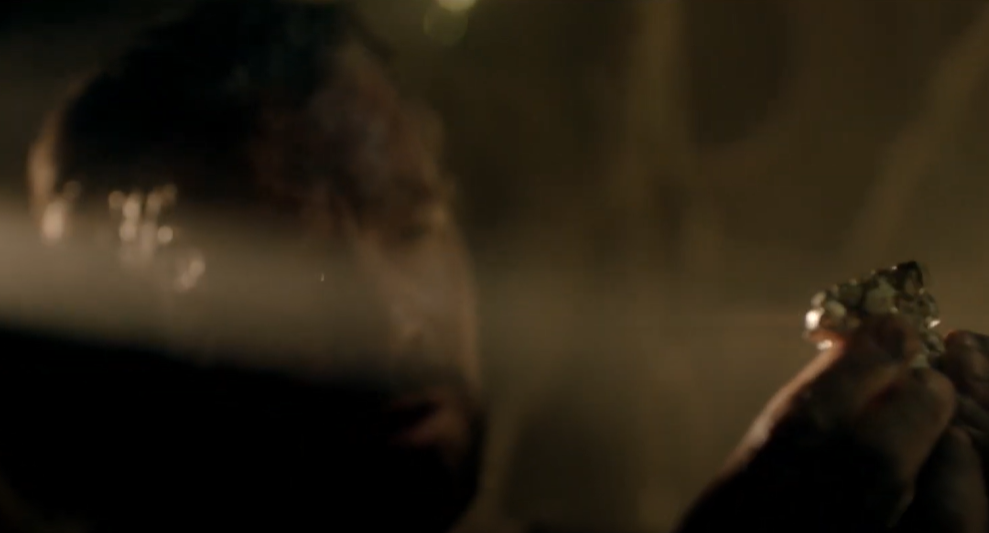
Glass beads and fragments found at the site suggest that Jamestown settlers experimented with glassmaking as early as 1608. This short-lived industry was one of the first manufacturing efforts in English America, aimed at producing trade goods for Indigenous peoples.
 Carnival Films, Jamestown (2017–2019)
The First Legislative Assembly In Jamestown
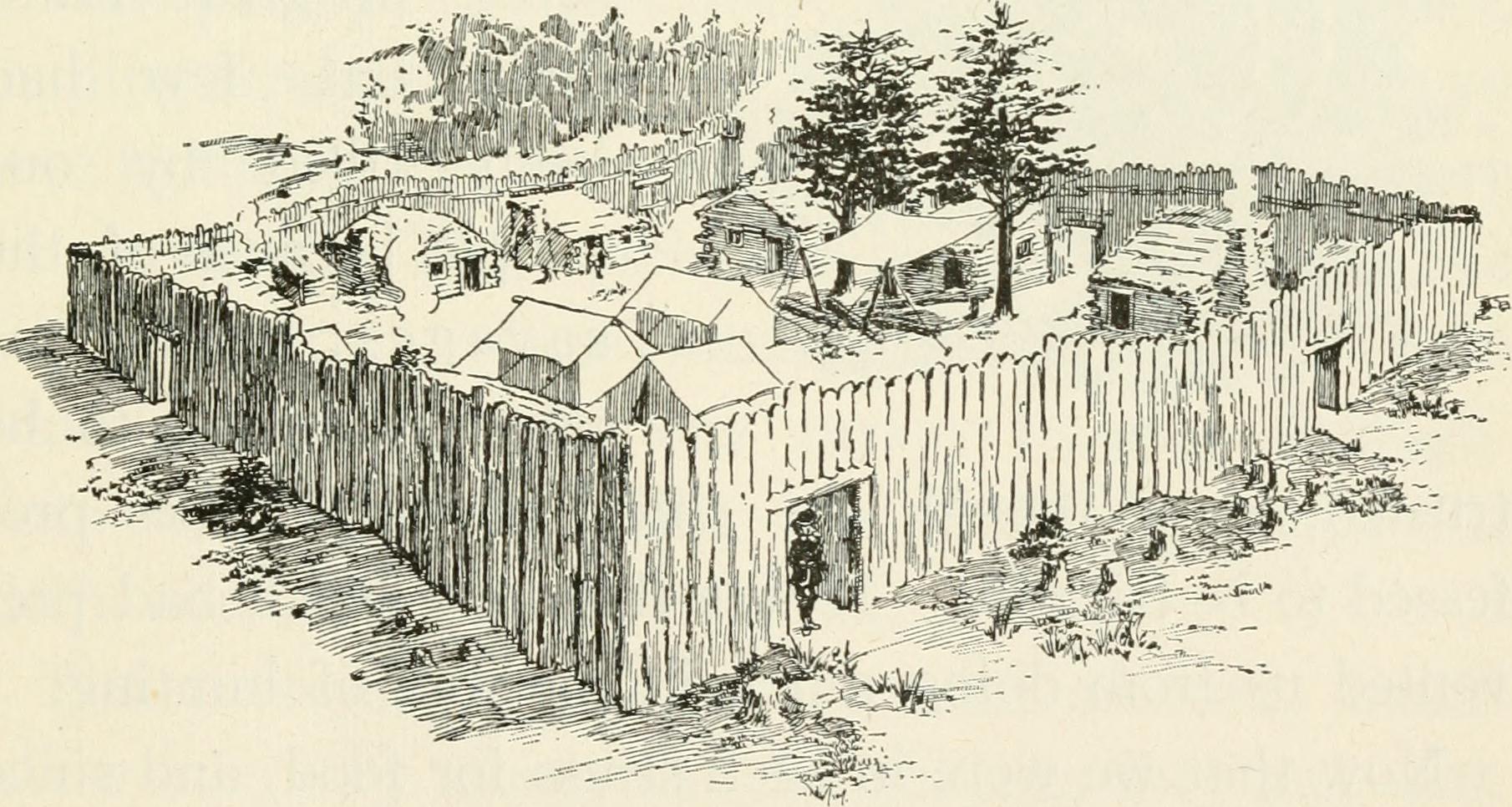
In 1619, Jamestown held the first meeting of the Virginia General Assembly, establishing the first representative government in North America. The legislative body set a precedent for self-governance, influencing the democratic systems that would later shape the United States.
 Internet Archive Book Images, Wikimedia Commons
The Impact Of Disease On The Settlement
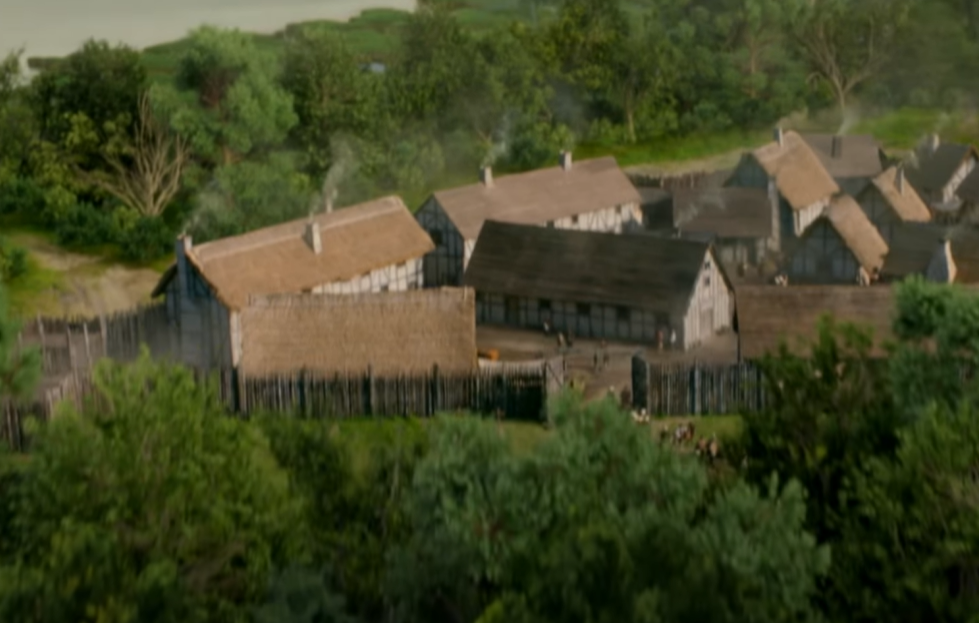
Malaria, dysentery, and typhoid fever ravaged Jamestown’s population, with outbreaks killing many settlers. Reliance on brackish river water and inadequate waste disposal created ideal conditions for disease to spread rapidly.
 Carnival Films, Jamestown (2017–2019)
The Role Of Apprentices In Early Jamestown
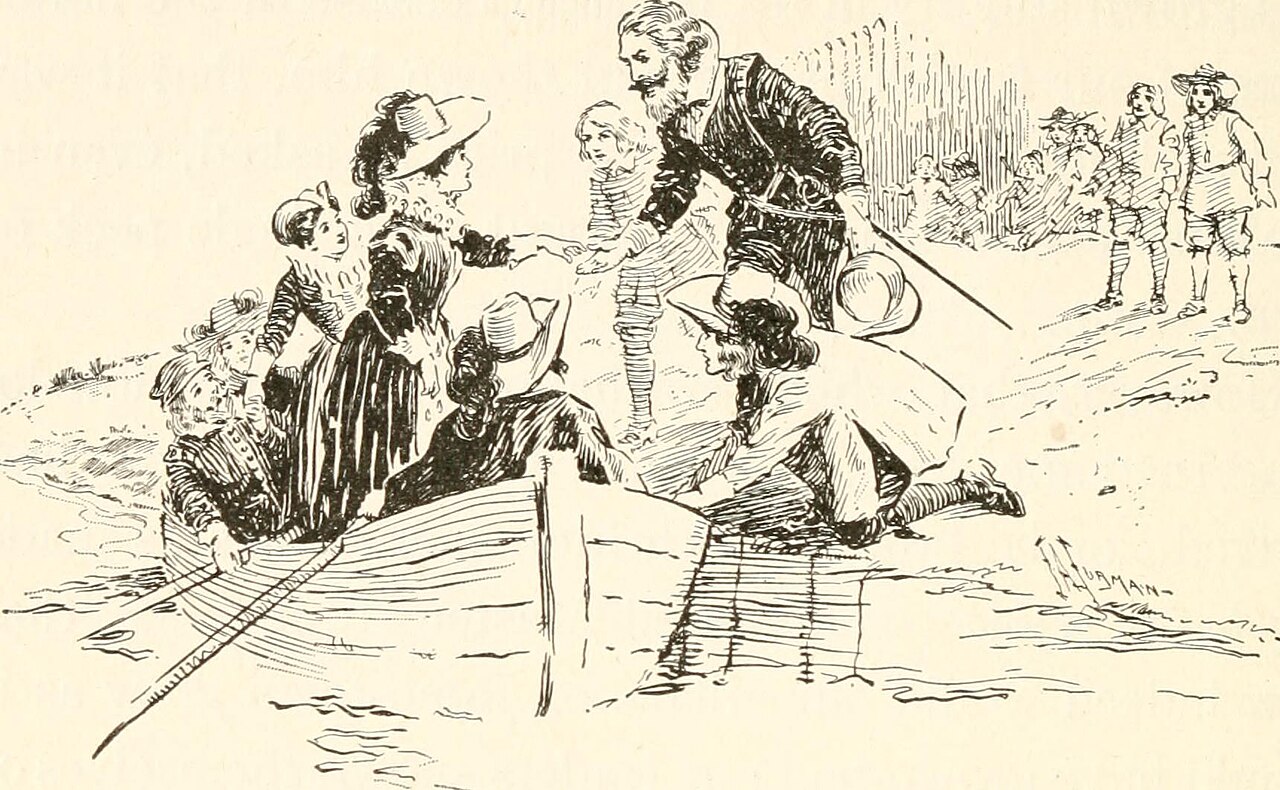
Young settlers frequently apprenticed under skilled craftsmen in carpentry, blacksmithing, and tailoring, mastering essential trades for survival. Their labor contributed to constructing homes, forging tools, and producing garments that sustained Jamestown’s growing economy.
 Internet Archive Book Images, Wikimedia Commons
The Influence Of The Spanish On Jamestown
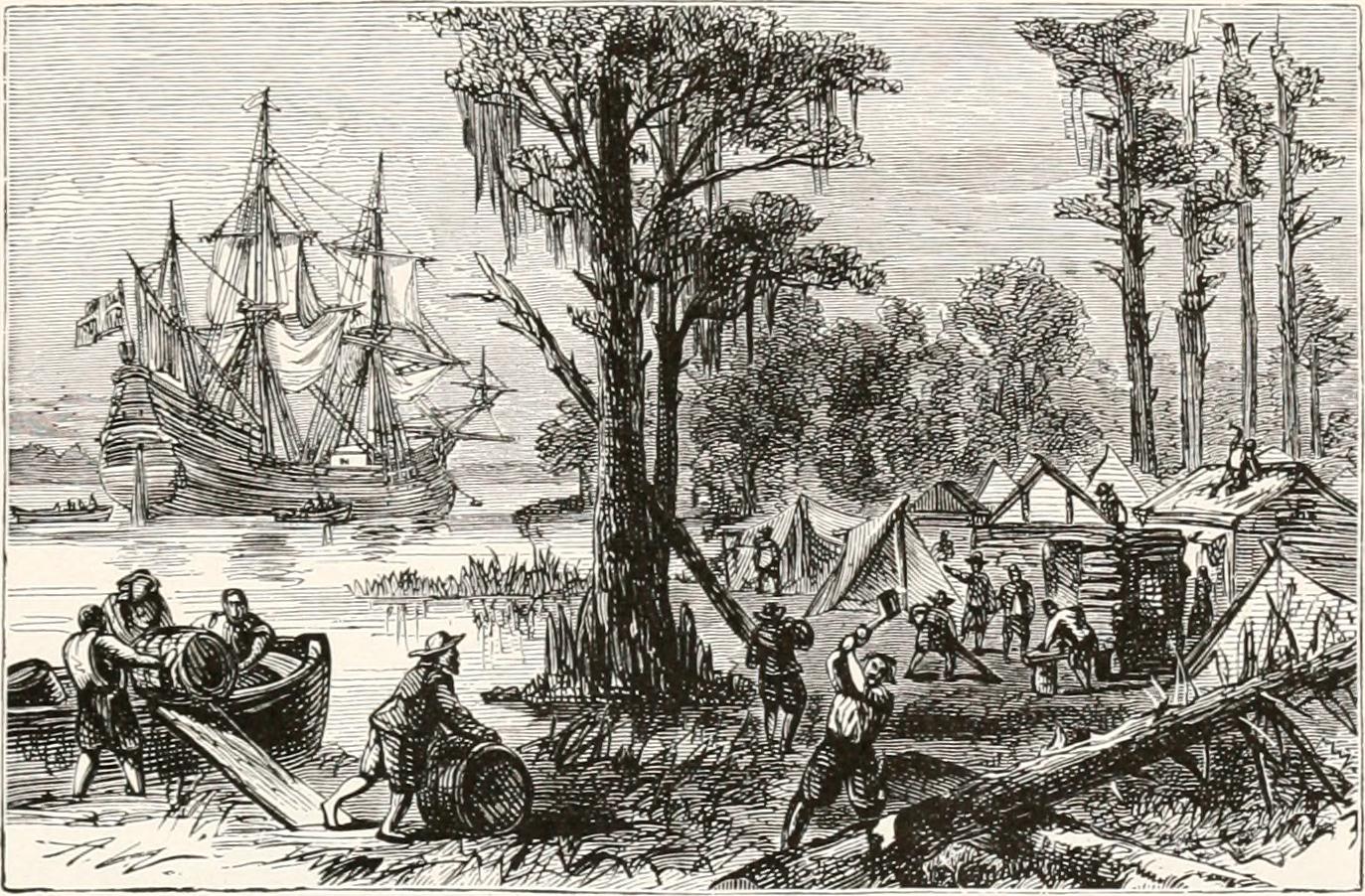
Spanish spies monitored Jamestown’s development, fearing English expansion in the New World. Documents reveal that Spain considered attacking the settlement to eliminate the English presence.
 Internet Archive Book Images, Wikimedia Commons
The First Shipyard In The Colony
Jamestown’s settlers quickly realized that survival depended on staying connected to the surrounding waterways. They built small vessels such as pinnaces for fishing, trade, transportation, and coastal defense. Archaeologists later uncovered shipbuilding tools, wooden planks, and iron fastenings, providing clear evidence of the colony’s surprisingly active maritime industry.
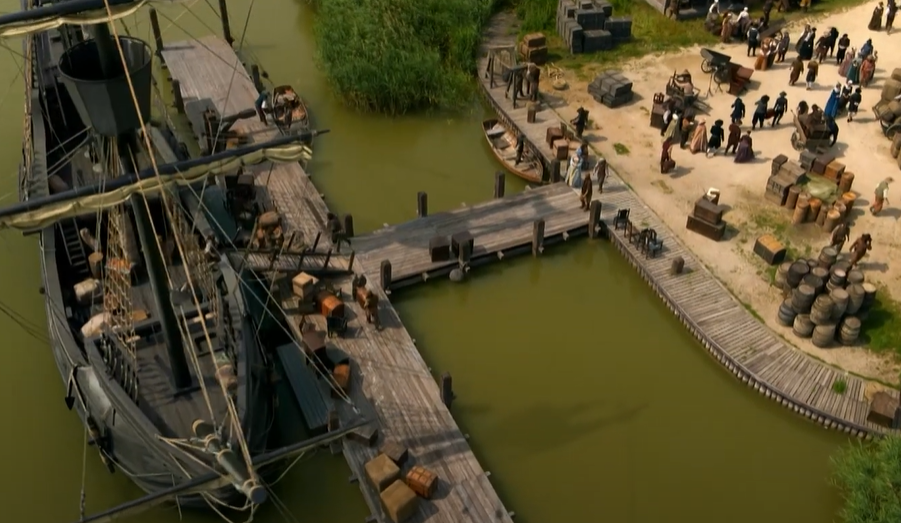 Carnival Films, Jamestown (2017–2019)
Archaeological Advances In Rediscovering Jamestown
Cutting-edge technology, including ground-penetrating radar, has identified remnants of buildings and fortifications hidden beneath Jamestown’s soil. This technology helped confirm the location of James Fort, which had long been thought lost to erosion.
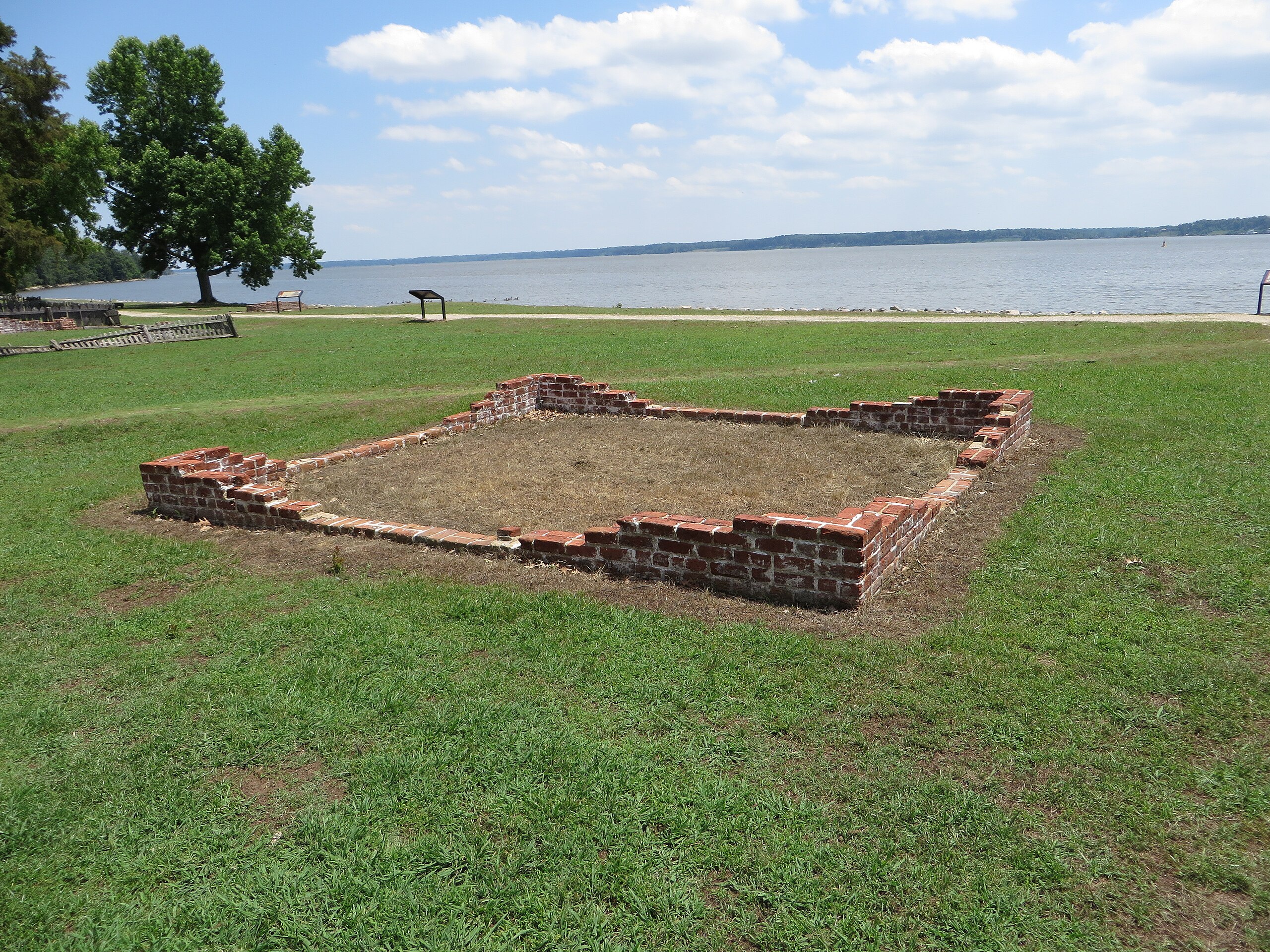 Ken Lund , CC BY-SA 2.0, Wikimedia Commons
How Modern Science Helps Identify Remains
DNA analysis and isotope testing have provided new insights into the origins of Jamestown’s settlers. Analysis methods helped identify the remains of high-status individuals buried in the chancel of the 1608 church.
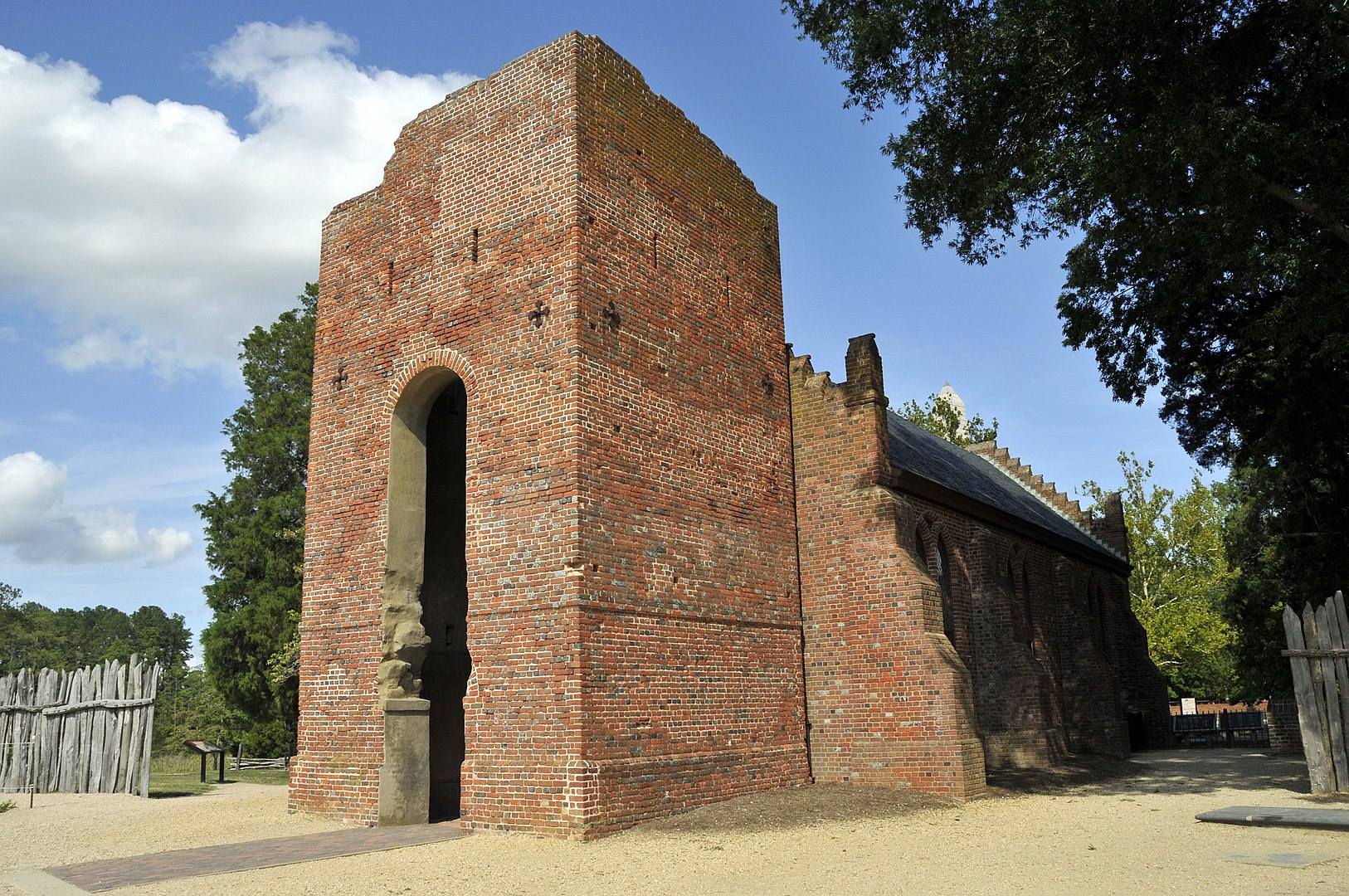 Tony Fischer, CC BY 2.0, Wikimedia Commons
The Role Of Animals In The Colony’s Survival
Livestock such as pigs, cattle, and chickens were introduced to Jamestown to provide food. Evidence of animal bones and butchering techniques reveal how settlers relied on domesticated animals.
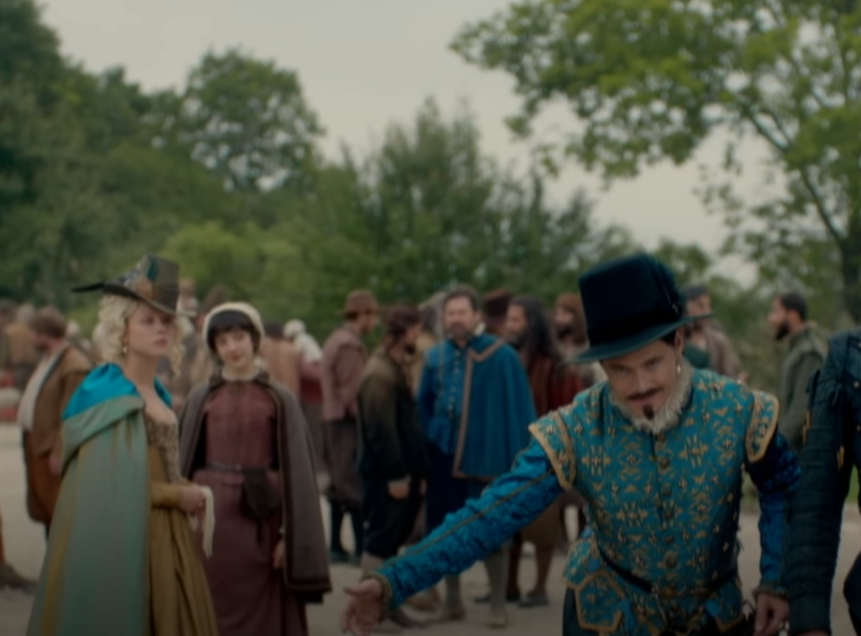 Carnival Films, Jamestown (2017–2019)
The Role Of Women In Early Jamestown
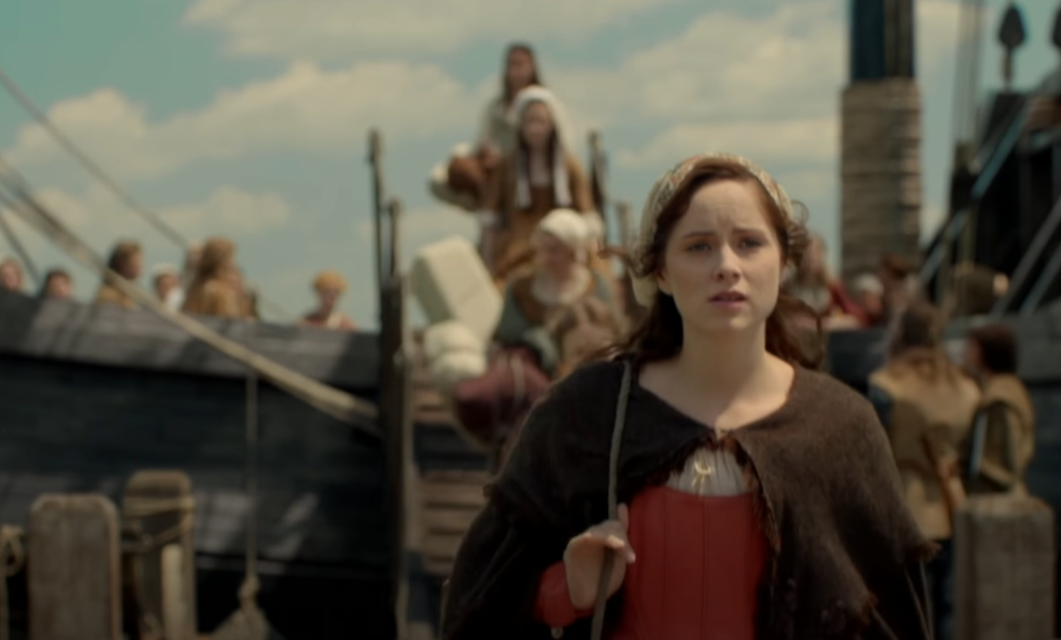
Women played an essential role in stabilizing the colony by taking on vital domestic and economic responsibilities. The arrival of the "Tobacco Brides" in 1620 helped establish permanent households and encouraged population growth in Jamestown.
 Carnival Films, Jamestown (2017–2019)
Conflicts Between Settlers And Indigenous Peoples
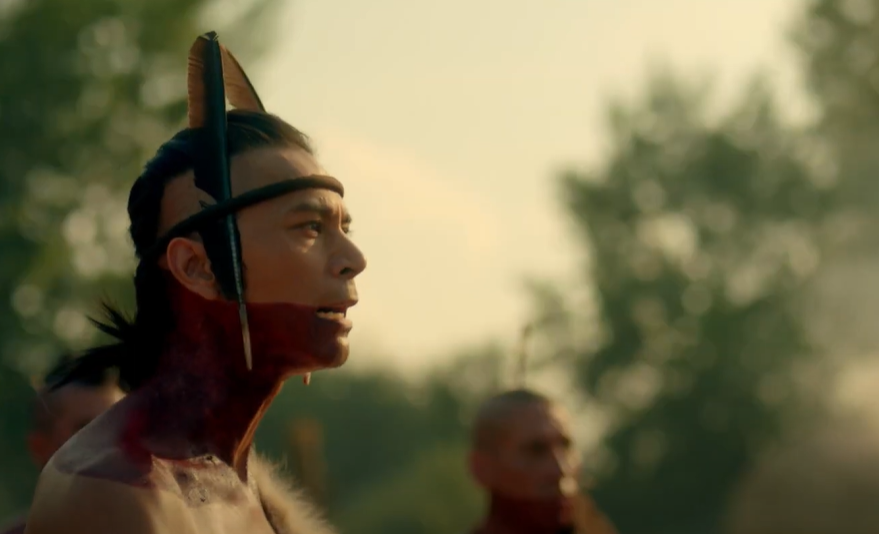
Tensions between settlers and the Powhatan Confederacy led to violent clashes, including the Anglo-Powhatan Wars. The 1622 Powhatan uprising resulted in the deaths of nearly a quarter of Jamestown’s population, drastically altering the colony’s future relations with Indigenous tribes.
 Carnival Films, Jamestown (2017–2019)
The Role Of Religion In Jamestown
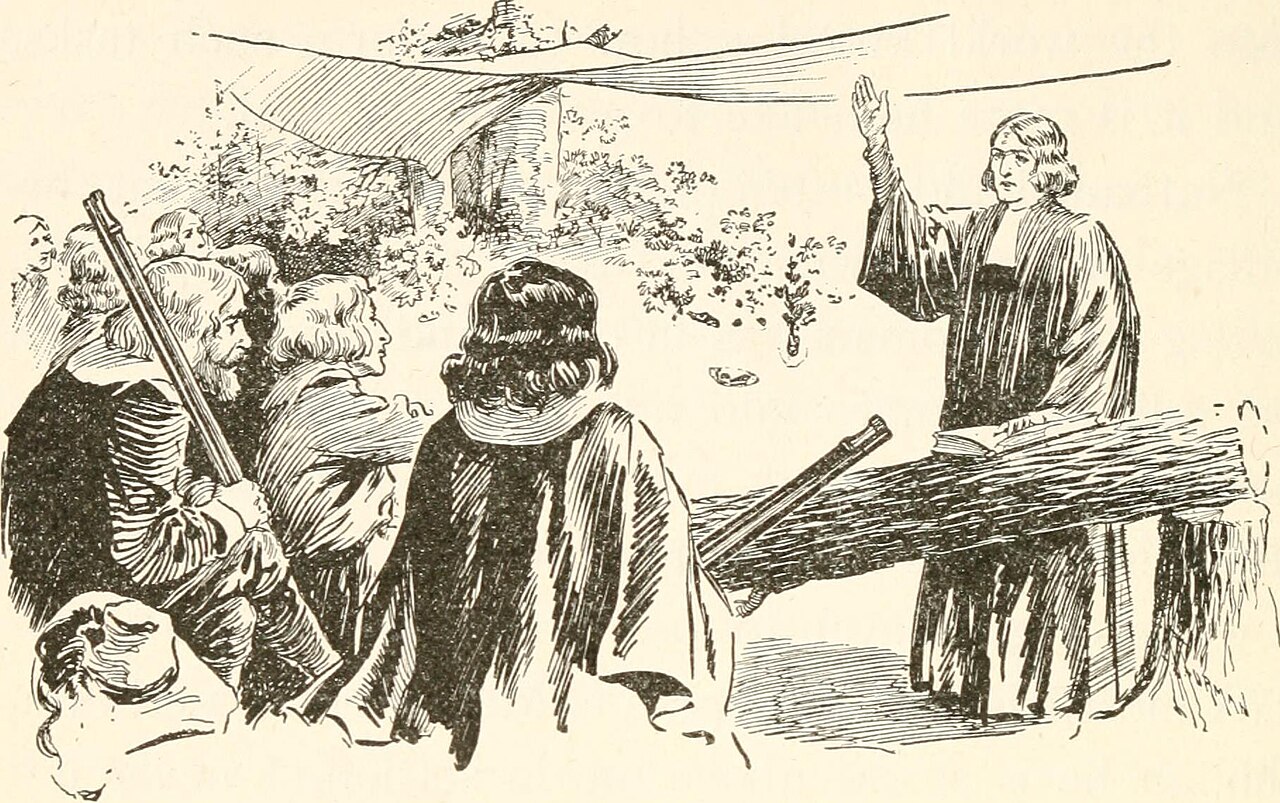
Christianity was central to Jamestown’s settlers, influencing laws and daily life. In 1608, the colony built its first church inside James Fort, where Reverend Robert Hunt led services and encouraged unity among the struggling colonists.
 Internet Archive Book Images, Wikimedia Commons
The Role Of Tobacco In The Economy
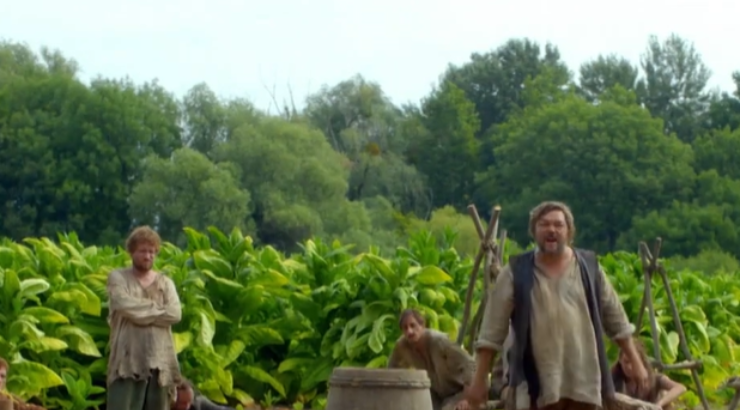
Tobacco transformed Jamestown into a profitable colony, attracting investors and settlers eager to capitalize on the crop. As plantations spread, the need for labor grew, accelerating the use of both indentured servants and enslaved workers.
 Carnival Films, Jamestown (2017–2019)
The Introduction Of Forced Labor In Jamestown
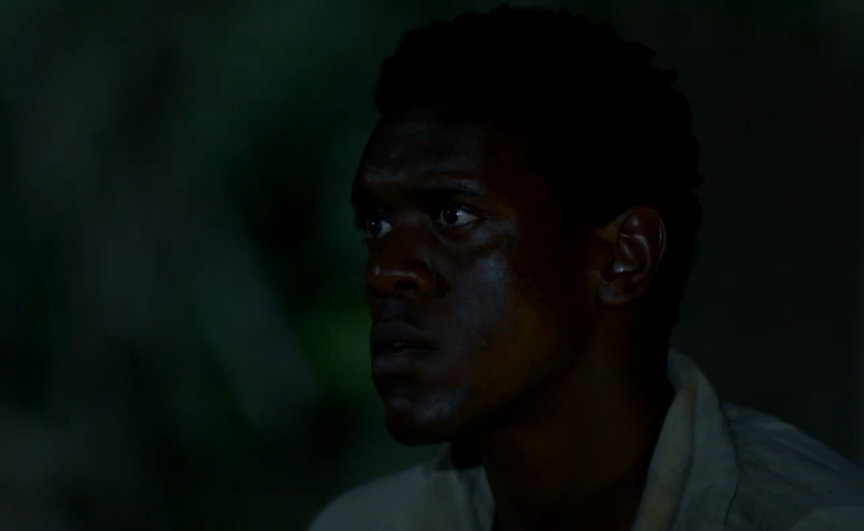
In 1619, the first recorded Africans arrived at Jamestown aboard an English privateer sailing under Dutch letters of marque, marking a pivotal moment in the colony's history. Although some were initially treated in ways similar to indentured servants, colonial laws gradually evolved to impose lifelong hereditary slavery, laying the foundation for the forced labor system that spread throughout English America.
 Carnival Films, Jamestown (2017–2019)
The Arrival Of New Colonists
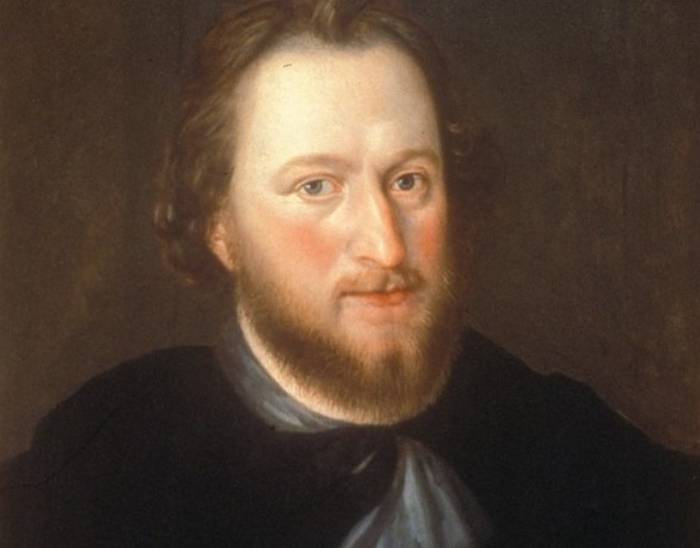
Jamestown experienced multiple waves of new settlers, including artisans, farmers, and laborers, who were essential to its survival. In 1610, the arrival of Lord De La Warr and additional colonists helped rebuild the struggling settlement after the Starving Time.
 Unidentified painter, Wikimedia Commons
The Role Of Governance In The Colony
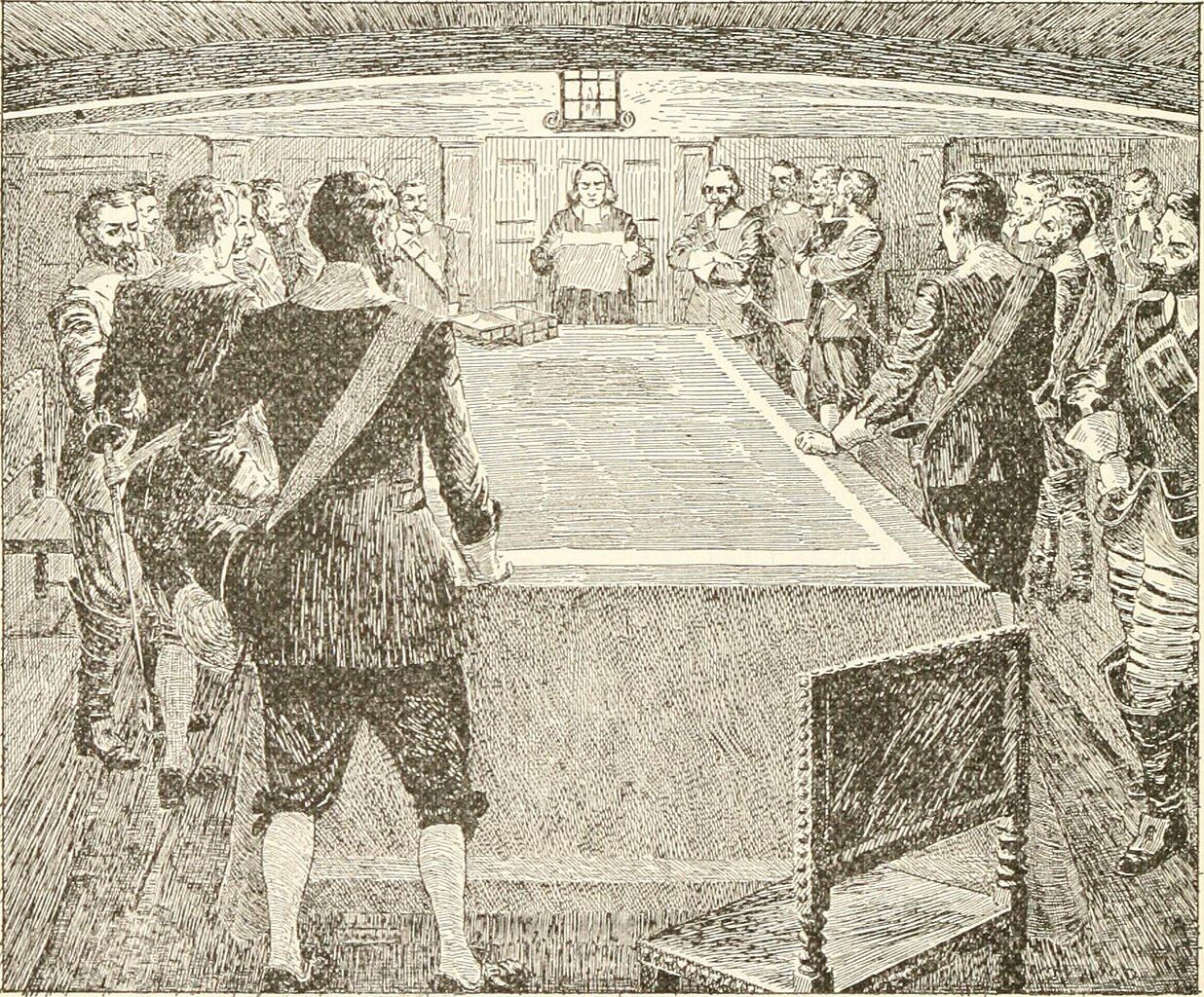
The colony's leaders implemented strict laws, known as the "Laws Divine, Moral, and Martial," to enforce discipline and order. These regulations, introduced in 1610, mandated harsh punishments for disobedience and were crucial in stabilizing the struggling settlement.
 Internet Archive Book Images, Wikimedia Commons
The Evolution Of Housing In Jamestown
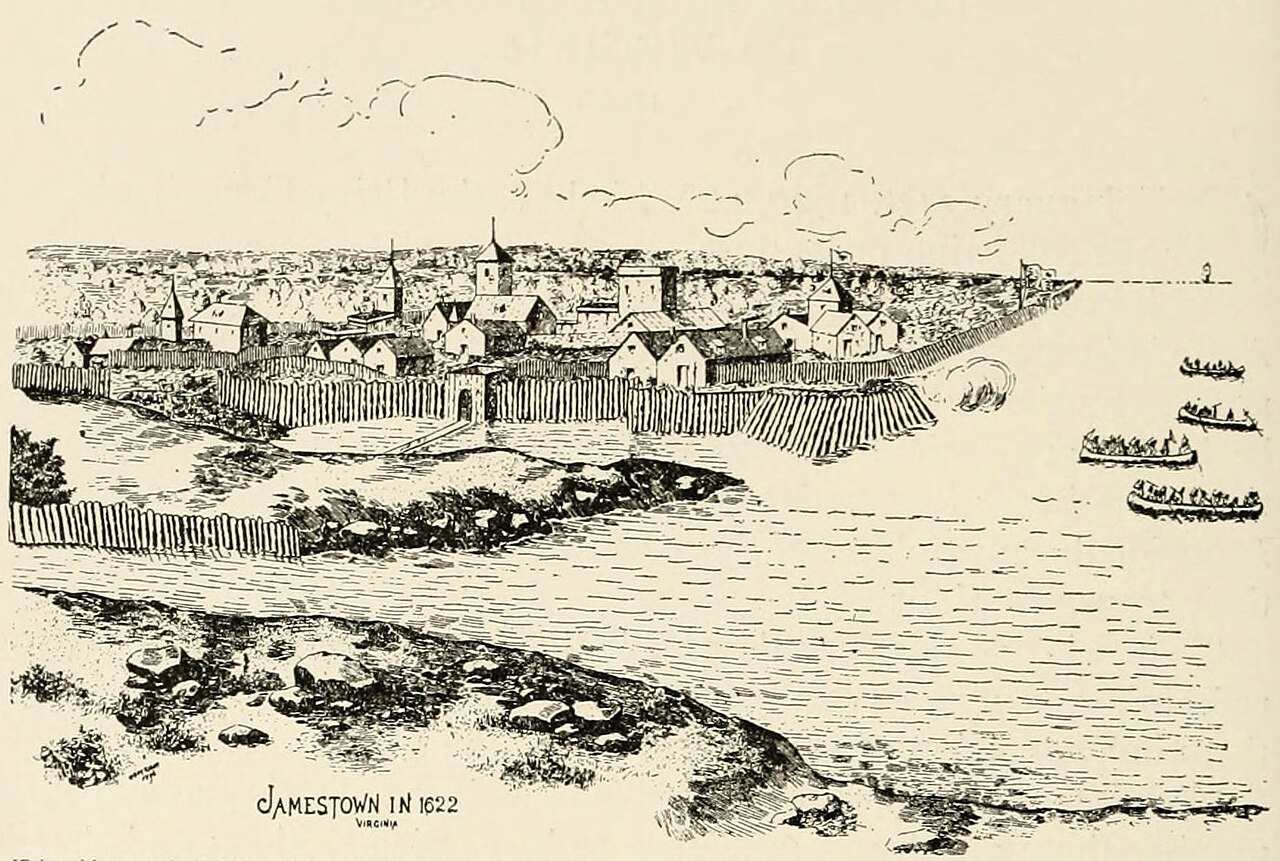
Early homes were simple wooden structures, but over time, settlers built sturdier brick houses. Archaeological evidence shows the transition from makeshift shelters to permanent residences.
 Peter Vander (via Conway Whittle Sams), Wikimedia Commons
The Impact Of Fishing On The Colony
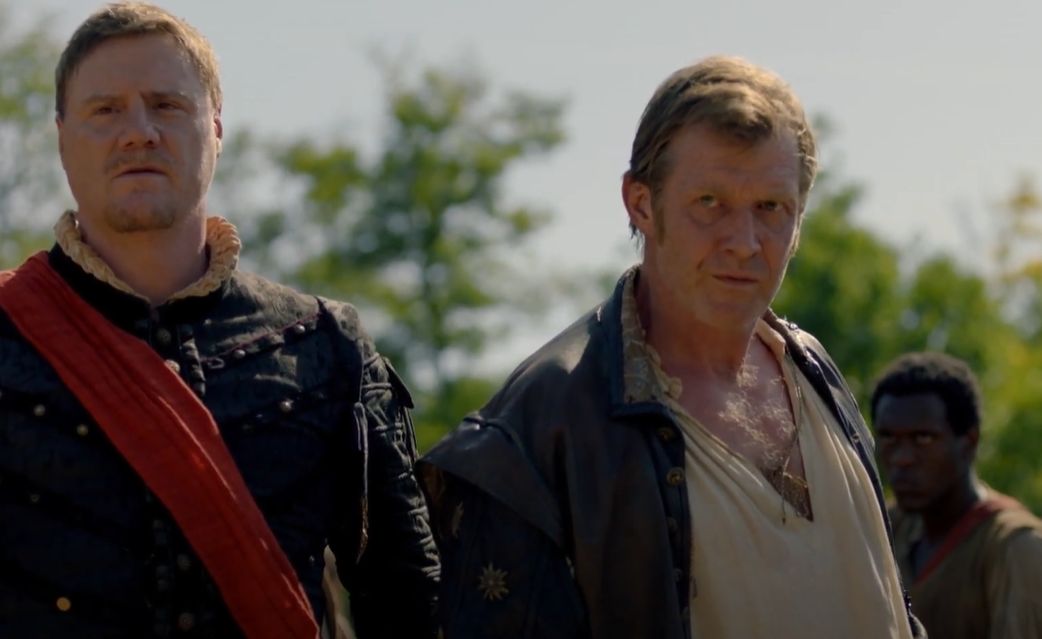
With the James River nearby, fishing became a major source of food for settlers. They caught sturgeon, bass, and other fish to sustain themselves through harsh winters.
 Carnival Films, Jamestown (2017–2019)
The Expansion Of The Colony Beyond The Fort
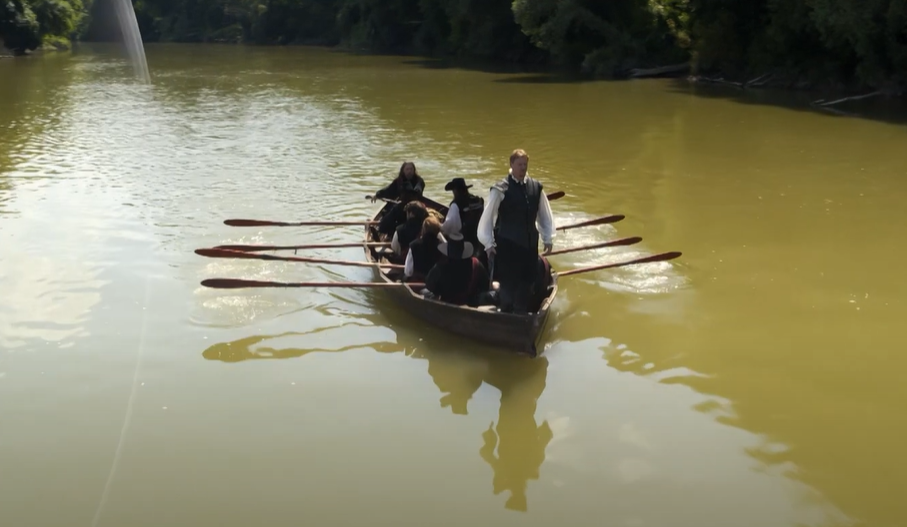
As Jamestown grew, settlers moved beyond the initial fortifications. Excavations have revealed evidence of farms, roads, and additional homes built outside the original fort.
 Carnival Films, Jamestown (2017–2019)
The Development Of Pottery In Jamestown
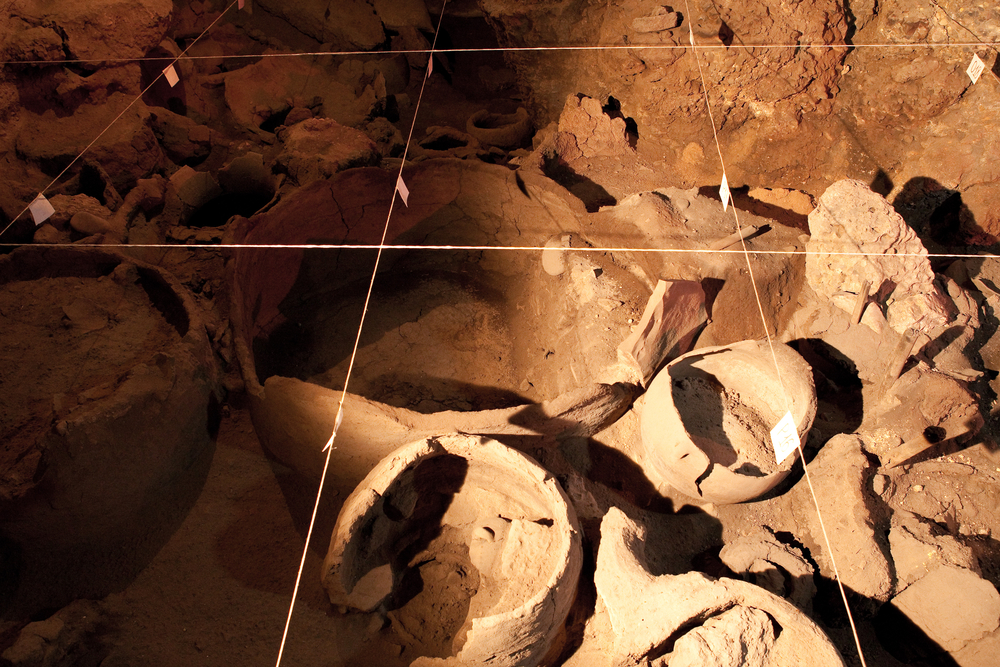
Pottery played an essential role in food storage and preparation. Archaeologists have uncovered locally-made clay pots, revealing details about daily life.
The Influence Of The English Crown On Jamestown
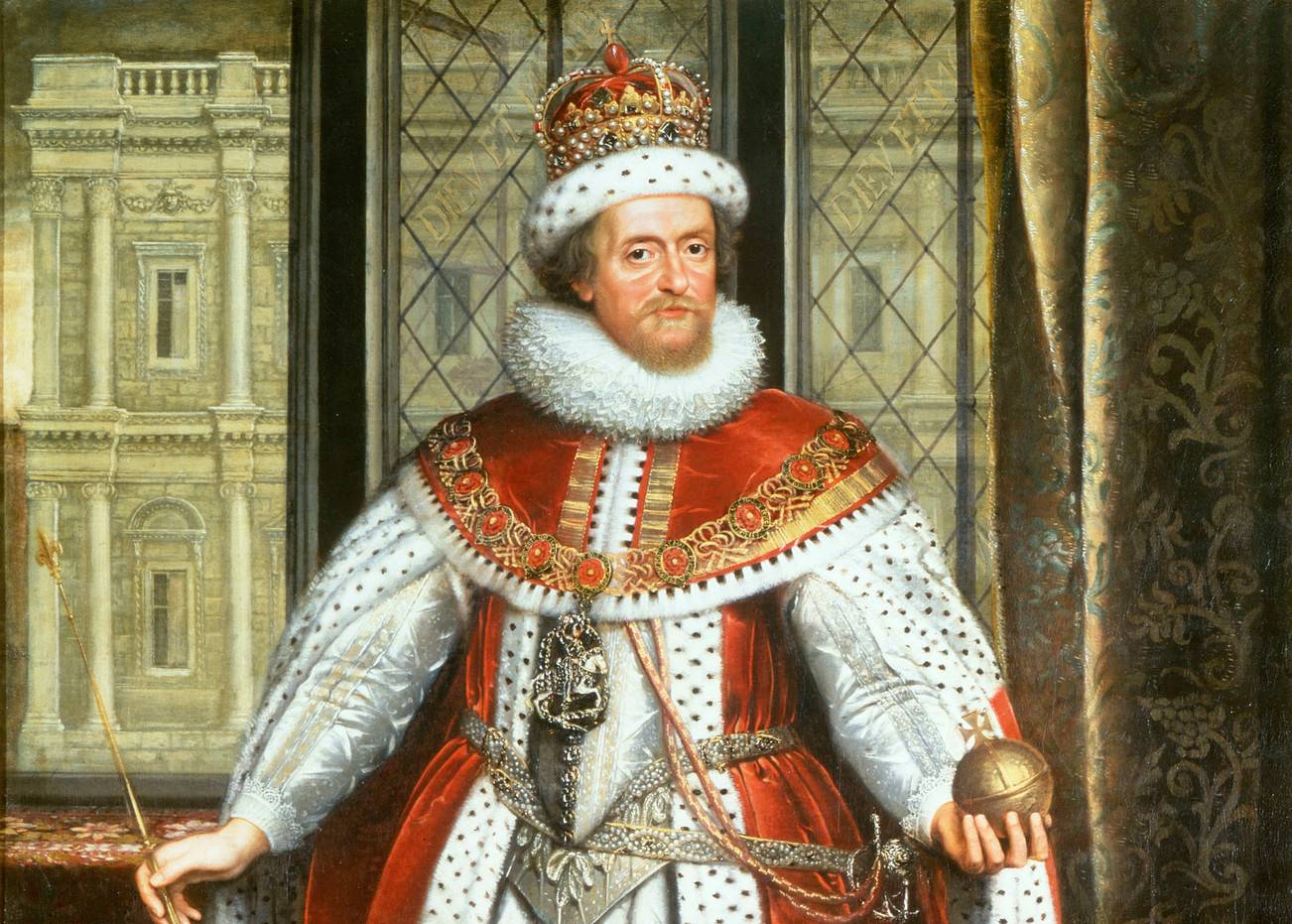
Jamestown remained under the rule of the English monarchy. King James I and later monarchs influenced policies and trade regulations in the settlement.
 Paul van Somer I, Wikimedia Commons
The Economic Struggles Of Early Jamestown
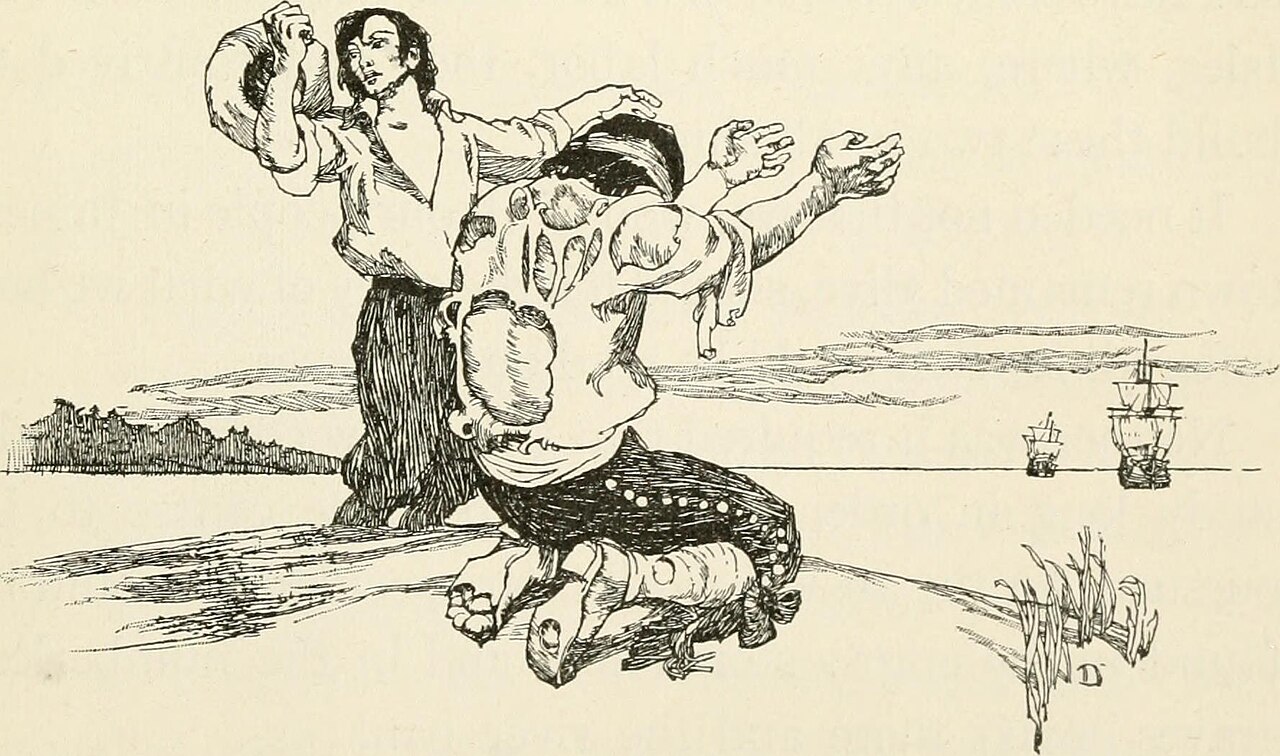
Jamestown settlers faced immense financial difficulties due to food shortages and supply delays. Many relied on trade with Indigenous groups and shipments from England to survive.
 Internet Archive Book Images, Wikimedia Commons
The Role Of Trade Networks In Jamestown
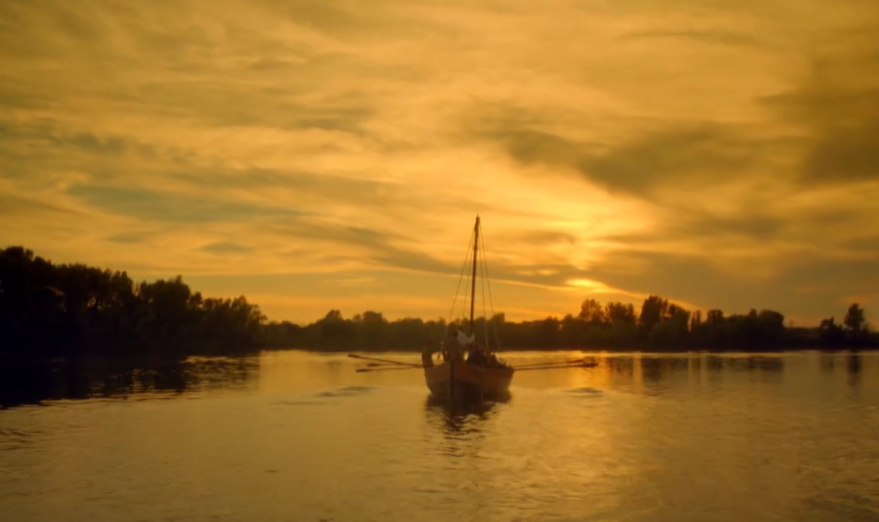
Trade routes connected Jamestown with England and other colonies, facilitating the exchange of essential goods like tools, textiles, and firearms. The James River provided a key transportation route for settlers, allowing for trade and travel. Canoes, small boats, and larger ships helped connect Jamestown to the wider Atlantic world.
 Carnival Films, Jamestown (2017–2019)
The Use Of Fortifications For Defense
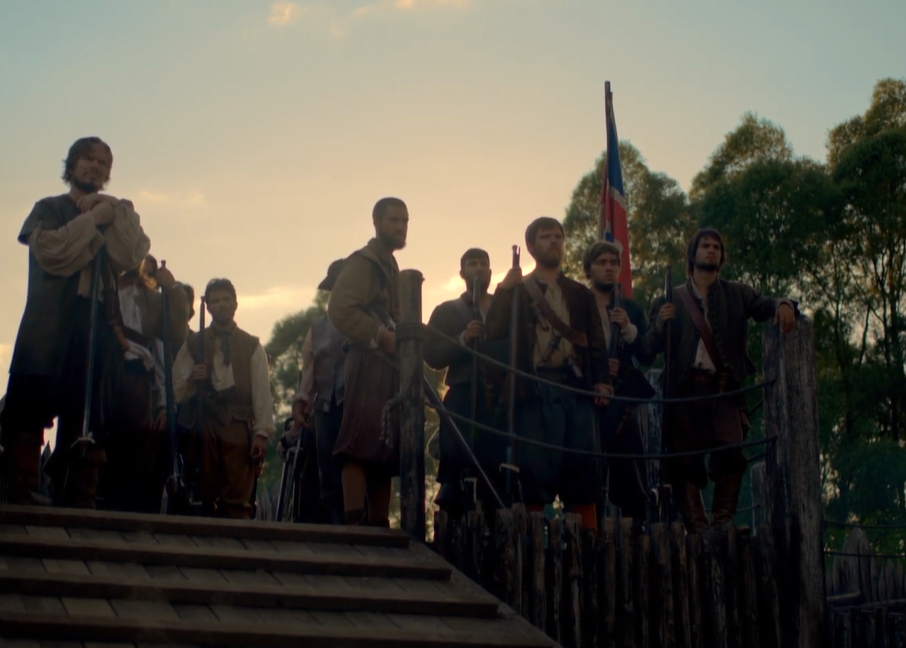
Jamestown settlers built wooden palisades and watchtowers to protect against attacks. Archaeologists have uncovered evidence of these defensive structures, highlighting the importance of security in the colony.
 Carnival Films, Jamestown (2017–2019)
The Role Of Personal Items In Understanding Settlers’ Lives
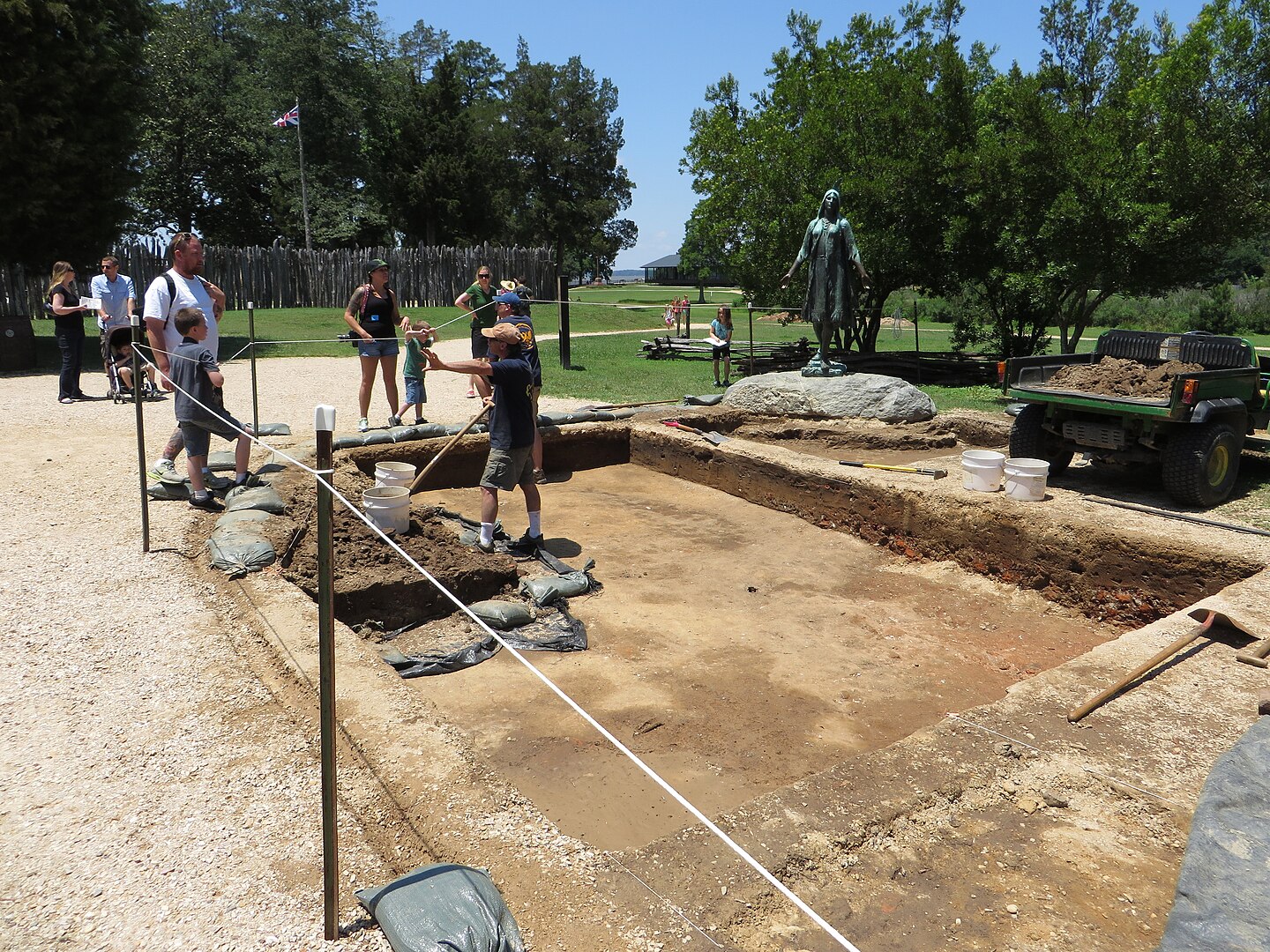
Archaeologists have uncovered items such as combs, jewelry, and religious objects, shedding light on daily life in Jamestown. These artifacts provide insight into the personal habits, beliefs, and identities of the colonists. The discovery of a signet ring and a silver reliquary helped identify high-status individuals buried at the site.
 Ken Lund, CC BY-SA 2.0, Wikimedia Commons
The Future Of The Jamestown Rediscovery Project
Today, excavations continue to uncover new details about the settlement. Researchers hope to preserve and display their findings to educate future generations about America’s early history.
You May Also Like:
What Happened To The Roanoke Colony?
Why Vikings Never Colonized North America
 Smash the Iron Cage, CC BY-SA 4.0, Wikimedia Commons
Sources: 1



.jpg)


.jpg)


.jpg)
.jpg)
.jpg)
.jpg)
.jpg)
.jpg)
.jpg)


.jpg)
.jpg)
