A Groundbreaking Discovery
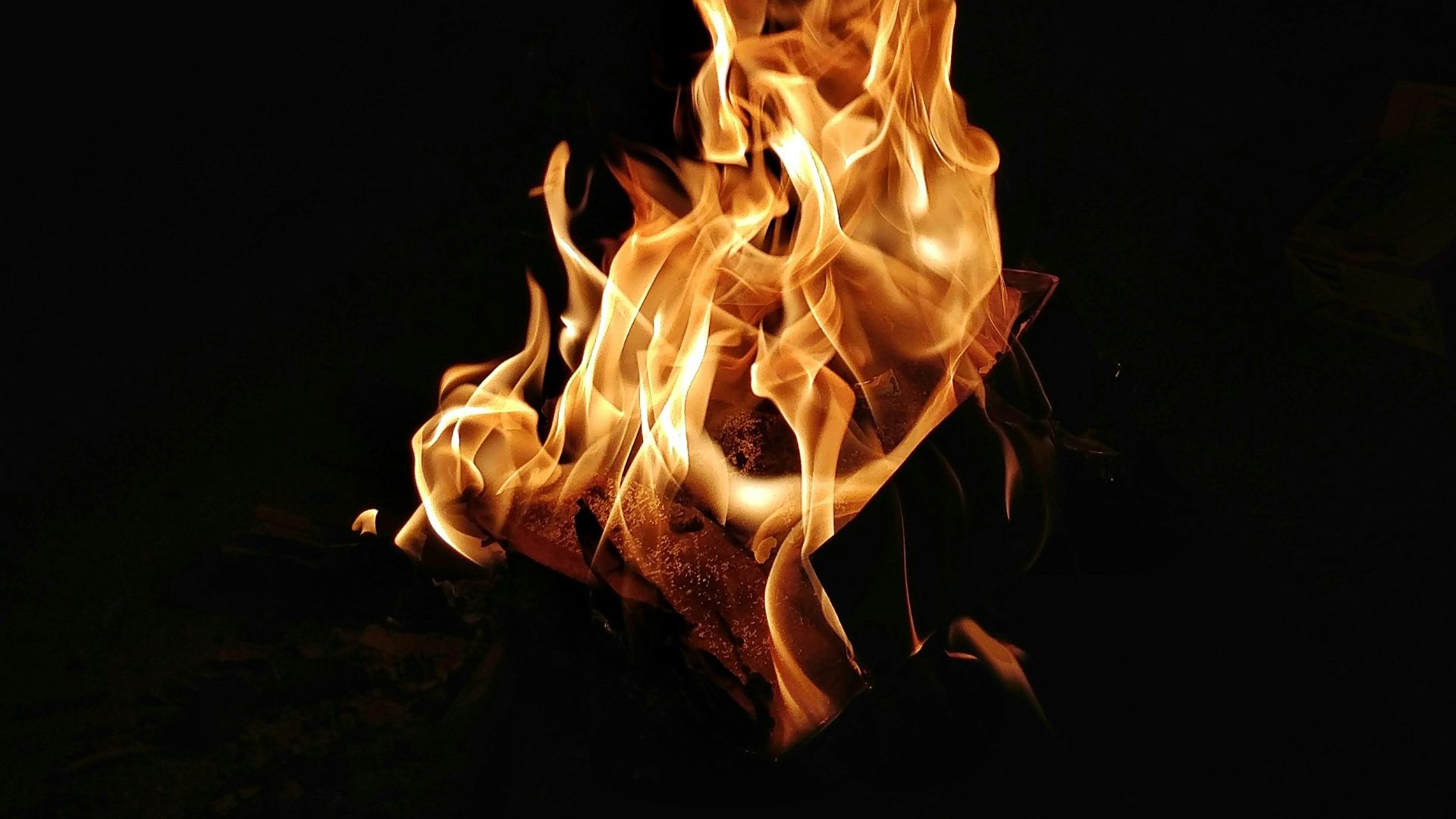
In early 2026, archaeologists announced a discovery that is rewriting our understanding of ancient human death rituals. At the base of Mount Hora in northern Malawi, researchers uncovered what may be the world’s oldest intentional cremation pyre. Buried for about 9,500 years, it contains the burned remains of an adult and hints at deep social meaning and ritual complexity among early foragers—including deliberate defleshing
The Land Around Mount Hora
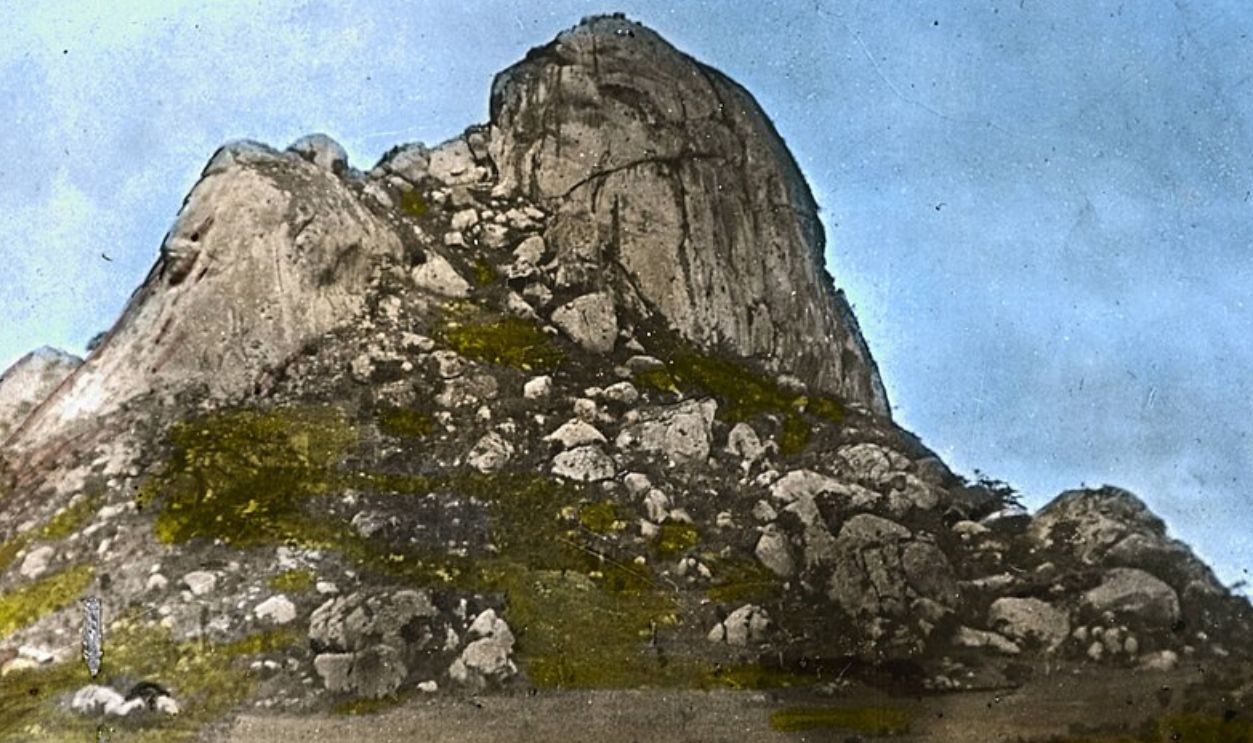
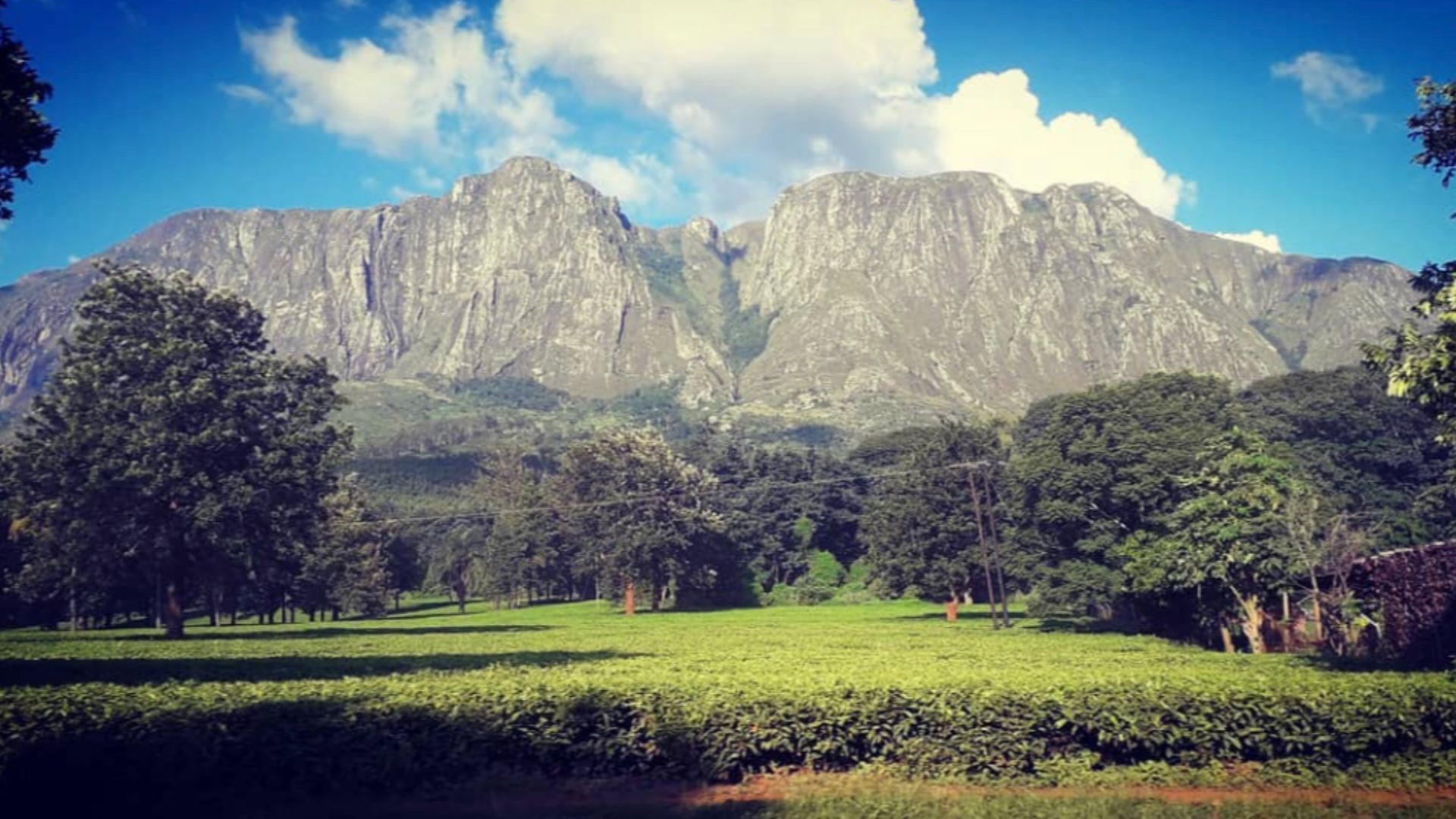
Mount Hora is a tall granite hill that rises sharply from the surrounding plains of northern Malawi. Its slopes dominate the landscape and would have been visible from far away to ancient people. At its base sits a rock shelter known as Hora 1, a place that humans returned to again and again for thousands of years.
 Unknown author, Wikimedia Commons
A Site Known for Burials
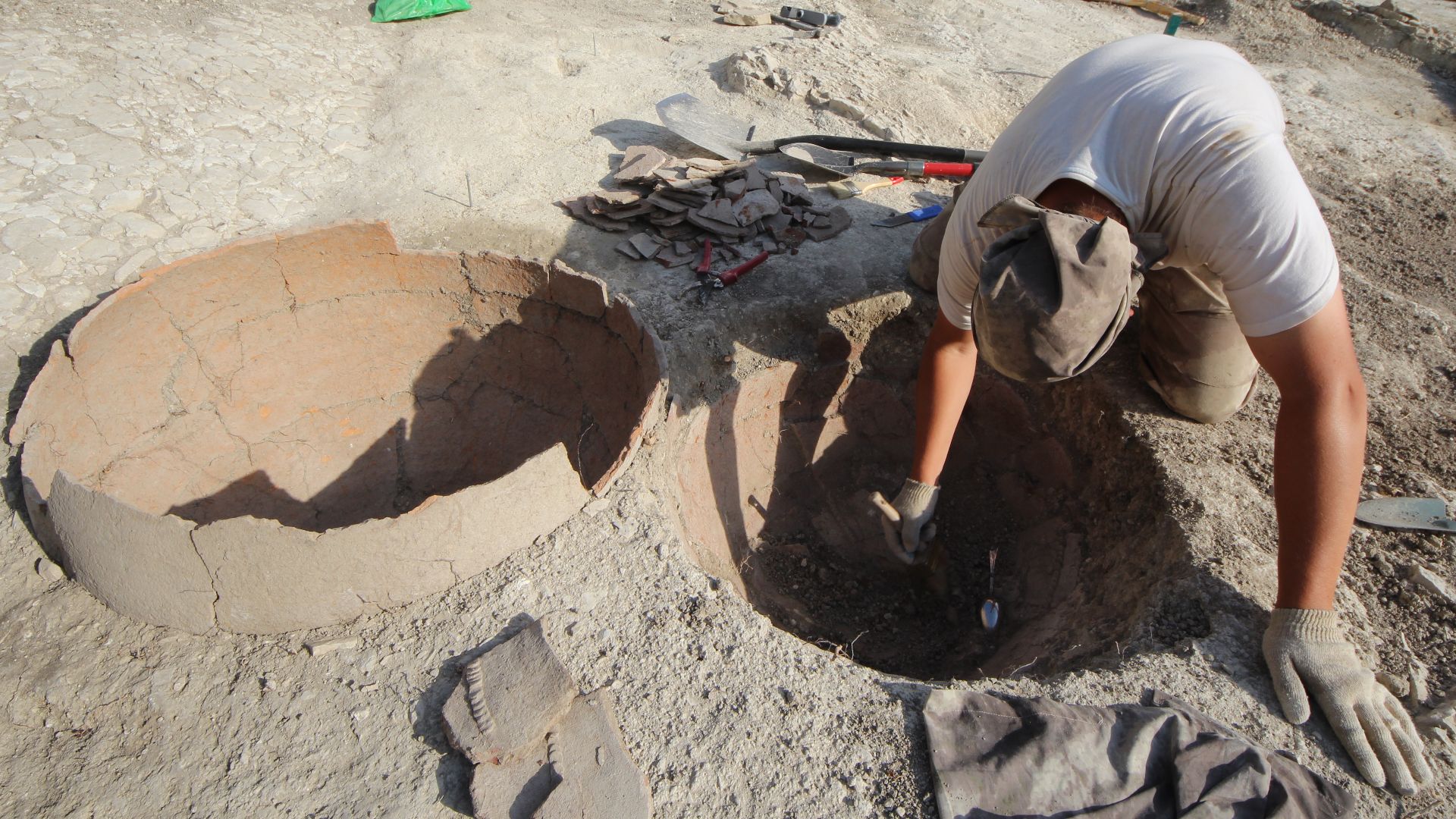
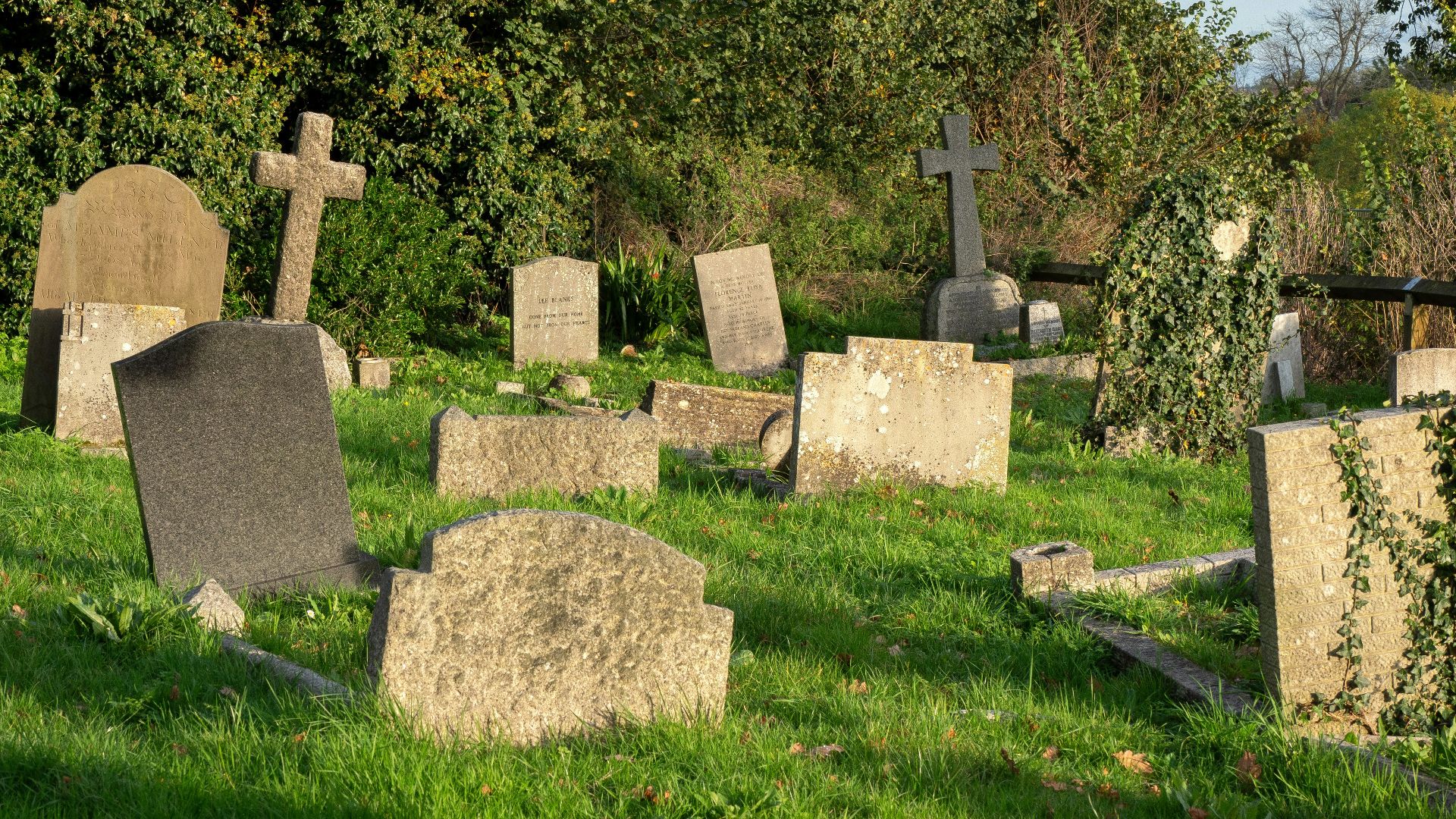
Archaeologists have worked at Hora 1 since the 1950s. Early excavations revealed human burials dating back as far as 16,000 years. These were traditional burials where bodies were placed intact into the ground. For decades, nothing at the site hinted that cremation was ever practiced there.
 MariyaShubina, Wikimedia Commons
The Discovery Beneath the Soil
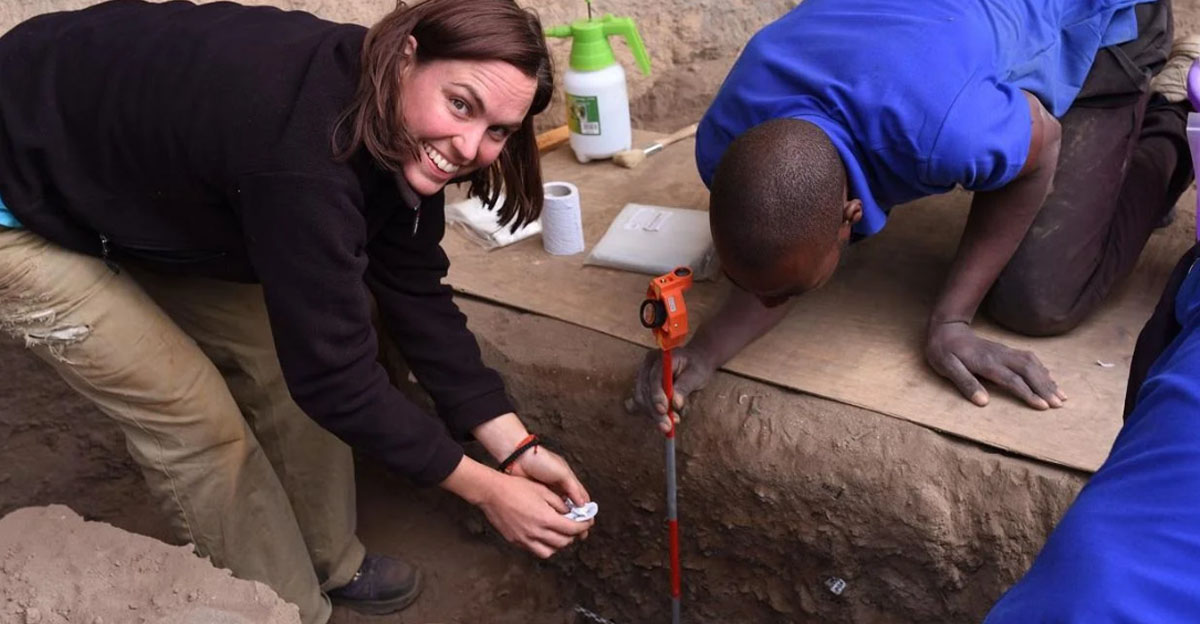
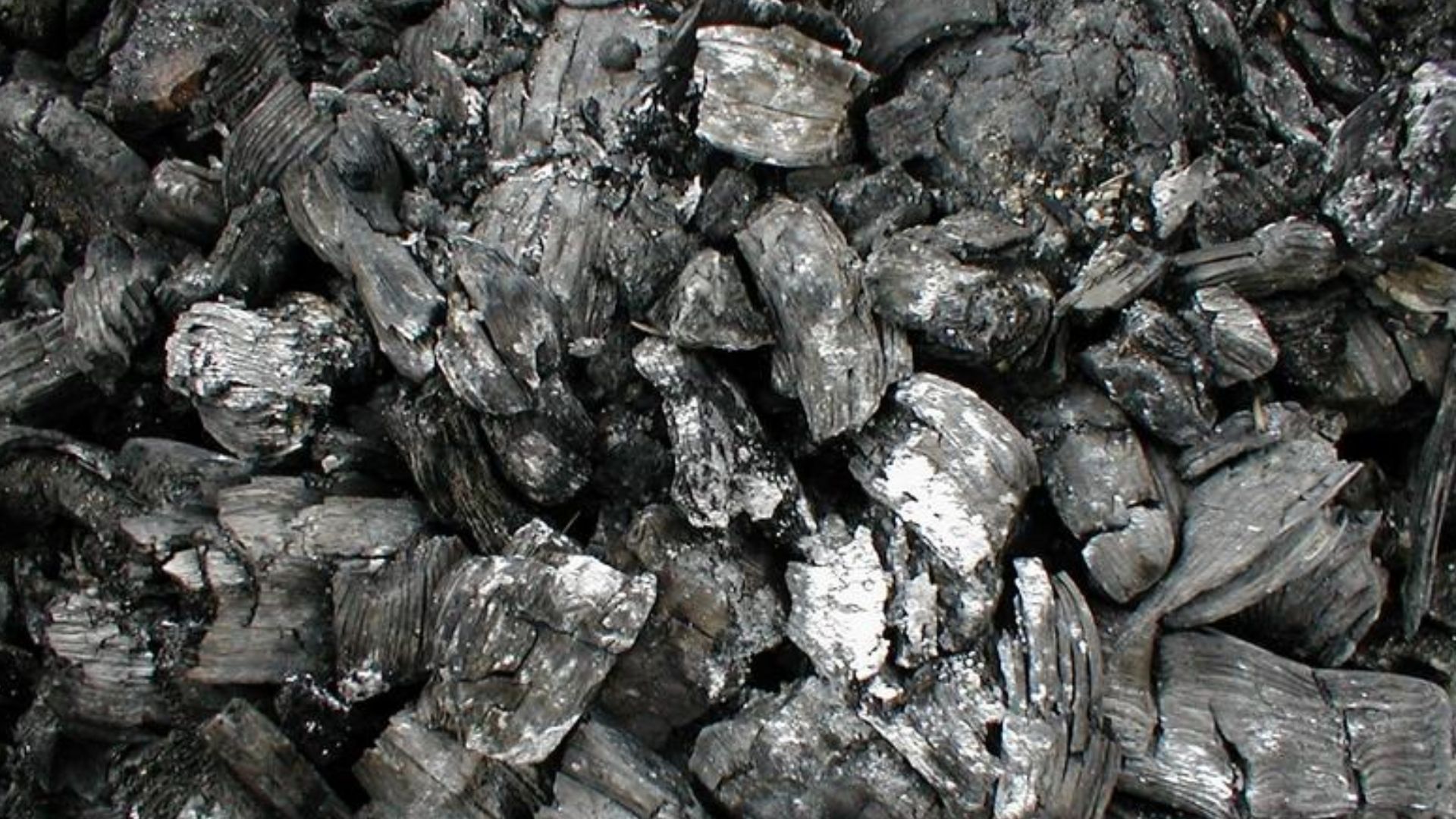
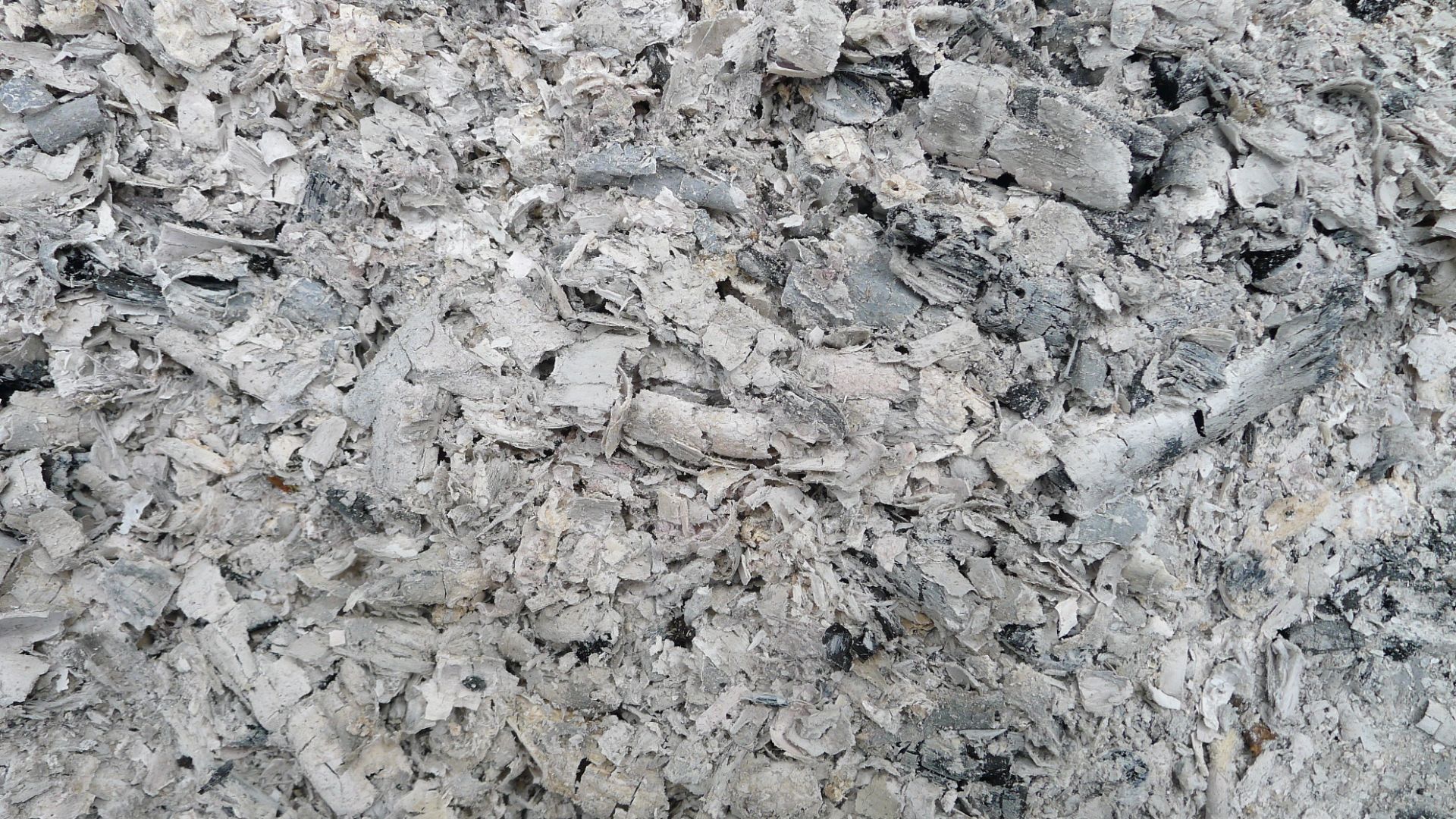
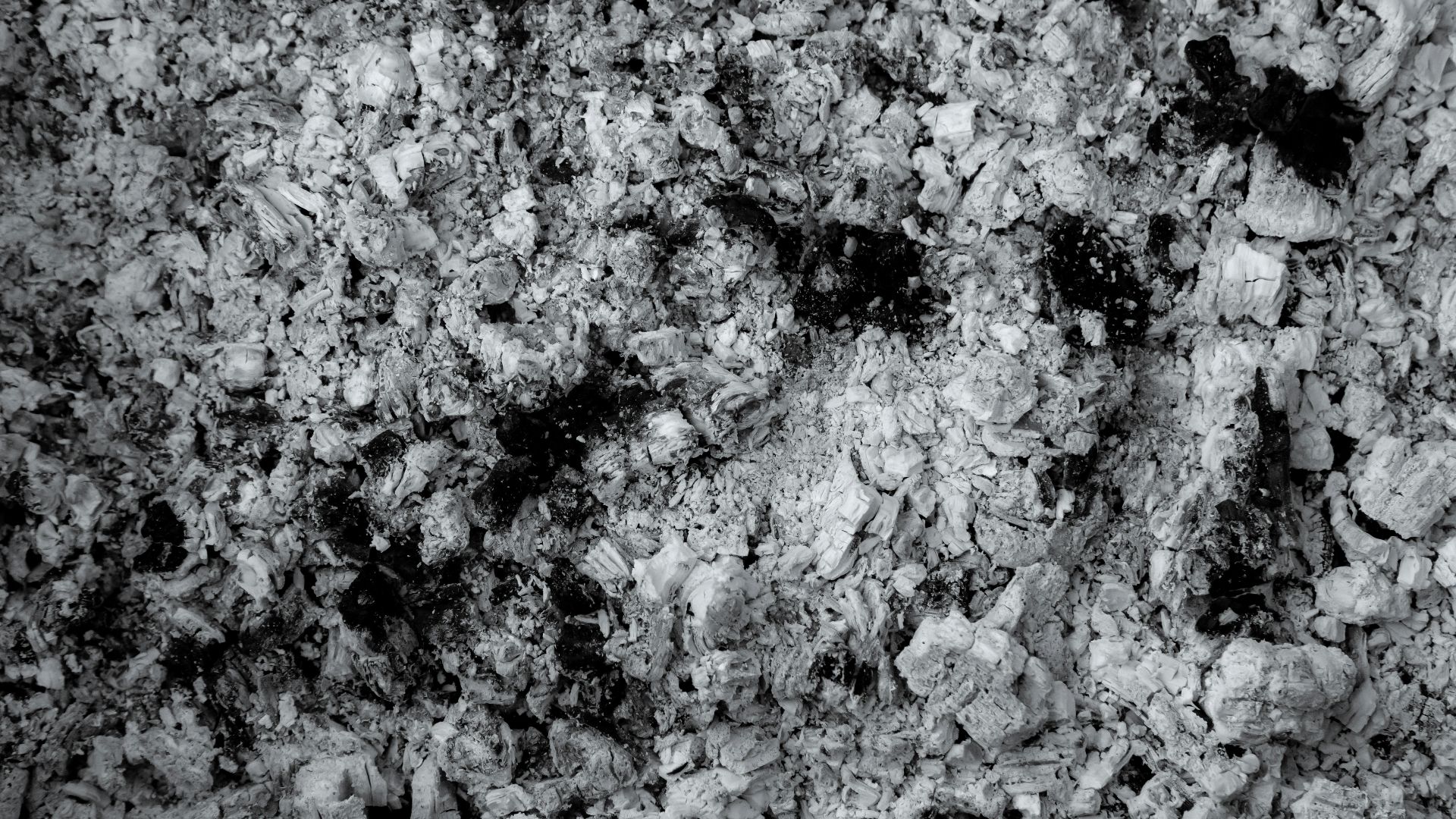
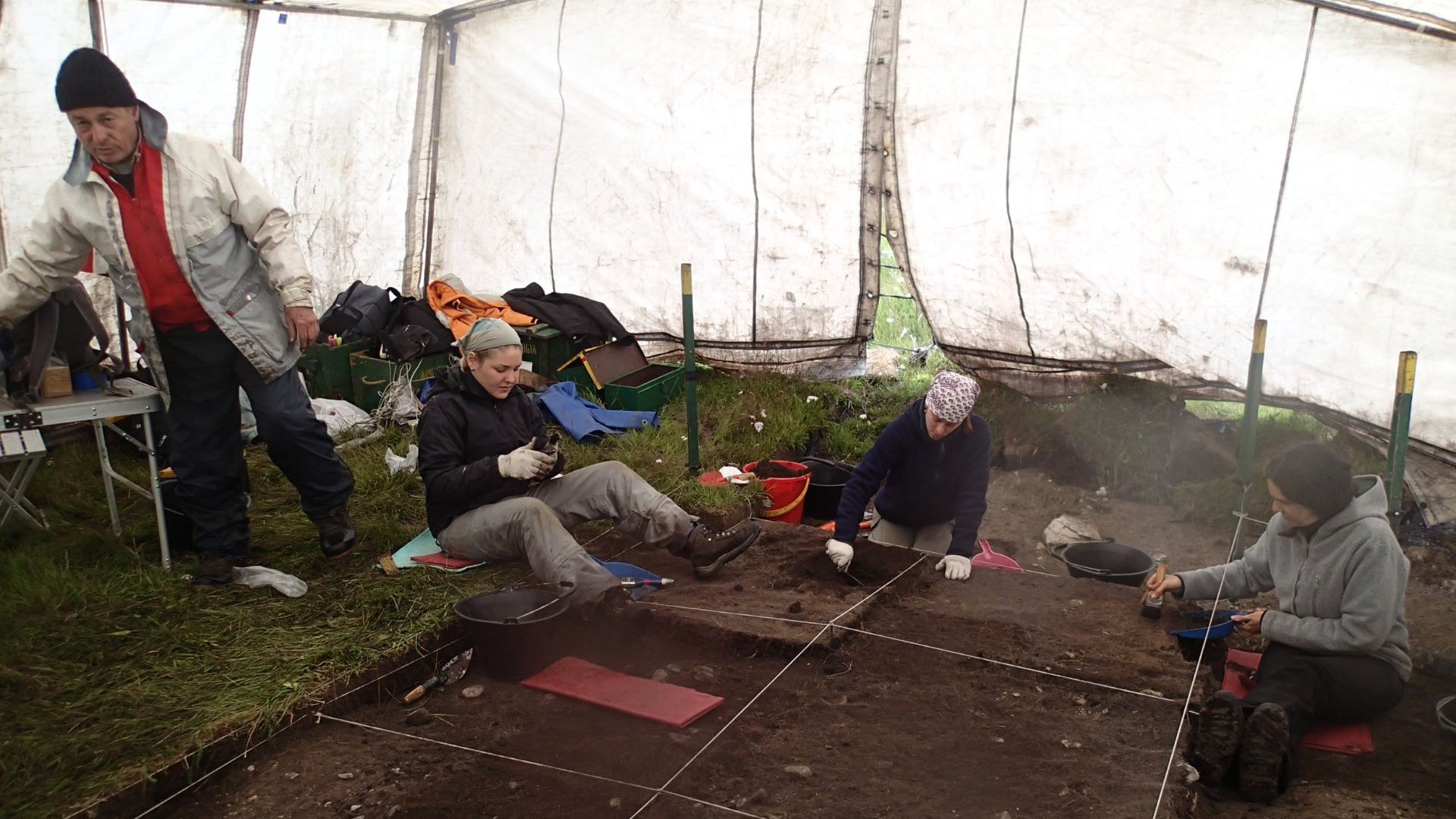
During more recent excavations, researchers uncovered a large area filled with ash and charcoal. Mixed within it were burned fragments of human bone. The layout was deliberate, not scattered. From the start, archaeologists suspected they were looking at something far more meaningful than a campfire.
Proving It Was a Pyre
Further analysis confirmed the ash bed was intentionally constructed. The burned remains were concentrated in one place and showed clear signs of controlled fire. This was a cremation pyre built on purpose, not an accidental burning or natural event.
Dating the Fire
Radiocarbon dating placed the cremation at around 9,500 years ago, during the Early Holocene. Before this discovery, the oldest confirmed cremations in Africa dated to roughly 3,300 years ago. This pushed the timeline of cremation practices back by thousands of years.
 Yulia Kolosova, Wikimedia Commons
Why This Find Is So Rare
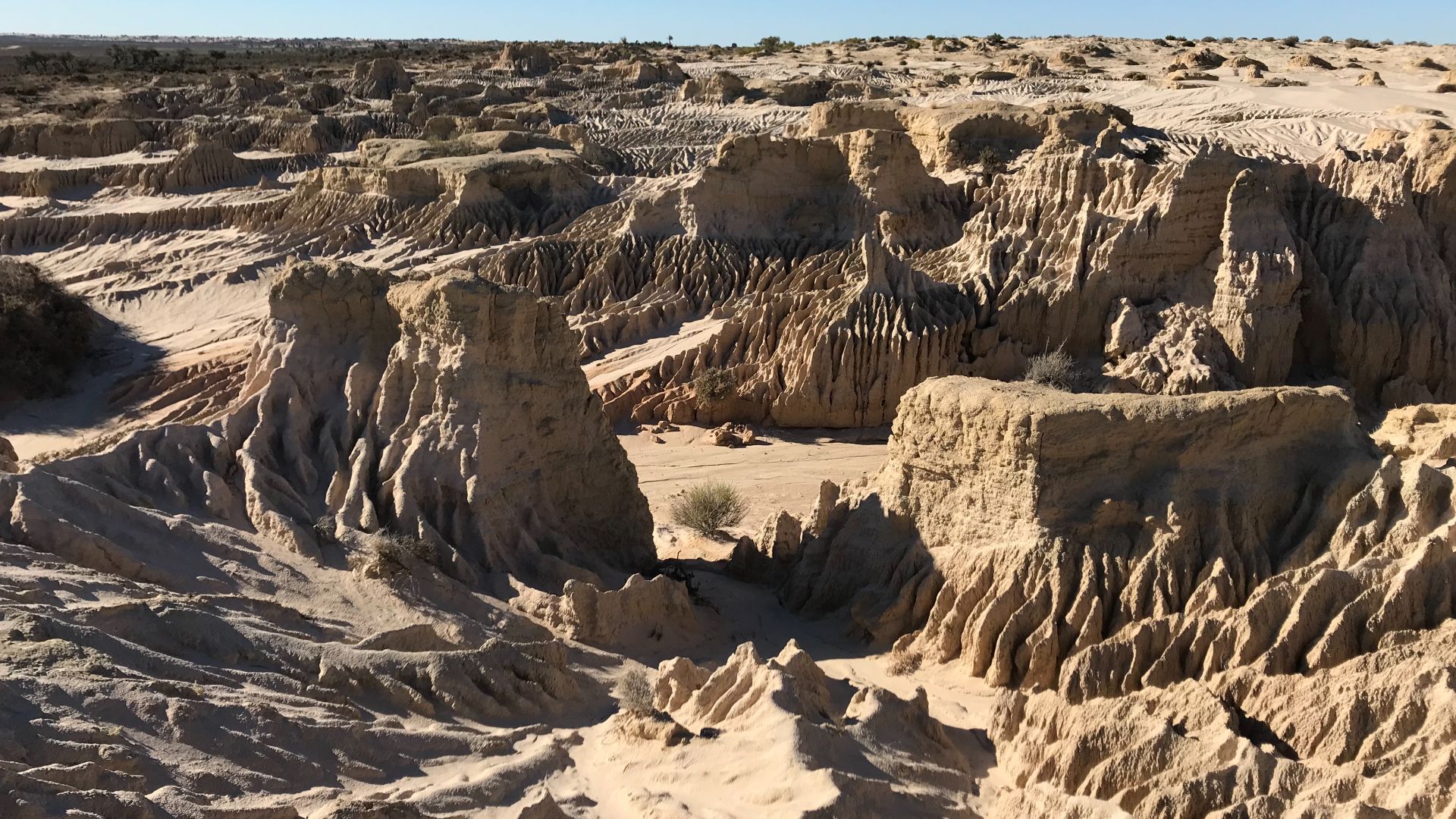
Burned human bones have been found at ancient sites elsewhere in the world, including Lake Mungo in Australia, which dates back around 40,000 years. However, those remains were not found on a clear, built pyre. The Malawi site is different.
The Team Behind the Research
The study was published in Science Advances by an international team of archaeologists. Key researchers included Dr. Elizabeth Sawchuk from the Cleveland Museum of Natural History and Dr. Jessica Thompson from Yale University. They worked closely with the Malawi Department of Museums and Monuments.
What Was Found in the Ash
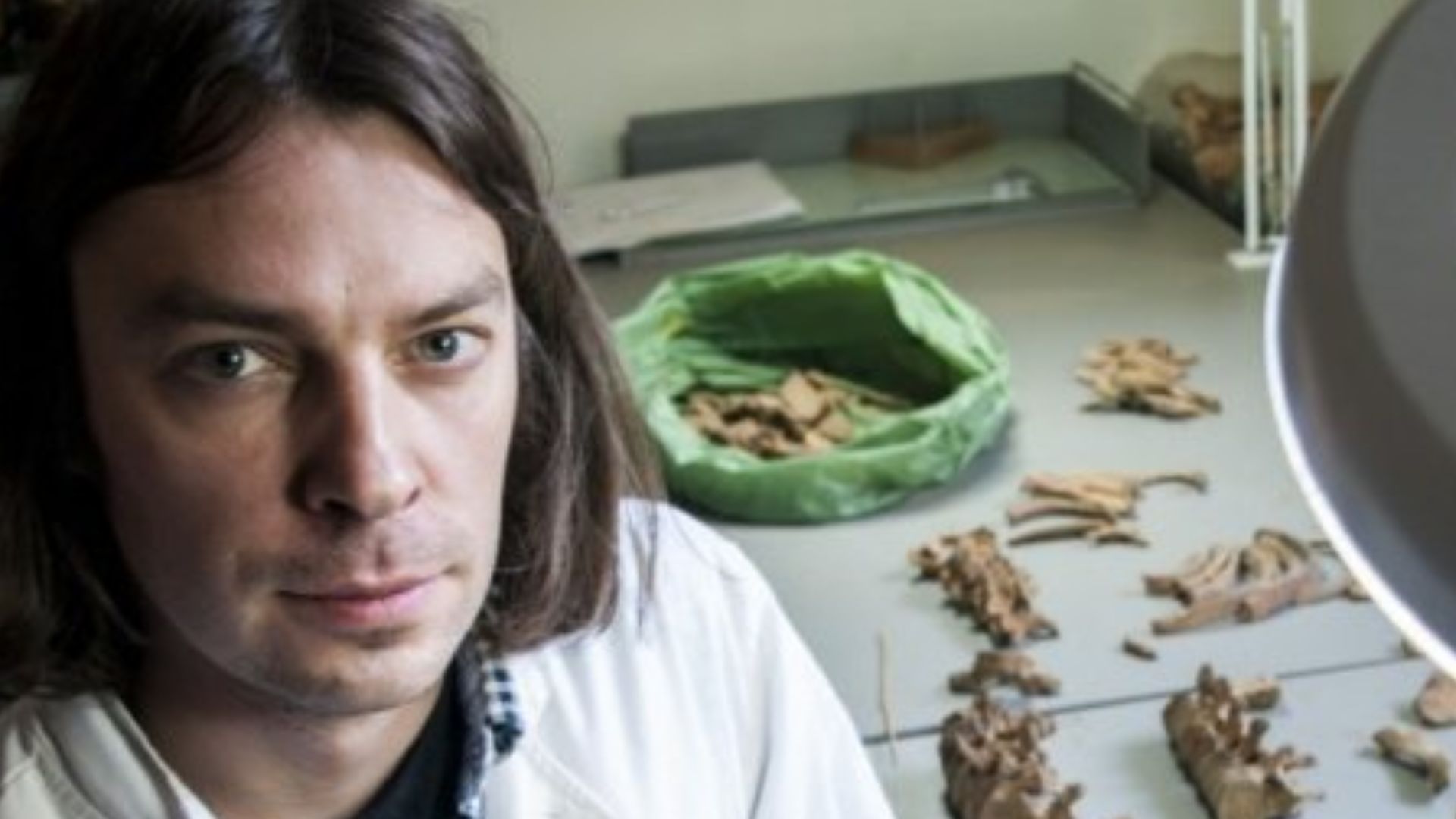
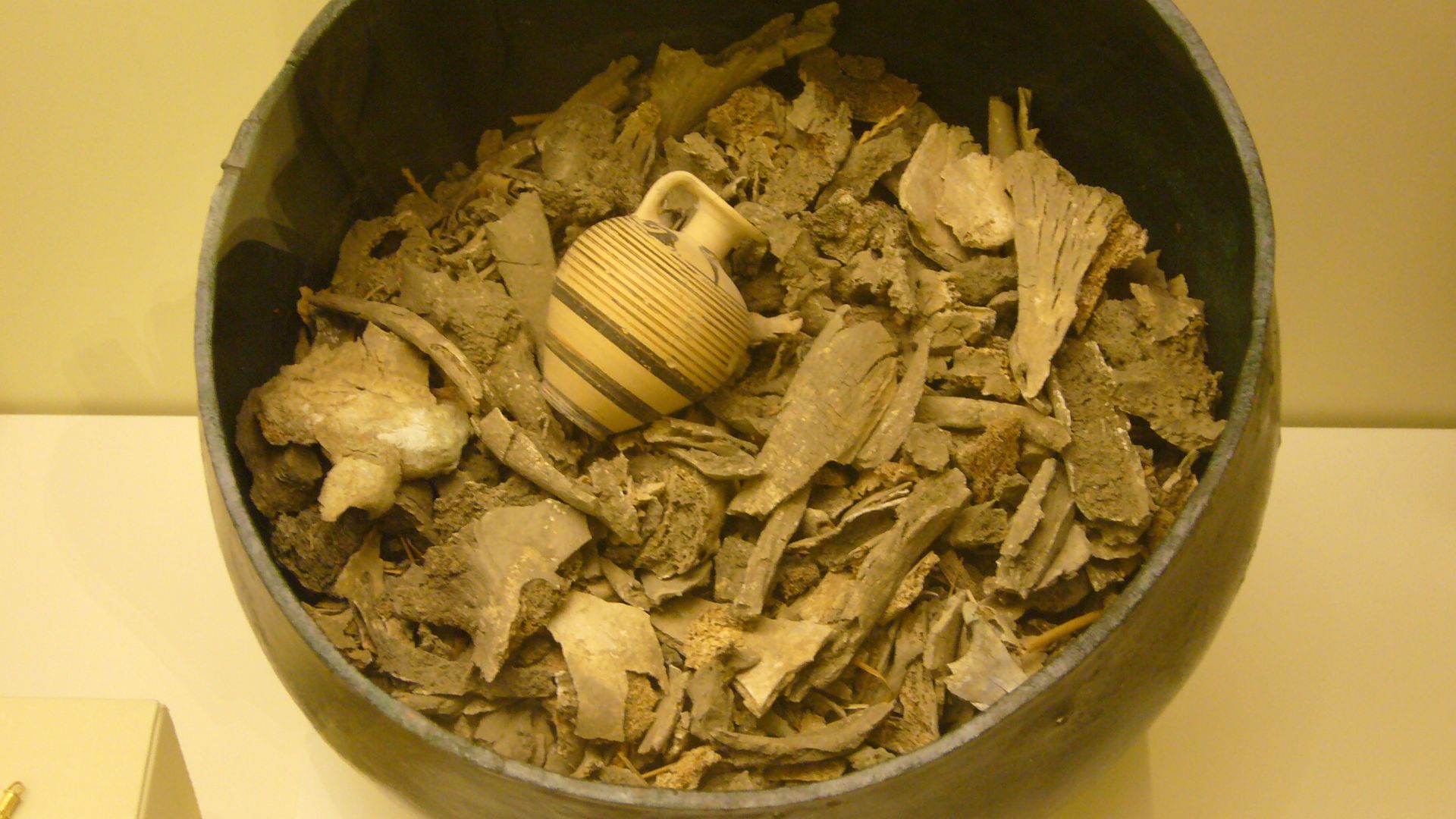
The ash bed measured about the size of a queen-sized mattress. Within it were roughly 170 fragments of burned human bone. Most of the pieces came from the arms and legs, while skull and dental remains were almost entirely absent.
 Volodymyr Hryshchenko, Unsplash
Who the Person Was
Bone analysis suggests the remains belonged to an adult woman between the ages of 18 and 60. Based on skeletal measurements, she stood just under five feet tall. The condition of the bones shows her body was placed on the pyre soon after death.
 United States Federal Bureau of Investigation, Wikimedia Commons
Evidence of Defleshing
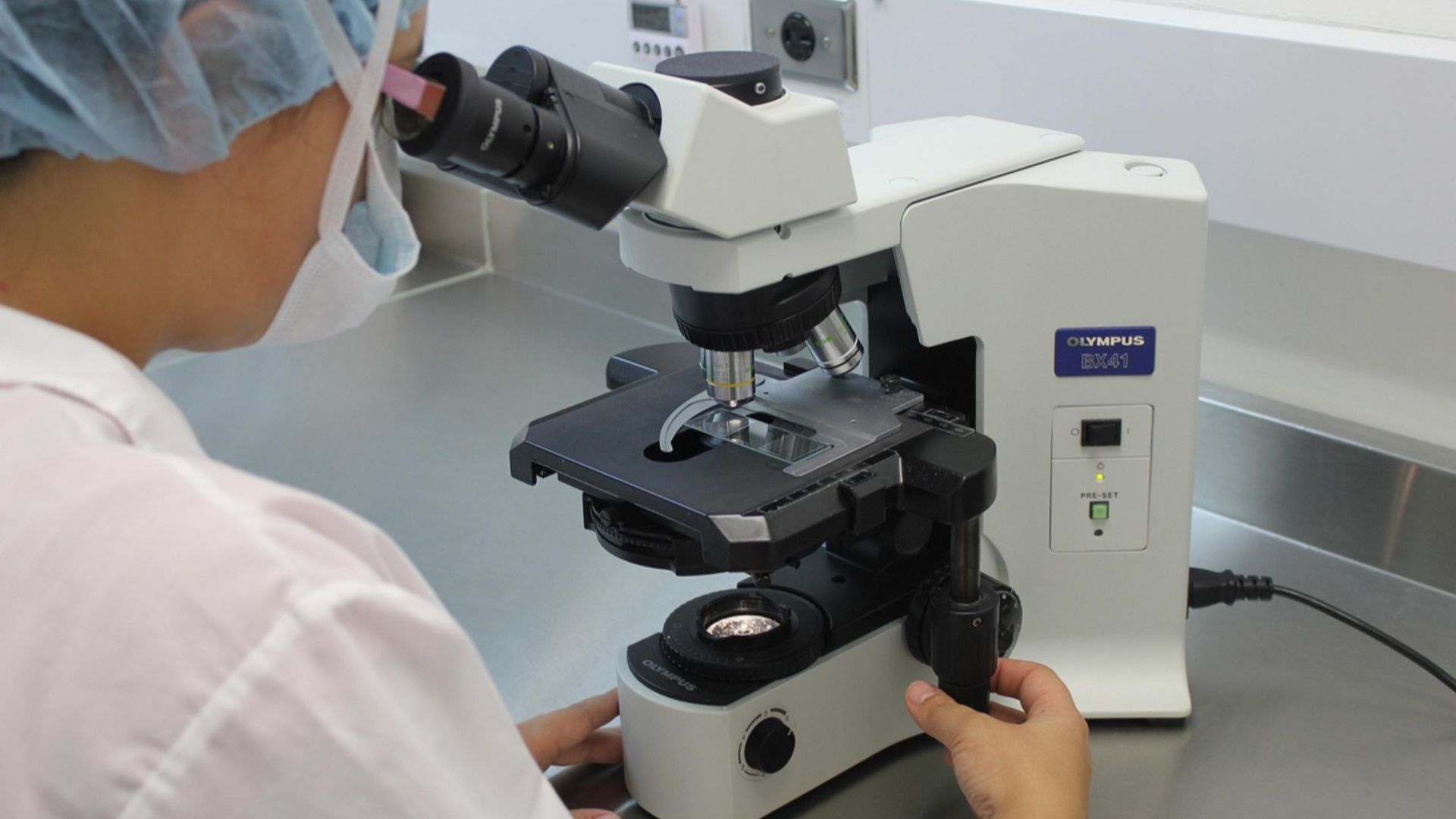
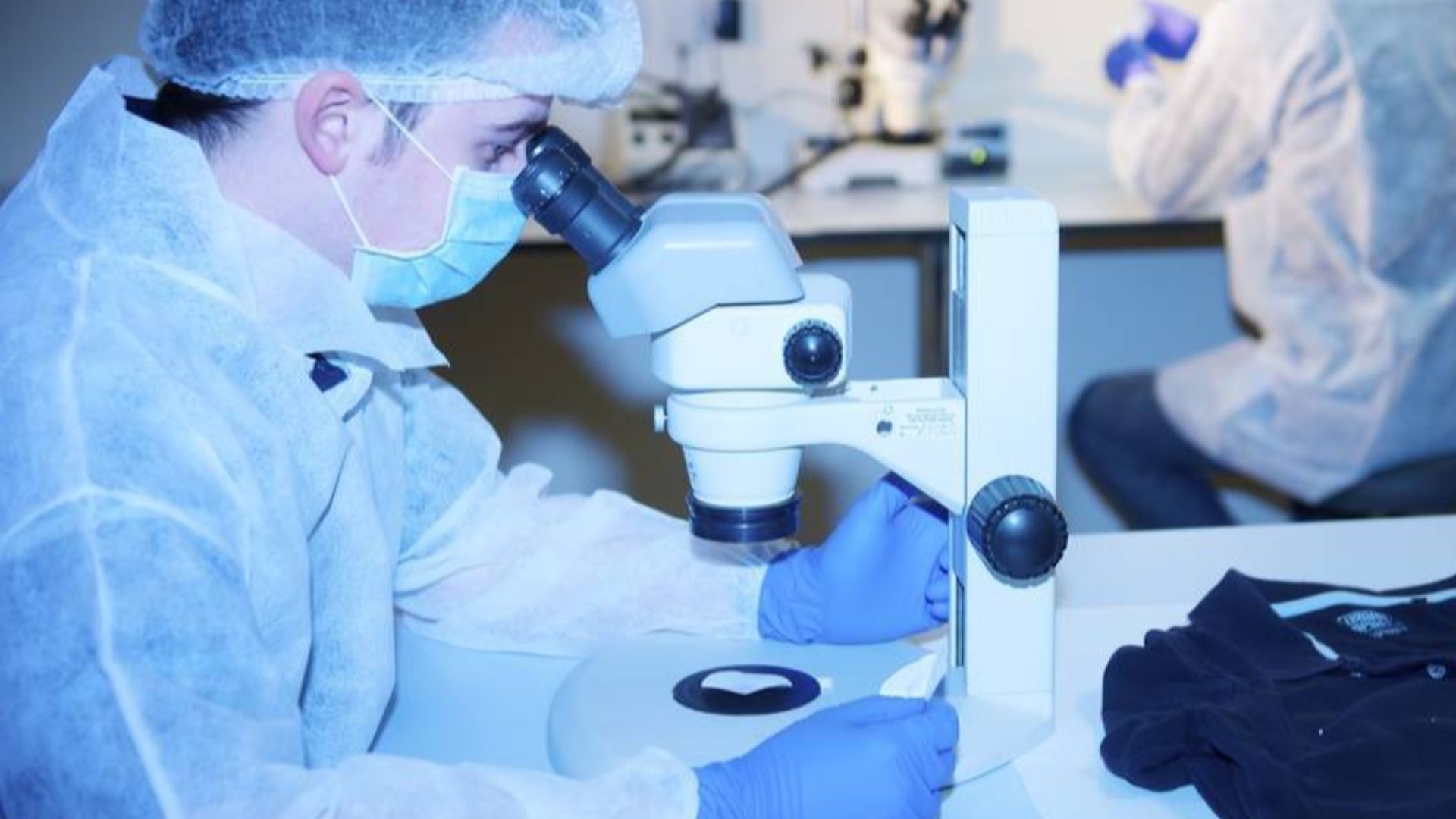
Microscopic study revealed cut marks on several limb bones. These marks indicate the body was intentionally defleshed before cremation. This step alone suggests careful planning and ritual knowledge.
The Missing Skull
The absence of teeth and skull bones raised more questions. Researchers believe the head may have been removed before the body was burned. Why this was done is unknown, but it points to a ritual with multiple stages.
 Daumantas Liekis~commonswiki, Wikimedia Commons
A Fire That Took Effort
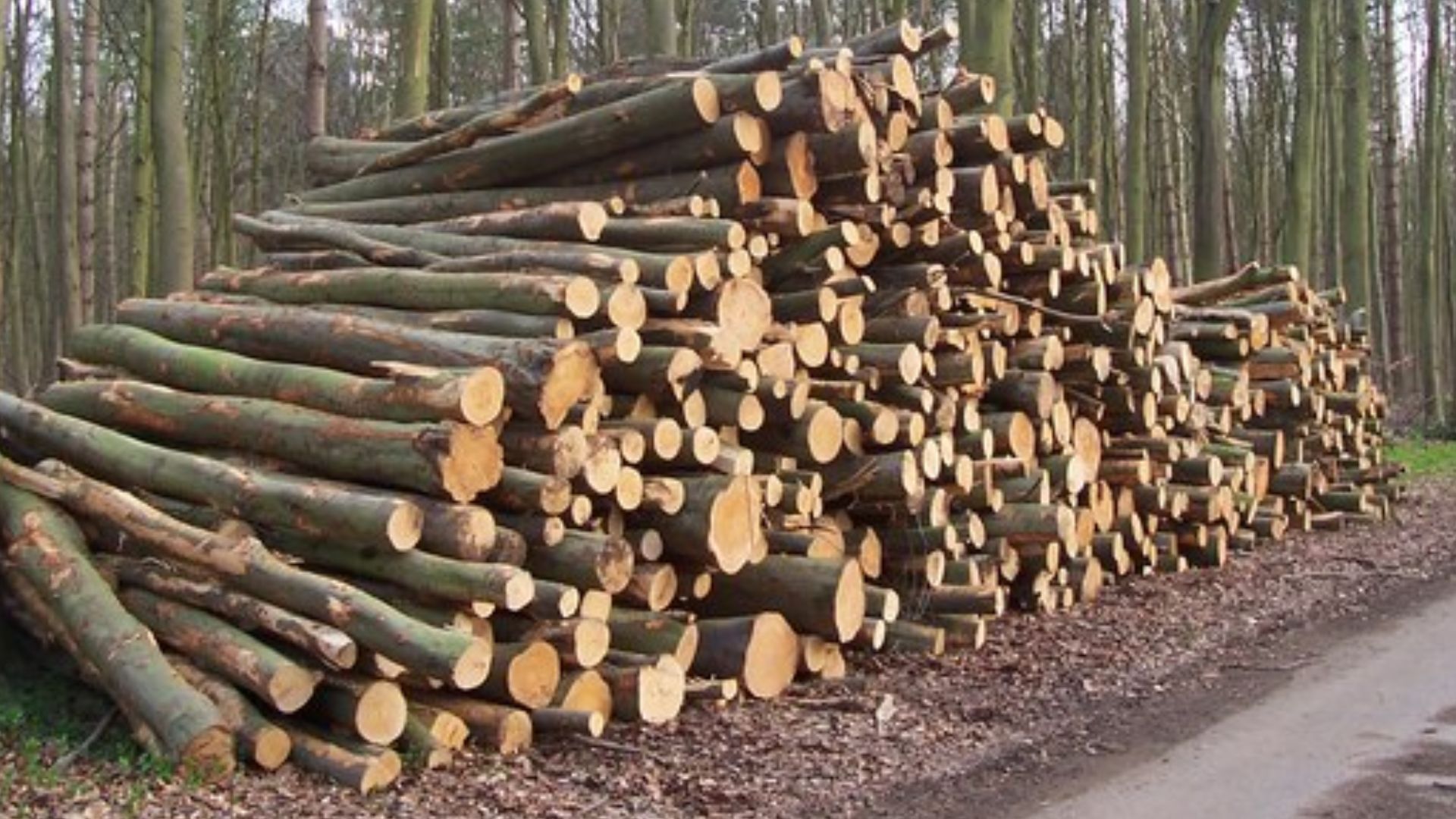
Cremating a human body takes a large amount of fuel. Researchers estimate that at least 30 kilograms of wood and grass were needed to maintain the fire. Gathering that much material would have required coordination and cooperation within the group.
 David Anstiss, Wikimedia Commons
How Hot the Pyre Burned
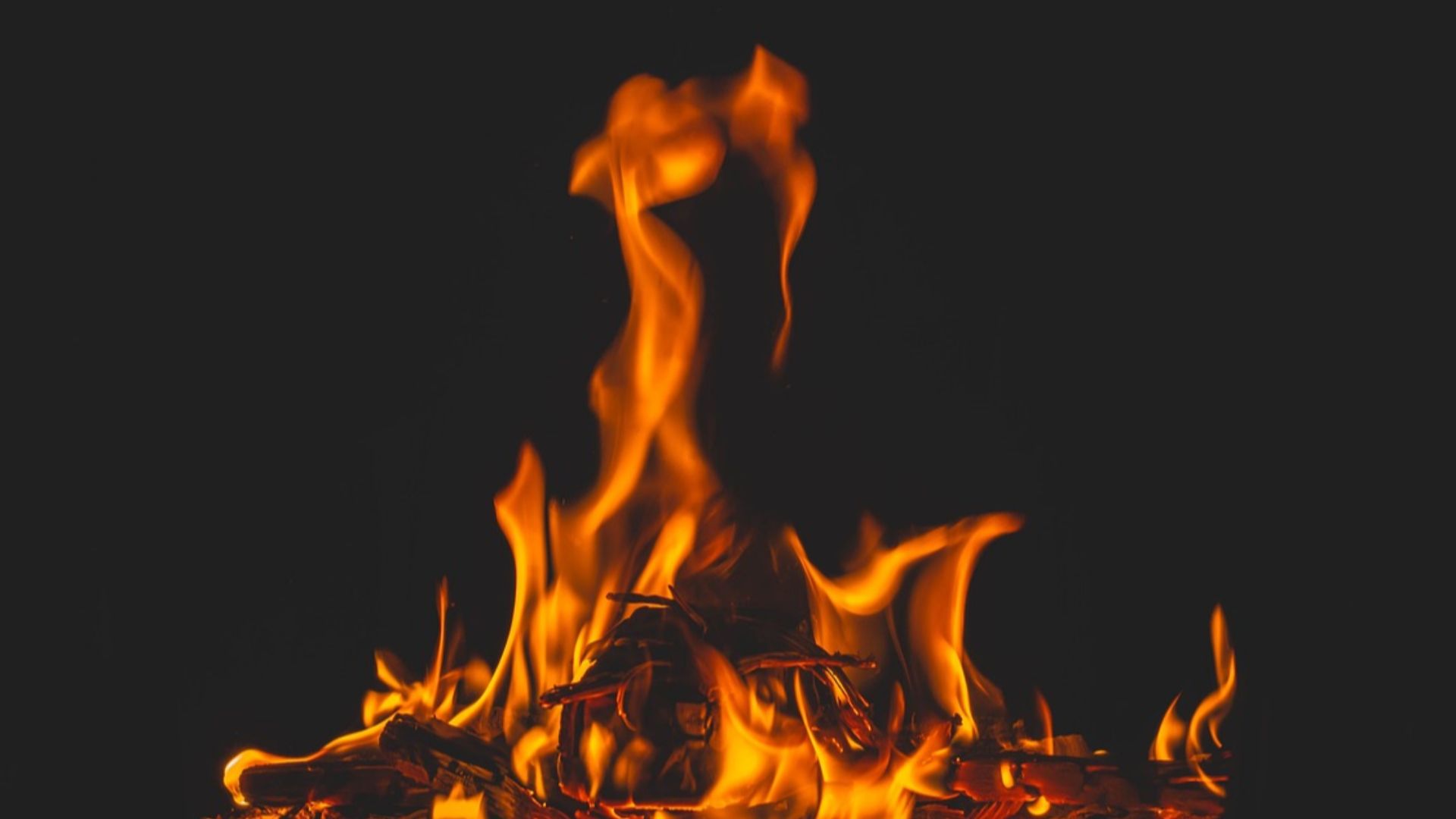
Analysis of bone coloration and sediment changes suggests the fire reached temperatures above 500 degrees Celsius. This level of heat confirms the fire was carefully controlled and maintained over time.
Tools Mixed With the Ash
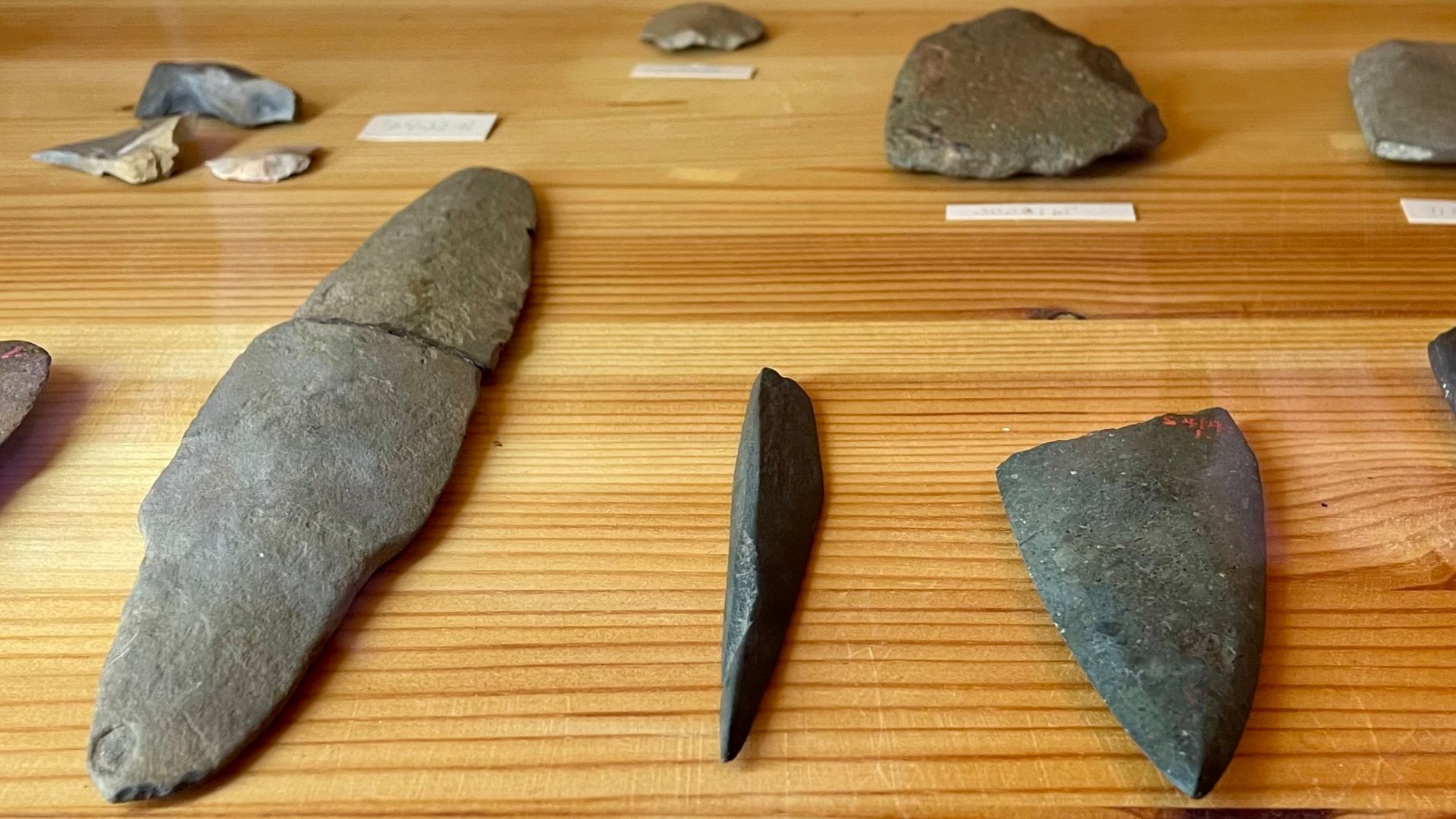
Stone tools were found within the ash layers. Some may have been used during preparation of the body. Others may have been placed intentionally as part of the ritual itself.
 Limelightangel, Wikimedia Commons
A Place Chosen With Care
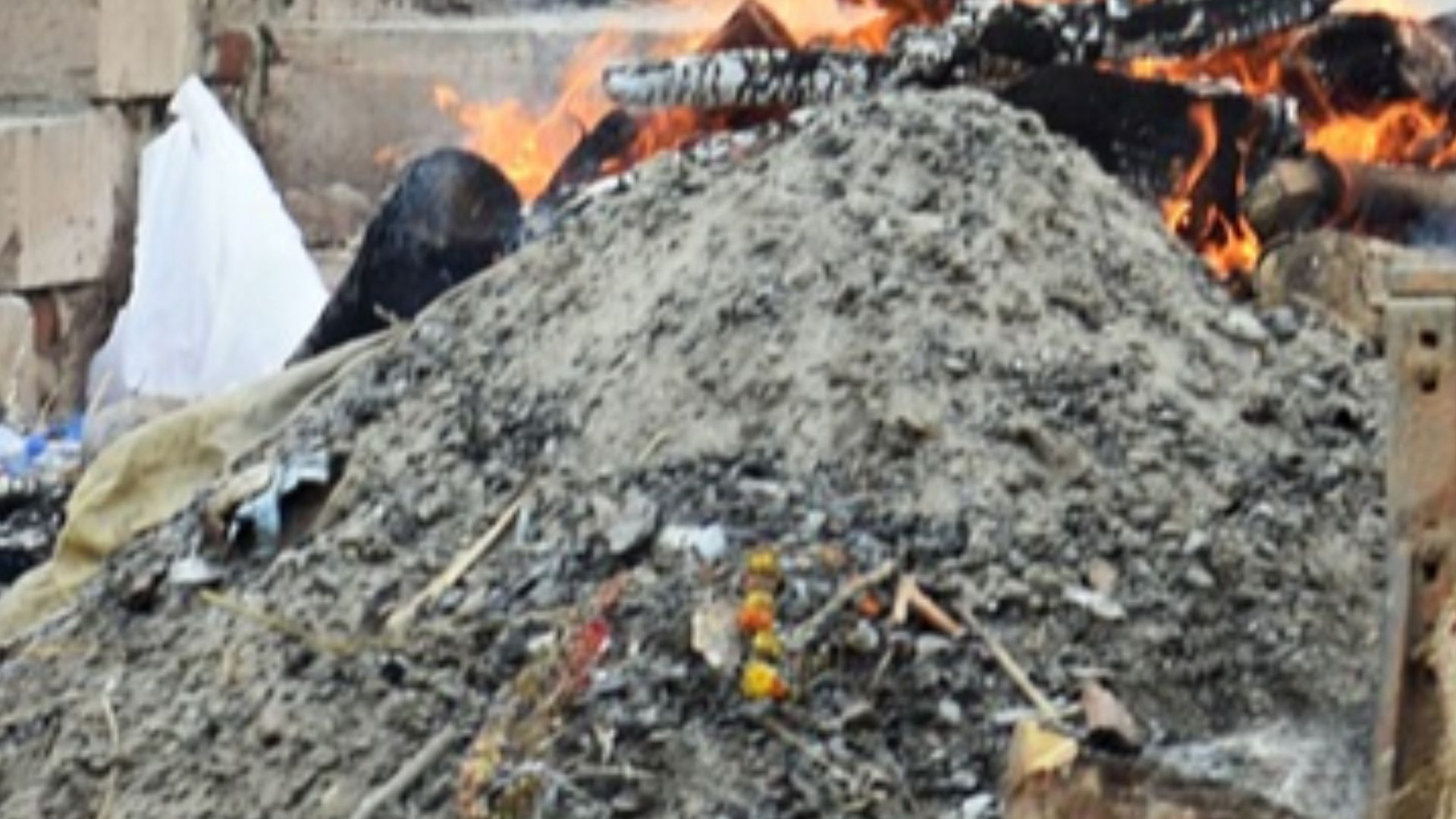
The cremation did not happen just anywhere. Hora 1 had already been used for fires long before this event. After the cremation, people continued to build fires in the same spot for centuries.
Fire as Memory
The repeated use of this exact location suggests it became a place of remembrance. Long after the cremation, people returned to the site, possibly to honor the individual or mark the event within shared memory.
An Unusual Practice for Hunter-Gatherers
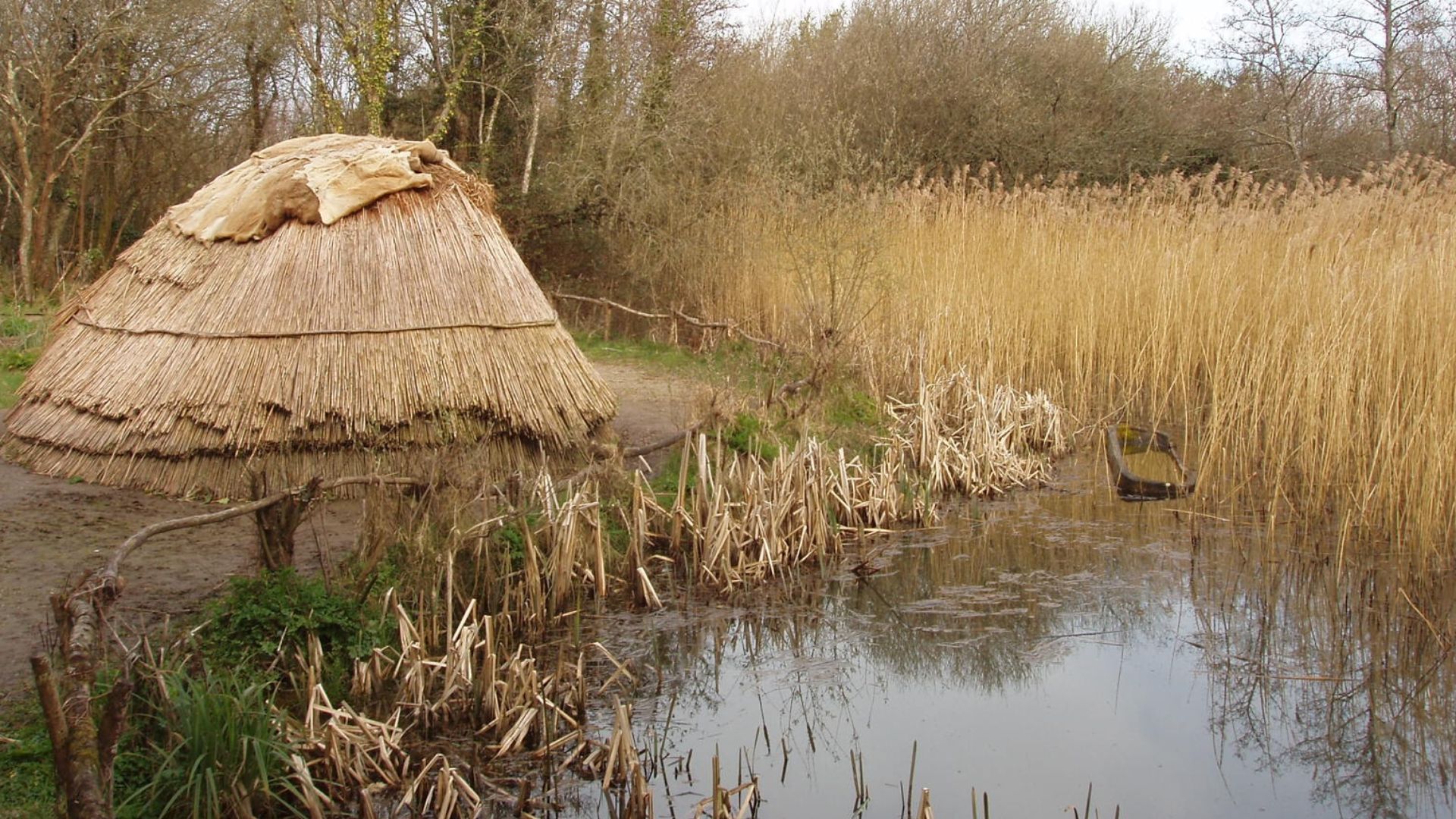
Cremation is extremely rare among hunter-gatherer societies, both ancient and modern. It requires fuel, time, and shared effort. Researchers have noted that cremation usually appears in societies with more resources.
 GNU Free Documentation, Wikimedia Commons
Breaking From Tradition
Earlier burials at Hora 1 followed a clear pattern of inhumation. This single cremation stands apart from everything that came before it. That difference raises questions archaeologists cannot yet answer.
Why This Woman?
Why was this woman treated differently from others buried at the site? Archaeologists do not know. There must have been a specific reason, but the meaning behind it has been lost to time.
The Presence of Mount Hora
Mount Hora itself may have played a role. The granite hill dominates the landscape and likely held symbolic importance for ancient communities.
Rethinking Early Ritual Life
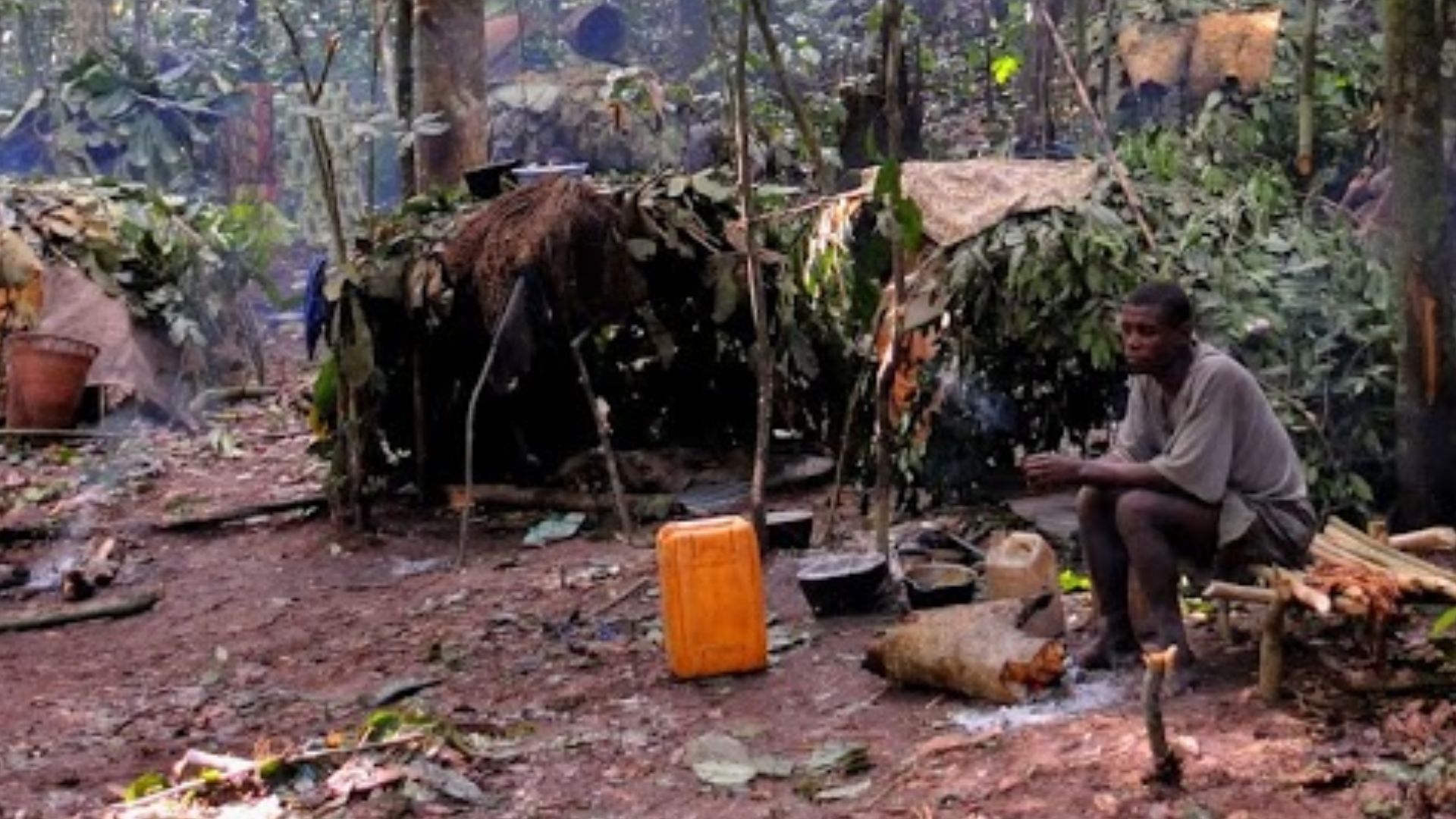
This discovery challenges the idea that early hunter-gatherers lived simple lives focused only on survival. Instead, it shows they had complex beliefs and shared rituals.
 JMGRACIA100, Wikimedia Commons
A Global Collaboration
The research brought together specialists in archaeology, forensics, and bioarchaeology from Africa, Europe, and North America.
 West Midlands Police from West Midlands, United Kingdom, Wikimedia Commons
Why the Publication Matters
Publishing the findings in Science Advances highlights how important this discovery is. It places the Hora 1 cremation among the most significant archaeological finds of recent years.

Ashes With a Voice
For nearly ten thousand years, the remains lay untouched beneath the shelter. Today, they tell a powerful story about how early humans understood death and remembrance.
 Nabokov (talk) Required attribution is:
A Deeply Human Act
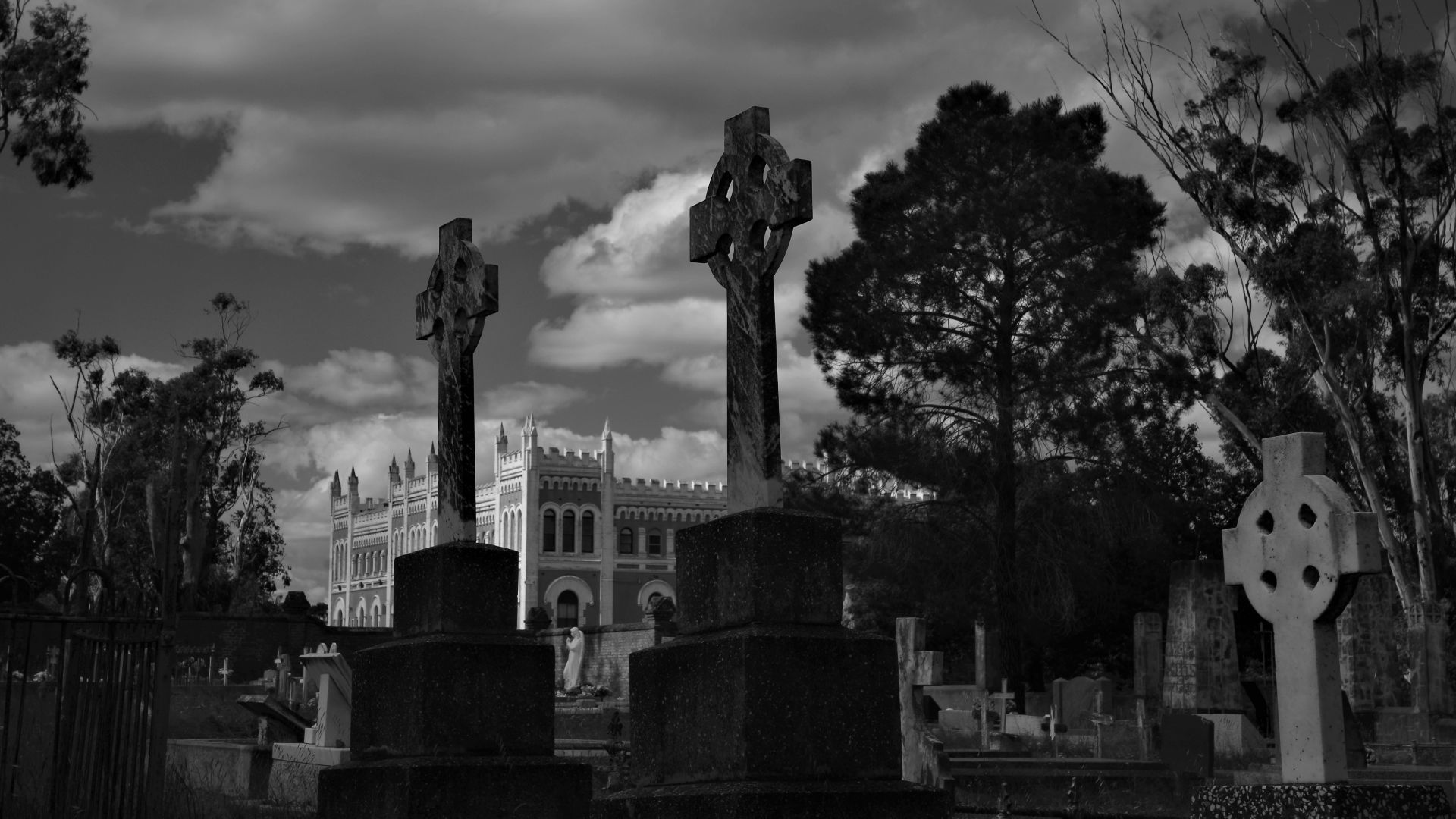
The world’s oldest known cremation pyre reminds us that long before farming or cities, people gathered and honored their dead with care.
 NTNU Vitenskapsmuseet, Wikimedia Commons
You May Also Like: