Faith Cast In Bronze
Beneath quiet fields once marked by conflict and conversion, a small bronze relic surfaced unexpectedly. Its remarkable connection to an earlier archaeological find is prompting scholars to reconsider how deeply early Christian traditions had taken root.
 picture alliance, Getty Images, Modified
A Volunteer's Discovery In Western Brandenburg
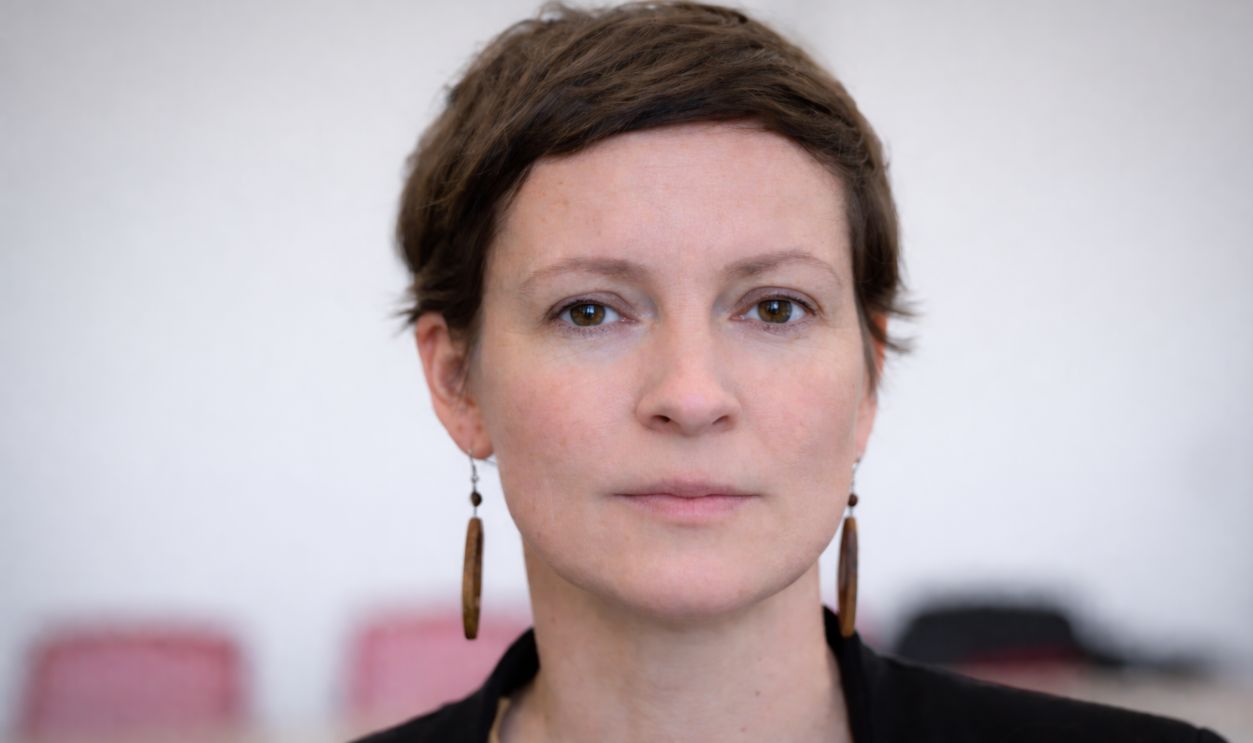
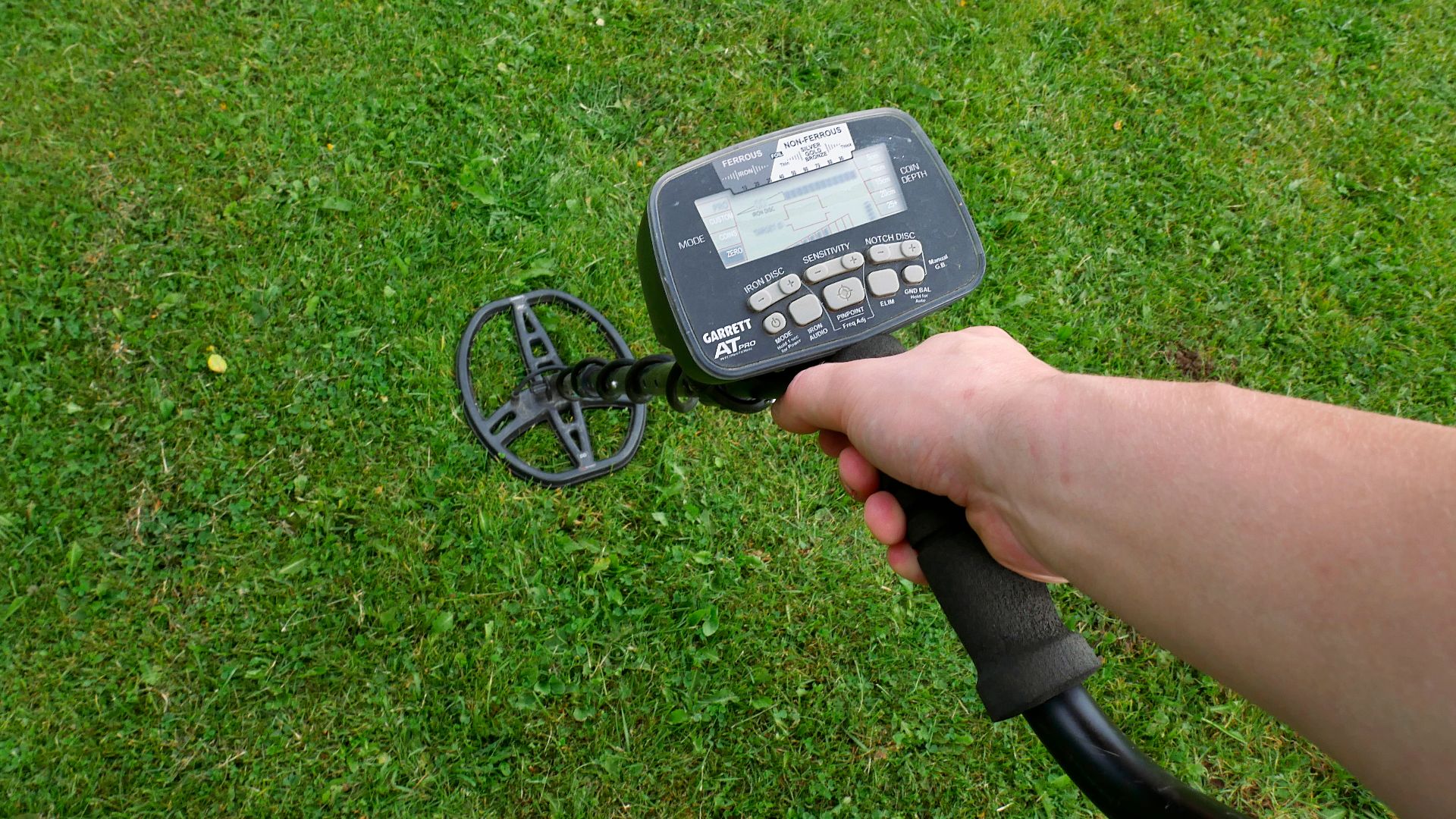
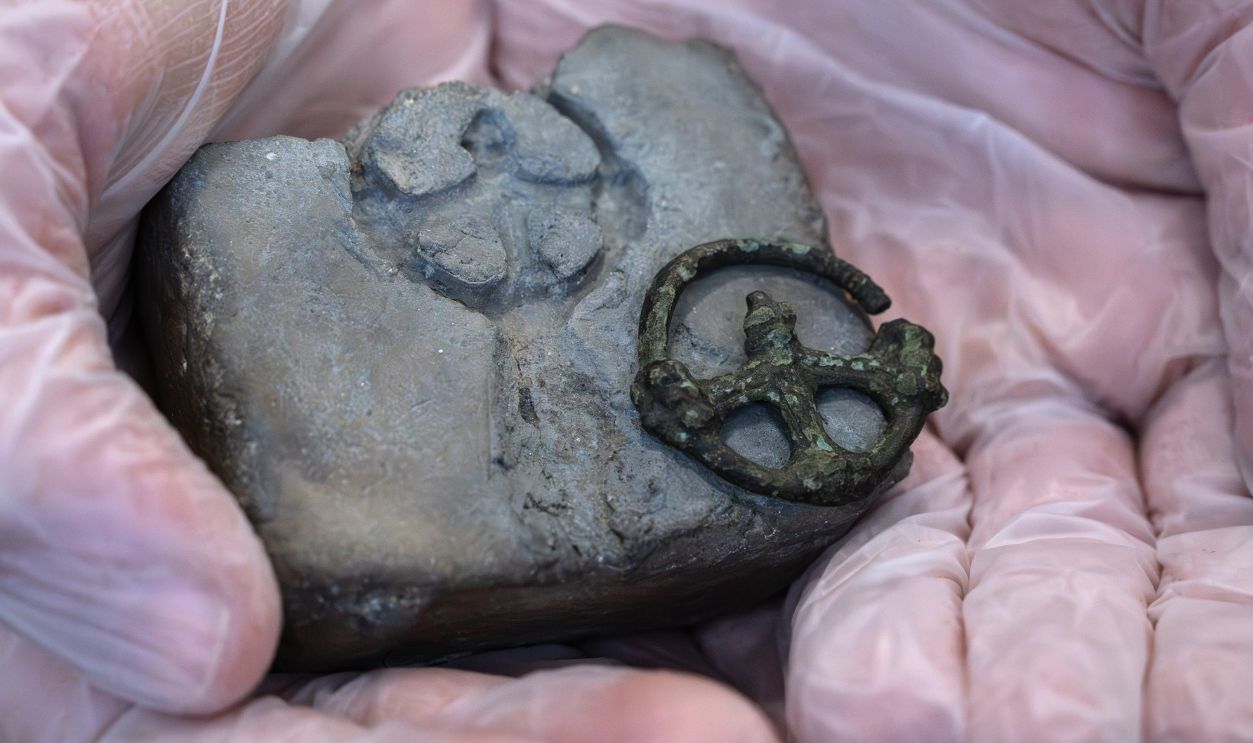
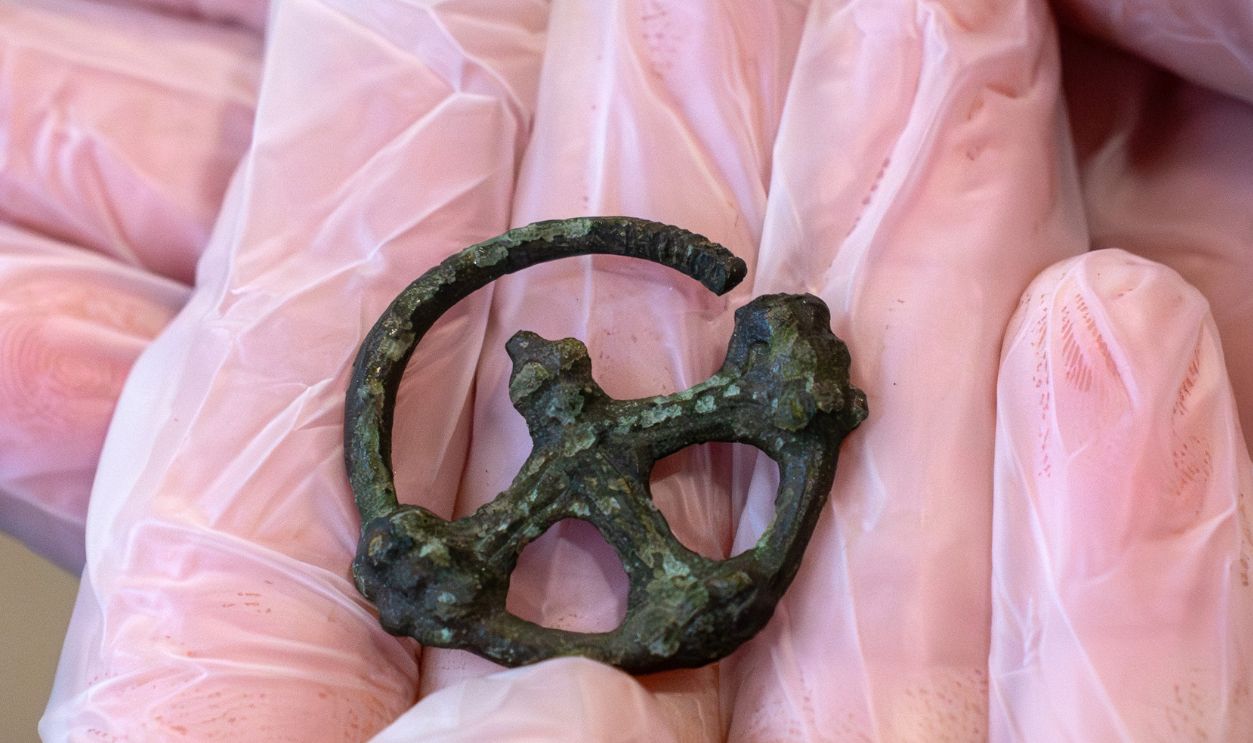
Juliane Rangnow, a volunteer archaeological conservator, was sweeping her metal detector across fields in Havelland when she got a signal near a site with the remnants of an ancient wooden church. The small bronze wheel cross she unearthed dated to the 10th or 11th century. She had no idea this find would connect to something discovered 43 years earlier.
 Santeri Viinamaki, Wikimedia Commons
The 1983 Spandau Mold Discovery
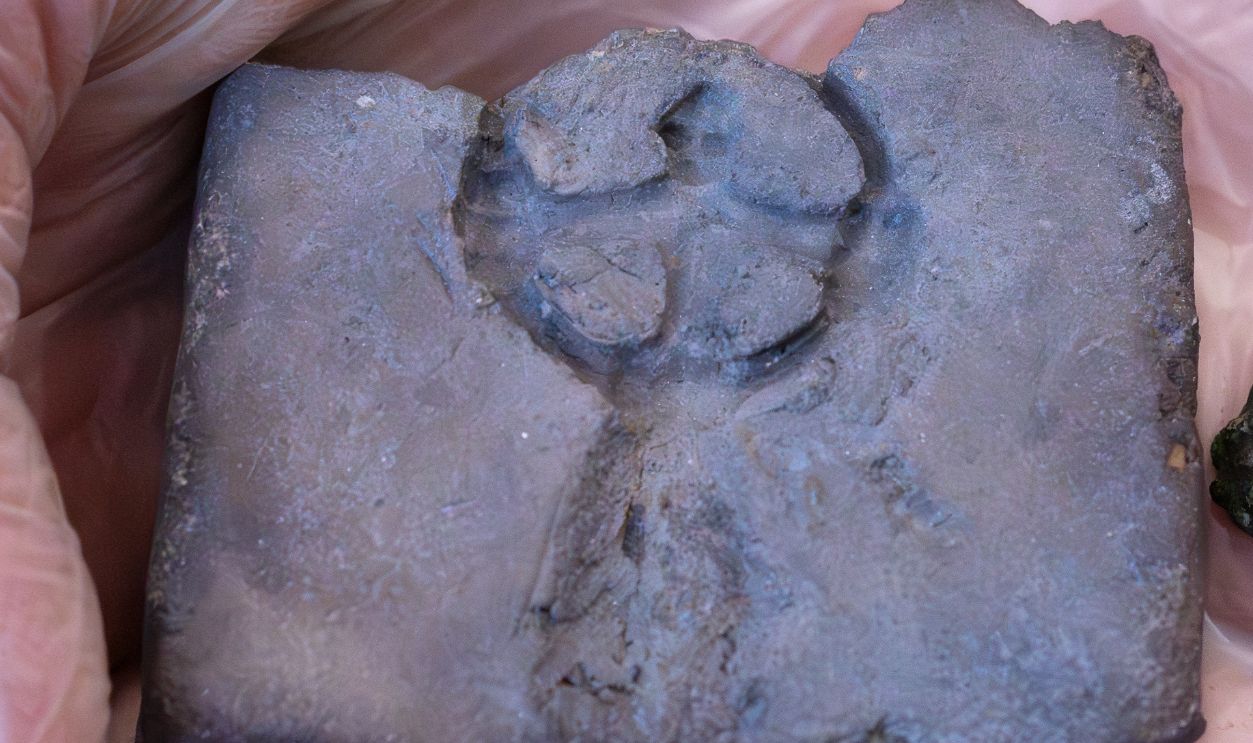
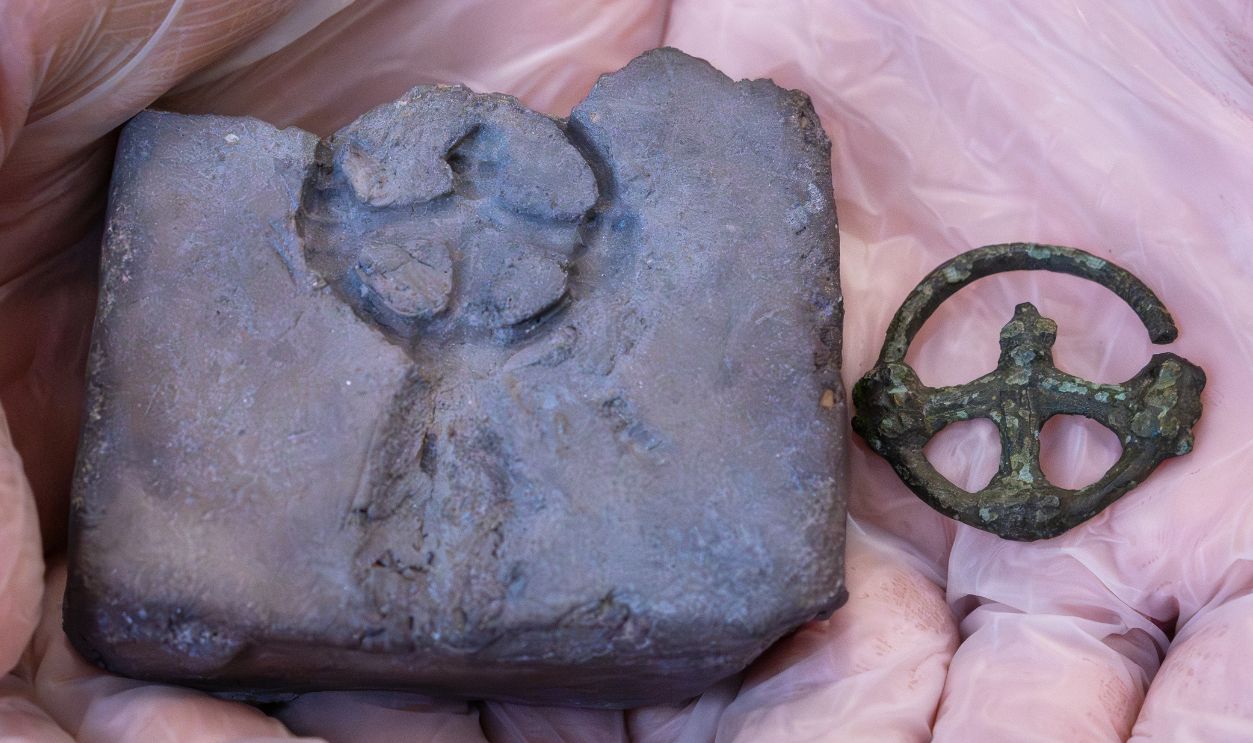
Back in 1983, archaeologists excavating a Slavic hillfort in Berlin-Spandau found fragments of a bronze casting mold. This mold could produce wheel cross pendants showing Christ within a circular frame. For decades, the "Spandau Cross" mold sat in Berlin's Museum of Prehistory and Early History as rare evidence of early Christianity between the Elbe and Oder rivers.
 picture alliance, Getty Images
The Moment Everything Connected
Conservators at Brandenburg's State Office for Monument Preservation cleaned and measured Rangnow's cross after she reported it. Something about the dimensions seemed strangely familiar to the team. When they compared it to the 1983 Spandau mold, they discovered the cross fit perfectly into the cavity—an exact match from two discoveries made 43 years.
 picture alliance, Getty Images
Why This Match Is Extraordinary
Archaeologists almost never find both a casting mold and the actual finished object it produced. Molds survive in the ground while finished pieces get scattered, lost, or melted down for reuse. Franz Schopper, a Brandenburg archaeologist, called this kind of reunion "virtually unheard of" in medieval archaeology after more than a millennium apart.
 picture alliance, Getty Images
The Wheel Cross Design Explained
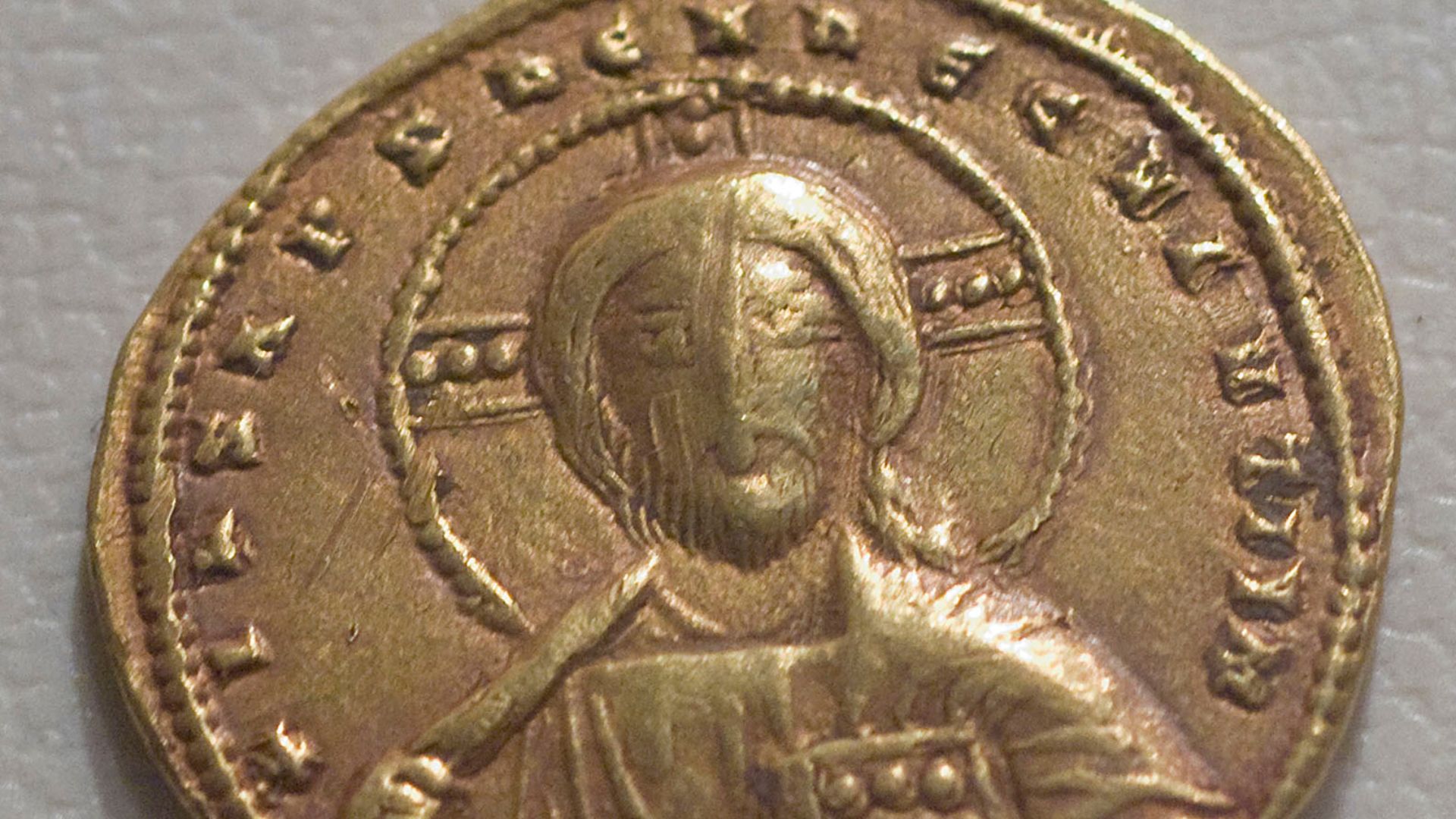
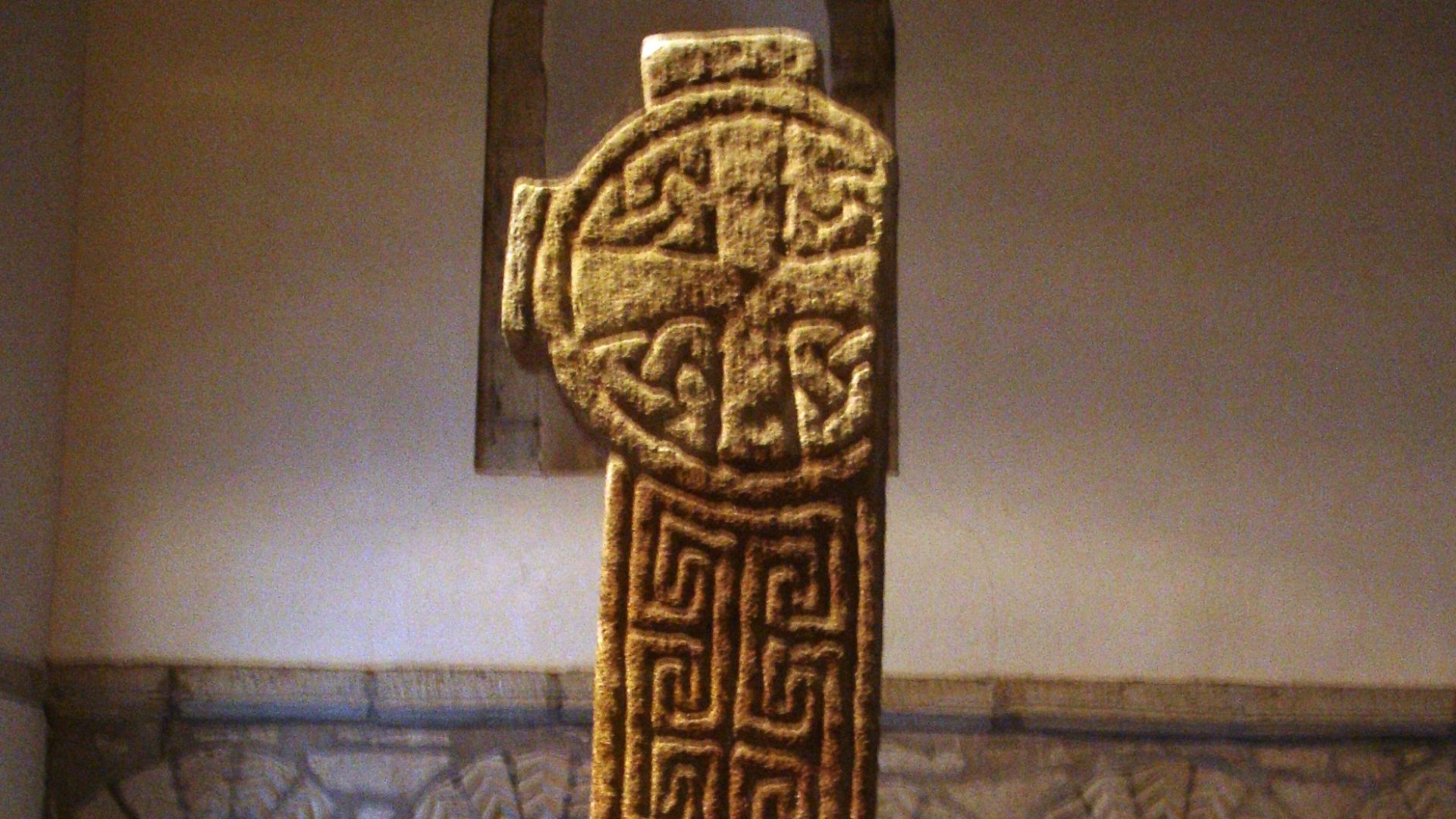
The pendant features a Latin cross enclosed within a circular wheel frame. Christ's figure appears at the center with arms outstretched. This wheel cross style was popular across early medieval Europe as a portable devotional object. Christians wore them as pendants to display their faith publicly.
 picture alliance, Getty Images
Mass Production In The 10th Century Spandau
The mold's existence proves a Spandau blacksmith was casting multiple crosses rather than creating one-of-a-kind pieces. Matthias Wemhoff, Berlin's state archaeologist and museum director, concluded the smith "produced for a large market and a very mobile population." Christianity had spread further than written records suggested.
 picture alliance, Getty Images
The East Frankish Conquest Brought Christianity
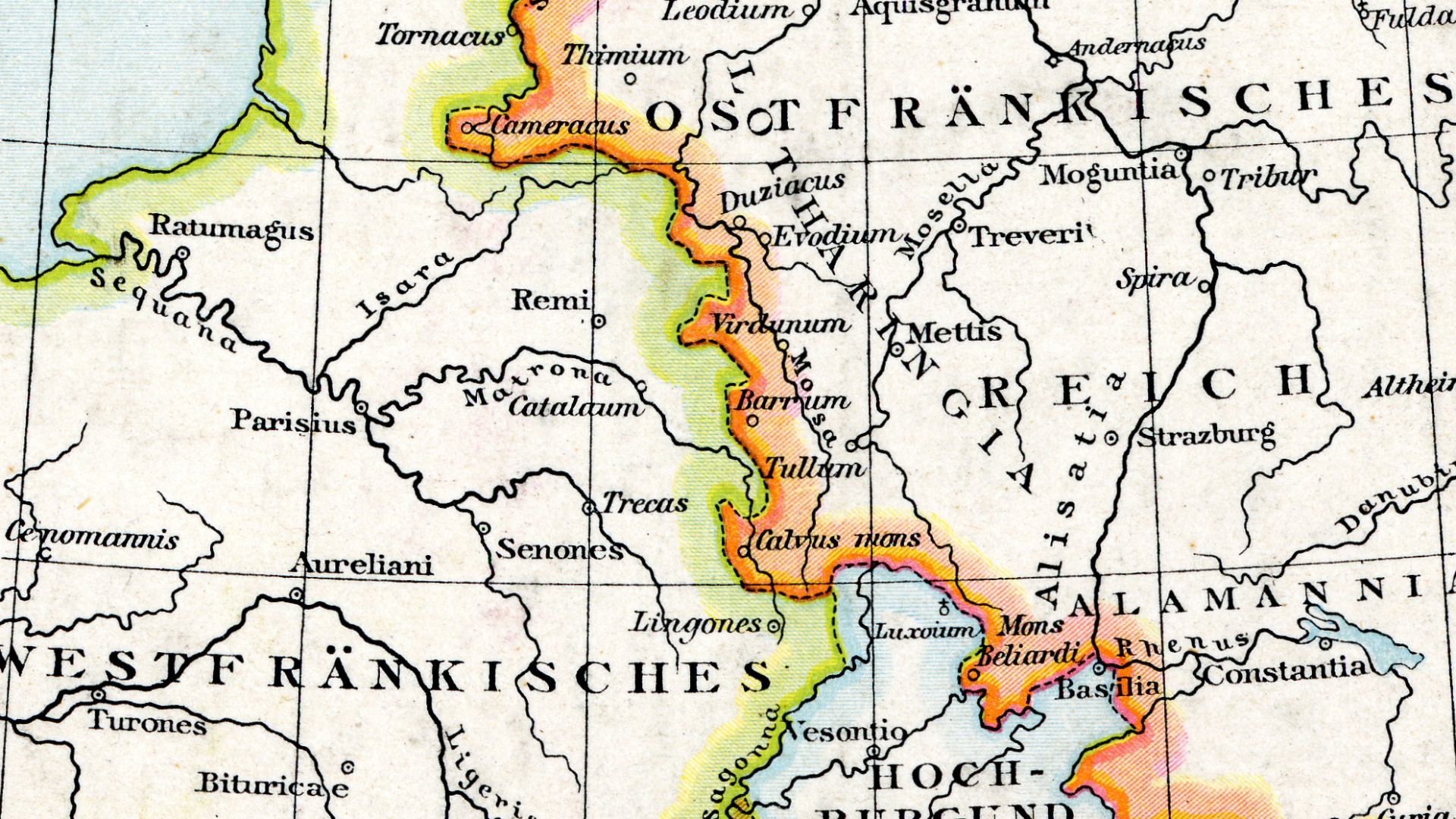
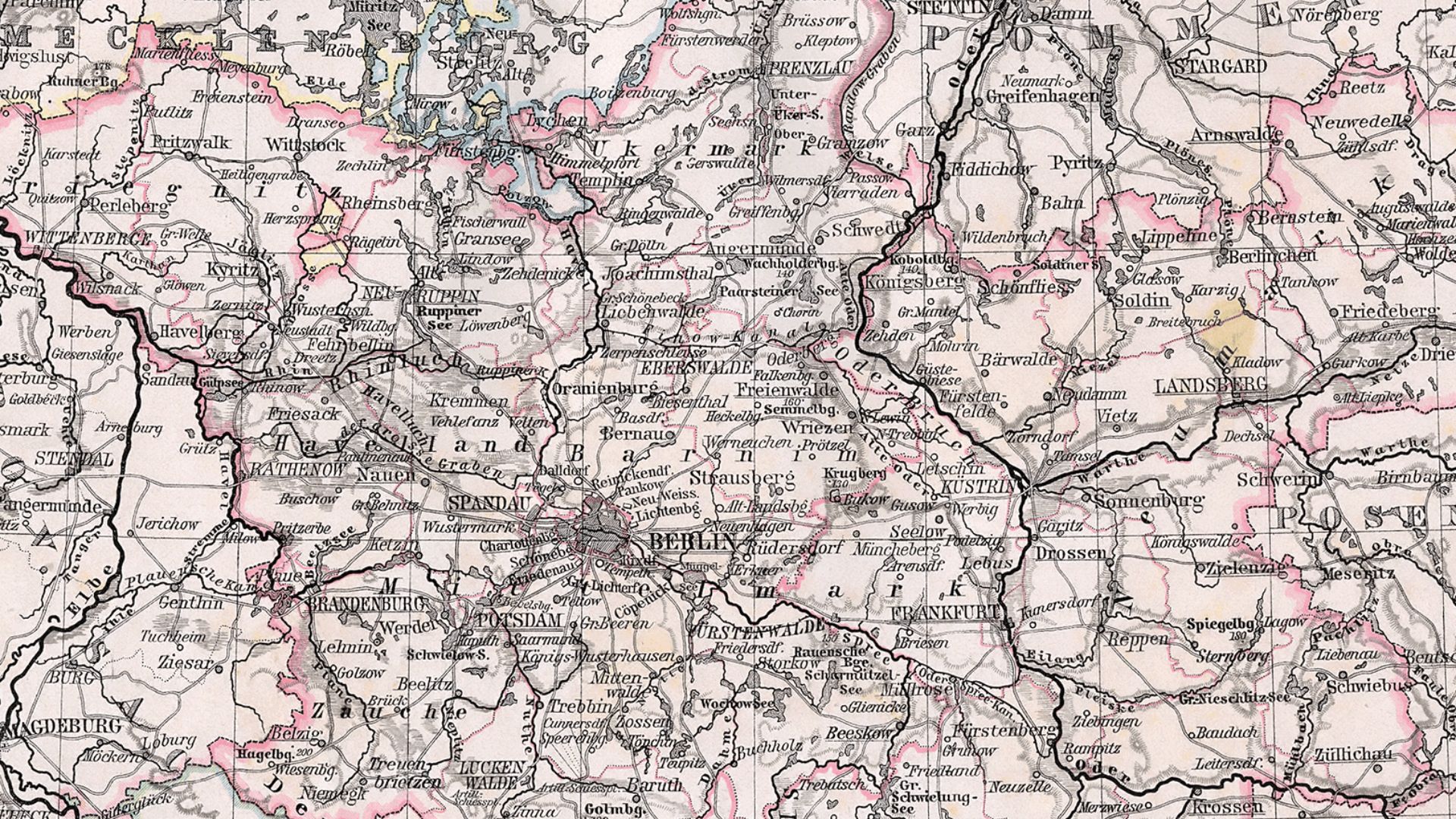
In the early 10th century, the East Frankish Kingdom—predecessor to the Holy Roman Empire—conquered the region through military campaigns. Slavic tribes who inhabited present-day Berlin and Brandenburg were predominantly non-Christian. The new rulers imposed both political reorganization and a new religion on the conquered peoples.
 Droysen/Andree; G.Kaufmann rev., Wikimedia Commons
The Lutician Revolt Of 983
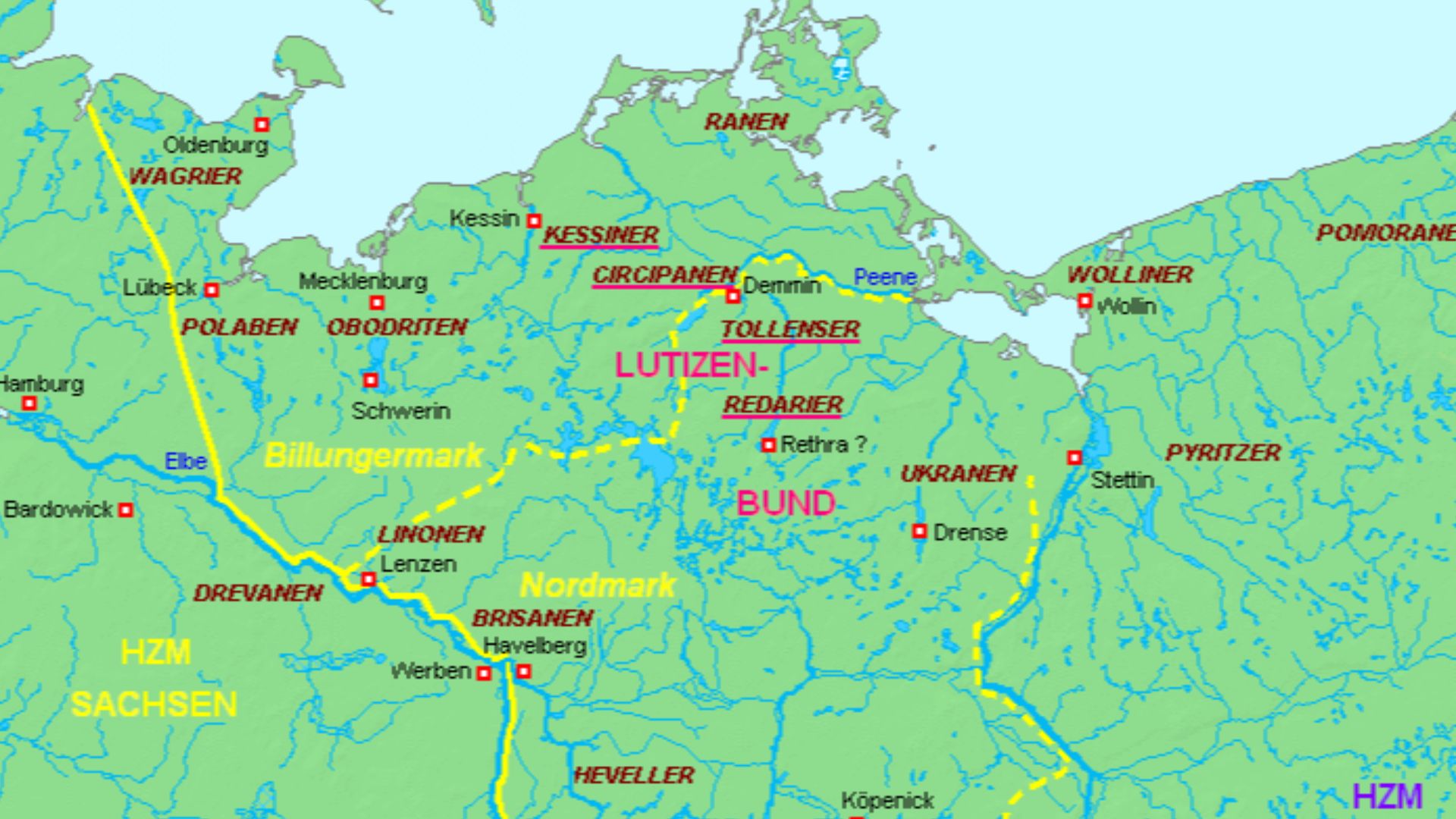
Slavic groups violently rejected Christianity and East Frankish control in 983 during the Lutician Revolt. They threw off foreign rule and regained both political and religious independence for roughly 150 years. Historical sources describe widespread resistance to the new faith. Only in the 12th and 13th centuries did lasting Christianization finally take hold.
Why The Cross Challenges History
The wheel cross and its matching mold both date from before the 983 revolt. Their existence proves Christianity had established deeper roots among Slavic populations than historians previously believed. If blacksmiths were mass-producing Christian symbols, the religion wasn't just imposed by conquerors—locals were adopting it voluntarily.
 picture alliance, Getty Images
Coins And Weapons Found Together
Rangnow's metal detecting survey uncovered more than just the cross. Coins, fragments of partially gilded jewelry, iron weapons, and other artifacts from the same 10th–11th century period emerged from the site. These finds indicate the location was active and connected to wider trade networks across the region.
The Wooden Church Connection
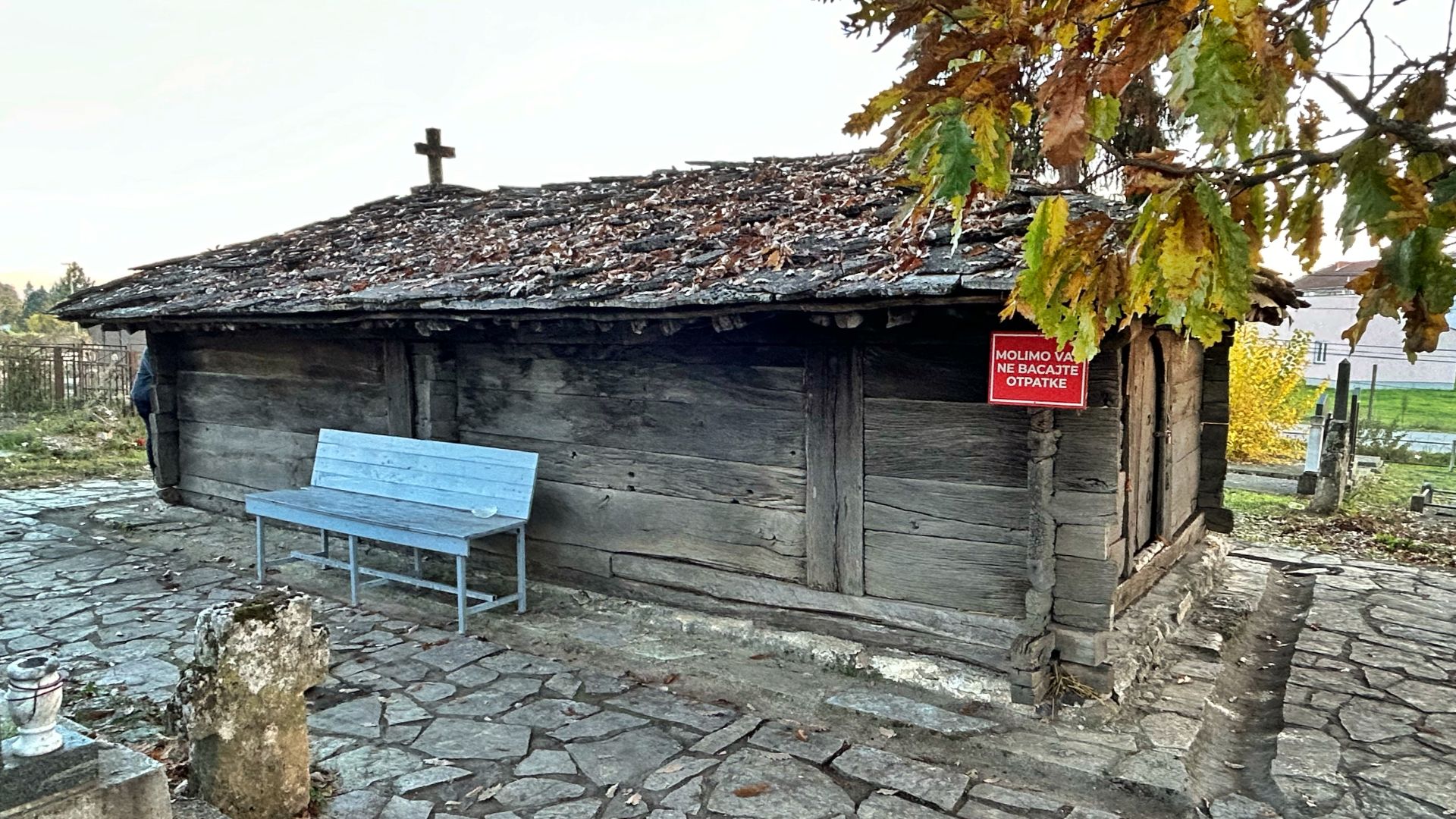
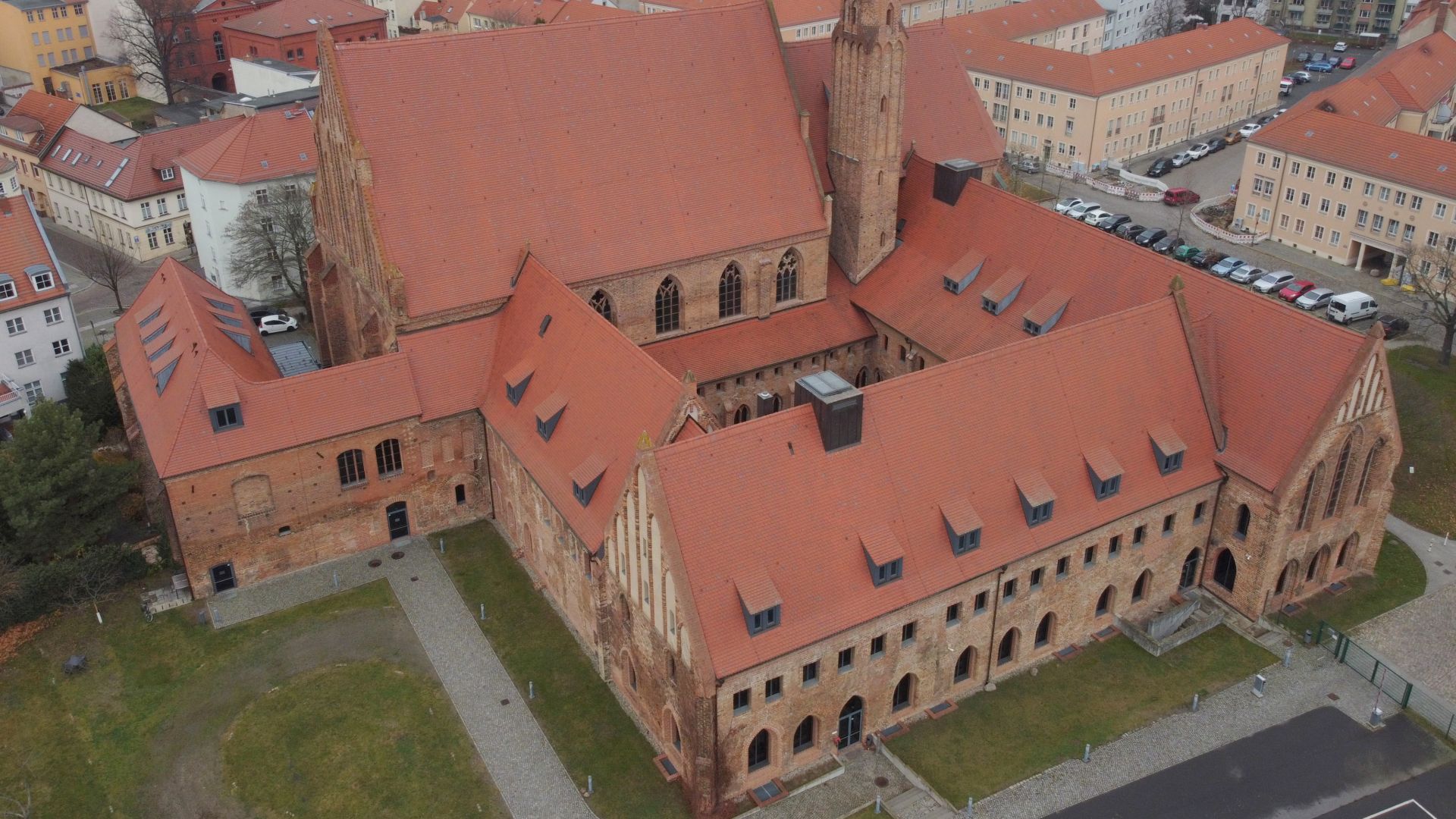
Traces of an early wooden church sit near where Rangnow found the cross. The Spandau mold was also discovered next to the remains of another wooden church inside the hillfort. These simple timber structures served as the first Christian worship spaces in Slavic territories, predating the stone churches built centuries later.
Volunteer Archaeologists Make History
Manja Schule, Brandenburg's Minister for Science, Research and Culture, praised the discovery as "a particularly impressive testament to the commitment of volunteer archaeological conservators." Rangnow wasn't paid for her work. She volunteers because she's passionate about protecting Brandenburg's heritage. Her dedication led to one of the region's most significant archaeological finds.
 Sandro Halank, Wikimedia Commons, Wikimedia Commons
How Casting Molds Worked
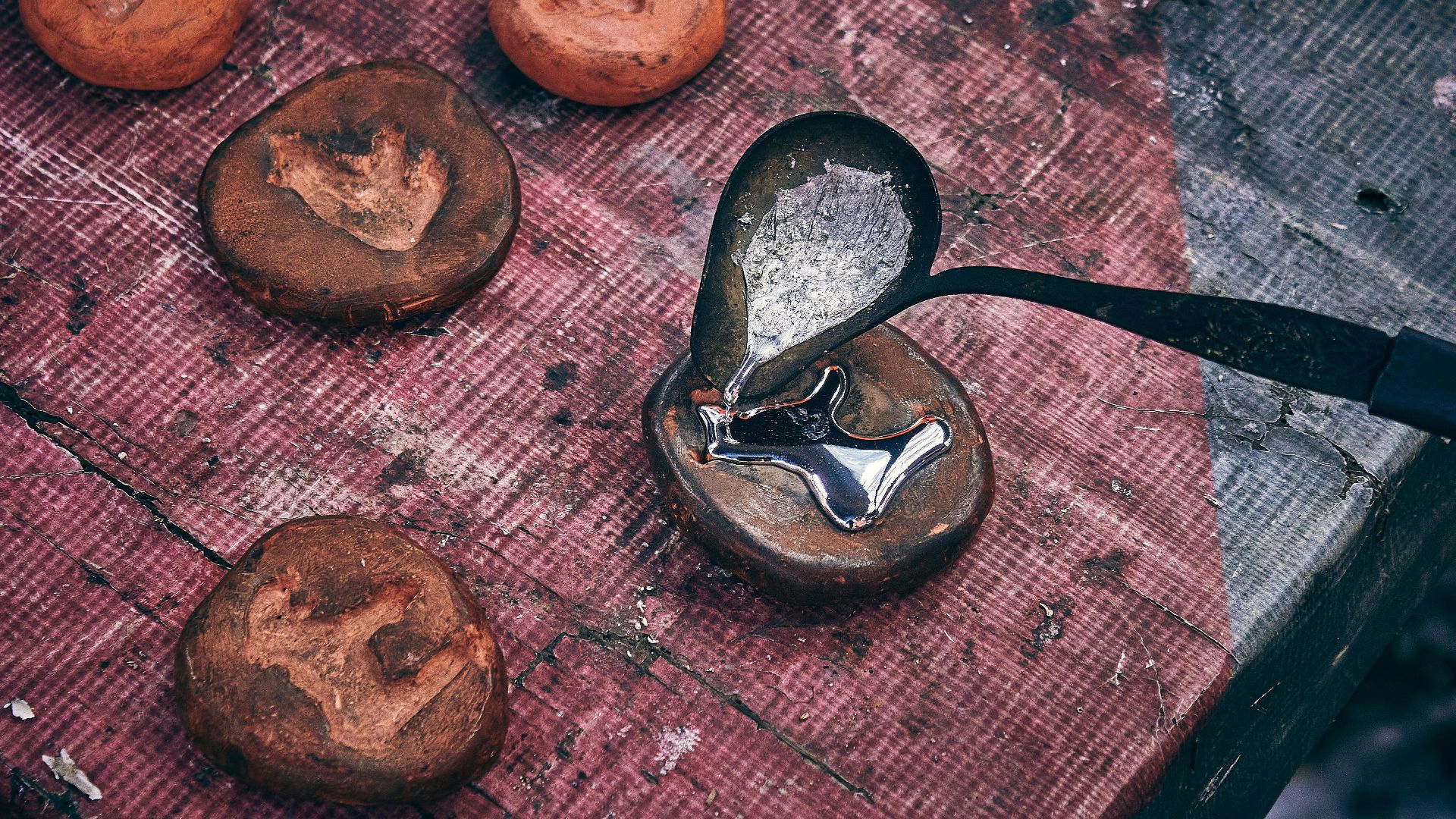
Medieval blacksmiths carved designs into stone or clay molds, then poured molten bronze into the cavity. After cooling, they'd break open the mold to reveal the finished object. The Spandau mold was reusable, allowing the smith to produce numerous identical crosses. Each pour replicated Christ's image exactly.
The Role Of Mobile Populations
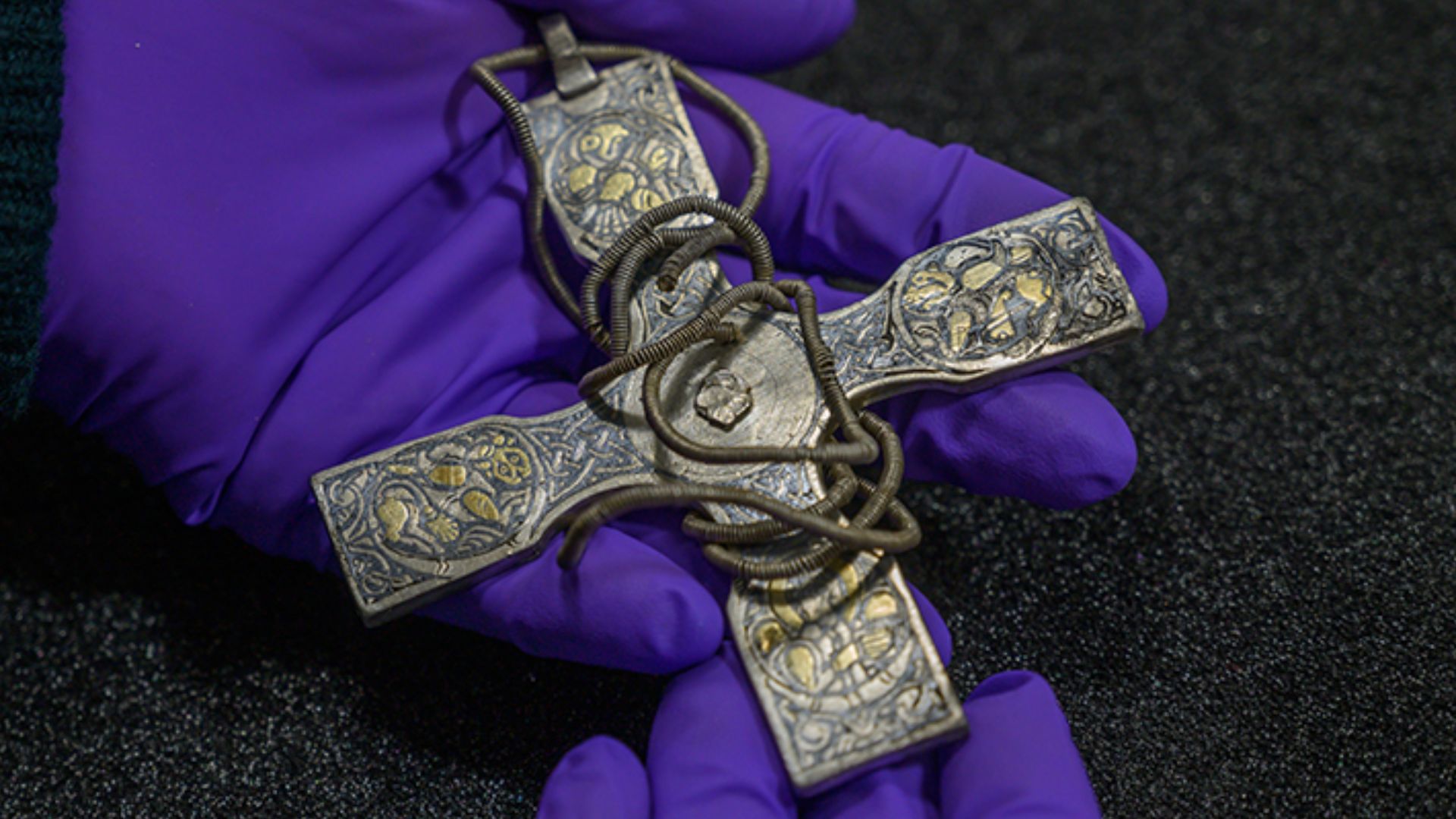
Wemhoff's analysis suggests the crosses served a "very mobile population" traveling between settlements. Portable religious symbols allowed early Christians to carry their faith while moving for trade, seasonal work, or migration. The crosses weren't just decorative—they identified wearers as Christian in a mixed religious landscape.
 National Museums Scotland, Wikimedia Commons
Christianity Before The Margraviate
Sustained Christianization didn't occur until Brandenburg became a margraviate within the Holy Roman Empire in the 12th–13th centuries. Before that, Christianity existed but remained contested and fragile. The wheel cross proves pockets of Christian practice survived even through periods of violent rejection and political chaos.
 Scan made by Kogo, Wikimedia Commons
Lukas Goldmann's Historical Assessment
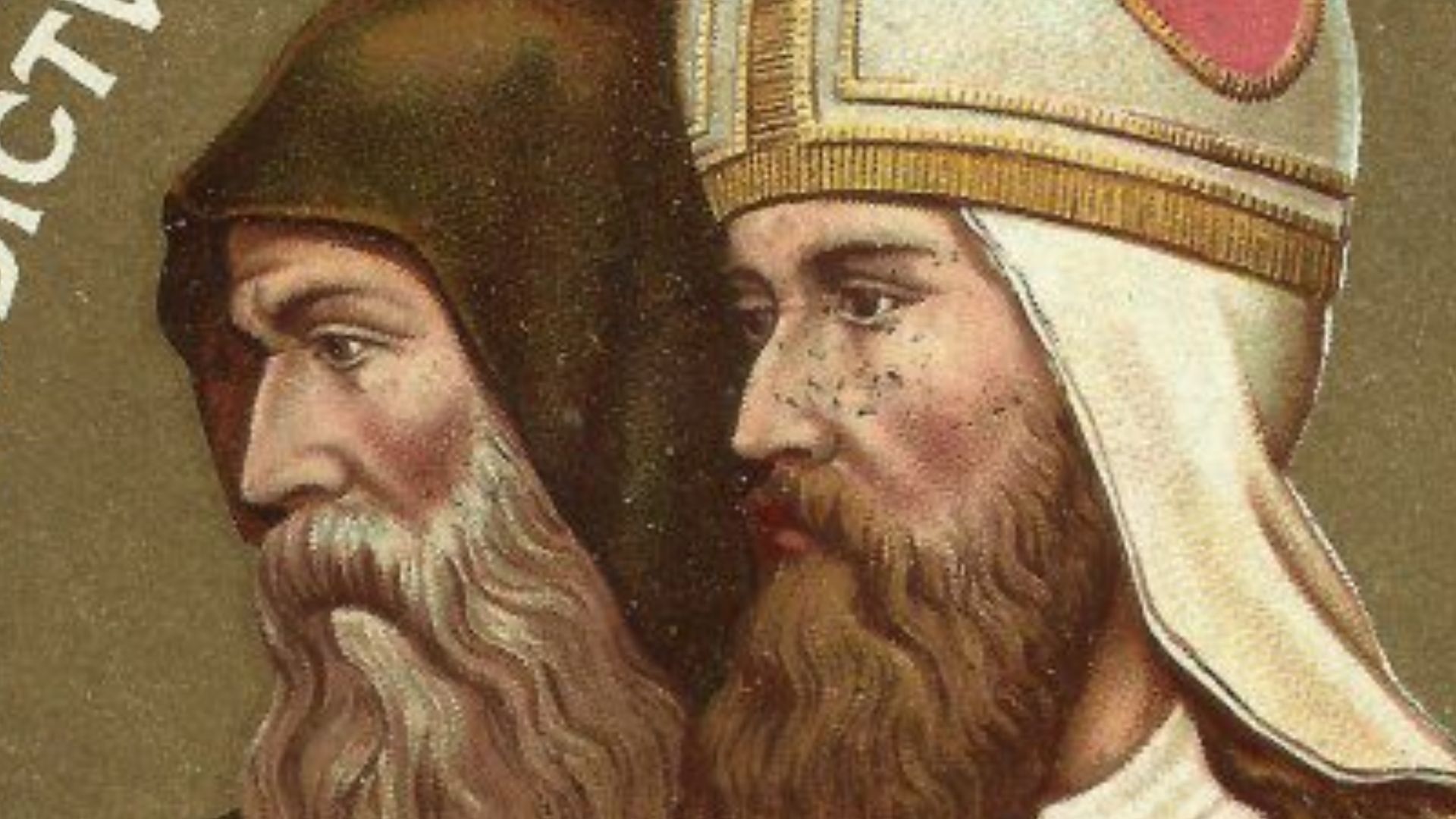
Lukas Goldmann, scientific advisor for the Slavic Middle Ages at Brandenburg's heritage office, called the cross "one of the rare early pieces of evidence of the unique history of Christianization of the northwestern Slavs." This Christianization process shaped northeastern Germany's cultural identity. Its effects remain visible in the region today through place names and traditions.
 Unknown authorUnknown author, Wikimedia Commons
Museum Exhibition Reunites Them
The Brandenburg State Archaeological Museum displayed both the cross and its matching mold from January 24 through March 11, 2026. Visitors could see the two artifacts side by side for the first time since a Spandau blacksmith separated them over a thousand years ago.
The Importance Of Precise Measurements
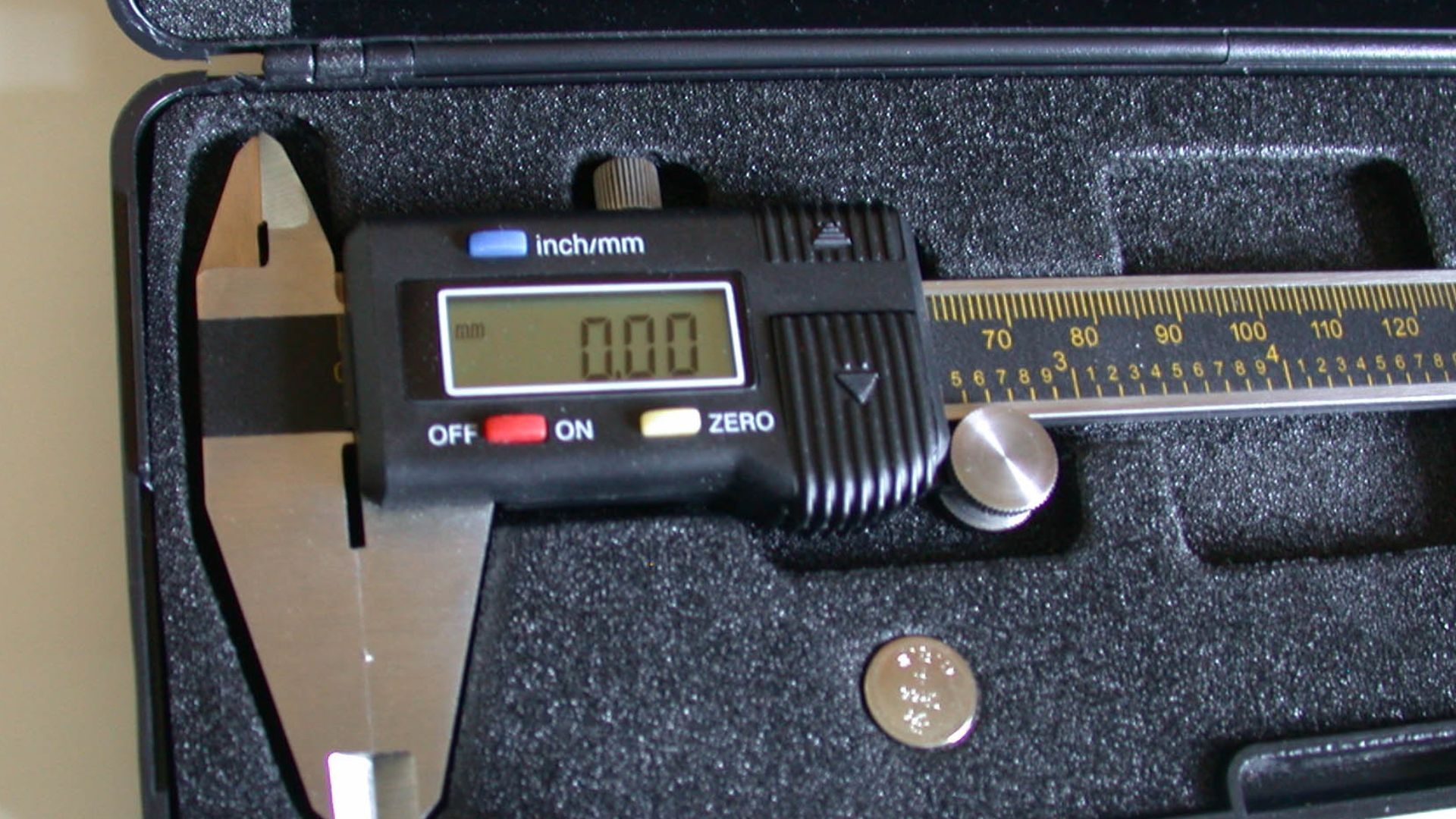
Modern archaeologists use digital calipers and 3D scanning technology to precisely measure their finds. These precision instruments allow archaeologists to identify relationships between artifacts such as these that would've been impossible to detect decades ago.
What Written Sources Missed
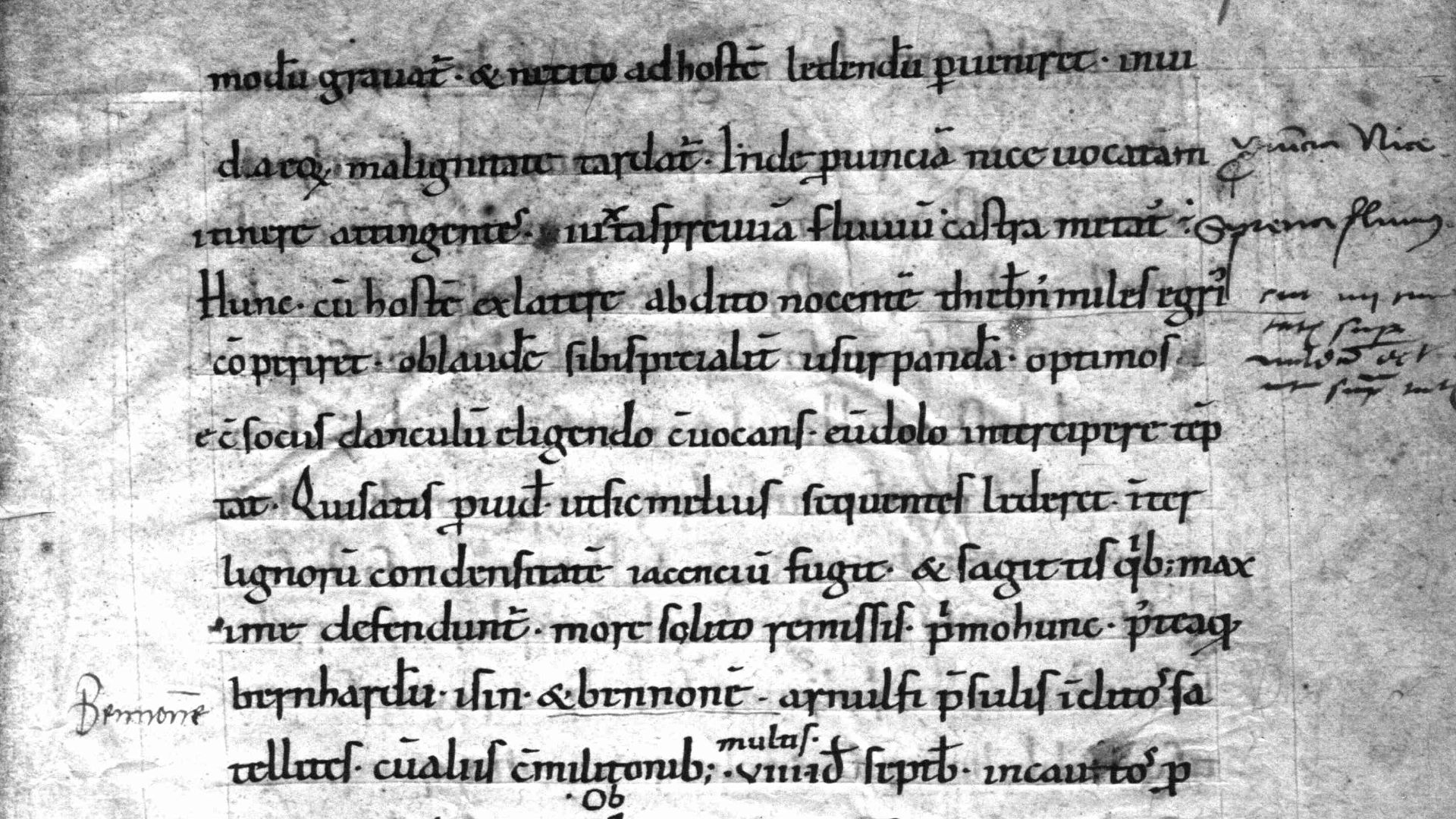
Historical texts from the 10th century describe how Slavic groups in the area fiercely resisted Christian conversion efforts. It was commonly understood that Christianity did not take root in the region until after the 12th century. However, the discovery of the of both the cross and the mould from the 10th century force us to rethink the region's history.
 Thietmar von Merseburg, Wikimedia Commons
The Blacksmith's Skill Level
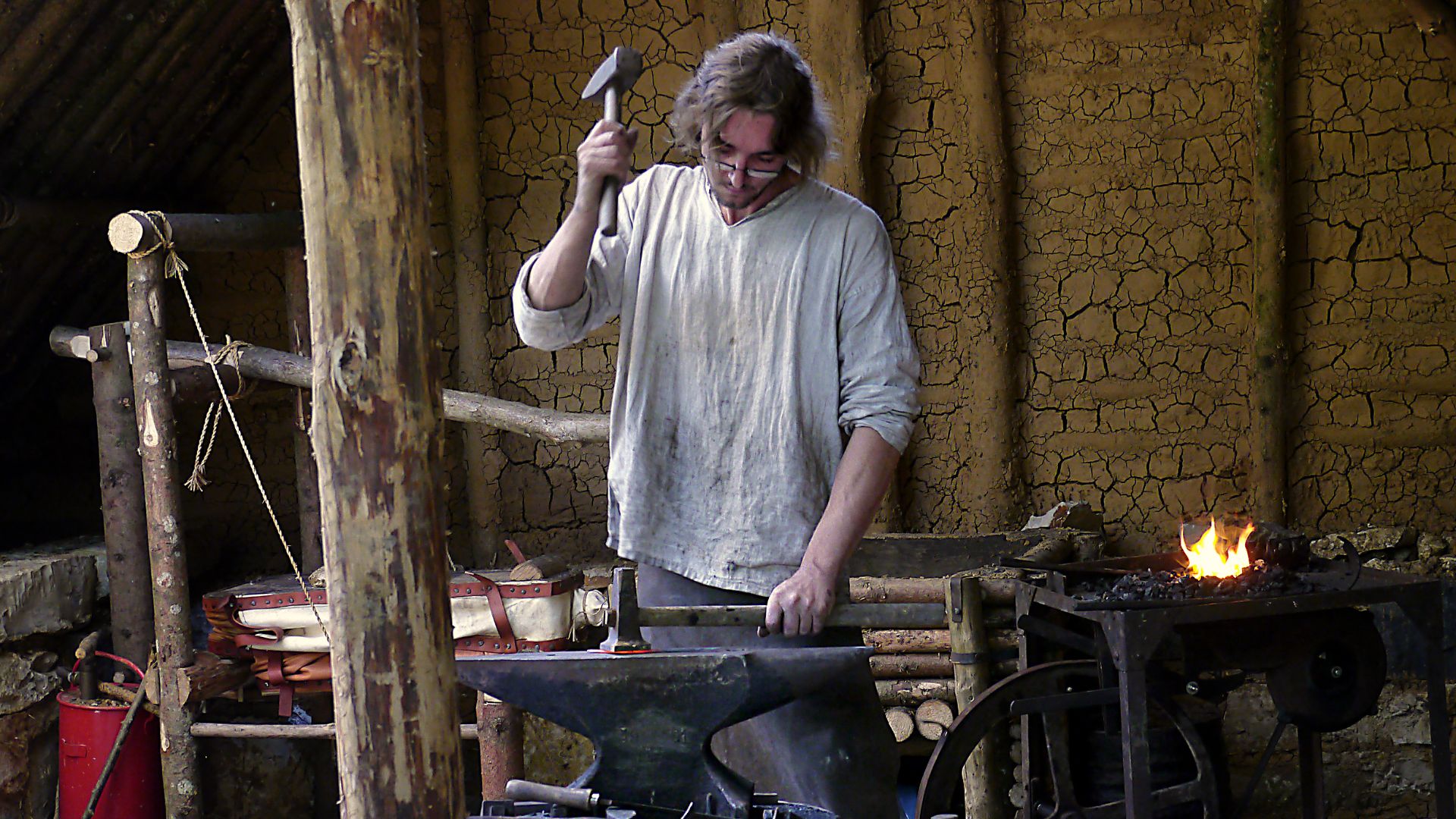
Creating detailed religious imagery in a reusable bronze mold required significant artistic and technical skill. The blacksmith had to carve Christ's figure in reverse so it would appear correctly on the finished pendant. This level of craftsmanship suggests that specialized artisans, rather than general metalworkers, were producing Christian devotional objects.
Other Finds From The Same Period
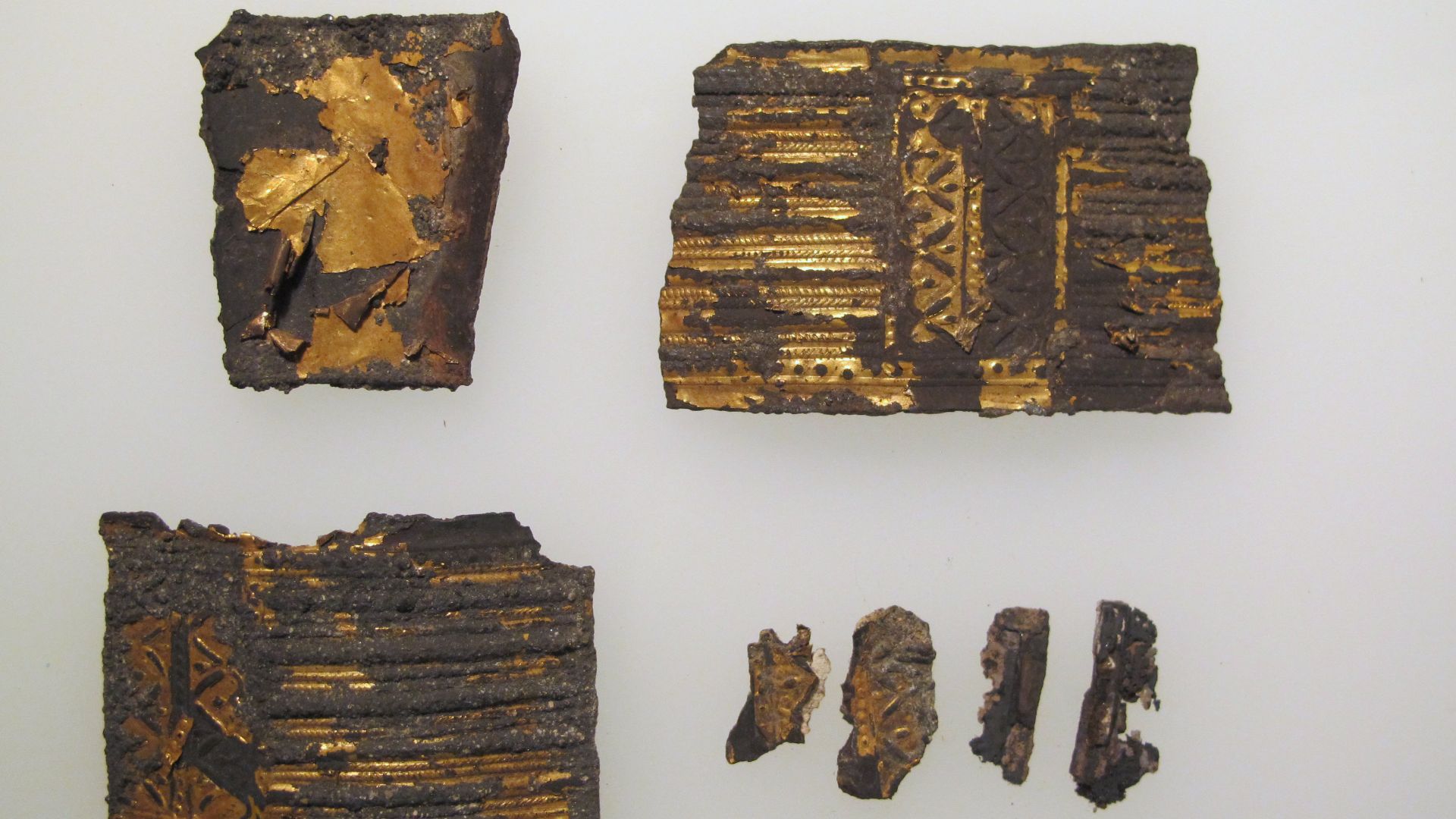
The Havelland site yielded materials proving it was an active settlement connected to regional trade networks. Partially gilded jewelry fragments indicate wealth and access to luxury goods. Iron weapons suggest military presence or conflict. Together, these artifacts paint a picture of a complex society navigating political and religious change.
Long-Term Archaeological Documentation
The Spandau mold spent 43 years sitting in a museum, carefully preserved and documented. This patience paid off when Rangnow's discovery finally provided its matching piece. Modern archaeology's emphasis on preserving everything—not just spectacular finds—creates opportunities for future connections that might take decades to materialize.
 Tulipasylvestris, Wikimedia Commons
Impact On Religious History Understanding
The discovery forces a revision of textbooks that portrayed Christianity spreading through Slavic Germany only after the 12th century. This new evidence shows that Christian communities existed earlier and operated with enough stability to support local production of religious items. Mass-produced symbols indicate organized faith communities, and not just scattered converts.
 Bencherlite, Wikimedia Commons
Geographic Distance Between Discoveries
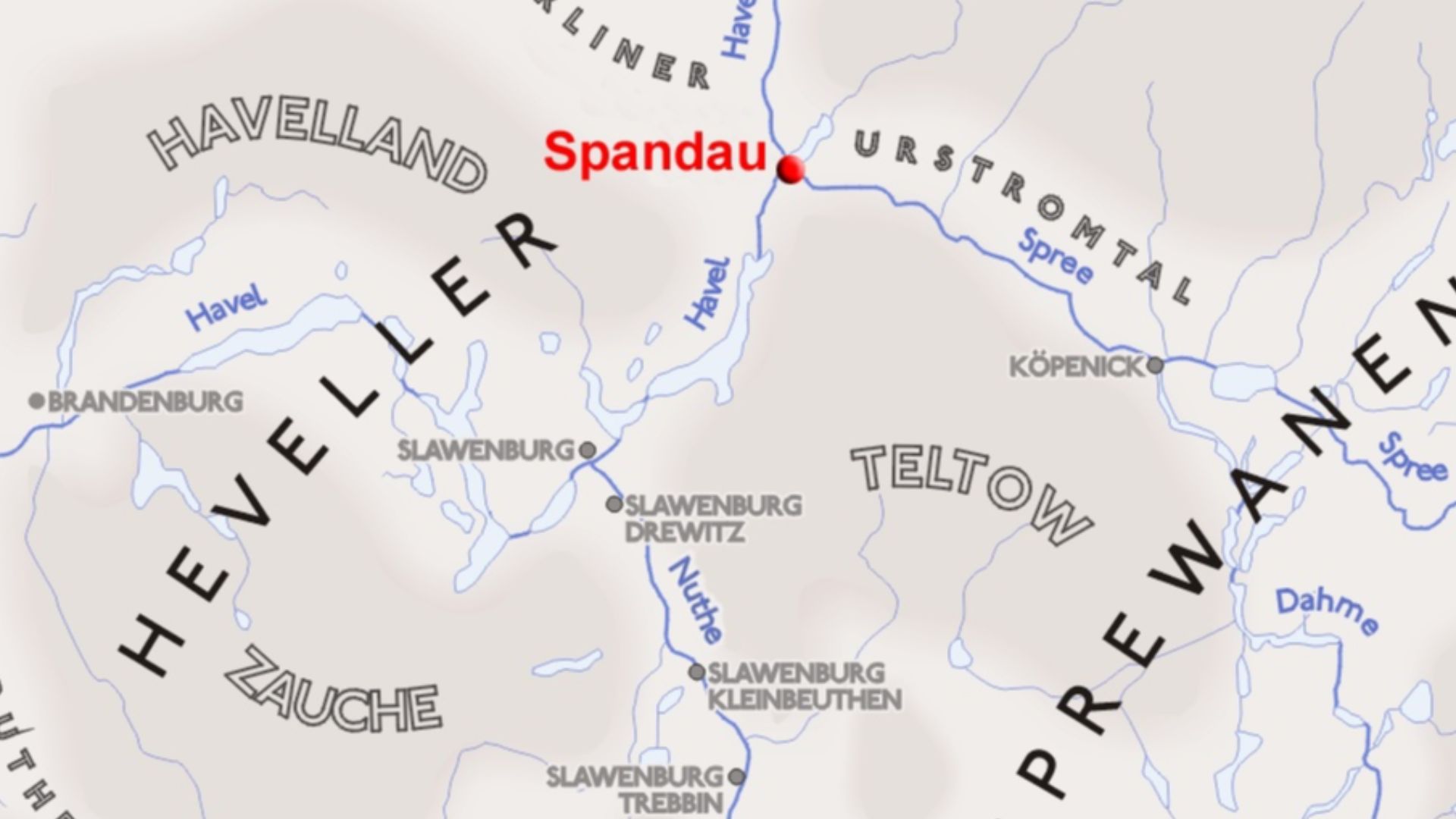
The wheel cross was found about 30 miles from where its mold emerged in Spandau. This distance proves the blacksmith's products circulated widely across the region rather than staying local. Trade routes, religious pilgrimage paths, or migrating Christians carried these pendants between settlements separated by days of travel.
 Benutzer:sec11, Wikimedia Commons