
Vacation Souvenir Overload
You expected to spend your vacation exploring famous sights, relaxing, and making memories. Instead, every day seems to include multiple souvenir shops, and now your travel partner expects you to use your luggage to carry home everything they bought. It's understandable to feel frustrated when someone else's shopping begins creating extra costs, inconvenience, and risk for you.
Why Souvenirs Matter
Many travelers buy souvenirs because they want tangible reminders of special experiences. Gifts, decorations, local artwork, and collectibles can help preserve memories long after the trip ends. For some people, shopping becomes just as enjoyable as sightseeing, even if their travel companions feel very differently.

Everyone Travels Differently
Not every traveler enjoys the same activities. While your partner may happily browse gift shops for an hour, you may prefer museums, beaches, hiking trails, or local restaurants. Neither preference is inherently wrong, but successful travel requires balancing everyone's priorities instead of letting one person's habits dominate.

The Time Adds Up
Stopping at every souvenir shop can quietly consume hours over the course of a vacation. Time spent browsing shelves often replaces opportunities to experience attractions, relax, or simply enjoy wandering through a destination without a shopping agenda taking over every afternoon.

Packing Space Matters
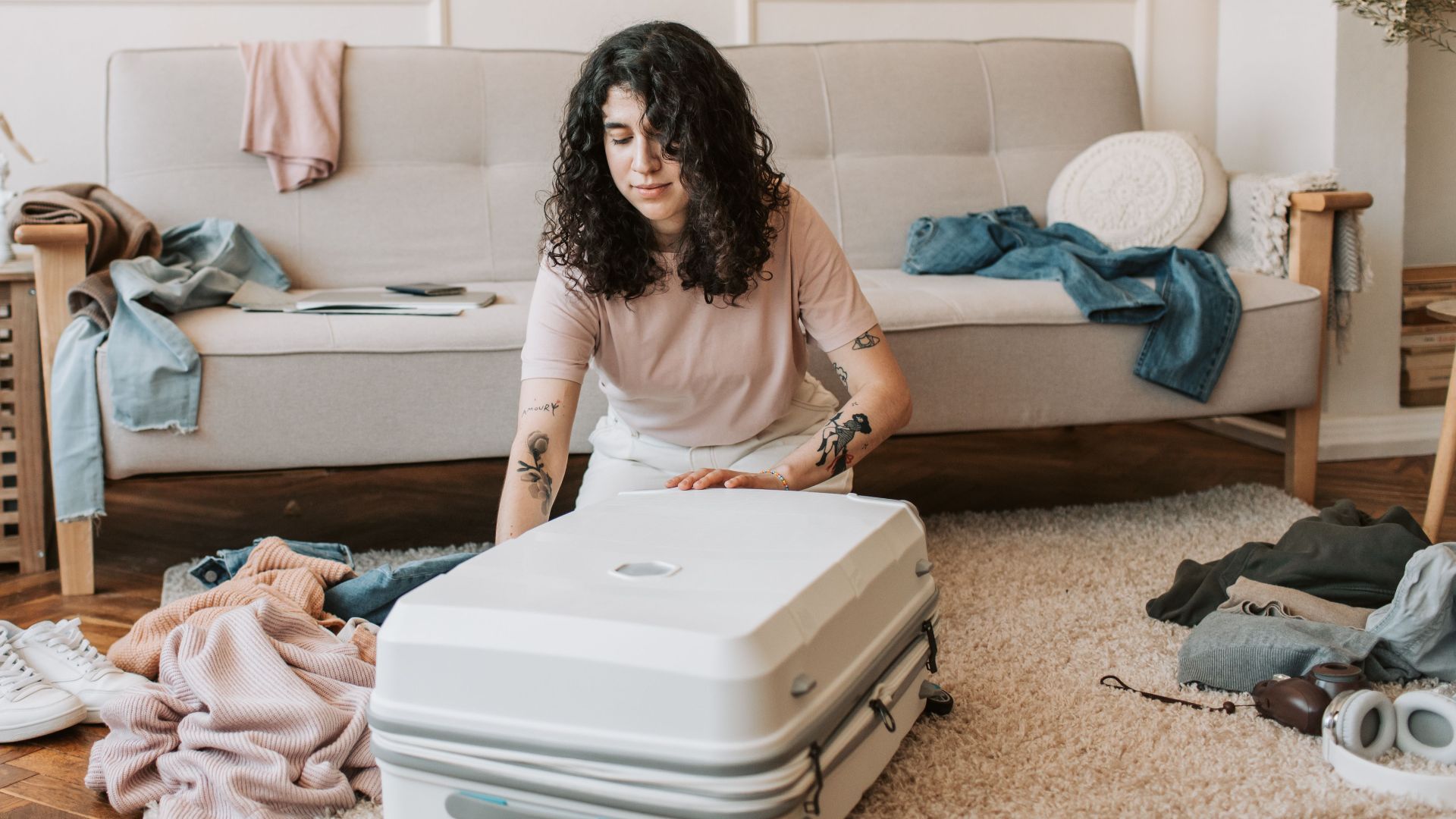
Luggage space is limited for everyone. Clothing, toiletries, electronics, medications, and travel essentials already compete for room. When someone expects you to dedicate part of your suitcase to their purchases, they are effectively reducing the space available for your own belongings.

Extra Weight Costs Money
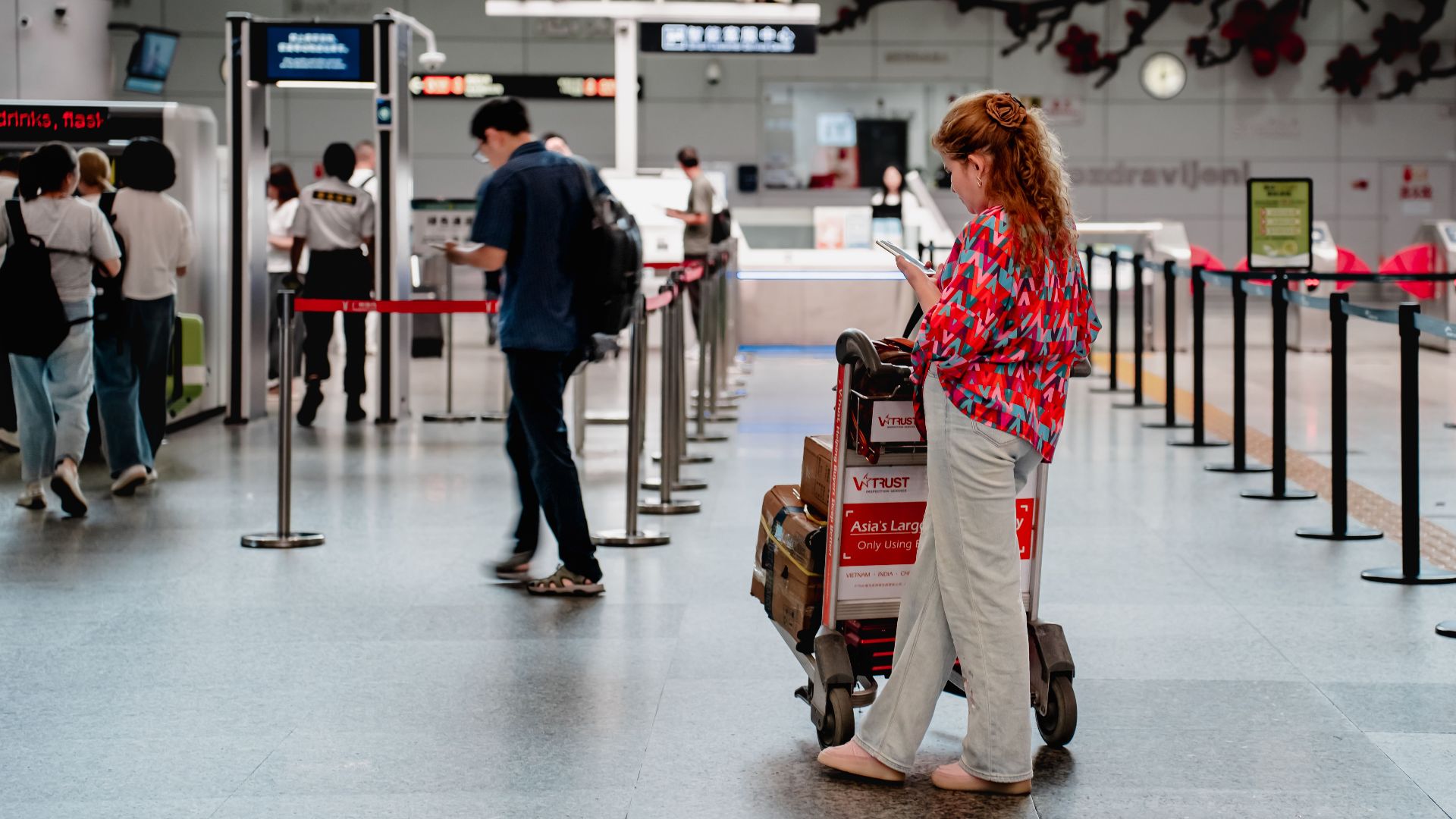
Airlines commonly charge fees for overweight or additional checked bags. Even when no fees apply, heavier luggage becomes harder to lift, maneuver through airports, and transport between hotels. Those practical burdens deserve consideration before anyone volunteers another person's suitcase.
Breakables Create Stress
Ceramics, glass ornaments, decorative plates, and fragile carvings require careful packing. If you agree to carry someone else's breakable souvenirs, you may spend the journey worrying about cracked pottery or shattered keepsakes instead of simply enjoying your trip home.
Responsibility Follows Possession
Once another person's souvenirs are inside your luggage, disagreements can arise if something is lost, damaged, or delayed. Even when the damage was unavoidable, your travel partner may still feel disappointed, creating unnecessary tension after an otherwise enjoyable vacation.

You Are Not Obligated
Sharing luggage is a favor, not an obligation. You have every right to decline politely, especially if carrying additional items could increase airline fees, exceed baggage limits, or place your own belongings at greater risk during transit.

Set Expectations Early
The easiest conversations happen before shopping begins. Mention that your suitcase is already full or that you plan to stay within airline weight limits. Establishing expectations early can prevent awkward conversations after dozens of purchases have already accumulated.

Offer Reasonable Compromise
You do not necessarily have to refuse everything. Perhaps you are comfortable carrying one lightweight sweater or a few refrigerator magnets. Setting a clear limit shows goodwill while preventing your suitcase from becoming someone else's free shipping service.

Suggest Shipping Instead
Many souvenir stores offer domestic or international shipping. Although shipping costs money, it often protects fragile purchases and eliminates baggage concerns. Your travel partner can decide whether the items remain worthwhile after considering the full cost of getting them home.

Encourage Smarter Purchases
Sometimes travelers buy impulsively because everything feels unique while on vacation. Suggest waiting until the final days before making larger purchases. After several days of reflection, many people discover they no longer want every decorative item they initially admired.

Focus On Experiences
The most meaningful vacation memories often come from conversations, meals, landscapes, and adventures rather than shelves filled with souvenirs. Reminding each other why you traveled in the first place can naturally reduce the urge to spend every afternoon shopping.

Consider Airline Rules
Before agreeing to carry extra belongings, review your airline's baggage allowance, weight limits, and prohibited items. Understanding those rules beforehand helps you make informed decisions and prevents expensive surprises during airport check-in.

Respect Personal Budgets
Shopping rarely affects only luggage space. Travelers may also face tighter budgets after buying numerous gifts and collectibles. If excessive souvenir spending creates financial stress later, that becomes another reminder that moderation often improves the overall travel experience.

Think About Customs
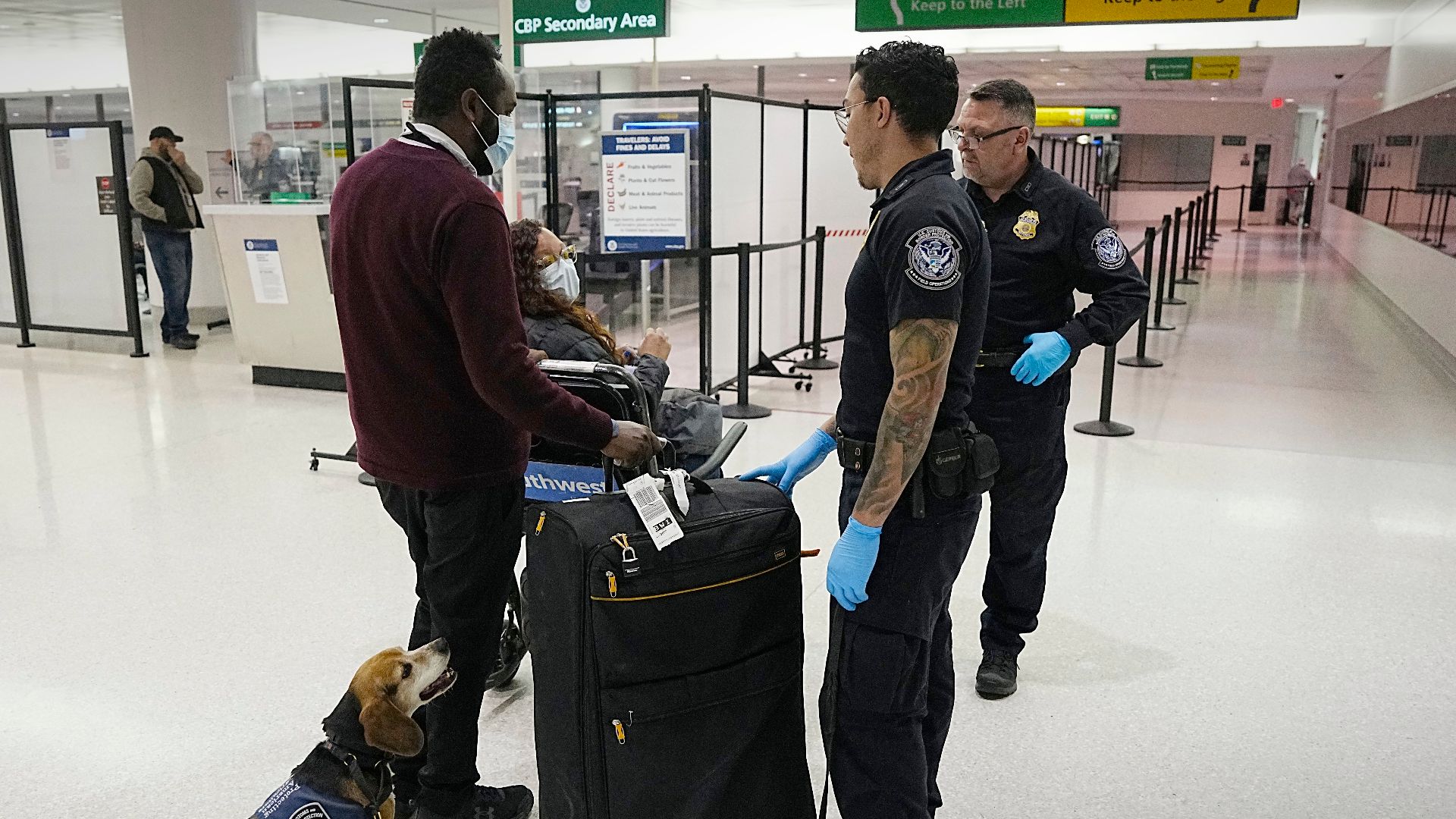
Returning to the United States may involve customs declarations for purchases made abroad. Certain foods, plants, animal products, and other items face restrictions or additional inspection. Everyone should know exactly what is inside the luggage they are transporting.
 CBP Photography, Wikimedia Commons
Avoid Hidden Liability
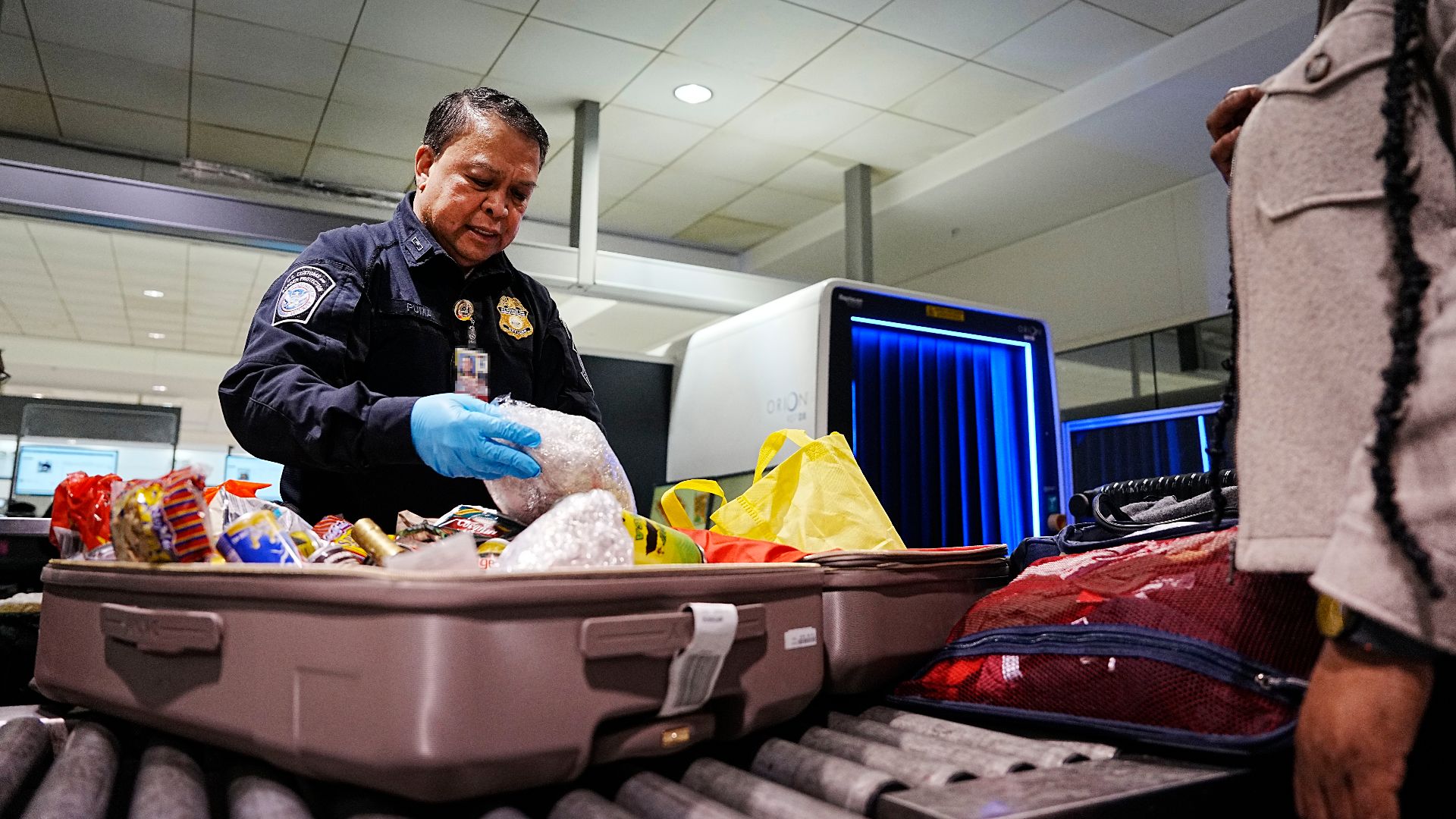
Carrying another person's possessions can become awkward if questions arise during customs inspections or baggage claims. Knowing precisely what you packed protects both you and your travel partner while reducing misunderstandings with transportation or border officials.
 CBP Photography, Wikimedia Commons
Communicate Calmly
Rather than expressing frustration after reaching your breaking point, explain your concerns calmly. Focus on practical issues like weight, space, airline fees, and fragile items instead of criticizing your partner's shopping habits or personal interests.

Keep Fair Boundaries
Healthy travel partnerships respect reasonable boundaries. Your partner can enjoy collecting souvenirs without expecting unlimited assistance from you. Likewise, you can support their hobby without sacrificing your own comfort or assuming unwanted financial responsibility.

Plan Shopping Time
Scheduling dedicated shopping periods can satisfy both travelers. Your partner gets uninterrupted browsing time, while you know exactly when shopping will end. The remainder of each day stays available for attractions and experiences you both want to enjoy.

Learn To Say No
Declining a request does not make you selfish. A polite but firm refusal can prevent resentment from building throughout the trip. Clear communication often preserves friendships better than silently agreeing while becoming increasingly irritated.

Protect Your Belongings
Even soft souvenirs can damage your own possessions if packed carelessly. Sharp edges, heavy objects, leaking liquids, or poorly wrapped items may ruin clothing or electronics. Your suitcase should first protect the items you personally chose to bring.

Keep Perspective
If this disagreement is your biggest vacation problem, that is good news overall. Try to resolve it respectfully without allowing luggage disagreements to overshadow the enjoyable memories you have created together during the trip.

Your Feelings Are Valid
You're not wrong for feeling annoyed when someone repeatedly expects you to absorb the inconvenience, expense, and risk of transporting their purchases. A fair compromise respects both your partner's enjoyment of souvenir shopping and your right to manage your own luggage responsibly.

You May Also Like:
Americans Should Know That These “Normal” Things They Do Are Illegal In Mexico
Costly Luggage Mistakes That Airlines Hope You Keep Making In 2026