

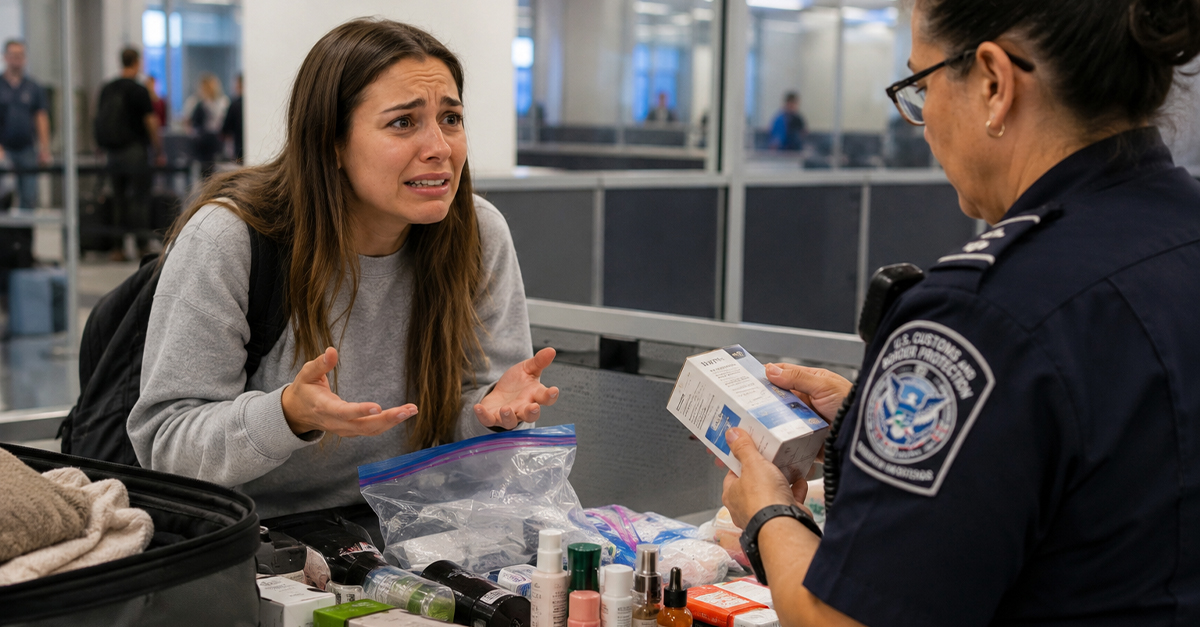
The Moment Your Trip Suddenly Goes Wrong
You spend days hunting for the perfect souvenirs, carefully wrapping them in your luggage, imagining where they’ll go at home. Then customs pulls you aside, opens your bag, and says the items can’t enter the country. It feels embarrassing, frustrating, and expensive all at once. And you just think to yourself, "What can I do? How do I get these items back?"
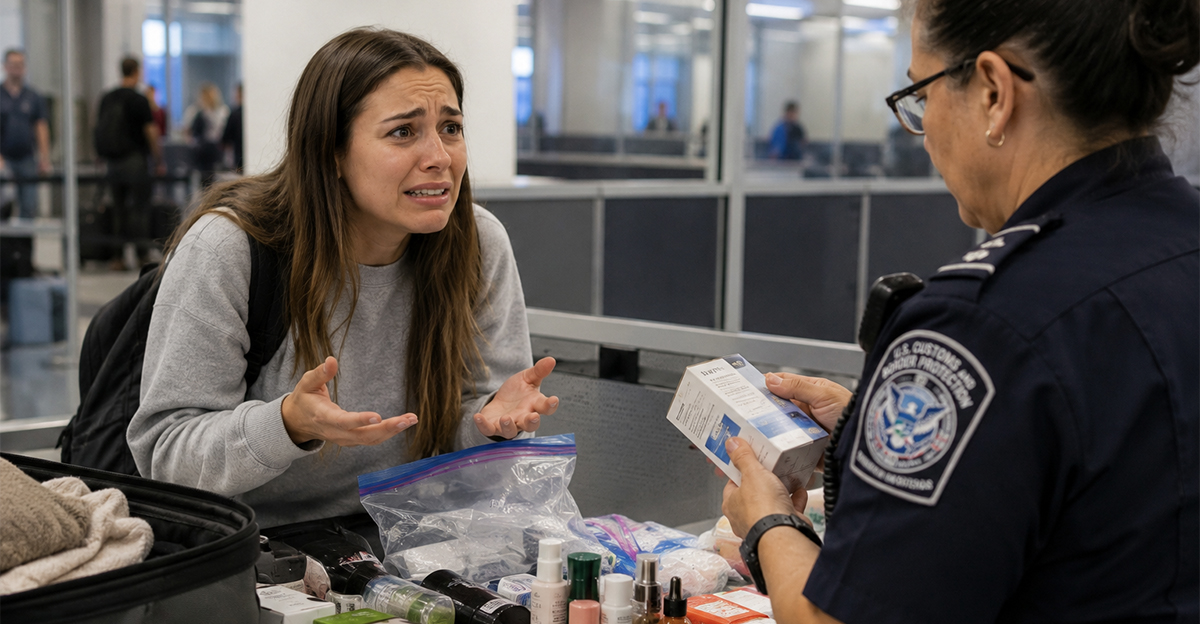
Customs Officers Can Legally Seize Certain Items
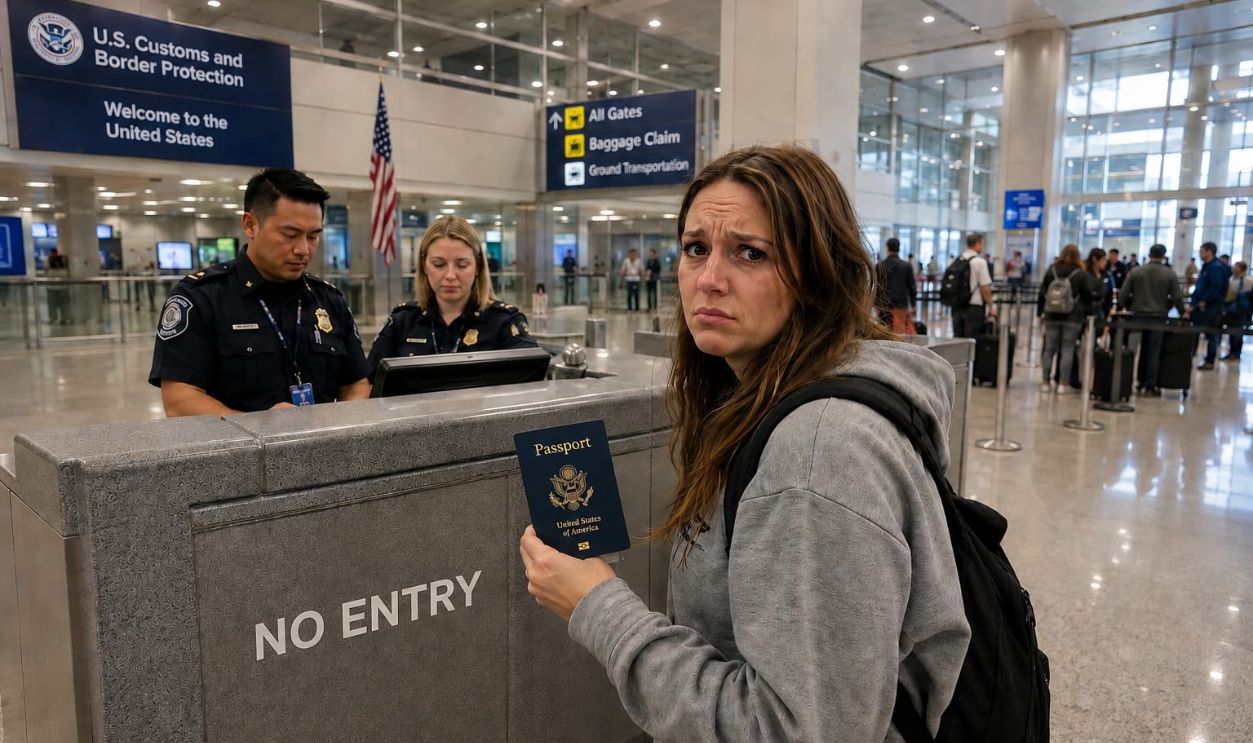
Most travelers don’t realize customs agents have broad authority to inspect baggage and confiscate goods that violate import rules. That can include undeclared luxury purchases, counterfeit products, protected wildlife items, food, plants, alcohol, or cultural artifacts.
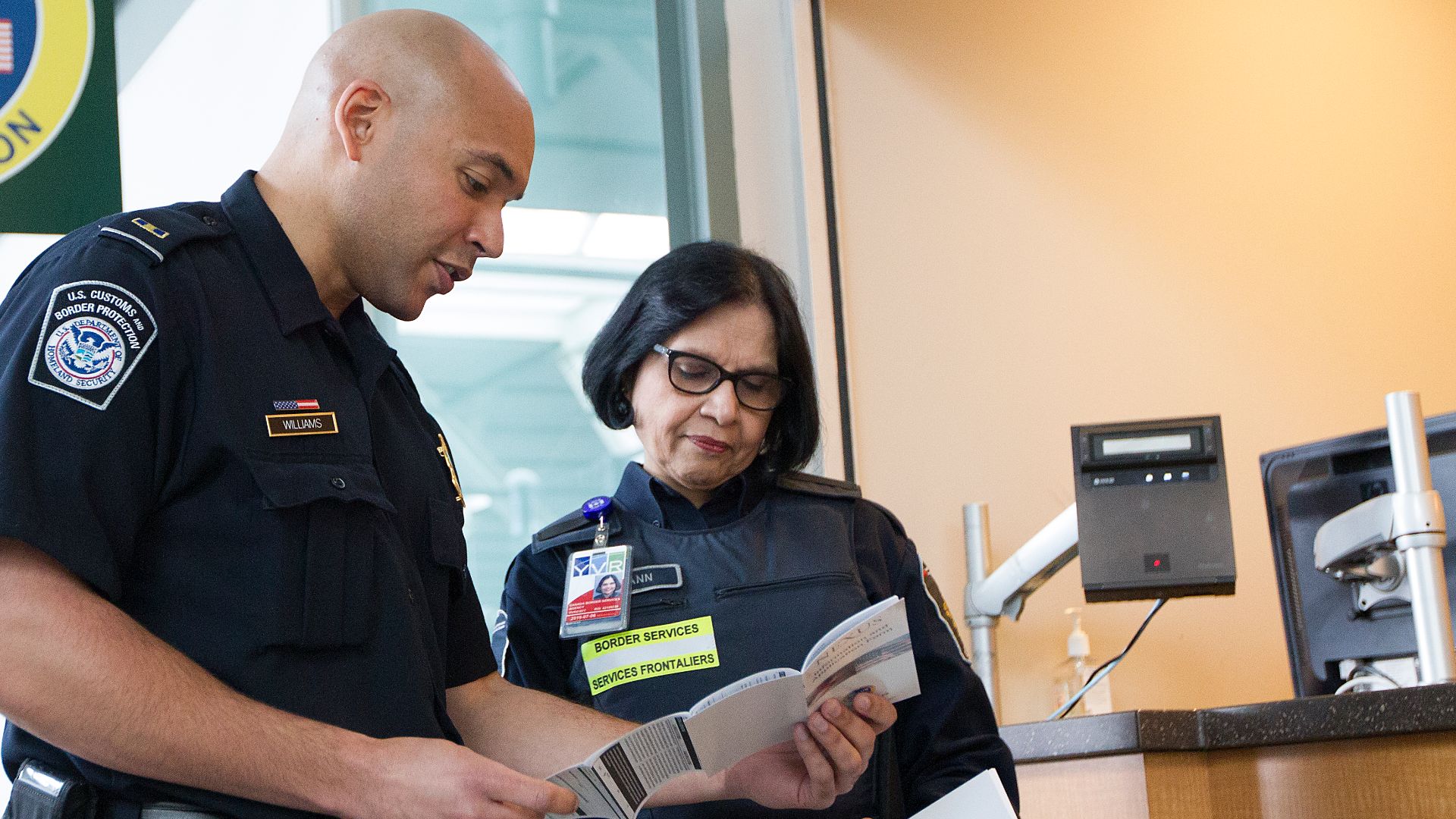 U.S. Customs and Border Protection, Wikimedia Commons
Sometimes The Problem Is Paperwork, Not The Item Itself
In many cases, travelers lose items because they failed to declare them correctly. Customs agencies often care less about the souvenir itself and more about whether it was reported honestly. Even accidental omissions can trigger penalties, delays, or temporary seizure.

Don’t Panic Immediately
A customs seizure does not always mean your souvenirs are permanently gone. Some items are simply held until duties, taxes, or fines are paid. Others may require proof of purchase, import permits, or additional paperwork before they can legally be released back to you.
 Krakenimages.com, Shutterstock Images
Ask Exactly Why The Items Were Stopped
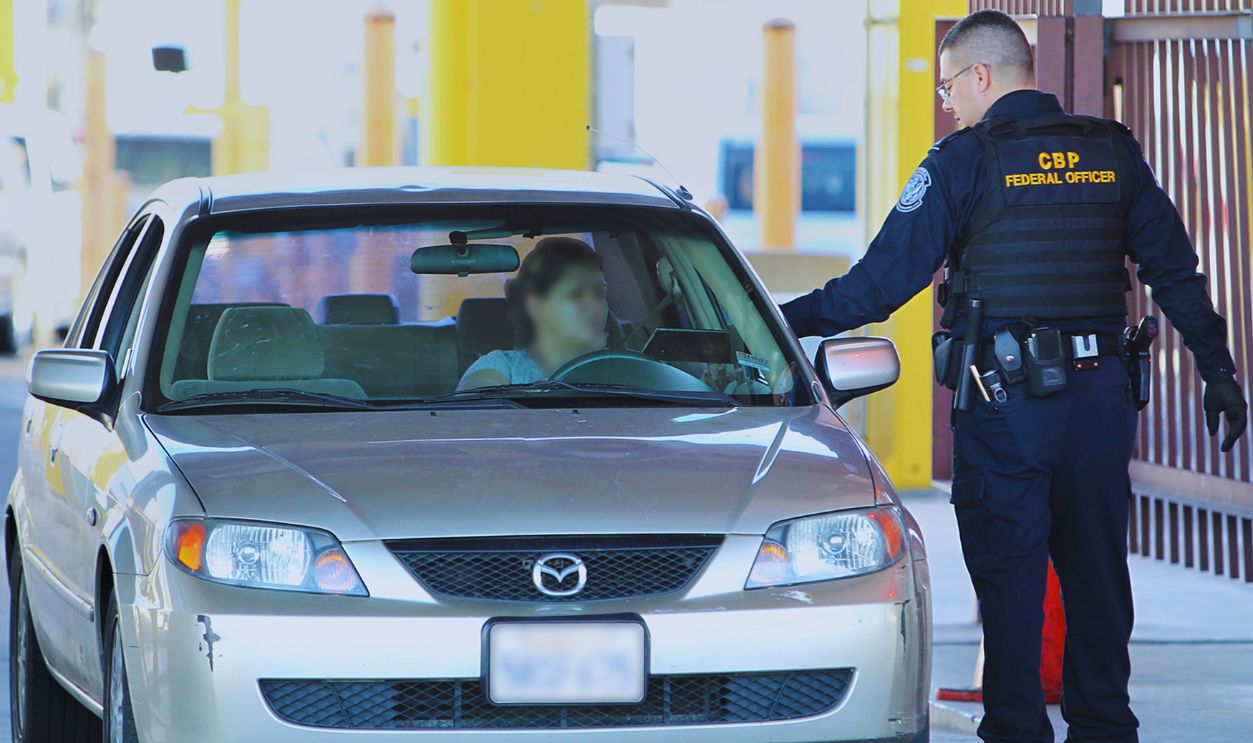
Before leaving the airport or border checkpoint, ask for a detailed explanation. Was the problem unpaid duty? A prohibited material? Missing declarations? Agricultural restrictions? Counterfeit concerns? The exact reason matters because every category has a different appeals process and timeline.
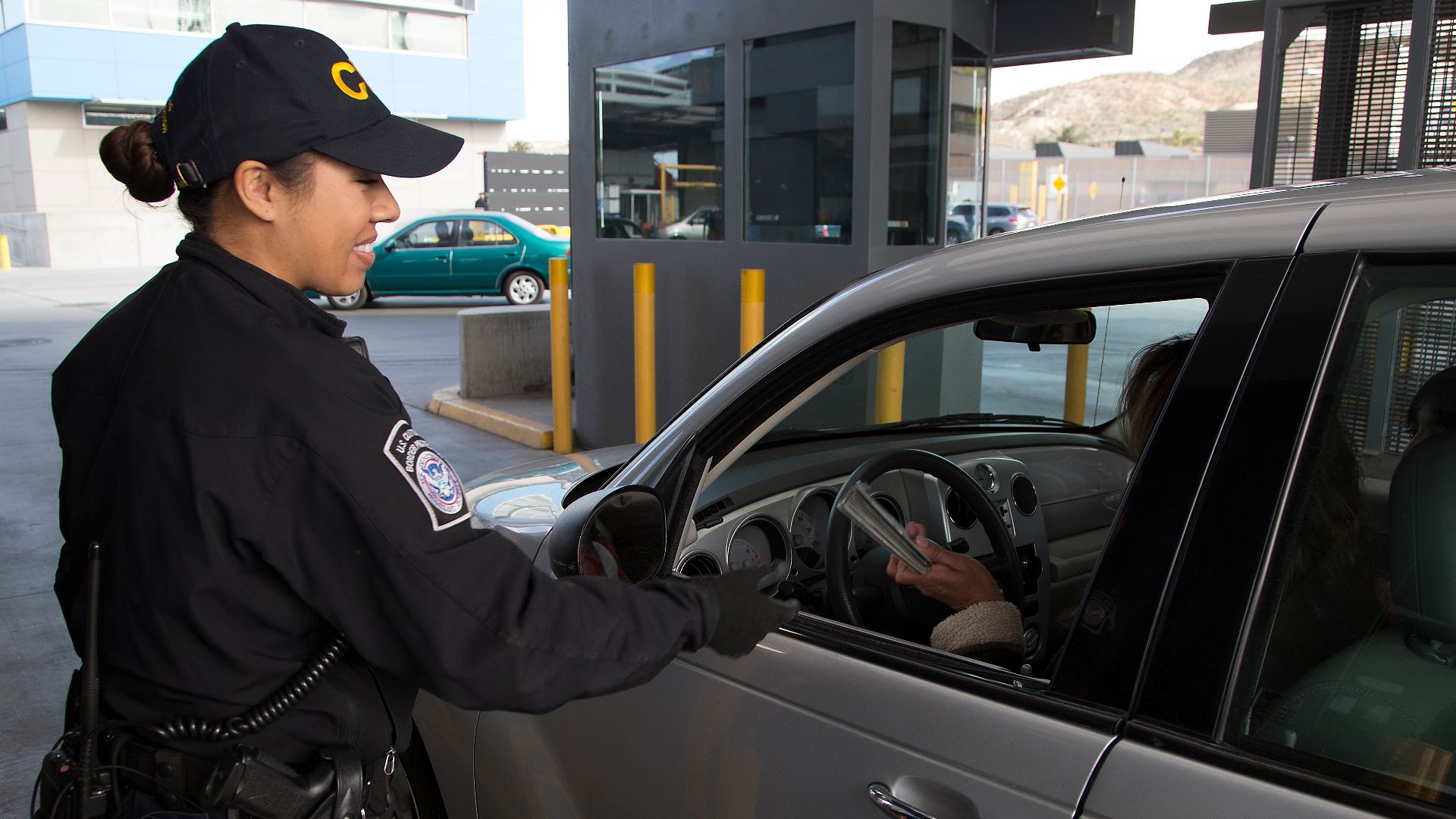 U.S. Customs and Border Protection, Wikimedia Commons
Keep Every Receipt And Travel Document
Receipts can become extremely important if you try to reclaim seized property. Customs officials may ask for proof of value, country of origin, or evidence that the goods were legally purchased. Boarding passes and declaration forms can also help establish your case later.

Some Souvenirs Are Restricted Everywhere
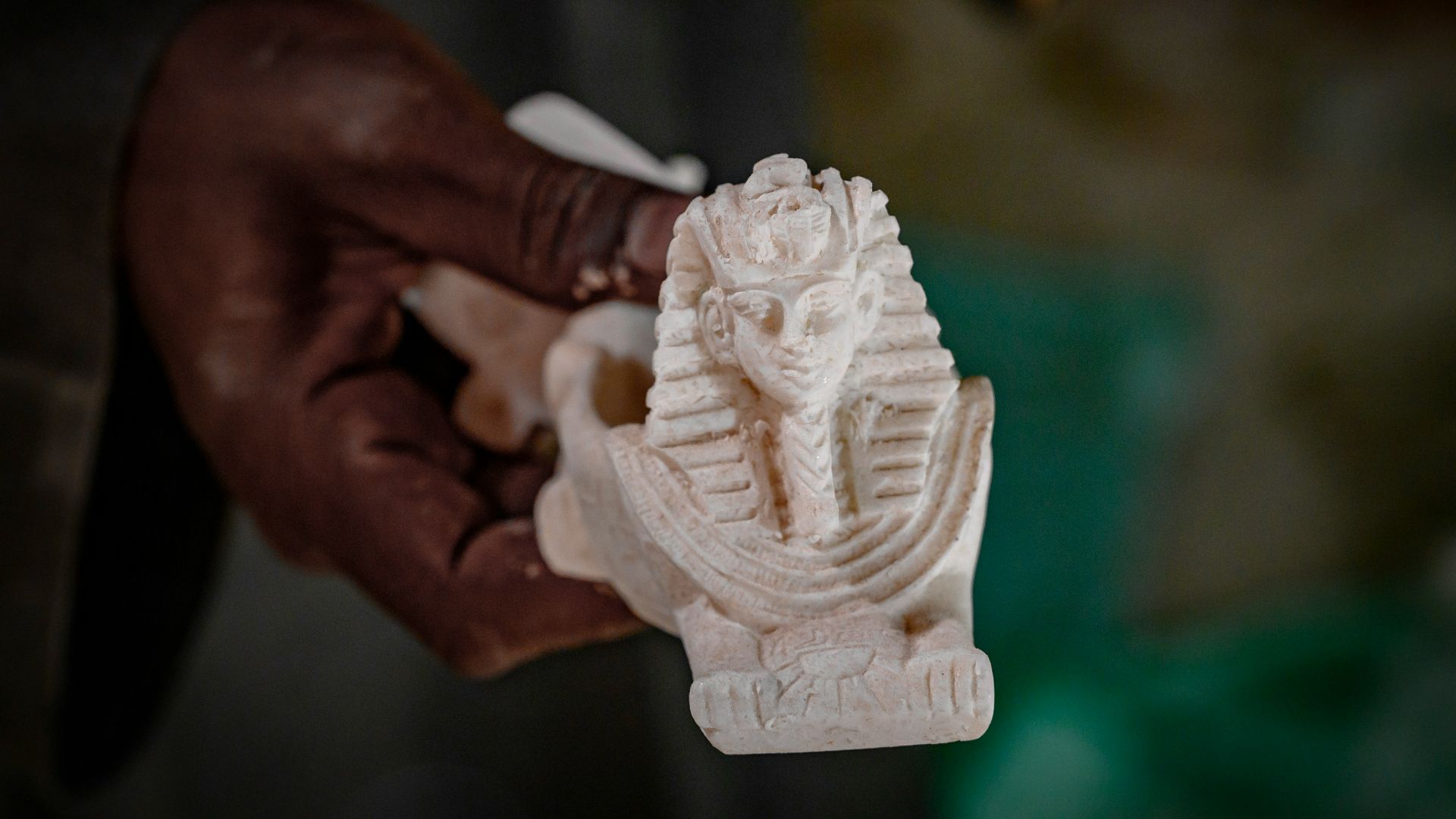
Travelers are often shocked to learn certain items are heavily controlled worldwide. Ivory carvings, coral jewelry, exotic animal products, untreated wood, certain seeds, and historical artifacts can trigger immediate seizure, even if they were openly sold in tourist markets abroad.
Counterfeit Luxury Goods Are A Huge Customs Target
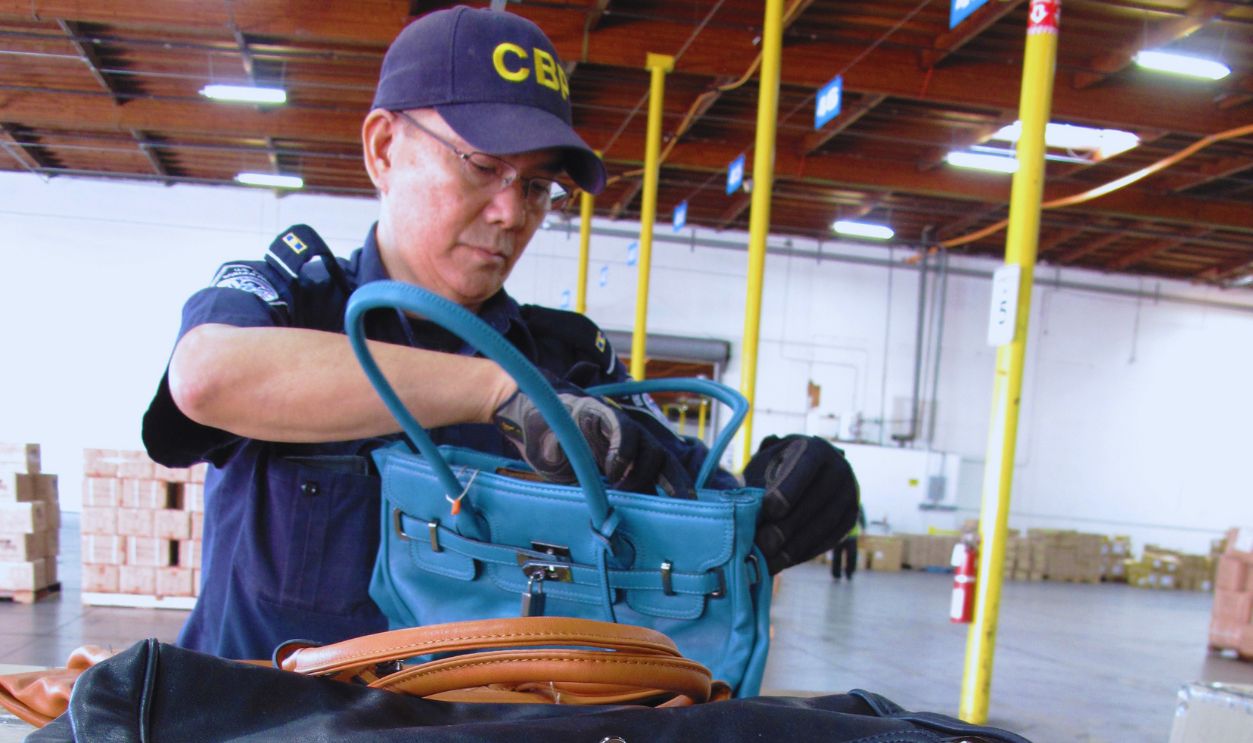
That “designer” handbag from a street market might seem harmless, but customs agencies aggressively seize counterfeit products. Many countries treat fake luxury items as trademark violations, and officers can confiscate them even if they were purchased for personal use rather than resale.

Food Souvenirs Cause More Trouble Than People Expect
Cheese, meat, fruit, spices, seeds, and homemade foods regularly get stopped at borders. Customs agencies enforce agricultural laws designed to prevent pests, diseases, and invasive species from entering the country. Even small quantities can violate import regulations.

You May Receive A Seizure Notice Later
If customs formally confiscates your items, you’ll often receive an official notice explaining what was taken, why it was seized, and what deadlines apply if you want to challenge the action. Missing those deadlines can permanently end your chance of getting the goods back.

Fines Can Be Surprisingly Expensive
Many travelers assume customs will simply collect taxes and move on. In reality, penalties can reach a large percentage of the item’s value, especially when goods were not declared properly. In some cases, the fine can equal the full value of the merchandise.

Honesty At The Border Usually Helps
Customs agencies repeatedly advise travelers to declare everything, even if they are unsure an item is allowed. Travelers who voluntarily disclose questionable items often face fewer penalties than people caught hiding purchases during inspections.
 U.S. Customs and Border Protection, Wikimedia Commons
You Might Be Allowed To Pay And Reclaim The Goods
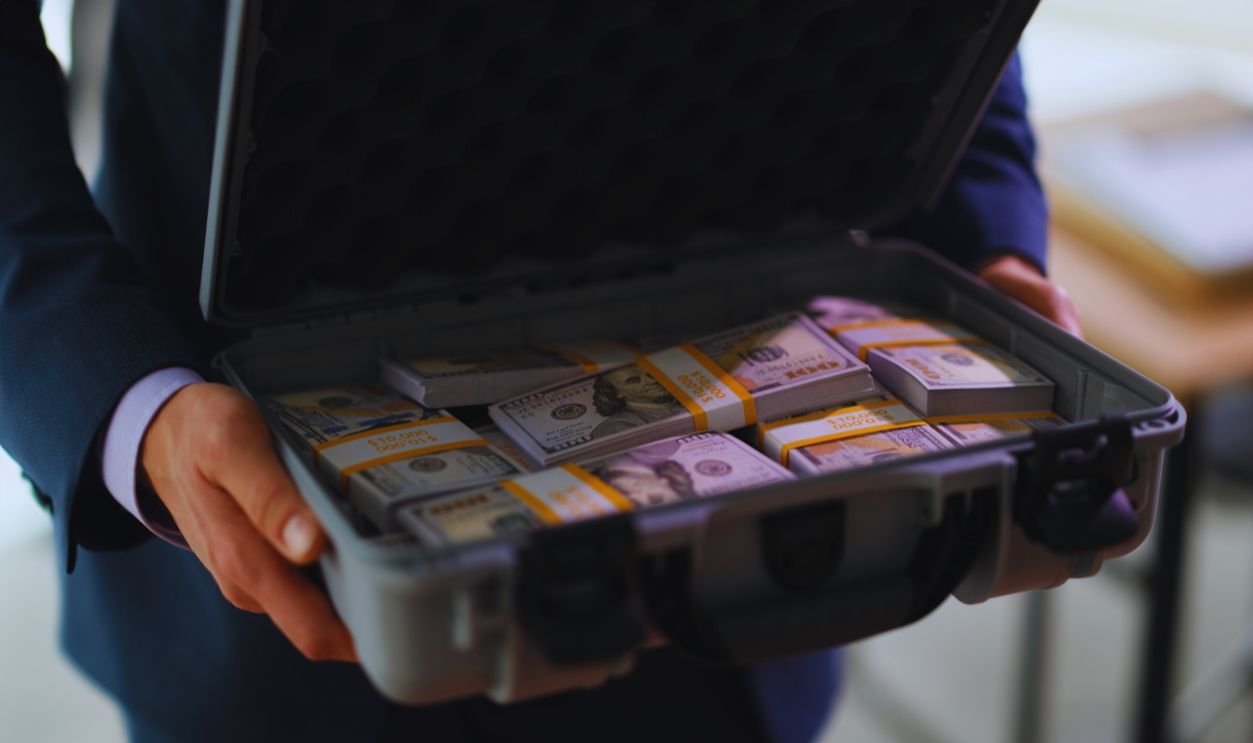
If the items are legal but improperly declared, customs may allow you to pay duties, taxes, storage fees, or penalties to recover them. This is common with luxury purchases, jewelry, electronics, or high-value souvenirs that exceeded exemption limits.
Some Items Are Permanently Prohibited
Unfortunately, not every souvenir can be reclaimed. Items involving endangered species, banned foods, unsafe products, narcotics, or counterfeit goods may be destroyed or permanently forfeited. Once customs classifies an item as prohibited, appeals become much harder.
 U.S. Customs and Border Protection, Wikimedia Commons
Contact Customs Quickly If You Want To Appeal
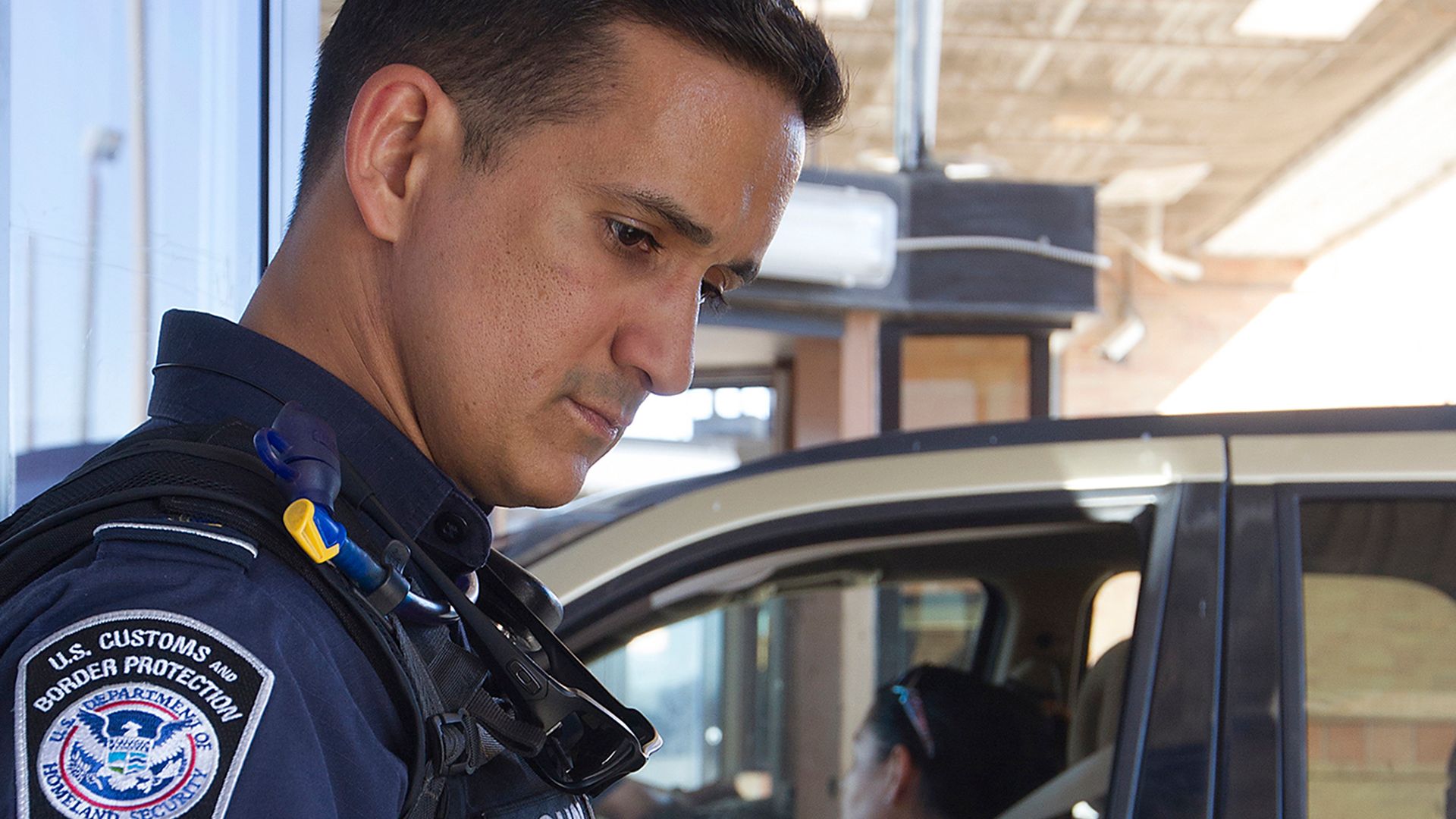
Most customs agencies provide instructions for administrative review or appeals. Timing matters. Waiting too long may cause your property to be auctioned, destroyed, or transferred to another government agency. Always respond within the stated deadline on your seizure paperwork.
 U.S. Customs and Border Protection, Wikimedia Commons
Lawyers Can Sometimes Help Recover Expensive Items
If the souvenirs are highly valuable, such as jewelry, artwork, watches, or collectibles, it may be worth speaking with a customs attorney. Legal professionals can sometimes challenge the seizure, negotiate penalties, or prove the goods were improperly confiscated under customs law.

Travel Insurance Probably Won’t Save You
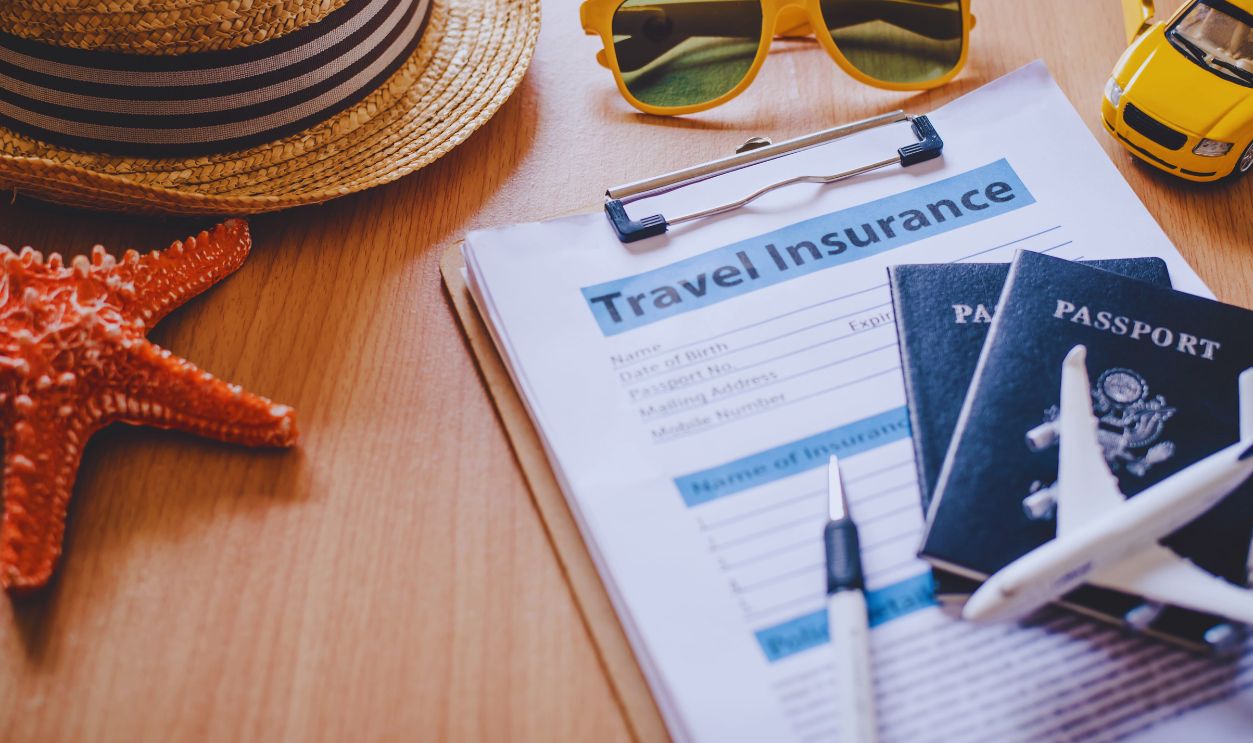
Many travelers assume insurance will reimburse seized items. Unfortunately, many policies exclude confiscation by government authorities. You should still review your policy carefully, but reimbursement for customs seizures is often limited or completely unavailable.
Duty-Free Shopping Still Has Rules
People often misunderstand duty-free stores. Buying something in a duty-free airport shop does not automatically guarantee it can enter your home country without inspection or taxes. Customs laws still apply when you land.

Every Country Has Different Customs Laws
An item that is perfectly legal in one country may be restricted somewhere else. Travelers frequently run into trouble when bringing home medicines, alcohol, antiques, religious artifacts, or natural products because they assume foreign sales automatically mean legal importation.

The Best Protection Is Preparation Before Your Trip
The safest approach is researching customs rules before traveling. Most government customs websites publish searchable lists of prohibited and restricted goods, exemption limits, and declaration requirements. A few minutes of research can prevent thousands of dollars in losses later.

Losing Souvenirs Can Feel Surprisingly Emotional
People often feel foolish after a customs seizure, but the disappointment is understandable. Souvenirs are tied to memories, relationships, and experiences. When they disappear at the airport, it can feel like part of the trip vanished too. The good news is that some seizures are reversible if you act quickly and stay organized.
You May Also Like:
California Hidden Gems That Even The Residents Don’t Know About
The Creepiest Places In The World







.jpg%20)