
The Rainout That Still Cost You Money
You book an excursion, show up on time, and then the weather turns ugly. The guide calls it off, but the company says no refund because the tour “technically started.” That situation is common enough that many operators bake it into their terms, but whether it is “legit” depends on the contract, local law, and how you paid.

Start With The Only Thing That Really Matters
The key document is the tour company’s terms and conditions, including the cancellation and “no show” language. Many companies define a tour as started once check-in happens, once you board a vehicle, or once the guide begins a briefing. If that definition was clearly disclosed before purchase, it can be enforceable, but it is not the end of the story.

What “Tour Started” Usually Means In Practice
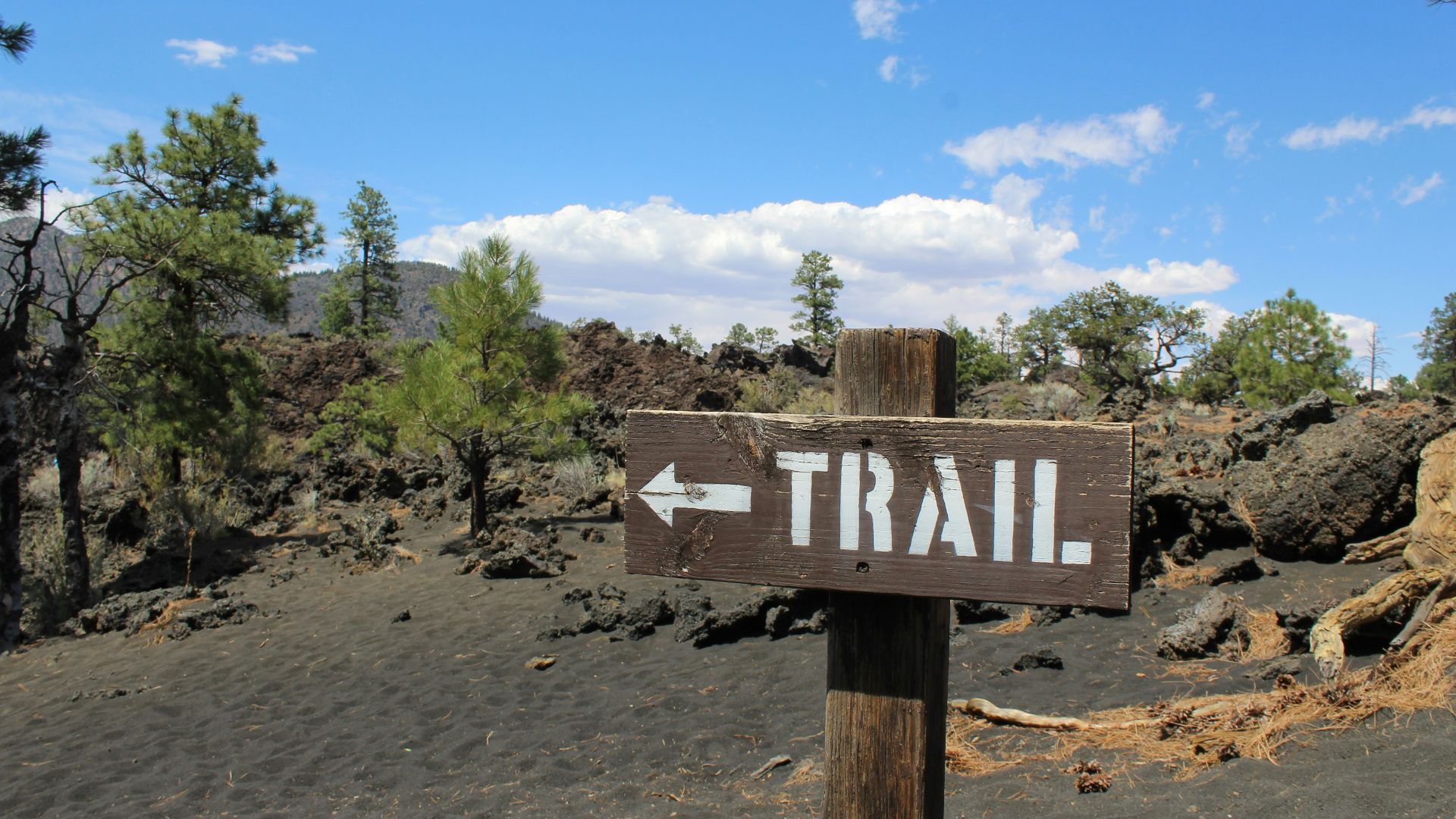
Some operators use “started” to cover real costs like staffing, vehicle time, permits, or reserved entry slots. Others use it to avoid disputes when guests arrive late or weather is borderline. If you never left the dock or trailhead, you can still argue the service was not provided as promised.
Weather Clauses Are Common For A Reason
Most excursions include a weather policy, especially boats, rafting, hiking, and aerial activities. These policies often offer a reschedule or a credit instead of a refund. The enforceability hinges on whether the policy was easy to find and whether the company followed its own rules.

Be Careful With The Word “Canceled”
If the company canceled for safety, that is different from you choosing not to go. In many consumer rules, a trader canceling is a stronger argument for a refund than a customer canceling. Save any written message where the operator says they canceled, suspended, or ended the activity due to weather.

What US Federal Law Does And Does Not Do
In the United States, there is not one simple federal “tour refund” rule that covers every excursion. But the Federal Trade Commission’s general guidance says businesses should not misrepresent refund policies and should clearly disclose terms. If a company promised a “rain or shine” tour and then refused service without the remedy described in its policy, that can become a deceptive practice issue.

State Consumer Protection Rules Can Matter More
Many disputes end up depending on state unfair and deceptive acts and practices laws. These laws generally target misleading terms and bait-and-switch behavior, not normal contract terms that were properly disclosed. If the policy was hidden until after purchase, your complaint gets stronger.

If You Bought The Excursion While Traveling In The EU
EU consumer rules can help in certain cases, but they are nuanced. The 14-day “cooling off” right under the Consumer Rights Directive typically does not apply to leisure services set for a specific date or period, such as tours and excursions. That means your rights often come from the contract and national consumer law, not an automatic cancellation window.

Package Holiday Versus A Standalone Excursion
If your excursion was part of a package, different rules may apply than if it was a one-off activity. In the EU, the Package Travel Directive covers packages and linked travel arrangements and includes protections when travel services cannot be performed. But a single local tour bought on its own often falls outside package rules.
The UK Has Similar Caveats On Cancellation Rights
In the UK, the Consumer Contracts Regulations include a common exception to cancellation rights for leisure activities provided on a specific date. That does not mean a company can do anything it wants, but it does mean “I changed my mind” rights are often limited. Disputes tend to focus on what was promised and whether the service was provided with reasonable care and skill.
“Force Majeure” Sounds Powerful But It Is Not Magic
Companies sometimes cite force majeure to deny refunds for weather. Force majeure clauses can be enforceable, but they still need to be written clearly, and they do not automatically override consumer protection rules. If the clause is vague or one-sided, it may be challenged under local unfair contract term standards.

Credit Card Protections Can Change The Outcome
If you paid by card, you may have a separate path through your card issuer. In the US, the Fair Credit Billing Act gives consumers the right to dispute certain billing errors for goods and services not accepted or not delivered as agreed, within required time limits. Card network rules can also support chargebacks, but issuers will usually ask for documentation.

What Counts As “Delivered As Agreed”
If the tour was materially cut short or never left the starting point, you can argue the service was not delivered as described. If the company offered a reschedule and you declined, the operator may argue it offered the remedy promised in the contract. The facts matter, so write down a timeline while it is fresh.
 Rachata Teyparsit, Shutterstock
Get Specific About The Timeline
Note the scheduled start time, the time you checked in, and when you were told it was canceled. Write down whether you boarded a boat or van, or whether the “start” was only a safety briefing in a lobby. Those details help you challenge the claim that the tour “started” in any meaningful way.
 Fiona Murray-deGraaff, Unsplash
Save The Evidence Before It Disappears
Screenshot the listing, the confirmation email, and the refund and weather policy as it appeared at purchase. Keep texts, WhatsApp messages, or app notifications where the operator canceled due to rain. If staff said something different in person, write down names and exact phrasing as soon as you can.
 Stephen Phillips - Hostreviews.co.uk, Unsplash
Look For Red Flags In The Policy Language
Watch for policies that say “no refunds under any circumstances” while also promising a full experience. Also watch for policies that claim the tour starts at the meeting time even if the company never departs. The more absolute and one-sided the language is, the more likely it is to draw scrutiny under unfair terms rules in many places.

Ask One Direct Question First
Ask the operator to point to the exact clause that says a rain cancellation after check-in is nonrefundable. Then ask what remedy the policy provides instead, such as rescheduling, a partial refund, or a credit. Keeping the conversation tight and written often gets you farther than arguing about “fairness.”

Use The Company’s Own Words Against The Problem
If the listing says “canceled due to weather” or “safety first,” quote that back in your request. If the experience description promised specific stops or a minimum duration, mention that those were not delivered. Refund outcomes often turn on whether the seller delivered what it advertised.

Try A Practical Compromise That Costs Them Less
If you still want the experience, ask for a reschedule at no extra cost or an open-dated voucher with a long validity period. If your trip is ending, ask for a partial refund that reflects what was not provided. Many operators will move when the request sounds reasonable and specific.

When A Chargeback Makes Sense
A chargeback is most appropriate when the tour was not provided and the operator refuses the remedy promised in its terms. Card disputes can fail if the policy clearly allows a no-refund outcome and the operator can show you agreed to it. Submit the screenshots and the cancellation message, and keep your explanation focused on “service not provided as agreed.”

When A Chargeback Can Backfire
Some operators will contest disputes and provide their terms, check-in logs, or signed waivers. If you used a travel marketplace, the marketplace terms may control refunds rather than the local operator’s. If you plan to rebook with the same company, an aggressive dispute can also burn that bridge.

If You Booked Through A Platform
Third-party sellers often have their own weather and cancellation rules. Your payment may have gone to the platform, which means the platform may decide the refund. Pull the platform’s policy page and compare it to what the operator told you at the meeting point.

Small Claims And Consumer Agencies Are Options
If the amount is meaningful, small claims court can be a practical lever, especially when you have clear documentation. In the US, state attorneys general and local consumer protection offices may take complaints about deceptive refund practices. In the EU, the European Consumer Centres Network can help with cross-border consumer issues, depending on the situation.

How To Write A Refund Request That Gets Read
Keep it short: date, booking reference, what was promised, what happened, and what you want. Attach the screenshots and the cancellation message, and give a firm deadline for a response. Polite, factual requests are easier for a manager to approve.

What “Legit” Looks Like In The Best-Run Companies
The cleanest policies say exactly what happens if weather cancels: refund, reschedule, or credit. They also define when a tour is considered started in a way that matches normal expectations, like departure or entry to an attraction. If your operator’s definition feels like a trap, you are not wrong to challenge it.

The Bottom Line For Travelers
Yes, a “tour started” clause can be legitimate if it was clearly disclosed and applied fairly, but it is not an automatic win for the company. Your leverage comes from the written policy, the way the cancellation was communicated, and how you paid. The fastest path is usually documentation, a direct written request, and then escalation through the seller, platform, and card issuer if needed.