Old Travel Advice That Just Won't Take A Hint
Some travel advice is so outdated it practically belongs in a museum. Yet tourists still follow rules passed down from relatives, old guidebooks, and travelers who haven't booked a flight in decades. From airport security rituals to money-saving tricks that no longer work, these familiar habits deserve a serious rethink before your next vacation.
 Lysenko Andrii, Shutterstock Images
Waiting Until Tuesday To Book Flights
For years, travelers were told Tuesday was the magical day for cheap airfare. Google's 2026 flight data found Wednesday slightly cheaper, but the difference from Sunday was only about 1.4%. Your travel dates matter considerably more.
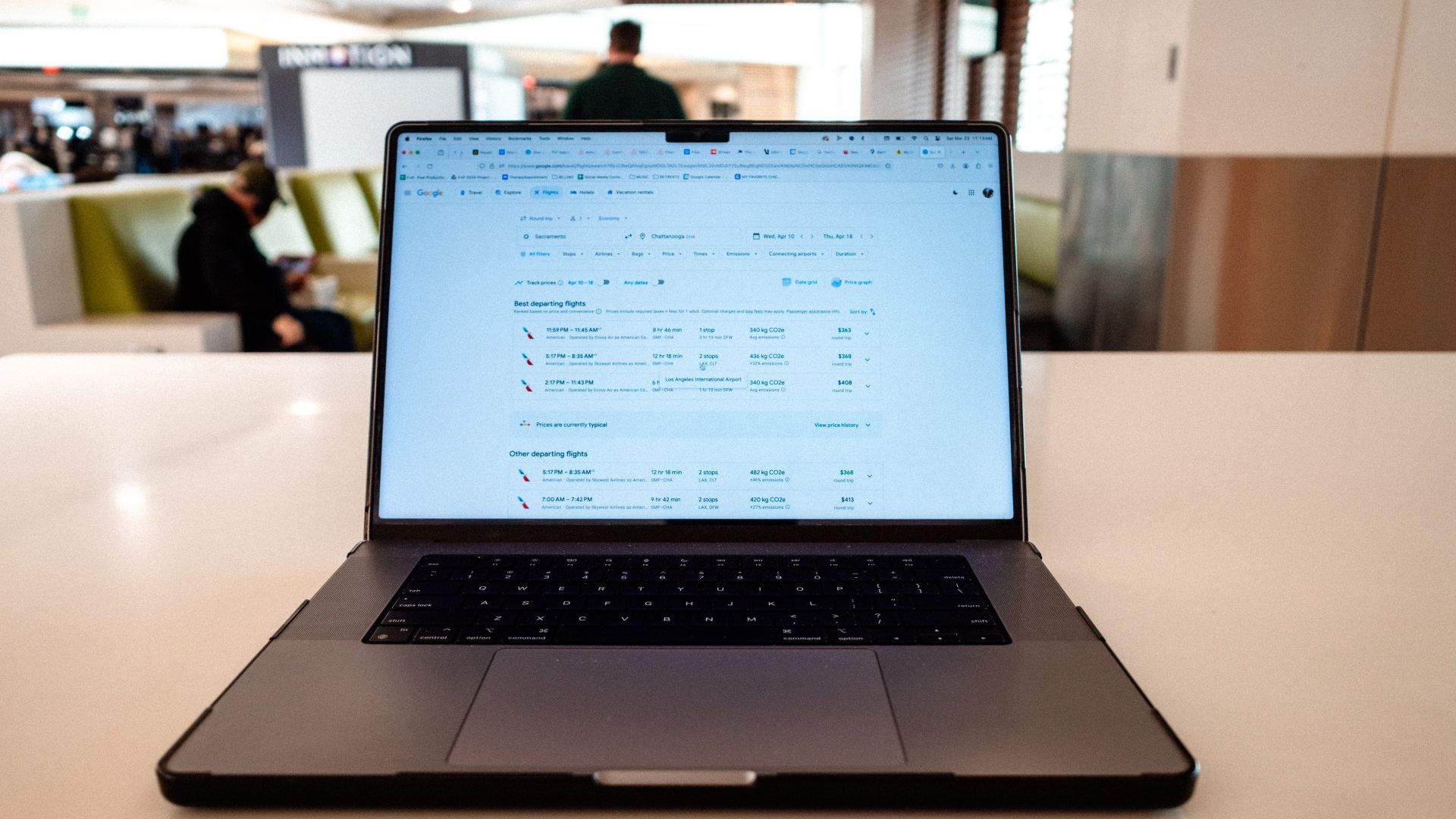
Searching In Incognito Mode For Cheaper Tickets
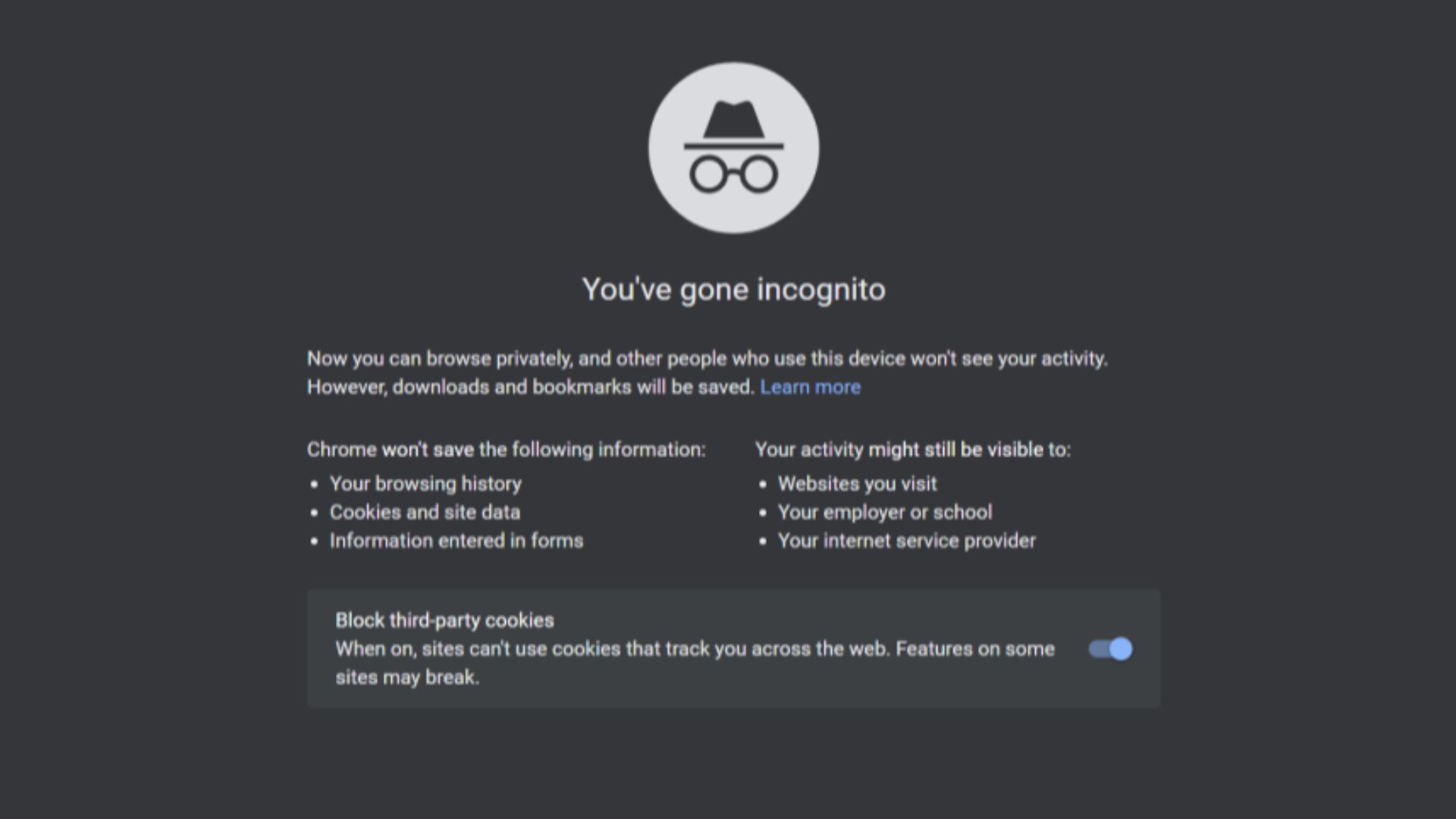
Some tourists clear their cookies before every flight search, convinced airlines are watching them. Skyscanner explains that repeated searches don't raise its prices. Airfares change primarily because of availability and demand, not because you checked twice.
 The Incognito Guy, Wikimedia Commons
Waiting For Last-Minute Flight Deals
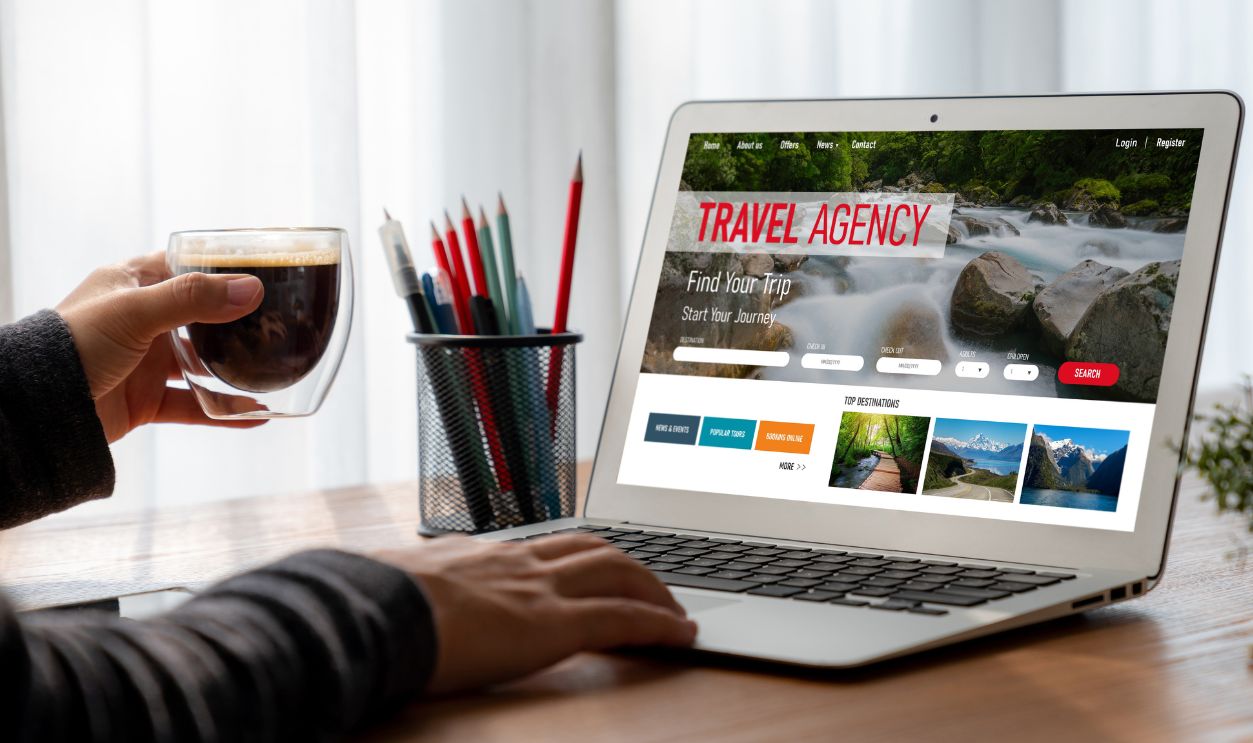
The idea that airlines practically give away unsold seats still sounds appealing. Unfortunately, waiting can be expensive. Google's 2026 analysis found domestic fares averaged their lowest around 39 days before departure, while international bargains generally required earlier planning.
 Summit Art Creations, Shutterstock
Automatically Booking Round-Trip Tickets
Older travelers might remember when buying two one-way tickets usually cost considerably more. That isn't always true anymore. Discount airlines and competing fares mean separate tickets can sometimes save money, especially when combining different carriers.

Refusing To Consider Connecting Flights
Someone probably told you that nonstop flights are always worth the extra money. They're certainly convenient, but Google's 2026 analysis found nonstop fares averaged about 20% more than connecting alternatives. Sometimes a short layover makes financial sense.
Leaving Your Seat Unassigned Hoping For An Upgrade
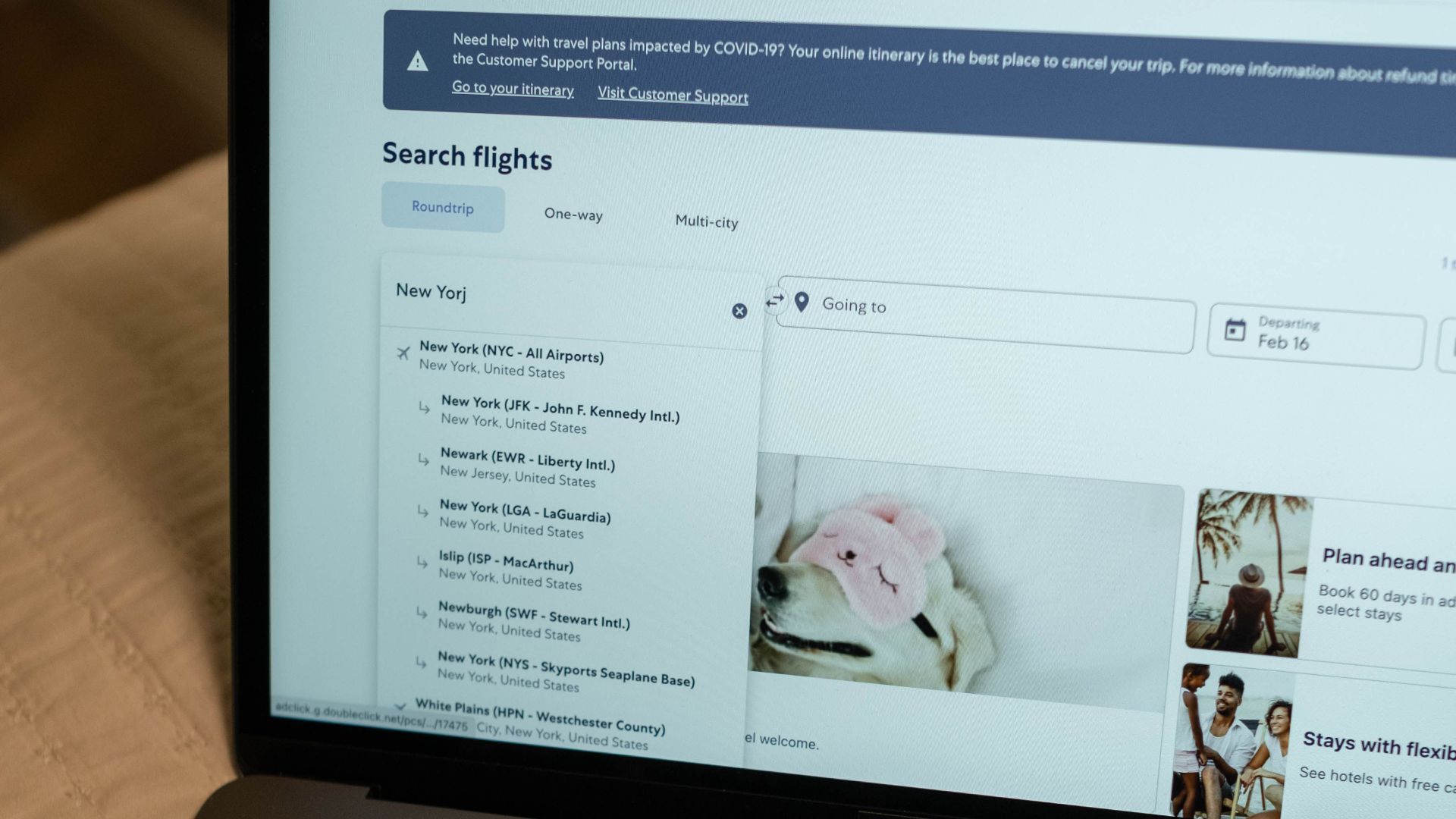
Some passengers still believe skipping seat selection improves their chances of moving into business class. Airlines generally prioritize factors such as frequent-flyer status and ticket type. Gambling on an empty seat can instead leave you stuck in the middle.

Printing Every Boarding Pass
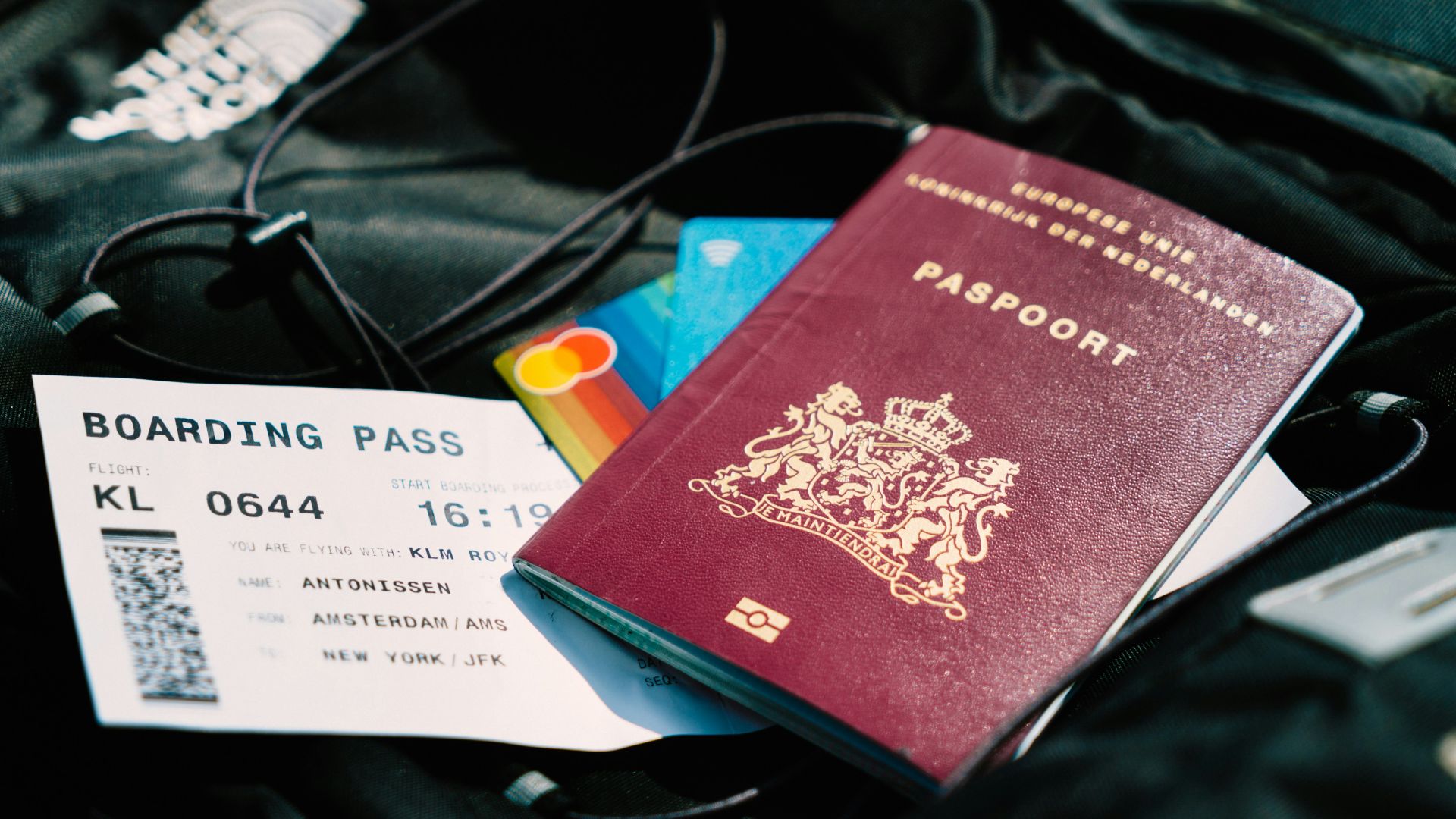
Paper boarding passes once felt essential for getting through an airport. Today, airlines such as American let passengers scan mobile passes at security and boarding. Some airports still require paper, however, so checking your departure airport remains sensible.
Taking Your Shoes Off At Every American Airport
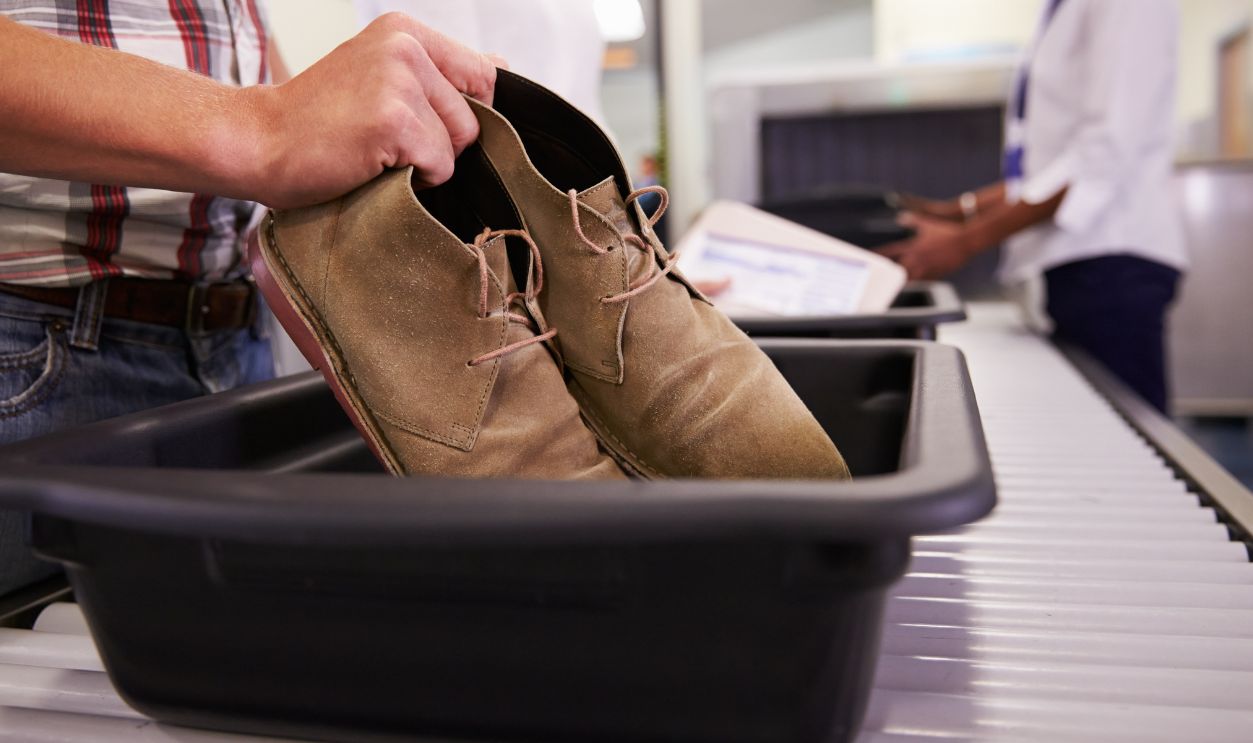
Millions of travelers became accustomed to removing their footwear before security screening. But the Transportation Security Administration ended its general shoes-off requirement in July 2025. Additional screening may still require shoe removal, but it is no longer routine.
 Monkey Business Images, Shutterstock
Pulling Every Laptop Out Of Your Bag
Experienced flyers instinctively reach for their laptops at security. Yet newer computed tomography scanners allow electronics to remain packed at equipped checkpoints. Canada's airport screening authority advises travelers to follow the signs because procedures still differ between screening lanes.
Assuming Every Country Requires Six Months On Your Passport
The six-month passport rule gets repeated as though it's universal. The U.S. State Department explains that only some destinations impose this requirement. Always check your destination's actual entry rules rather than assuming every country follows identical standards.
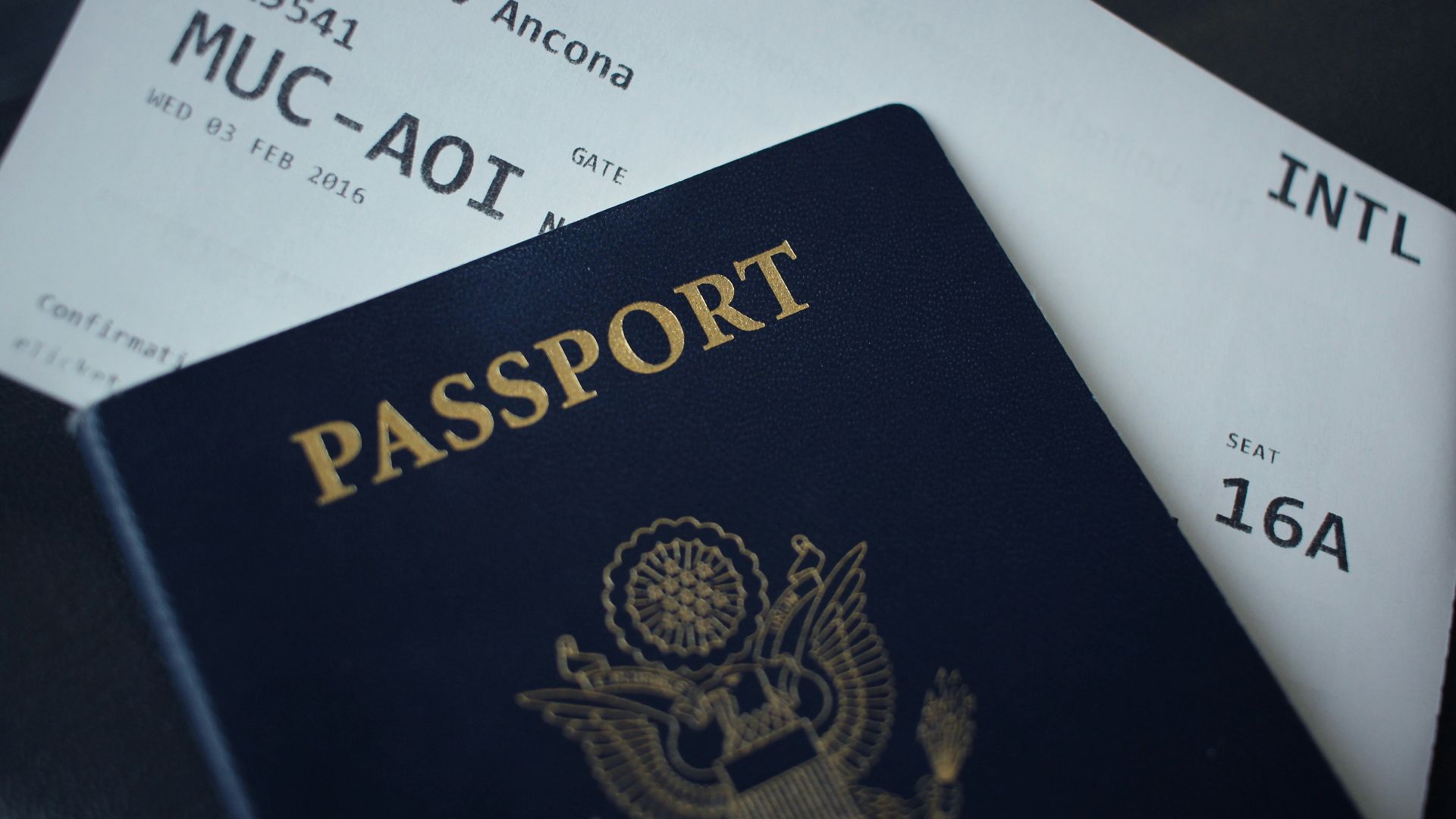
Assuming Visa-Free Travel Means No Paperwork
Traveling without a traditional visa doesn't always mean arriving completely unannounced. The United Kingdom now requires electronic travel authorization for many visa-exempt visitors, including Americans and Canadians. Entry requirements deserve checking even when your passport provides visa-free access.
 Vinokurov Kirill, Shutterstock
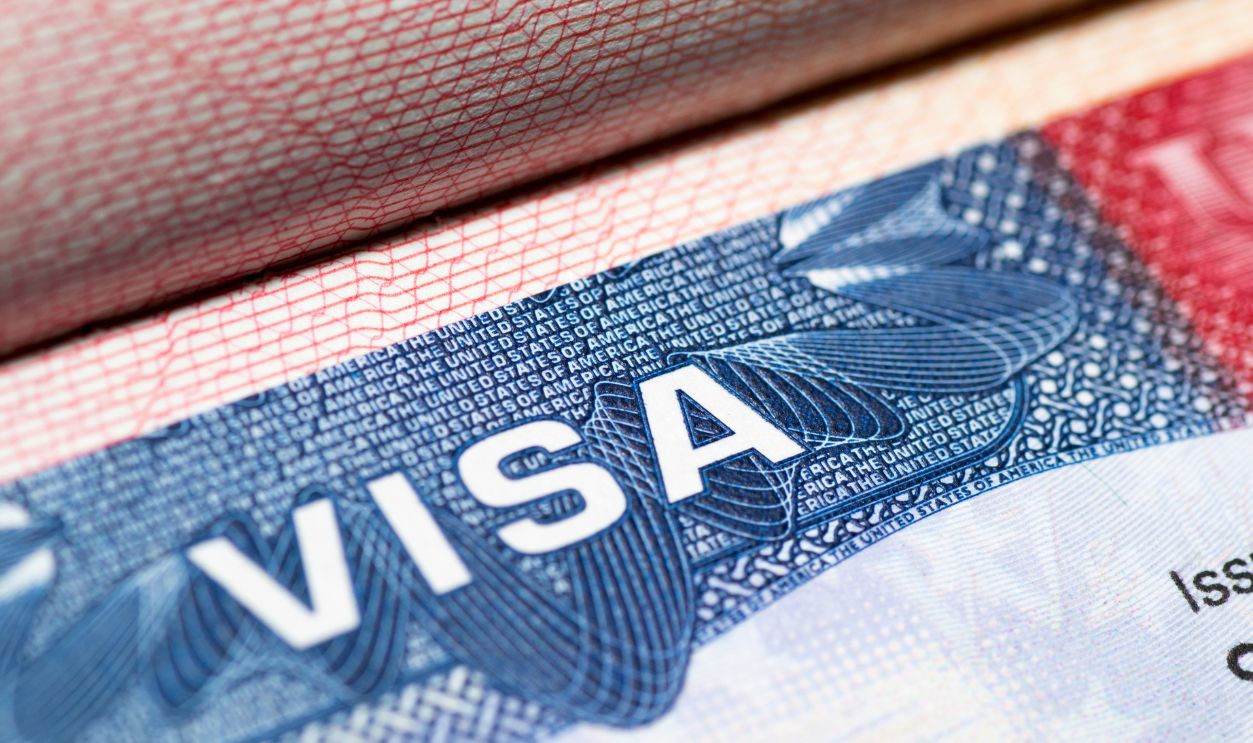
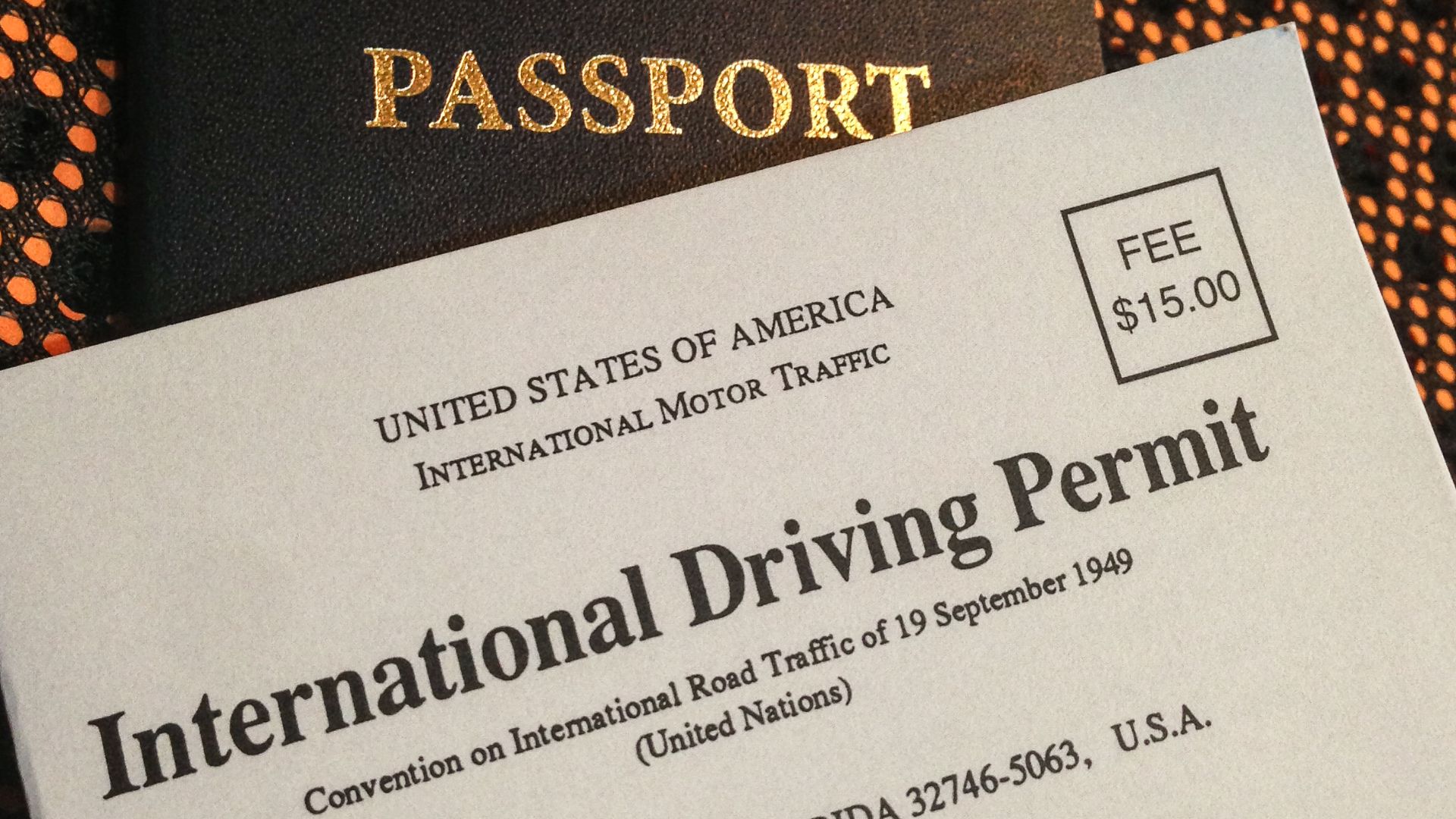
Buying An International Driving Permit For Every Trip
An international driving permit isn't automatically necessary everywhere. American visitors can drive in Canada and Mexico without one, according to USAGov, although many other countries require it. The permit also supplements your regular driver's license rather than replacing it.
 Tony Webster from Minneapolis, Minnesota, United States, Wikimedia Commons
Calling Your Credit Card Company Before Every Vacation
Remember being told to notify your bank before leaving the country? Many card issuers have abandoned mandatory travel notices. Chase no longer accepts them, although travelers should confirm their own bank's requirements and keep contact information current.

Assuming All Credit Cards Charge Foreign Transaction Fees
Travelers sometimes avoid using cards overseas because they're convinced every purchase attracts extra charges. Some cards still impose foreign transaction fees, but others don't. Checking your particular card's terms can prevent unnecessary expenses and inconvenient payment decisions.

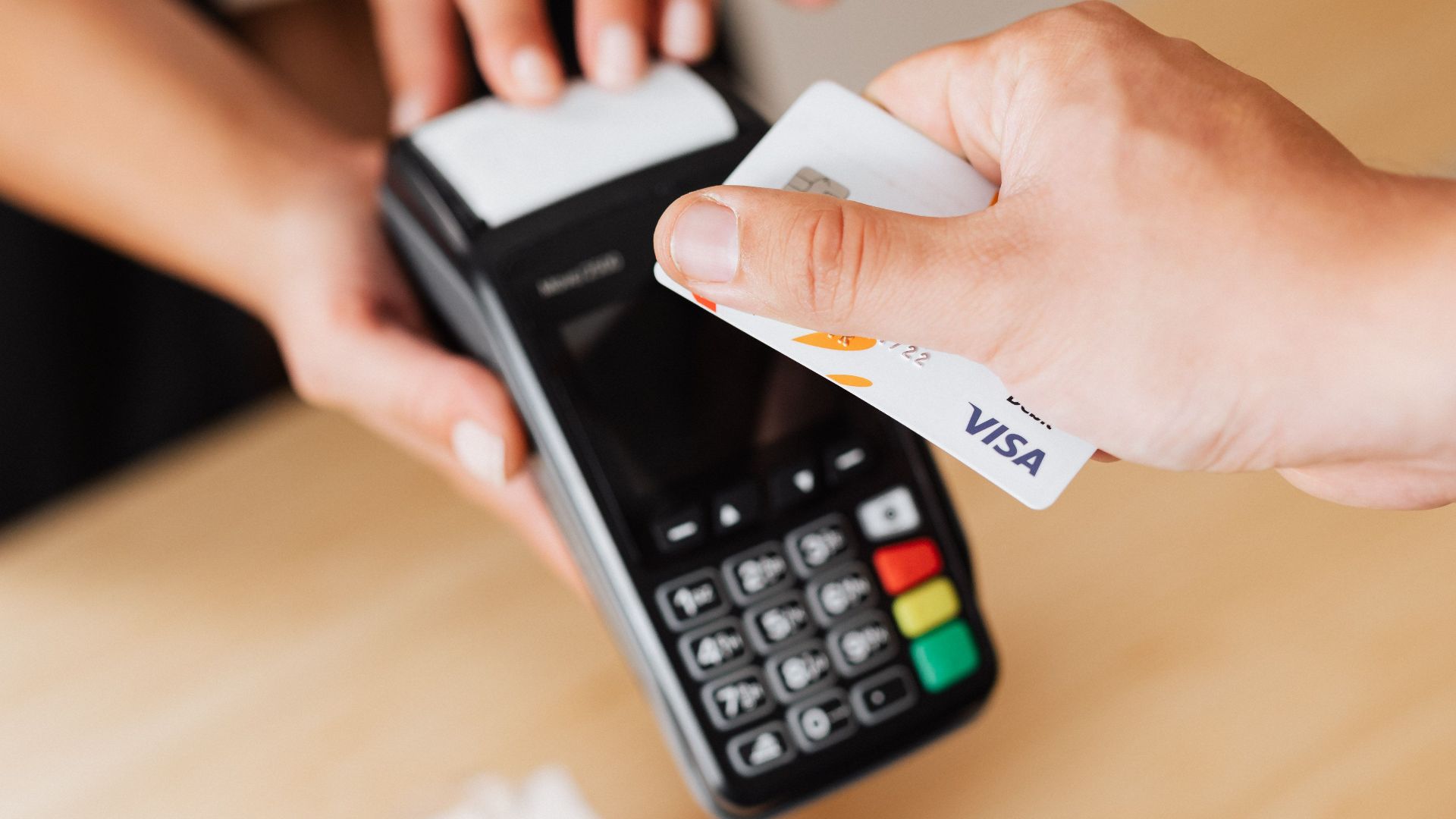
Choosing Your Home Currency At Every Checkout
Being offered a familiar currency abroad can feel reassuring. However, dynamic currency conversion may involve unfavorable exchange rates and additional charges. Visa advises consumers to review conversion details carefully, while paying in local currency often avoids unnecessary markups.
 https://kaboompics.com/, Pexels
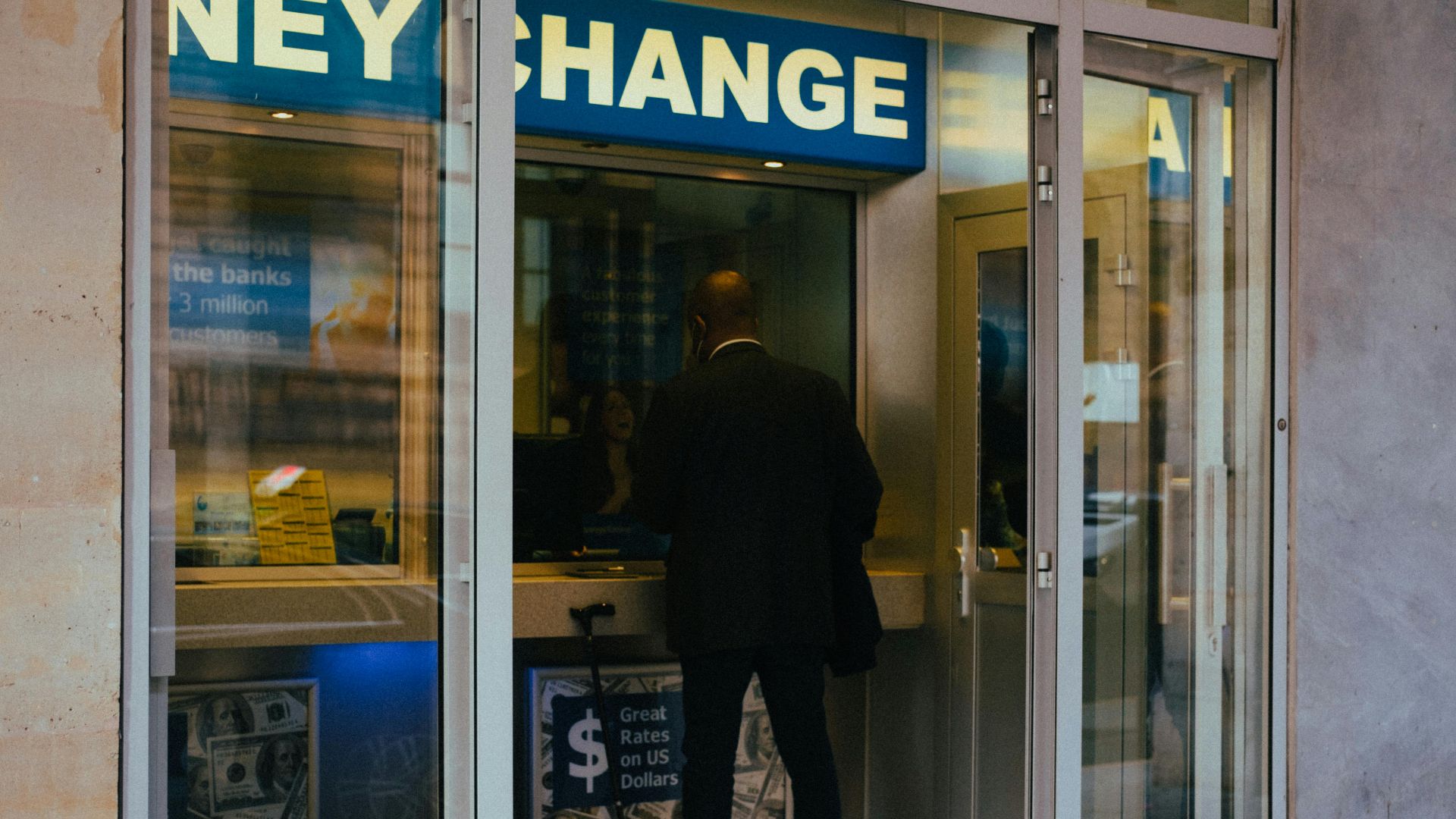
Exchanging Cash At Airport Currency Counters
Airport exchange booths look convenient, particularly after a long flight. Unfortunately, their rates can be expensive compared with withdrawing local currency from a bank ATM. Travel expert Rick Steves recommends minimizing cash exchanges and checking applicable ATM fees.
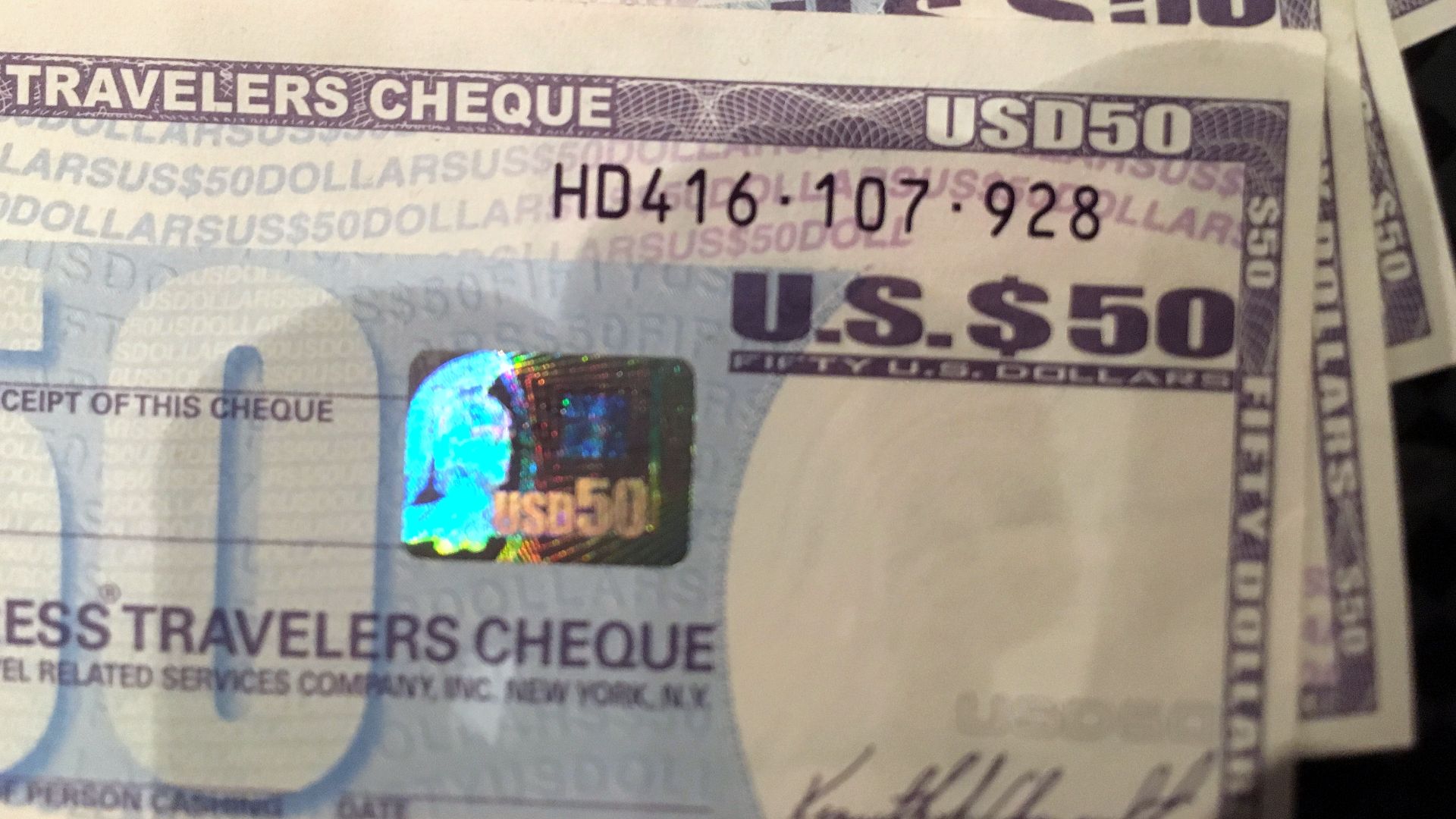
Relying On Traveler's Checks
Traveler's checks were once considered essential vacation protection. Today, they're increasingly inconvenient because relatively few institutions issue them and acceptance is limited. American Express has stopped issuing new travelers cheques, although previously issued ones remain redeemable.
 Pittigrilli, Wikimedia Commons
Assuming Duty-Free Means The Lowest Price
Those airport duty-free signs practically promise bargains. However, removing certain taxes doesn't guarantee the final price beats ordinary retailers. Comparing prices before buying perfume, cosmetics, or souvenirs is considerably smarter than assuming every airport purchase saves money.

Assuming Booking Websites Always Beat Hotels
Third-party booking platforms can uncover excellent accommodation deals, but they're not automatically cheaper. Hotels sometimes match competing prices or offer direct-booking perks. Comparing the hotel's own website against booking platforms can reveal savings and additional benefits.

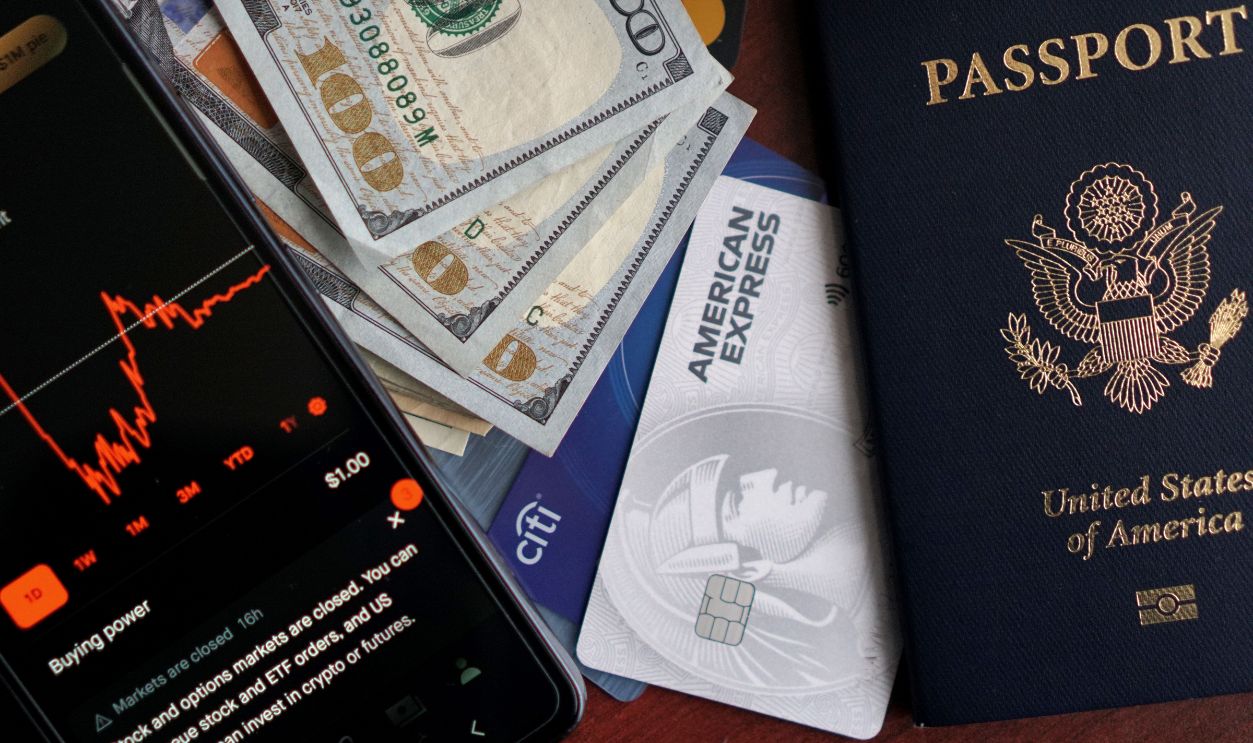
Assuming Your Credit Card Covers Every Travel Emergency
Travel insurance included with a credit card sounds wonderfully convenient. Unfortunately, coverage varies considerably. Some policies restrict trip duration, impose age limits, or exclude certain medical conditions, making it essential to examine the actual insurance certificate.
Trusting Every Busy Street Food Stall
An old travel tip suggests following the biggest local crowd to find safe street food. Popularity alone doesn't establish food safety. The CDC recommends caution with street vendors and emphasizes fully cooked food served steaming hot.

Refusing To Drink Tap Water Anywhere Abroad
Some tourists treat every foreign faucet like a health hazard. However, water safety depends on the destination and local conditions. CDC guidance recommends avoiding potentially contaminated supplies, not automatically assuming every country's drinking water is unsafe.

Tipping American Percentages Everywhere
Americans accustomed to generous restaurant tipping sometimes apply identical rules overseas. That can create confusion in destinations with different customs. Japan's national tourism organization explains that tipping is generally unexpected there, including in restaurants, hotels, and taxis.

Trying To Defeat Jet Lag With Endless Coffee
Travelers frequently reach for caffeine after crossing multiple time zones. Coffee can improve alertness, but timing matters. The CDC recommends strategic caffeine use, appropriate daylight exposure, and short naps rather than relying on coffee throughout the day and evening.

You May Also Like: