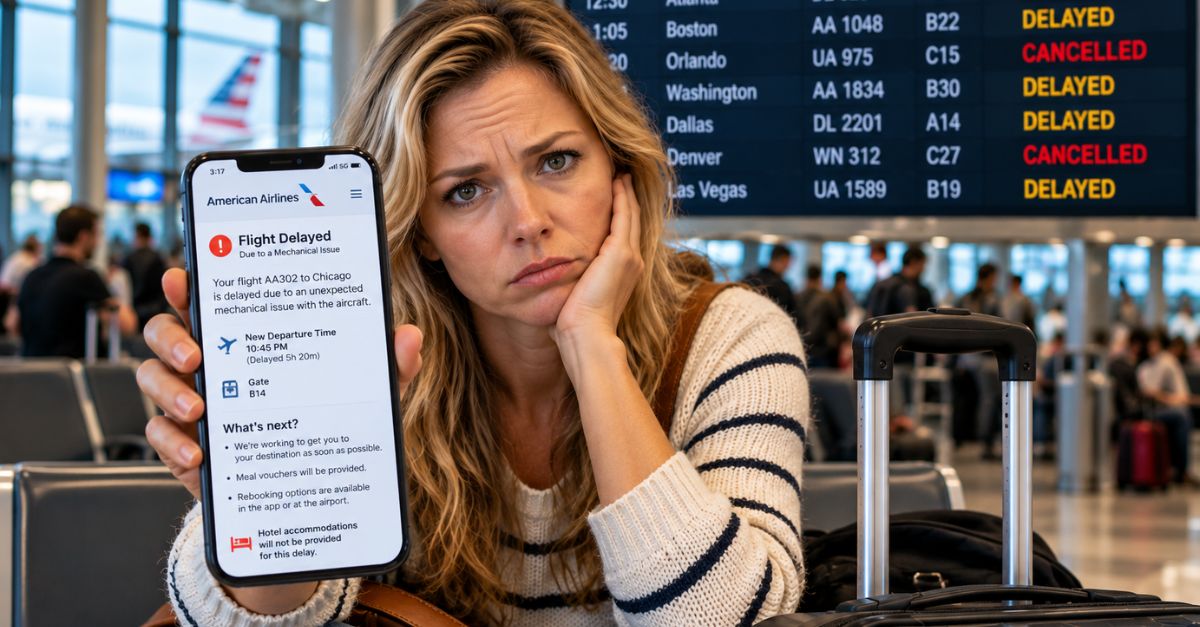
That All-Week Rain Icon Can Kill The Mood Fast
You book the beach town, lock in dinner reservations, and then someone checks the weather app and sees rain every day. Suddenly they want to cancel the entire trip at the lat minute. But vacation forecasts often look worse than the weather you actually get.

Before You Cancel, Know What A Forecast Really Is
A forecast is not a promise. It is a best estimate based on observations, computer models, and changing probabilities. The farther out your trip is, the fuzzier that estimate usually gets.
The Main Rule Is Simple: Accuracy Drops Over Time
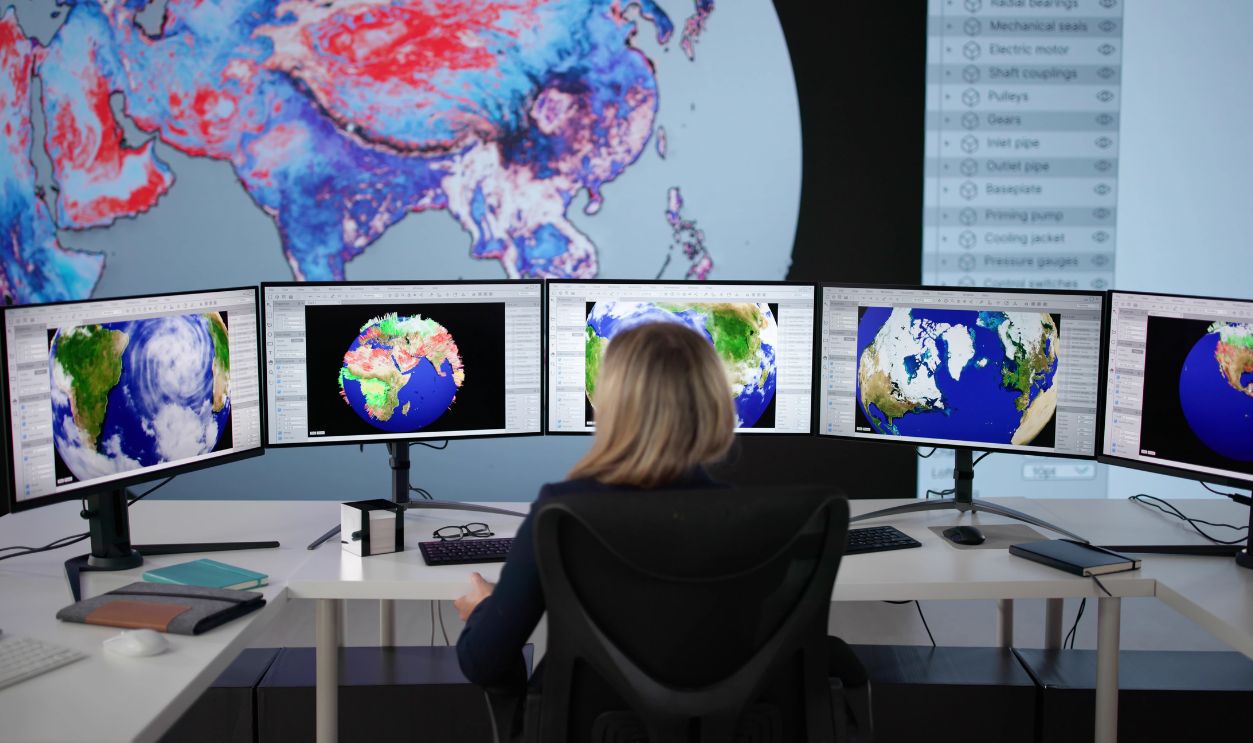
The National Weather Service says forecast confidence usually goes down the farther out the forecast goes. So tomorrow's forecast is normally much more reliable than next weekend's. If your trip is still a week away or more, a daily rain icon is more of an early warning than a final answer.
Meteorologists Have A Pretty Clear Time Limit In Mind
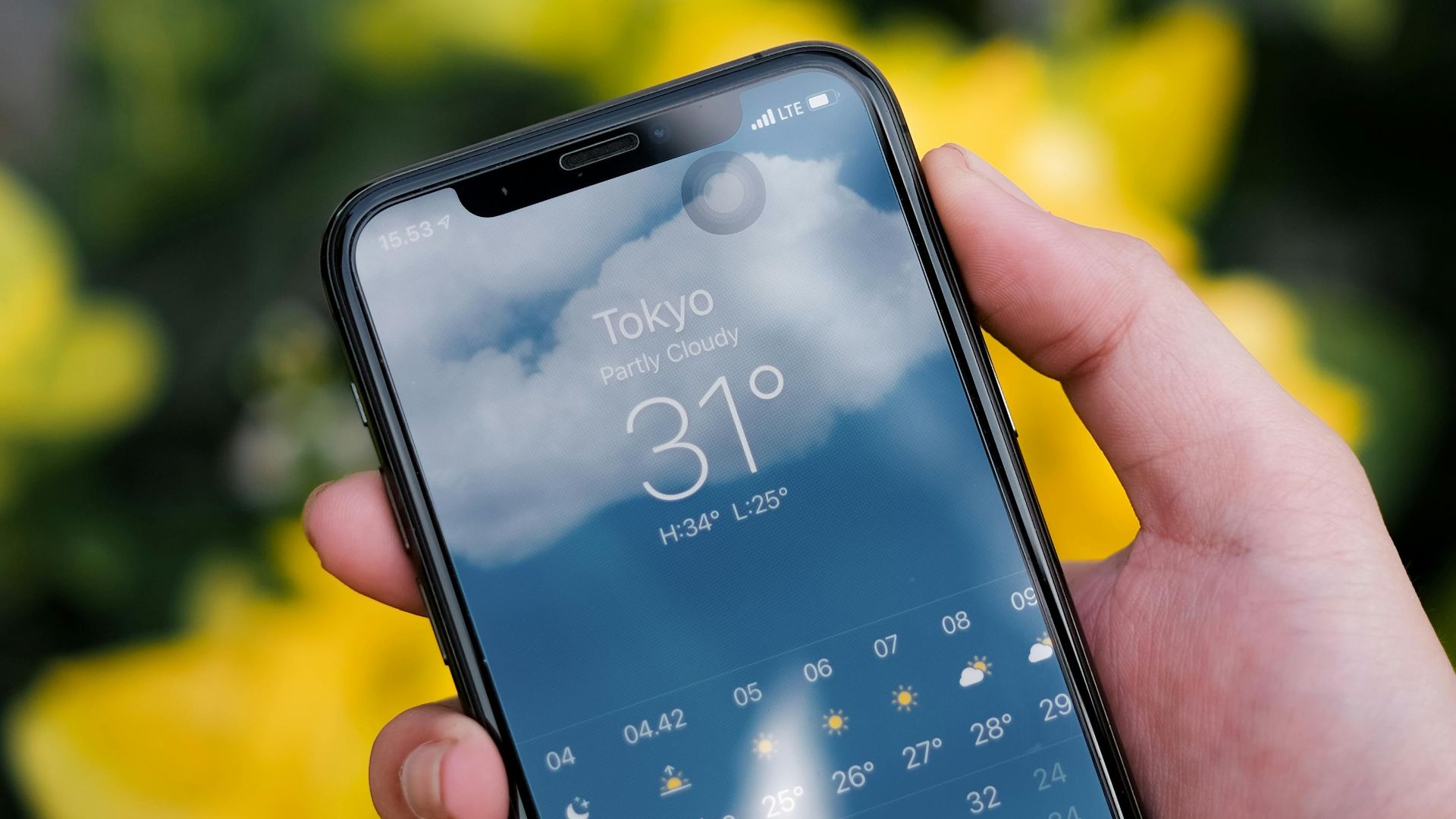
The National Oceanic and Atmospheric Administration says weather models are highly accurate for about seven days. NOAA also says five-day forecasts can still be useful, but uncertainty grows after that. In other words, a 10-day vacation forecast can help you pack, but it should not automatically make you cancel.
 L Cowieson , Wikimedia Commons
That Forecast Comes From A Huge Web Of Data
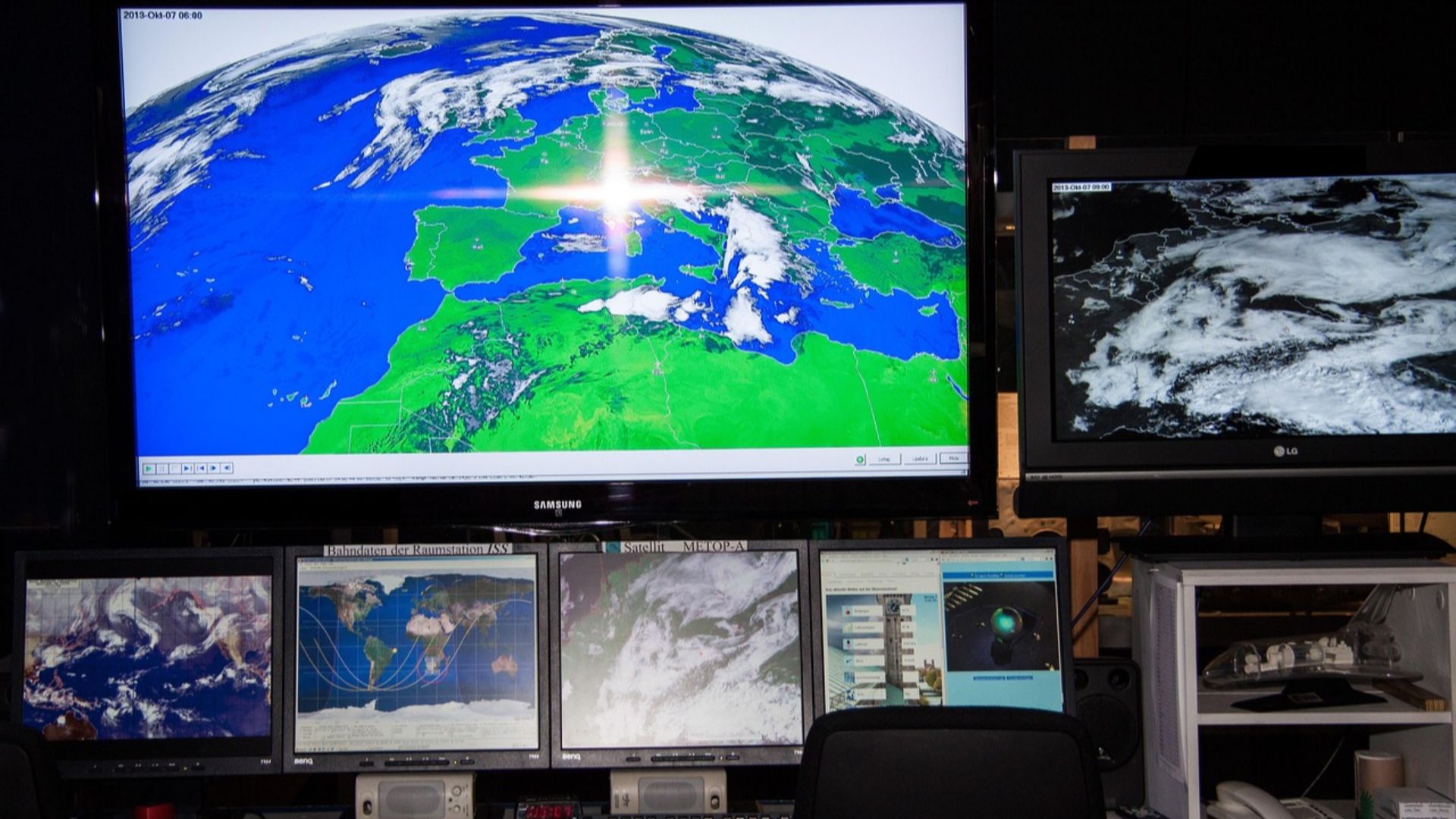
Weather agencies pull in data from satellites, radar, weather balloons, ships, aircraft, ocean buoys, and surface stations. The World Meteorological Organization says this global observing system feeds the models forecasters use. The science is strong, but it still has limits because the atmosphere keeps changing.
The Science Has Gotten A Lot Better
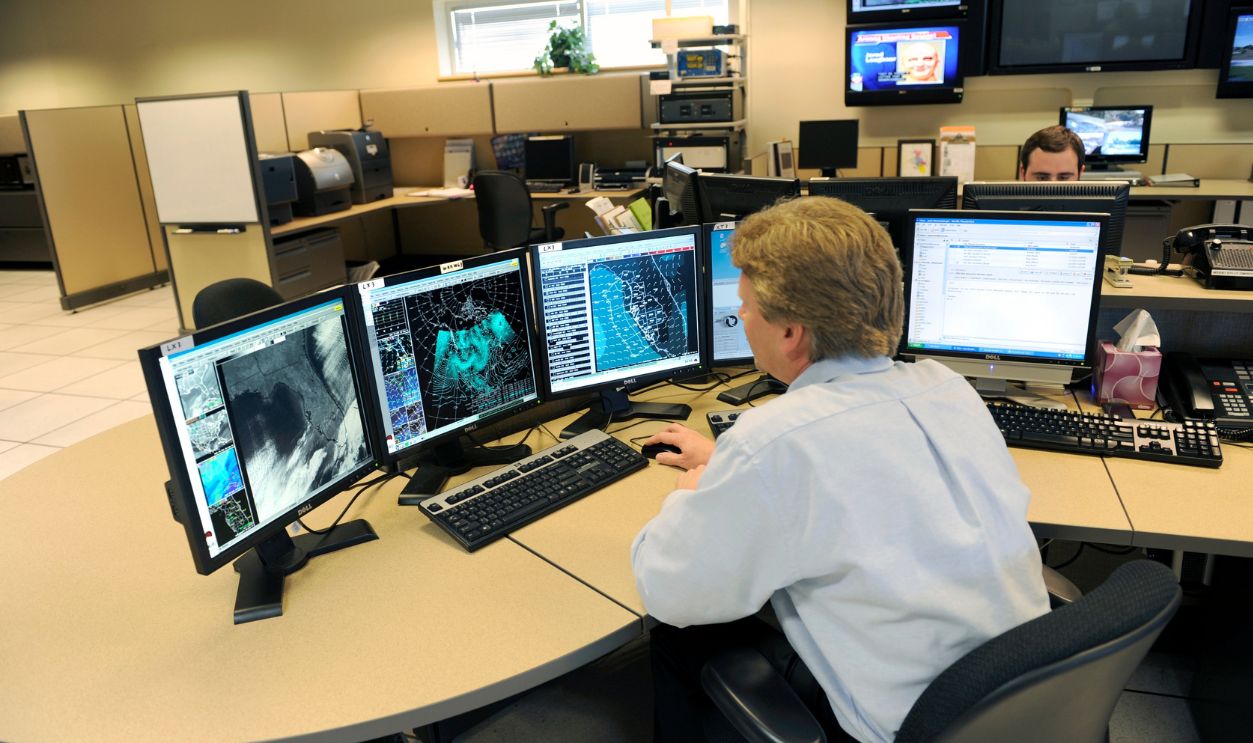
NOAA says a five-day forecast today is about as accurate as a three-day forecast was in the 1980s. That is a big jump and a good reminder that modern forecasting is much better than many travelers think. Still, better does not mean perfect, especially when people want block-by-block certainty days in advance.
 Dennis MacDonald, Shutterstock
Rain Every Day Usually Does Not Mean Rain All Day
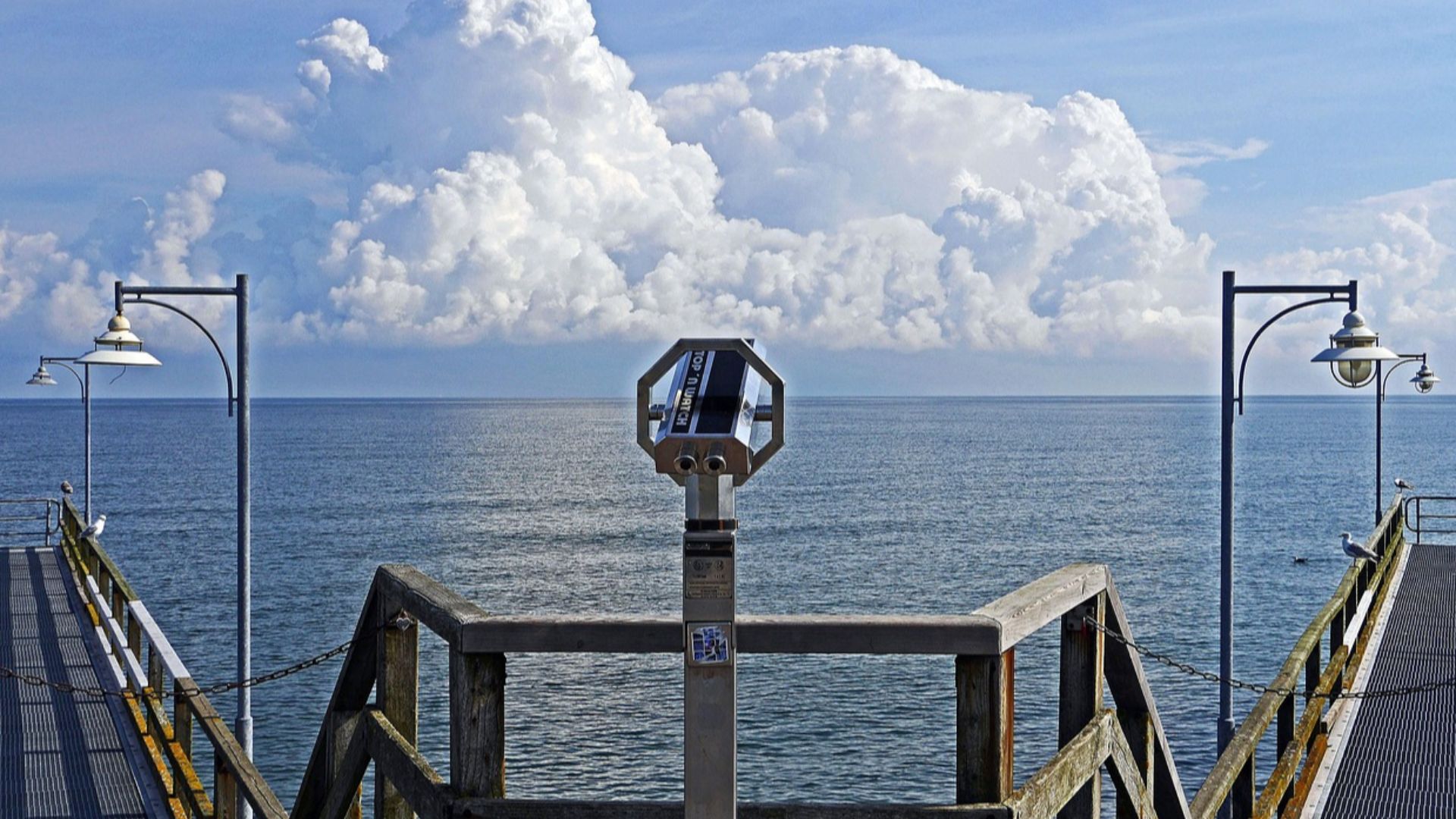
This is where a lot of people get thrown off. A forecast that shows rain on each day of your trip often means there is some chance of rain at some point each day, not nonstop rain from morning to night. In many places, that could mean a quick afternoon shower, overnight rain, or a storm that moves through before lunch.
What A Rain Percentage Actually Means
The National Weather Service says probability of precipitation is the chance that a location will get at least 0.01 inch of precipitation during the forecast period. A 40 percent chance of rain does not mean it will rain for 40 percent of the day. It also does not simply mean 40 percent of the area will definitely get rain in the way many people assume.
Apps Squeeze A Lot Of Weather Into One Tiny Icon
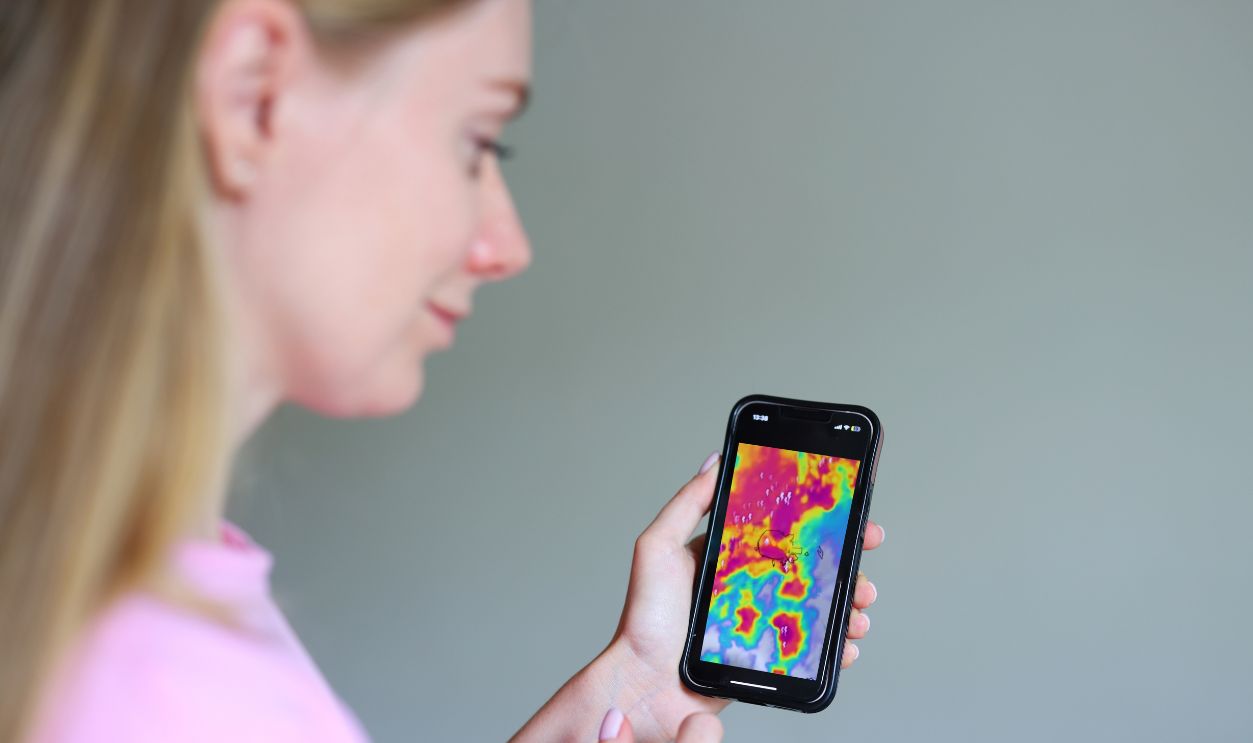
One little cloud-and-rain symbol can hide a lot. It might mean a brief shower risk, storms late in the evening, or scattered rain in only part of the area. That icon is fine for a quick glance, but it can be misleading if you are making expensive travel decisions.
Daily Forecasts Can Make A Trip Look Worse Than It Is
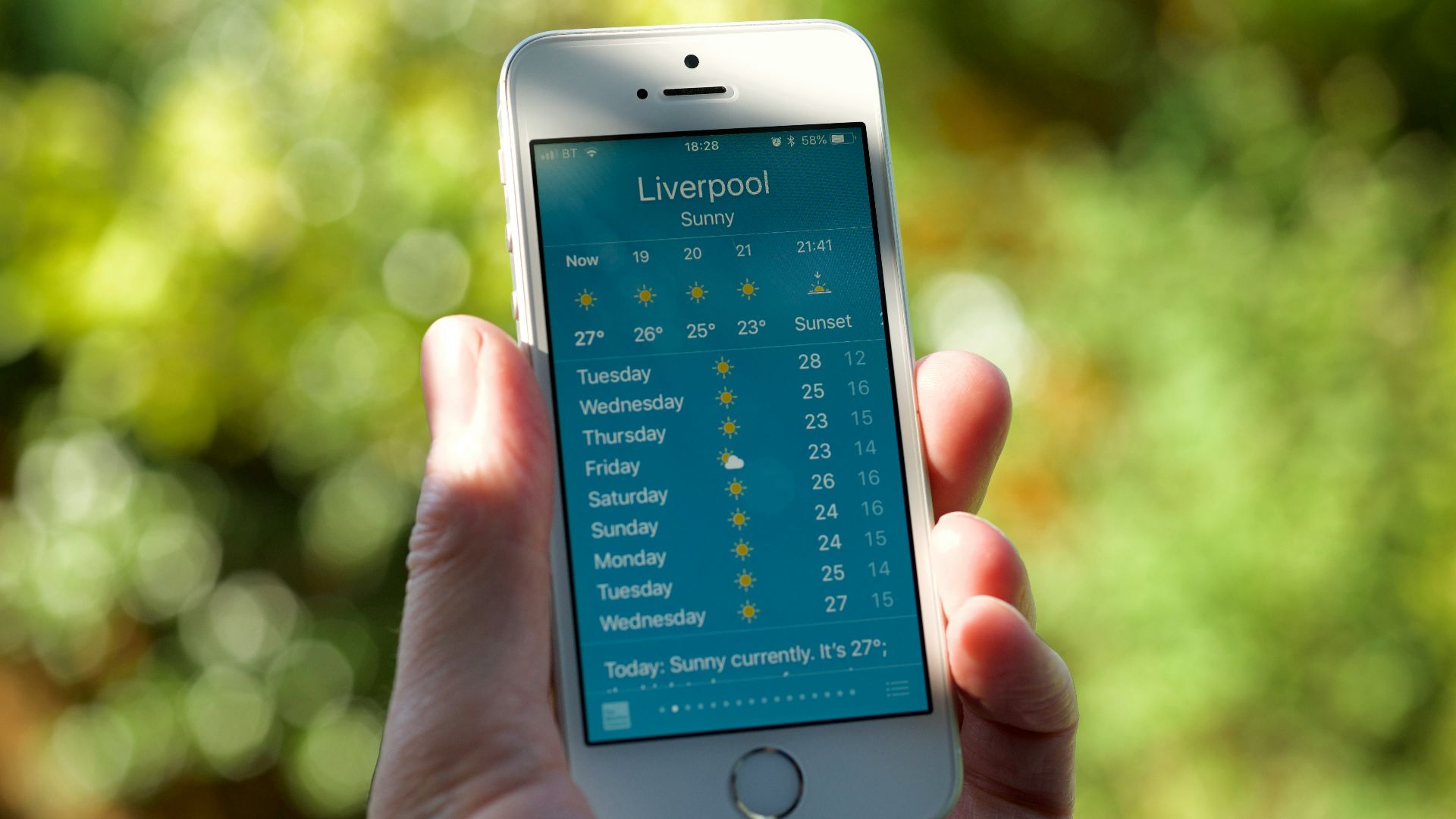
Many apps label a whole day by the worst weather expected at any point. If rain is possible for one hour in the afternoon, the entire day may still show up as rainy. That can make a perfectly usable vacation day look like a washout even if most of it stays dry.

Location Matters More Than Most Travelers Think
Forecast skill can change with geography and local weather patterns. Mountains, coastlines, tropical climates, and summer thunderstorm zones can all produce fast-changing conditions. If you are headed somewhere where short bursts of rain are normal, an all-week rain forecast may sound worse than it really is.

Summer Beach Trips Often Look Worse On Paper
In many warm-weather spots, daily pop-up showers are common and easy to misread. A forecast can show rain every day because scattered afternoon storms are possible each day. That does not mean your mornings at the pool or your dinners outside are automatically gone.

Tropical Destinations Need A Different Reading
In the tropics, rain can be frequent, local, and brief, especially in wet seasons. A forecast may correctly show repeated shower chances while still leaving long dry stretches for sightseeing. The bigger warning signs are usually named storms, flood watches, or signs of steady heavy rain, not just a row of rainy icons.
Winter Trips Can Be More Sensitive To Forecast Errors
Cold-season travel can be trickier because a small change in temperature can turn rain into snow, sleet, or freezing rain. That can have a much bigger effect on roads and flights. If your trip includes mountain passes or winter driving, official updates close to departure matter even more.
 Flickr user: Doc Searls Santa Barbara, USA http://searls.com/, Wikimedia Commons
Air Travelers Should Watch Airport Forecasts, Not Just City Forecasts
The weather in downtown areas and the weather affecting your flight are not always the same. Thunderstorms at a hub airport, low clouds at departure, or strong winds along the route can cause delays even if your hotel area looks fine. That is why flight problems can seem to come out of nowhere when you only checked one city forecast.

Seven To Ten Days Out Is Best For Spotting Trends
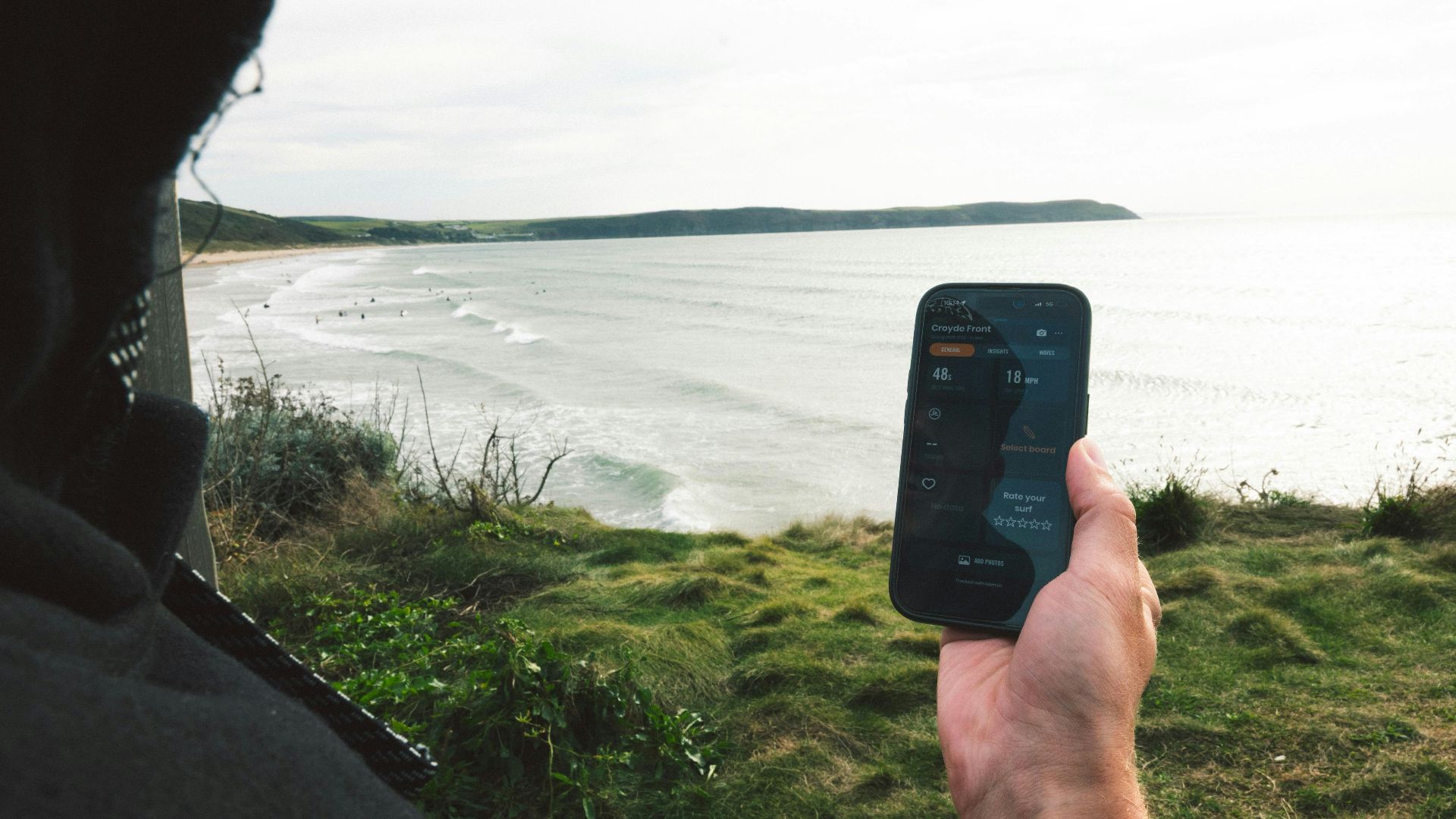
At that range, use forecasts to look for broad patterns, not to plan each hour. You can often tell whether a heat wave, cold front, tropical system, or unsettled stretch might affect your trip. But it is still too early to decide that Tuesday lunch or Thursday beach time is definitely ruined.
 Dawn Patrol Surf Tracking, Unsplash
Three To Five Days Out Is When Forecasts Get More Useful
NOAA says forecasts in this range can give valuable guidance, and that fits with how many meteorologists tell people to plan. This is usually when you can make better packing choices and start adjusting reservations if truly bad weather looks likely. Things can still change, but confidence is much better than it was a week earlier.

Inside Forty-Eight Hours, The Details Start To Matter
As the trip gets closer, timing and location usually come into better focus. This is when it makes more sense to swap a boat day for a museum day or move a picnic to the morning. If someone is panicking over a forecast they saw nine days before departure, that panic is almost certainly early.

Official Forecasts Usually Beat Random Social Posts
In the United States, the National Weather Service is one of the most dependable public sources because it offers direct forecasts, discussions, and hazard information. National weather services and the World Meteorological Organization can also provide solid context internationally. A dramatic screenshot in a group chat is not the same thing as a current forecast from experts.

Read The Forecast Discussion If You Want The Real Story
One of the best tools for nervous travelers is the National Weather Service forecast discussion. It explains what forecasters are seeing, how confident they are, and what could still change. That usually tells you much more than a row of icons ever will.

Severe Weather Is The Exception That Changes Everything
Sometimes a bad forecast really should change your plans. Hurricanes, tropical storms, major winter storms, extreme heat, flood risk, and severe thunderstorm outbreaks can all be real reasons to rethink a trip. The key is knowing the difference between normal rain chances and serious hazards flagged by official agencies.

Look For Warnings, Watches, And Advisories
Hazard alerts matter because they show when weather may become a real safety issue. The National Weather Service and NOAA use watches, warnings, and advisories to signal threats with much more urgency than a generic rain icon. If those alerts are not there, the forecast may be annoying without being trip-ending.
Cancellation Policies Matter As Much As Cloud Cover
If you are unsure, check whether your hotel, airline, or tour operator allows flexible changes before making a big call. Sometimes the smartest move is to wait a day or two while keeping your options open. Weather uncertainty and refund rules should be weighed together.

Packing For Rain Is Usually Smarter Than Cancelling For Rain
A light rain jacket, quick-dry shoes, and a flexible plan can save a lot of trips. Cities with museums, food halls, spas, and indoor attractions are especially easy to enjoy between showers. Even beach vacations can still work if the rain comes and goes instead of lasting all day.

Build A Trip Plan That Can Bend
Put outdoor plans on the days or parts of the day with the best weather, and keep indoor backups ready. Many places have weather rhythms locals know well, like sunnier mornings or stormier afternoons. A little flexibility usually works better than trying to outguess the sky too early.
So How Much Should You Trust A Vacation Forecast
Trust it more as your trip gets closer and less when it is still far off. Use long-range forecasts for trends, short-range forecasts for decisions, and official alerts for safety. If someone wants to cancel because an app shows rain every day next week, the most accurate answer is that the forecast may be useful, but it probably is not final.

The Best Travel Rule Is Stay Calm
Weather forecasting is real science, and modern forecasts are impressively good, especially within about a week. But a forecast is still a moving target, and rain chances do not automatically mean a ruined vacation. Before you cancel, wait for the sharper forecast, look past the icon, and make the call based on actual risk instead of a bad vibe.