
The Surprise at Check-In
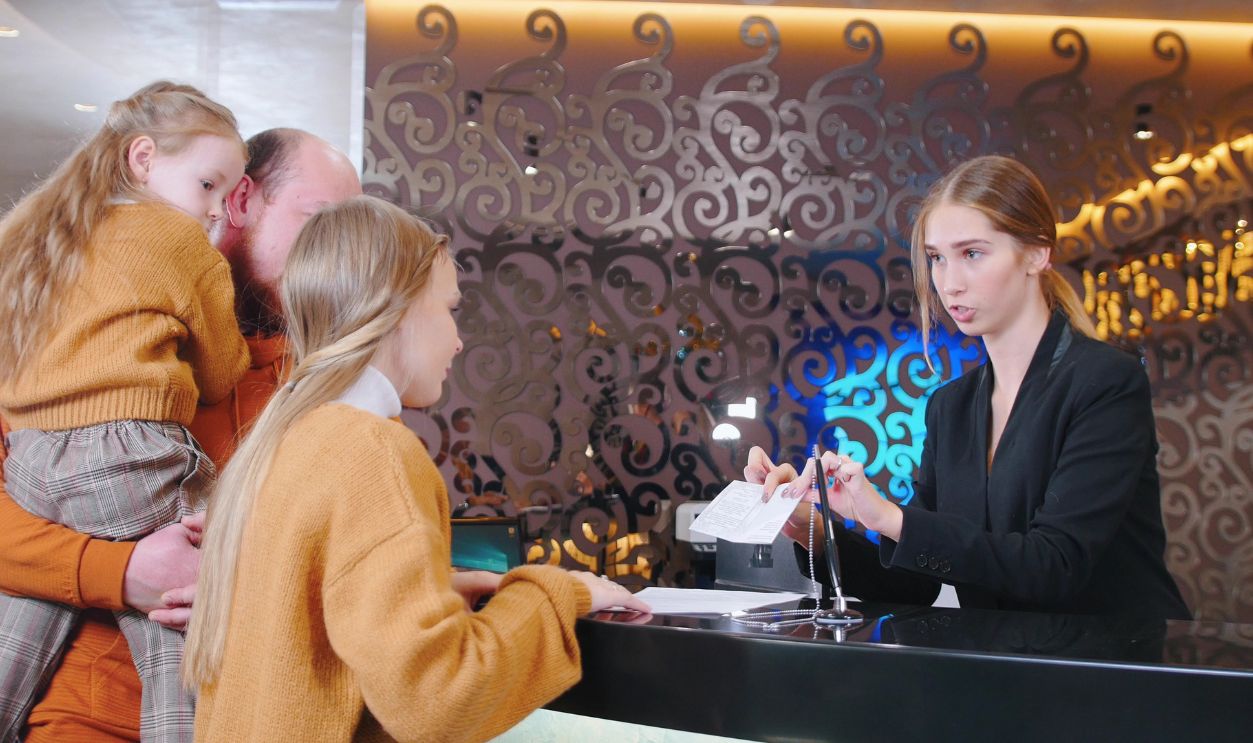
Imagine you've very clearly got two tired and cranky kids behind, you're exhausted and just want to check in—and that's when the front desk asks for "proof" that your kids are actually under 12 or else pay full price.
Maybe you wouldn't ever book at that hotel again, but hotels are allowed to do this. It's why travel experts say you really need to know what to expect when you're taking advantage of a high-value "kids-stay-free" booking.

Yes, Some Hotels Really Do Ask
Big hotel brands publish family-rate terms that tie free stays or free meals to a child’s age. In some cases, the wording says the hotel may ask for valid identification or other proof at check-in. So a family can show up thinking everything is settled and still be asked to show something official.
 KONSTANTIN_SHISHKIN, Shutterstock
Why the Age Cutoff Matters
For hotels, “under 12” is not just casual wording. It is a pricing rule. It can affect room occupancy, meal charges, and resort perks. If a child is 12 or older under the terms, the hotel may charge an extra person fee or remove the free-child benefit.

The Fine Print Matters
One clear example comes from Iberostar, which says children must be under the age listed in the promotion and may need to show a passport or proof of age at check-in. Barceló says something similar in its family-offer terms and notes that the hotel may request documents proving a child’s age. This is not travel-forum gossip. It is written into the offer rules.

Most Families Do Not Pack a Birth Certificate for a Domestic Hotel Stay
On a normal domestic trip, most families do not bring a paper birth certificate just to check into a hotel. Adults usually have ID with them, but kids often do not have government-issued photo ID. That is why age checks can get awkward at the front desk.

Air Travel Is Where Many Parents Learn This Lesson
For many families, age rules first come up when flying. The Transportation Security Administration says children under 18 do not need identification for domestic travel when they are with a companion, but airlines may ask for proof of age for lap infants. Because of that, many parents already bring a copy of a birth certificate when they fly.

Why Airline Habits Carry Over to Hotels
If you already pack a birth certificate copy for a lap infant, bringing age proof for a hotel does not seem like a big stretch. But once kids are older, that usually changes. Most families assume the hotel will just go by the age entered during booking.

International Trips Change Things
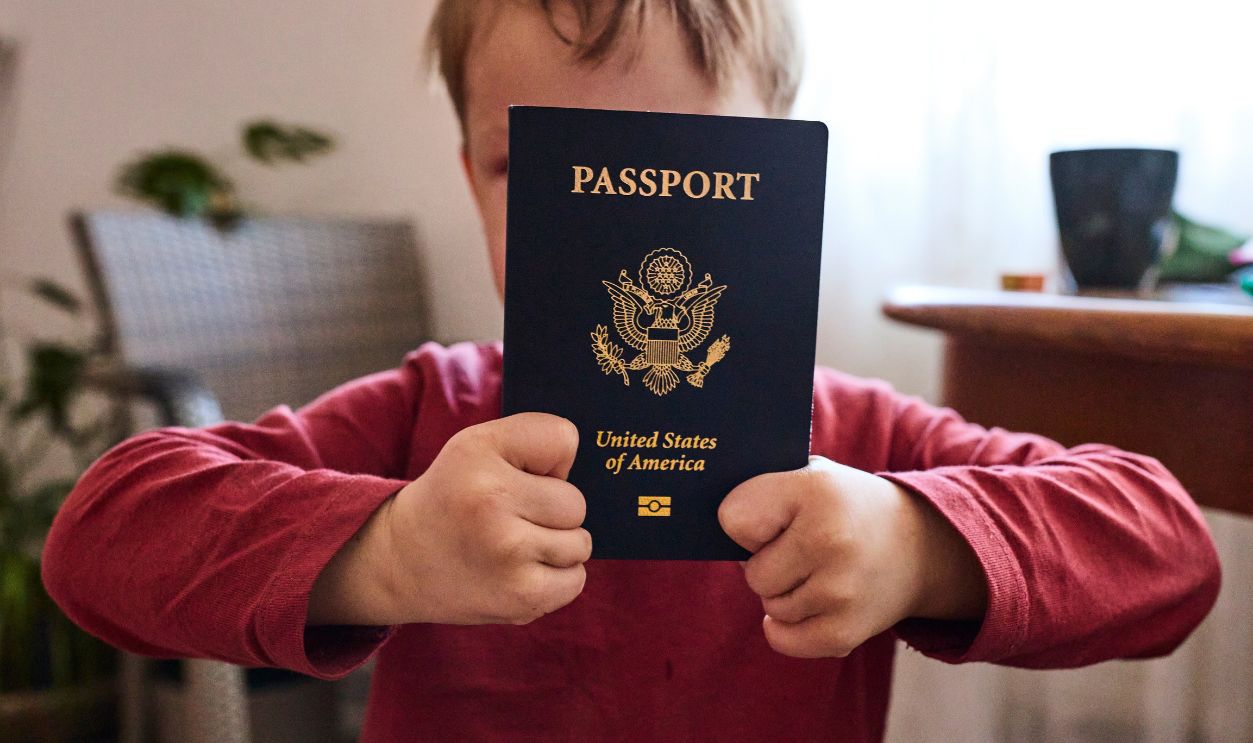
On international trips, children often already have passports with them, which makes hotel age checks much easier. The U.S. Department of State requires all U.S. citizens, including minors, to use a passport book for international air travel. So for overseas stays, the proof issue is usually solved before anyone reaches the hotel lobby.

A Passport Is Usually Easier Than a Birth Certificate
A passport is usually the easiest way to prove age because it is government-issued, standard, and already in your bag for international travel. A birth certificate can also work, but it is less convenient and includes more personal information than many parents want to carry around. Some families bring a photocopy or a secure digital backup, though a hotel with a strict policy may still want an original document.
There Is No Universal Hotel Rule
This is where people get caught off guard. There is no industrywide rule that says hotels must accept one specific document as proof of a child’s age. Policies can vary by brand, by package, and sometimes by individual property, especially at resorts where free-child deals are tied to meal plans and occupancy limits.

Hilton Shows How Brand Rules Can Vary
Hilton often uses “children stay free” language in its policy pages, but the details depend on the property and the rate. In many Hilton terms, children can stay at no extra charge when using existing bedding, but the hotel sets the age definition. That means one Hilton property may define a child differently from another.
 Jose Antonio Jiménez Macías, Unsplash
Marriott Also Leaves Room for Property Rules
Marriott policy pages often say children are welcome, but age cutoffs and extra-bed charges can vary by property. That does not mean staff will always ask for documents. It does mean the final call may come down to local policy, not one chainwide rule.
 Tony Webster, Wikimedia Commons
Resorts Are More Likely to Check
All-inclusive and beach resorts tend to pay closer attention to age-based perks than a standard roadside hotel. That is because “kids stay free” at a resort may also cover meals, activities, and children’s programs. The price difference between an 11-year-old and a 12-year-old can be a real one.

So Do Families Travel With Birth Certificates?
Sometimes, yes, but usually not just for hotels. Families are much more likely to carry a birth certificate copy for airline rules, cruises, or border issues than for a domestic hotel stay. For hotel purposes, a passport, a school ID paired with another document, or a digital copy may be what a traveler has on hand, but whether that works depends on the hotel.
Cruises Explain Why Some Parents Already Carry Documents
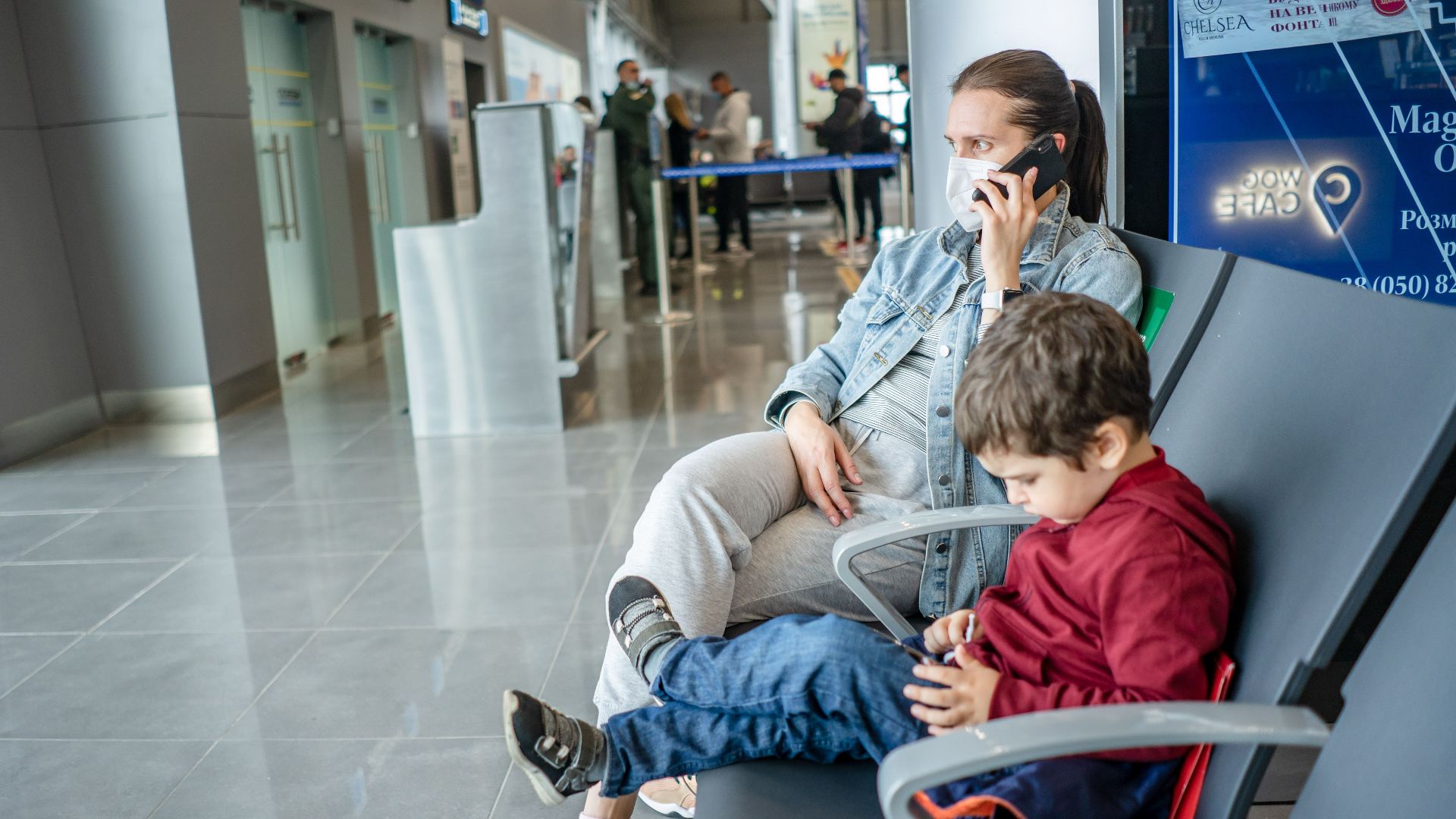
Cruise travel has trained a lot of families to think about child documents. U.S. Customs and Border Protection says children entering the United States are subject to documentation rules, and closed-loop cruise rules can differ from standard international air travel rules. Parents who cruise often may already be used to carrying certified birth certificates for minors.

What Counts as Proof
Hotels that mention age verification often use broad terms like “valid identification,” “passport,” or “proof of age.” That matters because those phrases do not always guarantee that a school record, health insurance card, or a phone photo will be accepted. If the deal matters to your budget, ask the hotel exactly what it will accept before you travel.

The Smartest Move Before You Pack
Call or message the hotel directly and ask one simple question: “If you need proof that my child is under 12 for this rate, what document will you accept at check-in?” Getting that answer in writing by email or chat can save a lot of stress later.

Screenshots Can Save You Money
Take screenshots of the rate description, the age cutoff, and any terms shown when you book. Promotions can change or disappear, and front desk staff may not see the same wording you saw online. A timestamped screenshot will not replace proof of age, but it can help if there is a dispute over what was promised.

Bring More Than One Backup
If your child has a passport, that is usually the easiest document to bring. If not, think about carrying a photocopy of the birth certificate and keeping a secure digital copy on your phone. If your child has a school ID or another official record with a date of birth, it may help as extra support, though it may not be enough on its own.

Think About Privacy
A birth certificate includes sensitive personal information, including full legal names and place of birth. Carrying the original on a casual trip is not risk-free, especially if it gets lost. That is one reason many travel experts suggest bringing only what you really need and storing it securely.

Digital Copies Help, but They Are Not a Sure Thing
A photo or scan of a birth certificate can be useful if a hotel just wants some reassurance. But hotel policies differ, and a digital image may not satisfy a staff member who has been told to verify age more formally. It is best to treat it as backup, not a guarantee.

If You Are Traveling Abroad, the Rules Get Tighter
For international trips, a child’s passport is usually already on the packing list, and that handles most hotel age questions. The State Department also advises parents to understand entry requirements and document rules for minors before leaving. Once you cross borders, child documentation stops being optional and becomes basic travel prep.
What If the Hotel Refuses the Free Rate?
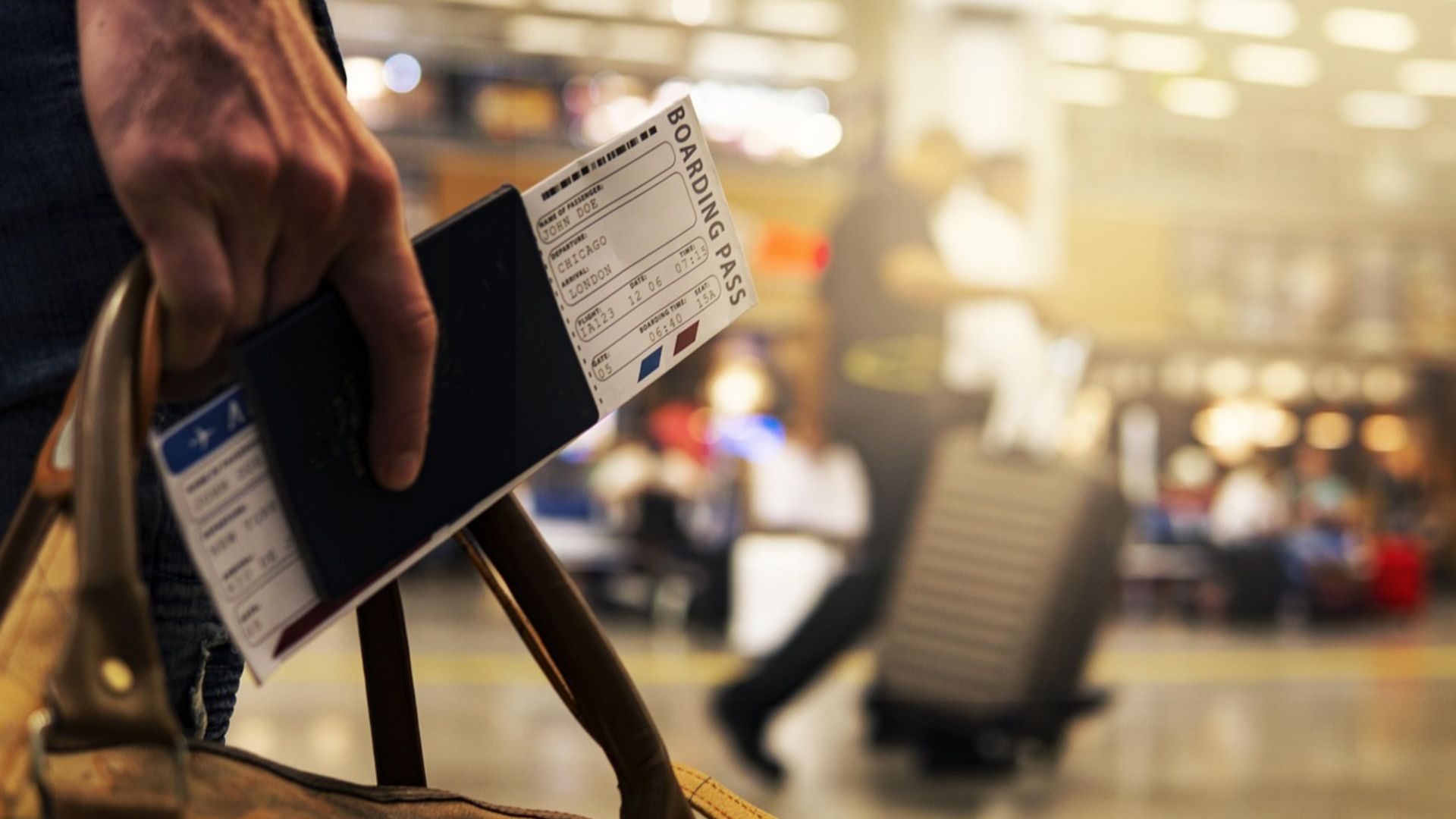
If the hotel denies the kids-stay-free deal because you cannot prove age, stay calm and ask the staff to show you the rate terms they are using. Then contact the booking platform or the brand’s customer service while you are still there. If the hotel already told you in writing what proof it would accept, that is the time to pull it up.

Occupancy Rules May Be Part of the Problem
Sometimes the age dispute is really about room occupancy, not suspicion. Local fire codes, resort package rules, or meal-plan pricing can make a child’s exact age important. That is another reason front desk staff may be less flexible than travelers expect.

The Easiest Rule of Thumb
If your child is clearly much younger than the cutoff, you probably will not be asked for anything at many hotels. If your child is close to 12, expect that it could come up, especially at resorts and all-inclusives. In that situation, carrying proof is simple insurance.

What Travel Advisors Usually Recommend
Many travel advisors tell families to carry at least a copy of a child’s birth certificate when a trip includes age-based pricing. The point is not to be overly cautious. It is to avoid losing a discount over something easy to settle ahead of time.

The Bottom Line for Parents
No, most families do not regularly travel with birth certificates just to check into domestic hotels. Yes, some hotels can ask for proof when a kids-stay-free deal depends on a strict age cutoff. If the savings matter, confirm the policy before you leave and bring the easiest official document you have, ideally a passport or a copy of the birth certificate.