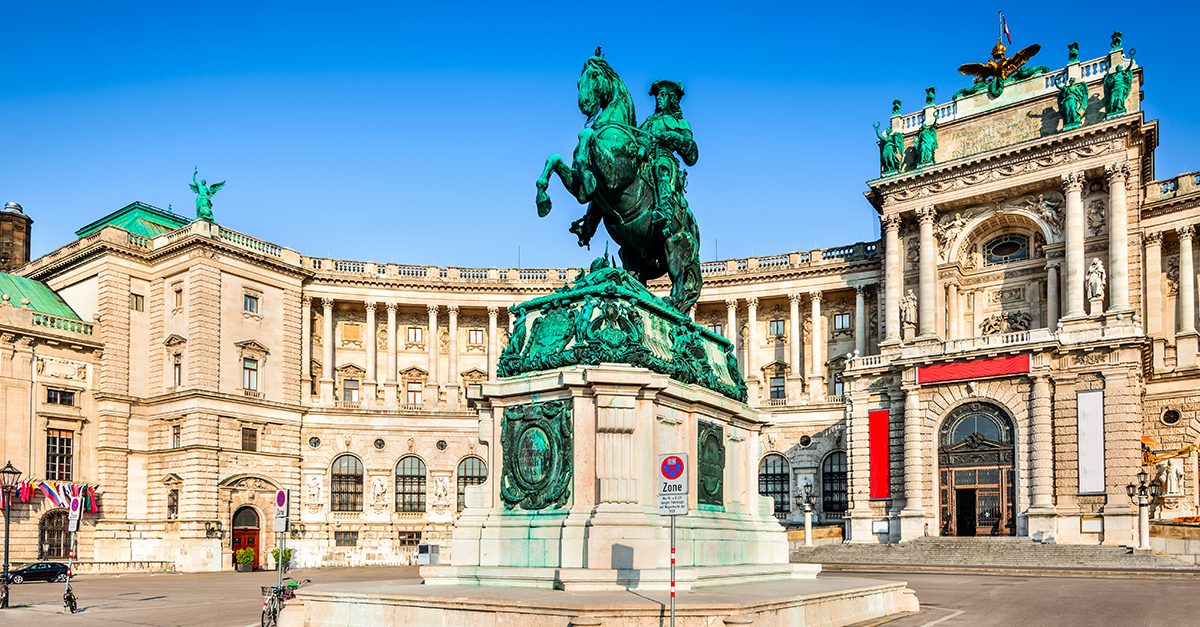
It Feels Strangely Familiar.
Canadians arriving in New England encounter rocky coastlines, maple syrup, cold winters, old towns, and forests that can look surprisingly close to home. Then the rotaries, Revolutionary history, electronic tolls, lobster-roll rivalries, and centuries-old streets start reminding you that you definitely crossed the border.
New England Is Smaller Than Canadians Expect
New England contains six states: Maine, New Hampshire, Vermont, Massachusetts, Rhode Island, and Connecticut. The region packs mountains, major cities, Atlantic coastline, and historic towns into a relatively compact corner of the United States. Canadians accustomed to driving enormous distances can be surprised by how quickly the scenery and state names change.
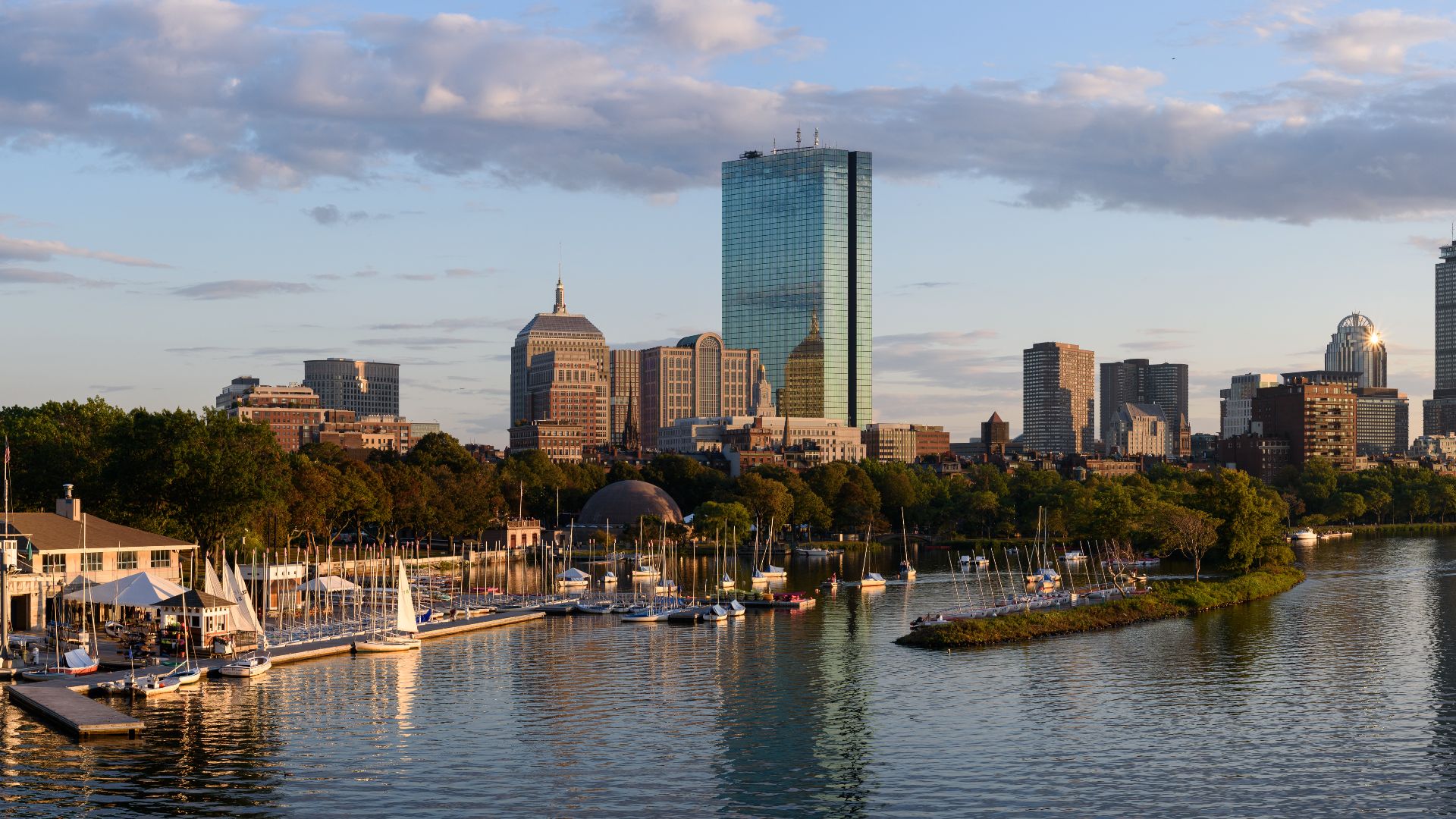 King of Hearts, Wikimedia Commons
State Lines Come Surprisingly Fast
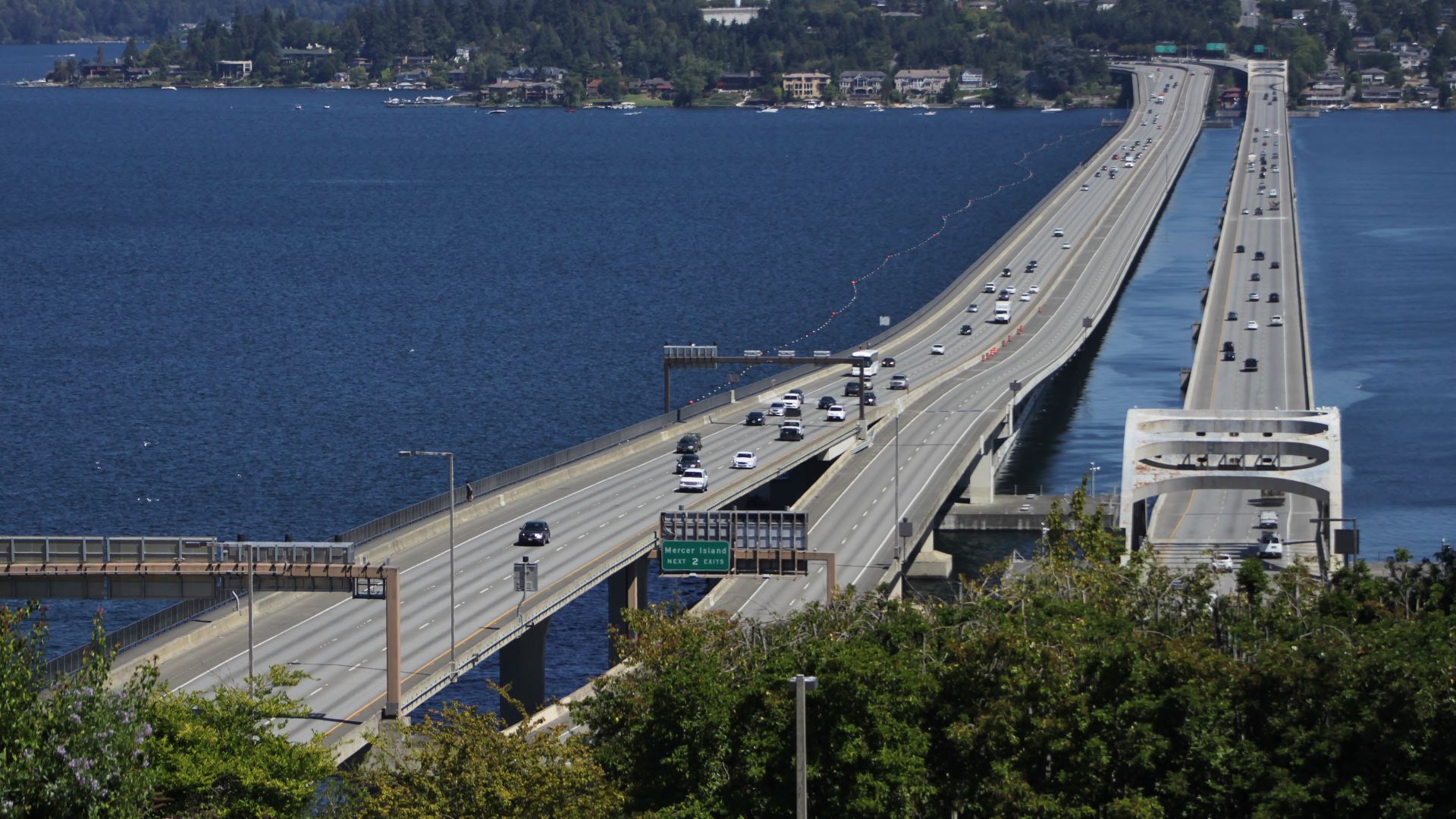
A Canadian road trip can spend hours inside a single province. In New England, it is entirely realistic to cross several state borders during one day of driving. That compact geography makes regional road trips feel almost like touring several miniature destinations at once.
 SounderBruce, Wikimedia Commons
Miles Take Over Again
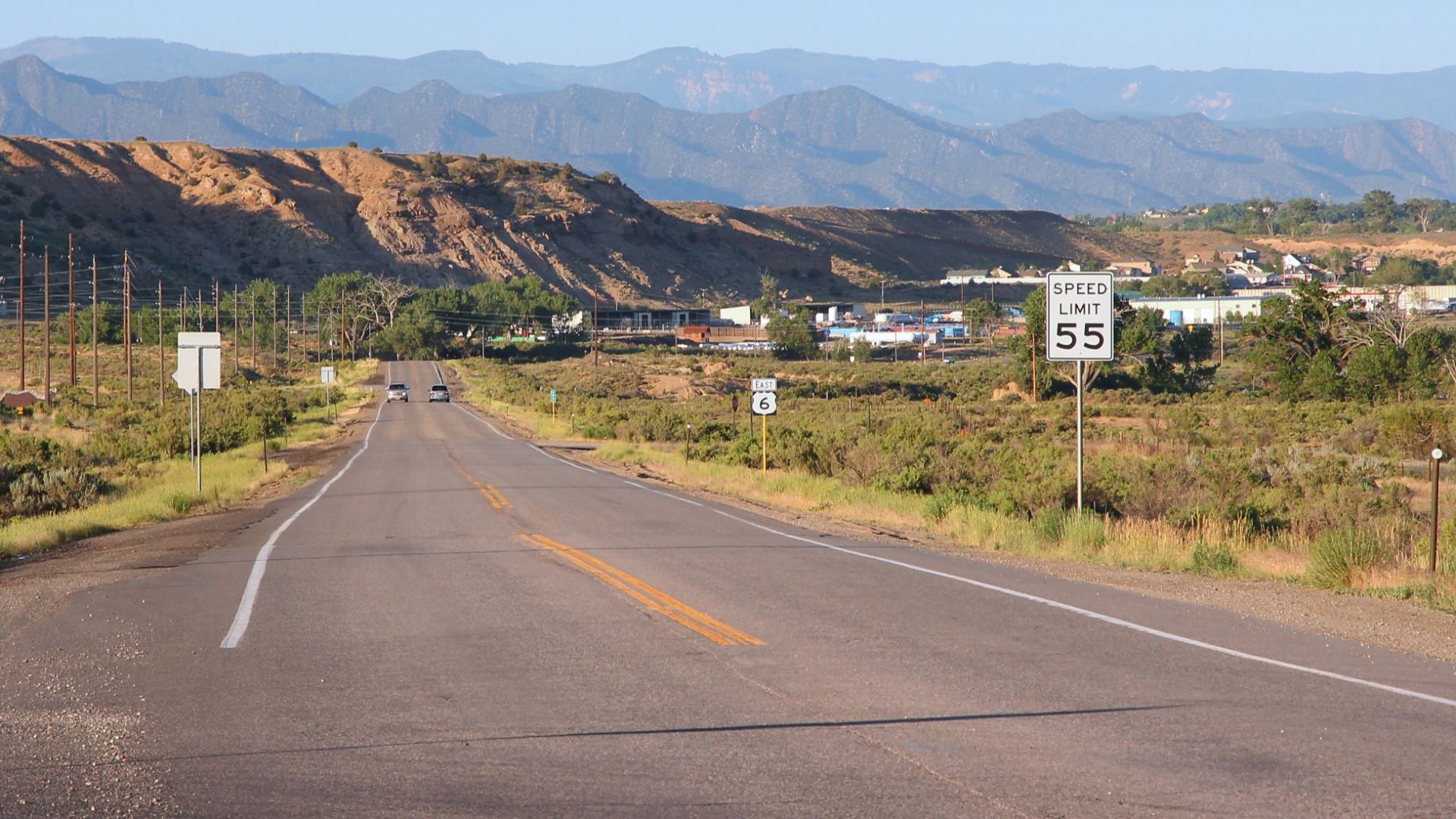
Canadian visitors immediately have to abandon kilometres. Distances and speed limits are posted in miles, which means a sign saying 65 is describing miles per hour rather than kilometres per hour. The conversion becomes second nature eventually, but the first highway drive requires a little mental recalibration.
 Marek Ślusarczyk (Tupungato) Photo portfolio, Wikimedia Commons
The Roads Can Feel Very Old
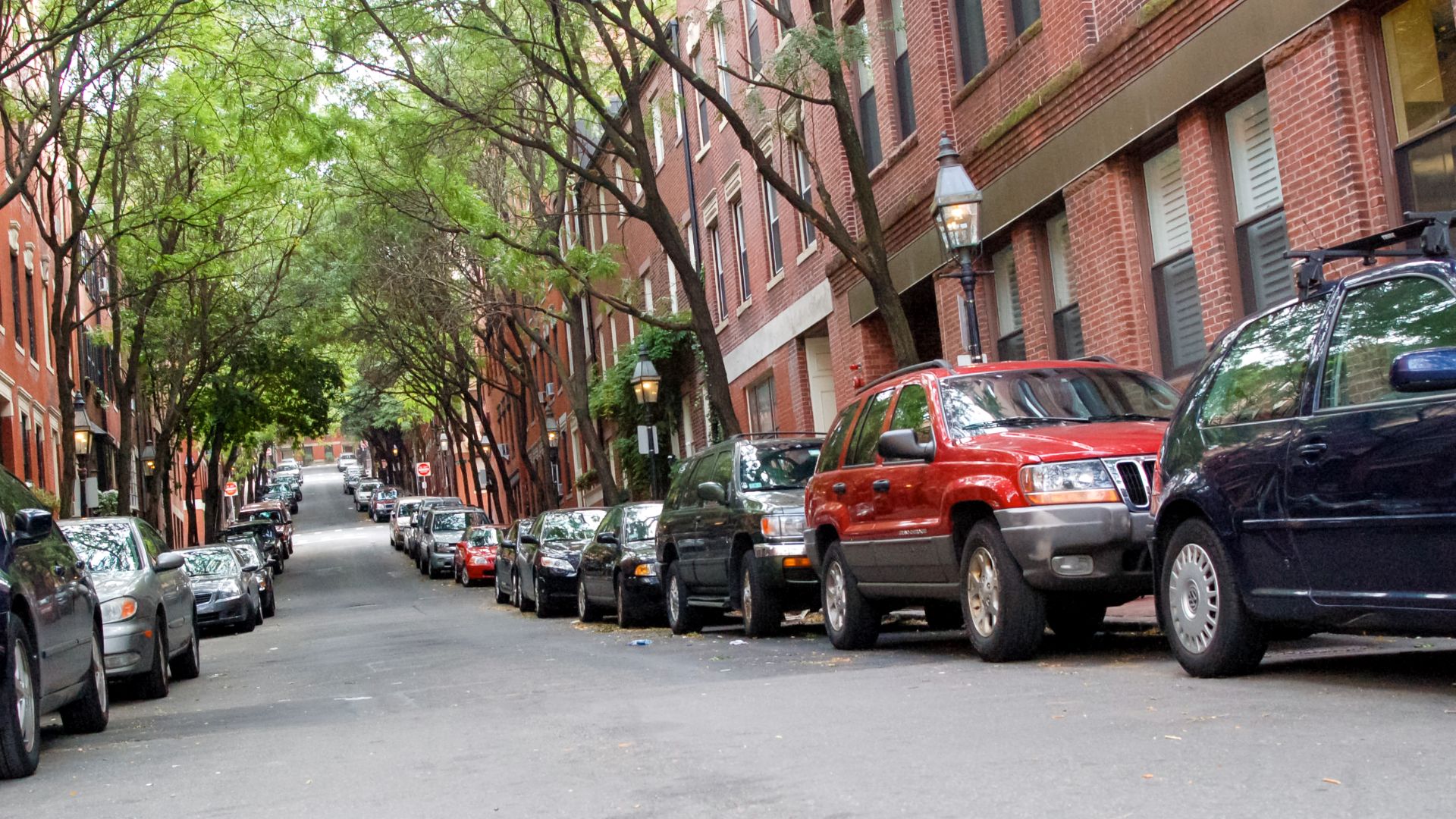
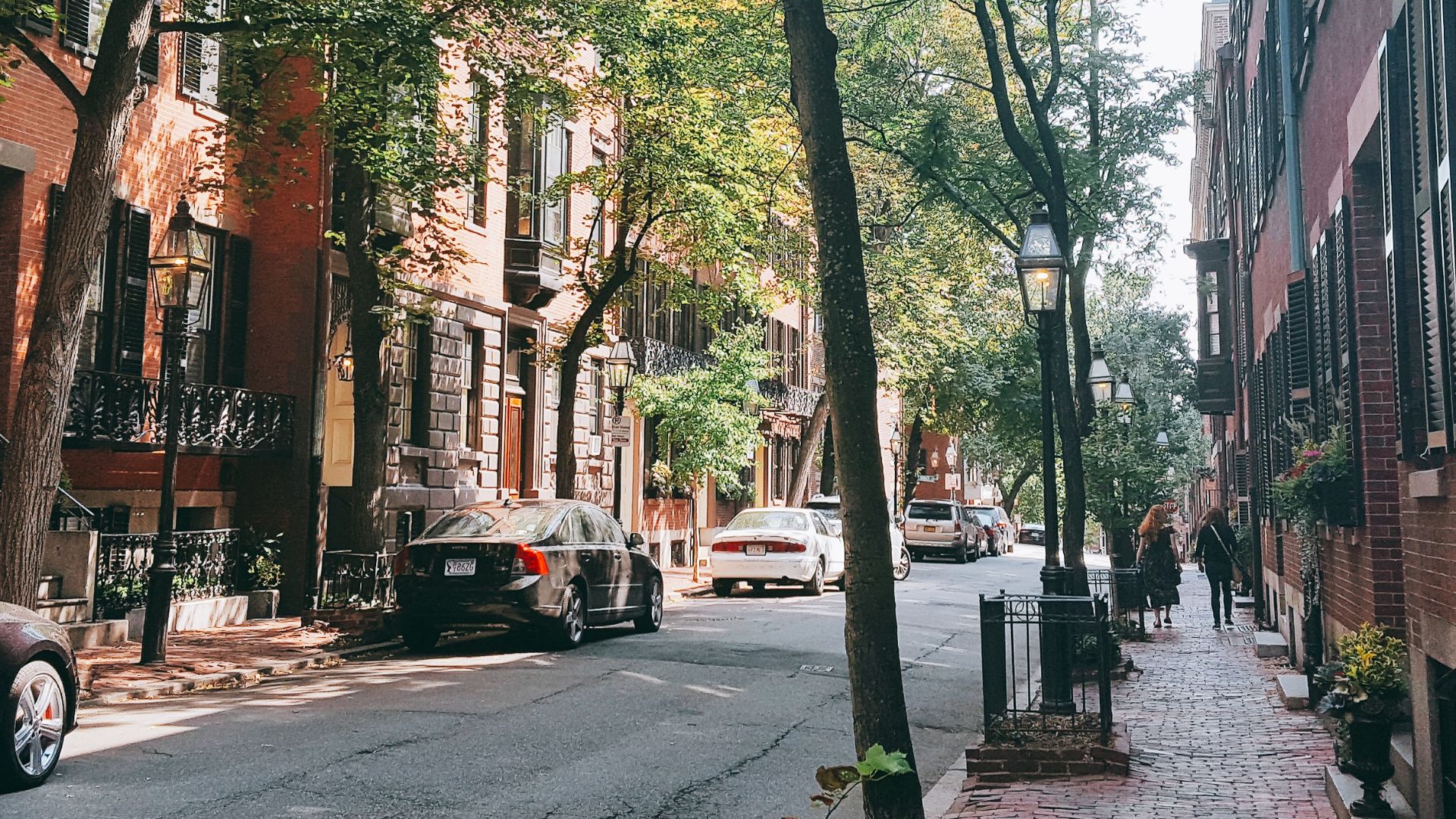
Modern freeways exist throughout the region, but historic communities often retain narrow streets and layouts created long before cars. Boston's Beacon Hill is known for narrow streets, historic rowhouses, and cobblestone lanes. Canadians arriving in a large SUV may suddenly become very aware of the vehicle's width.
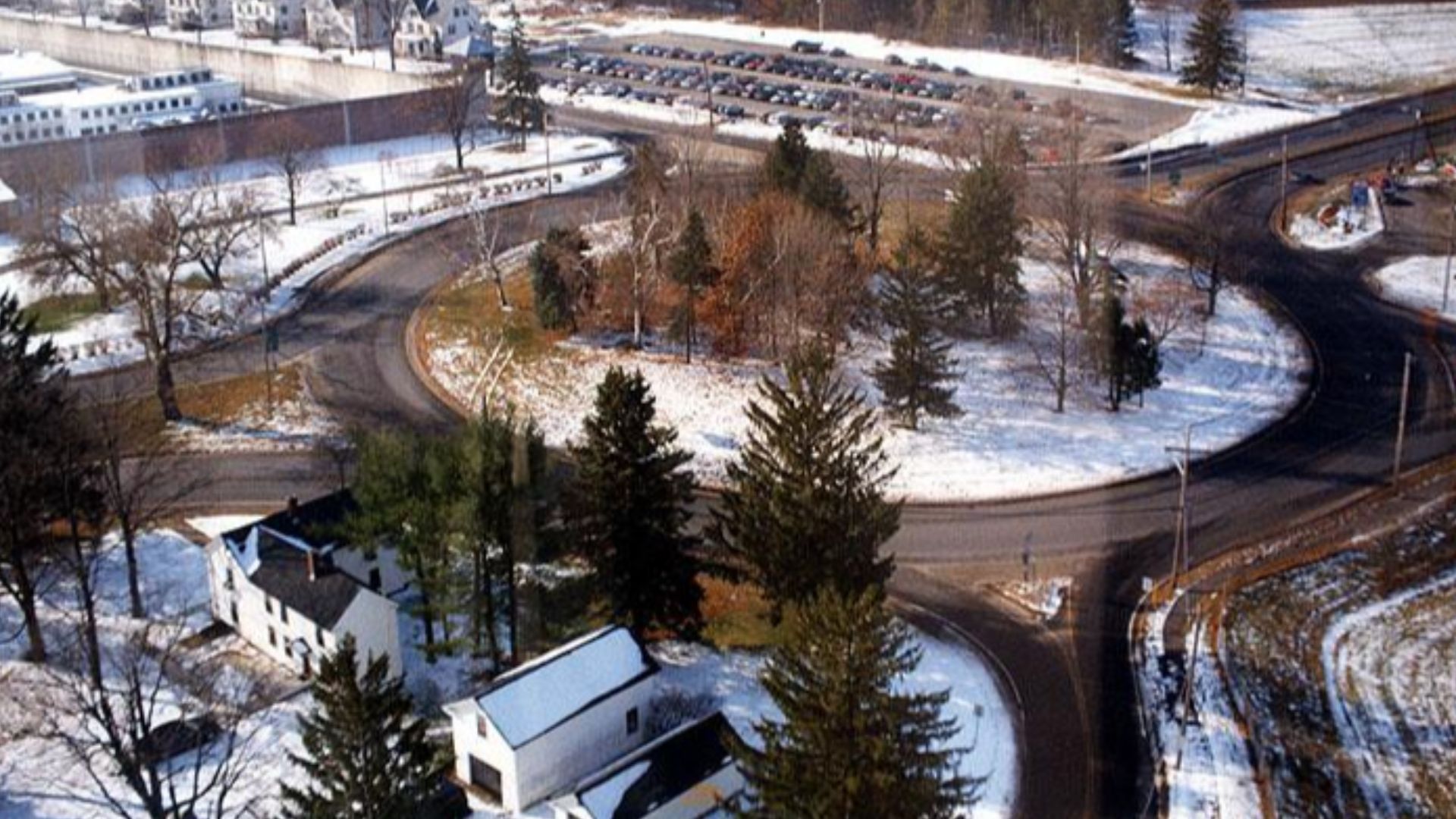
Massachusetts Has Rotaries With Their Own Personality
Canadians familiar with modern roundabouts may notice that Massachusetts also has older-style rotaries. MassDOT distinguishes them from roundabouts because rotaries are generally larger, faster, and may have less clearly defined lane patterns. The first encounter can feel considerably more adventurous than the calm little traffic circle you expected.
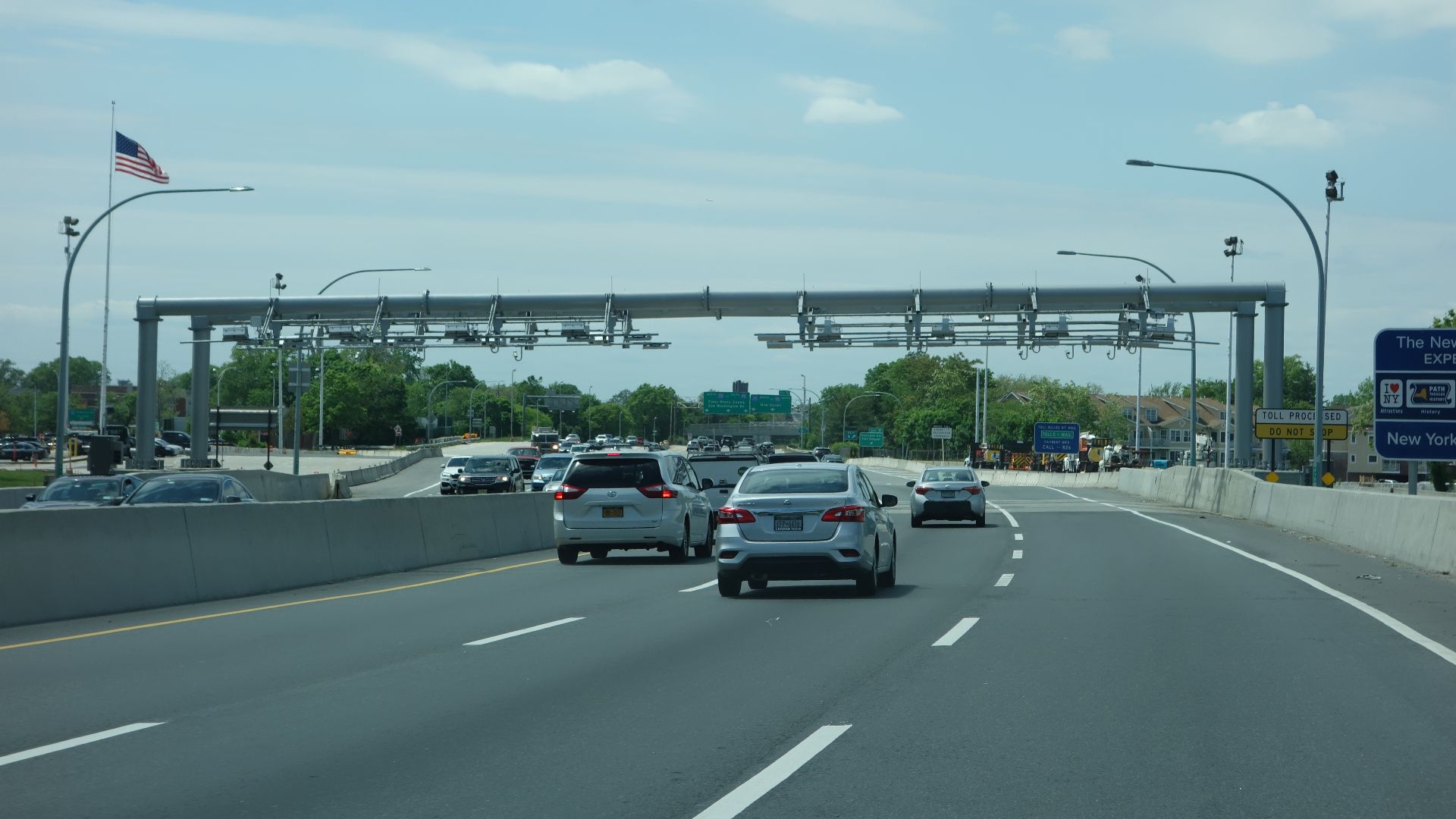
Toll Booths Can Be Invisible
Drivers on Massachusetts toll roads may never hand money to anyone. The state uses all-electronic tolling with overhead gantries that identify E-ZPass transponders or photograph license plates. Visitors without a transponder can be billed through Pay By Plate, which makes understanding a rental company's toll policy important.
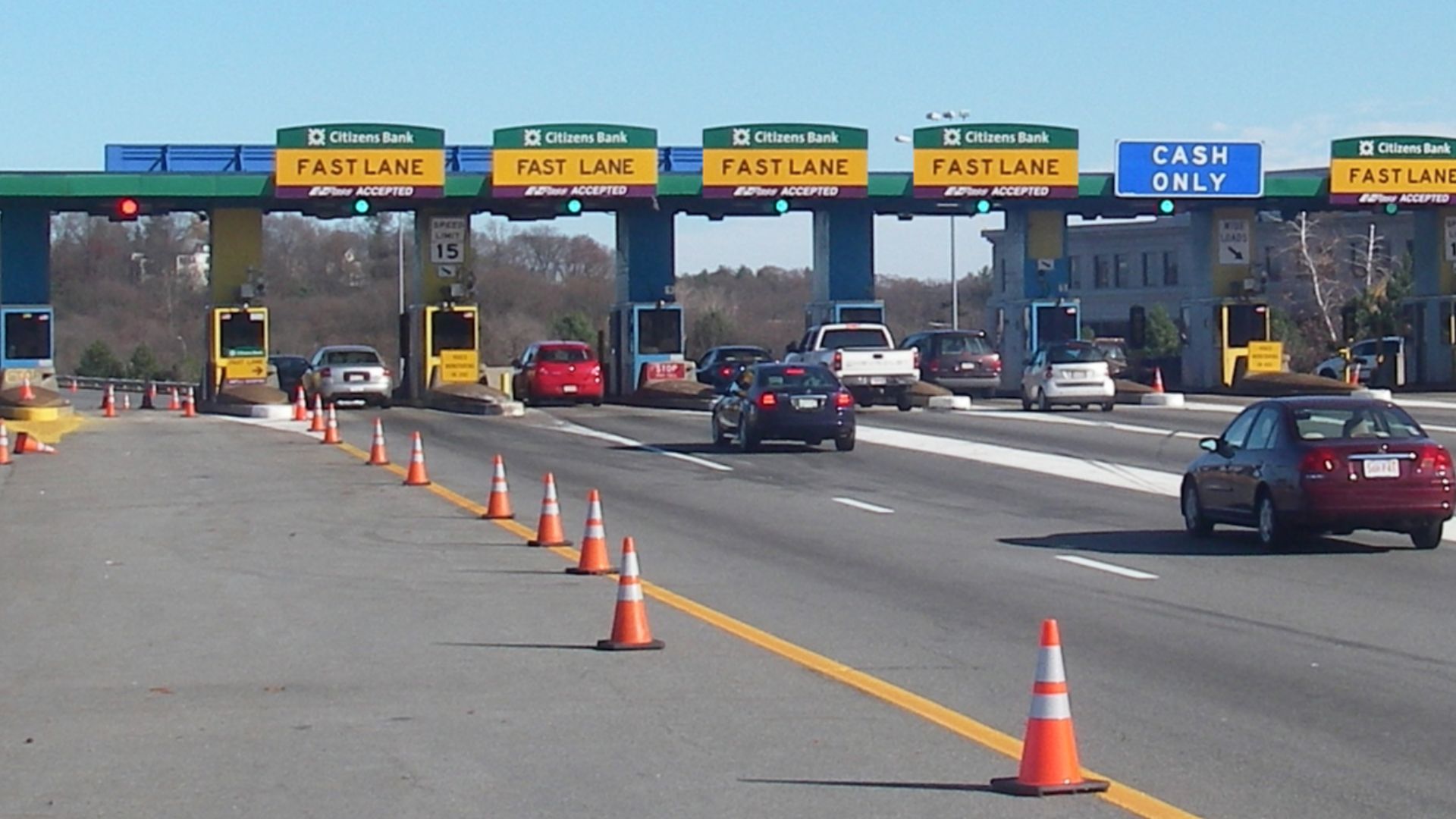
Cash Does Not Help At Massachusetts Tolls
A Canadian carrying American bills “just in case” will not solve a toll problem on the Massachusetts Turnpike. MassDOT says its toll roads do not accept cash. It is one of those little systems that feels effortless once you understand it and surprisingly mysterious before you do.
Dunkin' Really Is Everywhere
Canadians used to seeing Tim Hortons on nearly every commercial strip may finally understand the regional equivalent around Boston. Dunkin' has deep New England roots, and Boston remains strongly associated with the chain even while its independent coffee scene continues growing. The sheer frequency of the signs can feel remarkably familiar to a Canadian coffee drinker.
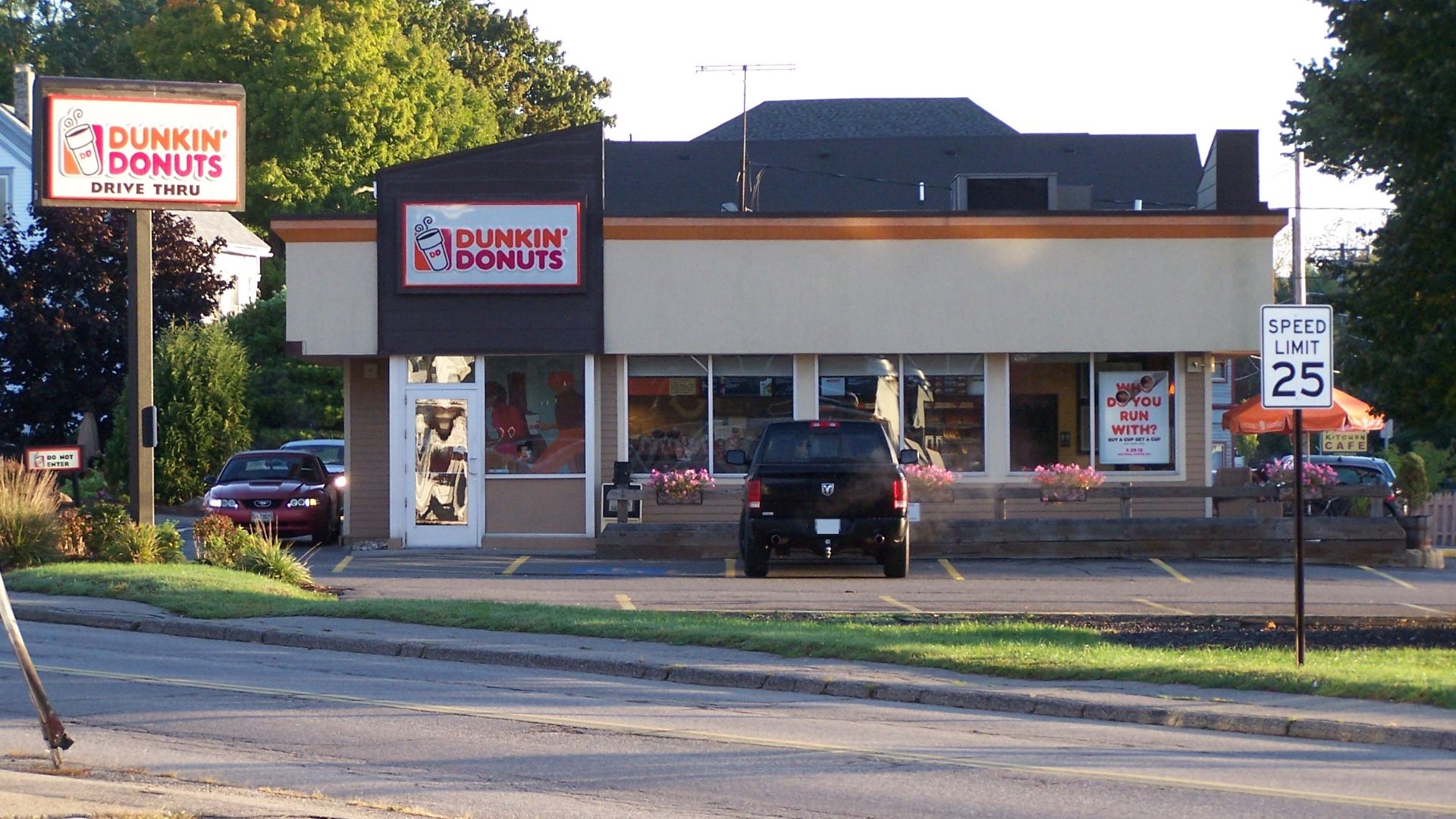 Crispins C. Crispian, Wikimedia Commons
Seafood Gets Serious Quickly
New England's Atlantic identity becomes obvious once you start reading menus. Massachusetts tourism highlights lobster rolls and creamy New England clam chowder as signature regional foods. Canadians from Atlantic Canada may recognize the seafood obsession immediately, even when the preparation is different.
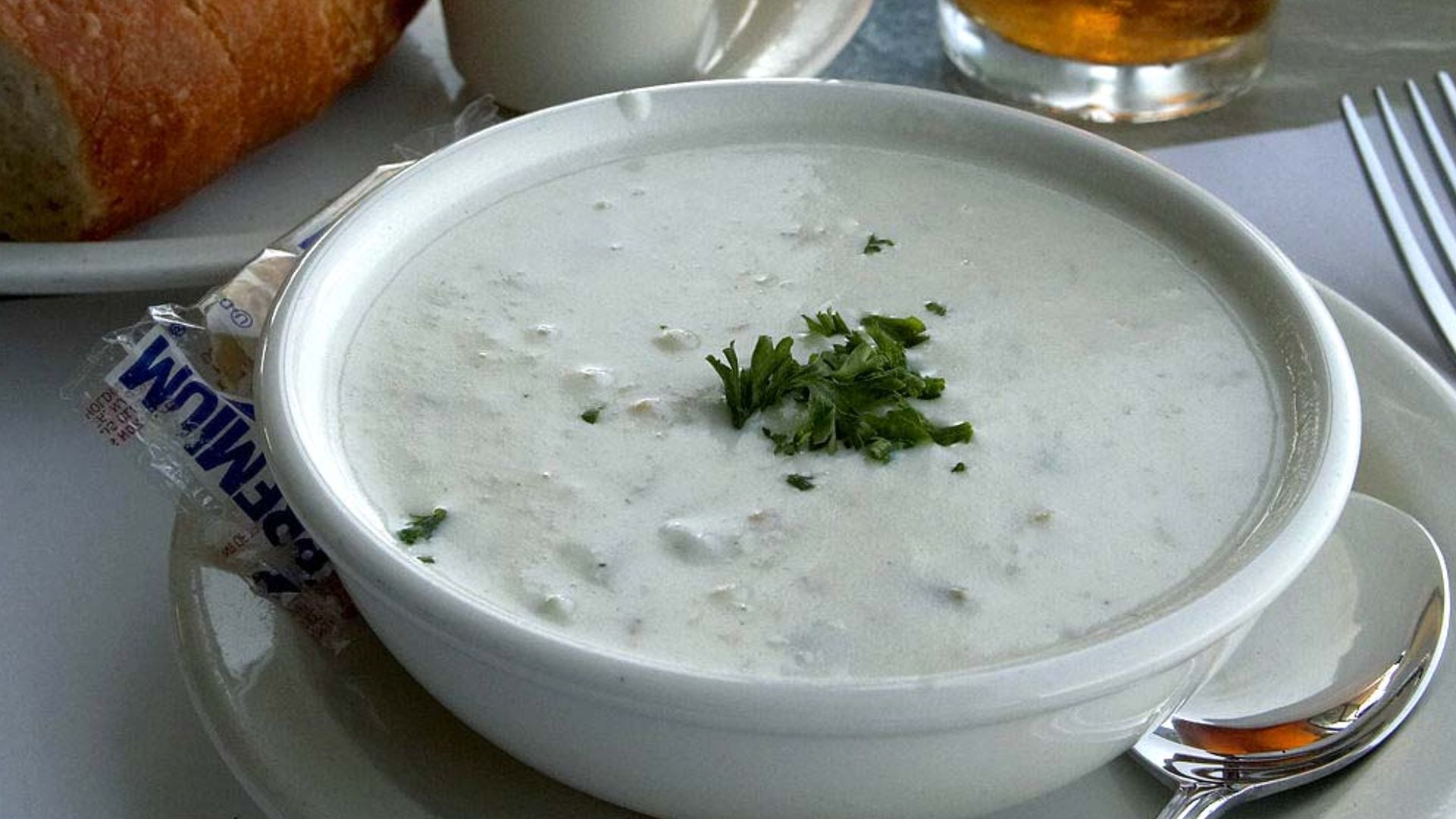 Jon SullivanThe original uploader was Y6y6y6 at English Wikipedia., Wikimedia Commons
Lobster Rolls Inspire Opinions
A Maine lobster roll sounds simple until people start debating the correct version. Visit Maine describes the classic style as chunks of fresh lobster in a buttered, toasted split-top bun, usually lightly dressed with mayonnaise. Travelers quickly learn that changing the bun, temperature, or dressing can invite passionate regional commentary.
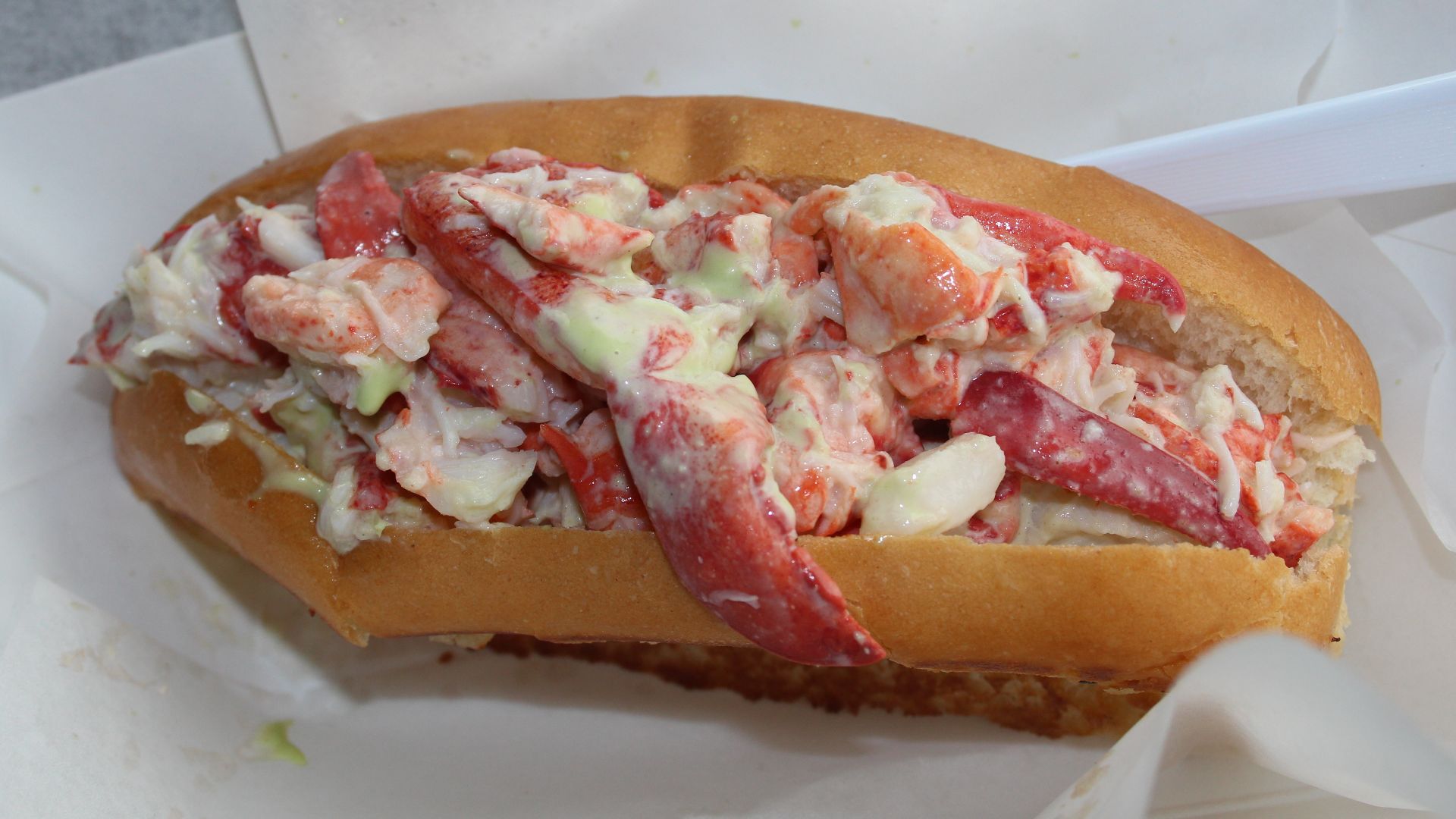
The Split-Top Bun Looks Different
Even the bread can catch Canadian visitors off guard. The classic New England-style hot dog bun is sliced from the top rather than along the side and is frequently toasted on its exposed outer surfaces. It is particularly associated with lobster rolls and makes the sandwich look distinctly regional.

Vermont Takes Maple Personally
Canadians may arrive thinking they have maple syrup culture covered. Vermont would like a word. Vermont Tourism says the state produced more than three million gallons in 2025 and makes more than half of all U.S. maple syrup.
 Sterling College from Craftsbury Common, VT, USA, Wikimedia Commons
Maple Escapes The Pancake Plate
Vermont's maple industry is not limited to bottles of breakfast syrup. Tourism officials highlight maple candy, seasonings, sauces, beverages, and the beloved maple creemee. A Canadian visitor may recognize the ingredient but be impressed by how aggressively one small state has built an identity around it.
 Whoisjohngalt, Wikimedia Commons
Fall Foliage Is Basically A Tourism Season
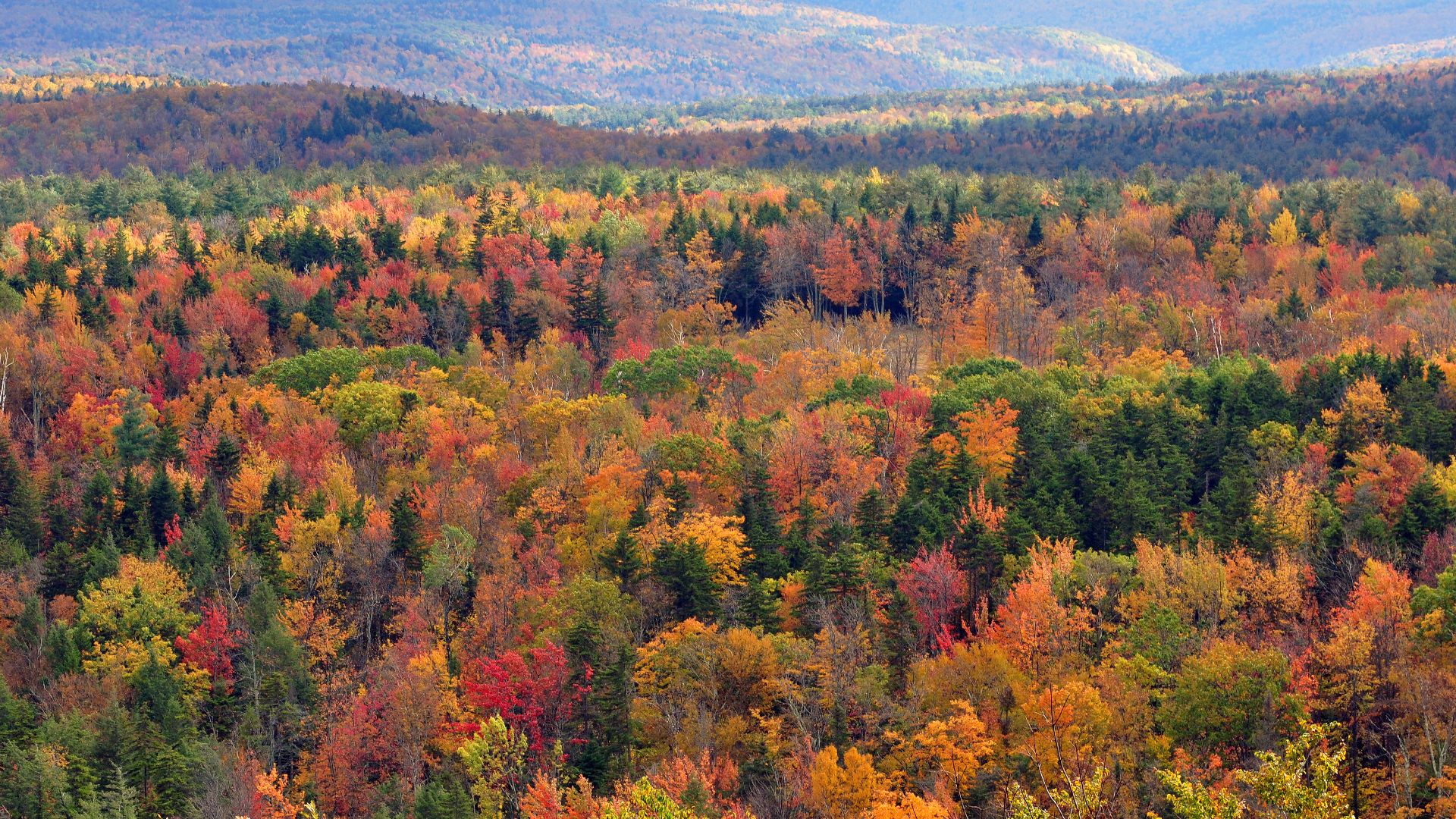
Canadians know colorful autumns, but New England treats changing leaves like a major travel event. New Hampshire Tourism operates a foliage tracker, peak-color map, and regularly updated regional reports. Visitors genuinely plan entire trips around predicting which hills will look best during a particular week.
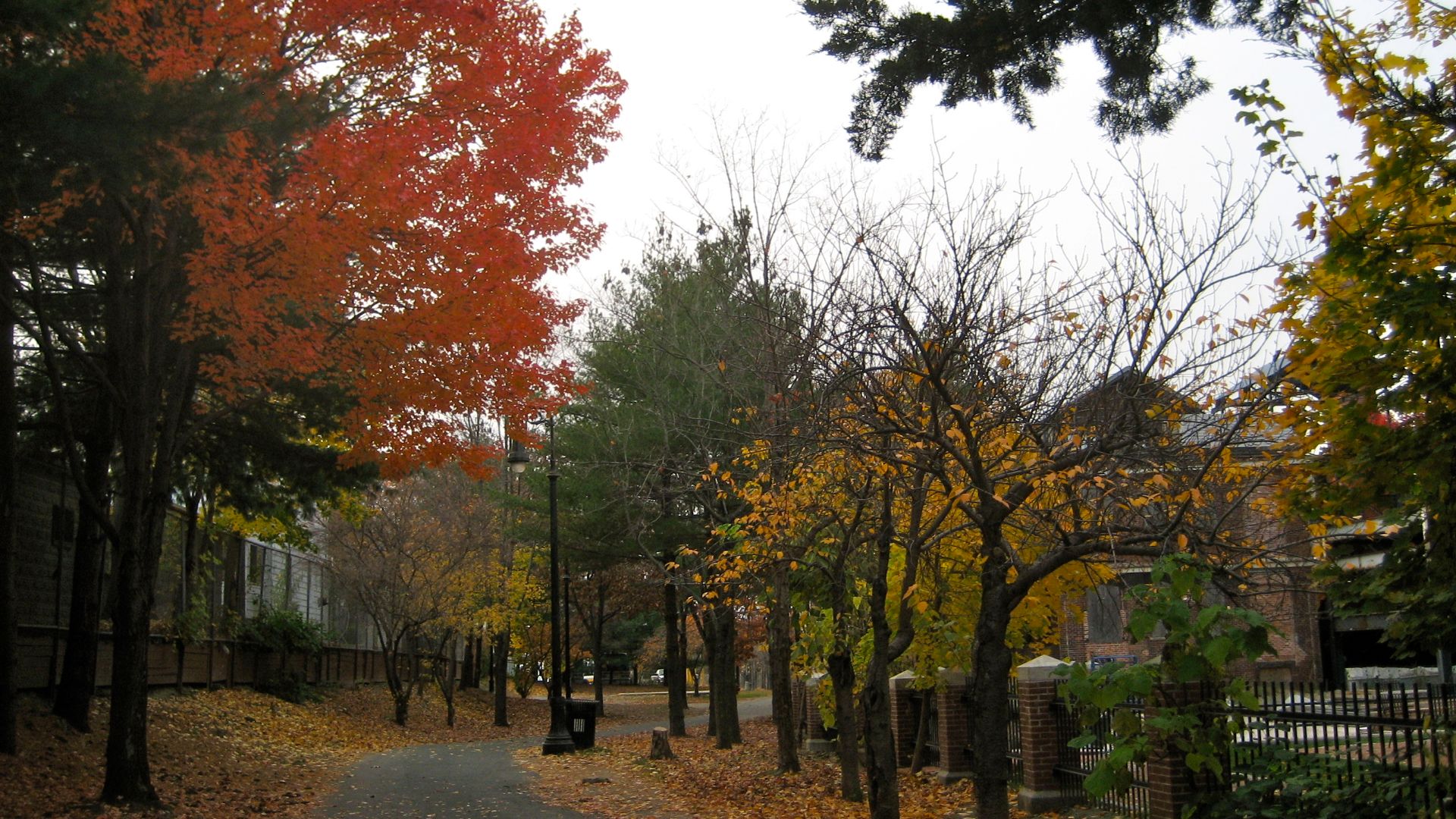 DearEdward from New York, NY, USA, Wikimedia Commons
“Leaf Peeping” Is A Real Activity
New Hampshire's tourism materials openly help travelers chase foliage through the Great North Woods, White Mountains, Lakes Region, and southern parts of the state. Peak color moves gradually south as autumn develops. What sounds like a joke quickly becomes serious road-trip planning once every scenic highway turns orange and red.
Covered Bridges Are Still Working Roads
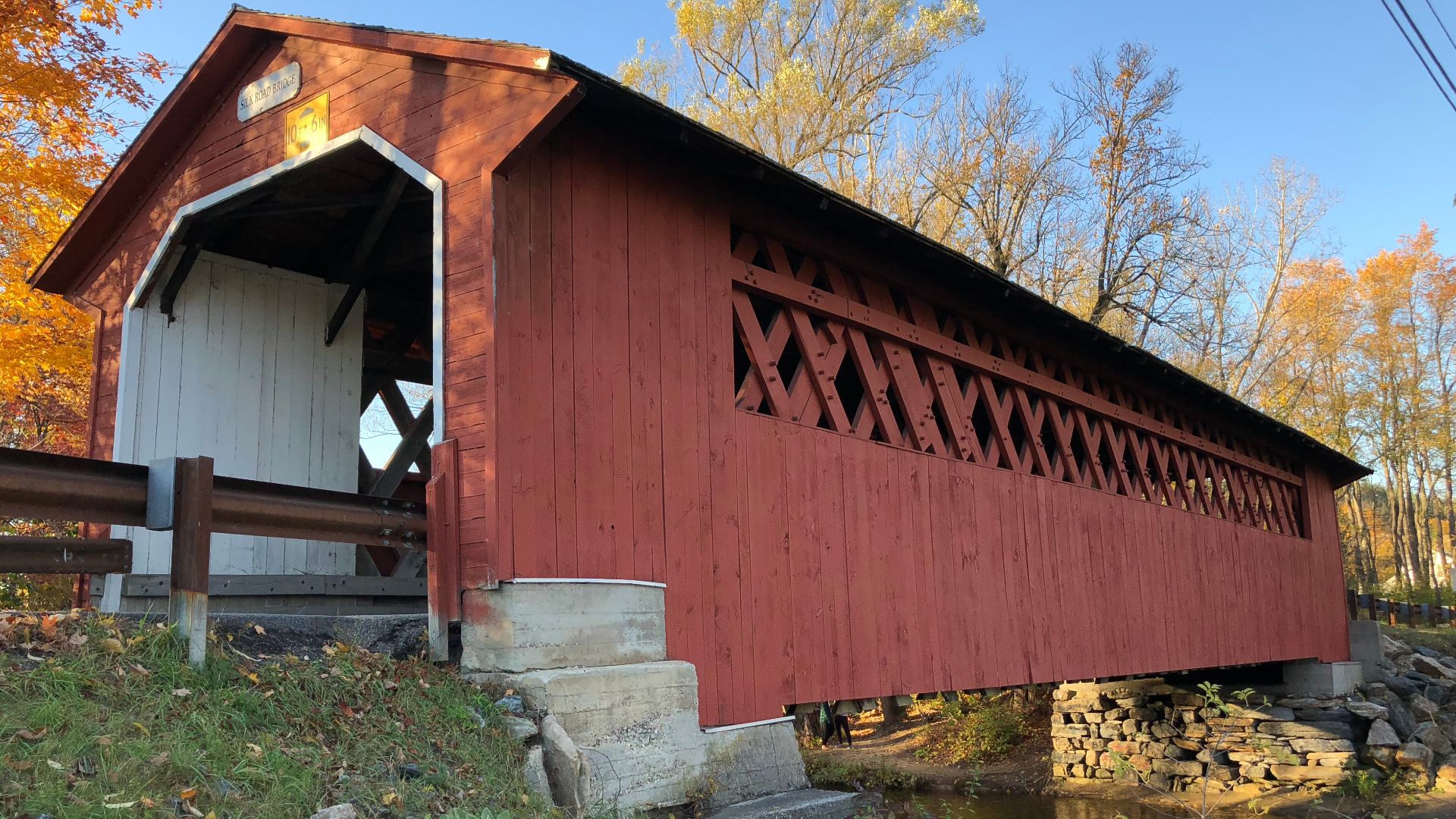
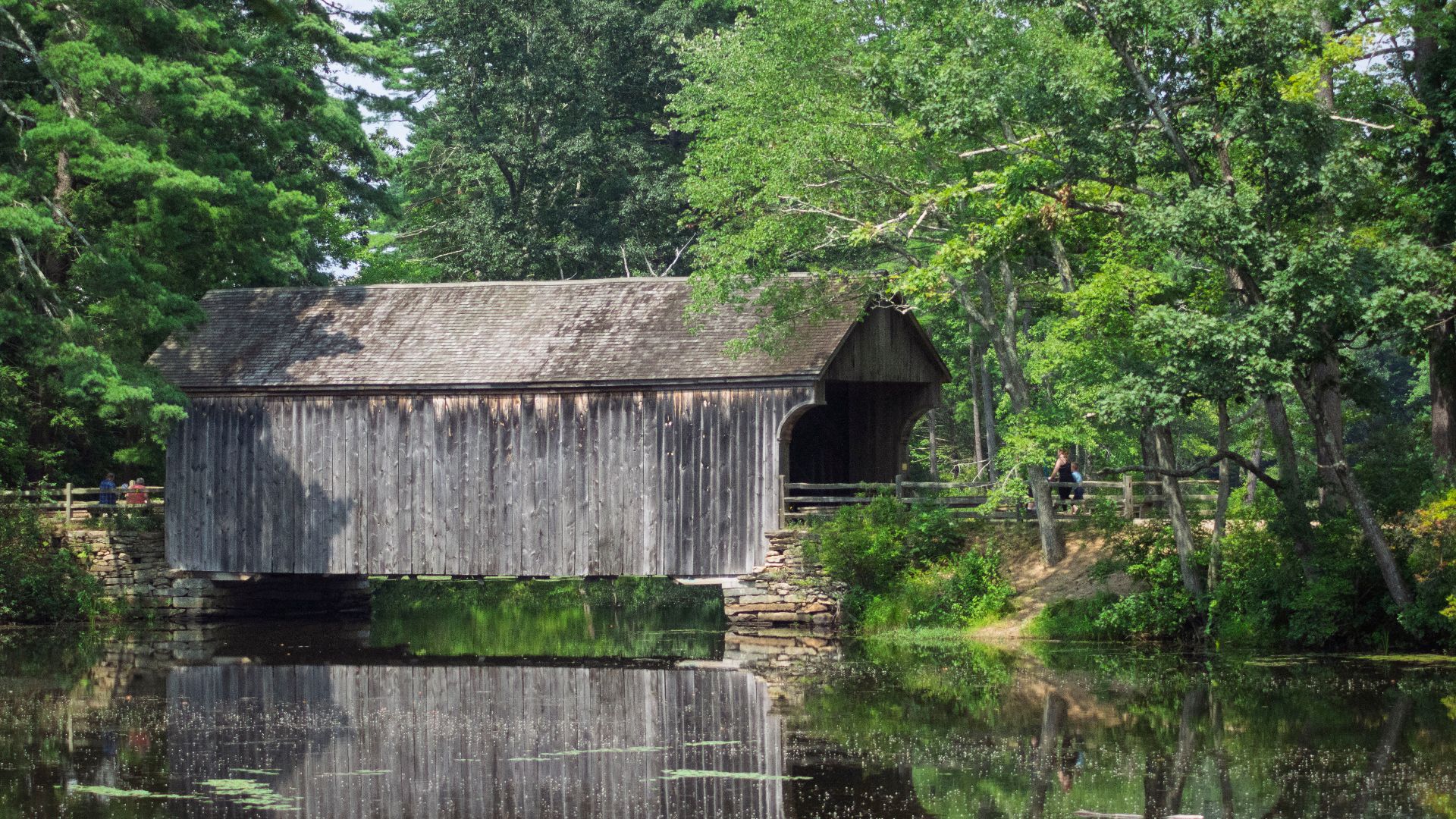
Vermont's famous covered bridges are not merely preserved props beside tourist centers. The state says 100 remain, and most still form part of active road systems. Canadians can literally drive through pieces of nineteenth-century infrastructure while traveling between modern towns.
There Used To Be Hundreds More
Vermont once had more than 700 covered bridges, many of which disappeared through disasters and changing transportation needs. Most surviving examples date from the nineteenth century. Their concentration gives some rural drives an almost implausibly postcard-like appearance.
The White Mountains Feel Bigger Than Expected
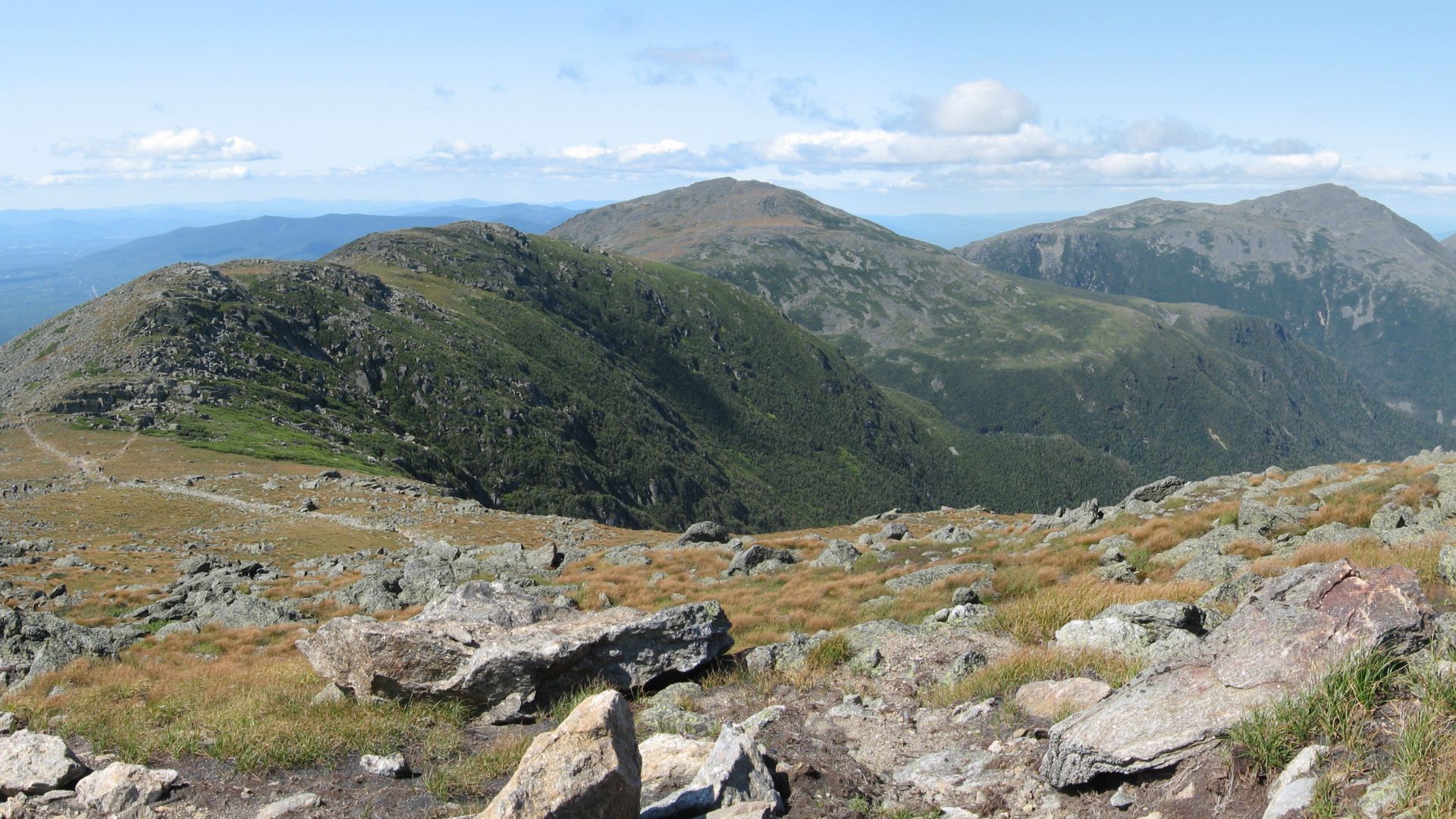
New England may look small on a continental map, but northern New Hampshire quickly breaks that illusion. The White Mountains offer rugged notches, mountain passes, waterfalls, and long scenic drives. Visitors expecting gentle eastern hills can find surprisingly dramatic terrain.
 Fredlyfish4, Wikimedia Commons
The Kancamagus Is A Destination By Itself
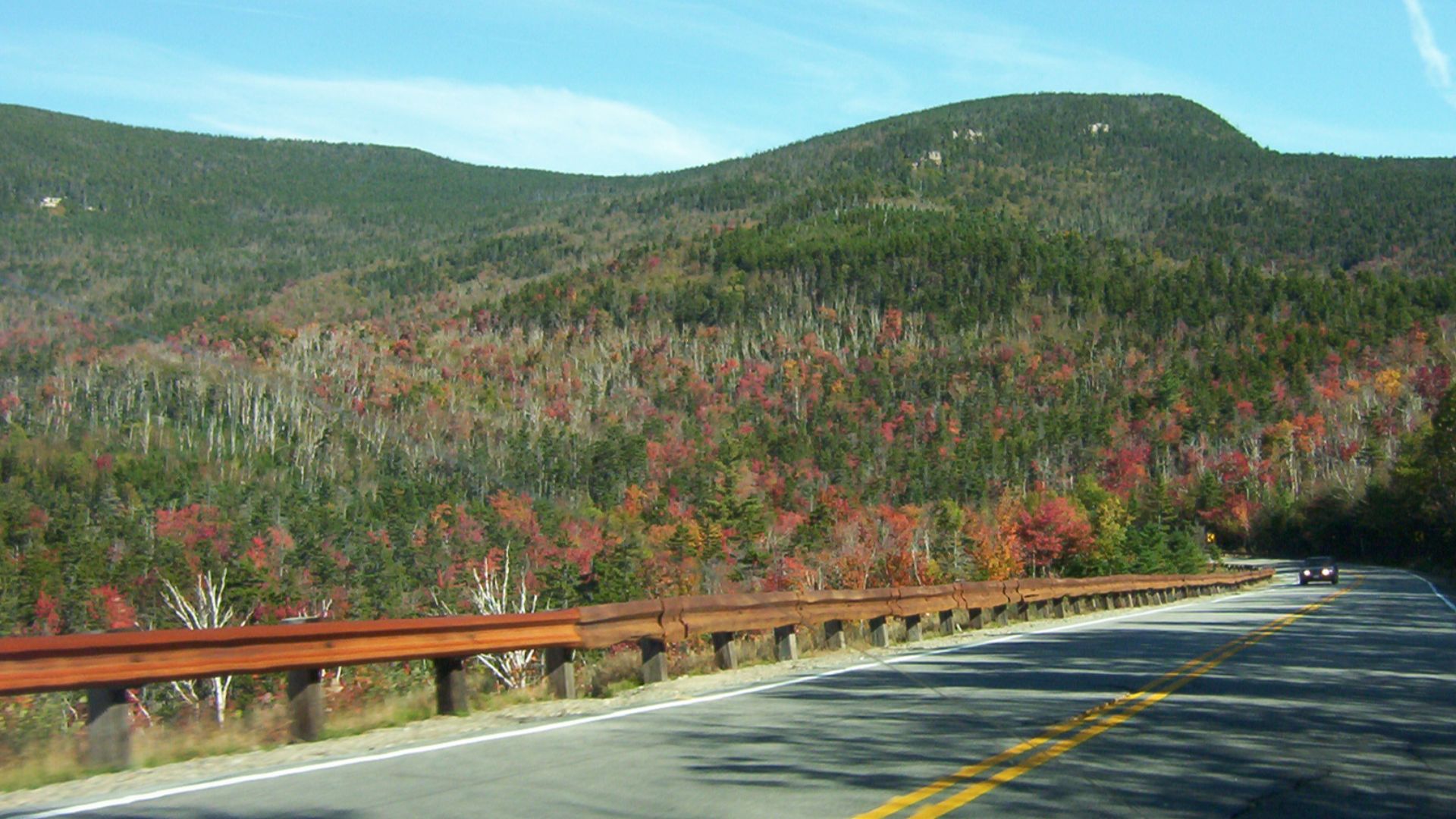
New Hampshire's Kancamagus Highway runs roughly 34.5 miles through the White Mountain National Forest. The route is celebrated for mountain scenery and becomes especially popular during fall foliage season. It is one of those drives where constantly stopping for photographs can double the journey time.
 Theletterm1973 at English Wikipedia, Wikimedia Commons
Acadia Puts Mountains Beside The Atlantic
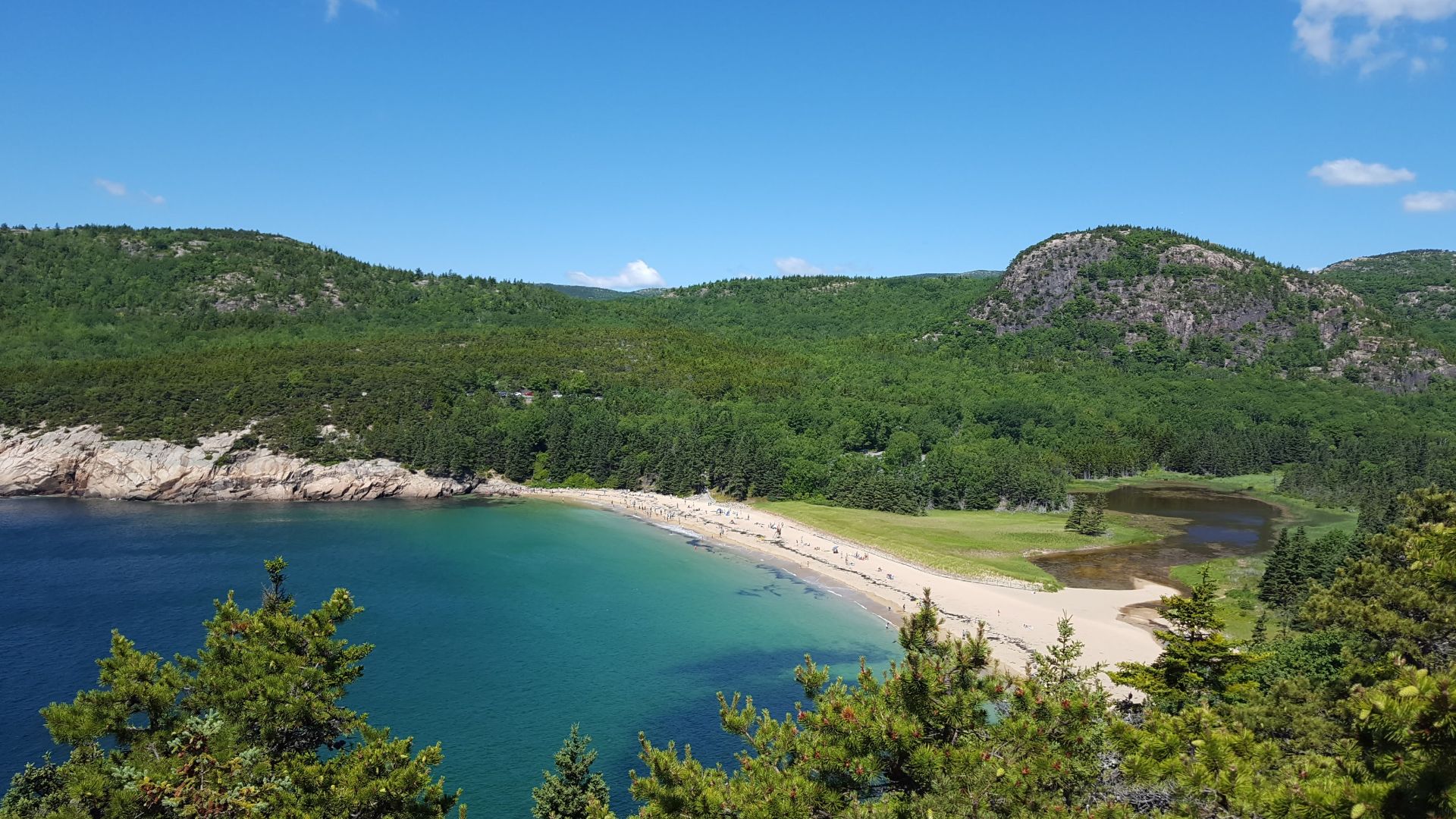
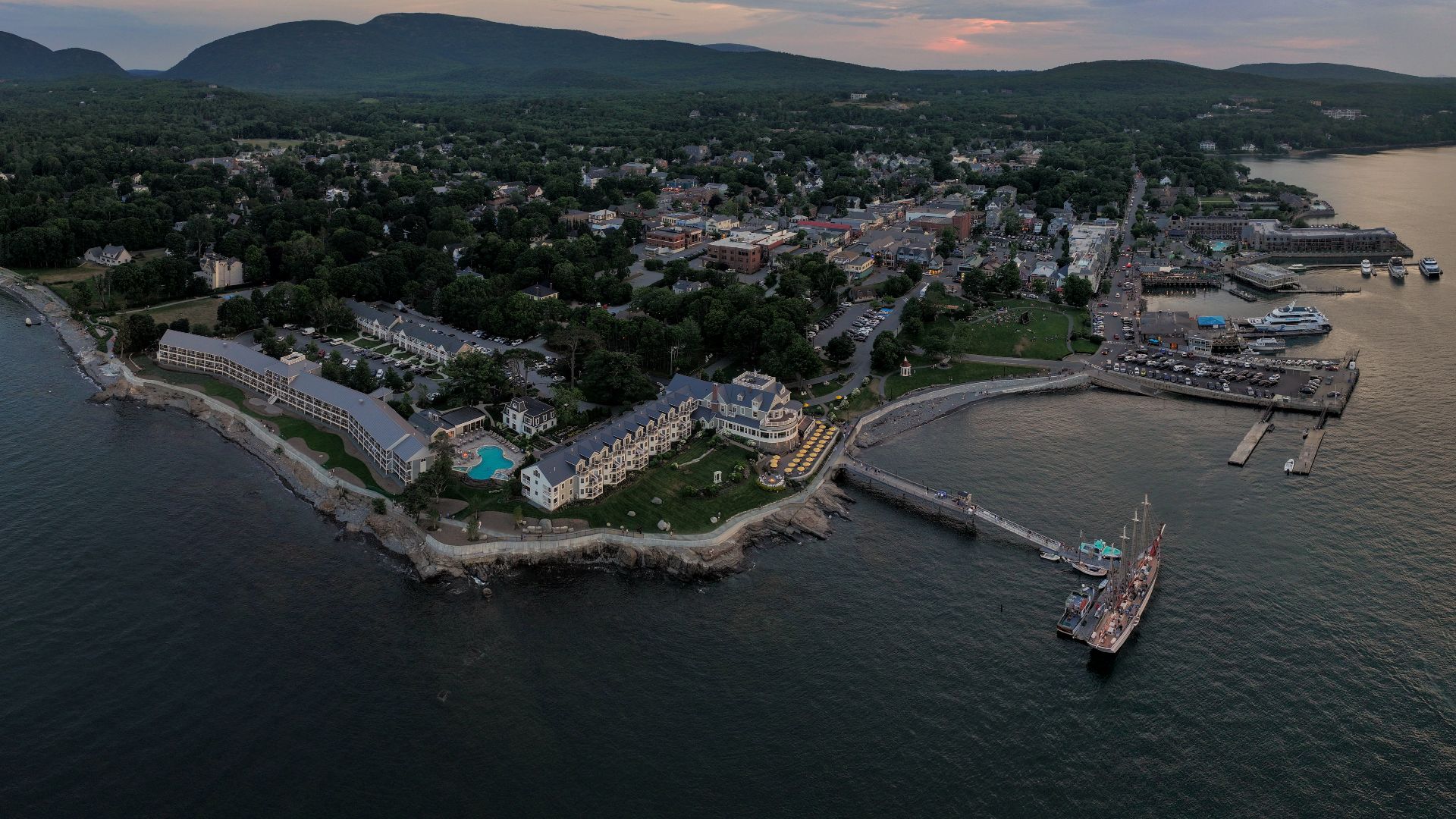
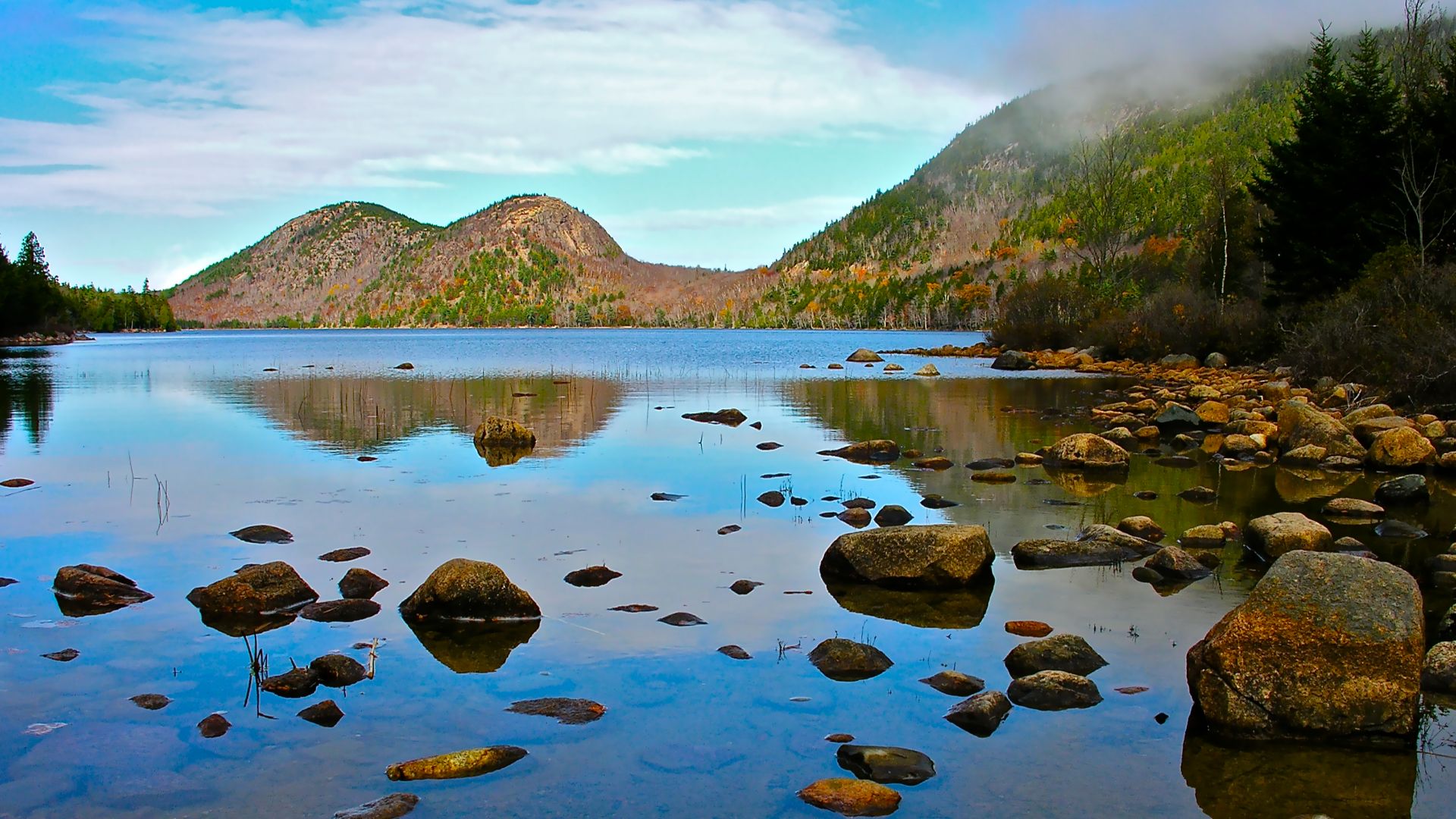
Maine's Acadia National Park combines rocky shoreline, forests, lakes, granite mountains, and coastal villages within the same vacation. The landscape can remind Atlantic Canadians of home while still feeling distinctly different in scale and tourism infrastructure. It is also one of the clearest examples of how tightly New England's mountains and ocean can coexist.
 Maddie.d.photography, Wikimedia Commons
The Carriage Roads Are Remarkably Civilized
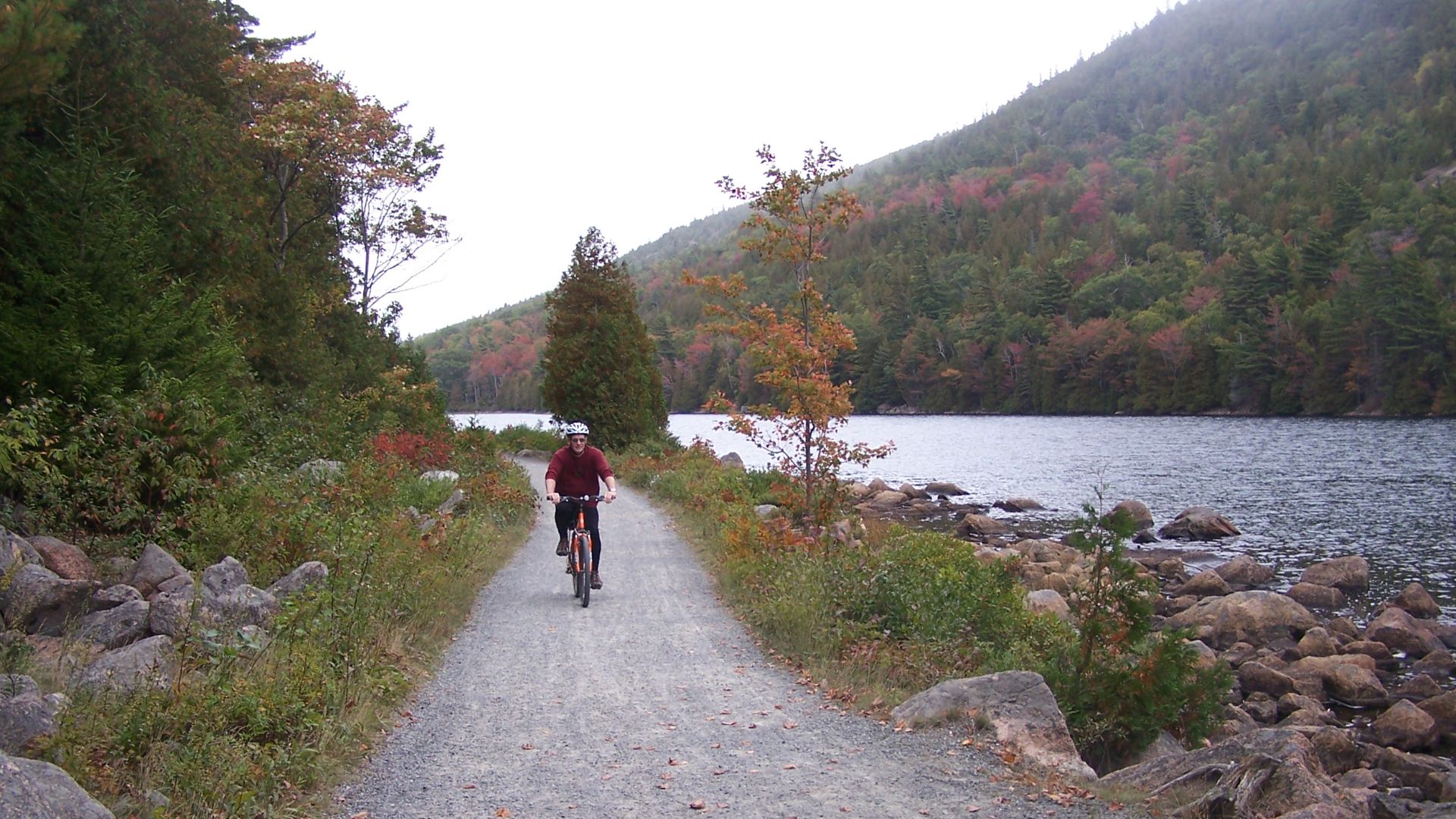
Acadia contains 45 miles of historic motor-free carriage roads created largely through John D. Rockefeller Jr.'s efforts between 1913 and 1940. Today they are shared by walkers, cyclists, and horse-drawn carriages. Stone bridges and carefully engineered routes make them feel more like landscaped infrastructure than ordinary park trails.
 Unknown authorUnknown author or not provided, Wikimedia Commons
Lighthouses Are Almost Impossible To Avoid
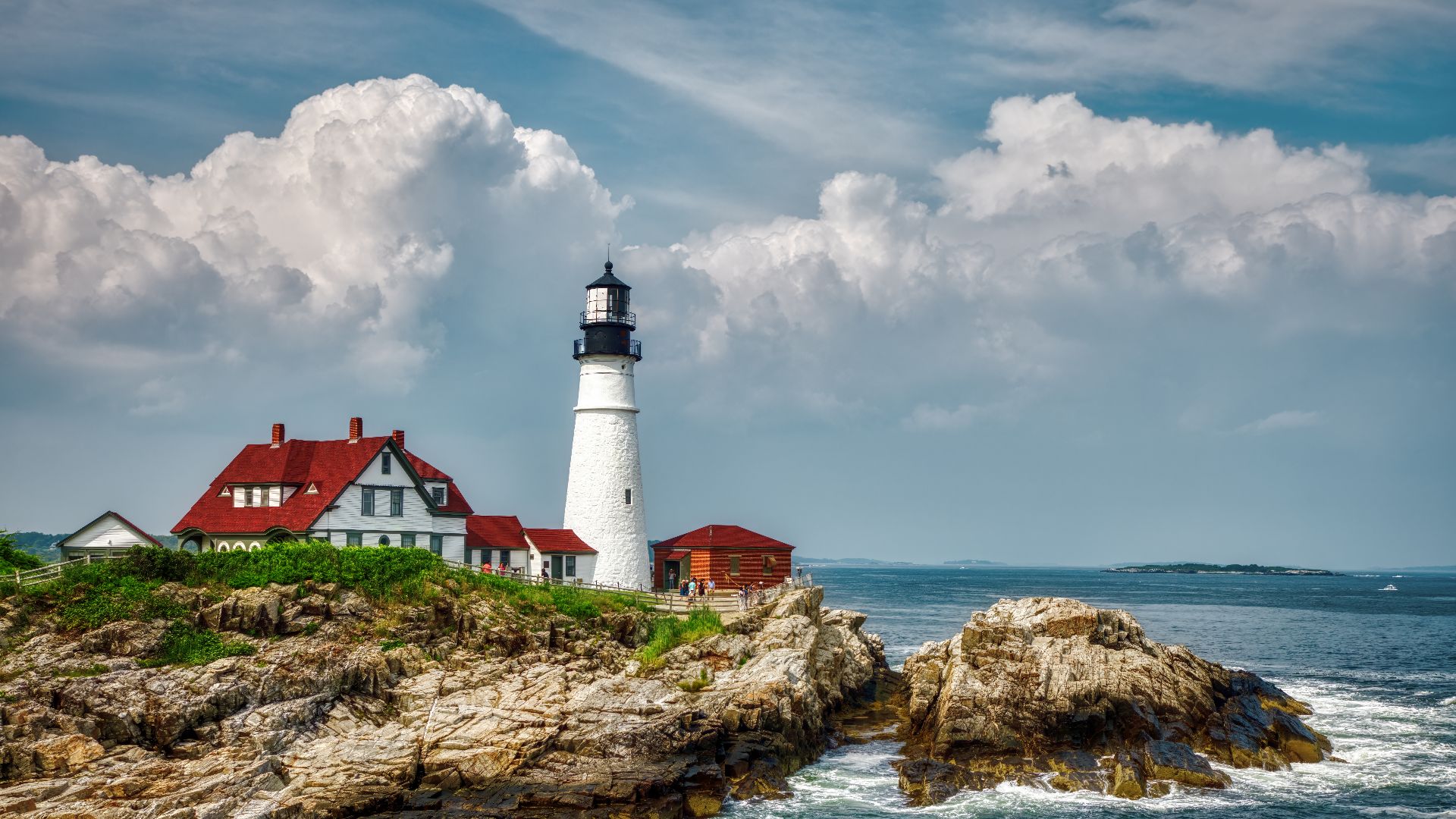
Canadians from coastal provinces will recognize the obsession immediately. Maine tourism says the state has more than 60 lighthouses, while Massachusetts has more than 45 along its coastline. The difference is how easily lighthouse-hunting can become an entire New England itinerary rather than a single roadside stop.
 Chuck Homler d/b/a Focus On Wildlife, Wikimedia Commons
Boston Turns History Into A Walking Route
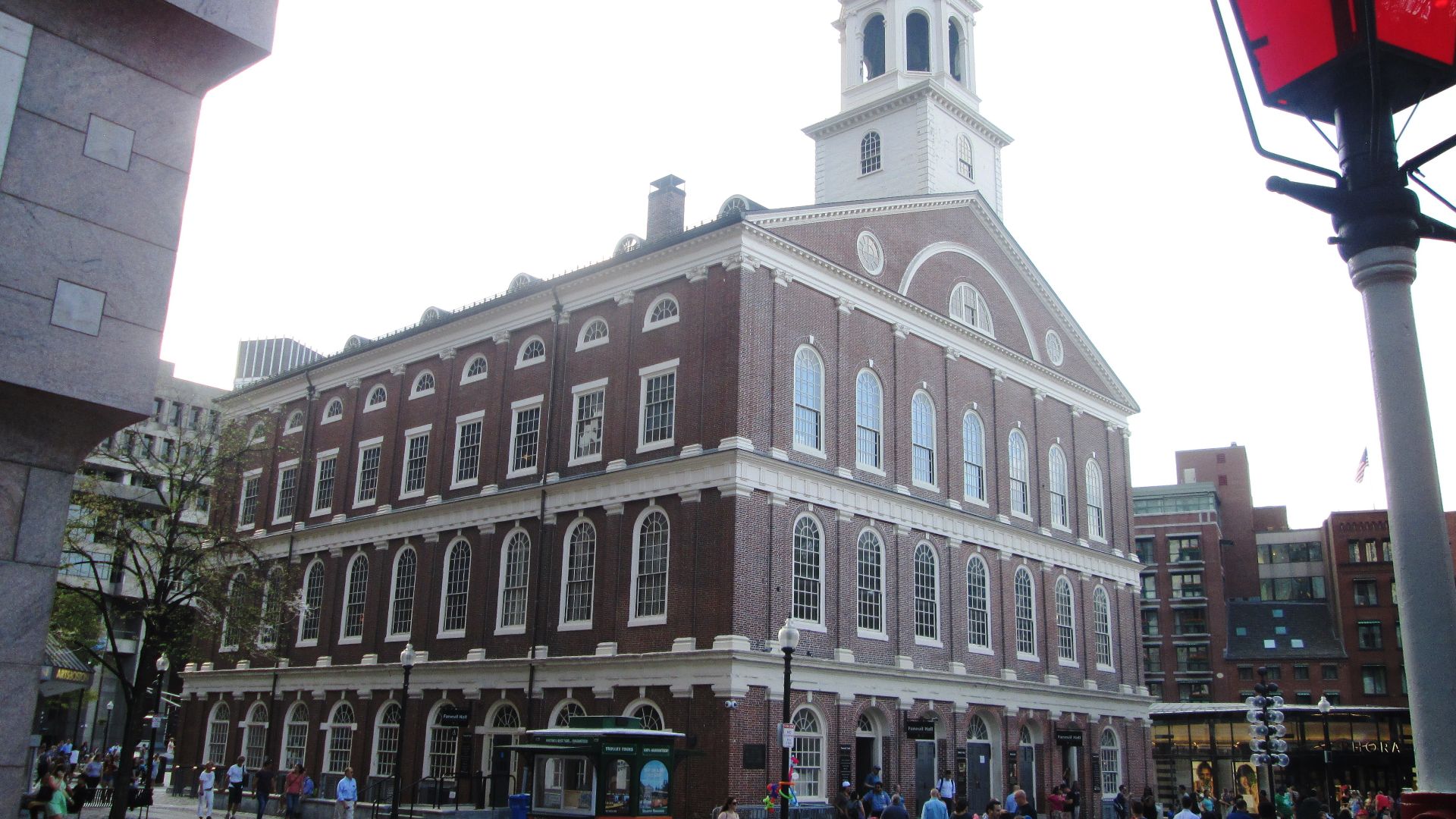
Boston's revolutionary history is unusually visible in the modern city. The Freedom Trail follows a 2.5-mile red line connecting 16 historically significant sites, including churches, burial grounds, meetinghouses, and museums. Canadians can walk through the origins of the American Revolution without constantly consulting a map.
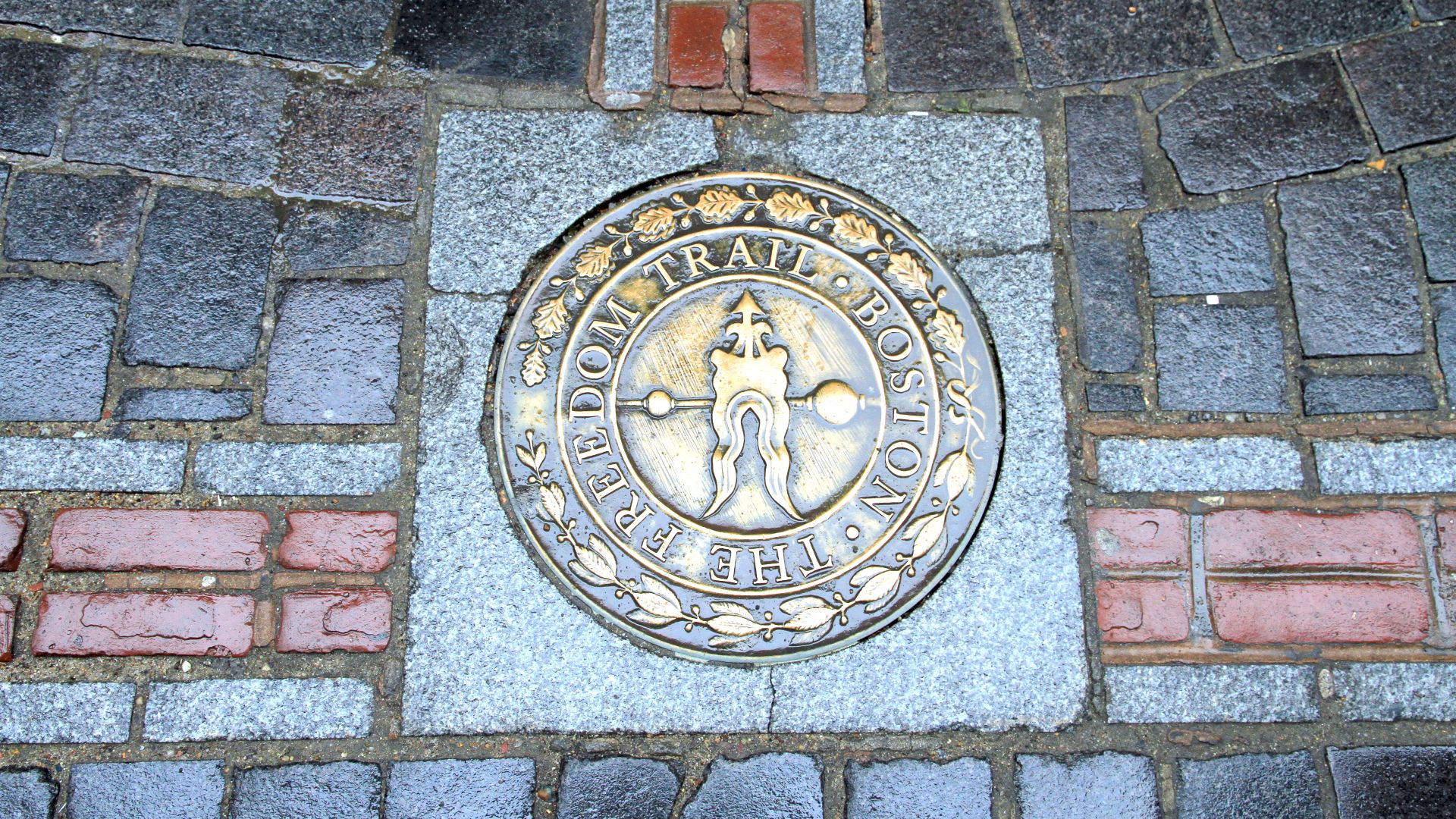
The American Revolution Feels Very Close
In Canada, the American Revolution often feels like something that happened elsewhere. In Boston, locations connected to political agitation, battles, speeches, and revolutionary figures are embedded directly into ordinary neighborhoods. The history suddenly feels far less abstract when the modern street follows the same route.
 Beyond My Ken, Wikimedia Commons
Beacon Hill Looks Almost Too Perfect
Federal-style brick rowhouses, narrow streets, gas lamps, and cobblestones give parts of Beacon Hill an unusually preserved appearance. Massachusetts tourism describes the neighborhood as feeling like a step back in time. Canadians expecting an ordinary downtown residential area may find themselves photographing people's front doors.
Newport Calls Mansions “Cottages”
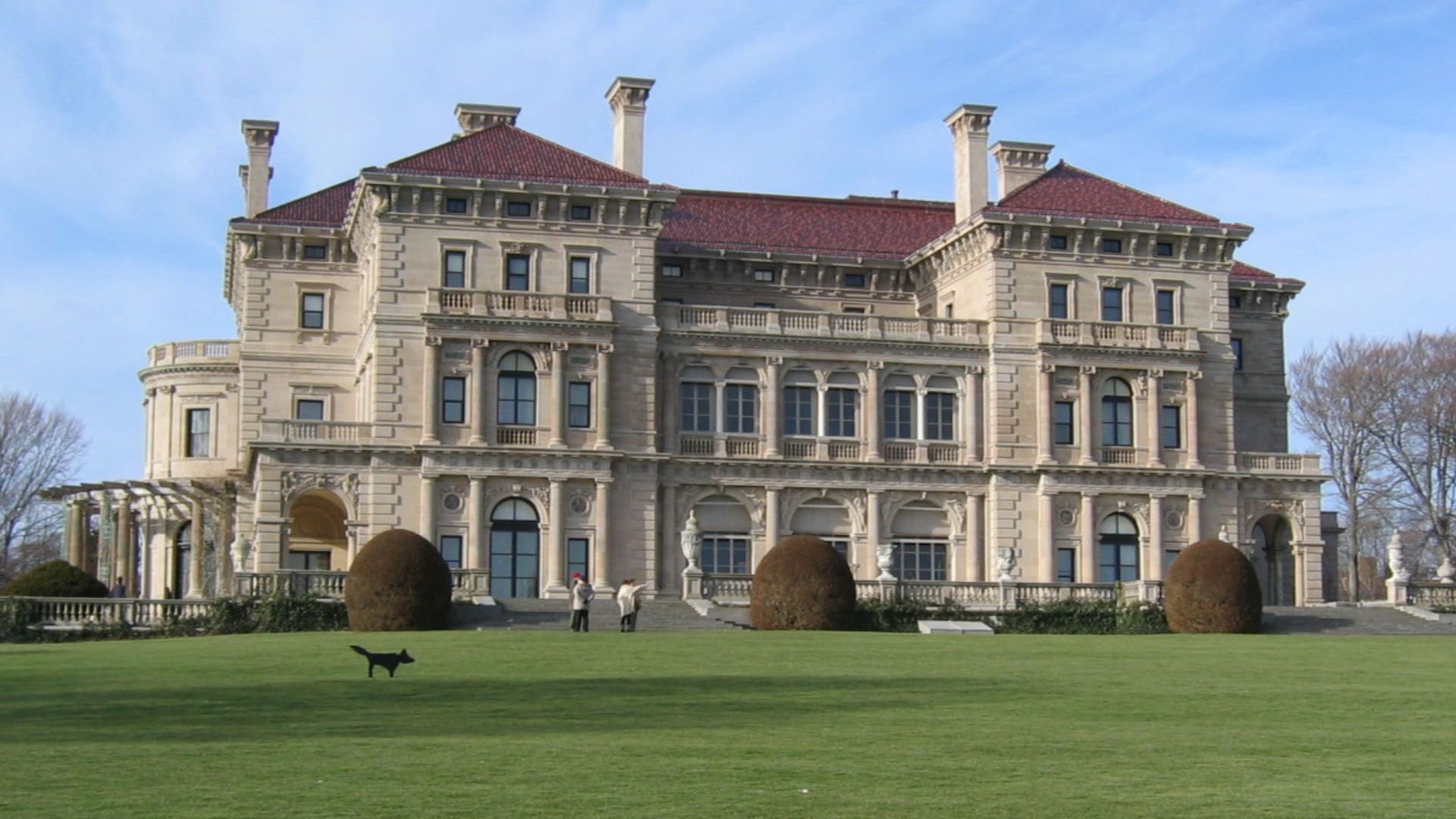
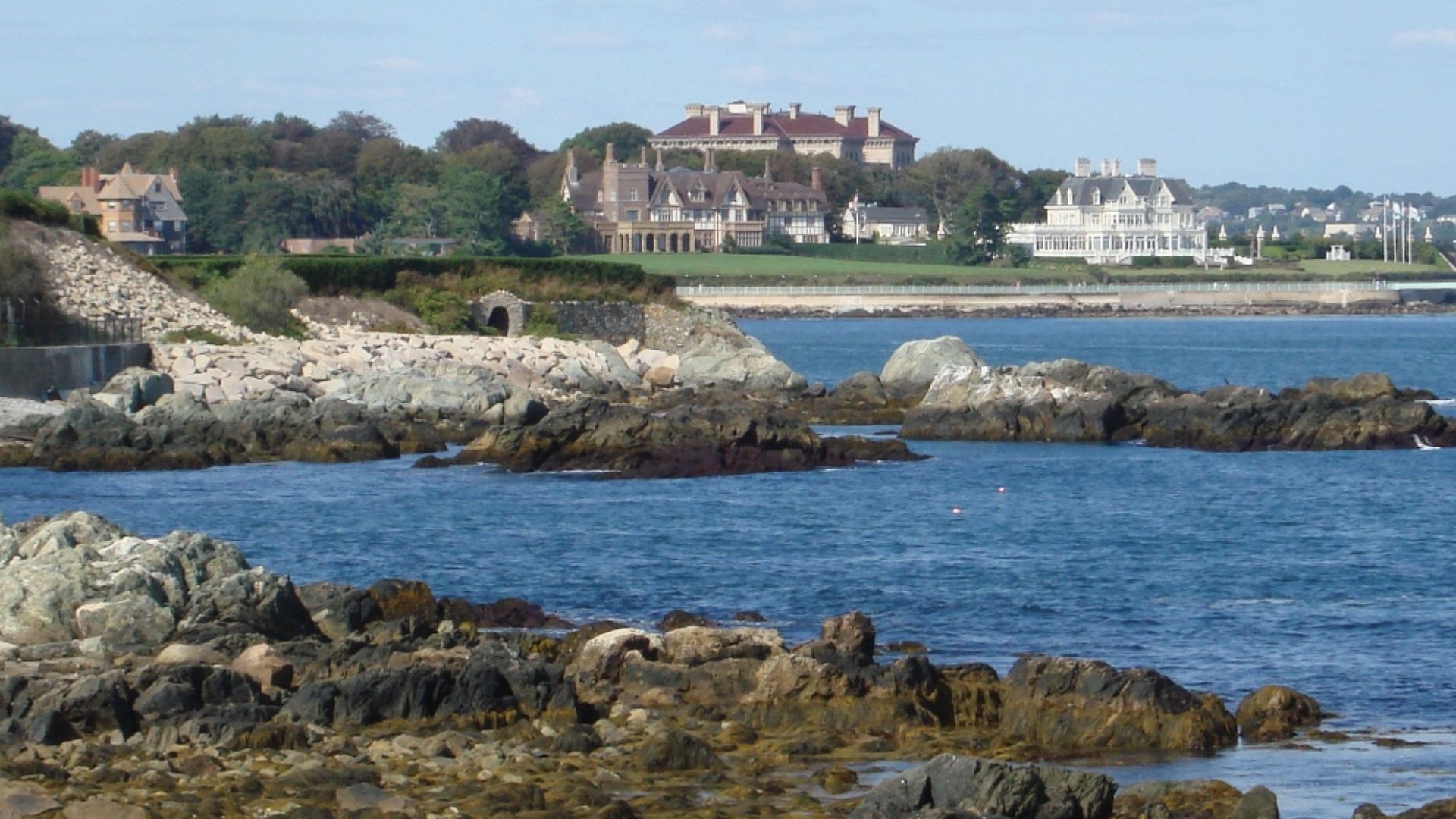
Rhode Island delivers a very different kind of historical surprise. Newport's enormous Gilded Age houses were originally built as summer homes for wealthy families and were commonly described as cottages. Buildings such as The Breakers, Marble House, Rosecliff, and The Elms make the word seem hilariously inadequate.
The Cliff Walk Combines Mansions And Ocean
Newport's Cliff Walk pairs Atlantic shoreline with the backs of elaborate Gilded Age estates. Rhode Island tourism promotes it for both its coastal scenery and architectural history. Few urban walks switch so casually between crashing waves and the former playgrounds of America's wealthiest families.
Connecticut Gets Intensely Maritime
The maritime character does not disappear when you leave Maine and Massachusetts. Mystic Seaport Museum in Connecticut recreates a nineteenth-century seafaring village and contains historic vessels, working craftspeople, maritime exhibits, and a preservation shipyard. Canadians who associate New England mainly with Boston and Vermont may underestimate Connecticut's coastal identity.
![The Thompson Exhibition Building of the Mystic Seaport Museum, is located at 54 Rossie Pentway at Germanville Avenue in Mystic, Connecticut. It was built in 2016 and was designed by Centerbrook Architects and Planners. (Sources: [1], [2])](https://www.factinate.com/storage/app/media/splashtravels/2026/9/9/17889605821bec8f5920acd3f43b168320b10a0435e3cab4f1.jpg) Beyond My Ken, Wikimedia Commons
Beyond My Ken, Wikimedia Commons
Northern Maine Can Feel Culturally Close To Canada
The international border does not erase centuries of shared culture. Maine's government recognizes a large Franco-American community created in significant part by French-Canadian immigration, while northern Maine retains strong Acadian traditions along the St. John River. Canadian visitors may encounter French names and cultural connections that feel much closer to Quebec and New Brunswick than to stereotypical American New England.
New Hampshire Shopping Has A Surprise
New Hampshire has no general sales tax on goods. For Canadians accustomed to provincial and federal sales taxes being added to most purchases, seeing the register total remain close to the shelf price can be pleasantly strange. The difference also helps explain why shopping has long been part of the state's visitor appeal.

Restaurant Taxes Still Vary By State
Crossing a state line can quietly change what appears at the bottom of a restaurant bill. Massachusetts charges a 6.25 percent state sales tax on meals, with some communities adding a 0.75 percent local option, while Vermont imposes its own meals tax. Compact geography does not mean uniform pricing rules.

New England Feels Familiar Until It Suddenly Doesn't
That may be the biggest surprise for Canadians. The maple forests, Atlantic weather, skiing, seafood, French-Canadian connections, and small-town landscapes can initially feel almost domestic. Then a Revolutionary battlefield, Gilded Age mansion, cashless toll gantry, rotary, or lobster-roll argument reminds you that New England developed its own very specific personality.
You May Also Like:
Things Europeans Notice Immediately When They Take An American Road Trip
What Flight Attendants Wish All Travelers Knew
Four Key Tips For Traveling On A Budget
Sources: 1, 2, 3, 4, 5, 6, 7, 8, 9, 10, 11, 12, 13, 14, 15, 16, 17, 18, 19, 20, 21, 22, 23, 24, 25, 26