
The Little Things Start Feeling Important
A European vacation can deliver extraordinary architecture, memorable meals, and experiences that feel completely different from life at home. Yet even enthusiastic American travelers occasionally find themselves longing for familiar comforts that Europe simply can't offer.

Ice Becomes A Precious Commodity
Americans are accustomed to receiving cold drinks packed with ice, often before they have even ordered their food. In many European restaurants, beverages arrive with little or no ice unless a customer specifically requests it. A 2026 Global Rescue survey also found that American travelers were more likely than non-Americans to consume drinks containing ice, suggesting that the preference follows them abroad.
 RDNE Stock project, Pexels, Modified
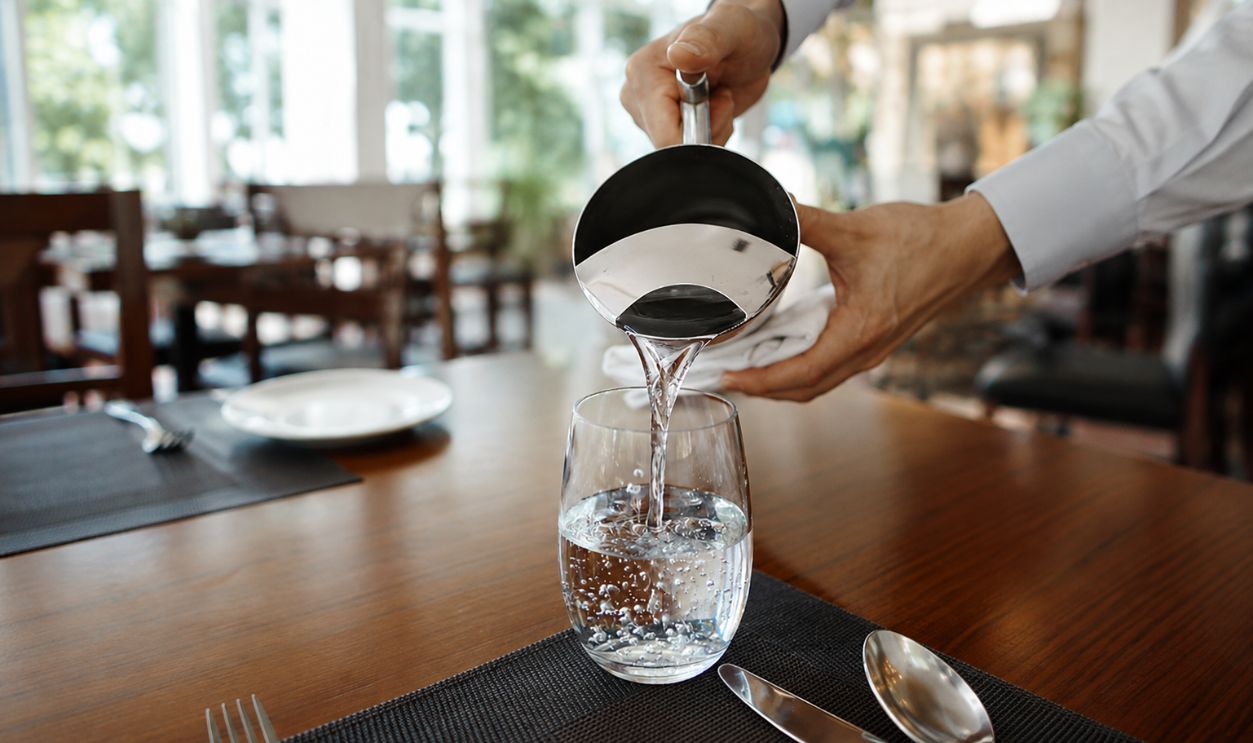
Water Glasses Stop Refilling Themselves
In the United States, restaurant servers commonly refill water glasses throughout a meal without being asked. European practices vary, and diners may need to order bottled water or clearly request tap water. Travelers should never assume the same custom applies everywhere, particularly because restaurant service and water practices differ between countries.
Free Coffee Refills Are Hard To Find
The bottomless diner mug is largely an American tradition. European cafés typically sell coffee one serving at a time, with each espresso, cappuccino, or brewed coffee treated as a separate order. The portions may be smaller, but the trade-off is often a slower and more deliberate café experience.

Air Conditioning Suddenly Feels Essential
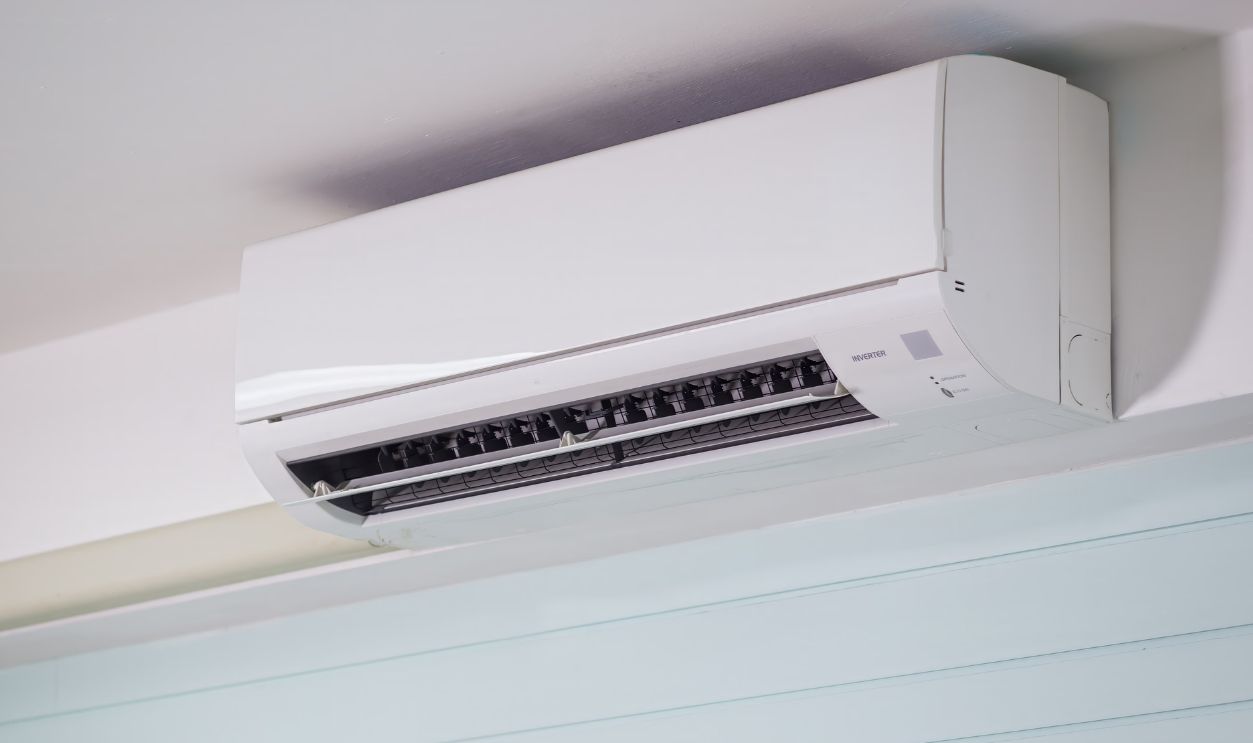
Central air conditioning is so common in many parts of the United States that Americans may barely notice it until it disappears. Air conditioning remains less widespread across much of Europe, especially in older homes, historic hotels, schools, and public buildings. During increasingly severe summer heat, travelers may discover that a room advertised as cooled feels much warmer than they expected.
Hotel Thermostats May Have Their Own Opinions
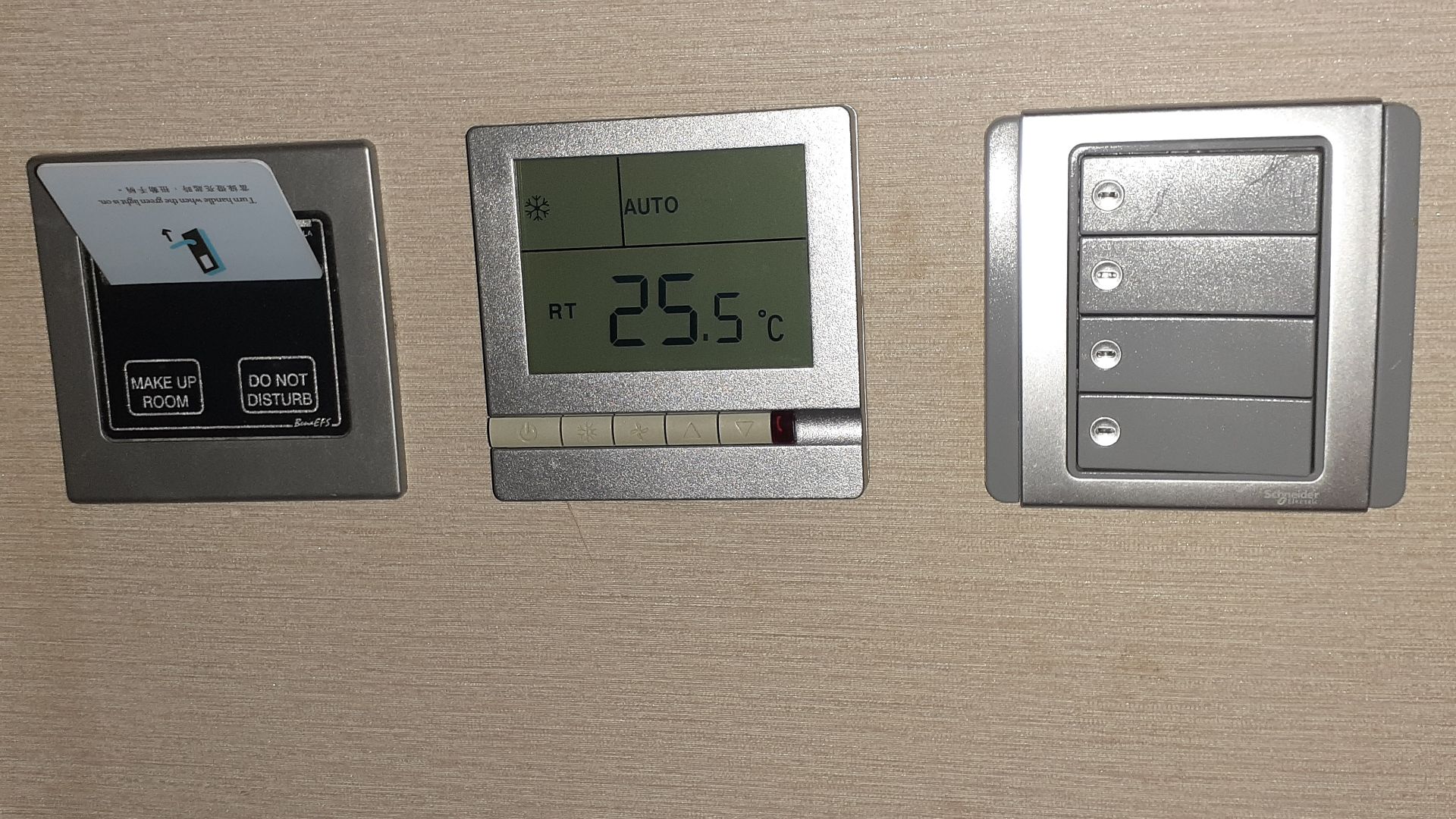
Even when a European hotel room has air conditioning, the system may not operate like the one at home. Some units are centrally controlled, limited to particular seasons, or activated only when windows are closed and the room key is inserted. Checking recent reviews and confirming that a property has functional air conditioning can prevent a miserable summer night.
 Gindcheoutarkoadf OK, Wikimedia Commons
Large Hotel Rooms Feel Luxurious Again
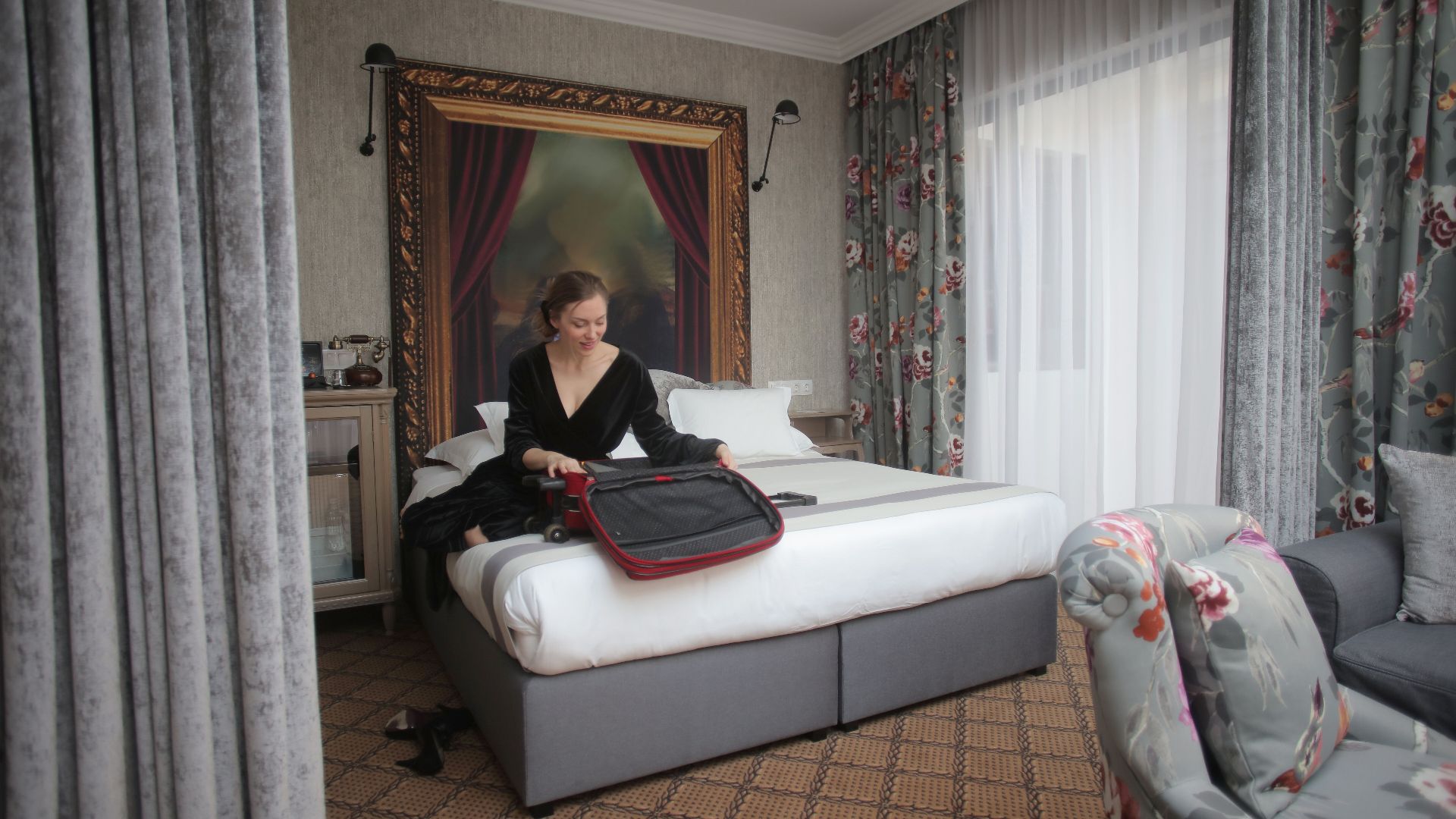
Many European hotels occupy historic buildings that were constructed long before modern travelers arrived with large suitcases. Rooms, hallways, bathrooms, and elevators can therefore be more compact than Americans expect. A standard room may still be perfectly comfortable, but there might not be much space left after two open suitcases hit the floor.

King-Size Beds Become A Fond Memory
European hotel descriptions do not always match American assumptions about bed sizes. A double bed may be narrower than an American queen, while two twin mattresses are sometimes pushed together to form a larger sleeping surface. Couples who care strongly about bed dimensions should check the measurements rather than relying entirely on labels.
Top Sheets Mysteriously Disappear
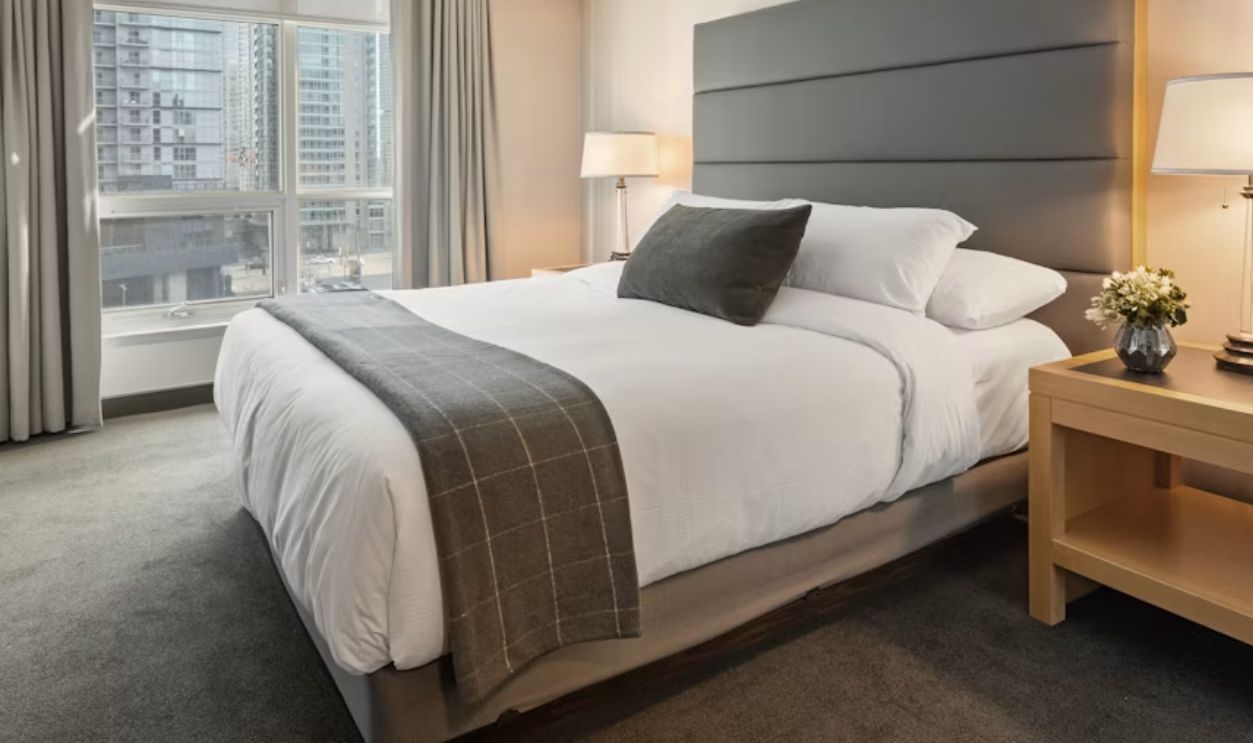
Many American beds are made with a fitted sheet, a flat top sheet, and a blanket or comforter. In parts of Europe, hotels commonly place a covered duvet directly over the sleeper without adding a separate top sheet. It is not a housekeeping mistake, although it can initially feel unfamiliar to visitors who prefer several layers.
 Point3D Commercial Imaging Ltd., Unsplash
Washcloths Are Not Always Waiting
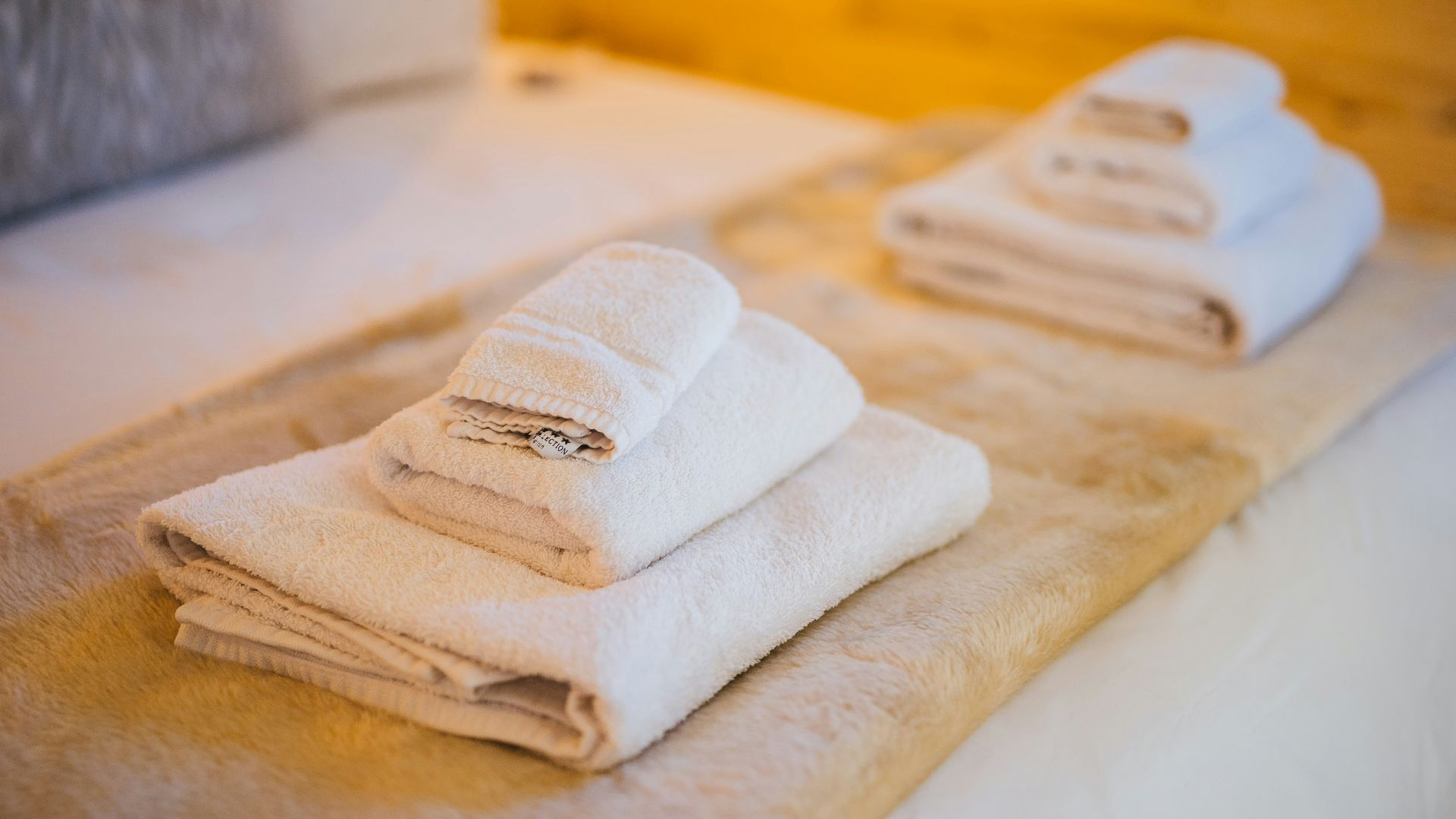
American hotel guests often expect towels in several sizes, including a small washcloth. European accommodations may provide bath towels and hand towels without including a washcloth at all. Travelers who consider one essential can avoid the issue by packing a quick-drying cloth of their own.
Powerful Showers Feel Like A Treat
Historic plumbing, water-conservation measures, and compact bathroom layouts can produce a very different shower experience. Some hotels use handheld showerheads, shallow enclosures, or partial glass screens that allow water onto the floor. The facilities are usually functional, but Americans may miss a roomy shower with strong, predictable pressure.

Endless Hot Water Is Not Guaranteed
Smaller hotels, apartments, and guesthouses sometimes rely on limited water heaters rather than large centralized systems. A long shower can leave the next person waiting for the water to warm again. Asking the host how the system works is more useful than assuming something has broken.

Free Public Restrooms Seem Underrated
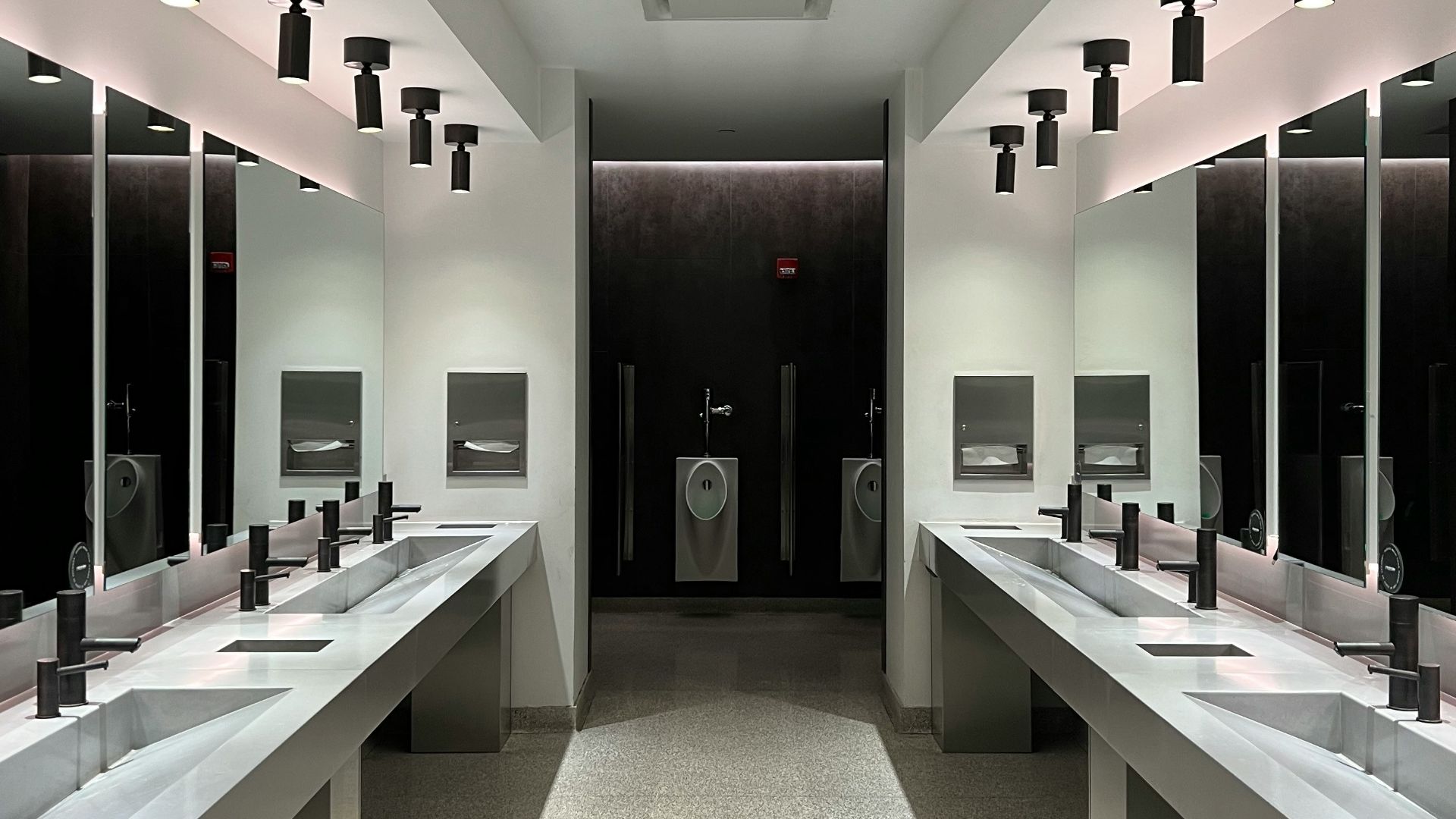
Paying to use a public toilet surprises many Americans because free restrooms are common in U.S. malls, restaurants, gas stations, and public buildings. Fees remain customary at some European train stations, highway stops, tourist sites, and city facilities. Keeping a few coins available can turn an urgent search into a much easier one.
Restrooms Become Part Of The Itinerary
Even when money is not required, finding a public toilet can take planning. Museums, department stores, larger cafés, hotels, and major transit stations are often the most dependable options. Experienced travelers quickly learn never to leave an attraction with a clean restroom without using it first.
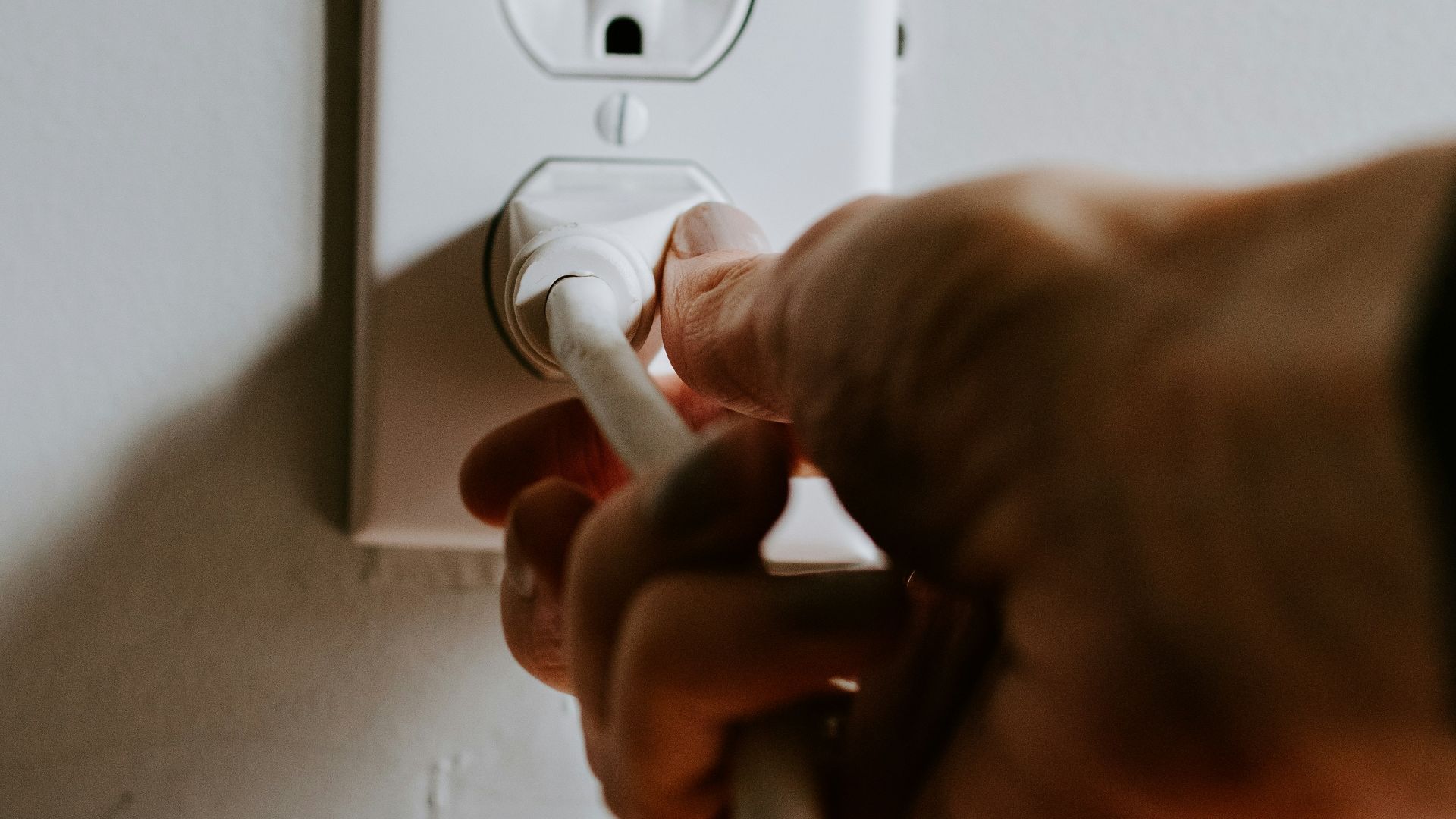
Familiar Electrical Outlets Are Deeply Missed
The United States generally uses 120-volt electricity and flat-pronged plugs, while many European countries use approximately 230 volts and different socket designs. Continental Europe, Britain, Ireland, Switzerland, and Italy do not all use precisely the same plug configuration. Travelers therefore need the correct adapter for every country on their itinerary.
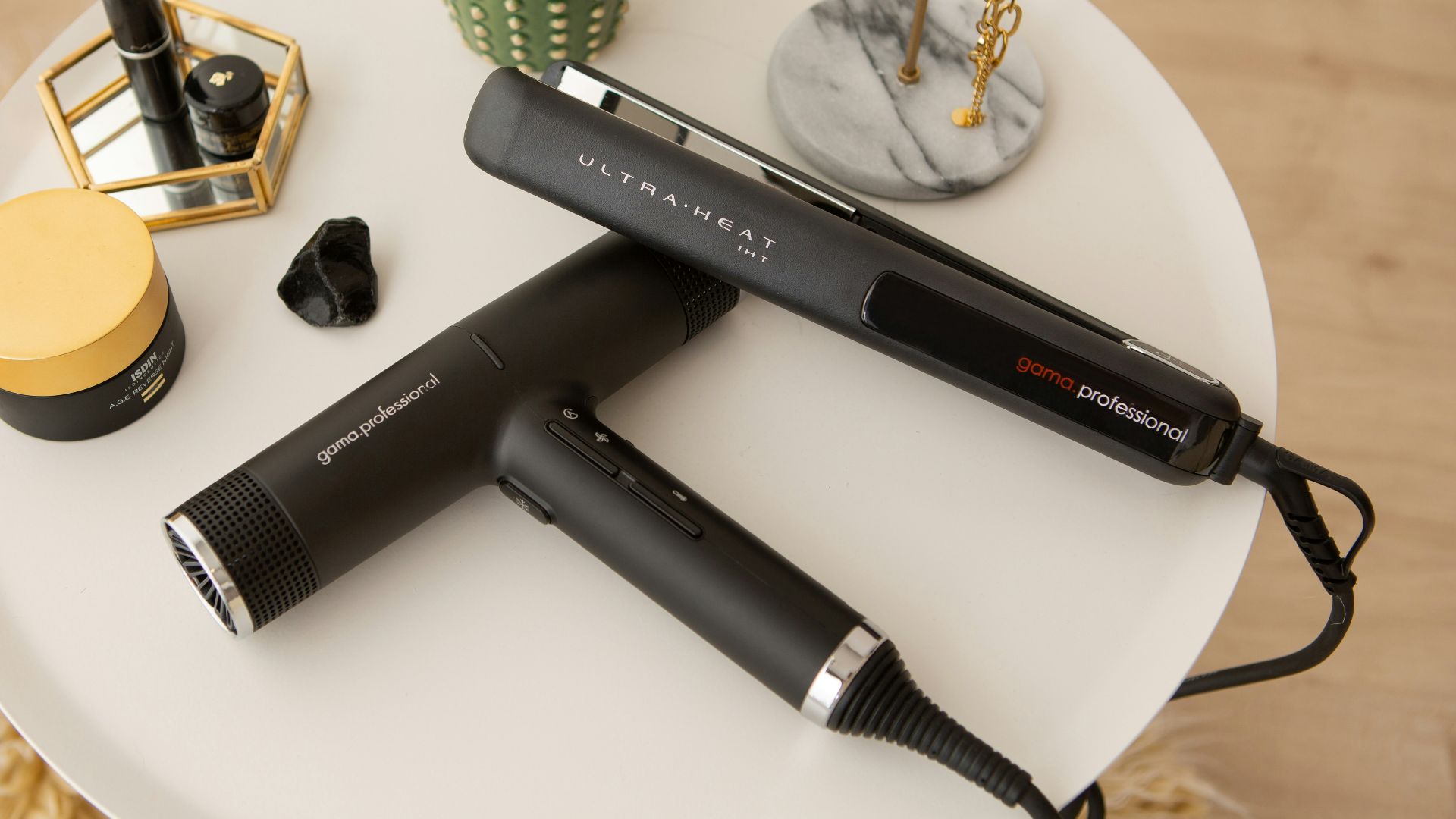
Hair Tools Can Become Expensive Mistakes
Many phones, laptops, and modern chargers can accept a broad voltage range, but some hair dryers, curling irons, and older appliances cannot. A simple plug adapter changes the shape of the connection, not the voltage supplied to the device. Plugging a 120-volt appliance into a 230-volt outlet can damage it or create a safety hazard.
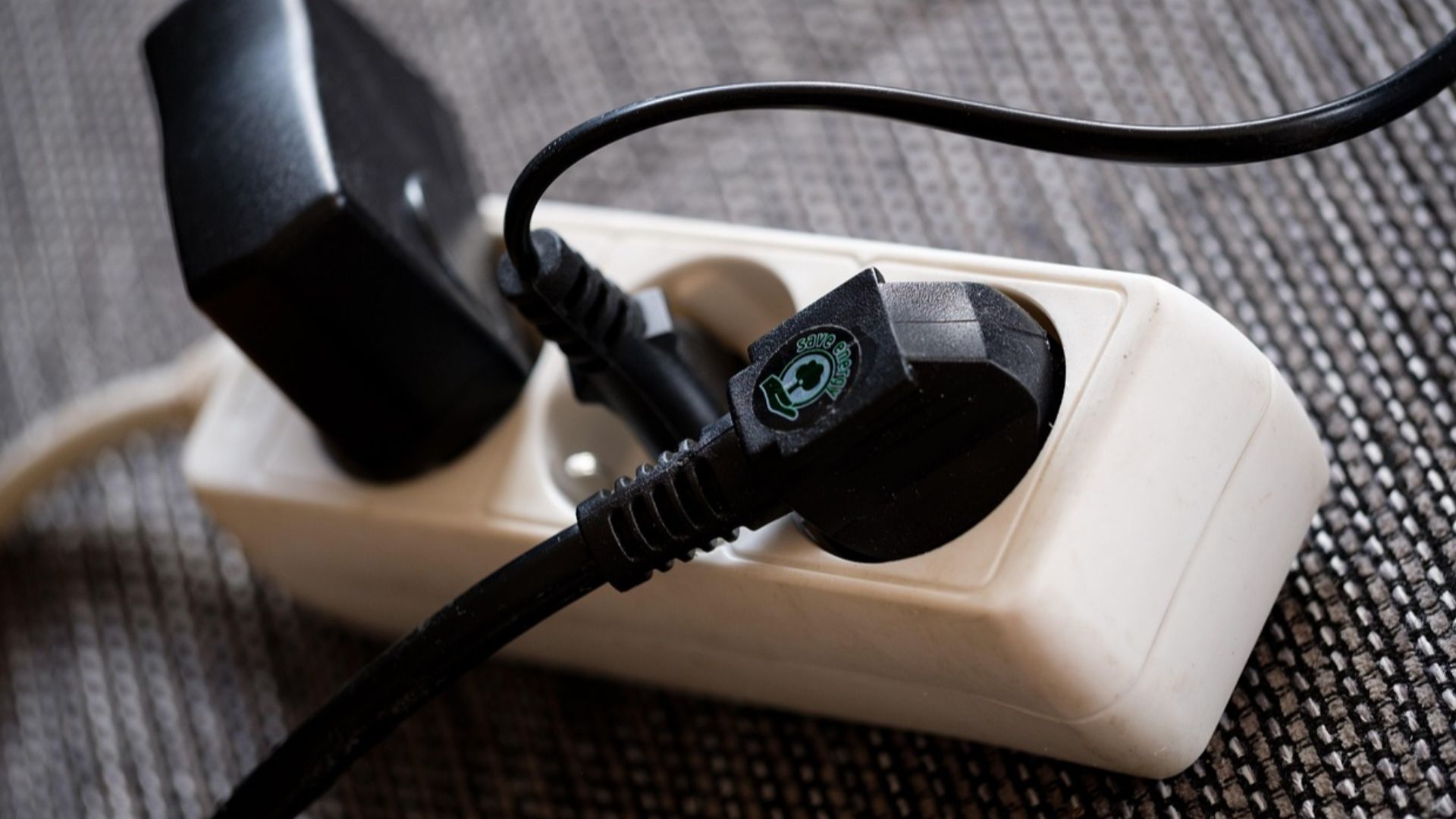
Abundant Wall Outlets Feel Surprisingly Modern
Older European hotel rooms may have fewer accessible electrical sockets than Americans expect. The only convenient outlet could already be occupied by a lamp, television, or refrigerator. A compact multiport charger can reduce competition between phones, watches, cameras, and other devices.
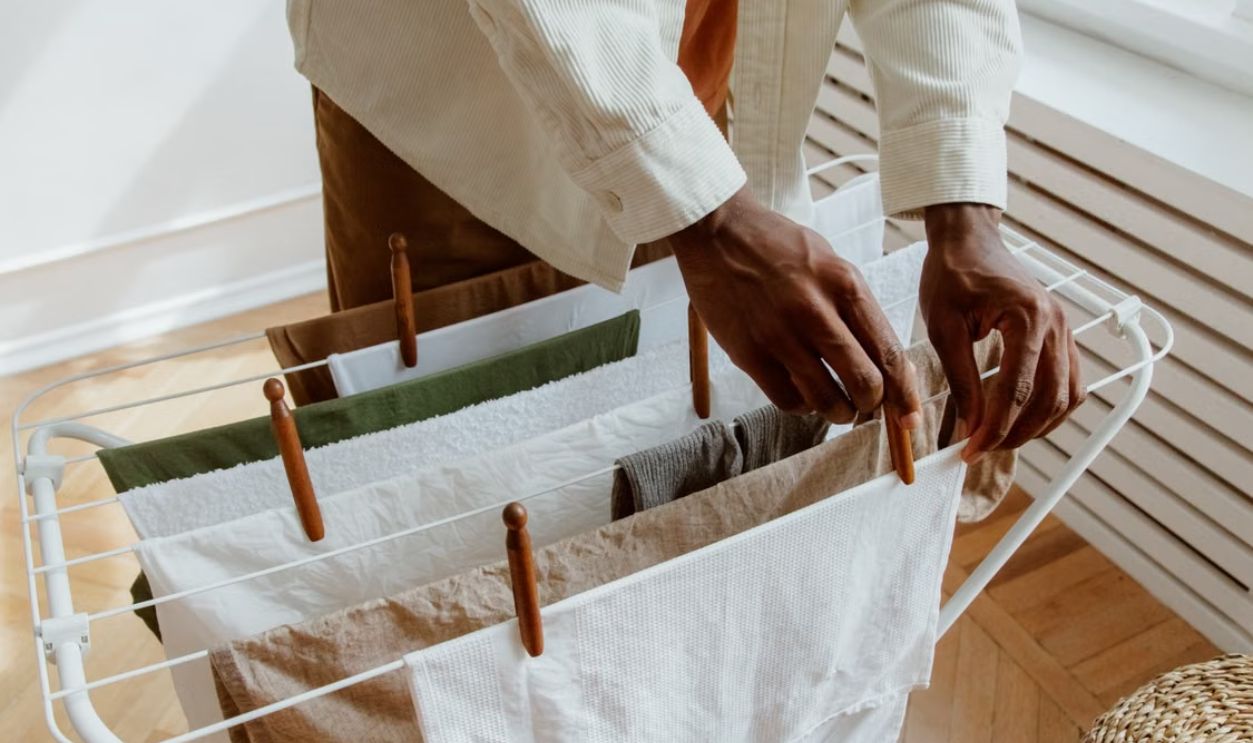
Clothes Dryers Become A Vacation Fantasy
Many European households and vacation rentals rely on drying racks or clotheslines rather than separate tumble dryers. Combination washer-dryer machines are also common, and their cycles may take much longer than American visitors anticipate. Laundry that seemed like a quick evening task can still be damp the next morning.
Elevators Are Never Taken For Granted
European hotels in historic buildings may have tiny elevators or no elevators at all. Reaching reception can sometimes require climbing stairs, and guests may need to carry their own luggage to upper floors. Packing lightly becomes much more appealing after hauling a heavy suitcase through a narrow stairwell.

Wide Sidewalks Start To Sound Wonderful
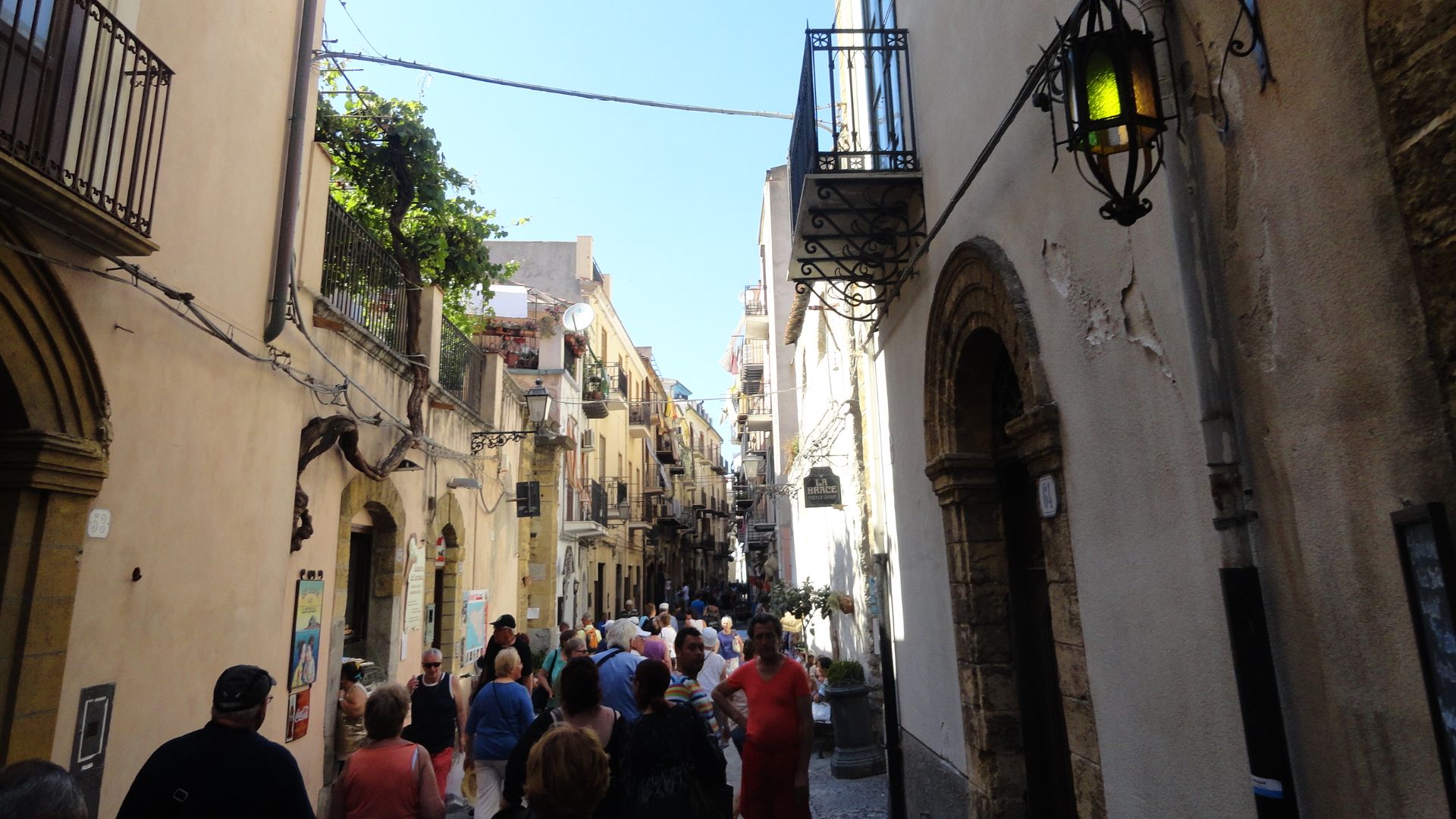
The walkability of European cities is one of their greatest attractions, but centuries-old streets were not designed for wheeled luggage. Cobblestones, steep lanes, steps, and uneven pavement can turn a short walk into a physical challenge. Americans may briefly miss smooth sidewalks, even while admiring the historic surroundings.
Large Cars Lose Their Appeal Quickly
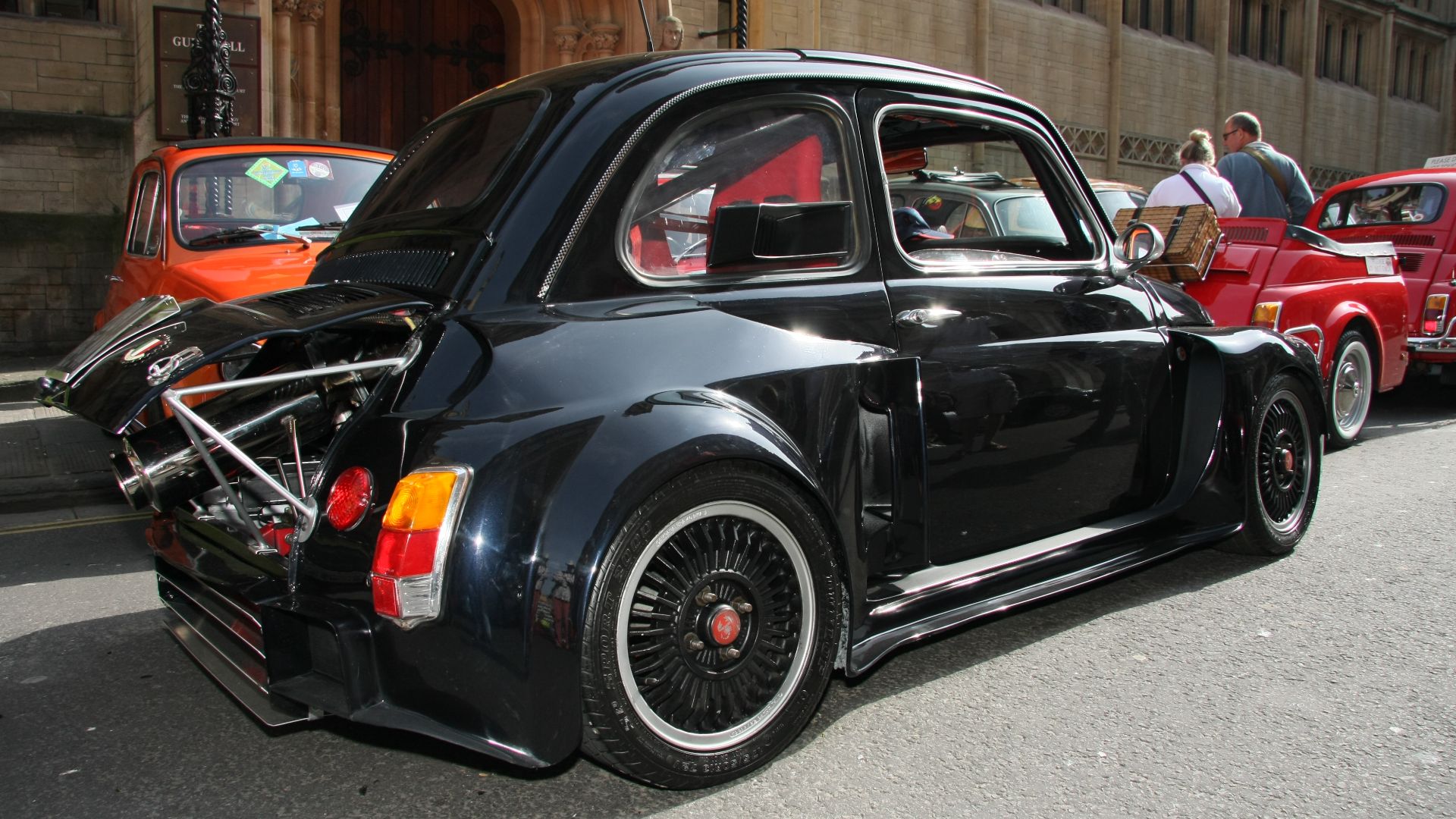
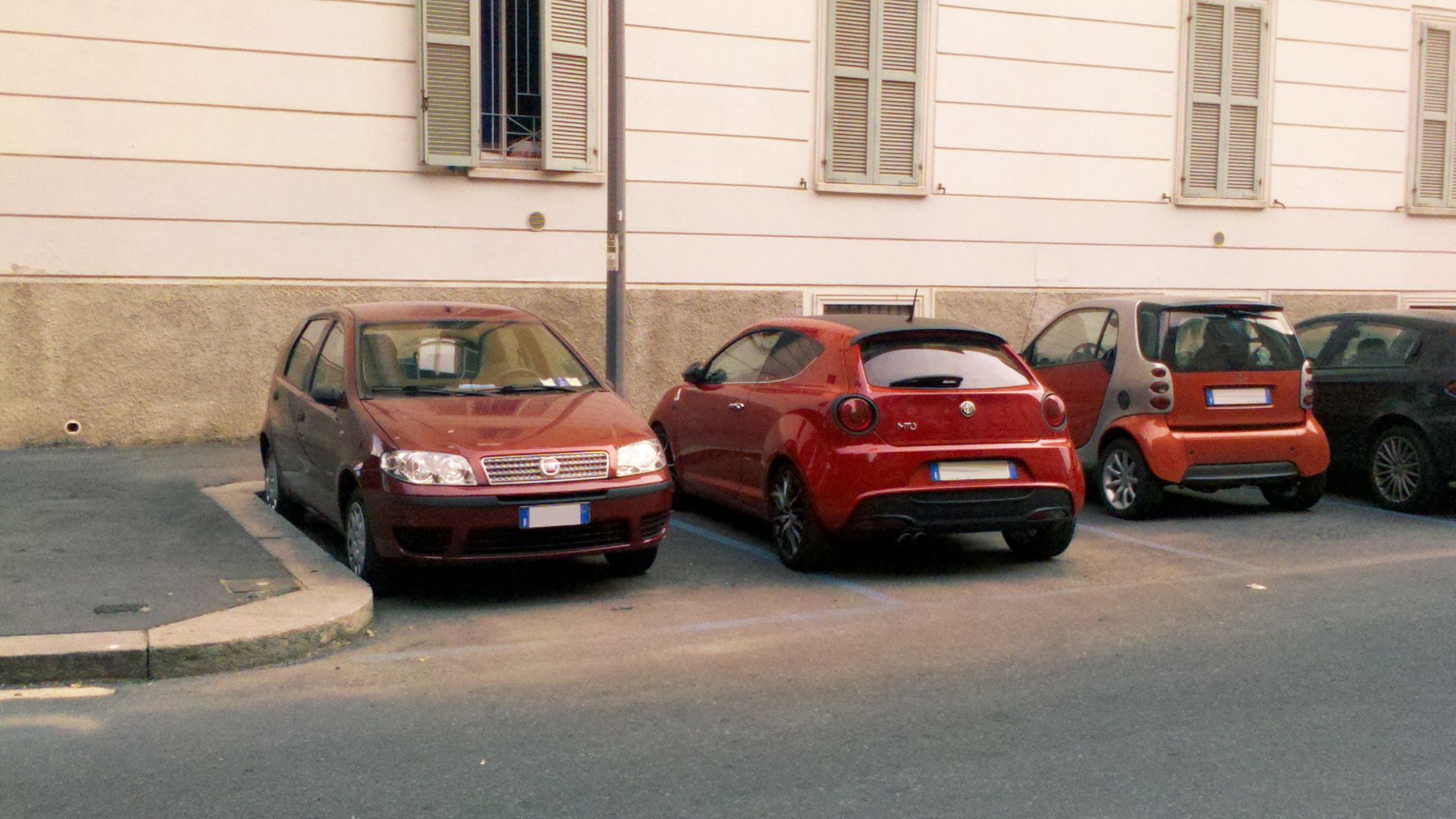
American drivers accustomed to pickup trucks and spacious sport utility vehicles may initially miss the room they provide. Narrow streets, tight parking garages, and compact spaces make smaller vehicles more practical in many European destinations. Anyone renting a car should choose the smallest model that can comfortably hold the passengers and luggage.
 Tony Harrison from Farnborough, UK, Wikimedia Commons
Easy Parking Feels Like A Luxury
Historic city centers often restrict vehicle access, reserve spaces for residents, or require payment through unfamiliar machines and apps. Hotels located in pedestrian districts may not have parking directly outside the building. Travelers who normally drive everywhere may begin to appreciate public transportation after circling a crowded neighborhood.
 Pava (Milano), Wikimedia Commons
Automatic Transmissions Become Highly Desirable
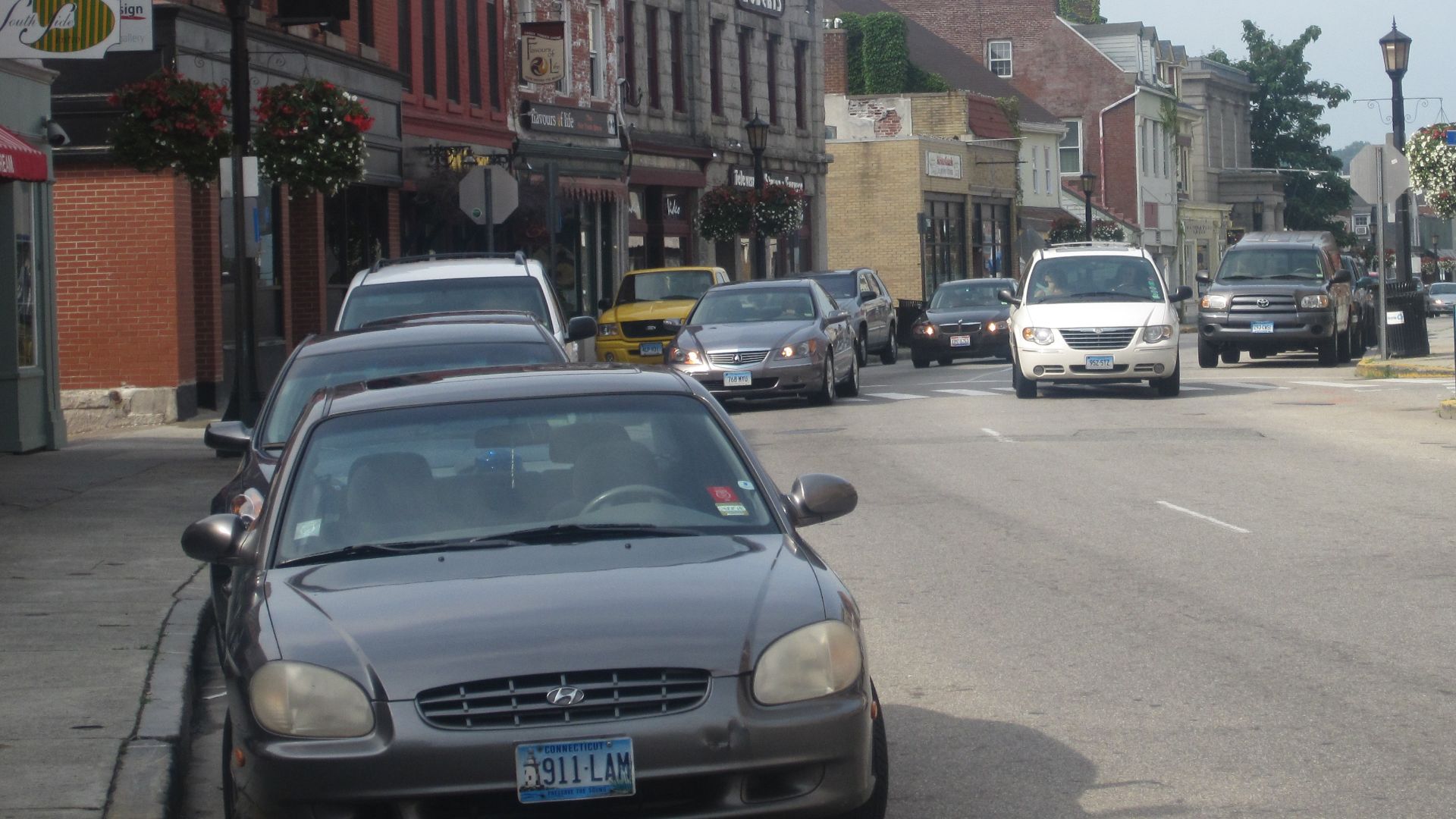
Manual-transmission rental cars remain more common in Europe than they are in the United States. Automatic models are available, but they can cost more and may sell out sooner. Americans who cannot confidently drive a manual vehicle should reserve an automatic well in advance and verify the booking details.
 Billy Hathorn at English Wikipedia, Wikimedia Commons
Twenty-Four-Hour Shopping Is Suddenly Impressive
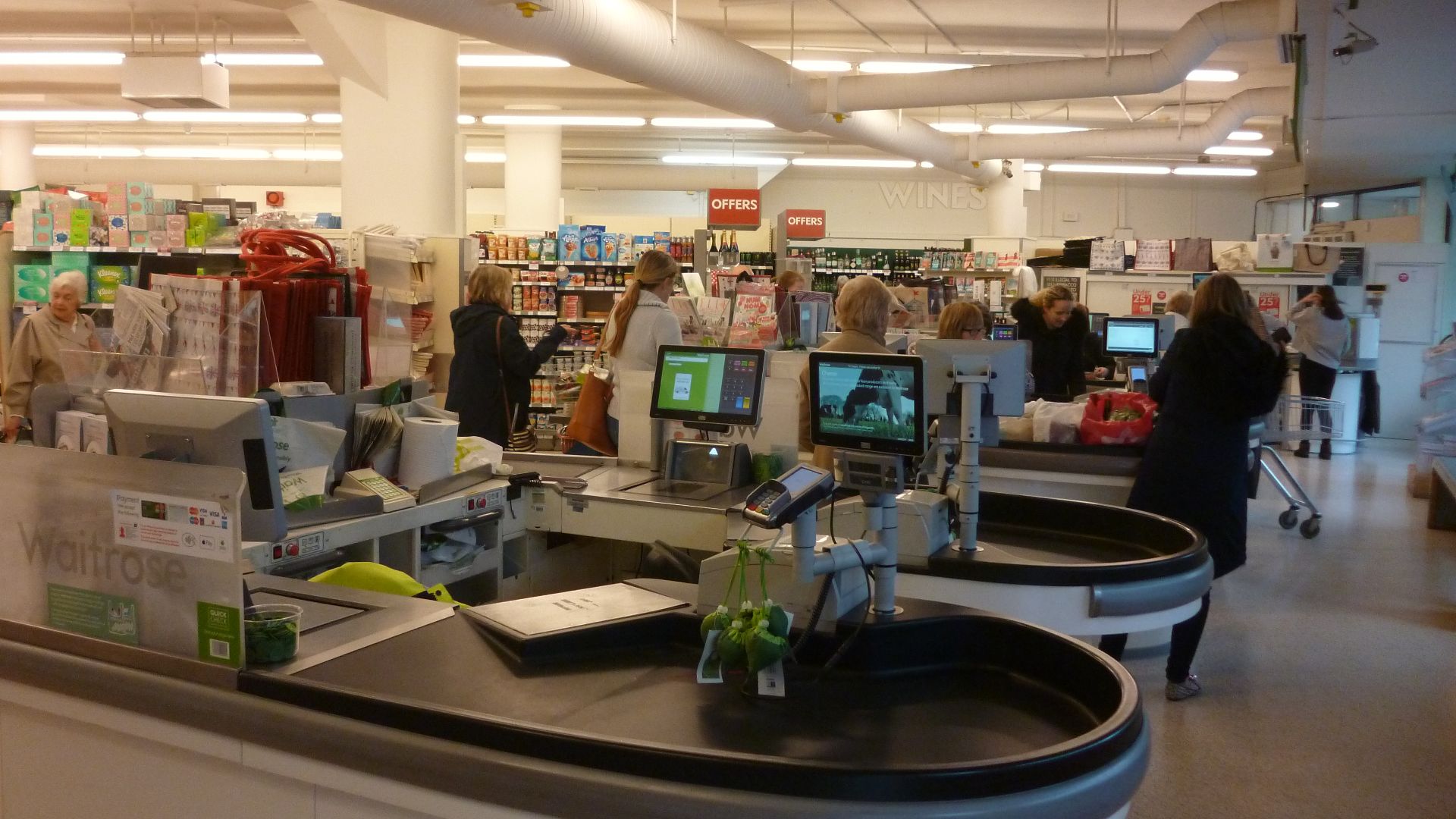
Americans living near late-night supermarkets, pharmacies, and big-box stores may assume basic supplies are always available. European opening hours vary widely, and shops in some regions close earlier, reduce their Sunday schedules, or shut completely on certain holidays. Buying toiletries or groceries before evening can prevent an unnecessary scramble.
 Dr Neil Clifton , Wikimedia Commons
Big Grocery Stores Begin To Sound Convenient
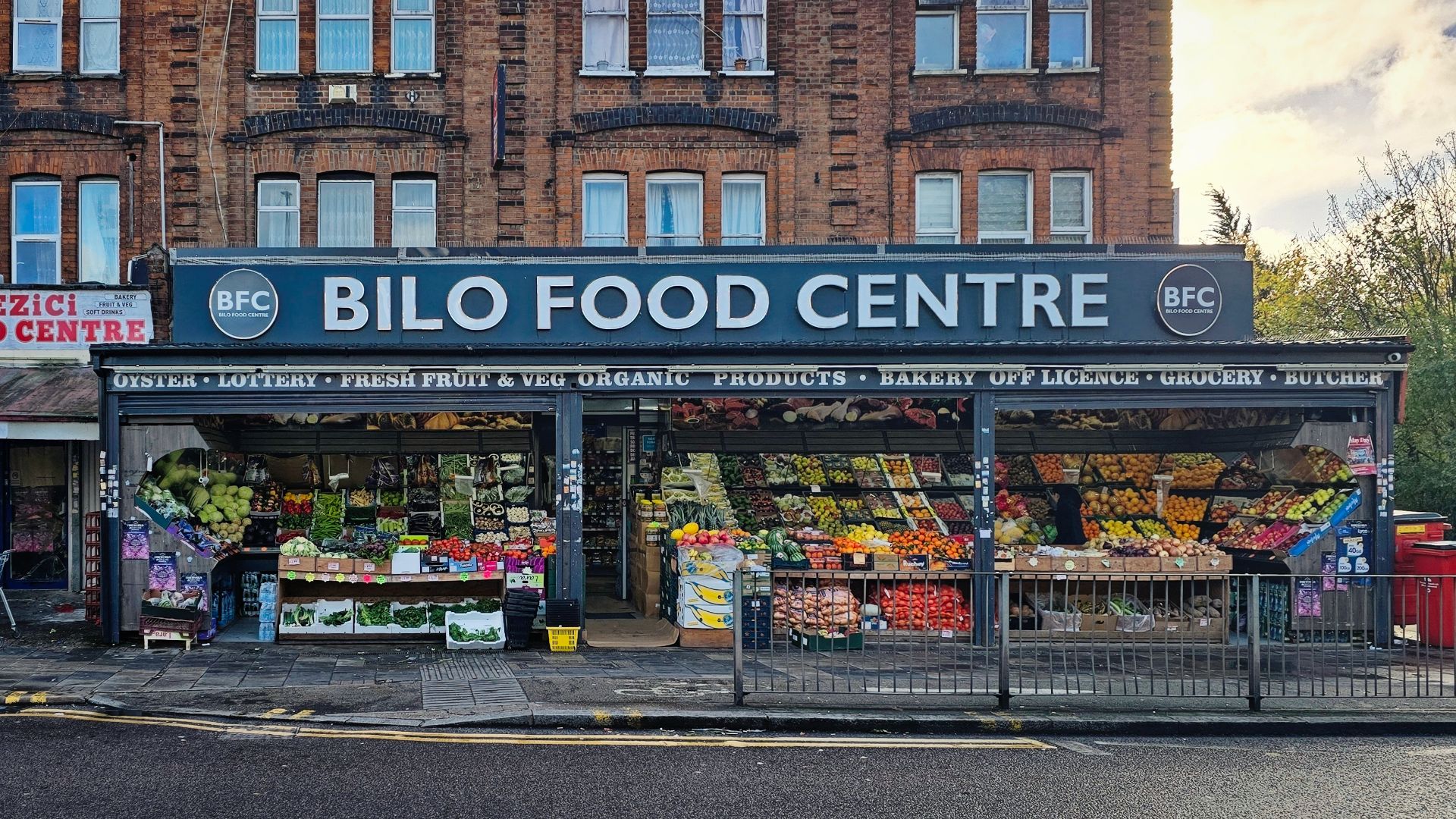
European neighborhood markets can be charming, fresh, and easy to explore, but they may not stock every item under one roof. Americans accustomed to enormous supermarkets can miss the ability to buy medicine, clothing, electronics, prepared food, and household supplies during a single stop. The smaller scale encourages travelers to shop more locally, although it may require several visits.
Familiar Medication Brands Offer Reassurance
European pharmacies can provide excellent professional help, but medicine names, dosages, and sales rules may differ from those in the United States. Some products found on American supermarket shelves must be requested from a pharmacist, while familiar brands may be sold under different names. Travelers should bring necessary prescriptions in their original packaging and research destination-specific restrictions before departure.
 Monkey Business Images, Shutterstock
American-Style Customer Service Feels Different
Restaurant service in Europe often operates at a slower rhythm than Americans expect. Servers may leave diners undisturbed, wait to be summoned, and bring the check only when someone asks for it. What initially seems inattentive is frequently intended to let guests enjoy the table without feeling rushed.

Splitting The Check Can Require A Conversation
Many American restaurants routinely produce separate checks or divide a bill between several cards. European restaurants increasingly accept flexible payments, but practices still vary by business and country. Groups can avoid confusion by asking about separate payments before ordering rather than raising the question after everyone has finished eating.

Familiar Tipping Rules Disappear
American travelers often miss knowing exactly how much they are expected to leave. European tipping customs differ between countries, and service charges may already be included in the bill. Large American-style tips are generally unnecessary, so checking local etiquette is better than automatically adding 20 percent everywhere.

Home Still Wins In A Few Categories
Europe offers Americans countless things they may eventually miss after returning home, including extensive rail networks, walkable neighborhoods, historic public spaces, and long meals that are not hurried along. Still, travel has a way of revealing which everyday comforts people value most. The best approach is not to demand that Europe operate like the United States, but to prepare for the differences and enjoy the trade-offs.