Welcome To The Friendly Spotlight
Americans usually blend in easily in Canada—until one tiny phrase, purchase, or temperature complaint gives the game away. These habits are rarely annoying. Mostly, they earn a quiet smile and a very Canadian “no worries.”
Calling Canada America’s Friendly Neighbor
Canada sits beside the United States, but locals do not see it as an American bonus level. Visitors who call everything “basically the same” stand out fast. Canadians know the similarities; they appreciate travellers who notice the differences.
Referring To Provinces As States
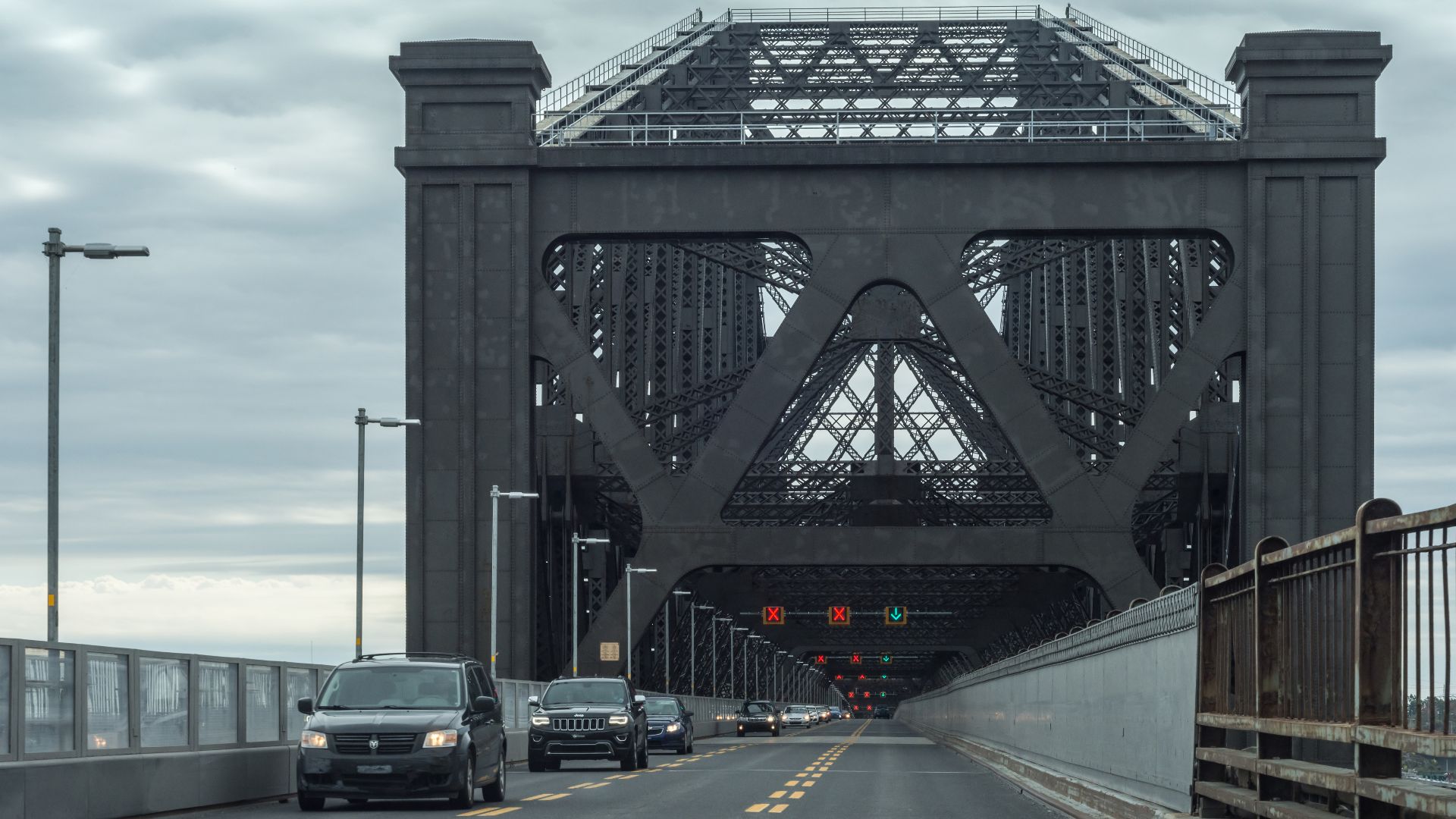
It slips out innocently: “Which state is Vancouver in?” Canada has provinces and territories, and locals are proudly attached to them. Calling Alberta or Nova Scotia a state is the verbal equivalent of wearing a giant tourist badge.
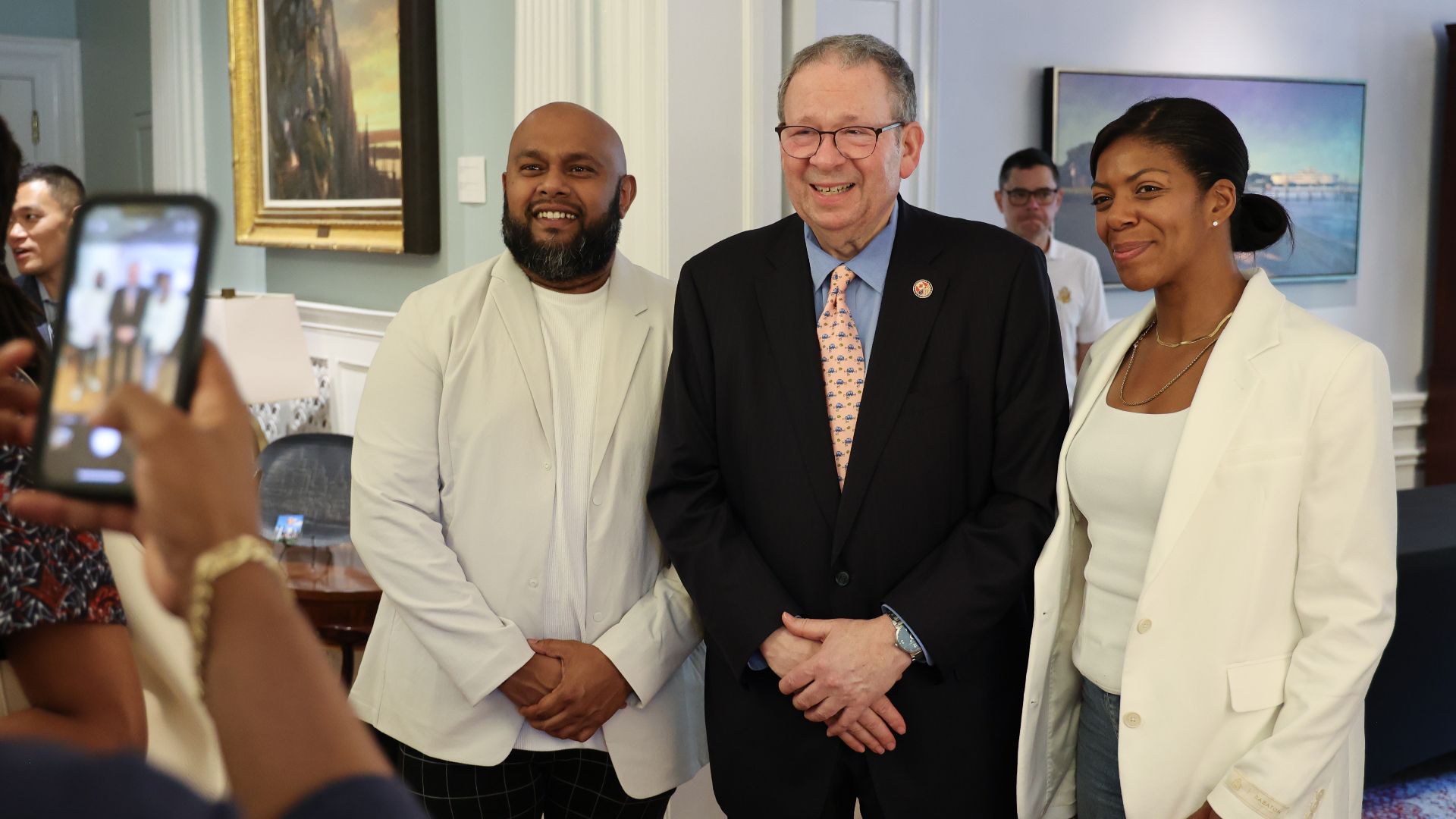 U.S. Embassy and Consulates in Canada, Wikimedia Commons
Asking Whether Everyone Speaks French
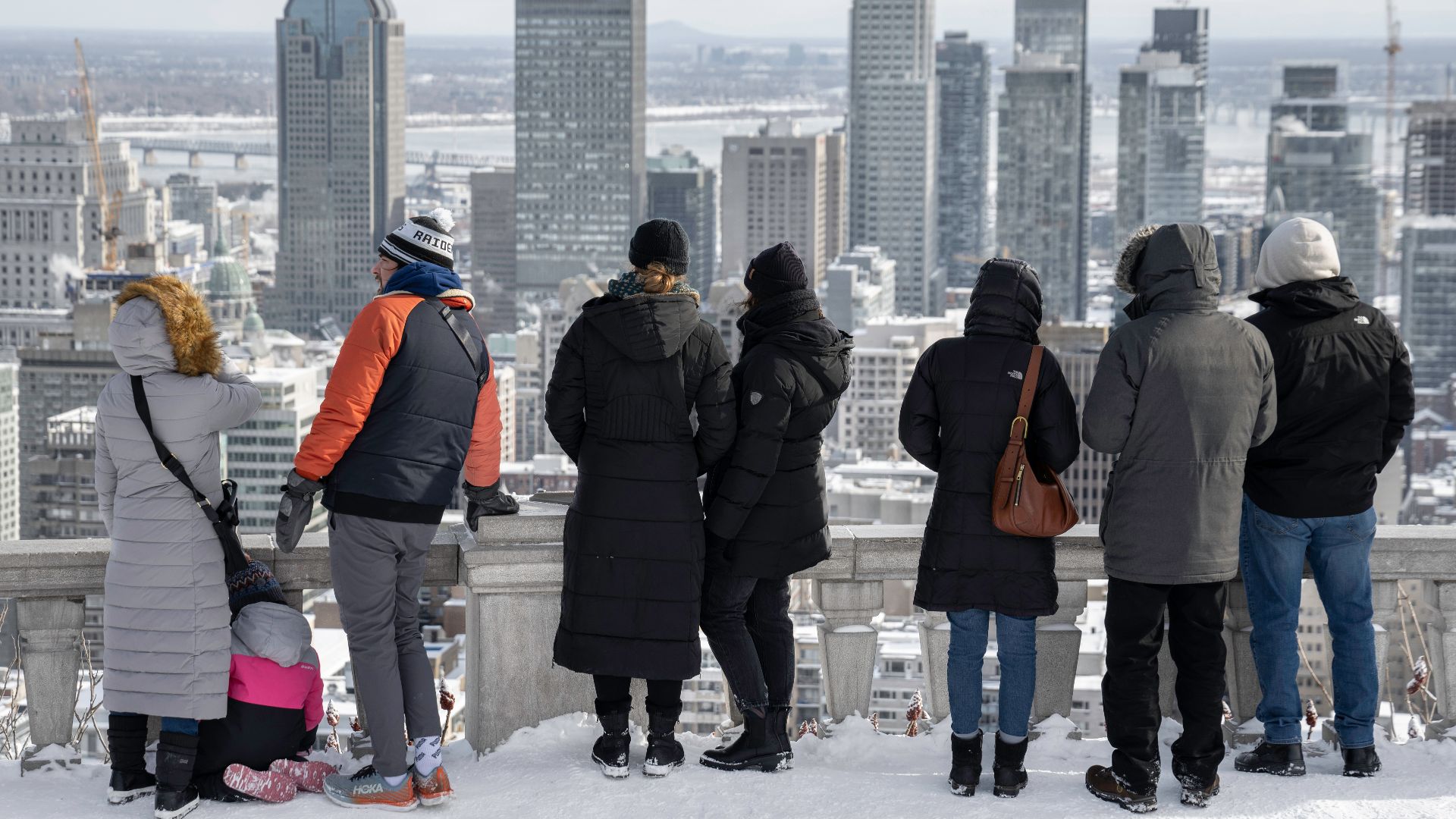
Canada has two official languages, English and French, but not every Canadian switches between them effortlessly. Language use varies greatly by region. Ask the question in Montreal and Toronto, and you may receive very different answers.
Saying “Tor-On-To” Very Carefully
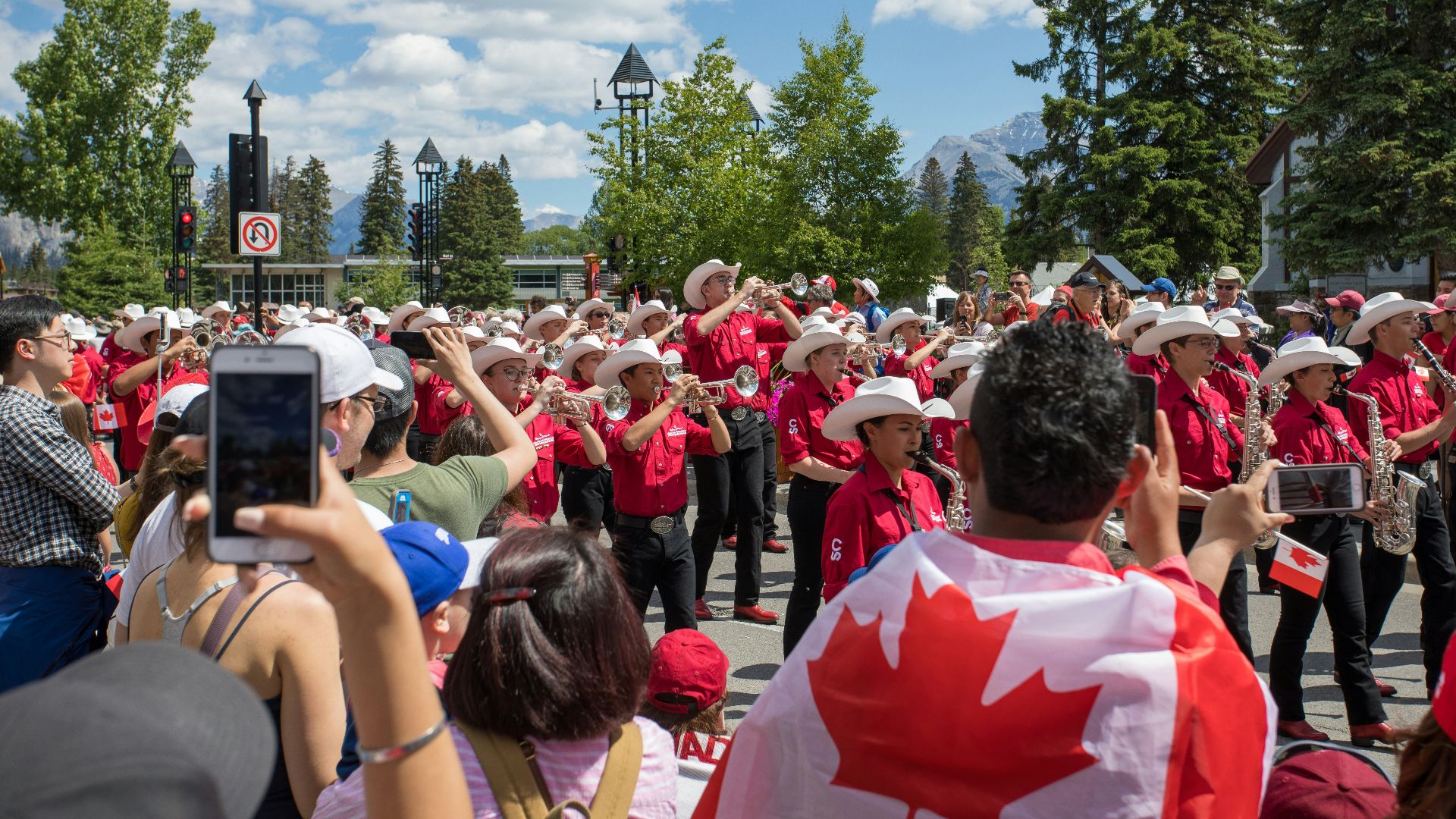
Many visitors pronounce every syllable in Toronto like they are reading from a teleprompter. Plenty of locals soften the second “t,” making it sound closer to “Tronno.” The careful tourist version is not wrong—just instantly recognizable.
Expecting Snow In July
Some visitors pack as though the border is also the Arctic Circle. Canada’s weather changes dramatically by region and season, and summer can be properly hot. The emergency parka in downtown Toronto in July may attract amused glances.
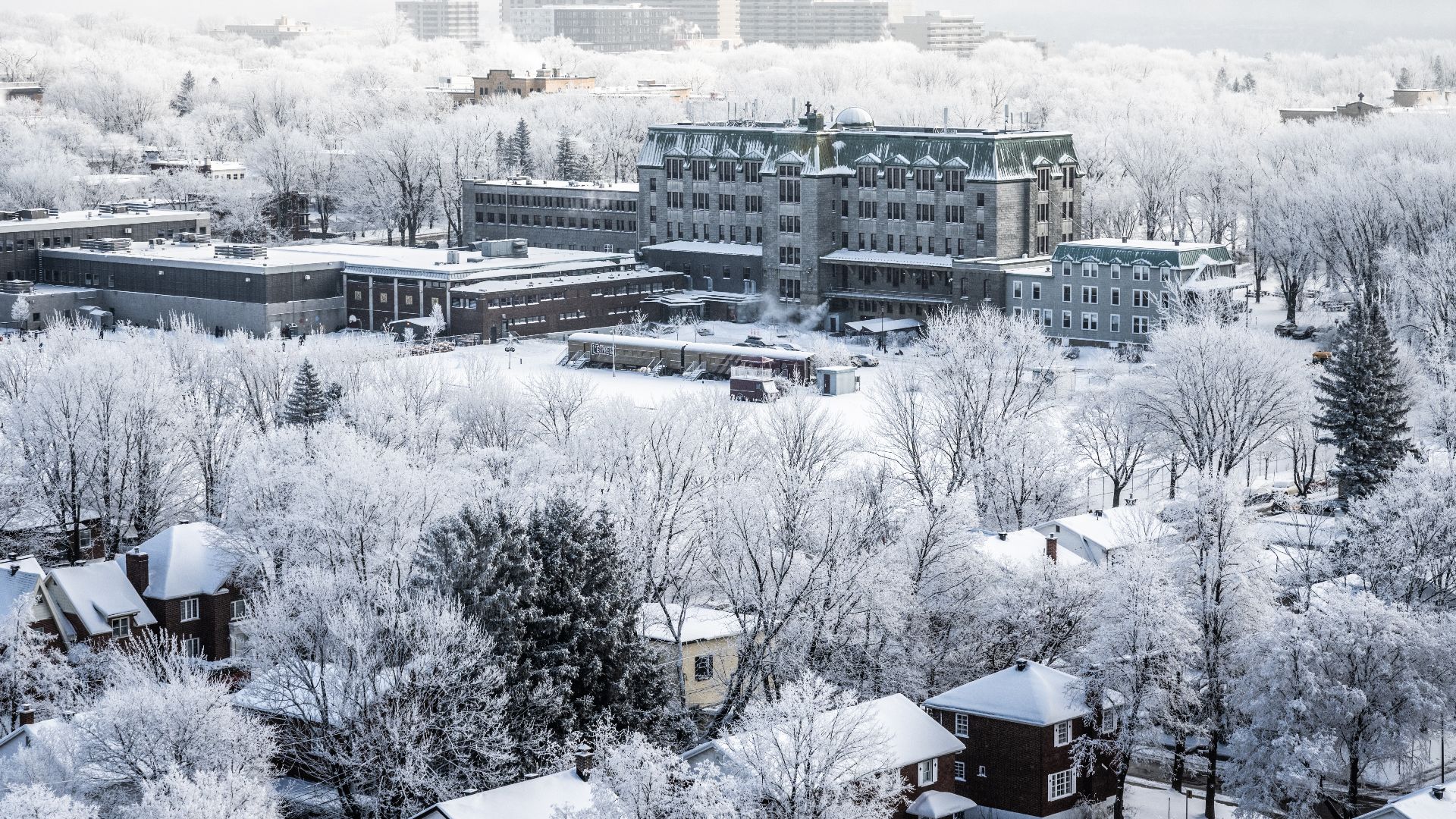
Announcing Every Fahrenheit Conversion
A Canadian says it is 25 degrees, and the American tourist immediately opens a weather app, performs mental algebra, and announces, “That’s 77!” The conversion is understandable. The public celebration after solving it is the noticeable part.
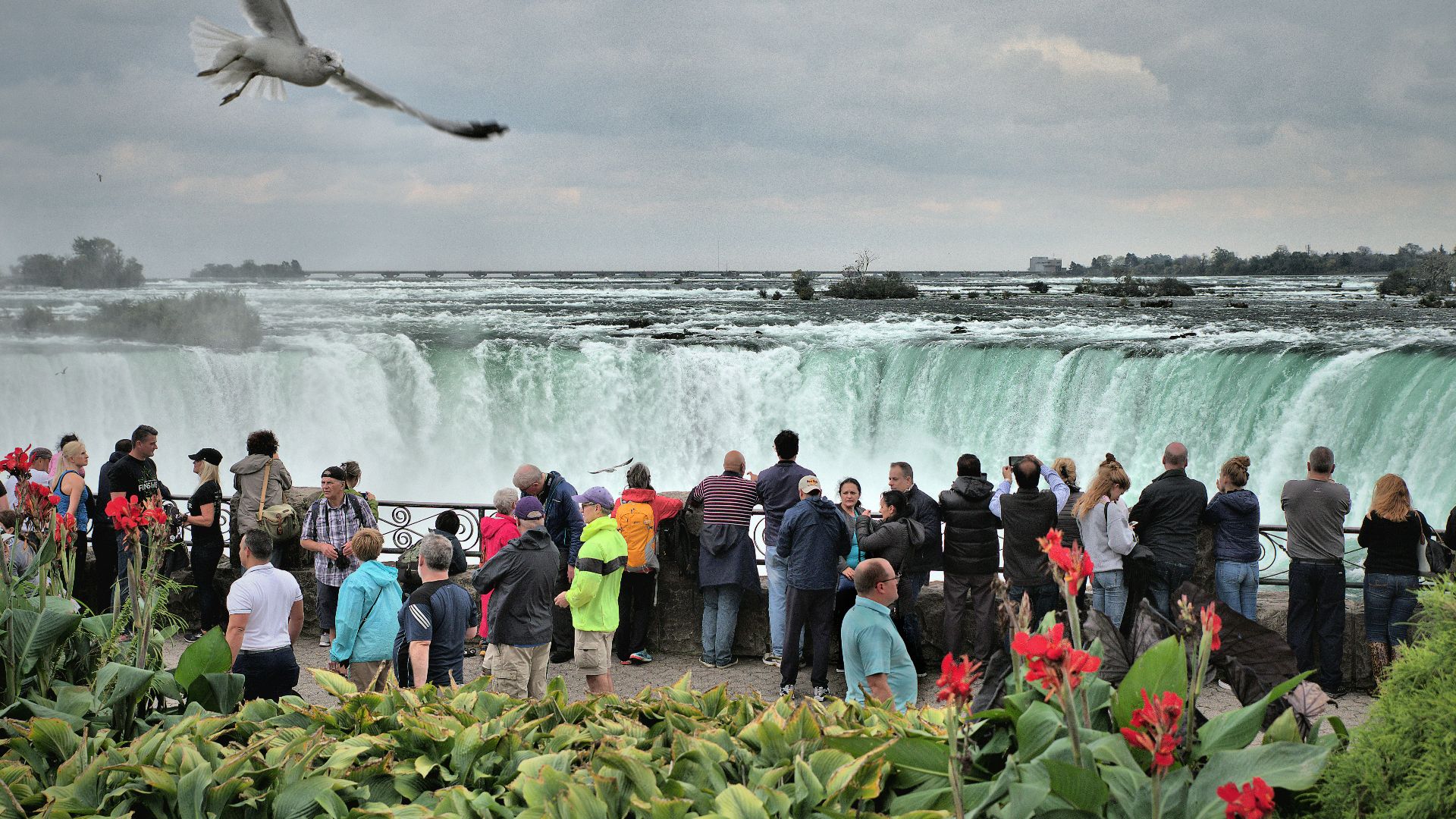
Thinking Kilometres Sound Shorter
A sign says the destination is 100 kilometres away, and suddenly it feels pleasantly close. Canada uses metric units, including kilometres and km/h, so American visitors often spend road trips translating every sign into miles.
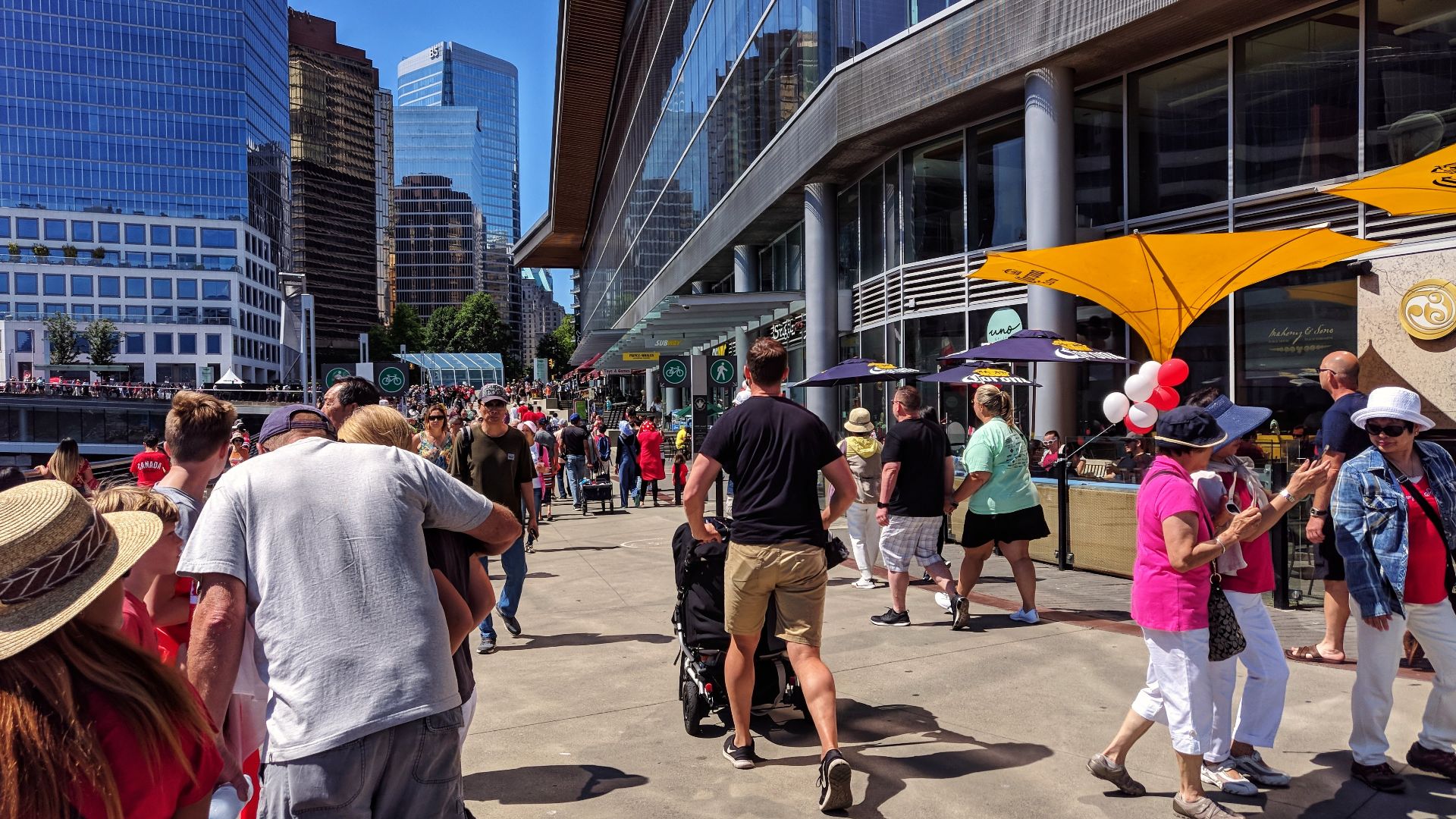 Dennis Sylvester Hurd, Wikimedia Commons
Offering US Cash Like It’s Universal
Some businesses near the border may accept American money, but Canada uses Canadian dollars. Tourists who confidently offer US cash can trigger complicated change, unofficial exchange rates, or a polite request for a card.

Celebrating The Exchange Rate Out Loud
Some Americans discover the exchange rate and react as though every Canadian store has launched a personal sale. “So this is cheaper in real money!” is not the winning phrase it appears to be. Locals know the math too.

Forgetting The Price Tag Isn’t Final
The register total can surprise visitors because GST, HST, or provincial sales taxes may apply depending on the purchase and location. That moment of staring at the receipt, then back at the shelf label, is familiar in tourist districts.

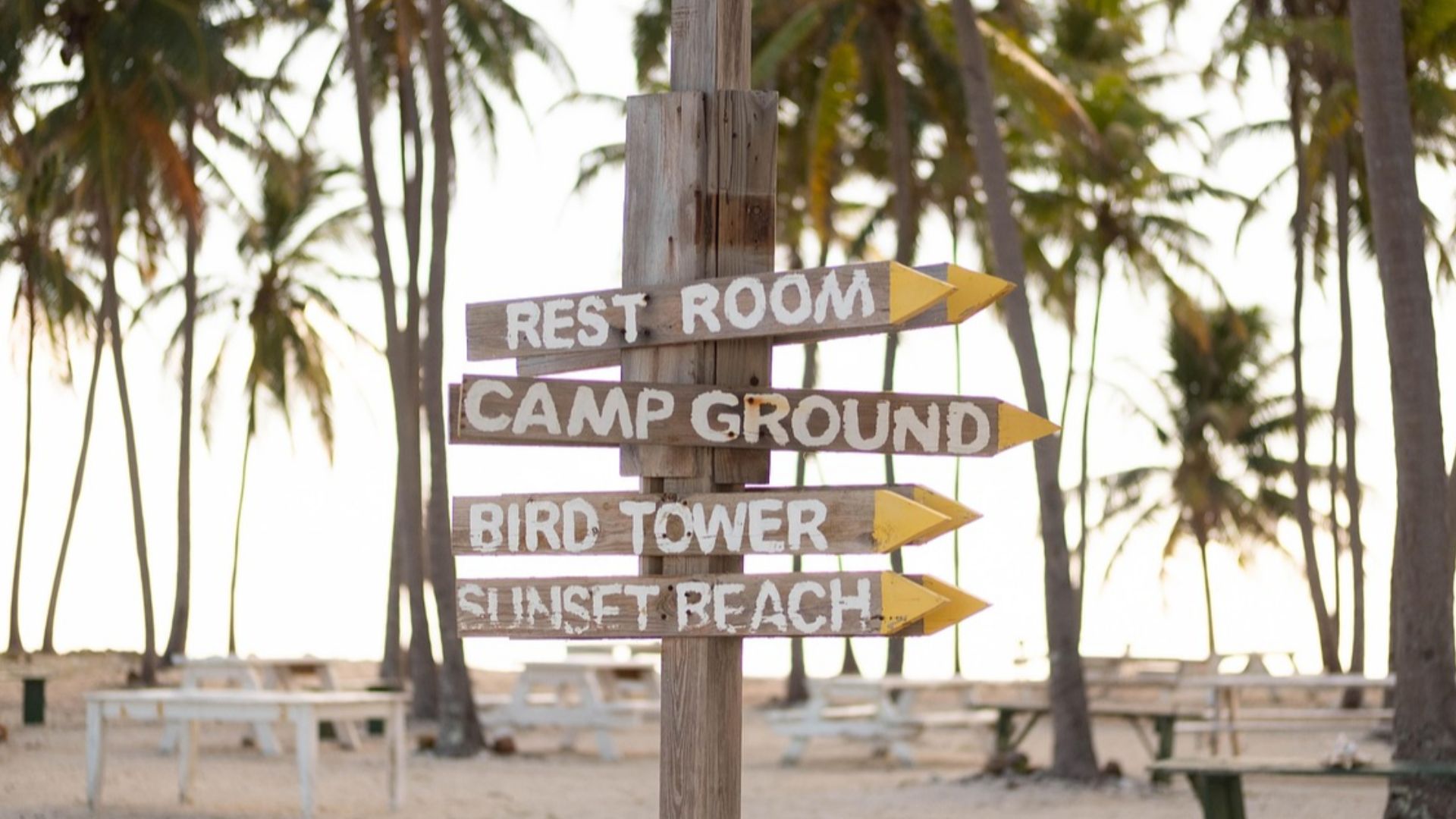
Saying “Restroom” Instead Of “Washroom”
Canadians understand “restroom,” but “washroom” is the everyday local favourite. Asking for the restroom causes no confusion. It may, however, earn the tiniest internal note: American visitor, probably also looking for an iced coffee.
Ordering Unsweetened Iced Tea
In many Canadian restaurants, iced tea arrives sweetened and lemony rather than as plain brewed tea over ice. American visitors expecting an unsweetened glass can look genuinely betrayed by the first sip. It is a small cultural plot twist.
 Aerodynamically, Wikimedia Commons
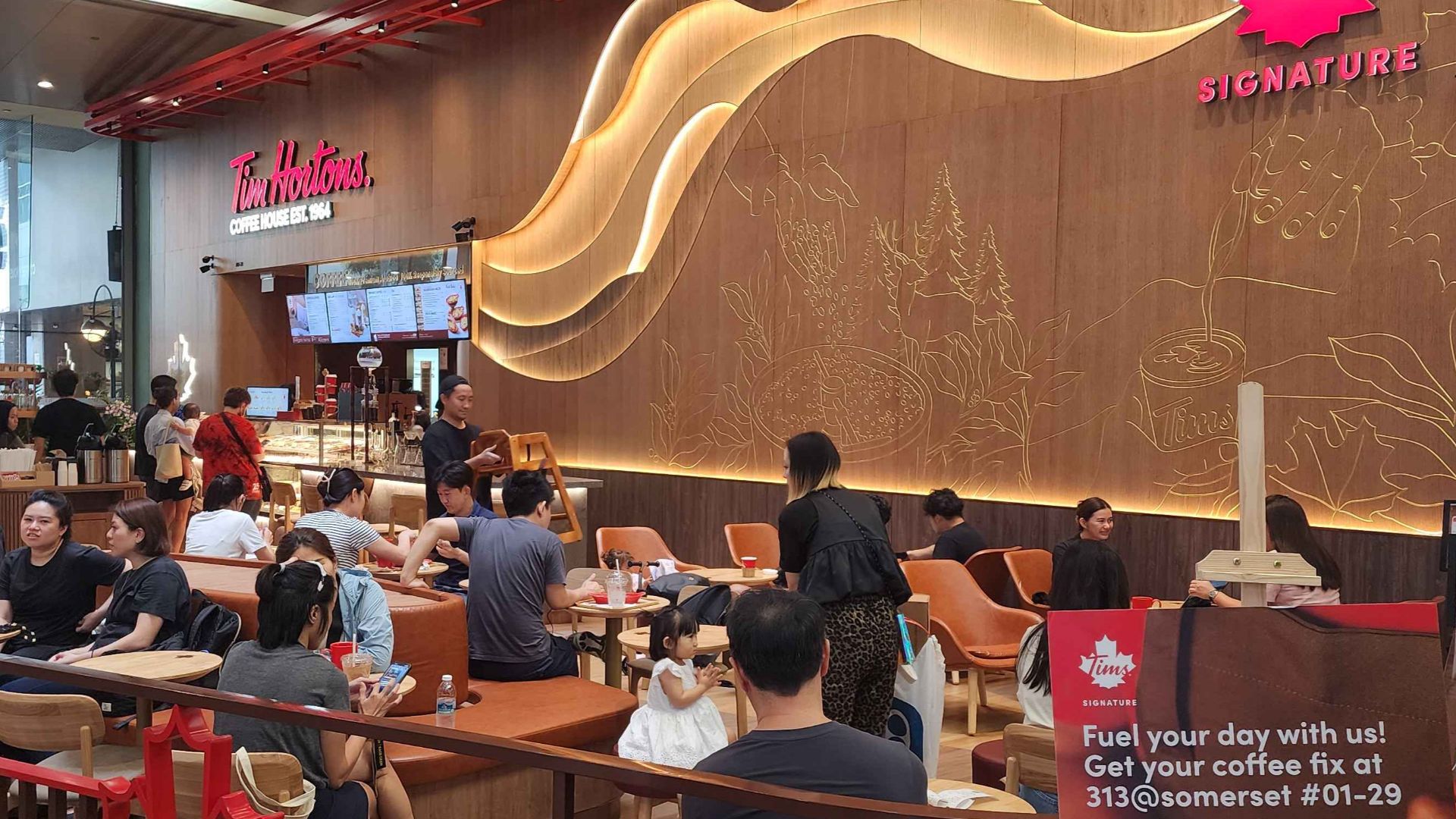
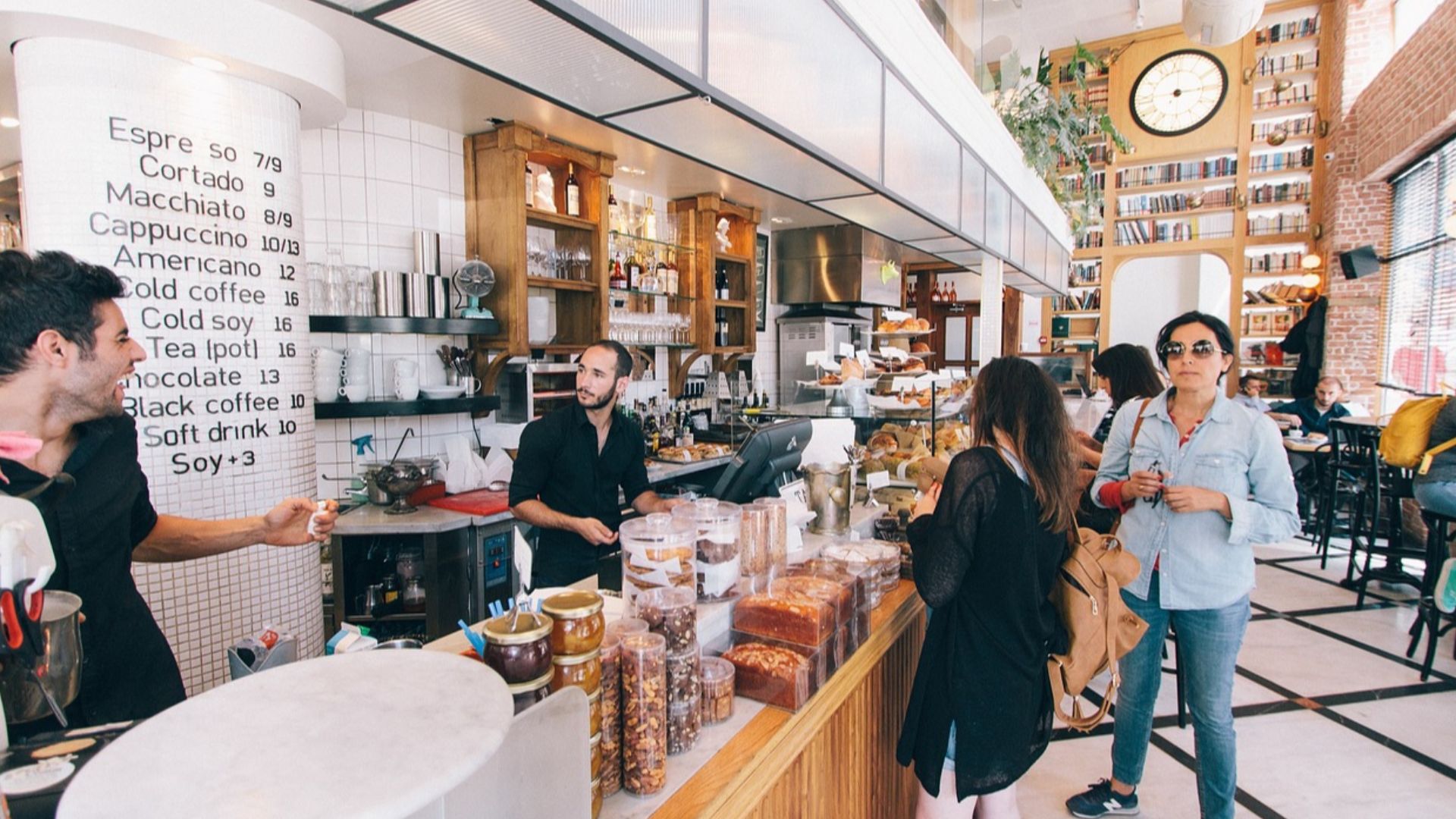
Treating The Double-Double Like A Secret Code
Ordering coffee with two creams and two sugars is normal. Announcing “double-double” with a dramatic wink, as though activating a hidden Canadian password, is tourist theatre. Locals appreciate the enthusiasm, even when the performance outlasts the order.
Performing The Word “Eh”
“Eh” exists, but tourists sometimes use it like punctuation confetti: “Nice city, eh? Cold today, eh?” Canadians rarely mind. They simply notice when the word has been rehearsed and delivered like the finale of a comedy routine.
 Matheus Câmara da Silva, Unsplash
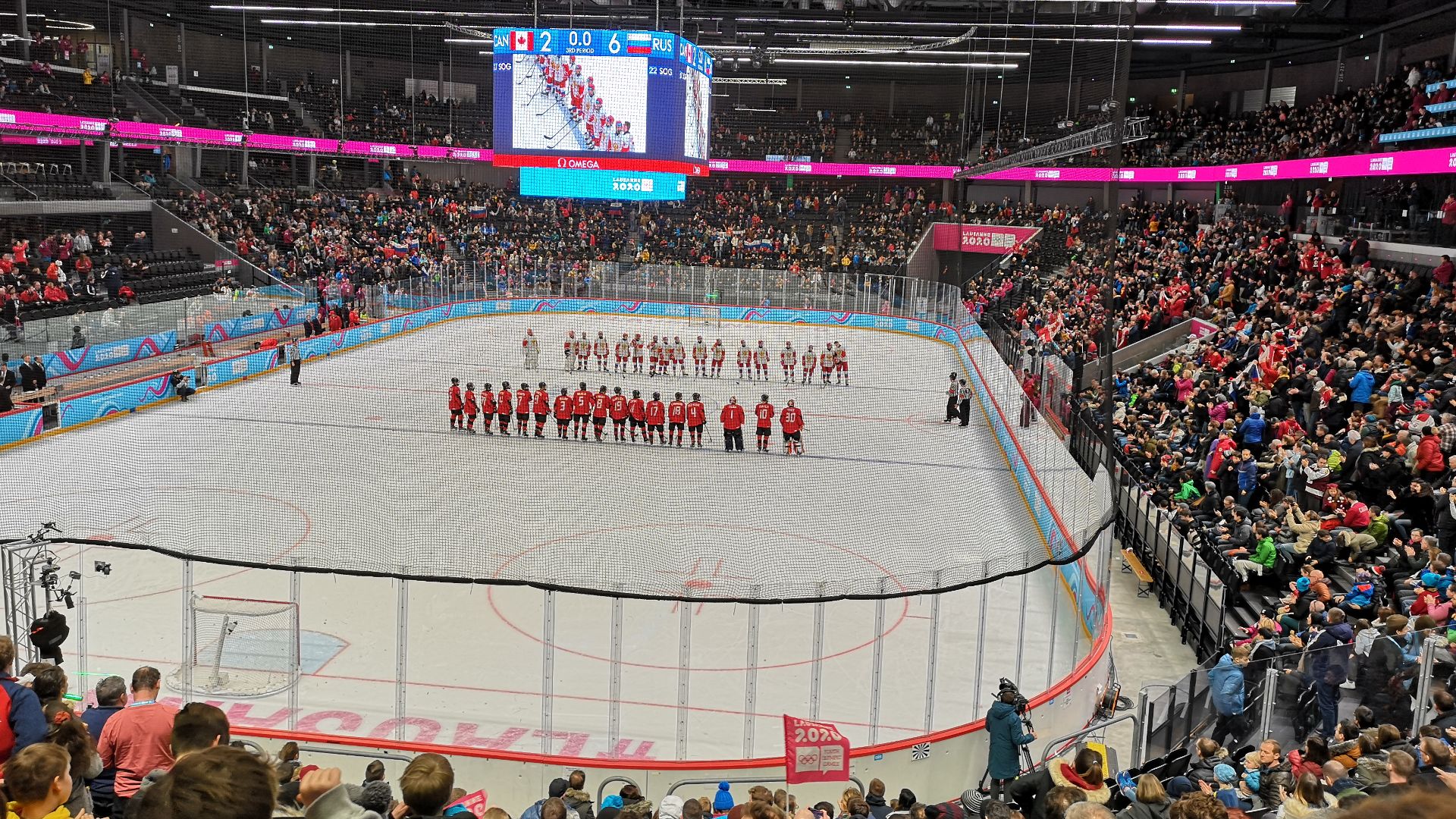
Asking Every Canadian About Hockey
Hockey matters deeply to many Canadians, but not everyone has a team, rink story, or playoff theory. One friendly question is fine. Expecting the hotel clerk to explain a franchise’s collapse during check-in is much more revealing.
 Christophe95, Wikimedia Commons
Calling A Toque A Beanie
The knitted winter hat has many names, but “toque” carries unmistakable Canadian energy. An American who calls it a beanie will still receive the correct item. A local may simply clock that the speaker crossed a border recently.

Getting Excited About Loonies And Toonies
Canada’s one-dollar and two-dollar coins delight many first-time visitors. The names sound playful, and the coins feel substantial. Locals barely glance at them—unless a tourist enthusiastically announces each discovery while holding up the checkout line.

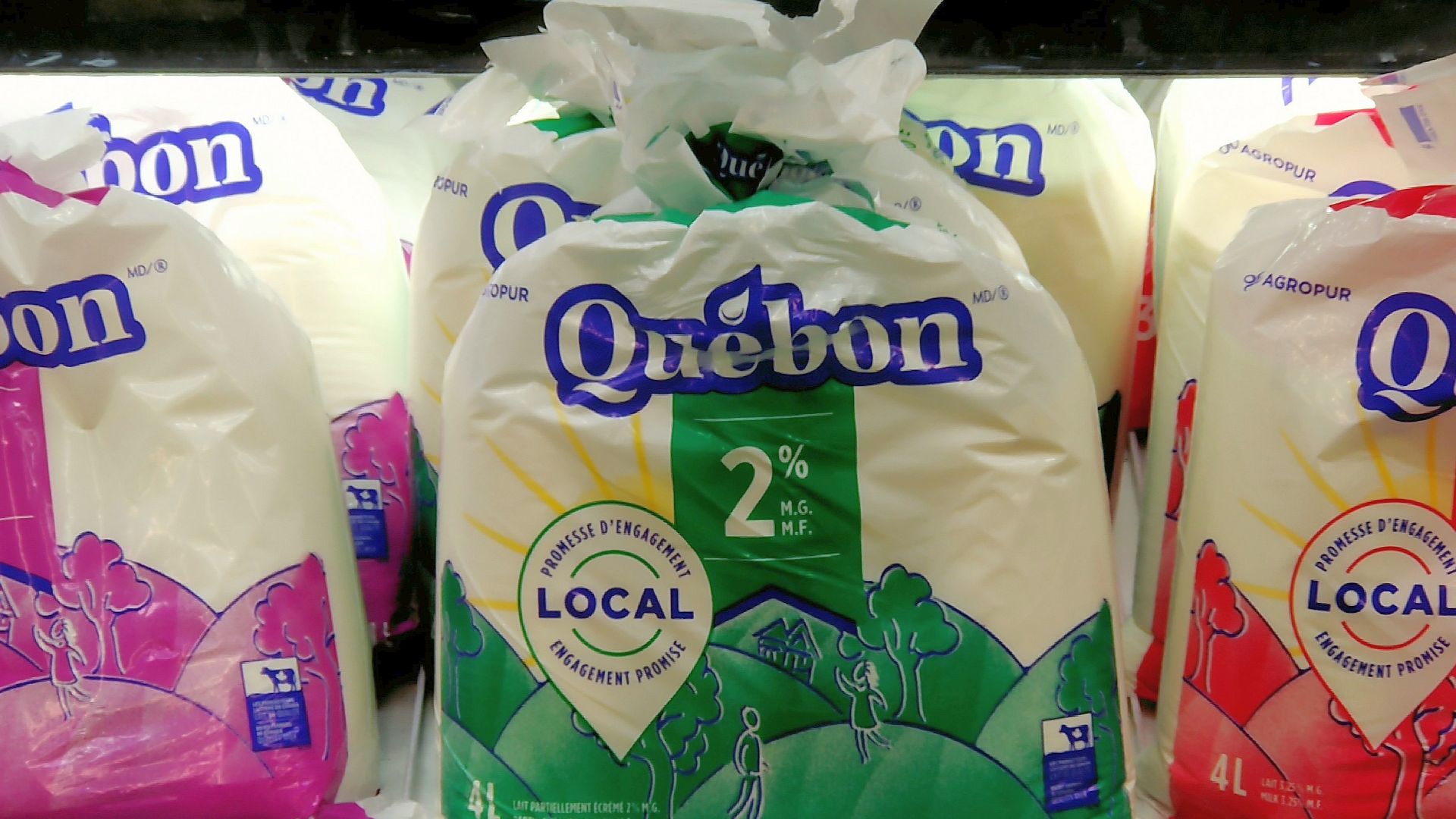
Hunting For Milk Bags
Bagged milk is real, but it is regional rather than a universal Canadian requirement. Tourists sometimes treat finding it like completing a national scavenger hunt. Asking a Vancouver cashier for the famous milk bags may produce confusion.
 incommunicado, Wikimedia Commons
Buying Maple Everything
Maple syrup is excellent, but some visitors become fully committed within hours. Maple cookies, candy, coffee, and soap fill the basket. Locals recognize the souvenir spree immediately, especially when the airport bag suddenly weighs twelve extra pounds.
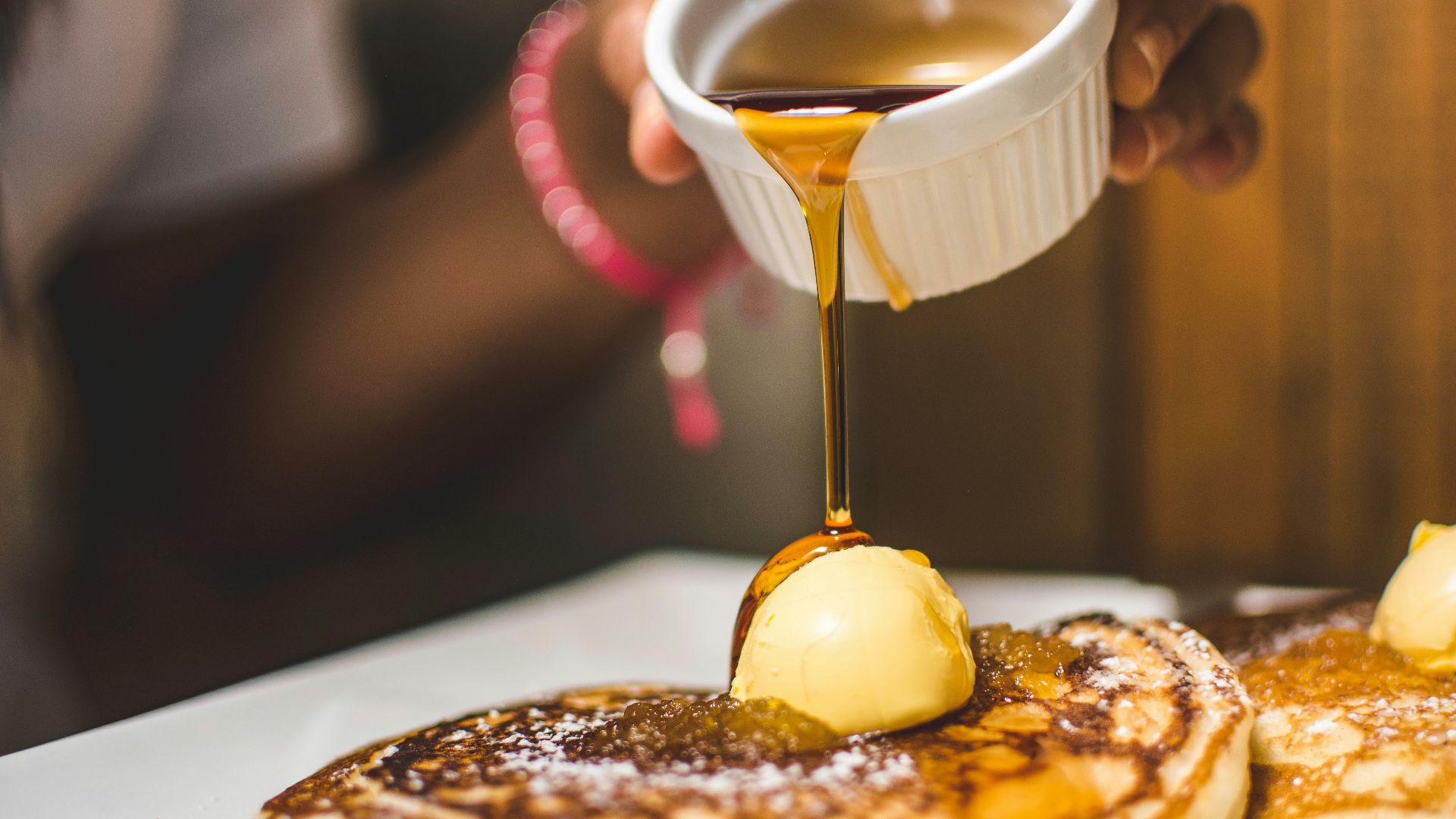
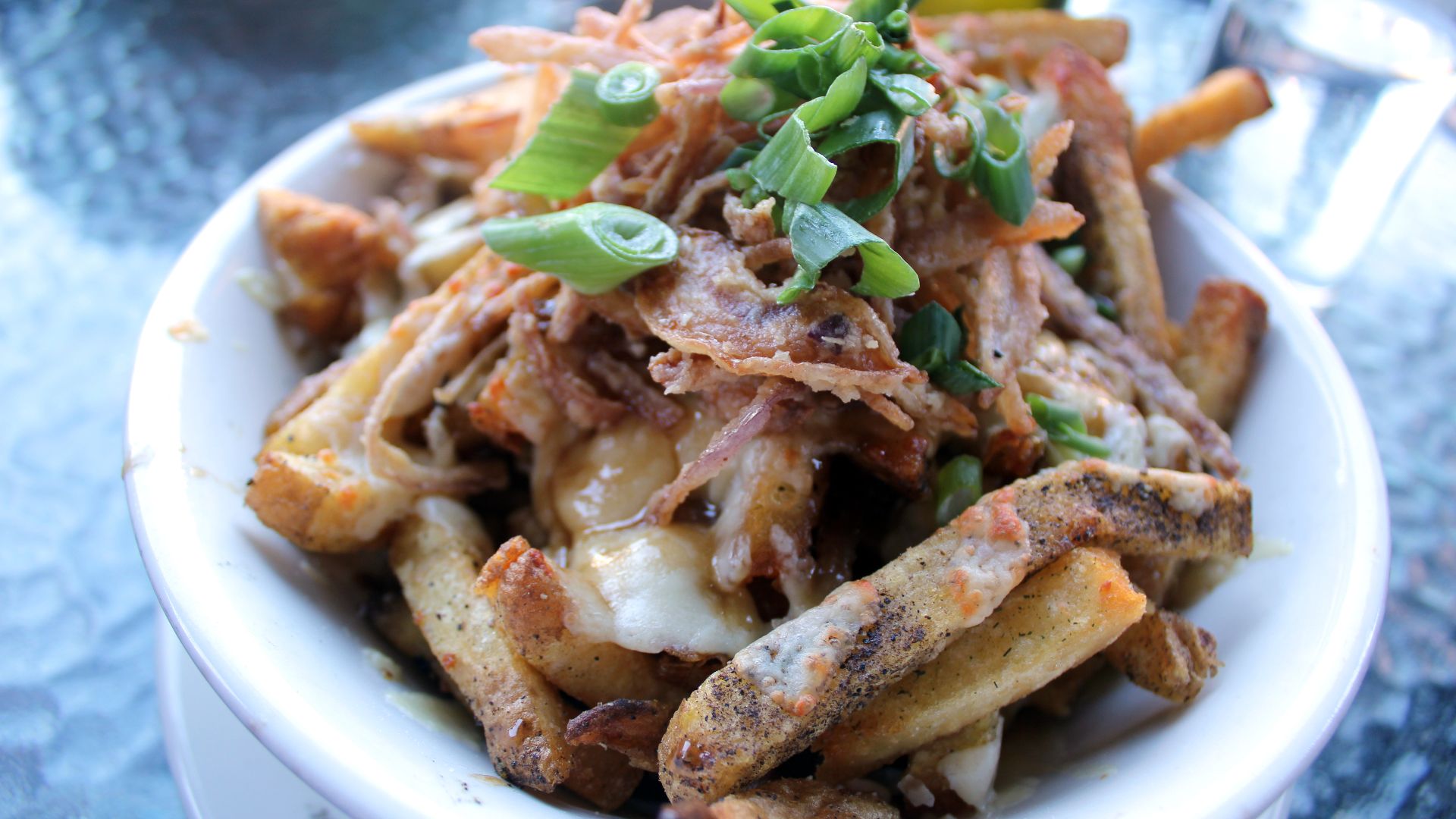
Assuming Poutine Is One Standard Dish
Fries, cheese curds, and gravy form the classic base, but poutine varies by restaurant and region. Visitors sometimes try one version, issue a national verdict, and move on. Canadians may quietly wish they had ordered somewhere better.
 Quinn Dombrowski from Berkeley, USA, Wikimedia Commons
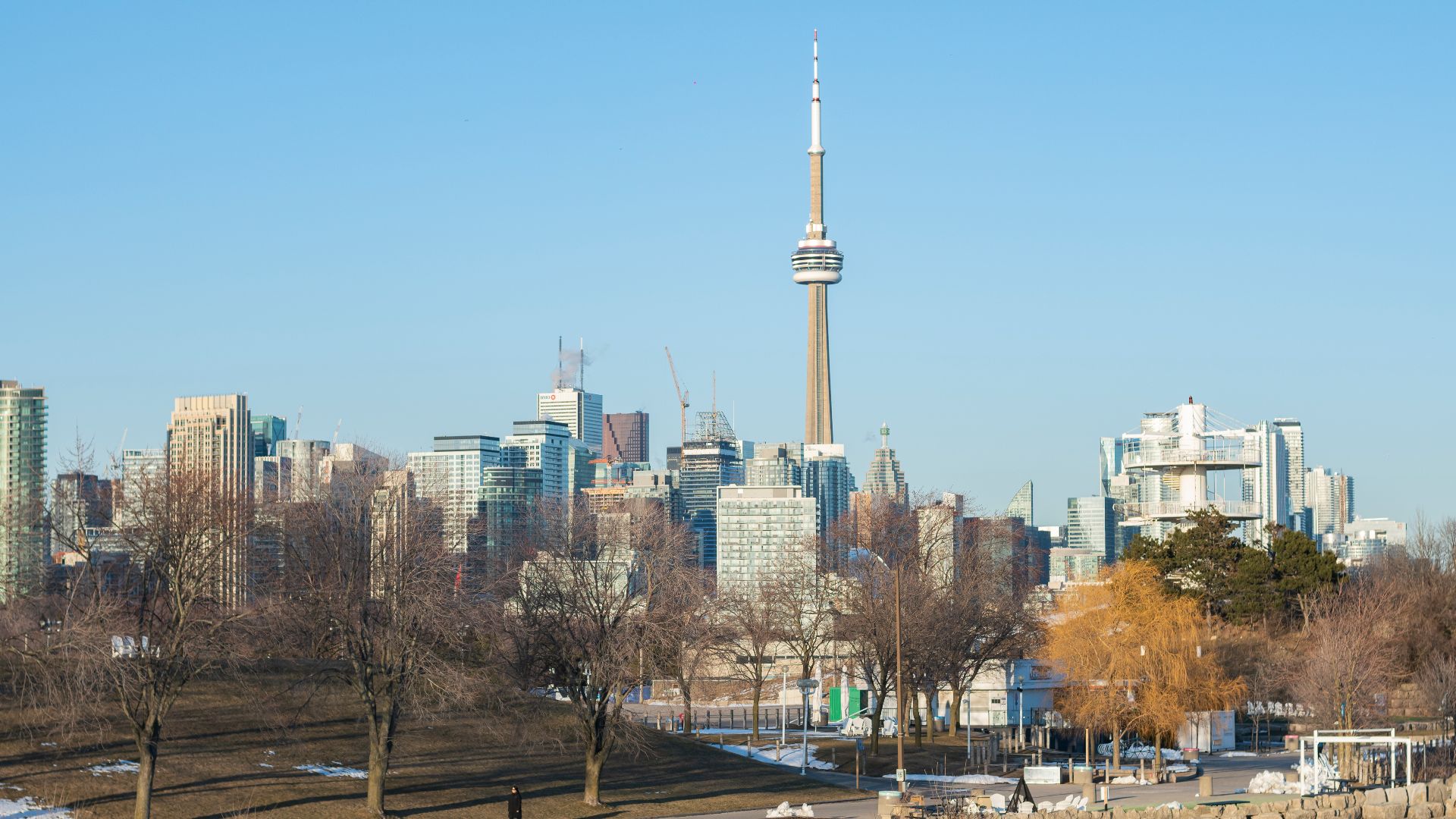
Comparing Every City To An American One
Toronto becomes “Canadian New York,” Vancouver becomes “Canadian Seattle,” and Montreal becomes “Canadian Paris.” Comparisons help travellers orient themselves, but locals hear them constantly. Canadian cities have their own personalities and rarely fit inside another city’s costume.
 Fabian Roudra Baroi, Wikimedia Commons
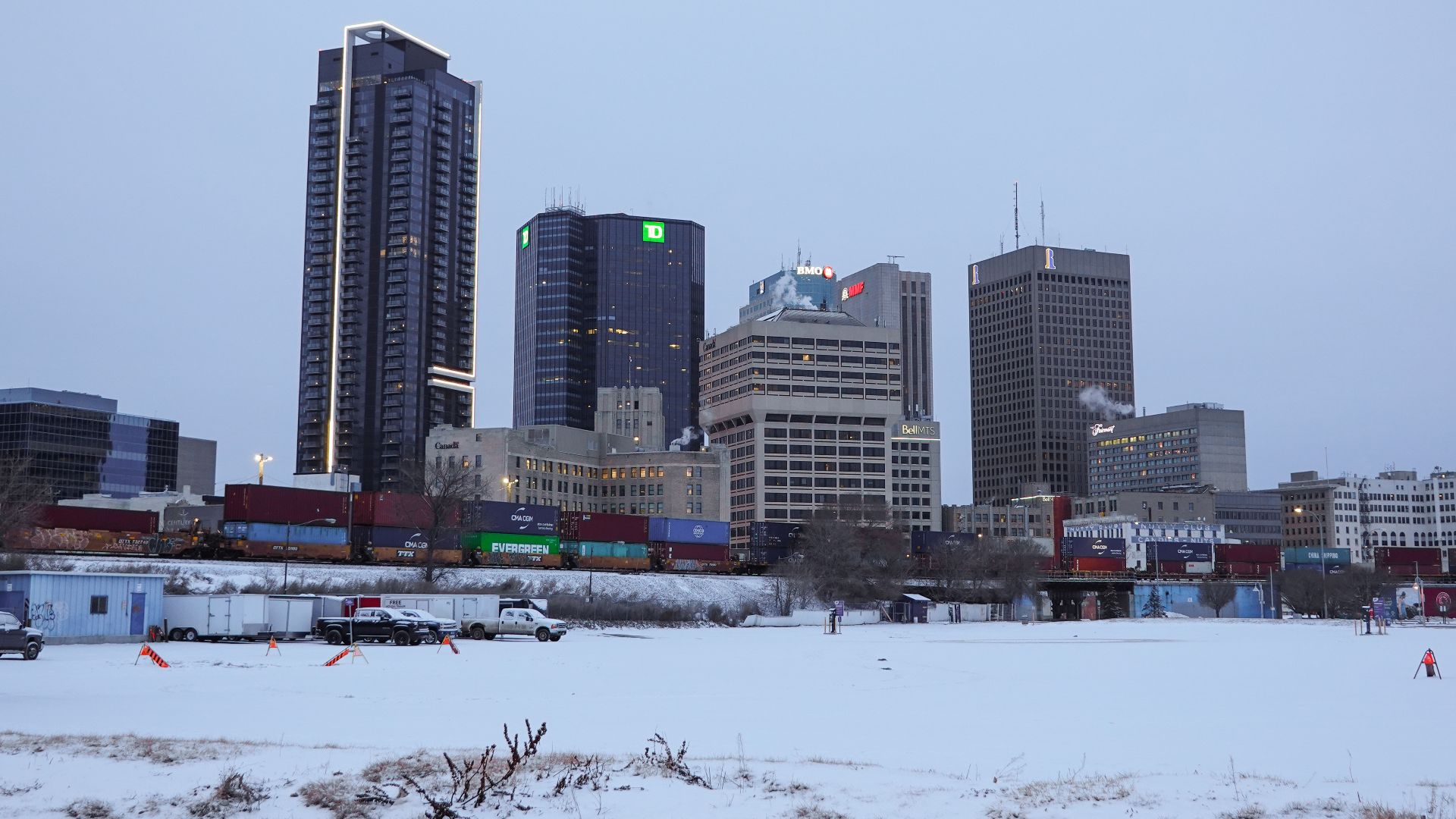
Underestimating Travel Distances
Canada looks manageable on a screen until the route planner produces numbers with commas. Winnipeg is more than 2,300 kilometres from both Vancouver and Montreal. Suggesting a quick detour reveals that the visitor has not met the map yet.
 Quintin Soloviev, Wikimedia Commons
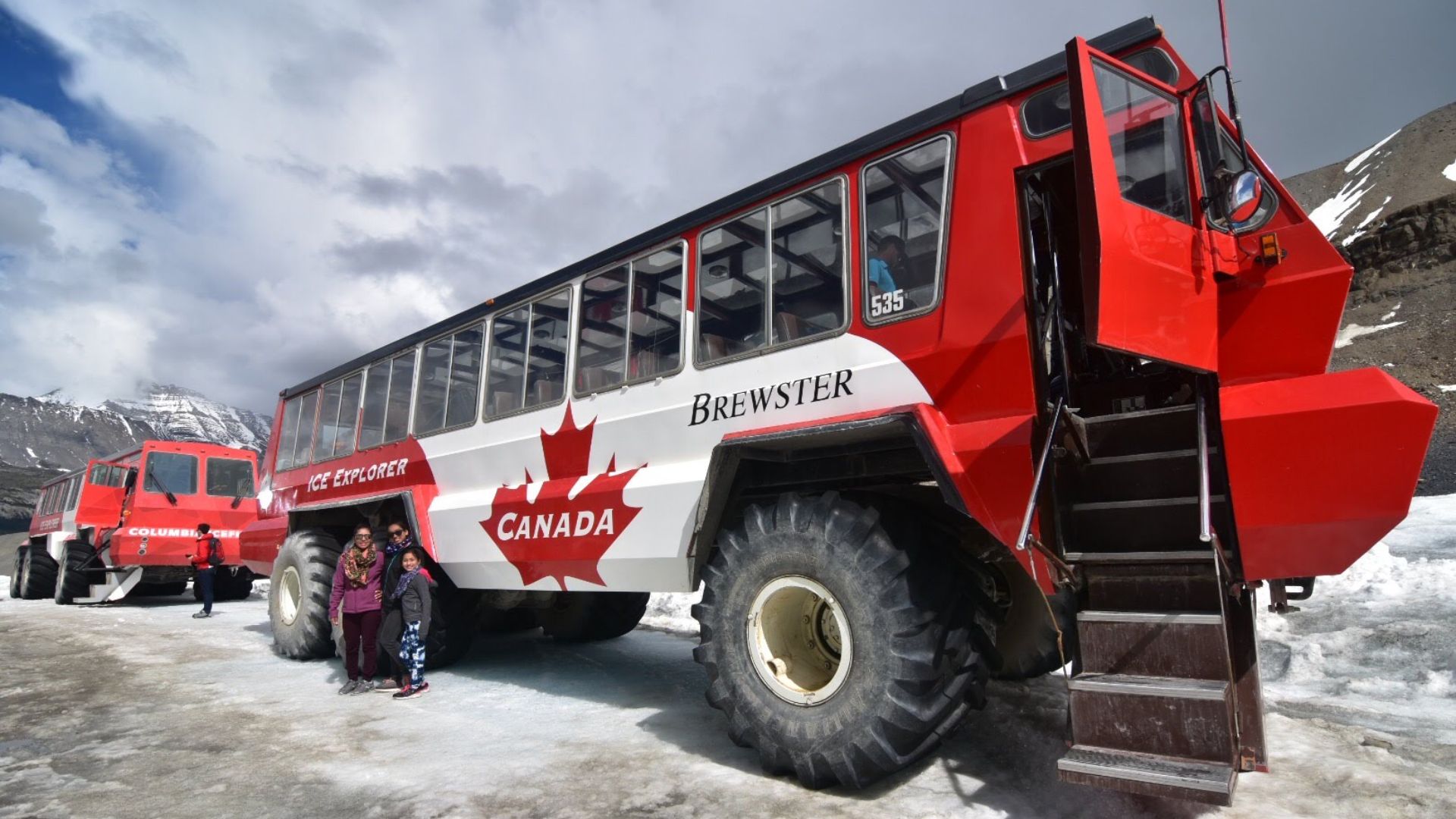
Trying To See Three Provinces In A Weekend
An ambitious itinerary may include Toronto breakfast, Montreal lunch, Banff sunset, and Vancouver before bed. Canada rewards slower travel. Locals instantly recognize the schedule as American optimism meeting Canadian geography, usually around the first missed connection.
 WhyDon'tWeZJCDJ, Wikimedia Commons
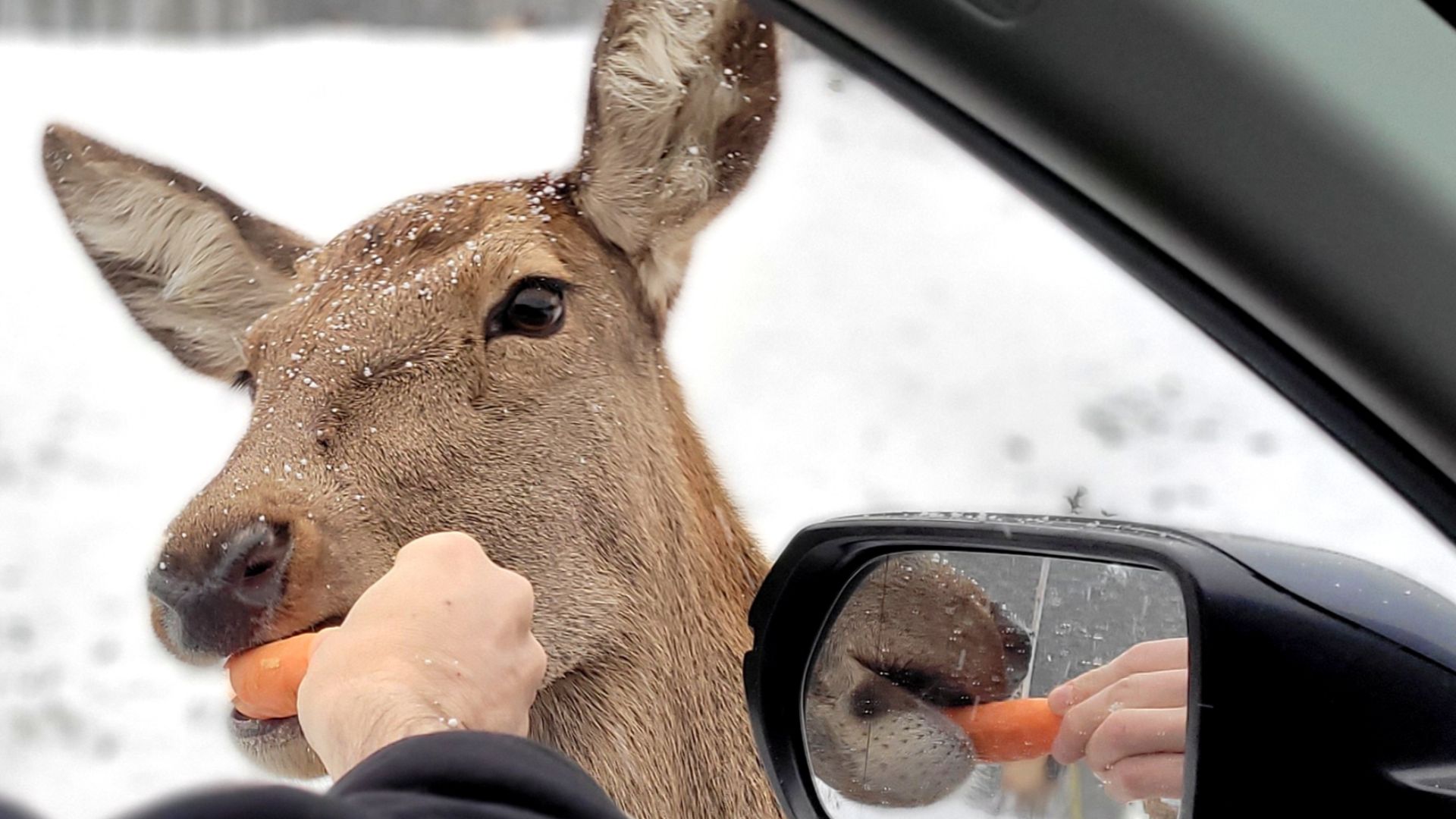
Getting Overconfident Around Wildlife
A roadside elk is not a theme-park employee, and a bear is not waiting for a close-up. Parks Canada advises keeping respectful distances and never approaching or feeding wild animals. Tourists edging closer make locals nervous, not impressed.
 OnBeyondZebrax, Wikimedia Commons
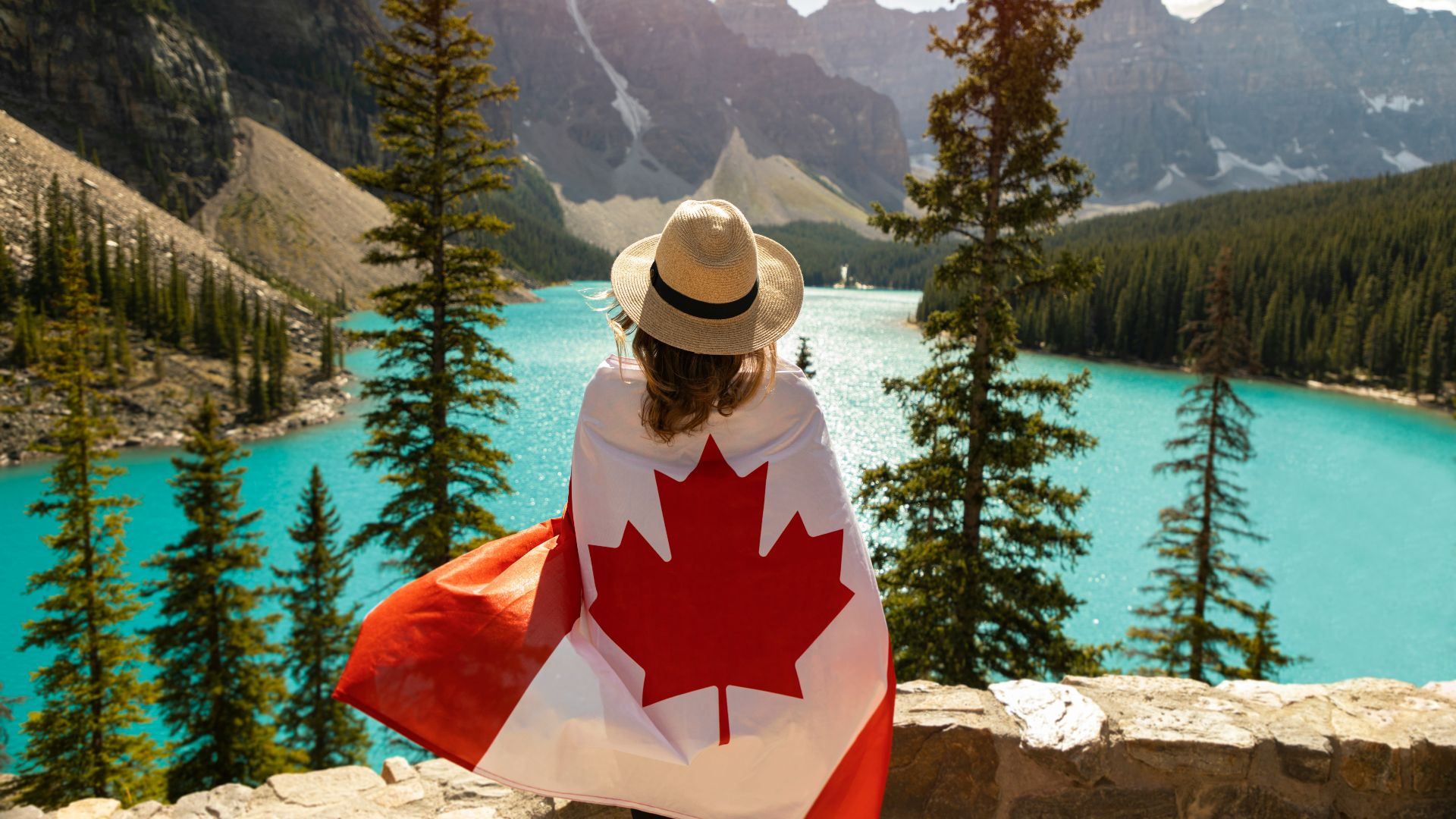
Wearing The Maple Leaf Immediately
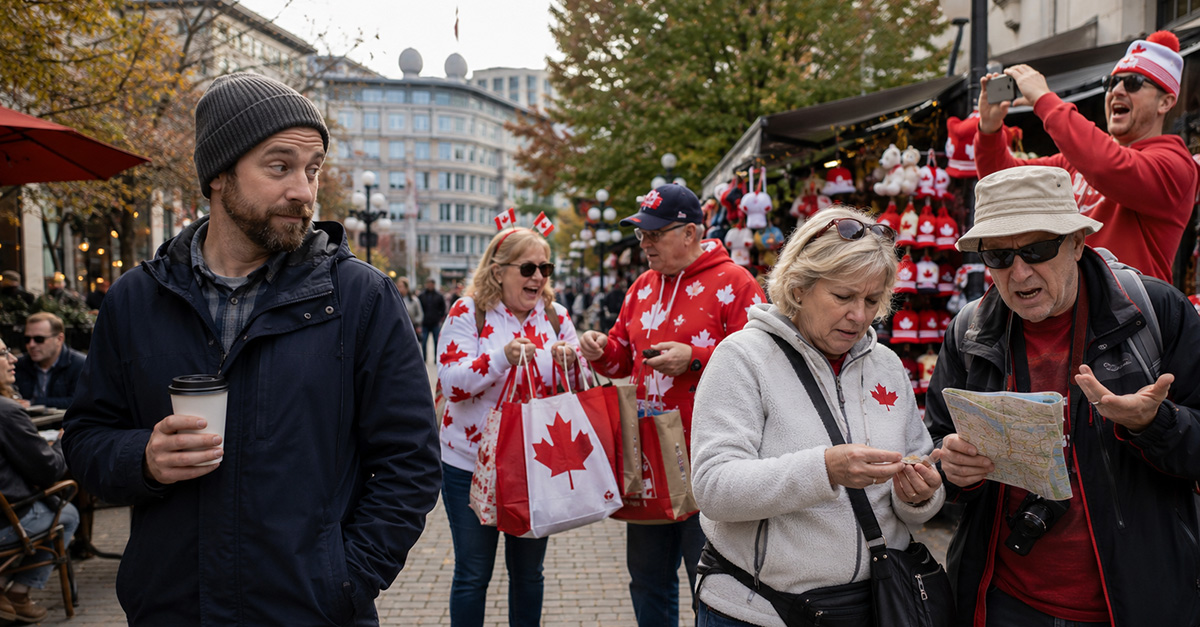
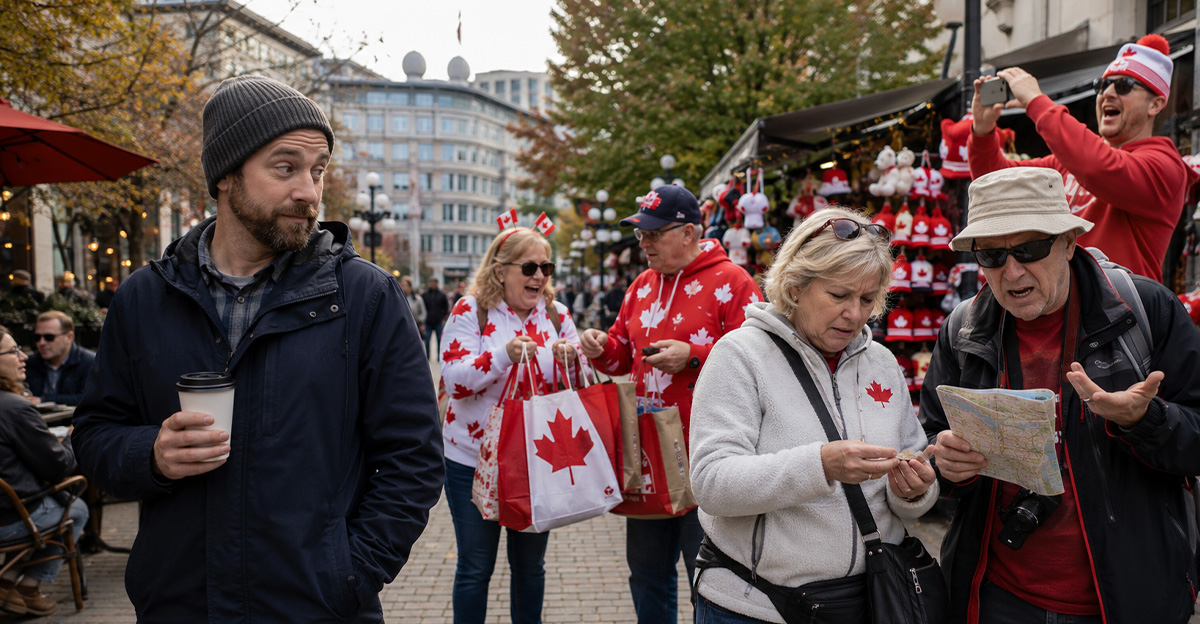
Some visitors buy a Canada hoodie, hat, and red maple-leaf socks before reaching the hotel. It is cheerful, harmless, and extremely obvious. Locals may not dress that patriotically every day, but they usually enjoy the enthusiasm.
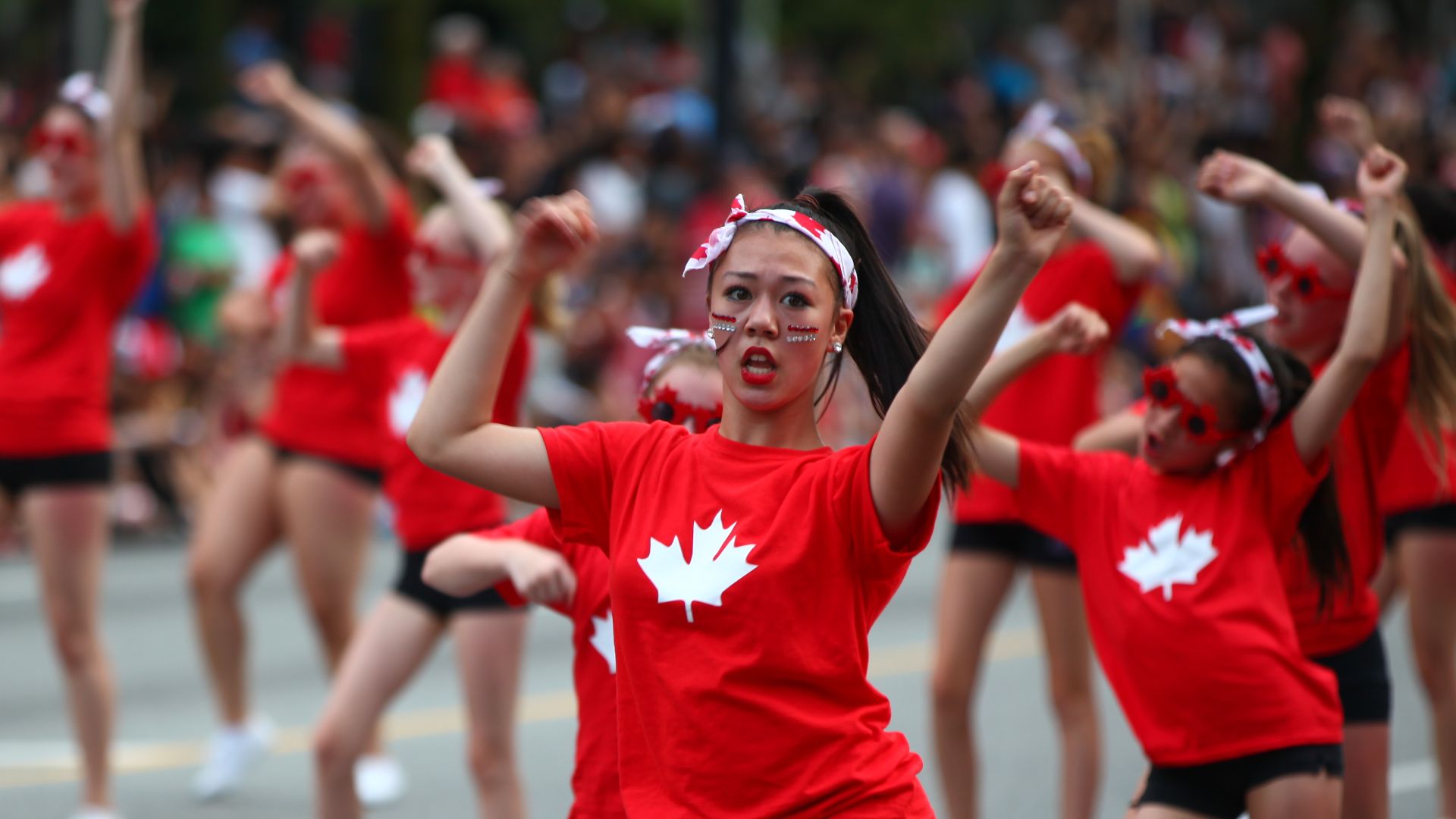
The Giveaways Are Part Of The Fun
Most Canadians are not judging American tourists; they are noticing familiar clues. The best visitors laugh, ask questions, and enjoy the differences without turning Canada into a stereotype. Canadians reveal themselves abroad too—often while searching for a proper washroom.
 GoToVan from Vancouver, Canada, Wikimedia Commons
You May Also Like:
Things American Miss Most When They Travel In Canada
Monkeys and apes use either hand—so why are 90% of humans right-handed?