Welcome To The Canadian Fuel Stop
Crossing into Canada by car feels reassuringly familiar—until the first gas stop. The pumps look normal, the convenience store is recognizable, and then suddenly everything is measured in litres, the price makes no sense, and somebody is ordering coffee with a doughnut on the side. Welcome north.
The Price Looks Weirdly Cheap
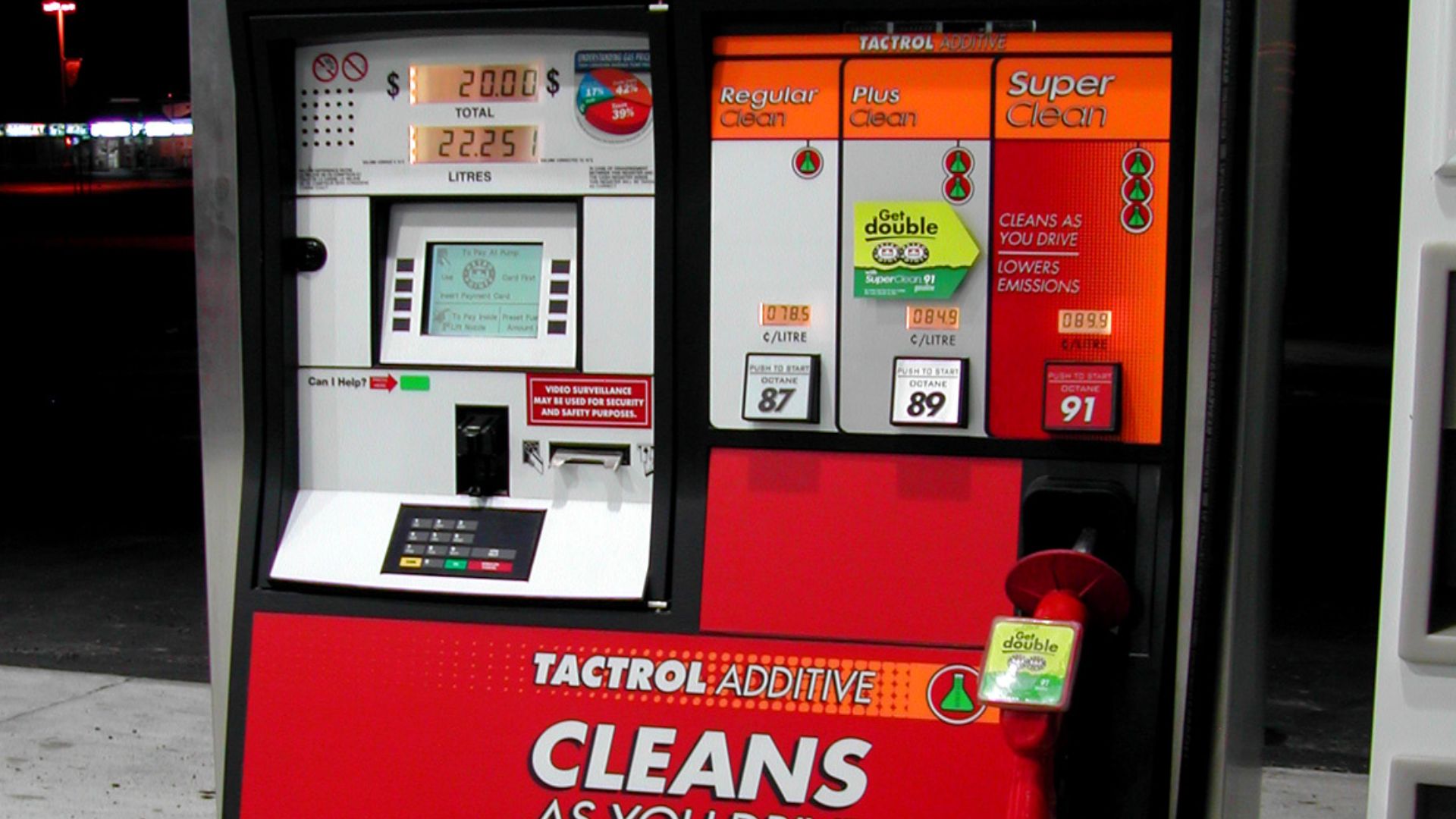
An American driver might see gasoline advertised at something like $1.60 and briefly wonder whether Canada has solved inflation. Unfortunately, that number is the price per litre, not per gallon. Multiply it out and convert the currency, and the bargain disappears faster than snacks on a road trip.
Everything Is In Litres
Americans accustomed to buying ten or fifteen gallons suddenly find themselves pumping forty, fifty, or even sixty litres. The first fill-up can feel hilariously excessive. Relax—you have not accidentally filled a swimming pool. Canada simply joined most of the planet in embracing the metric system.
Kilometres Take Over Too
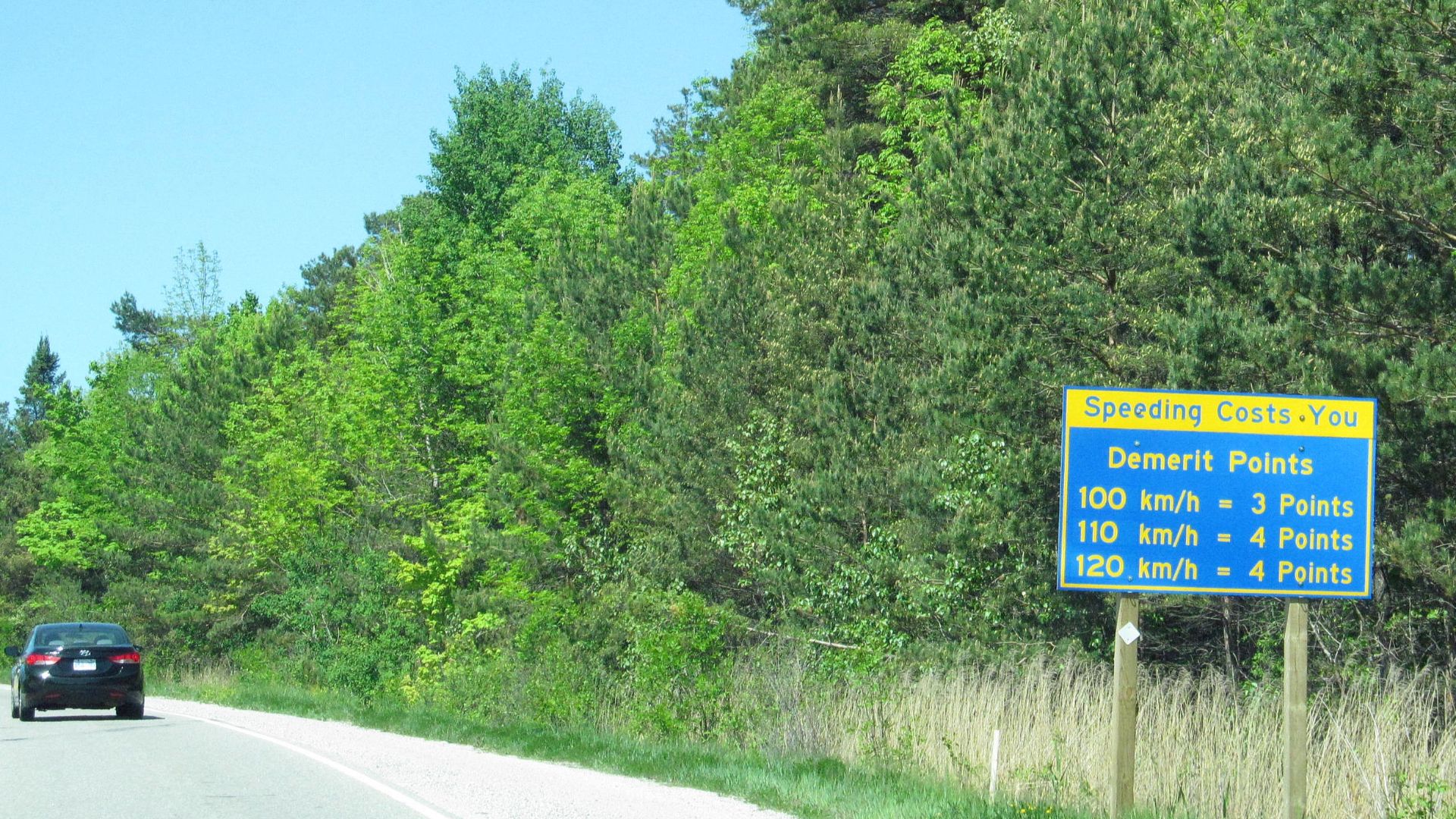
The metric takeover doesn't stop at the pump. Distances are measured in kilometres, speeds are posted in kilometres per hour, and your fuel economy may suddenly be discussed in litres per 100 kilometres. American roadtrippers quickly discover that crossing the border apparently requires doing math before breakfast.
 Doug Kerr from Albany, NY, United States, Wikimedia Commons
Your Credit Card May Get Confused
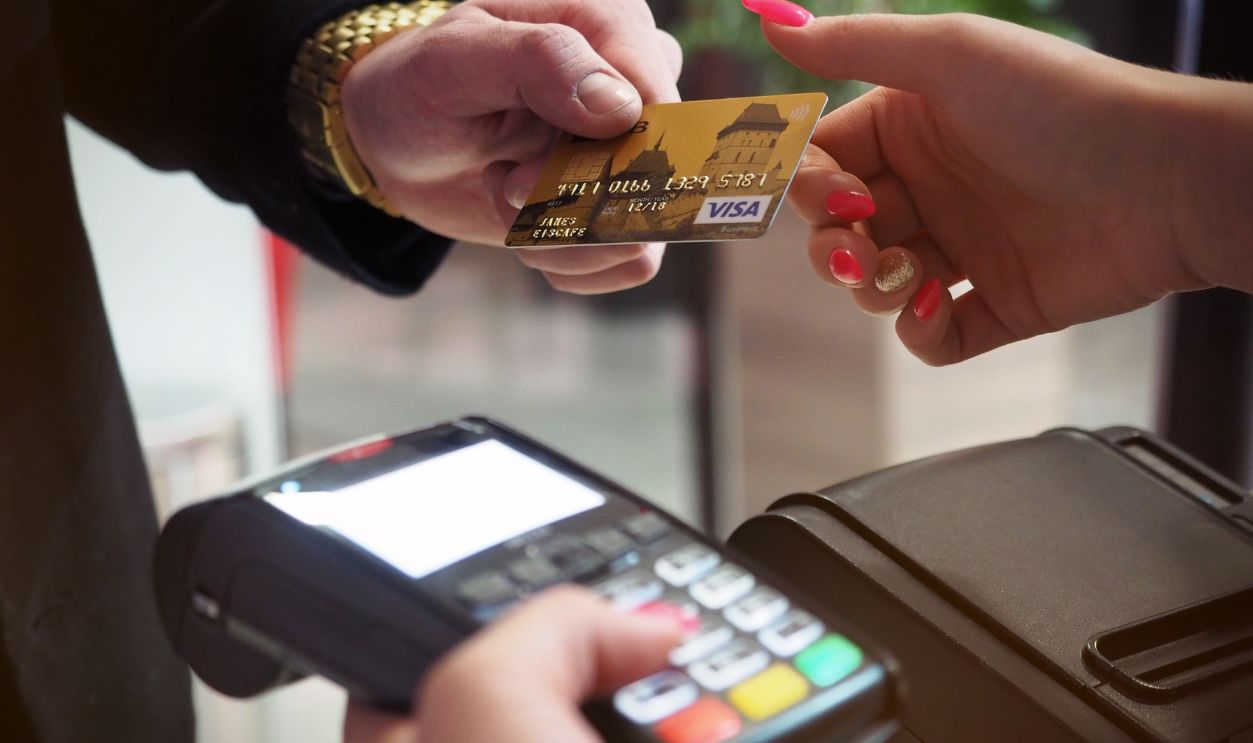
Pay-at-the-pump systems sometimes ask for a postal code, which can cause headaches for Americans carrying cards tied to ZIP codes. Many cards work perfectly, but occasional verification problems still happen. When they don't cooperate, the easiest solution is usually walking inside and paying the old-fashioned way.
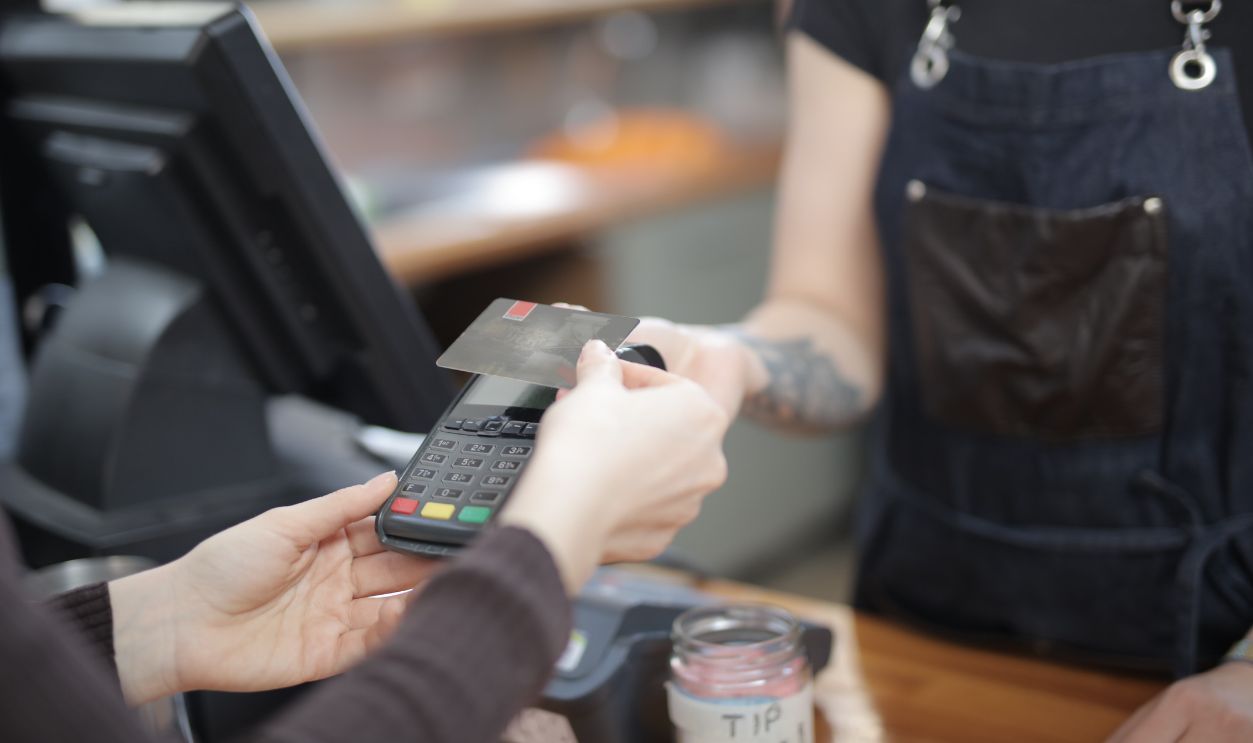
Tap Payments Are Everywhere
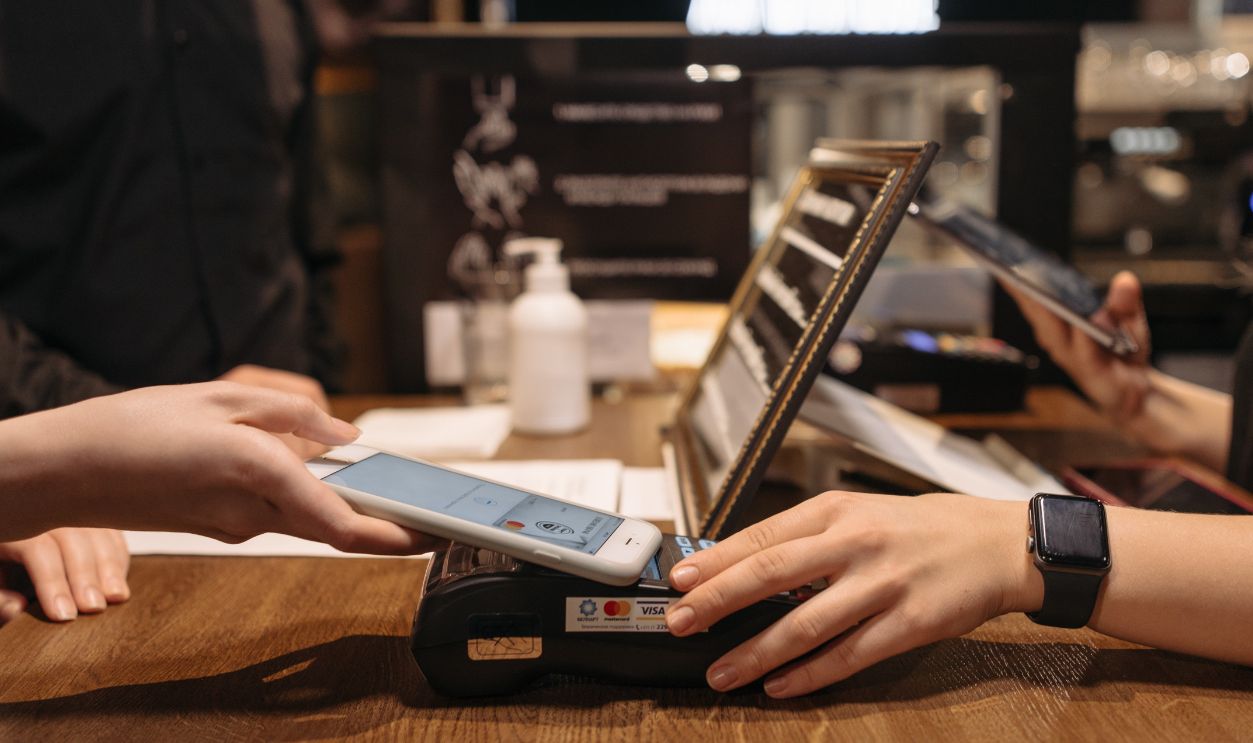
Canadian shoppers have enthusiastically embraced contactless payment, and gas stations are no exception. Tapping a card or phone for fuel, coffee, and snacks can feel almost suspiciously effortless. Americans from areas where chip readers still seem to require a lengthy negotiation may find the speed refreshing.
The Convenience Store Coffee Gets Serious
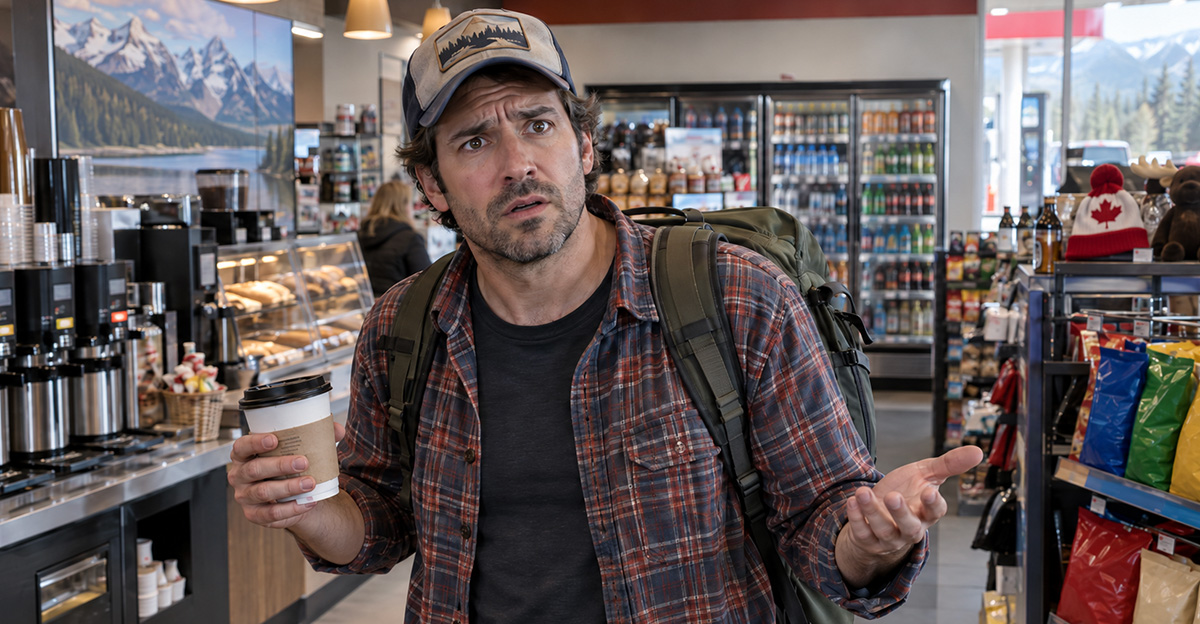
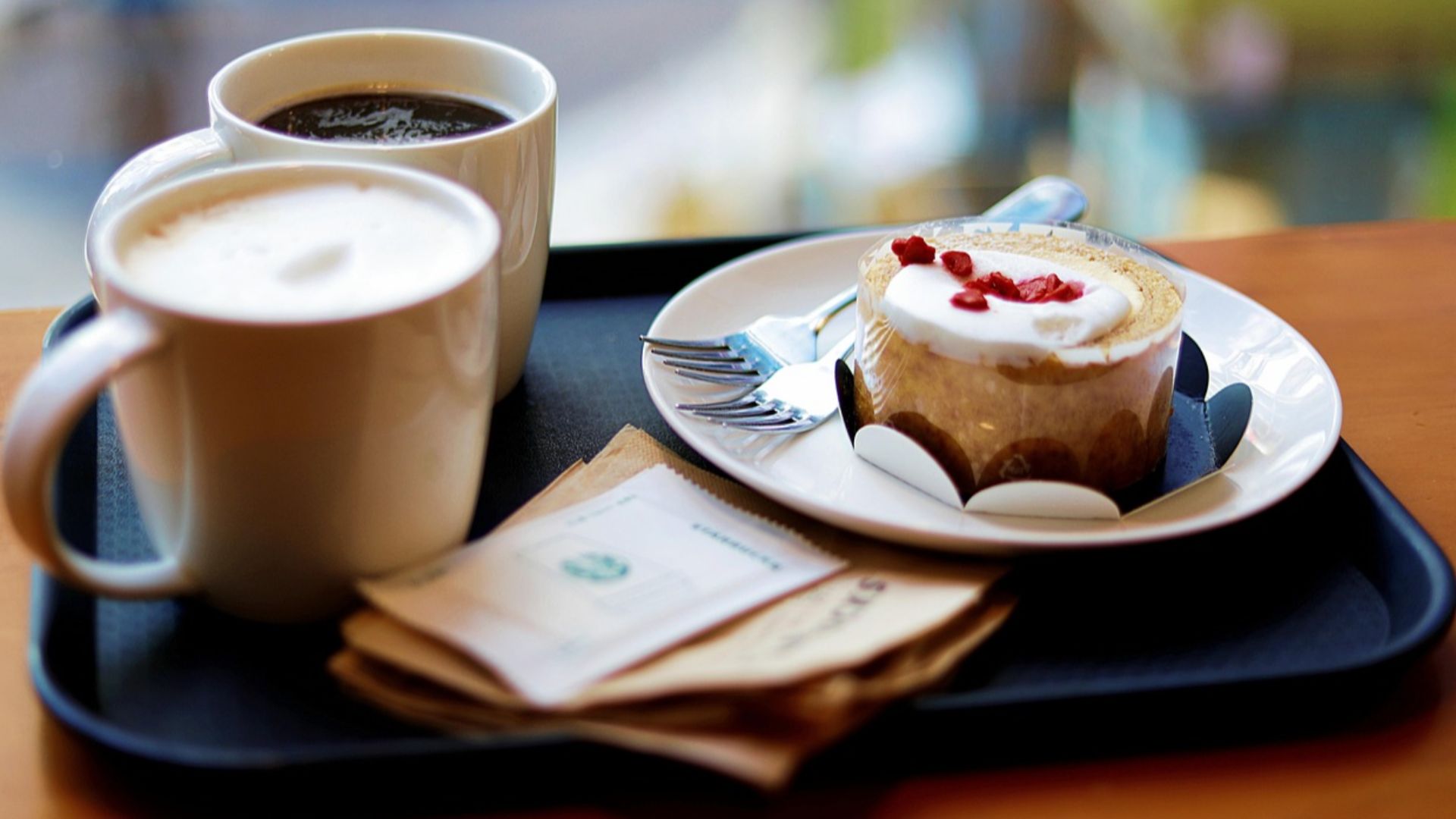
At many Canadian gas stations, coffee isn't merely something sitting sadly on a burner behind the cashier. Depending on the location, there may be a major coffee counter, fresh pastries, breakfast sandwiches, and enough caffeine options to make your quick fuel stop unexpectedly resemble a small café.
Tim Hortons Keeps Appearing
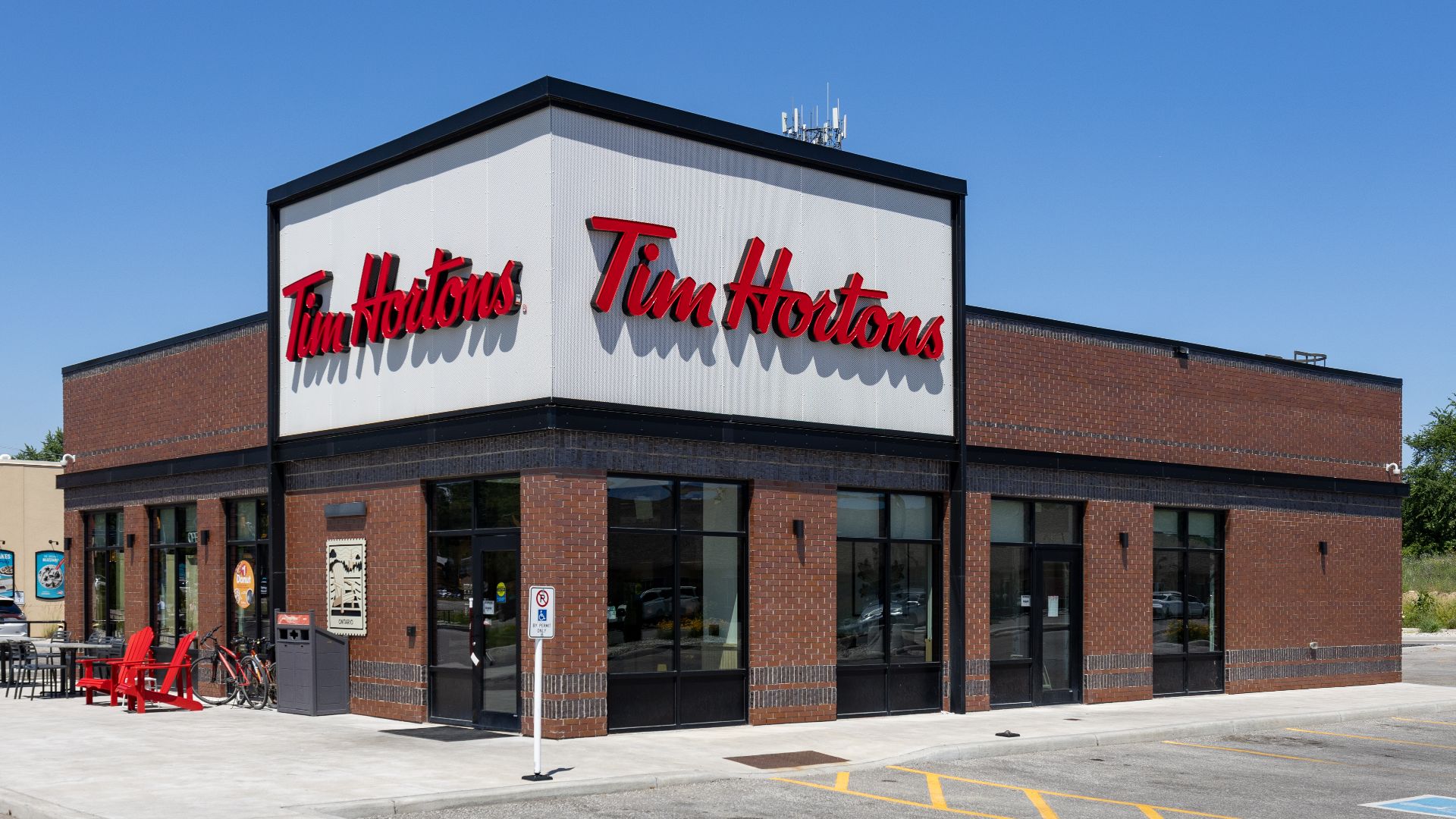
Eventually, every American roadtripper notices the same thing: Tim Hortons seems to materialize everywhere. Sometimes it's attached to a gas station. Sometimes it's next door. Sometimes you're convinced you've just passed one and another appears anyway. Canadians rarely question this. Coffee simply follows the highway.
 Chris Woodrich, Wikimedia Commons
The Doughnut Situation Is Different
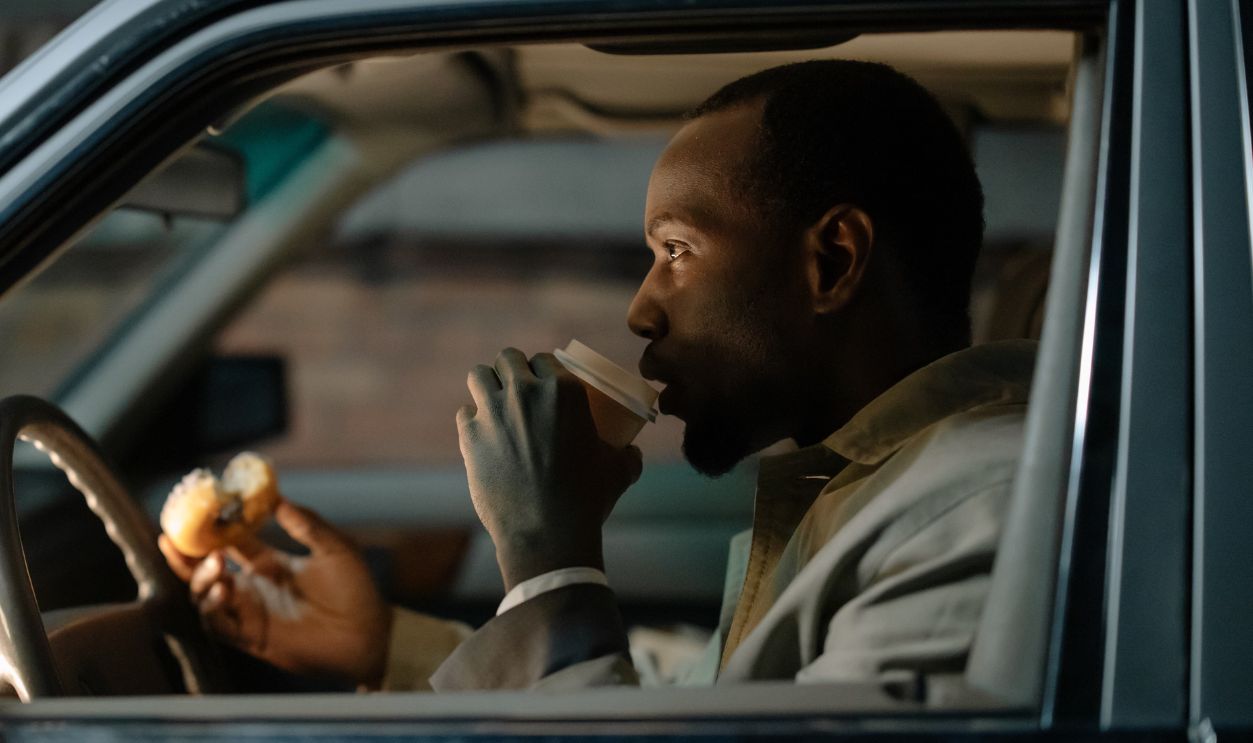
Americans may associate road-trip fuel stops with giant sodas, hot dogs, and mysteriously rotating food. Canadian stations certainly sell plenty of those things, but doughnuts, muffins, and coffee often have unusually prominent real estate. Apparently, adding baked goods makes standing beside a fuel pump feel more civilized.
There Might Be An A&W
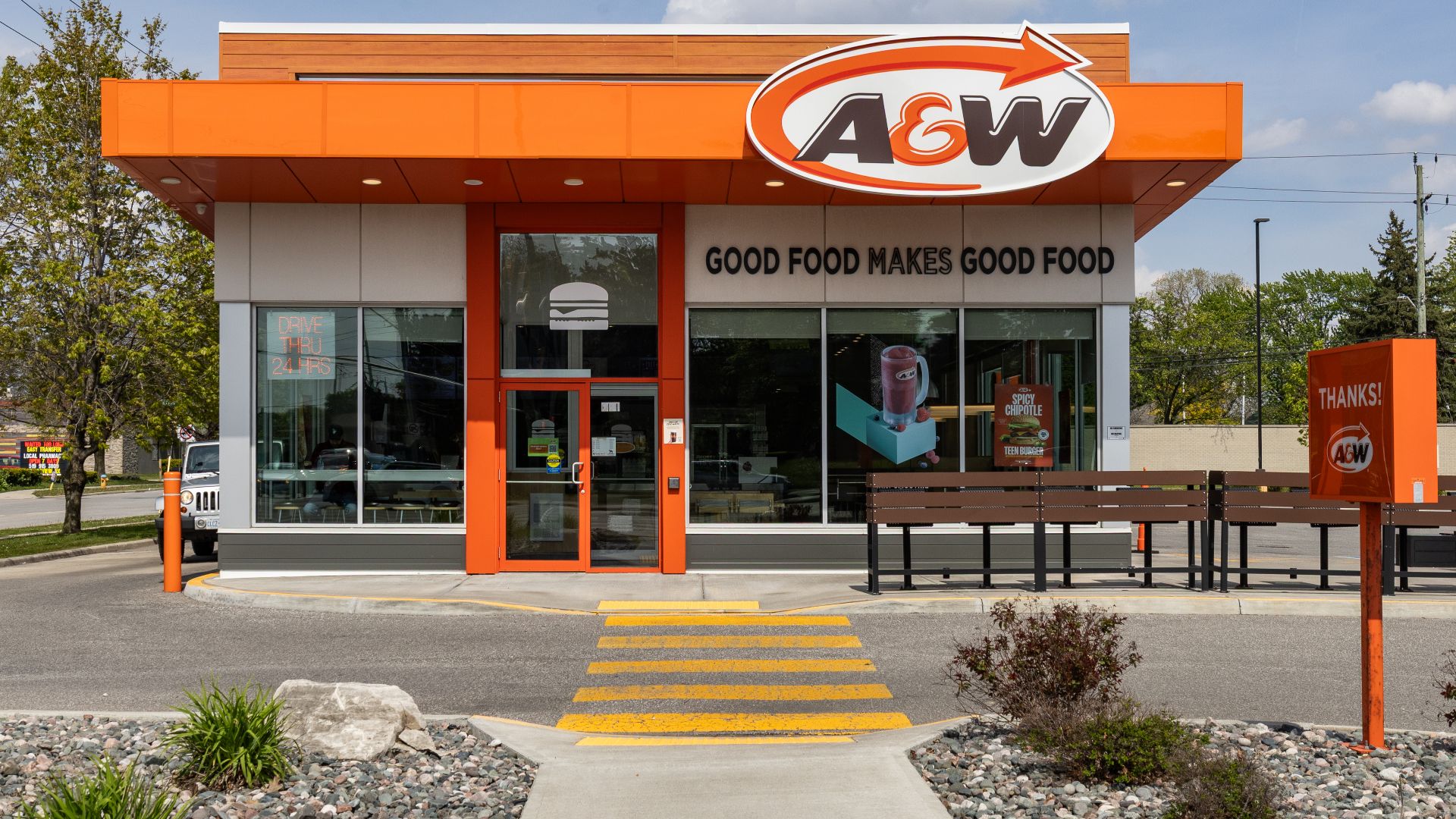
Canadian A&W has become a surprisingly prominent highway presence, and Americans who know the chain from home may be surprised by how common and popular it feels north of the border. Pulling over for fuel and unexpectedly emerging with a burger and root beer is entirely plausible.
 Chris Woodrich, Wikimedia Commons
French Can Suddenly Appear
Drive through Quebec—or even encounter federally influenced packaging elsewhere—and English-speaking Americans may suddenly see French sharing space on signs and products. "Essence" means gasoline, which is useful information to learn before mistakenly assuming the pump is advertising an exciting new fragrance for your vehicle.
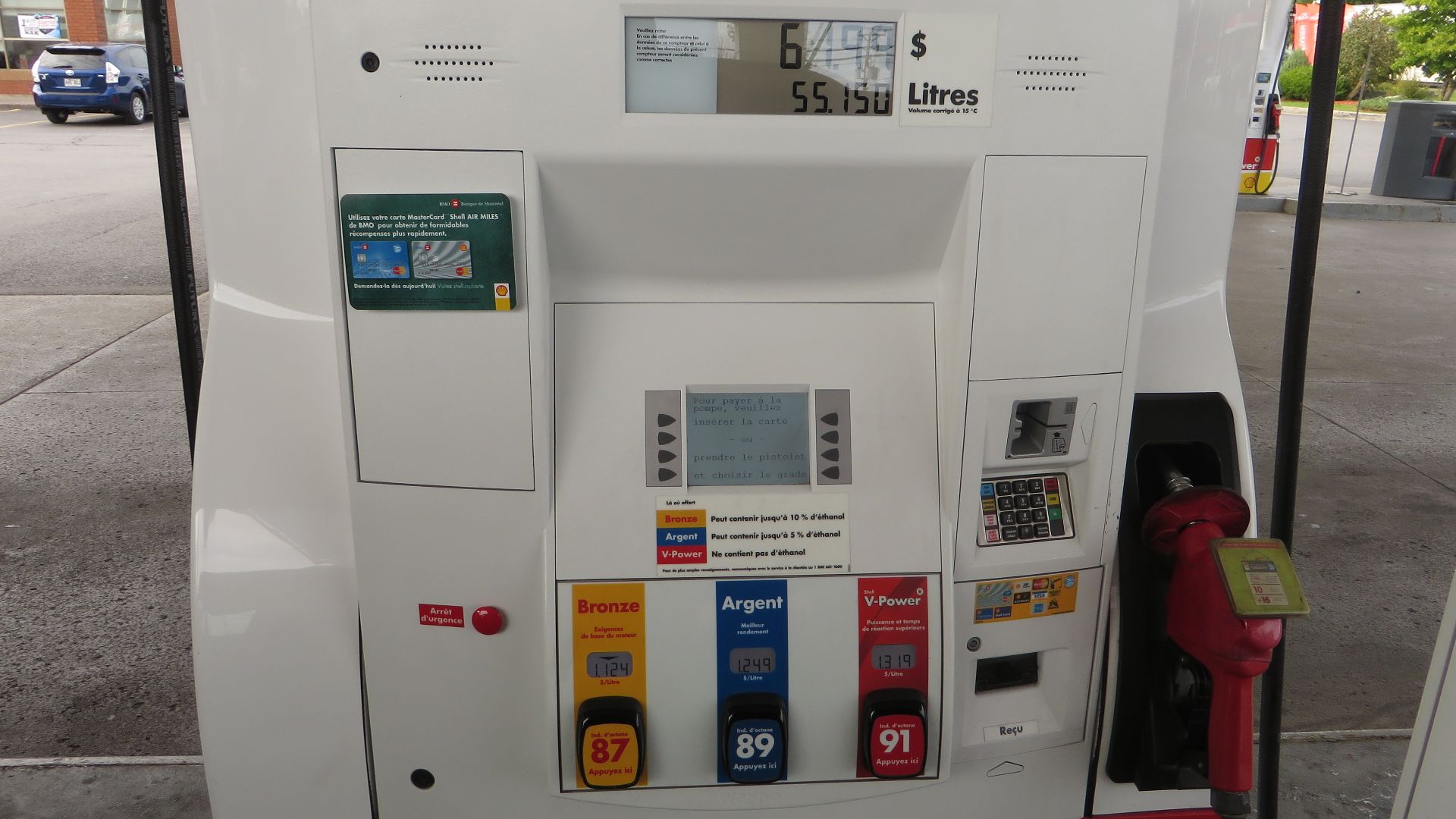 Ken Lund from Reno, Nevada, USA, Wikimedia Commons
The Snack Shelves Look Almost Familiar
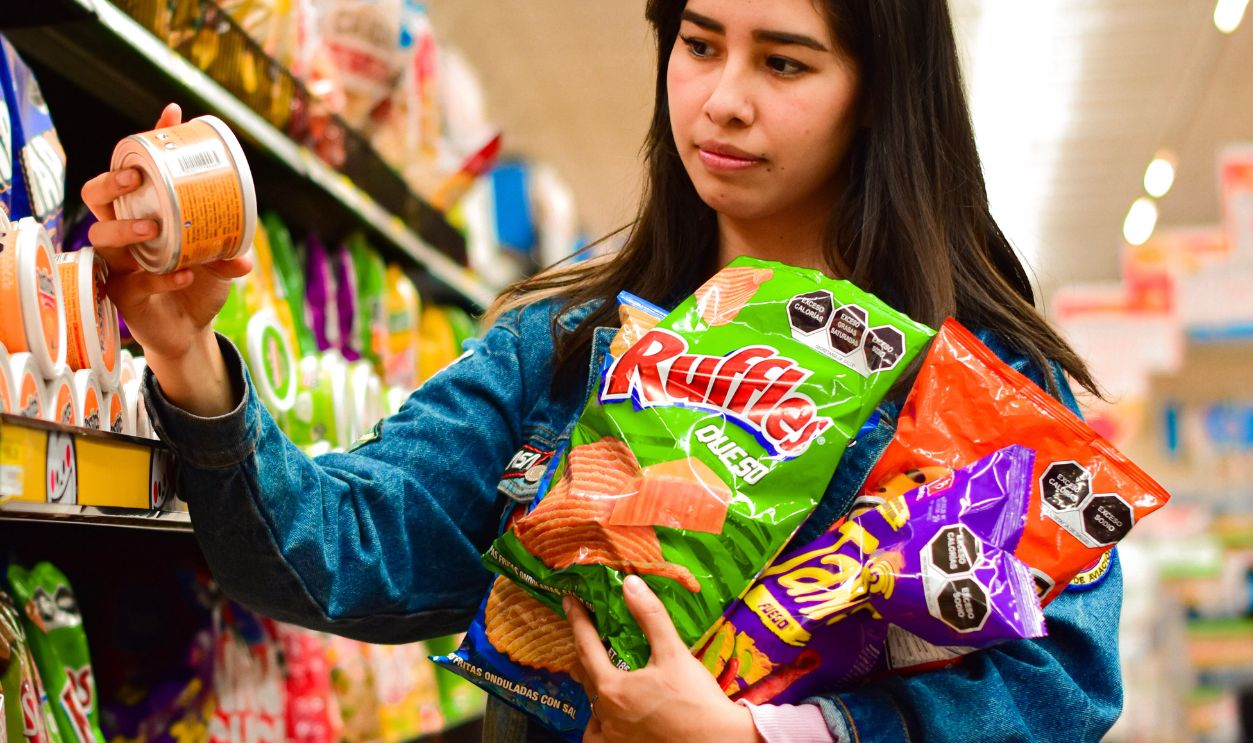
Canadian convenience stores can create an uncanny feeling for American visitors. Most of the shelves look completely normal, and then something unfamiliar appears between recognizable brands. Canadian chocolate bars, unusual chip flavours, and regional snacks can turn a routine bathroom stop into an accidental international tasting session.
Ketchup Chips Enter The Conversation
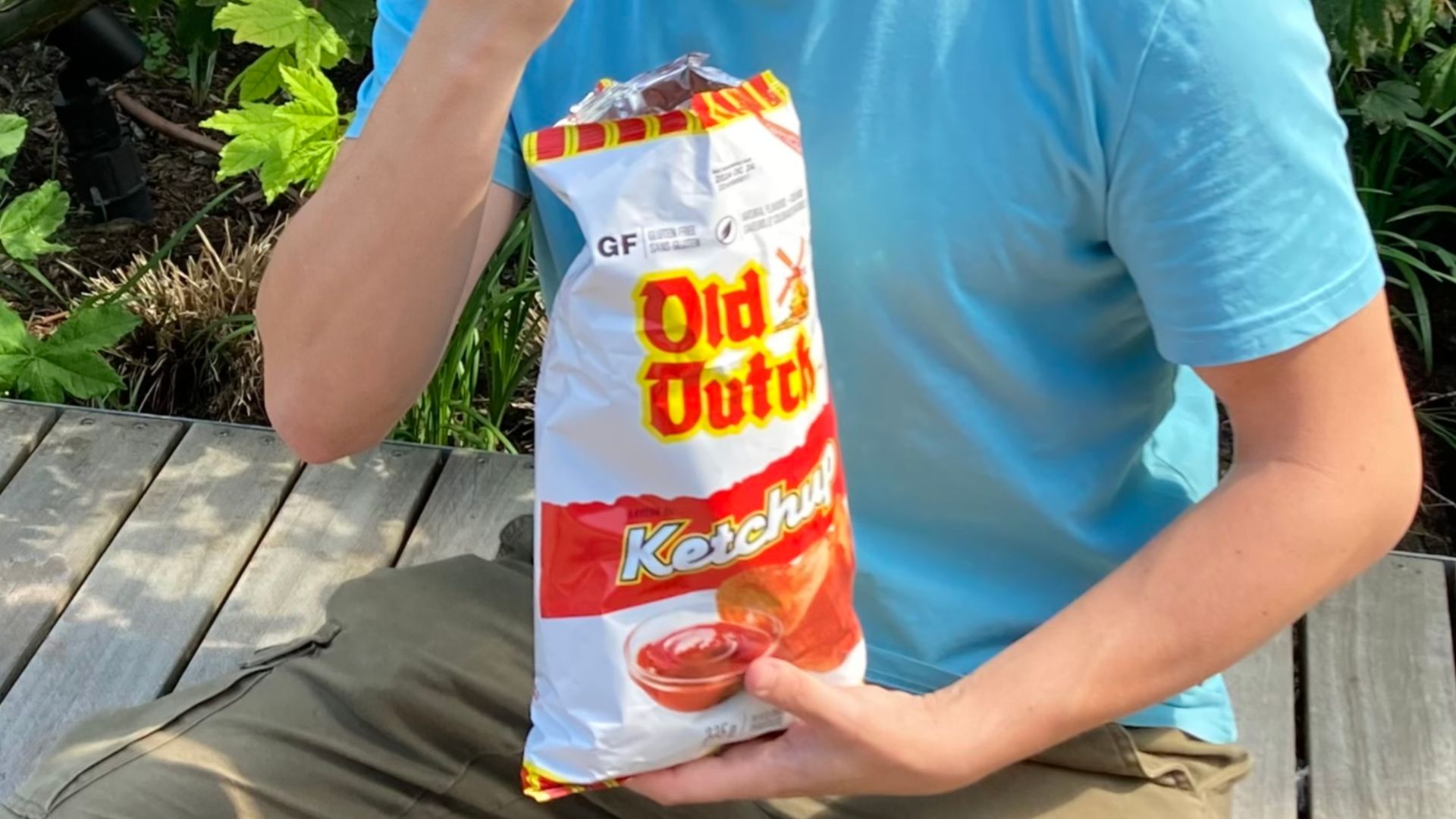
Eventually, somebody notices the ketchup chips. Canadians treat them as ordinary convenience-store food. Americans often react as though somebody has invented potato chips specifically for a dare. Whether they become your new favourite road snack or a culinary mystery, they make excellent border-crossing conversation.
All-Dressed Chips Are Another Surprise
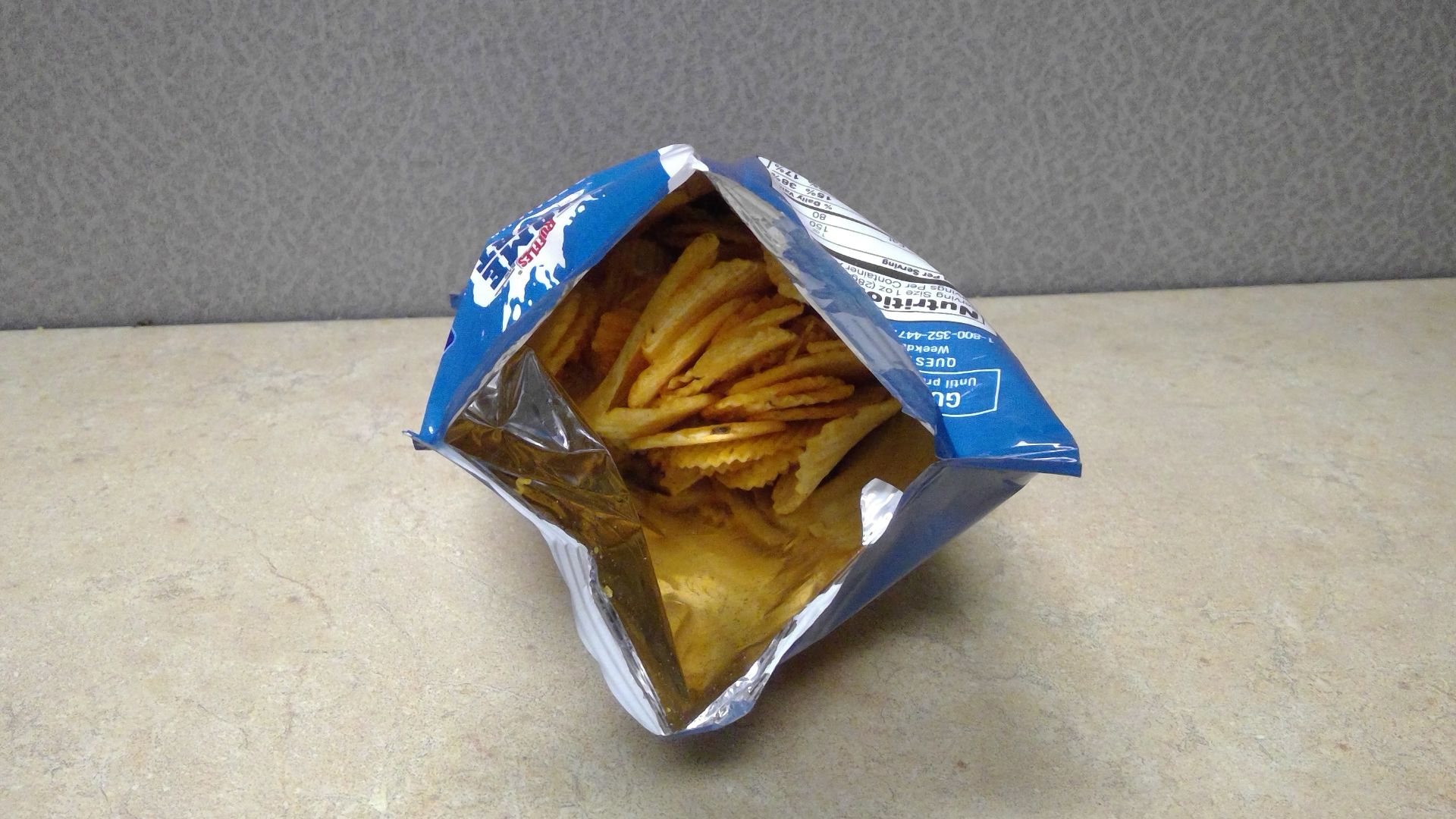
Then come all-dressed chips, which sound less like a flavour and more like potatoes preparing for a formal event. They're savoury, tangy, slightly sweet, and difficult to explain without simply handing somebody the bag. For roadtrippers seeking the Canadian gas-station experience, they're practically required research.
 Ser Amantio di Nicolao, Wikimedia Commons
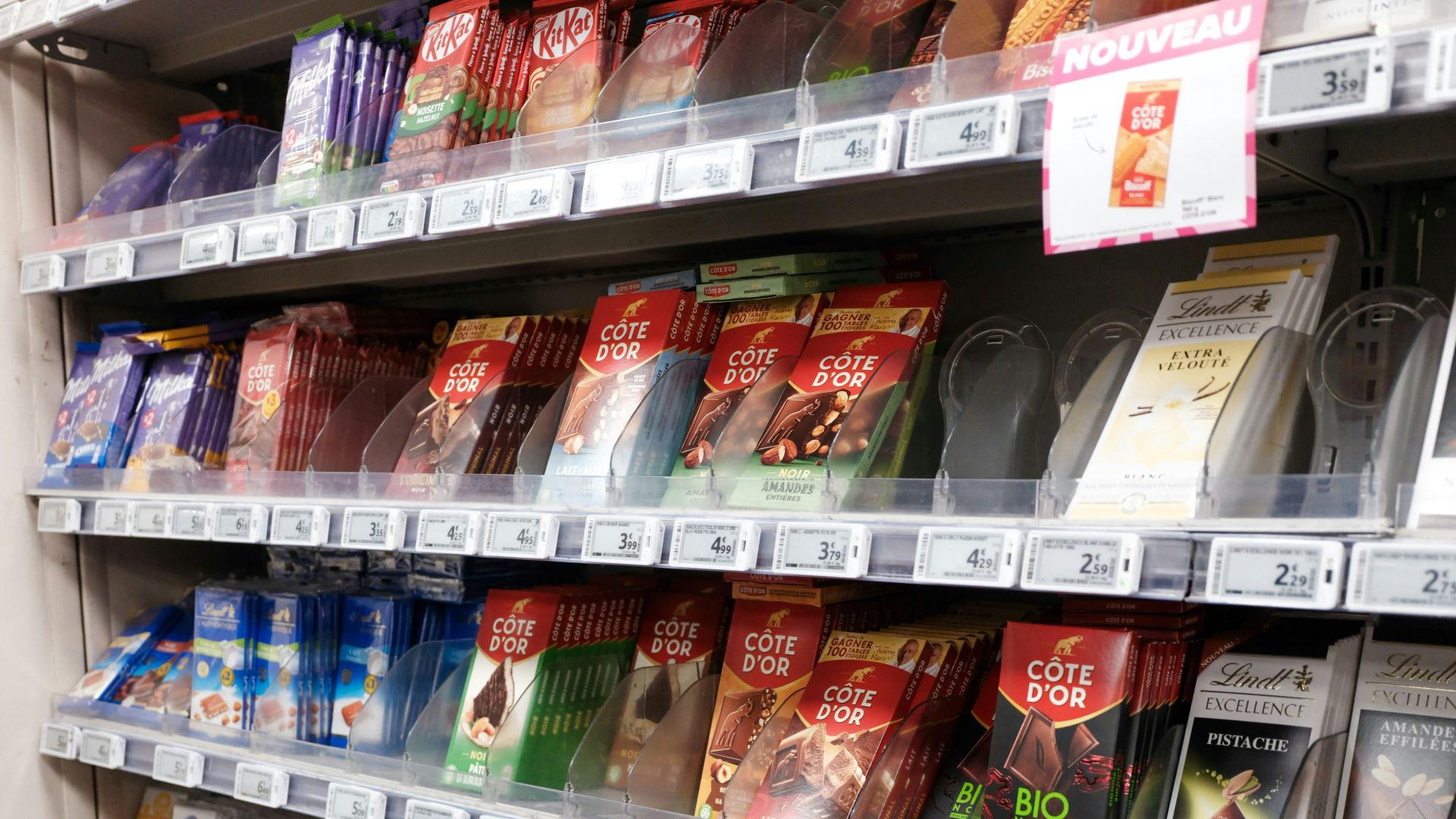
Chocolate Bars Have Different Names
Canadian candy aisles contain plenty of brands Americans recognize, alongside chocolate bars that can seem oddly unfamiliar. Coffee Crisp alone has confused generations of visitors wondering why nobody told them Canada was keeping crispy coffee-flavoured chocolate to itself. Road-trip diplomacy has survived worse discoveries.
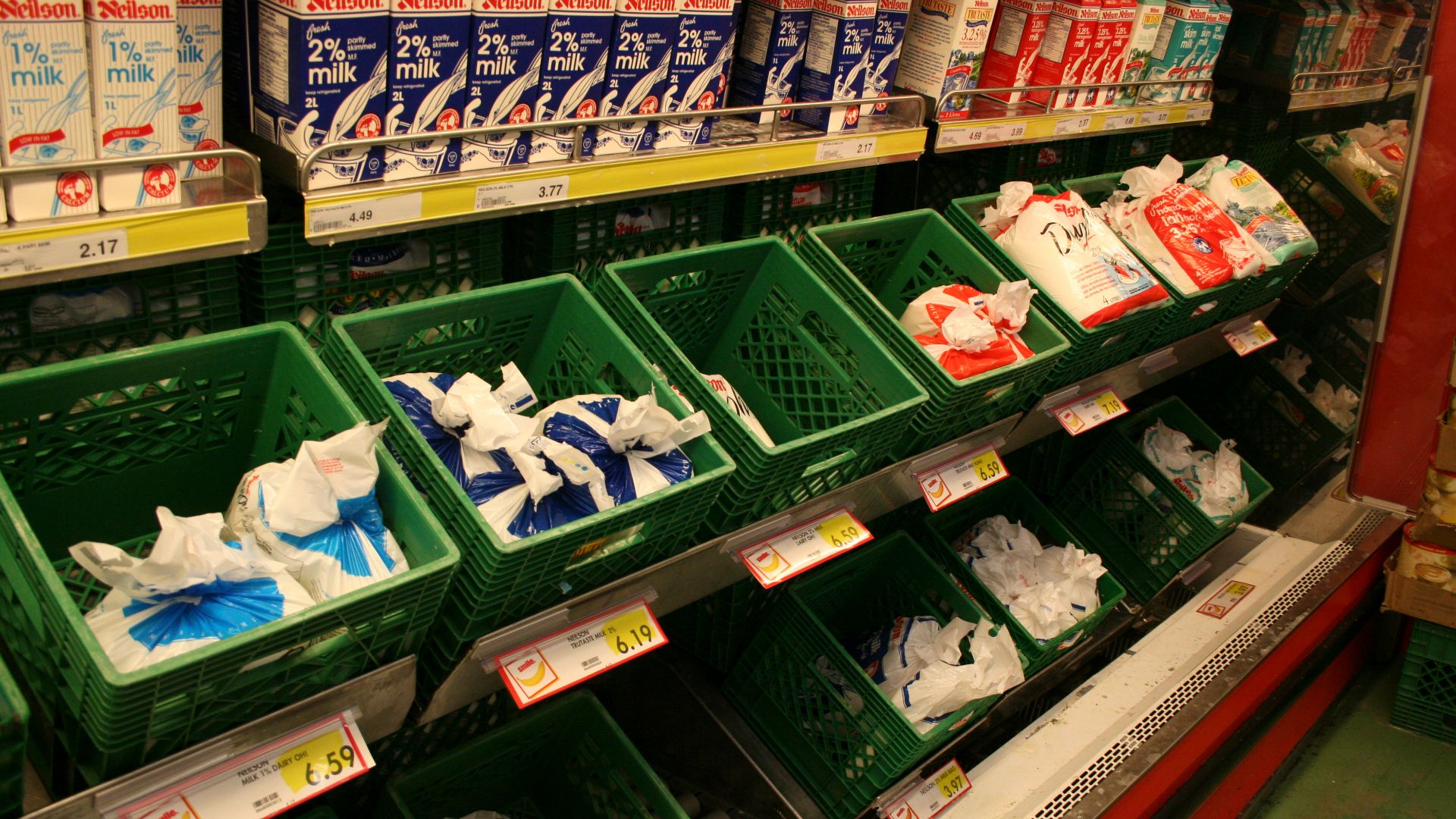
The Milk Might Be In Bags Nearby
Bagged milk isn't available everywhere in Canada, and you're more likely to encounter it in certain eastern provinces than during every gas stop. Still, Americans who wander into a larger convenience store and spot plastic bags of milk may momentarily assume they've entered an alternate dairy dimension.
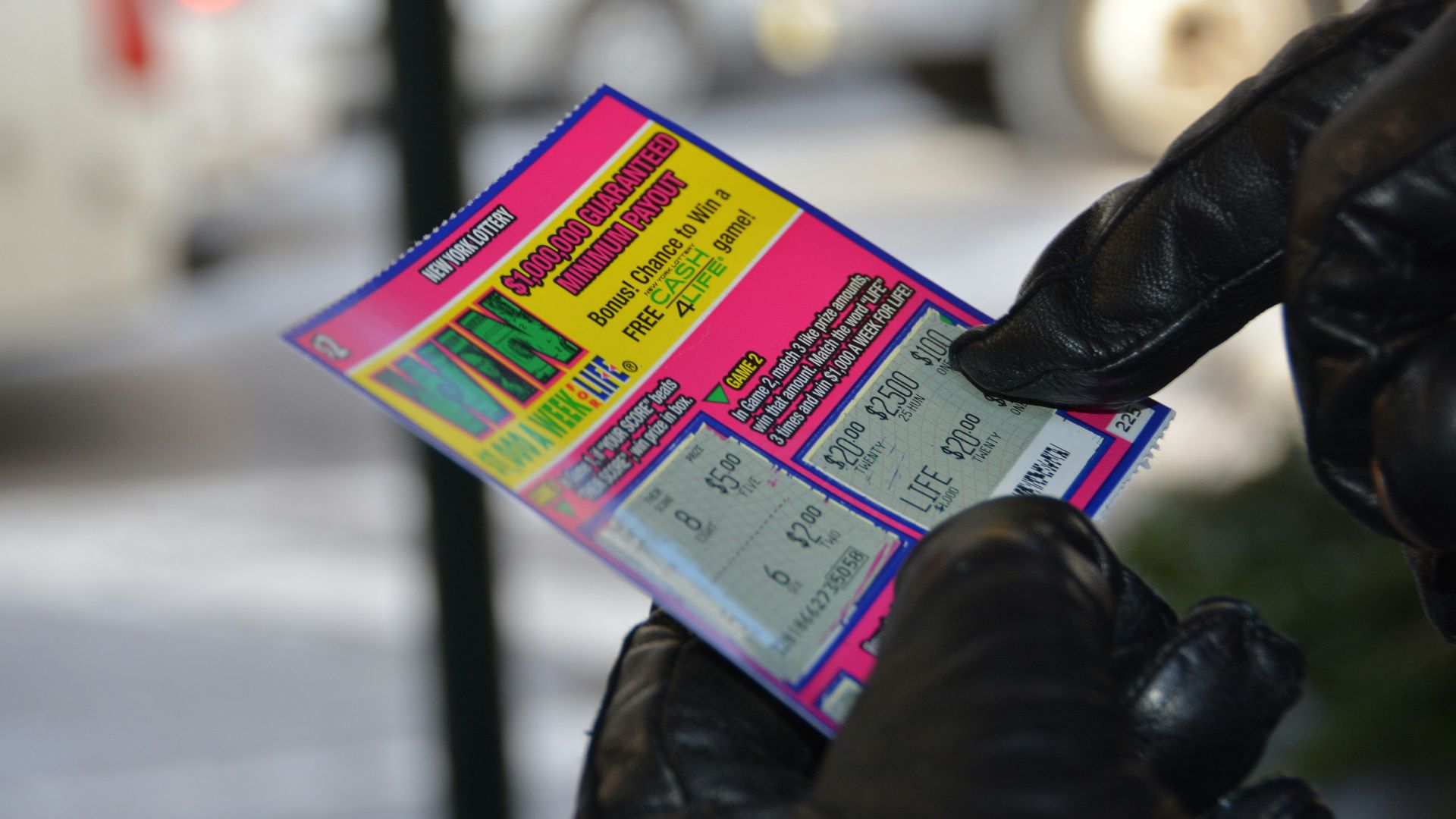
Lottery Tickets Are Hard To Miss
Canadian gas-station counters often give lottery products plenty of attention, from national draws to scratch tickets. Americans are certainly familiar with convenience-store lotteries, but the names and jackpots are different enough to remind visitors that they've crossed into an entirely different system of dreaming about early retirement.
Taxes Don't Always Jump Out At You
American shoppers are accustomed to mentally adding sales tax at the register. In Canada, posted fuel prices already incorporate the various fuel taxes that contribute to the pump price. Convenience-store purchases can still have GST or HST applied, but gasoline itself doesn't suddenly leap upward when you start pumping.
Diesel Pump Colours Can Be Tricky
American drivers should never rely entirely on pump-handle colour when choosing fuel in another country—or even another station chain. Colours aren't a universal language. Canadian diesel pumps are clearly labelled, but reading the actual words is much safer than assuming a familiar-looking handle means exactly what it did back home.
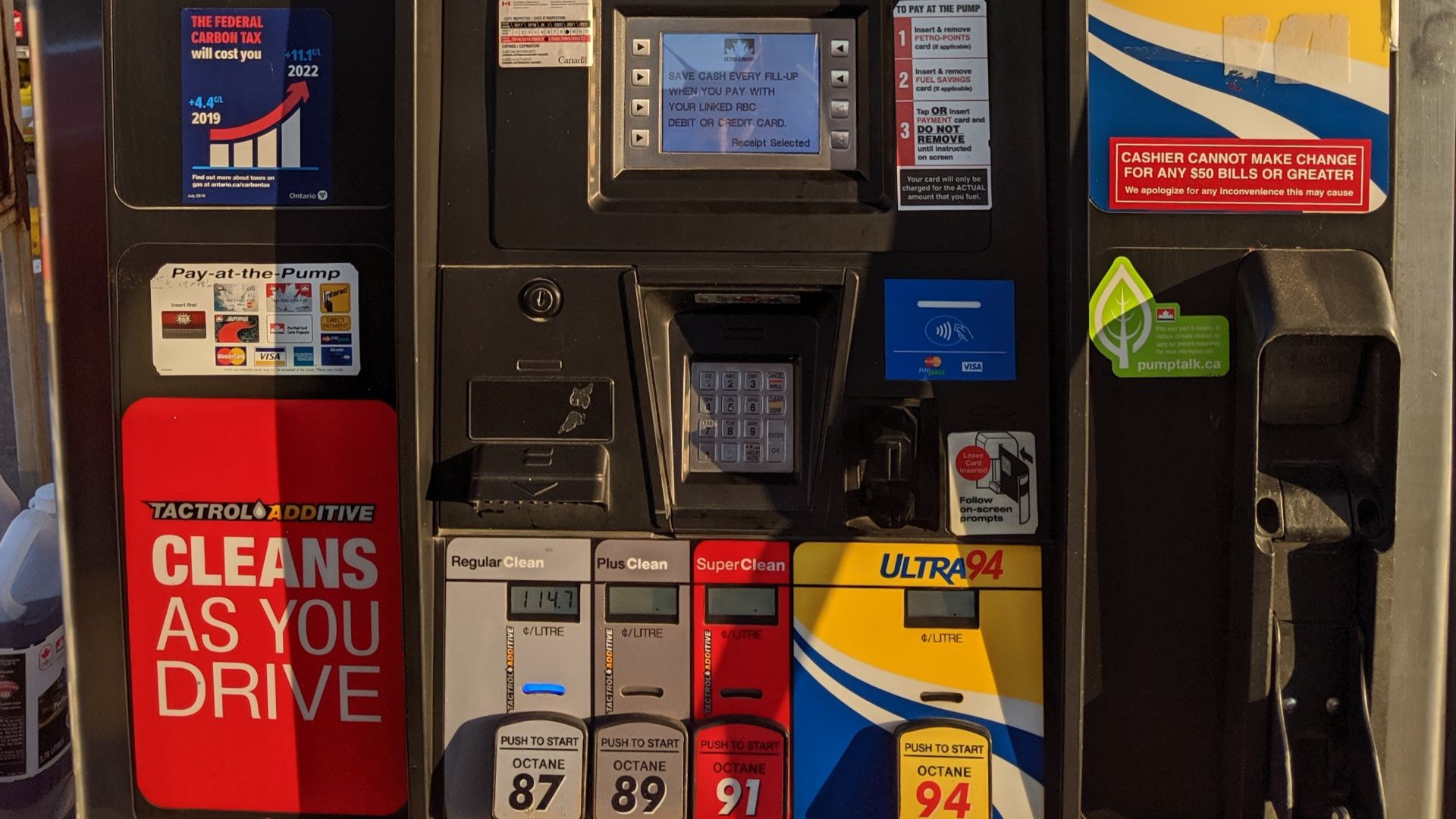 Sikander Iqbal, Wikimedia Commons
Some Stations Feel Surprisingly Small
Leave major highways and Canadian gas stations can get wonderfully modest. A rural stop might have a couple of pumps, a compact store, and a cashier who seems to know everybody who walks inside. For Americans used to enormous travel plazas, it can feel charmingly low-key.
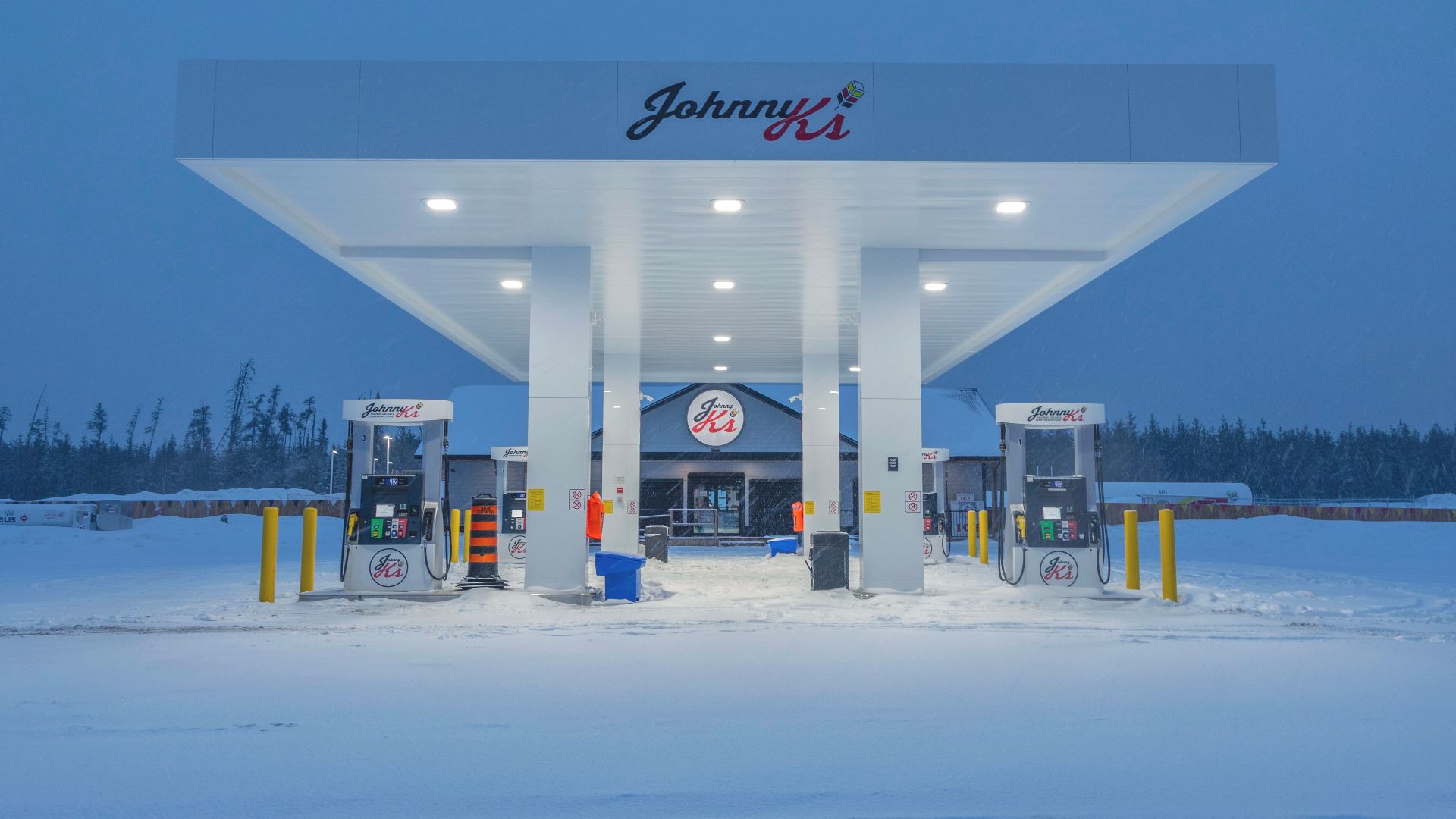 Janusz Sobolewski, Wikimedia Commons
Other Stations Are Absolutely Enormous
Then Canada flips the script. Major highway stops can include restaurants, coffee shops, large convenience stores, truck facilities, showers, and enough parking to host a small festival. Just when you think you've figured out the Canadian fuel-stop aesthetic, you discover that apparently there isn't one.
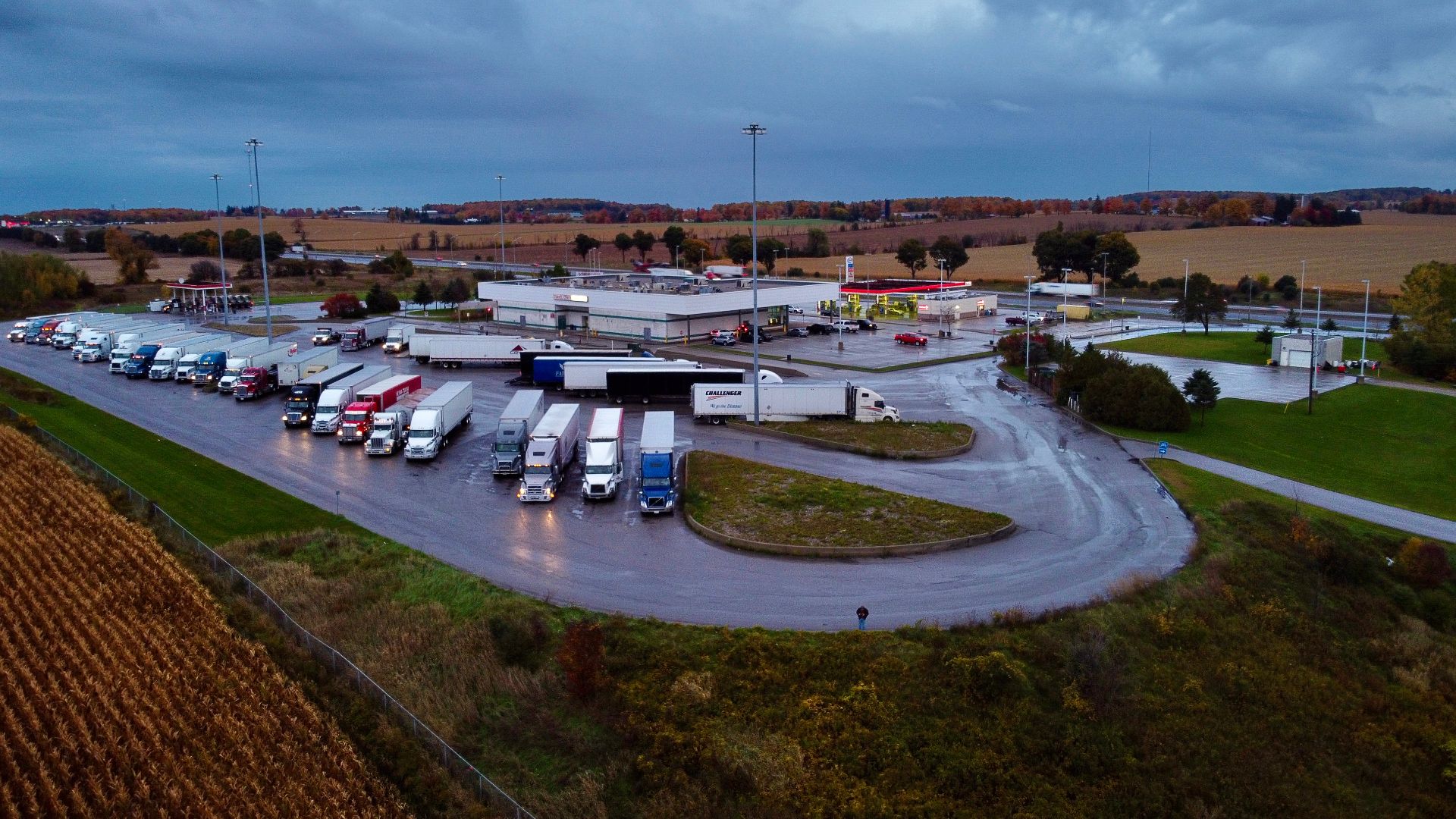 Janusz Sobolewski, Wikimedia Commons
Indigenous-Owned Stations Are Common In Some Regions
Travellers crossing parts of Canada may encounter gas stations owned and operated by First Nations communities, especially near reserves and major travel routes. These businesses can be important local hubs, offering fuel, food, and other services while giving visitors a glimpse of communities they'd otherwise simply drive past.
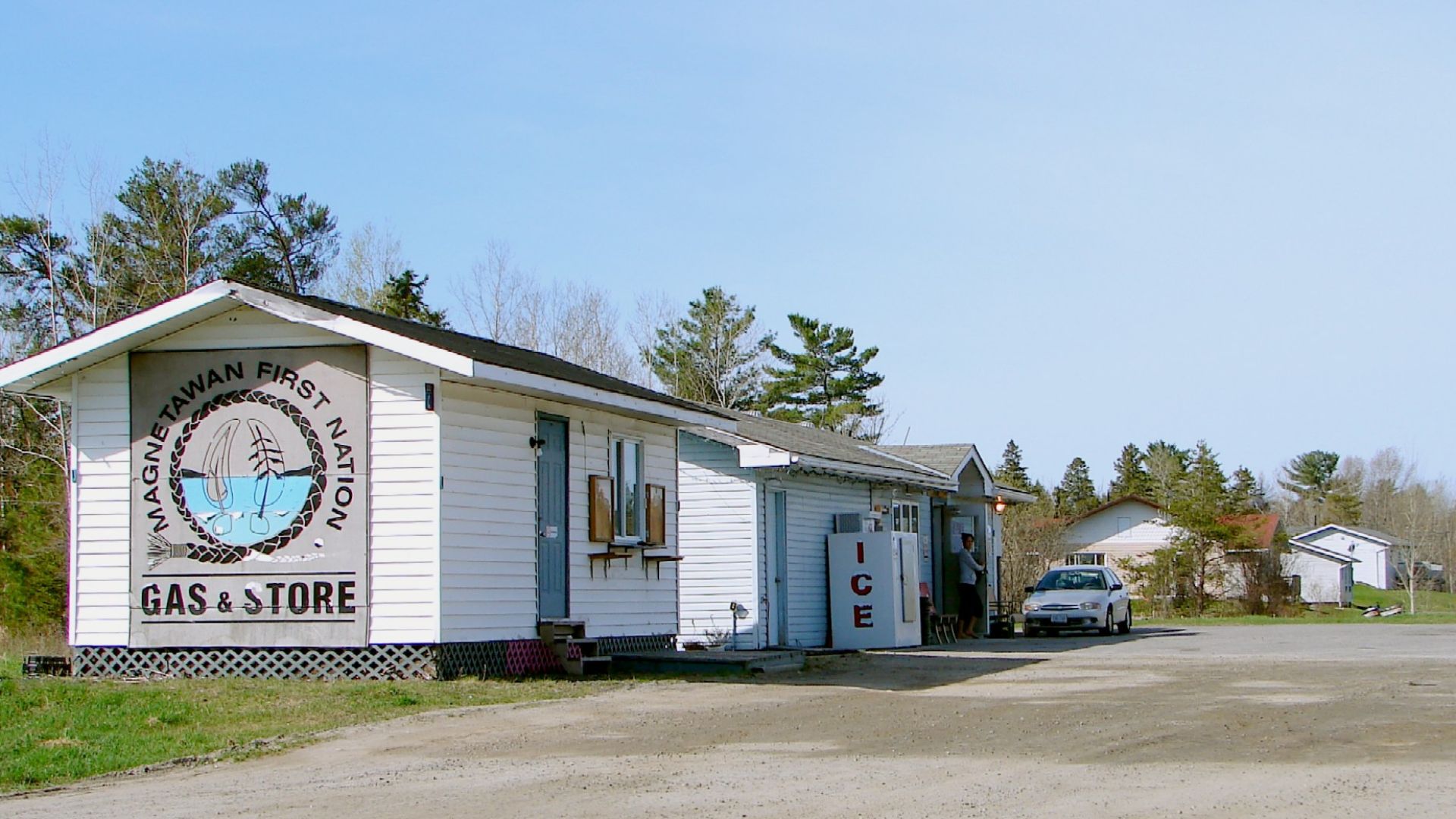
Full Service Hasn't Completely Vanished
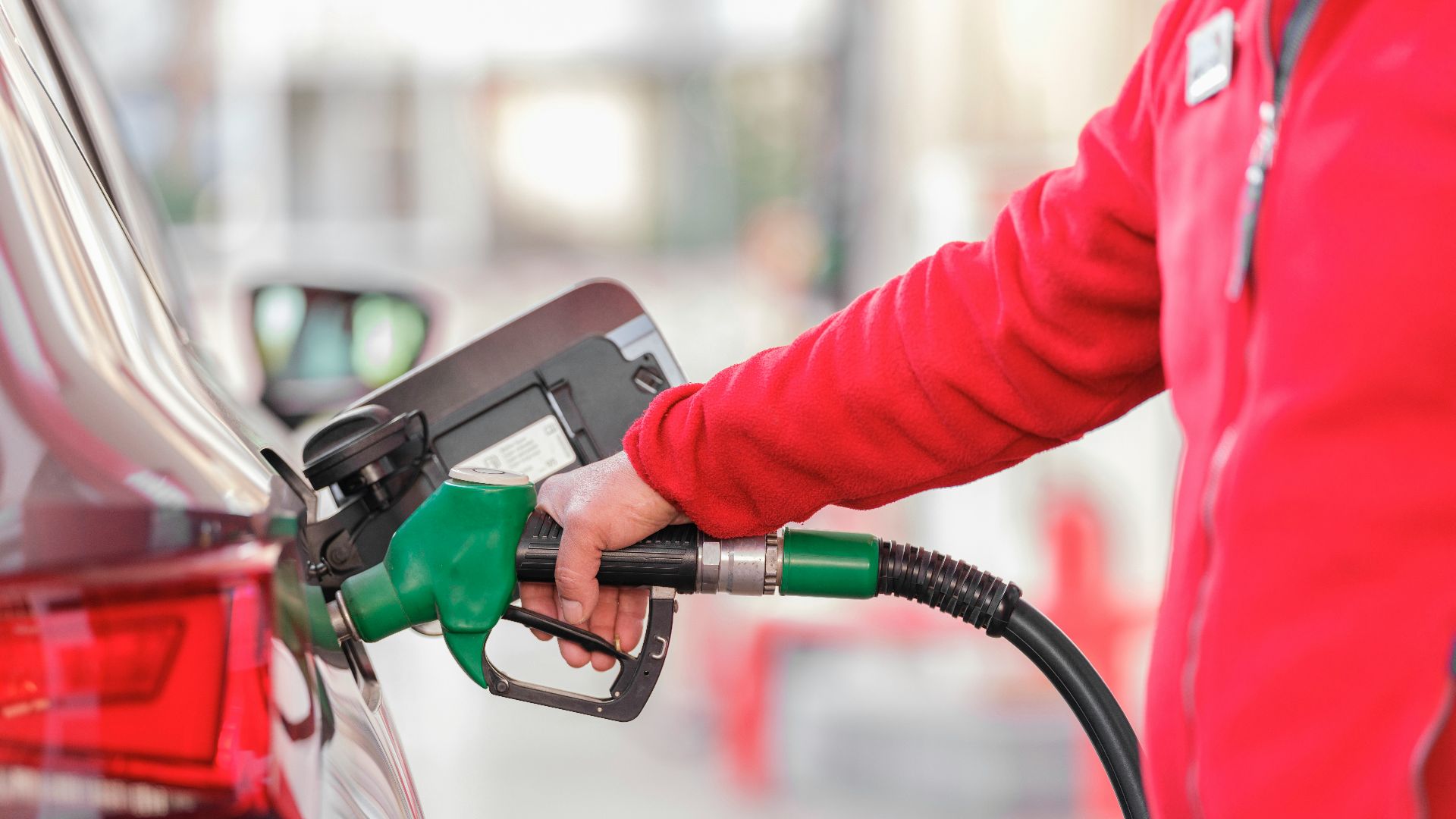
Depending on where Americans travel, they may occasionally encounter stations where an attendant pumps the fuel. Full service isn't the Canadian norm everywhere, but it remains available at some stations and is more common in certain communities. For younger drivers, having someone else pump gas can feel almost luxurious.
Windshield Cleaning Becomes A Ritual
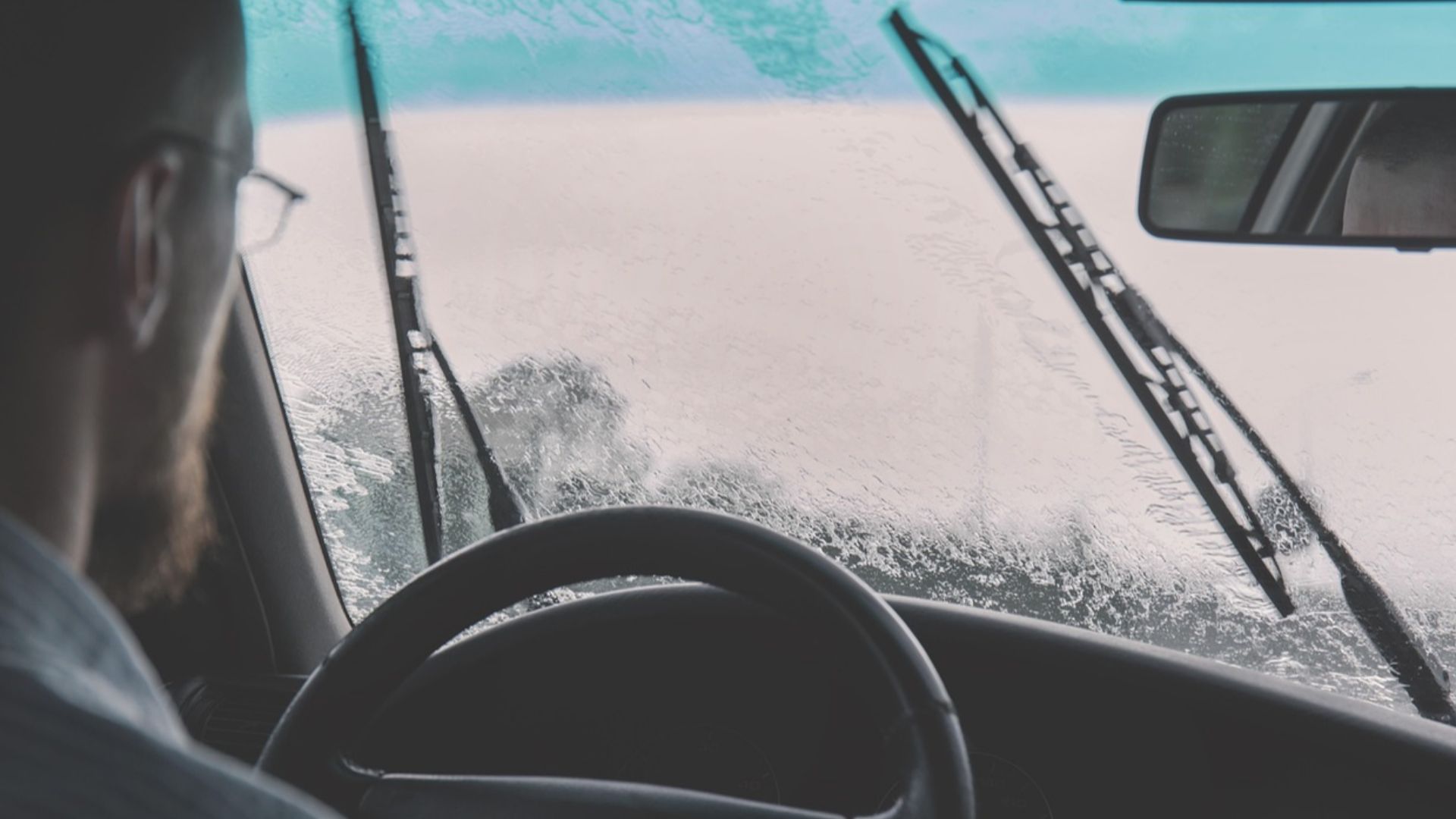
Canada's highways are extremely good at introducing windshields to bugs, dust, slush, salt, and whatever mysterious substance the car ahead just sprayed into the air. Gas-station squeegees therefore earn their keep. After a long Canadian drive, cleaning the windshield can become as important as filling the tank.
Winter Fuel Stops Are A Different Sport
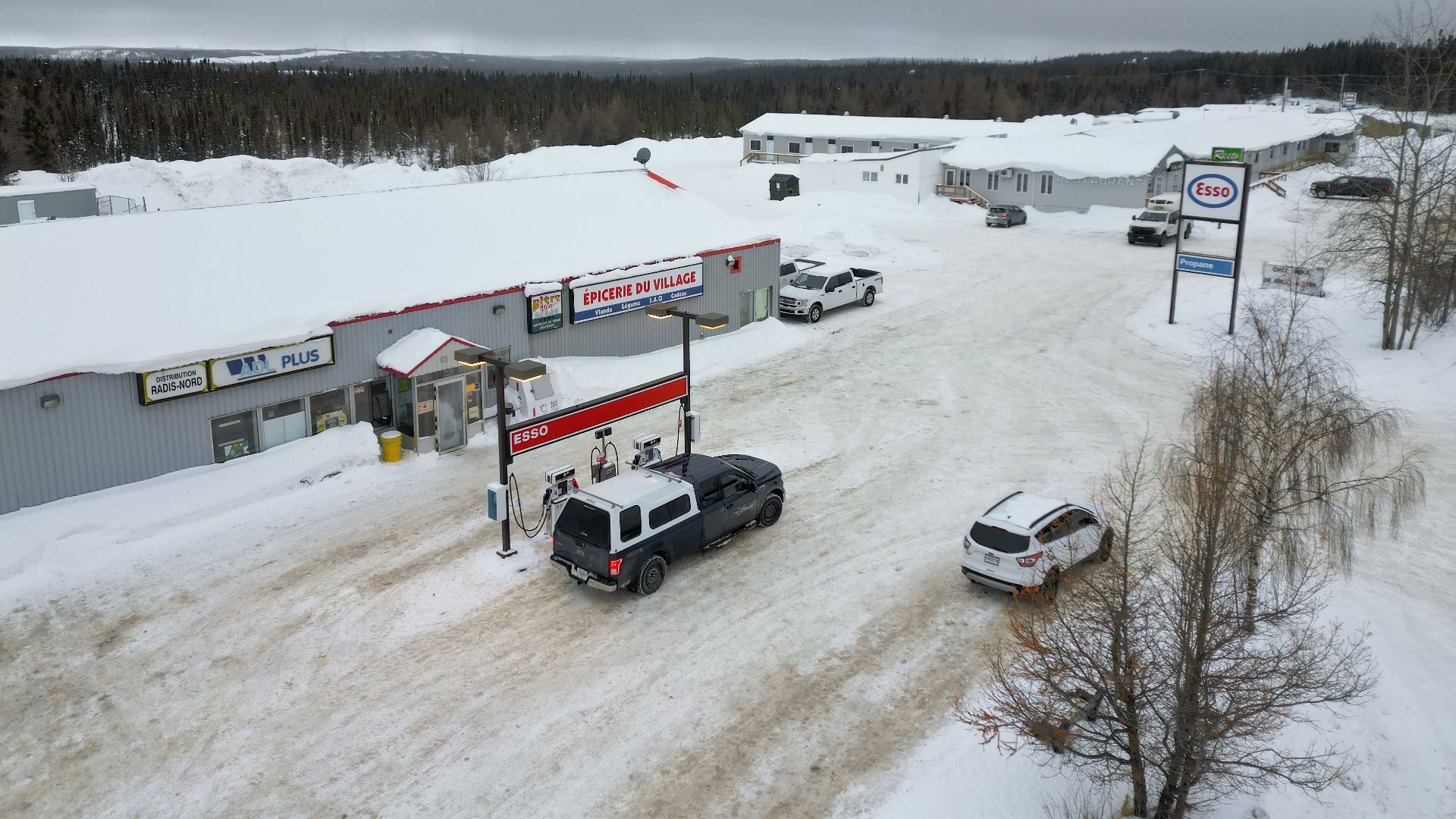
Stopping for gas during a Canadian winter can turn a routine task into an athletic event. Gloves come off, freezing wind arrives sideways, and the pump screen suddenly seems to require eleven questions. Americans from warm states quickly learn that January refuelling should probably qualify as outdoor recreation.
 Quintin Soloviev, Wikimedia Commons
The Bathroom Stop May Become The Main Event
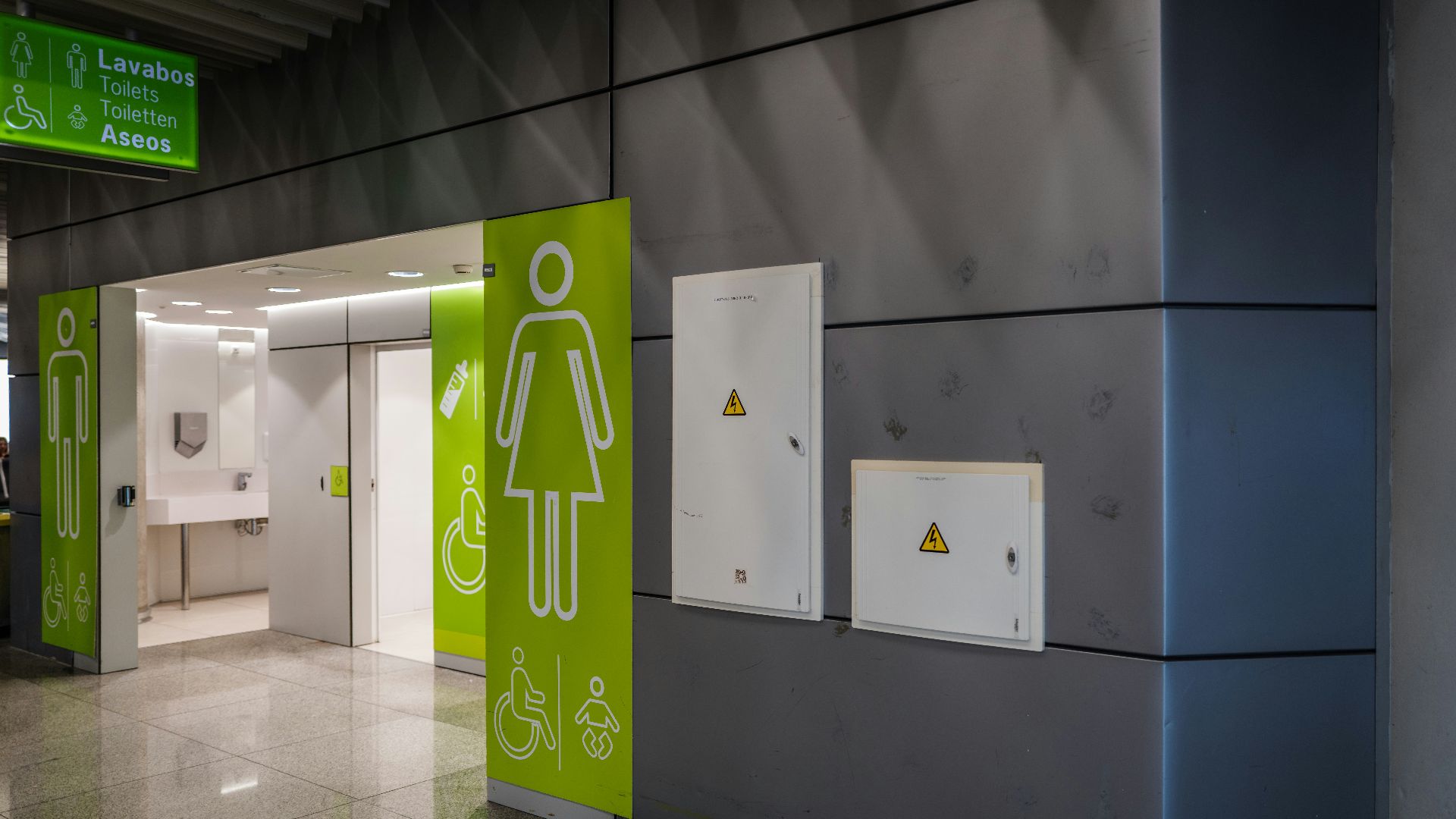
On long stretches of Canadian highway, a gas station isn't simply where you buy fuel. It's where everyone uses the washroom, stretches their legs, gets coffee, negotiates snack purchases, checks the map, and argues about whether anyone actually needs another bag of chips. The gasoline is almost secondary.
You Adjust Faster Than You Expect
After two or three Canadian fuel stops, the strange details stop seeming strange. Litres become manageable, kilometres become familiar, and ketchup chips somehow end up in the car again. Before long, American roadtrippers aren't asking why Canadian gas stations are different—they're simply wondering where the next Tim Hortons is.
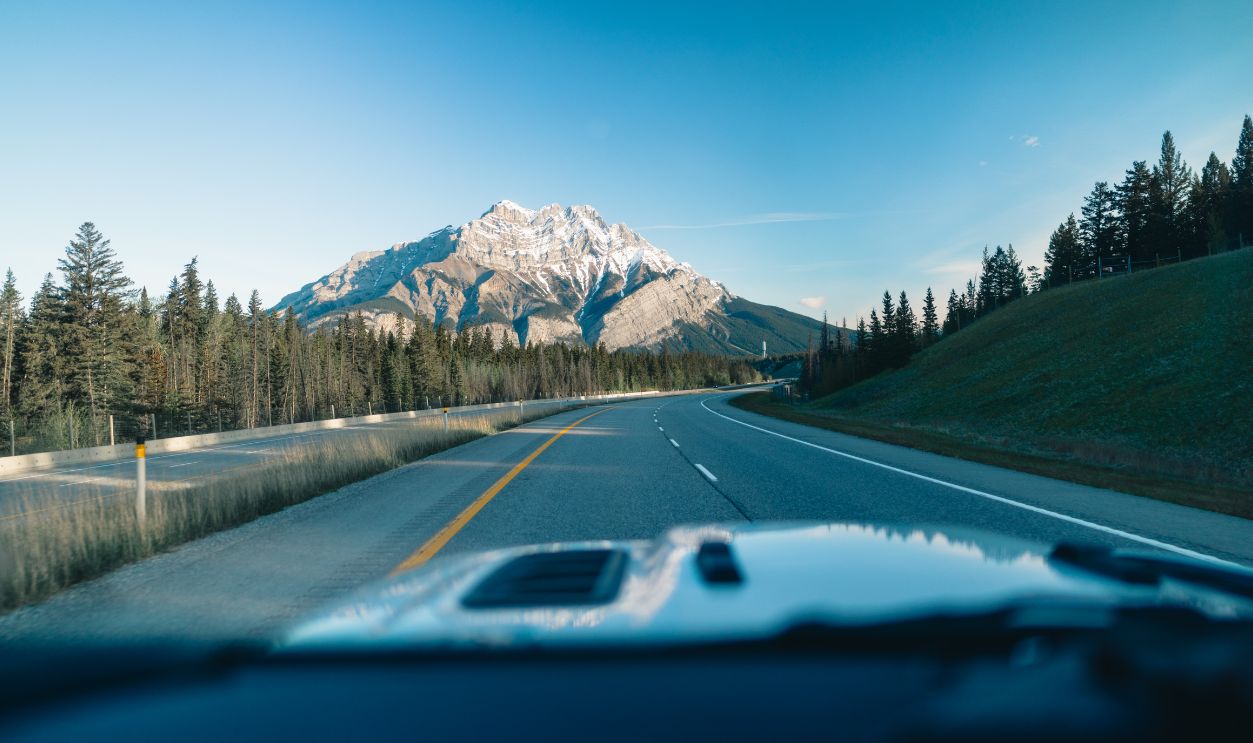
One Border, A Surprisingly Different Pit Stop
Canadian and American road trips share plenty of traditions: questionable snacks, crowded cupholders, bathroom negotiations, and somebody insisting they can drive another three hours. Yet the humble Canadian gas station delivers just enough differences to make crossing the border feel like an adventure. Kansas, indeed, is definitely somewhere behind you.
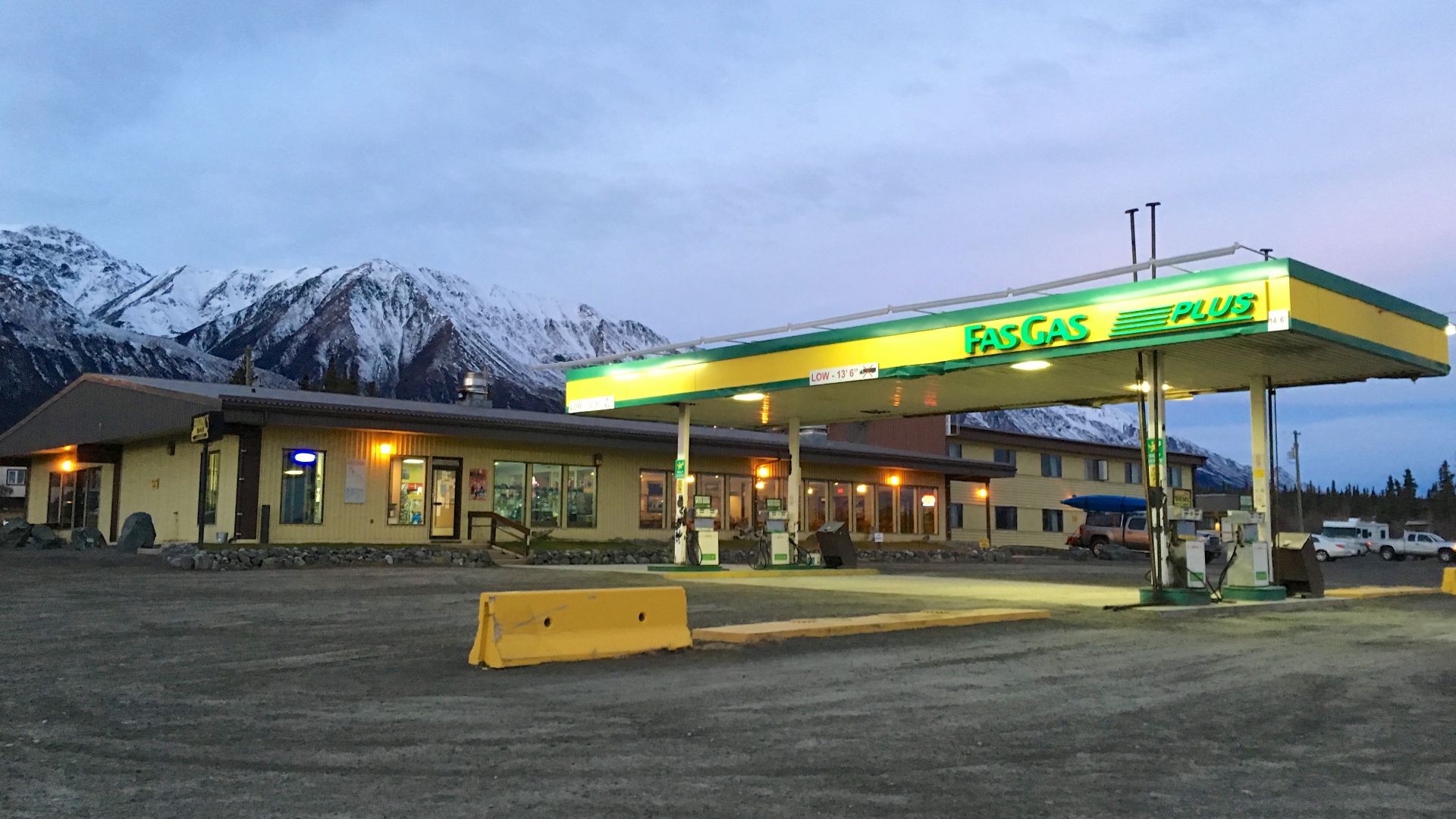 James Badger from Calgary, Canada, Wikimedia Commons
You May Also Like:
The Creepiest Abandoned Place In Every US State—And The Story Behind It
Things Canadians Notice Immediately When They Drive Through The American Southwest