
That Schedule Change Can Get Expensive.
We booked our flights around the cruise line’s published departure time, only to learn later that the ship would sail earlier and our carefully planned connection no longer felt safe. Whether the cruise line, airline, insurer, or traveler ultimately absorbs the cost depends heavily on how the trip was booked and what the relevant contracts actually promise.
Start With How Much The Time Changed
A departure moving by 30 minutes creates a very different problem from a ship suddenly leaving several hours earlier. Cruise contracts frequently give operators broad authority to alter sailing and port times, but some booking terms distinguish minor adjustments from more substantial changes. Write down the original and revised schedules before contacting anyone.

The Cruise Contract Matters More Than The Brochure
Cruise advertisements and booking confirmations are only part of the agreement. The passenger ticket contract normally contains detailed provisions governing itinerary changes, liability, cancellations, and compensation. The Federal Maritime Commission specifically advises passengers to read that contract when disputes involve schedule or itinerary changes.

Cruise Lines Usually Reserve Broad Flexibility
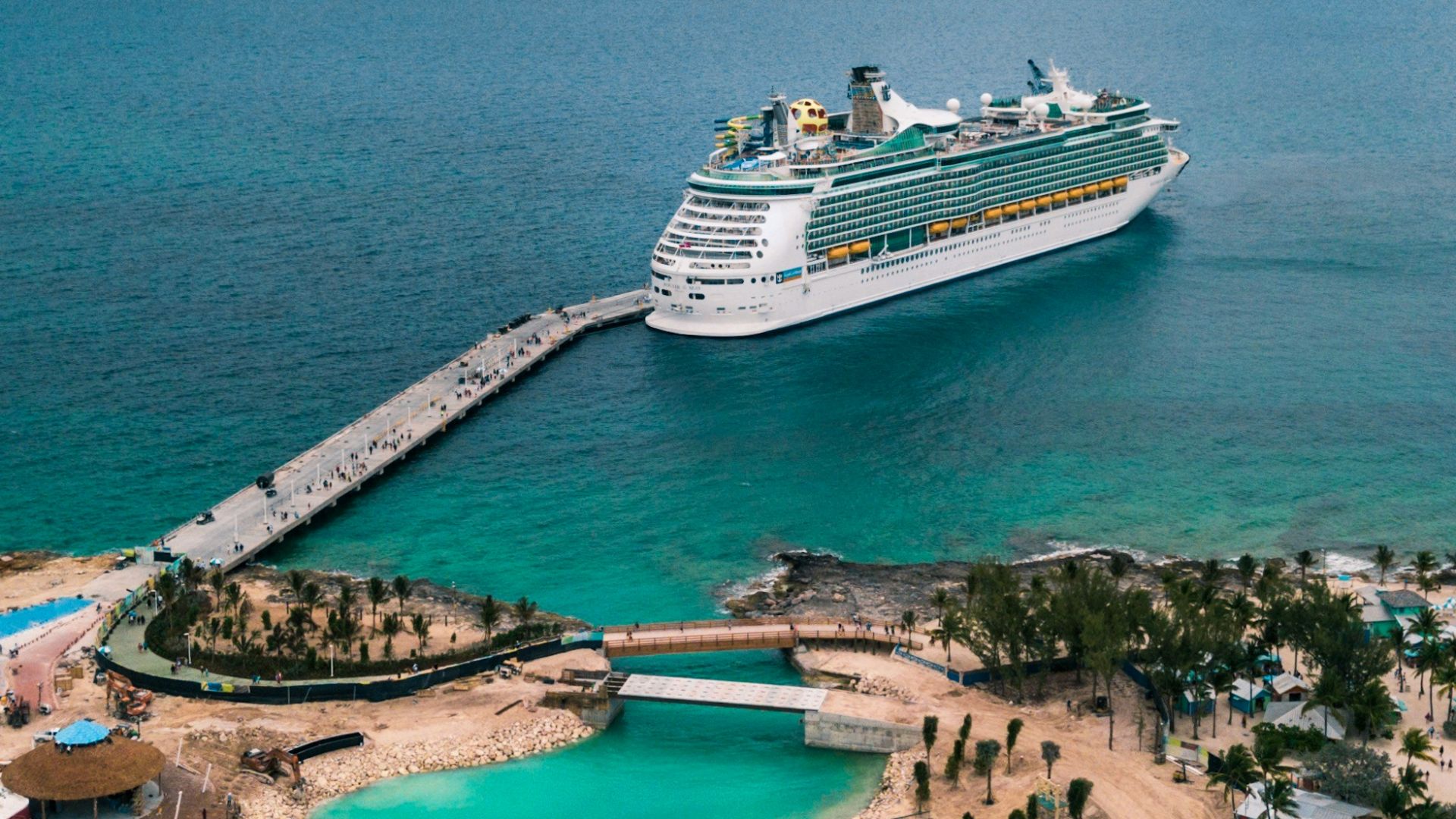
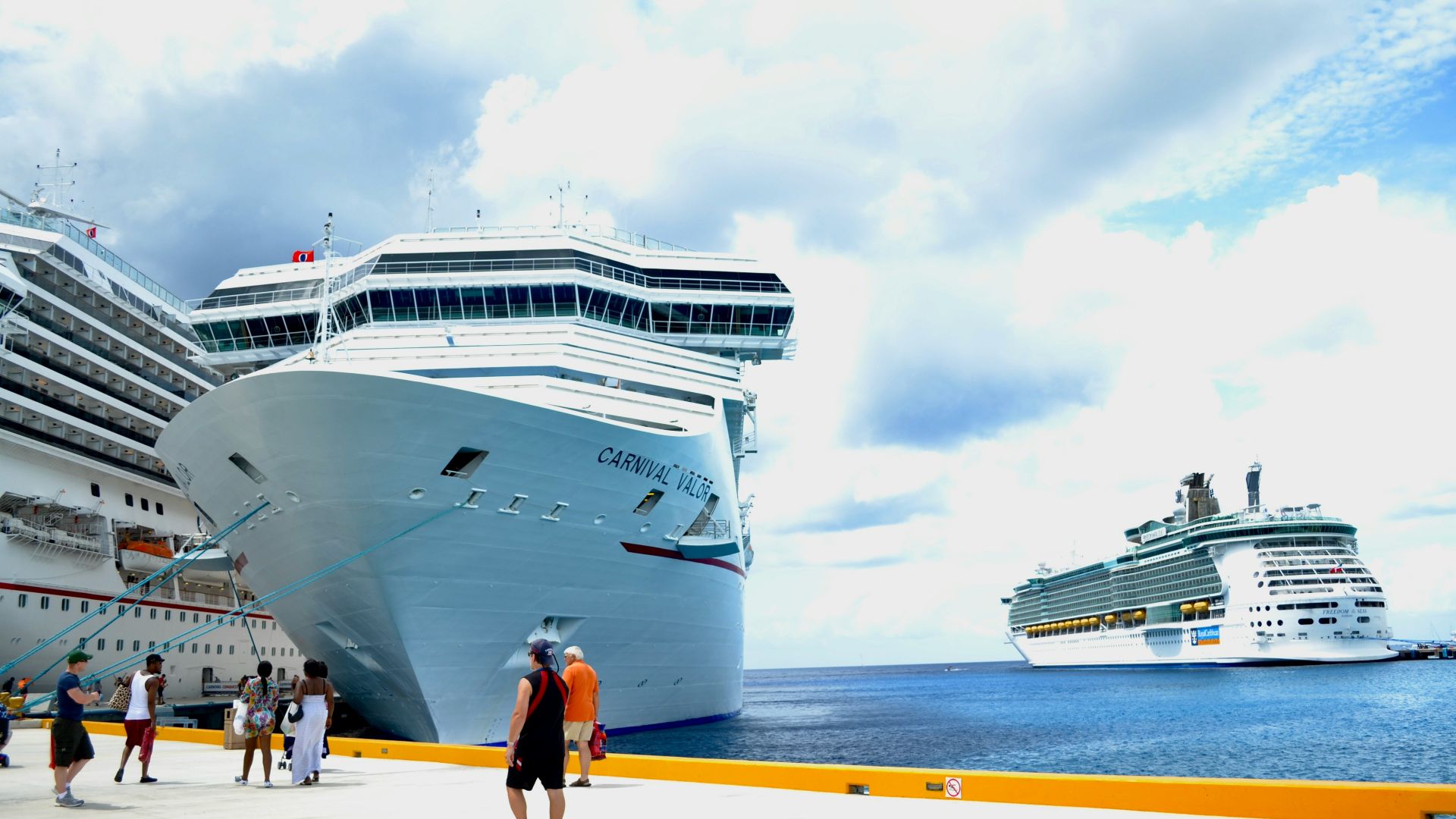
Major cruise operators generally reserve the right to alter itineraries and sailing times when circumstances require it. Royal Caribbean says it may advance, postpone, cancel, or deviate from scheduled sailings, while Carnival’s contract permits changes to arrival and departure times for numerous reasons. That language can substantially limit a traveler’s ability to demand reimbursement for separately purchased arrangements.
Separate Flights Usually Mean Separate Contracts
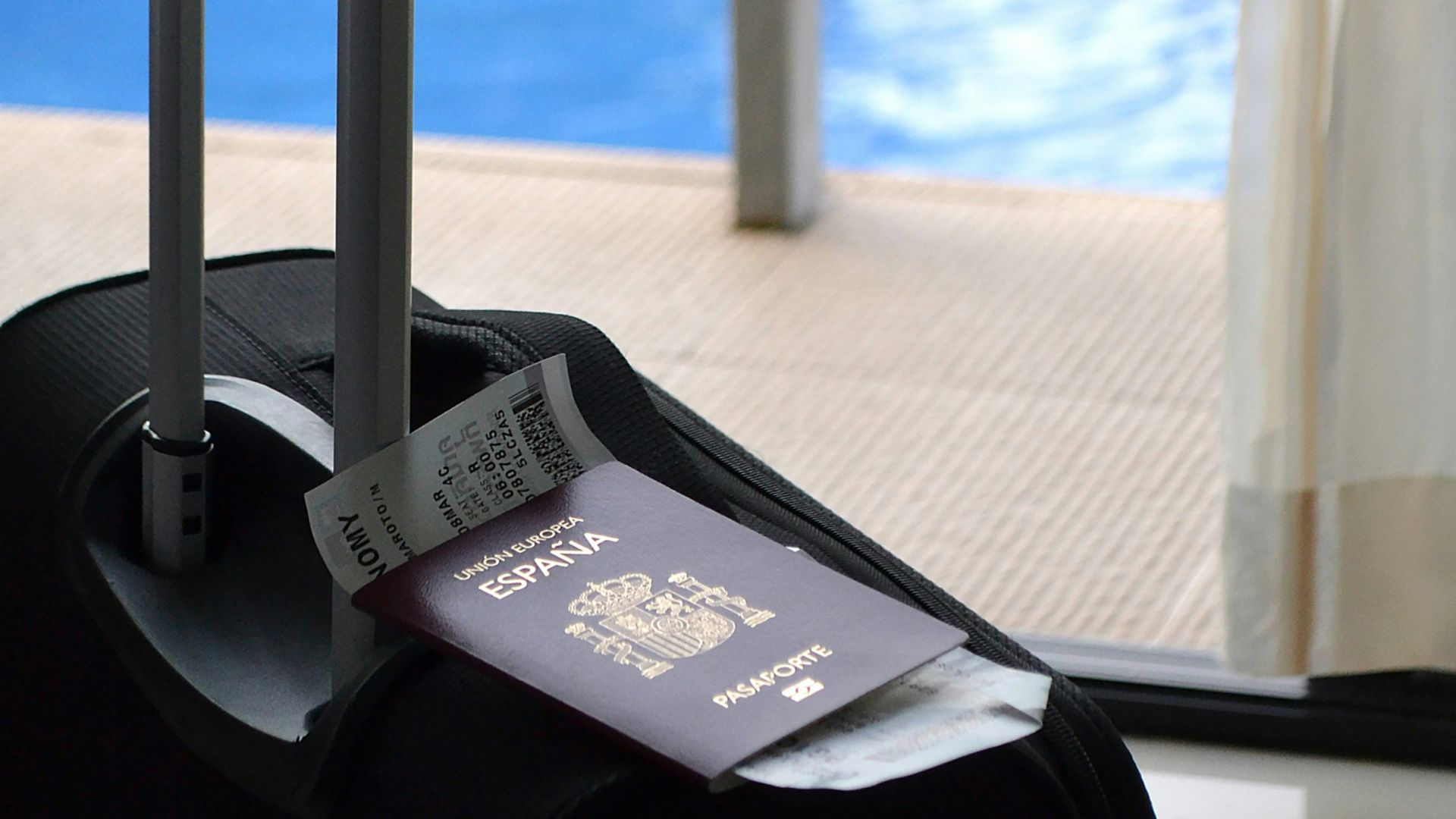
If you bought an airline ticket directly from an airline, that transaction is normally separate from the cruise purchase. The airline agreed to transport you according to its ticket terms, while the cruise company agreed to provide the voyage under its own contract. A change by one supplier does not automatically rewrite the obligations of the other.
That Often Leaves The Traveler Paying
Suppose the cruise moves earlier but your flight remains exactly as originally scheduled. The airline has not necessarily failed to provide the service you purchased, so federal airline-refund rules may not require it to return your money. Unless the cruise line accepts responsibility, your fare allows changes, or insurance responds, the rebooking expense can fall on you.
 Rodrigo Rodrigues | WOLF Λ R T, Unsplash
Cruise-Line Air Can Change The Equation
Flights purchased through the cruise company may come with additional coordination or support. Carnival’s Fly2Fun terms describe assistance when flight disruptions threaten embarkation, while Royal Caribbean sells air arrangements specifically connected with its cruises. Read the air-program rules because they may provide help unavailable to passengers who booked completely independently.

Norwegian Now Builds In An Extra Day
Norwegian Cruise Line changed its air-booking system in January 2026 so guests purchasing NCL air are scheduled to arrive at least one day before embarkation. The policy creates a buffer against flight disruption and same-day scheduling problems. It is also a strong clue about how risky cruise-day flying can be.
Do Not Assume “Cruise Air” Means Unlimited Protection
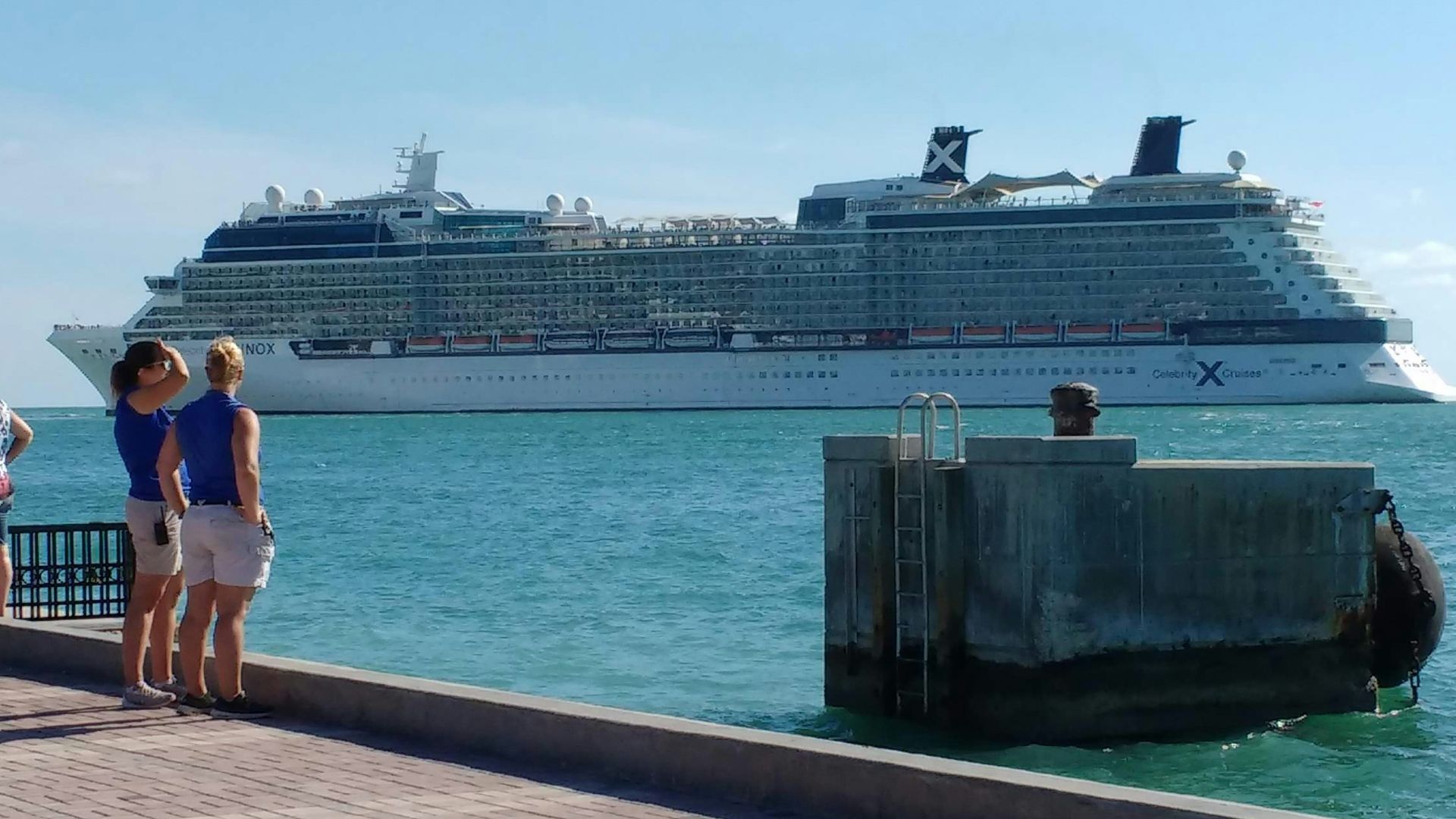
A cruise company arranging the ticket does not necessarily guarantee that every additional expense will be covered. Airline availability, fare differences, booking deadlines, and program-specific terms can still apply. Ask the cruise line to identify exactly which provision governs your situation before agreeing to pay anything yourself.
Check Whether The Cruise Change Is Considered Significant
Some cruise booking terms distinguish between minor and significant changes. Royal Caribbean’s published booking conditions, for example, describe certain changes in departure timing as minor while providing different options for qualifying significant changes. The definition that applies to your reservation depends on the contract attached to your booking and jurisdiction.

Ask For The Change In Writing
Do not rely on a phone conversation that leaves you unable to prove what happened later. Save the original itinerary, the revised itinerary, emails, text alerts, screenshots, and any explanation provided by the cruise line. Documentation becomes important when requesting reimbursement from the cruise company, insurer, airline, or card issuer.

Call The Cruise Line Before Changing The Flight
Changing the airline ticket immediately can make practical sense, but first give the cruise line an opportunity to solve the problem. Ask whether it will reimburse a fare difference, arrange alternative transportation, provide a hotel, shift the booking, or offer another solution. Record the representative’s name and the time of the conversation.

Ask For A Supervisor When Necessary
Front-line representatives may have limited authority to approve unusual reimbursements. If the first answer is simply that itinerary changes are permitted, ask politely whether the issue can be escalated. A documented schedule change that directly affects already purchased travel arrangements is worth presenting clearly to someone with greater discretion.

Then Call The Airline
Even when an airline is not legally required to refund the original ticket, it may still offer useful alternatives under the fare rules or its customer-service policies. Ask about changing the departure date, moving to an earlier flight, using a travel credit, or paying only the applicable fare difference. Do not cancel an existing reservation until you understand the consequences.

A Refund Right Depends On Who Changed The Flight
U.S. airline refund rules become particularly important when the airline itself cancels or significantly changes your flight. Passengers who reject the changed transportation can be entitled to a refund even on tickets originally sold as nonrefundable. A cruise line moving its sailing time, however, does not by itself create that airline refund right.
 Aldo Bidini, Wikimedia Commons
The Three-Hour Rule Matters Domestically
The U.S. Department of Transportation defines certain domestic flight schedule changes of three hours or more as significant. International itineraries generally use a six-hour threshold for time changes under the federal refund rule. Other qualifying changes can include altered airports, added connections, or a downgrade in service.

A Refund Is Not Always The Best Solution
Getting money back from the airline solves only part of the problem if replacement tickets now cost much more. Compare the refund with the price of keeping and changing the existing ticket before deciding. Sometimes a modest change fee or fare difference is financially better than cancelling and starting over.

Travel Insurance May Be The Missing Piece
Travel insurance can include trip cancellation, interruption, or delay benefits, but coverage depends on the specific triggering events written into the policy. A cruise company changing departure time is not automatically covered merely because it creates an inconvenience. Read the covered-reason language rather than assuming the words “travel insurance” settle the question.

Call The Insurer Before Rebooking
Explain exactly what the cruise line changed and ask whether additional airfare, hotels, or transportation could qualify for reimbursement. Request the answer in writing when possible and ask what documentation the insurer will require. An insurer may expect travelers to mitigate their losses rather than automatically buying the most expensive replacement option.

Cancel-For-Any-Reason Is Different
Cancel-for-any-reason coverage generally provides broader flexibility than ordinary trip cancellation insurance. It is usually an optional upgrade and can reimburse only a portion of eligible prepaid losses rather than the entire trip. Purchase deadlines and cancellation deadlines also typically apply, so it is not something travelers can add after the cruise schedule changes.

Look At Your Credit Card Benefits Too
Some premium credit cards include travel protections when the eligible trip was purchased with the card. Coverage terms can vary substantially, and benefits should not be assumed simply because the card advertises itself as a travel card. Check the actual benefits guide and contact the administrator before making replacement arrangements.

A Chargeback Is Not The First Move
A billing dispute is designed for specific problems involving charges or services and is not a substitute for ordinary dissatisfaction with a contractually permitted schedule change. The Consumer Financial Protection Bureau recommends trying to resolve a purchase problem with the seller first. If you later believe a service was not delivered as agreed, preserve the relevant records and ask the card issuer what dispute rights apply.

The Passenger Bill Of Rights Has Limits
The cruise industry’s Passenger Bill of Rights provides protections for situations such as mechanically cancelled voyages and certain voyages terminated early. It does not promise reimbursement for every airfare cost caused by an ordinary schedule adjustment. Travelers should distinguish protections involving failure of the cruise itself from losses created by surrounding travel arrangements.
Federal Regulators Cannot Simply Order Compensation
The Federal Maritime Commission says there is no federal agency broadly regulating ordinary cruise customer-service issues such as itinerary changes. Its authority over passenger-vessel operators is limited, and it cannot simply compel a line to compensate someone over every itinerary dispute. That makes the ticket contract and voluntary resolution particularly important.

The FMC Can Still Help With A Dispute
Passengers embarking at U.S. ports may be able to request assistance from the Federal Maritime Commission’s Consumer Affairs and Dispute Resolution Services. The process is voluntary rather than a guarantee that the cruise line will pay. Travelers should provide the booking confirmation, contract, insurance policy, correspondence, and other supporting records.

A Fully Cancelled Cruise Is Different
When a cruise operator fails to perform the voyage entirely, additional protections can apply. Passenger vessel operators embarking passengers from U.S. ports are subject to federal financial-responsibility requirements in qualifying circumstances. That situation is legally different from a cruise that still sails but moves its departure time.
Do Not Forget The Hotel Problem
Moving to an earlier flight may require an extra hotel night before embarkation. Include that expense when asking the cruise line or insurer what assistance is available. The real cost of a schedule change can include airfare differences, accommodation, ground transportation, meals, and lost prepaid reservations.

Flying In Early Solves More Than Flight Delays
Arriving one day before the cruise creates room for weather problems, airline cancellations, baggage delays, and cruise schedule adjustments. Royal Caribbean has long advised allowing plenty of time around embarkation, and Norwegian now automatically places its air-program customers at the destination at least one day early. An extra hotel night can effectively function as insurance against a much more expensive missed sailing.

Return Flights Need A Buffer Too
The same logic applies after the cruise. Ships can arrive late because of weather, port congestion, operational issues, or emergencies, and disembarkation itself takes time. Avoid scheduling a flight so tightly that a small change in the ship’s arrival forces another costly airline rebooking.

Book Flexible Air When The Cruise Is Far Away
Cruises are frequently booked many months before departure, leaving plenty of time for schedules to evolve. When airfare options allow it, compare refundable or changeable fares with the cheapest restrictive ticket. Paying slightly more upfront can be worthwhile when the flight exists solely to connect with another scheduled travel product.
Make One Company Own More Of The Puzzle
Booking air through a cruise program can sometimes reduce the number of companies you must negotiate with when plans collide. It does not eliminate every risk, but the supplier has greater visibility into both the cruise and associated transportation. Travelers who book everything independently generally gain flexibility of choice while accepting more responsibility for coordinating the pieces.

The Best Answer Depends On The Booking
There is no universal rule that says the cruise line must pay every airfare change caused by a revised departure time. Start with the cruise contract, determine whether the airfare was independent or cruise-arranged, check the airline’s change options, and examine travel-insurance benefits before spending more money. If the cruise company caused a serious disruption, document every cost and keep escalating the claim, but prepare for the possibility that a contractually permitted schedule adjustment leaves some expenses with the traveler.

You May Also Like:
10 Hidden Gems for a Safe and Affordable Family Vacation
America’s Best Historic Downtowns According To Europeans
Four Key Tips For Traveling On A Budget
Sources: 1, 2, 3, 4, 5, 6, 7, 8, 9, 10, 11, 12, 13, 14, 15, 16, 17