Your Bag Vanished. Your Rights Did Not.
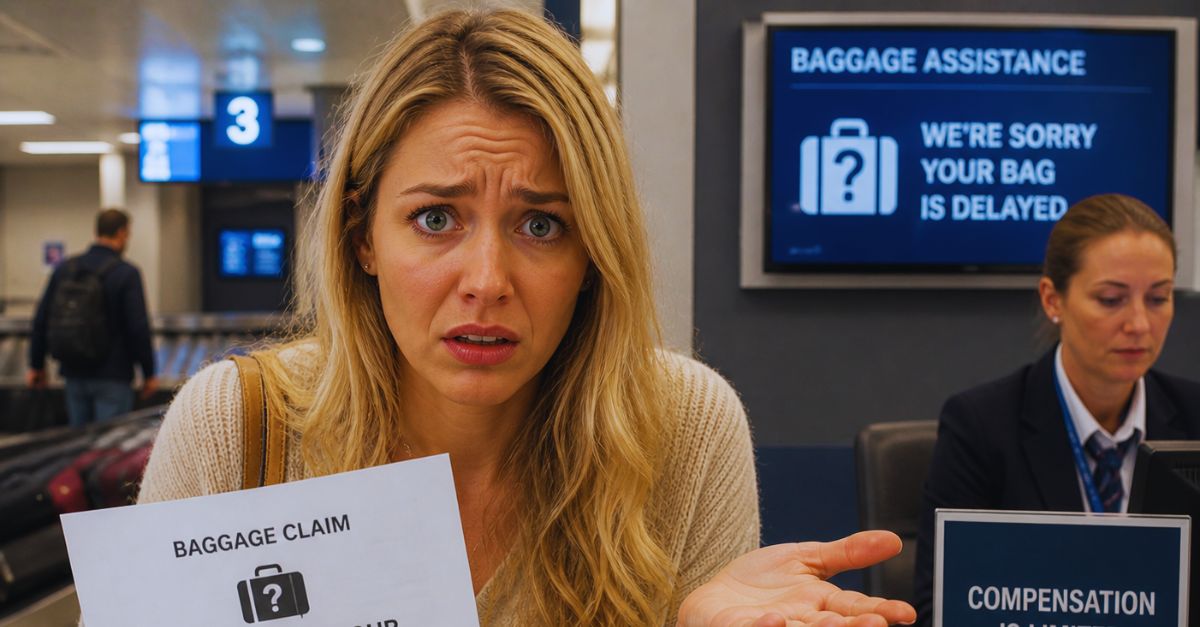
Have you ever sat at baggage claim until the carousel finally stops, while everyone else is long gone with their suitcases? It's a nightmare end to an already long day, so "compensation is limited" doesn't cut it. If an airline loses, delays, or damages your bag, compensation is not just a courtesy. Federal rules and international treaties help decide what airlines owe and when.
The First Question Is Where You Flew
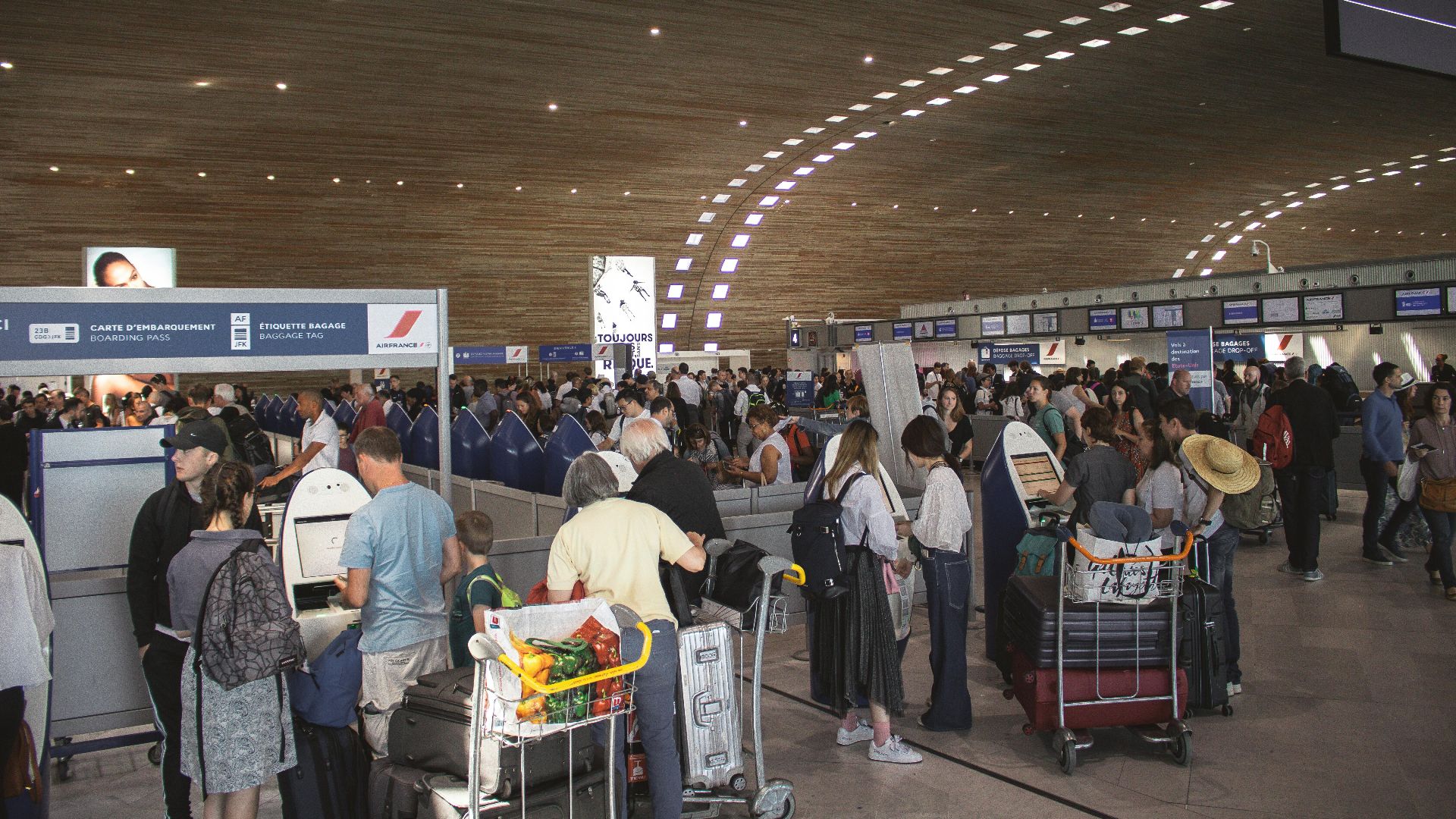
Your rights depend a lot on whether your trip was domestic or international. In the United States, domestic baggage rules are handled by the U.S. Department of Transportation. On many international trips, the Montreal Convention sets the basic rules for airline liability.
Domestic Flights Have A Federal Minimum
For flights within the United States, airlines cannot limit their liability for lost, delayed, or damaged checked baggage to less than $4,700 per passenger. That figure is set by the U.S. Department of Transportation and is the current minimum liability limit for domestic travel. An airline can choose to pay more, but it cannot set a lower ceiling for covered claims.
 Leonhard_Niederwimmer, Pixabay
International Trips Usually Follow The Montreal Convention
The Montreal Convention applies to many international journeys and creates a standard system for baggage problems. Under current limits published by the International Civil Aviation Organization, airline liability for destruction, loss, damage, or delay of baggage is capped at 1,519 Special Drawing Rights per passenger. The exact value in dollars changes with exchange rates, which is why airlines and regulators often use SDRs instead of a fixed U.S. amount.
That “Limited Compensation” Line Is Only Part Of The Story
Airlines often tell travelers that compensation is limited, and in one sense that is true. There are legal caps in both domestic and international cases. But those caps are often higher than passengers expect, and they do not mean an airline can brush off a valid claim without looking at it.

Delayed Bag Or Lost Bag. The Difference Matters.
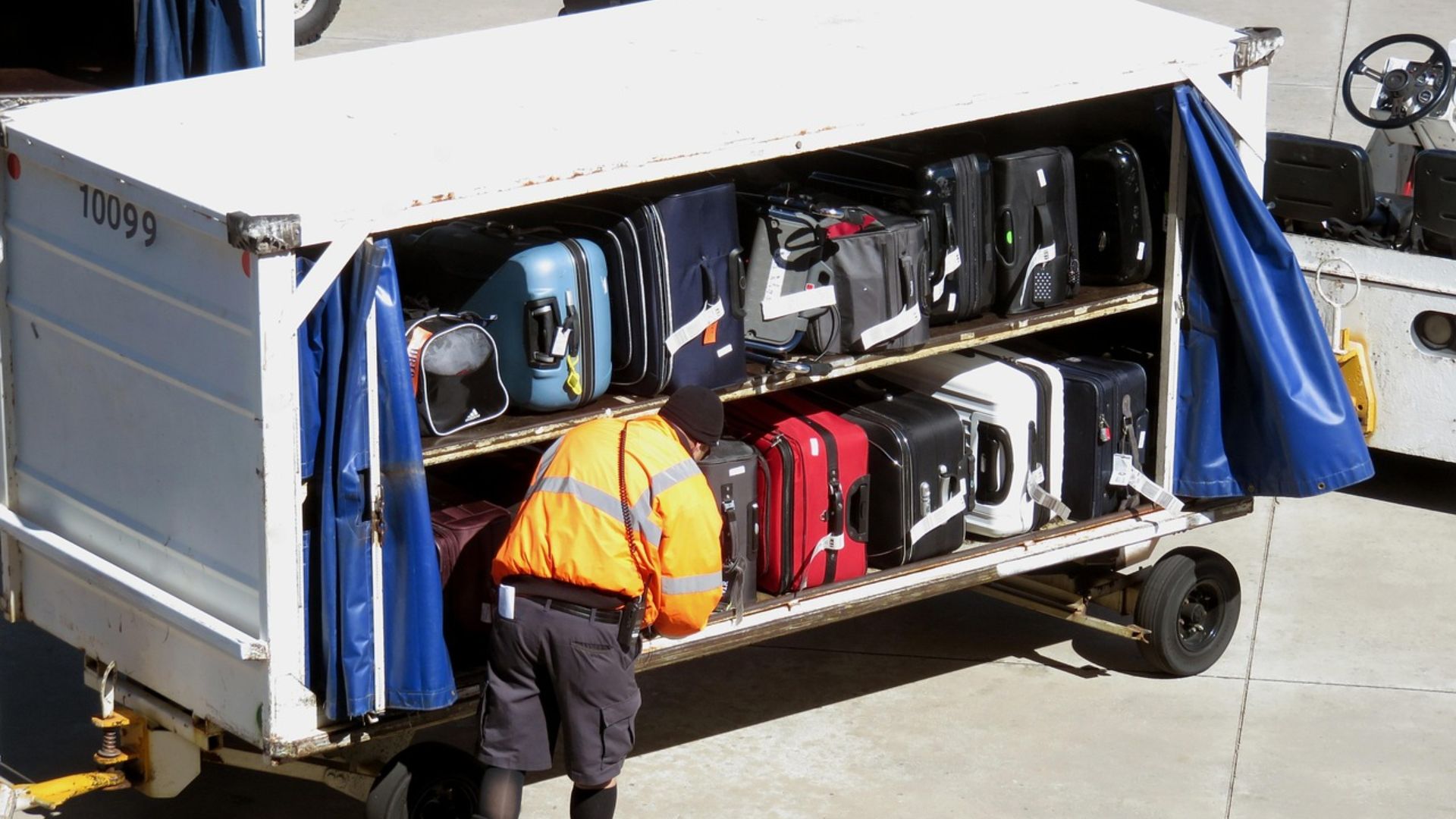
A delayed bag is not always a lost bag, at least not right away. Airlines often keep tracing baggage for days before officially calling it lost. That matters because you may be entitled to reimbursement for reasonable short-term expenses while the search is still going on.
 Abdiel Hernandez Villegas, Pexels
Yes, You Can Claim Essentials While You Wait
The Department of Transportation says airlines are required to compensate passengers for reasonable, verifiable, and actual incidental expenses caused by delayed bags, subject to the maximum liability limits. Think basics, not a shopping spree. Toiletries, chargers, and necessary clothing are the kinds of purchases travelers should document carefully.

Keep Every Receipt Like It Is A Boarding Pass
If your bag is missing, paperwork becomes your best friend. Save receipts for everything you buy because of the delay, from socks to toothpaste to a change of clothes. Without proof of purchase, it gets much harder to show what you spent and why it was necessary.

Report The Problem Before You Leave The Airport
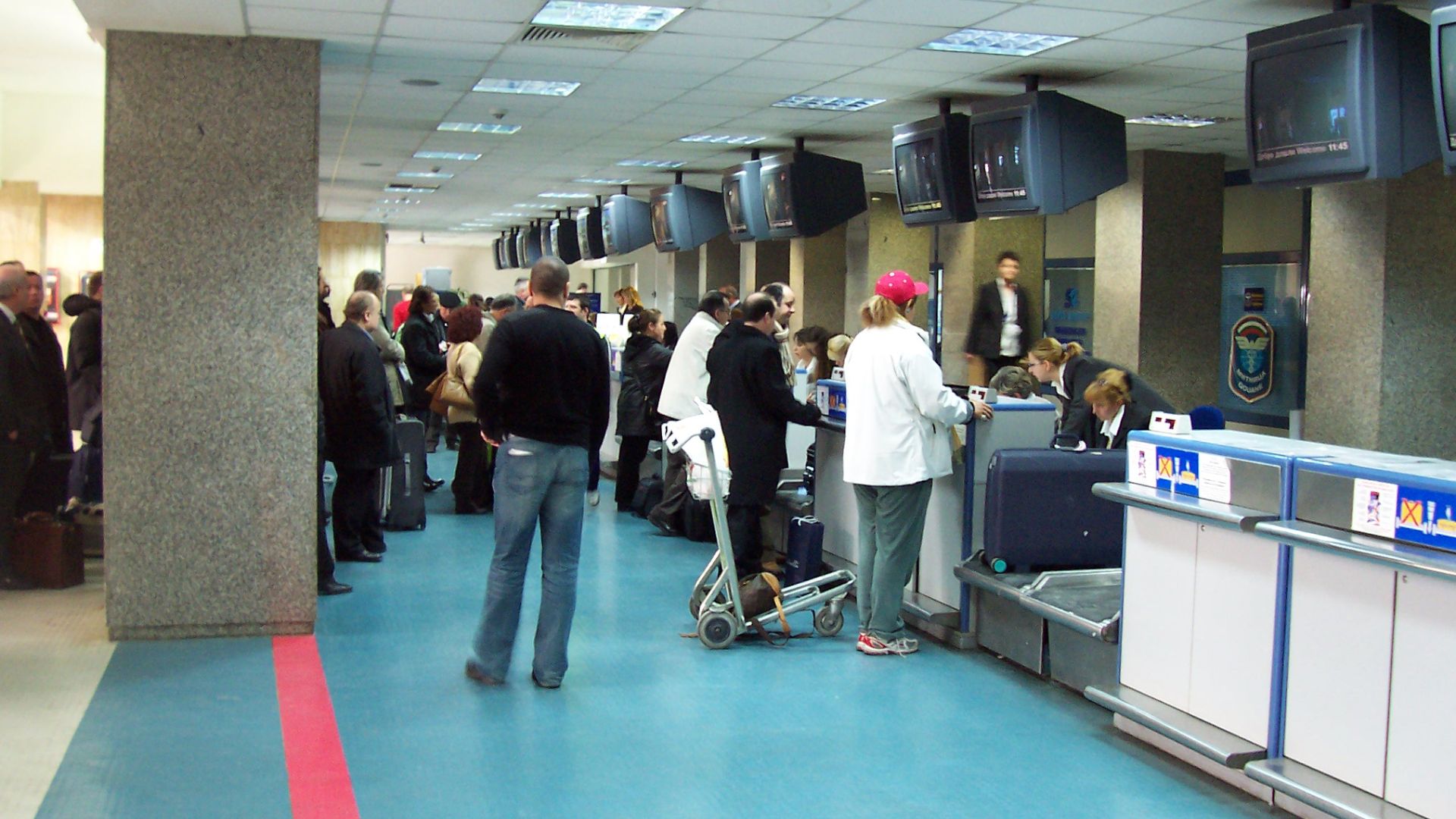
The smartest move is to file a baggage report with the airline before you leave the arrivals area. Ask for a written report, reference number, or case confirmation. That early paper trail can make a big difference if the airline later disputes the timing or details.

Your Contract Of Carriage Also Matters
Each airline publishes a contract of carriage that lays out procedures for baggage claims, deadlines, and excluded items. These contracts cannot cut into federal protections on domestic flights, but they do shape how claims are handled. Reading the baggage section may not be fun, but it can show exactly what the airline wants from you.

There Are Deadlines, And Missing Them Can Cost You
For international travel under the Montreal Convention, deadlines matter a lot. Written complaints for damaged baggage generally must be made within seven days from receipt, and for delayed baggage within 21 days from the date the baggage is placed at your disposal. If the bag is never found, claims still need to be pursued quickly with the airline.
 formulanone from Huntsville, United States, Wikimedia Commons
Domestic Claims Can Be Less Strict, But Speed Still Helps
Domestic claim procedures are often set by the airline, and timelines can vary. Even so, waiting weeks to speak up is a bad idea. Reporting the problem right away and following the airline’s written claim steps quickly gives you the strongest case.

Do Not Expect Payment For Everything In Your Suitcase
Compensation usually covers the value of lost or damaged contents and luggage, but not always the original purchase price of every item. Airlines may apply depreciation to used clothing and other belongings. That means your three-year-old jacket may be valued far below what you paid for it.

High-Value Items Are A Trouble Spot
Jewelry, electronics, cash, heirlooms, and important documents are often listed by airlines as items passengers should keep in carry-on bags. Contracts of carriage often include exclusions or limits tied to these valuables. If you packed expensive items in checked luggage, expect extra scrutiny and possible pushback.
You May Have Extra Protection Without Knowing It
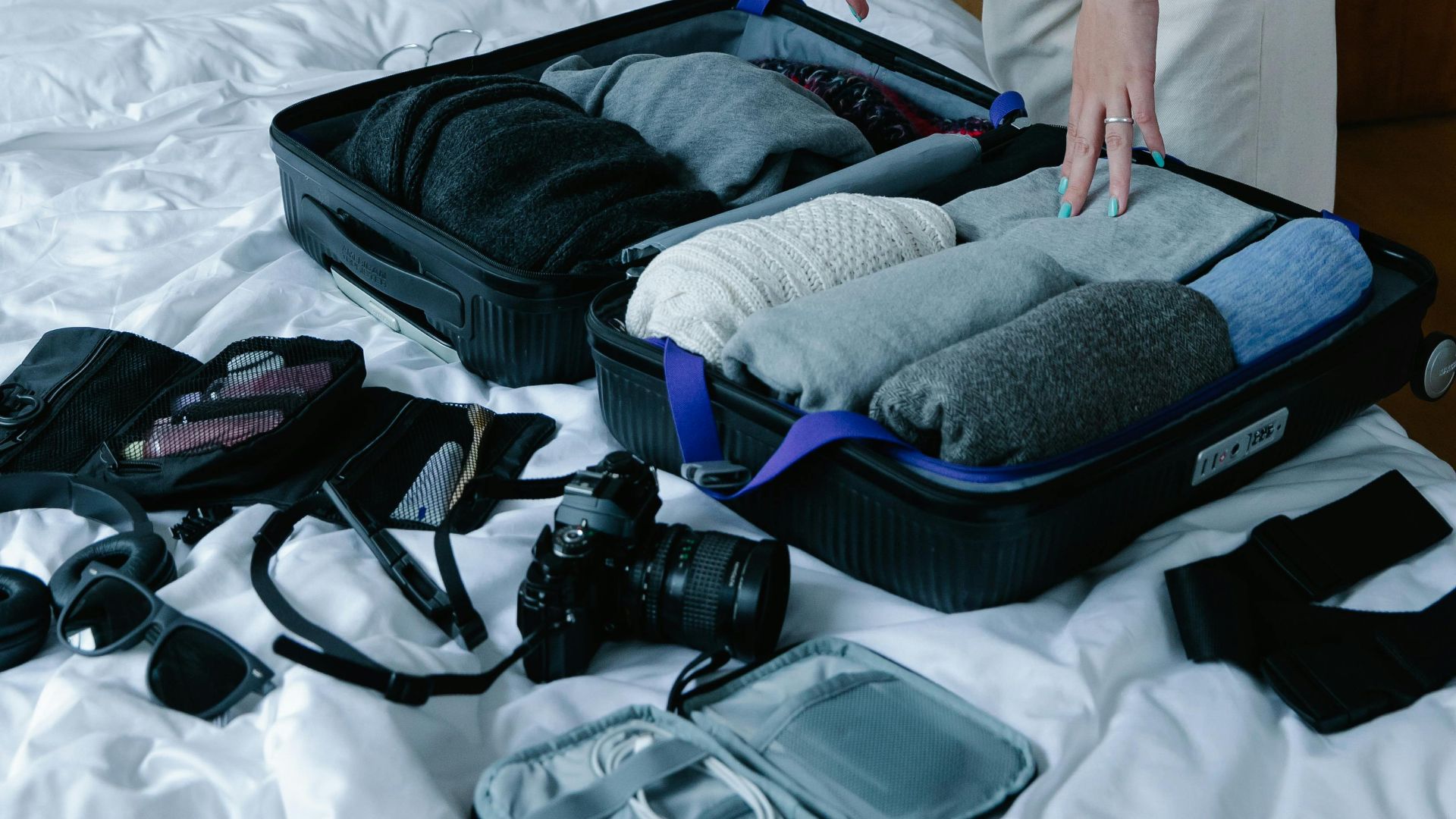
Some travelers have backup coverage through travel insurance or credit card benefits. Those policies may reimburse baggage delay purchases or losses that go beyond what the airline pays. Check the terms closely, because some insurers require you to file with the airline first.

Declaring A Higher Value Can Change Things
On some trips, airlines let passengers declare a higher value for checked baggage at check-in, usually for an extra fee. That can increase what you may recover if the bag disappears. It is not available in every case, and it has to be arranged before anything goes wrong, not after.
If The Airline Finds Your Bag Late, Ask About Delivery
When a delayed bag finally turns up, airlines often deliver it to your hotel, home, or temporary address. Confirm the delivery details in writing and ask when it should arrive. If you are still traveling, make sure the airline knows exactly where to send it.

Bag Fees Are Usually Refundable If Your Bag Is Lost
The Department of Transportation says that if an airline charges a fee to transport a bag and that bag is lost, the airline must refund the fee. That refund is separate from compensation for the contents or the luggage itself. It is a small detail, but it is money many travelers forget to ask for.

Damage Claims Work A Little Differently
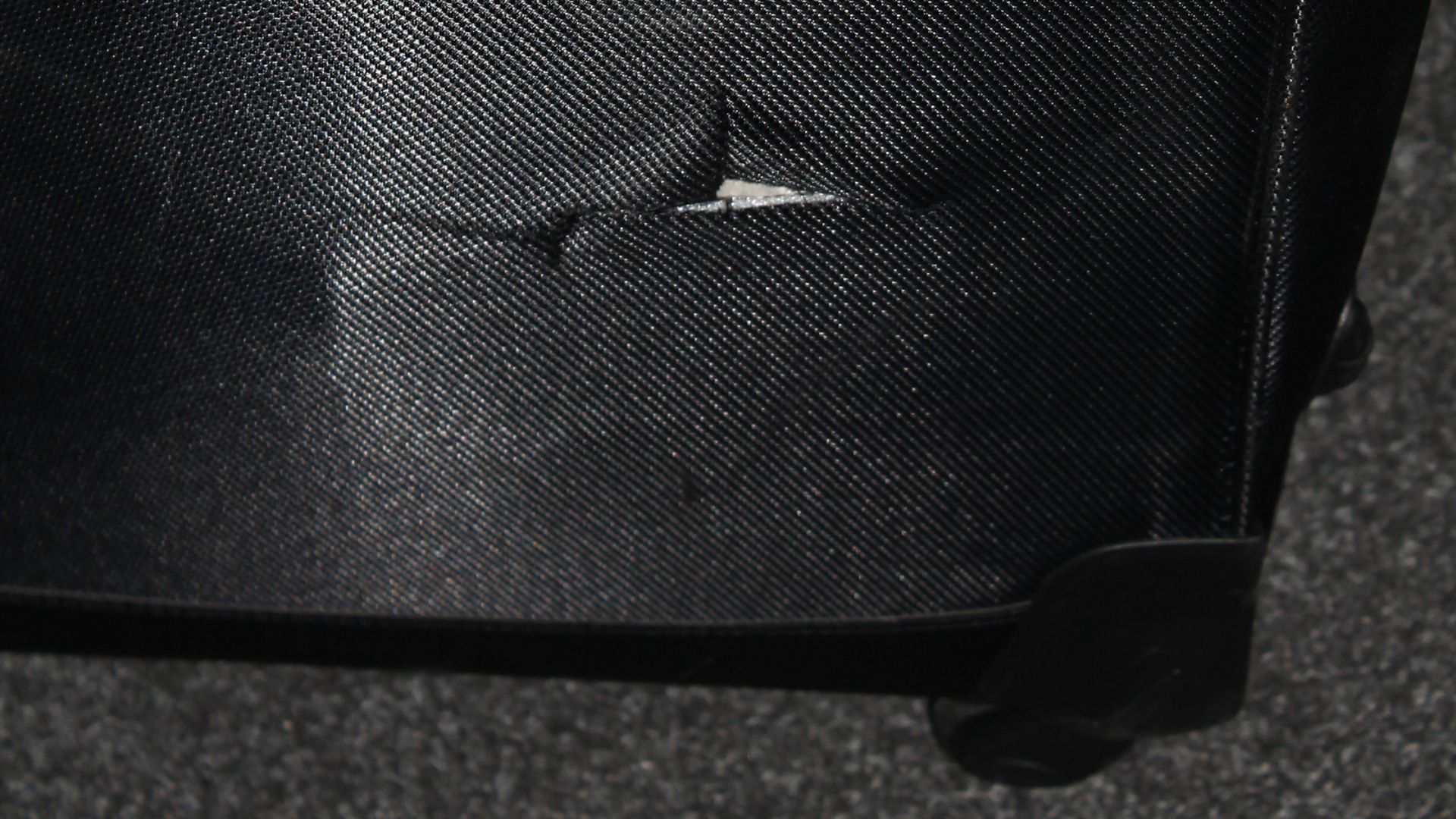
If your suitcase arrives cracked, soaked, or missing wheels, report that right away too. Airlines are liable for damaged checked baggage under the rules that apply to your trip, though normal wear and tear may not be covered. Photos taken at the airport can help show the condition when the damage was discovered.
Reasonable Means Reasonable
One of the biggest fights in delayed baggage cases is over what counts as a reasonable purchase. A clean shirt and basic toiletries are easier to justify than designer shoes and expensive skincare. If the airline pushes back, your receipts and your explanation should clearly connect each item to an immediate need caused by the delay.

Do Not Take A Voucher Too Fast
Sometimes airlines offer travel vouchers as a quick way to wrap up complaints. That may work in some cases, but a voucher is not always better than cash reimbursement. Before you accept, make sure you understand whether you are giving up the right to seek more compensation.

Escalation Is An Option
If the airline stalls, denies a claim without explanation, or ignores the rules that apply, you can escalate. U.S. consumers can file complaints with the U.S. Department of Transportation. That does not guarantee instant payment, but it creates an official record and can push the airline to respond.

Small Claims Court Can Sometimes Be Worth It
For some domestic disputes, travelers also look at small claims court, especially when the amount is modest and the facts are simple. Whether that makes sense depends on your state, the airline, and the terms tied to the ticket. It is not the first move for everyone, but it can create leverage when regular customer service goes nowhere.

Documentation Wins These Fights
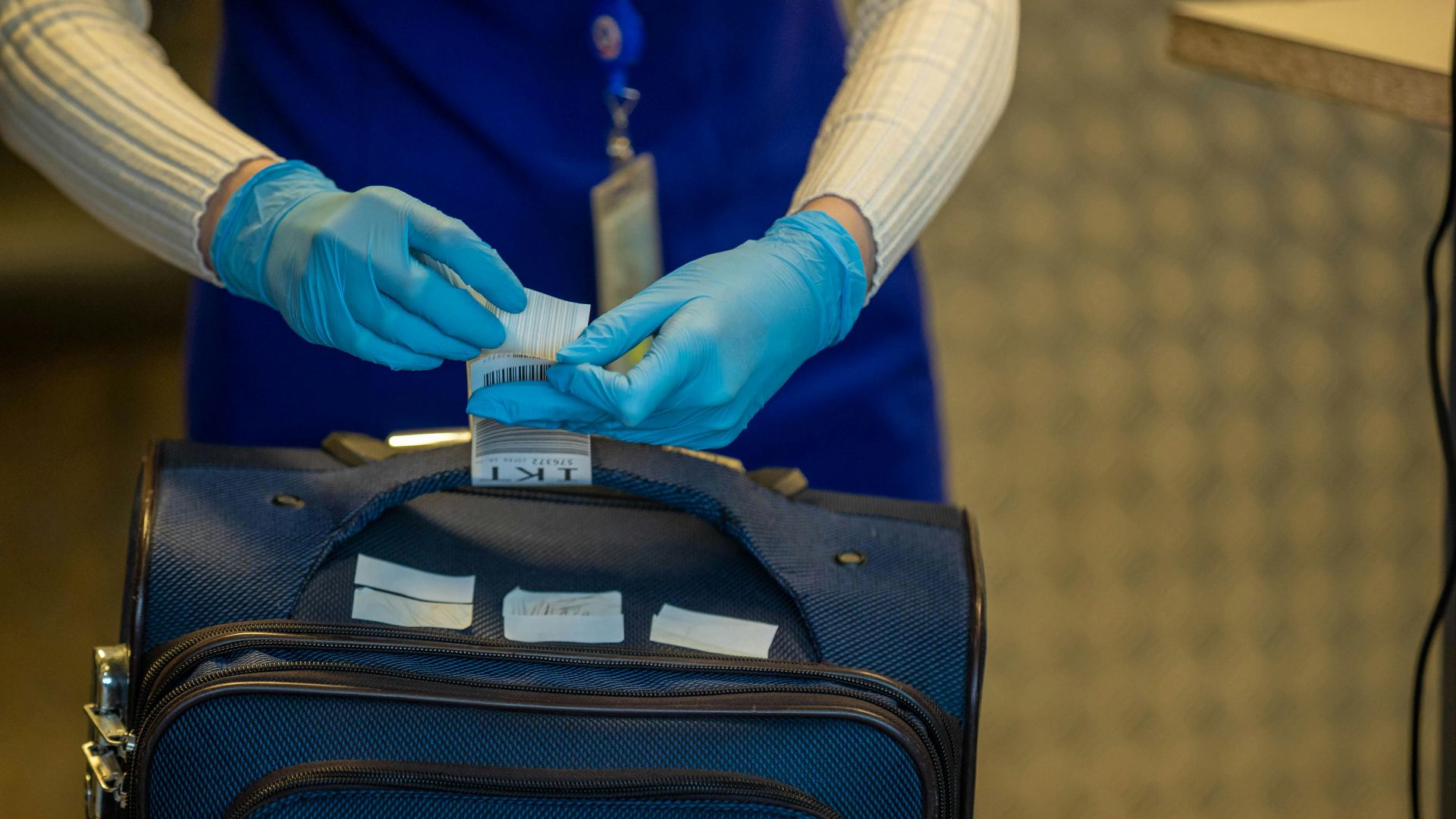
The strongest baggage claims are usually the best documented ones. Keep your baggage tag, boarding pass, claim report, receipts, photos, and written communications with the airline. If the airline changes its story later, your file becomes the proof.

The Clock And The Paper Trail Matter More Than Outrage
Airlines deal with huge numbers of baggage claims, and anger alone rarely moves a case. Dates, receipts, and written complaints do. The travelers who recover the most are often the ones who act fast and keep records of everything.
The Bottom Line On “Limited” Compensation
Yes, airline compensation is limited, but “limited” does not mean meaningless. Domestic U.S. travelers have a federal minimum liability ceiling of $4,700 per passenger, and many international travelers are protected by the Montreal Convention limit of 1,519 SDRs per passenger. If your bag goes missing, the best plan is simple: report it right away, save every receipt, follow the deadlines, and push back with the actual rules in hand.