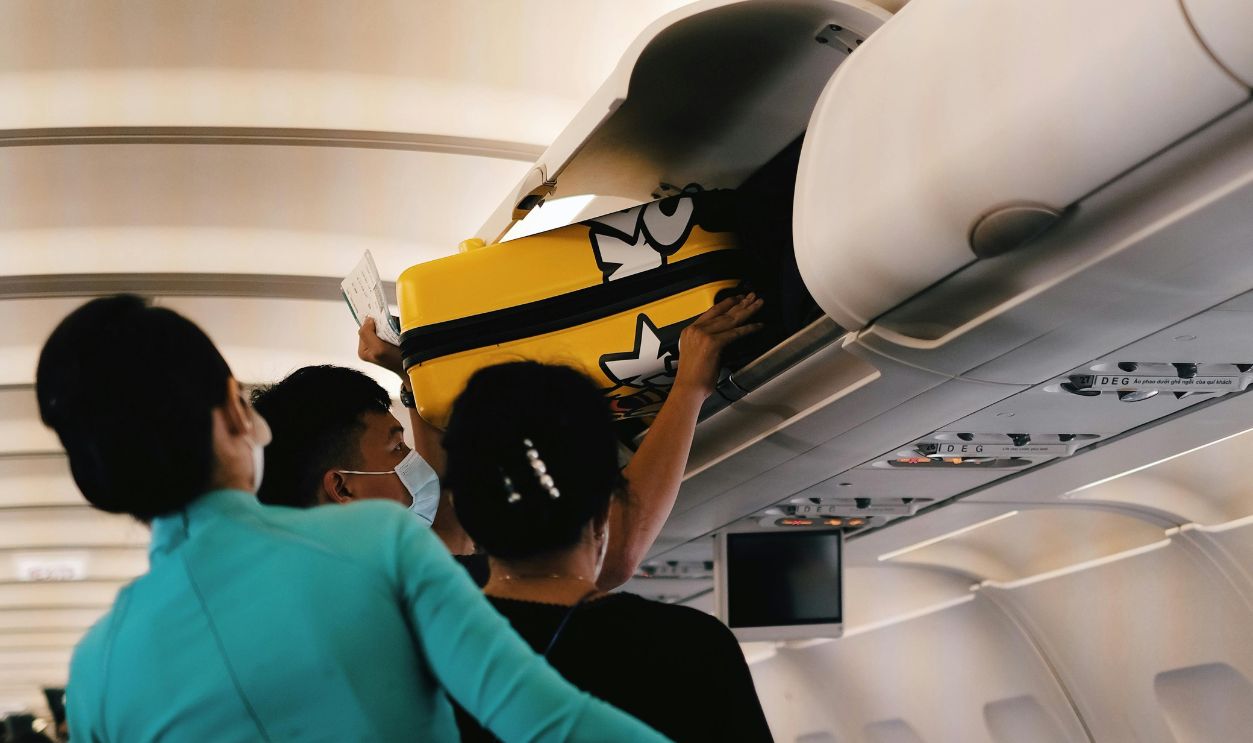

Air travel often begins with an unspoken agreement: everyone sacrifices comfort a little so the journey remains tolerable for all. During boarding, passengers carefully stow their carry-on bags either in overhead bins or under the seat in front of them while following airline safety rules meant to keep aisles clear and belongings secure during turbulence. Once the plane reaches cruising altitude and people stretch their legs, subtle shifts happen. Feet move forward, and knees press outward to ensure maximum individual comfort. When a stranger rests their foot on another passenger’s luggage, it’s a quiet violation that introduces discomfort. The bag is personal property, placed there intentionally and legally. Allowing someone else to use it as a footrest turns passive tolerance into silent permission, even when it feels wrong.
When Courtesy Quietly Turns Into Entitlement
If the pressure is sustained rather than momentary, it qualifies as an inappropriate breach of personal space and etiquette. At this stage, the correct response is immediate but low-key verbal correction. A direct request to remove their foot establishes ownership and resolves most cases quickly. Waiting longer increases discomfort and complicates resolution for you. There is no need to adopt an accusatory tone from the beginning. You can try to talk in a calm but affirmative tone that helps them understand that they are overstepping a boundary and need to take a step back literally. It is important to take this step before you escalate the matter further by involving others.
When To Involve An Attendant
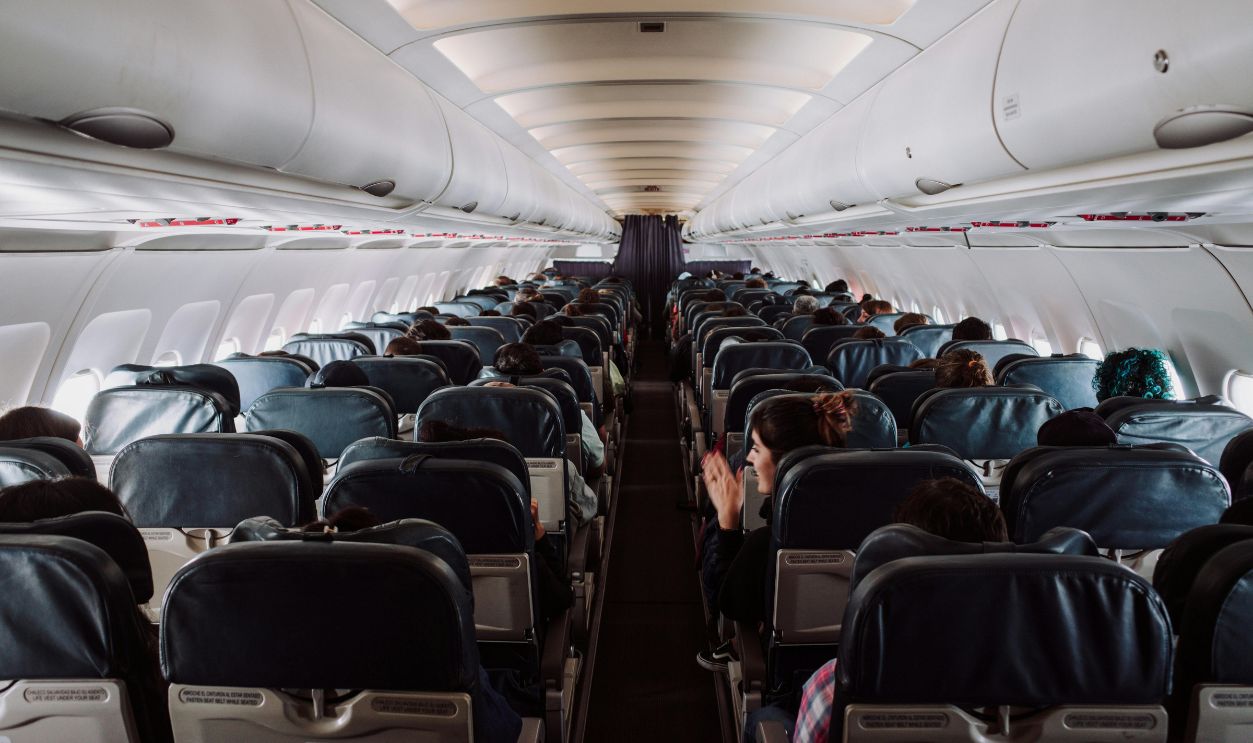
In case the other passenger refuses, minimizes the request, or resumes the behavior after complying briefly, the situation moves beyond personal negotiation. At this point, continued direct engagement is no longer productive. US airlines empower flight attendants to manage interpersonal disputes specifically to prevent escalation between passengers. The appropriate step is to disengage and notify a crew member, clearly stating that another passenger is placing their feet on your bag and you have asked them to stop. This reframes the issue as a cabin conduct matter rather than a personal disagreement. Flight attendants can issue instructions without emotional involvement.
Continuing the behavior even after a flight attendant has given a clear instruction is no longer about etiquette but about noncompliance with crew authority. At that point, the correct action is to stop engaging with the other passenger entirely and ask the attendant to formally document the incident. Airline procedures allow crew to escalate repeated noncompliance to the lead attendant, reseat one of the passengers, or note the disruption for post-flight reporting. Persistent behavior can be classified as interference with flight crew members and carries consequences after landing. The key is for you to remain calm throughout this.
If the luggage is damaged during the flight, the first step is to report it before leaving the airport. In the US, airlines require passengers to file a damage report at the airline’s baggage service office located in the arrivals area. Even though the bag was in the cabin, damage caused by another passenger still qualifies for documentation. Take clear photos of the damage immediately, note the flight number, seat numbers if known, and describe what happened. Airlines may offer reimbursement depending on the extent of the damage. The incident report filed by the crew against the passenger can strengthen your claim.
How To Avoid This In The Future
For similar situations in the future, the most effective approach is to act early and in a firm tone. You can try to find a safe space for your luggage, which is usually the overhead cabin. Most cabin baggage is allowed if it can be adjusted as per the flight norms in the cabin. If you are having trouble finding the space, request assistance from a flight attendant, who can help arrange your carry‑on securely in the cabin. They can either make space for you above or help you find another nook in the plane. You can also cover the bag with a plastic wrap that not only keeps the luggage safe but also provides a sturdy outer layer.