A New Airport Surprise
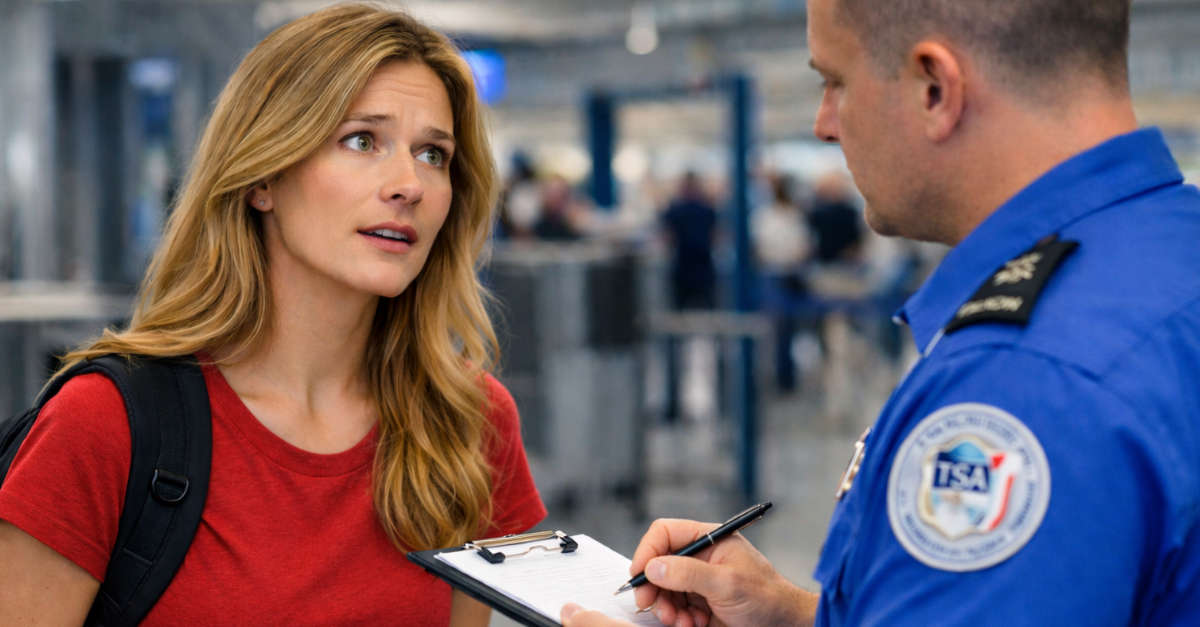
Most Americans assume forgetting their ID at the airport means delays, awkward questions, and maybe extra screening. That’s been true for years. But starting in February 2026, that familiar inconvenience won’t just cost you time—it’s going to cost you money, too.
What Travelers Have Always Expected
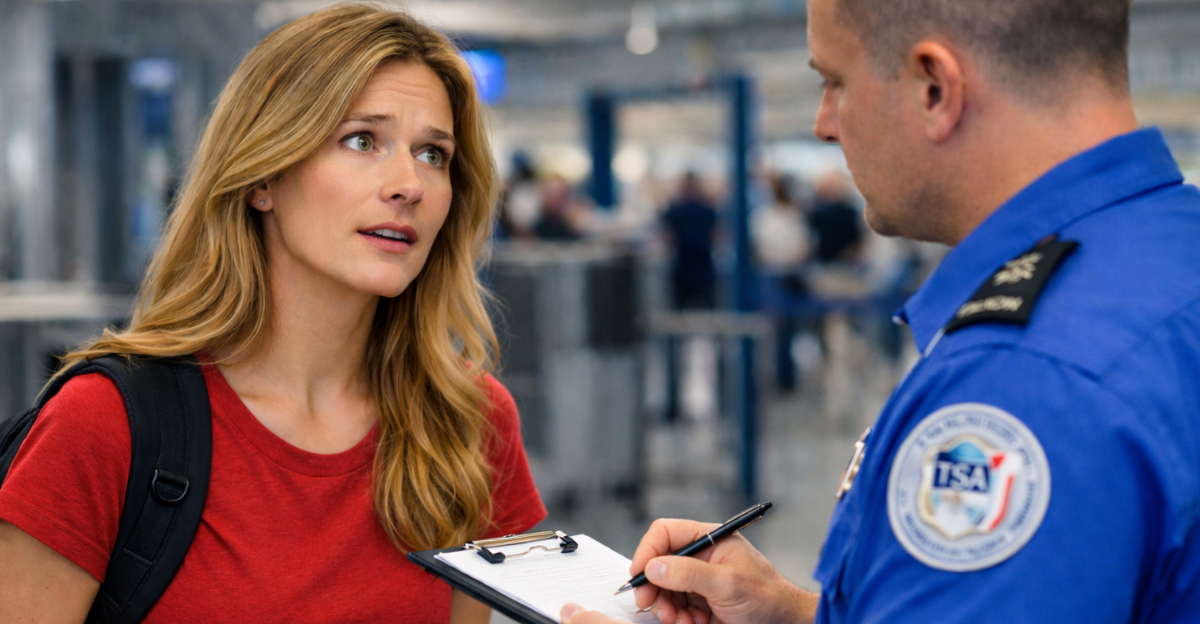
For decades, TSA has allowed passengers without proper ID to fly after completing a manual identity-verification process. It’s slower, more invasive, and stressful—but it usually works. Travelers have come to see it as an annoying backup plan rather than a serious consequence.
Why That Assumption Is Changing
TSA has been working to phase out reliance on manual verification. Officials say the process slows security lines, strains staff, and creates inconsistencies across airports. Instead of eliminating the option altogether, TSA is preparing to attach a financial penalty to it.
This Is Not A Real ID Deadline
This change is widely misunderstood. February 2026 is not a new Real ID cutoff. Real ID enforcement at airport checkpoints already began in May 2025. The new fee represents the next phase of that rollout—charging travelers who rely on TSA’s backup identity system instead of complying with existing ID rules.

What Counts As “Forgetting Your ID”
The fee would apply if you arrive at security without a Real ID-compliant license, passport, or passport card. Expired IDs, temporary licenses, and non-compliant state IDs can all trigger the identity-verification process—and the charge that comes with it.

The February Shift
Beginning in February 2026, TSA plans to start charging a $45 non-refundable fee for identity verification when travelers arrive without acceptable ID. The screening process doesn’t disappear—but it’s no longer free. The goal isn’t to stop people from flying. It’s to discourage last-minute ID issues and reduce reliance on manual verification.
 Karolina Grabowska www.kaboompics.com, Pexels
What That $45 Actually Covers
The ConfirmID fee is not charged per flight. Once paid, it covers up to 10 days of domestic travel, including round trips or multiple flights within that window. After those 10 days expire, the fee would apply again if identity verification is needed.
What Happens Right Now
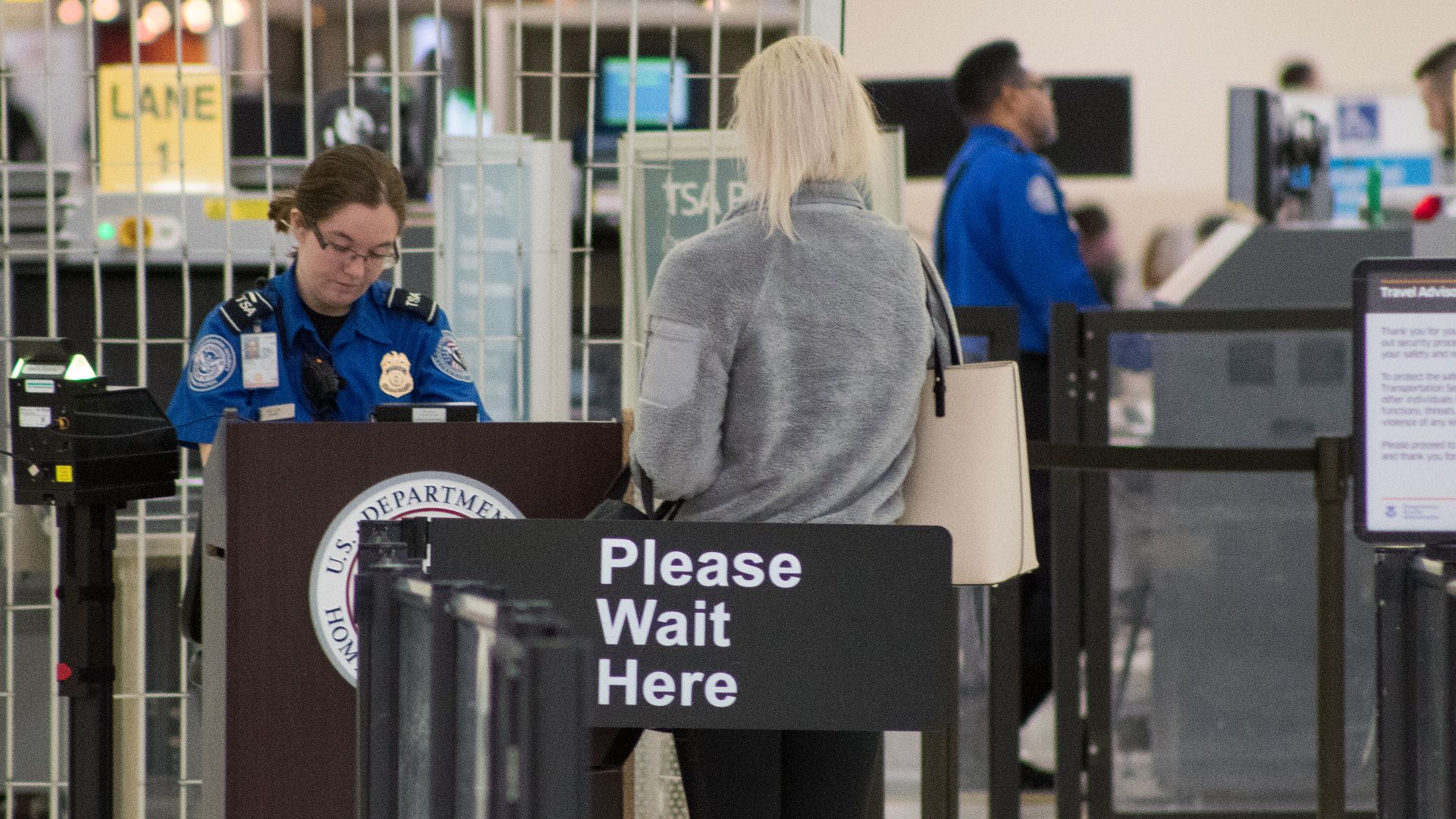
Before February, travelers without valid ID were handled under the old procedures. TSA may ask personal questions, run database checks, and conduct additional screening. It was inconvenient—but at least it was free.
 Michael Ball, Wikimedia Commons
Why TSA Is Adding A Charge
According to TSA guidance, manual identity verification takes time, personnel, and system resources. Charging a fee reframes it as an exception rather than a fallback. It also shifts responsibility back onto travelers to arrive properly documented.
 Karolina Grabowska www.kaboompics.com, Pexels
The Fee Isn’t About Punishment
TSA has framed the change as a compliance tool, not a penalty. The idea is similar to airline baggage fees—discouraging behavior by attaching cost, rather than outright banning it. You can still fly. You’ll just pay for the extra work involved.

Why This Will Catch People Off Guard
According to TSA estimates, manual identity verification can add 10 to 30 minutes or more to the screening process, depending on the airport and situation. Many travelers don’t realize this system exists until they’re already in line. Starting in February, that moment of confusion comes with both time lost and money spent.

Domestic Flights Only—But Still Disruptive
This rule affects domestic travel, not international flights. But domestic flyers are the most likely to rely on driver’s licenses alone. That makes the policy especially disruptive for casual travelers, families, and last-minute trips.
Airports Won’t Warn You Ahead Of Time
There’s no pop-up when you book a ticket. Airlines don’t check for Real ID compliance during purchase. The first time many travelers realize there’s a problem is at the TSA checkpoint—exactly when the fee becomes unavoidable.

Why TSA Prefers Fewer Exceptions
From TSA’s perspective, every manual verification slows the line for everyone behind you. The agency wants predictable, automated screening. Charging for exceptions nudges behavior without rewriting the entire security framework.
Who Is Most Likely To Be Affected
TSA data suggests roughly 94% of travelers already present Real ID-compliant identification or another acceptable form of ID. That leaves a small—but vulnerable—group at risk. Infrequent flyers, older travelers, and people using temporary or non-compliant licenses are most likely to be caught off guard.

How This Fits A Bigger Trend
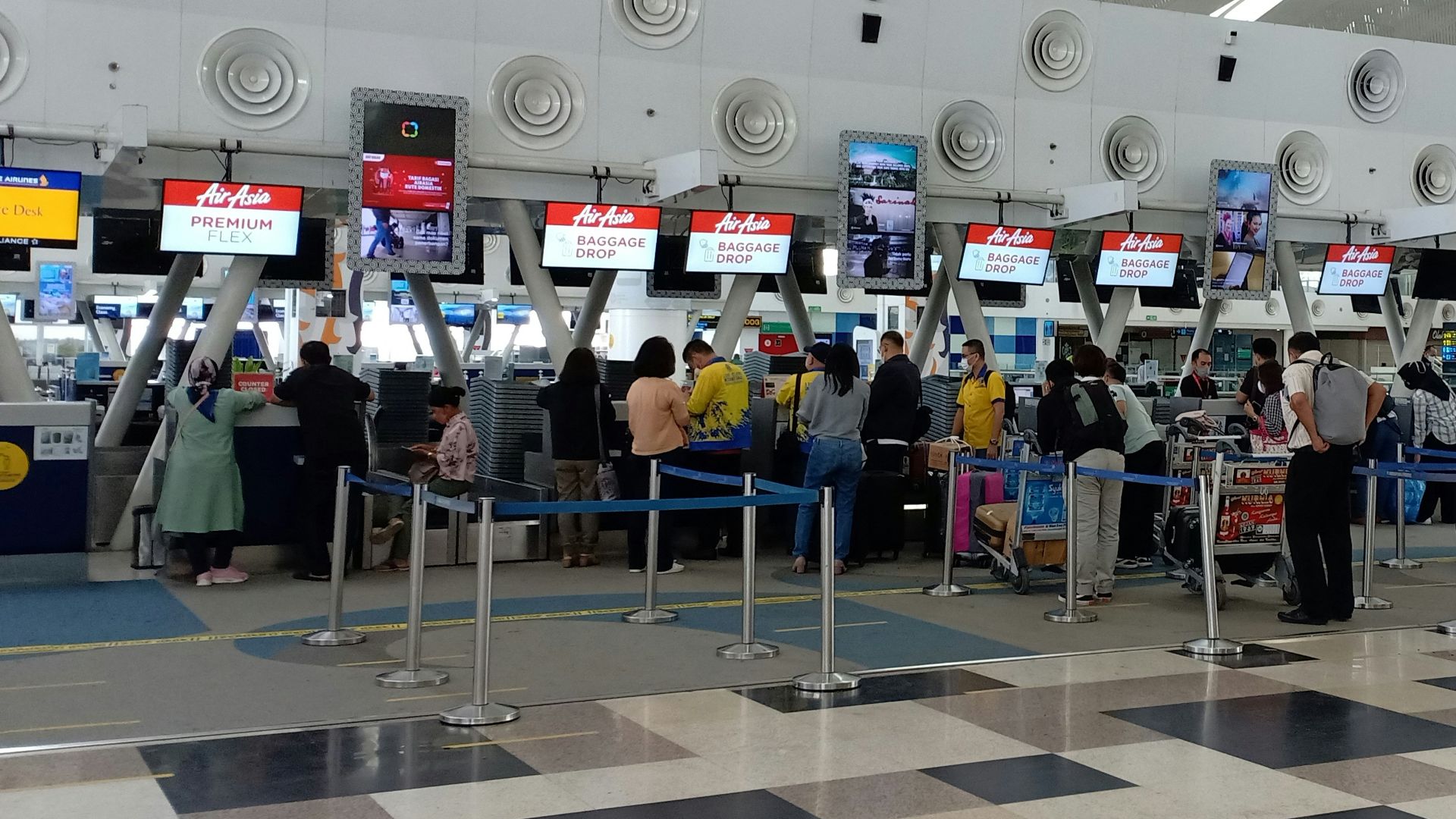
Airports are moving toward biometric screening, digital identity, and automated checks. Charging for manual verification fits that shift. Analog backups aren’t disappearing—but they’re becoming premium options instead of standard ones.
What TSA Isn’t Saying Loudly
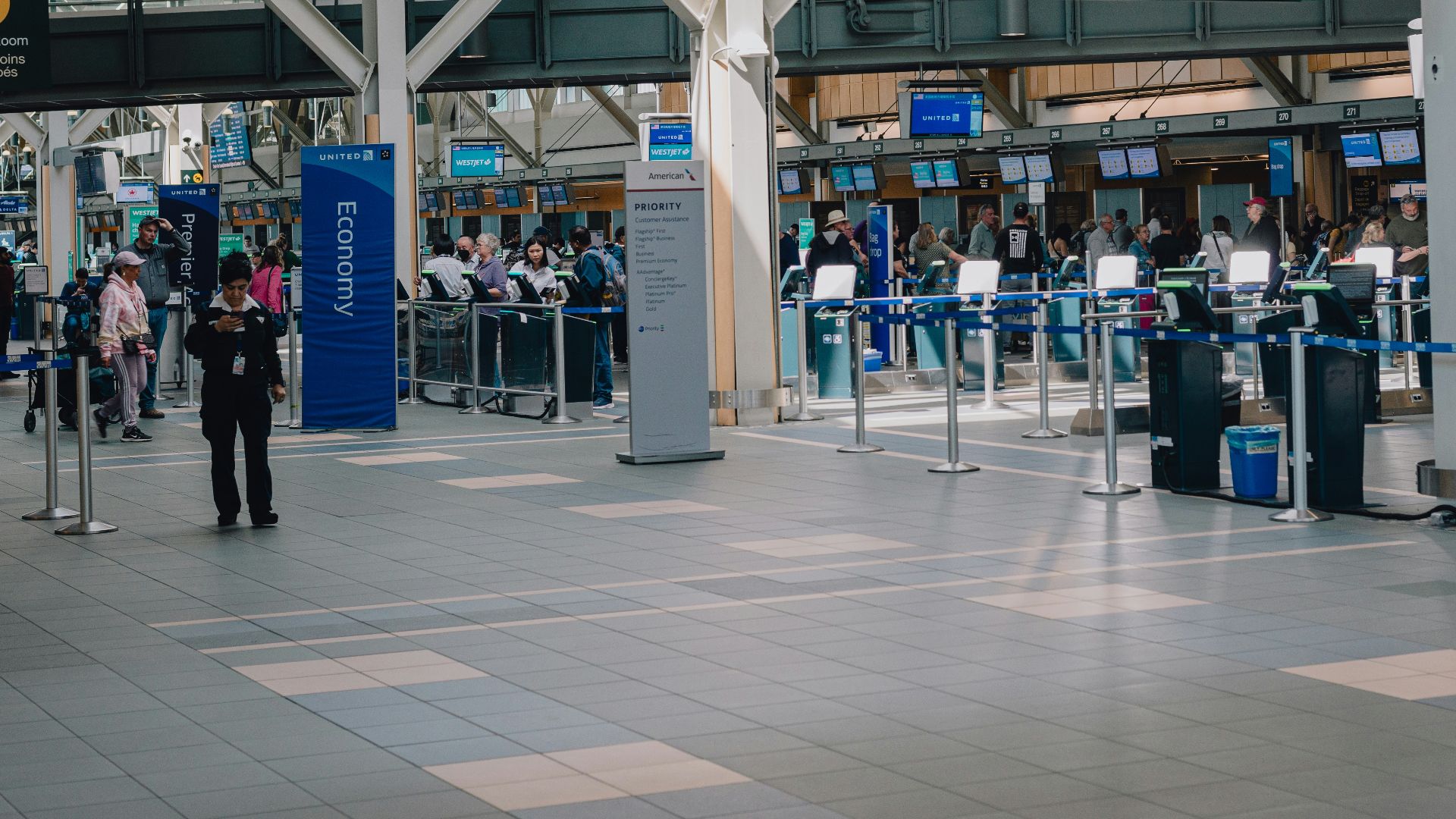
TSA hasn’t marketed this as a “fee increase.” It’s described internally as an operational change. That quiet rollout is why many travelers won’t hear about it until it affects them directly.
Will This Get Worse?
For now, there’s no indication the $45 ConfirmID fee will increase. TSA has not announced any future hikes, timelines, or automatic adjustments. That said, the fee is tied to operational costs, meaning changes would require formal policy updates and public notice. In short: nothing more is planned—but the door isn’t permanently closed.

How To Avoid The Fee Entirely
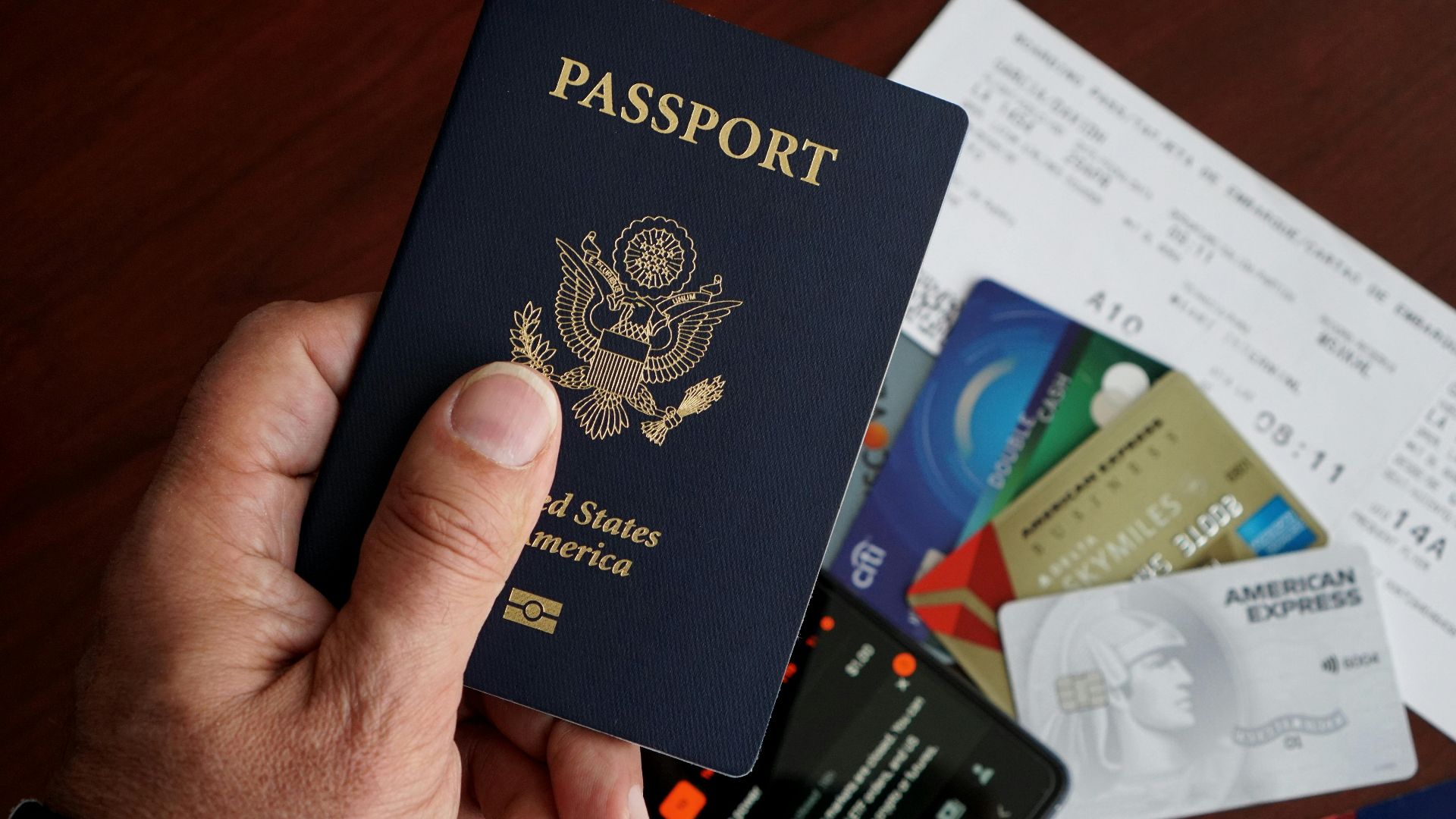
TSA accepts more than just Real ID-compliant licenses. Passports, passport cards, military IDs, Trusted Traveler cards, and certain tribal IDs all bypass identity verification completely. Travelers without any of these will be routed into the ConfirmID process—and charged for it.
Why A Passport Card Matters
Many Americans don’t realize passport cards work for domestic flights. They’re smaller than passports, valid for years, and fully accepted by TSA. For frequent flyers, they’re an easy workaround.

What Happens If You Refuse To Pay
If identity cannot be verified—or if the process isn’t completed—you may be denied screening altogether. The fee doesn’t guarantee passage. It only covers the attempt. That’s another reason TSA wants fewer travelers relying on it.

The Bigger Message To Travelers
TSA isn’t banning flights or grounding people. It’s changing expectations. Showing up without proper ID is no longer just inconvenient—it’s costly, uncertain, and avoidable with a little preparation.
Why February Matters
The timing gives travelers a short runway to adjust. But now that the change has taken effect, there’s no grace period at the checkpoint. Forgetting your ID won’t stop you from flying—but it will change what that mistake costs.
You Might Also Like: