
The Trip Fell Apart At The Front Door
You booked what appeared to be an ordinary vacation rental, arrived with your luggage, and discovered that the host was not legally permitted to accommodate you. When the landlord threatened the host with eviction, leaving was probably the safest and most practical choice. The experience raises an obvious question: Why could you reserve and pay for a prohibited rental in the first place?

A Listing Is Not Proof Of Legality
A property’s appearance on a major booking platform does not automatically mean that the rental complies with every local law, lease provision, condominium rule, or licensing requirement. Some rental sites explicitly tell hosts that they are responsible for understanding and following the laws governing where and how they host. It also says hosts may need permission from landlords, lenders, housing authorities, or other parties before accepting guests.

The Host May Have Broken Her Lease
The city’s short-term rental rules were only one possible problem in this situation. A tenant may also be barred from subletting by her lease, even in a city where some short-term rentals remain legal. In Paris, for example, tenants must obtain their landlord’s authorization before subletting a home as furnished tourist accommodation.

“Banned” Often Means Heavily Restricted
News reports frequently describe cities as having banned short term rental sites and apps, but the legal reality is often more complicated. Some cities prohibit unhosted rentals, limit them to principal residences, impose annual night caps, or exclude certain buildings. A stay may therefore be illegal because of the property type, the host’s absence, the length of the reservation, or the host’s failure to register.
New York Offers A Clear Example
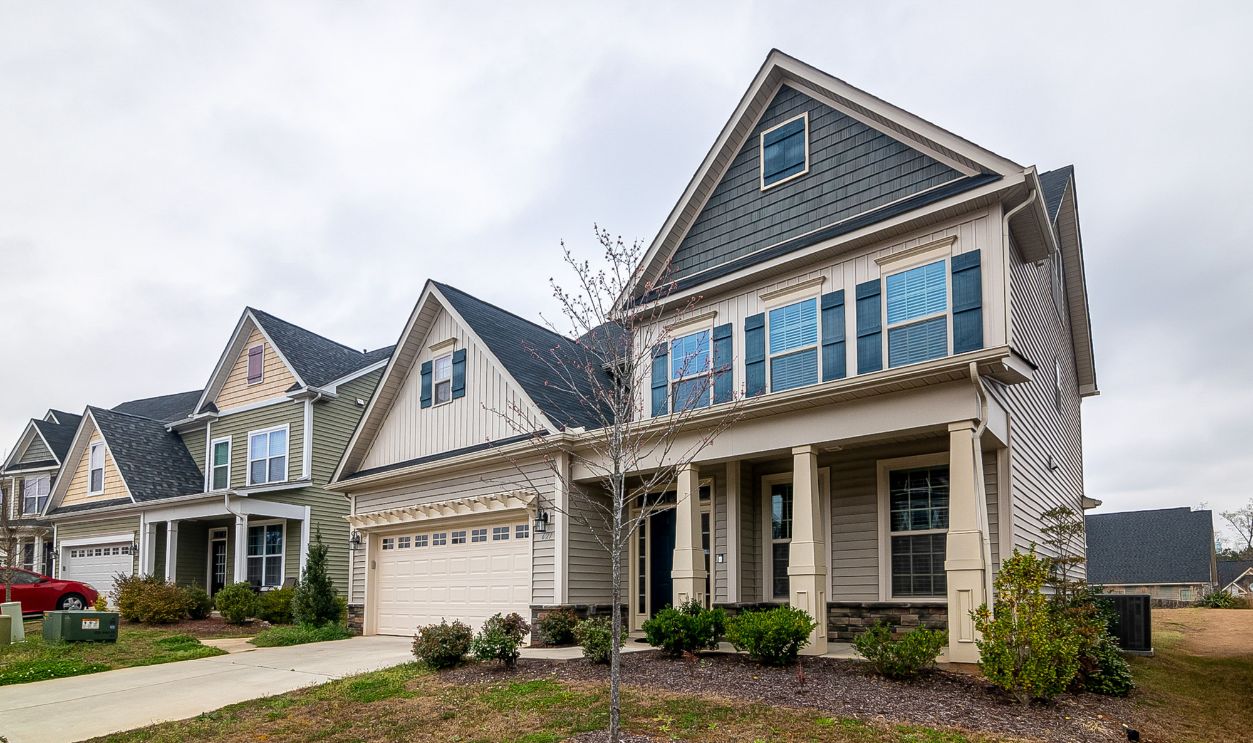
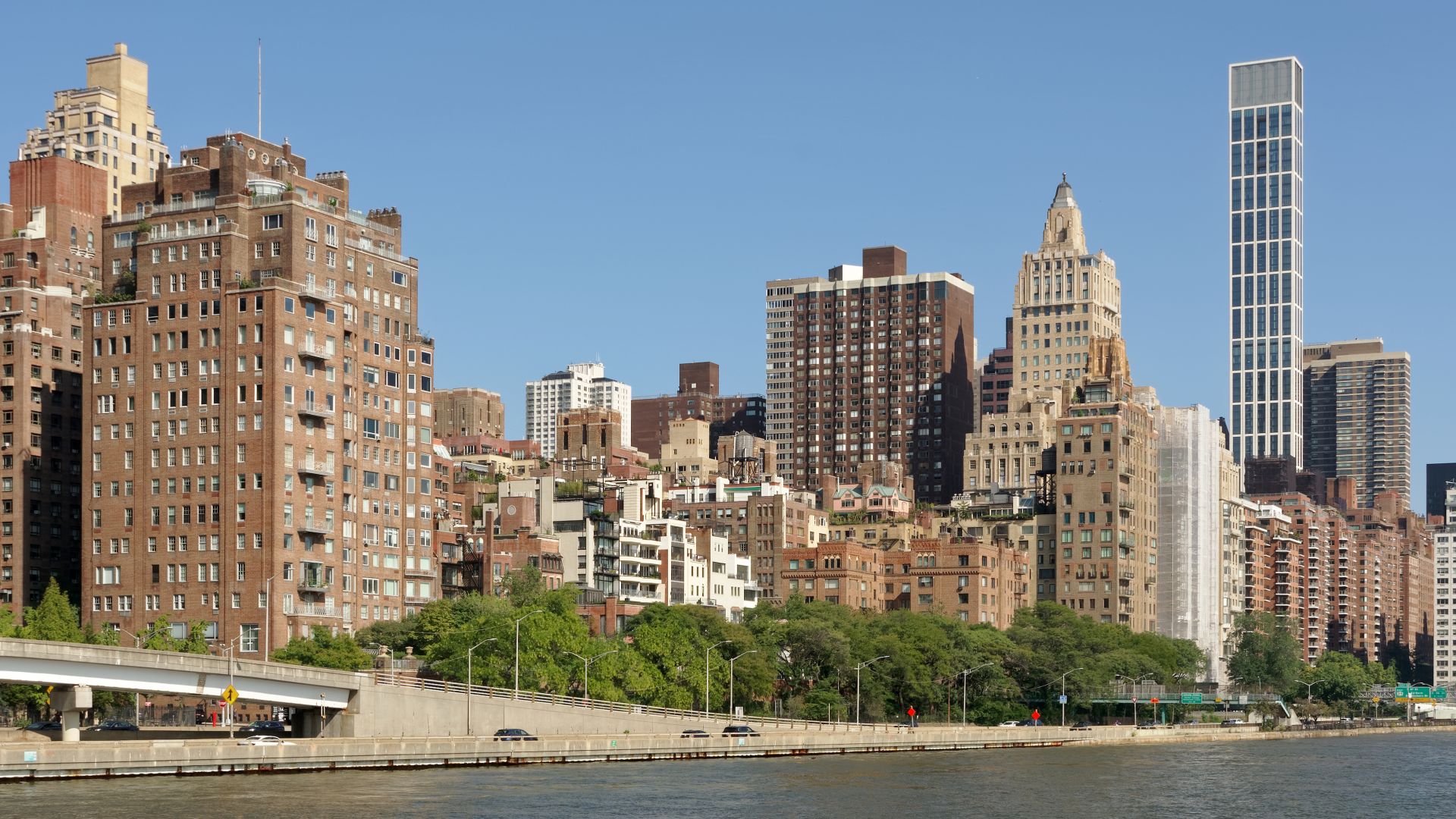
New York City requires hosts offering stays of fewer than 30 days to register with the Mayor’s Office of Special Enforcement. In most permanent residential buildings, the host must remain in the dwelling with no more than two paying guests. Entire-apartment stays lasting fewer than 30 days are generally not permitted in those buildings.

Platforms Have Duties In New York
New York City does not leave compliance entirely to individual hosts. Booking services must use the city’s verification system before processing qualifying short-term rental transactions. They must also submit reports covering certain rental activity and cannot process bookings that lack a valid registration or legal exemption.
 Jakub Hałun, Wikimedia Commons
The System Is Stronger Than A Disclaimer
New York’s approach connects the municipal registration database directly to the platforms through an application programming interface. That gives booking companies a practical way to confirm whether a registration is valid before accepting payment. The city also publishes registration data that travelers can search themselves.

Not Every City Has That Technology
Many municipalities do not operate a real-time database that booking platforms can automatically check. Others may require registration but lack the technical infrastructure, staffing, or legal authority needed to share information quickly. Without a working verification system, a platform may depend heavily on information entered by the host.

Self-Certification Leaves A Gap
Some short term rental platforms require hosts to certify that they will follow applicable laws when they create a listing. These companies may also provide instructions for entering permit or registration numbers in locations where they are required. However, a certification made by a host is not the same as an independent inspection of the property, the lease, and every relevant government record.
 https://kaboompics.com/, Pexels
A Registration Number Can Mislead You
Even a listing displaying an official-looking number may not be lawful in every respect. A host could enter the wrong number, use an expired registration, misrepresent the type of accommodation, or send the guest to a different address. New York City specifically warns that a registered listing can still violate the rules if it offers an unhosted stay or accommodates more than two guests.

Buildings Can Impose Their Own Rules
Municipal approval does not always override a lease, condominium declaration, co-op rule, or homeowners’ association restriction. A city may permit home-sharing while a particular building prohibits all short-term guests. That means a platform would need access to both government records and private contractual documents to determine whether every listing was fully authorized.
Landlords Are Not Always Consulted
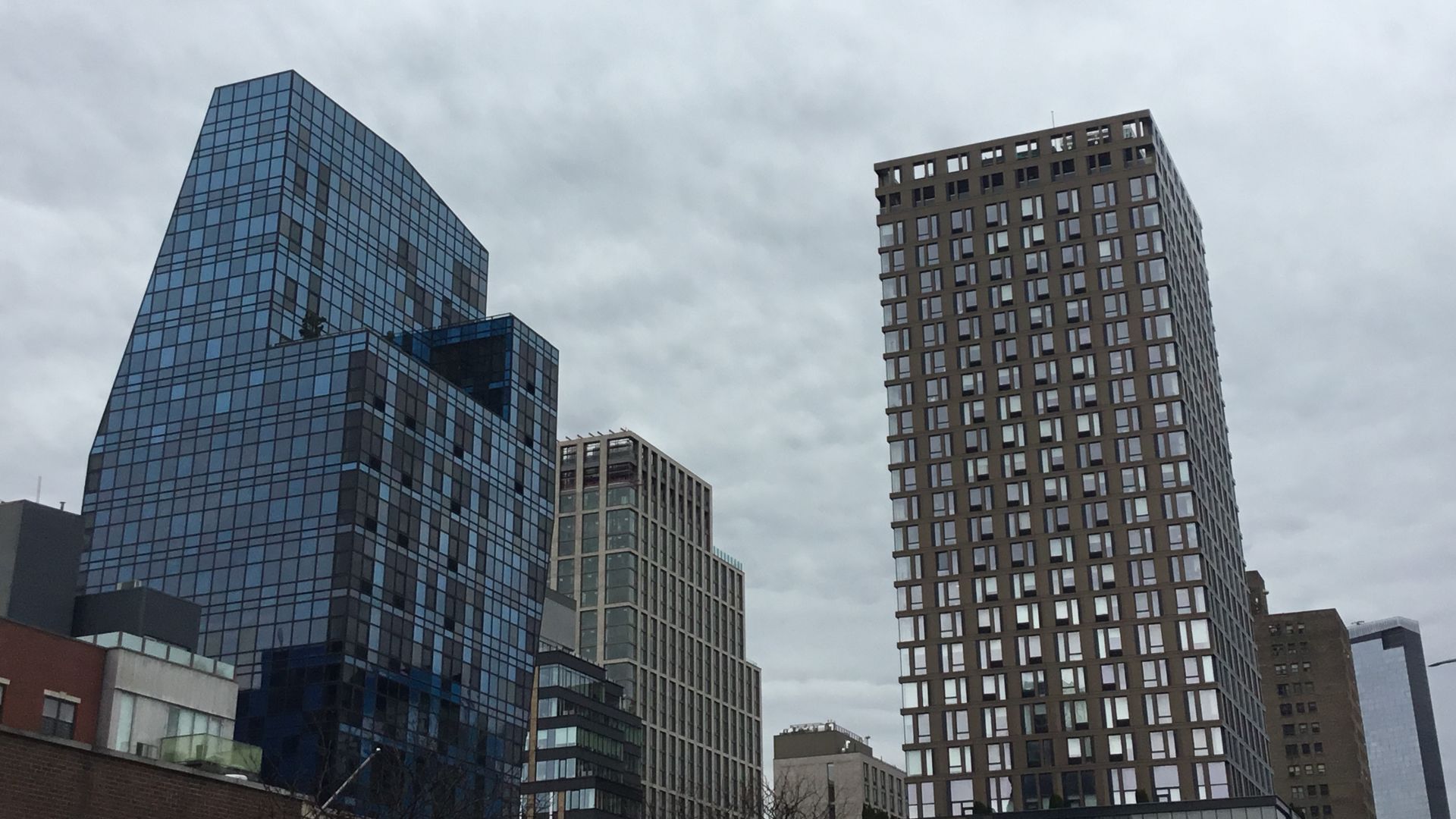
A tenant can sometimes upload a listing without the property owner knowing. The platform may verify the host’s identity, but that does not necessarily establish that the host owns the home or has permission to sublet it. One site's own responsible-hosting guidance tells tenants to review rental agreements and check whether their landlord prohibits subletting or hosting.

Toronto Limits Rentals To Principal Residences
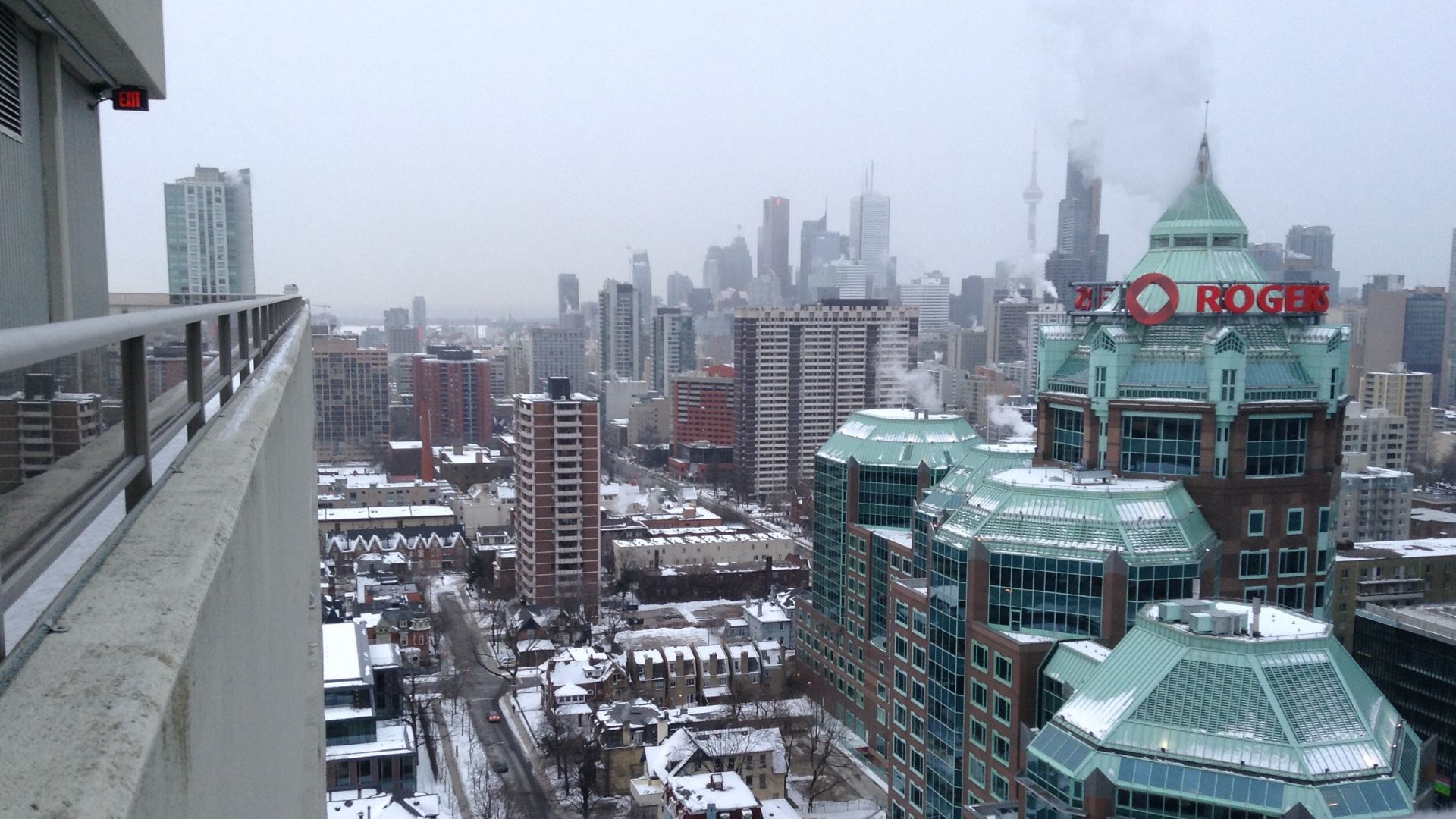
Toronto permits short-term rentals only in an operator’s principal residence and requires operators to register with the city. A short-term rental is generally accommodation offered for fewer than 28 consecutive days. The city advises prospective operators to confirm that a property is eligible before advertising it.

Toronto Also Regulates Platforms
Toronto’s rules require advertisements to display the operator’s registration number. Companies that advertise or facilitate short-term rentals must verify registration information against the city’s operator register. Those requirements are designed to prevent unregistered properties from remaining bookable simply because a host checked a box.
 Blueiriscity, Wikimedia Commons
Paris Uses A Different Model
Paris requires hosts renting furnished tourist accommodation to complete registration procedures and display the resulting number in advertisements. A primary residence can generally be rented for no more than 90 days a year. Tenants also need landlord authorization, while public housing cannot legally be used for furnished short-term rentals.
 Laurens R. Krol, Wikimedia Commons
Europe Is Building Common Rules
The European Union adopted Regulation 2024/1028 to improve registration and data sharing for short-term accommodation rentals. The system requires participating jurisdictions to establish digital registration structures and calls on platforms to display registration numbers, conduct checks, and transmit activity data. The regulation is intended to make it easier for public authorities to identify invalid or misused registrations.
Enforcement Still Varies Dramatically
Passing a law does not instantly remove every prohibited listing. Municipal investigators may need to establish who controls a unit, whether it is the host’s principal residence, and how frequently it has been rented. Illegal operators can also relist properties, change addresses, switch platforms, or alter descriptions to avoid detection.

Governments Sometimes Target The Platform
Spain fined one short term rental site €64 million in 2025 over listings that authorities said lacked required license numbers or contained inaccurate host information. The country had previously ordered the removal of tens of thousands of listings considered noncompliant. The company in question said it planned to challenge the fine, illustrating how platforms and governments can disagree about who is legally responsible for identifying unlawful rentals.

The App May Not Know About The Lease
A platform can sometimes confirm that a municipal registration exists without knowing that a landlord has prohibited subletting. Private lease terms are not normally stored in a public database. Unless the owner reports the listing or the city maintains a prohibited-building list, the restriction may remain invisible until a neighbor, landlord, or building manager complains.

New York Lets Owners Flag Buildings
New York City maintains a Prohibited Buildings List covering properties where short-term rentals are barred by law, leases, or occupancy agreements. Building owners can notify the city that short-term rentals are not allowed at their addresses. Platforms can then incorporate that information into the city’s verification process.

Guests Still Need To Do Some Homework
Travelers should not be expected to conduct a legal investigation before every vacation, but a few checks can reduce the risk. Search the city’s official website for short-term rental rules, then compare those rules with the listing. Pay particular attention to registration numbers, host-presence requirements, principal-residence restrictions, minimum stays, and limits on entire-home rentals.

Watch For Suspicious Instructions
A host who tells you to hide from the concierge, claim to be a relative, avoid speaking to neighbors, or enter through a side door is revealing a serious problem. Those instructions suggest that the host may be concealing the arrangement from the landlord or building management. Do not treat secrecy as a quirky part of the local experience.

Save Evidence Before Leaving
Take screenshots of the listing, confirmation, house rules, registration number, messages, and any instructions from the host. Record what the landlord or building manager said, including the time and location of the conversation. Written documentation can become crucial when requesting a refund or challenging the charge.

Contact The Platform Immediately
Report the situation through the app as soon as you learn that you cannot legally or safely remain. Rebooking and refund policies may require guests to report a covered reservation issue within 72 hours of discovering it. The company you've rented from may ask for photographs, videos, host messages, or other evidence before deciding whether a refund or rebooking assistance is appropriate.

Ask For More Than A Cancellation
Explain that you did not voluntarily abandon the stay because you changed your mind. You were forced to leave because the host apparently lacked permission to accommodate paying guests. Request a refund for the unused nights, repayment of relevant fees, and assistance with the additional cost of replacement lodging.

Hotel Costs Are Not Automatically Covered
Platforms may offer to pay or contribute toward new accommodations when a qualifying reservation problem occurs, but they also may not be obligated to cover every replacement expense. Assistance may instead take the form of rebooking support, travel credit, or a refund of the original reservation. Keep the replacement hotel reasonable and retain every receipt.

Escalate A Denied Claim Carefully
Ask the company you're working with to identify the exact policy provision supporting its decision and submit any missing documentation. Keep communications inside the platform whenever possible so there is a complete written record. You can also report suspected illegal content or the listing itself through the platform’s reporting tools.

A Credit Card Dispute Is A Backup
Start by trying to resolve the problem with the booking company because card issuers may ask what steps you took. In the United States, the Consumer Financial Protection Bureau says a charge may qualify as a billing error when a consumer did not receive the goods or services purchased. Written billing-error notices generally must reach the card company within 60 days after the charge appears on the statement.

Report The Property To The City
Many cities accept complaints about suspected illegal rentals through licensing departments, housing agencies, or general municipal service lines. Include the listing URL, property address, registration number, reservation dates, and relevant messages. Reporting the listing may protect future travelers and help the landlord or city determine whether the host repeatedly violated the rules.
 LinkedIn Sales Solutions, Unsplash
The Platform Should Not Get A Free Pass
It is reasonable to expect a company collecting service fees to perform meaningful compliance checks where reliable government data is available. Cities such as New York and Toronto have demonstrated that registration verification can be incorporated into the booking process. Platforms should also act promptly when guests, landlords, and regulators provide credible evidence that a listing is unlawful.

The Real Answer Is Shared Responsibility
The app may have allowed the listing because the host misrepresented her authority, the landlord’s restriction was not publicly recorded, or the city lacked a verification system that could communicate with the platform. That does not mean the traveler should absorb the loss. Hosts must obey the law, platforms must enforce the information they can reasonably verify, governments must create workable systems, and guests should receive prompt help when those safeguards fail.
 Vodafone x Rankin everyone.connected, Pexels
You May Also Like:
Sources: 1, 2, 3, 4, 5, 6, 7, 8, 9, 10, 11, 12, 13, 14, 15, 16, 17, 18, 19