
A Shock At Checkout
You thought you had the system figured out. After saving points for months or even years, you finally booked what looked like a “free” flight—only to be hit with hundreds of dollars in unforeseen charges at checkout. Now you’re wondering what on Earth went wrong, whether you misunderstood the process, and if those points were ever really as valuable as they seemed.

Understand What “Free” Really Means
When you redeem points, you’re usually only covering the base fare portion of the ticket. Airlines still make you pay taxes, fees, and surcharges in cash at the time of booking. These extra costs are a standard item across most loyalty programs, which is why “free” flights almost never end up costing nothing out of pocket.
Break Down The Ticket Price
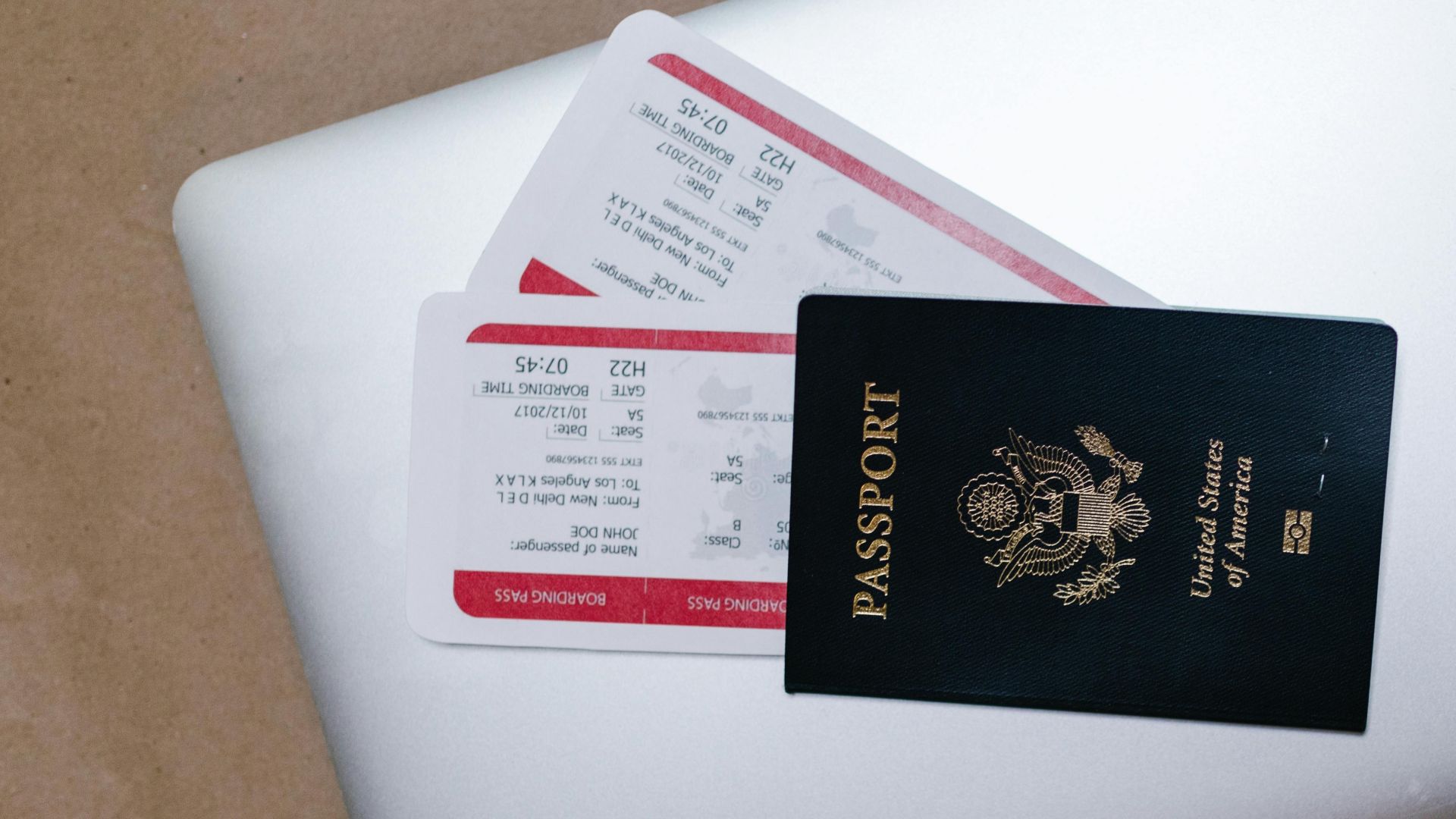
Every airline ticket is made up of multiple components, including the base fare, government taxes, airport charges, and airline-imposed fees. Points generally apply only to the base fare, which can sometimes be a unexpectedly small portion of the total ticket price, especially on international routes or premium cabin bookings.

Government Taxes Add Up Quickly
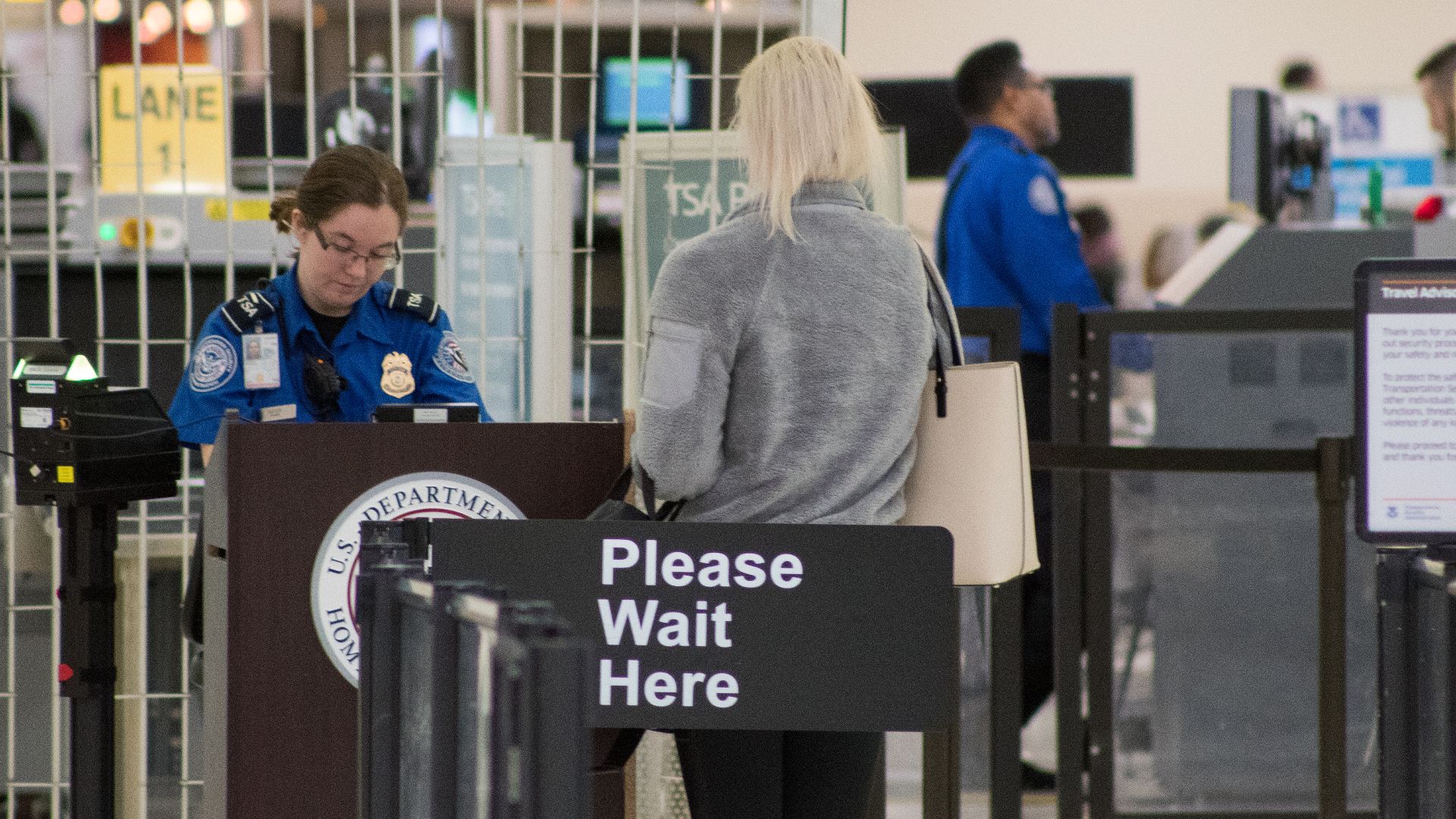
Governments impose a wide range of taxes on airline tickets, including departure taxes, security fees, and international travel duties. Depending on what countries are involved, these charges can quickly add up to well over $100 each way. Even though you’re using points, these taxes still have to be paid in full at checkout.
 Michael Ball, Wikimedia Commons
Airport Fees You Don’t See Coming
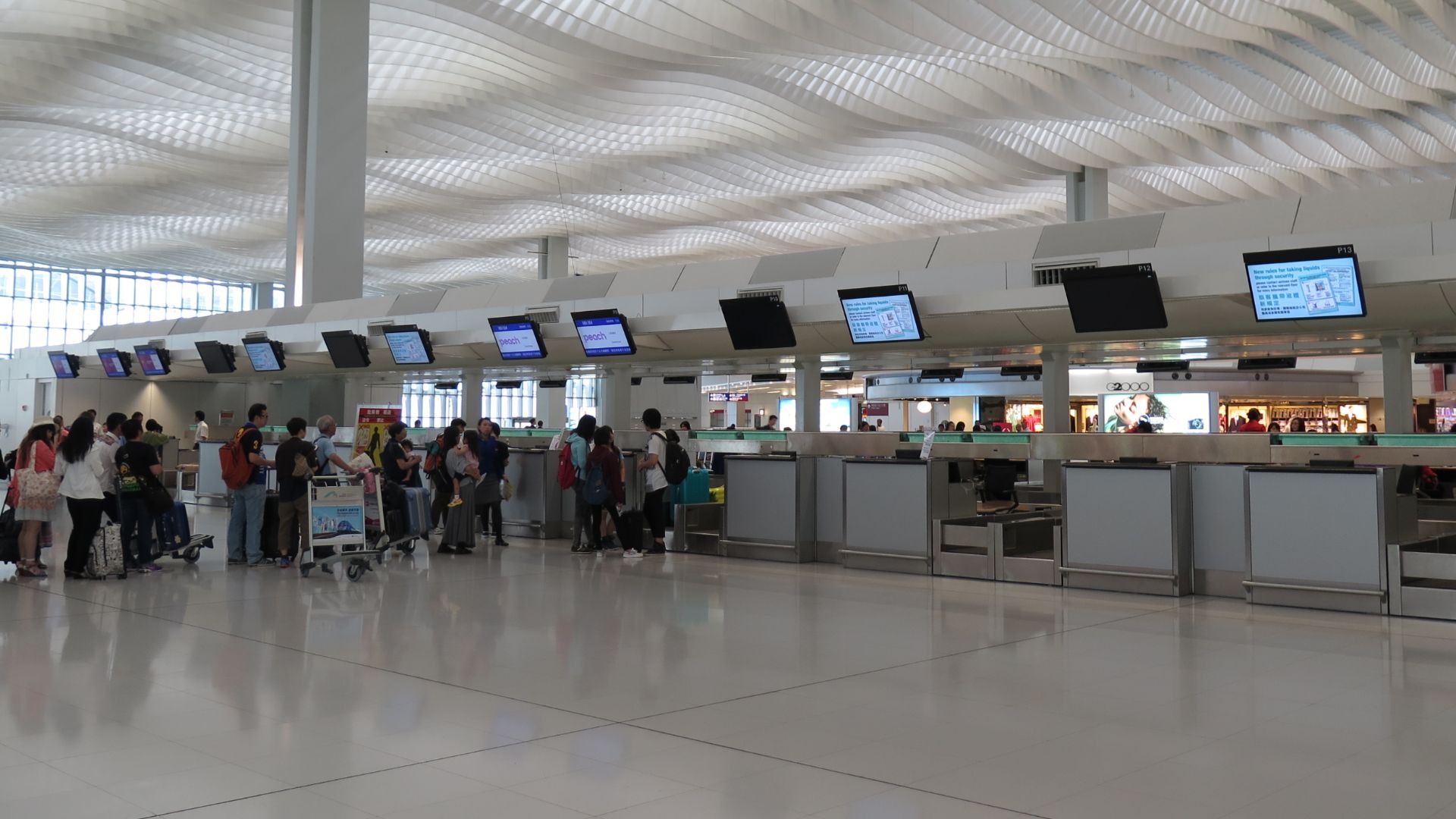
Airports also collect fees to fund infrastructure, security operations, and passenger services. These can include such items as terminal usage fees, passenger facility charges, and airport improvement costs. While they’re often hidden within the total ticket price, they still apply to award tickets and can greatly increase your out-of-pocket expense.
Role Of Fuel Surcharges
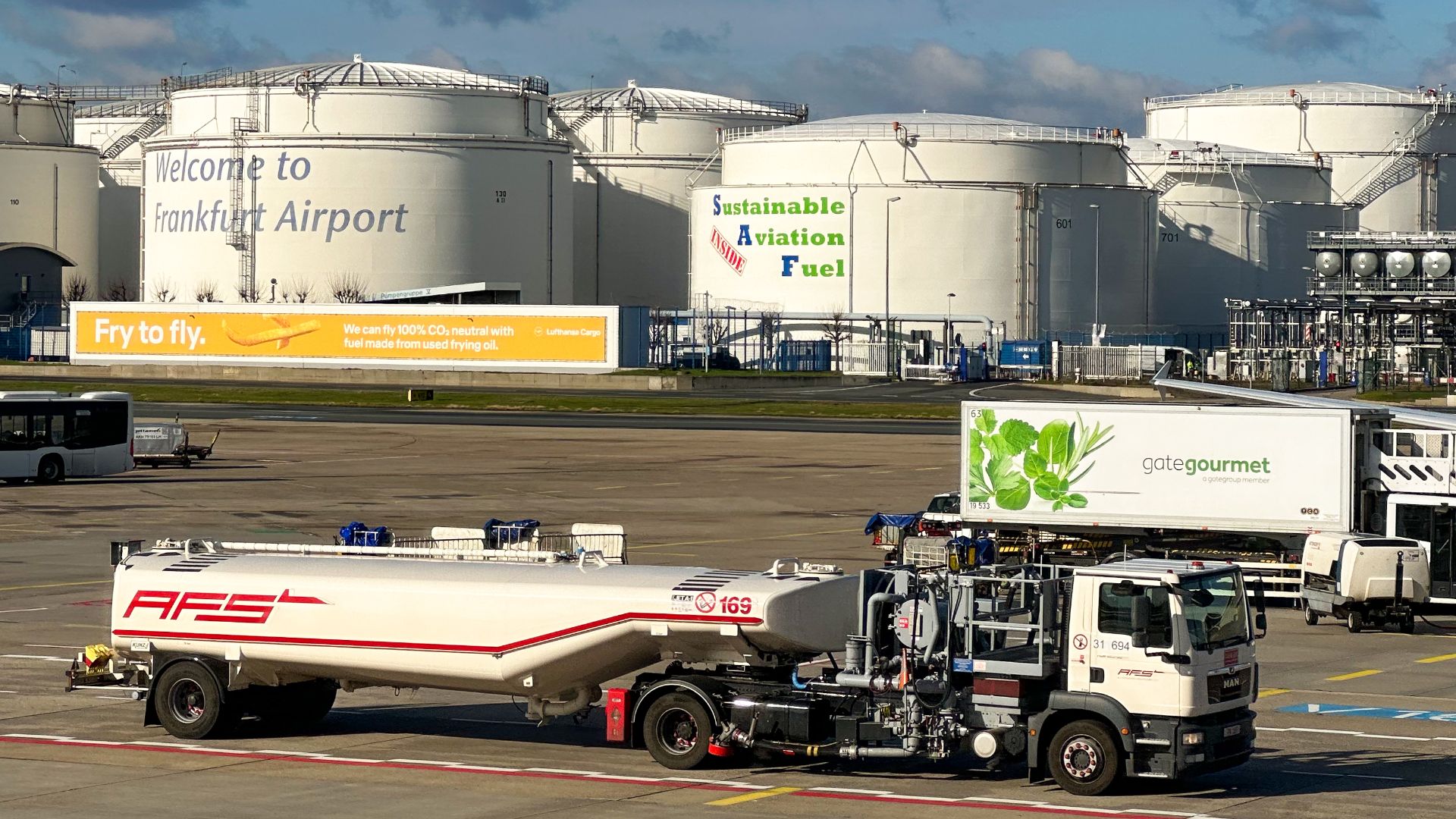
Fuel surcharges—often labeled as carrier-imposed fees—are one of the biggest reasons your “free” flight still costs money. Airlines add these charges on top of their award tickets, and in some cases they can surpass several hundred dollars, particularly on long-haul international flights or premium cabin redemptions.

Why Fuel Surcharges Are So High
Despite their name, fuel surcharges aren’t always strictly tied to fuel prices. Airlines use them as flexible pricing tools to recover operational costs and boost revenue. This means they can stay high even when fuel prices drop. This makes them one of the most frustrating and least transparent aspects of award travel.
 Ubahnverleih, Wikimedia Commons
Partner Airlines Can Change Everything
If you book through one airline but fly with a partner carrier, the fees can vary dramatically. Some airlines pass along high surcharges, while others absorb them. This means the exact same flight route can have very different costs depending on which loyalty program you use to book it.

Why Some Routes Cost More
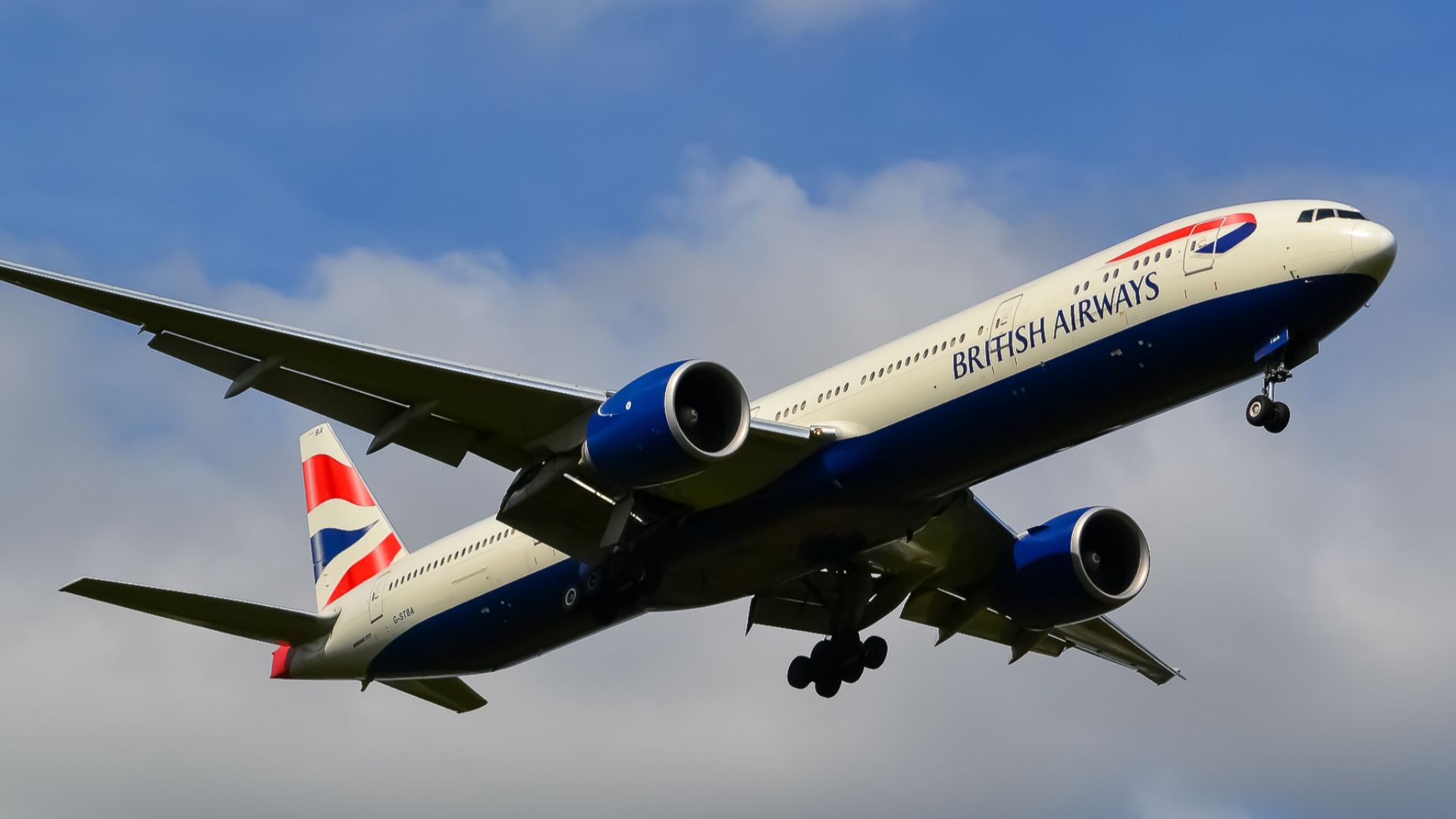
Certain routes naturally come with higher taxes and fees because of local regulations and airport policies. Flights leaving from or connecting through countries with high aviation taxes—such as the UK—can significantly raise your total cost, even if you’re using points for the base fare.
Segment Fees And Multi-Leg Trips
If your itinerary includes multiple connections, each leg of the journey may carry its own taxes and fees. That means a flight with two or three segments can cost a lot more in out-of-pocket charges than a nonstop option, even if it requires a similar number of points.

Booking Fees You Might Overlook
Some airlines charge additional booking fees, especially if you reserve tickets over the phone or through partner programs. These fees may seem small on their own, but when combined with other charges, they contribute to the overall cost and can make your “free” flight feel like it’s anything but.

Timing Can Affect Fees
The timing of your booking can also impact the fees you pay. Last-minute bookings may limit your options to flights with higher surcharges or fewer partner choices. Booking further ahead of time often gives you access to lower-fee routes and better overall redemption value.

Not All Loyalty Programs Are Equal
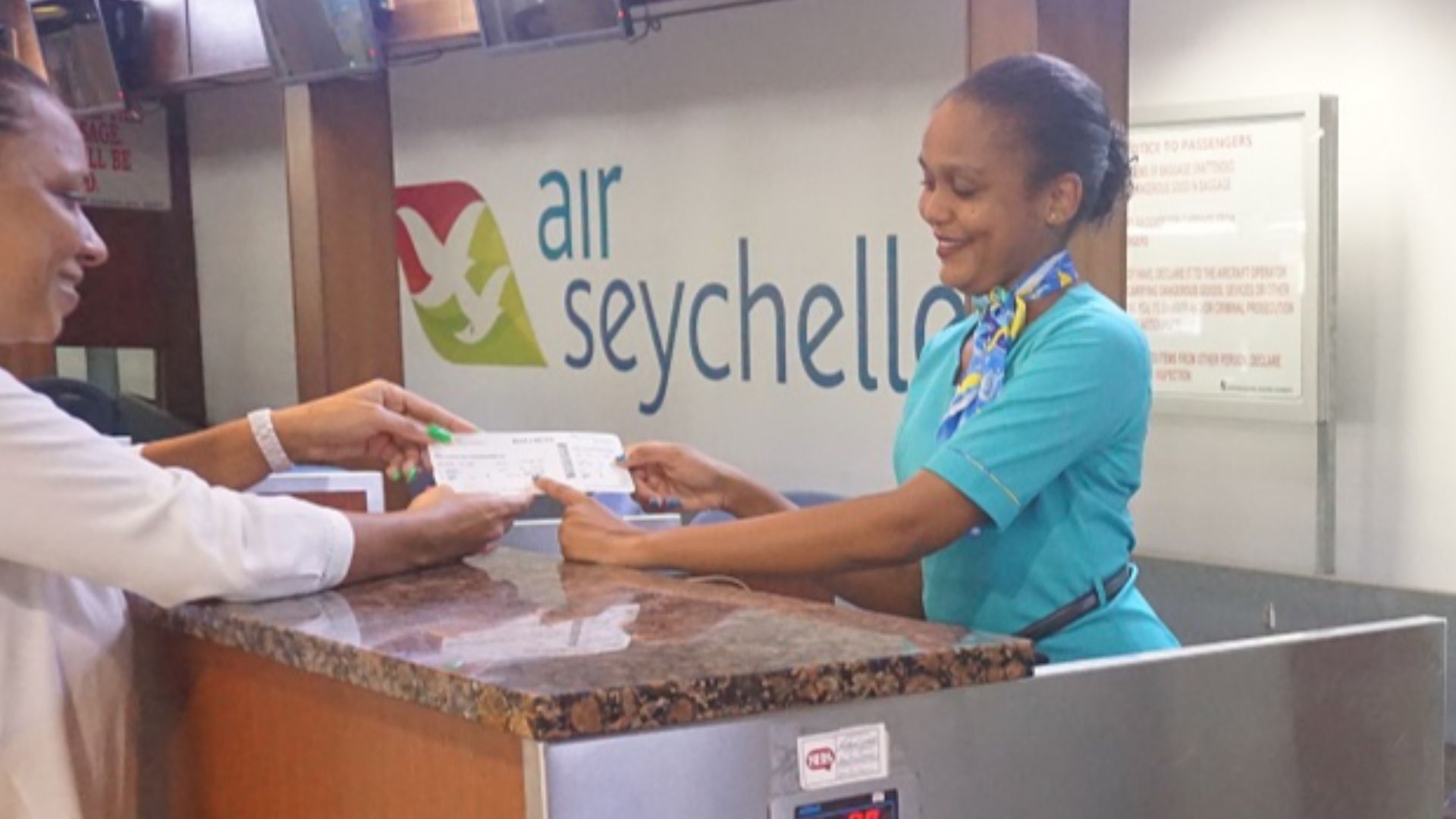
Different loyalty programs handle fees in very different ways. Some pass along all surcharges directly to the customer, while others absorb part or all of them. Choosing the right program can dramatically reduce your out-of-pocket costs, even for identical flights on that airline.
 Air Seychelles, Wikimedia Commons
Choosing The Right Airline Matters
Certain airlines are known for high carrier-imposed surcharges, while others keep their fees relatively low. Being flexible about which airline you fly can make a major difference in how much you end up paying when redeeming points for a flight.

Why “Free” Flights Still Make Sense
Even with these extra costs, using points can still offer strong value—especially for expensive routes or premium cabins. The key is to understand that points lower the cost of travel rather than remove it entirely, and plan your redemptions accordingly.

How To Check Fees Before Booking
Before confirming your booking, always review the full breakdown of taxes and fees. Most airline and loyalty program websites display this information clearly before payment, allowing you to compare options and avoid unpleasant surprises at checkout.

Compare Multiple Redemption Options
It’s worth taking the time to compare multiple airlines, routes, and redemption programs before you book. Even small changes, like choosing a different partner airline or routing through a different airport, can very much reduce the fees you’ll need to pay.

Use Points To Offset Fees
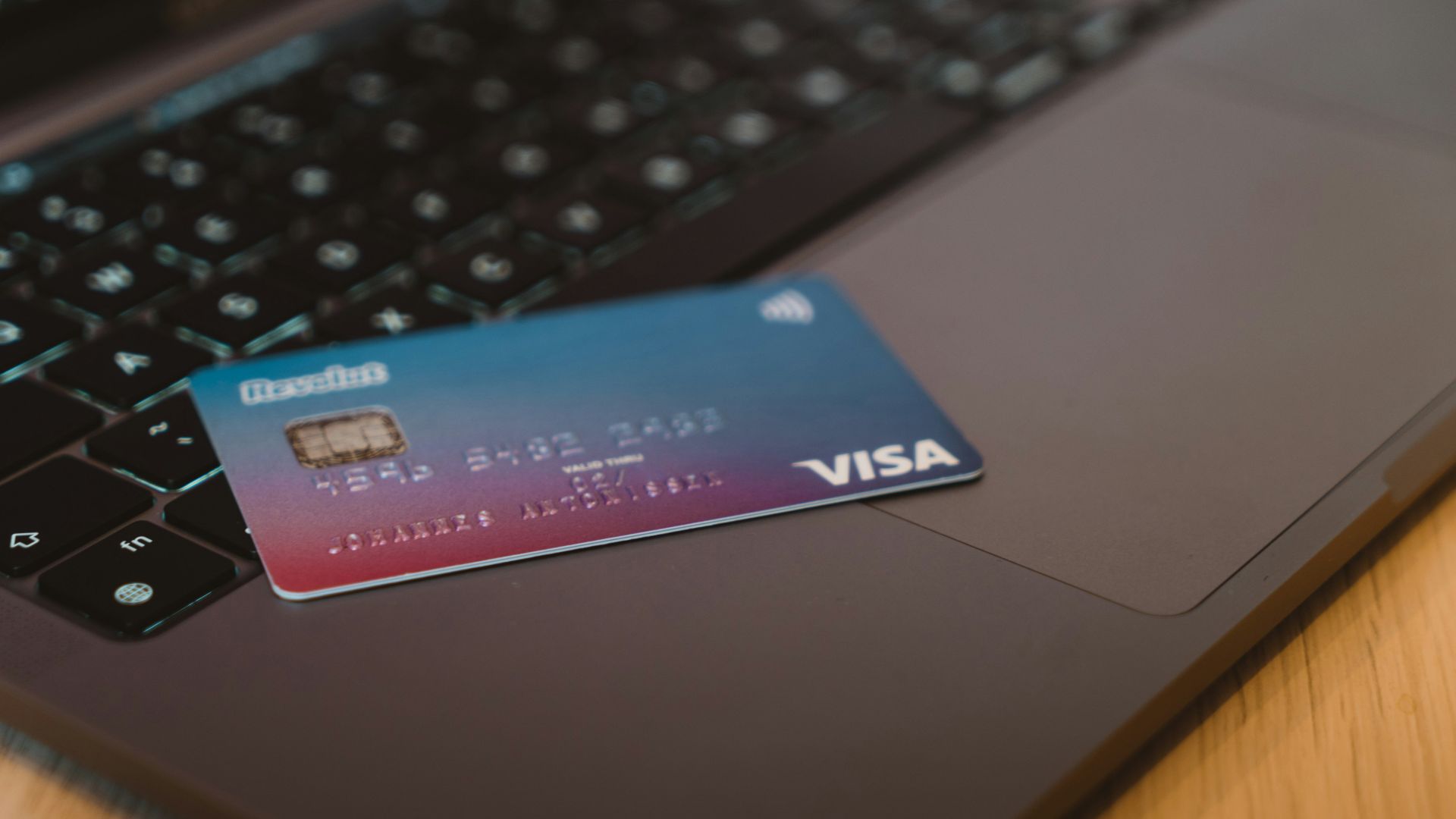
Some credit card reward programs let you redeem points to cover travel purchases after the fact, including taxes and fees. This can be a handy strategy for reducing your out-of-pocket costs and making your “free” flight feel closer to truly free.
Planning Smarter Next Time
The best way to avoid frustration is to focus on the total cost of a redemption rather than just the points required. By understanding how fees work and where they come from, you can make smarter booking decisions and get better overall value from your rewards.

Turn A Bad Surprise Into A Lesson
That unexpected charge may feel frustrating in the moment, but it’s also a valuable learning experience. Once you understand the system, you’ll be far better equipped to navigate it, avoid hidden costs, and make your next reward booking work in your favor instead of against you.
You May Also Like: