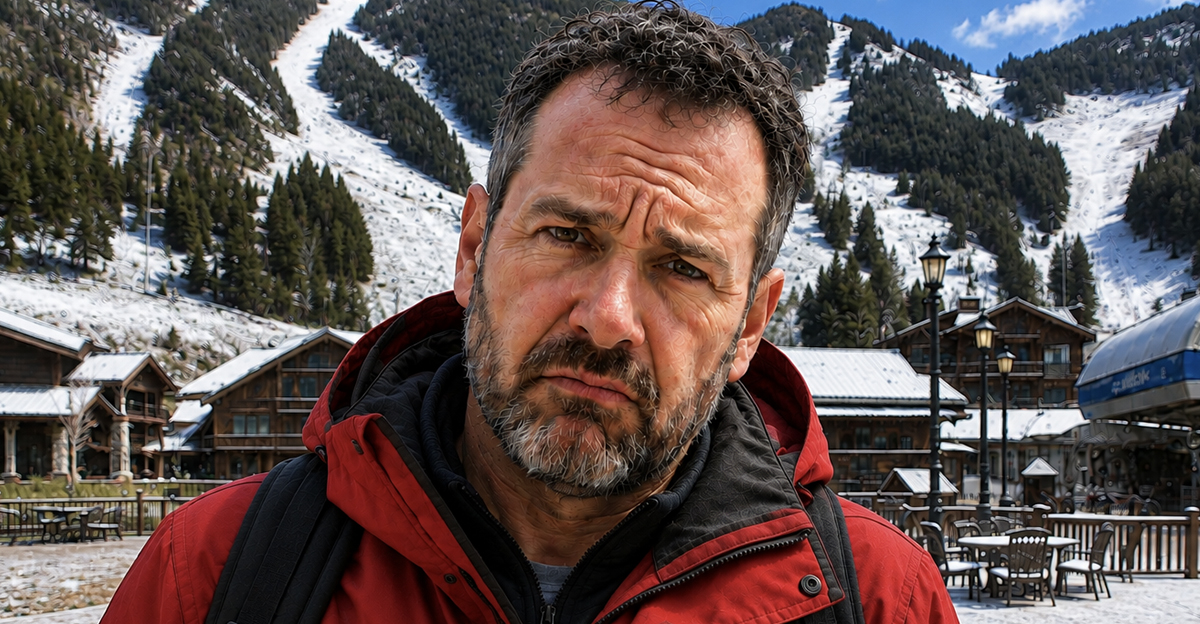
My Trip Was Built Around Winter, But Winter Didn’t Show Up
You booked the flights, chose the hotel, and planned the entire trip around something that only exists when winter cooperates. Then unusually warm weather ruined the snow or forced organizers to close the attraction altogether. It can feel like the whole vacation was wasted, but increasingly unpredictable winters mean weather-dependent trips need a different kind of planning.
Winter Attractions Really Are Becoming Less Predictable
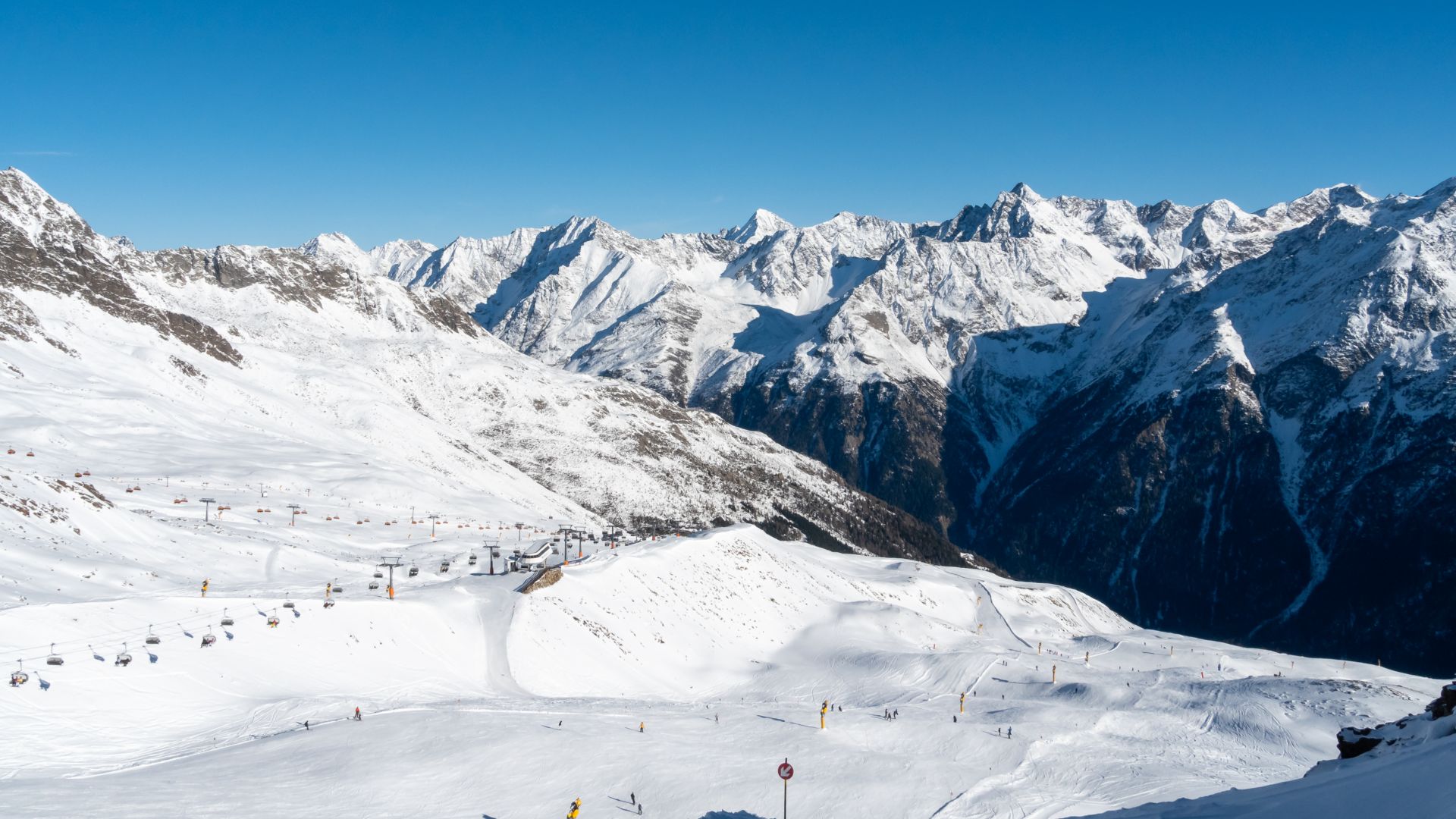
This isn’t just a case of travelers having unusually bad luck. Rising temperatures are reducing snow cover and shortening the seasons available for snow-dependent recreation in many regions. Climate research has also documented declines in the depth, extent, and duration of snow cover across many mountain areas.
 Matti Blume, Wikimedia Commons
Warmer Air Can Turn Snow Into Rain
A winter storm doesn’t guarantee a snowy landscape anymore. As temperatures rise, precipitation that might once have fallen as snow can arrive as rain instead, particularly at lower elevations and around the freezing point. That can leave a winter destination looking completely different from the photos used to advertise it.
Existing Snow Can Disappear Faster Too
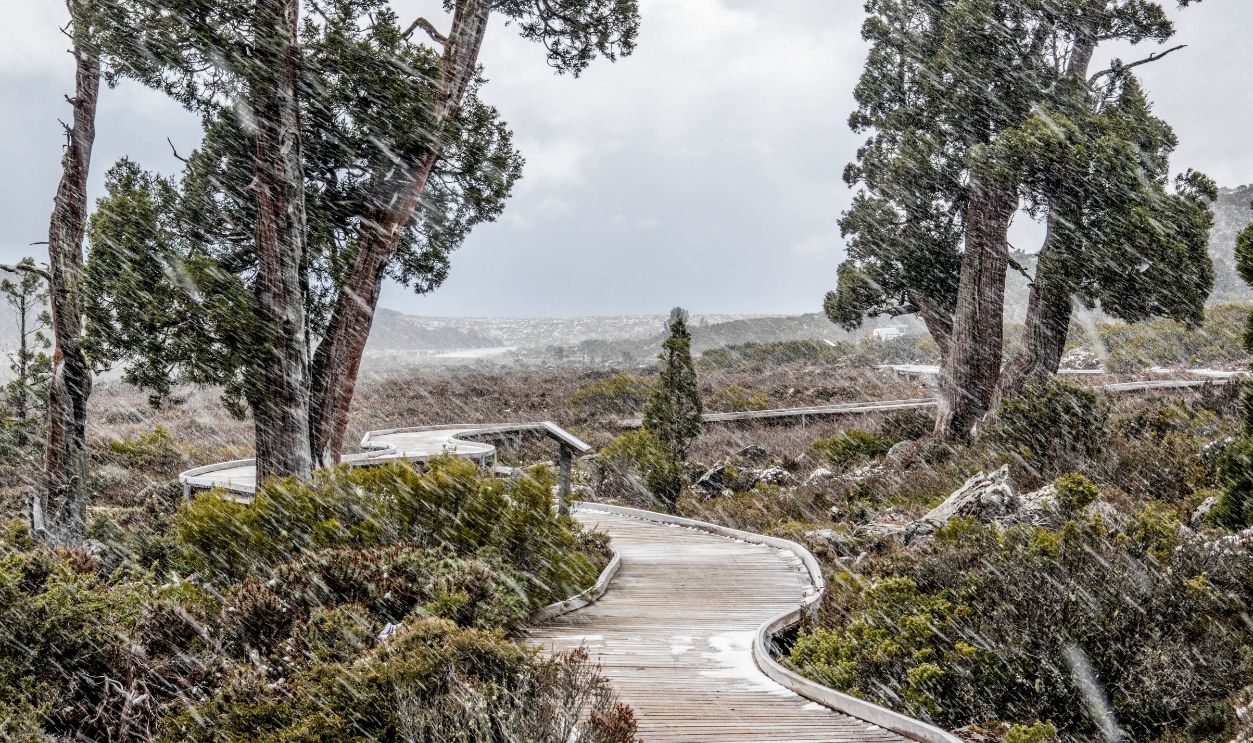
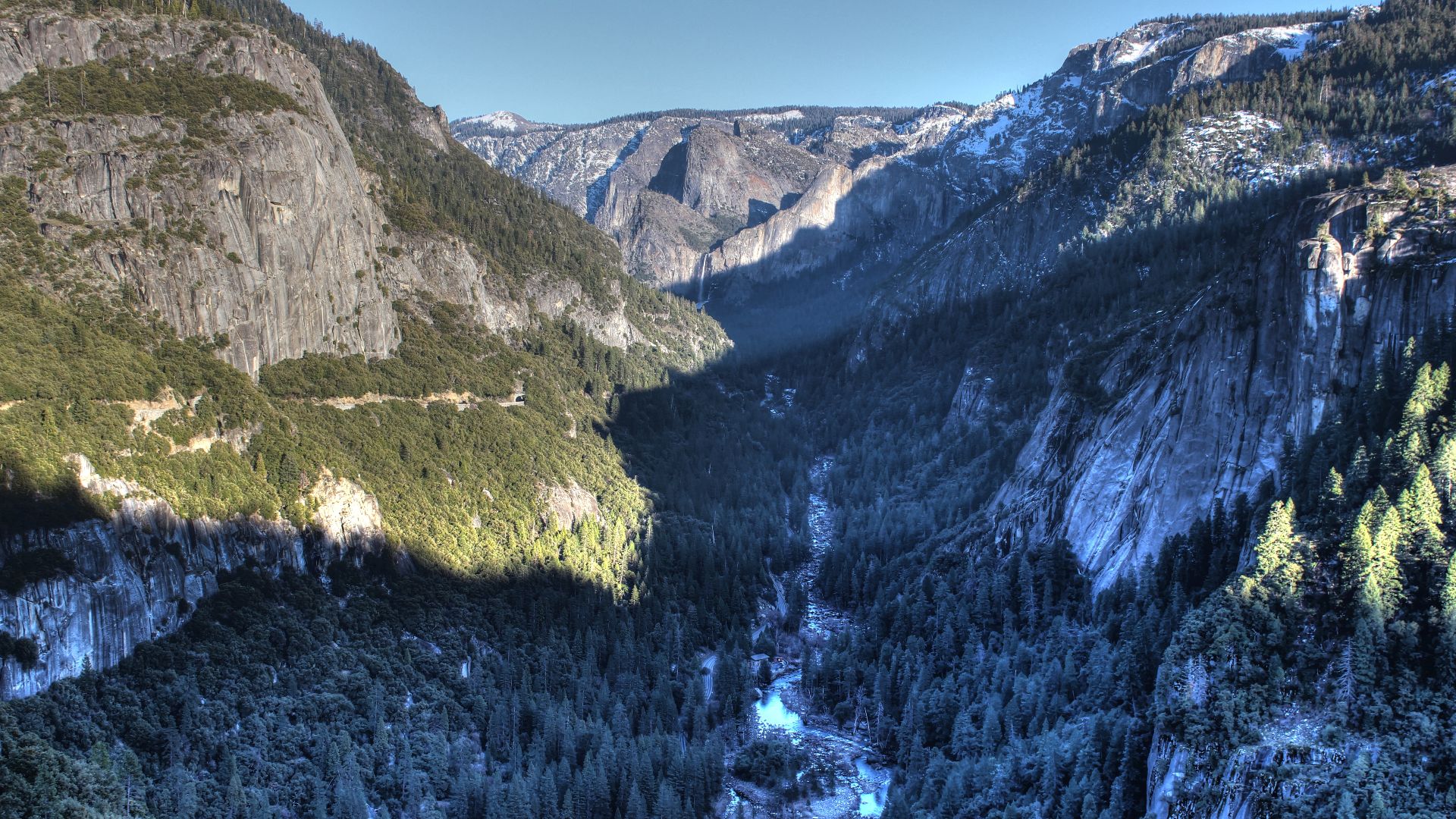
The problem isn’t only whether enough snow falls. Warmer temperatures can cause earlier melting, shorter periods of continuous snow cover, and more midwinter thaw events. That means an attraction can look spectacular one week and become unusable shortly before you arrive.
 Dameon Hudson, Wikimedia Commons
Natural Ice Is Particularly Vulnerable
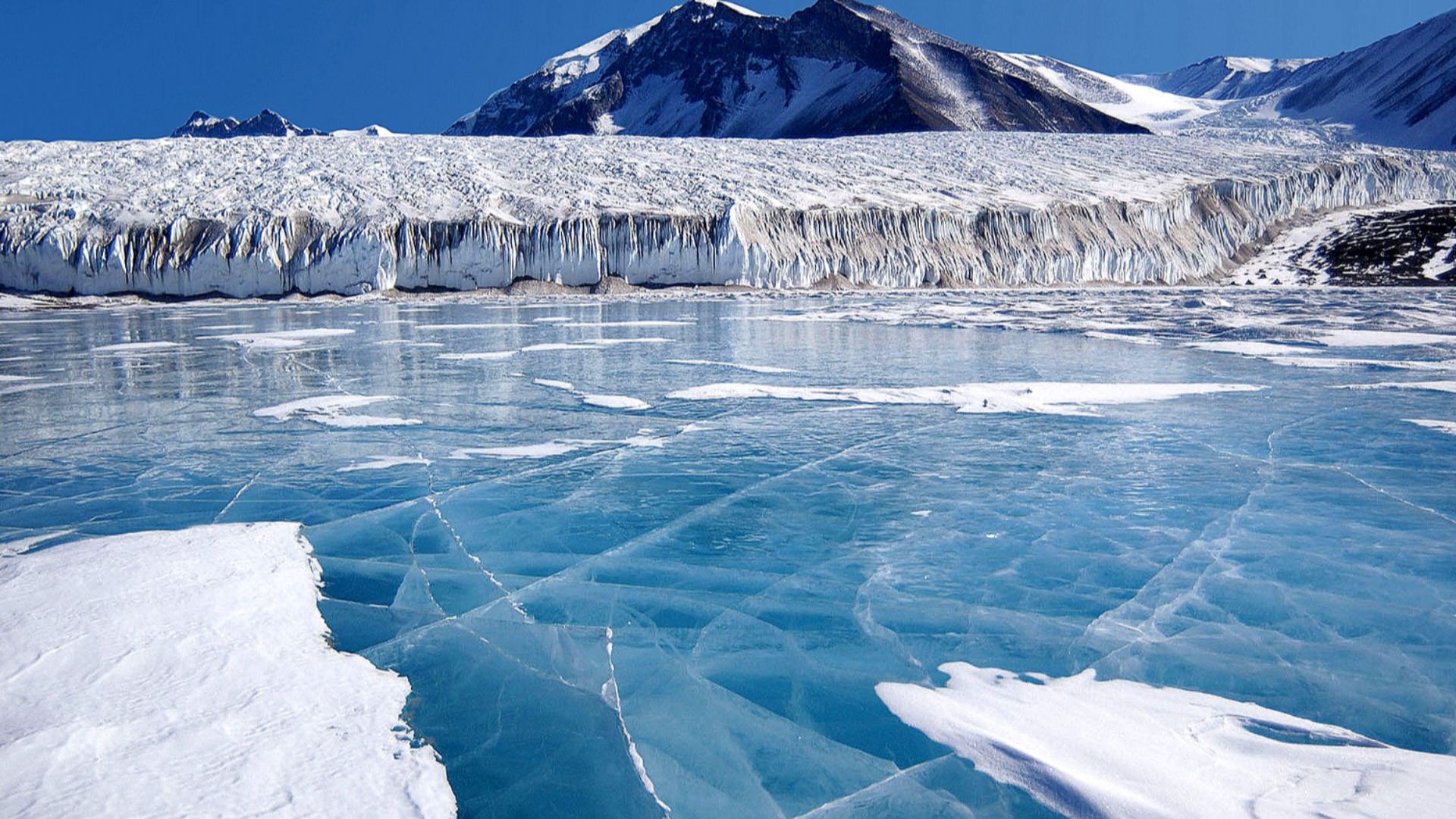
Frozen lakes, rivers, skating canals, ice caves, and other natural ice attractions need sustained cold conditions, not simply one freezing night. A few warm days or rain events can weaken surfaces enough to force closures even when the destination still looks wintry from a distance.
 Joe Mastroianni, National Science Foundation, Wikimedia Commons
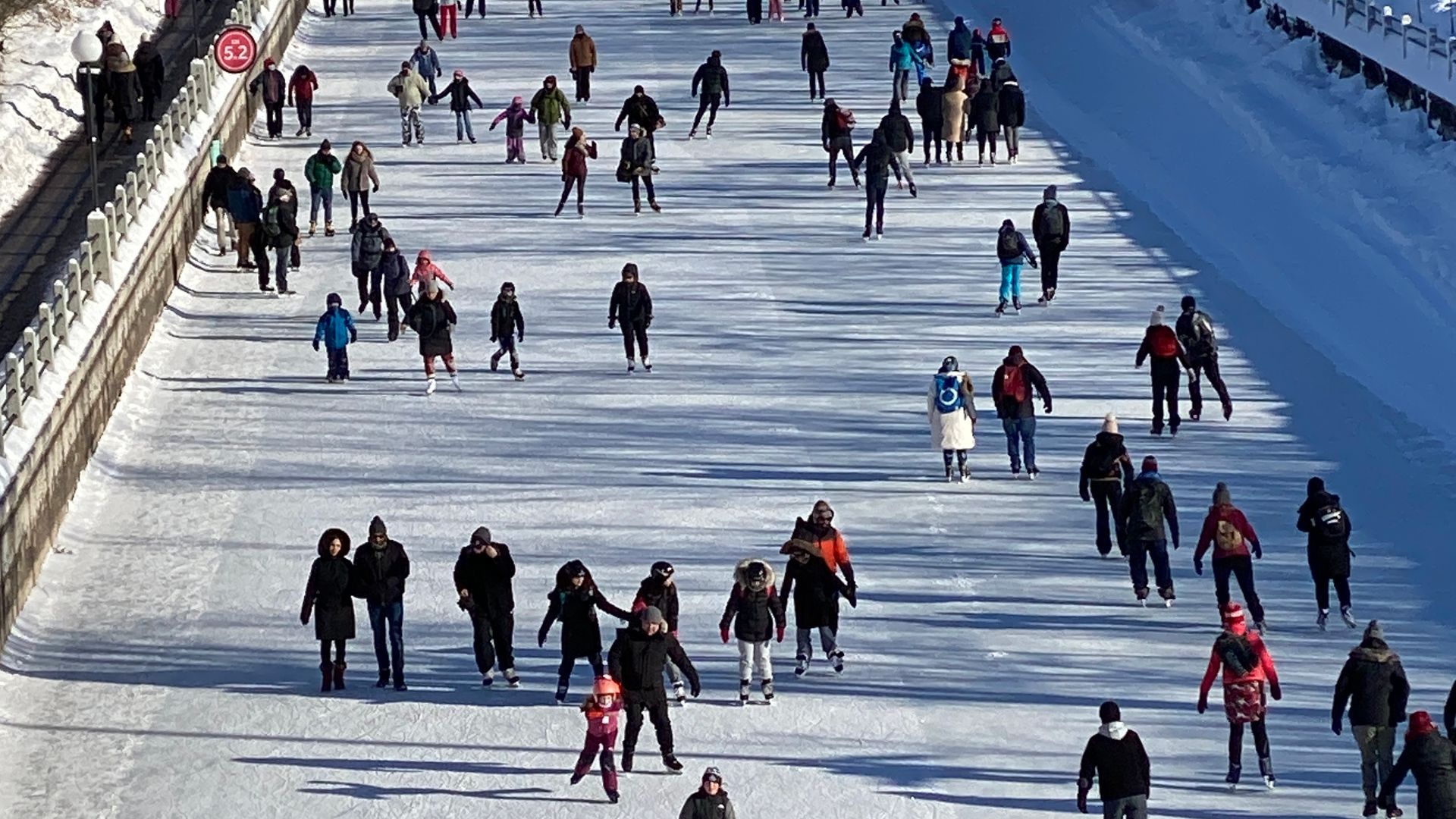
Ottawa Offers A Pretty Dramatic Example
Ottawa’s Rideau Canal Skateway has long been one of Canada’s signature winter experiences, but warmer conditions have made its season increasingly difficult to predict. The attraction failed to open at all during the 2022–23 winter, and its managers have been researching ways to adapt operations to a warming climate.
Ice Sculptures Have The Same Problem
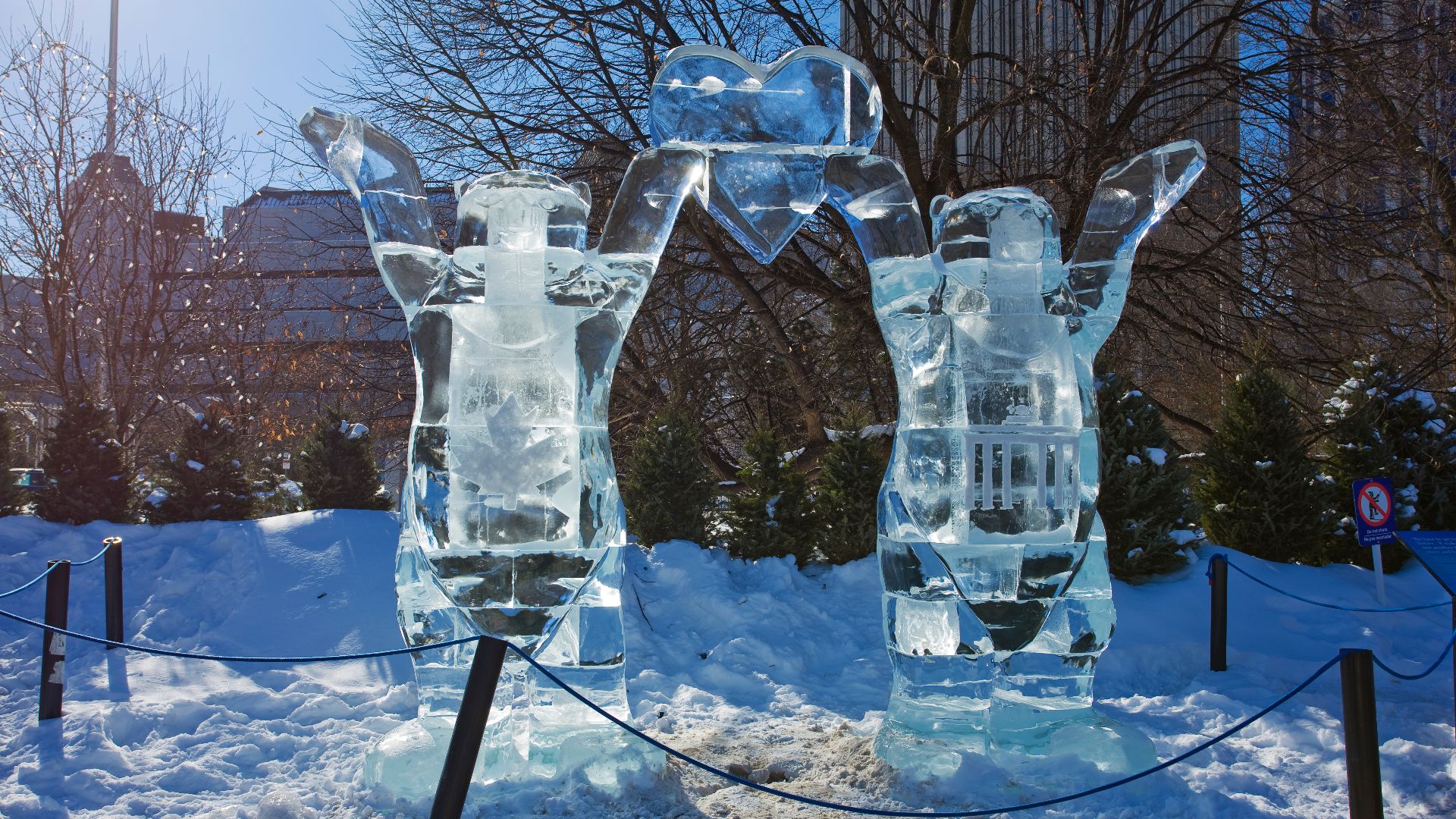
A giant snow sculpture or intricately carved ice display may take days to create but can deteriorate quickly during an unexpected warm spell. Organizers can protect, repair, relocate, or artificially cool some attractions, but they can’t completely remove weather from the equation.
 Michel Rathwell from Cornwall, Canada, Wikimedia Commons
Ski Resorts Aren’t Immune Either
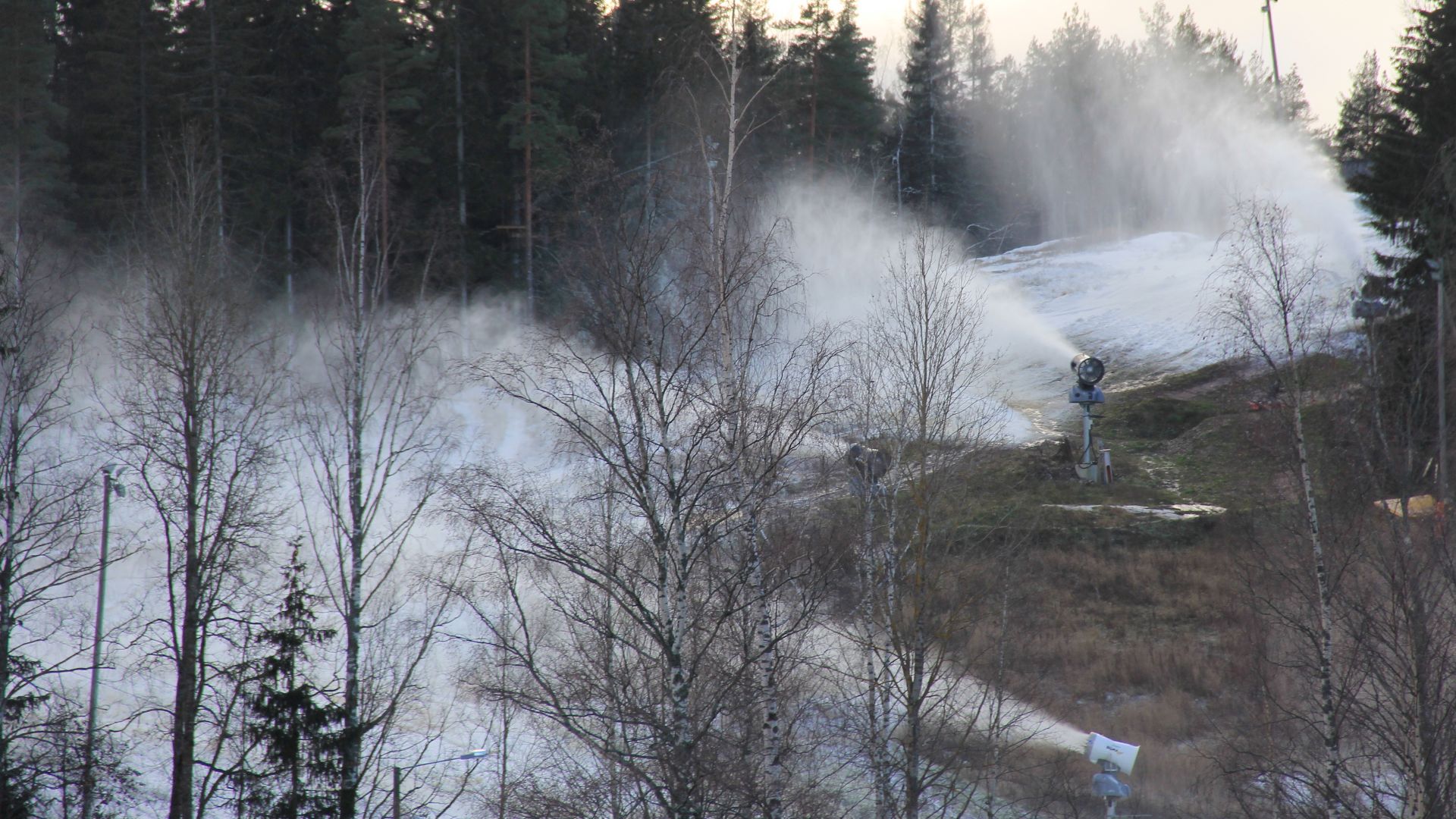
Snowmaking has helped many ski areas extend seasons and compensate for inconsistent natural snowfall. But artificial snow still requires suitable temperatures, water, equipment, and energy, and it can’t guarantee ideal conditions during every warm winter.
Higher Elevation Can Help, But It Isn’t A Guarantee
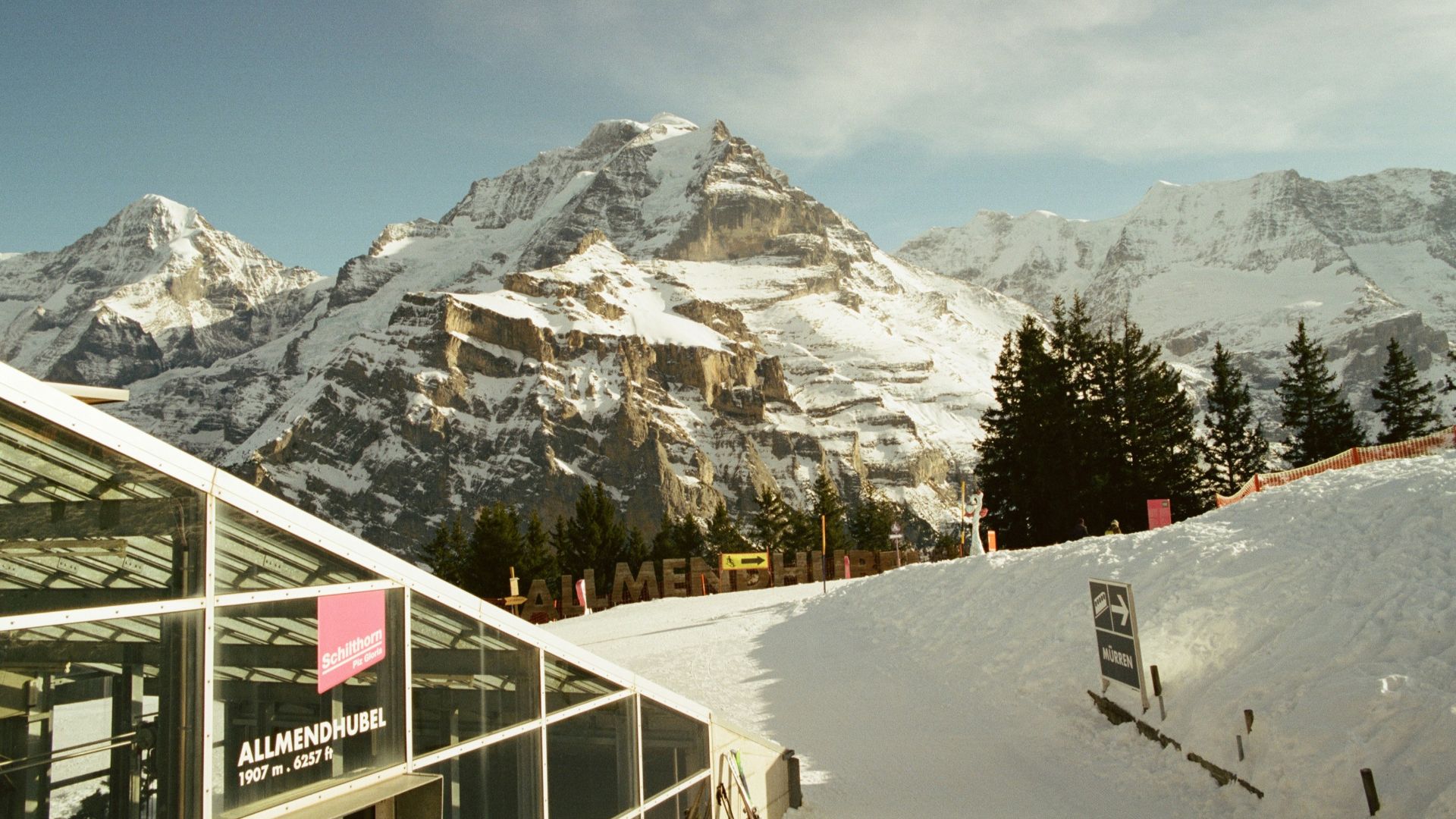
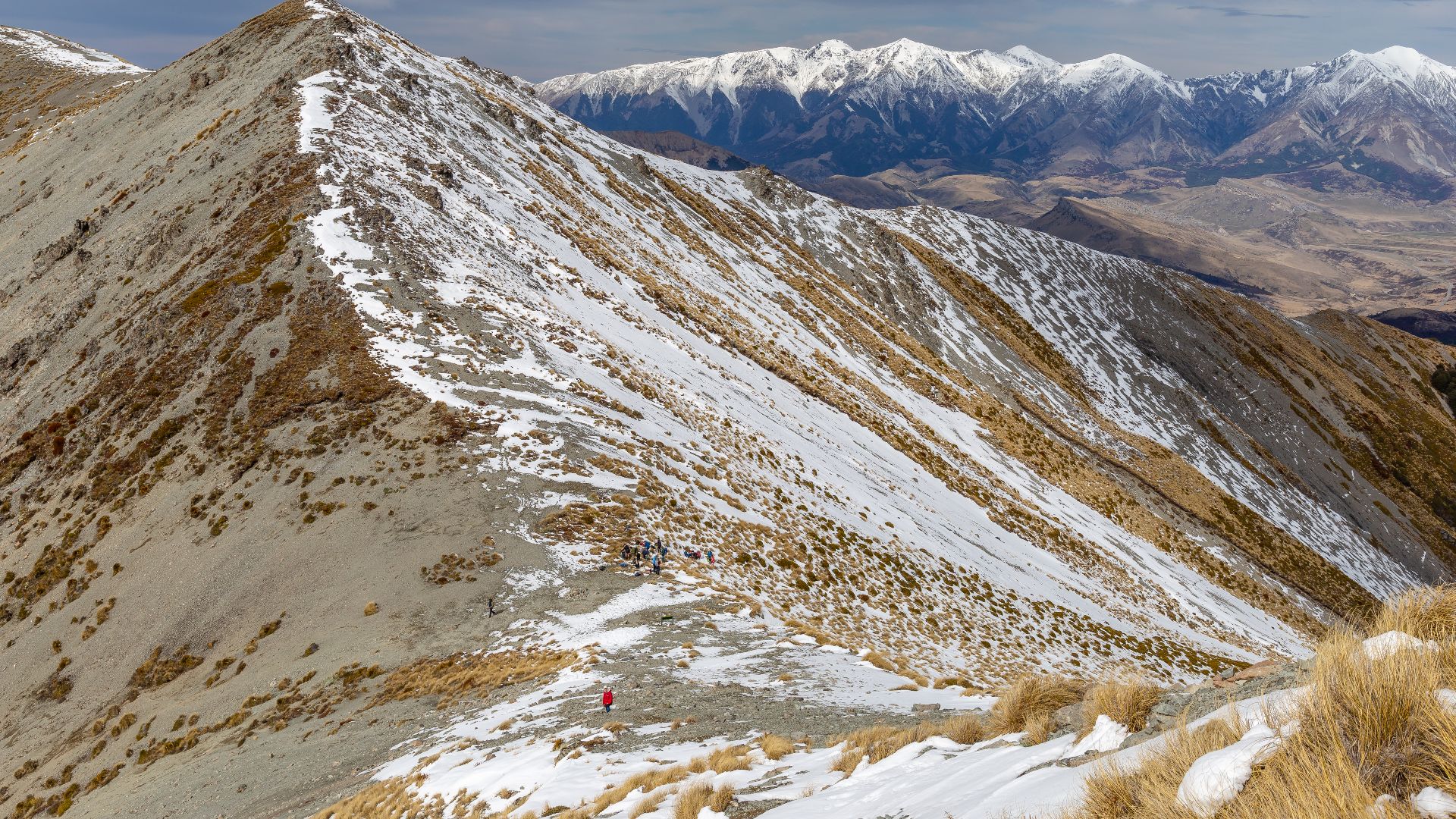
Colder mountain destinations may retain reliable snow longer than lower-elevation resorts. That’s one reason altitude increasingly matters when choosing a winter trip. Still, even high-elevation areas can experience unusual warmth, wind, storms, poor visibility, avalanche danger, or temporary closures.
One Warm Winter Doesn’t Prove Climate Change Caused Your Cancellation
Weather and climate aren’t the same thing. A particular festival can be disrupted by a single unusual warm spell without scientists attributing that specific event directly to climate change. The broader trend matters because warming shifts the odds toward shorter snow seasons and less dependable ice conditions in many places.
 Michal Klajban, Wikimedia Commons
The Attraction May Be Seasonal In A Much More Literal Sense Than You Realized
Travelers often see “January through March” and interpret that like conventional opening hours. With a natural attraction, it may actually mean “whenever conditions allow between January and March.” Look for phrases like weather permitting, conditions permitting, seasonal opening, or subject to ice conditions before booking.
Check Who Controls The Attraction
A festival organizer may run concerts, food stalls, markets, and exhibits but have no authority over whether a river is safe for skating. Likewise, a tourism board may promote frozen waterfalls without controlling trail closures. Knowing who operates each piece of the experience helps you find reliable updates.
Follow The Attraction, Not Just The Tourism Board
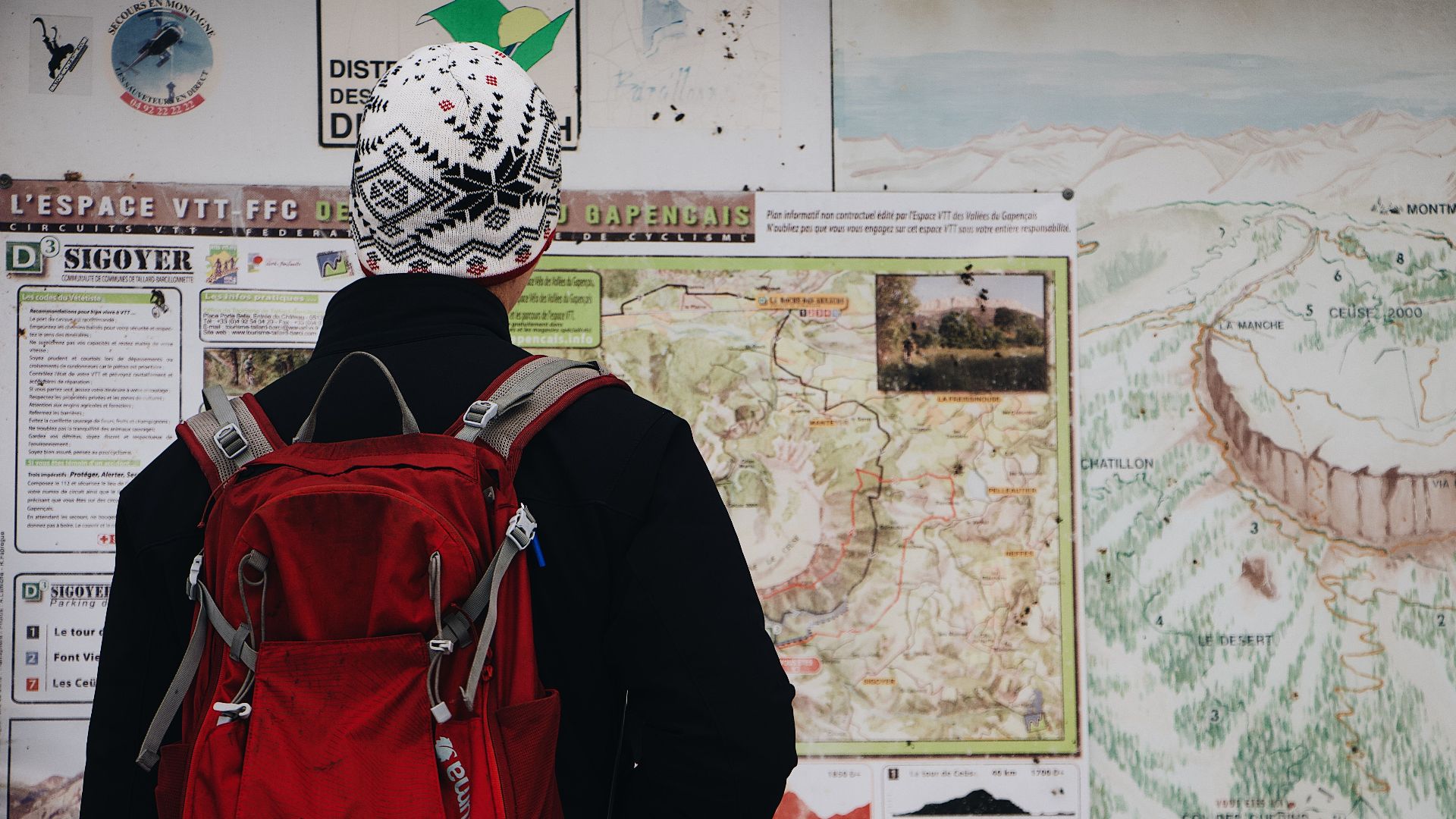
In the days before departure, check the official attraction’s website and social accounts. Look for daily ice reports, trail conditions, lift operations, festival-program changes, or closure notices. General destination marketing pages can remain cheerful long after one weather-dependent attraction has shut down.

Start Checking Earlier Than The Night Before
Watching conditions a couple of weeks out can give you time to adjust expectations. You might discover that an ice attraction hasn’t opened yet, ski terrain is limited, or a festival has already moved major events indoors. That’s much easier to deal with before you’ve built every day around one activity.

Don’t Trust The Weather App Alone
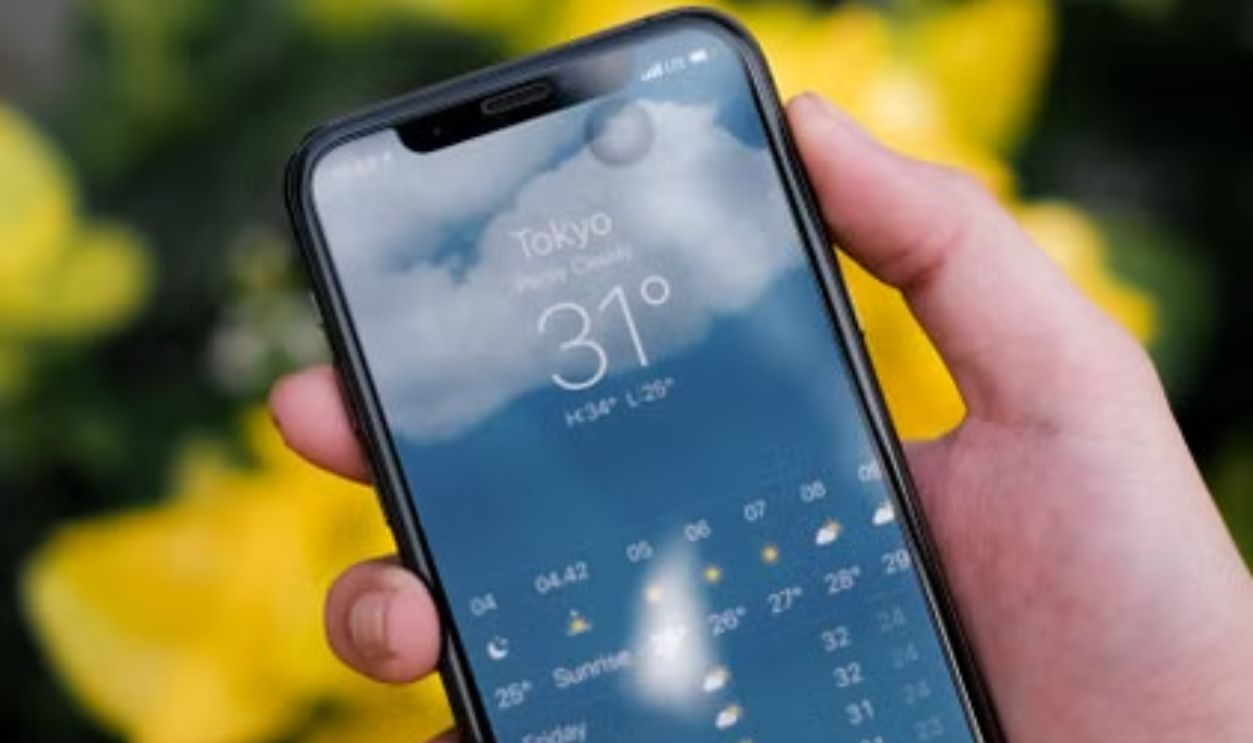
A forecast showing 25 degrees Fahrenheit doesn’t tell you whether a lake has formed enough safe ice or whether a ski resort has adequate coverage. Natural attractions depend on accumulated conditions over days or weeks. Use official operating reports rather than trying to make the call yourself.
Never Treat A Closed Ice Attraction As A Challenge
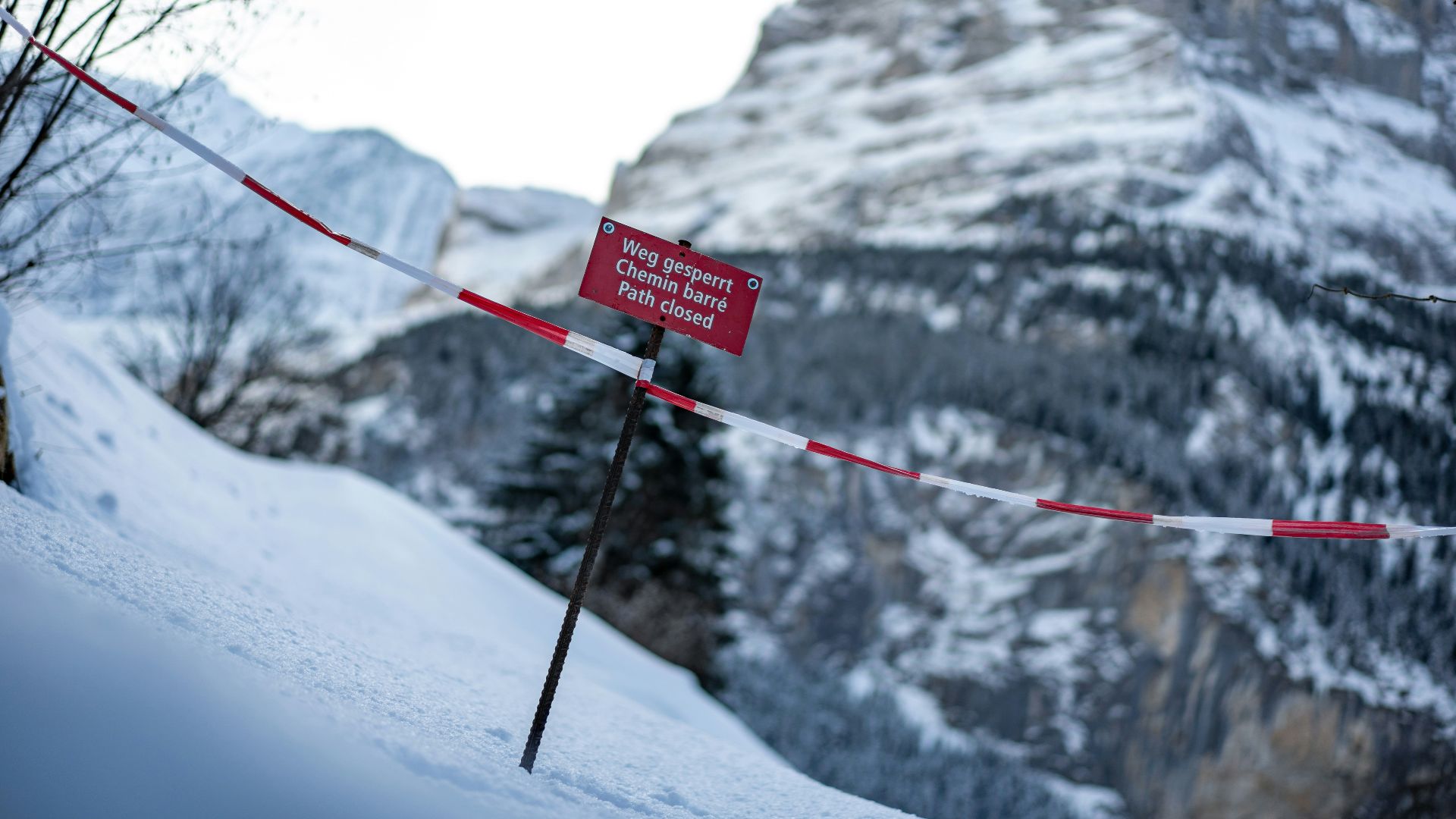
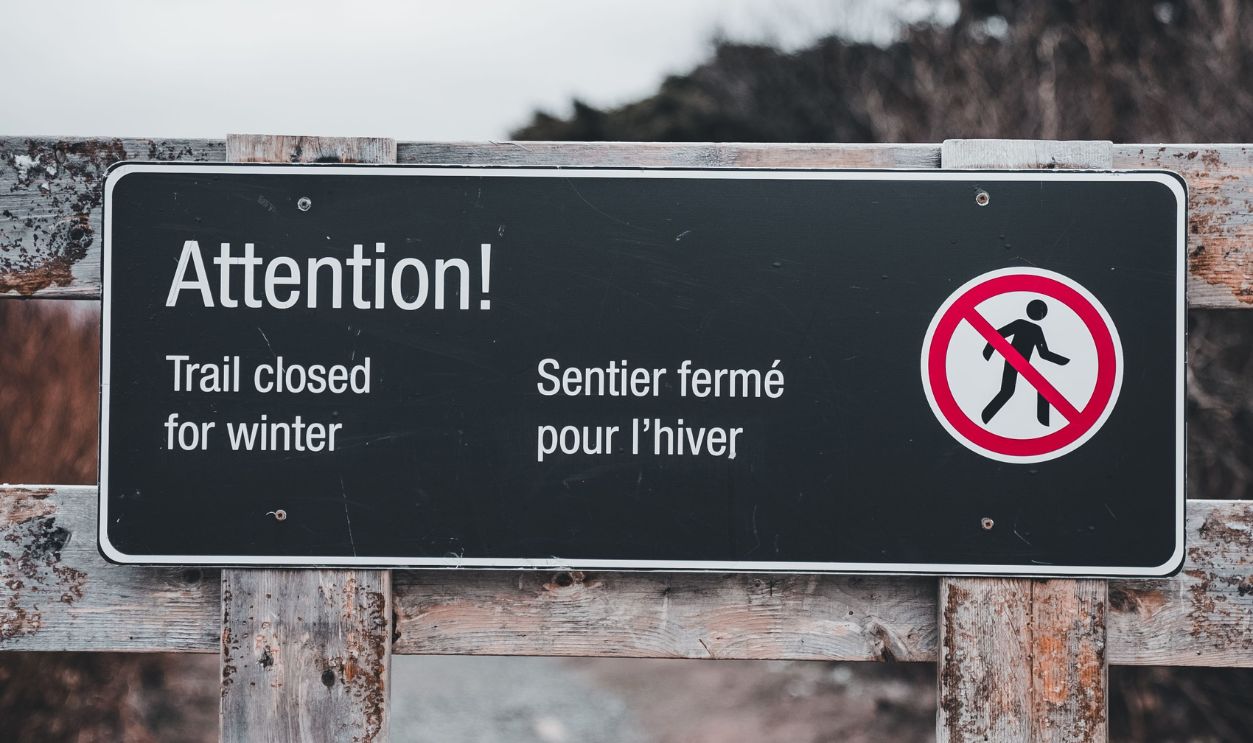
If officials close a frozen lake, river, trail, or ice cave, don’t decide it looks safe enough anyway. Changing temperatures can produce unstable ice and other hazards that aren’t obvious from the surface. A disappointing vacation is still better than turning a closure into an emergency.
See What Parts Of The Festival Survived
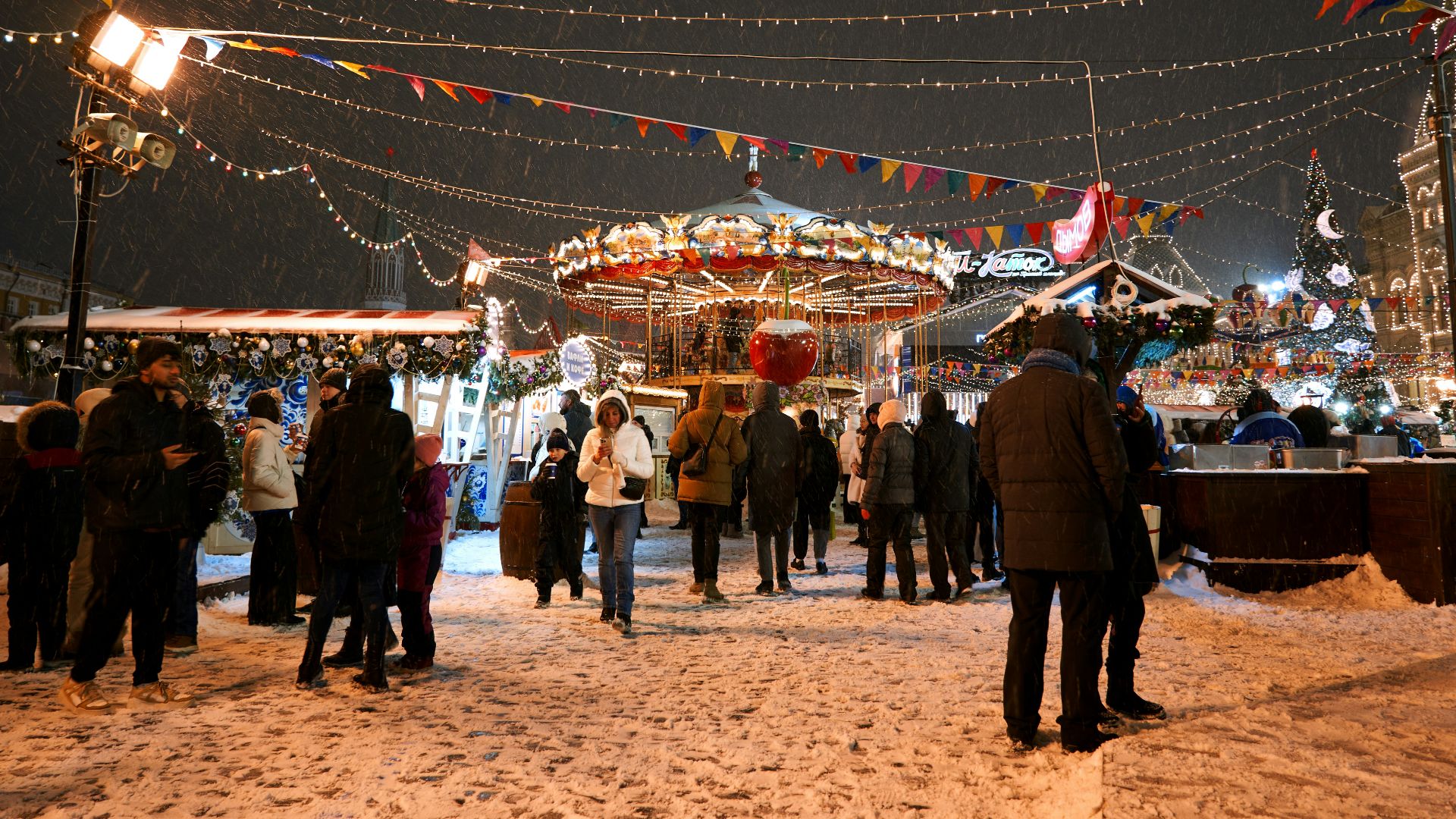
A weather-dependent centerpiece can disappear without destroying the entire event. Winter festivals increasingly mix outdoor ice and snow attractions with concerts, light installations, food events, museums, performances, markets, and indoor programming.
Look For Refrigerated Outdoor Skating
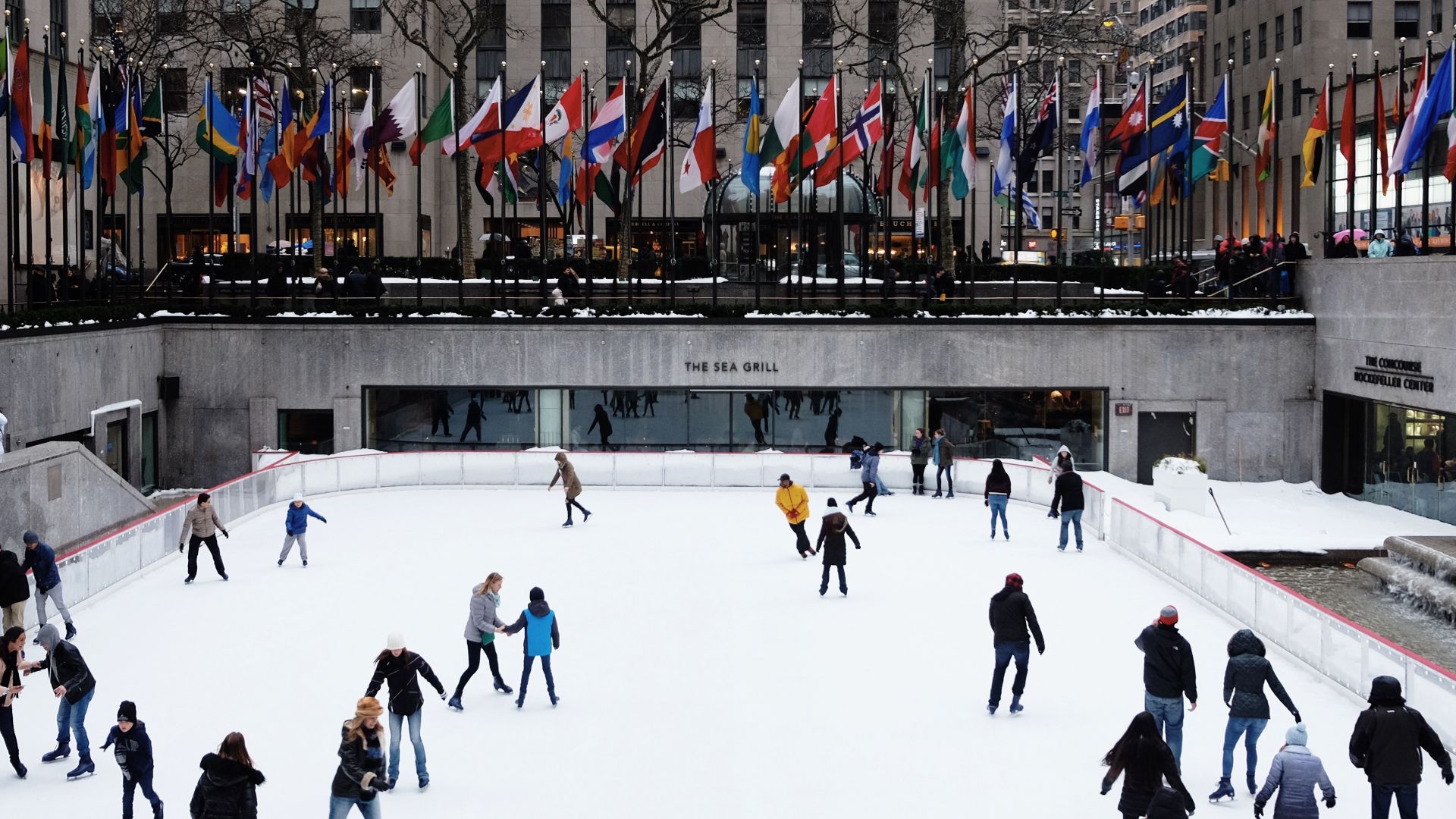
A natural skating surface may be closed while a nearby refrigerated rink remains open. Artificial refrigeration makes these venues less dependent on prolonged freezing conditions. It may not provide the same wilderness atmosphere, but you can still skate outside and preserve some of the experience.
 Marc Ruaix mruaix, Wikimedia Commons
Swap The Frozen Lake For A Winter Hike
Warm weather doesn’t necessarily mean the outdoors is off limits. Depending on trail conditions, a snowy hike, forest walk, scenic lookout, or guided nature excursion may still work. Just check whether ice, mud, avalanche conditions, or freeze-thaw cycles have created new hazards.
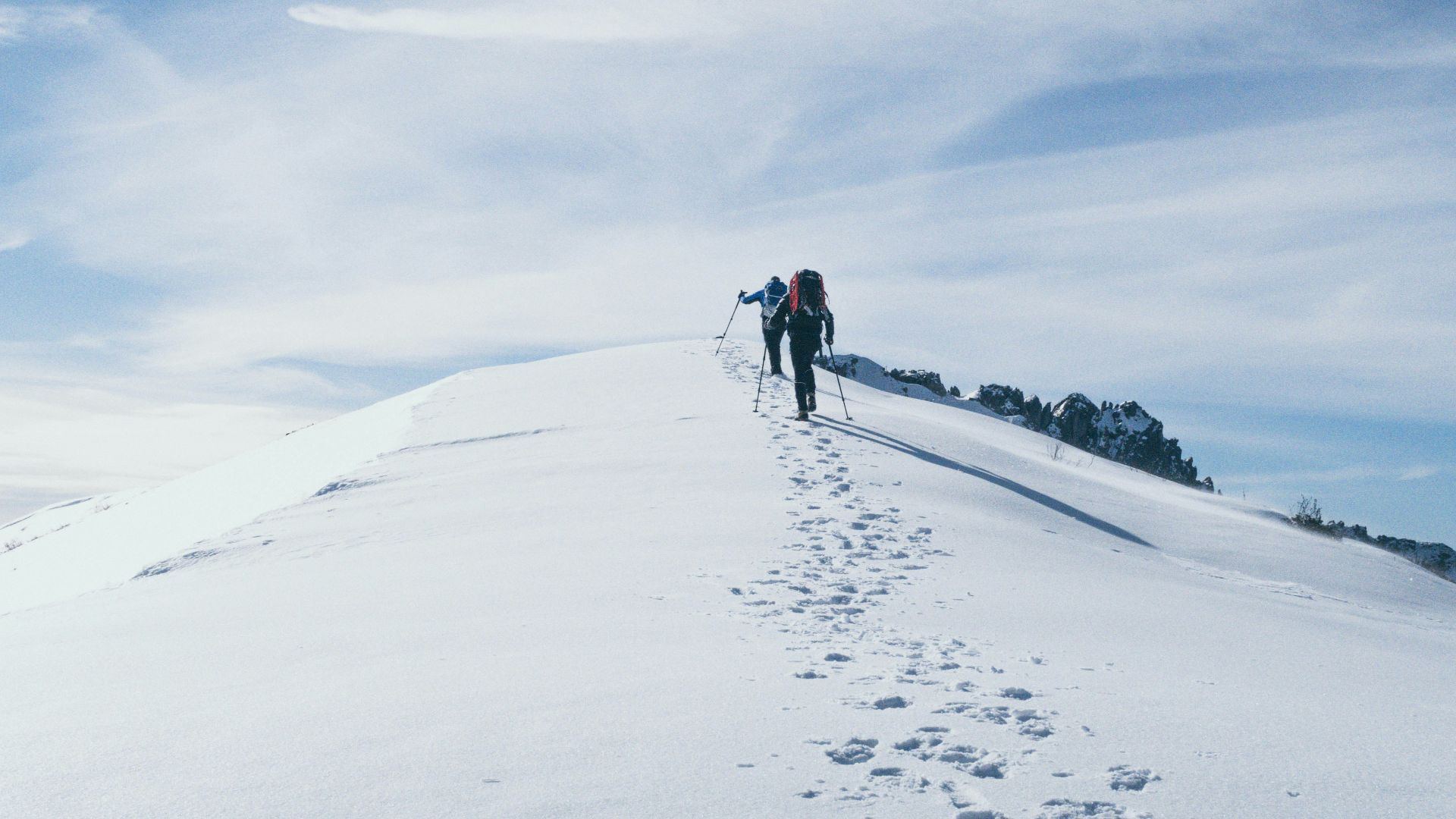
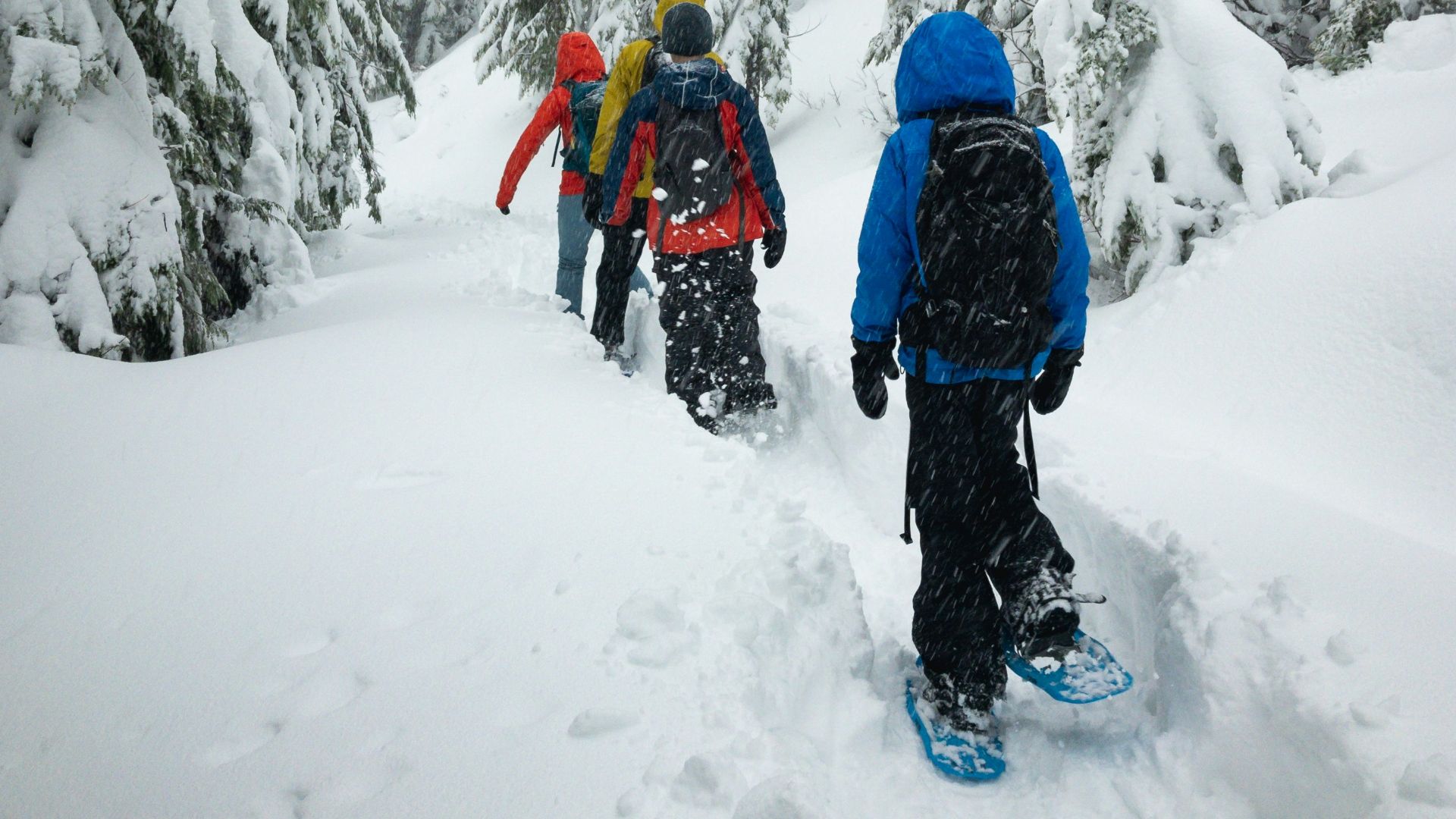
Try Snowshoeing Or Cross-Country Skiing Where Conditions Allow
A main downhill ski area may have disappointing coverage while shaded forests or higher-elevation trails still hold snow. Local outfitters can usually tell you where conditions are best rather than where they’re normally best.
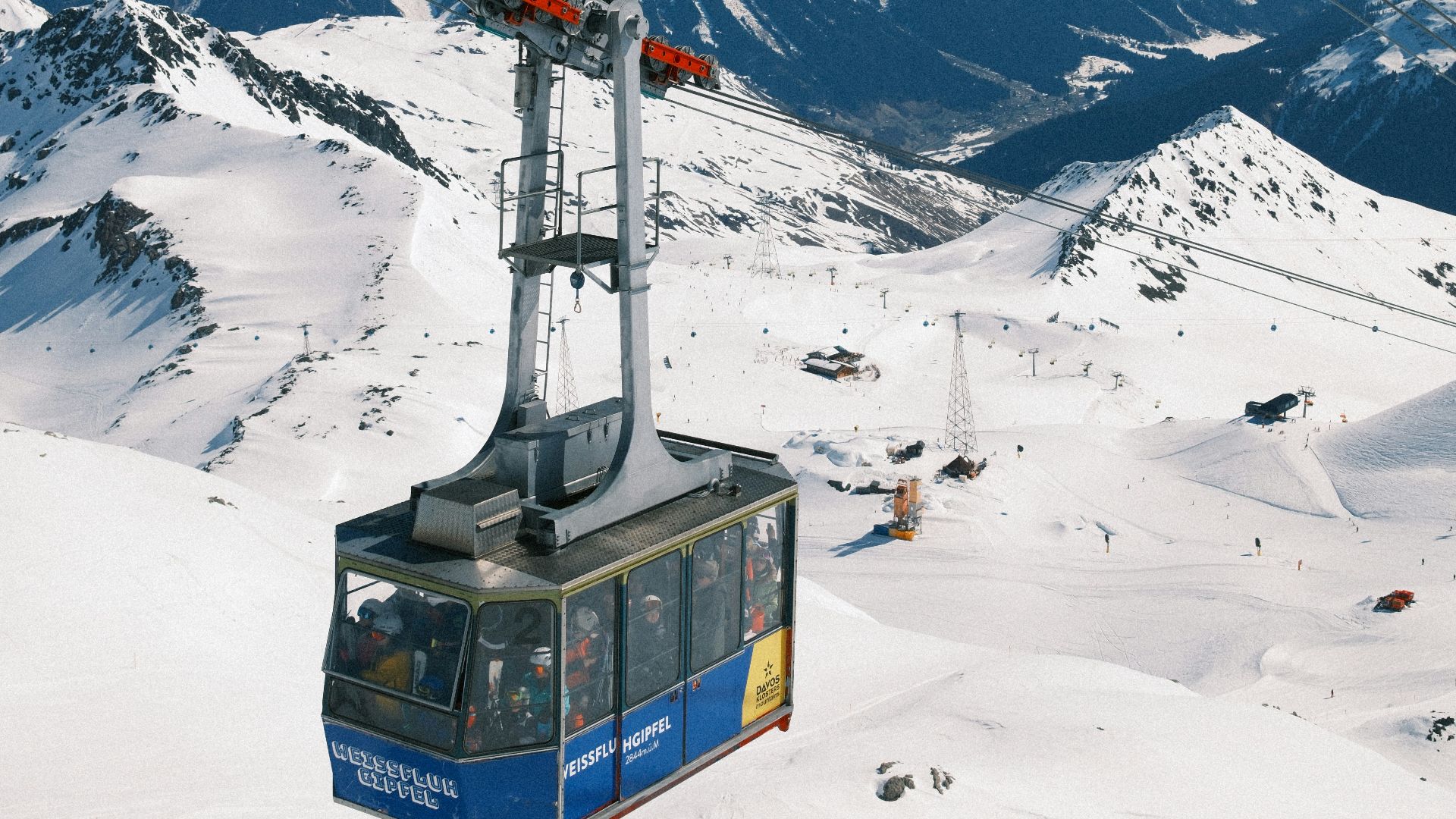
Go Higher For A Day
If the city or valley has lost its snow, a mountain excursion may still deliver the winter scenery you came for. Gondolas, mountain villages, higher-altitude trails, and alpine viewpoints can make good substitutes, provided weather and transportation conditions are safe.
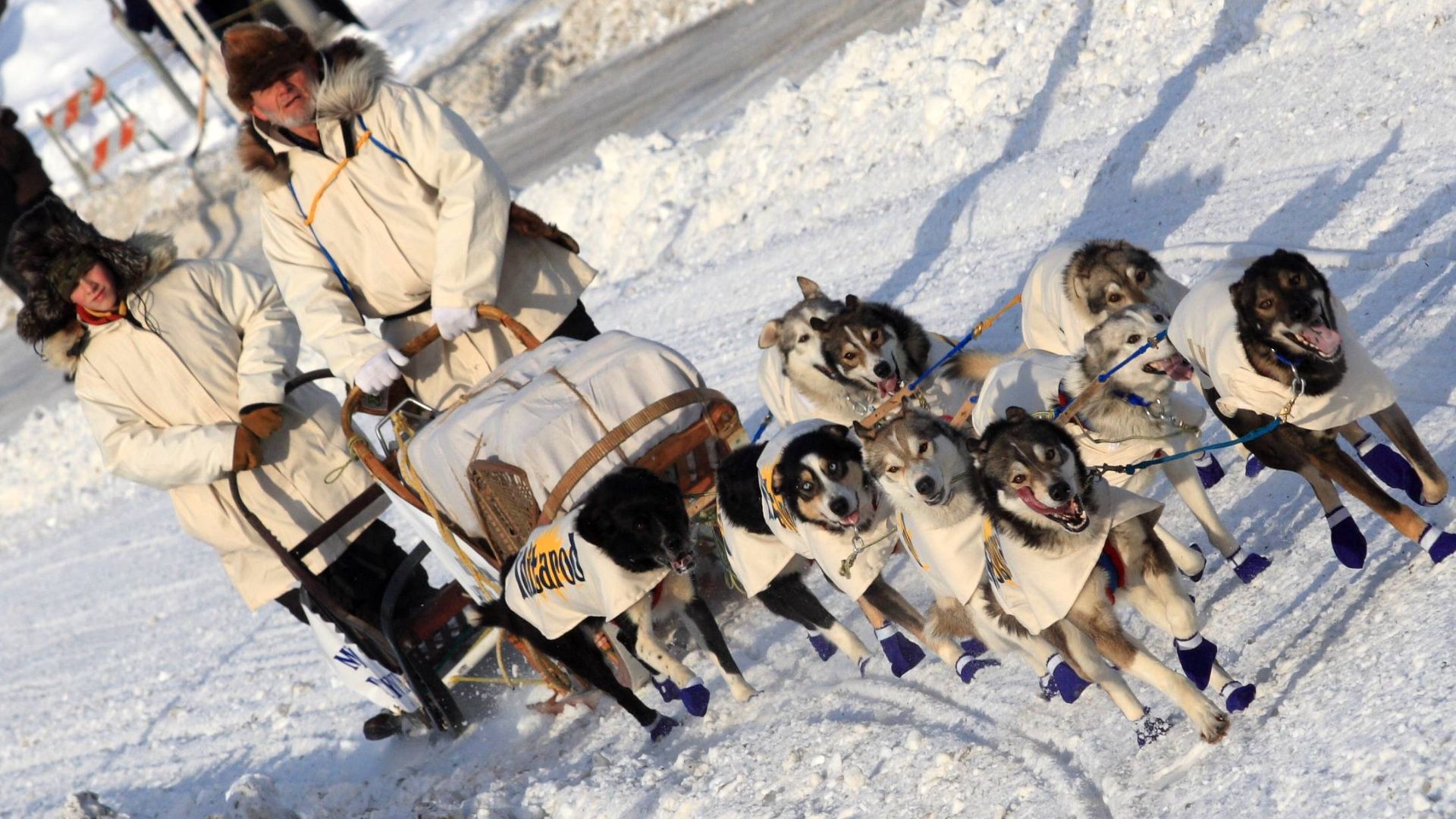
Replace Ice With Wildlife
Winter wildlife excursions can sometimes work even when skating or ice sculptures don’t. Depending on the destination, that might mean birdwatching, elk viewing, reindeer experiences, dog sledding where snow remains, or guided nature tours. Wildlife activities still need responsible operators and shouldn’t be treated as guaranteed sightings.
 Frank Kovalchek from USA, Wikimedia Commons
Find A Year-Round Version Of The Experience
Some destinations have adapted by creating attractions that don’t disappear with every thaw. Sweden’s ICEHOTEL, for example, operates a permanent ICEHOTEL 365 alongside its traditional seasonal winter hotel, using cooling technology to maintain ice rooms year-round.
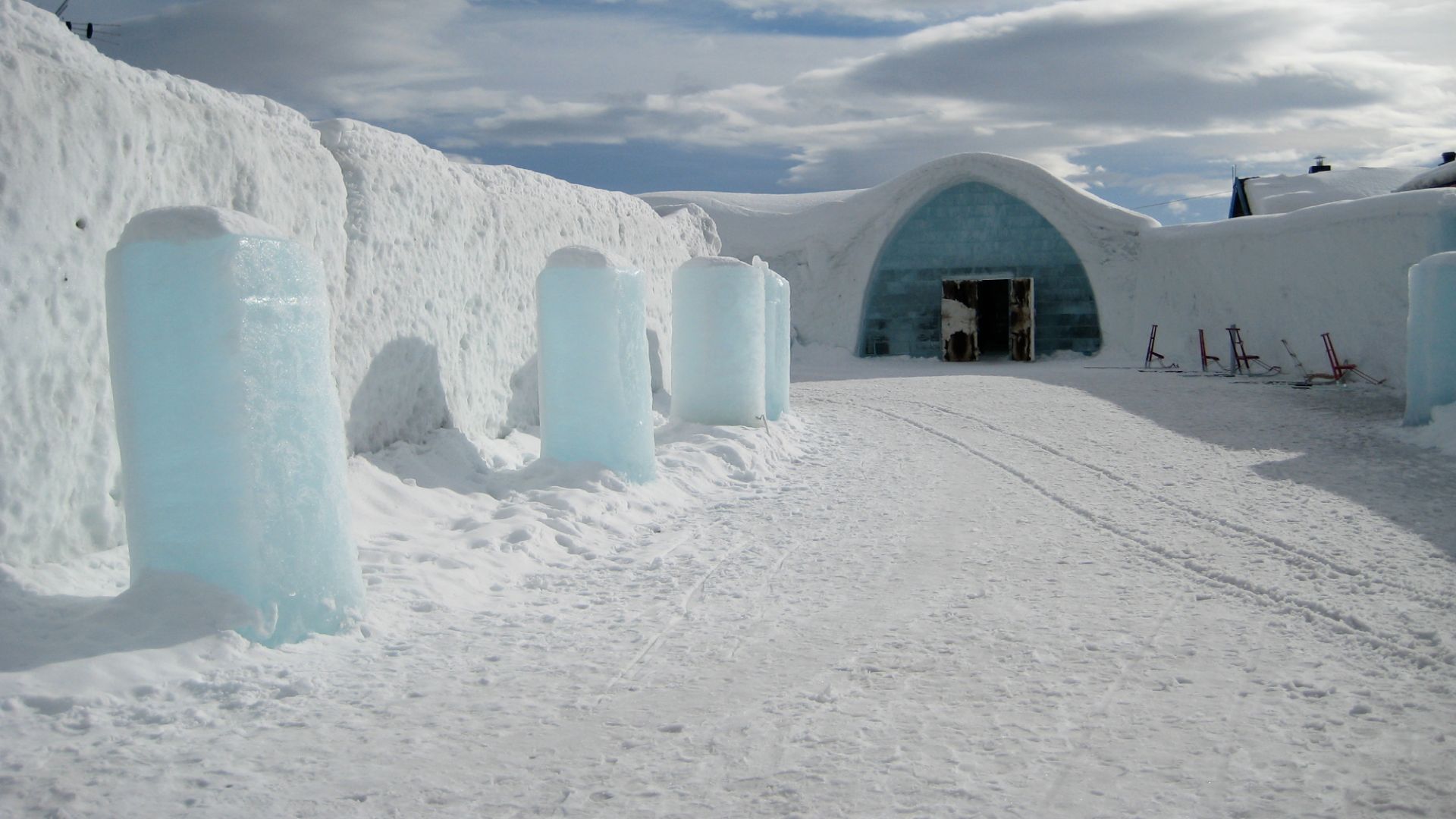 Markus Bernet, Wikimedia Commons
Lean Into The Destination’s Indoor Strengths
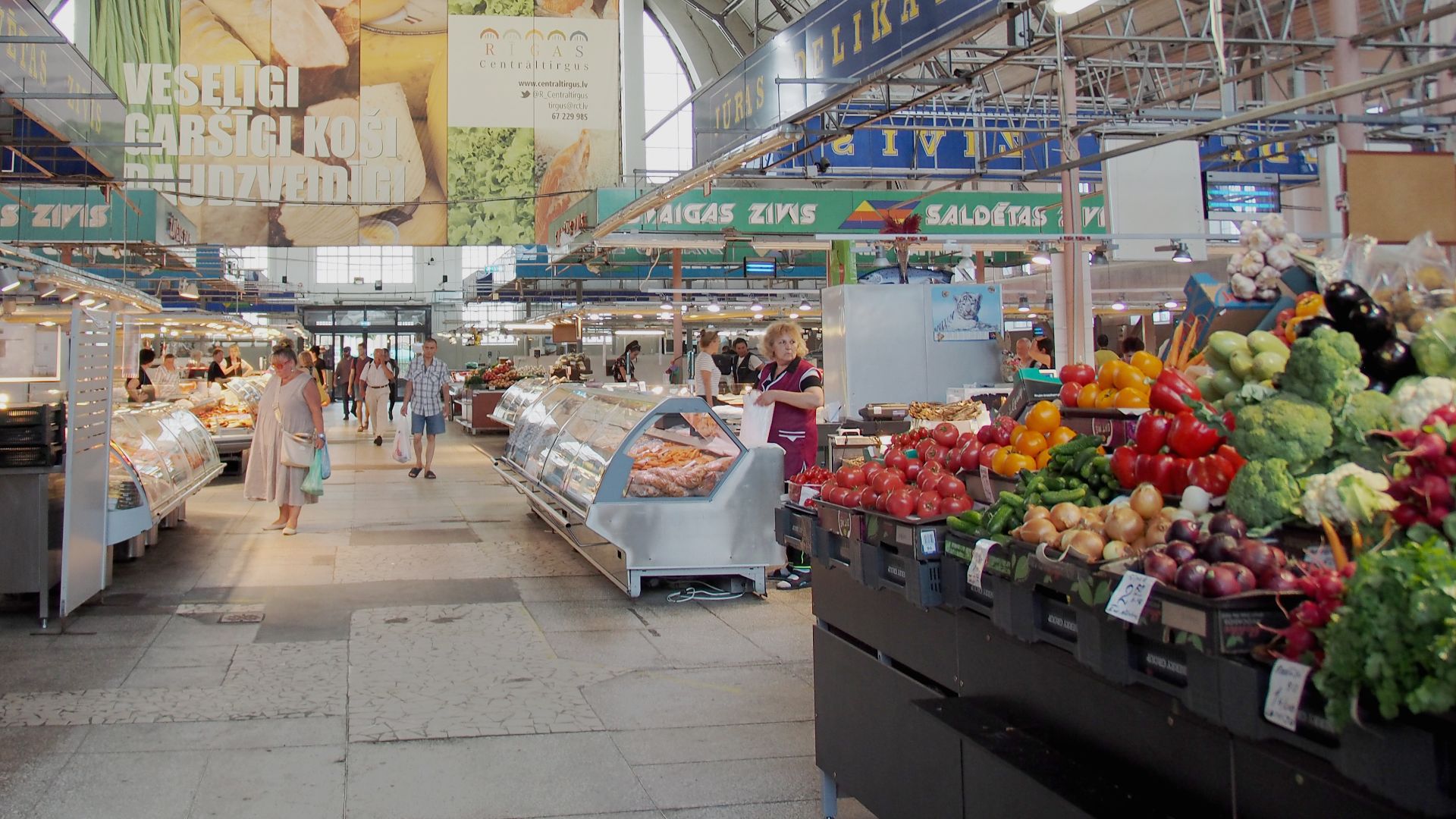
A winter trip doesn’t have to become a consolation tour of random indoor attractions. Look for experiences that still connect to the place: regional museums, food halls, cooking classes, spas, breweries, historic interiors, galleries, concerts, or local workshops. You’re replacing the activity, not abandoning the destination.
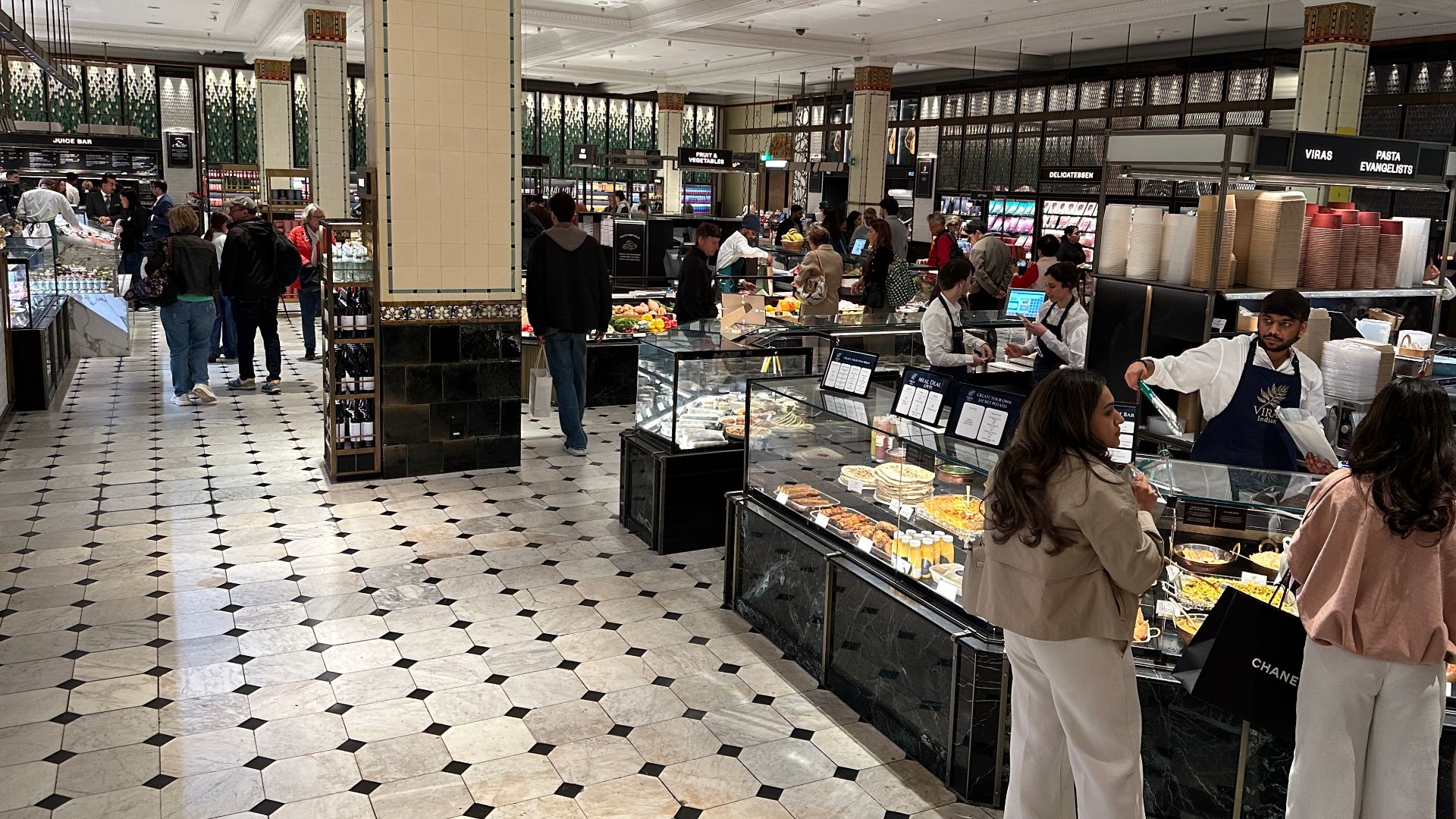
Food Can Rescue A Weather-Wrecked Day
Cold-weather destinations often have strong culinary traditions that exist regardless of snow depth. Turn a cancelled afternoon into a regional food crawl, long lunch, market visit, tasting, or cooking experience. It won’t recreate an ice palace, but it can turn a dead day into something you’d genuinely have chosen anyway.
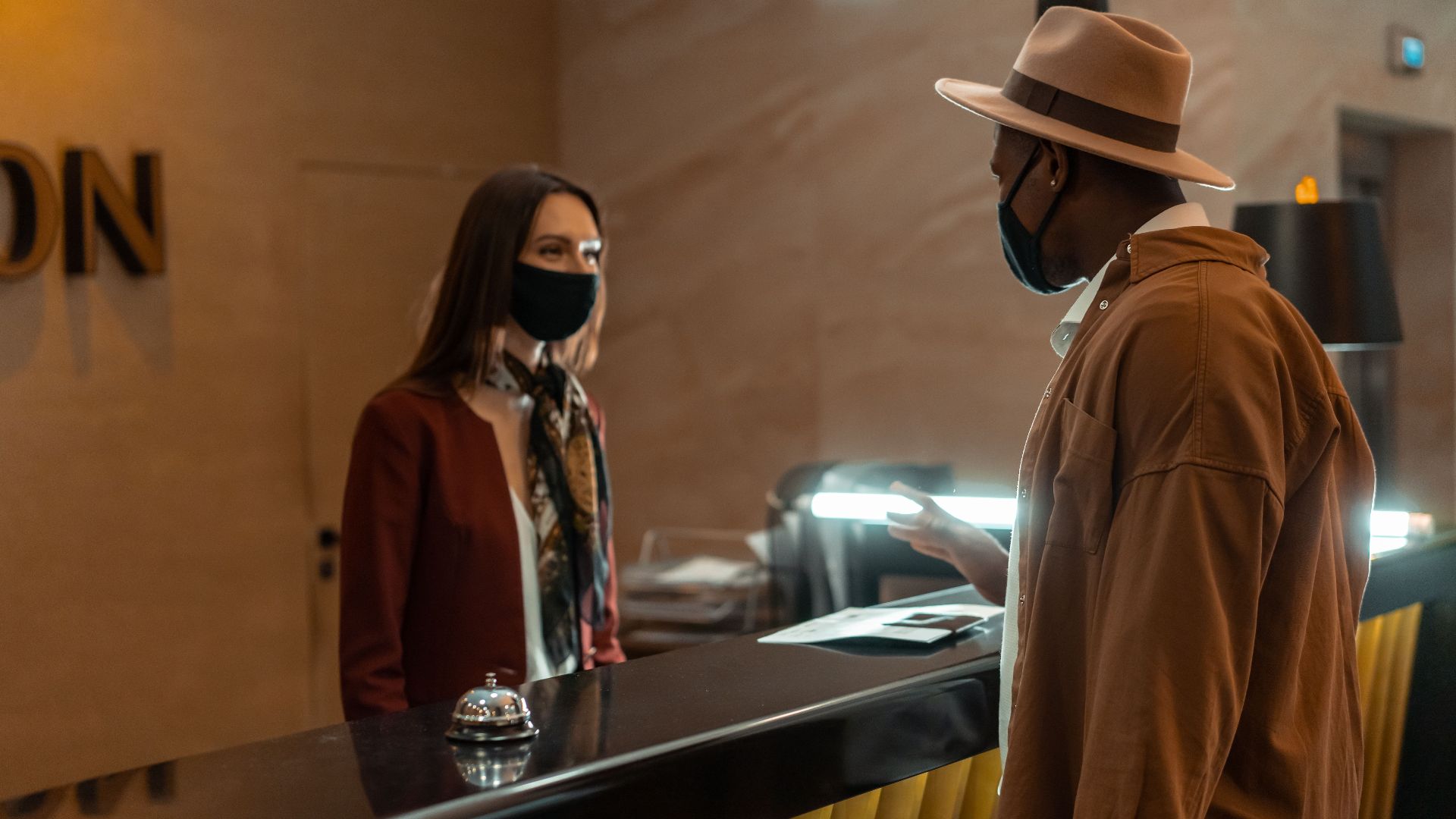
Ask The Hotel What Locals Are Doing Instead
Hotel staff often know which attractions survived the weather better than visitors do. Ask what’s actually worth doing that day rather than simply asking for “other winter activities.” A local recommendation can steer you toward the mountain, neighborhood, or indoor event that currently has the best conditions.
Check The Refund Rules Before Assuming You’re Out The Money
If you purchased a separate ticket for an attraction that the operator cancels, check its cancellation policy. You may be entitled to a refund, rescheduling, or credit depending on the terms. That’s different from demanding repayment for your entire vacation because the weather ruined the reason you personally chose the destination.

Your Hotel Usually Isn’t Responsible For The Missing Snow
If the room is available and the hotel provides what you booked, you generally can’t expect it to refund the stay simply because an unrelated natural attraction didn’t open. The same can be true of flights. Weather risk is one reason refundable bookings can be valuable for trips built around a single seasonal phenomenon.

Travel Insurance May Help, But Read The Trigger Carefully
Standard trip-cancellation insurance usually doesn’t reimburse a vacation simply because the weather was disappointing. Coverage tends to depend on specific insured events, such as severe weather disrupting transportation or making accommodations inaccessible. “There wasn’t enough snow to enjoy my planned activity” may not qualify on its own.

Build Future Winter Trips Around A Theme, Not One Attraction
Instead of booking three nights solely to skate one famous canal, plan a winter weekend that could include skating, food, museums, snowshoeing, markets, spas, and live events. Then the headline attraction can fail without taking the entire vacation with it.
Give Yourself A Plan B Before You Pay
Before booking a weather-dependent trip, identify two or three alternatives you’d actually be happy doing. Check which reservations are refundable, avoid making every expensive booking nonrefundable, and consider whether changing dates by a day or two would be possible. Flexibility is becoming a genuine travel asset.

The Trip Isn’t Necessarily Wasted Just Because Winter Changed The Plan
There’s no pretending that a museum visit perfectly replaces the frozen lake or snow festival you crossed the country to see. Losing the centerpiece of a trip is legitimately disappointing. But warmer and less predictable winters are making natural attractions harder to treat like guaranteed reservations, so the smartest response is to book them with backup plans built in. Climate change may be changing what a winter vacation looks like, but it doesn’t have to erase the vacation along with the snow.

You May Also Like: