The Secluded Stay That Wasn’t
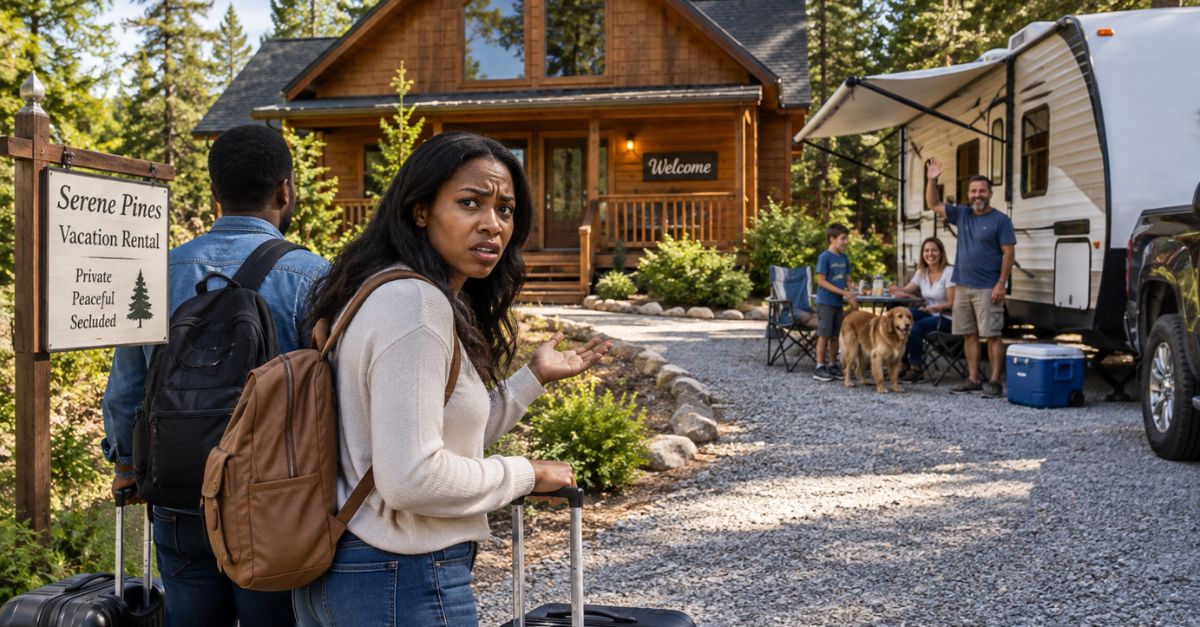
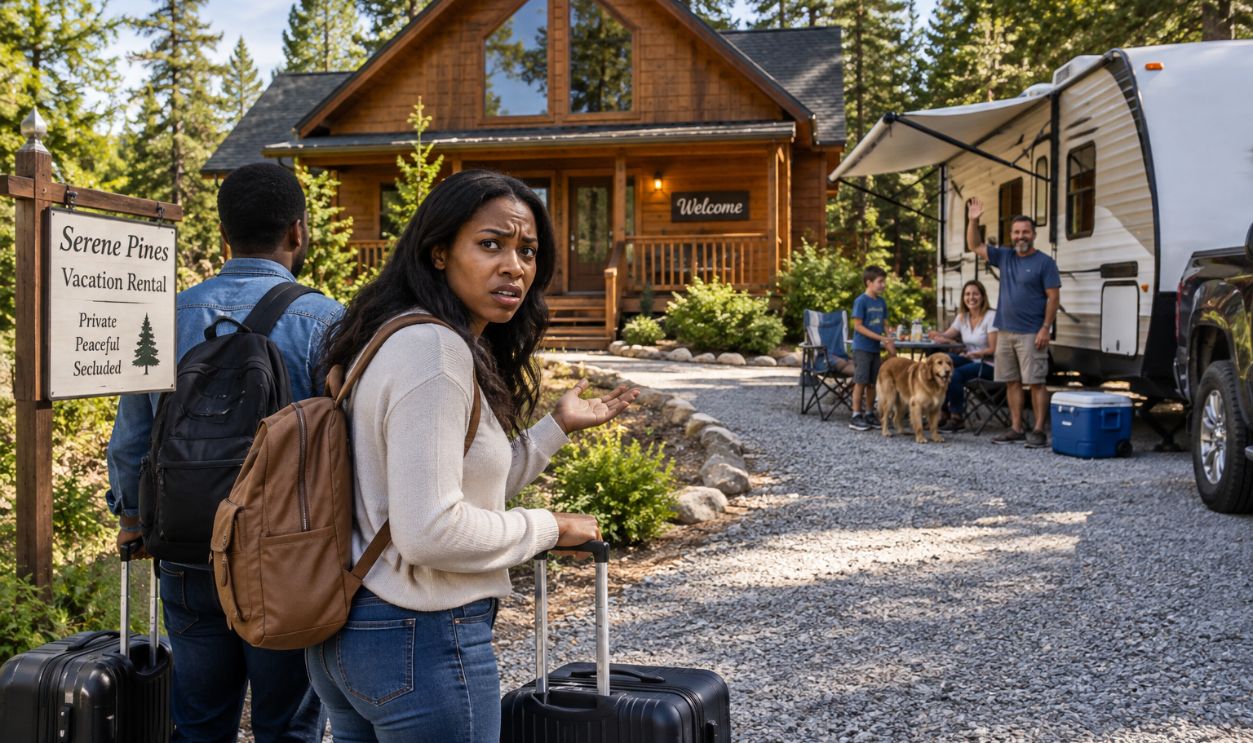
You book a vacation rental expecting peace, privacy, and a little breathing room. Then you pull in and notice the owner’s family living in an RV in the driveway. That kind of surprise can make a quiet getaway feel a lot less private than the listing made it seem.
Why This Matters
For a lot of travelers, “secluded” means more than trees and a long road in. It also suggests privacy and some control over the space around the rental. If another household is living on the property, even for a short time, that can change the whole feel of the stay.
What Airbnb Says Hosts Must Share
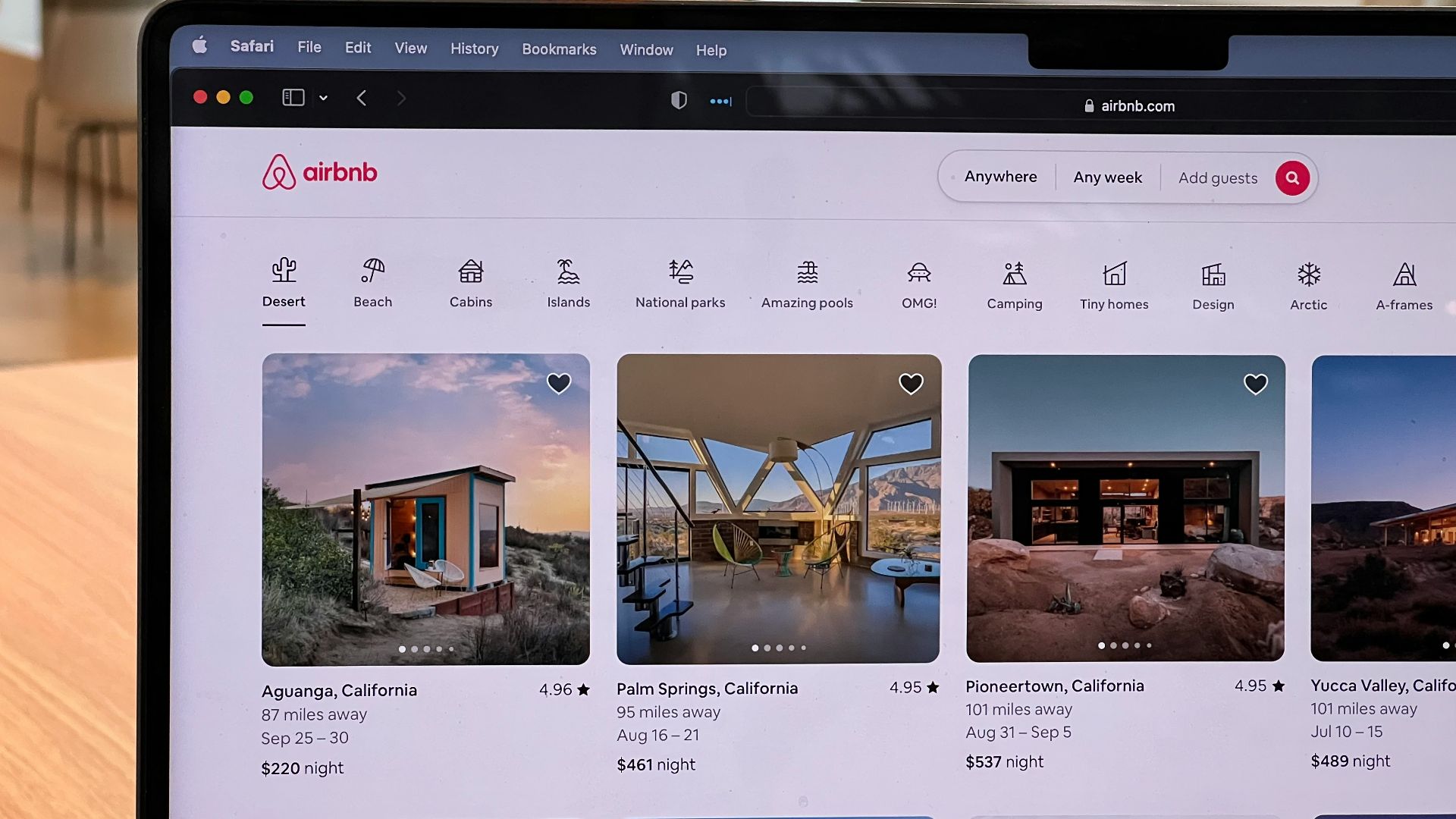
Airbnb says hosts should give complete and accurate details about a place before guests book. The company specifically says listings should disclose things like security cameras, noise, pets, and other details that could affect a stay. That broader rule about accuracy is why an undisclosed on-site living setup matters.
 Oberon Copeland @veryinformed.com, Unsplash
Accuracy Is Not Optional
Airbnb’s host ground rules say listing details cannot be misleading. If a place is advertised as private or secluded, travelers have a fair reason to expect that description matches reality. A family living in an RV in the driveway could be important information for many guests.
Vrbo Takes A Similar Approach
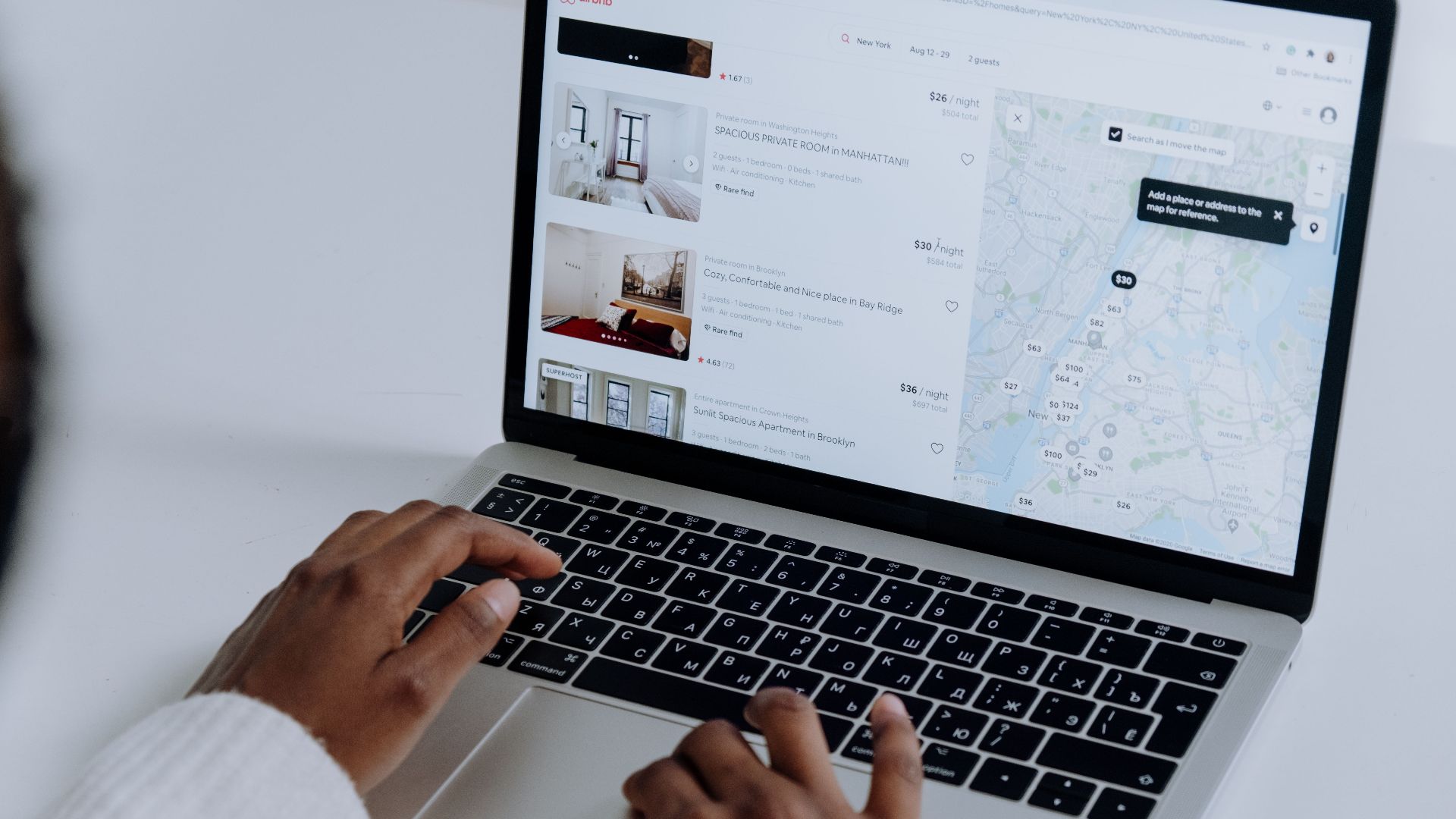
Vrbo also requires listings to be truthful and not misleading. Its marketplace standards say property owners must provide accurate descriptions and photos so travelers can make informed choices. There may not be a rule for every exact setup, but the message is much the same.

So Should The RV Situation Be Disclosed
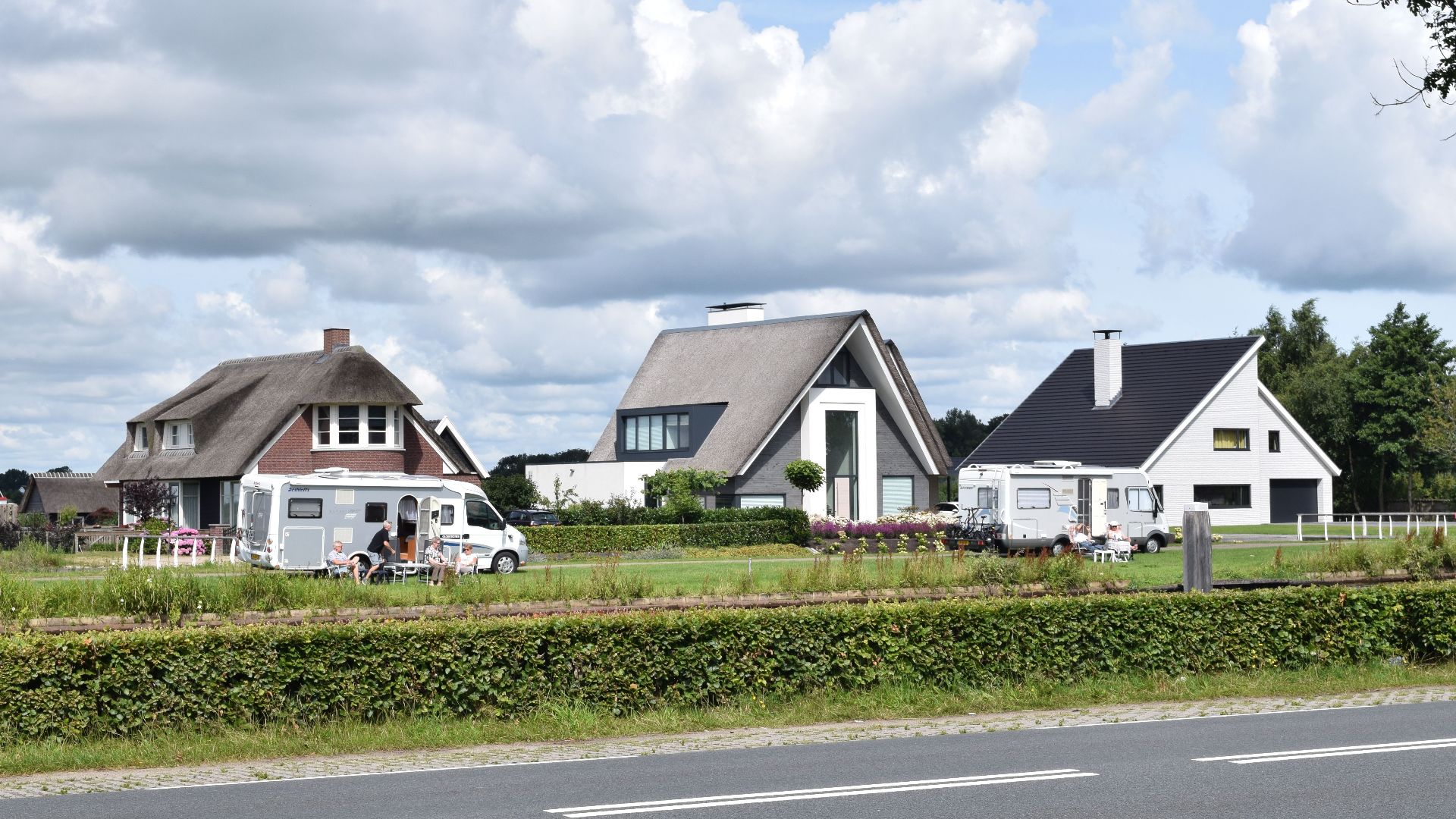
In practical terms, yes, probably. If another group is living on the same property, guests may run into them in the driveway, parking area, yard, or other outdoor spaces. That is exactly the kind of detail that can shape a booking decision.
Words Like Secluded Carry Weight
Travel listings lean hard on words like “private,” “peaceful,” and “secluded” because they sell the dream. But those words create expectations that go beyond square footage and amenities. If the owner’s family is visible and living on-site, many travelers would expect the listing to say so clearly.

What The Federal Trade Commission Looks At
The Federal Trade Commission says advertising must be truthful, not misleading, and backed up when needed. A claim can be misleading if it leaves out information that matters to a reasonable consumer. That rule is not just for vacation rentals, but it fits when privacy is part of the sales pitch.

What Gets Left Out Can Matter Just As Much
A host may not have to write “my family lives in an RV in the driveway” in every situation to stay out of trouble. But if the property is being sold on solitude, privacy, or exclusivity, leaving out that fact gets a lot harder to justify. The missing detail may matter as much as any feature in the listing.
What Counts As A Material Detail
Consumer protection questions often come down to whether a fact would matter to a reasonable buyer. Shared access, visible neighbors, and on-site occupants can all be material in a short-term rental. That is especially true for couples, families, or remote workers who picked the place for quiet and privacy.

Airbnb Also Focuses On Guest Safety And Expectations
Airbnb’s policies are about more than clean sheets and working locks. The platform repeatedly says guests should know what they are walking into before they arrive. Unexpected people on the property can affect comfort, safety, and a guest’s sense of control over the space.

Privacy Means Different Things To Different People
Some travelers would not care much about an RV in the driveway. Others would never have booked if they had known another family was staying there. That is exactly why disclosure matters. It lets guests decide before they spend the money.

Shared Property Is Not Automatically A Problem
To be fair, many great rentals sit on owner-occupied land, over garages, beside guesthouses, or behind family homes. The issue usually is not that someone else is nearby. The issue is whether the listing made that clear.
Photos Do Not Always Tell The Full Story
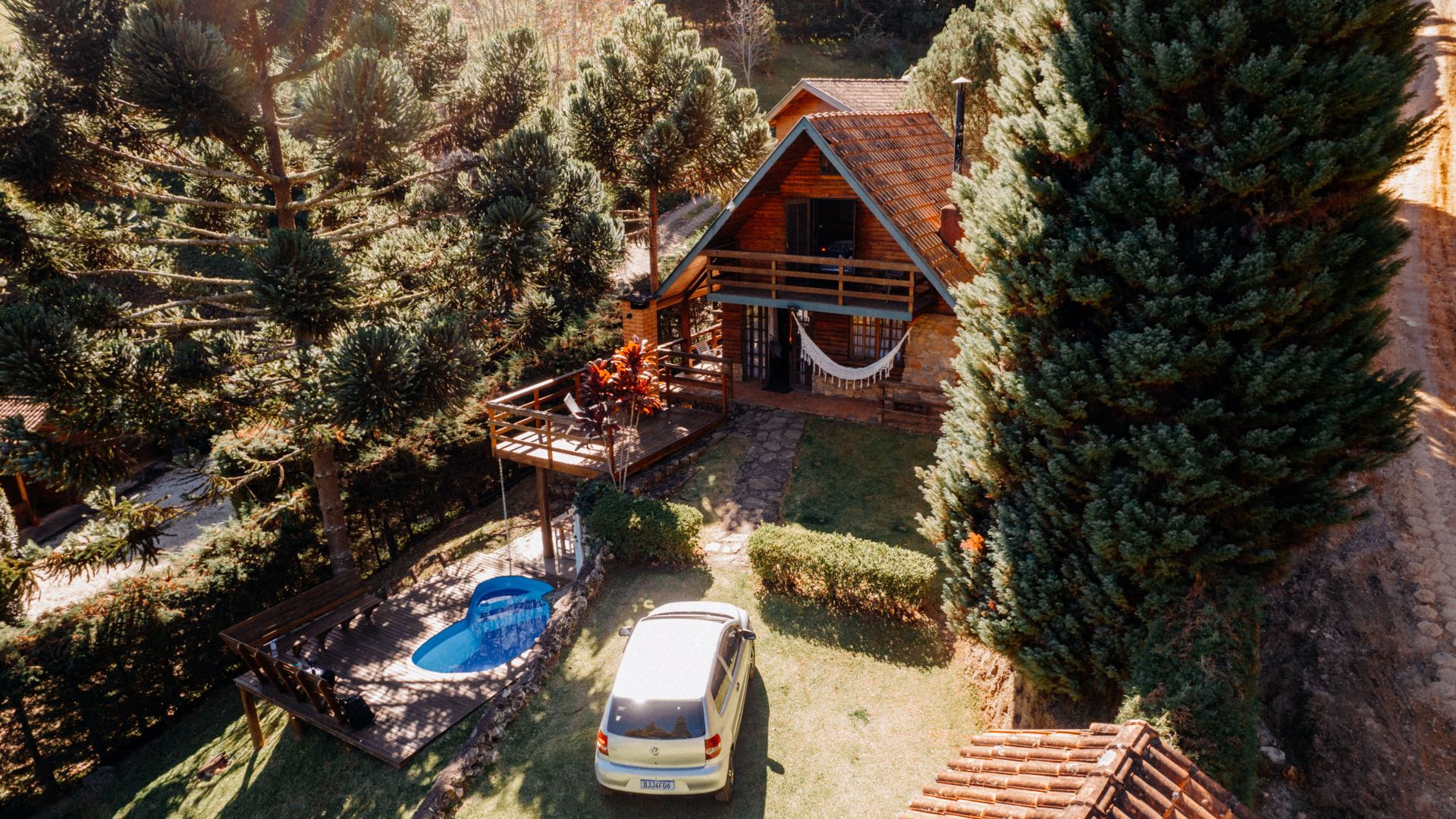
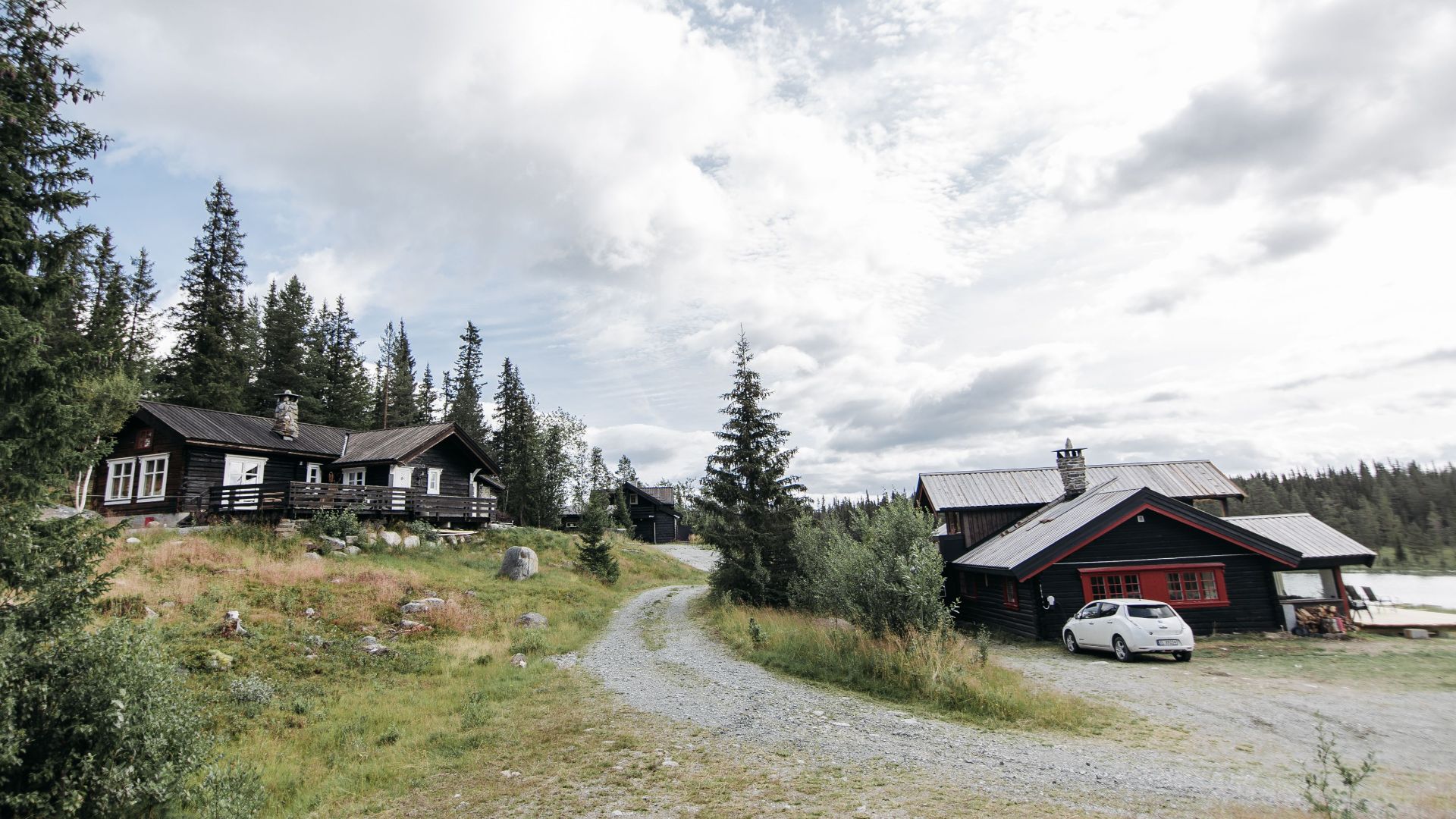
A listing can be technically accurate in photos and still leave out something important. Carefully cropped images may show the cabin, the patio, or the mountain view while skipping the driveway and the RV. That can leave guests with an incomplete picture of how the property actually works day to day.
 San Francisco Chronicle/Hearst Newspapers, Getty Images
What To Check Before You Book
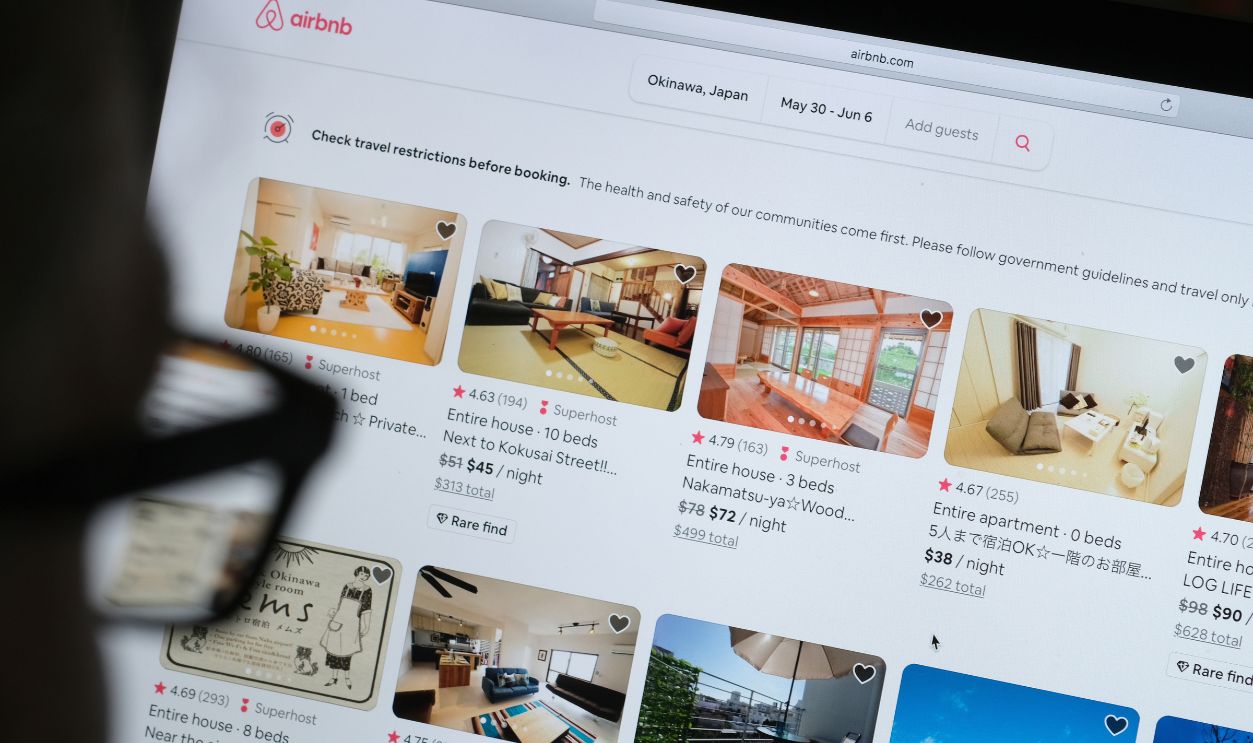
Read the listing closely for phrases like “guest suite,” “on shared property,” “host nearby,” or “separate dwelling.” Check every photo and caption for driveways, detached structures, and parking layouts. Then read recent reviews slowly, because guests often mention the details a listing softens or skips.

The Best Question To Ask A Host
If privacy matters, ask directly whether anyone else lives on the property during guest stays. Ask whether outdoor areas, parking, driveways, pools, or fire pits are shared. Sending that question through the platform chat also gives you a written record if the answer later turns out to be wrong.

Save The Listing Before You Arrive
Take screenshots of the description, photos, amenities, and any messages with the host before your trip. Listings can change after a complaint is made. Keeping a copy makes it easier to show what was promised when you booked.

If You Discover This At Check-In
Document what you see right away with photos and notes. Then contact the host through the platform and calmly explain that the listing did not clearly disclose on-site occupants. If the response does not solve the problem, escalate quickly to customer support while everything is still fresh.

Airbnb’s Rebooking And Refund Framework
Airbnb’s guest-focused policies allow support when a place is significantly different from what was advertised. The exact result depends on timing, evidence, and the details of the mismatch. But inaccurate or incomplete listing details can matter when a guest asks for rebooking help or a refund.

Vrbo Has Similar Complaint Paths
Vrbo also tells travelers to report problems quickly and document issues that affect the stay. As with Airbnb, outcomes can depend on the listing language and what can be proven. Clear records usually matter more than outrage.

Be Specific In Your Complaint
Do not just say the place “felt weird” or “wasn’t private.” Say that the listing described the property as secluded or private, but the owner’s family was living in an RV in the driveway and that this was not disclosed before booking. Specific, factual wording is more likely to get results.

Reviews Help Future Travelers
If the issue is not resolved, leave an honest review that sticks to facts you can verify. Mention that other occupants were living on the property and explain whether that affected privacy, noise, parking, or comfort. Reviews are often the best warning system other travelers have.

There Is A Difference Between Remote And Private
A cabin can be far from town and still not be very private. A property can sit on a lot of land and still have shared driveways, nearby owner housing, or active work areas. Travelers should treat “secluded” as a claim worth checking, not a guarantee.
Hosts Can Avoid This Easily
The simplest fix is plain language. If the owner or family lives on-site in a separate unit, cottage, RV, or outbuilding, the listing should say so clearly. Most disputes start not because the setup is impossible to accept, but because guests feel blindsided.
When Disclosure Matters Even More
Disclosure becomes even more important when the other occupants are visible in common approach areas like the driveway, yard, or entrance path. It also matters more when the listing leans on romance, solitude, work retreats, or wellness escapes. In those cases, privacy is not a side detail. It is part of what is being sold.

The Bottom Line For Travelers
If a vacation rental looked secluded online but the owner’s family lives in an RV in the driveway, that is the kind of fact most guests would reasonably want to know before booking. Platform rules on accuracy and broader truth-in-advertising standards both point toward fuller disclosure. In plain terms, if another household is living on the property, the listing should make that clear.