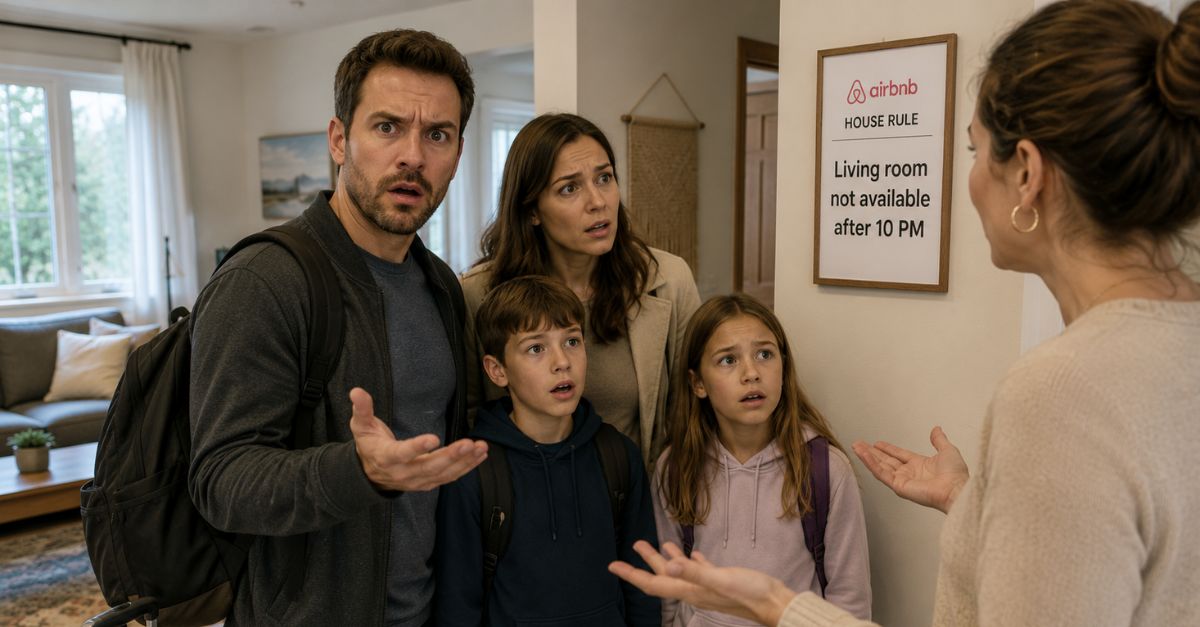
The 10 PM Living Room Rule That Can Wreck A Getaway
You book a vacation rental expecting to spread out, relax after dinner, and use the space you paid for. Then when you show up the host drops a rule saying the entire living room is off-limits after 10 PM. It feels strange, and it might actually be against Airbnb's rules, but that's going to depend on your booking.
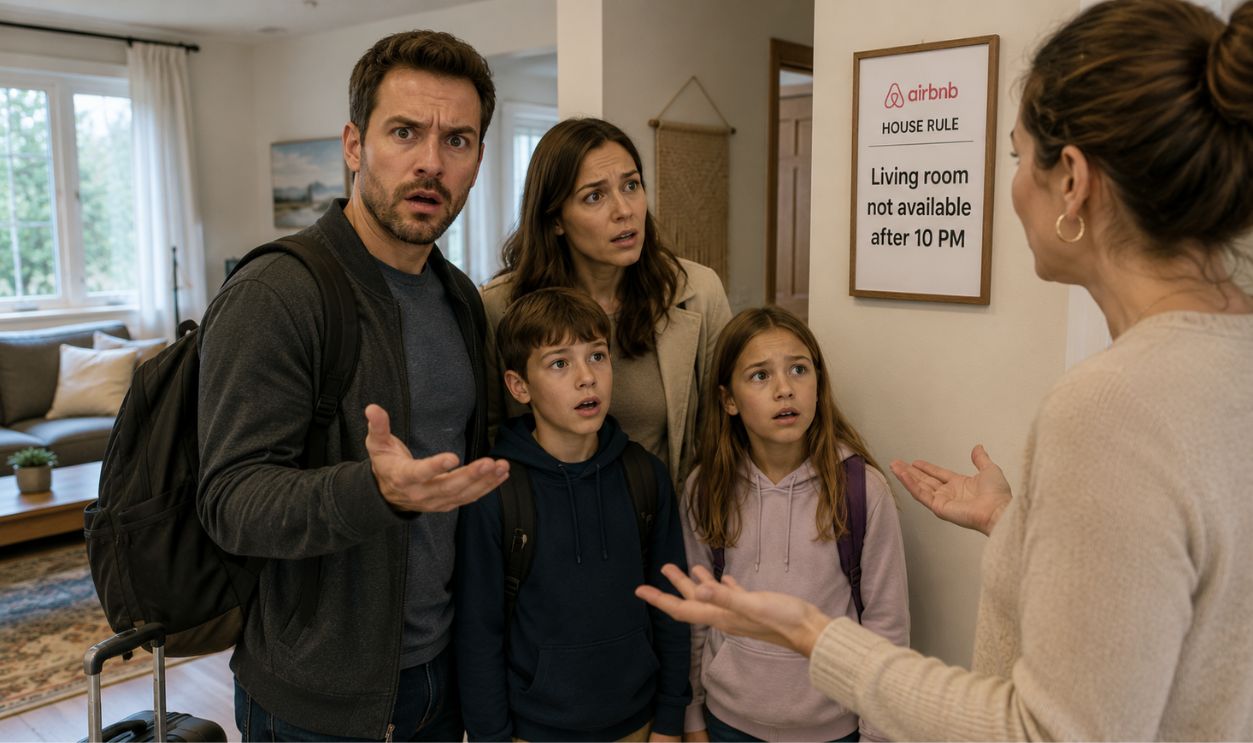
Start With The Key Question
The main issue is not whether hosts can make house rules. They usually can. Rules about noise, visitors, smoking, and quiet hours are common. The real question is whether a host can cut off access to a room that was part of the rental, especially if that limit was never made clear upfront.

What Airbnb Says Hosts Have To Disclose
Airbnb says hosts must describe their listings accurately, including access limits and house rules. Hosts are not supposed to surprise guests with major restrictions after booking. If the living room has limited hours, that is the kind of detail most guests would expect to know before paying.
When A Hidden Rule Becomes A Listing Problem
Airbnb's Rebooking and Refund Policy covers cases where a listing is not as advertised or a guest cannot use part of the space they were supposed to get. That includes inaccurate listing details and missing amenities. If the living room was presented as part of the rental and then later restricted, that could be the kind of issue Airbnb reviews for support, rebooking, or a refund.

Vrbo Also Cares About Accurate Listings
Vrbo's standards and traveler policies also stress that listings should be complete and accurate. If access to a room is limited, that matters because it changes how guests can use the property. A host can make rules, but a rule that changes what you rented is harder to defend if it was not disclosed before booking.

House Rules Are Real, But They Have Limits
Most short-term rental platforms let hosts set rules before booking. These might include quiet hours, no parties, pet limits, or rules on extra visitors. But banning guests from using a central room after 10 PM is different if they rented the entire home and were led to believe that room was included the whole time.
 Mladen Mitrinovic, Shutterstock
Whole Place Versus Shared Space Changes The Picture
If you booked a shared home or a private room in an occupied property, access rules can be tighter. In that setup, a host may be able to limit shared areas or set hours for them, as long as the listing said so. If you booked an entire place, guests usually have a much stronger case that the living room should stay open unless the listing clearly said otherwise.

Quiet Hours Are Not The Same As Closing A Room
A host can often set quiet hours after 10 PM or 11 PM to keep the peace and follow local rules. That is normal. But saying guests cannot use the living room at all is not the same as asking them to keep the TV low and avoid loud gatherings.
 https://kaboompics.com/, Pexels
What Makes A Restriction Important
Consumer protection rules often focus on material facts, meaning details that could affect a person's decision to book. A rule limiting the main gathering space can easily qualify. If a family picked a rental because it had a big living room for evenings together, losing that room after 10 PM is not some minor detail.

The FTC's Basic Rule
The Federal Trade Commission bars deceptive or unfair business practices, including leaving out key facts that are likely to mislead reasonable consumers. The FTC does not write vacation rental house rules for individual hosts, but the basic idea is clear. If a host leaves out an important limit and reveals it only after booking, that can raise the kind of consumer fairness issue regulators care about.
 https://kaboompics.com/, Pexels
State Consumer Offices Often Warn About Rental Misrepresentations
State consumer protection offices often tell travelers to keep screenshots of listings, amenities, and messages. There is a reason for that. If a dispute comes up later over whether the living room was included or whether a restriction was disclosed, those screenshots may be your best evidence.

The Contract Is Usually The Listing Plus The Rules
In practice, the booking contract often includes the listing description, the house rules shown before checkout, and the platform's terms. That means a host may be able to enforce rules that were visible when you booked. It also means a host is on shakier ground if they send over a new restriction after payment or reveal it only at check-in.

Timing Matters A Lot
If the 10 PM rule was in the listing before you clicked book, you were on notice, even if the rule was annoying. If it showed up only in a welcome binder or a last-minute message, the situation looks very different. Timing matters because platforms often decide disputes based on what a guest knew before paying.

Look Closely At The Listing Language
Phrases like "entire home," "full access," or photos that prominently feature the living room can support a guest's expectation that the room is part of the rental. On the other hand, a listing that says "living room closes at 10 PM" or "common area unavailable late at night" gives the host stronger ground. The exact wording, and where it appeared, can make all the difference.

Photos Can Help Make The Case
If the living room is highlighted in the photo gallery and helps sell the property, that matters. Platforms know photos shape guest expectations. A host cannot easily market a cozy lounge as a key perk and then quietly block it off every night unless that limit was made obvious before booking.

Why Guests Should Speak Up Fast
Airbnb tells guests to report problems quickly, often within a short time after they come up, if they want help under the Rebooking and Refund Policy. Waiting until the trip is over can make things harder. If a host tells you at arrival that the living room is off-limits after 10 PM, contact the platform right away through the app.

What To Say To The Host
Keep your message calm and clear. Ask where the restriction appeared in the listing and note that you booked the property expecting access to the advertised spaces. A simple written message asking for clarification can help a lot if support later reviews the dispute.
 Dmytro Zinkevych, Shutterstock
What To Send Platform Support
Send screenshots of the listing, the amenities, the photo gallery, and the host's message about the 10 PM rule. Include the date and time when the host shared the restriction. The more clearly you can show that the rule was hidden or conflicts with the listing, the easier it is for support to review your claim.
Could A Host Ever Have A Good Reason
Yes, sometimes. A host may be dealing with building rules, safety concerns, or local quiet-hour requirements, especially in condos or multifamily buildings. But even then, the better move is to disclose the limit before booking and explain it clearly instead of surprising guests after they arrive.

Safety Rules Usually Get More Slack
If a room is unsafe because of repairs, structural damage, or some emergency issue, a temporary restriction may be legitimate. But that is not the same as a routine nightly closure. A standing 10 PM living room ban looks much more like a house rule than a true emergency, which makes upfront disclosure even more important.

If The Host Lives On Site, Things Get More Complicated
Some guests think they booked a private escape and later realize the host is nearby and tightly managing the property. If the listing is really for a room in an occupied home, hosts often have more control over shared areas. That is why the listing category, occupancy details, and access section are worth reading carefully before booking.

What Consumer Experts Usually Suggest
Travel and consumer experts often give the same advice: read the full listing, expand every house-rule section, and ask questions in writing if anything is unclear. A one-line message like "Do guests have unrestricted access to the living room during the stay?" can save you a major headache later.

Can You Get A Refund Or Partial Refund
Maybe, but it depends on the facts, the platform, and how quickly you report the issue. If the restriction seriously changes the stay and was not disclosed, support may offer a partial refund, help with rebooking, or some other remedy under platform rules. If the rule was plainly visible before booking, your chances drop fast.
Chargebacks Are Usually The Last Move
Some travelers think about disputing the charge with their credit card company. That can be an option in serious cases, but it can also create problems with the platform and usually makes more sense after trying the platform's own process. Keep your documentation organized in case you need to show that the rental was not what was promised.

How To Protect Yourself Before You Book
Take screenshots before paying, especially of the room photos, access details, and house rules. Keep messages inside the platform instead of moving them to text. If a host tells you something important by phone or in person, follow up in writing so there is a record.

The Bottom Line On That 10 PM Ban
Yes, a host can set restrictions, but not every restriction is equally enforceable in real life. If the 10 PM living room cutoff was clearly disclosed before booking, guests may just have to decide whether to live with it or book somewhere else next time. If it showed up only after payment or arrival, guests may have a strong argument that the host is limiting space they already paid for and that the listing was not accurately described.

The Smartest Way To Look At It
Do not focus only on whether the rule feels unfair. Focus on what the listing said, when the rule was disclosed, and whether the rental was sold as an entire place or a shared one. In vacation rental disputes, the paper trail usually matters more than the couch, and it can decide whether your late-night living room plans hold up or get shut down.