When A Dream Trip Becomes A Money Problem
You book the flights, lock in the hotel, and start counting down the days. Then your friend backs out, and one fun getaway suddenly turns into a serious money problem. Getting your cash back is not always easy, but you may have options depending on how the trip was booked and what each person agreed to.

The First Thing To Figure Out Is Who Paid For What
Everything usually starts with one question. Did each of you book and pay for your own part, or did one person put the whole trip on a card and expect to be paid back later. That detail can decide whether this is mainly a dispute between two travelers or a problem involving an airline, hotel, tour company, or credit card issuer.

If You Booked Separately, There May Not Be Much You Can Do
If your former travel buddy paid for their own flight and their own share of the room, their cancellation may not give you much legal leverage. You may still be stuck with your own nonrefundable costs, especially if each reservation stands on its own. In many cases, the smartest move is simply to cut your losses by changing or canceling your own bookings as fast as possible.
 Abdel Rahman Abu Baker, Pexels
If You Covered Everything, The Situation Changes
Things get more serious when one traveler paid the full cost upfront. If your partner agreed to pay you back and then bailed, that can turn into a personal debt dispute. The best proof is often the simplest kind: texts, emails, booking confirmations, and payment requests showing what each person said they would pay.

Start With The Fine Print
It is not glamorous, but this is the step that matters most. Airlines, hotels, cruise lines, and travel sites all have their own cancellation terms, fare rules, and change policies, and they can be very different from one another. Before assuming the money is gone, check whether the booking is refundable, changeable for a fee, or eligible for credit.

Airline Tickets Usually Come With Tight Rules
The U.S. Department of Transportation says airlines have to give certain disclosures and refunds in specific cases, but that does not mean you can cancel for free just because a friend changed their mind. If the flight is still operating normally, your refund usually depends on the fare you bought. Many nonrefundable tickets can still be changed or turned into travel credit, but basic economy fares are often much stricter.
The 24 Hour Rule Can Save You
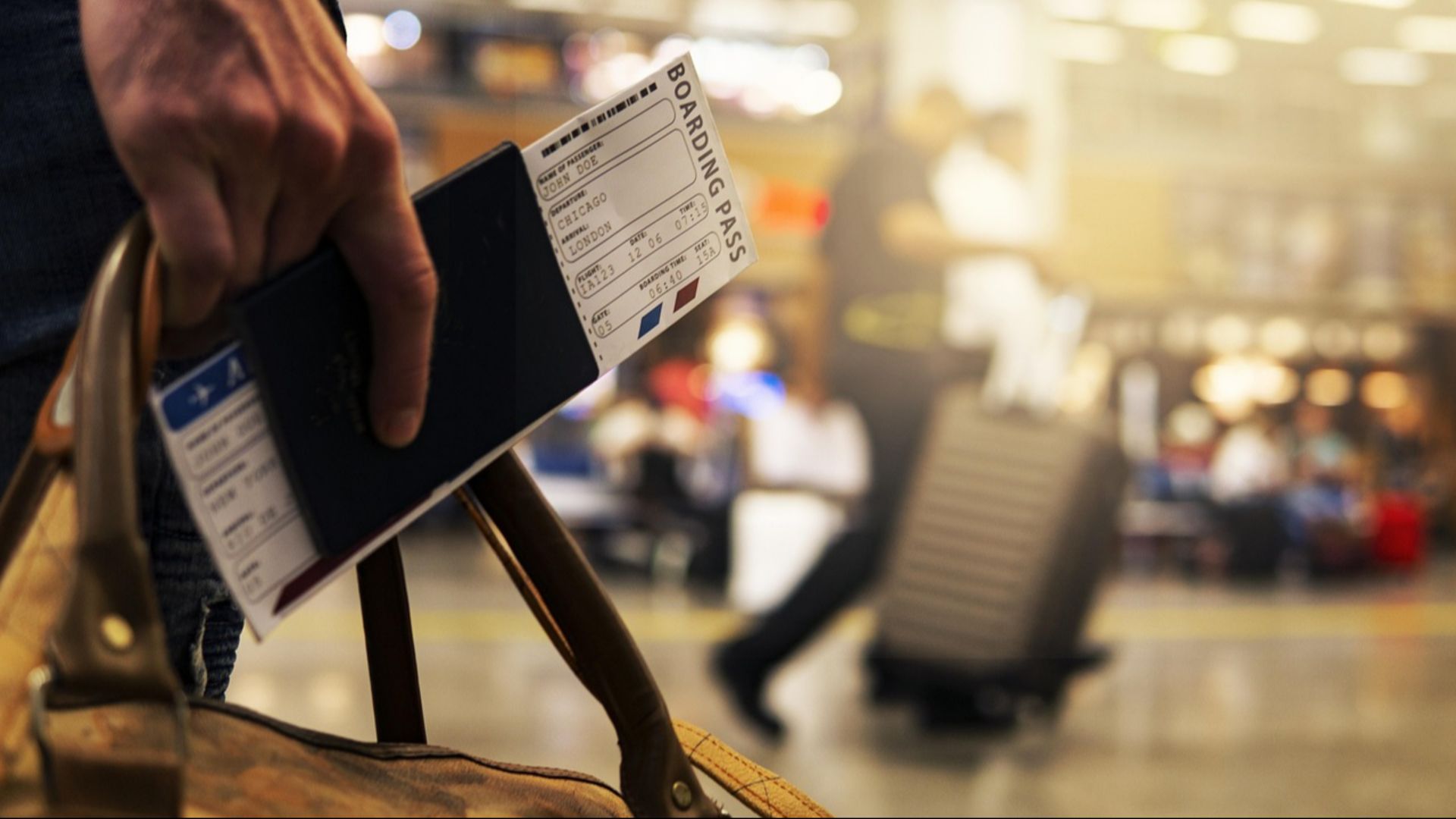
One of the clearest travel protections in the United States is the 24 hour rule. According to the Department of Transportation, airlines must let consumers cancel without penalty within 24 hours of booking if the reservation was made at least seven days before departure. That only helps if you act quickly, but when it applies, it can make a huge difference.

Hotels May Give You More Flexibility
Hotels often give travelers more room to maneuver than airlines do. Some reservations can be canceled the same day, while others are prepaid and completely nonrefundable. The Federal Trade Commission advises travelers to review refund and cancellation rules before booking. If your room can still be canceled for free, moving fast may keep you from paying for space no one will use.

Vacation Rentals Depend On The Policy You Picked
If you booked a vacation rental, your outcome may depend on the platform and the host's cancellation terms. Airbnb, for example, lays out different cancellation policy categories and explains that some fees may or may not be refundable depending on timing and other details. In a situation like this, a flexible booking can make a big difference compared with a discounted nonrefundable one.

Cruises Can Get Expensive Fast
Cruise bookings can be especially rough because prices often assume two people in a cabin. Cruise lines commonly charge solo travelers more per person, which means one person backing out can leave you paying far more than half. Policies vary by cruise line, so it is worth asking whether you can swap in another traveler, get future cruise credit, or reprice the trip.

Package Trips Can Be Easier Or Harder
Vacation packages booked through a tour operator or travel site often bundle flights, hotels, transfers, and activities into one reservation. That can help because one call may let you adjust the whole trip at once. But it can also hurt because package bookings sometimes come with cancellation penalties that are steeper than if each part had been booked separately.

Travel Insurance Might Help, But Only In Certain Cases
Travel insurance sounds like the obvious fix, but coverage usually depends on why the trip is canceled. InsureMyTrip explains that standard trip cancellation policies generally pay for specific covered reasons, such as illness, injury, or other listed events, not simply because a travel partner changed their mind. If your companion backed out for a reason the policy does not cover, insurance may not help.

Cancel For Any Reason Coverage Is Different
Some travelers buy Cancel For Any Reason coverage, often called CFAR, to get more flexibility. The downside is that it usually costs extra, has to be bought soon after the first trip payment, and often reimburses only part of your prepaid nonrefundable costs. If you do not already have it, you usually cannot add it once the problem starts.

A Travel Companion Clause Could Matter
Some travel insurance policies include coverage if a travel companion gets sick, hurt, or otherwise cannot travel for a covered reason. That is very different from someone backing out because of cost, scheduling, or nerves. Check the exact wording of the policy before assuming you are covered, because small differences in language can change everything.

Try To Find A Replacement Quickly
One of the most practical moves is finding someone else to take the open spot. Hotels, rentals, tours, and even cruises may allow guest substitutions or name changes, depending on the rules. Airline tickets are usually much tougher because most major carriers do not let you transfer a standard ticket to another person.

Name Corrections Are Not The Same As Ticket Transfers
Many airlines allow small name corrections to fix a typo, but that is not the same thing as giving the ticket to somebody else. In most cases, a ticket issued in one traveler's name cannot simply be reassigned to a new person. That is why a replacement traveler may save the lodging or cruise booking, but not the airfare.

Ask For Credit If A Refund Is Off The Table
If you cannot get your money back, try asking for travel credit instead. Airlines, hotels, and tour companies may be more willing to offer a voucher or rebooking option than a cash refund, especially on nonrefundable bookings. It is not perfect, but it is better than losing the full amount.

Good Records Matter More Than Anger
If the real dispute is with the person who backed out, paperwork matters more than frustration. Save texts where they agreed to split the costs, screenshots of payment requests, receipts, and any messages showing they understood the booking terms. If you later ask for repayment, go to mediation, or file in small claims court, that paper trail can be your strongest evidence.

A Chargeback Will Not Solve Every Problem
A chargeback can help when a business billed you incorrectly or failed to provide what it promised, but it is not a cure-all for travel drama. The Consumer Financial Protection Bureau explains that billing disputes cover errors and certain merchant problems, not simple buyer regret. If the airline or hotel delivered exactly what you bought, a chargeback may go nowhere.

Your Main Dispute May Be With The Other Traveler
That is often the hard truth. If the company followed its own written policy, your claim may not be against the airline, hotel, or booking platform at all. Your real path may be asking the other person to pay their share, sending a formal demand, or considering small claims court if enough money is involved.

Small Claims Court May Be Worth Considering
If someone clearly agreed to cover part of a trip and then refused, small claims court may be an option. The rules and dollar limits depend on the state, but these courts are built for fairly simple money disputes and usually do not require a lawyer. Whether you win will depend on the facts and the proof you can show.

Verbal Agreements Are Tougher To Prove
A spoken promise can still count, but it is much harder to prove than a written one. That is why a message saying something like “I will send my half on Friday” can matter so much. Without clear proof, the argument can quickly become one person's word against the other's.

A Calm Written Demand Can Go A Long Way
Before taking bigger steps, send a clear and polite message or letter explaining how much is owed, what the amount covers, and when you expect payment. Keep it factual and skip empty threats. People often ignore emotional appeals, but they may respond when the request looks organized and serious.

Payment Apps Can Help Tell The Story
Venmo, PayPal, Zelle, and similar services can create useful records showing what was requested, what was paid, and what was written in the memo line. Those details do not guarantee you will get paid back, but they can help show that the other person accepted responsibility for part of the trip. They can also pin down dates and amounts.

It Is Still Worth Asking Suppliers For Help
Written policies matter, but so does plain old customer service. A hotel may agree to shorten a stay, waive a fee, or move the dates even if the stated rules are strict, especially if you ask early and stay polite. There is no promise, but a simple call can sometimes uncover options that are not listed online.

The Best Protection Happens Before You Book
This kind of mess often starts with loose assumptions between friends, relatives, or partners. Before anyone pays, agree in writing on who owes what, what happens if somebody cancels, and whether each person should book separately. It may feel awkward at first, but it is much less awkward than chasing someone for money later.

Separate Payments Can Limit The Damage
When possible, each traveler should pay their own share directly to the airline, hotel, cruise line, or travel agency. That way, if one person backs out, the most organized friend does not end up carrying the whole financial hit. It is one of the simplest ways to keep a personal problem from becoming your full problem.

Insurance Can Make Sense For Big Trips
For expensive vacations, cruises, and international travel, insurance may be worth a serious look before anything goes wrong. The key is matching the policy to the risks you actually face instead of assuming every cancellation will be covered. Read the covered reasons, deadlines, and exclusions carefully.

The Bottom Line
Yes, you may have recourse, but it depends on where the loss really came from. If the supplier's policy gives you a refund, credit, or cancellation window, move quickly and use it. If the company did nothing wrong and your travel partner simply bailed, your best shot may be getting paid back by that person with solid records and, if needed, a small claims case.