
The Gate Check Fee That Gets Travelers Heated
You packed carefully, followed the airline’s bag rules, and made it all the way to the gate. Then an agent told you your bag had to be checked anyway, and somehow you still had to pay. It feels backwards, and plenty of travelers who experience this ask the same thing: Can airlines really do that?

The Short Answer Is Messy
In the United States, there is no one federal rule that plainly says an airline cannot charge you when it forces a gate check. What matters most is the airline’s contract of carriage, its posted bag policy, and whether the fee was clearly disclosed before you traveled. So the answer usually comes down to fine print, not common sense.
Why This Happens So Often
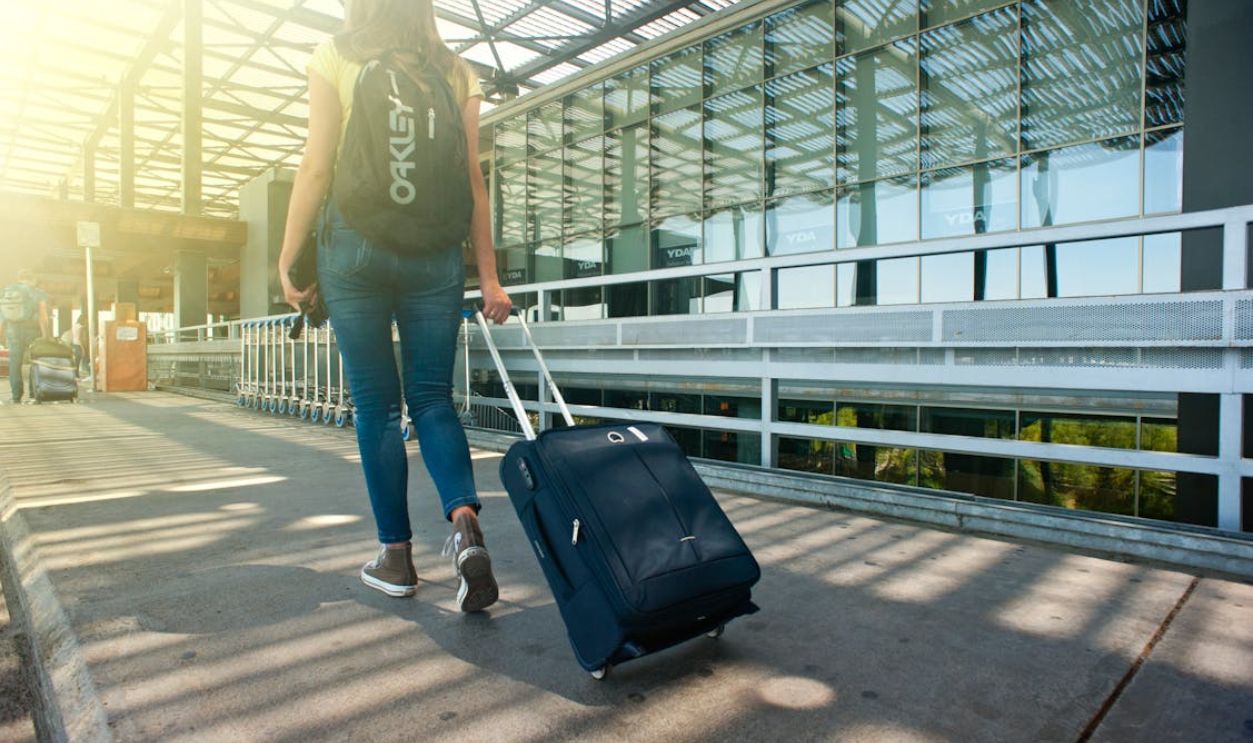
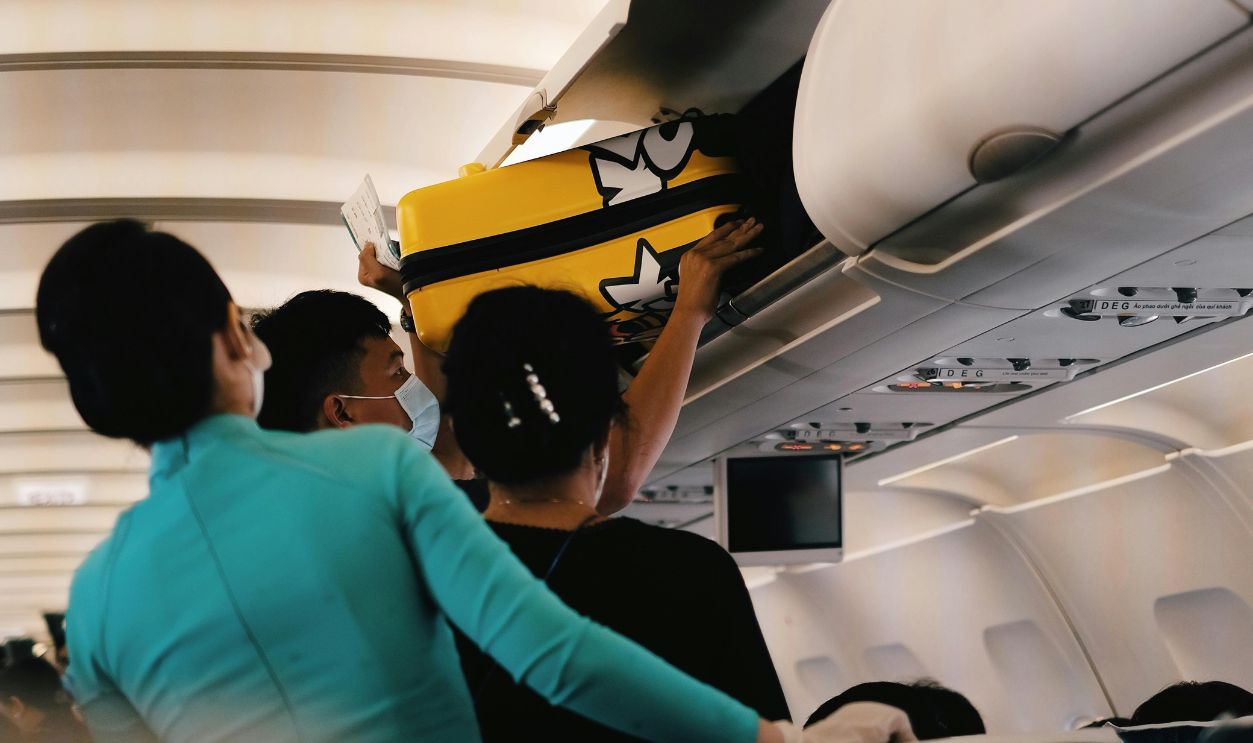
Airlines have spent years tightening carry-on rules while cabins have gotten more crowded. Basic economy fares, stricter personal item limits, and packed overhead bins create the perfect setup for a gate-side argument. When space runs out, passengers can wind up paying to check a bag they never planned to check.
The DOT Sets The Baseline
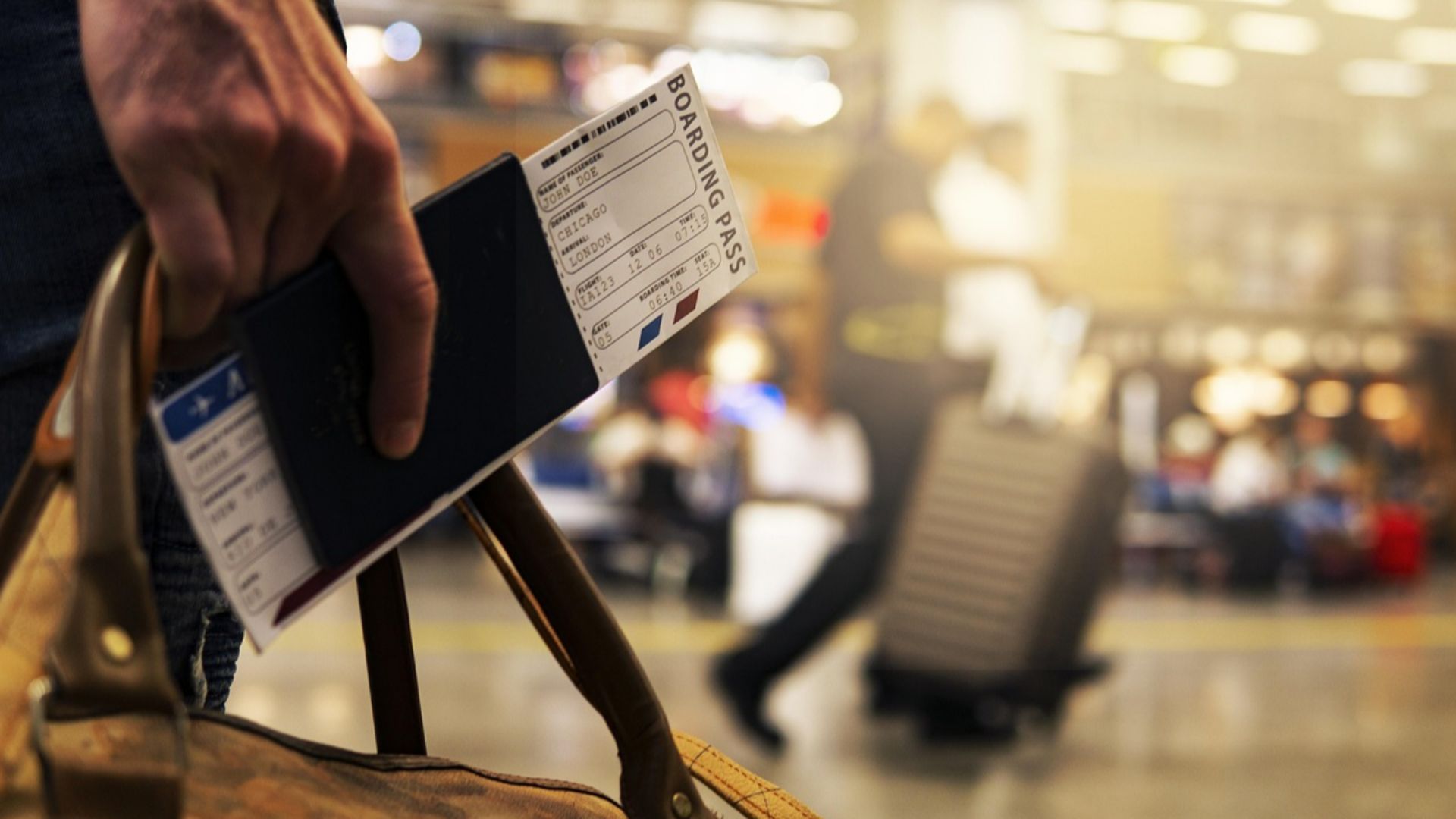
The U.S. Department of Transportation requires airlines and ticket agents to disclose checked bag fees on routes within, to, and from the United States. The DOT has also said airlines must clearly explain baggage policies during booking. That matters because surprise fees are much harder to defend when they were not properly disclosed.
Disclosure Does Not Equal Protection
Here is the part that frustrates passengers. Even if a fee feels unfair, it may still be allowed if it was disclosed and the airline says your bag did not qualify as a free carry-on. In that case, the carrier can argue the charge was valid before you ever got to the gate.

Basic Economy Is Often The Flash Point
This fight often starts with basic economy. Several major U.S. airlines sell these fares with tighter carry-on rules than standard economy. On some tickets, a full-size carry-on is not included at all, even though many travelers assume it is. That confusion often blows up at the gate, where there is little time to argue and a lot of pressure to just pay.
United Helped Bring The Issue Into Focus
United drew a lot of attention when it rolled out its basic economy fare in 2016 and 2017. Under that setup, many basic economy passengers could bring only a personal item unless they had elite status, a qualifying credit card, or were flying internationally. If they showed up at the gate with a larger bag, they could be charged a checked bag fee plus an extra gate handling charge.
Frontier And Spirit Built Their Fares Around Bag Fees
Ultra low cost carriers made bag fees a core part of their pricing model. Frontier and Spirit have long charged separately for carry-ons and checked bags, and the prices often go up the longer you wait to pay. If a passenger reaches the gate with a bag that goes beyond what the fare allows, the charges can get steep fast.
There Is A Big Difference In Why A Bag Gets Checked
Not every gate check is the same. A bag might be checked because it breaks the fare rules, or it might be checked because the bag was allowed but the bins are full. That second case matters, because airlines often check those bags for free. That is also why travelers get especially angry when they are charged anyway.
 Marquise de Photographie, Unsplash
When Bins Fill Up, Fees Are Often Waived
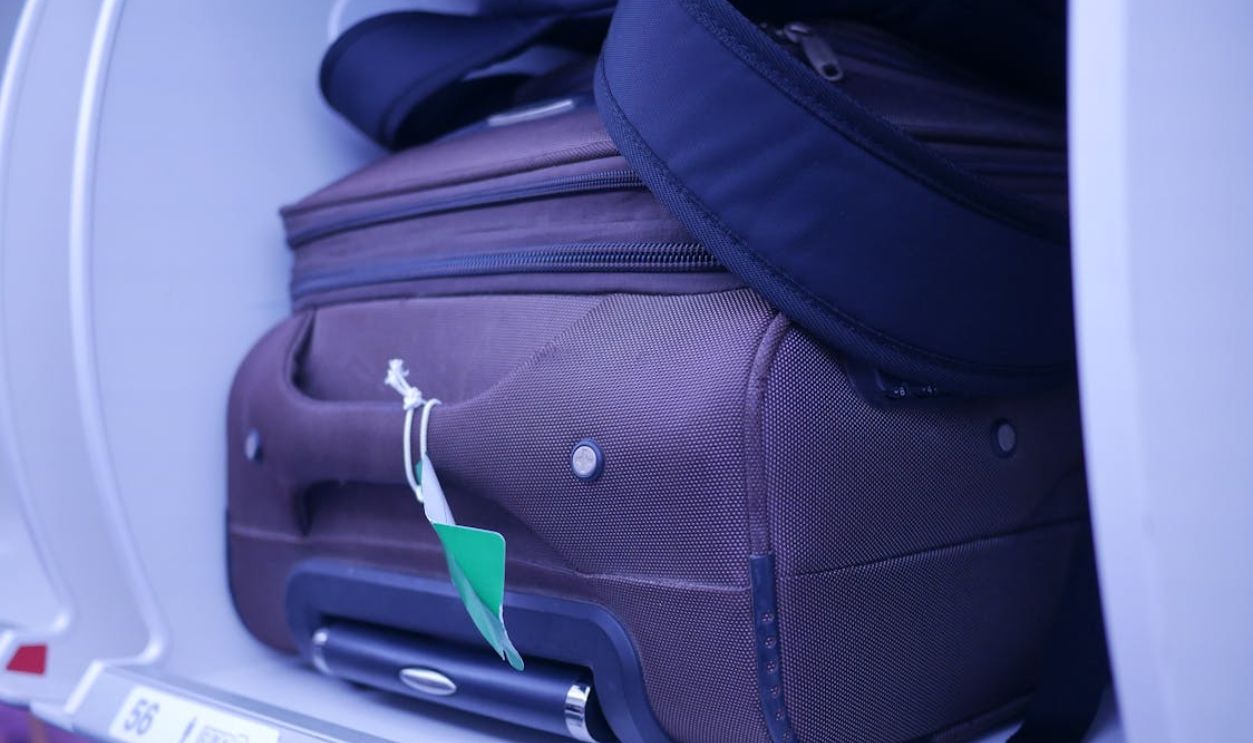
Many airlines regularly ask for volunteers at the gate to check standard carry-on bags for free when overhead space is tight. It helps speed up boarding and keeps the aisle from turning into a traffic jam. It also fits the basic idea that passengers should not pay extra just because the plane ran out of room.
The Fine Print Still Calls The Shots
If your ticket did not include a carry-on in the first place, the airline may say the usual free gate-check practice does not apply. In other words, the bag may have been against the rules before bin space ever became an issue. That detail is often buried in fare terms, and it is a major reason these disputes happen.
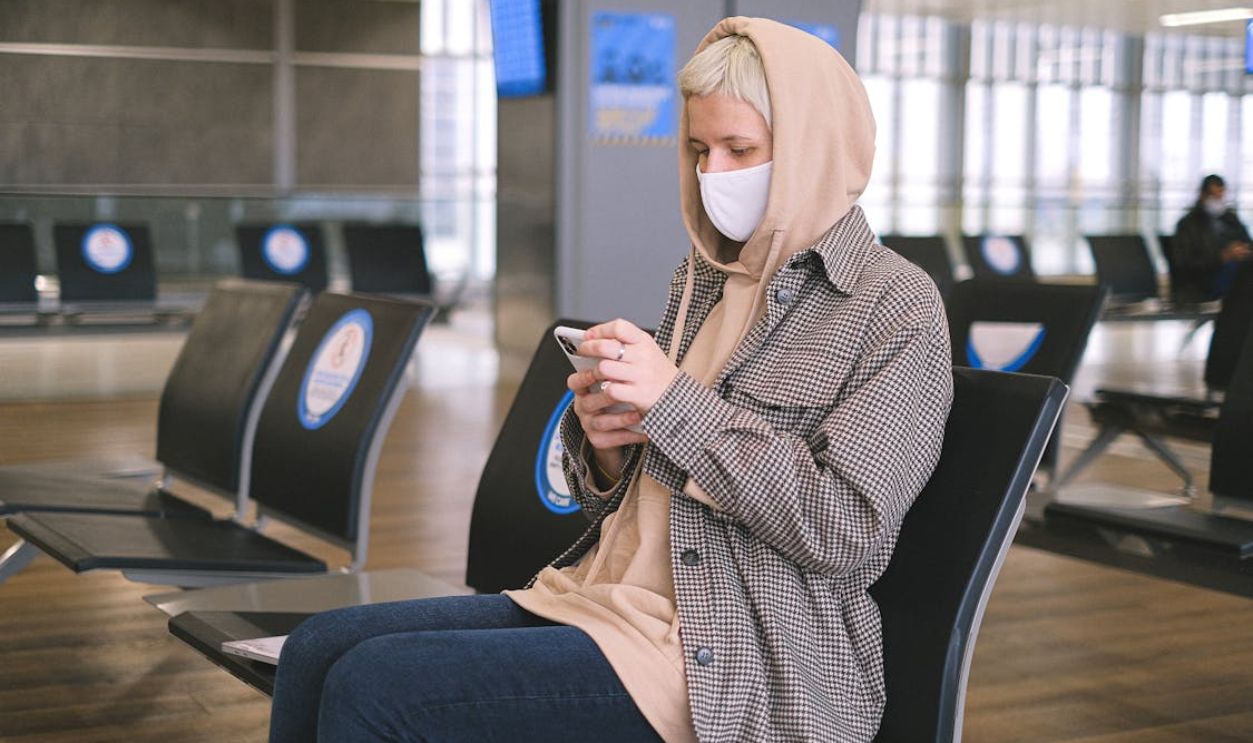
Contracts Of Carriage Matter More Than Most People Realize
Every airline publishes a contract of carriage that lays out baggage rules, limits, and passenger rights. These documents are not exactly light reading, but they are what airlines point to when defending fees. If you want to challenge a charge, that contract is one of the first places to look.
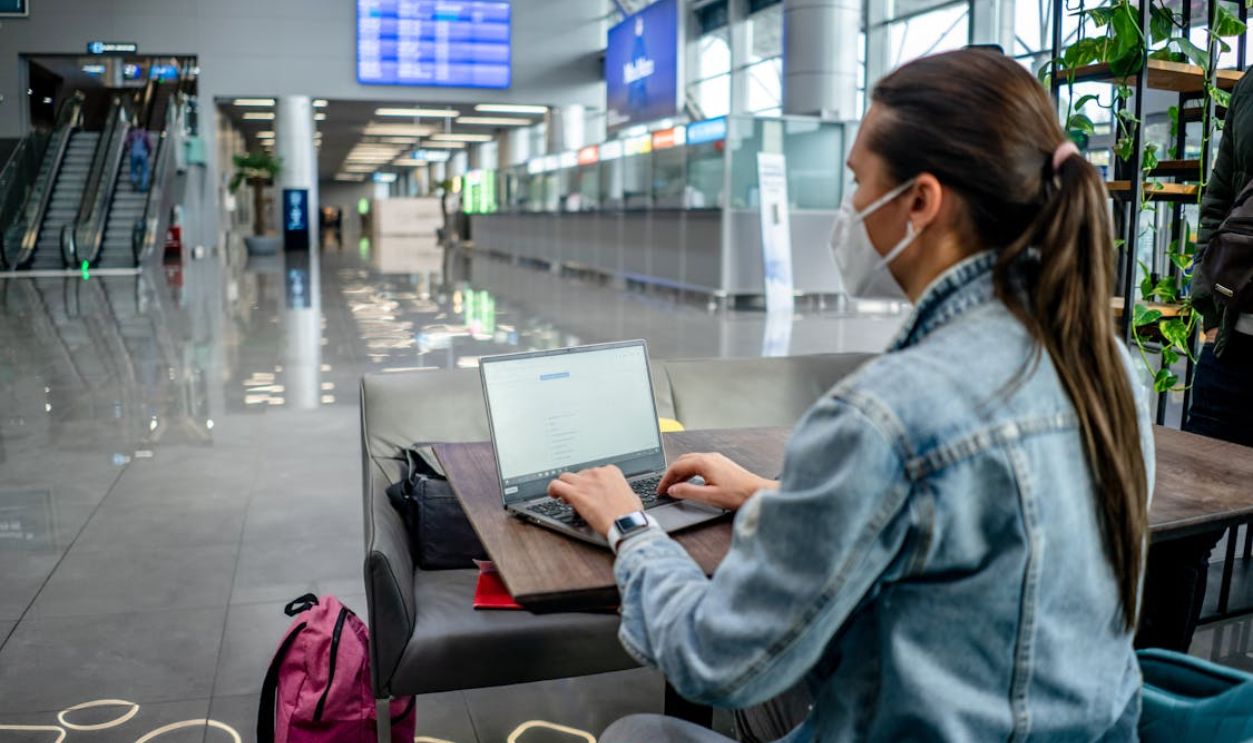
American Airlines Lays Out Its Carry-On Rules
American Airlines has a carry-on page that explains size limits and exceptions by fare type and route. If your bag met those rules and the airline checked it only because there was no room left, that is a very different situation from a bag that was too big or not included with your ticket. Knowing the exact posted rule can make a complaint much stronger.

Delta Publishes Clear Size Limits Too
Delta also spells out the size rules for carry-on bags and personal items. Like other big airlines, it may require travelers to gate check bags when bins are full, especially on smaller aircraft or when boarding late. In any fee dispute, the key question is simple: did the bag follow the original cabin allowance or not?
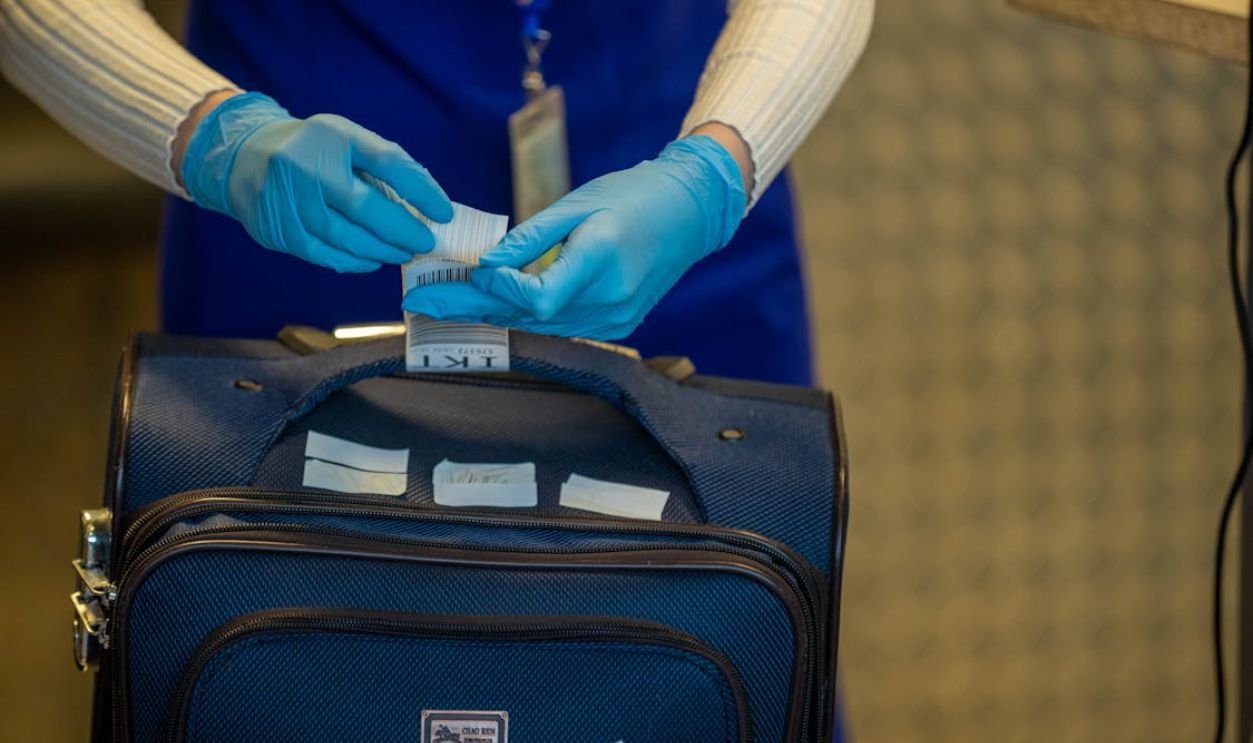
Southwest Shows There Is Another Way
Southwest is known for letting passengers check two bags for free, though size and weight limits still apply. That does not erase baggage problems, but it changes the mood because fewer travelers are trying to avoid a surprise charge at the gate. The policy is a good reminder that a lot of this frustration comes from fee complexity itself.

This Is Not Just A U.S. Problem
Europe has the same kind of tension. Low cost airlines there have also faced complaints over strict cabin bag enforcement and gate charges when travelers misunderstand what their fare includes. The details vary by airline and country, but the basic conflict is the same: what did the ticket include, and was that made clear enough?

What The Government Considers Unfair Or Deceptive
The DOT can take action against unfair or deceptive practices in air travel. In general, that means looking at whether consumers were misled or whether key terms were hidden or unclear. Not every baggage dispute turns into a government case, but airlines still need to back up their fees with clear disclosures.

The Gate Is A Terrible Place To Fight About It
The boarding gate is one of the worst places to sort out a consumer dispute. The line is moving, agents are under pressure, and passengers are worried about missing the flight. Even when travelers think they are right, many pay first and deal with it later because the alternative feels too risky.
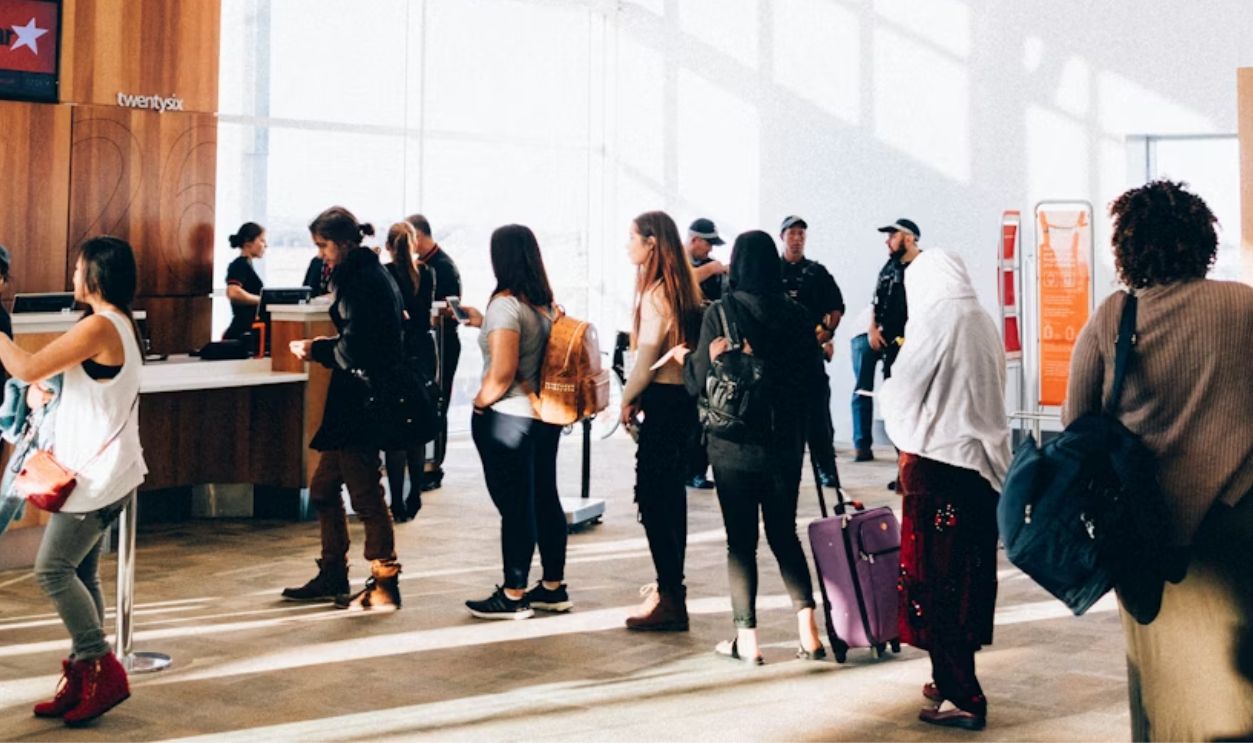
Take Screenshots Before You Travel
If you think a charge could become an issue, save proof before boarding starts. Take screenshots of the fare rules, bag allowance, and any confirmation emails that show what is included. That paper trail is usually much more useful than memory when you later ask for a refund.

Measure Your Bag Before You Leave Home
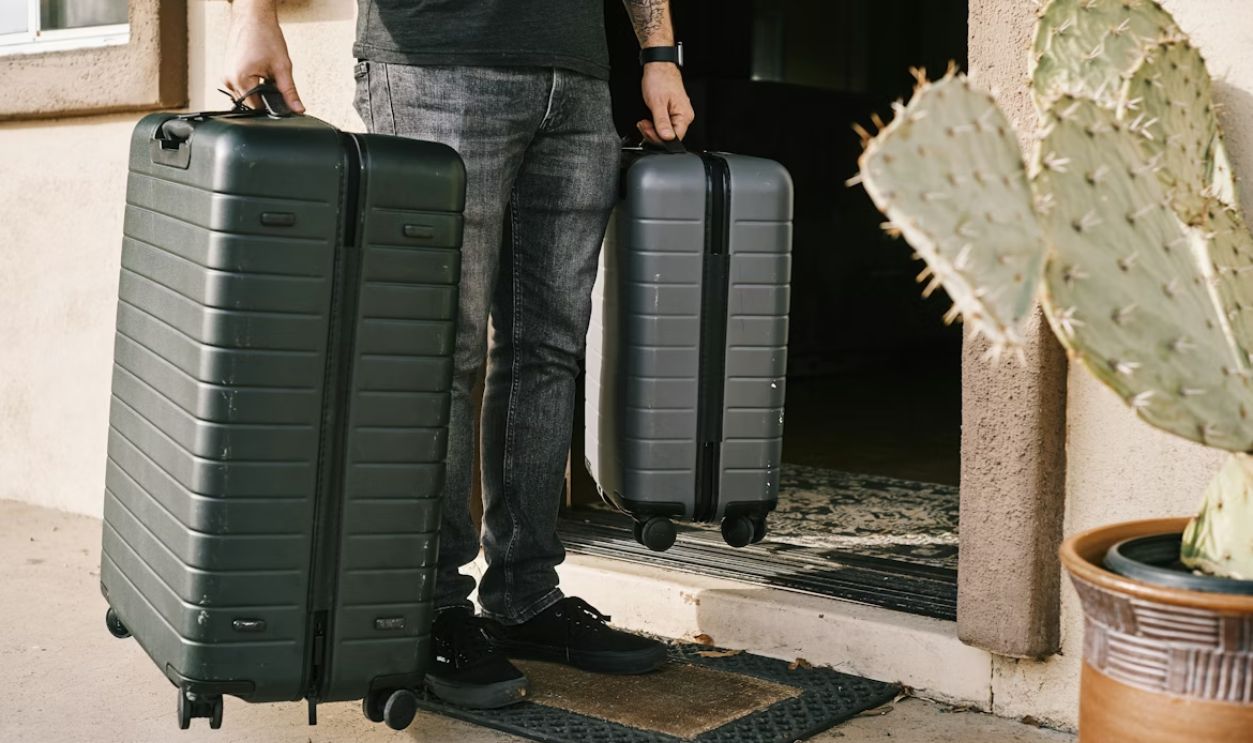
It sounds obvious, but it matters. Airlines publish size limits for carry-ons and personal items, and they do use airport bag sizers. If your bag is even a little over the limit, your argument gets much weaker.
 Kit (formerly ConvertKit), Unsplash
Ask One Simple Question At The Gate
If an agent says your bag has to be checked and charged, ask whether the fee is because your fare did not allow the bag or because overhead space is gone. That one question gets to the heart of the issue. Keep it short and polite, because gate agents are much more likely to help when things stay calm.

Get A Receipt And Ask Why You Were Charged
Do not walk away without documentation. Ask for a receipt and, if possible, written confirmation of why the bag was checked and why the fee was charged. If the airline later changes its explanation, that paperwork can matter a lot.
Start With The Airline
Your first formal complaint should usually go to the airline’s customer service team. Include the flight number, date, airport, baggage receipt, and a short timeline of what happened. Point to the airline’s own posted baggage policy and explain why you think the fee did not match it.
 LinkedIn Sales Solutions, Unsplash
If That Fails, File A DOT Complaint
If the airline rejects your claim and you still believe the fee was improper or poorly disclosed, you can file a complaint with the U.S. Department of Transportation. The DOT sends complaints to the airline and tracks patterns in consumer problems. It is not a guaranteed refund, but it does create a formal record and can help spotlight repeat issues.

Credit Card Help May Be Limited
Some travel credit cards offer baggage protections, though they usually focus on delay or loss, not fee disputes. Still, if the charge does not match what you were sold, it may be worth reviewing your card issuer’s dispute process. Just make sure your records are solid, because those disputes are strongest when the documentation is clear.

What Airlines Could Do Better
Airlines could cut down on a lot of this anger by making bag rules much clearer at every stage of booking and check-in. Plain-language alerts, bigger reminders before boarding passes are issued, and clearer gate procedures would all help. So would a simple standard: if a bag was allowed in the cabin and gets checked only because space ran out, there should be no extra fee.

So, Is It Fair
From a traveler’s point of view, being forced to check a bag and then being charged for it often feels plainly unfair. Legally, though, the answer depends on what your fare included, what the airline disclosed, and why the bag was taken from you at the gate. If your bag followed the airline’s carry-on rules and was checked only because the bins were full, your case is much stronger.
The Bottom Line
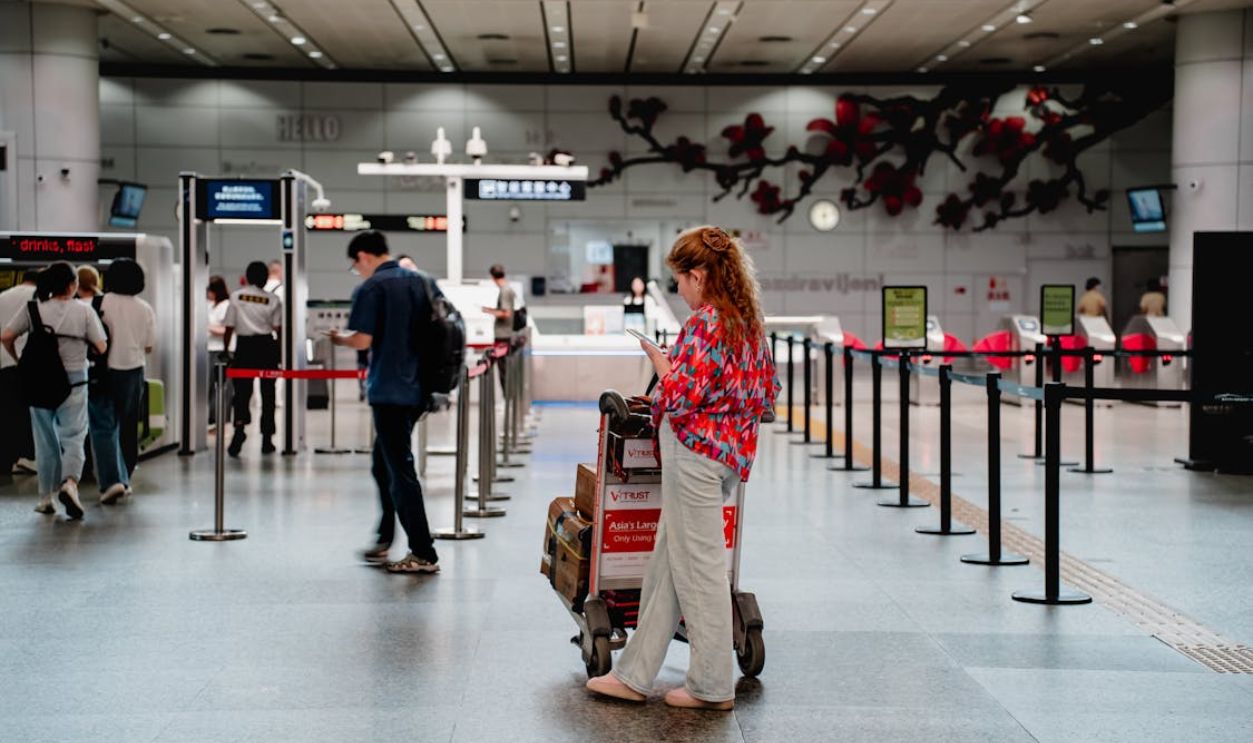
The best defense is simple: know your fare’s bag allowance, measure your luggage, save screenshots, and get receipts if a dispute starts. If an airline makes you check a bag and charges you anyway, do not assume the fee is automatically valid. But be ready to show exactly why it was not.