The Denial That Trips Up Travelers
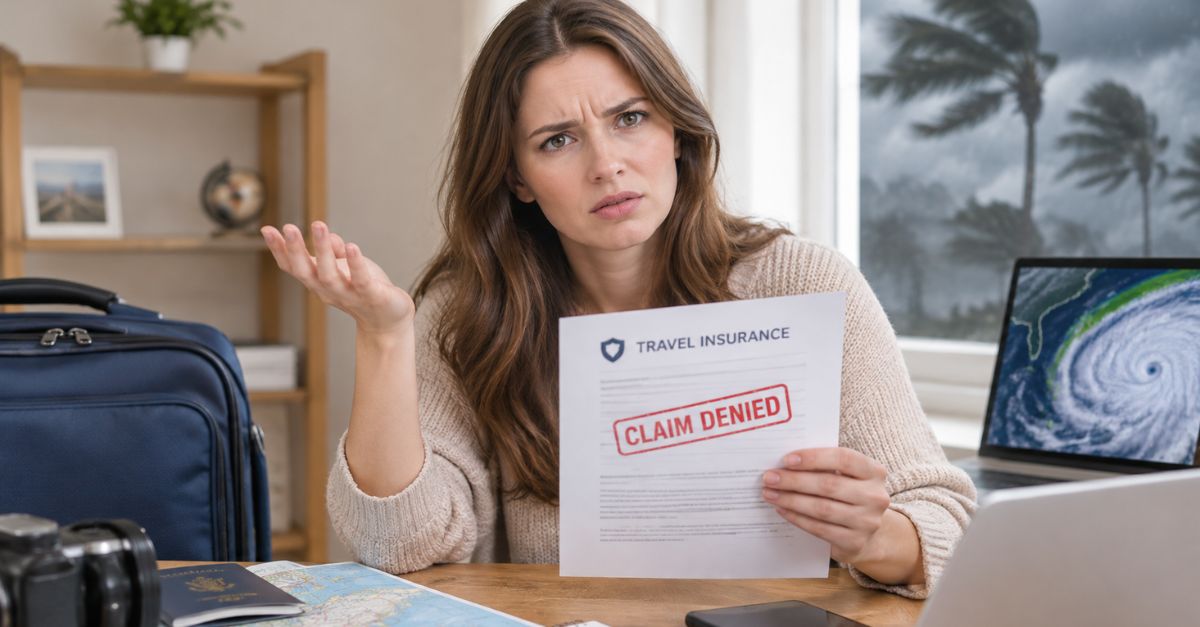
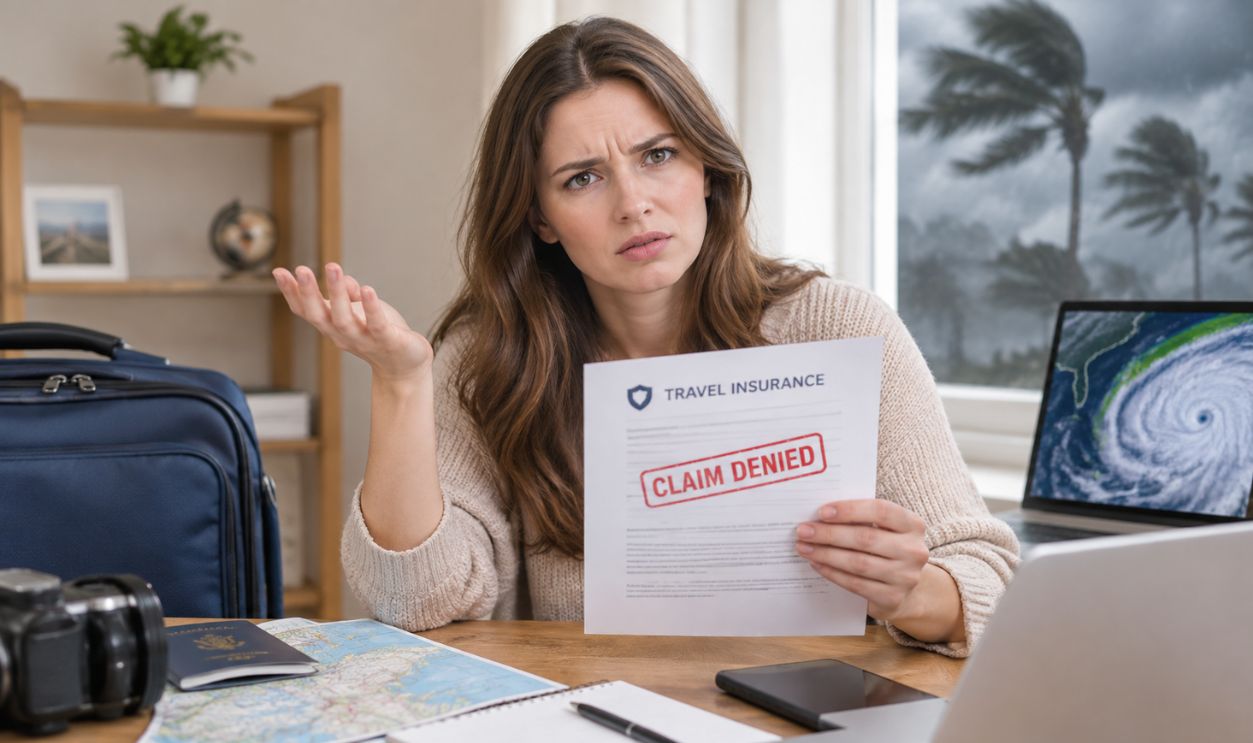
You buy travel insurance hoping it will save your trip if the weather turns bad. Then a hurricane starts forming, your plans fall apart, and the insurer says the storm was already “foreseeable” when you bought the policy. That one word often decides whether you get paid back or eat the cost yourself.
“Foreseeable” Does Not Mean One Fixed Thing
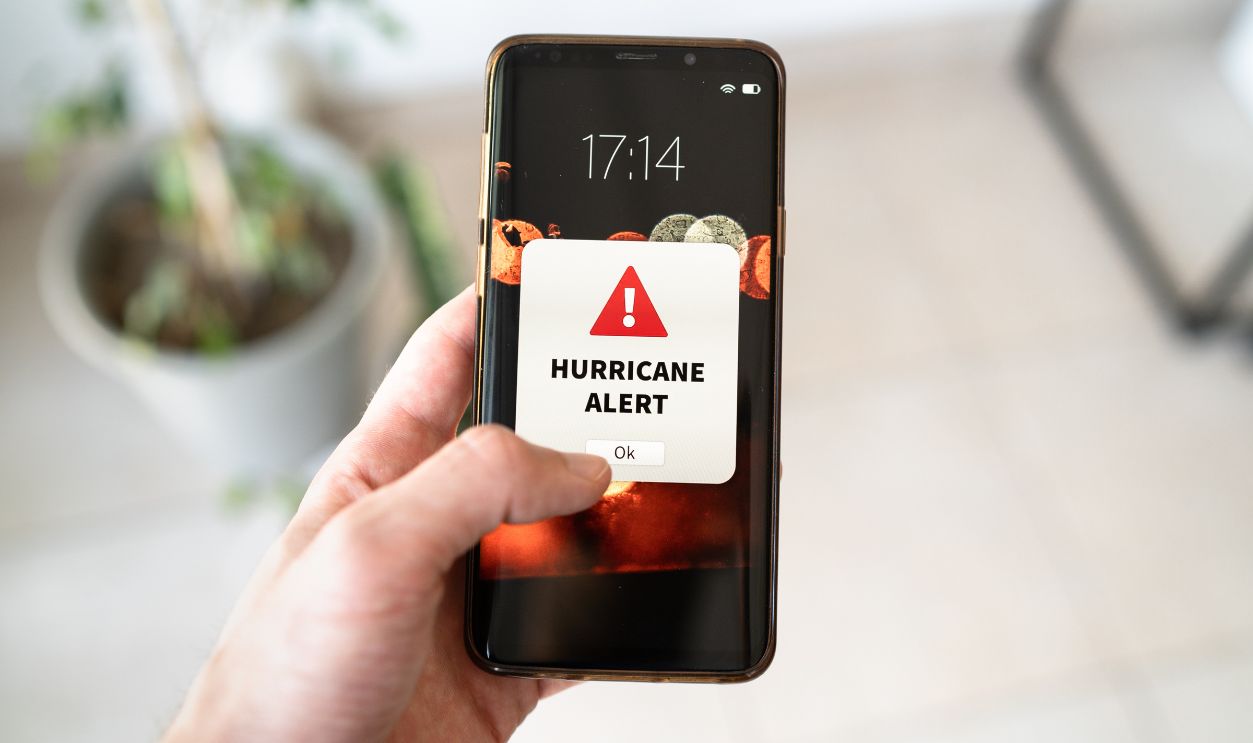
Here is the catch. There is no single industry-wide rule saying a storm becomes foreseeable exactly 24 or 48 hours before landfall. In real life, insurers usually tie foreseeability to official storm alerts, public advisories, or a known-event date listed in the policy or on the insurer’s website.

Insurers Often Use A Known-Event Trigger
Many travel insurers post what they call a “known event” or “foreseen event” date. That date is often tied to when the National Hurricane Center first issues a tropical storm or hurricane watch or warning for a destination, or when the storm is named and publicly identified as a threat. If you buy insurance after that trigger, a hurricane-related claim may be denied.
 NHC/NWS/NOAA, Wikimedia Commons
Squaremouth Says Timing Is Everything
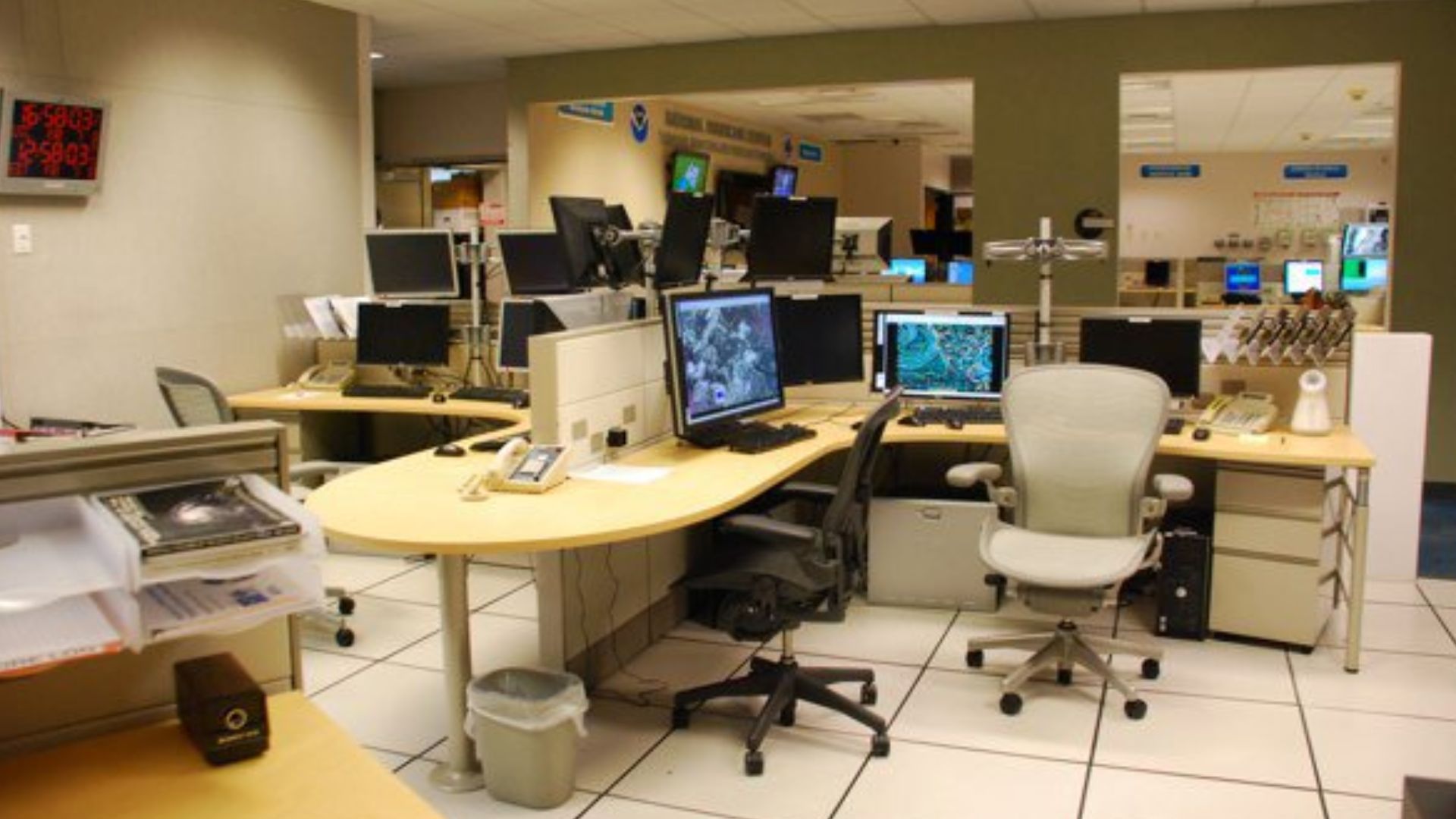
Travel insurance comparison site Squaremouth says storm and hurricane coverage depends heavily on timing. In its guidance, a storm becomes foreseeable when it is officially named or when the National Hurricane Center issues a watch or warning affecting your destination. In other words, the date you buy the policy can matter just as much as the storm itself.
 Cyclonebiskit, Wikimedia Commons
Allianz Says Publicly Known Events Matter
Allianz Travel says travel insurance is meant for sudden, unexpected problems, not events already known when you buy coverage. Its guidance says a hurricane can be treated as foreseeable once it is publicly known and likely to affect travel plans. If the risk is already out in the open, buying late may not help.

AIG Travel Guard Looks To Official Advisories
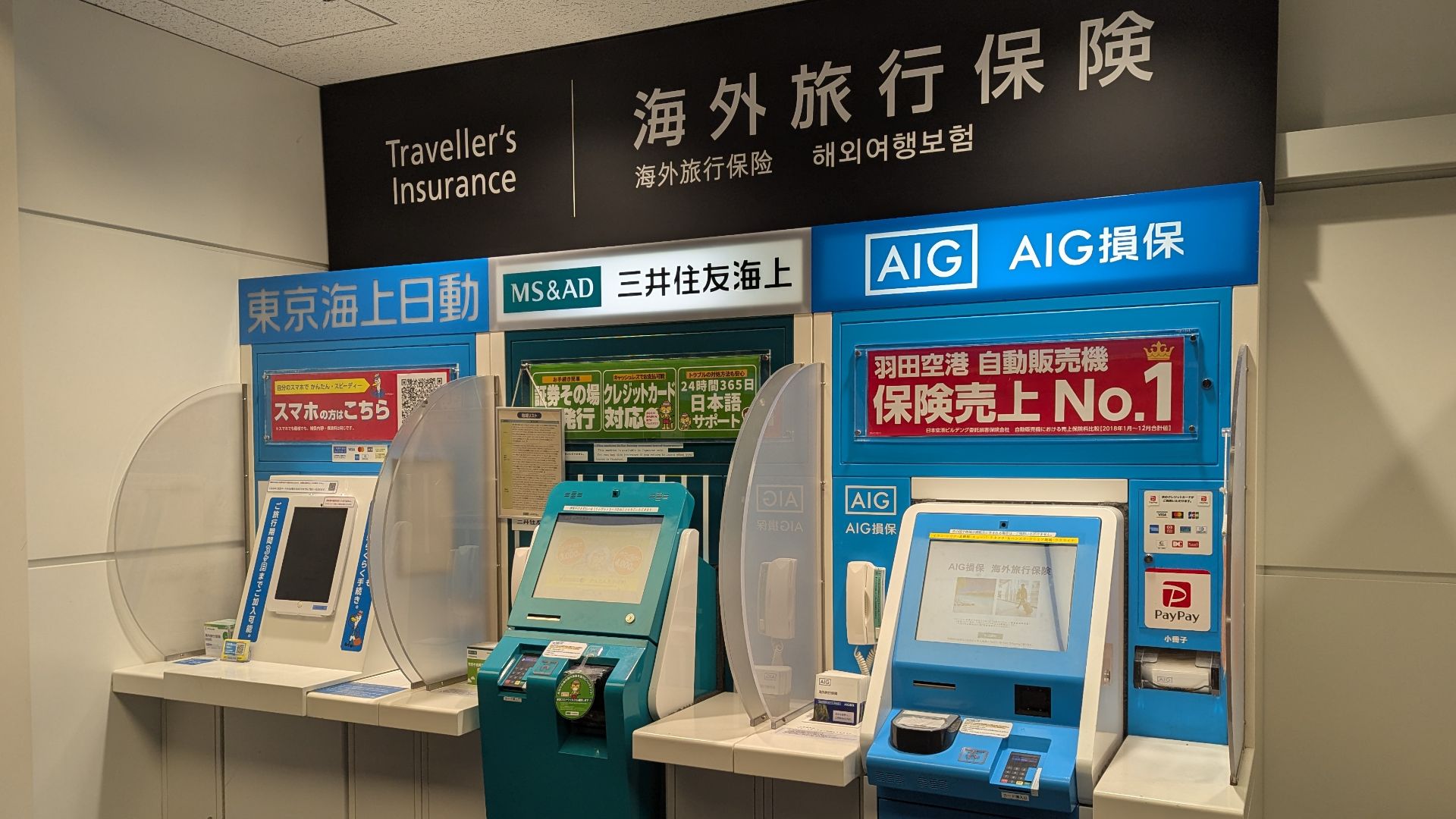
AIG Travel Guard posts travel alerts and says benefits can depend on whether a policy was bought before an event became known. For hurricanes, that often means before a storm warning, watch, or other official notice affecting your destination or route. If you wait until the headlines are already rolling, you may be too late.
 Momiji.Takinogawa, Wikimedia Commons
Generali Tracks Storm Timing Too
Generali Global Assistance also tells travelers to watch the timing of storm announcements and policy purchases closely. Its guidance notes that once a storm is named or otherwise recognized as a threat to your trip, it may be considered foreseeable. That timing can decide whether a cancellation or interruption claim survives.
The National Hurricane Center Is Often The Real Clock
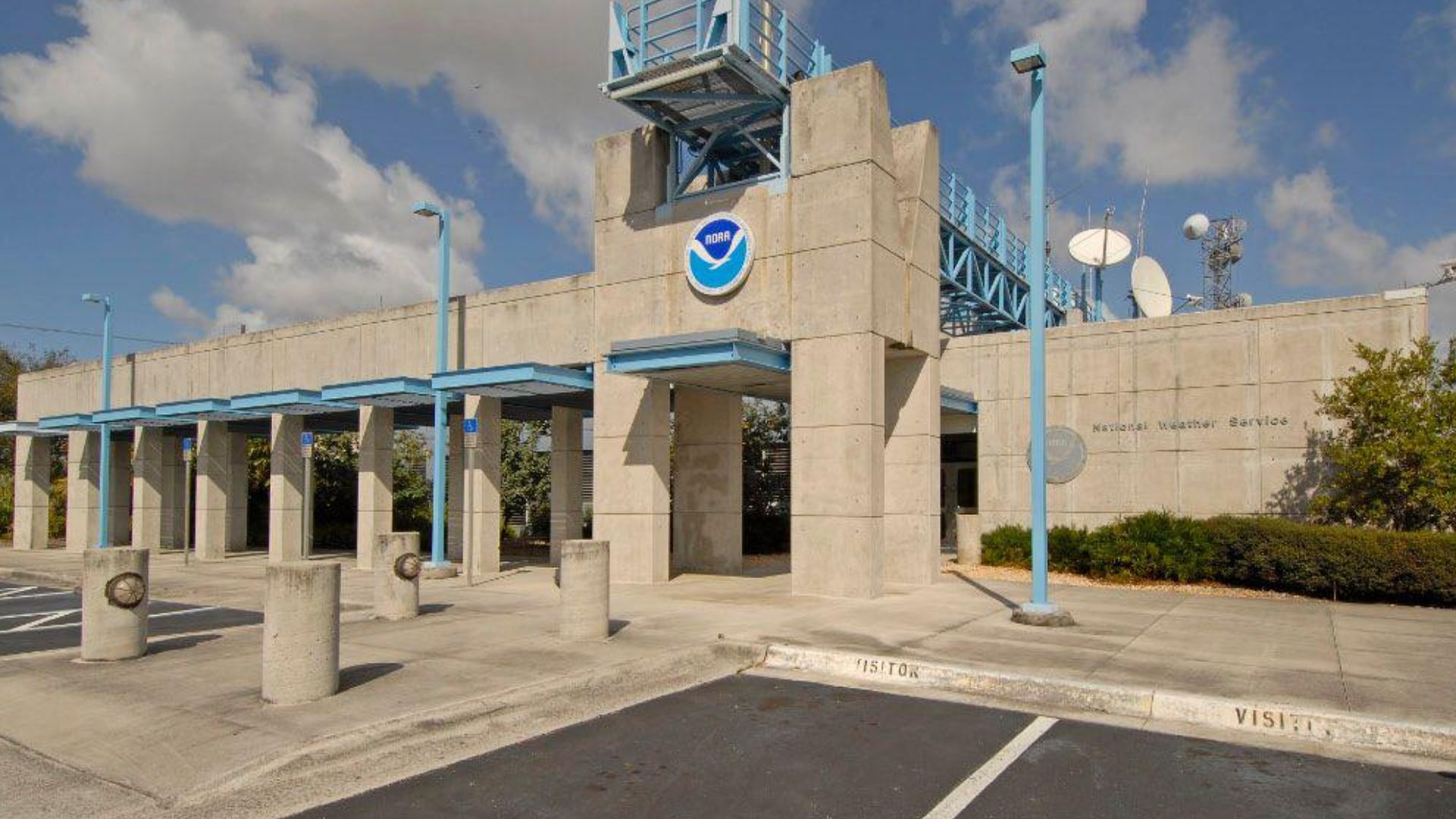
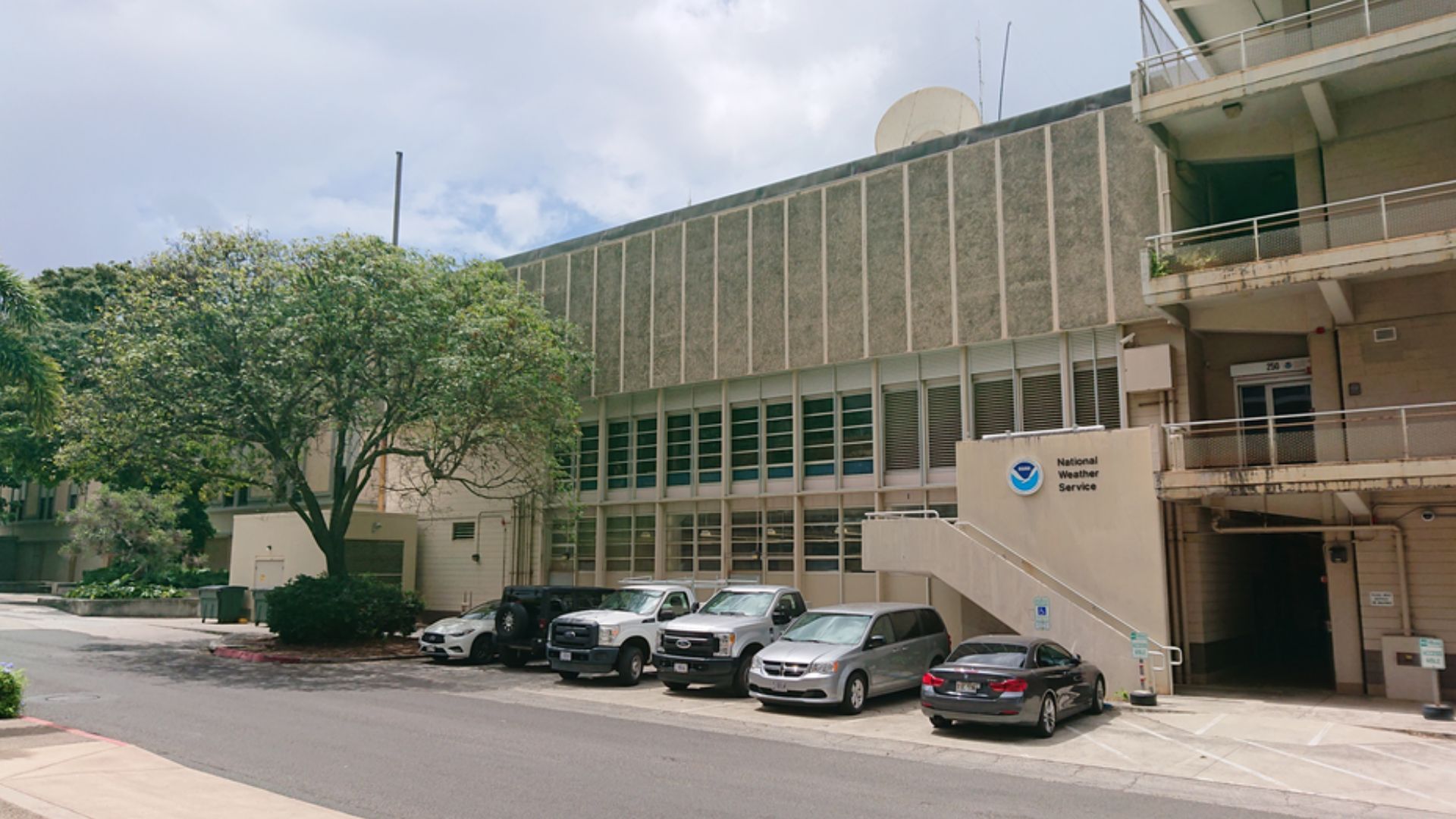
If one agency keeps showing up in these decisions, it is the National Hurricane Center. The NHC issues official advisories, watches, and warnings for Atlantic and eastern Pacific tropical cyclones. Insurers often use those public timestamps when deciding whether a storm was foreseeable.
 US National Weather Service, Wikimedia Commons
Watches And Warnings Mean Different Things
The National Hurricane Center says a hurricane watch means hurricane conditions are possible within the watch area, generally within 48 hours. A hurricane warning means those conditions are expected, generally within 36 hours. That difference matters because some policies may treat the first watch as the moment the event became foreseeable.
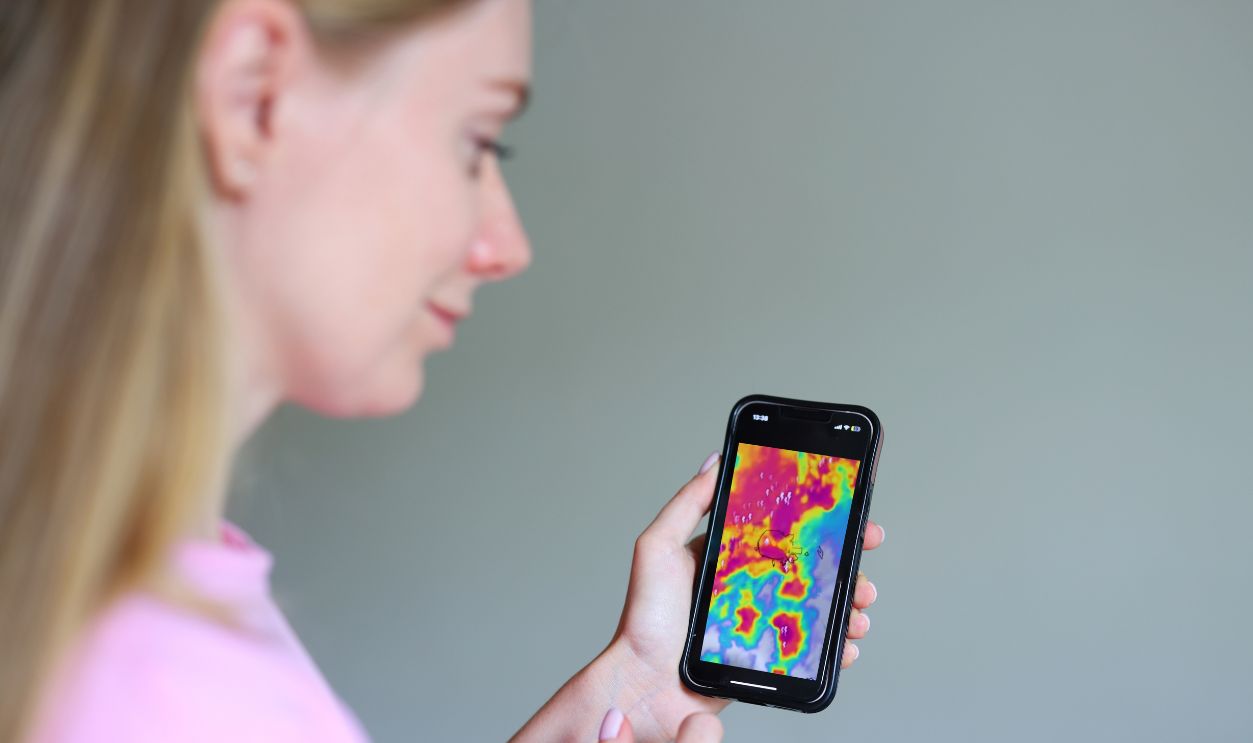
Tropical Storm Alerts Can Be Enough
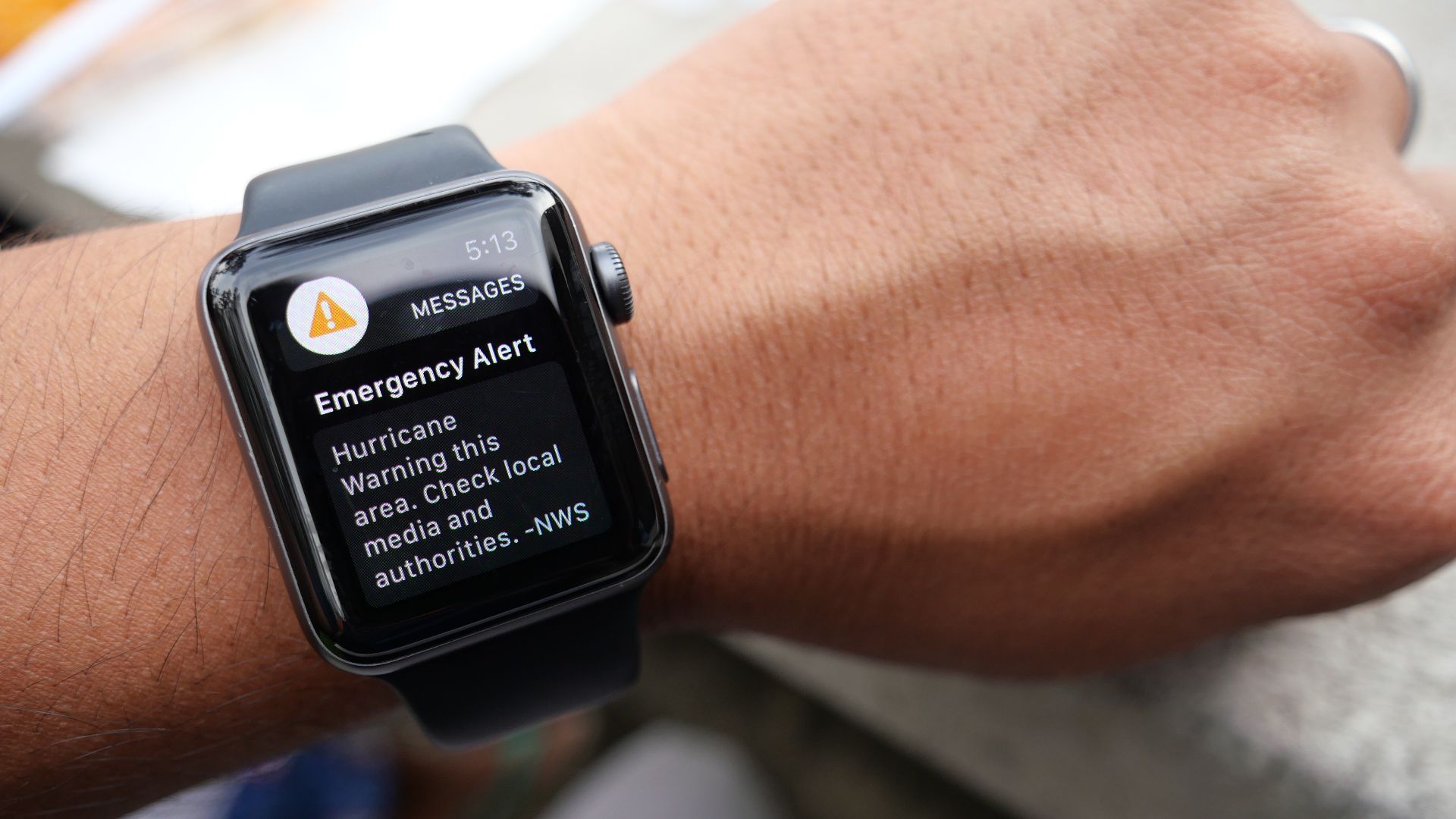
Do not focus only on hurricanes. The NHC also issues tropical storm watches and warnings, and insurers may use those alerts as the trigger for foreseeability. If your resort or cruise port is under a tropical storm watch when you buy coverage, that alone could cause problems for a later claim.
 Richard Unten from Irvine, USA, Wikimedia Commons
A Storm Name Can Change The Whole Picture
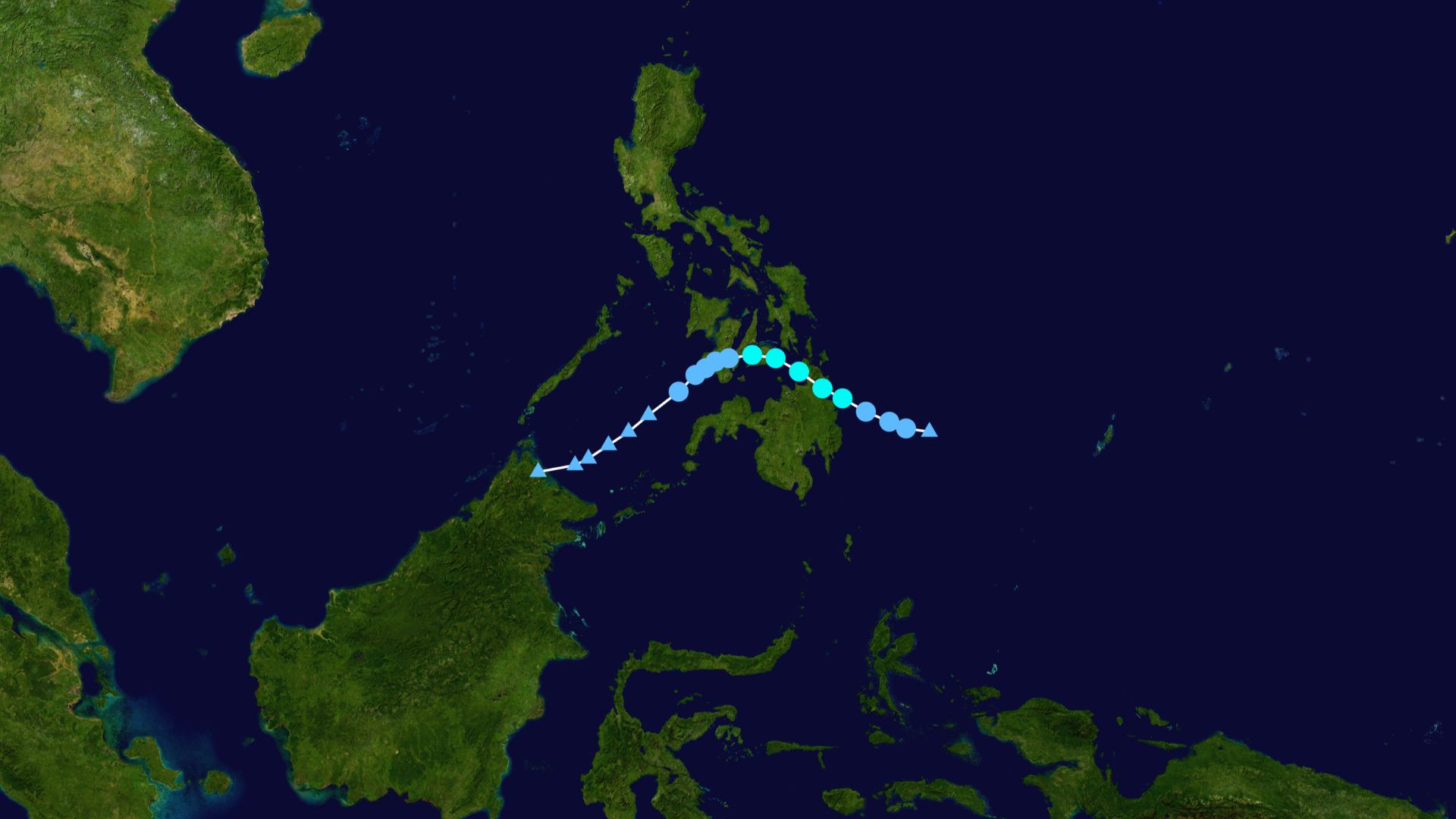
Some insurers and travel insurance guides treat a storm as foreseeable as soon as it gets an official name. That can happen days before a watch or warning is posted for your exact destination. Once a storm is named and moving toward your region, it is no longer just weather talk. It is a documented event with a public record.
 Keith Edkins, Wikimedia Commons
The Forecast Cone Matters Too
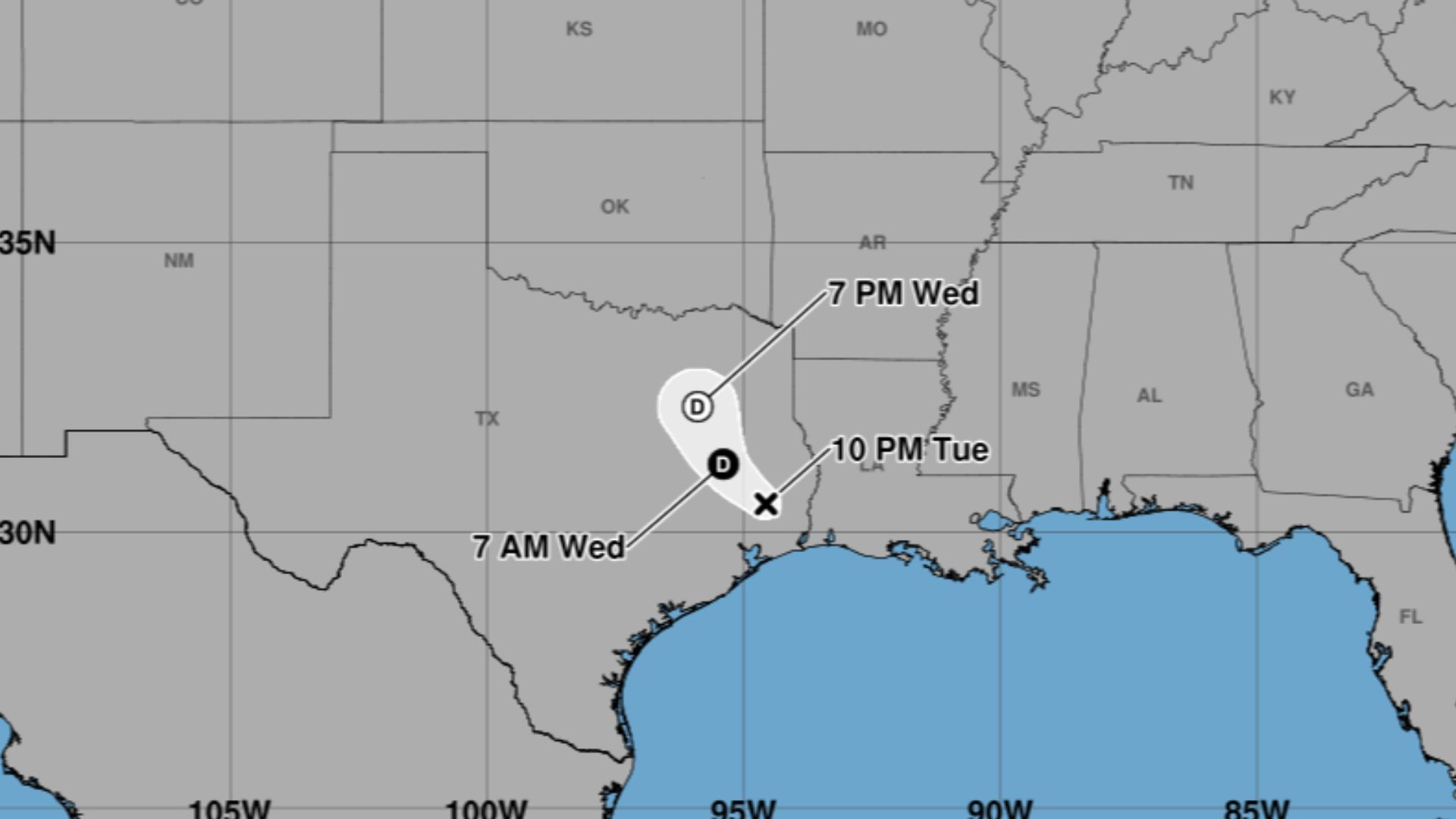
The NHC forecast cone is one of the most watched storm tools in the country. It shows the likely track of the storm center, not the full area of impacts, but it still shapes how the public and insurers view the threat. If your destination is near that track and you buy insurance after that, an insurer may argue the risk was already clear.
 National Hurricane Center, Wikimedia Commons
Cruise Travelers Have Extra Timing Problems
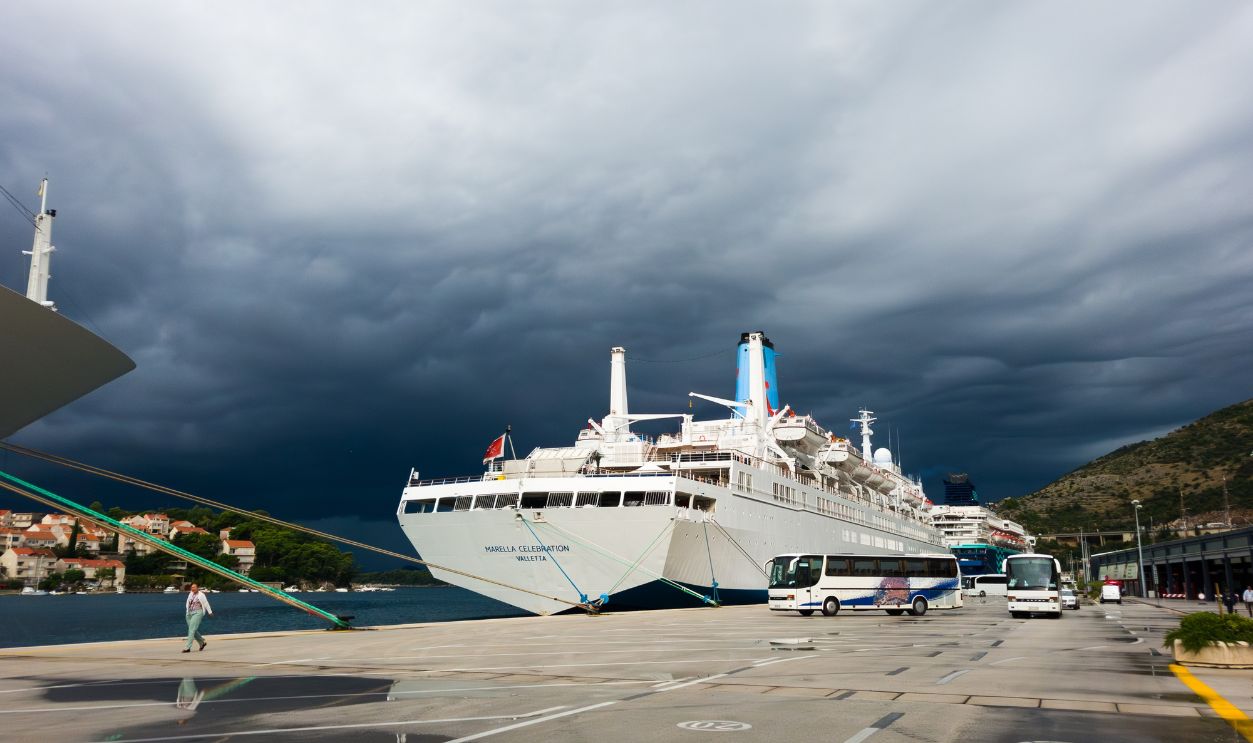
Hurricane season can make cruise plans especially messy. Cruise lines often change itineraries to avoid dangerous weather, and those changes do not always trigger the same insurance benefits as a full cancellation. If the storm was already a known event when you bought coverage, you could end up with both a changed trip and a denied claim.
Your Destination Does Not Need A Direct Hit
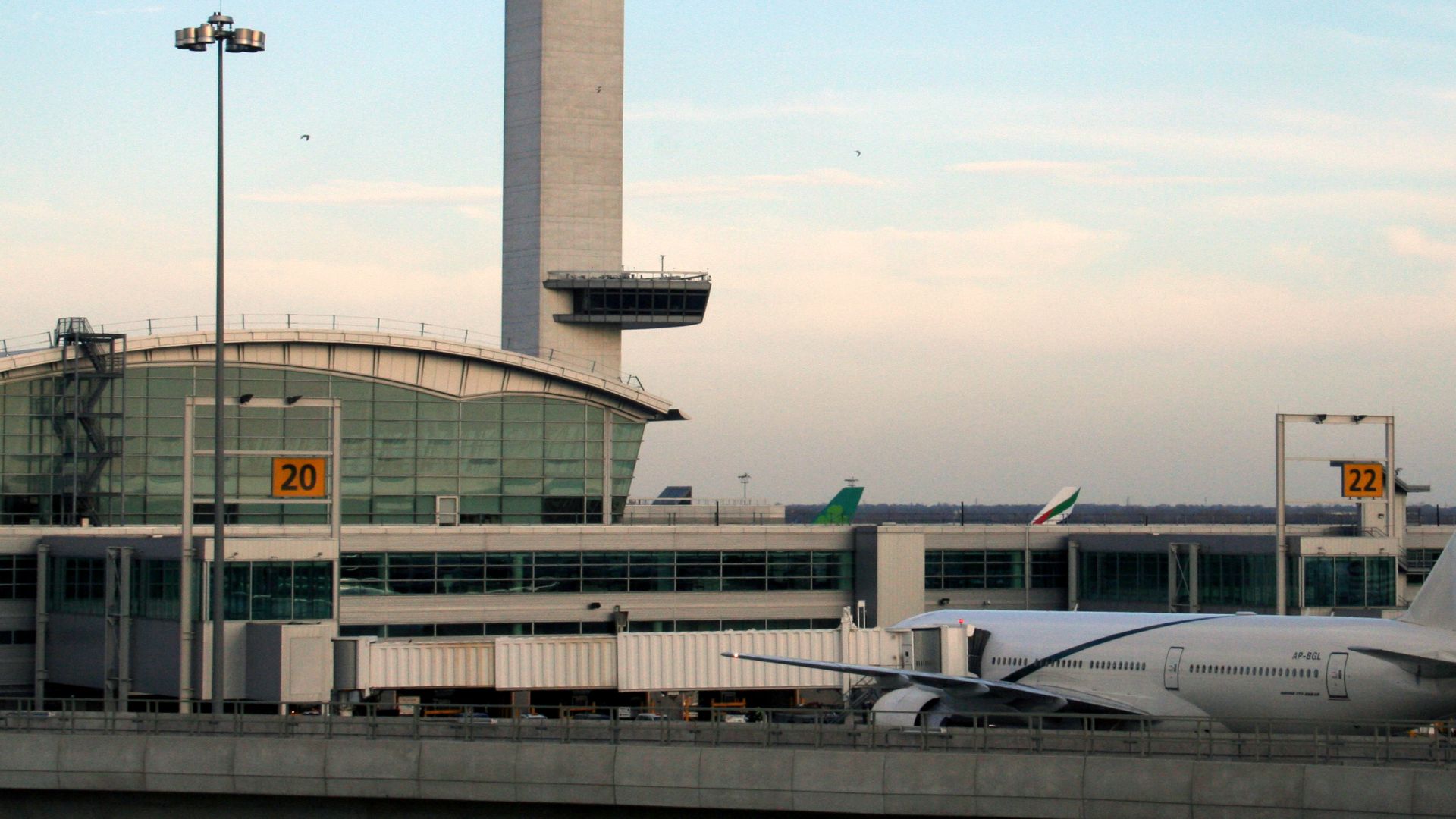
A storm can be foreseeable even if it never hits your destination head-on. Airports close, roads flood, ports shut down, and hotels lose power far from the storm’s center. Insurers may look at whether official advisories had already made those disruptions likely when you bought the policy.
The Fine Print Usually Decides It
The key wording is often buried in the definitions and exclusions. Look for terms like “foreseen event,” “known event,” “reasonably foreseeable,” or “publicly known event.” Those phrases may matter more than the broad promise of hurricane coverage in the marketing.

Cancel For Any Reason Is Different
If you want more flexibility, Cancel For Any Reason coverage is the upgrade many travelers hear about. But it is not a free pass. It usually has to be purchased soon after your first trip deposit, often within 10 to 21 days depending on the policy, and it usually pays back only part of your prepaid costs.

Federal Regulators Say Read Before You Buy
The National Association of Insurance Commissioners tells travelers to read policy details closely and understand exclusions before trouble starts. That includes weather-related limits and the exact rules for trip cancellation benefits. The big lesson is simple: timing and wording run the show.

State Regulators Say The Same Thing
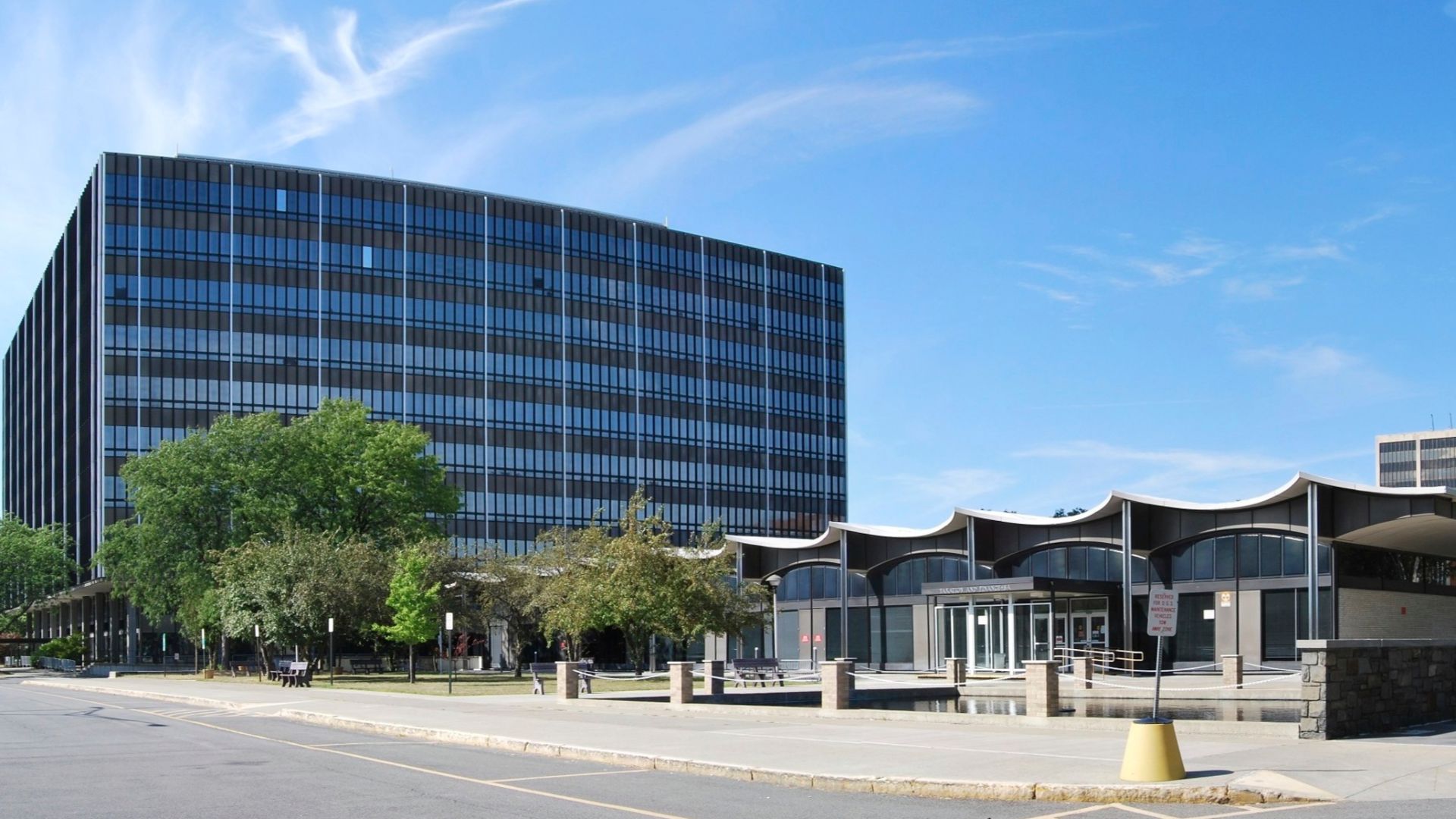
State insurance departments also warn that travel insurance does not cover every weather disruption just because you bought a policy. The New York State Department of Financial Services notes that coverage depends on the policy terms and on whether the event was already known when you purchased it.
 UpstateNYer, Wikimedia Commons
Foreseeability Can Start Earlier Than You Think
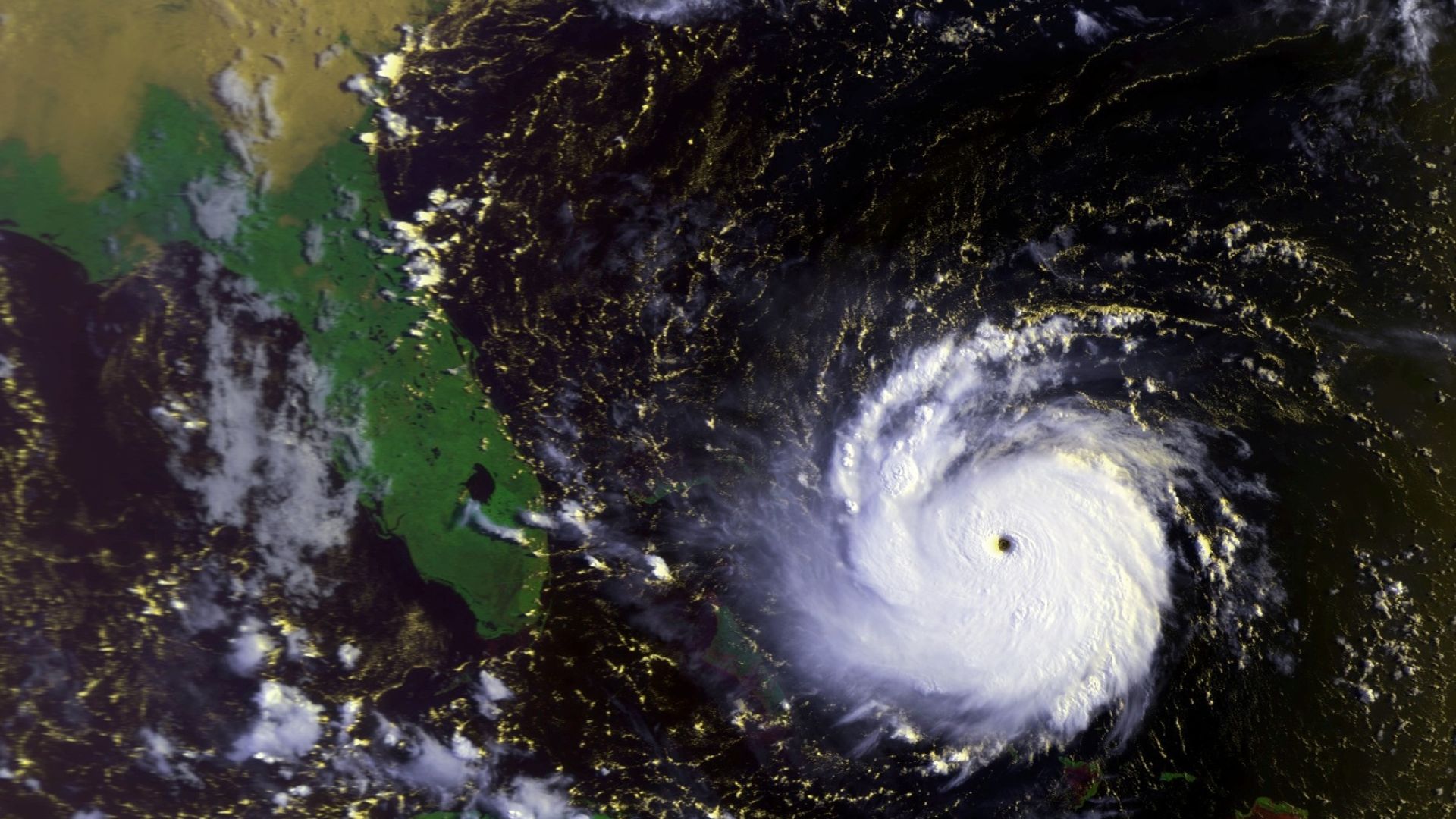
Many travelers assume foreseeability starts when a storm is a day or two from landfall. In reality, it can begin much earlier. If an insurer marks the storm as a known event when it is named or when the first official advisory is issued, your coverage window can close before your destination sees a single drop of rain.
 NOAA / Satellite and Information Service, Wikimedia Commons
A Good Rule Of Thumb
If you are watching weather coverage and thinking about buying travel insurance because a specific storm is brewing, you may already be getting close to a denial risk. Once there is a publicly identified storm with official forecasts or alerts, insurers may say the event was foreseeable. Buying before hurricane season heats up is usually much safer than buying after a storm makes the news.
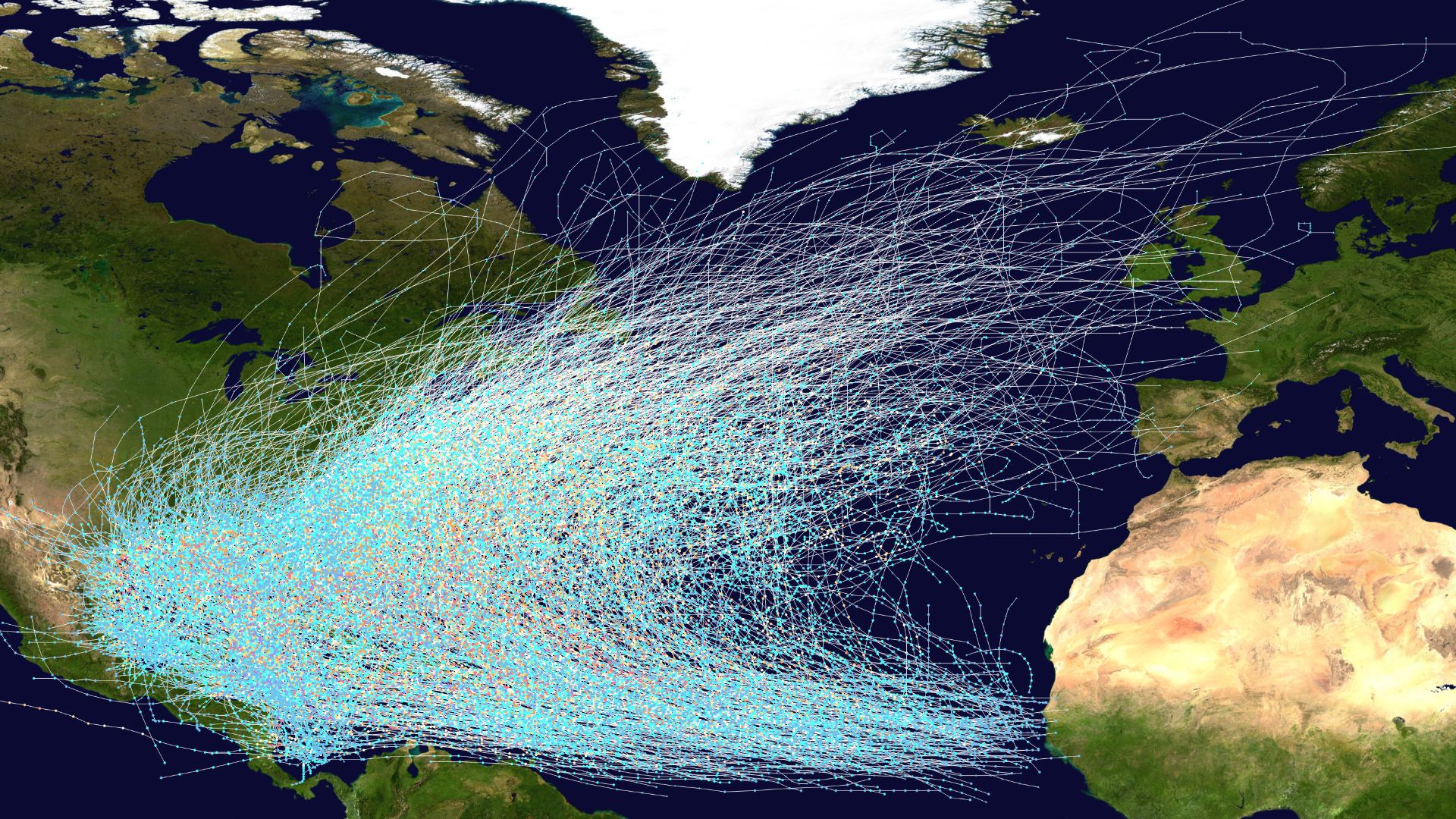
The Best Time To Buy Is Usually Right After Booking
This is the practical takeaway. Buy travel insurance soon after making your first trip payment, not when the forecast turns dramatic. Buying early gives you a better shot at avoiding foreseeable-event exclusions and can also protect your chance to add options like Cancel For Any Reason coverage.

What To Check Before You Buy
Check how the policy defines a known or foreseen event. Look at how the insurer handles named storms, National Hurricane Center advisories, and destination-specific watches or warnings. Also check whether the plan covers trip delay, interruption, missed connection, and mandatory evacuation, since those benefits may work under different rules.
If Your Claim Is Denied, Ask For The Trigger Date
If an insurer denies your hurricane claim as foreseeable, ask for the exact date and time it says the storm became a known event. Request the policy wording it relied on and the public advisory or bulletin it used to support the denial. That paper trail matters if you decide to appeal.

An Appeal May Be Worth It
Not every denial is the last word. If your destination was not covered by the advisory the insurer points to, or if you bought the policy before the insurer’s own known-event date, you may have a reason to challenge the decision. Keep receipts, booking records, alert screenshots, and any messages from airlines, cruise lines, or hotels.

Documentation Can Make The Difference
Save your policy certificate, purchase confirmation, and the date of your first trip deposit. Keep copies of National Hurricane Center advisories, airline cancellation notices, hotel closure notices, and evacuation orders. The more clearly you can match up the dates, the better your odds of showing the event was not foreseeable when you bought coverage.

The Bottom Line On When A Storm Becomes Foreseeable
A storm is often considered foreseeable not when it hits, but when it becomes an officially recognized threat. Depending on the insurer, that may be when the storm is named, when the National Hurricane Center issues a watch or warning, or when the company posts a known-event date. For travelers, the safest move is simple: buy insurance early, read the definitions, and do not assume “hurricane coverage” means automatic protection.