
When Vacation Math Turns Into Vacation Drama
Nothing can start a fight on vacation like the restaurant check hitting the table. One person ordered cocktails, appetizers, and the expensive entree, while the other kept it simple. Then someone says, “Let’s just split it evenly.” If that sounds familiar, you are far from alone, and there are better ways to handle it—without wrecking your entire trip.

Why This Fight Feels So Personal
Money fights on vacation are rarely just about money. They touch fairness, values, stress, and that awkward fear of looking cheap in front of a friend or partner. Travel makes all of it worse because people are spending more than usual, making quick choices, and often running on too little sleep.

What The Research Says About Money And Stress
The American Psychological Association has repeatedly found that money is a major source of stress for adults in the United States. In its Stress in America reporting, finances rank among the most common stressors. That matters on vacation because stress can make people more defensive, more impulsive, and less open to hearing, “I do not want to split that evenly.”

Unequal Spending Is A Common Group Travel Problem
Travel experts have pointed to this problem for years because group trips bring together different budgets, habits, and expectations. One traveler sees a vacation as the time to splurge, while another is watching every meal and museum ticket. Usually, the real issue is not the spending itself. It is the assumption that everyone else should help cover it.

Why Even Splitting Often Feels Unfair
An even split sounds easy, but easy is not always fair. If one person orders pricier meals, extra drinks, room upgrades, or expensive rideshares, the lower spender ends up subsidizing the higher spender. That is why many travelers now prefer itemized payments instead of rough guesses at the end of the trip.

Start With A Budget Talk Before You Book
The smoothest trips often start with one slightly awkward talk before anyone books flights or hotels. Go over your rough daily budget, your must-do plans, and whether you are okay with fancy dinners, tours, taxis, or upgraded rooms. The Consumer Financial Protection Bureau recommends planning for travel costs ahead of time, and the same idea applies to group expectations.

Set The Ground Rule Early
Many experienced travelers use one simple rule from the start. Split shared costs evenly, but pay individually for personal choices. That means the hotel room, rental car, or truly shared groceries might be divided fairly, while one person’s spa treatment, extra cocktails, or seafood tower stays on their own tab.

Define What Counts As Shared
This is where a lot of trips go off the rails. Shared costs usually mean things both travelers actually used together, like lodging, gas for a jointly used rental car, or basic food for the room. Personal costs usually include alcohol, shopping, optional activities, upgrades, and different meal choices.

Use Apps Instead Of Trusting Memory
People are bad at remembering who paid for what after a few packed vacation days. Tools like Splitwise were built for exactly this problem. The app lets travelers track shared expenses and assign exact amounts instead of relying on a vague promise to “settle up later.”

Splitwise Exists For Exactly This Problem
Splitwise describes itself as a way to organize shared expenses and keep track of balances. That helps when one person paid for the hotel, another bought train tickets, and someone else covered dinner. The big advantage here is that expenses can be split unevenly, which makes it harder for heavy spenders to pass their choices onto everyone else.

Ask For Separate Checks When Possible
This is the easiest fix, and it works best before confusion starts. At restaurants, ask for separate checks when you order, not after dessert when the server is rushing. It is a simple, low-drama move that makes your spending boundary clear and cuts off the dreaded “let’s just split it” moment before it starts.

Do Not Wait Until The Last Night
Letting expenses pile up until the airport is asking for resentment. The longer you wait, the fuzzier the details get and the more emotional the conversation becomes. Travelers who check balances daily, or every couple of days, are much less likely to have a big end-of-trip blowup.

Be Direct Without Being Hostile
If your travel buddy wants an even split after spending more, a calm line usually works better than a long argument. Try, “I am happy to split shared items, but I would rather each pay for what we individually ordered.” That keeps the focus on fairness and process, not on accusing anyone of being reckless.

Say It In The Moment, Not After You Stew
People usually handle this better when it is addressed right away. If you stay quiet through three expensive dinners and then explode on day five, the problem gets much bigger than the bill. Speaking up early shows that this is simply how you handle money, not a personal attack.

What If They Call You Cheap
This is where a lot of travelers cave, even when they know the split is unfair. But paying only for your share is not cheap. It is financial clarity, and the Consumer Financial Protection Bureau’s guidance on budgeting and spending plans supports the broader idea that being intentional with money is healthy, not stingy.

Do A Reality Check On The Friendship
Sometimes the bill fight is not really about the math. It can expose a mismatch in values, communication, or respect for boundaries. If someone keeps spending freely and expects you to help cover it, the problem may be less about travel and more about the relationship itself.

Friends, Partners, And Family Handle This Differently
Different relationships come with different expectations. Romantic partners may already have a system for splitting household or leisure costs, while friends often expect more independence. Family travel can get even murkier because people avoid direct money talk to keep the peace, which usually works until it suddenly does not.

The Sneaky Cost Of Resentment
An uneven bill can poison a trip long after the check is paid. Once one person feels taken advantage of, every future choice starts to look suspect, from the pricey brunch suggestion to the upgraded excursion. If you want to protect the mood of the trip, handle small money issues quickly and clearly.

Cash Can Still Be Useful
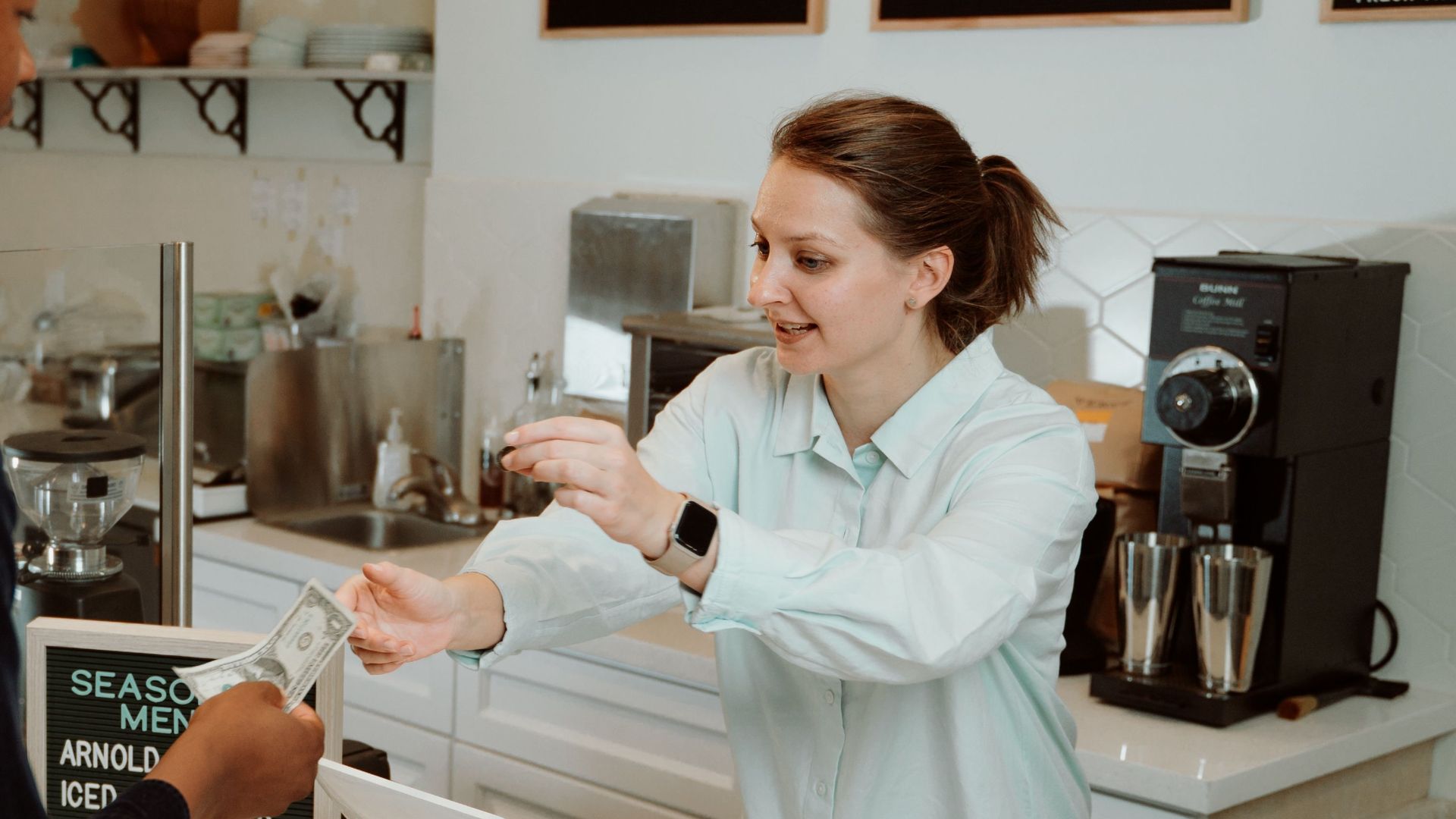
Digital payments are convenient, but cash can make little shared expenses easier, like tips, snacks, or transit fares. It also gives travelers a quick way to settle up on the spot. For some people, physically handing over money makes spending feel more real and easier to control.
Pick Lodging That Matches The Lower Budget
If one person wants boutique hotels and the other wants basic comfort, go with the option both can afford without stress. A mismatch in where you stay often spills into every other travel expense. Start with a realistic hotel plan, and you are less likely to feel pressure to keep up the rest of the trip.

Alternate Planning Responsibilities
One practical move is to let each traveler plan certain meals or activities within an agreed budget range. That creates ownership and makes spending expectations easier to see. If someone suggests an option that is far pricier than the agreed range, it becomes obvious that they should cover the extra cost.

Build In Splurge Time And Save Time
Not every trip has to be all budget or all luxury. Many seasoned travelers build in a mix, like one special dinner, one paid activity, and more casual choices the rest of the time. That gives the bigger spender room for something memorable without turning every day into a budget trap.

Use A Simple Travel Money Agreement
This does not need to be formal or weird. A short text before the trip can do the job, like, “Let’s split hotel and transportation, and each cover our own meals, drinks, and optional extras.” Having that in writing can make later conversations shorter, calmer, and much less charged.

What To Do If The Argument Has Already Started
Pause before turning every receipt into a courtroom exhibit. First agree on the basic principle you will use, such as shared costs split evenly and individual purchases paid individually. Once the method is clear, the math usually gets a lot less dramatic.

When One Person Earns More Money
Income differences can make this even more sensitive. A higher earner may honestly not care about a few extra dollars, while a lower earner may feel every one of them. Fairness does not always mean equal payment, but it does mean both people should agree ahead of time if some other arrangement is on the table.

Travel Experts Favor Clarity Over Guesswork
Consumer travel guidance regularly points to planning, budgeting, and tracking as the best defense against overspending. The same logic works with travel companions. Clear categories, regular check-ins, and exact expense tracking work much better than hoping everyone has the same idea of what “fair” means.

The Best One Sentence Response
If you want a line that is polite and firm, use this: “I would prefer to split only the things we shared equally, and pay individually for the rest.” It is hard to argue with because it is neutral, specific, and easy to act on right away.

How Most People Actually Handle It
In real life, many travelers end up using a hybrid system. They split major shared costs, use an app to track uneven expenses, ask for separate checks at meals, and speak up early if spending styles start to clash. It is not glamorous, but it beats coming home with a smaller bank balance and a damaged friendship.

The Bottom Line Before Your Next Trip
If your travel buddy spends like every vacation is a blank check and then wants to divide the damage evenly, you do not have to go along with it. The healthiest approach is simple, clear, and consistent. Shared costs should be shared, personal costs should stay personal, and the rules should be clear before the first overpriced cocktail hits the table.