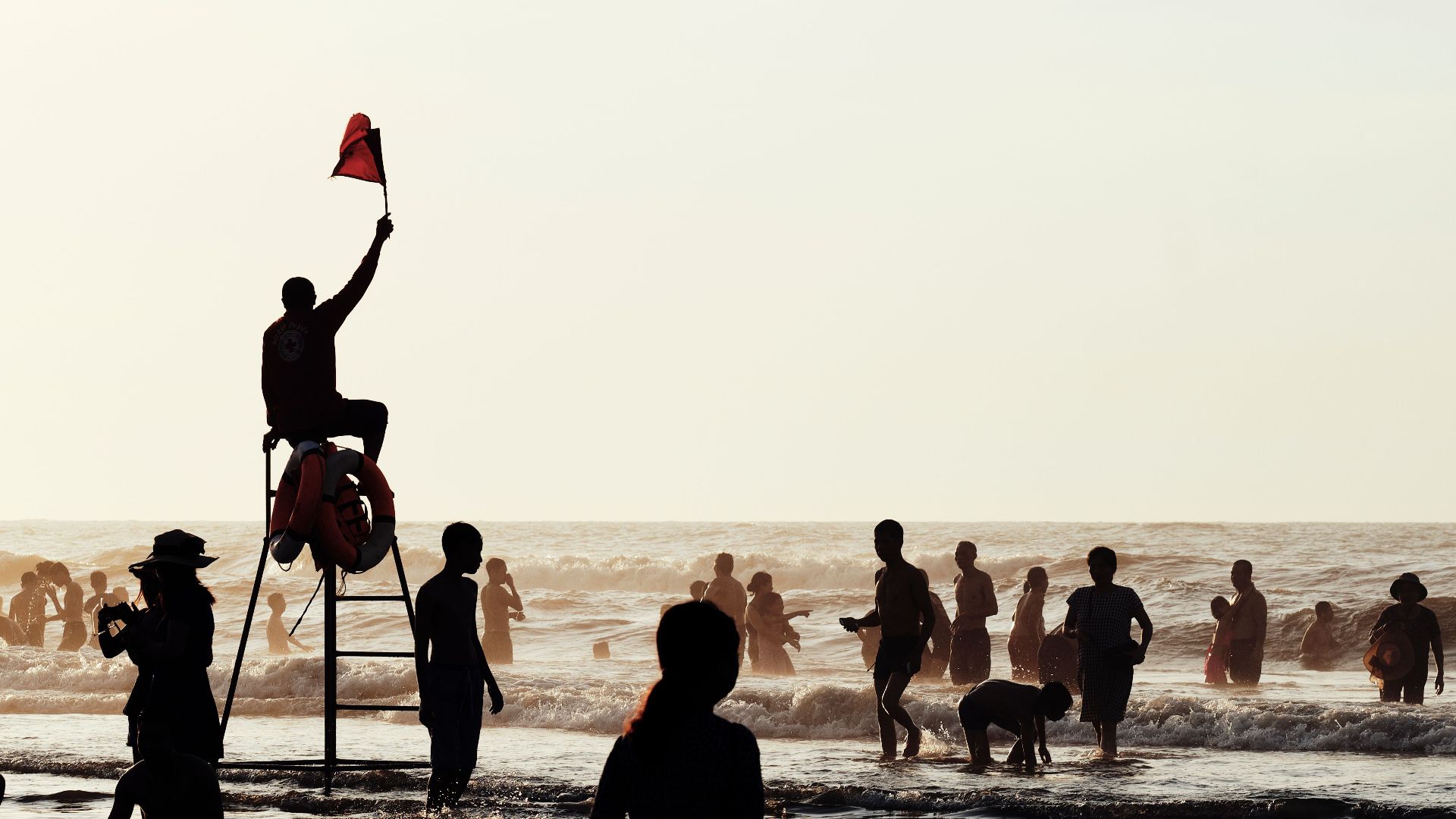
Why Your Resort Wants A Signature First
Getting handed a waiver before a beach day can feel alarming. But in many cases, it is not a sign that something is wrong. It is a legal shield. Resorts often use waivers to show that guests were told about normal coastal risks like waves, currents, slippery rocks, marine life, and changing weather.

A Waiver Does Not Automatically Mean A Beach Is Unsafe
A waiver by itself does not prove a beach is unusually dangerous. Businesses use liability forms for all kinds of outdoor activities, from paddleboard rentals to zip lines to guided hikes. Often, the point is to show that a guest accepted risks that cannot be completely removed.
Beaches Come With Built-In Hazards
The ocean is not a controlled setting, even at a high-end resort with spotless grounds and helpful staff. The National Weather Service warns that surf, rip currents, shore break, and sudden weather changes can turn dangerous fast. A waiver may simply be the resort's way of saying that the ocean does not follow hotel rules.

Rip Currents Are A Big Reason Resorts Worry
One of the biggest beach dangers is the rip current, a narrow stream of water moving away from shore. The National Oceanic and Atmospheric Administration says rip currents can pull even strong swimmers away from the beach. Resorts in places known for rough surf may be especially careful to show that guests were warned.

What Experts Say About Rip Current Danger
NOAA describes rip currents as powerful, fast-moving channels that often form near breaks in sandbars or around structures like piers. The agency says not to fight the current head-on and instead swim parallel to shore if you get caught in one. That matters because many beach emergencies start with panic as much as the current itself.
Lifeguards Matter More Than A Waiver
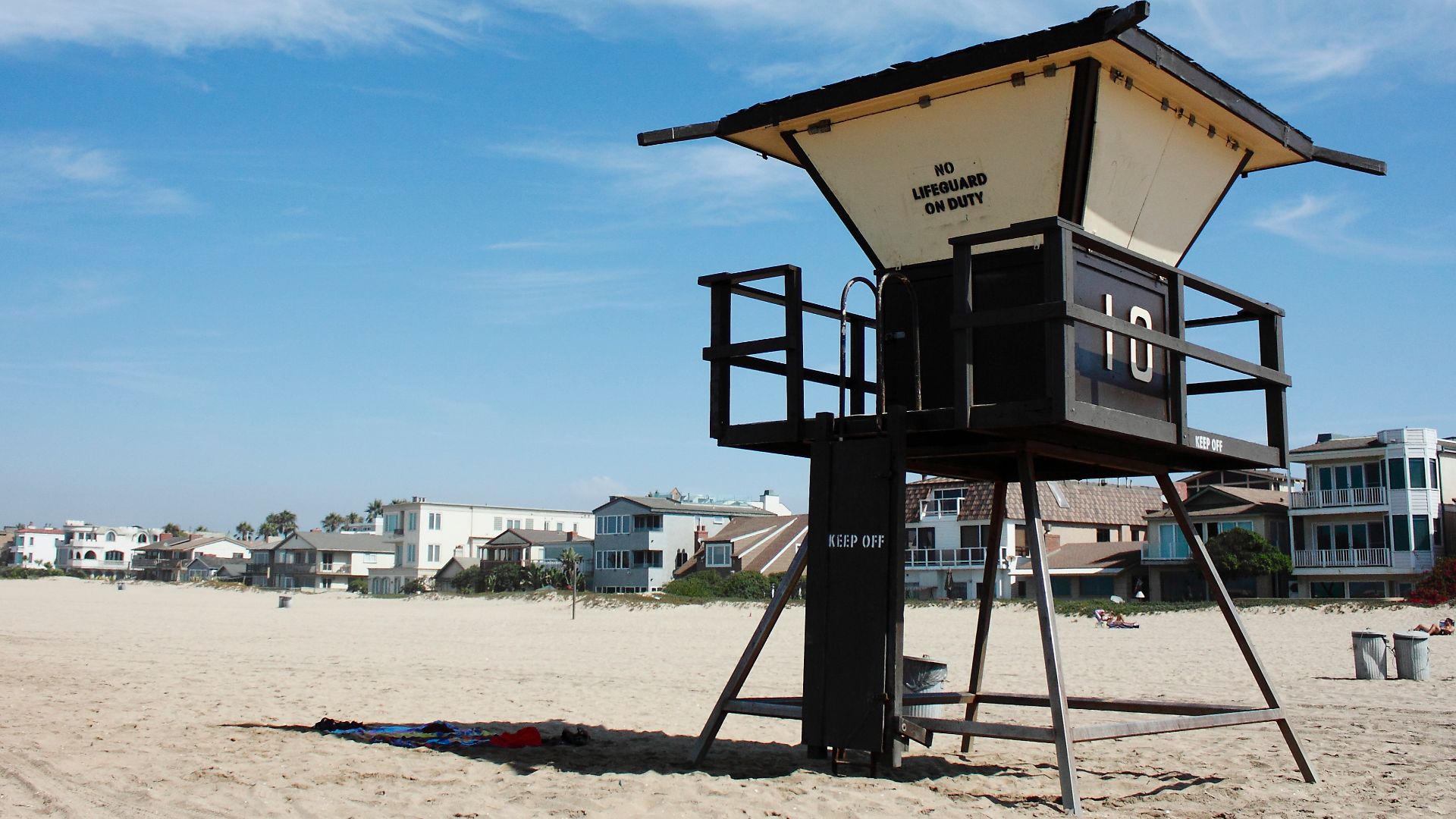
If you want a better sense of real risk, check for lifeguards, warning flags, and posted safety rules. The United States Lifesaving Association says beaches with lifeguards are far safer than unguarded ones. A waiver may protect the resort on paper, but trained supervision does more to protect people in real life.
Warning Flags Tell You More Than The Fine Print
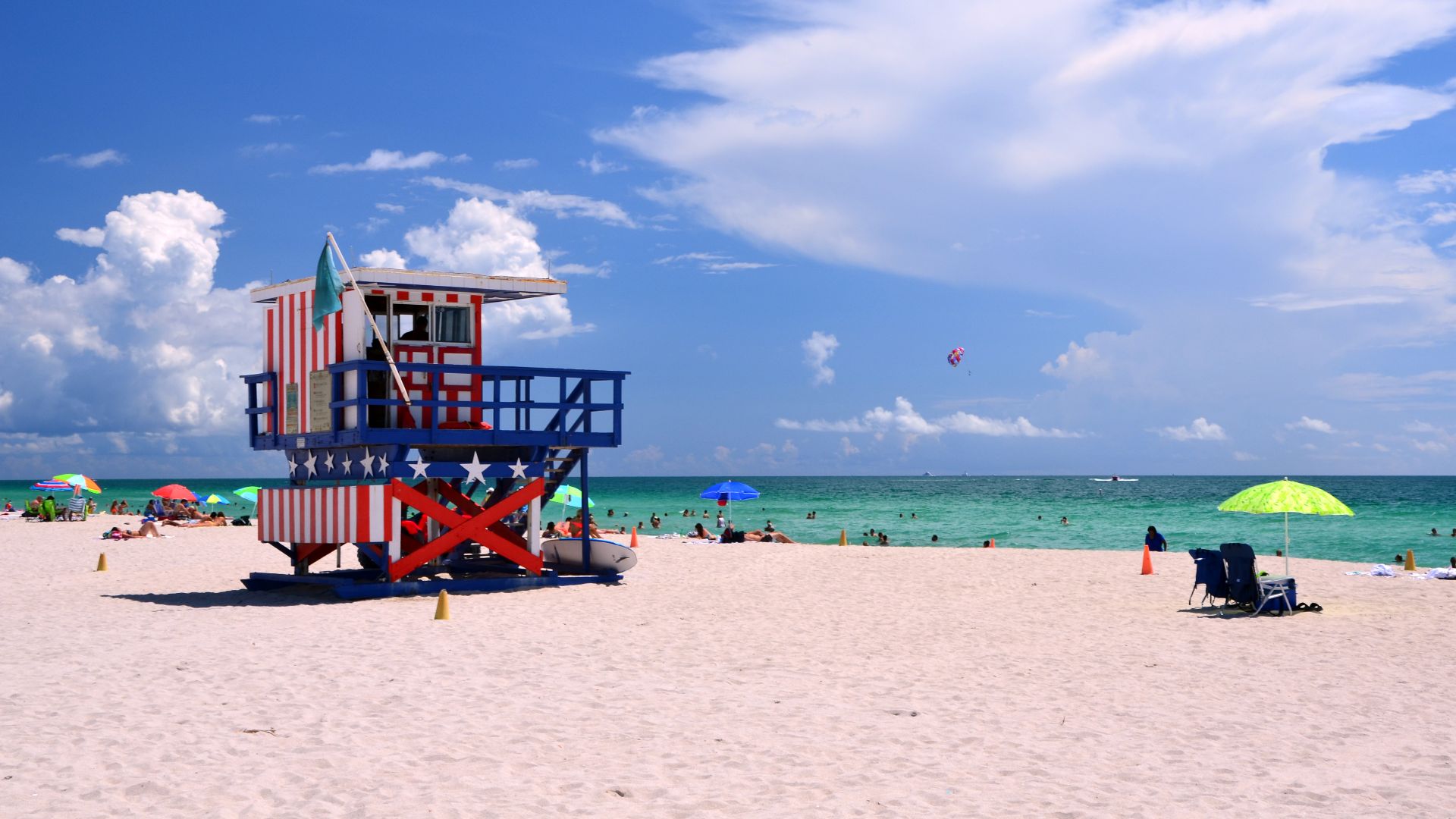
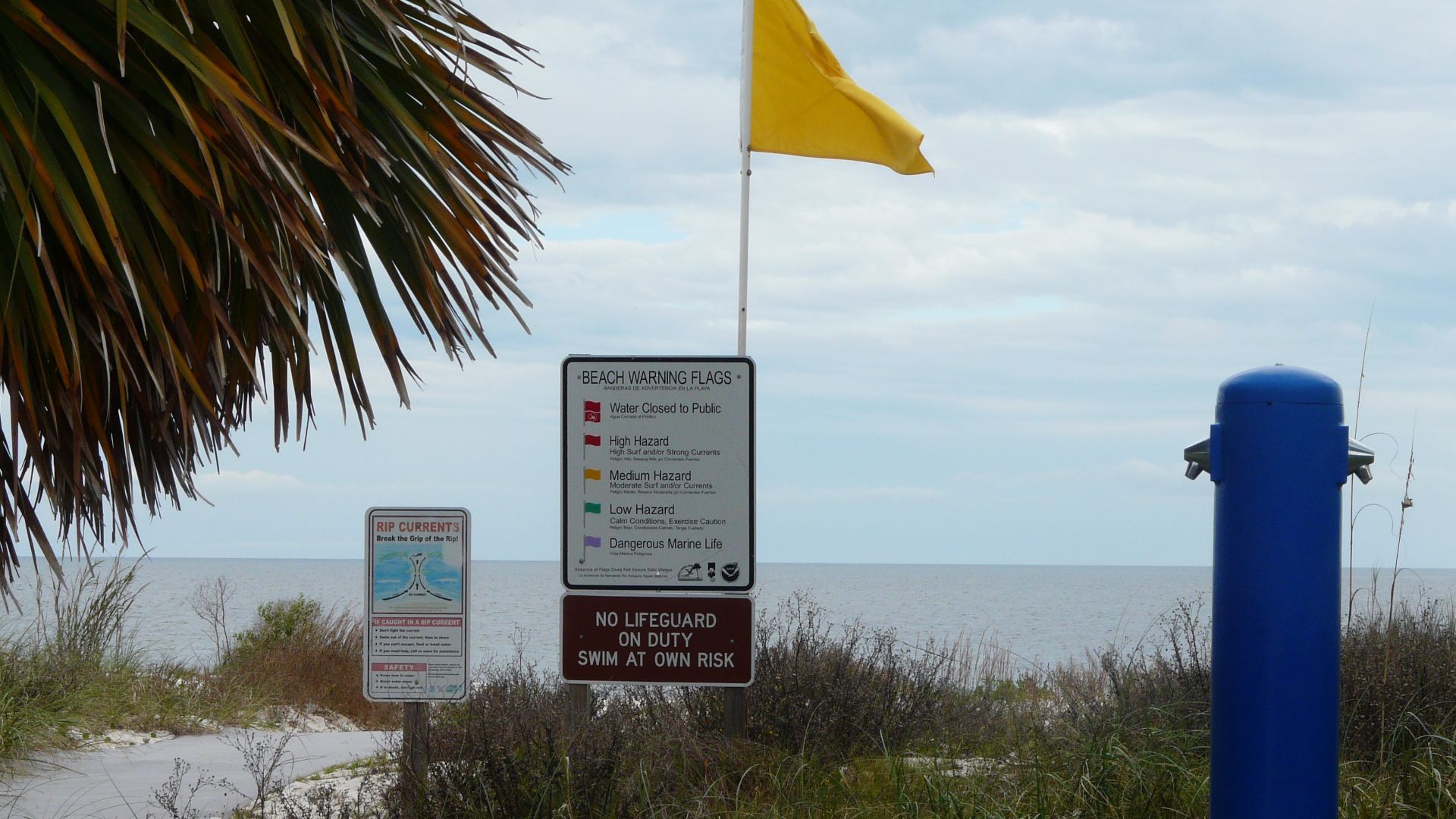
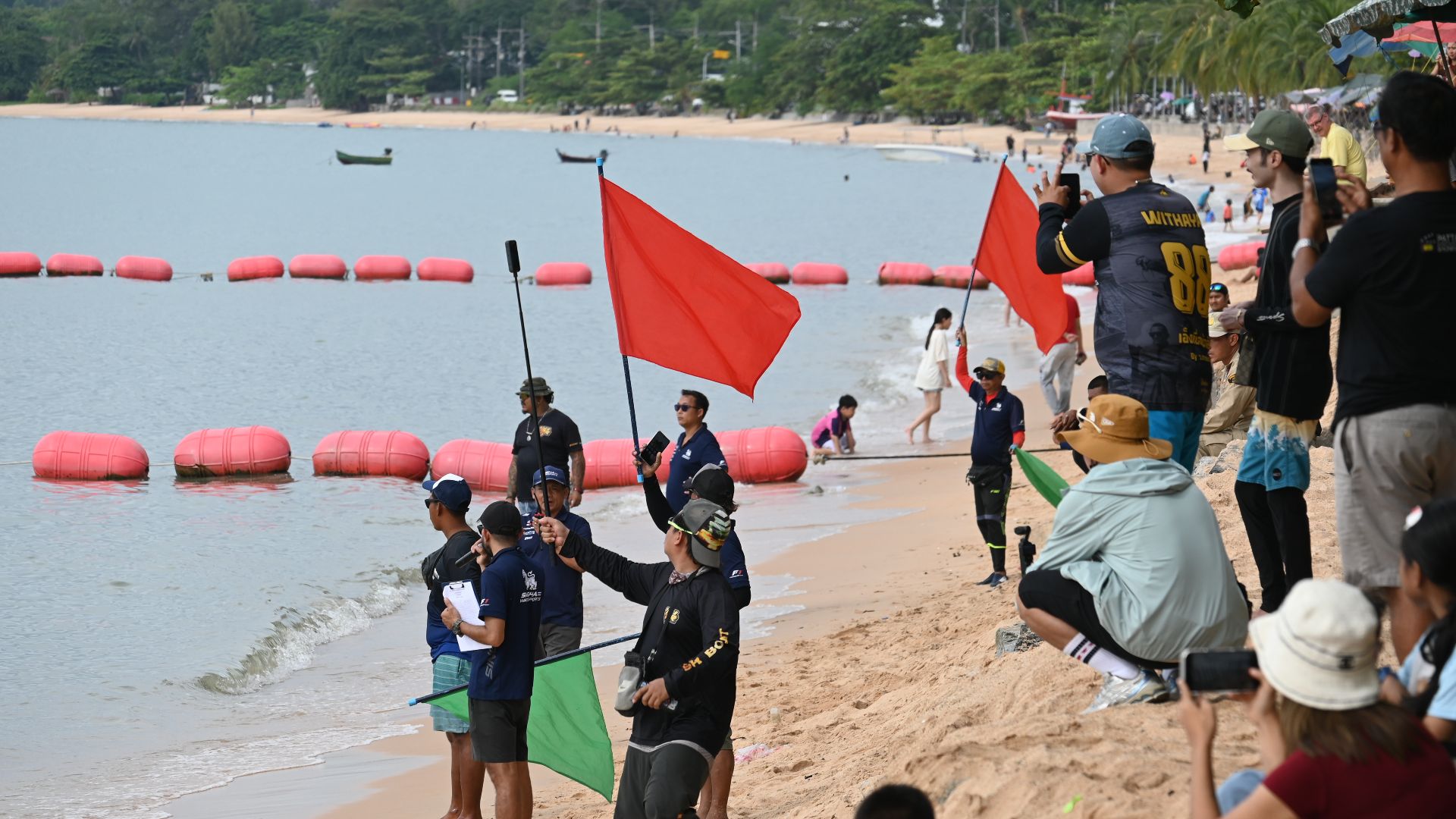
Many public and resort beaches use colored flags to show surf and swimming conditions. Yellow often means moderate hazard, while red usually means high hazard, though local systems can vary. If a beach has an active flag system and clear signs, that usually tells you more than legal wording at check-in.
 The Bushranger, Wikimedia Commons
Resorts Also Worry About Water Sports Liability
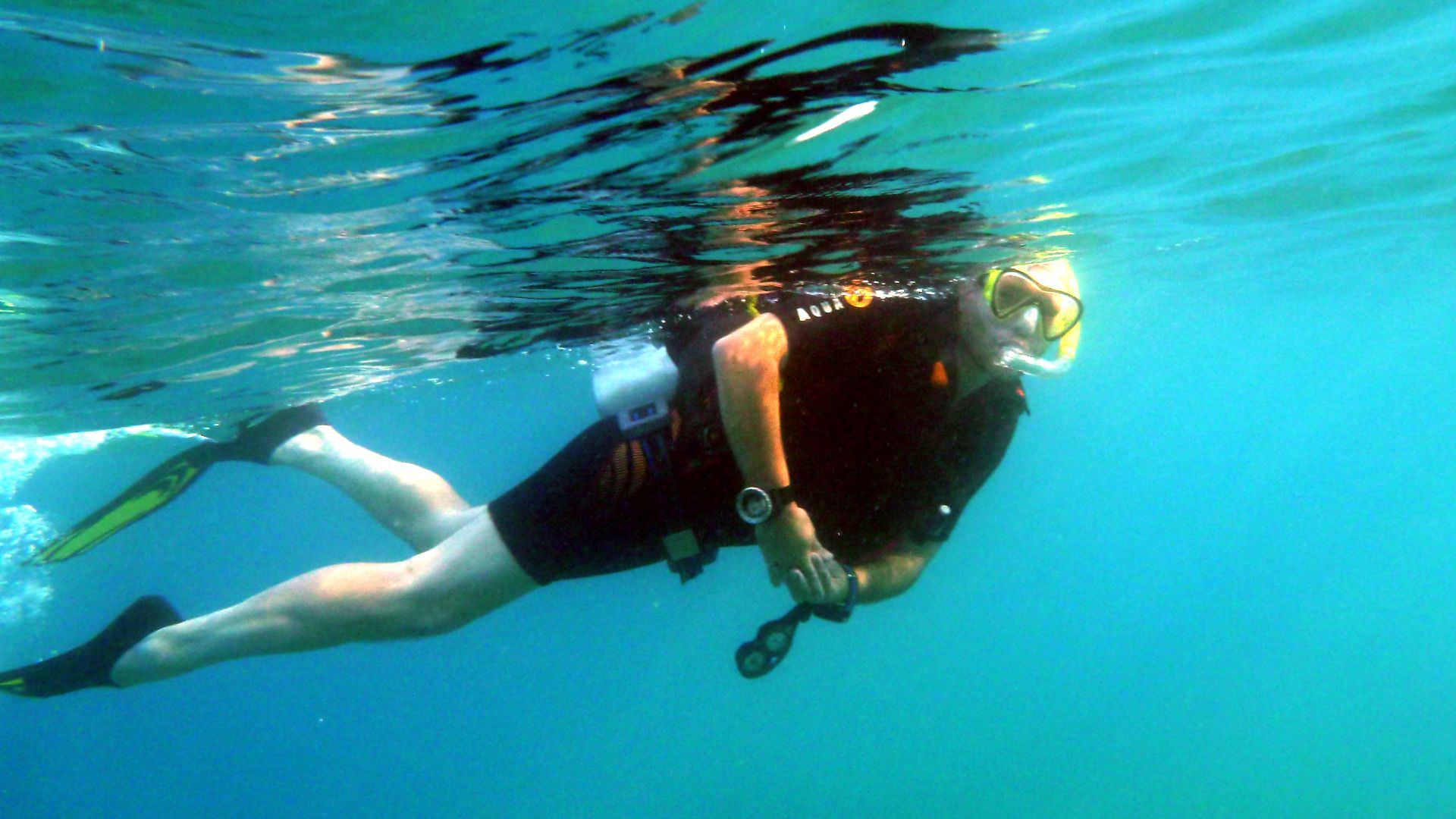
Sometimes the waiver is not mainly about sitting on the sand. It may be about activities connected to the shoreline. Snorkeling, kayaking, paddleboarding, jet skiing, and parasailing all bring added risks and often come with separate forms. If the waiver talks about equipment or excursions, the real concern may be the activity, not the beach itself.
State Law Shapes What A Waiver Can Do
Whether a waiver holds up in court depends a lot on local law. Courts in different states treat liability waivers differently, especially when there are claims of negligence or unclear wording. So a resort may ask you to sign even if the legal protection is not absolute.

Florida Offers A Useful Example
Florida courts have looked at liability waivers in recreation cases many times. In general, courts there have said these agreements can be enforceable if they are clear and unambiguous, but they are also read strictly. For beach resorts in Florida, that helps explain why the wording is often very specific.
 Daniel Dudek, Wikimedia Commons
Hawaii Has Its Own Beach Risk Reality
Hawaii is known for beautiful beaches, but state and county agencies also spend a lot of time warning visitors about ocean safety. Strong shore break, winter surf, and hidden reef hazards can hurt people who assume a postcard beach will be gentle. In Hawaii, a waiver may reflect very real natural risks even when the setting looks perfect.
 Studio Sarah Lou, Wikimedia Commons
California Resorts Face Natural Hazard Questions Too
In parts of California, beach dangers can include sneaker waves, cold water, rip currents, and unstable cliffs. State park and weather agencies regularly warn visitors that conditions can shift quickly. A resort near those hazards may use waivers as one part of a larger safety plan.
 Regular Daddy, Wikimedia Commons
Private Beach Does Not Mean Risk-Free Beach
A resort may call a beach private, exclusive, or secluded, but those words do not make it safer. In fact, a more isolated shoreline may have fewer public safety features than a busy city beach. Fewer crowds can be great for a quiet getaway, but they can also mean fewer people watching the water and slower emergency response.
The Presence Of A Waiver Can Reflect Insurance Pressure
Another plain reason for waivers is insurance. Insurers often push hotels and tour operators to use forms, warning signs, and written guest acknowledgments to reduce claims. That can happen even at properties with no recent major incidents.

Read The Wording For Clues
The waiver itself can tell you what the resort is most worried about. If it mentions rip currents, reef cuts, jellyfish, or heavy surf, take those hazards seriously. If it uses broad language about normal outdoor risks, it may just be standard legal paperwork.

Ask Whether The Beach Has Lifeguards
One of the smartest questions you can ask is whether lifeguards are on duty and during what hours. If there are no lifeguards, ask where the safest swimming area is and whether conditions change by season or time of day. Resort staff should be able to answer clearly if they know the beach well.
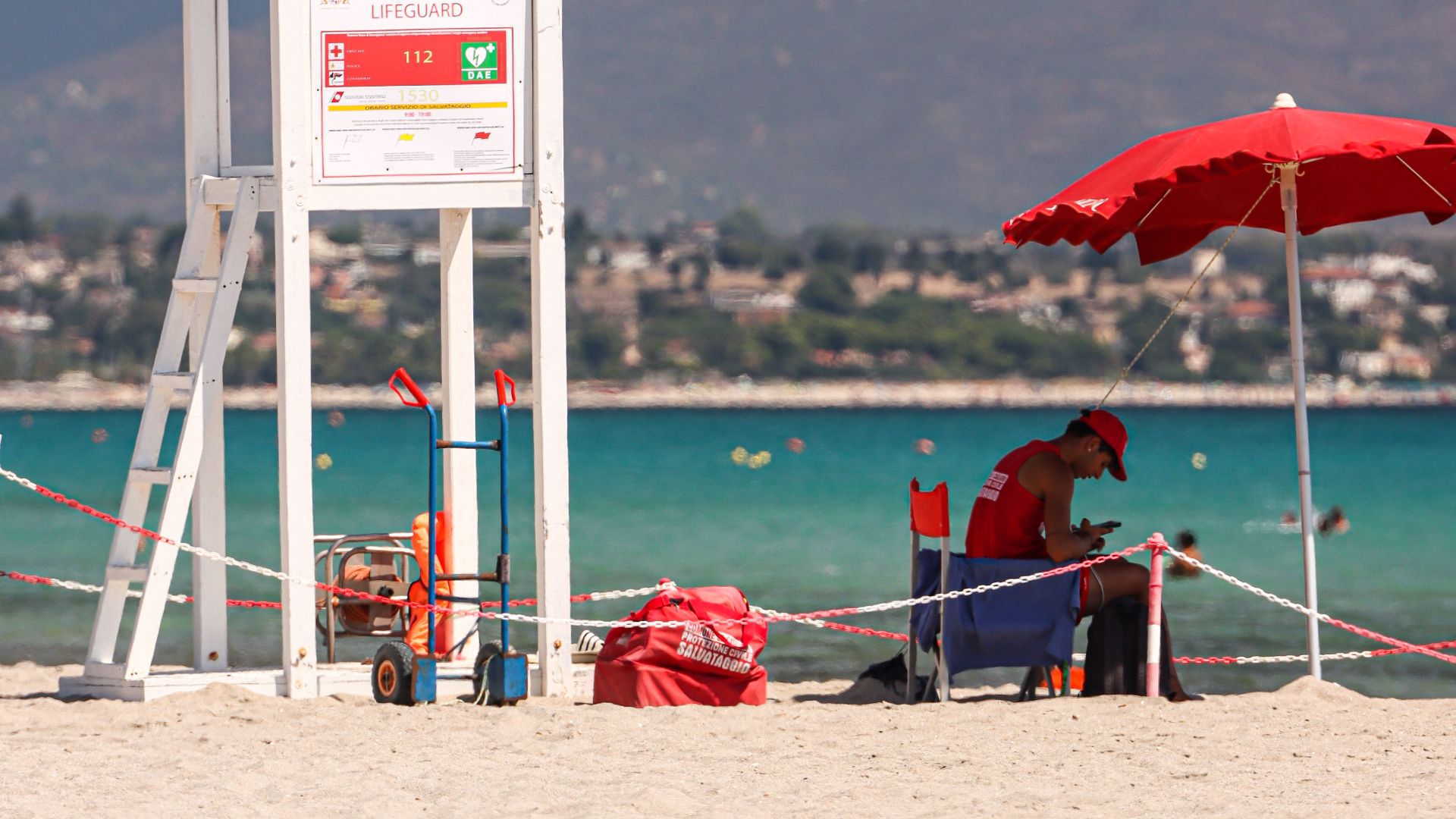
Find Out If Swimming Is Ever Discouraged
Some resort beaches are great for walking and sunbathing but not great for swimming. Others are calm in the morning and rough later in the day when winds pick up. If staff gently steer swimmers toward the pool instead, pay attention.
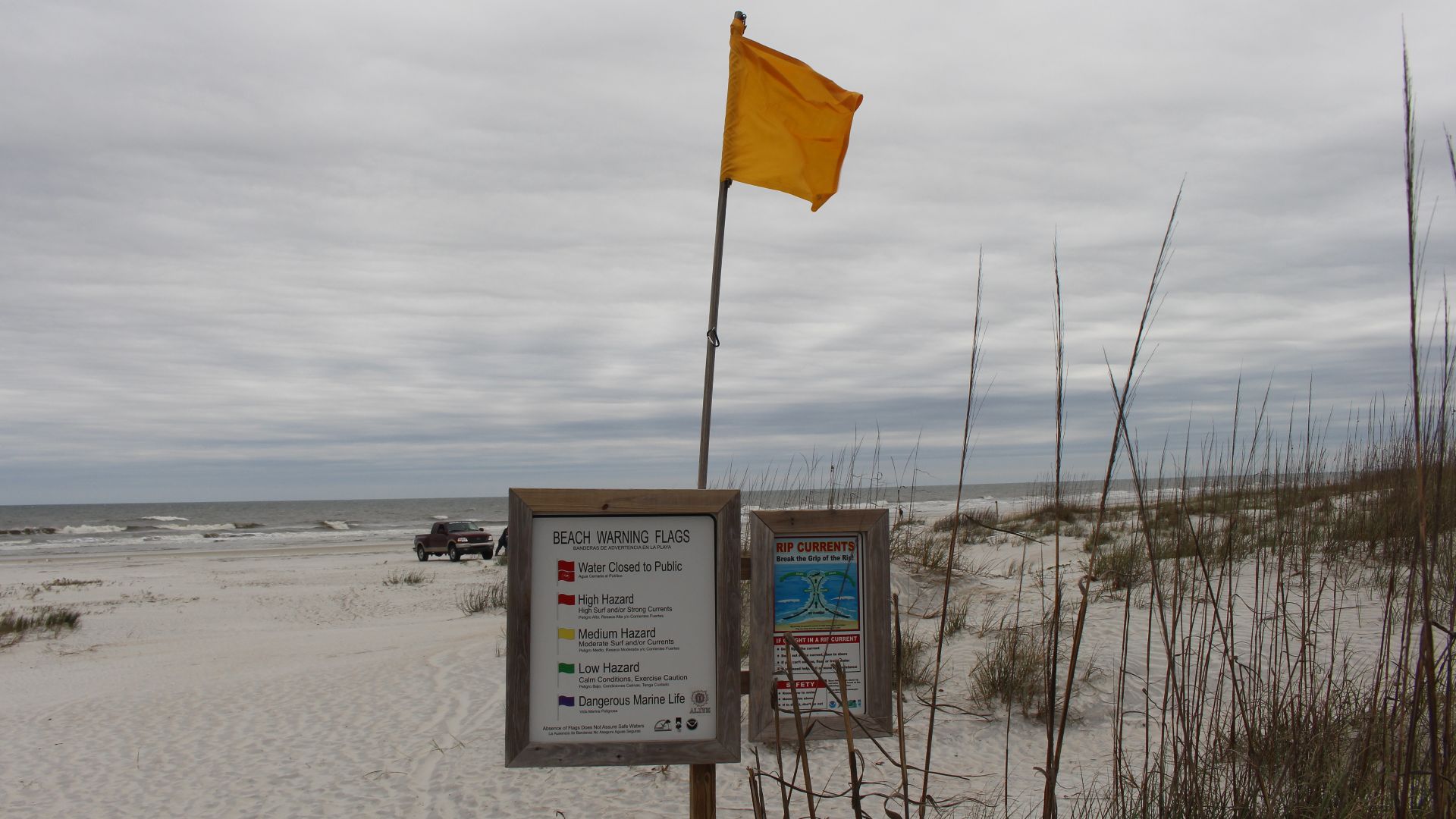 Michael Rivera, Wikimedia Commons
Check Official Beach Conditions Yourself
Do not rely only on the resort brochure. Local weather offices, beach patrol agencies, and county alert pages often post surf and hazard updates. A quick check can tell you if strong currents, high surf, or storms are expected that day.
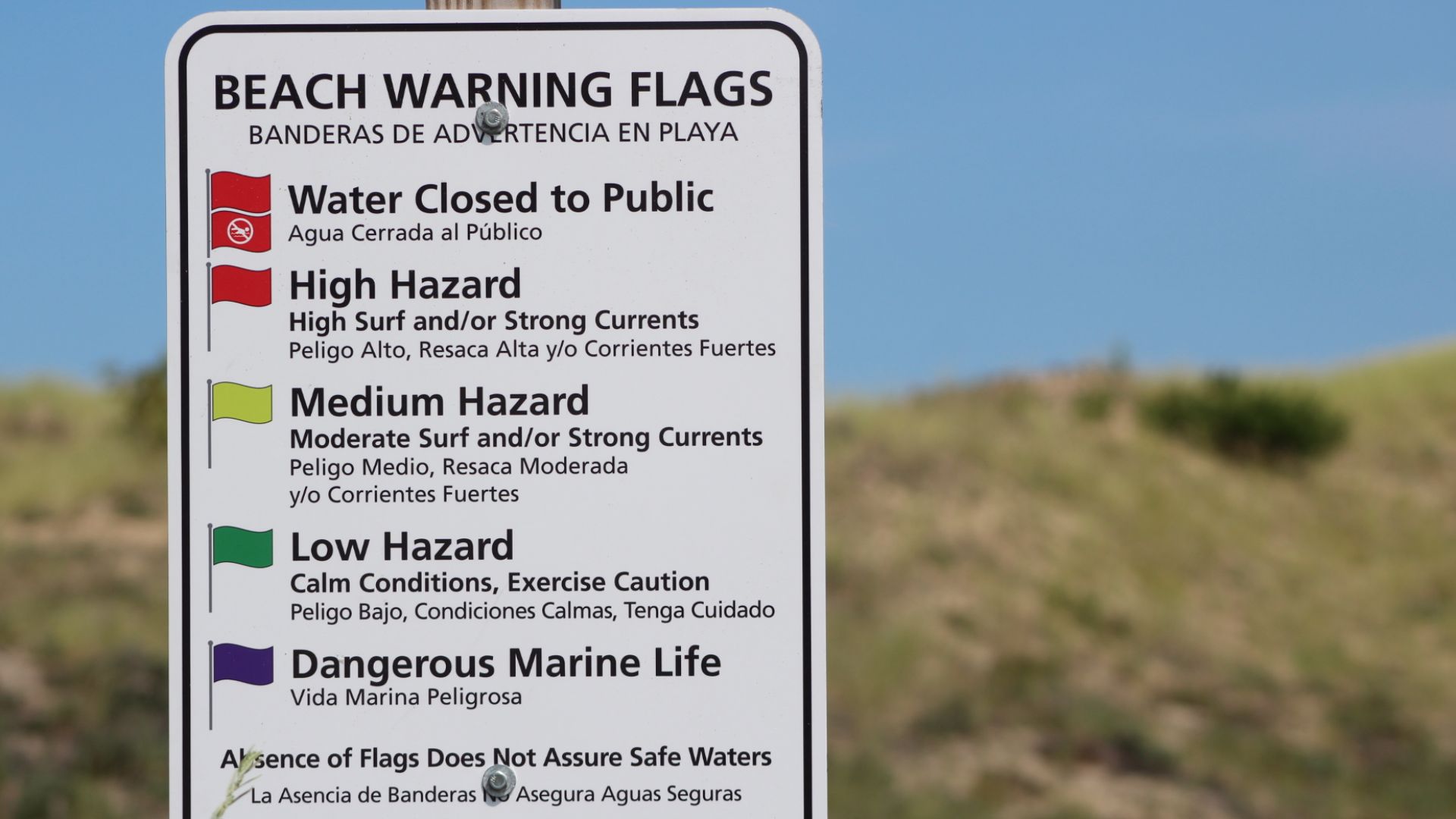 MarkBuckawicki, Wikimedia Commons
Look For Posted Signs On Arrival
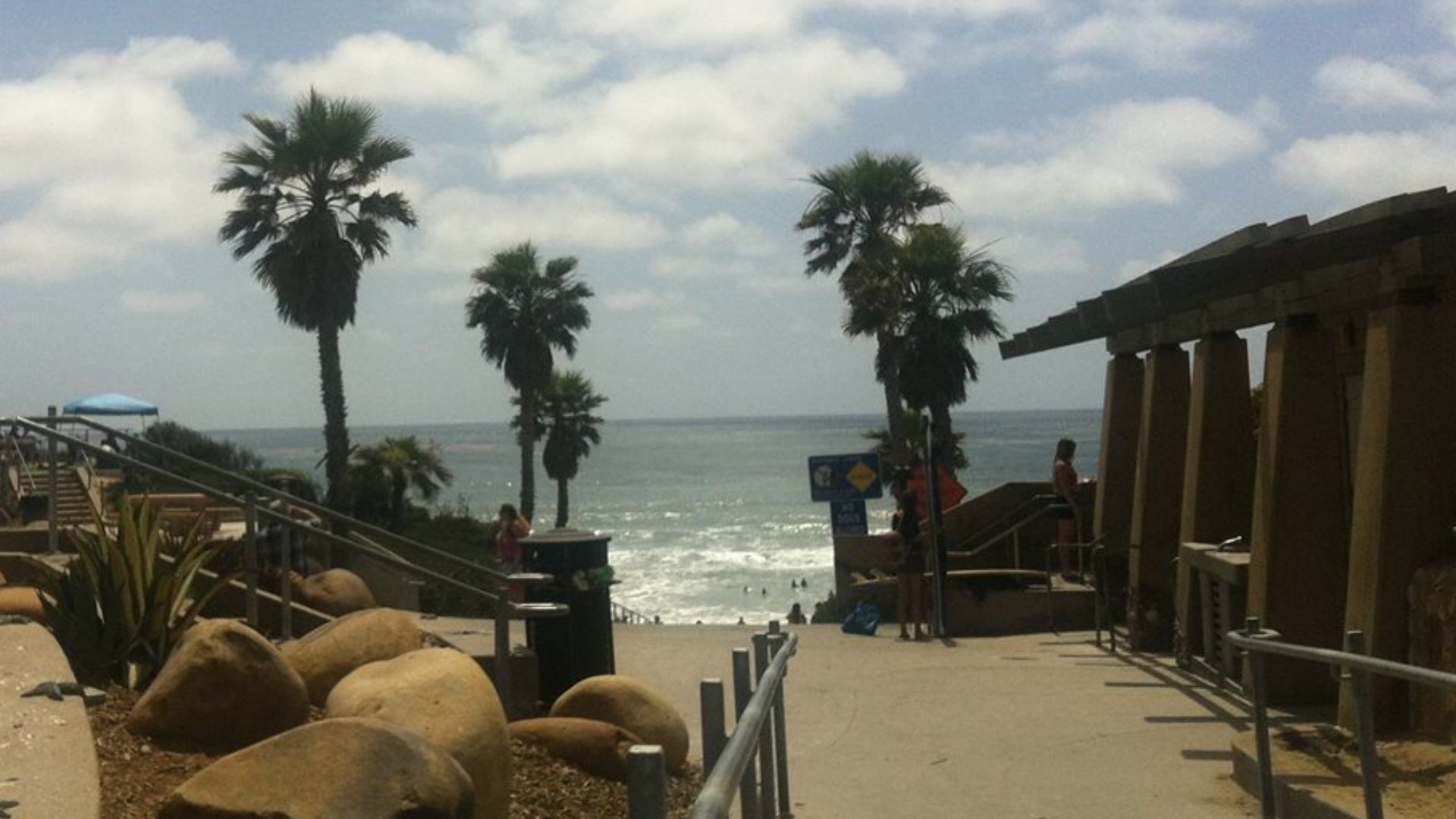
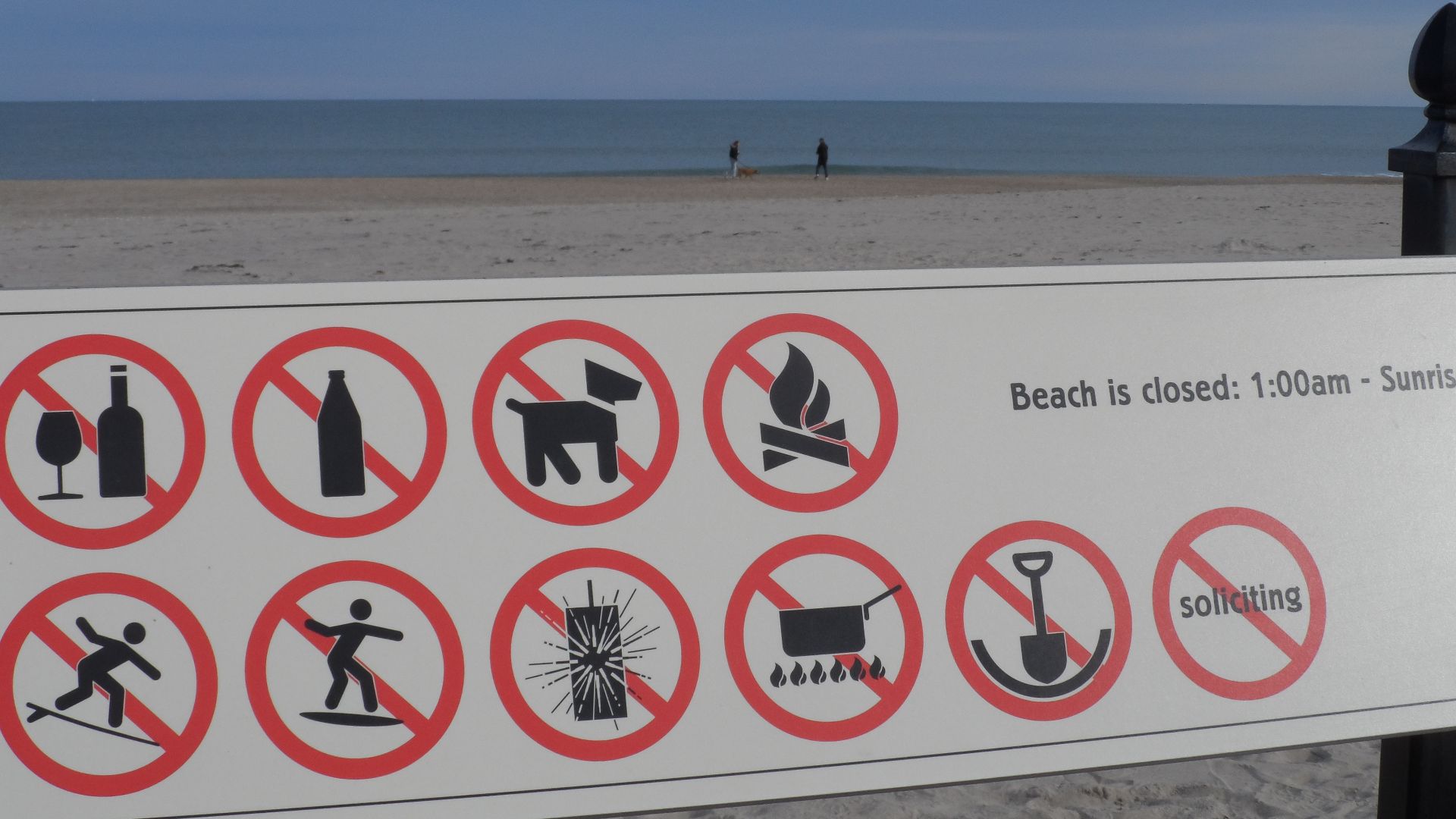
When you get to the beach, check for signs before heading into the water. Warnings about rip currents, marine life, cliff falls, or no-swim zones are there for a reason. A waiver signed inside is general. A sign at the shoreline is immediate and specific.
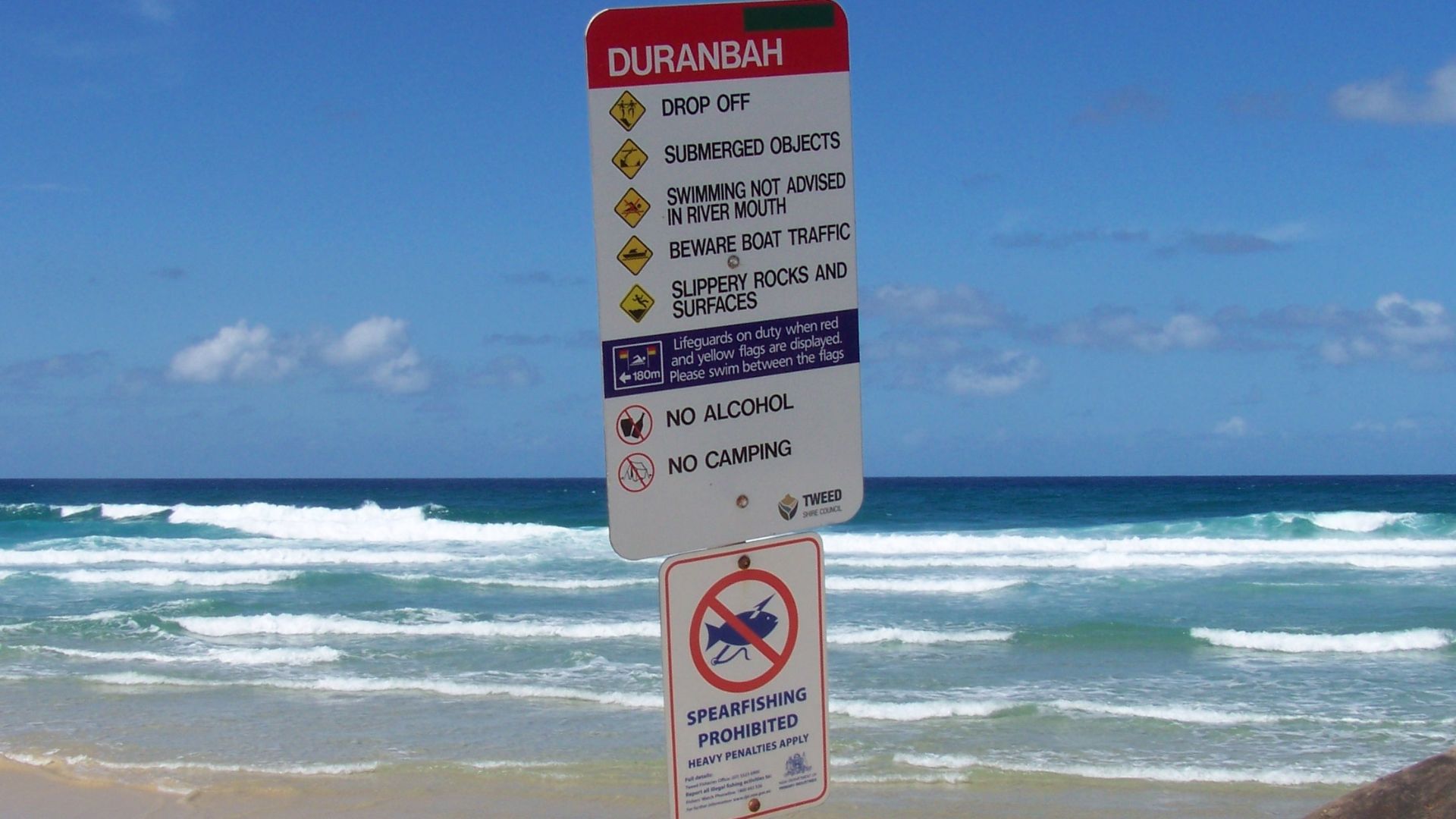 Che Lydia Xyang, Wikimedia Commons
Do Not Ignore Marine Life Warnings
Depending on where you are, waivers may mention jellyfish, stingrays, sea urchins, coral, or reef cuts. These hazards are often painful more than deadly, but they can still wreck a trip and sometimes need medical care. Asking about footwear or seasonal precautions is a smart move.
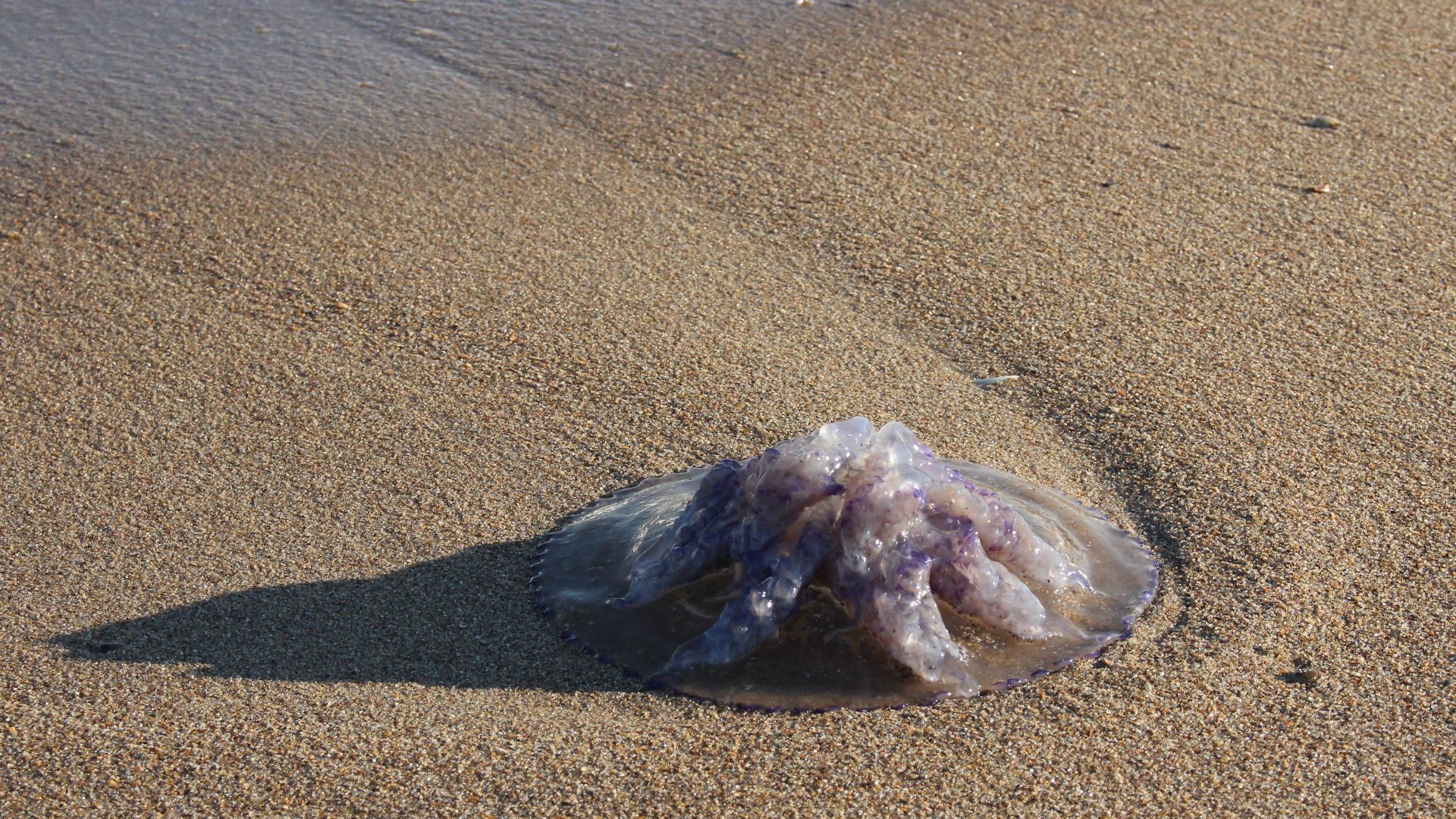 Better days came, Wikimedia Commons
Weather Can Change The Risk Fast
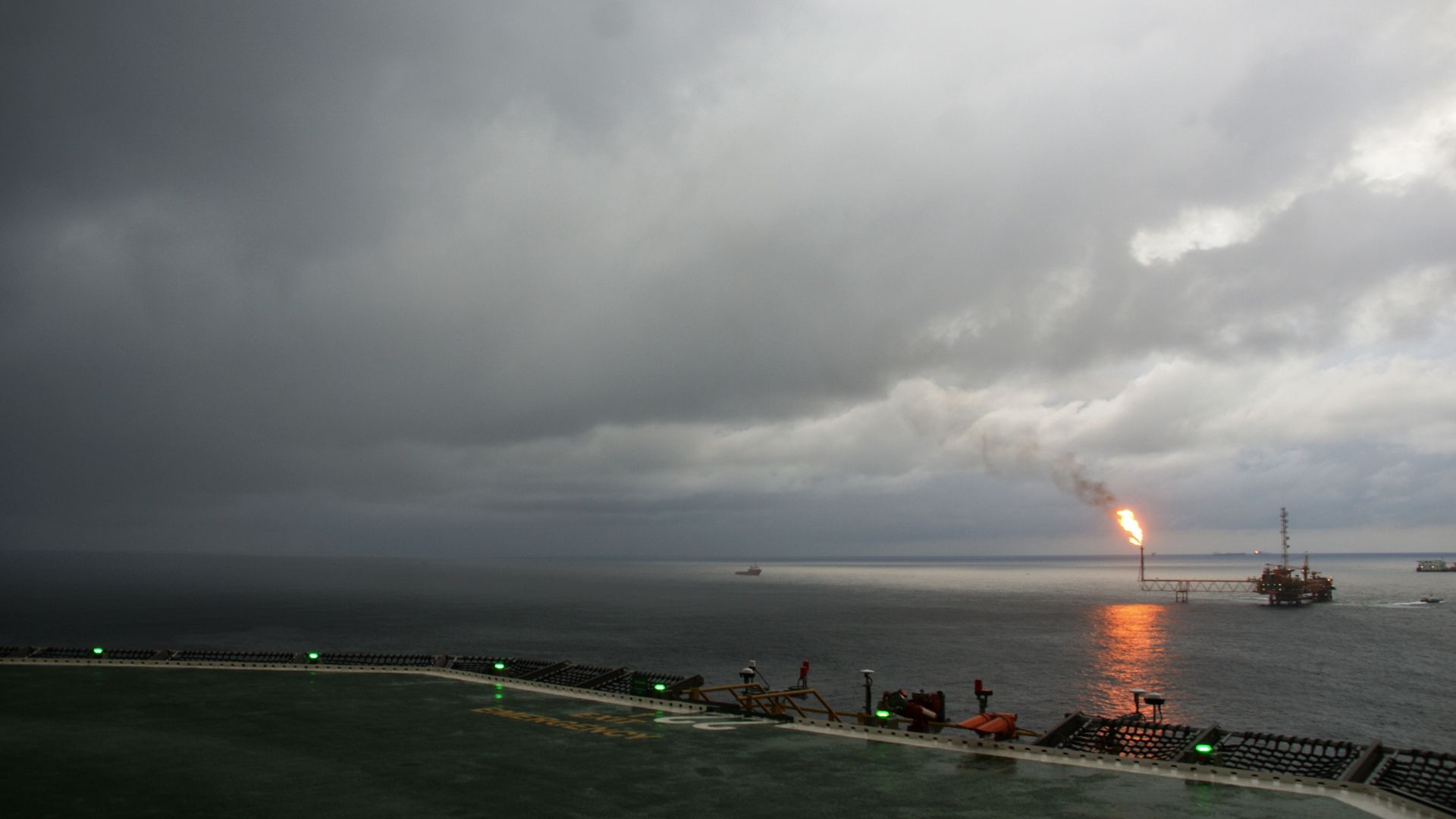
Calm water in the morning can look completely different by late afternoon. Thunderstorms, offshore systems, wind shifts, and changing tides can all affect surf and swimming safety. Resorts use waivers partly because no one can control the ocean from one hour to the next.
Children Need Extra Caution
Families should be careful about assuming a resort beach is automatically good for kids. Shallow-looking shore break, steep drop-offs, and strong side currents can be dangerous. Ask if there is a calmer area and stay close even when the water looks gentle.
 Juliancolton, Wikimedia Commons
Alcohol And Ocean Safety Are A Bad Mix
Beach bars and frozen drinks are part of many resort trips, but alcohol and surf are a rough combination. Poor judgment makes people more likely to underestimate currents, dive badly, or miss warning signs. A waiver will not save you from a bad decision in the water.

What To Do If You Feel Pressured To Sign
If the resort will not allow beach access unless you sign, ask for time to read the document and ask about any wording you do not understand. You can also ask whether the waiver covers sitting on the sand, swimming, or only organized activities. A reputable resort should be able to explain the scope plainly.

When A Waiver Should Raise Your Eyebrows
A waiver deserves a closer look if staff cannot explain why it exists or if they brush past obvious hazards. Be cautious if there are no visible safety measures, no clear signs, and vague answers about current conditions or past incidents. The issue is not the paper alone. It is what the paper might be distracting you from.
 Mark Buckawicki, Wikimedia Commons
When It Is Probably Just Standard Procedure
If the beach has clear signs, active condition updates, trained staff, and straightforward answers, the waiver is probably routine. Many well-run resorts use them as part of a standard risk disclosure process. In that case, the form is not proof of hidden danger. It is just a reminder that the ocean always has the final say.
 PattayaPatrol, Wikimedia Commons
The Best Bottom Line For Travelers
Your resort's beach waiver does not automatically mean the beach is dangerous, but it does mean you should pay attention. Treat it as a cue to ask smart questions about lifeguards, conditions, currents, and the safest places to swim. The best beachgoers do not panic over the paperwork, but they do not ignore what it is trying to tell them.