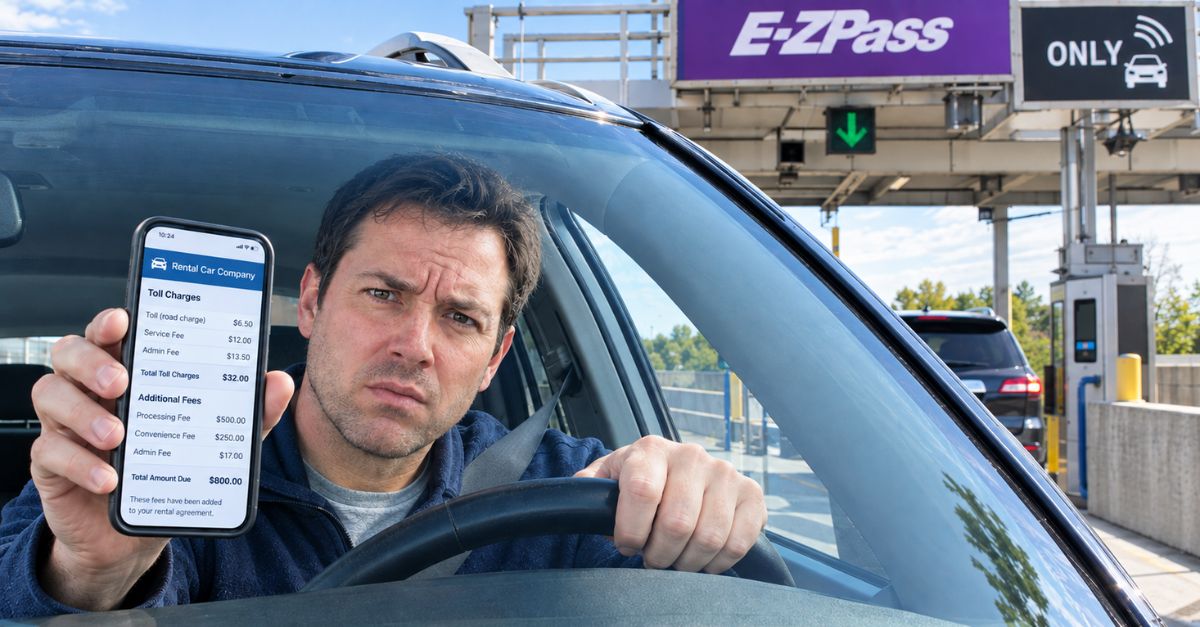
The Toll Bill Surprise
A few dollars in tolls can turn into a bill for hundreds once a rental car company adds service and admin fees. That nasty surprise has come up again and again in complaints to consumer groups, state attorneys general, and in the fine print of major rental brands. But that doesn't mean the charges will stop.
Why It Keeps Happening
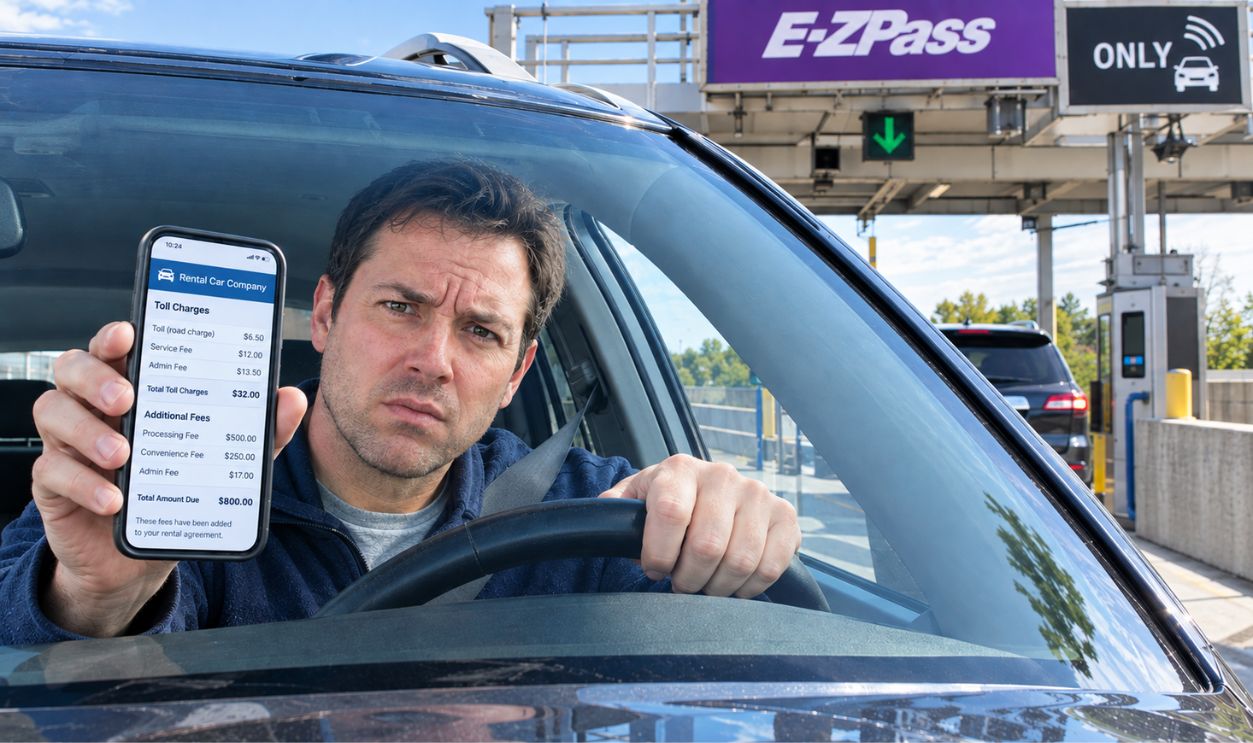
Most big rental car companies now use cashless toll systems and outside toll processors. So if you go through an electronic toll lane without your own transponder plan set up, the toll agency bills the processor, and the processor bills you. The legal fight usually is not about the toll itself. It is about whether the extra fee was clearly disclosed and whether the amount was allowed under the rental contract and state law.
What Travelers Usually Notice First
The shock usually hits after the trip, when a credit card statement or email receipt shows repeated toll admin charges. Consumer Reports warned back in 2013 that renters could get stuck with daily convenience fees that quickly grew far beyond the actual tolls. That reporting helped shine a light on a common travel trap. It also showed this was not some one-time mistake, but a business practice affecting travelers in many states.

The Contract Usually Decides A Lot
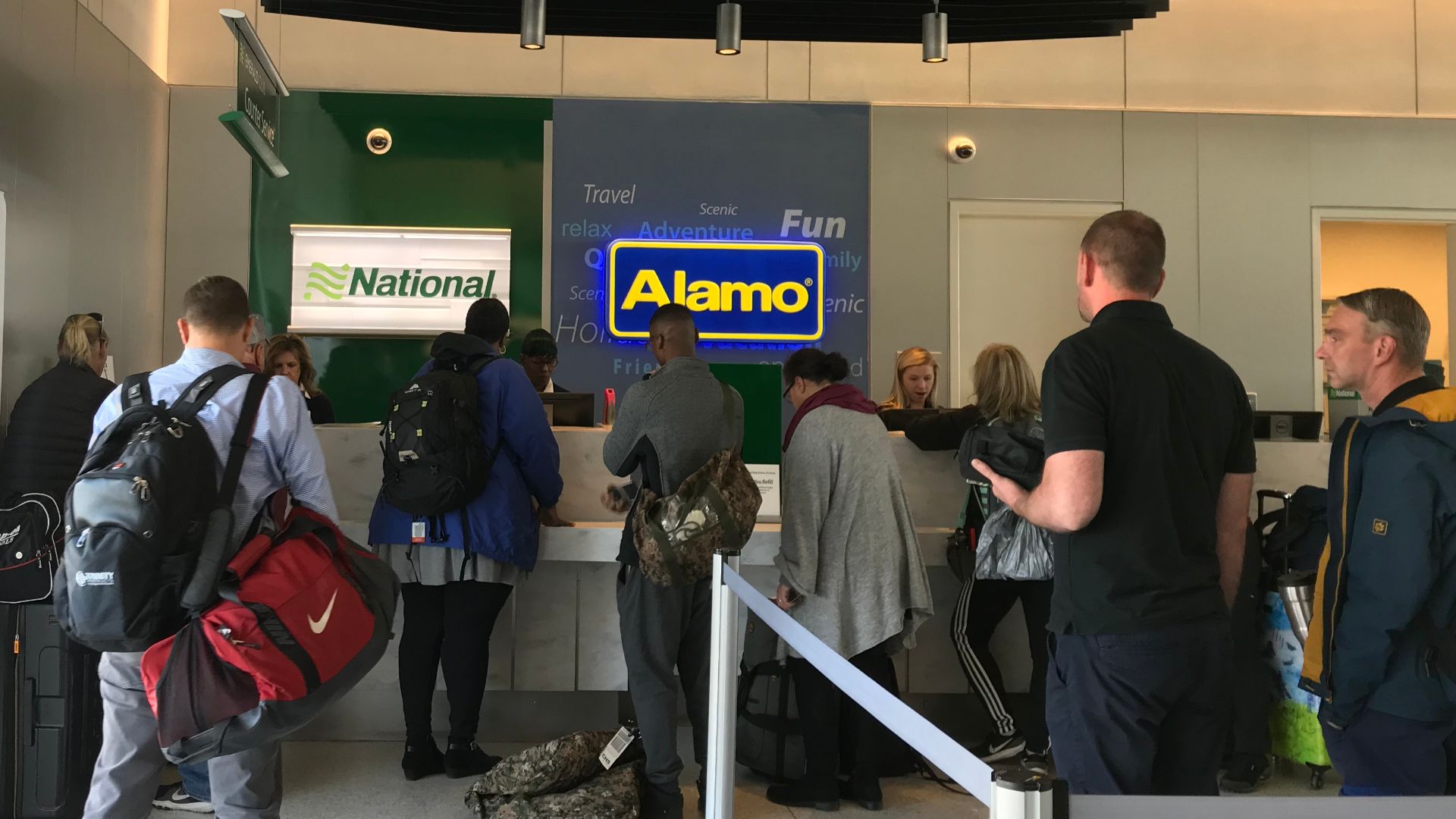
Whether a fee is legit often comes down to the rental agreement you accepted at pickup or during online checkout. Hertz, Avis, Budget, Dollar, Thrifty, Enterprise, National, and Alamo all publish toll-related policies, and many of them allow per-day or per-incident service charges on top of the toll amount. Courts and regulators usually start there. If the contract clearly allows the charge, the company has a much stronger defense.
 Harrison Keely, Wikimedia Commons
Legal Does Not Always Feel Fair
A fee can be enforceable and still seem ridiculous. The Federal Trade Commission tells consumers to watch for charges listed in rental contracts, especially for tolls, fuel, and damage. In real life, a lot of travelers click through pages of terms without realizing that one missed toll can trigger a daily fee for every day of the rental. That gap between disclosure and what people actually understand is where many of these fights start.

New York Brought The Problem Into Focus
One of the clearest government actions came from New York Attorney General Letitia James in December 2023. Her office announced a settlement with E-ZPass operator TransCore that required up to $3 million in restitution for tens of thousands of consumers who were charged more than New York law allows in excessive fees. The state said TransCore ran toll programs for rental car companies including Avis, Budget, Payless, Enterprise, National, and Alamo.
 Alec Perkins from Hoboken, USA, Wikimedia Commons
What New York Said Happened
According to the attorney general, TransCore charged renters a $15 fee for each toll charge after the first two days of a rental, even though New York law capped rental car toll charges at $2 per day after the second day. The state said this happened from at least 2015 through 2020. That mattered because it showed the issue was not just frustrating. In that case, regulators said some of the charges were illegal under state law.
 AutoRentals, Wikimedia Commons
Why That Settlement Matters
The New York settlement helps separate two questions that often get blurred together. First, can a company charge an admin fee at all. Often yes, if the contract and state law allow it. Second, can a company charge whatever amount it wants. Clearly not, because New York said there are legal caps and won restitution when those caps were exceeded.
 Khairil Azhar Junos, Shutterstock
Class Actions Have Tested These Fees Too
Private lawsuits have pushed this issue into court for years. One well-known set of cases involved PlatePass and rental car toll programs, with renters arguing that convenience fees were excessive or not properly disclosed. These cases did not always end in sweeping wins for consumers, but they did make the system more visible and showed how fast small tolls could turn into big bills.

The Florida Turnpike Vacation Trap
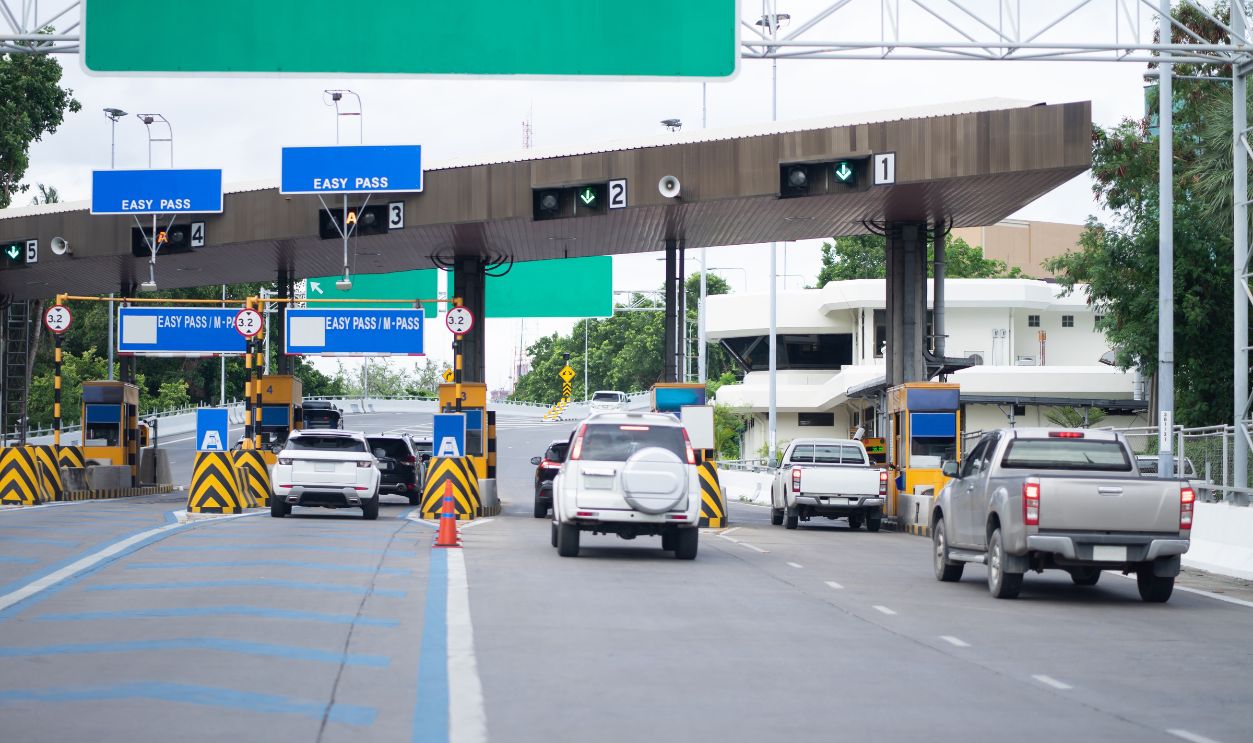
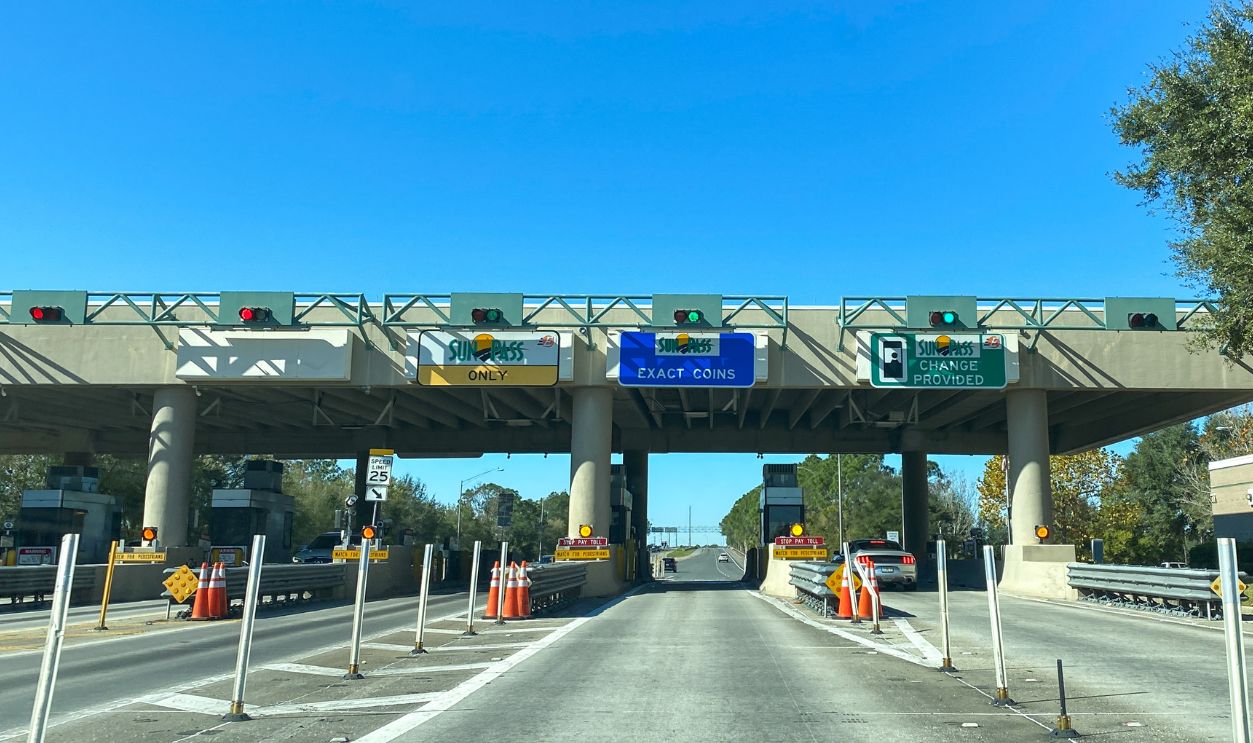
Florida is one of the places where travelers are especially exposed because so many tourist routes use electronic tolling. The Central Florida Expressway Authority warns visitors in rental cars to understand whether their company charges a daily fee, a per-use fee, or both. That matters in Orlando more than almost anywhere else. A short airport-to-theme-park drive can include toll roads that cost very little on their own but trigger much larger rental fees.
How PlatePass Became A Familiar Name
PlatePass became a regular target of complaints because it processed tolls for major rental fleets. Consumer coverage from NBC’s Today in 2023 described how a single missed toll could activate rental toll programs with steep daily charges. The details vary by company and by state, but the frustration sounds the same almost every time. Travelers think they are paying a road fee, then find out they were pulled into a bundled toll service they never really meant to buy.
The Fine Print Is Usually Pretty Specific
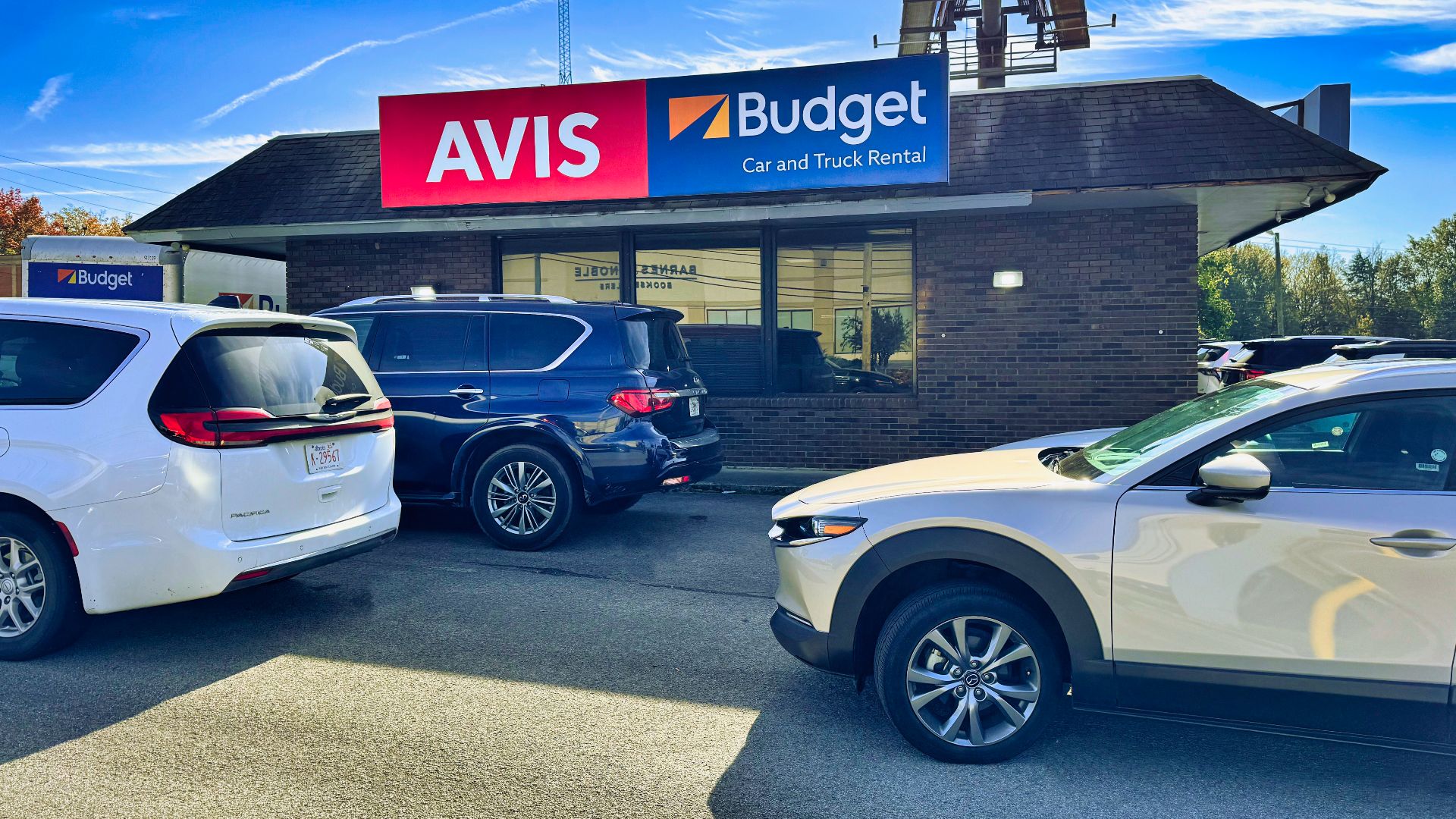
Rental companies generally do not hide the fact that they charge for toll processing. Hertz’s tolling page says customers may be charged the cash or highest undiscounted toll plus a convenience fee, with caps that vary by location. Avis and Budget post similar policies on their e-Tolling pages. Those policy pages matter because they are often the first place a billing dispute will lead.
 Harrison Keely, Wikimedia Commons
Different Companies Use Different Formulas
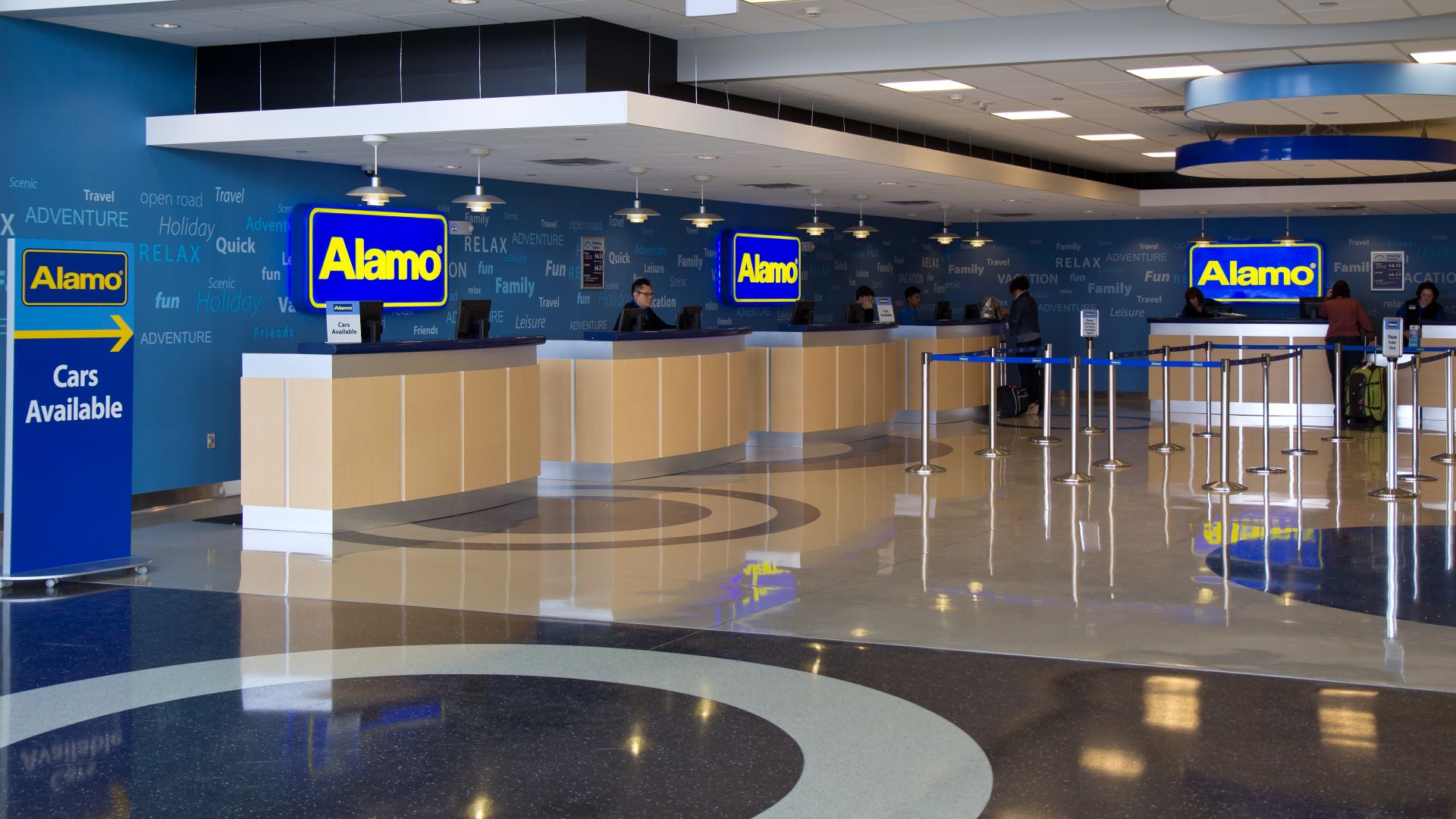
Some brands charge a fee for each day you get a toll, often up to a maximum number of days. Others charge per toll event, again with caps that depend on the state. Enterprise, National, and Alamo use TollPass and say fees vary by tolling authority and rental location. So the answer to whether a charge is legitimate is almost never simple. It depends on the state, the brand, the vendor, and the exact rental terms.
 Atomic Taco from Seattle, WA, USA, Wikimedia Commons
State Law Can Beat The Contract
The biggest thing many travelers miss is that a rental contract is not always the final word. New York has specific limits on some toll-related charges for rental vehicles, which is why the attorney general could challenge TransCore’s practices. Other states may have consumer protection laws, unfair trade laws, or disclosure rules that matter too. If a fee looks wildly out of line, it is worth checking the law where the rental started.

What Courts Usually Look At
When judges review these disputes, they often focus on disclosure, authorization, and damages. Was the customer told how tolls would be handled. Did the renter agree to the terms. And was the amount charged consistent with those terms and with the law that applied. A fee that feels predatory can still survive if it was clearly disclosed and legally allowed, but weak disclosure can become a real problem for the company.

What The FTC Says To Watch For
The Federal Trade Commission’s rental car guidance tells consumers to review optional products and extra charges before leaving the lot. The FTC does not set a nationwide cap on toll fees, but its advice points to a bigger truth. Add-on charges can get expensive fast, and your best protection is understanding them ahead of time. In a place packed with toll roads, that can save more money than chasing the cheapest base rate.
How A Small Toll Bill Turns Into A Big One
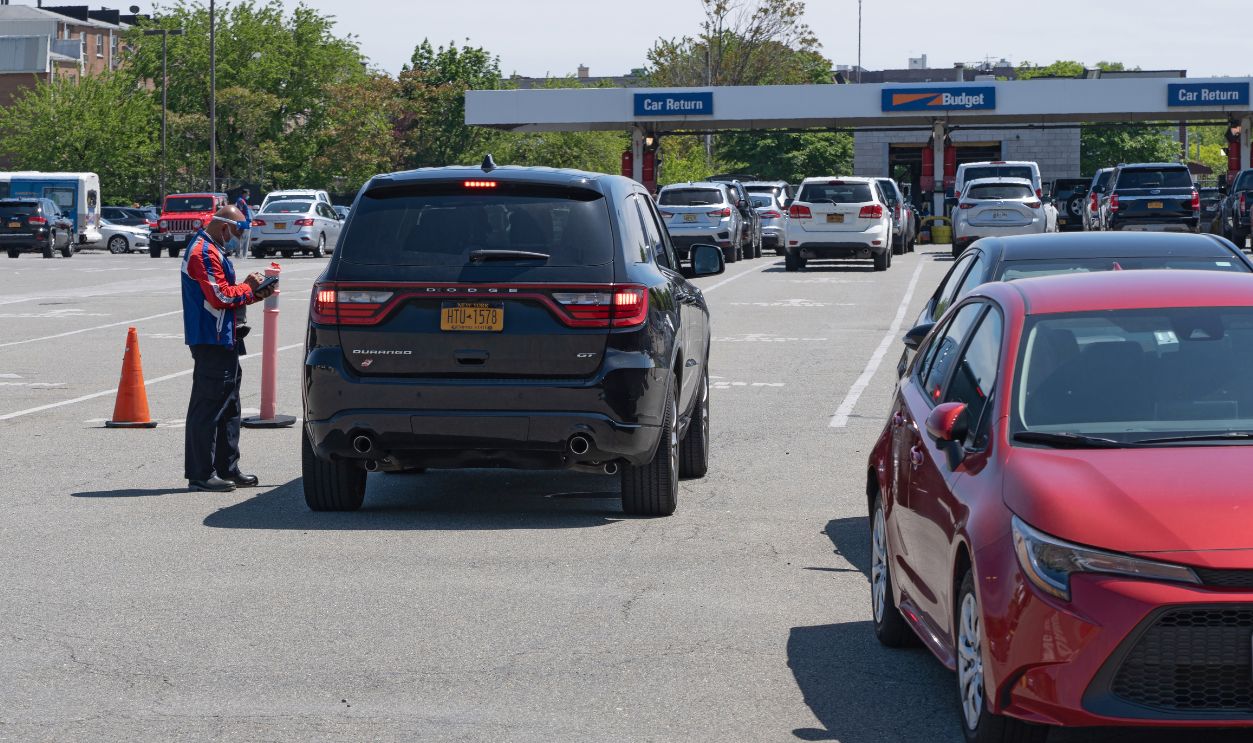
The math can get ugly fast when a rental company charges a convenience fee for each day a toll is incurred. Picture a weeklong trip with a few small tolls on six different days. Even if each toll is only a couple of dollars, daily fees can stack up until the final total looks absurd. That is how a handful of road charges can become a three-figure bill after the trip is over.
 Natthawadee Jana, Shutterstock
Airport Renters Get Hit Hard
Travelers flying into major metro areas are especially vulnerable because airports are often tied into toll roads. Orlando, Miami, New York, and parts of Texas and California keep showing up in consumer warnings. Many visitors are tired, unfamiliar with the roads, and focused on getting to the hotel. That is exactly when an easy-to-miss toll policy can come back to bite them.
Your Own Transponder Might Help
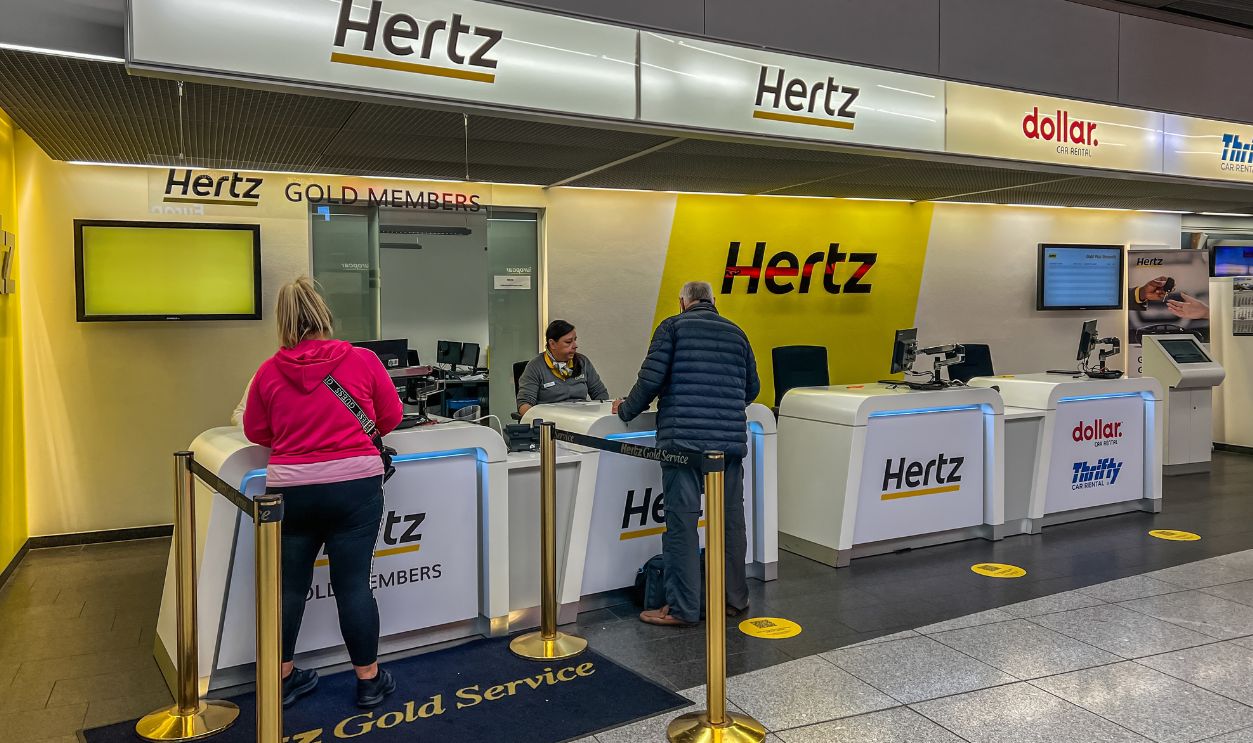
In some places, using your own E-ZPass or compatible toll account can help you avoid the rental company’s toll service fees. But it only works if the rental company allows it and if you properly add the rental car’s plate to your account when needed. Some toll roads read the plate instead of the transponder, so setup matters. Always confirm the policy before assuming your personal device solves the problem.
Cash Is Not Much Of A Backup Anymore
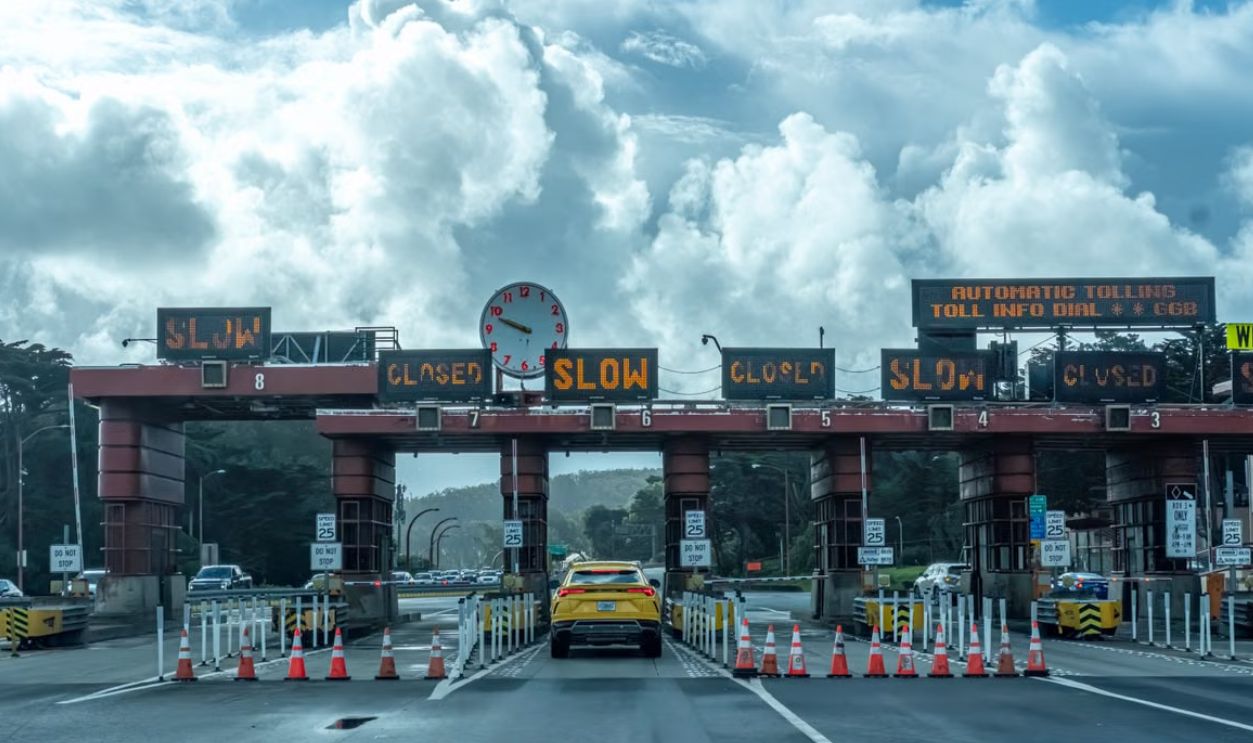
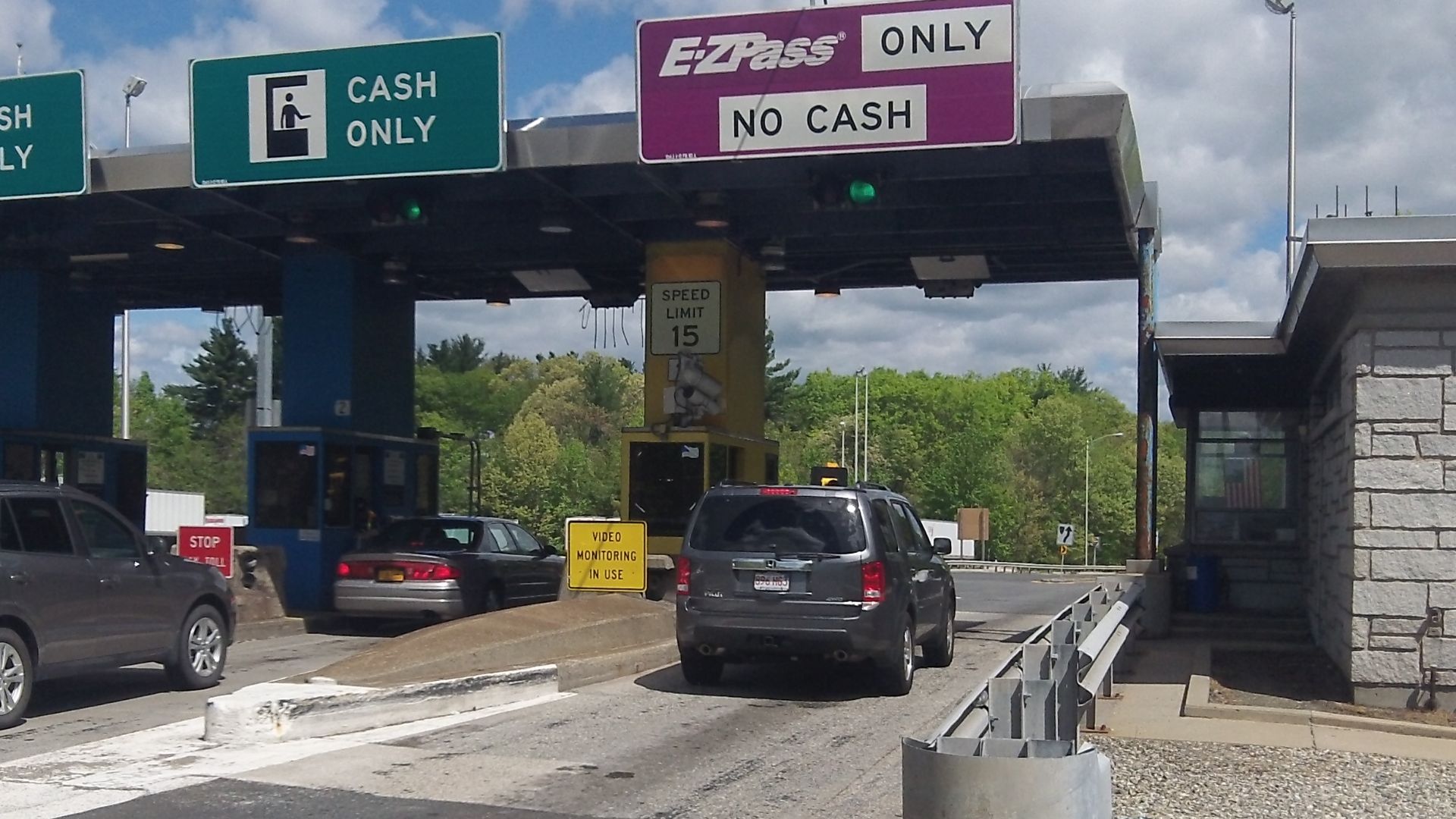
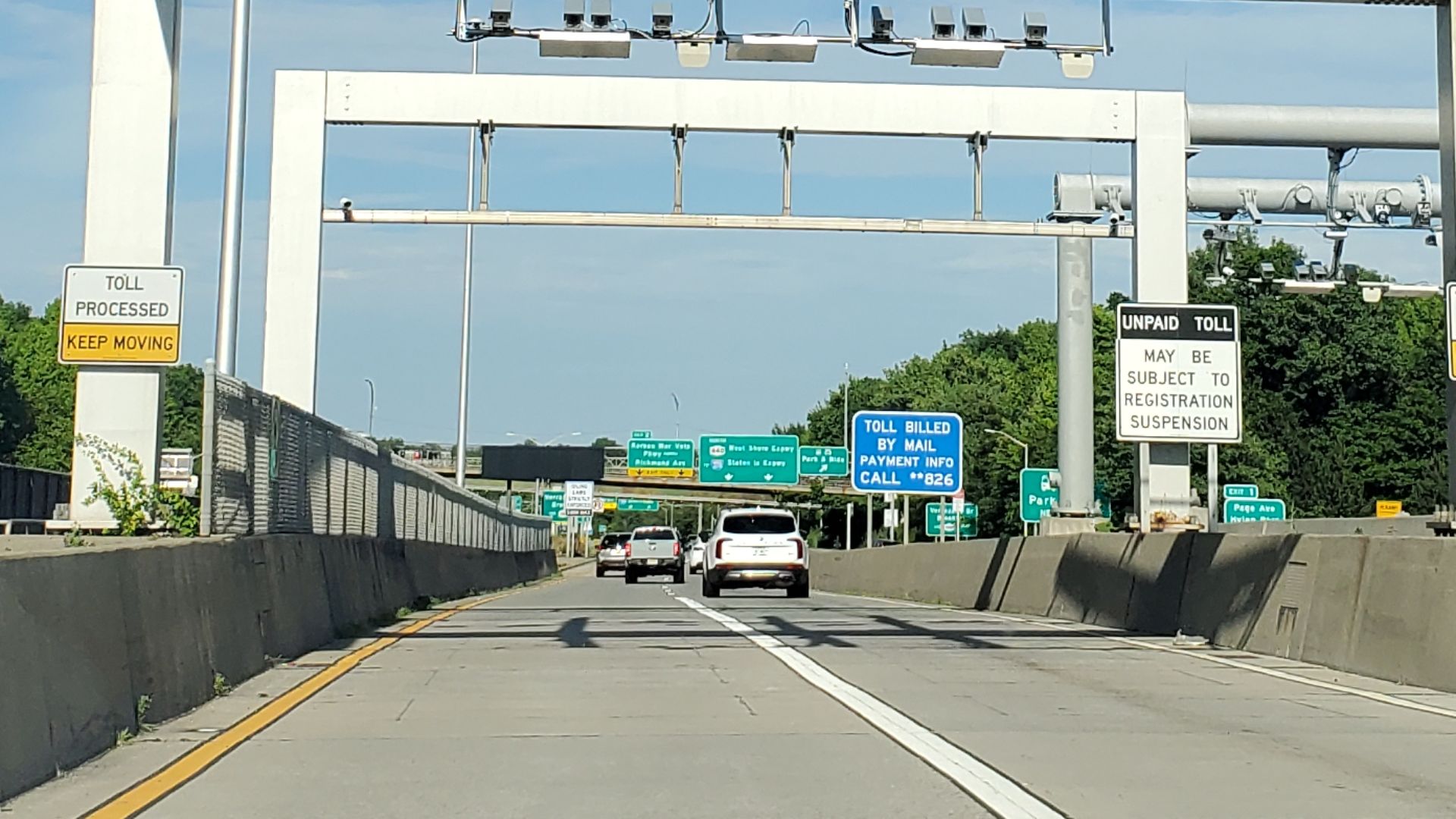
One reason these fees have spread is that many toll roads no longer take cash. Agencies in states including Florida, along with many bridges and express lanes elsewhere, now rely on plate billing or transponders. That leaves renters with fewer ways to avoid the toll system. If the road is all electronic, doing nothing can be the most expensive move.
How To Check Whether The Fee Was Allowed
Start with the rental agreement and the company’s published toll terms for the state where you rented the car. Then compare the actual toll amount charged by the toll authority with the convenience or admin charges on your rental receipt. If the fee structure on your bill does not match the written policy, that is a red flag. If you rented in New York, pay especially close attention to any state limits that may apply.

What To Do If The Charge Looks Wrong
Contact the rental car company first and ask for a detailed toll breakdown, including dates, road locations, and each related fee. If a third-party toll processor handled the charge, ask for that company’s itemized record too. Keep screenshots of the toll policy that was in effect when you rented. If the response still does not add up, dispute the charge in writing and consider filing complaints with your state attorney general, state consumer agency, or the FTC.
 https://kaboompics.com/, Pexels
Credit Card Disputes Can Be Tough
Some travelers immediately file a chargeback, but that does not always work. If the rental contract clearly allowed the fee, the merchant may be able to beat the dispute by showing your signed or accepted agreement. A chargeback is strongest when there is a mismatch between the contract and the bill, duplicate charges, or clear legal violations. Documentation is everything.

The Best Question To Ask At Pickup
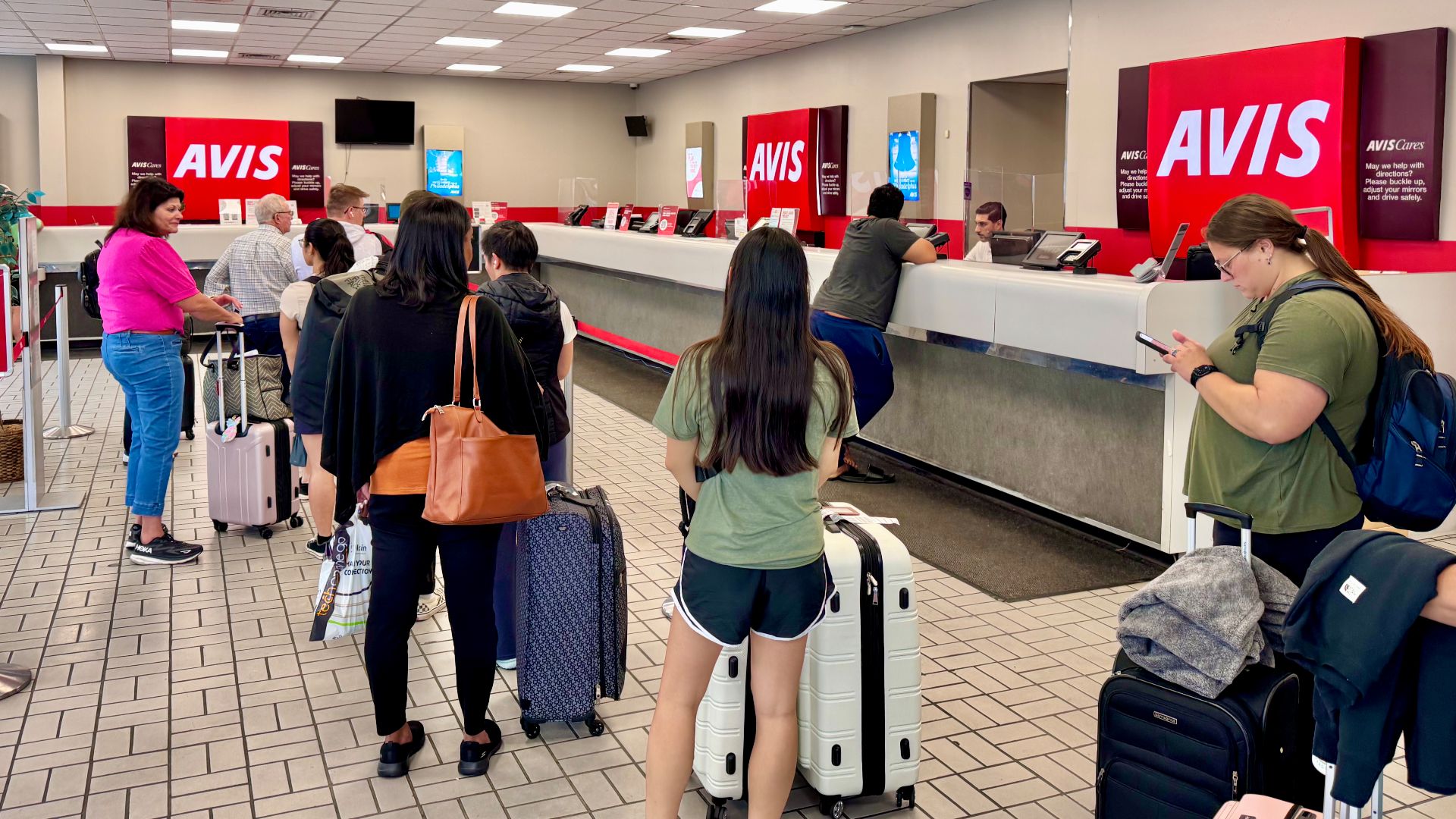
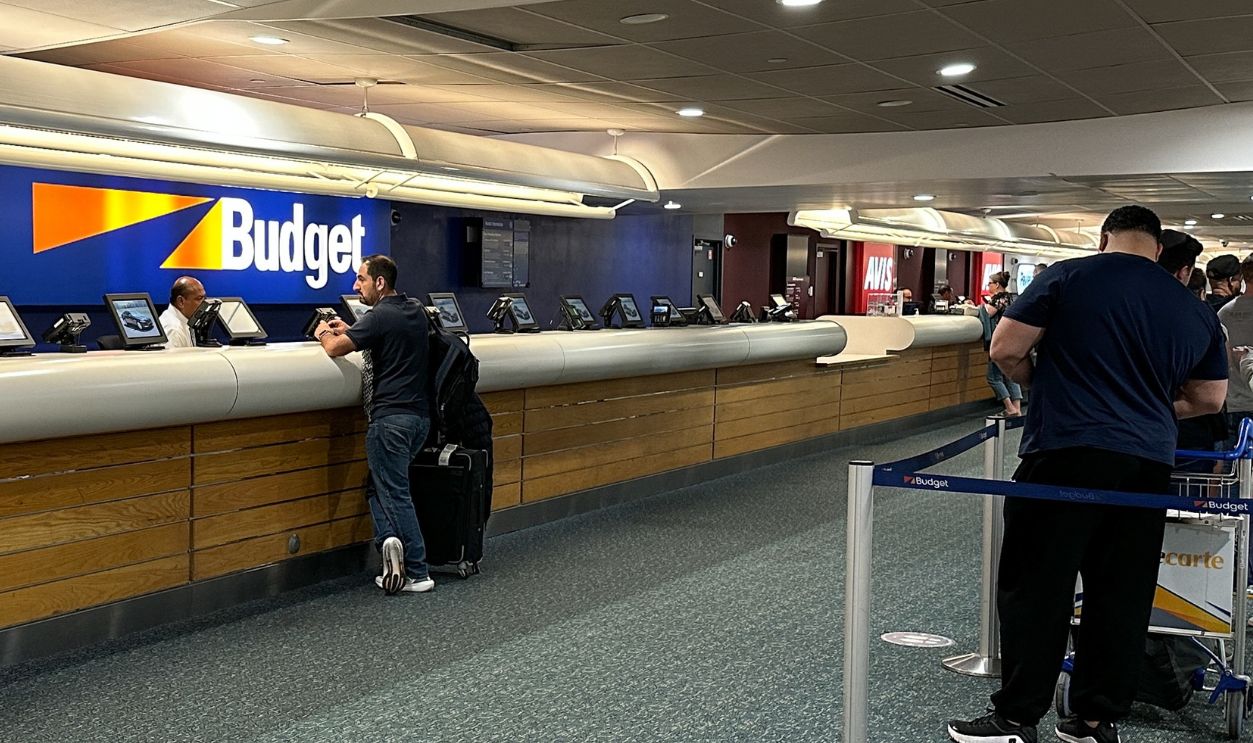
Before leaving the counter, ask exactly how tolls are billed in that state and whether the fee is charged per day, per toll, or only if you opt in. Then ask for the maximum possible toll-related fees for your rental period. That one conversation can reveal a deal-breaker hiding behind a low advertised rate. It also gives you something specific to point to if the bill later does not match what you were told.
A Simple Way To Lower The Risk
If you know your trip will involve toll roads, compare the rental company’s toll package with other options before you book. In some places, a daily toll pass may cost less than repeated convenience fees. In others, changing your route or using your own compatible transponder can save money. The smartest move is not avoiding toll roads at all costs. It is avoiding surprise fee setups.

So Are These Fees Actually Legit
Often, yes. Rental car companies generally can charge admin or convenience fees for processing tolls if the fee is disclosed and allowed by state law. But New York Attorney General James’s 2023 settlement with TransCore is a reminder that not every toll fee is lawful just because it appears on a bill. The short version is simple. Some of these charges are legitimate, some are excessive, and a few can cross the legal line.
The Bottom Line For Travelers
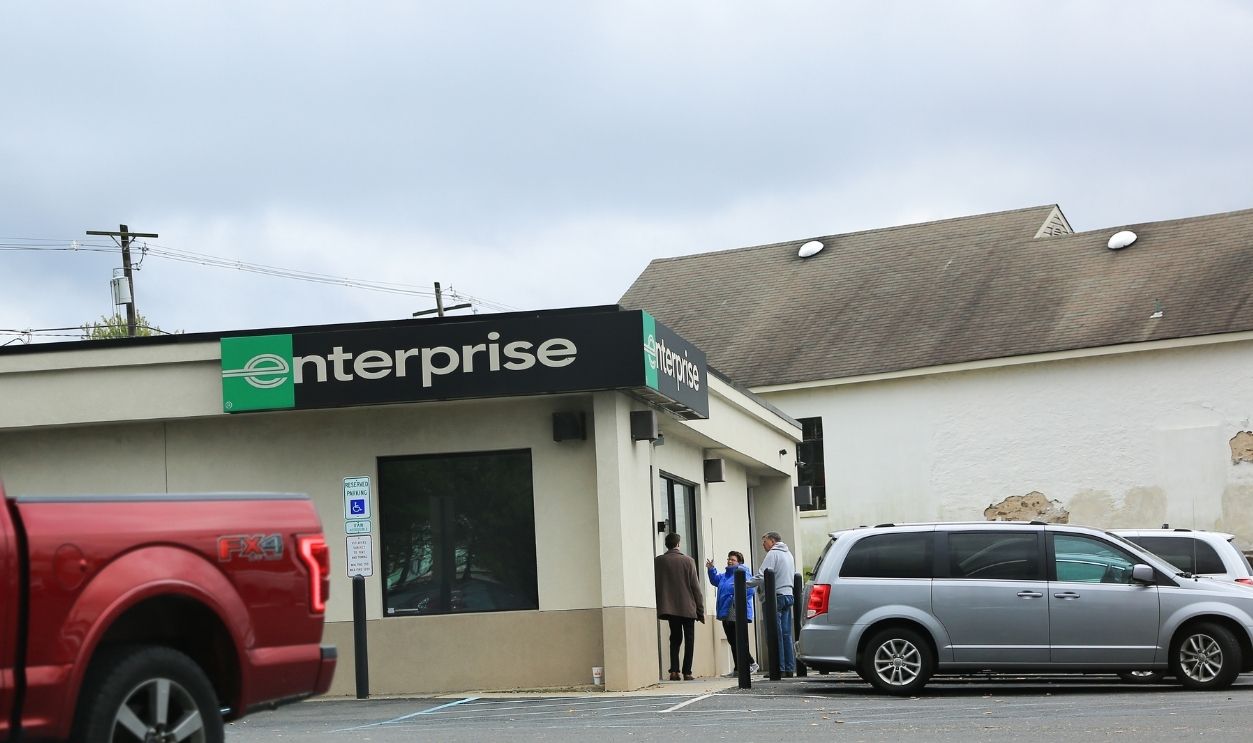
If your rental tolls cost only a few dollars but your final bill exploded into hundreds, do not assume the company got it right. Check the contract, check the state rules, and ask for an itemized breakdown. Rental toll fees sit in a gray area where legality, disclosure, and fairness do not always line up. That is exactly why they keep catching travelers off guard.
 Andrii Iemelianenko, Shutterstock