
The Full-Tank Charge That Keeps Sneaking Up on Drivers
You return a rental car with the gas gauge on full, grab your receipt, and head to the airport thinking you are done. Then the email shows up: a charge for a full tank of gas, often at a steep per-gallon price. It sounds ridiculous, but fuel-billing complaints have been popping up for years in reports from consumer groups, regulators, and the rental companies' own policies.

Why This Problem Never Really Goes Away
Fuel disputes stick around because rental car refueling rules sound simple but get messy fast. A tank can be marked short if an employee thinks it is not quite full, if the inspection happens later, or if the car goes through a service lane before anyone checks the paperwork. The charge may be small enough to second-guess fighting, but big enough to hurt.
What the Major Companies Actually Promise
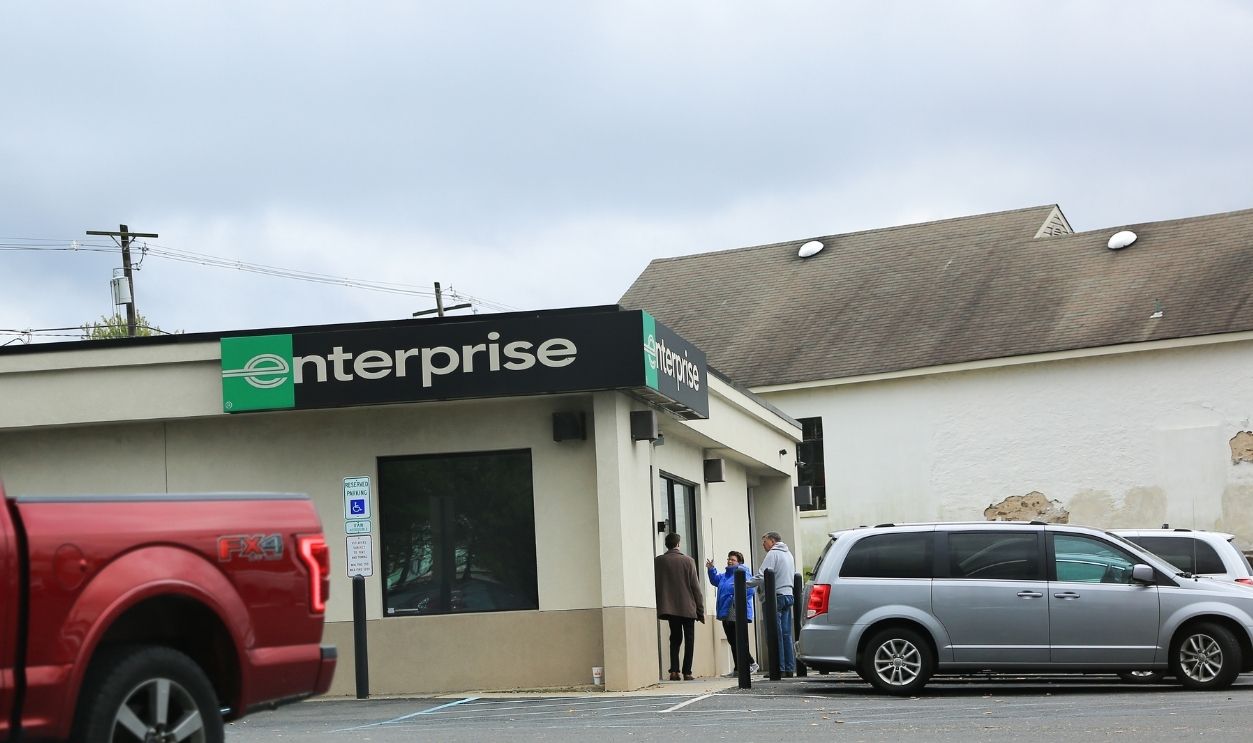
The biggest rental brands usually give customers three fuel choices. You can prepay for a tank, return the car with the same amount of fuel it had when you picked it up, or let the company refill it at its posted rate. Hertz, Avis, Budget, Enterprise, and National all spell out versions of these options in their rental terms, and those terms also say the refill rate can be much higher than what you would pay at a local gas station.
 Harrison Keely, Wikimedia Commons
The Fine Print Is Where Trouble Starts
The contracts are clear on one point: if the company decides the tank is not full, it can charge you for fuel and often a service fee too. What catches people off guard is the idea that a gauge touching full should settle the matter. In real life, gauges are not exact, pumps shut off at different times, and some companies rely on their own inspection records instead of what the driver saw on the dashboard.
A Federal Watchdog Has Been Warning About Add-On Charges
The Federal Trade Commission has long told travelers to read rental agreements closely and push back on unfair charges with documentation. Its consumer advice on rental cars warns that extra fees can appear after the return and says renters should keep receipts and review paperwork before leaving the lot. That may sound basic, but it is exactly the kind of backup that matters in a fuel dispute.

Consumer Reports Flagged the Refueling Trap
Consumer Reports has repeatedly pointed to rental car fuel charges as a common frustration, especially when travelers get billed far more than local gas prices. Its reporting highlights a simple problem: even a tiny fuel shortage can trigger a refill charge that feels way out of proportion. That gap between almost full and billed as empty is where a lot of the anger starts.
The Better Business Bureau Has Seen This Before
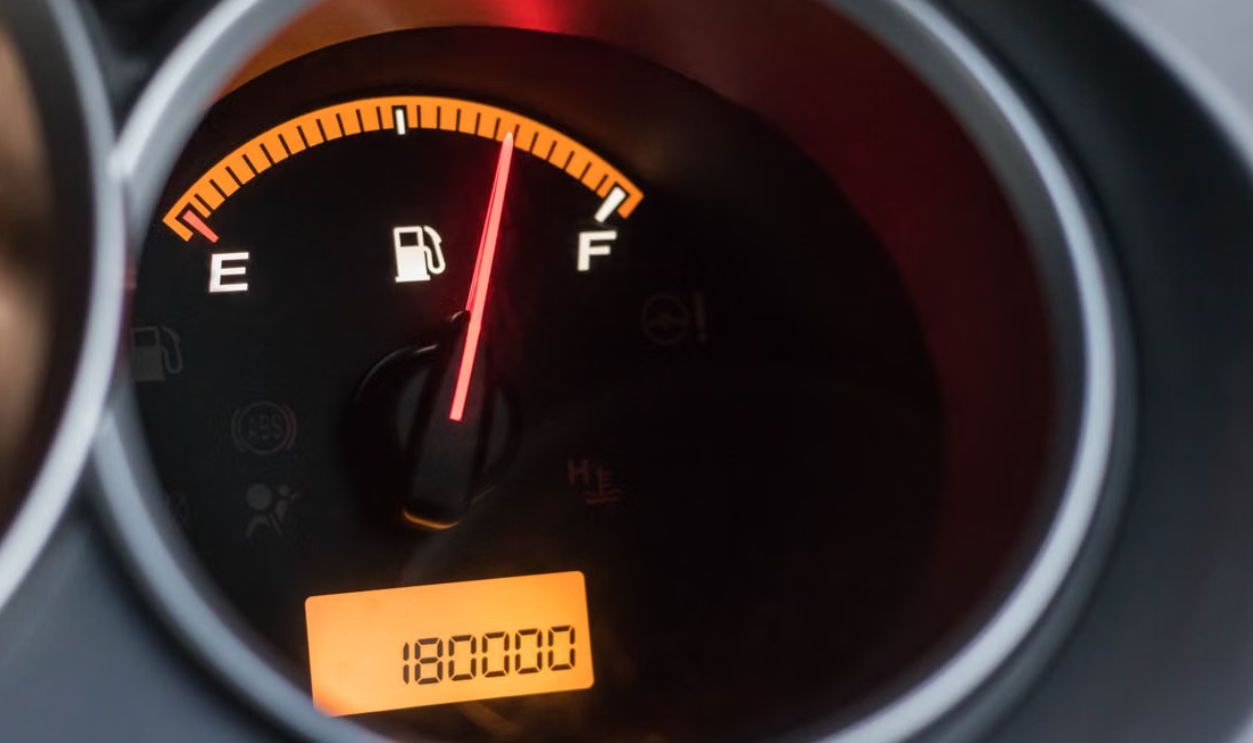
BBB consumer advice has also warned about rental car fuel disputes and told renters to document the fuel level at pickup and return. The group recommends taking timestamped photos of the dashboard and keeping gas receipts from a station near the drop-off site. That matters because these disputes are usually settled by records, not by memory.

State Attorneys General Have Issued Similar Warnings
Consumer protection offices in several states have warned renters to read the fuel policy before they drive away. Their advice usually comes down to the same points: know whether the tank must be returned full, understand the refill rate, and keep proof of your last gas purchase. These offices are not treating this like a rare annoyance. They see it as a repeat complaint.
 Amnaj Khetsamtip, Shutterstock
How a Full Gauge Can Still Turn Into a Charge
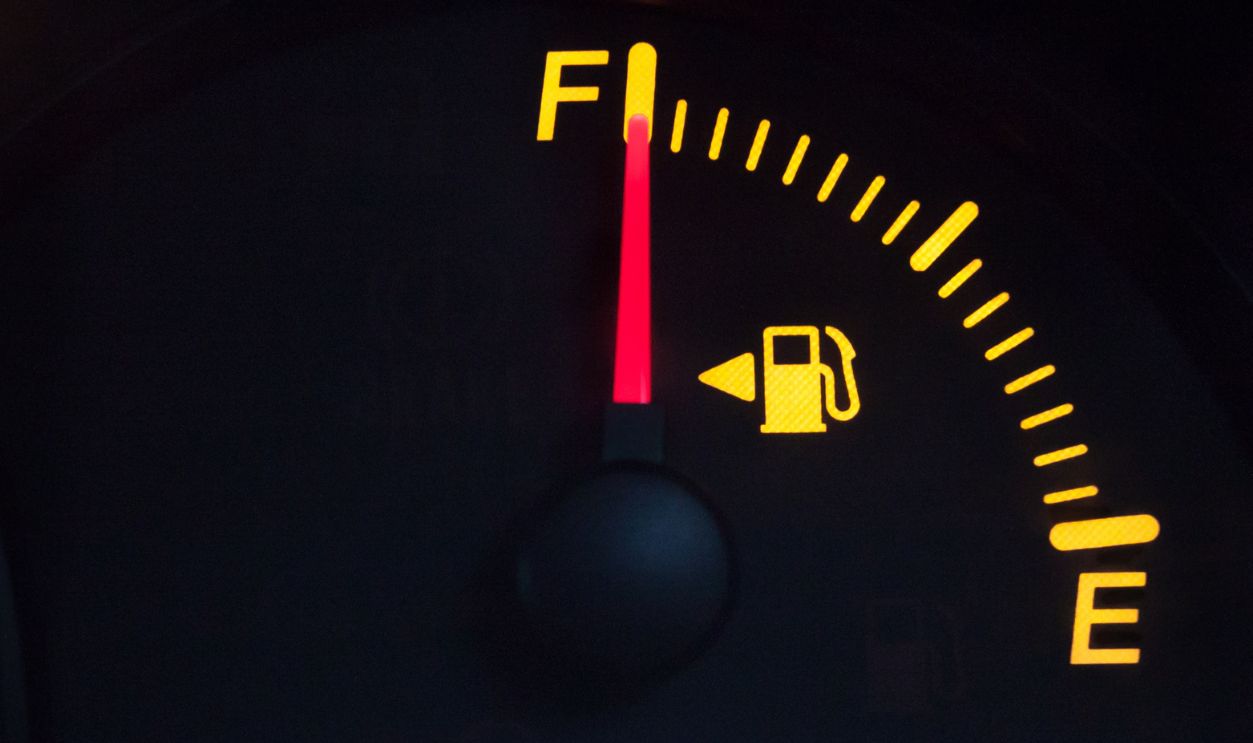
A car's fuel gauge is not exact. In some vehicles, the needle hits full before the tank is really topped off. In others, it stays near full for a few miles and then drops. Rental companies know this, which is why their policies often leave room for fuel assessments based on service records or estimated refill amounts, not just what you saw on the dash.
The Last Few Miles Can Matter More Than You Think
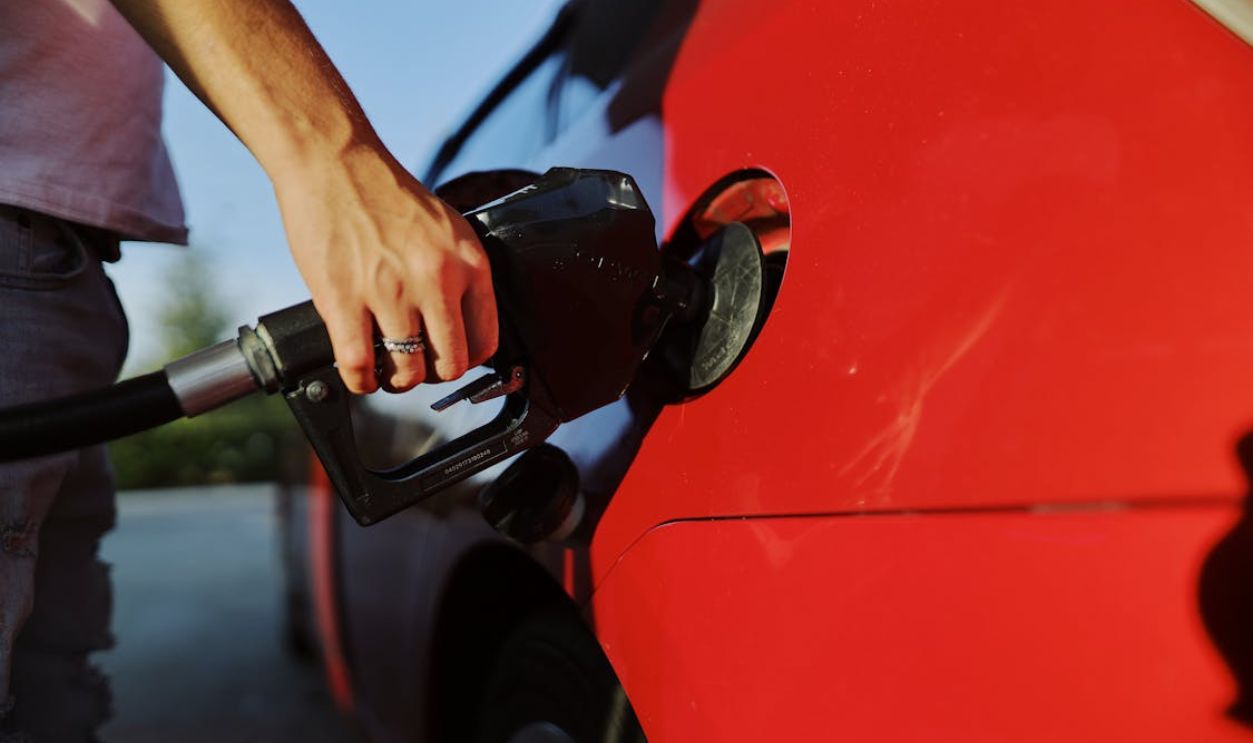
One of the most common problems is the distance between the gas station and the return lot. If you fill up a few miles away, airport traffic, idling, or looping around the terminal can burn just enough fuel to shift the level. You may not notice it, but the company might when the car gets checked in.

Airport Returns Make Everything Messier
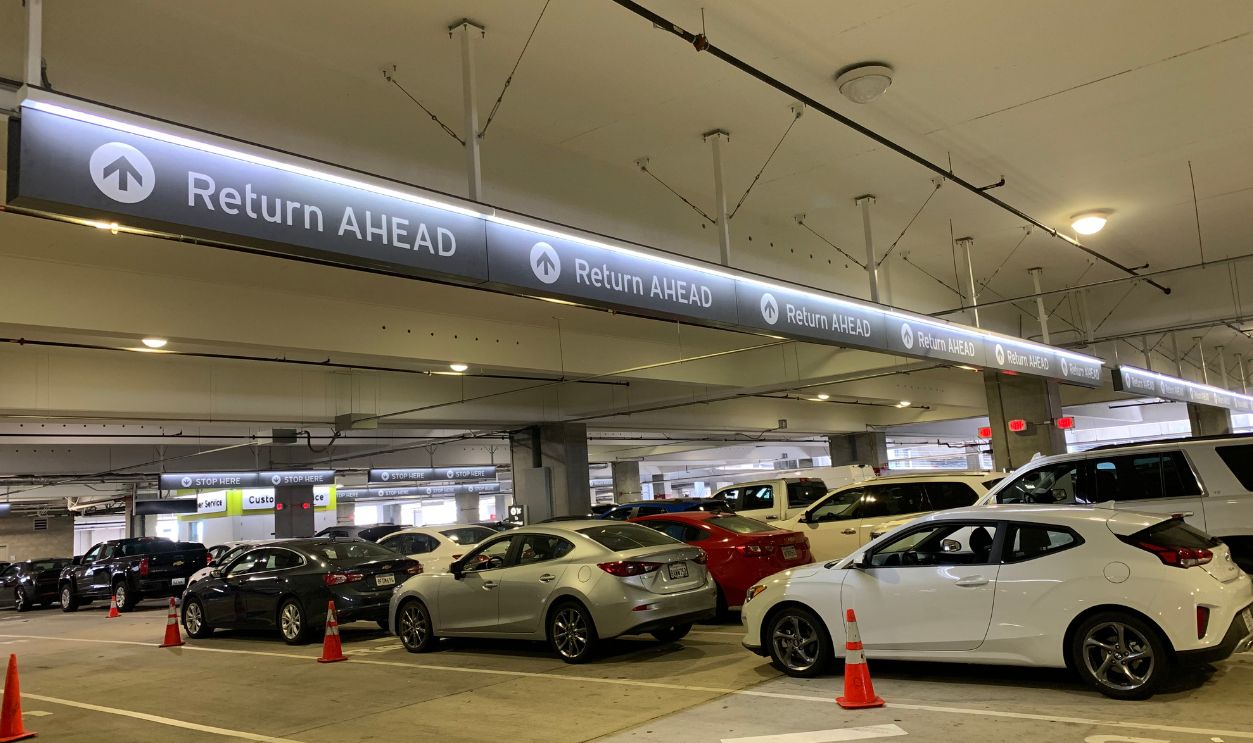
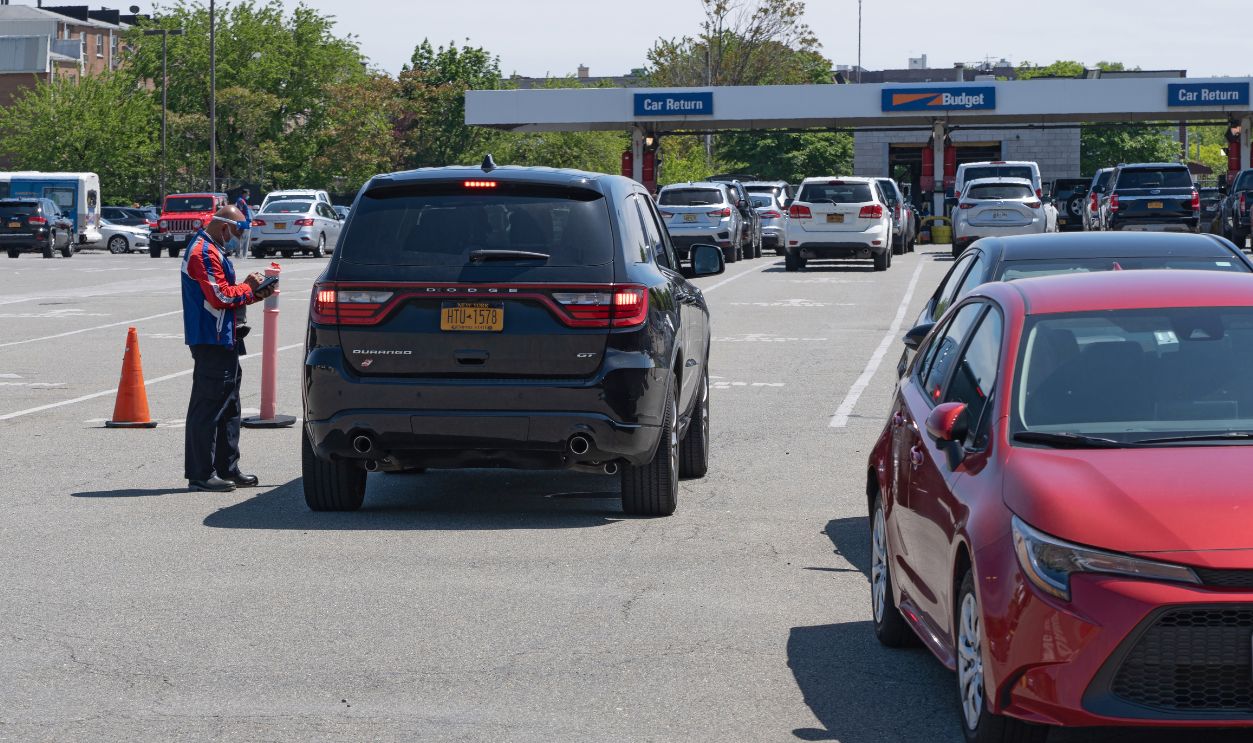
Airport lots are perfect setups for billing mistakes. Cars come in fast, get scanned quickly, and may be handled by one employee before another person reviews them later. In a system built for speed, a disputed fuel level can easily become a default charge that the customer does not see until the trip is already over.
Staffing and Timing Can Affect What Gets Recorded
The person who takes your keys is not always the one who closes out your rental record. When the lot is busy, the car may sit for a while before inspection, or it may be driven to a cleaning or staging area first. That gap is one reason you should not assume a smooth return means everything is settled.

Prepaid Fuel Can Be Convenient but Costly
Rental companies pitch prepaid fuel as a time-saver, especially for early flights and crowded airports. The catch is that you usually do not get money back for unused gas, so many travelers overpay unless they return the car nearly empty. Consumer advocates have long said prepaid fuel only makes financial sense in a pretty narrow set of cases.

Company Refill Rates Are Often the Real Gut Punch
The price a rental company charges to refill a tank can be far above local pump prices. Company policies often say the posted rate includes service costs and may be higher than nearby retail fuel prices. That is why a wrong refueling charge feels so extreme. It is not just the gas. It is the markup that comes with it.
Receipts Are Your Best Friend in a Fuel Fight
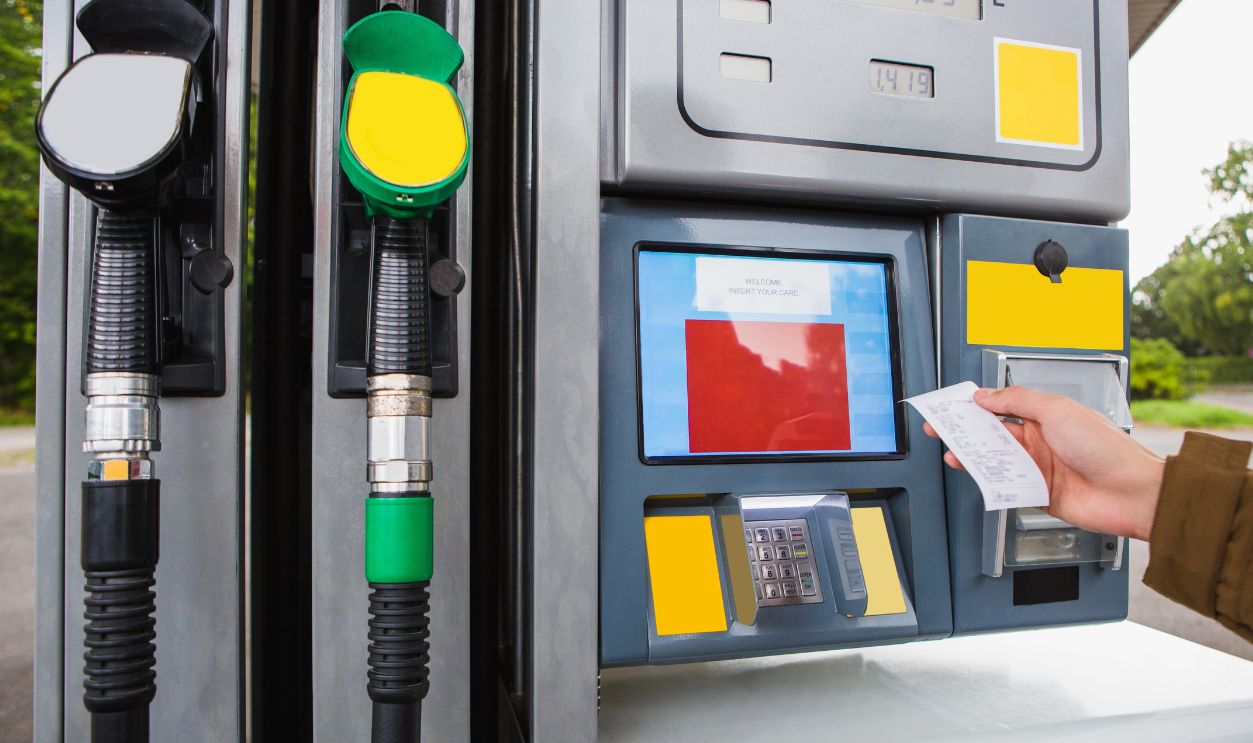
The most useful piece of evidence is a receipt showing where and when you bought gas before returning the car. If it shows a fill-up near the rental location shortly before drop-off, it becomes much harder for the company to defend a full-tank charge. The FTC, the BBB, and state consumer agencies all give this same advice for a reason.
Photos Can Turn a Debate Into a Claim
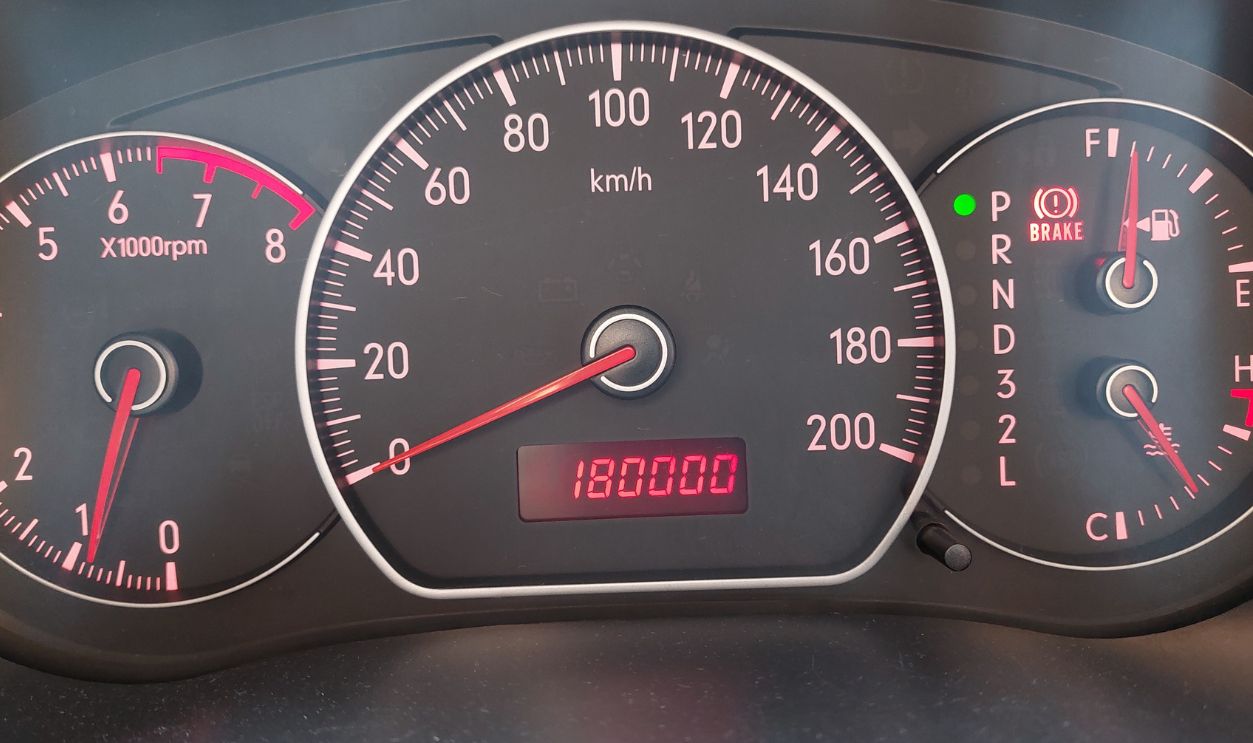
A timestamped photo of the dashboard can help support your case, especially if it shows the fuel gauge, the odometer, and ideally the car in the return lane. It is not perfect, because gauges vary, but it gives you another solid record. In a dispute over small details, more proof usually wins.
Check the Return Receipt Before You Leave
If an employee gives you a printed or emailed return summary, read it right away. Check the recorded fuel level and look for any note about refueling charges. It is much easier to catch a problem on the spot than to untangle it after you get home.

Ask for a Manual Review Right Away
If you spot a charge, ask the rental company to review the final receipt, your gas receipt, and any photos from the return. A lot of disputes can be fixed at the customer-service level if you raise them quickly and clearly. Wait a few weeks, and the process usually gets harder because the records are less fresh and tougher to track down.
Credit Card Protections Can Give You Leverage
If the company refuses to remove an obviously wrong charge, you may be able to dispute it with your credit card issuer. Card companies usually want documentation, which makes your receipt and photos useful all over again. It should not be your first move, but it can matter when customer service gets nowhere.

Why Regulators Focus More on Disclosure Than Measurement
There is no single national rule that tells rental companies exactly how to measure a car's fuel level at return. Regulators usually focus instead on whether the fees were clearly disclosed and whether the charges are unfair or deceptive. In practice, that means your best defense is knowing the contract and keeping your own paper trail.
 Khairil Azhar Junos, Shutterstock
Different Brands Use Similar Fuel Language
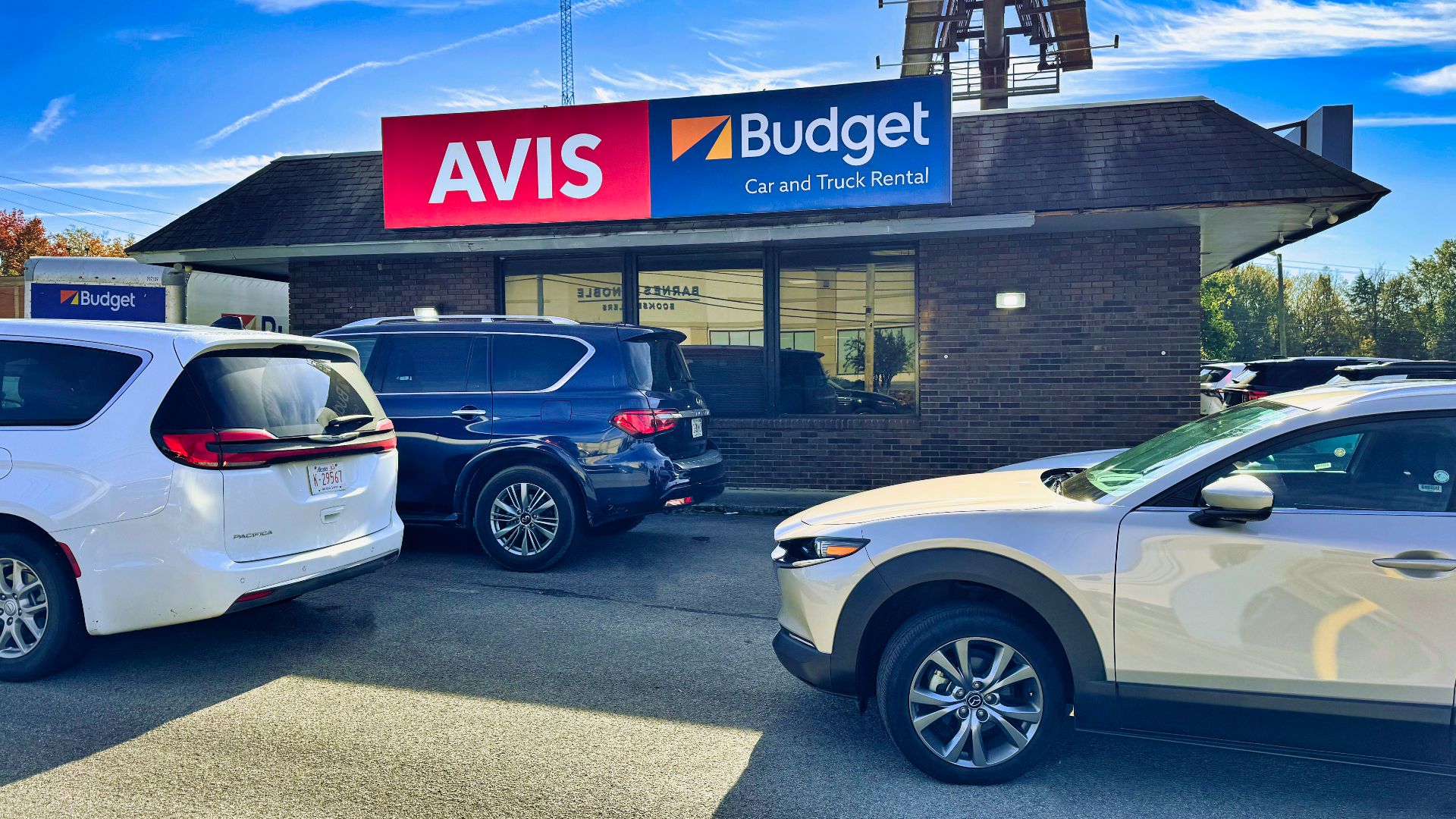
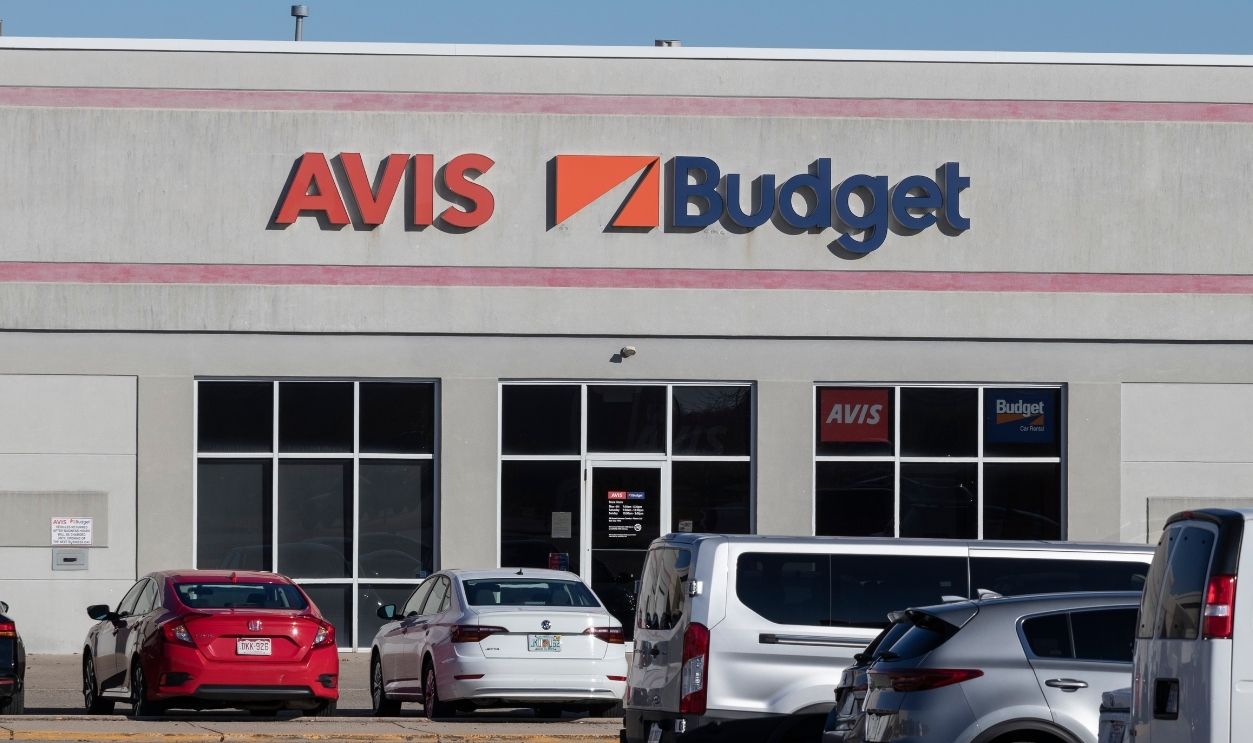
Avis and Budget say renters may be charged a company-set per-gallon rate if the tank is not returned at the required level. Hertz says refueling charges can be higher than pump prices and can vary by location. Enterprise and National also explain the same basic choices: return it full, prepay for fuel, or let the company refill it. Across the industry, the wording changes a little, but the setup is much the same.
The Real Problem Is Usually Process, Not a Plot
It is easy to imagine every bad fuel bill as part of some bigger scheme, but most disputes seem to come from ordinary weak spots in the system. Busy lots, imperfect gauges, delayed inspections, and aggressive refill pricing create a setup where mistakes are easy and expensive. That does not make the charge fair, but it does explain why the same complaint keeps coming back.
Where Travelers Most Often Slip Up
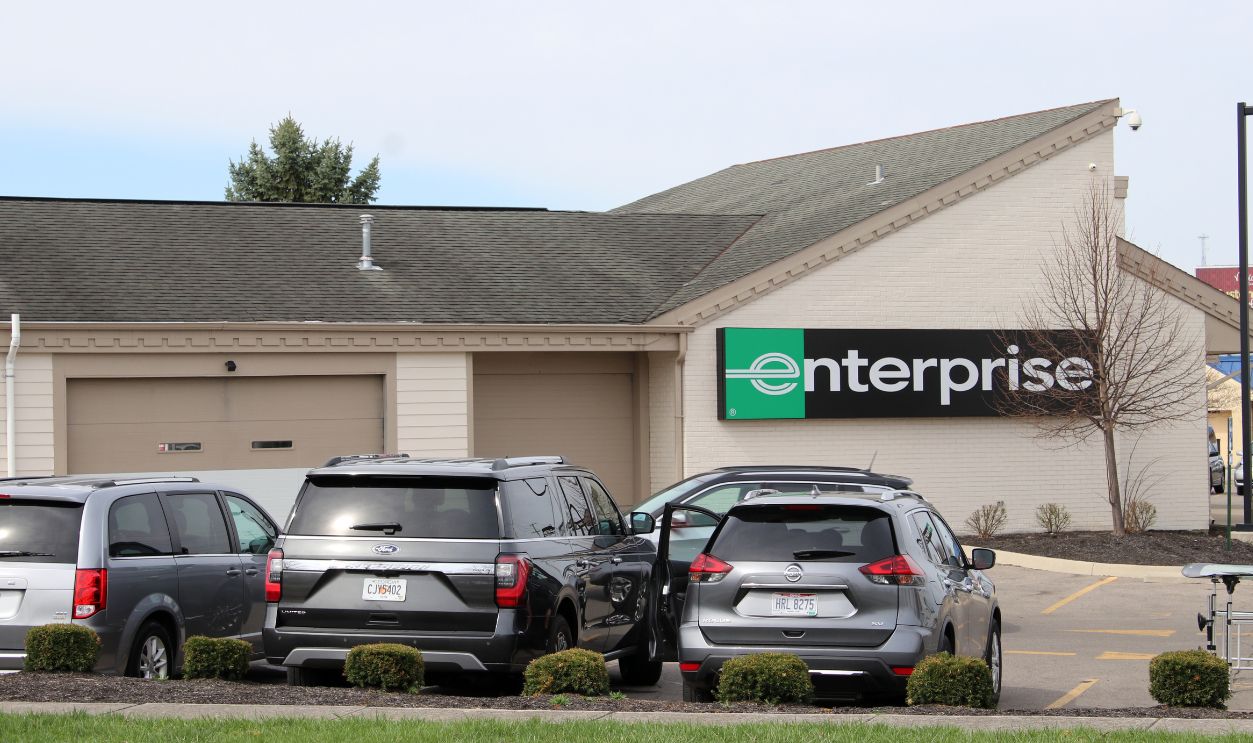
The most common mistakes are filling up too far from the return site, forgetting to save the receipt, and skipping the dashboard photo. Another big one is not checking the return paperwork before leaving the lot. Those small misses are exactly what make it easier for a bad charge to stick.
 Harrison Keely, Wikimedia Commons
The Smartest Fuel Routine Before You Return
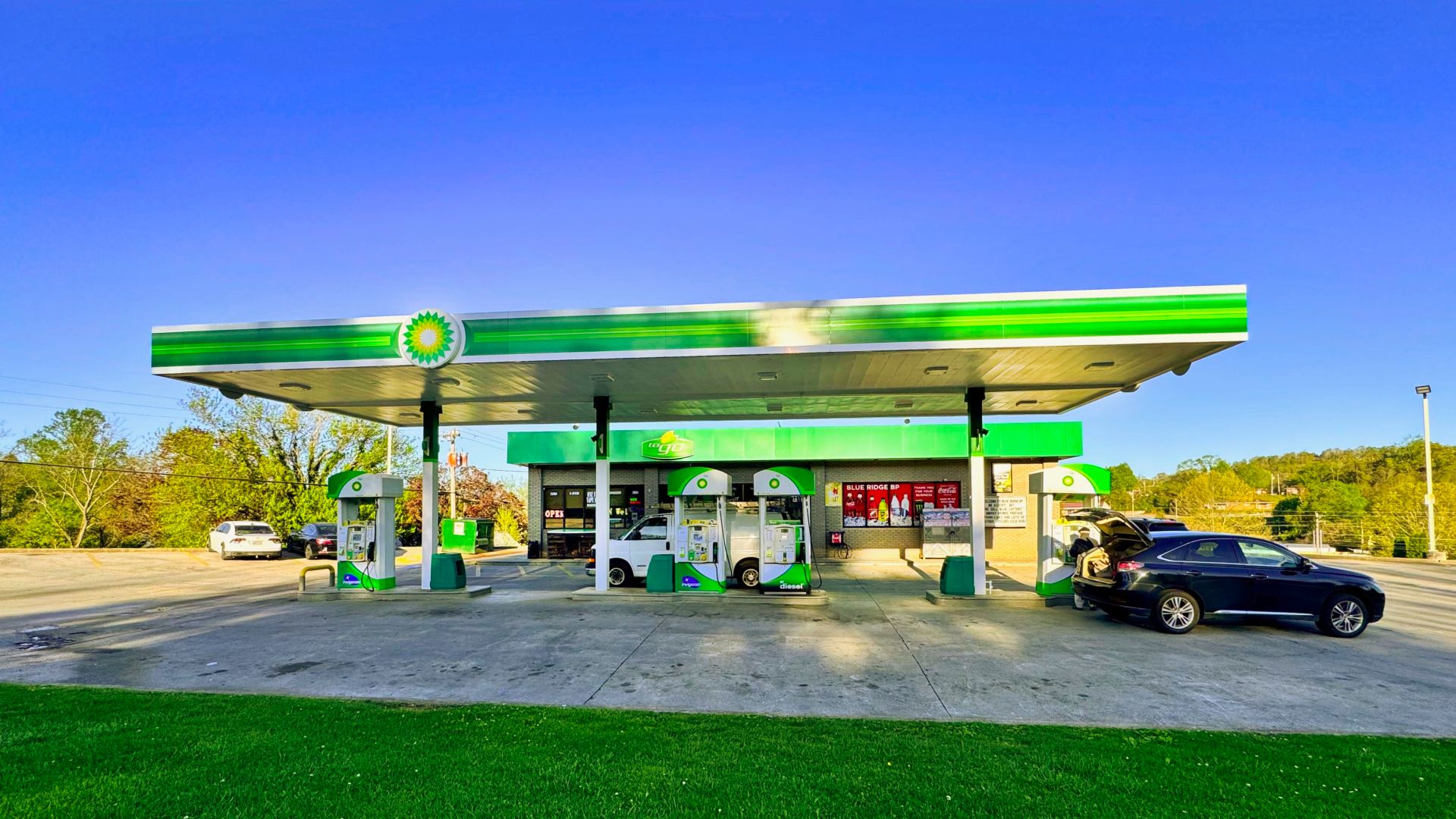
Fill up as close to the rental location as you can, ideally within a couple of miles. Keep the printed or digital receipt, snap a quick photo of the gauge and odometer, and confirm the fuel level on the return record. It takes about two minutes and can save you a long fight later.

When Prepaid Fuel Actually Makes Sense
There are times when prepaid fuel is a fair deal, like a very early airport departure, a drop-off site with few nearby gas stations, or a trip that makes refueling a real hassle. Even then, it usually only works in your favor if you expect to return the car close to empty. If you are the kind of driver who always tops off before drop-off, prepaid fuel is usually a bad bet.

What to Say When You Challenge the Charge
Keep the complaint short and specific. List the return date, location, contract number, and the fact that you refueled shortly before returning the car. Then attach the receipt and photos, and ask for the fuel charge to be removed and for a corrected final receipt.

The Bottom Line for Travelers
Fuel charges keep happening because rental systems move fast, contracts give companies broad room to bill, and the best evidence usually belongs to whoever documented the return better. The good news is that this is one travel problem where a little prep goes a long way. A fill-up nearby, a saved receipt, and one clear dashboard photo are still the best ways to stop a full tank from turning into a billing mess.