
The Empty Bedroom Trap
An unused bedroom in a vacation rental can look like an open invitation, especially to a family member who thinks extra space should not sit empty. But that is not how it works. A booked room is not the same as an open offer. Travel etiquette and rental platform rules both point to the same answer: the people who booked the place decide who gets invited.

When Family Assumes Too Much
These fights usually start with one loaded assumption. Someone pays for a trip and plans around privacy, budget, or downtime. Then a relative sees the extra bed and acts like it is theirs for the taking, as if an empty room is the same as a reserved seat with their name on it.

A Vacation Rental Is Not A Public Asset
Booking a bigger house does not give extended family automatic rights to stay there. The reservation belongs to the guest who signed the agreement and paid for it under the property’s terms. Whether the stay is through Airbnb, Vrbo, or a direct booking site, the host sets occupancy rules, and the person who made the booking controls the guest list.

What Airbnb Says About Extra Guests
Airbnb’s help pages say guests are expected to follow the host’s house rules, including approved guest counts and limits on visitors. Many listings spell out the maximum number of overnight guests and may charge more for extra people. So adding someone, even a parent, can create a policy problem as well as a family one.

Why Hosts Care Who Sleeps There
Hosts do not ask for guest counts just to pry. Occupancy affects insurance, cleaning, wear and tear, local rules, and sometimes safety limits like fire codes. If someone adds themselves without permission, the host may treat that person as an unauthorized guest, not a harmless last-minute add-on.

Vrbo Takes A Similar Position
Vrbo says travelers need to follow the rental agreement and the host’s occupancy rules. Many rentals have clear limits on who can stay overnight, and extra guests can lead to added fees or even cancellation. So this is not only about feelings or manners. It can turn into a real money and logistics problem.

The Difference Between Space And Permission
This is the heart of a lot of family travel drama. Space tells you what is possible. Permission tells you what is allowed. An empty room may make a visit possible, but it does not make it approved.

Why This Feels So Personal
Family trips tend to bring up old expectations about access, obligation, and closeness. A parent may think, “I’m family, so of course I belong there.” The person who booked the trip may think, “I planned this carefully, and that should be respected.” Both reactions make sense, but only one person controls the reservation.

Etiquette Experts Land On Consent
Advice columns and etiquette experts are pretty consistent on this point: invitations are offered by the host or organizer, not claimed by someone who wants in. The Emily Post Institute, one of the best-known names in etiquette, stresses respecting a host’s plans and boundaries. Put simply, inviting yourself is still inviting yourself, even if the spare bed is made up and ready to go.

Why Money Changes The Mood
If the original travelers paid for the rental, they may also be expected to cover the added cost of one more person. That can mean groceries, transport, attraction tickets, linens, parking, or host fees. Even if the extra guest offers to chip in later, the bigger issue is the one-sided decision, not just the cost.

Shared Space Is Not Neutral
One extra person changes more than the headcount. It can affect sleep schedules, bathroom use, kitchen traffic, noise, and how much alone time a couple or family thought they would have. The “but there’s a room” argument skips over the fact that shared travel is about mood as much as square footage.

Privacy Is A Legitimate Reason To Say No
You do not need some dramatic reason to turn someone down. Wanting a quiet trip, a trip with just your household, or time away from tricky family dynamics is enough. Adults do not owe a full defense of every travel boundary just because a relative spotted empty space.

The Booking Terms Matter More Than Family Logic
Rental platforms run on written rules, not family logic. If a property was booked for a certain number of guests, adding another person may require host approval or a change to the reservation. A mother who “booked herself in” without asking may not have arranged anything valid at all if the host never approved it.

What To Check First
If this has already happened, start with the reservation details. Check the guest count, the house rules, and whether extra overnight guests or visitors need approval. Then contact the host or review the platform’s policy before deciding what to do, because the booking terms may settle the issue fast.

Do Not Let The Host Be The Surprise Witness
One awkward version of this fight happens when the host is the first person to find out about the added guest. That can damage trust and lead to a tense check-in. It is much better for the original booker to clear things up early than to let the host draw the line on arrival day.

How To Handle The Conversation
Keep it simple and direct. You can say that an empty room does not mean the trip is open to more guests, and that people need to ask before making plans that involve your reservation. Calm, clear language usually works better than a long argument over whether your reasons are “good enough.”

Try This Practical Script
A simple version is: “I know there is an extra bedroom, but we did not invite additional guests on this trip. Please cancel your plans, because we are not able to host you during this stay.” It is polite, clear, and hard to twist. It also keeps the focus on the decision instead of turning into a long list of complaints.
If She Already Contacted The Host
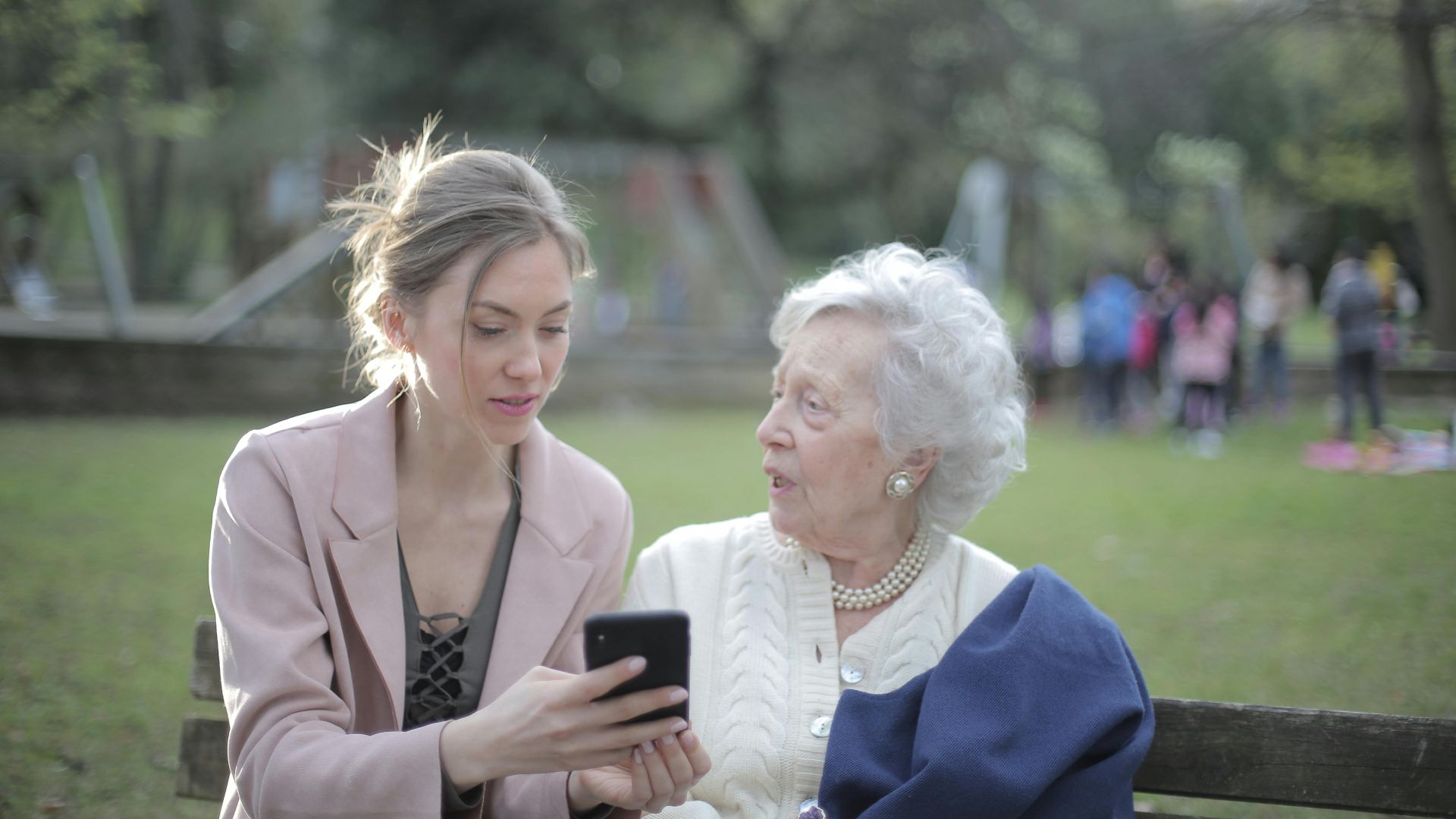
If your mother reached out to the host directly, find out who controls the reservation and whether any change was actually approved. On major rental platforms, the main guest usually manages the booking, not relatives acting on their own. Clearing that up quickly can stop a bigger fight later over who said yes.

What If She Offers To Pay
Money can fix some travel issues, but it does not create a right to come along. Paying for the room does not change the effect on privacy, schedules, or the point of the trip. If you do not want another guest, an offer to pay misses the point.

When Guilt Enters The Room
Family members who invite themselves sometimes switch to hurt feelings once they hear no. That can sound like, “I just wanted to spend time together,” or “I thought family was welcome.” You can acknowledge the feelings without giving up the boundary, because disappointment does not make the request reasonable.

There Is Also A Safety Angle
Occupancy limits are not just about convenience. Local short-term rental rules and fire safety standards can cap how many people are allowed to stay in a home. One extra person may not seem like a big deal, but it can still create compliance problems for the host.

Last-Minute Additions Can Ripple Through The Trip
One added guest can mean changes to airport pickups, sleeping plans, meals, and activity bookings. If the trip was planned for a couple, a small family, or a specific group, the whole feel of it can change overnight. What looks like one harmless room can turn into a very different vacation.

When The Answer Is Yes, It Still Should Be Asked
Sometimes the original travelers truly do not mind, and the host is fine with one more person. Even then, the right move is still to ask first and confirm the booking terms. The lesson is not “never add family.” It is “never assume family can add themselves.”

Set The Rule Before The Next Trip
If your family tends to blur travel boundaries, be clear before anything gets booked. Say who is invited, who is not, and whether extra guests are off the table unless everyone agrees. Clear expectations beat post-booking drama almost every time.

Consider A Group Message For Clarity
For some families, one direct talk is not enough because stories get retold and details get fuzzy. A short message confirming the guest list can clear up confusion and leave a written record. It may feel a little formal, but it is often kinder than letting people make assumptions.

The Bottom Line On Entitlement
An unused room does not give anyone the right to join your vacation. What matters is the invitation, the reservation terms, and the consent of the people who planned the trip. In travel, just like in regular hosting, empty space is not the same as an open door.

Protect The Trip You Actually Planned
Vacations are expensive, emotionally charged, and usually too short to spend dealing with surprise guests. If a parent booked herself into your rental without asking, you are not being rude by holding the line. You are protecting the plans, boundaries, and booking rules that were already in place before she tried to claim the spare room.