The Midnight Gym Problem
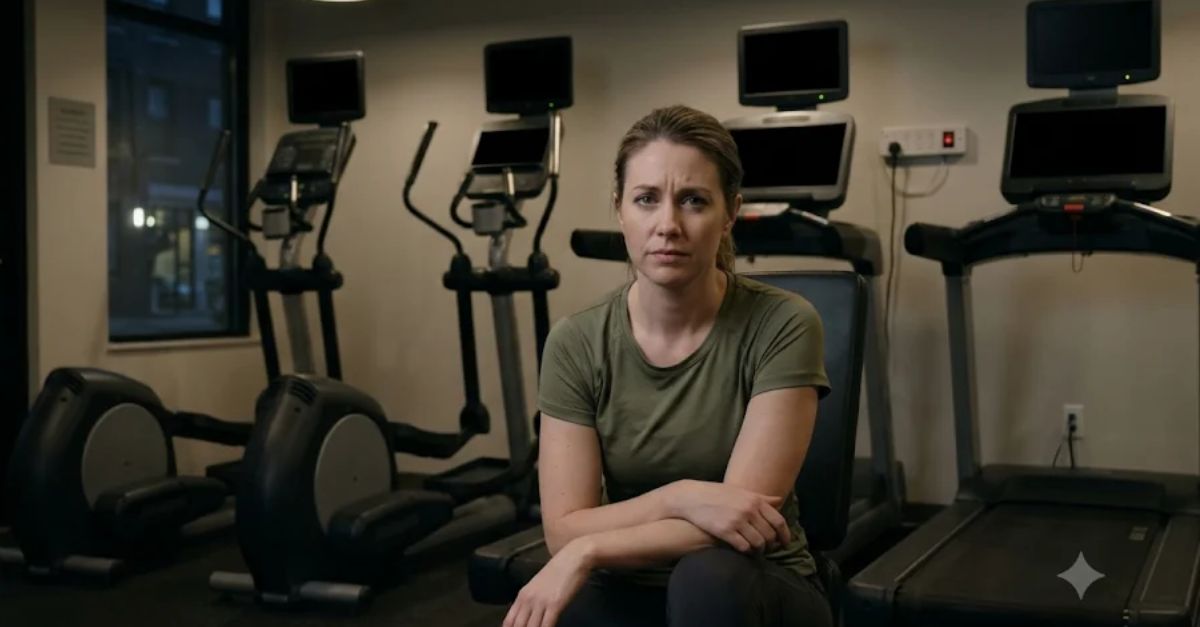
You book a hotel, spot “gym open 24 hours,” and figure you can squeeze in a workout whenever jet lag hits. Then you show up at 1 a.m. and find the room open but the machines switched off. That is where the real issue starts.
What “Open” Usually Means
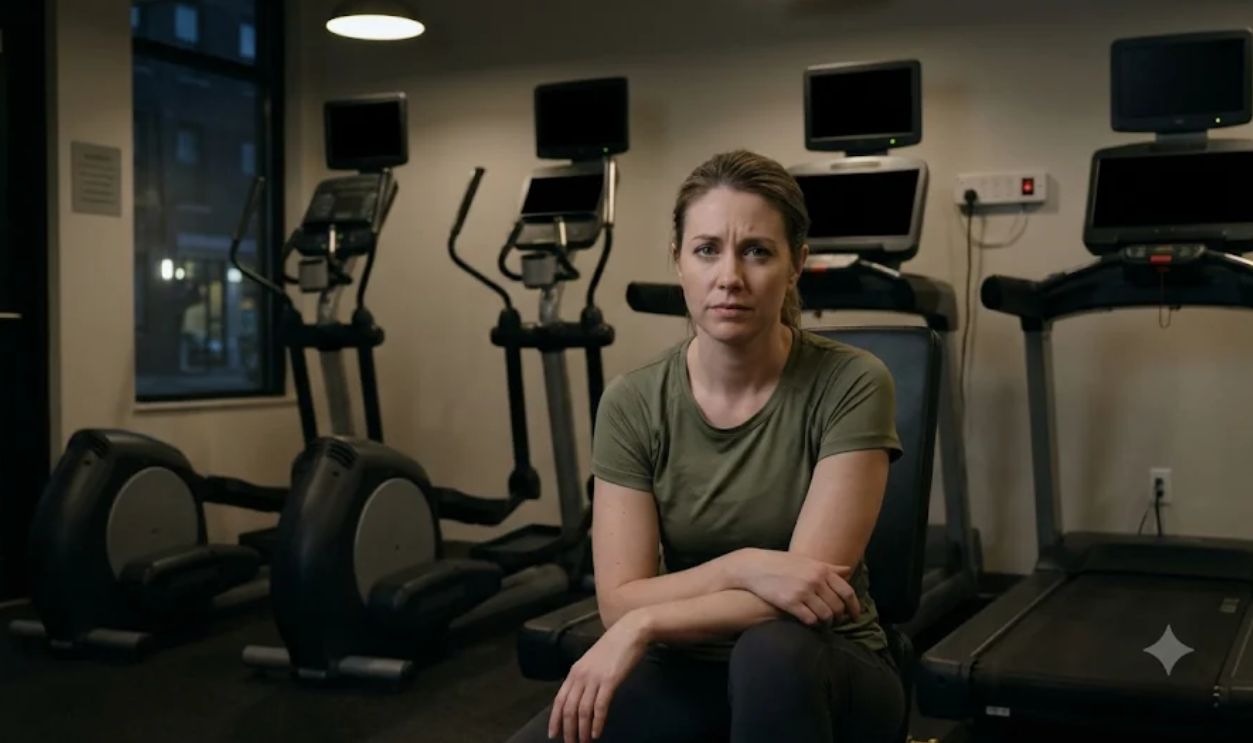
For most travelers, “open 24 hours” means more than being able to walk into the room. It means the equipment inside is there to use at any hour. If the main machines are shut down overnight, plenty of guests would say the gym is not really open in the normal sense.

Why It Matters
For some people, a hotel gym is just a nice extra. For others, it is part of why they book. Business travelers, long-haul flyers, and people trying to keep up a routine may choose one hotel over another because of that promise. If the hotel sells round-the-clock gym access but cuts back what you can actually use, it can feel less like a small hassle and more like a broken promise.
What UK Ad Rules Say
In the UK, the Advertising Standards Authority says ads must not materially mislead people or be likely to do so. The CAP Code, which the ASA enforces for non-broadcast ads, also says businesses must not mislead by leaving out important information. In simple terms, if a hotel says the gym is open 24 hours, any major limit should be made clear.
The Rule On Small Print
The CAP Code also says qualifications can explain a claim, but they have to be clear. A tiny footnote or a buried note on a booking page may not fix a bold headline if the overall impression is still misleading. That matters if a hotel says “24-hour gym” but does not plainly mention that powered equipment shuts down overnight.
 Fernanda da Silva Lopes, Pexels
Access Is Not The Same As Use
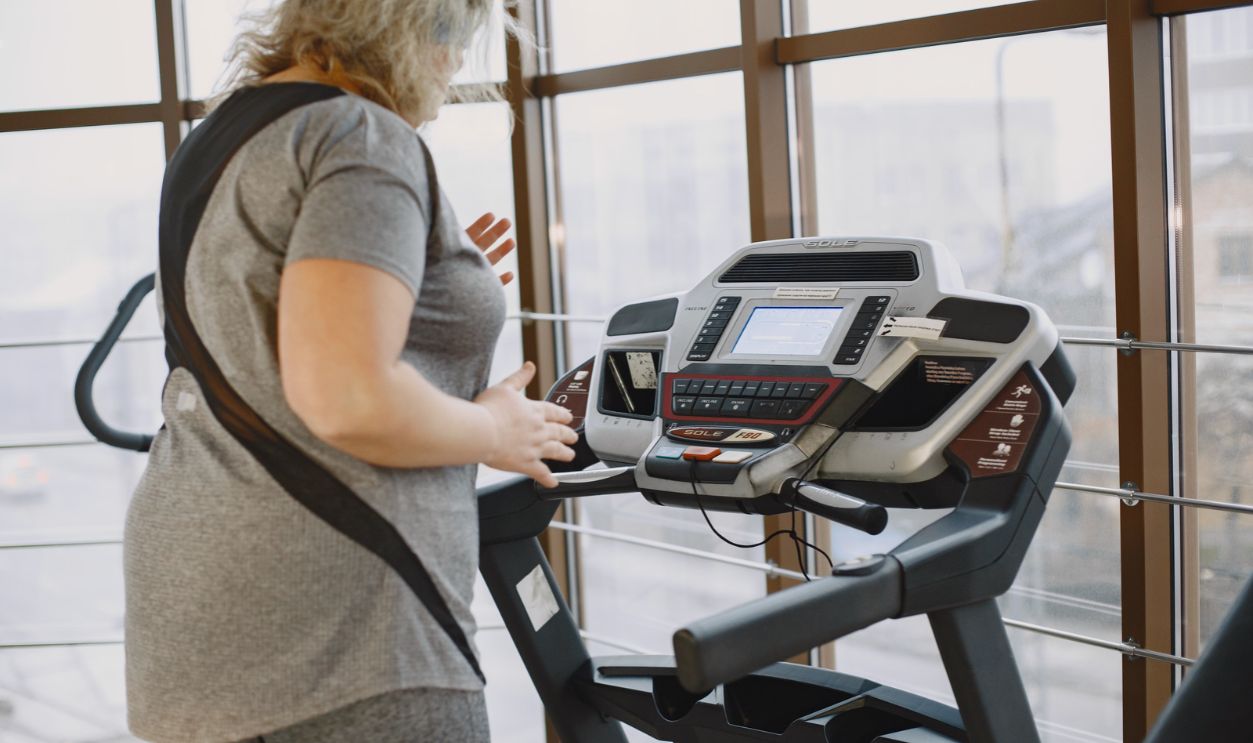
This is the key point. A hotel may say the gym is open because you can still get into the room all night. But from a guest’s point of view, a gym with cardio machines you cannot use is not the same as a fully working gym.
What Consumer Law Looks At
The Consumer Protection from Unfair Trading Regulations 2008 ban misleading actions and misleading omissions in business-to-consumer sales. A claim can be a problem if it gives false information or if it misleads the average consumer in a way that affects a buying decision. That could include picking one hotel over another because it promised a 24-hour fitness facility.
The “Average Consumer” Test
Consumer law does not ask whether every single guest was confused. It looks at the likely impression on the average consumer. If most people would take “open 24 hours” to mean the equipment is available through the night, a hotel is on shaky ground if that is not actually true.
Hotels Need To Give Key Facts Early
The Competition and Markets Authority has repeatedly said that important information should be shown clearly and in time for people to make an informed choice. Much of its hotel work has focused on pricing, but the same idea applies to amenities. A major limit on gym use is the kind of detail many guests would want before booking.

Consumer Rights Cover Services Too
Under the Consumer Rights Act 2015, services must be carried out with reasonable care and skill. Information said or written to the consumer about the service can also become binding if the consumer relies on it. So if someone books partly because a hotel promises a 24-hour gym, that statement may matter more than vague marketing language.

When A Headline Becomes Misleading
A broad claim can be technically defensible and still mislead people in practice. If a hotel says the gym is open 24 hours but knows most machines are turned off from midnight to 6 a.m., the headline may leave the wrong impression, even if there is fine print somewhere else. Regulators usually look at the overall takeaway, not just the exact wording.
Broken Machine Or Standing Policy
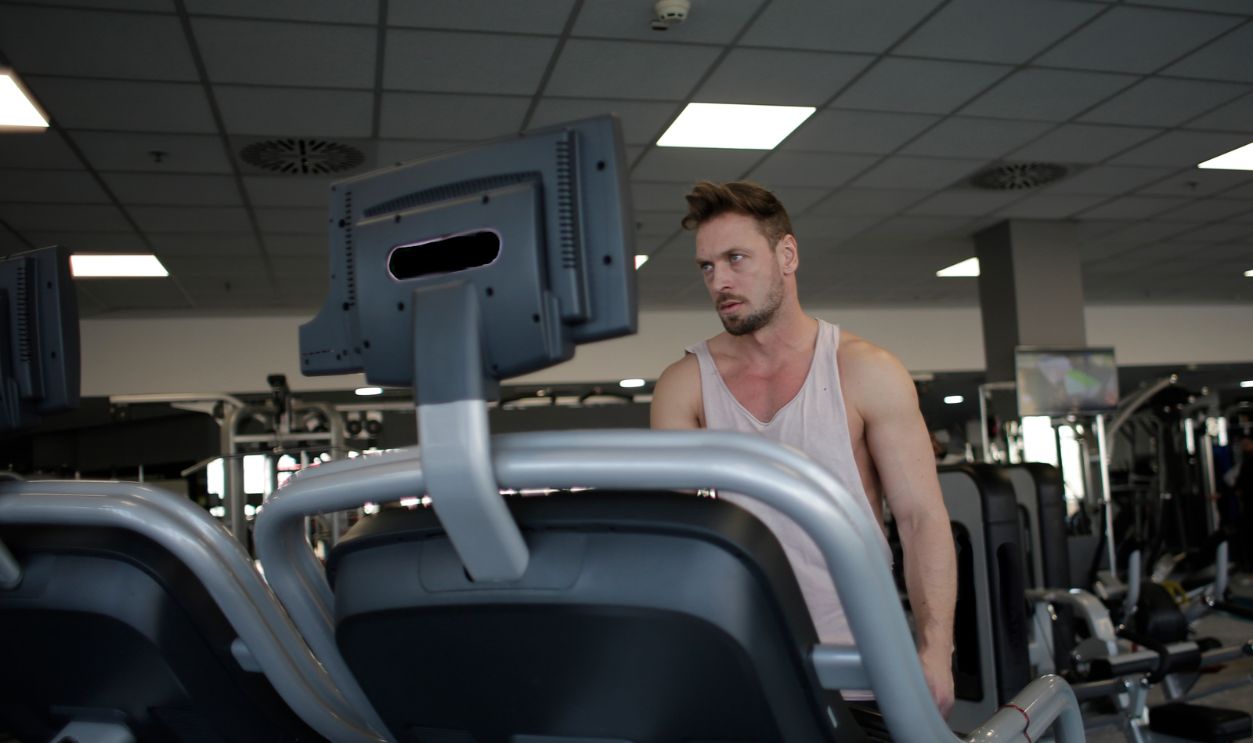
Travelers are usually pretty forgiving when one machine breaks without warning. That is different from a set overnight policy that shuts equipment down every night. A regular shutdown is a known limit, and known limits are usually the sort of thing businesses are expected to disclose clearly.
Energy Saving Does Not Settle It
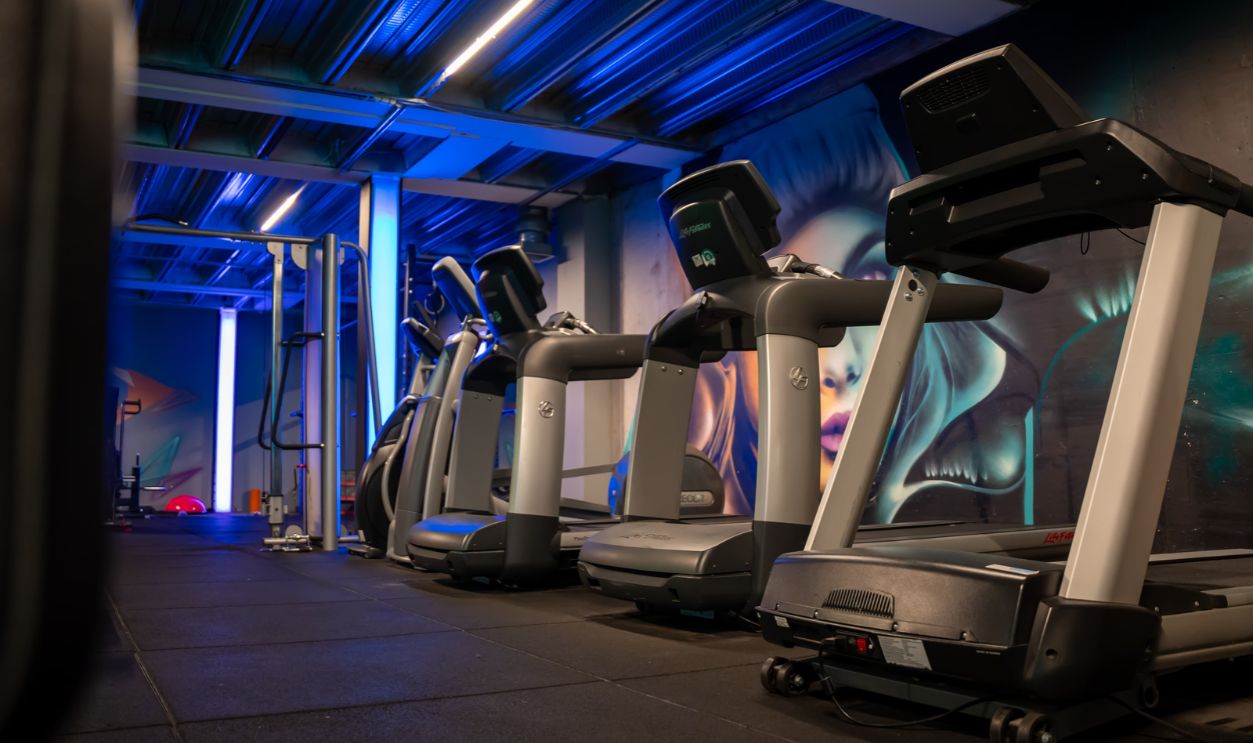
Hotels may have fair reasons for overnight shutdowns, like saving energy, keeping noise down, or dealing with safety concerns. Those reasons may make sense operationally, but they do not answer the ad question. A practical reason does not automatically make a potentially misleading claim accurate.
What If Some Equipment Still Works
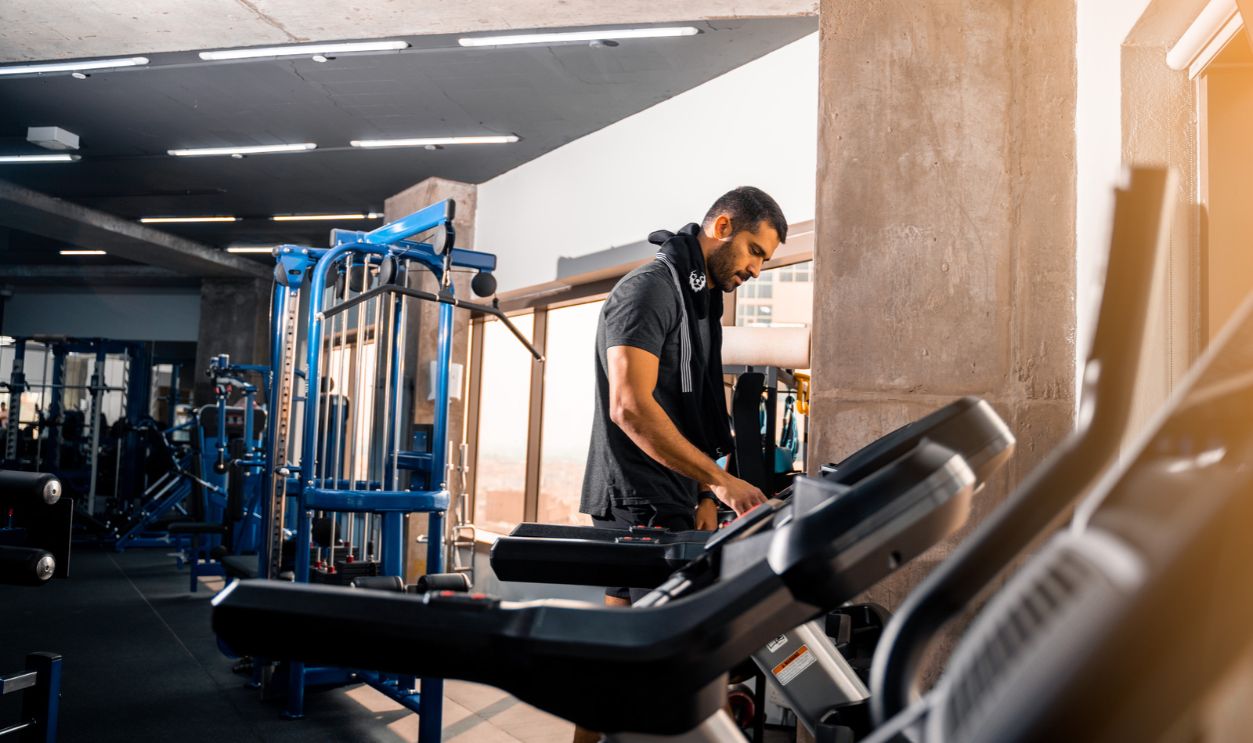
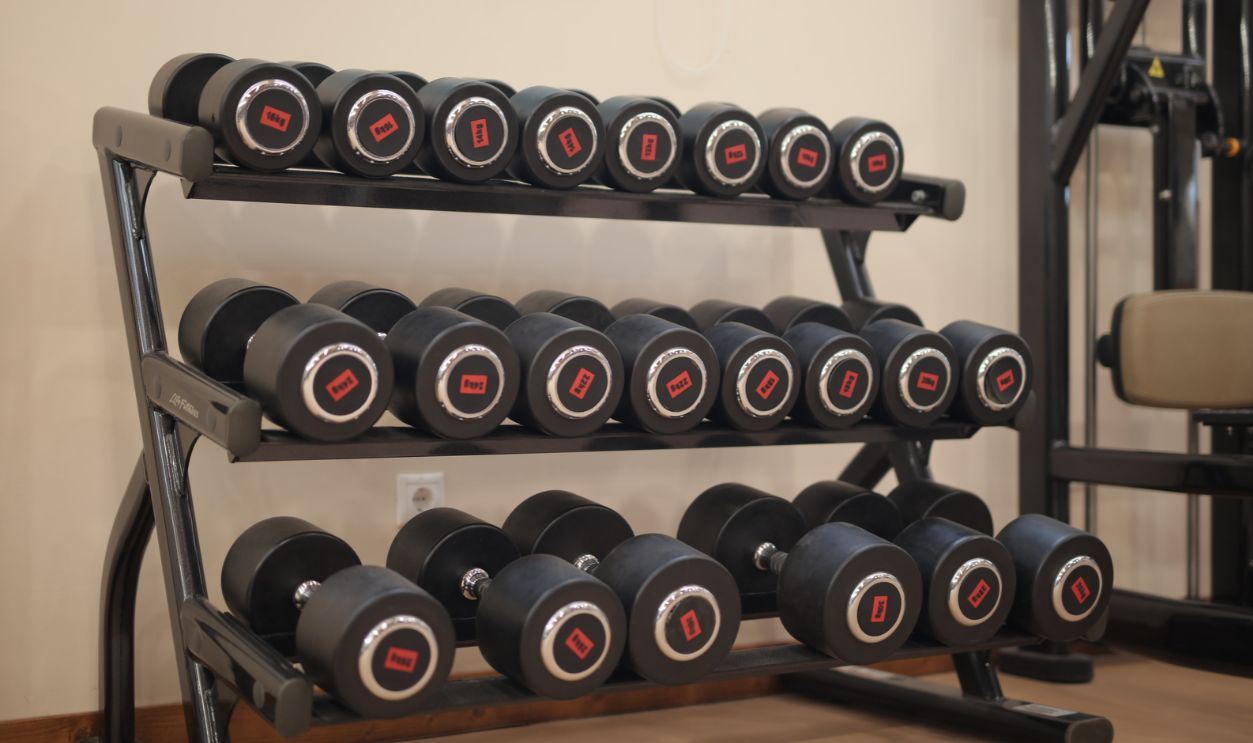
If free weights, mats, and benches are still available overnight, a hotel might say the gym is still usable. But that still may not match what many guests expect from a hotel gym, especially if treadmills, bikes, and ellipticals are the main attraction. Whether the claim feels fair often depends on how central the disabled equipment is to normal gym use.
Timing Matters
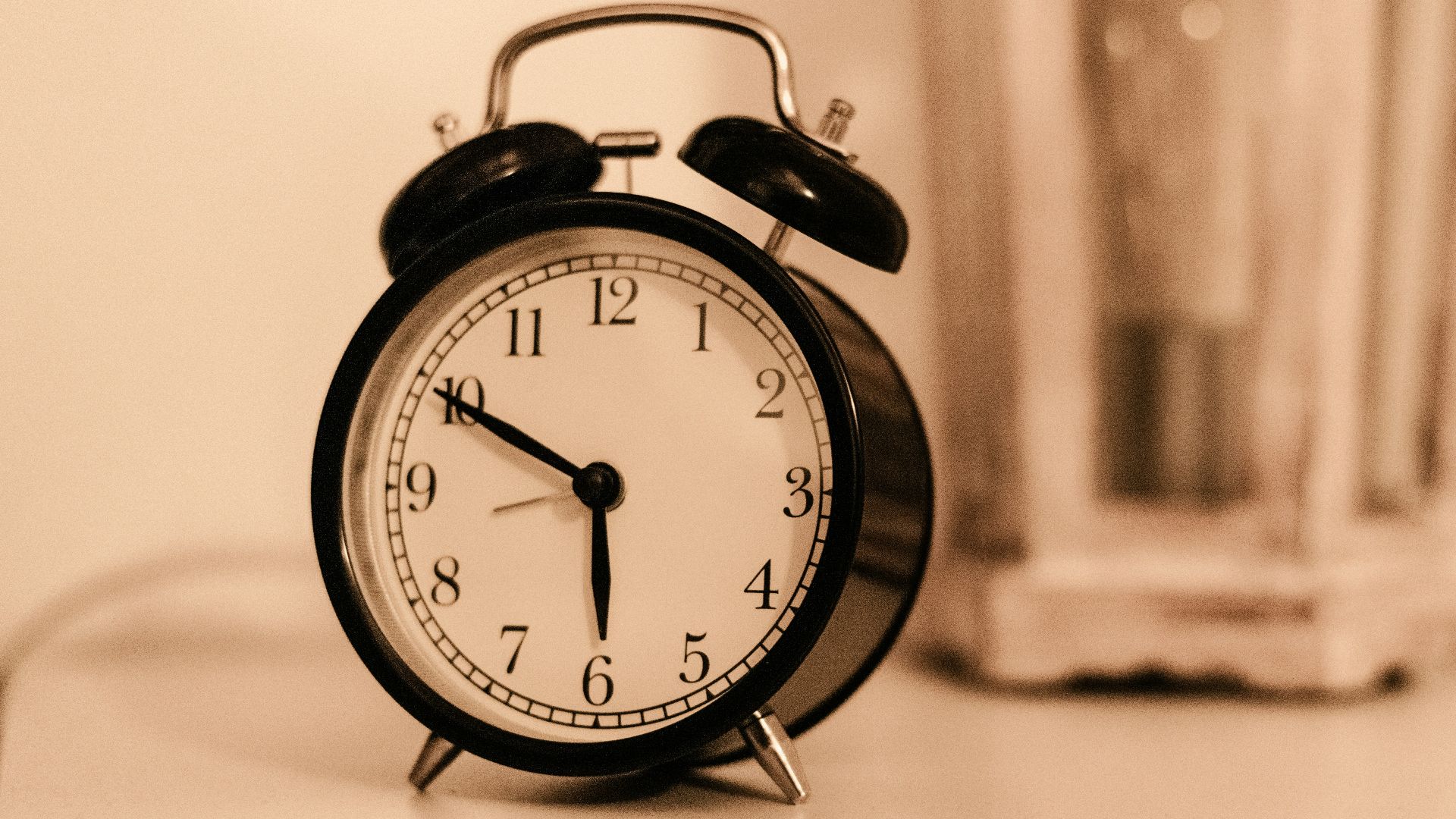
A short reset of a few minutes is one thing. A six-hour shutdown is another. The longer the restriction lasts, the harder it is to square with the idea of a true 24-hour facility.
How This Affects Booking Choices
Hotel amenities often decide the winner when price and location are close. A traveler arriving late, waking early, or crossing time zones may specifically pick a hotel with a 24-hour gym. If the machines go dark at exactly the hours that matter most, the impact is obvious.

What A Clearer Claim Would Look Like
There is an easy fix. A hotel could say, “Gym accessible 24 hours. Cardio equipment unavailable between midnight and 5 a.m.” That gives guests the real picture and lets them decide whether it works for them.

Why Clear Wording Is Safer
Clear wording helps everyone. Guests know what they are getting, and hotels cut the risk of complaints, chargebacks, and bad reviews. In travel, the problem is often not the limit itself. It is the surprise.

What To Do At The Hotel
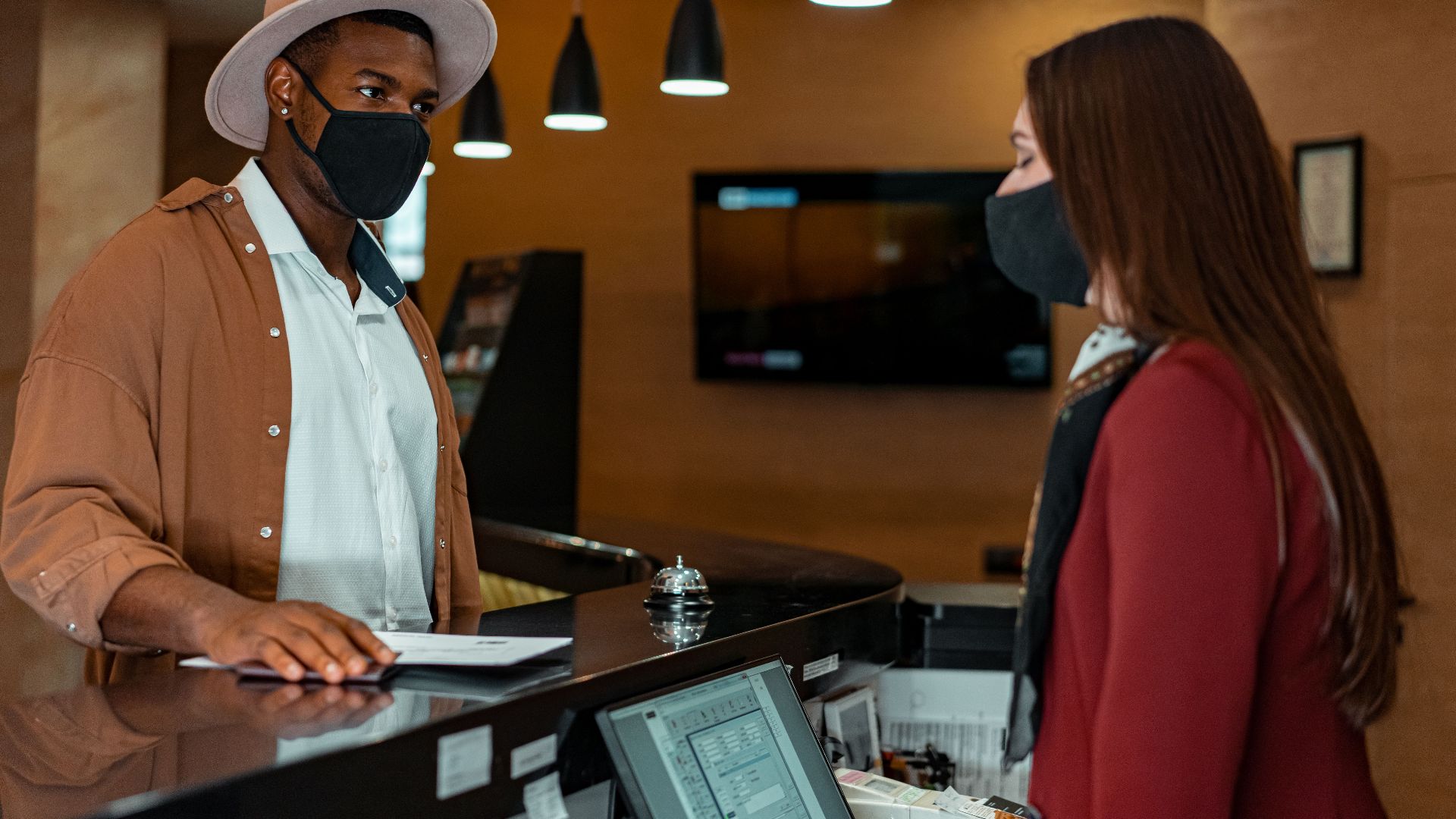
If you discover the overnight shutdown on site, start with the front desk. Ask them to explain the policy, confirm the exact hours, and say whether any equipment can be switched back on. If this was not disclosed before booking, calmly point out that the amenity appears different from how it was advertised.
Document What You Found
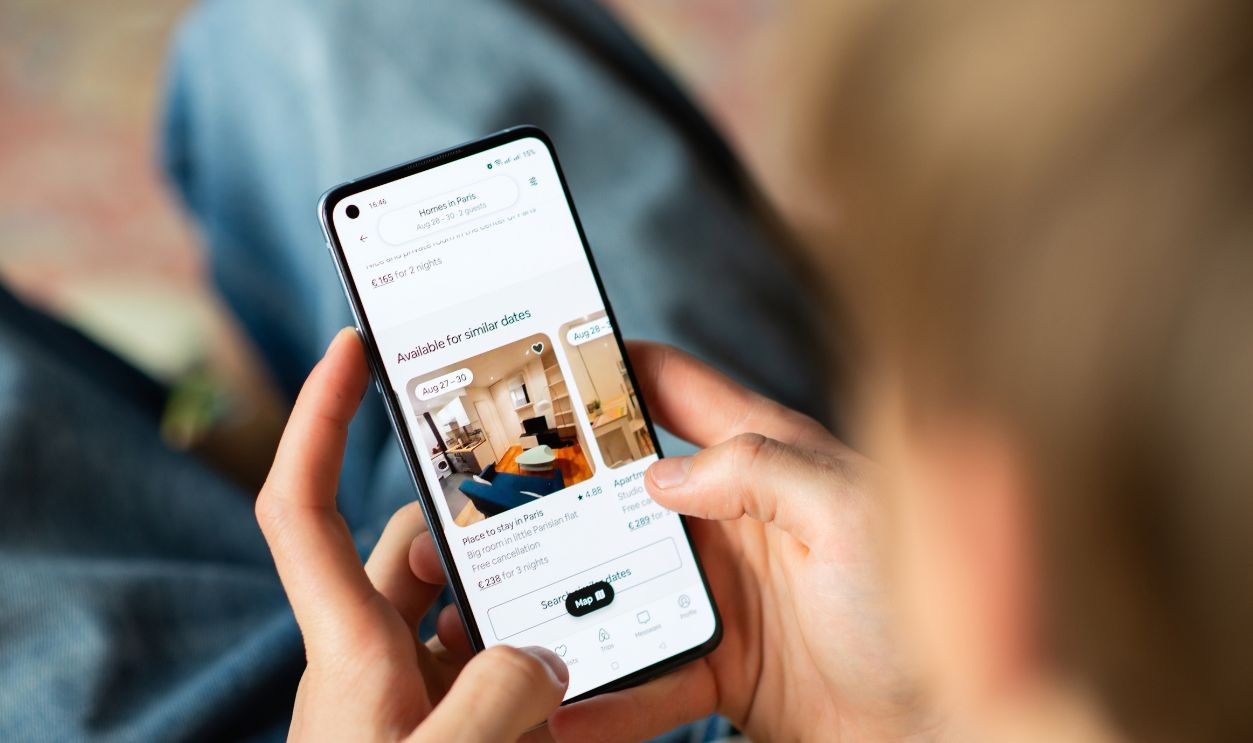
Take screenshots of the hotel listing, website page, or confirmation email that described the gym. Photograph any signs in the fitness room that show restricted hours or equipment shutdowns. That record can help if you later ask for compensation or raise the issue with a booking platform.

Ask For A Practical Fix First
The quickest solution may be a workable compromise rather than a refund. You could ask for access to a nearby partner gym, a partial credit, or a late checkout if the issue disrupted your routine. Hotels are often more open to requests that sound practical and reasonable.
 LightField Studios, Shutterstock
When To Escalate
If the front desk cannot sort it out, send a short written complaint to hotel management after your stay. Explain what was advertised, when you found the machines switched off, and why it mattered to your booking decision. Keep it calm and specific. A clear timeline usually works better than a general rant.

Booking Platforms May Help
If you booked through an online travel agency, check whether the amenity description also appeared on the platform listing. If it did, raise the issue there as well. Platforms may not decide legal fault on the spot, but they often log complaints and sometimes help with refunds or credits.
Reviews Can Help Other Travelers
If the hotel does not fix the issue, a factual review can warn future guests. Stick to what happened, including the date, time, and which equipment was unavailable overnight. Specific details tend to carry more weight than broad claims that the whole stay was a disaster.

Hotels Can Avoid This Easily
This kind of dispute is not hard to prevent. If access is 24 hours but full operation is not, the listing should say so clearly and early. One crisp sentence is better than an argument at 1 a.m. next to a dark treadmill.
So Does It Count As Open
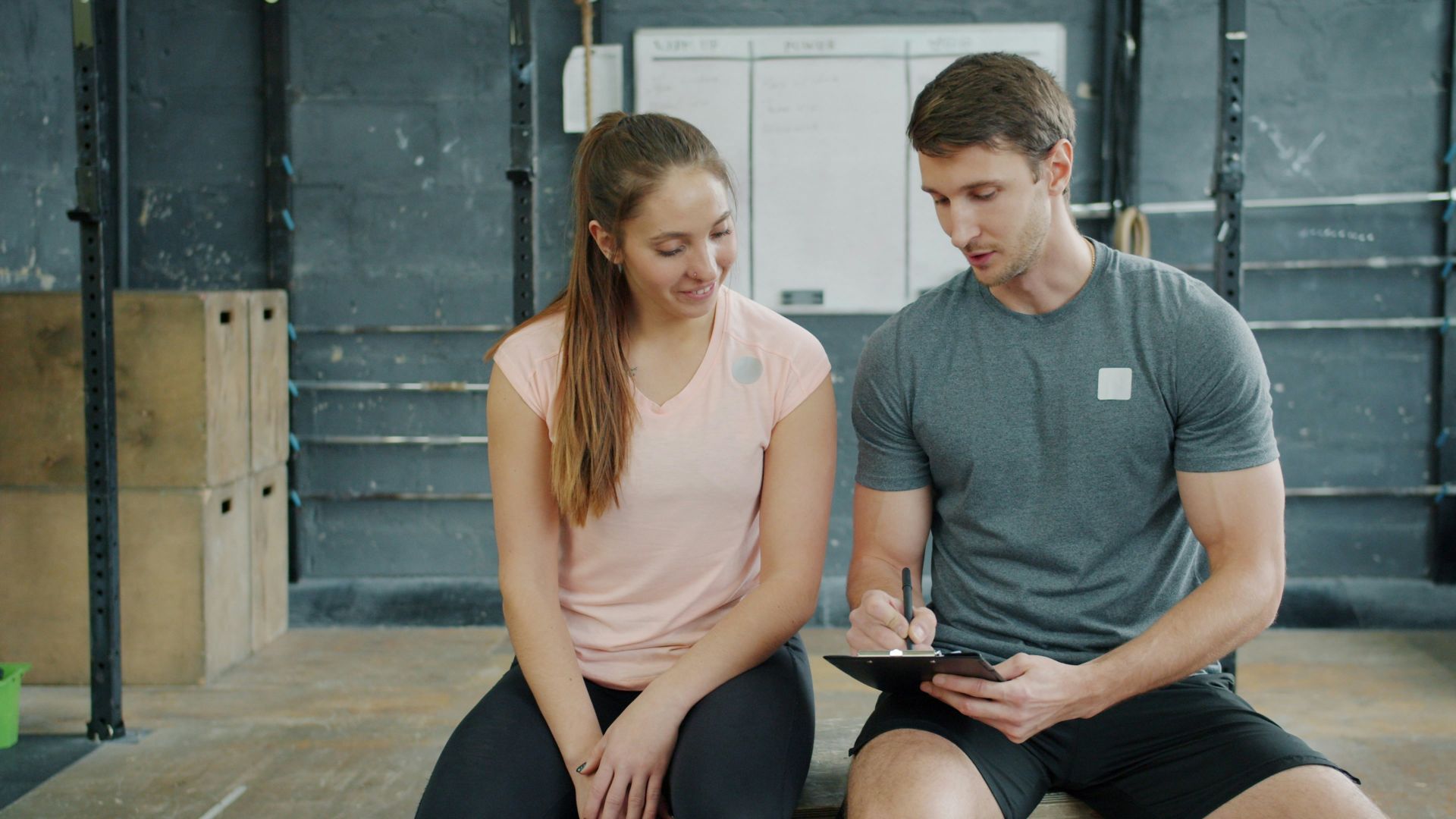
In the everyday sense most travelers care about, probably not fully. A room may be physically open while the main equipment is unusable, but that is not what many guests mean by a 24-hour gym. The fairest view is that a hotel should not market the facility as simply “open 24 hours” unless the equipment needed for normal use is available for that whole period, or any major limit is clearly disclosed.
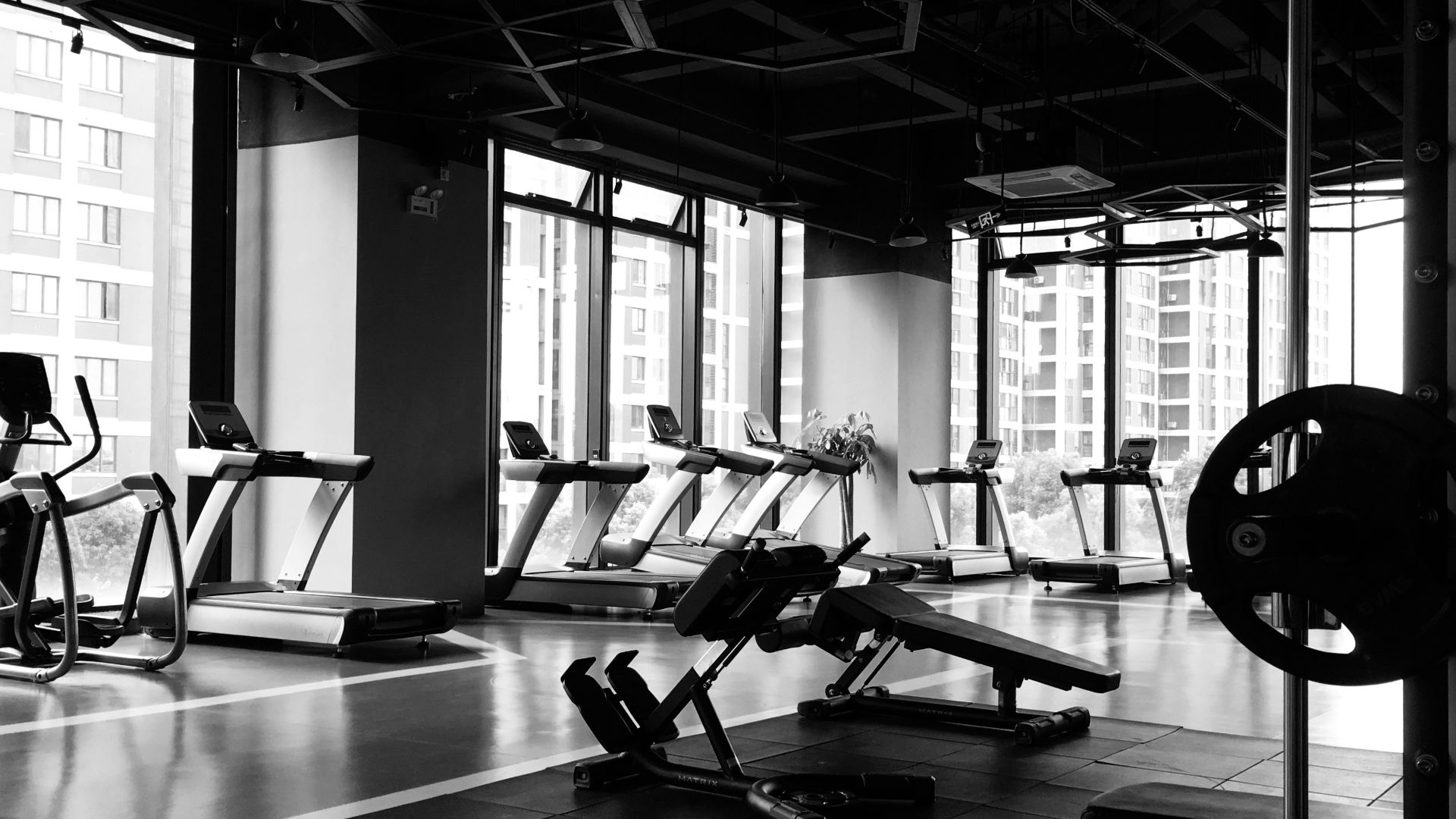
The Bottom Line
If round-the-clock gym access really matters to you, do not rely on the headline alone. Check the hotel website, call ahead, and ask whether all equipment works overnight. It is a small step that can save a lot of disappointment when the lobby is quiet, the city is asleep, and the treadmill is sitting there powered off.