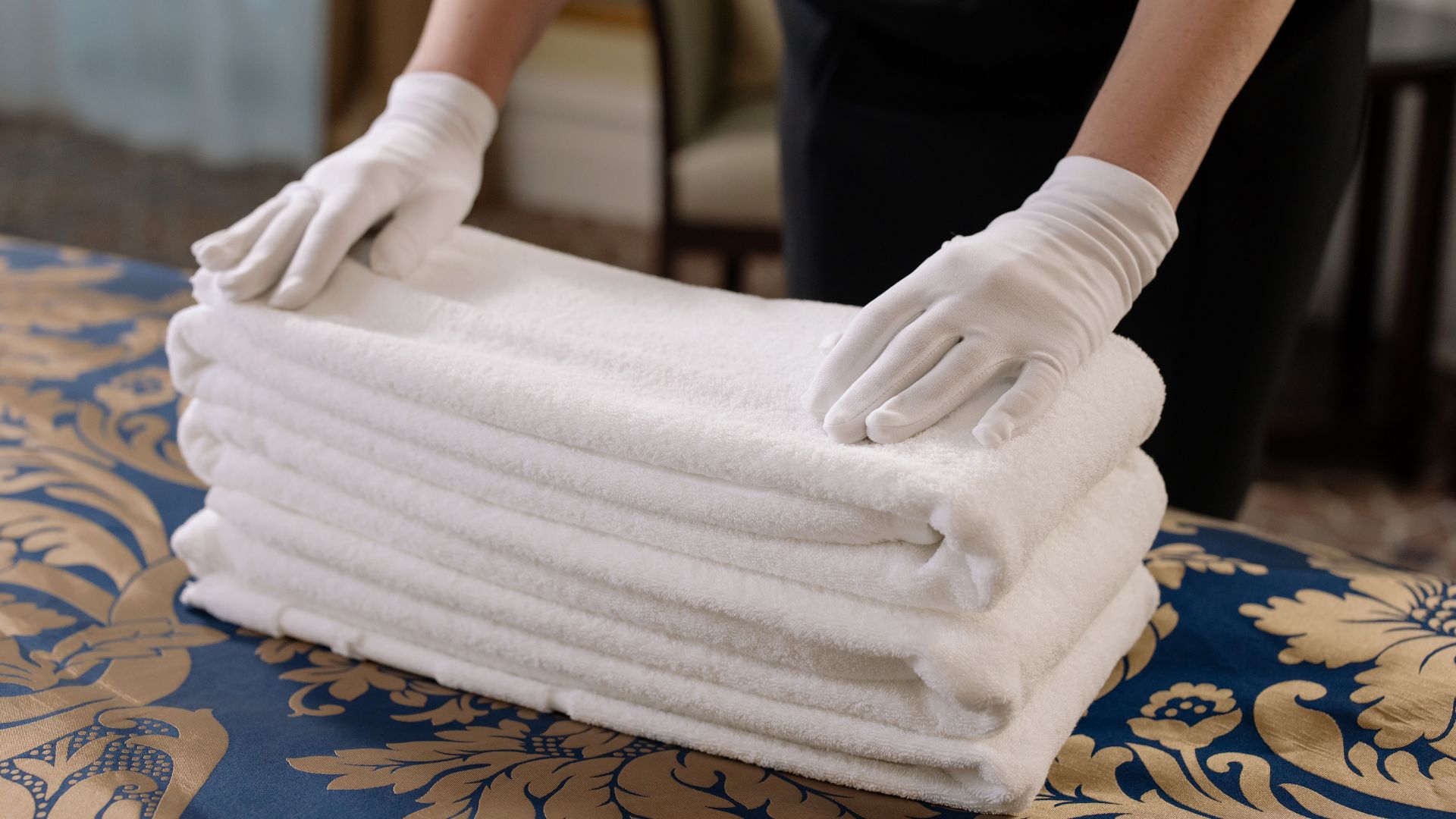
The Pool Towel Charge That Wouldn’t Go Away
A small hotel fee can seem too minor to bother with, which is exactly why it gets so frustrating when you know it's wrong. Hotel billing mistakes often show up in small extras that guests may not notice until after checkout, and it's impossible not to wonder if that's what the hotel is banking on.

Why Small Charges Feel So Annoying
A surprise towel fee is not usually a financial disaster. It is the principle of it, plus the hassle of trying to prove what happened after the trip is over. Hotels handle huge numbers of folios, add-ons, and incidental holds, so even a small mistake can turn into a long and irritating back-and-forth.

Hotels Do Make Billing Mistakes
Consumer protection agencies have long warned travelers to check hotel bills closely. The Federal Trade Commission says consumers should dispute billing errors quickly and keep records, because businesses do not always catch mistakes on their own. That advice matters in hotels, where minibar charges, parking, resort fees, and pool towel systems all create room for error.

Extra Fees Have Been Under Scrutiny For Years
Resort fees and other mandatory charges have drawn years of criticism from both regulators and travelers. In 2024, the Federal Trade Commission announced a final rule aimed at banning hidden junk fees in live-event ticketing and short-term lodging. The rule does not focus on pool towels, but it reflects a bigger issue: travel pricing and add-on charges are often confusing and hard for consumers to spot.

When A Towel Charge Is Actually Legit
Some hotels and resorts do charge for missing pool towels, especially when guests check them out using a towel card, room number, or wristband system. That is not automatically unfair if the policy is clearly disclosed and applied correctly. The problem starts when the hotel cannot confirm that a towel was really missing but charges the guest anyway.

It Is Not Always A Grand Scheme
Do hotels assume guests will not fight small charges? Sometimes, maybe. But a lot of the time the answer is less dramatic: weak staff handoffs, sloppy records, rushed checkouts, and systems that automatically post a fee unless someone removes it.

Why Small Disputes Often Work In The Hotel’s Favor
A $10 or $25 fee sits in an awkward spot. It is enough to irritate you, but not always enough to make you spend an hour chasing it down. Businesses understand that friction matters. Even without any deliberate plan, a charge that is annoying to challenge has a better chance of sticking.

Consumer Watchdogs Know This Pattern
The Consumer Financial Protection Bureau has repeatedly warned that junk fees can drain money from consumers because they are scattered, unexpected, and hard to challenge. In a 2022 request for information, the CFPB said these fees can exploit complexity and make comparison shopping harder. The bureau often focuses on banking and finance, but the same logic fits travel fees too.
 G. Edward Johnson, Wikimedia Commons
Many Guests Notice The Fee Later
A lot of hotel billing disputes do not start at checkout. They begin days later, when the final amount hits a credit card statement. By then, the towel is long gone, memories are less clear, and the employee who handled checkout may not even be around. That delay makes it tougher for guests to prove their side and easier for a bad charge to stay put.

How Towel Tracking Usually Works
At some resorts, guests trade a card for a towel and get the card back when they return it. At others, a staff member scans a wristband, writes down a room number, or uses a paper log. Every one of those systems can break down if a handoff is missed, a line gets busy, or a returned towel is never properly logged.

A Missing Receipt Can Become The Whole Fight
If the hotel gives you a towel card back, a paper receipt, or a checkout folio showing no pending charge, keep it. That kind of proof can turn a messy argument into a quick fix. Without it, the guest may be stuck arguing against a property record that looks official, even when it is wrong.

What The FTC Says To Do About Billing Errors
The FTC recommends acting fast when you spot a problem on a credit or debit card statement. Consumers should contact the business first, then dispute the charge with the card issuer if needed, while keeping copies of emails, receipts, and notes from phone calls. That paper trail is often your best tool against a stubborn hotel fee.

Start With The Property First
Your first call should usually be to the hotel itself, ideally the front office manager or accounting department instead of a general reservations line. Ask for the exact date and time the towel charge was posted and what record supports it. A specific question often gets a much better answer than a vague complaint.

Ask Them To Show Their Proof
If the hotel says the towels were not returned, ask what supports that claim. Was there a towel card that was never turned in, a room number on a log, or a charge automatically generated by software at checkout? If they are charging you for missing property, they should be able to explain why.

Calm Escalation Usually Works Better
It is tempting to vent, especially when the amount is small and the principle feels big. But a calm message that includes your stay dates, folio number, the amount in dispute, and a request for reversal often goes further than anger. Hotels are more likely to fix a clearly documented mistake than respond well to pure outrage.
 Hryshchyshen Serhii, Shutterstock
Credit Card Protections Matter
If the property refuses to fix the charge, the Fair Credit Billing Act gives consumers important rights to dispute certain credit card billing errors. The CFPB says consumers should send a written dispute to the creditor at the billing inquiries address within 60 days after the first bill containing the error was mailed. Many card issuers also let you start online or by phone, but the written route remains the strongest legal protection.

Debit Cards Can Be Harder
With debit cards, the money leaves your account faster, and your protections can differ from those tied to credit cards. The CFPB advises reporting unauthorized or incorrect electronic fund transfers quickly because timing affects your rights. That is one reason many travel experts prefer using a credit card for hotel stays and incidental charges.
Know The Difference Between A Hold And A Charge
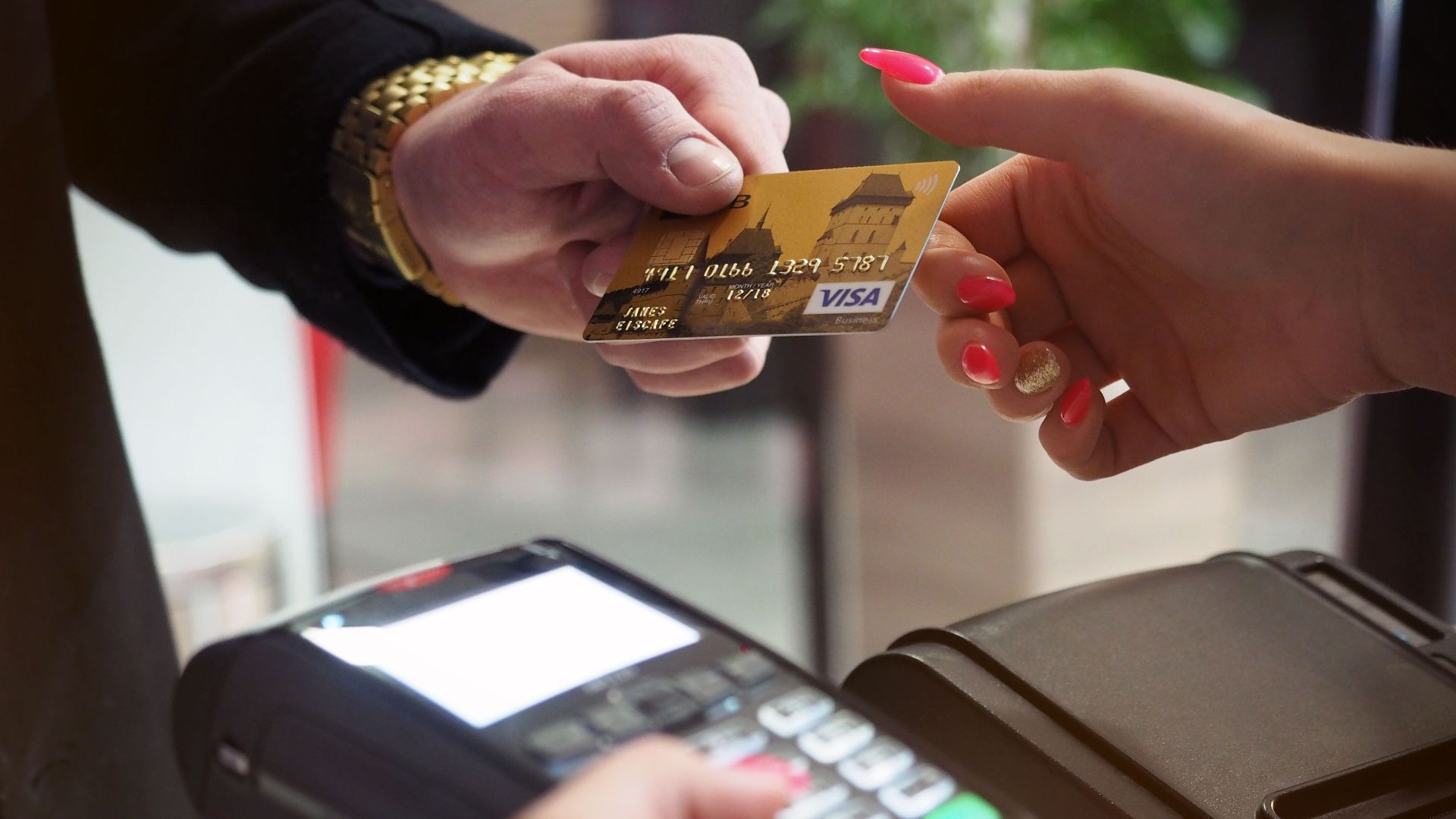
Hotel billing confusion often starts with an authorization hold, which is not the same thing as a final charge. A temporary hold for incidentals can look like a posted fee before it later disappears. Before escalating, make sure the towel amount has actually settled on the account and is not just part of a pending hold.

Why Front Desk Confusion Happens So Often
The person at the desk may not control the folio after checkout, especially at larger resorts. Night audit teams, accounting staff, housekeeping reports, and third-party property systems can all affect the final bill. That layered process helps explain how an incorrect towel fee can appear even when the guest did everything right.

Still, Some Businesses Do Count On Friction
Not every bad fee is accidental, and consumers are right to be skeptical. Regulators have spent years going after drip pricing and hidden charges because some companies profit from the fact that many people do not challenge them. A small fee that is hard to reverse can add up fast when it is repeated across thousands of stays.

How To Protect Yourself Before Leaving The Pool
If the resort uses a towel card system, treat that card like cash. Return towels directly to the staffed station if you can, ask for the card back right away, and take a quick photo if there is signage about charges for non-return. Those small habits can save a lot of hassle later.

The Checkout Move That Can Save You Trouble
At checkout, ask for a final folio by email before you leave the property. Scan it for unexplained charges, including parking, minibar items, and pool towel fees. If you catch the problem while you are still there, you have the best shot at finding the right employee and fixing it on the spot.

What To Say In A Dispute Email
Keep it short and factual. Say that you returned the pool towels, list the amount charged, include your stay dates and room number, and ask for a reversal within a set time frame. Attach any folio, receipt, or screenshot you have. Clear details often make the difference between a fast refund and a long standoff.

When The Charge Feels Too Small To Chase
If the amount is tiny, some guests decide the time is not worth it. That does not make the charge fair. It just shows the ugly math behind many nuisance fees, where a business may benefit because most people will not spend days fighting over a towel.

Patterns Matter More Than One Bad Fee
One mistaken charge could just be a one-off error. Repeated complaints about the same kind of fee at the same property would say a lot more. If you suspect a pattern, document it in a factual review and, if appropriate, file a complaint with your state attorney general, the FTC, or another consumer agency.
So, Do Hotels Assume Guests Will Not Fight
Sometimes the answer is probably yes, especially with minor charges that slip below the threshold of a full dispute. But in many cases, the simpler explanation is also the likelier one: hotel systems are messy, and small fees are easy to mishandle. Either way, guests should not be the ones paying for bad recordkeeping.

The Best Defense Is Boring But Effective
Save the folio, keep the emails, use a credit card, and check your statement after the trip. Those steps are not exciting, but they are exactly what consumer agencies recommend because they work. In a fight over a wrongly billed pool towel, paperwork usually beats indignation.

The Bottom Line For Travelers
If a hotel charged you for pool towels you returned, do not assume you are stuck with it. Ask for proof, dispute the fee quickly, and escalate through your card issuer if the property cannot support the charge. Small travel fees survive when guests shrug and move on. Sometimes the smartest move is to push back over the little charge on purpose.